Suitability for your budget
The design of the kitchen
Calculating installation costs
A worktop thickness compatible with the furniture
Material properties suited to everyday use

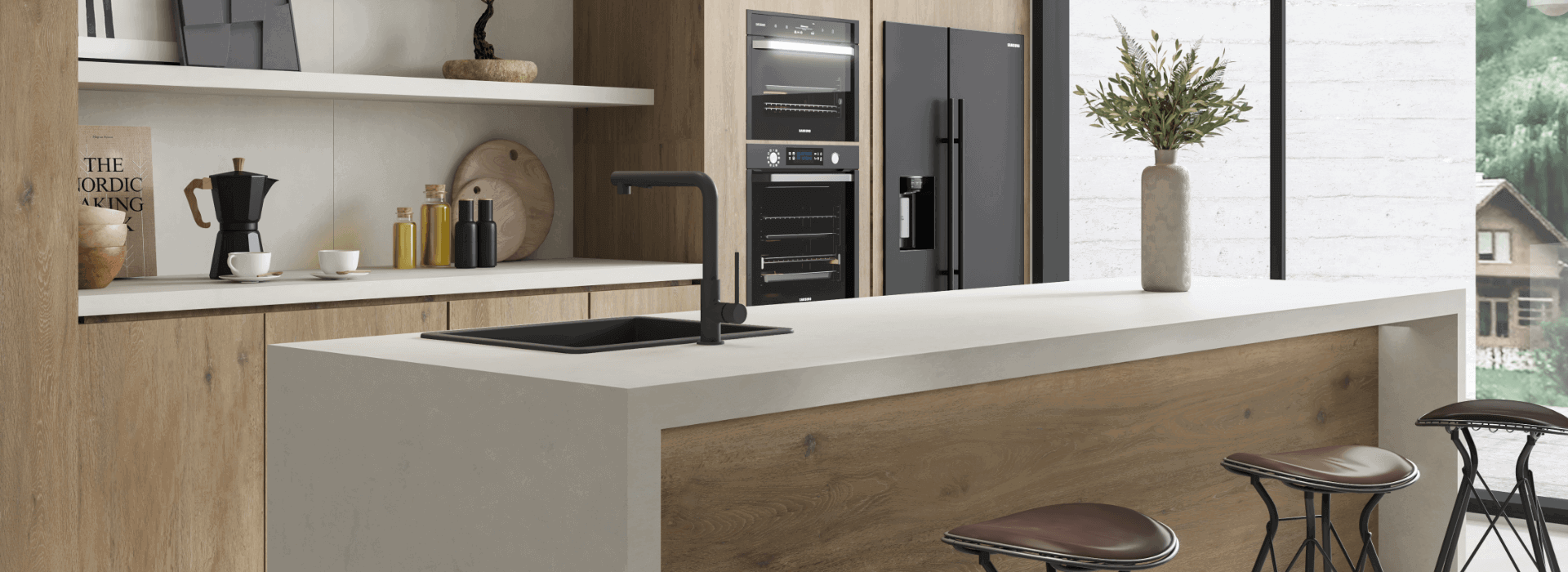
The kitchen is the part of the home that is always alive. From early morning until evening, work continues as it is repeatedly used, tidied and used again, so it deserves choices that last. The worktop, where all this activity takes place, plays a leading role and carries a substantial workload. Here, we explore worktop types and practical tips to help you make a thoughtful purchase.
Daily routines may involve meals for a large family or delicious dishes for one. How do you use your kitchen? The number of hours you spend there is personal, but whatever your routine, the kitchen is likely to be a busy part of your life. Our choices should therefore be both thoughtful and functional. Selecting details that suit the budget and stay with us for years is an important part of shopping.
Cooking, tidying, preparing drinks and snacks... Worktops support it all and face different conditions throughout the day: heat, moisture and impacts. Are you looking for a surface that adapts to all these demands as well as possible? If you want resistance to heat and water and an appearance that withstands hard knocks and cleaning chemicals, there are several points to consider.
Suitability for your budget
The design of the kitchen
Calculating installation costs
A worktop thickness compatible with the furniture
Material properties suited to everyday use
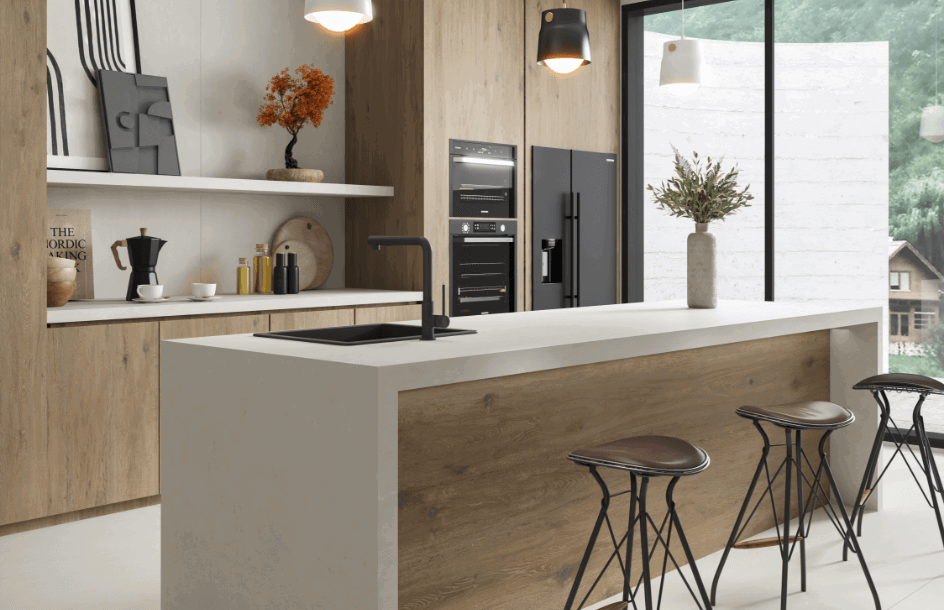
Commonly seen in kitchens, granite worktops are popular for their natural material and appearance. Long-lasting but also expensive, they can serve for many years with occasional maintenance. Care is needed, however, as impacts can cause cracks.
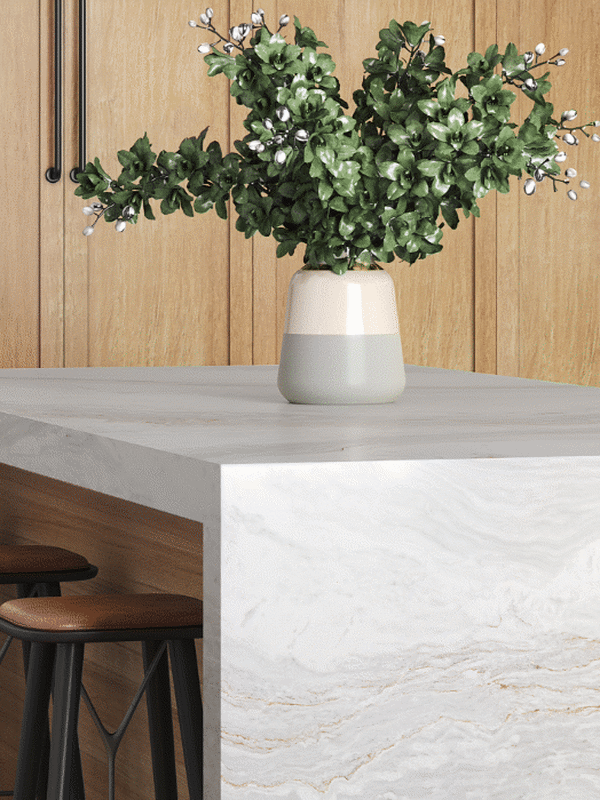
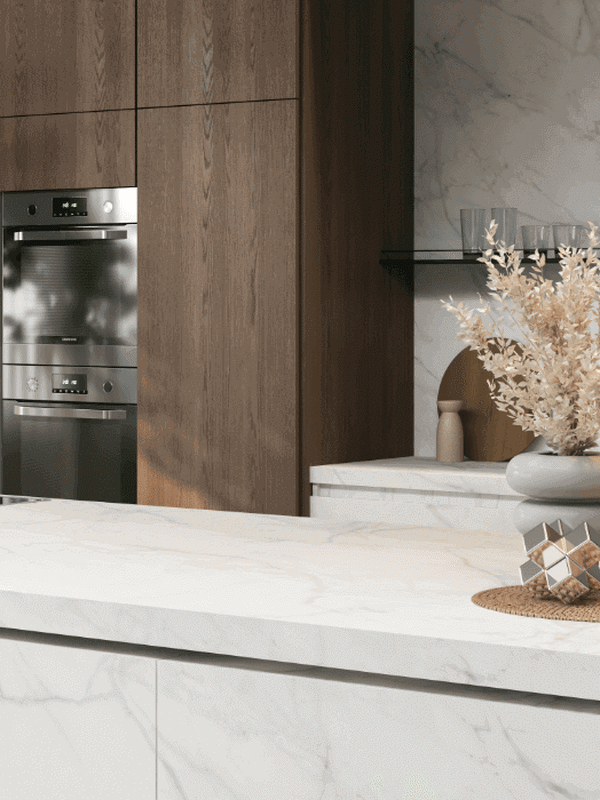
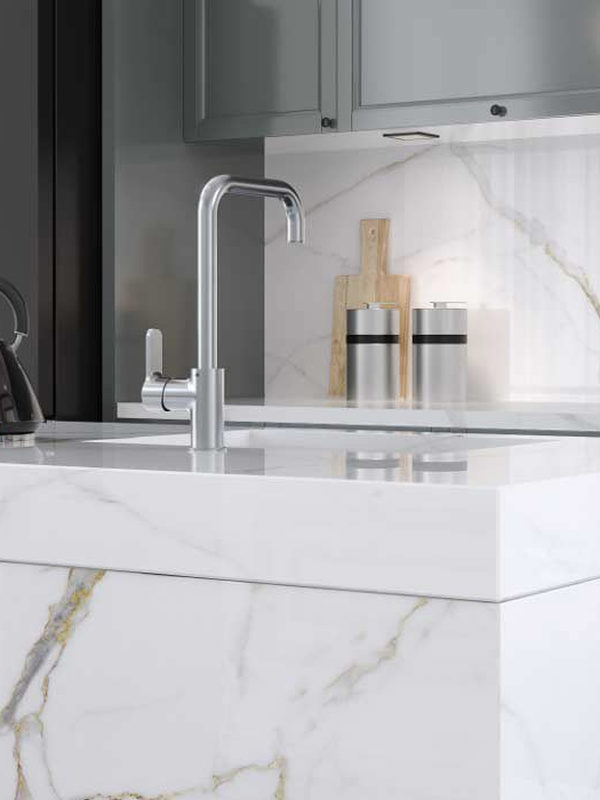
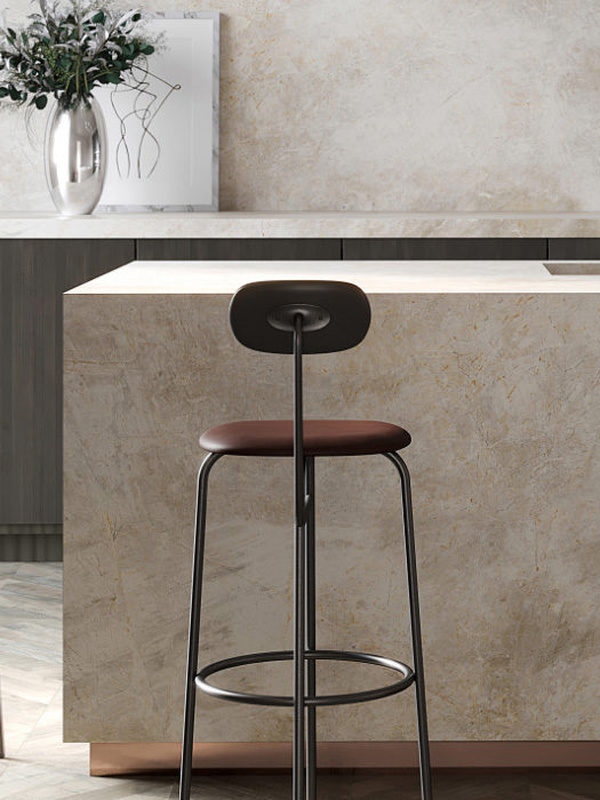
Among the most expensive choices, marble worktops remain a firm favourite for their beautiful appearance. As a natural material, marble is also a considered choice for interiors. Its vulnerability to acidic foods and chemicals, however, may restrict how freely you use the kitchen. Although it requires frequent, regular care, marble has a strong structure that does not transmit moisture or heat.
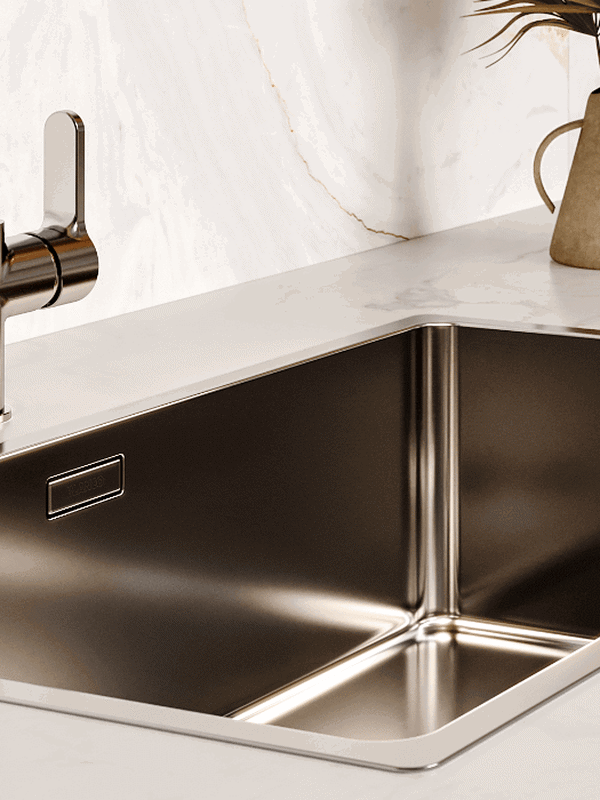
One of the worktop types to gain attention in recent years, stainless steel is among the easiest materials to use. Although it is not budget-friendly, its ease of cleaning over many years and ability to retain its appearance can make it a sensible choice. Resistance to heat and water is an added benefit.
One of the most practical alternatives to wooden worktops, laminate is easy to clean, contrary to popular belief. With MDF cladding over chipboard, it is also a popular choice for those who enjoy a natural look.
Although poor water resistance may be the first concern that comes to mind, wooden worktops are produced with a water-resistant structure. If worn or damaged, they can regain their original appearance through sanding, while regular care helps keep them attractive for many years. It is best, however, to avoid direct contact with heat.
Also known as acrylic worktops, these are a good suggestion for anyone seeking a striking material. They provide a smooth, lustrous appearance, although it is worth bearing in mind that they are an expensive choice. Resistant to scratches and breakage, they suit every kitchen style. They are also valued as an antibacterial material.
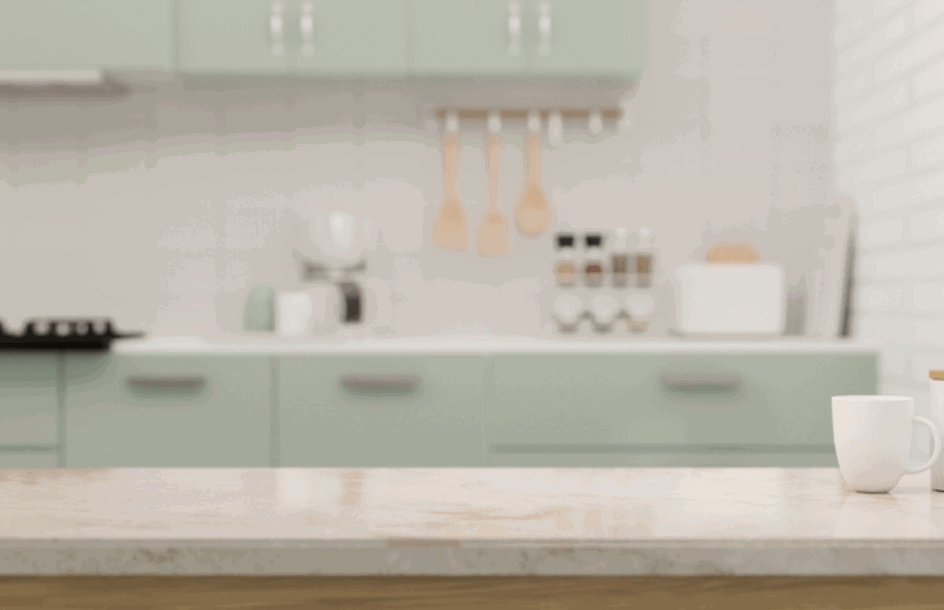
Composite worktops are made from natural stone, using natural quartz crystals. Hard and durable, the material offers lasting resistance to stains and scratches. It can also be used safely in warm areas such as around a hob. Like marble, however, it is vulnerable to acidic substances.
A choice for those who favour a fresh, minimalist look, glass worktops have an antibacterial composition. They are resistant to moisture and can be enriched with different patterns. On the other hand, they require care around heat and stains and are not easy to refurbish.
Closely associated with industrial kitchens, concrete worktops have a structure that resists breakage. They are not, however, resistant to chemical cleaning products, which can cause cracks and stains. Without regular maintenance, they can also present a bacterial risk.
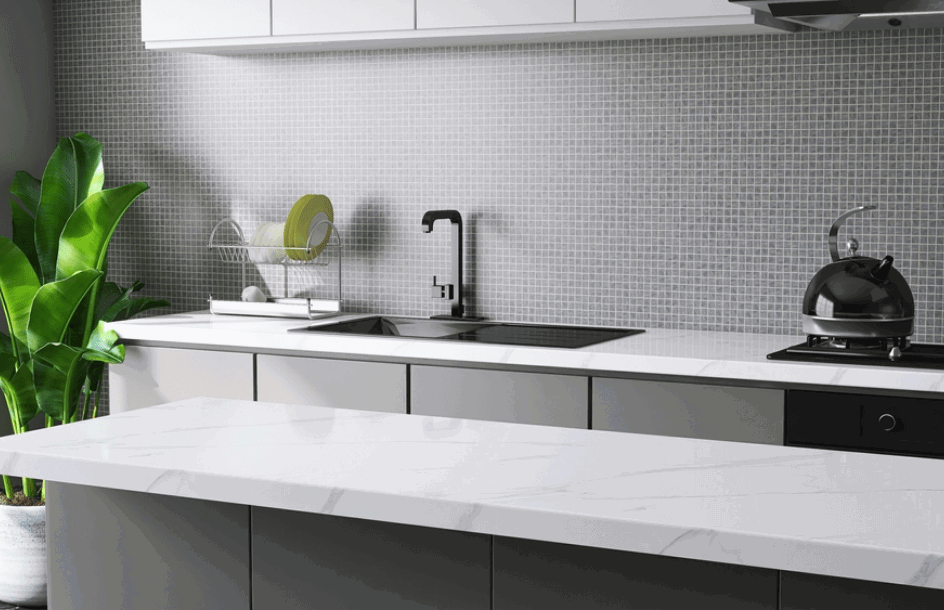
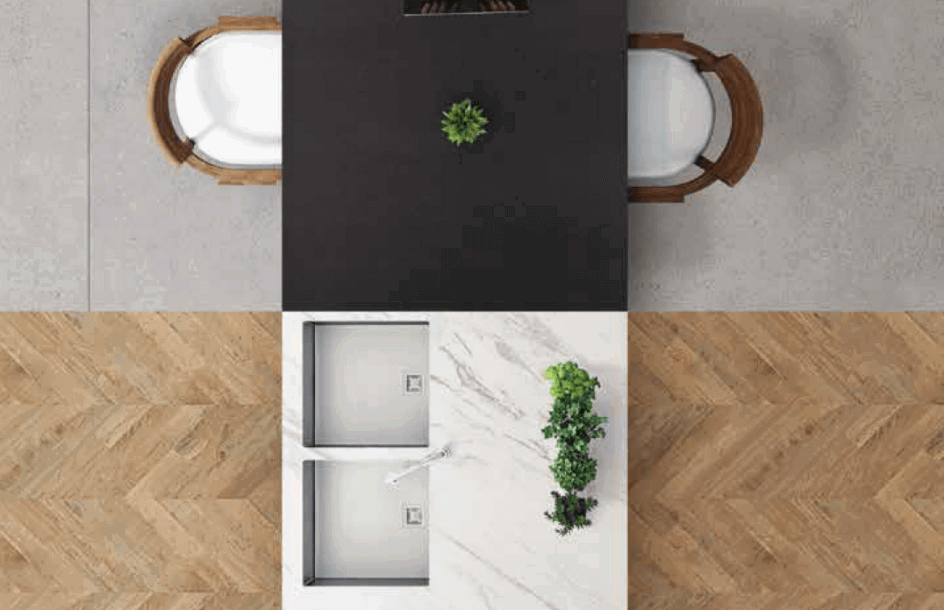
A rich mix of materials can create striking decorative results. Designing a kitchen worktop with different materials in different sections can bring an appealing look. For example, choose a stone-based material around the sink and hob, and wood or laminate for the preparation area.
Installation costs for stone and composite worktops are higher than for laminate or wood. Keep this in mind when allocating a kitchen worktop budget and choosing materials.