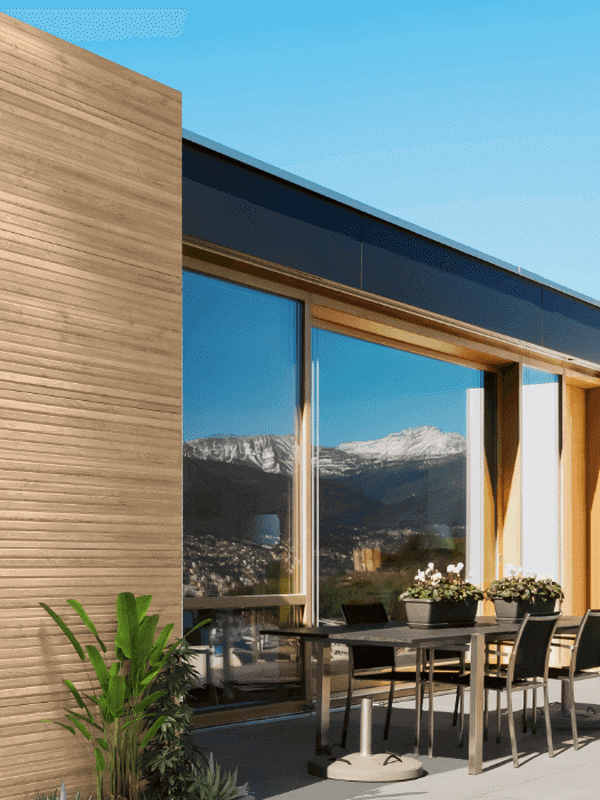
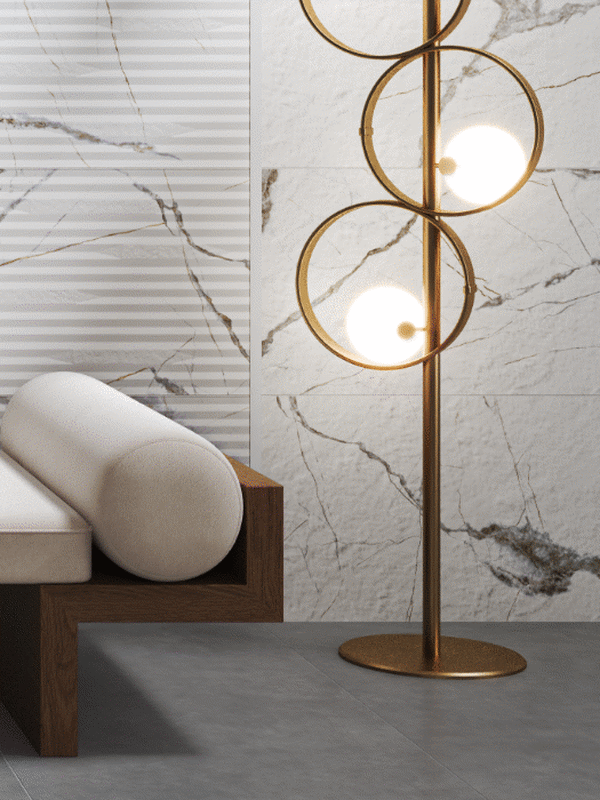
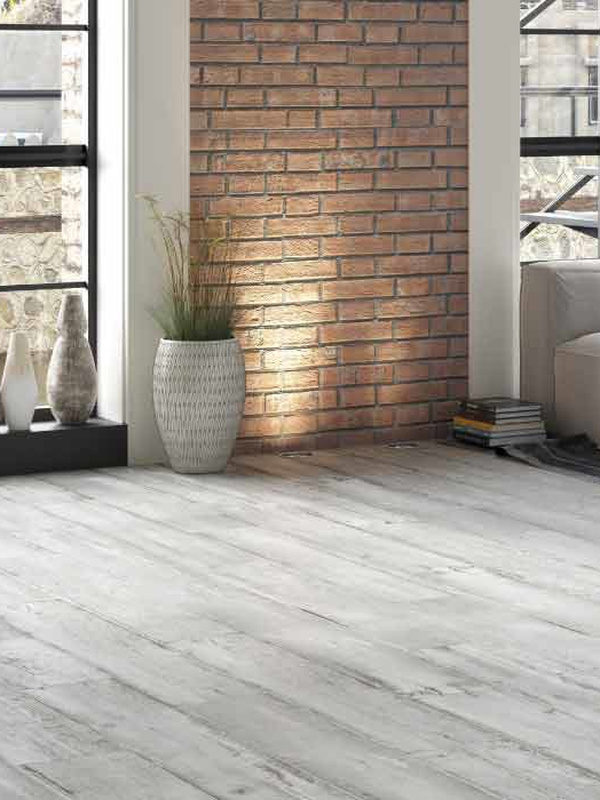
It is true that the composition of the ground beneath our homes, or whether the materials used to construct the building are healthy, are not details we think about every day. Nor are the emissions from nearby Wi-Fi networks, or the home's distance from telephone poles, electrified rail systems, underground water and reclaimed land...
Welcome to the Era of Homes That Make You Feel Good
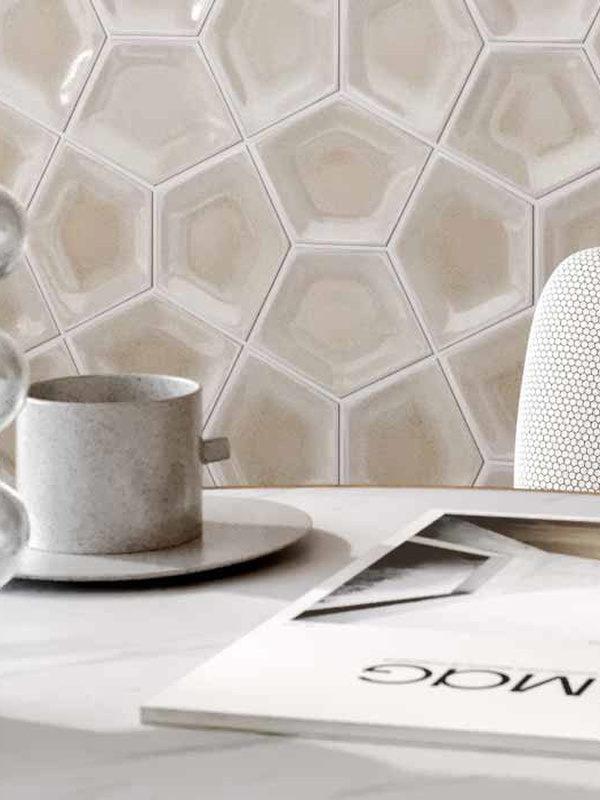
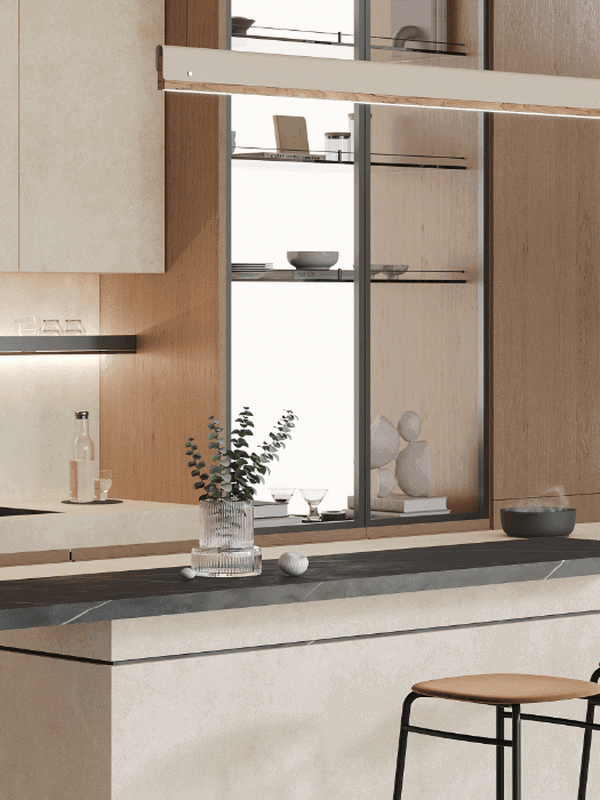
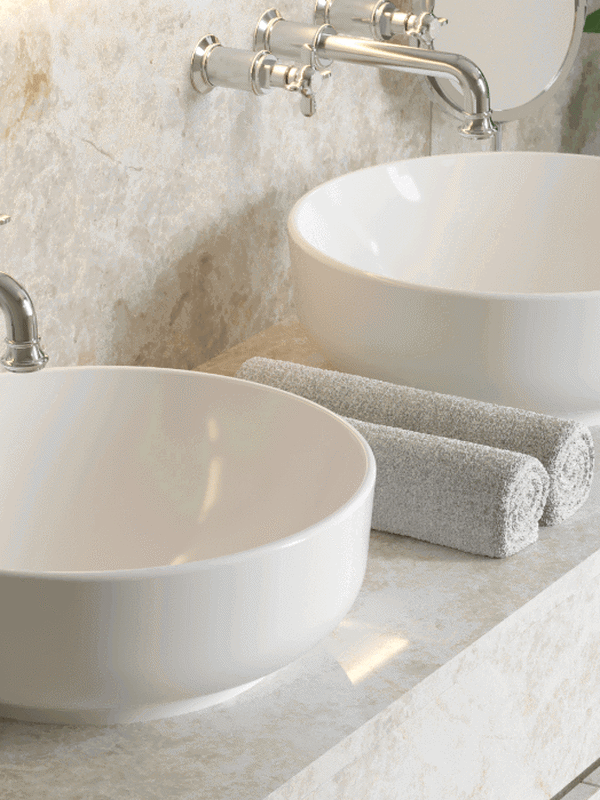
We are bringing wellbeing into the homes at the heart of our lives through nature's neutral textures and colours, together with environmentally conscious choices.
Given that we spend 80–90% of our lives at home, how prolonged exposure to any of these might affect our health is something we should never lose sight of. According to the Roman architect Vitruvius's treatise on architecture, one of the oldest known today, a site chosen for a house must first be 'healthy'. As architecture moves rapidly towards environmentally conscious building design, we are returning to this principle just as quickly.
Homes that support health and wellbeing
Let us listen to the personal experience of American architect, historian and author Clare Sherriff on creating spaces that support positive health: 'A few years ago, my husband, our dog and I developed minor health problems. My husband had a persistent cough, despite tests showing nothing wrong; our dog had bouts of trembling; and I had a progressing thyroid condition. Although we had a healthy lifestyle and regular medical check-ups, a practitioner interested in alternative medicine suggested we look at the bigger picture: our surroundings. They also suggested consulting someone specialising in the earth's energies, the magnetic nature of our world and how its electromagnetic fields affect people, to establish whether any factors where we lived might be affecting us negatively. Sceptical and confused, I first shared our home's architectural plans with a specialist working in this field, who pointed out possible problem areas.
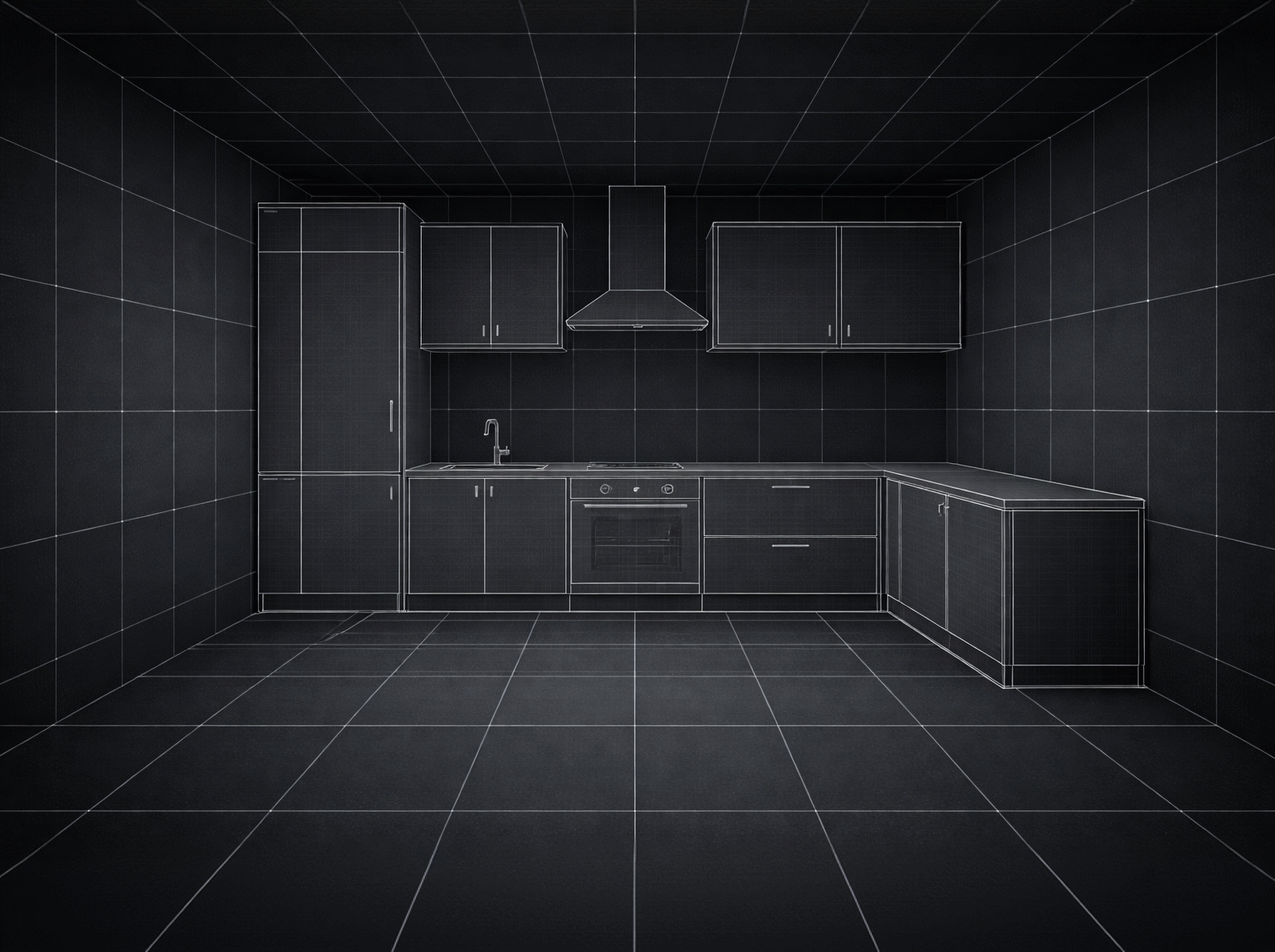
In our area, water emerging from underground chalk layers flowed towards the Chiltern Hills river. It was concluded that two large underground water sources intersecting directly beneath our kitchen were exposing us to water-related electromagnetic emissions far above normal levels. This field was then filtering up to the surface, and its magnetism was affecting us.
I had never understood why our dog, who normally slept in the kitchen, ran into the back garden whenever it began to rain and never returned to the kitchen, even when there was thunder. We know that four-legged animals are more sensitive to electromagnetic fields. We have no concrete evidence that electromagnetism causes any disease in humans, but many scientists around me are investigating the consequences of prolonged exposure. So what did we do? We bought a 28-4G Trafo from Germany's Bio Protective Services and have used it for the past three years. Thanks to it, our home has become a completely different place. This flat, square unit has a compass on it and is placed in the centre of the home with its magnetic orientation facing north. According to the manufacturer, the device neutralises negative electromagnetic radiation. Although I am not qualified to say whether this is scientifically correct, I must say that I have felt a very radical change in my own health and the atmosphere of the home.'
The problems
Environmentalists say that building should be avoided on naturally occurring geopolitical disturbances or any formations that disrupt the earth's natural electromagnetic frequency, such as areas with standing water or filled land. Indoor air pollution is another major concern. In pursuit of greater energy efficiency, by constructing more highly insulated buildings using synthetic substances, we eliminate ventilation systems and bring more chemicals into our homes that cannot easily escape outside. Older buildings, however, were constructed from more breathable materials, so chemicals and pollutants could leave the home more easily (though perhaps they did not experience heat loss).
American architect Paula Baker-Laporte, author of 'Prescriptions for a Healthy House', states that there are no mandatory health tests in the United States for fabrics, carpets or building materials, and that these are not tested for harmful chemical emissions. The situation is the same in the United Kingdom. For example, MDF manufacturers use urea-formaldehyde adhesive, which is a well-known poison. Formaldehyde-free or low-formaldehyde MDF is also produced; we simply need to insist on these products for healthier homes. Did you think that was all?Lead in paints, chemical odours, pesticides, wood preservatives, cigarette and smoke particles, synthetic upholstery materials such as foam, and flame-retardant coatings on fabrics: a host of chemicals stand in the way of making our homes healthier...

And the solutions
Recently, architects have been turning to methods frequently used throughout history, such as rammed earth. This is both low-cost and provides very good insulation. Some use sustainable bamboo in floors, roofs and internal walls.Japanese architect Yasuhiro Yamashita of Atelier Tekutu says he uses earth bricks with added magnesium oxide to obtain a strong building material through a chemical reaction. He believes the use of earth is the key to architecture's future: 'This gives us excellent thermal and acoustic insulation, offers a high level of humidity control and, most importantly, is available everywhere at the lowest cost. Moreover, earth does no harm to the environment,' he explains.

Other environmentally conscious architects' methods of 'turning waste into design' can also be seen as one of the realities of the world's future. The main aim is to move from a polluting home that produces waste towards a home system where nothing is lost as waste, and to make peace with nature. Systems involving fresh water, solar energy, materials that never pollute the environment and sewage waste that can be reused as fuel or fertiliser are not distant idealistic ideas. These are major ideas that directly affect the health of your home and yourself. As biologist Professor Irv Konigsberg puts it, 'Cells are shaped by the environment in which they live. They flourish and develop in a healthy environment.'
Here are three simple approaches you can take for a positive result:
- Remove chemicals
- Ventilate
- Be aware of electromagnetic fields