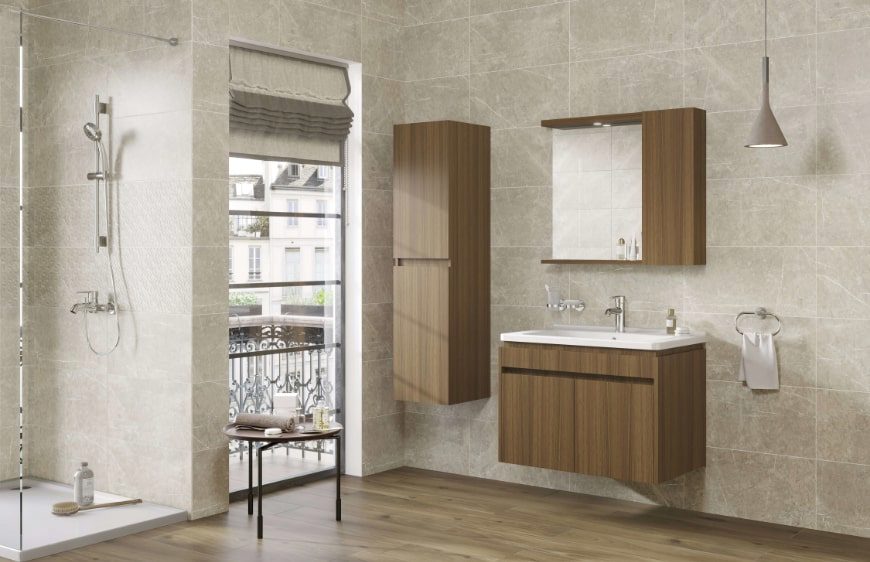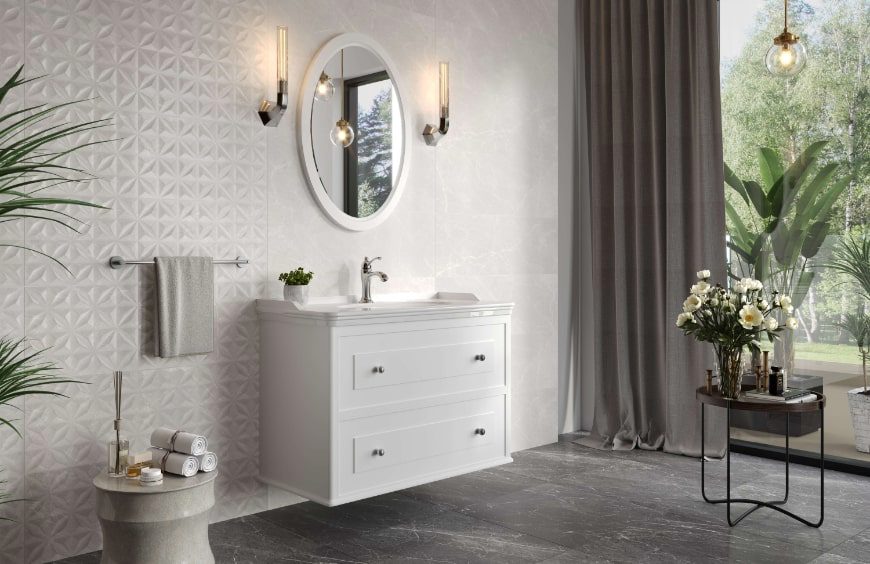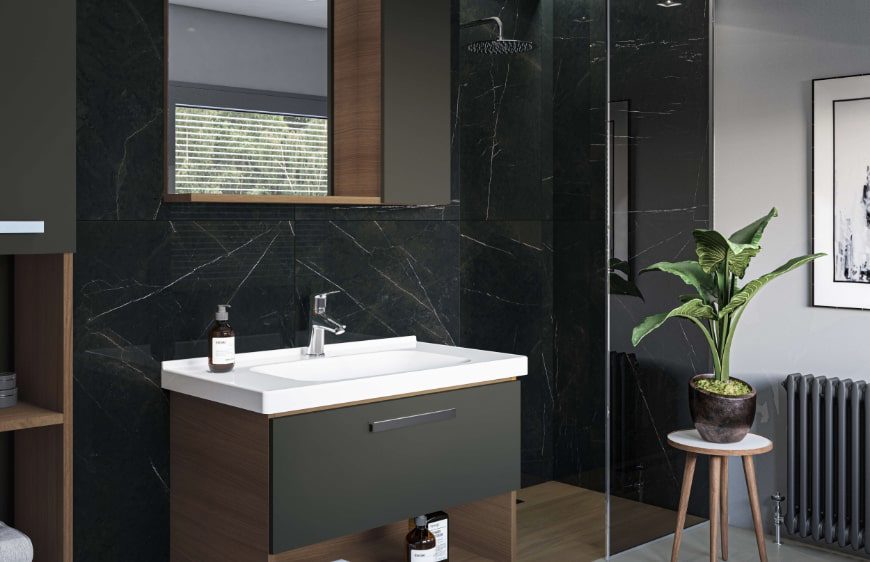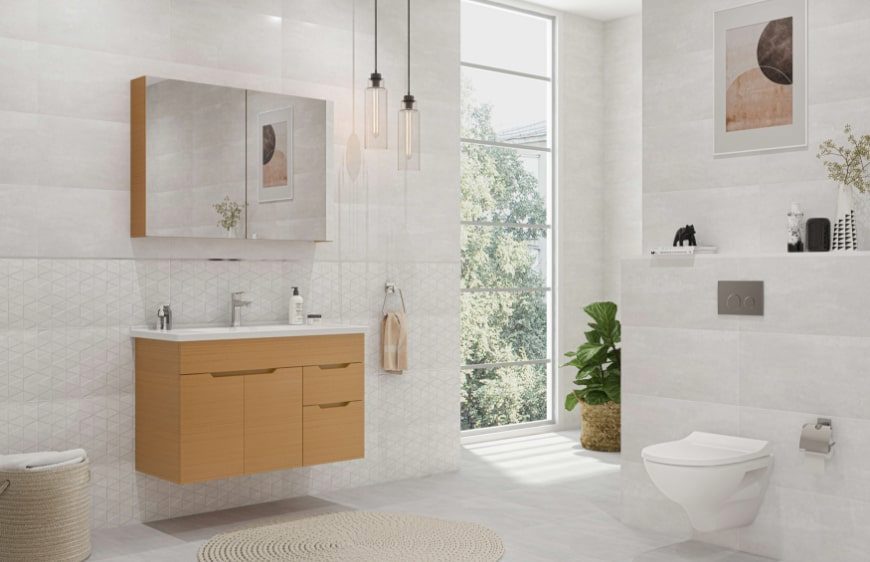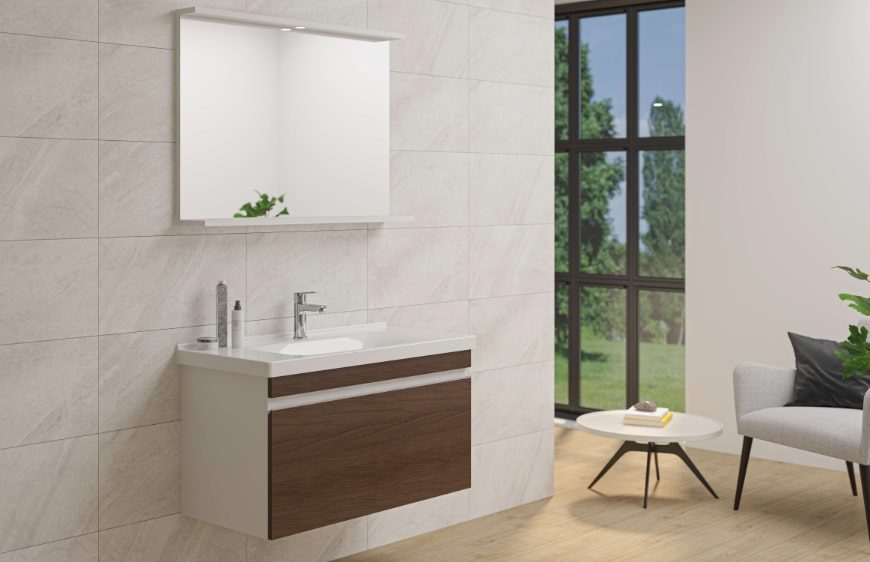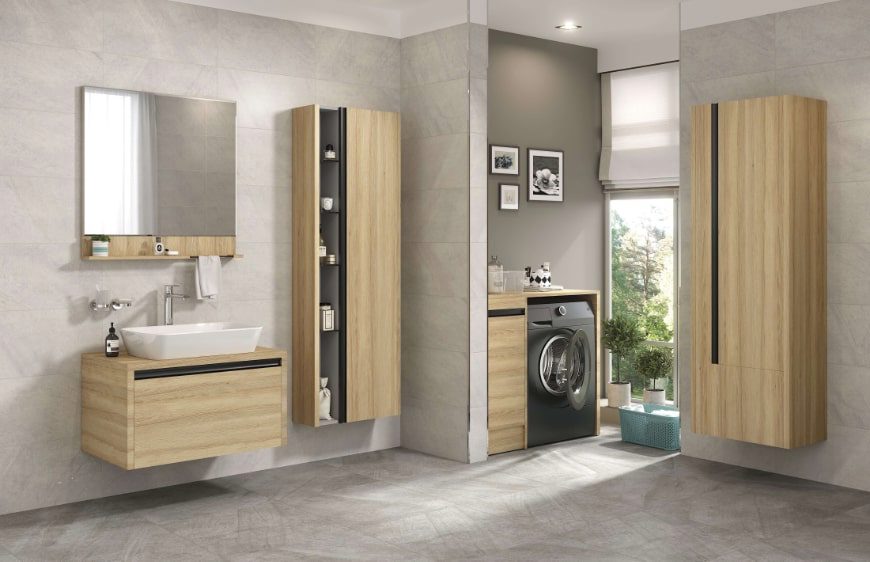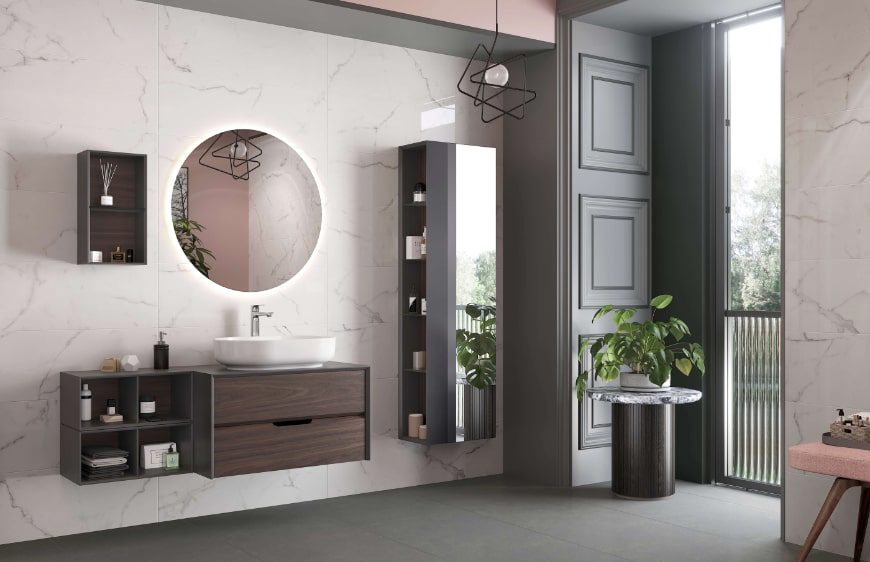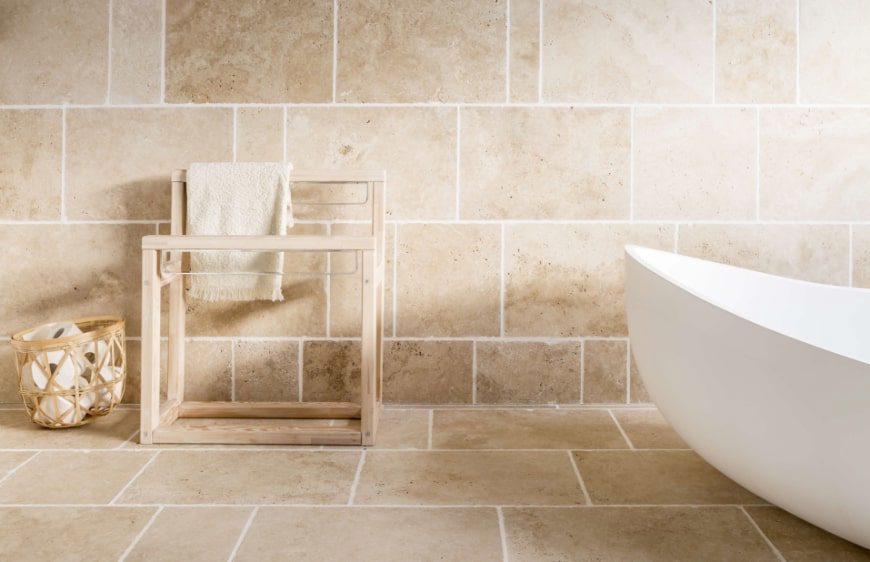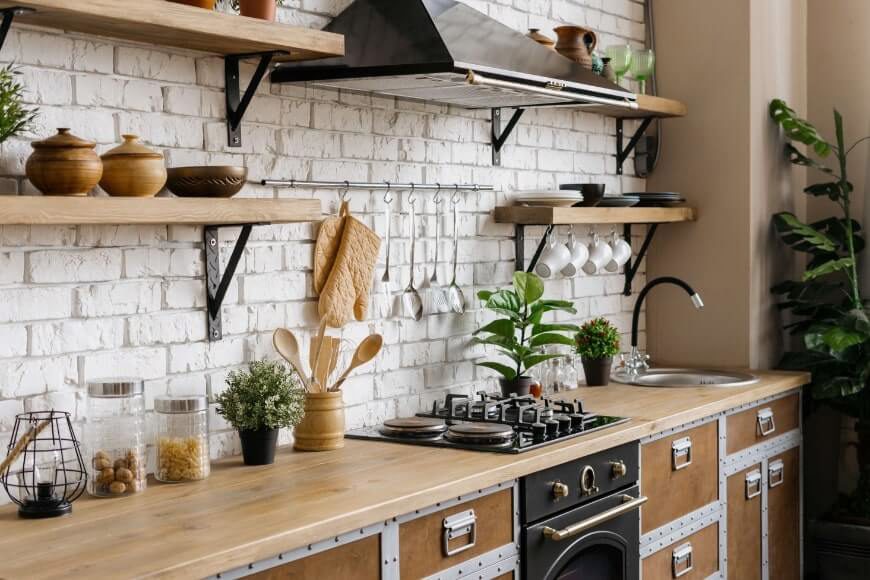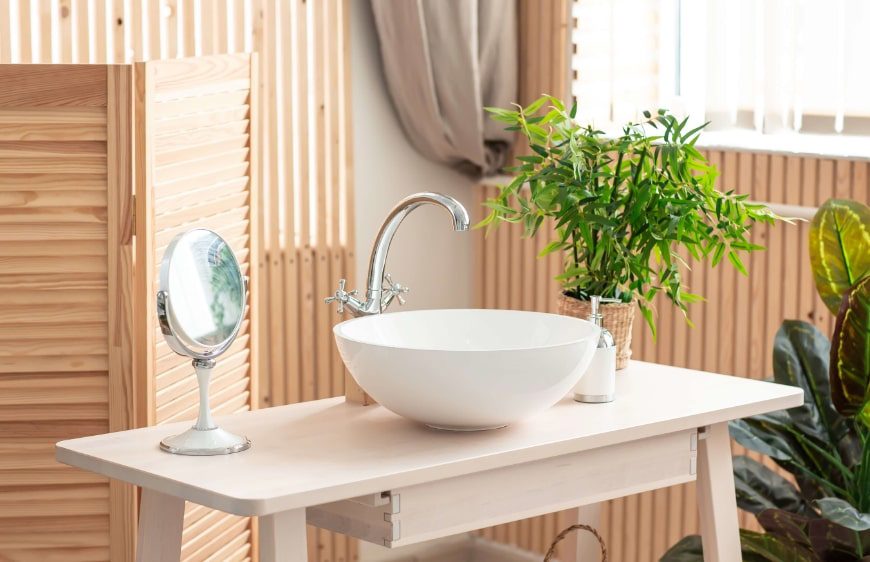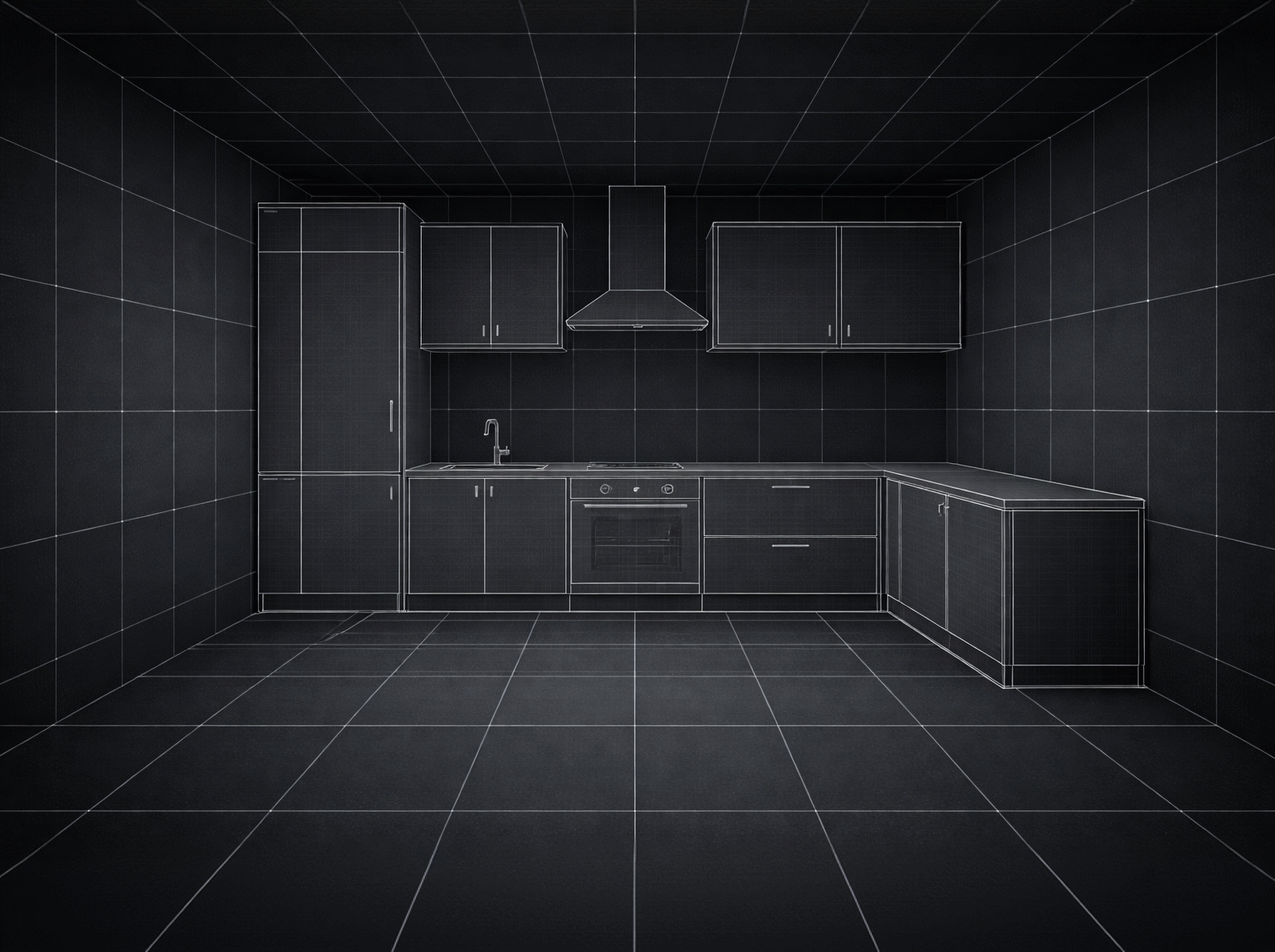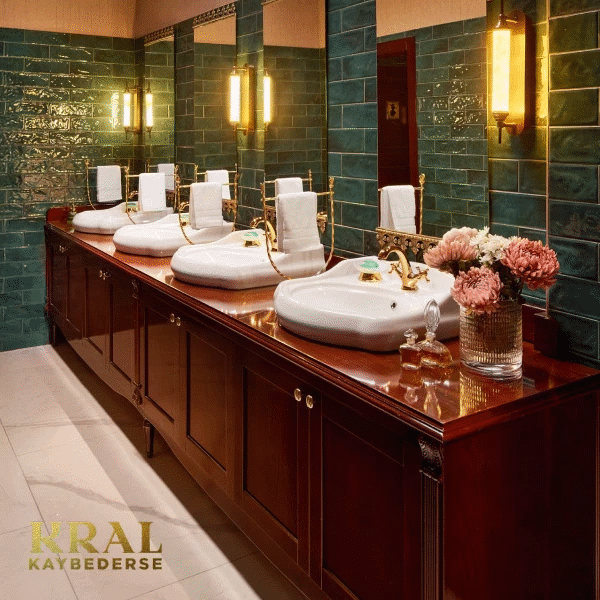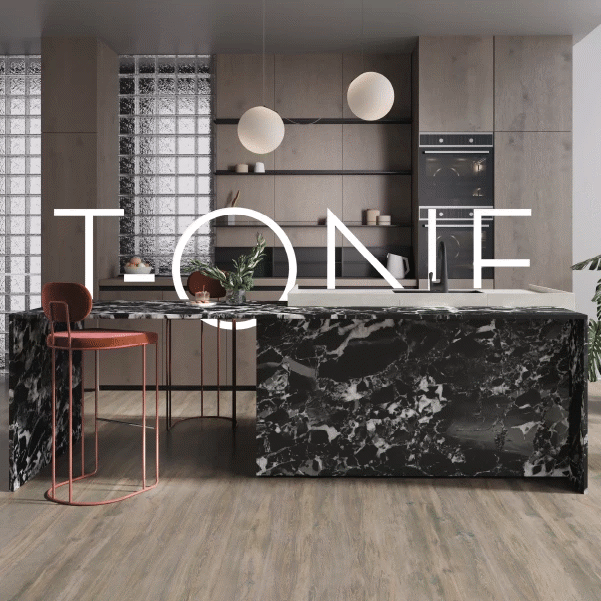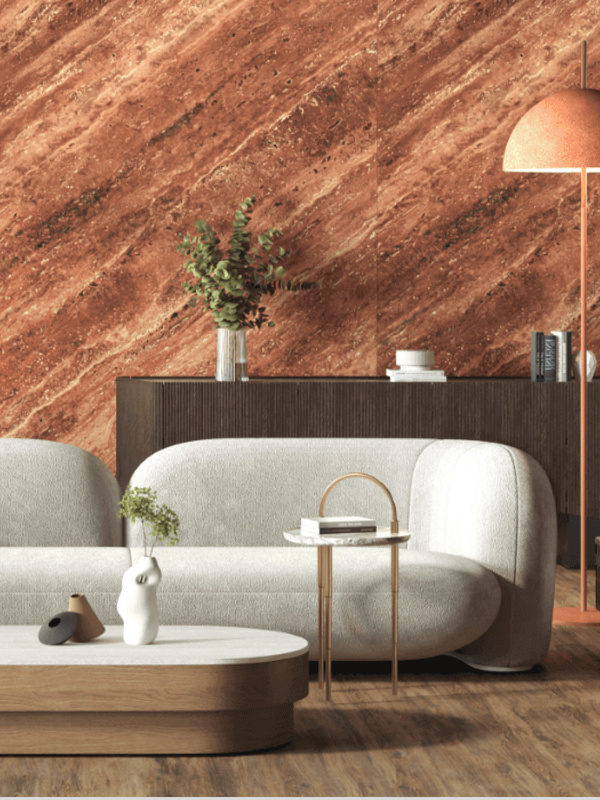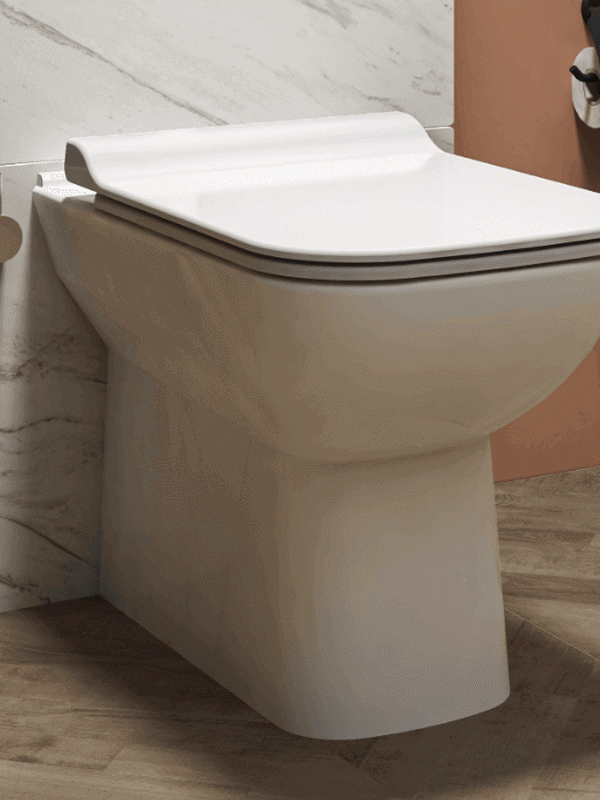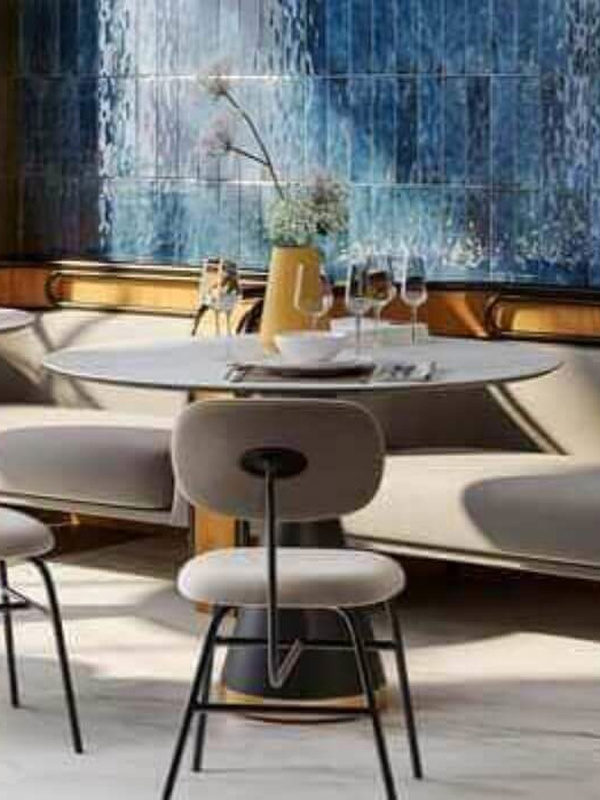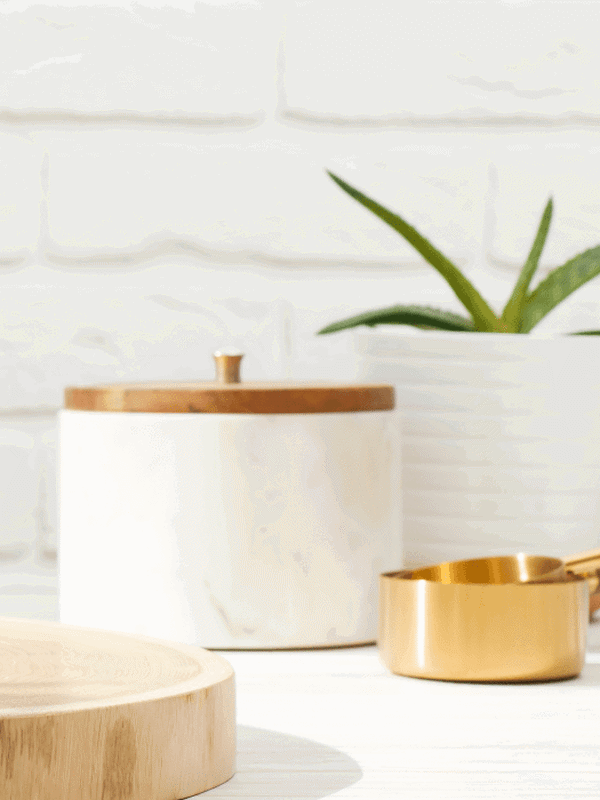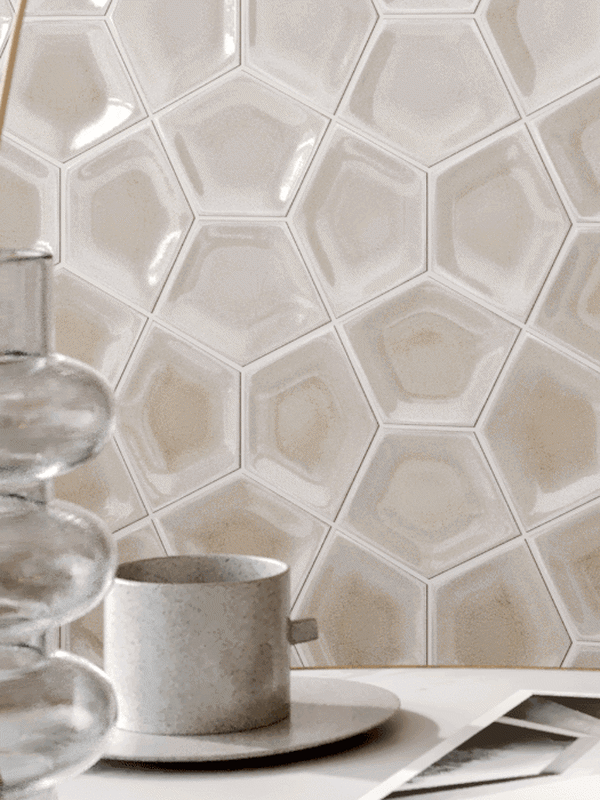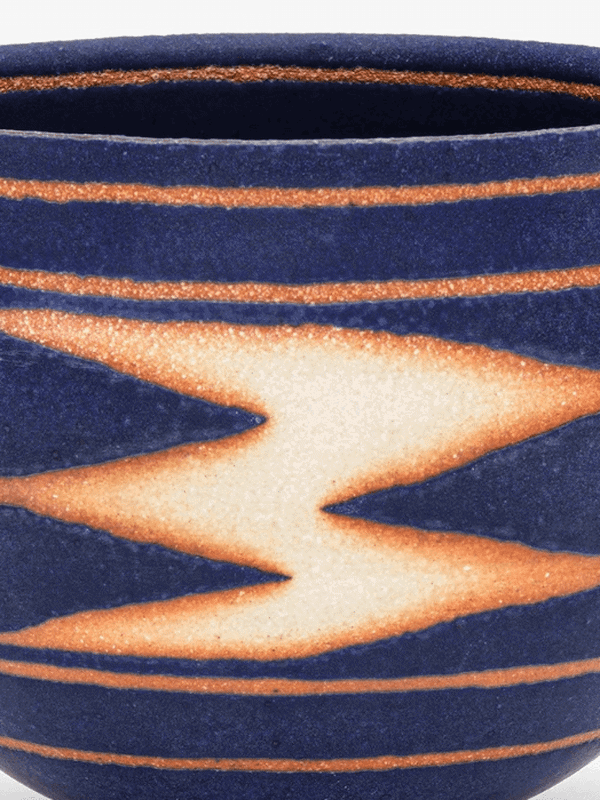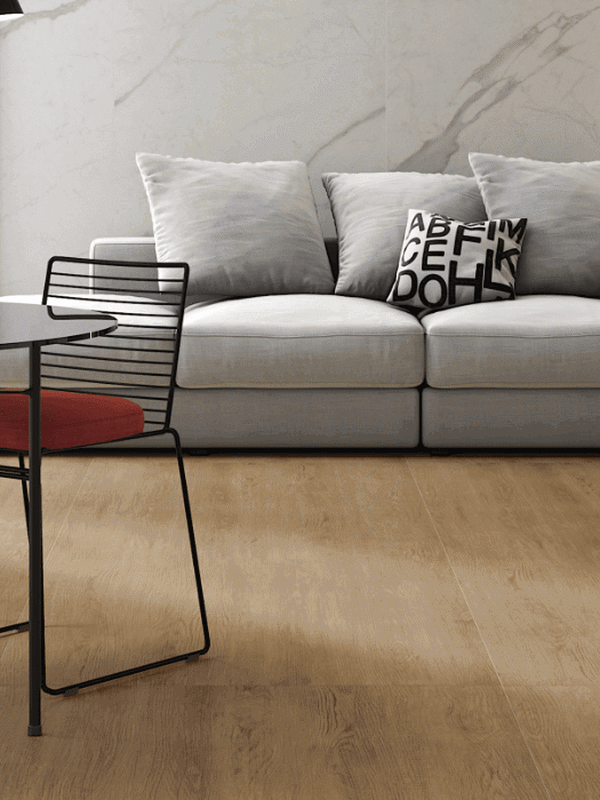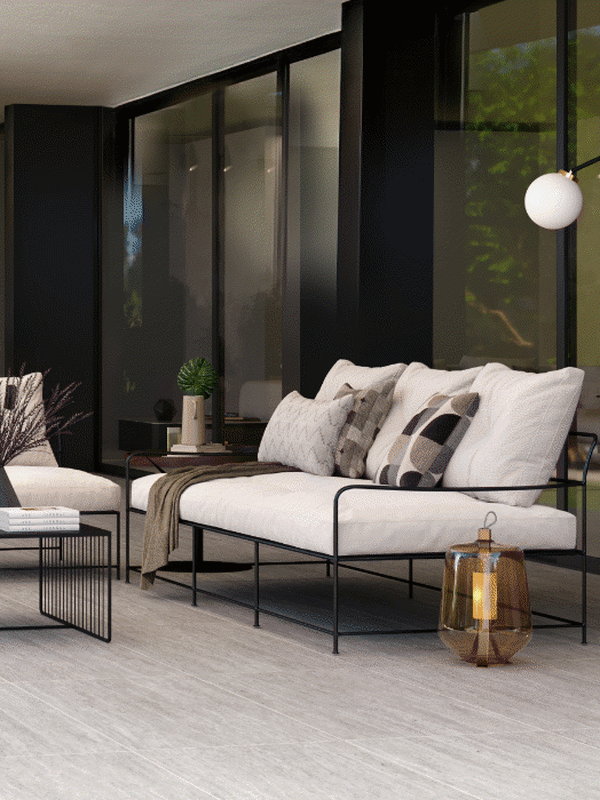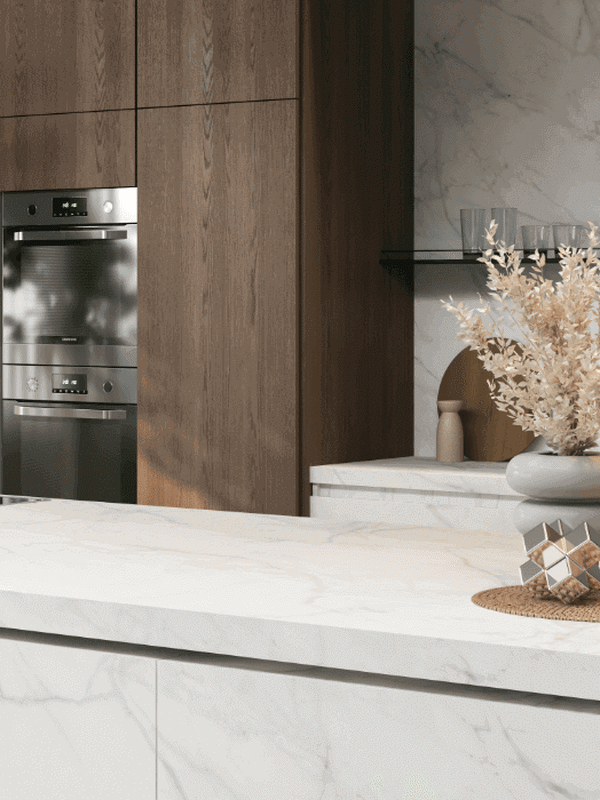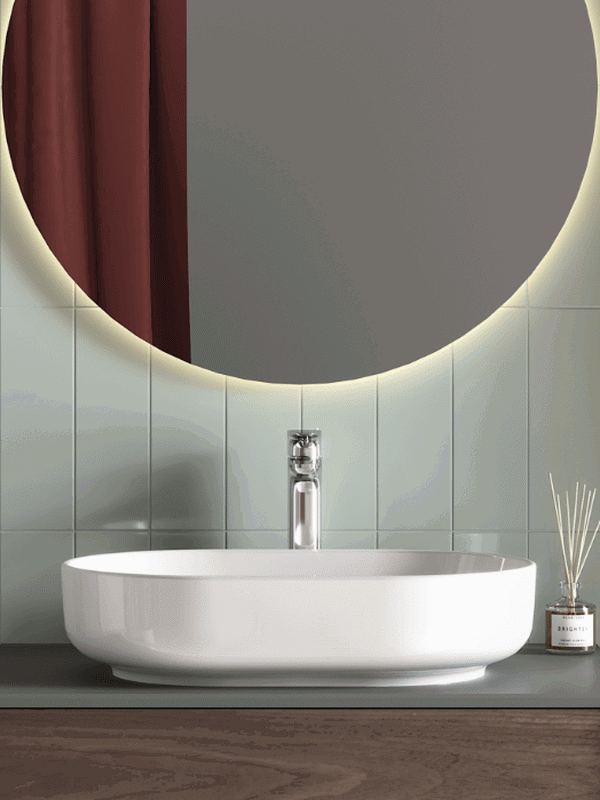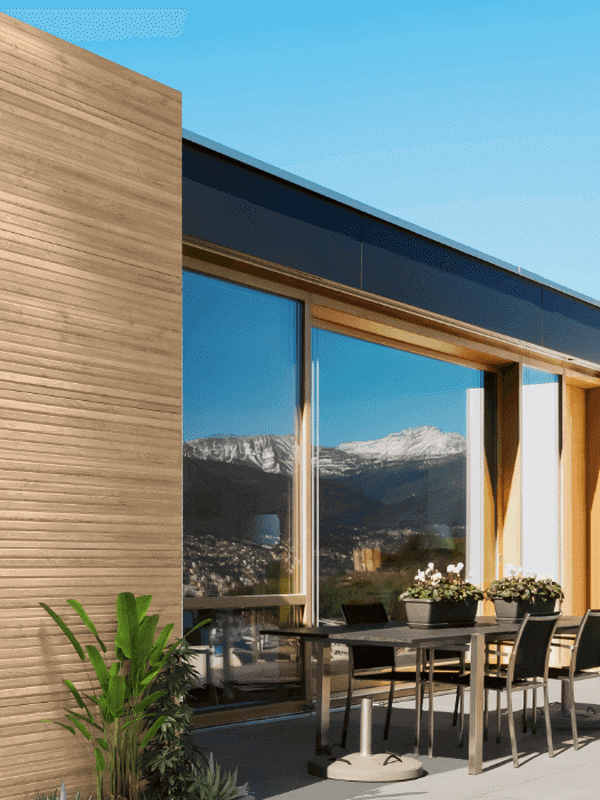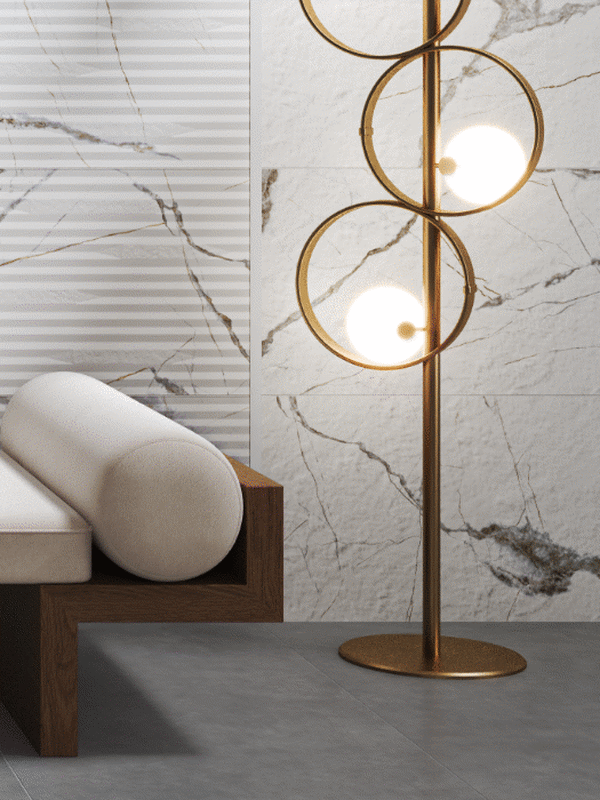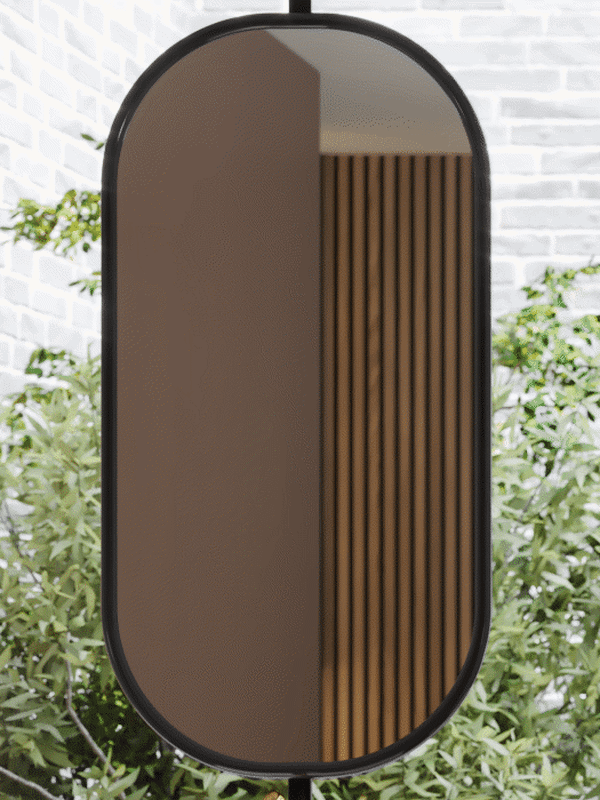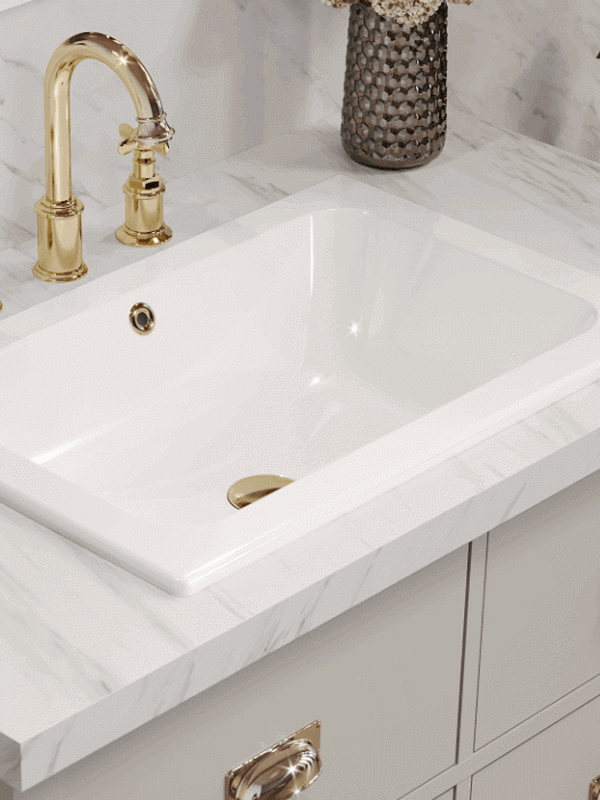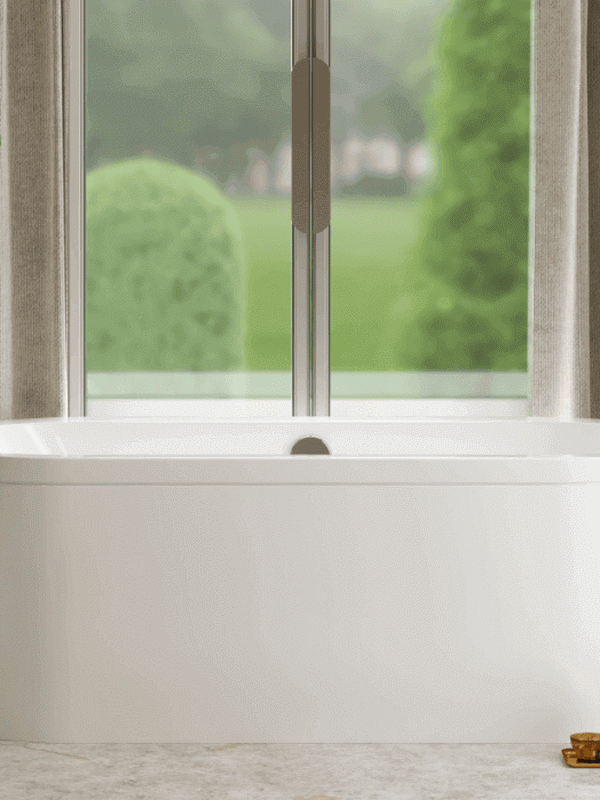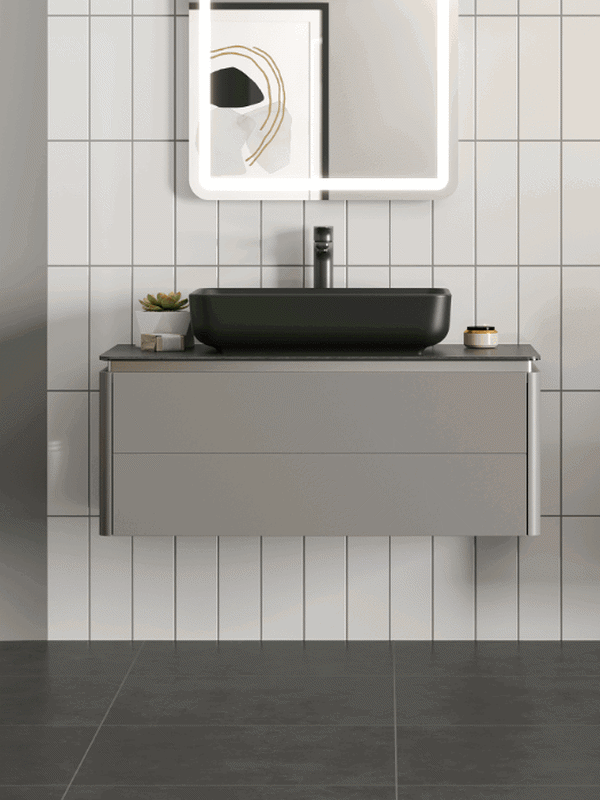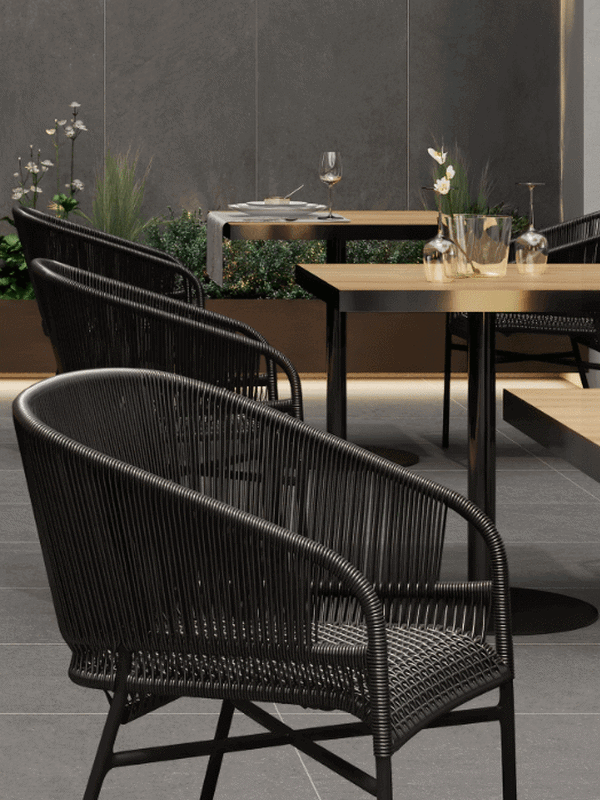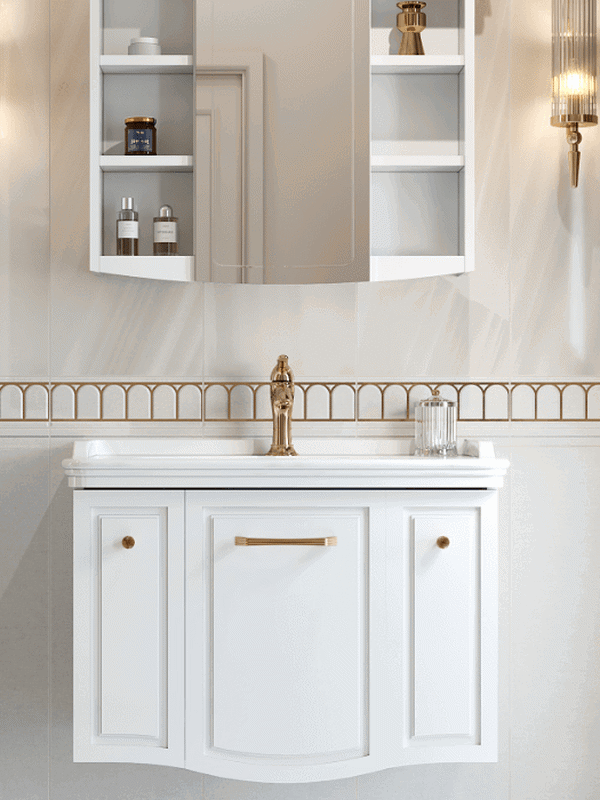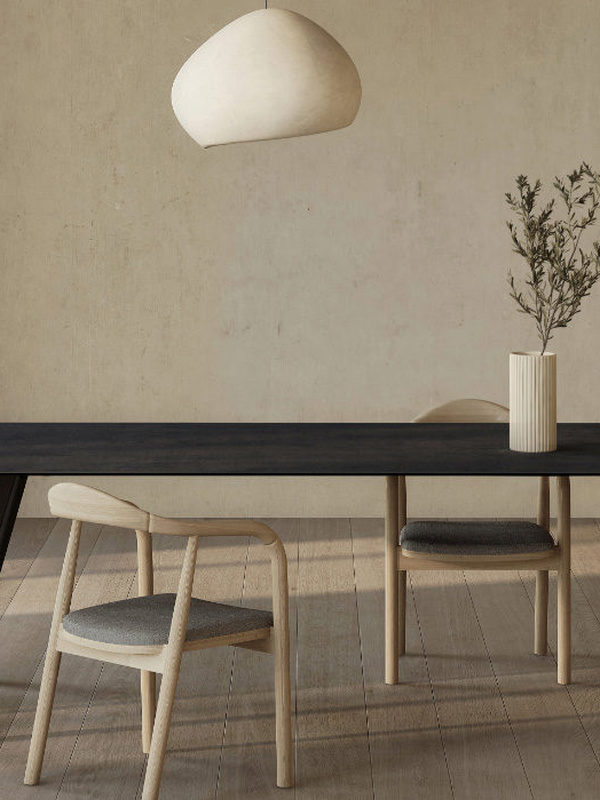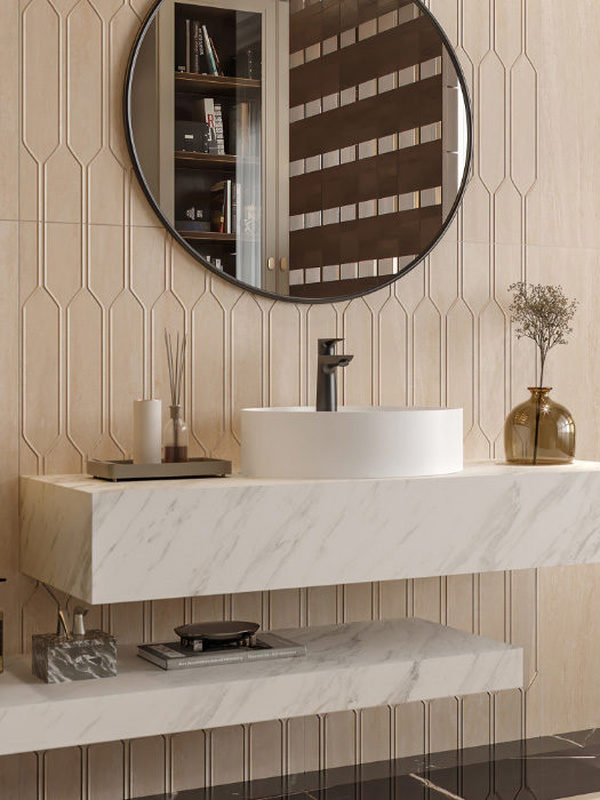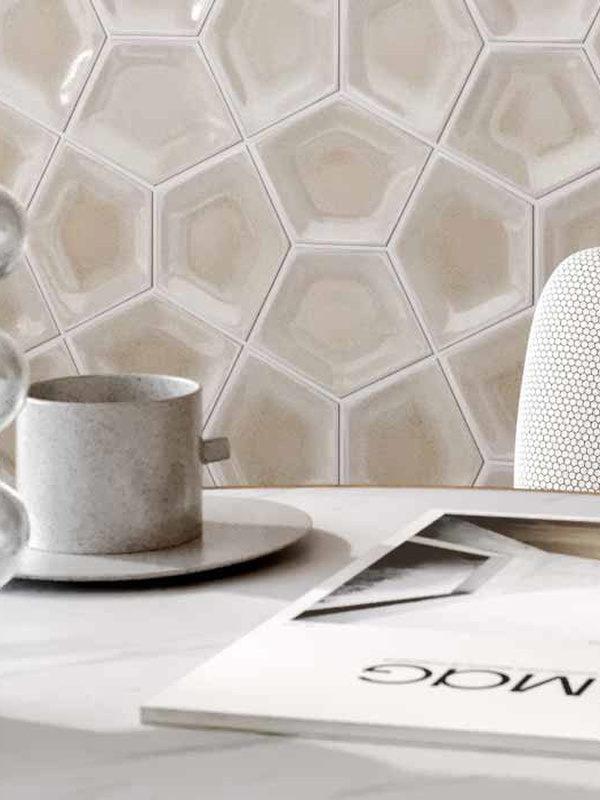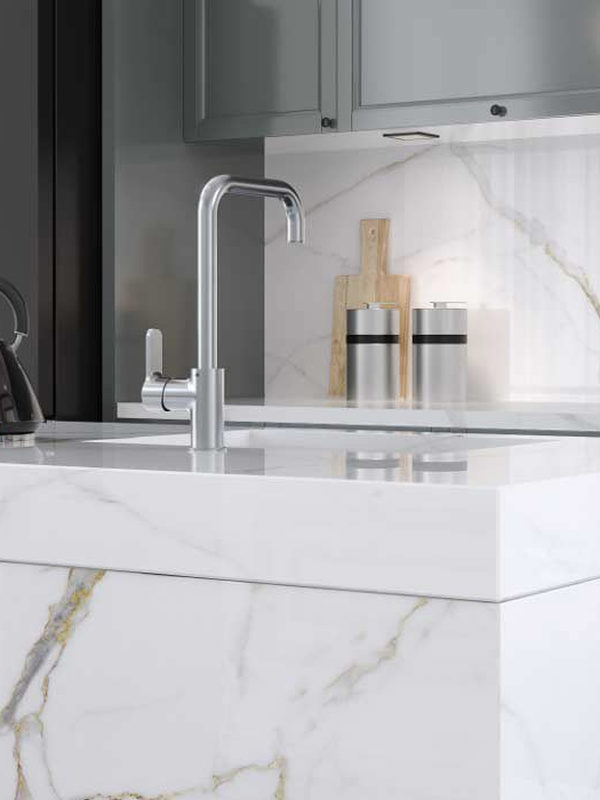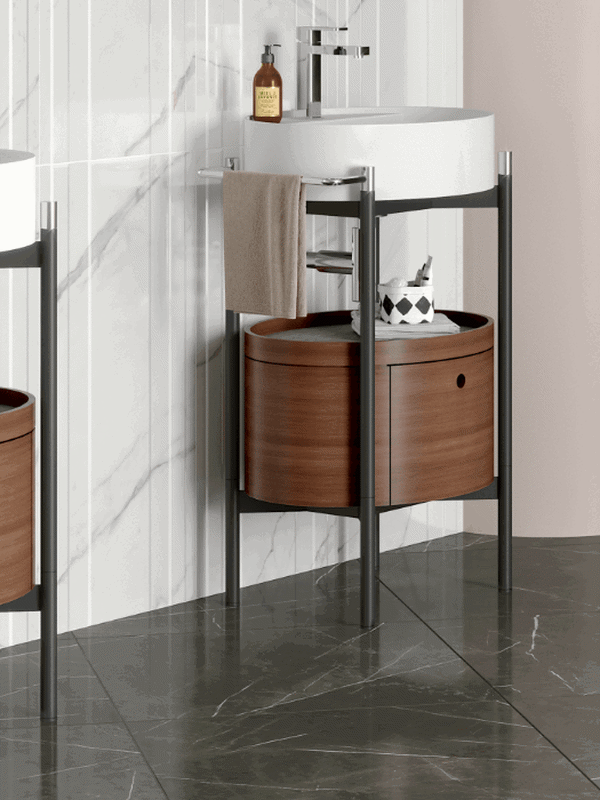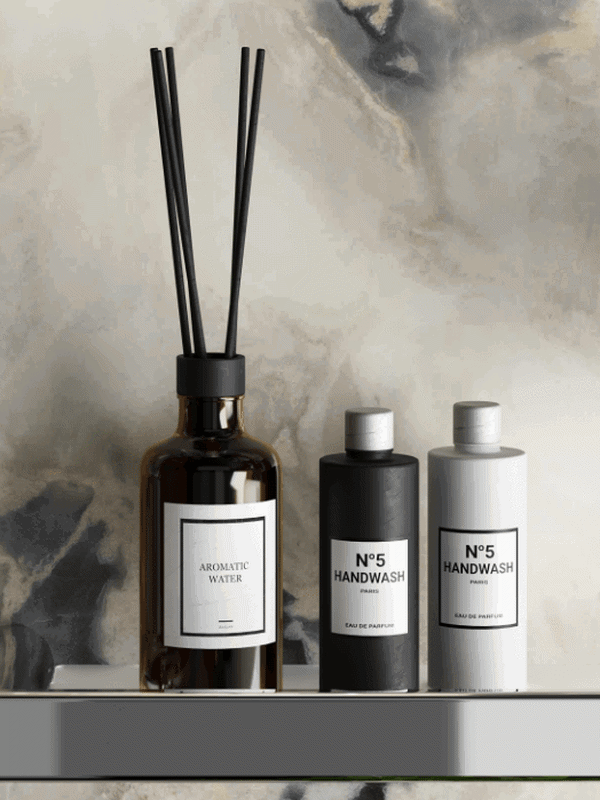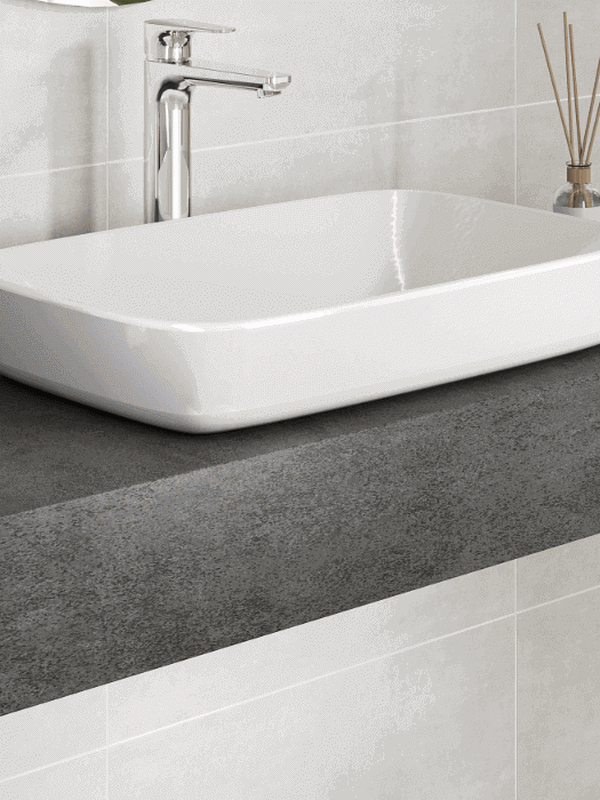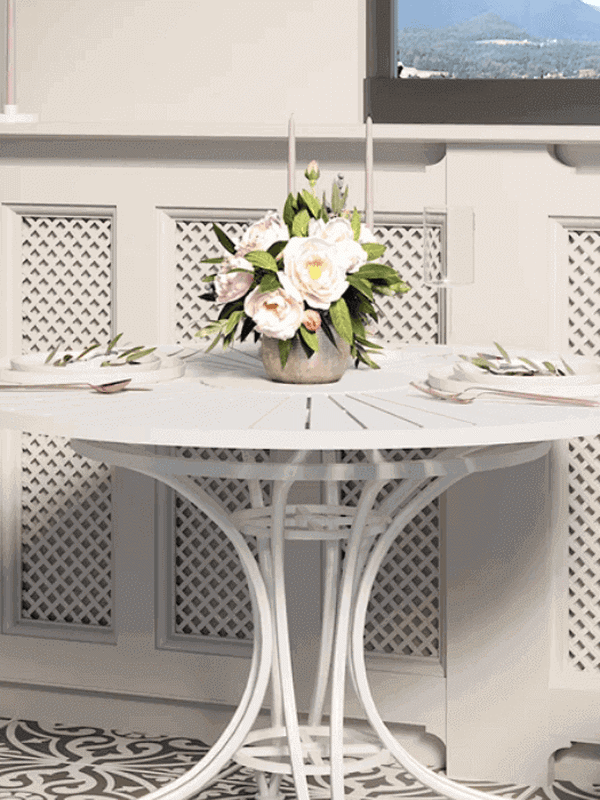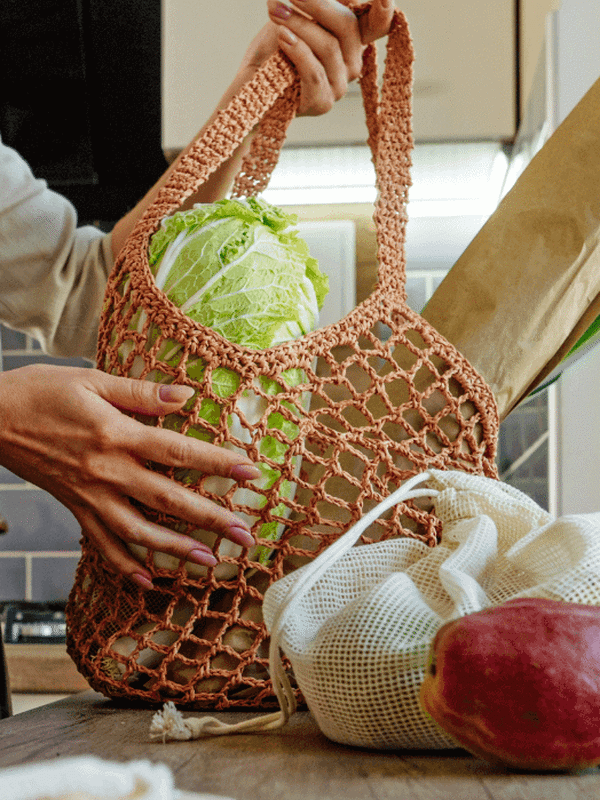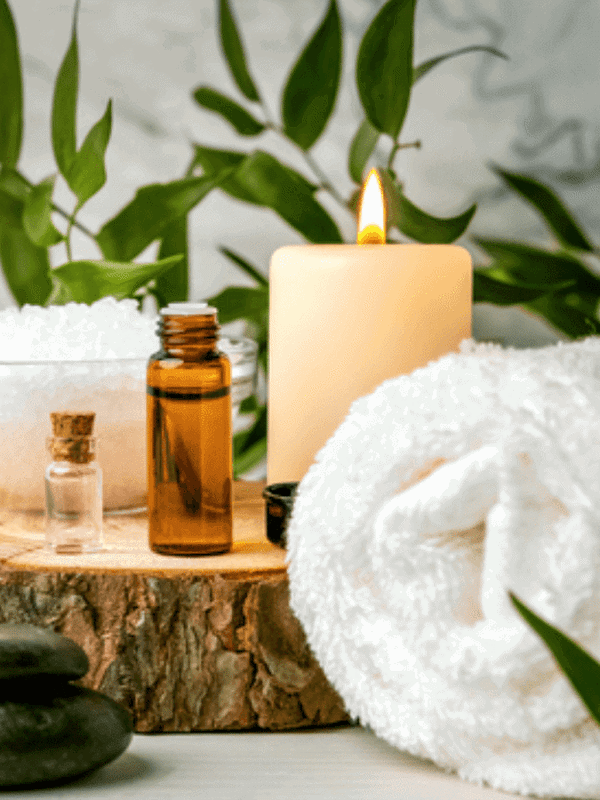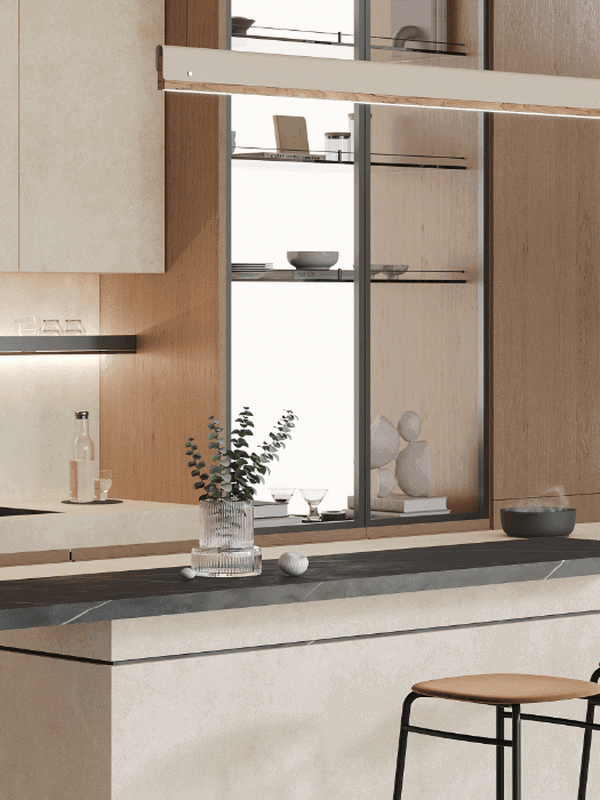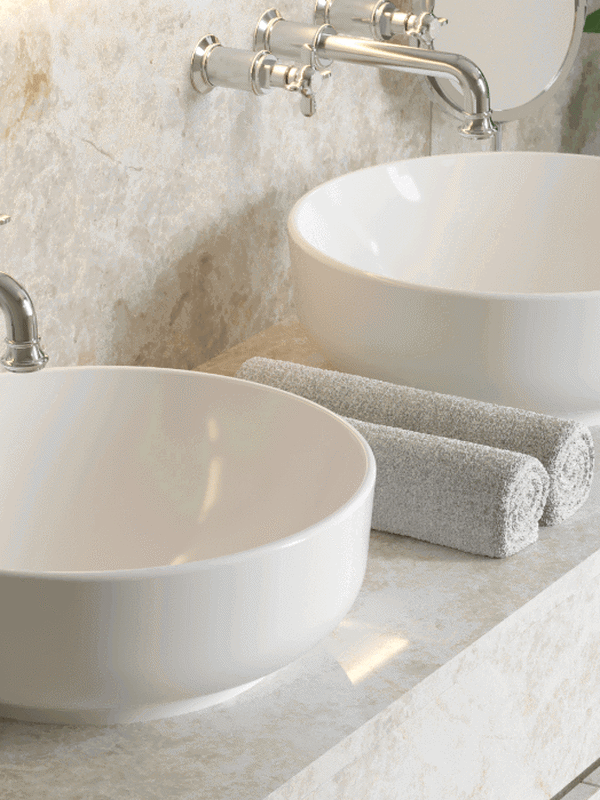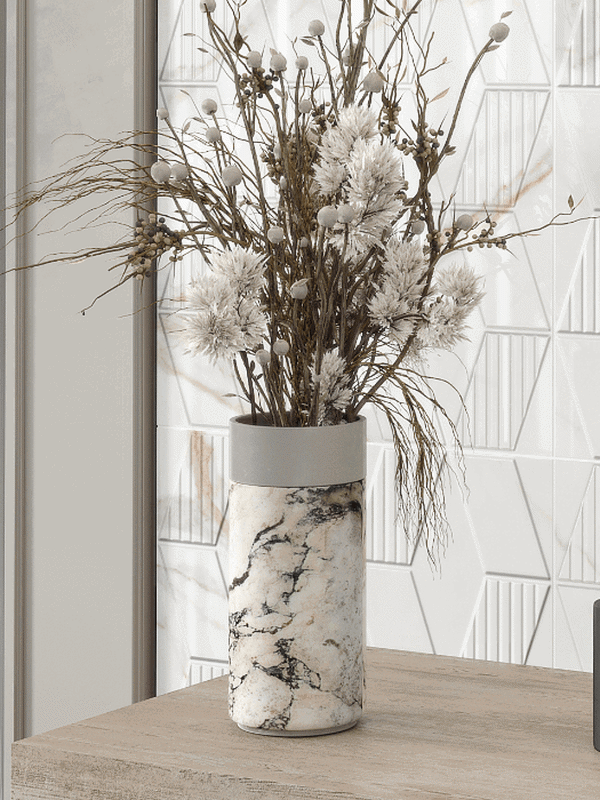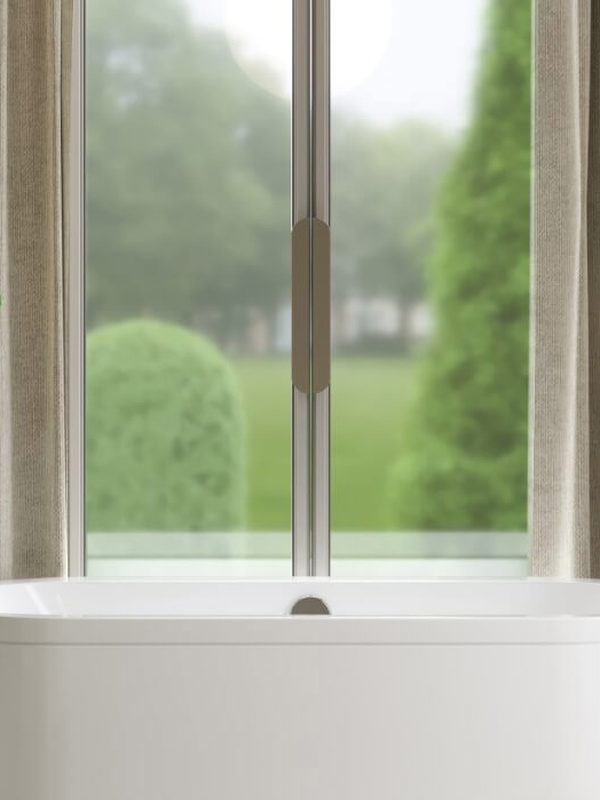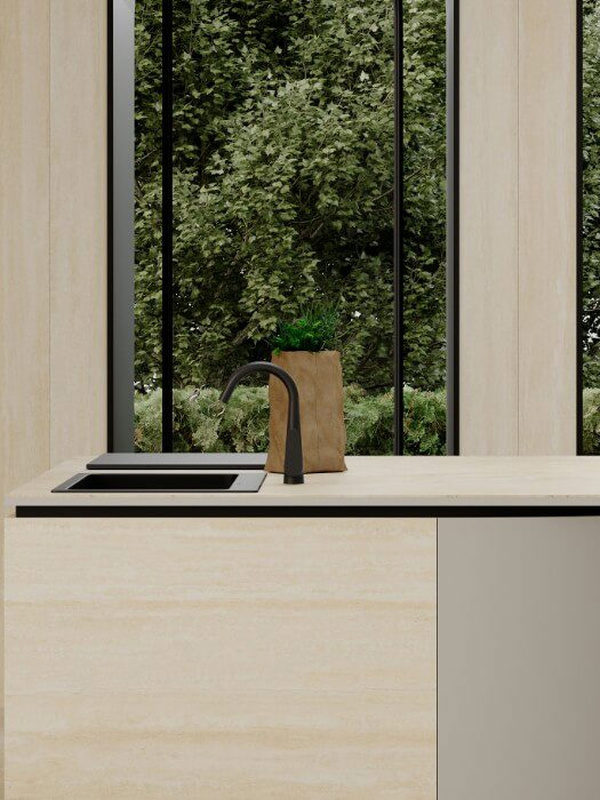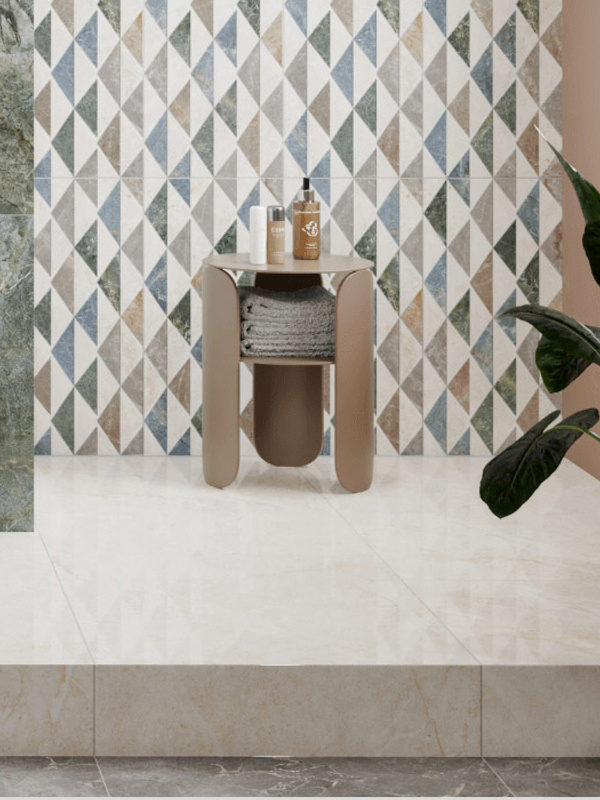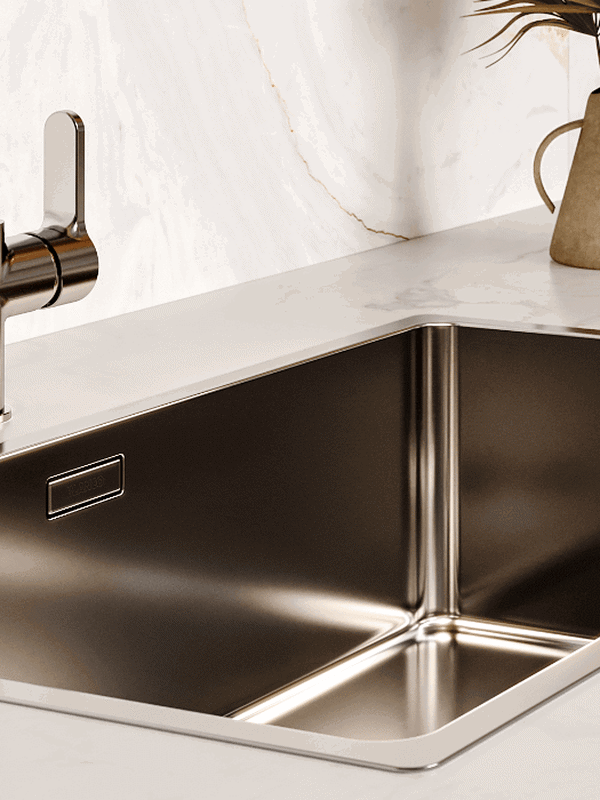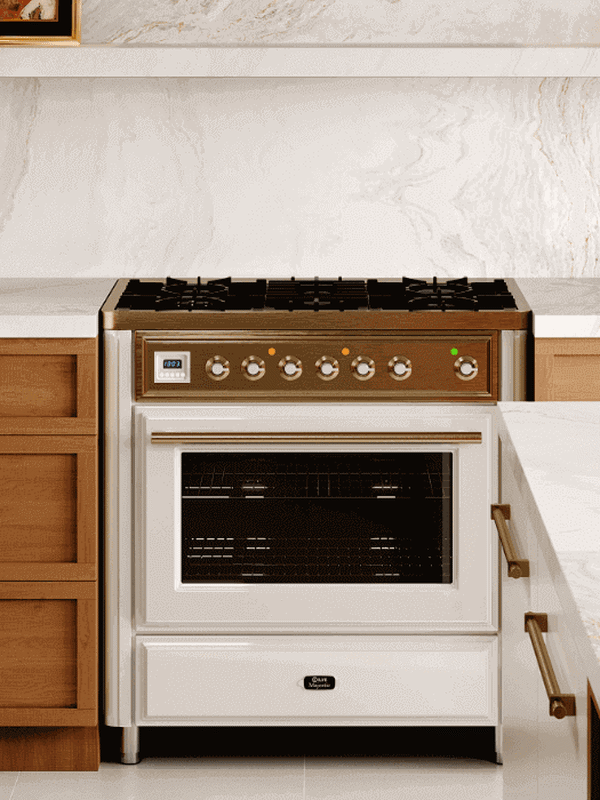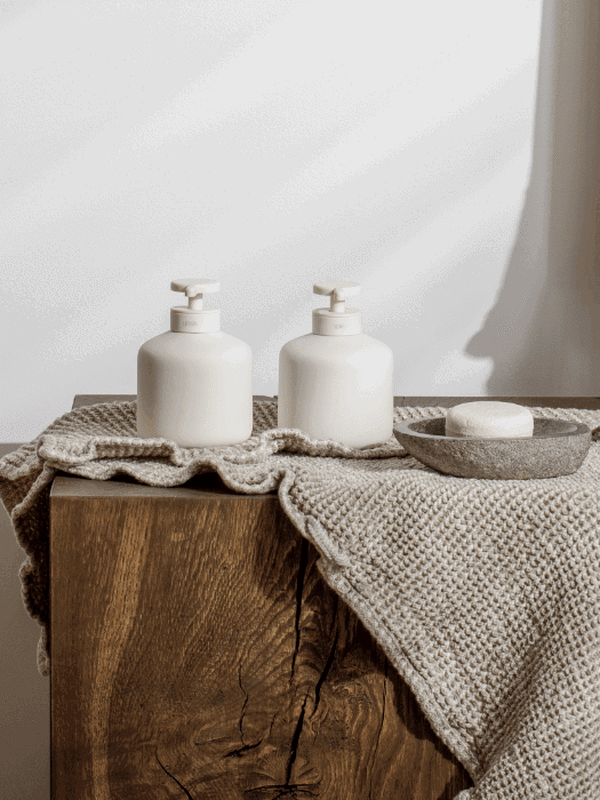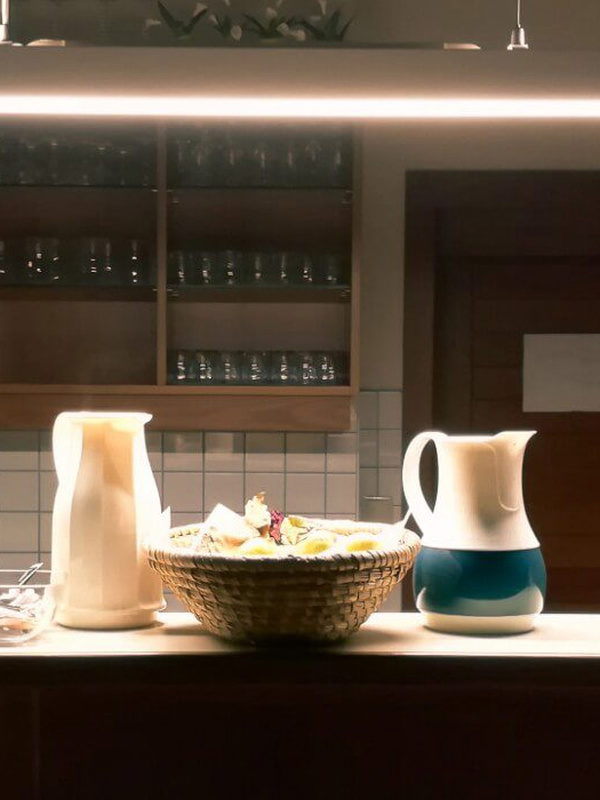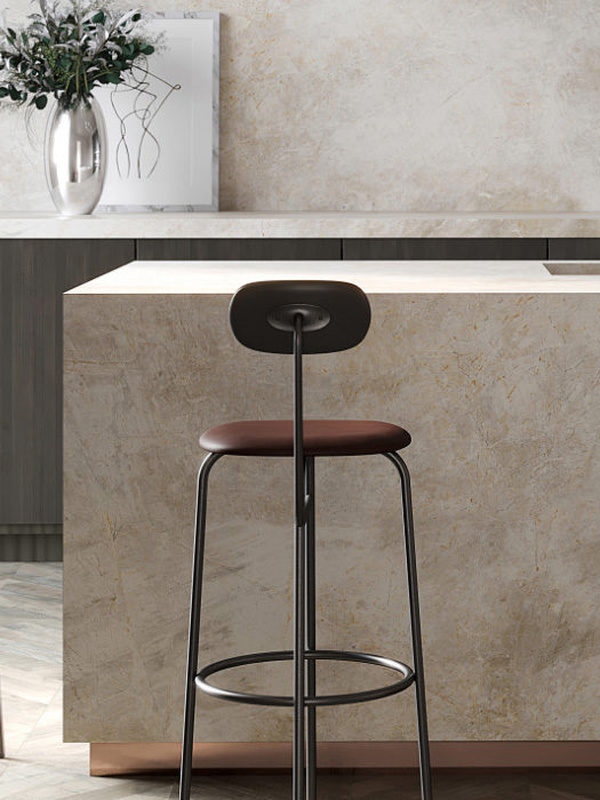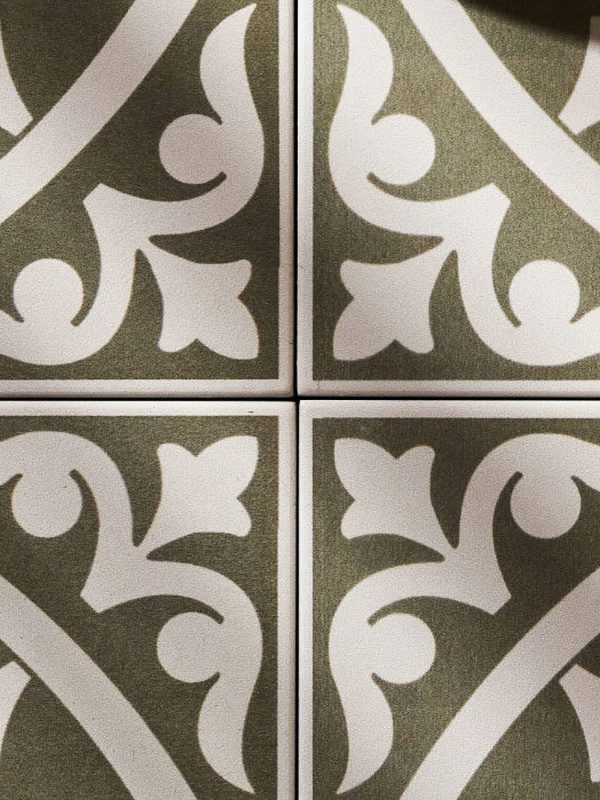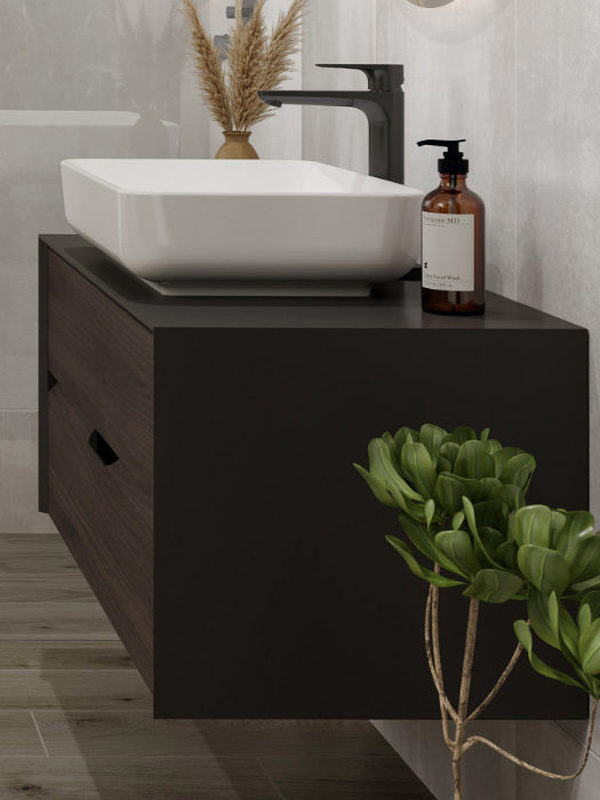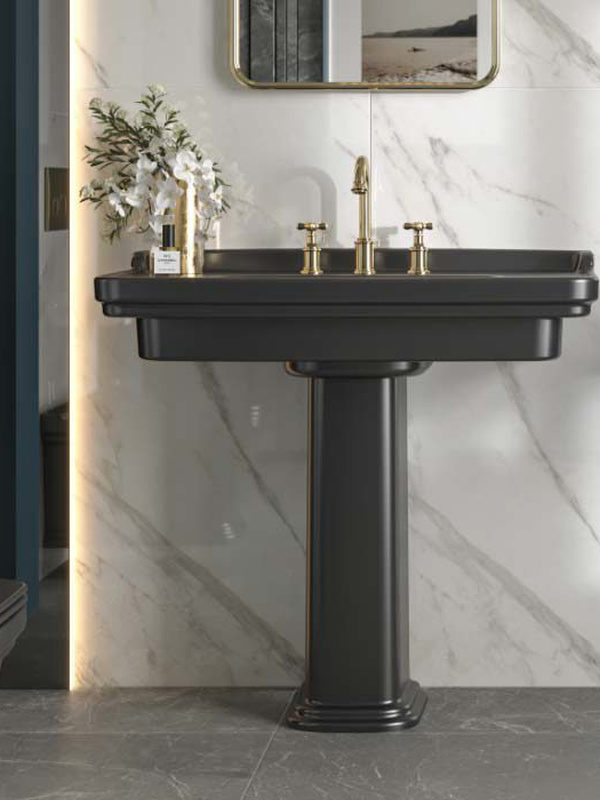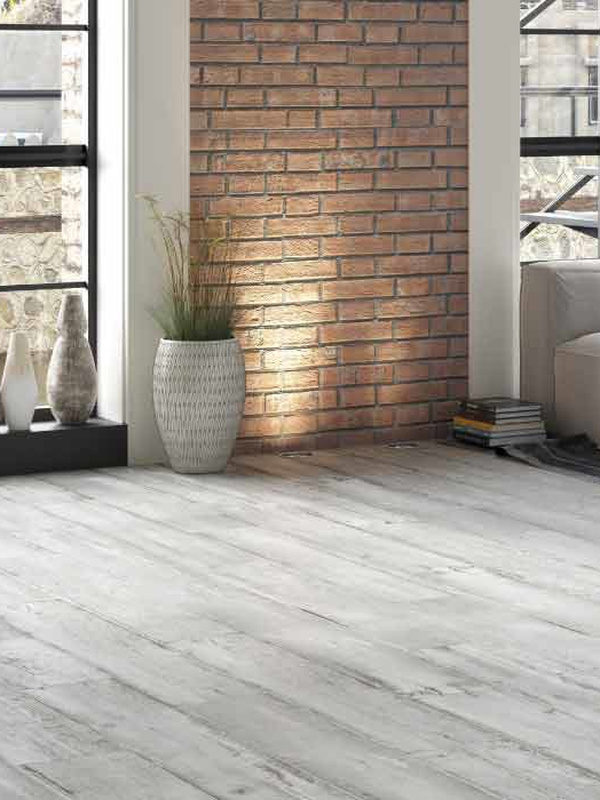
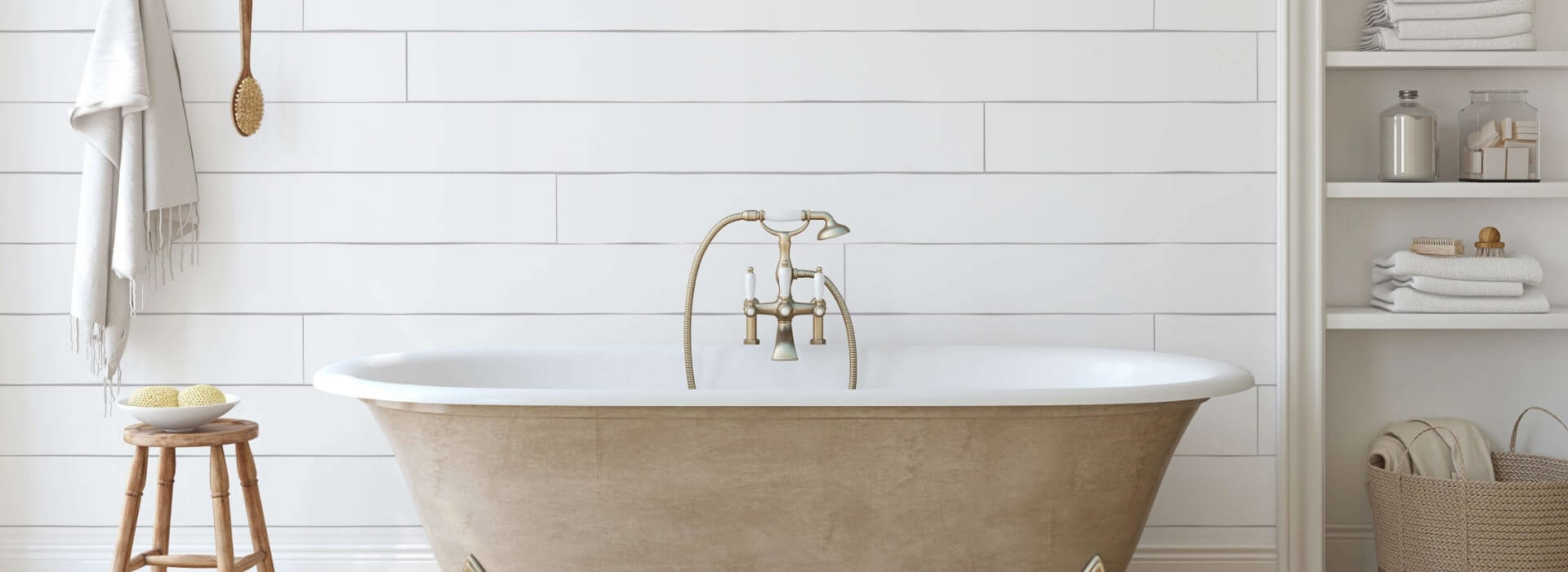
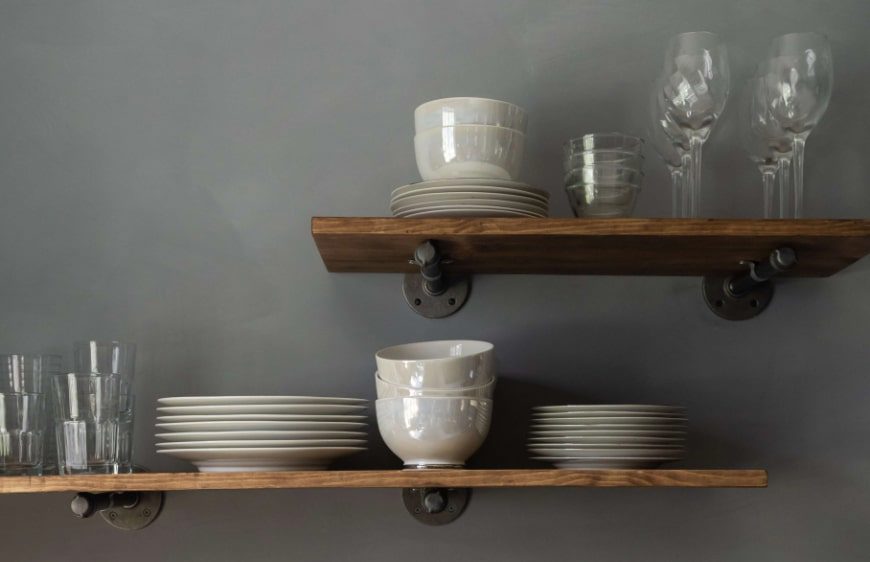
Organic design was not as popular in previous years; it became integrated gradually. Yet we can now see that natural elements such as wood, stone and plants help people feel more connected to the outdoors at home.These textures are complemented by nature-focused materials. We will see interiors where glass, ceramic, clay, cotton, linen and ecologically minded sustainable materials come to the fore in place of plastic-based options.
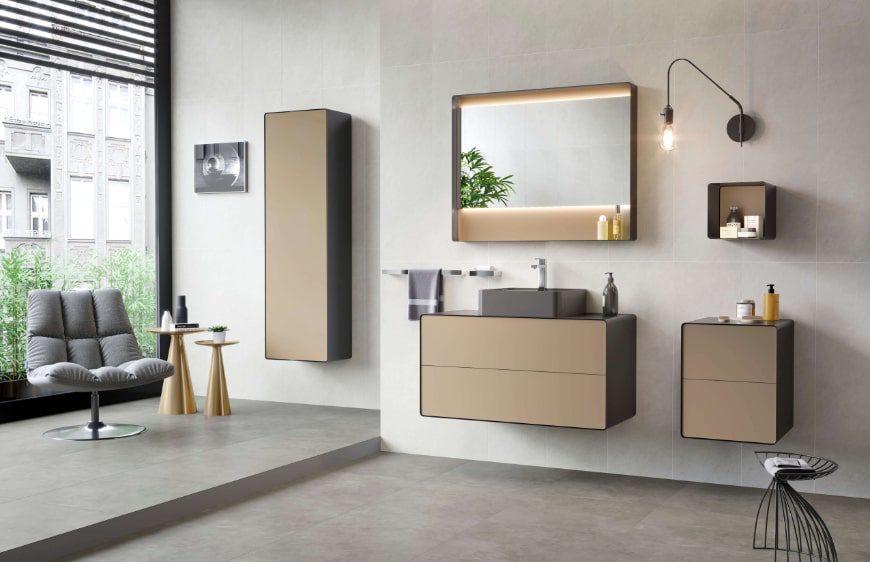
Trend Alert: Nature-Friendly Kitchens and Bathrooms
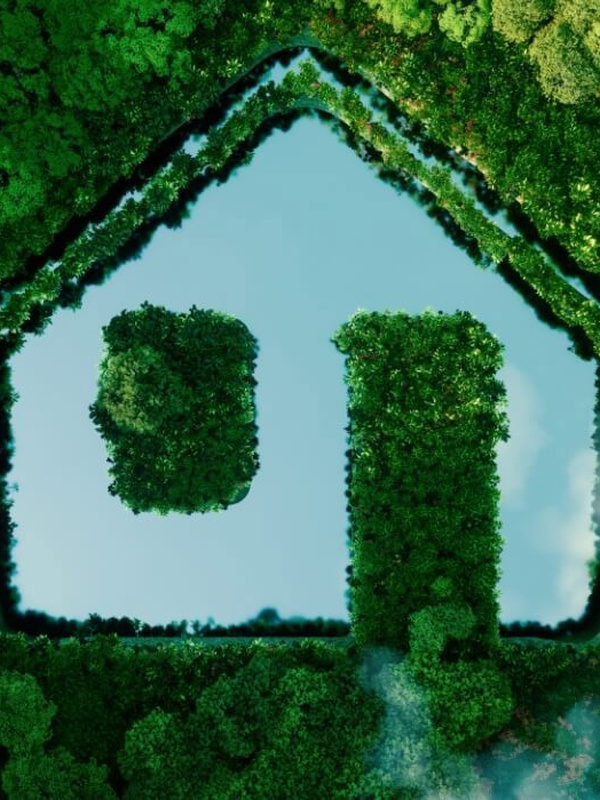
Nature-friendly kitchens and bathrooms play a leading role in bringing global concern for a greener world into our interiors.
Global trend organisations that shape the future of interiors, identify the preferences and expectations of societies and individuals, and read the present to anticipate tomorrow agree on one point: we increasingly need kitchens and bathrooms that bring nature indoors.

How can the homes of the future reflect naturalness in their kitchens and bathrooms? Which solutions can connect us with nature more readily?
Design
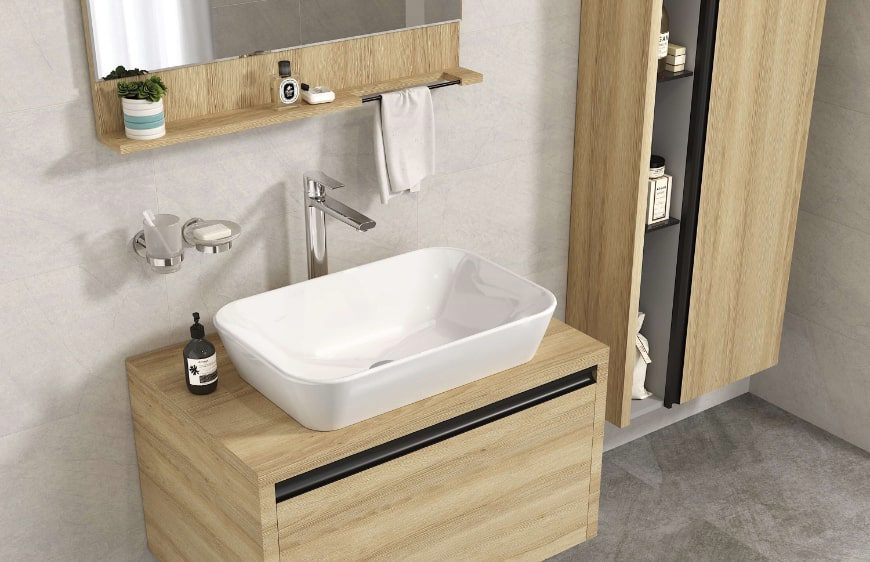
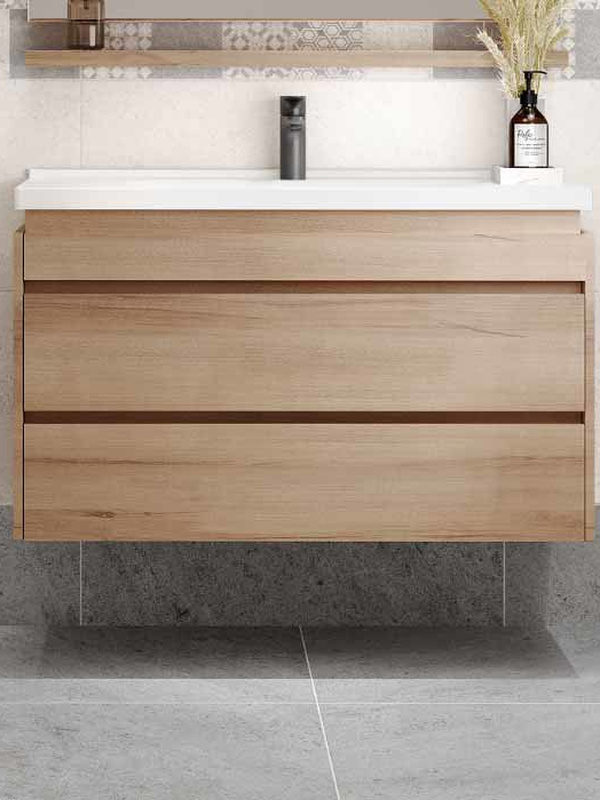
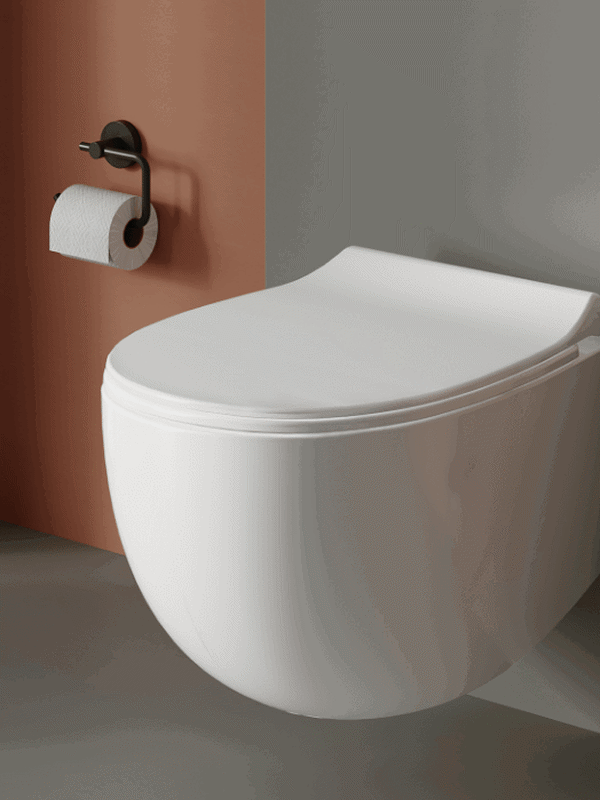
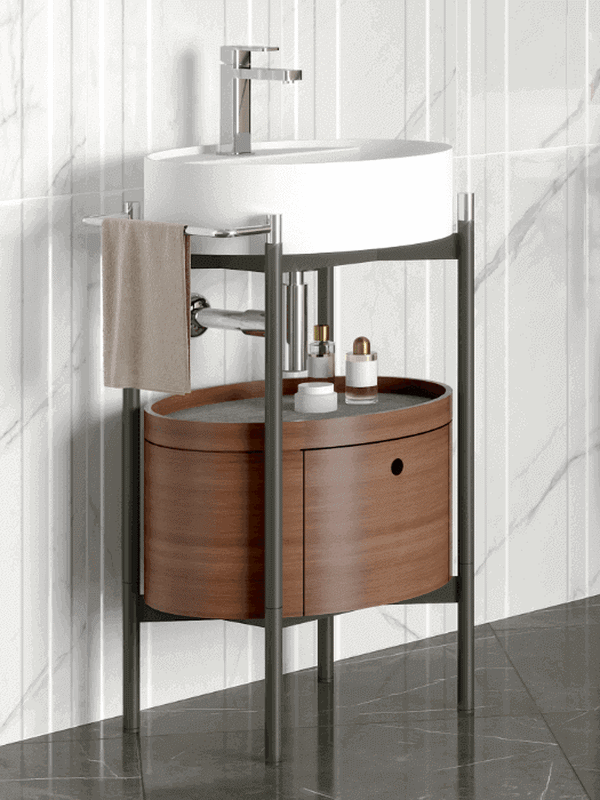
In kitchens, wall-to-wall cabinets that conceal everything, organise it internally and provide plenty of shelving will lead the way. In bathrooms, collections with open space above and below, allowing air to circulate and avoiding unnecessary clutter while offering smart storage through fewer modules, will be at the forefront. This echoes nature’s beauty through simplicity. Kale Banyo offers a variety of examples: designed around openness, spaciousness, effective storage and naturalness, options such as Kino, Motion, Trevi, Stora, Woody, Edge, Zero 2.0 and Vista are among the collections that create bathrooms where nature can be felt, particularly through their wooden surfaces.
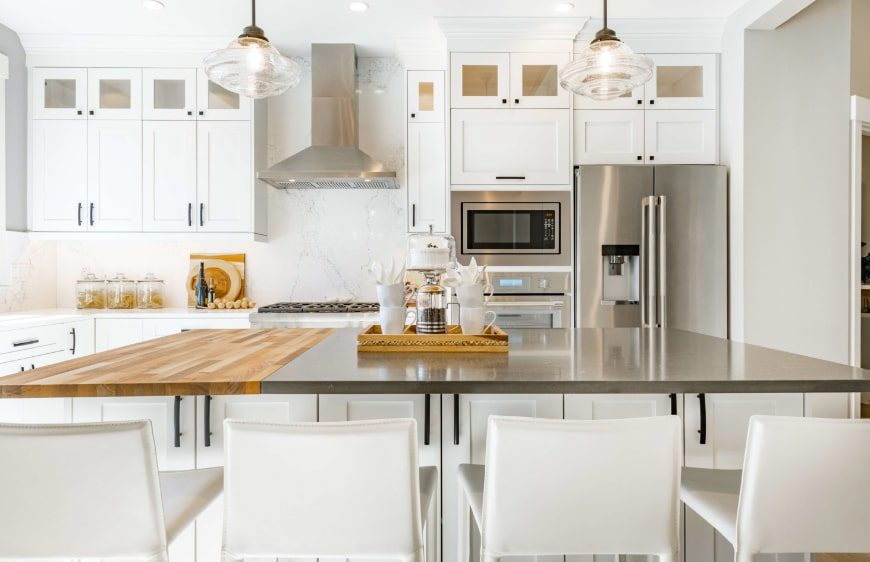
In functional terms, and especially during the pandemic, kitchens were redefined as rooms for multiple activities. This led kitchen designers to recognise the need for more open space. Solutions such as larger islands and two or three workstations allow residents to cook, eat and use the kitchen as a home office at the same time. With the potential to serve as a home classroom and play area too, this new generation of kitchens is truly becoming the heart of the home through enhanced functionality.
Colours
Quiet, calm, matt pastel colours will become increasingly popular in kitchen and bathroom décor. The main reason is our growing psychological need for serenity, depth, motivation and softness in spaces associated with water.
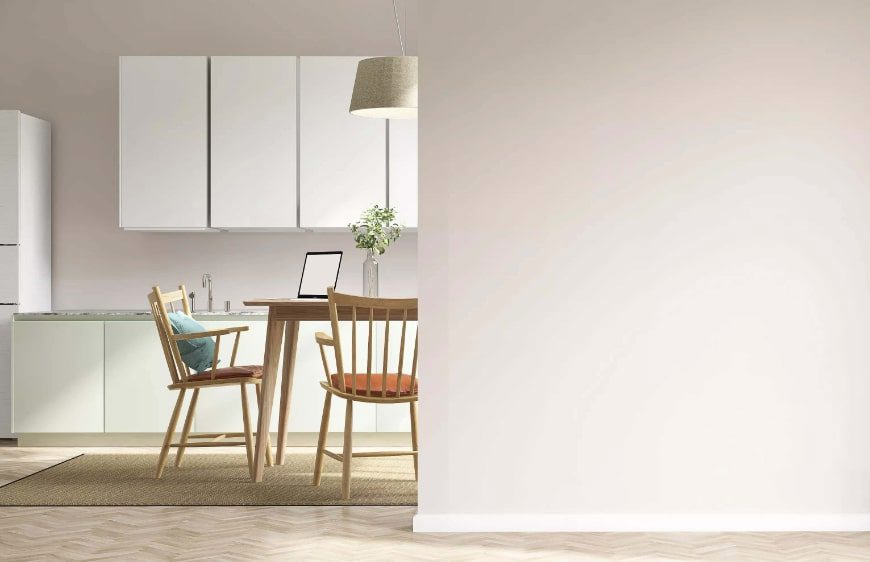
Skin tones, cream shades, pastels in yellow, salmon, blue and green, an earthy palette, whites and ash tones are among the most sought-after colour ranges for the kitchens and bathrooms of the coming period. A combination of grey and beige known as “greige”, a grey with yellow or beige undertones, will also be in demand.
Technology
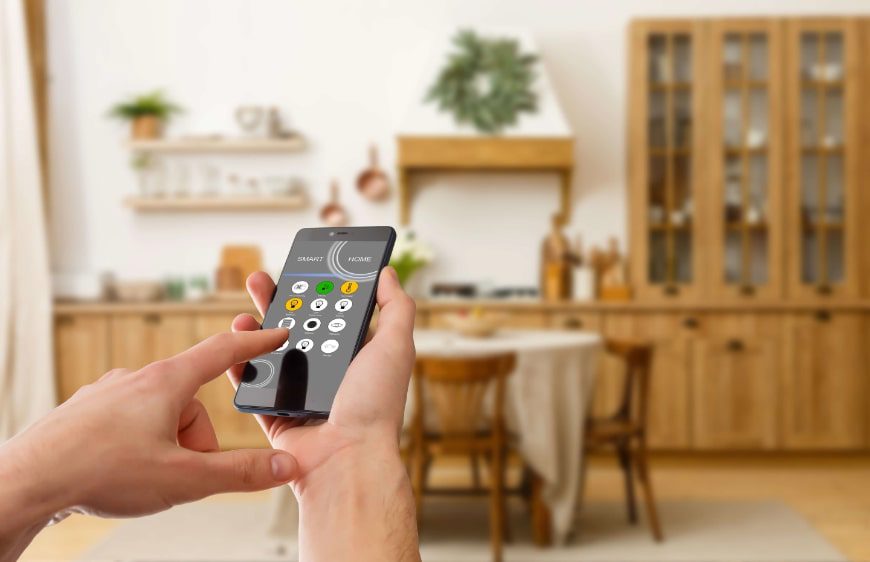
Let us remember that natural today means not only raw and unprocessed, but also making good use of technology. A new generation of technology-loving homeowners is already very accustomed to living spaces that communicate intuitively. Integrated technology and kitchen and bathroom systems with features that can be controlled through smart devices will therefore continue to attract interest.
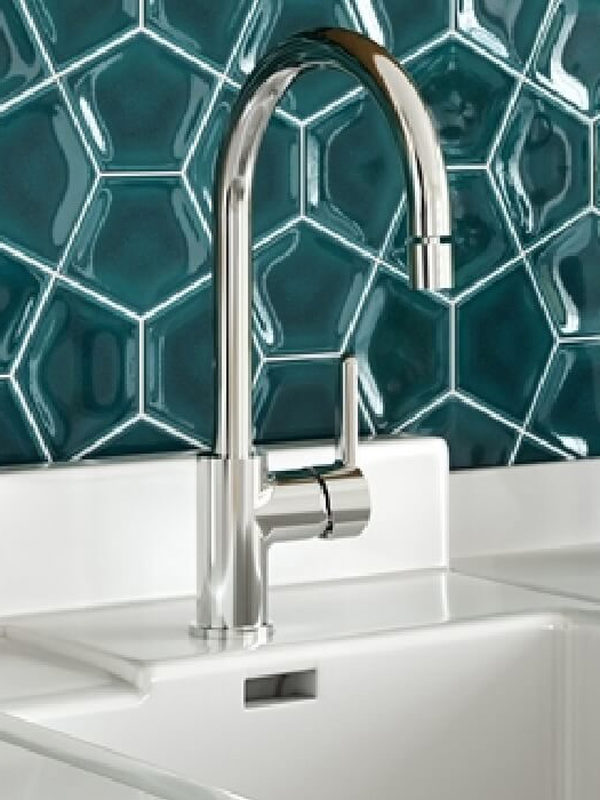
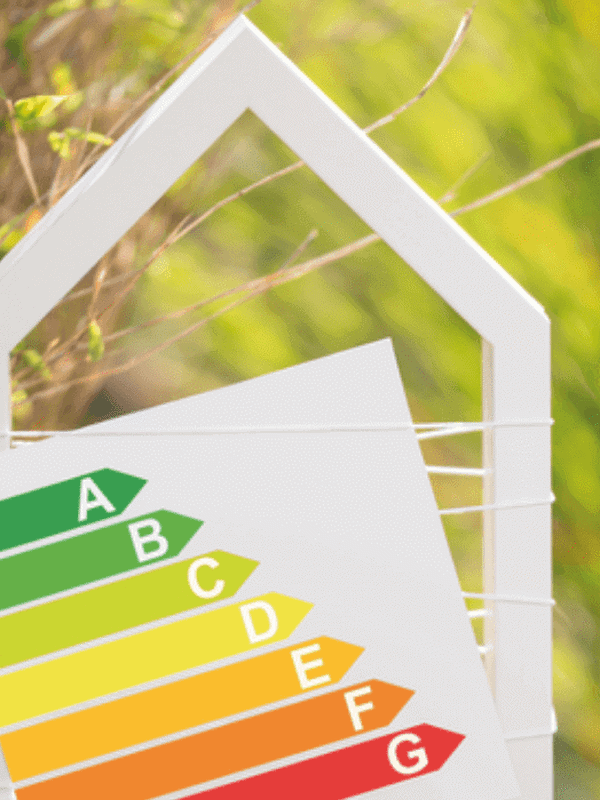
These latest technologies offer more than comfort and convenience. Their connection to nature is also strong, as they help users consume less energy, use fewer resources and create a cleaner environment. Energy-efficient electronic devices, motion-sensor lighting, hands-free sensor taps and dedicated charging stations benefit both users and a natural world calling for lower consumption. Kale Banyo’s sensor tap family already offers solutions for homes that value water savings and environmental awareness. Alongside mono and dual sensor tap options such as Classic, Flat, Height, Inova, Orion, Reno, Sempre, Tetra and Trendy, the brand offers concealed toilet and urinal flushing systems with motion-activated water flow, as well as sensor soap dispensers that release liquid in response to movement.
The power of greenery
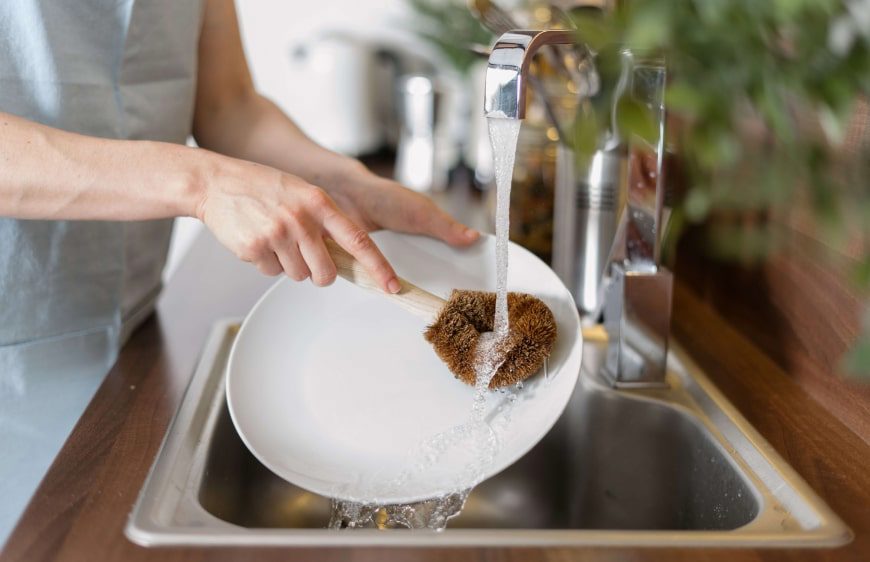
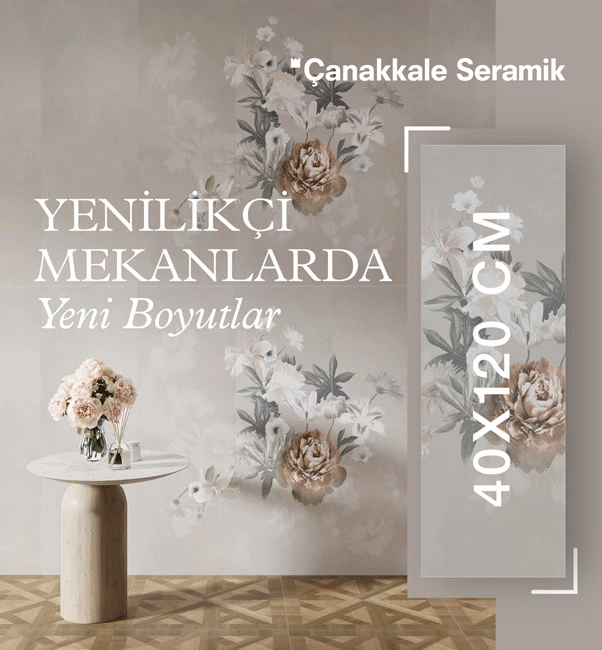
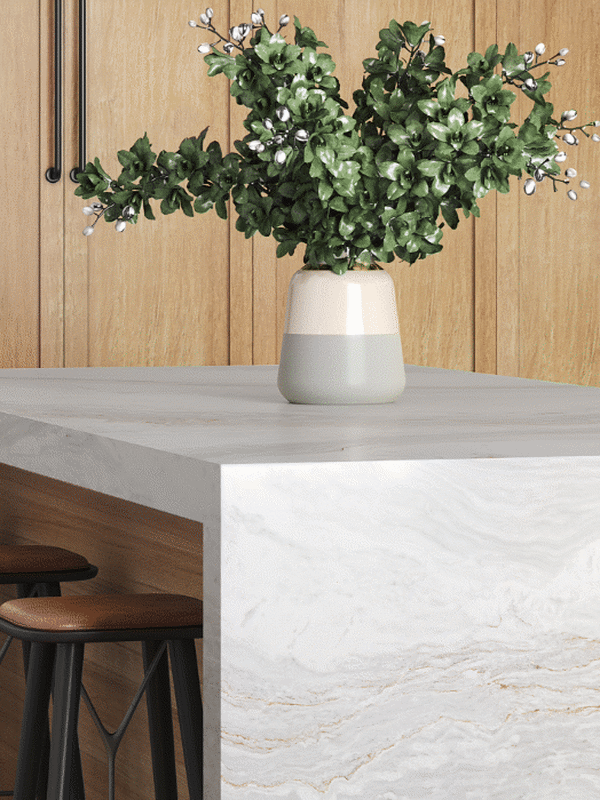
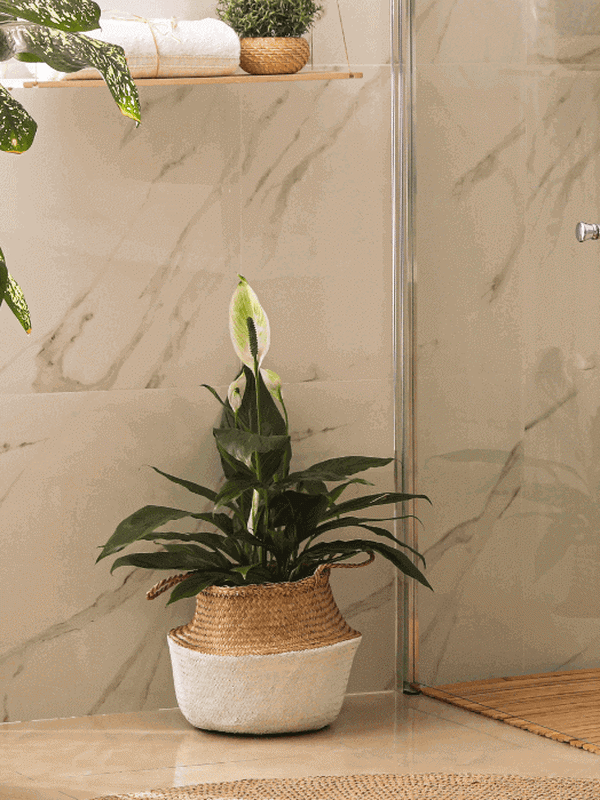
Biophilic design was already a growing trend, but it became stronger during the pandemic, when staying at home helped us recognise the importance of natural greenery. The ability of greenery to improve physical and mental health, while making a space visually more beautiful and comfortable, has also been scientifically demonstrated. As a result, we see plants, trees and flowers that express nature’s purity and authenticity taking a greater place in the kitchens and bathrooms of the future. Yet this trend is not limited to pots and vases: digital printing technology will also bring increasingly realistic biophilic imagery to surfaces.