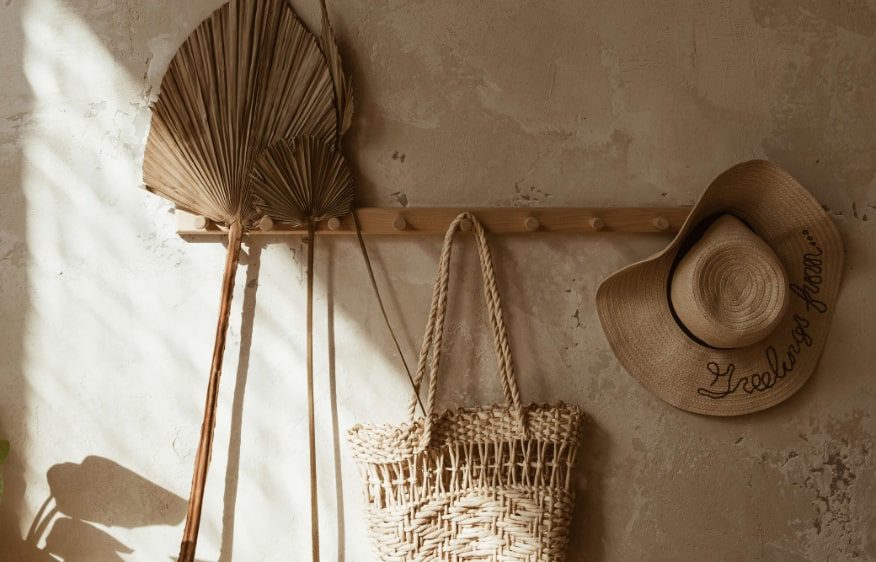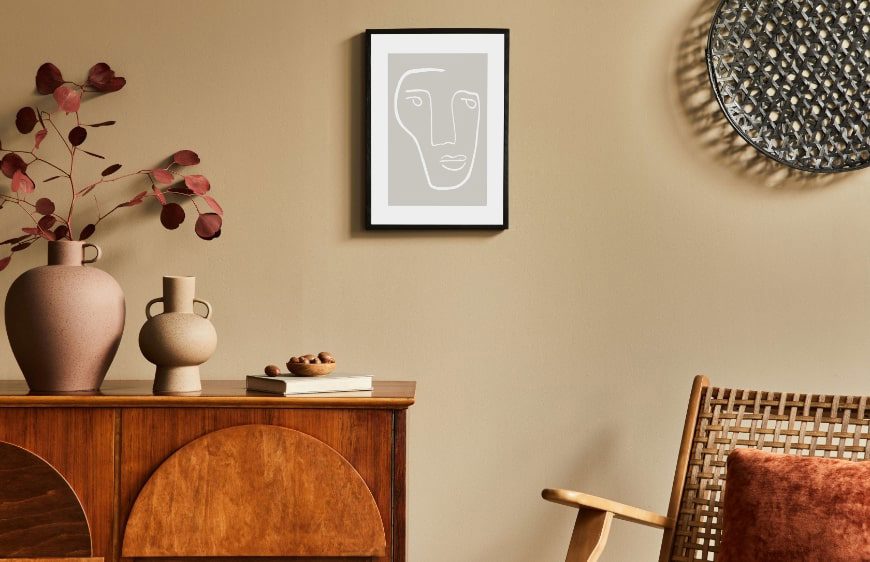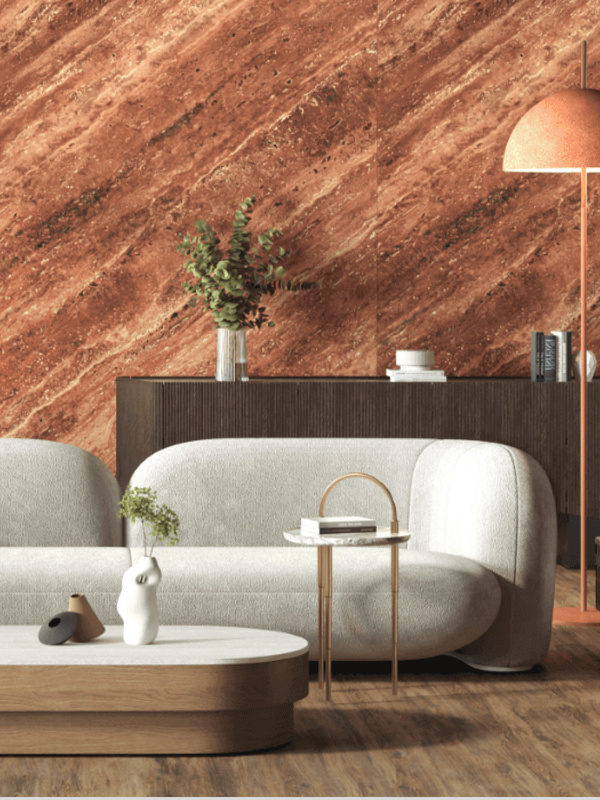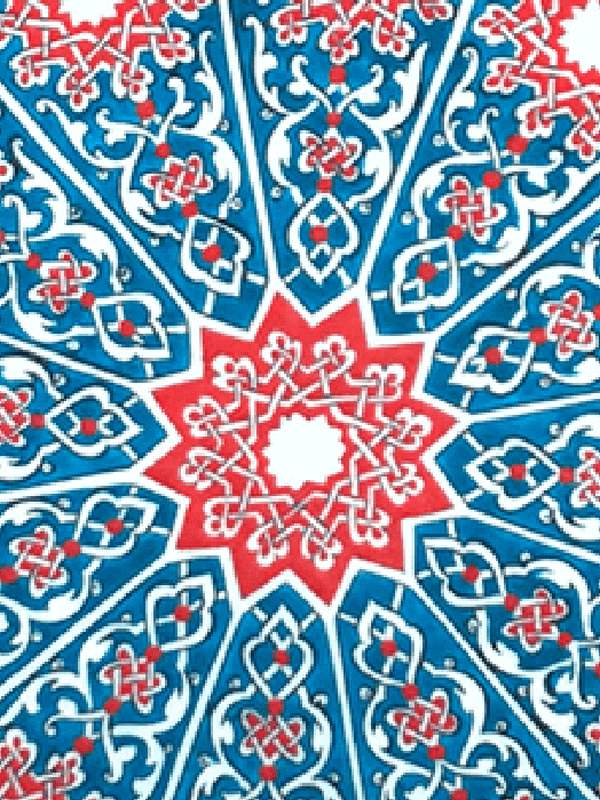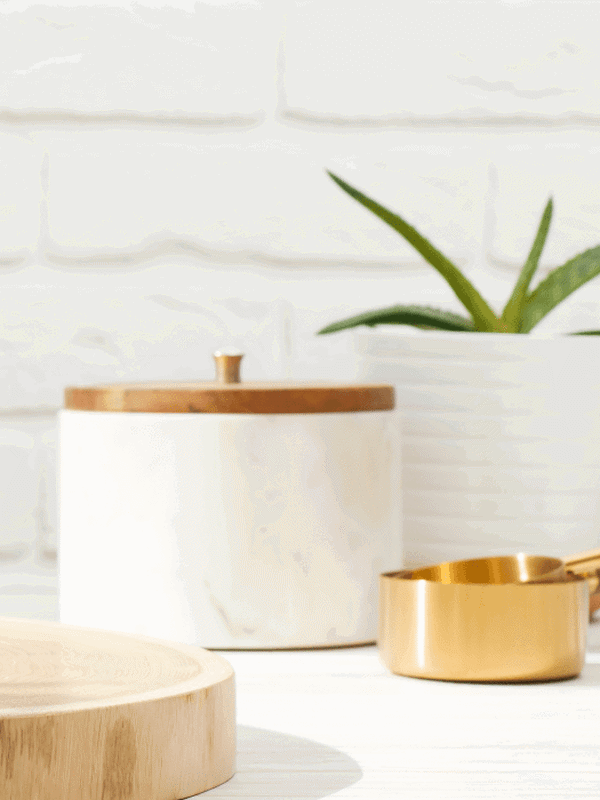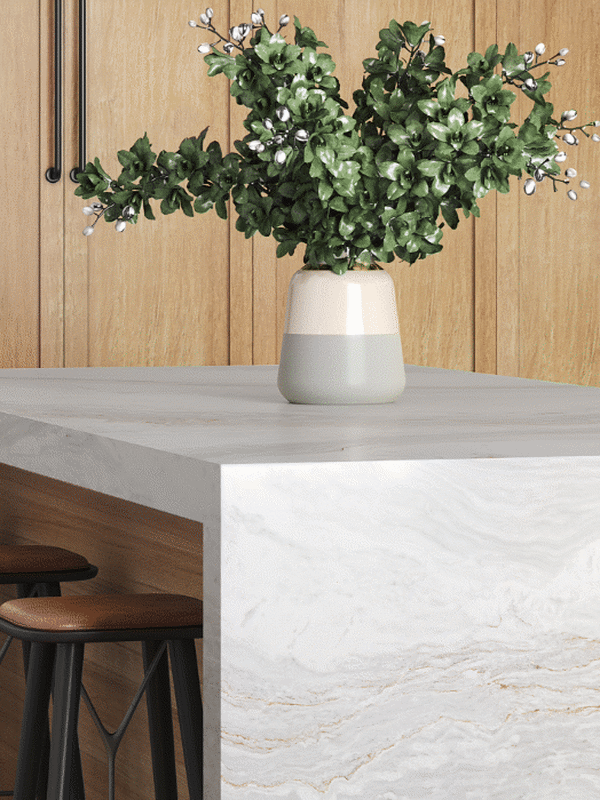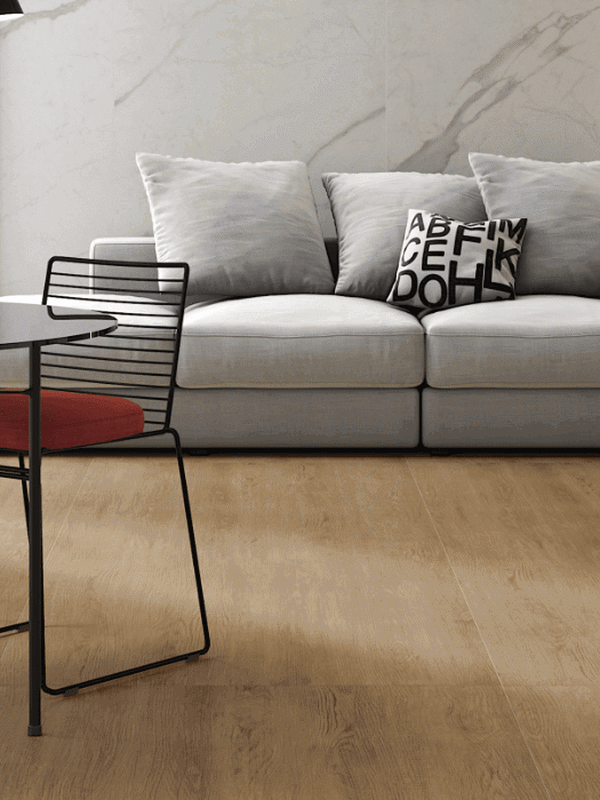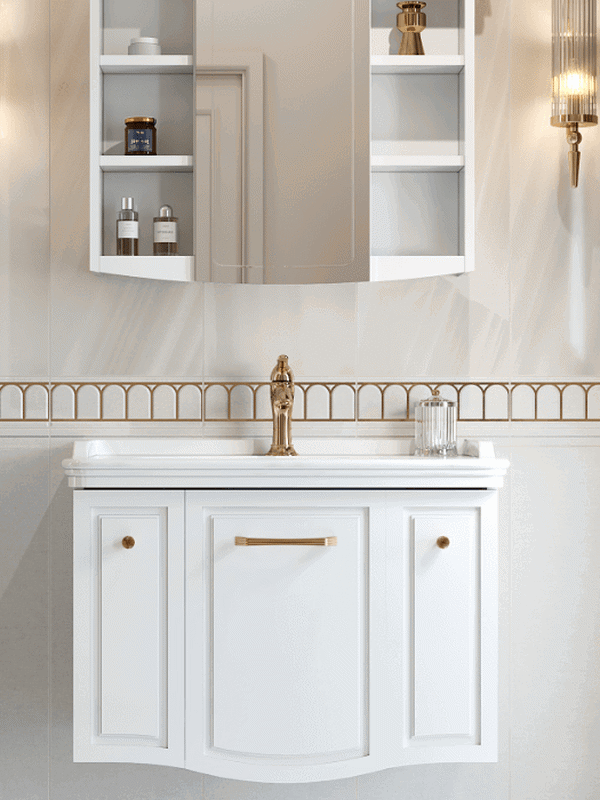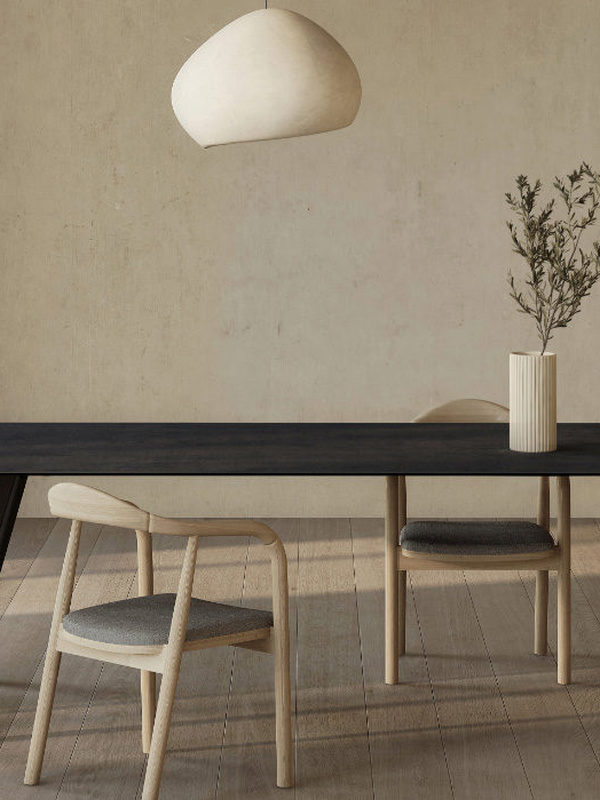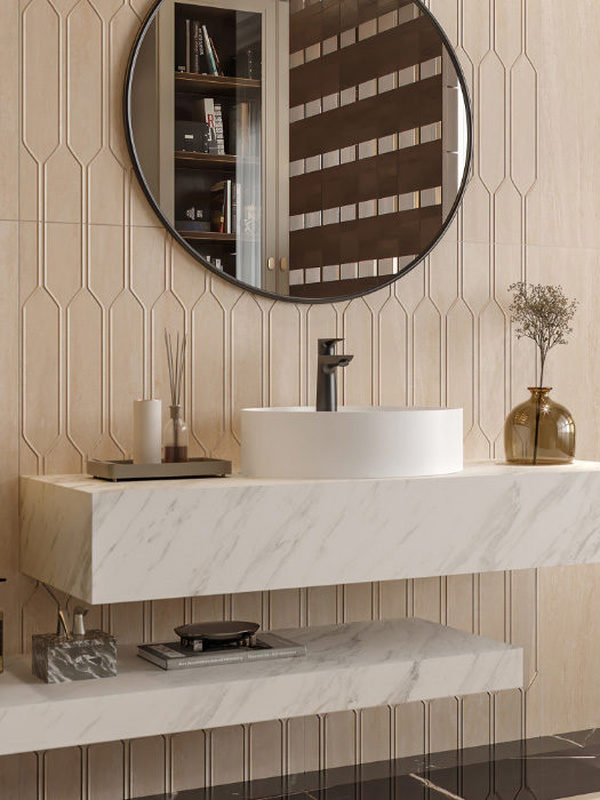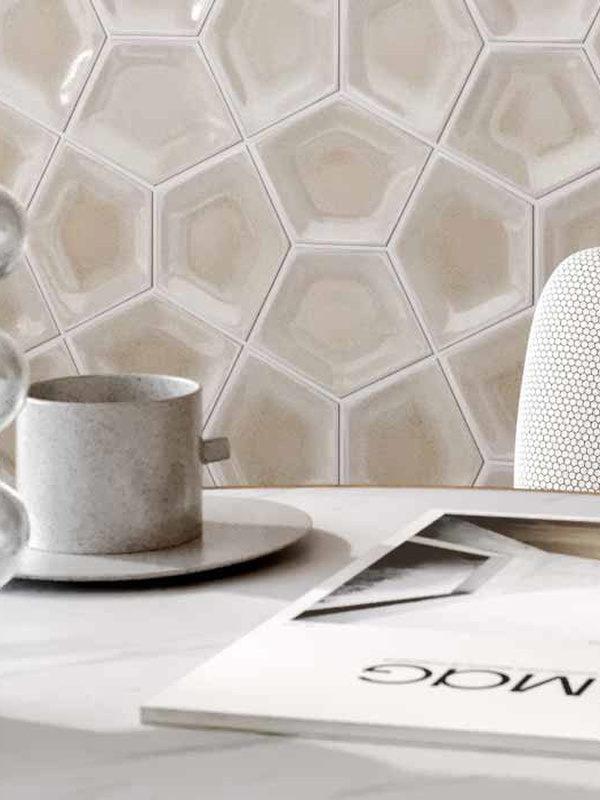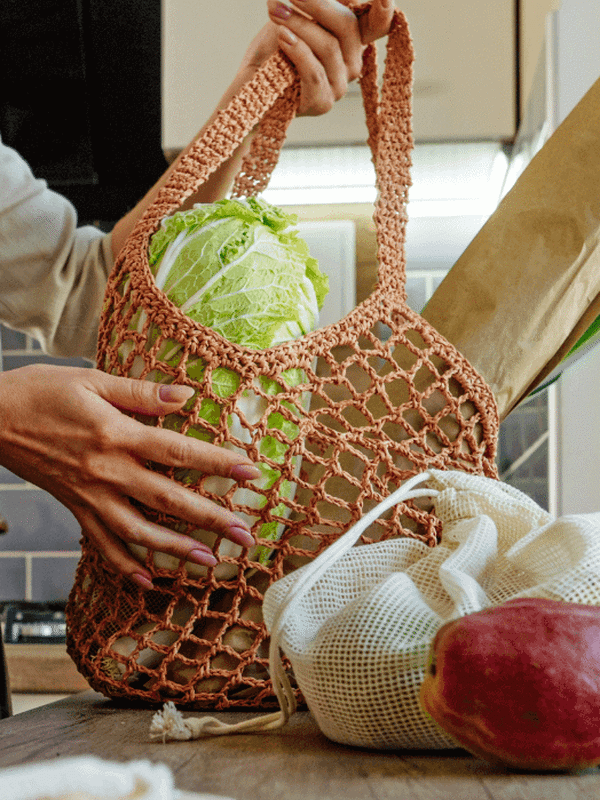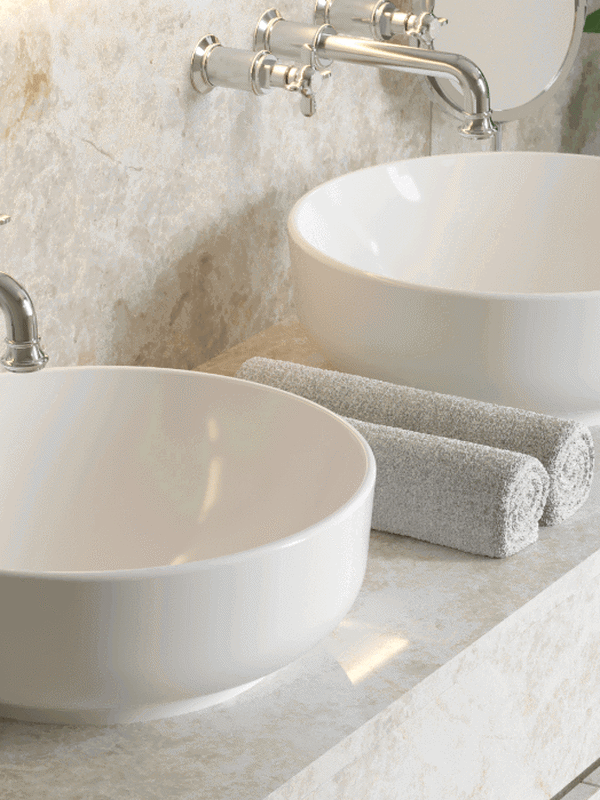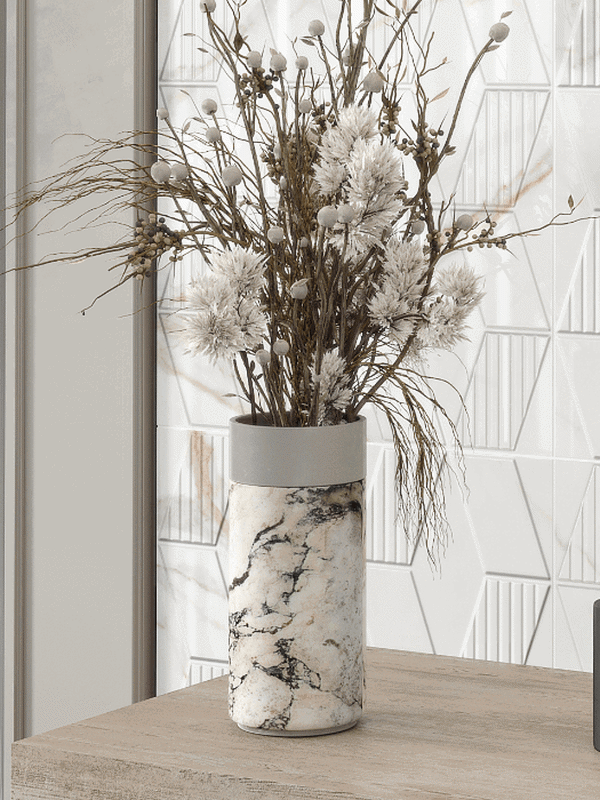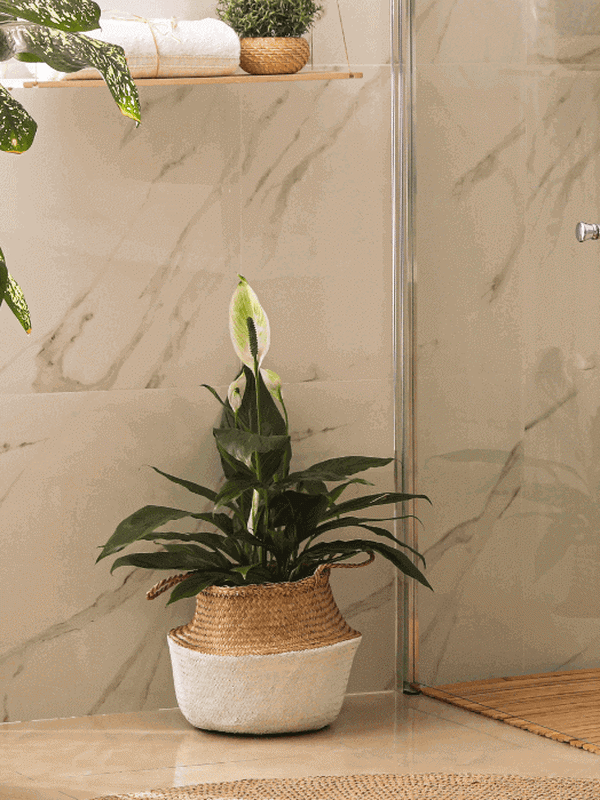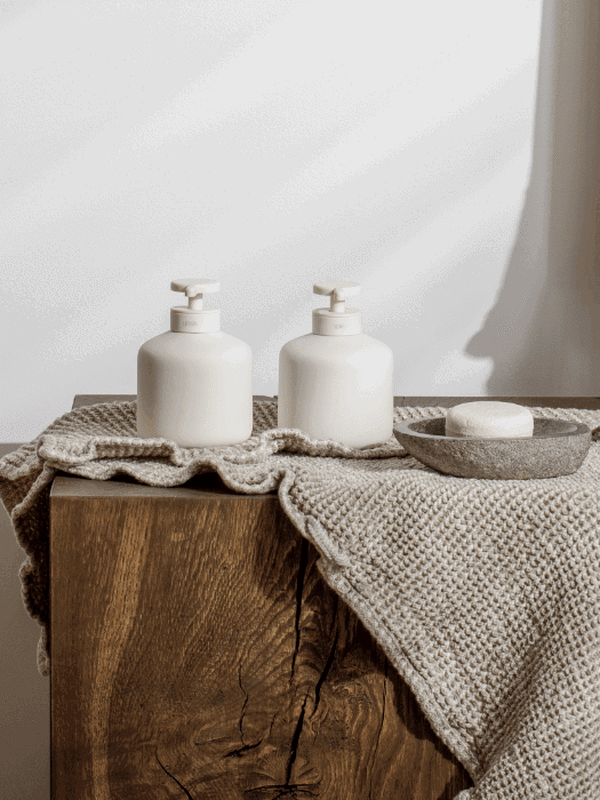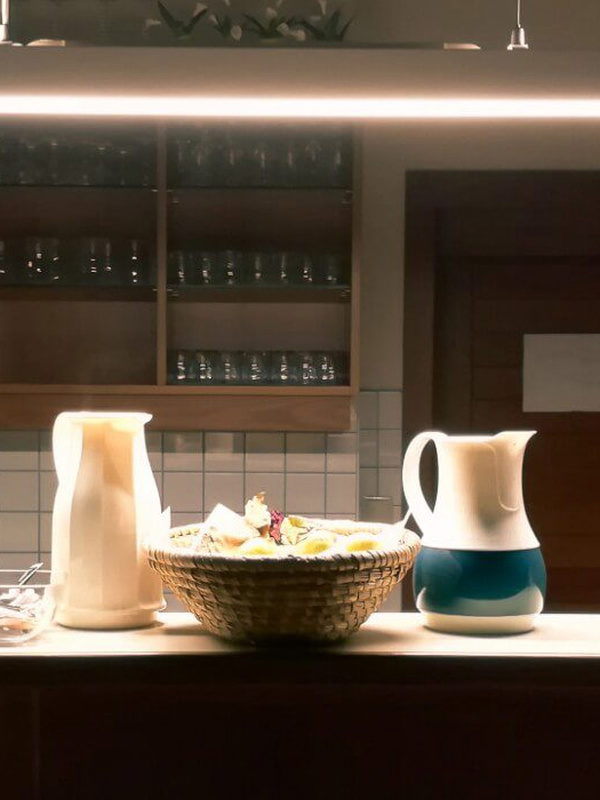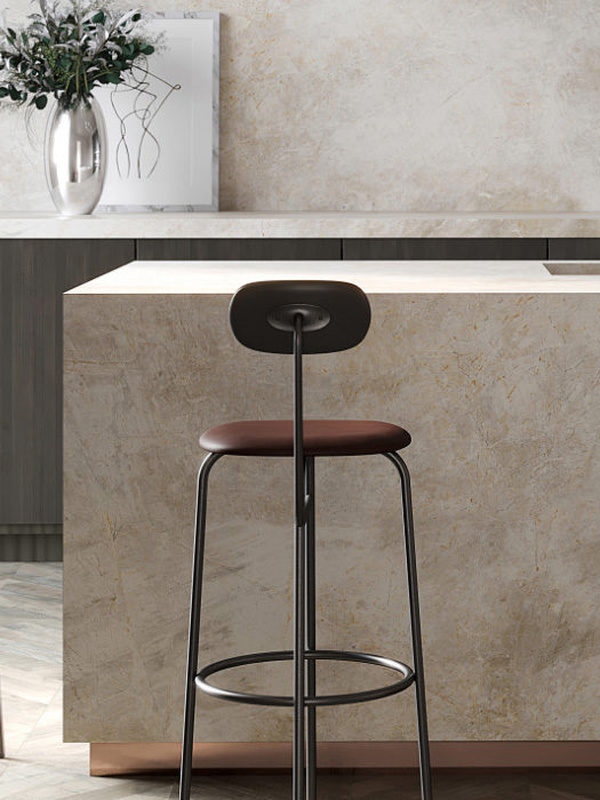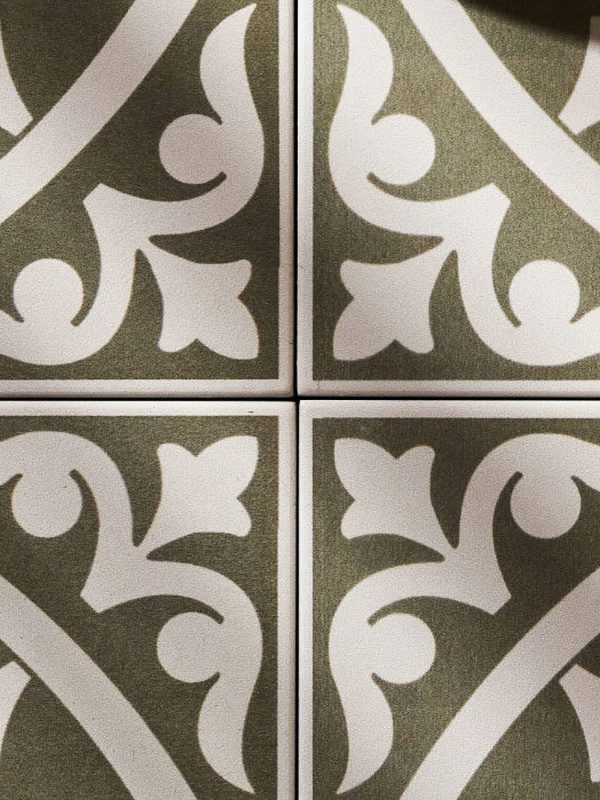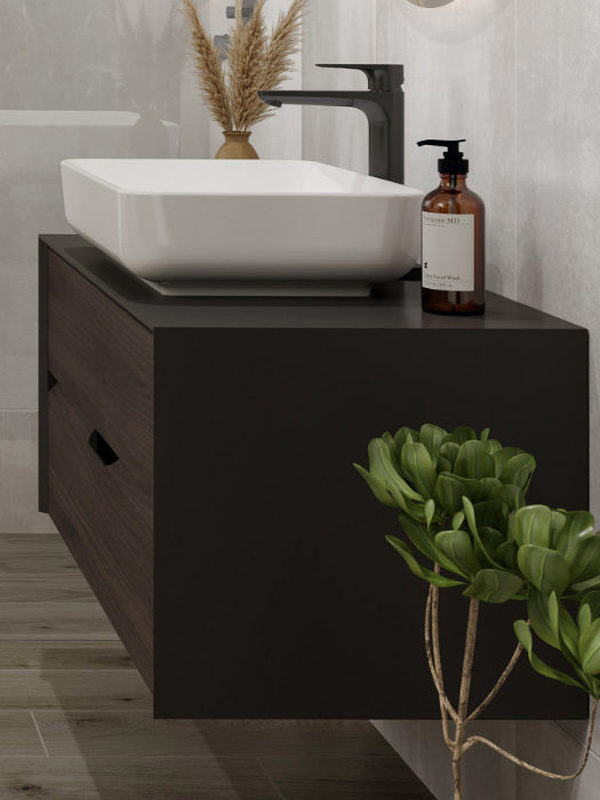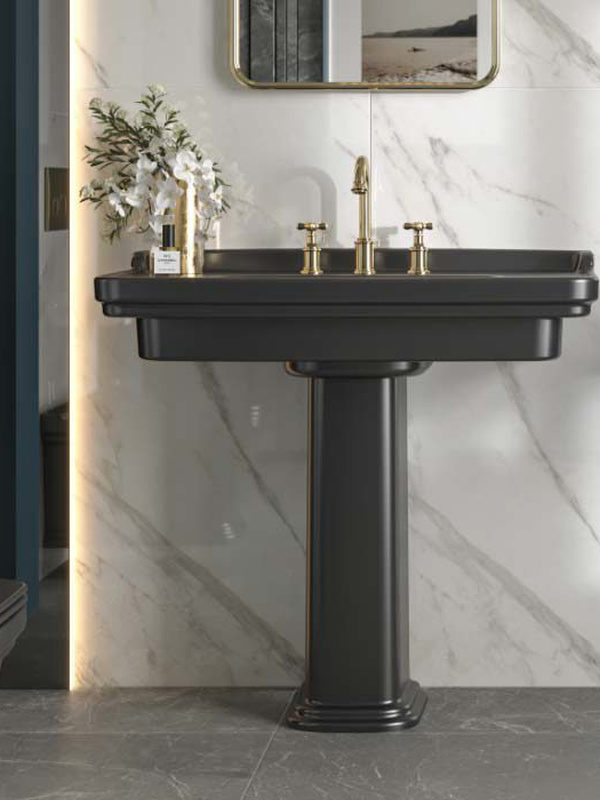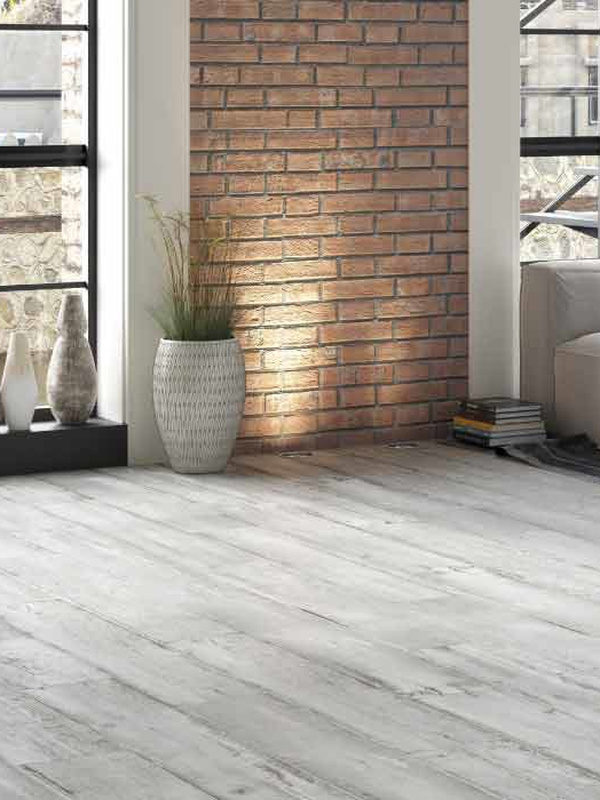
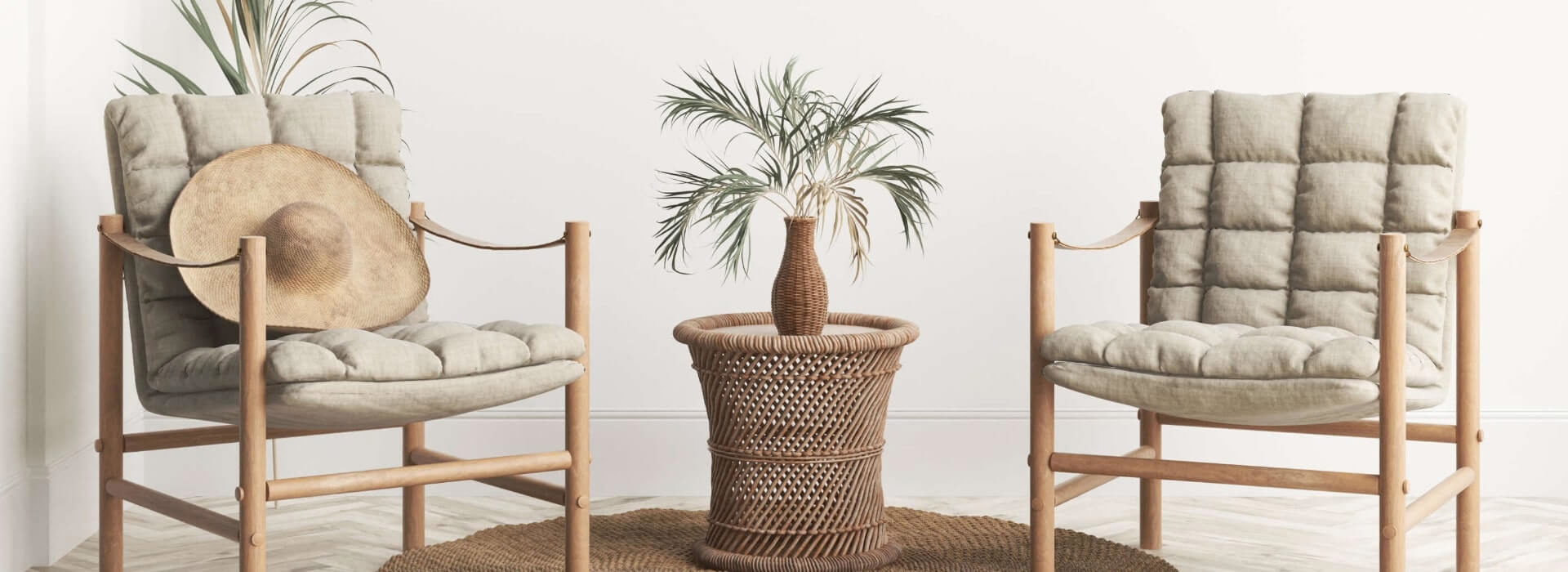
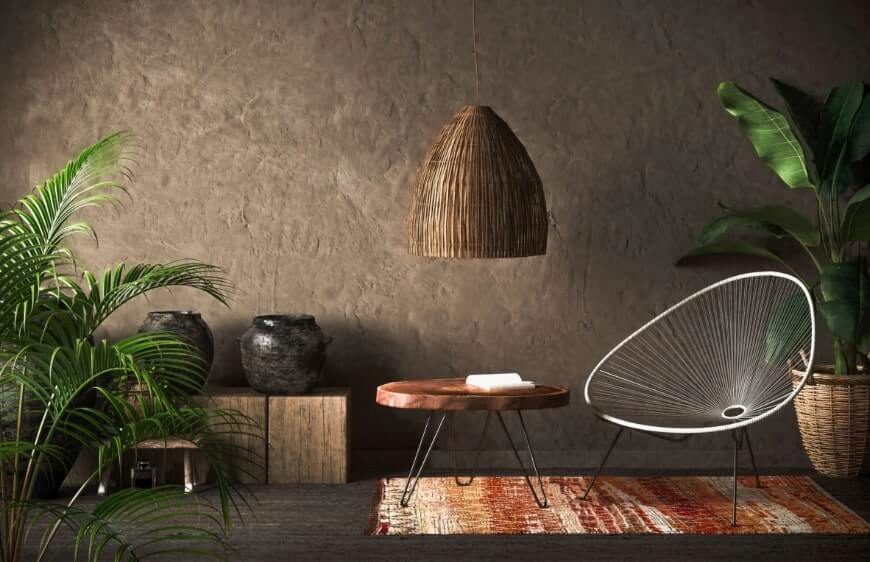
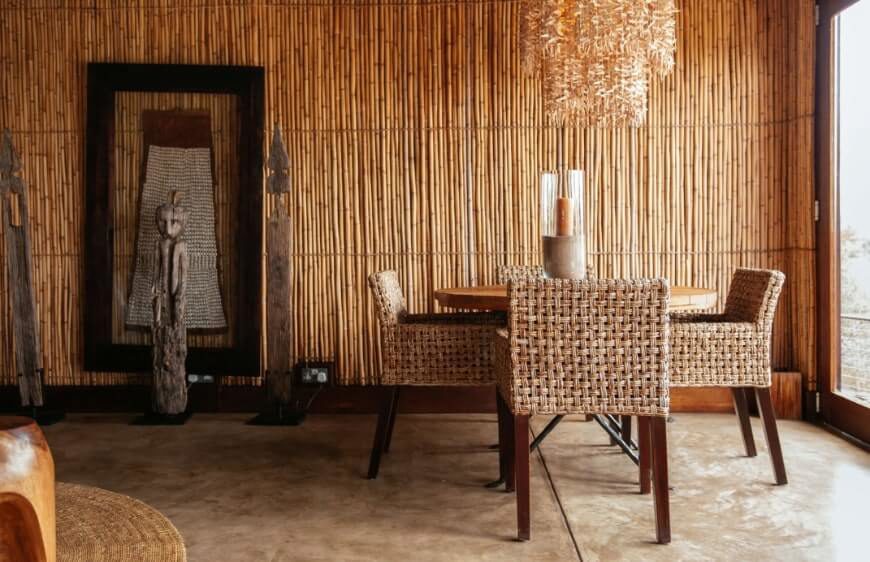
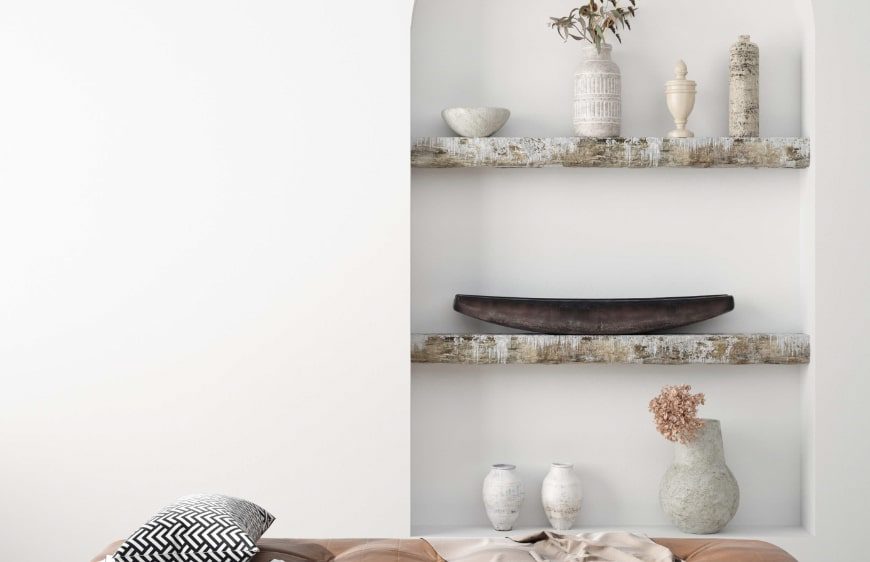
African-inspired décor draws on nature, embracing natural shapes, textures and surfaces with all their imperfections. Its palette is rich in warm accents such as burgundy, turmeric, saffron and deep earthy browns, set against textured walls in soft beige, cream or white. Floors are generally finished in materials such as sandstone, terracotta or ceramic tiles, with sisal or jute rugs laid over them. Much African-style furniture is made from ebony, mahogany, cedar or rattan, and upholstered in patterned ikat fabrics or leather. Wild animal prints, such as zebra or cheetah, also highlight the importance of wildlife in African culture. Decorative details and accessories include handwoven baskets, Bolga fans, carved wooden bowls, masks, stone objects and organically shaped pouffes.
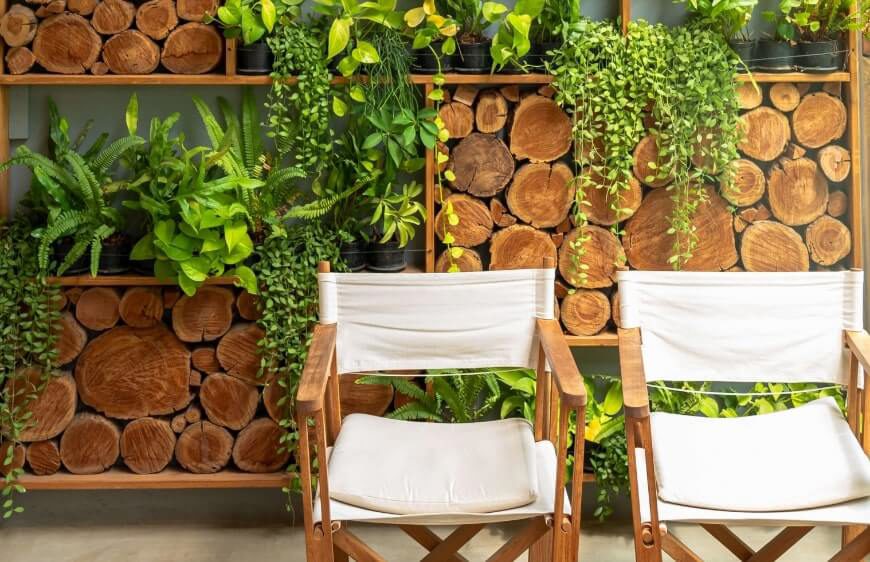
Timeless Decorating Styles Inspired by Nature
Let us explore some of today's most popular decorating styles that put nature at their heart.
Nature-inspired themes have grown steadily in popularity in recent years. Alongside natural materials, these movements value local cultures, eclectic combinations and craftsmanship. Shall we take a journey through them?
African influences
Colonial style and the travelling spirit
A classic, traditional style, colonial décor emerged in the mid-1600s. As Western societies sought new colonies, simple, adaptable furniture was produced for travellers exploring the world. The resulting movement combined a set-up, fold-away, pack-up-and-go philosophy with a comfortable, elegant look.Still popular today, particularly in country, mountain and coastal homes, colonial décor favours soft, quiet earthy shades, especially yellow, camel, forest green and brown.
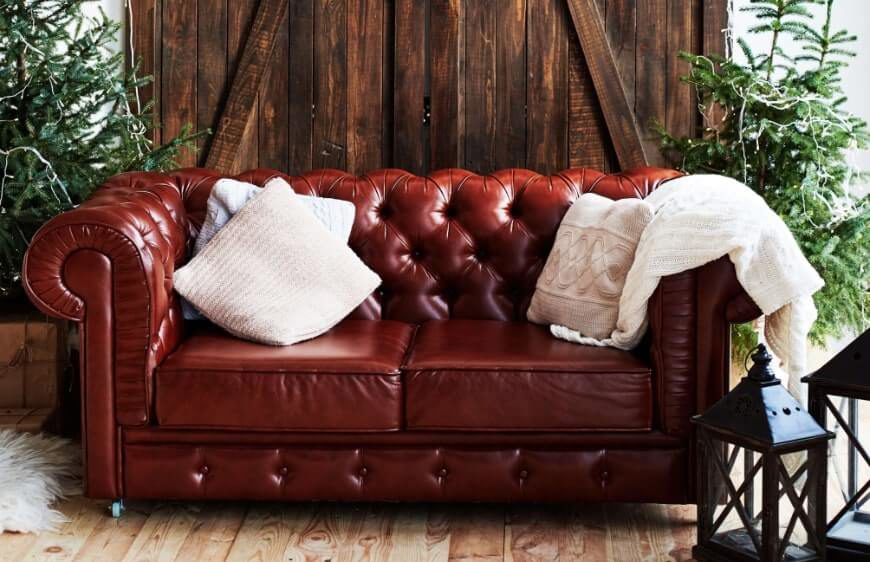
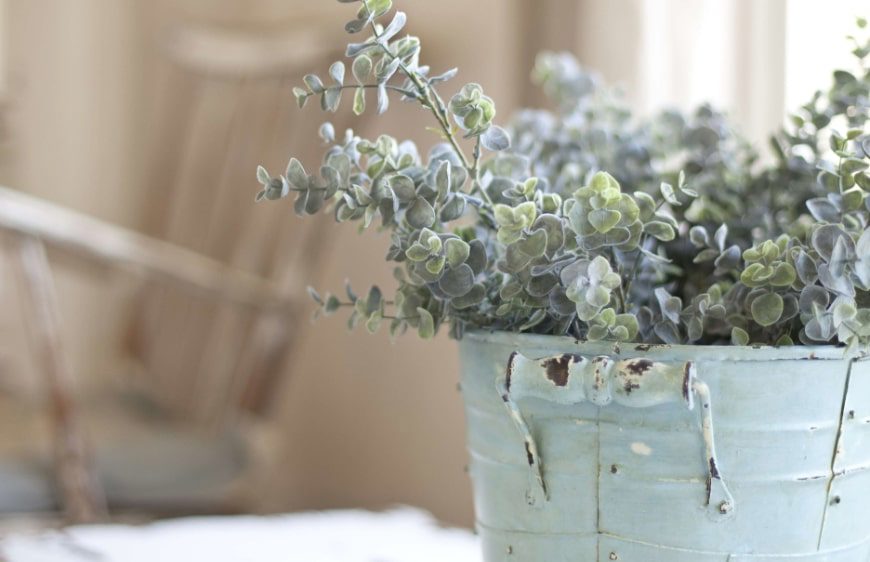
Textiles combine robust textures such as leather and canvas with natural fabrics including cotton, wool and linen. Solid walnut, teak and rattan are used for furniture. Deep-seated Chesterfield sofas, daybeds and relaxed armchairs are also common in colonial-style homes. Plenty of cushions, along with large-leaved houseplants or trailing greenery cascading from shelves, complete the harmony.
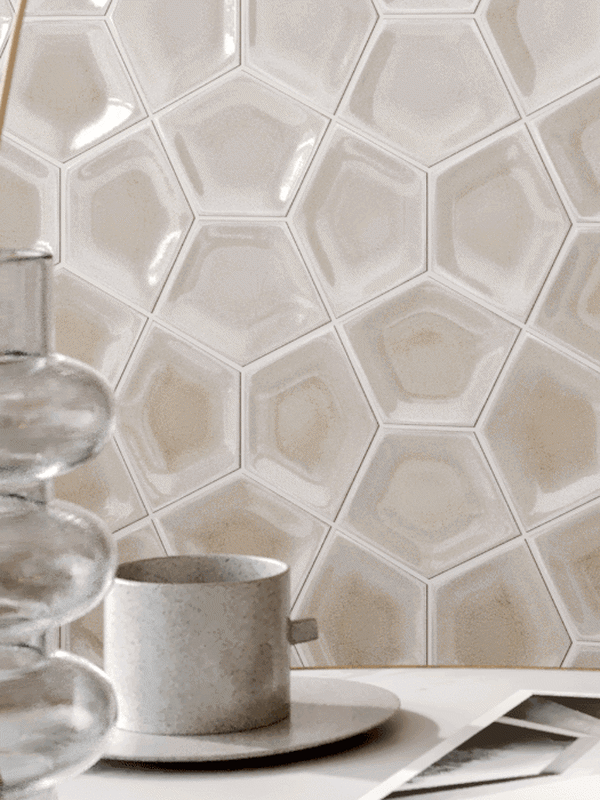
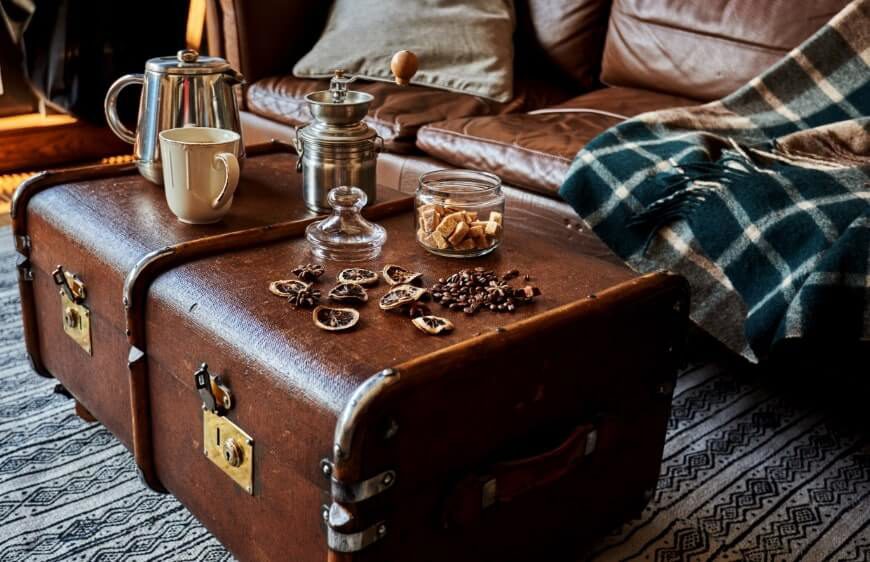
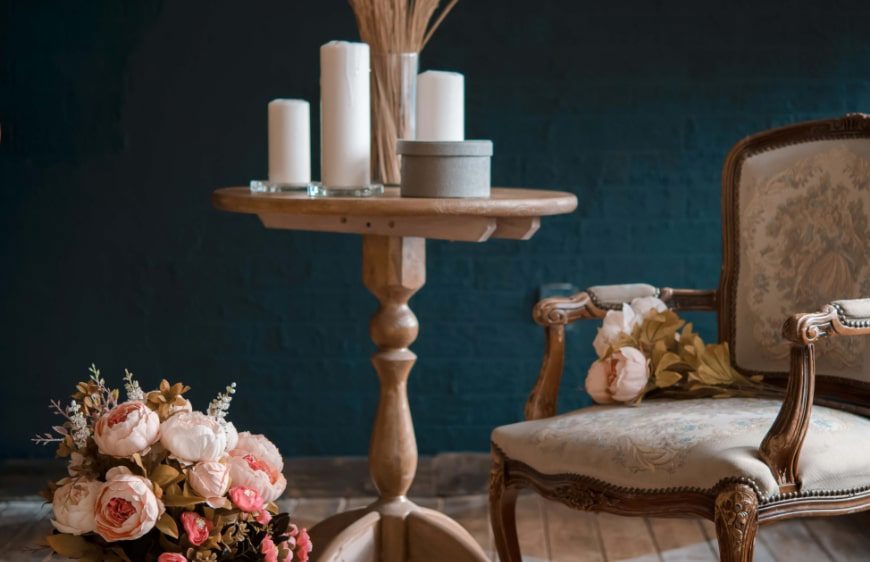
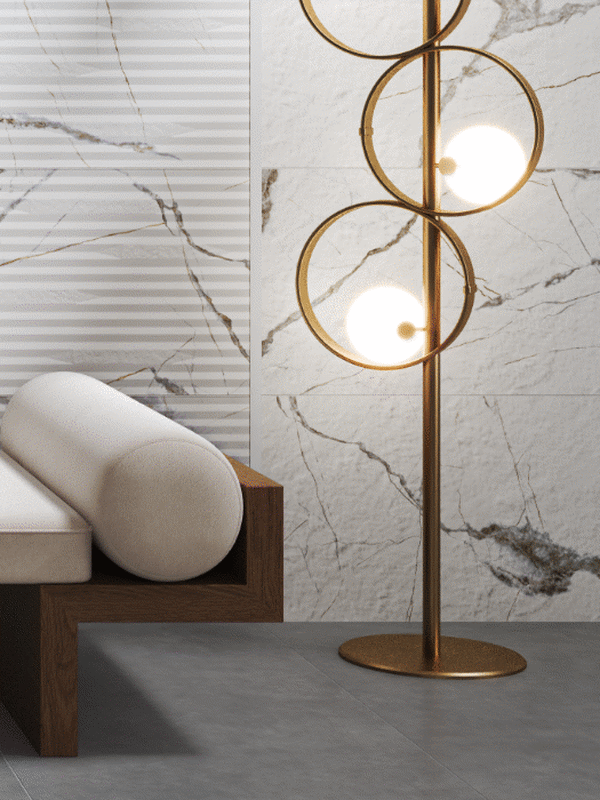
Colonial interiors place more emphasis on local and task lighting than general illumination, so floor lamps, lamps with shades and table lamps are widely used. Accessories that express a traveller's spirit include bronze globes, maps, hourglasses, intricately carved objects, candles, copper bowls, terracotta plates and large jars.
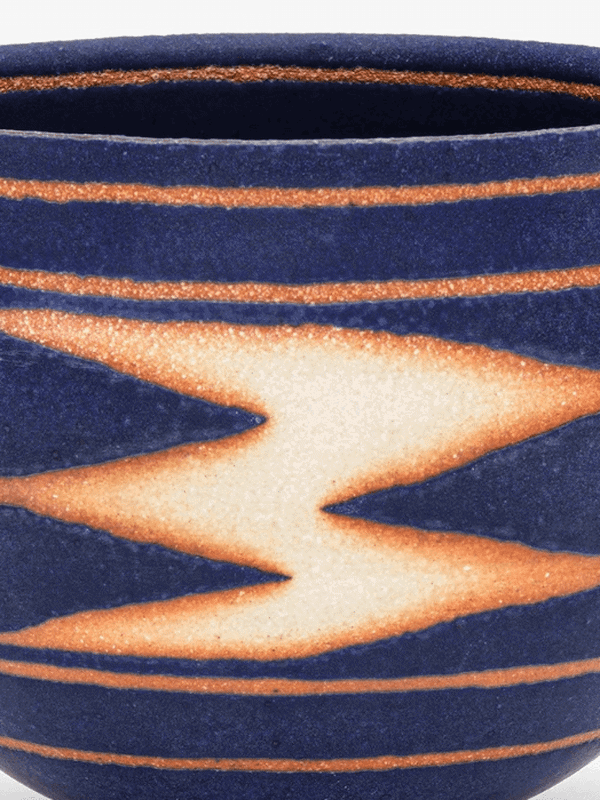
Listening to the coast
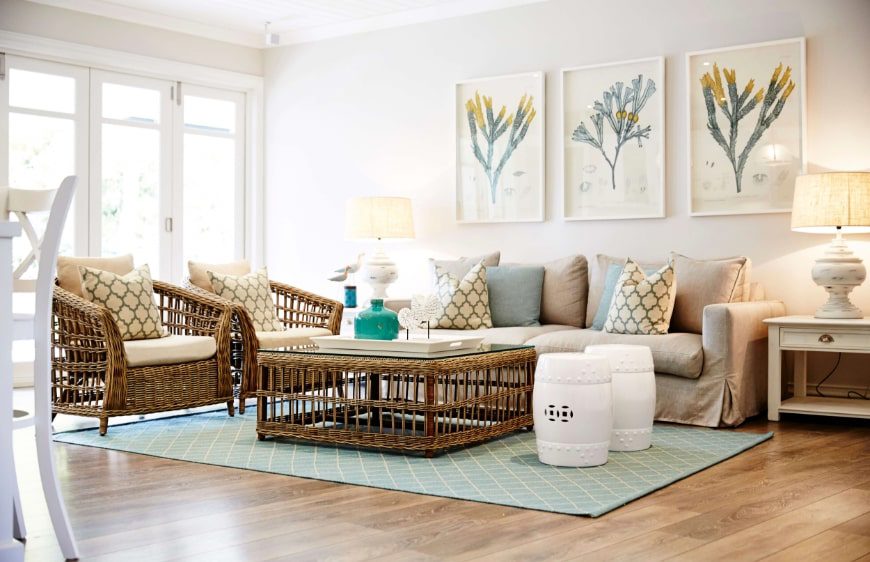
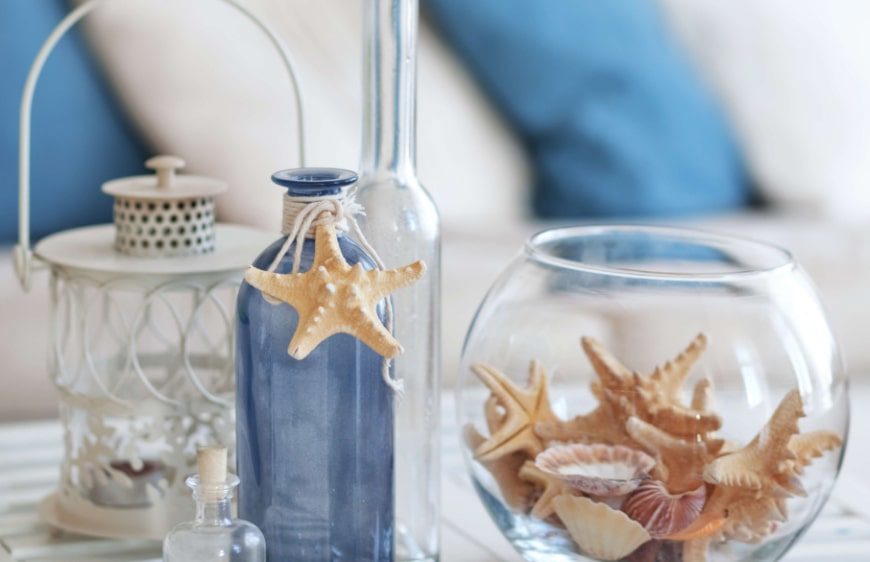
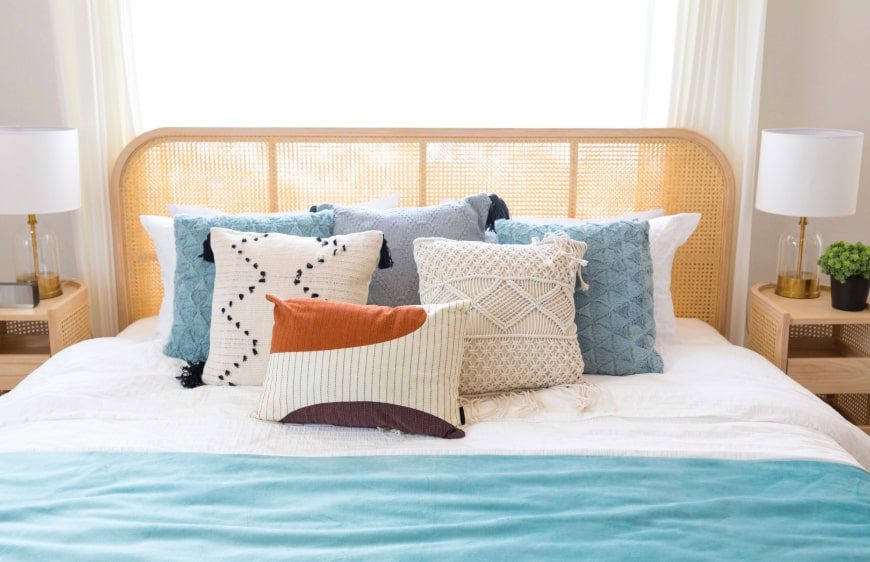
Nautical style is built around a light, airy atmosphere inspired by the sea and the coast. Its palette typically includes fresh coastal shades such as sky blue, beige and crisp white. Brighter colours such as coral and turquoise can add personality. Natural materials such as weathered wood, ceramics and glass take centre stage, while wicker and wooden furniture help maintain the airy feel. Seating is upholstered in soft natural fabrics such as cotton or linen. Maritime references frequently appear in the details: ships' wheels, rope, maps, portholes, buoys, shells, coral and fish find their way into everything from textiles to decorative objects.
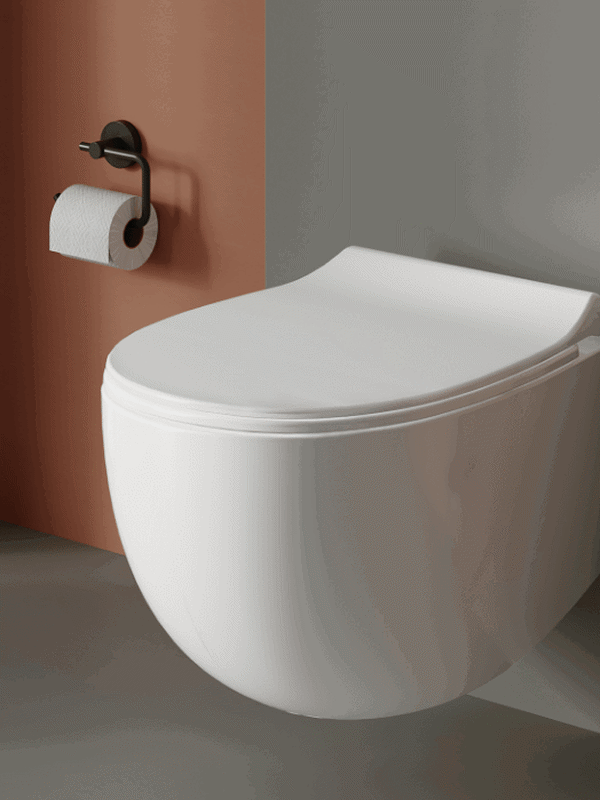
A journey into Provençal homes
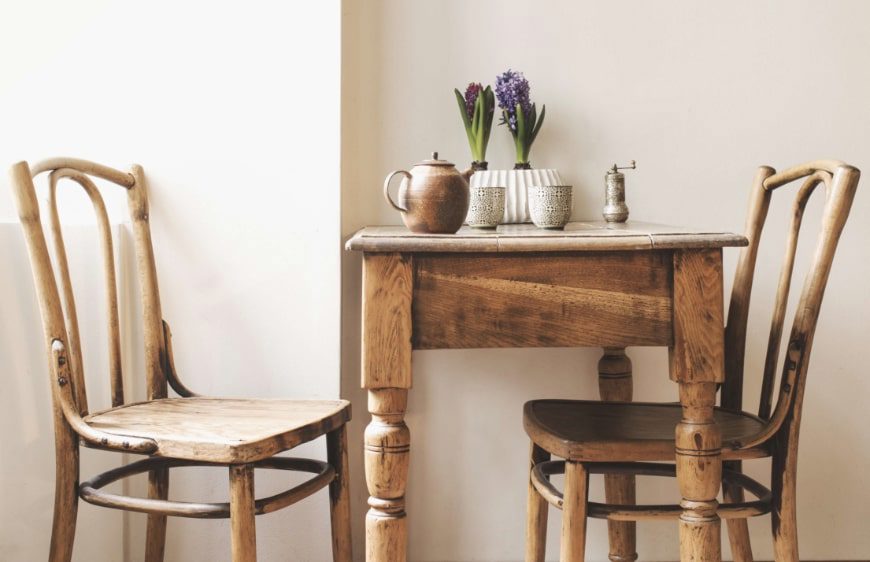
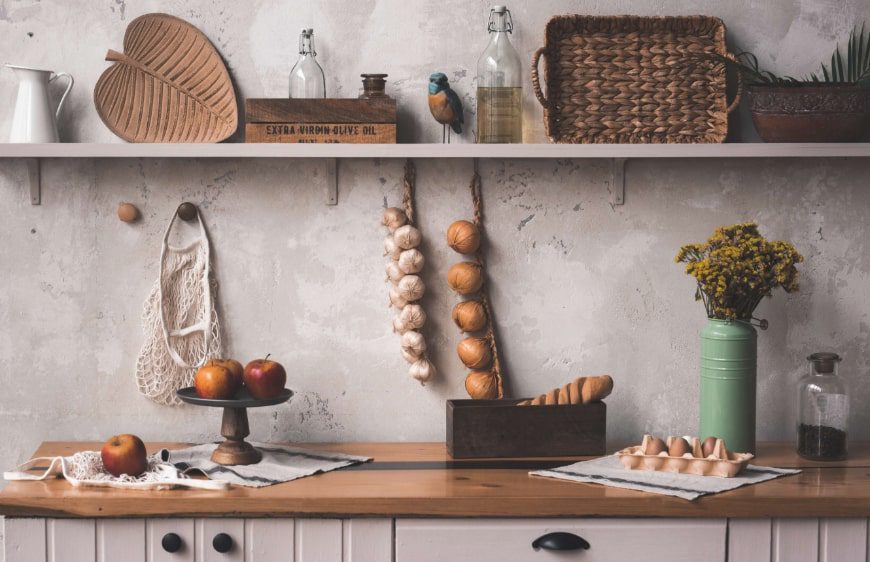
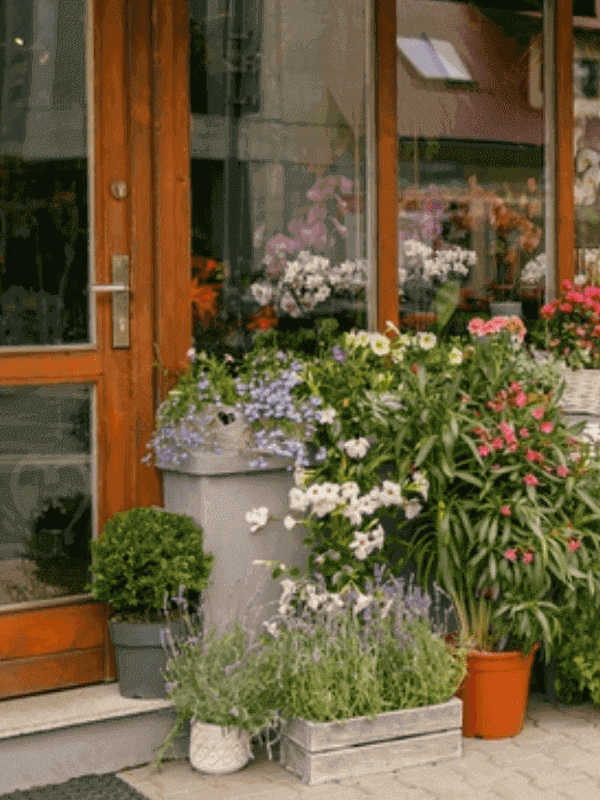
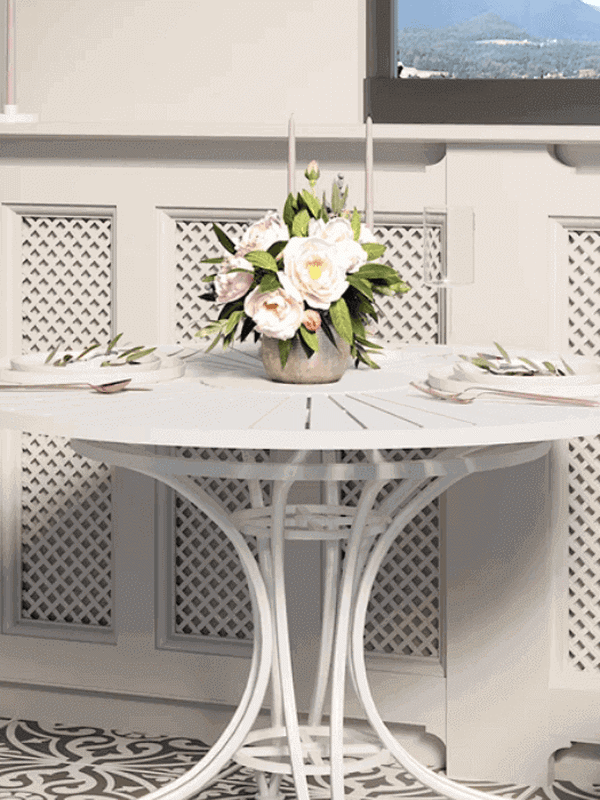
Sometimes described as country or vineyard-house style, Provençal décor takes inspiration from sweeping green landscapes and offers a simpler expression of romance. Light fabrics such as lace and cotton replace heavy curtains. Walls in white and cream surround weathered wooden tables, wrought-iron chairs and vintage sofas and armchairs, creating a warm, intimate and welcoming home. Elegant focal points complete this gentle atmosphere: large iron or wrought-iron chandeliers, vintage plate racks, brass candlesticks, toile de Jouy wallpaper and handwoven rugs with ethnic patterns. In this country-house style, indoor and outdoor life are connected. The decorative character of outdoor spaces such as gardens and verandas should therefore flow naturally into shared living areas such as sitting rooms and kitchens.