One of the biggest bathroom problems is therefore high humidity. Simply explained as the amount of water vapour in the air, humidity can lead to microbial hazards and trigger allergies or other respiratory problems.Each time we shower or use the basin, more vapour is released into the bathroom air, potentially damaging fittings, timber, grout and paint, and causing mould and decay. According to research, humidity of 70% or above next to a surface can seriously harm both the space and the health of people who use it regularly. In light of these findings, scientists recommend keeping indoor humidity between 30% and 60%.
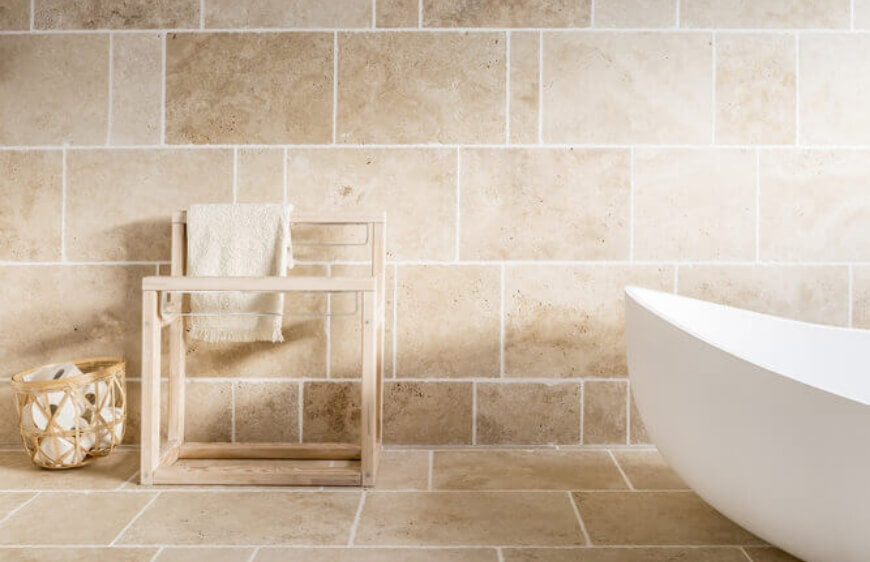
Tiles That Tackle Humidity Problems
Pointing towards the future of bathrooms, new-generation ceramics can tackle the problems caused by humidity while offering greater durability and hygiene.
Although its association with water makes the bathroom a unique centre for cleansing, refreshing and renewal, it is also associated with humidity. This can have a wide impact on indoor air quality not only in the bathroom itself but also in surrounding rooms, and may adversely affect the health of those who use it.
What does excess humidity damage?
- Mould growth:
If your bathroom has a humidity level above 60%, these microscopic fungi have found ideal conditions to settle and grow on surfaces. Mould often appears as white or grey patches on surfaces such as shower curtains, windowsills or tiles and can penetrate deeper into building materials. It can cause health problems such as asthma in children and trigger allergies. If left unchecked, mould eventually destroys the materials it grows on, as the fungus gradually digests them.
- Damage to walls:
If high humidity is not controlled, condensation collects on the most susceptible walls in your home. Paint is damaged, and wallpaper, if present, curls. When the moisture content of plaster, beams or studs keeps changing, materials can swell or warp. It can cause irreversible damage to parquet floors, window frames and other wooden fittings. Ultimately, high humidity can cause cracks that may require expensive repairs.
- Decaying furniture and floors:
Excess moisture in the home can also damage wooden furniture by causing stains and growths. Furniture positioned against walls is at greater risk of trapping moisture because air cannot circulate around it.
As we have seen, high humidity originating in bathrooms—or kitchens where food is constantly cooked and hot steam released—can cause significant damage throughout a home. Its impact is even greater in bathrooms, where hygiene is central, particularly on surfaces. However, bathroom brands that combine care for people and nature with an appreciation of technology are developing solutions that cope with high humidity and improve bathroom life. Kaleseramik is one such brand.
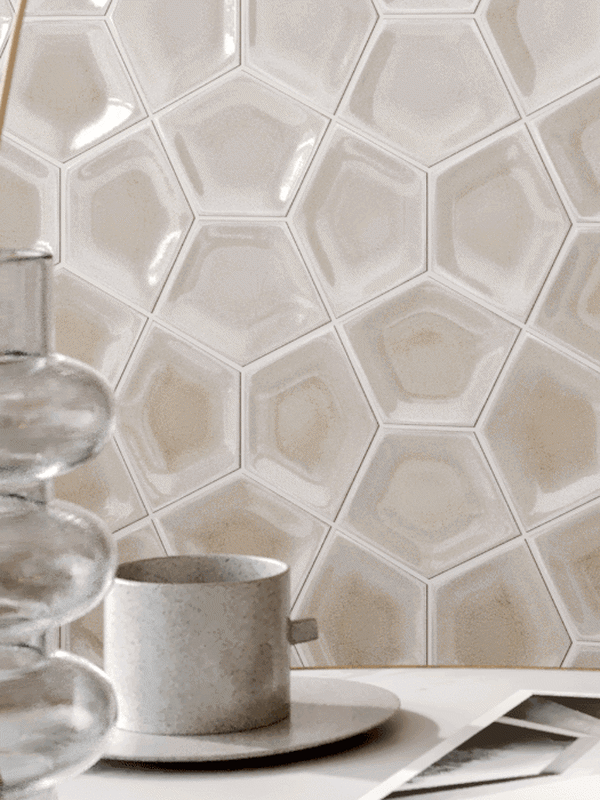
Kaleseramik's 'Breathing Tiles' project, developed to regulate indoor humidity through ceramic coverings and designed using geopolymer technology, absorbs moisture when the humidity in the air rises above 70%. When the level falls below 40%, it releases the stored moisture back into the room. In this way, ambient humidity is kept between 40% and 70%, described as the ideal range for human health. The product is therefore almost a climate regulator rather than simply a covering material.
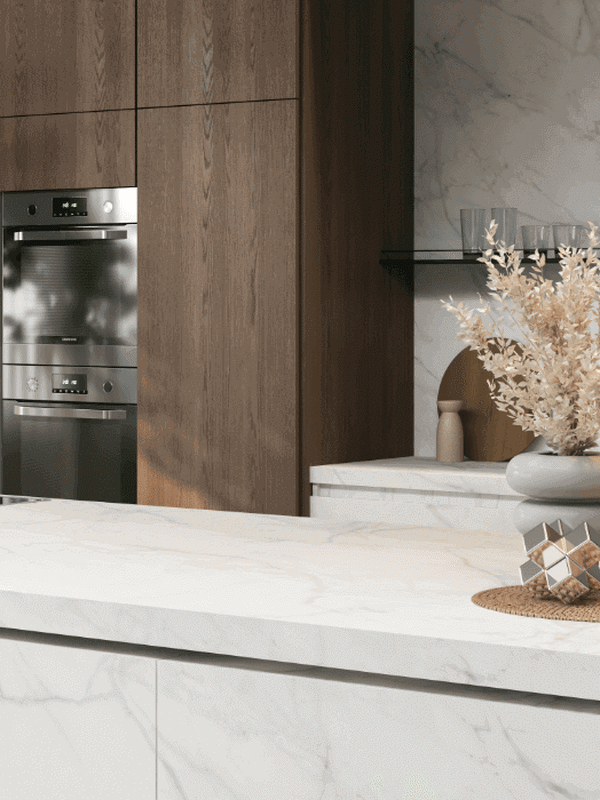
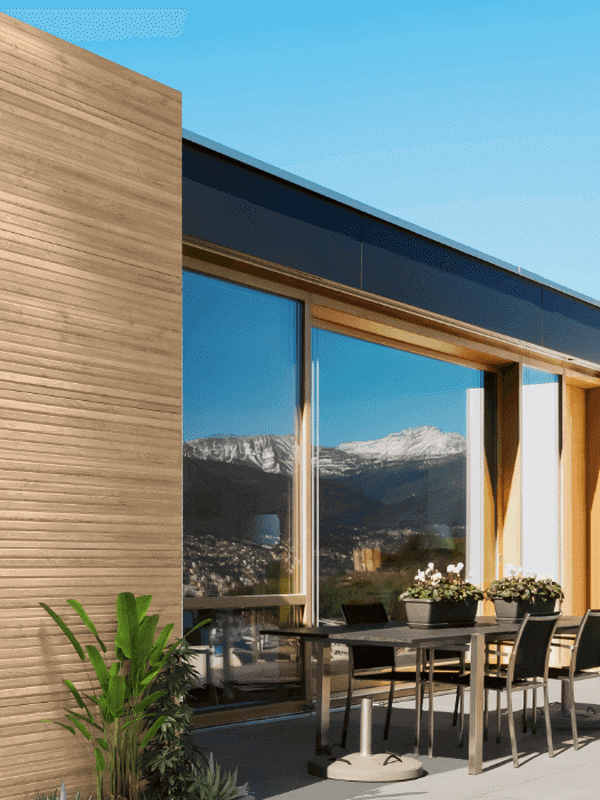
'Breathing Tiles' helps reduce illnesses caused by dry or humid air. As well as preventing moisture damage to building materials, the project's products allow energy-intensive ceramic production to use minimal water and approximately 70% less energy.