The world of surface coverings is innovative by nature, keeping pace with technology. That is why, almost every season, brands’ research and development teams bring us news of a new material or product focused on function, aesthetics or health.On the opposite shore of all this activity sit designs that watch developments with a smile, maintaining their prestige and status whichever way the wind blows. These styles and designs belong to movements that have never aged, faded or fallen out of fashion throughout history, and remain their permanent representatives in the world of tiles.So who are these great masters that have remained untouched by passing trends and kept their appeal across the ages?
Three Timeless Classic Bathroom Styles and Their Distinctive Tile Patterns
They defy trends, stop time in its tracks and never surrender their crowns. Are you ready to discover three enduring classic styles and their three distinctive tile looks, which continue to hold their own throughout the history of interiors?
- Art Deco and its graphic patterns
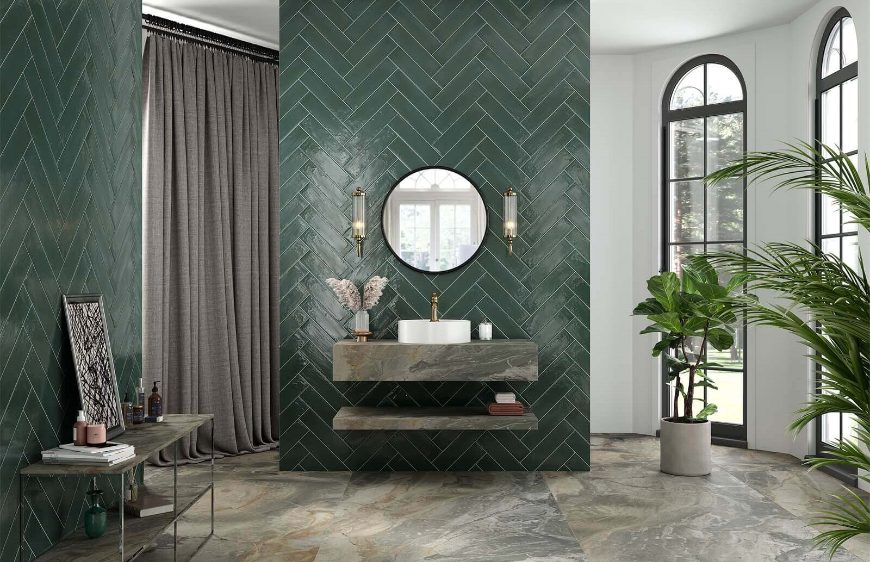
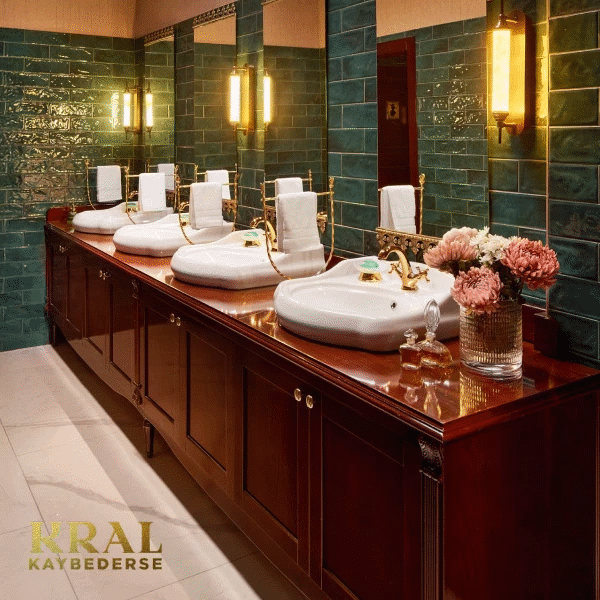
Art Deco emerged from a process that began in late 19th-century France, when prominent artists, architects and designers who had played a key role in developing Art Nouveau began to recognise that it was becoming dated. With a tasteful, modernist aesthetic that announces the 20th century, Art Deco loves graphic design, dances between rounded and pointed forms, and has a passion for symmetry. It favours dark solid woods such as mahogany, ebony and rosewood, alongside dark glass and stained glass. Brass is its lifeblood. Art Deco interiors outline everything in this colour, while velvet is another of their passions.
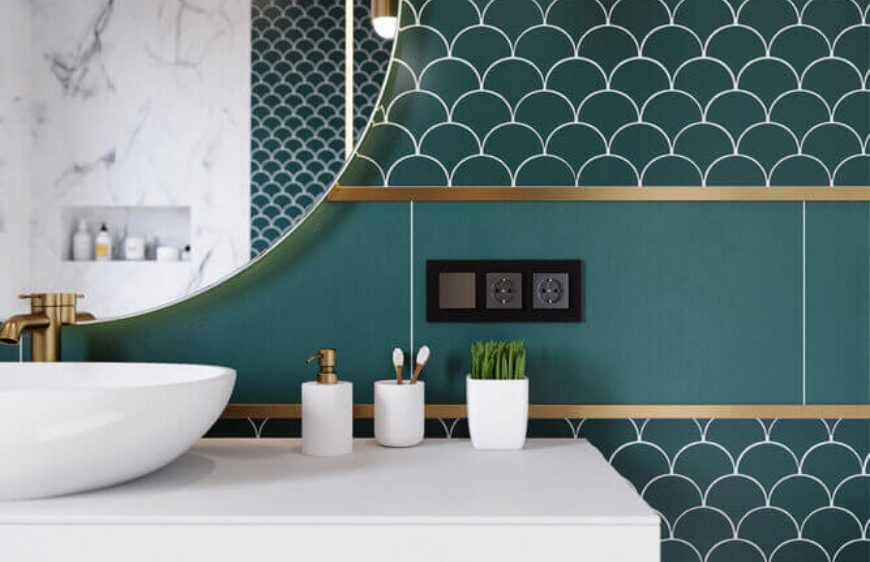
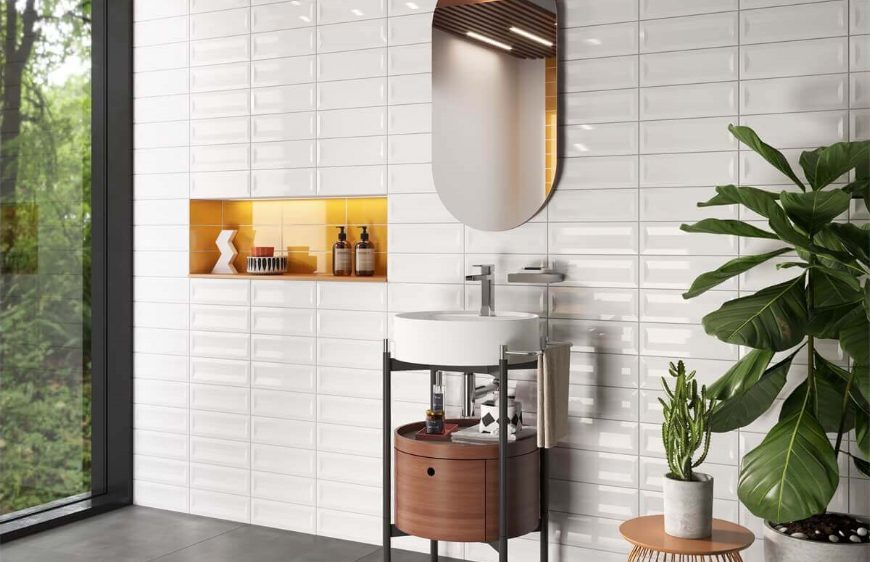
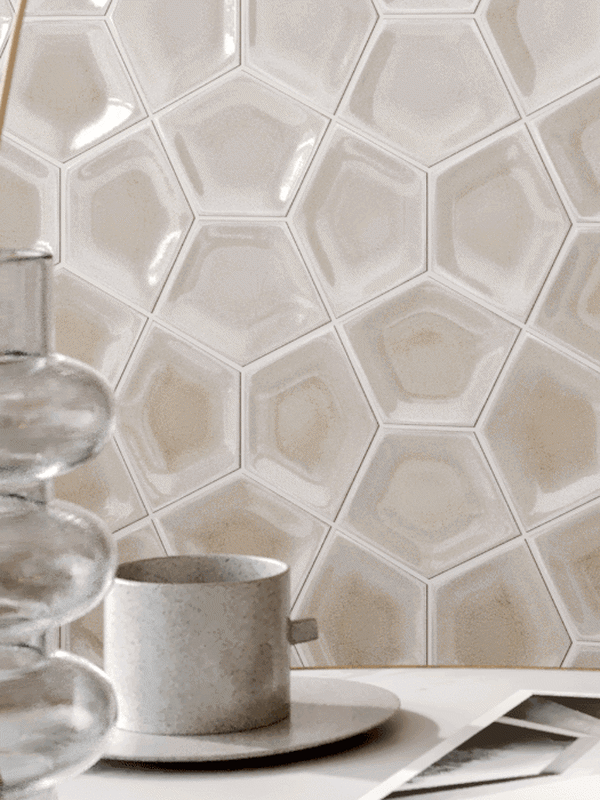
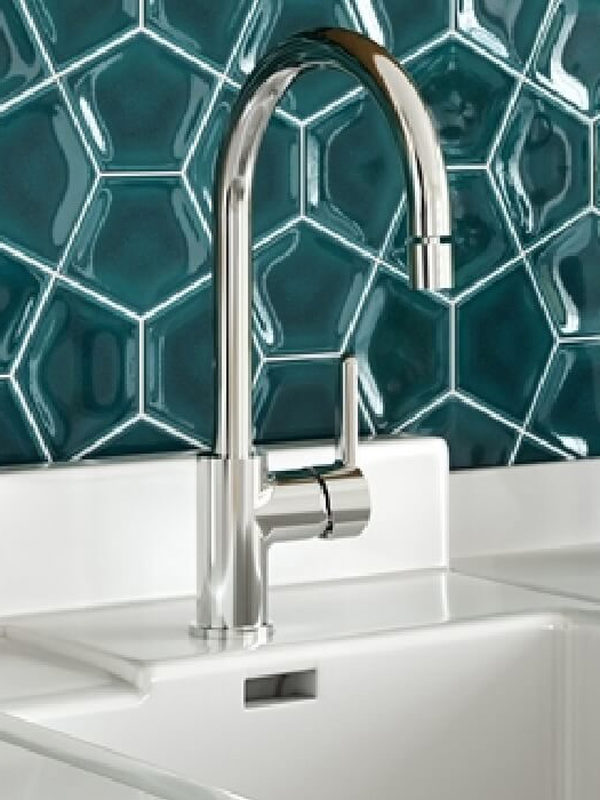
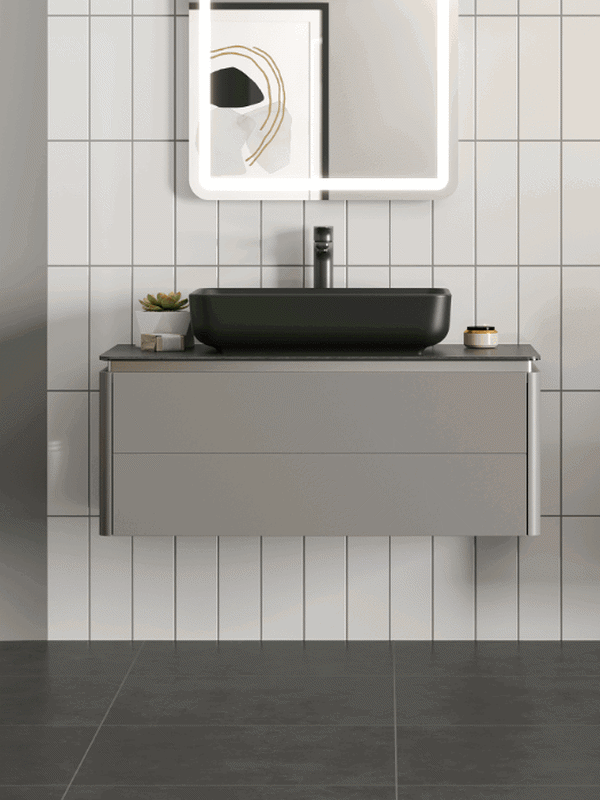
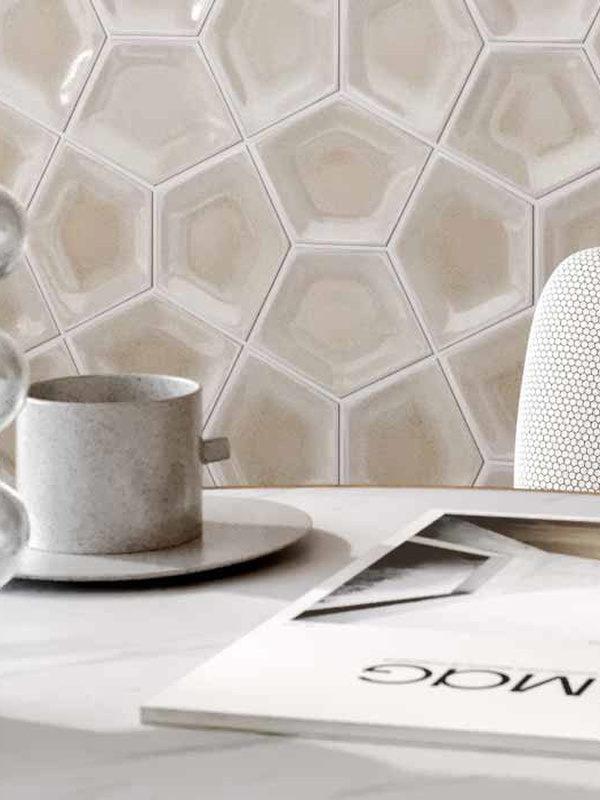
The most characteristic floor and wall tiles in Art Deco interiors are as historic as the style itself: metro tiles. Usually encompassing contrasting colours such as black, dark green and flamingo pink, metro tiles have an alternative in hexagonal or pentagonal tiles. Finally, fan-shaped fish-scale tiles are another essential element of the style. Of course, what all these designs share is geometry, geometry, geometry.
Among the latest interpretations of Art Deco in tiles, the Miniatile-Metro collection is the first to catch the eye, living up to its name. Alongside the Metro collection from Miniatile, one of Çanakkale Seramik’s most admired series, Windsor Frame, Avenue and Moonlight from the same series offer further variations on metro tiles.
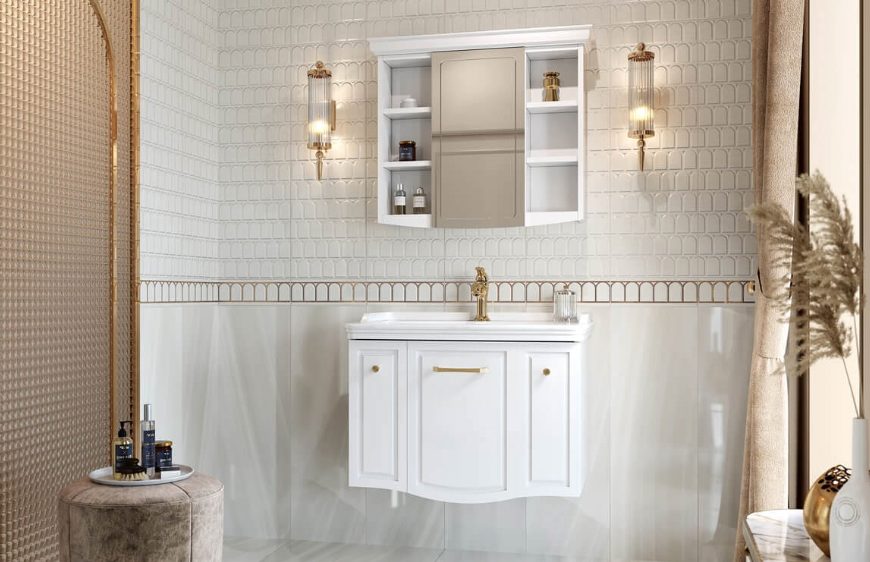
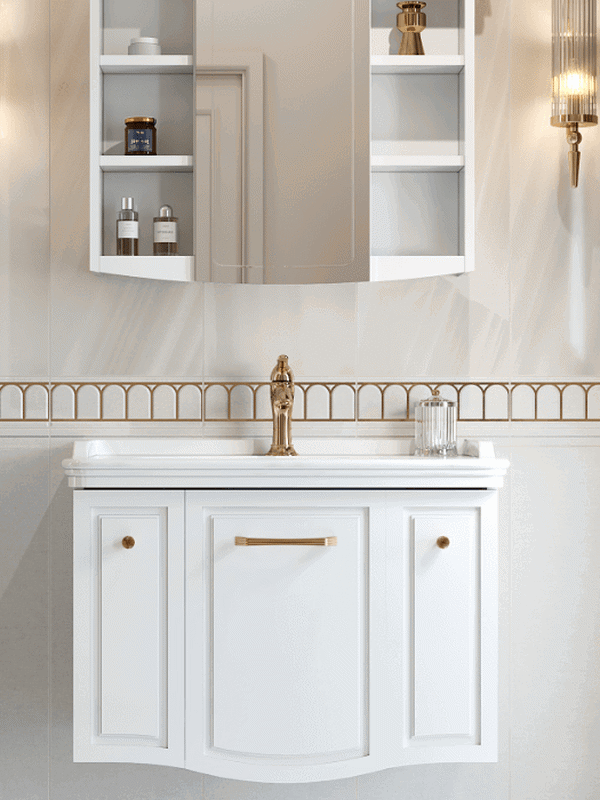
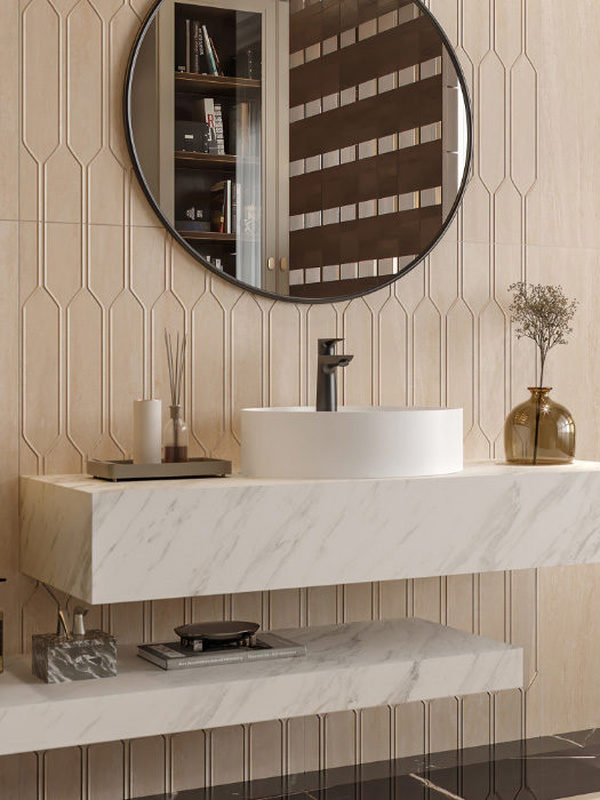
Our second recommendation is the arch-patterned tiles in Çanakkale Seramik’s Artisan series. Combined with the series’ Alabastro marble-effect ceramics and floral borders, these arch decorations create a veritable celebration of Art Deco.
- Shabby chic and its roses
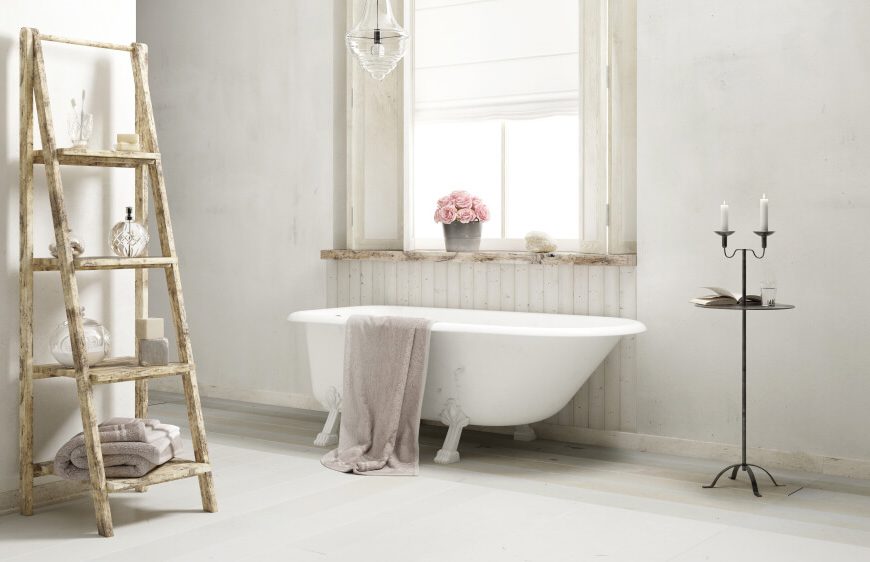
Bringing rustic elegance from flea markets, shabby chic describes interiors with a historic—even antique—yet relaxed feel. A palette composed mainly of white and related pale tones is accompanied by distressed furniture, books with worn covers, vintage accessories, abundant textiles and wallpaper.
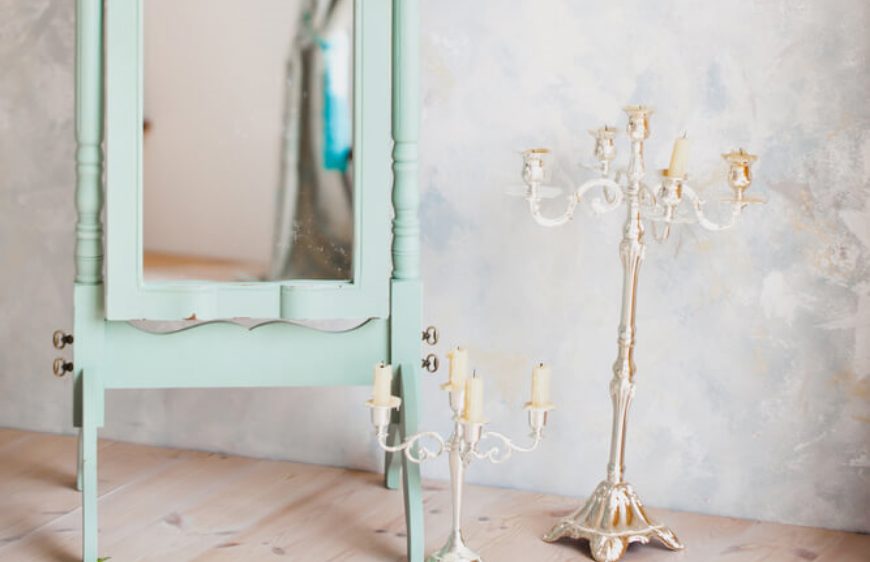
To embrace shabby chic, which heightens romance with chalky pastels, you need to love porcelain, crystal, tassels, curtains, sofa covers, cushions and a wealth of accessories ranging from old teacups to chandeliers.
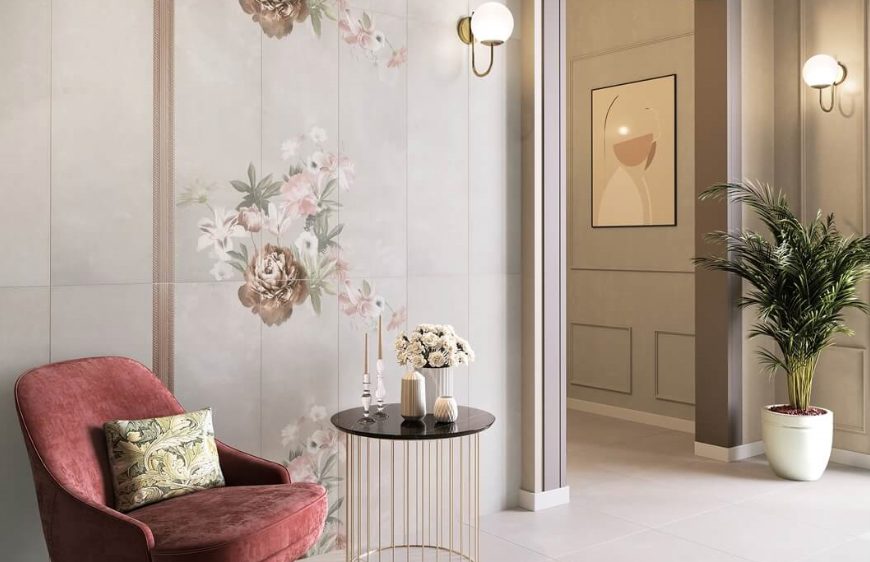
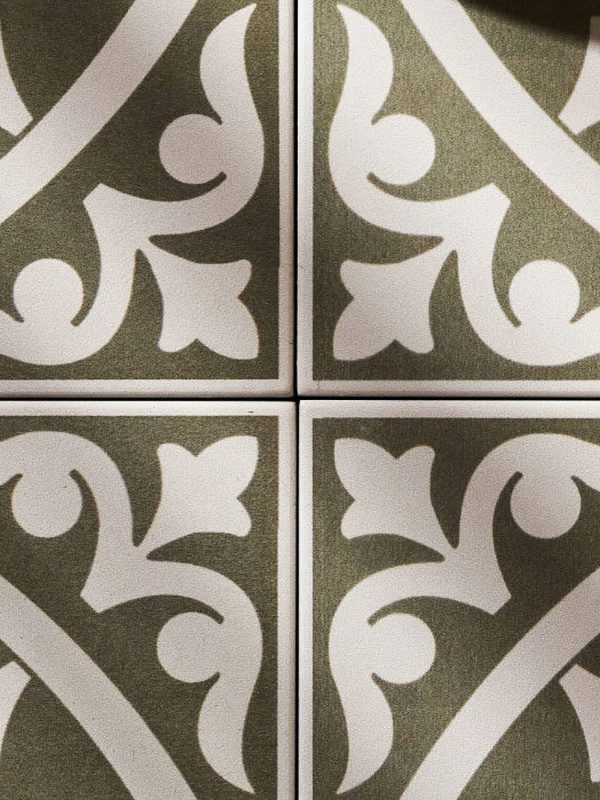
Alongside all this sense of wear, what makes shabby chic irresistible is its use of flowers, striking a balance between French classic and cottage styles.Floral patterns—especially oversized roses—are a signature of shabby chic, used everywhere, not just in kitchens and bathrooms.
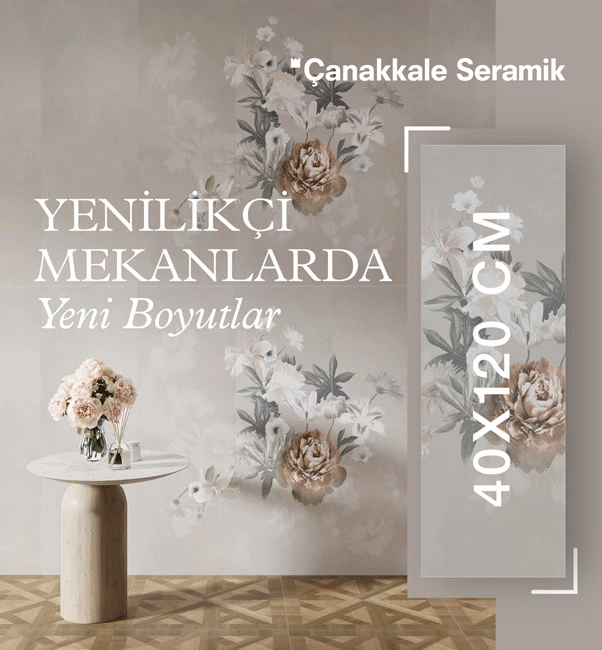
If you would like to bring a shabby chic feel to your home with oversized flowers, we recommend Çanakkale Seramik’s Romantica series. Bringing a modern cement look together with large floral engravings, Romantica is for those who love scenes from the natural world.
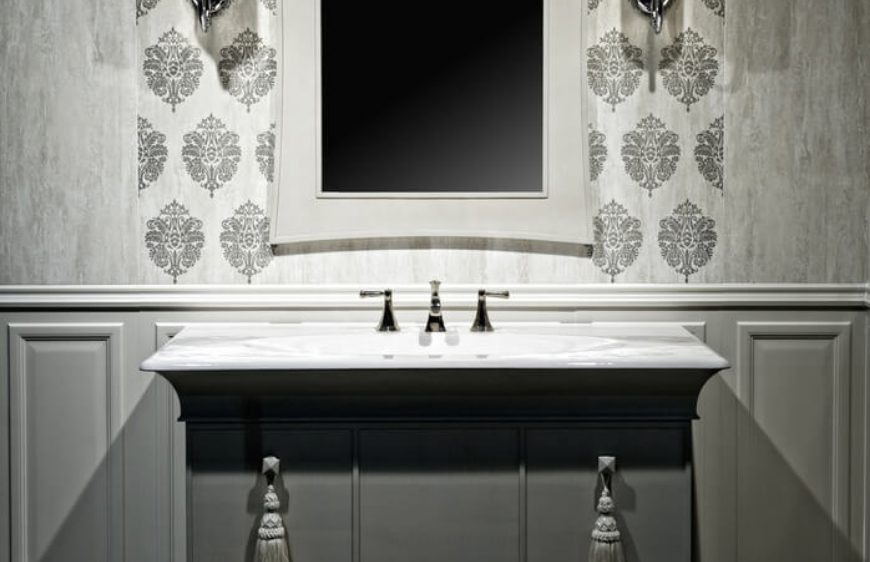
- Baroque and its damask patterns
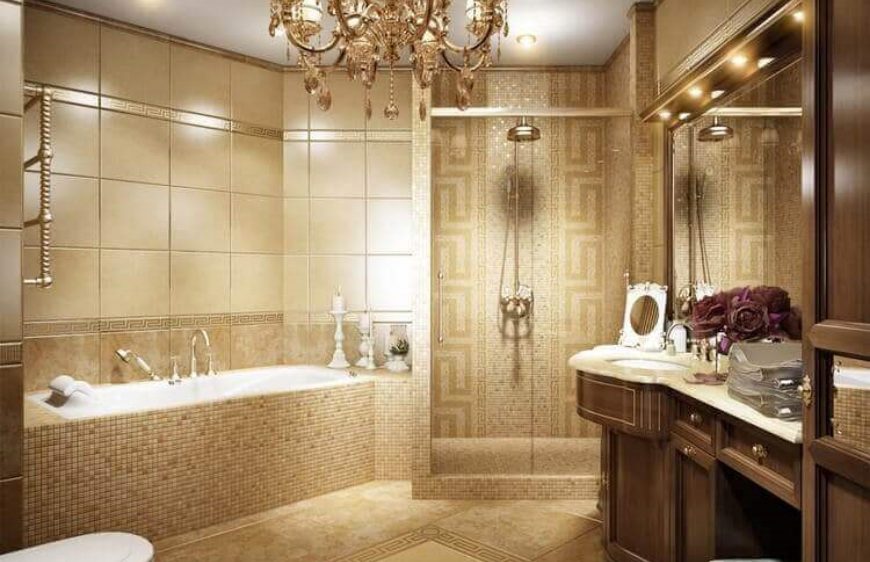
Baroque refers to the decorative style used in Italy and France during the Baroque period of architecture, art and design in the 17th and first half of the 18th centuries. In simpler terms, think wealth, splendour and luxury. If you would like to embrace this style, with its underlying love of extravagant decoration, keep bronze sculptures, intricate tapestries, enormous carved wooden furniture, painted ceilings, crystal chandeliers and, of course, gilded finishes on almost everything in mind.
If you think of the Baroque art movement as a sweeping revolution spanning sculpture, music, architecture and furniture, there is little point questioning its lasting influence. As a style that has embodied power, brilliance and grandeur across the ages, it remains relevant—and how!
Baroque uses elegant materials such as marble and granite, displays mirrors to enhance natural light and showcases furniture hand-carved by craftspeople. Its indispensable golden finishes frequently appear in wall decorations and fabrics, particularly in damask patterns. Baroque freely combines every variation of damask; this passion was later continued by Rococo and reinterpreted in modernised forms over the centuries.
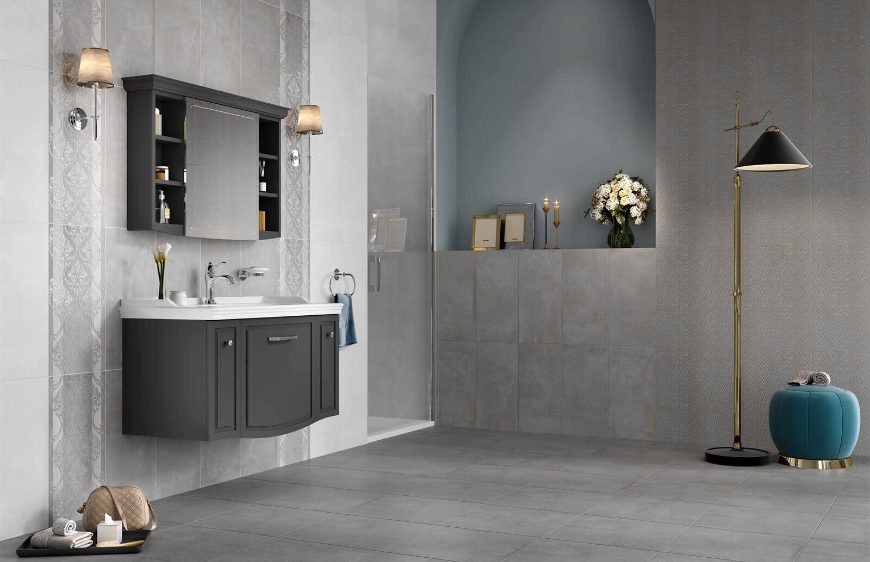
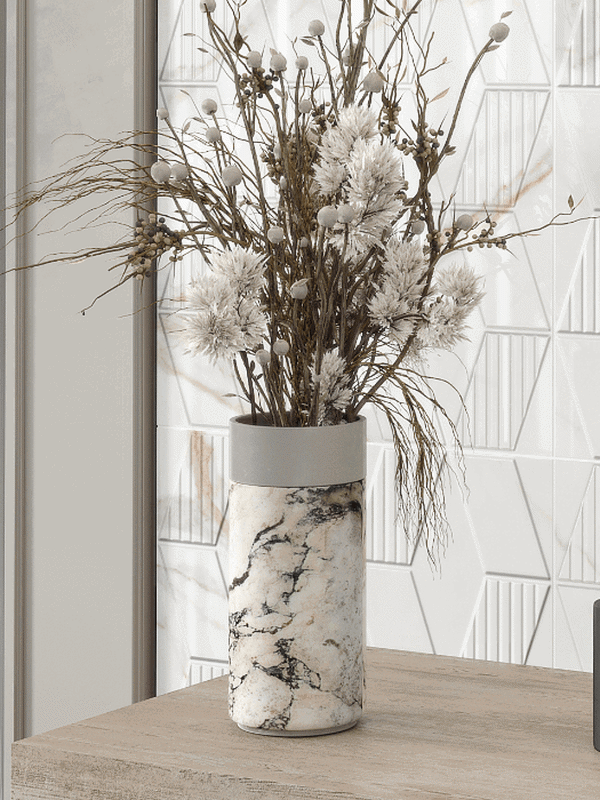
Created through modern interpretations of Baroque style, the Fresco collection by Çanakkale Seramik feels like a tribute to the classical age. Presenting damask patterns in relief decorations, Fresco makes an impression with matt cement, white-grey and anthracite colours.