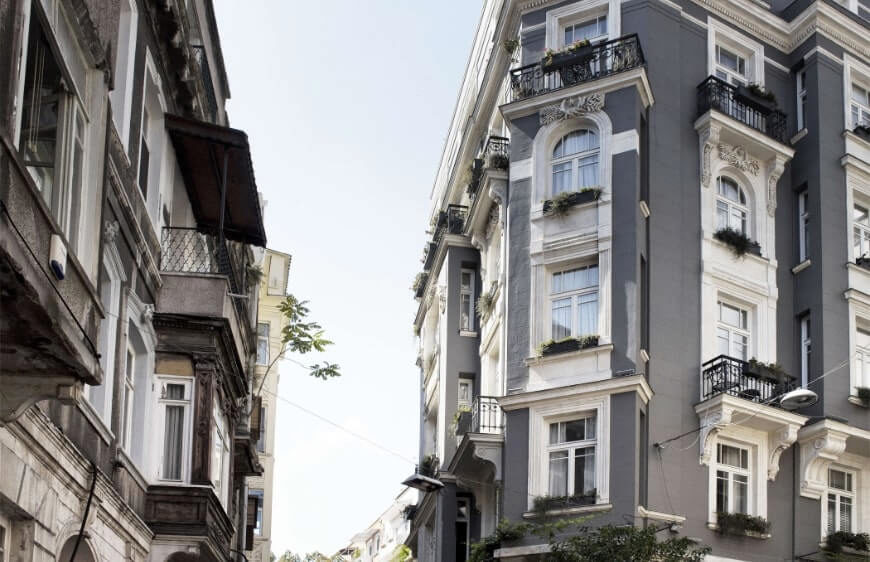
Following the devastating Great Fire of Pera in 1870, Italian architects and craftspeople who had migrated to the district helped reshape it. Using materials such as stone and cast iron, they restored its refined and distinguished character.

The Pera district, known today as Beyoğlu, inspires homes that love nostalgia through the distinctive features of its historic buildings.
With high ceilings, iron doors, courtyards, stone entrance halls and grand windows, Pera’s houses display the period styles of the terraced-house arrangement associated with Western architecture. They are among the symbols of Beyoğlu’s identity and character. An area of vineyards and gardens until the 16th century, Beyoğlu, or Pera, began to develop with the arrival of the French, Venetian and British embassies. Following the Tanzimat Edict in the 19th century, it was opened to settlement by minority communities. It became a residential and commercial district for Greeks in particular, as well as Armenians, Jews and Levantines. As these communities became established, the district gradually acquired the silhouette of a European capital: hotels, shops, restaurants, theatres, patisseries, cafés, arcades, places of worship and schools were built. Numerous homes and public buildings reflected the area’s neoclassical architecture, and many still bear the names of the families who lived there at the time.
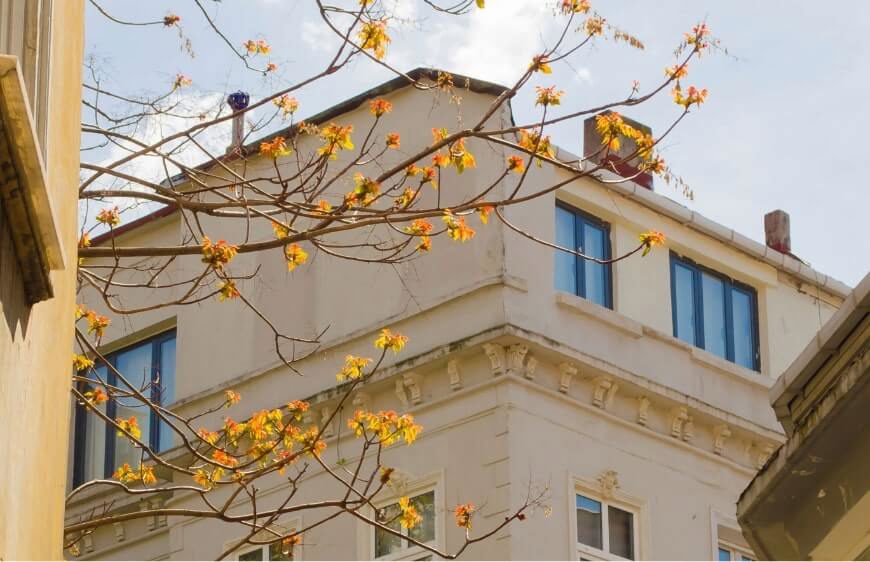
Following the devastating Great Fire of Pera in 1870, Italian architects and craftspeople who had migrated to the district helped reshape it. Using materials such as stone and cast iron, they restored its refined and distinguished character.
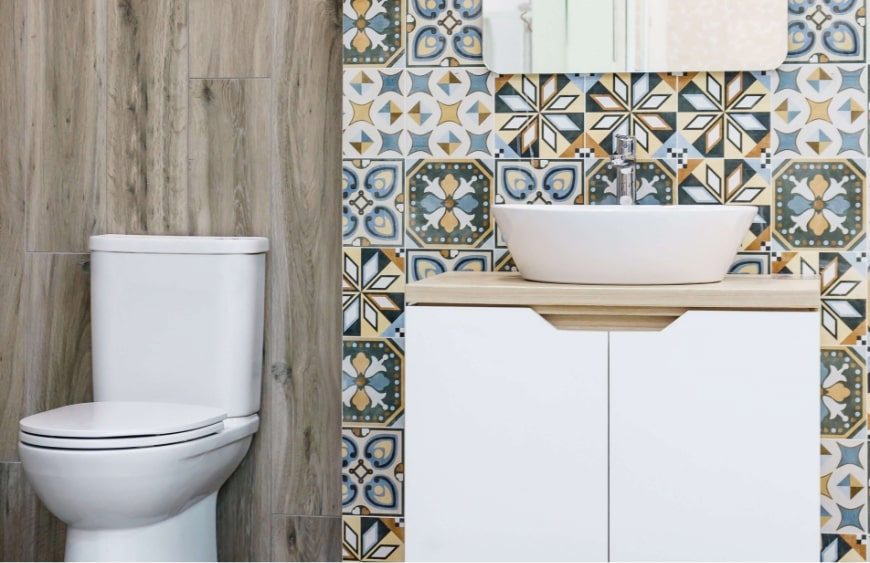
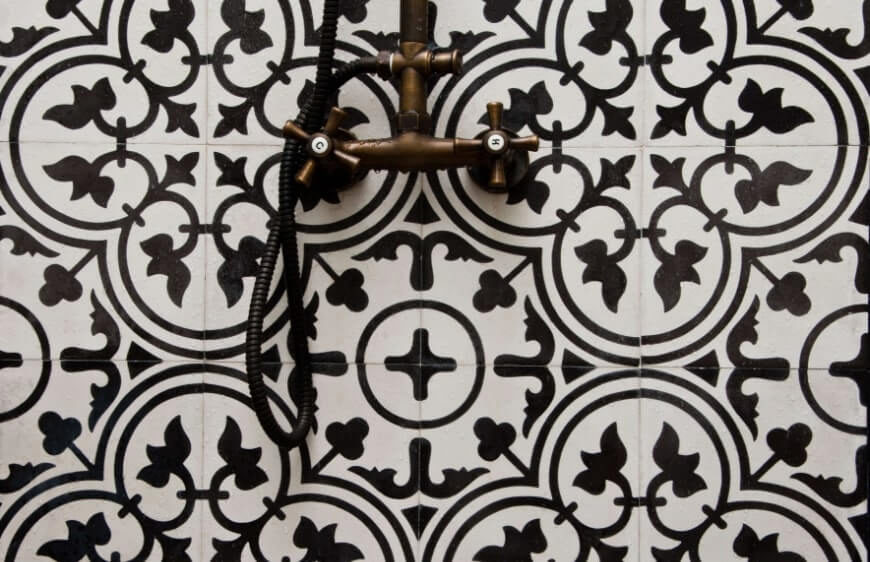
Originating in France and reaching Anatolia via Lebanon, this traditional craft spread over time from Central Europe to the Middle East and North Africa. Today, it reaches homes around the world, repeatedly returning to prominence in decorating trends.Decorative tiles reveal their quieter side in Scandinavian homes devoted to black and white, and their bohemian character in Moroccan homes filled with colour. In Türkiye, their greatest inspiration comes from Pera’s historic, artistic, elegant and sophisticated spirit.
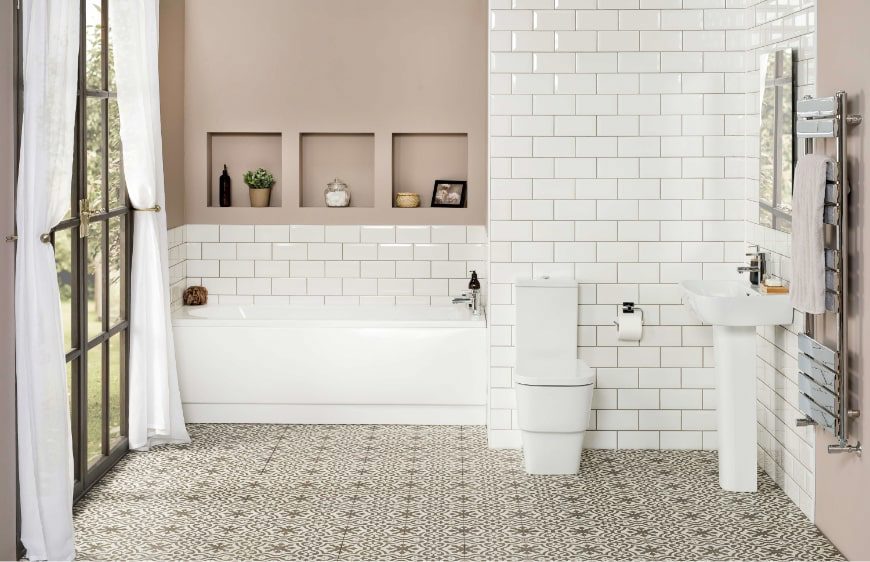
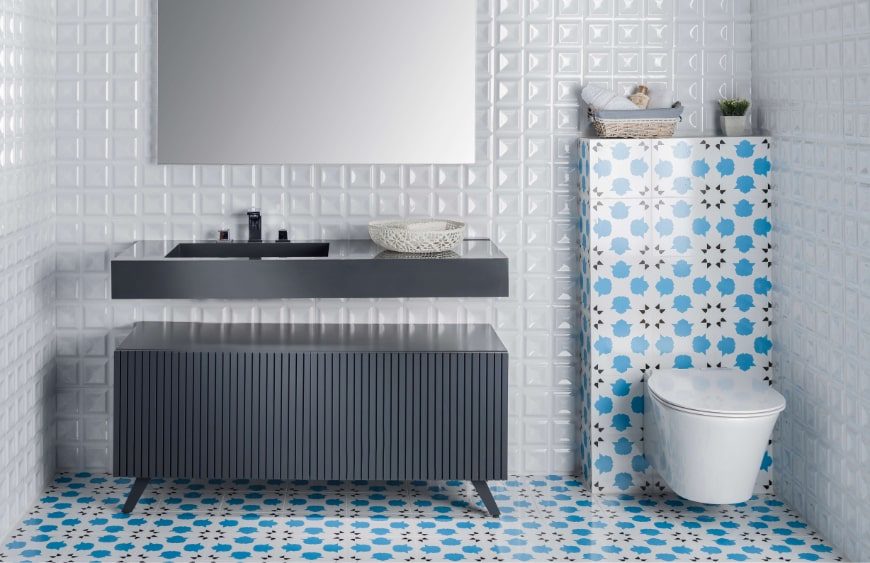
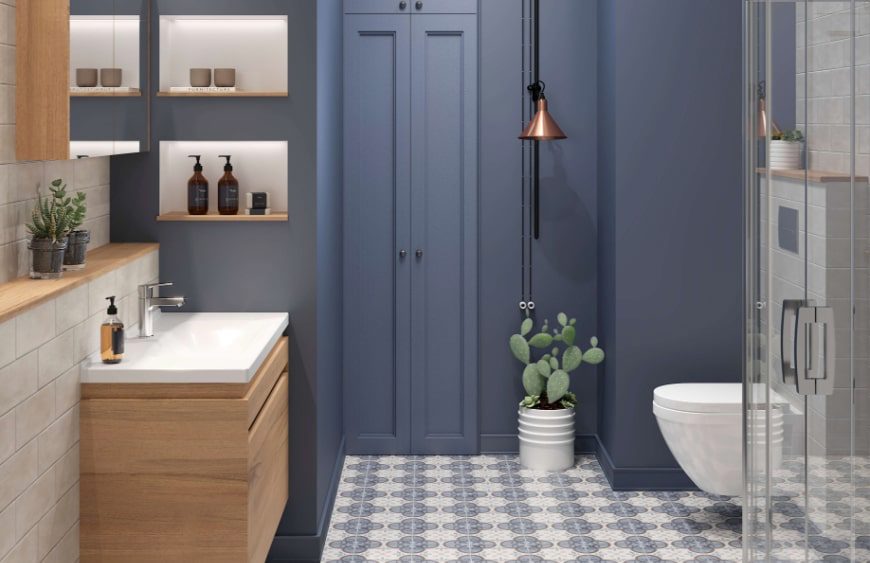
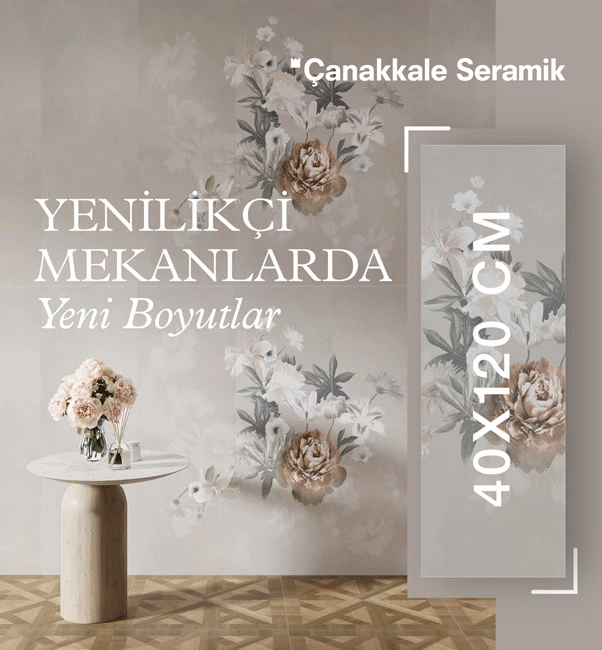
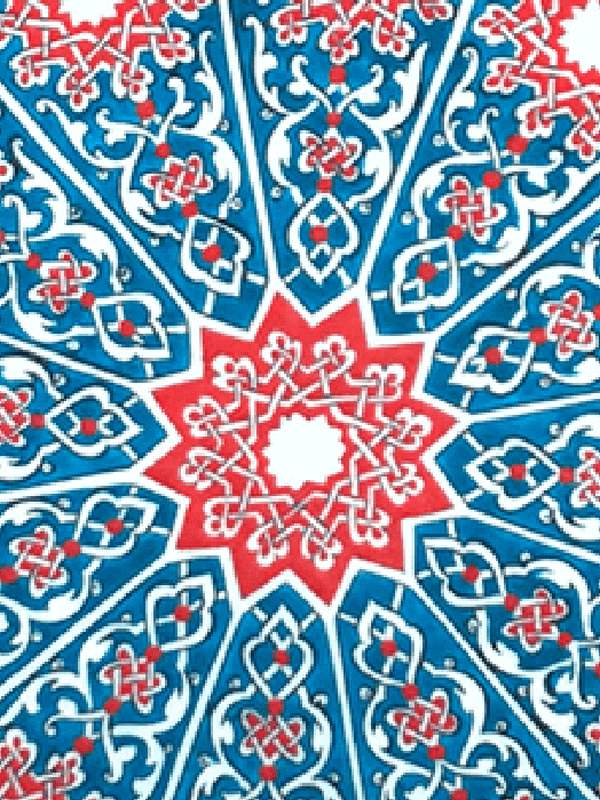
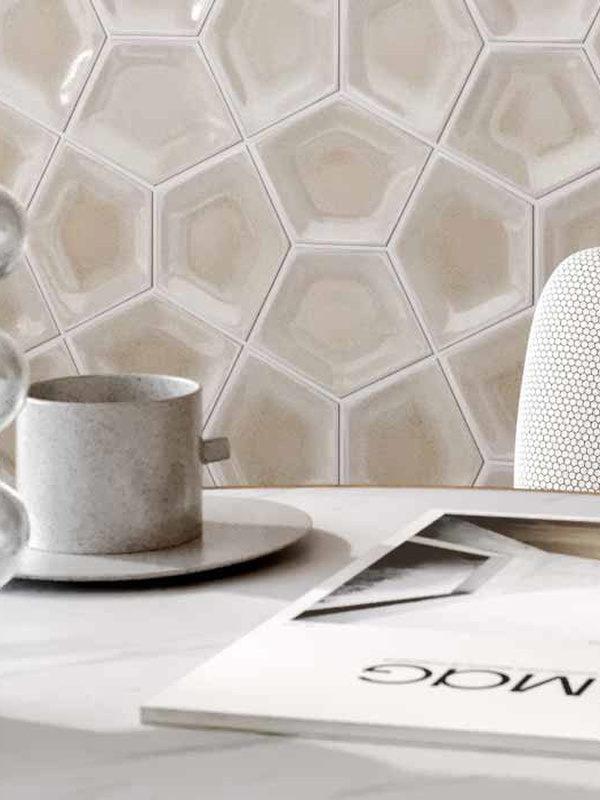
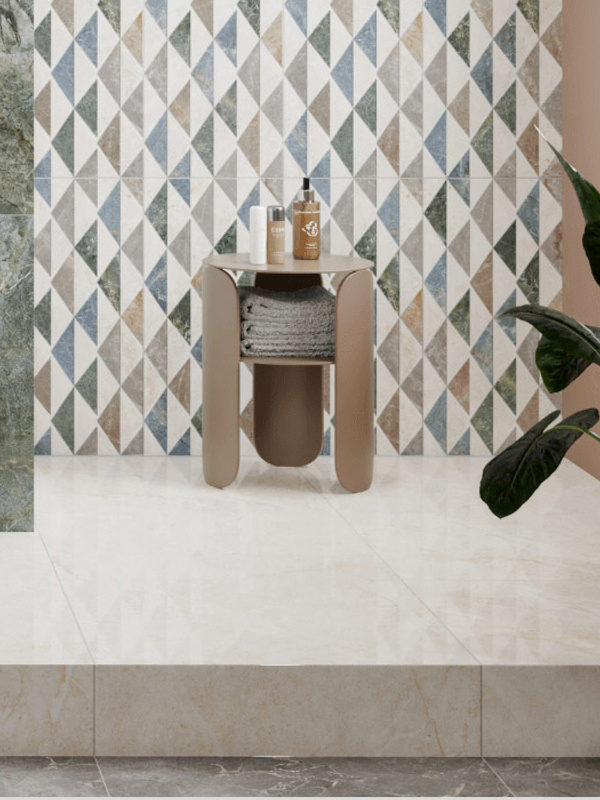
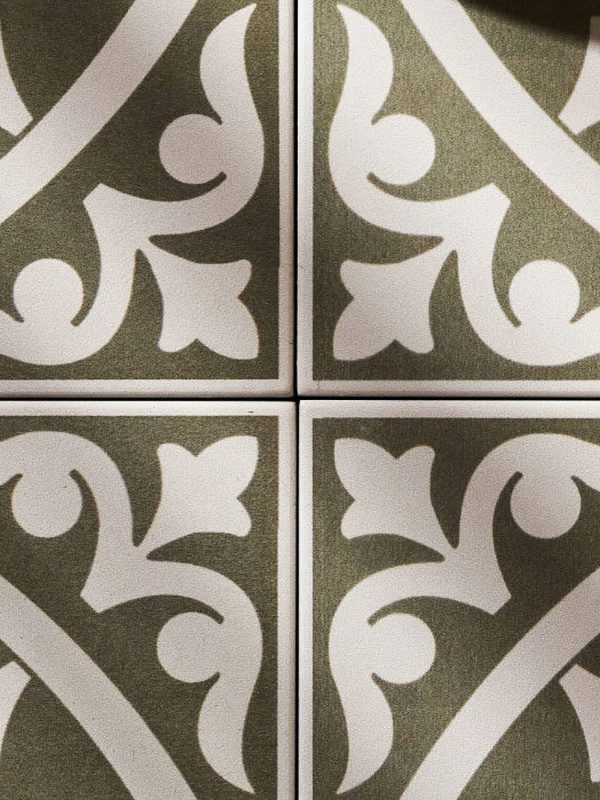
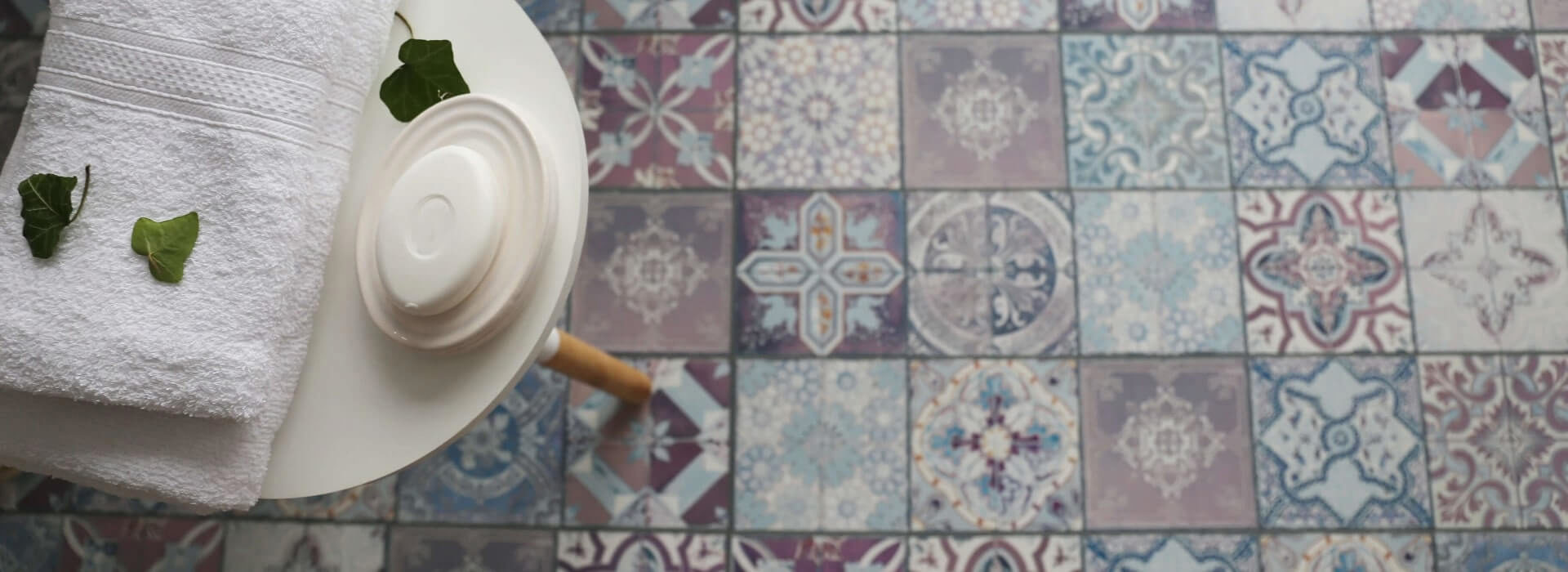
Çanakkale Seramik is one of the best places to explore decorative tiles, which are increasingly used in shared spaces such as entrance halls, balconies and corridors, as well as kitchens and bathrooms. Updated patterns bring a fresh perspective to contemporary homes. Reflecting the character of classic and traditional decorative tiles and motifs, the brand’s Pera collection carries the spirit of old Beyoğlu apartment buildings into today’s interiors. It brings the remembered footfall of Istanbul’s elegance, its multicultural spirit and its gracious, distinguished bearing into every living space. Homes gain not only new surfaces but also meaning and value.
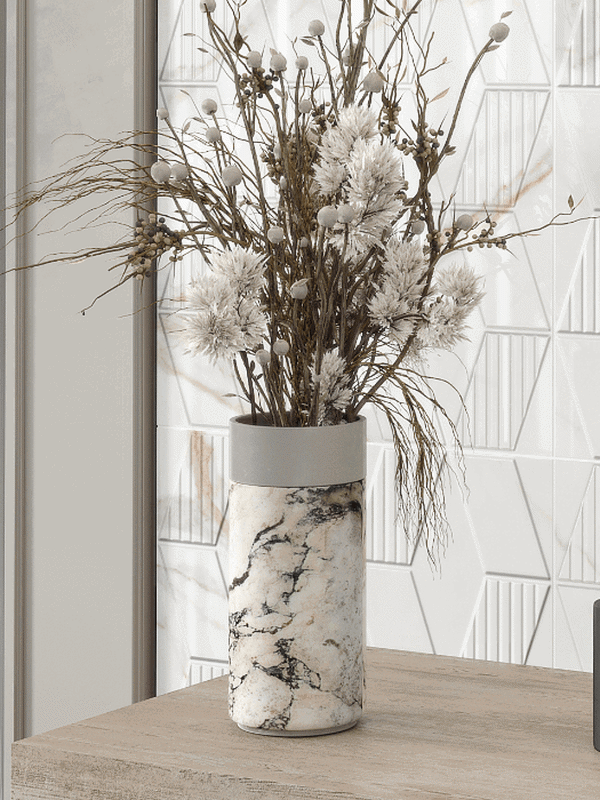
Offering colour combinations such as grey-blue and beige, mink and beige, and black and white, alongside traditional and geometric patterns, the Pera collection consists of 20 x 20 cm matt glazed porcelain tiles and decorations suitable for both floors and walls.
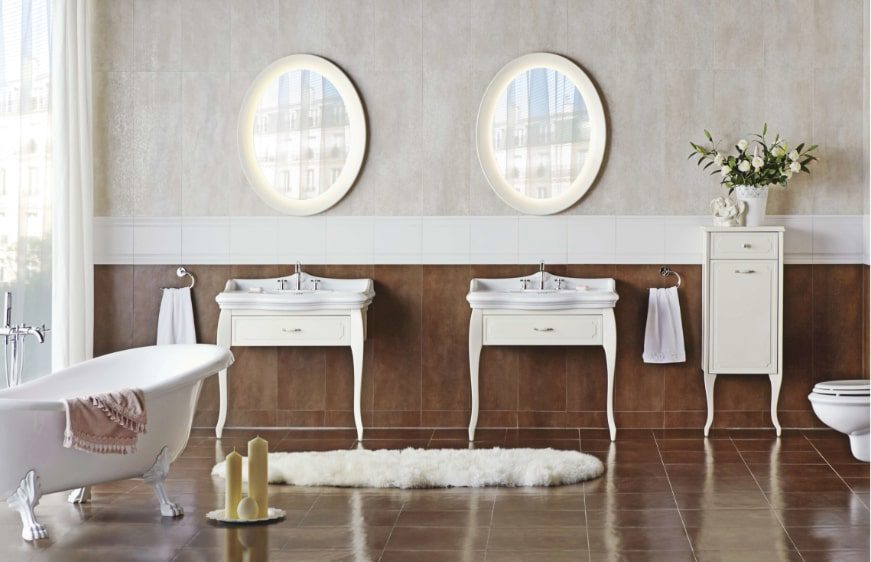
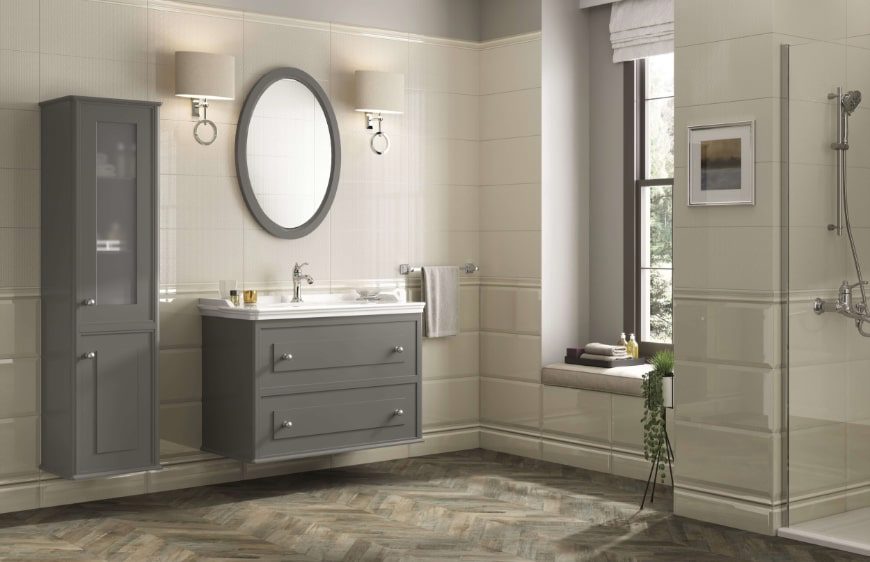
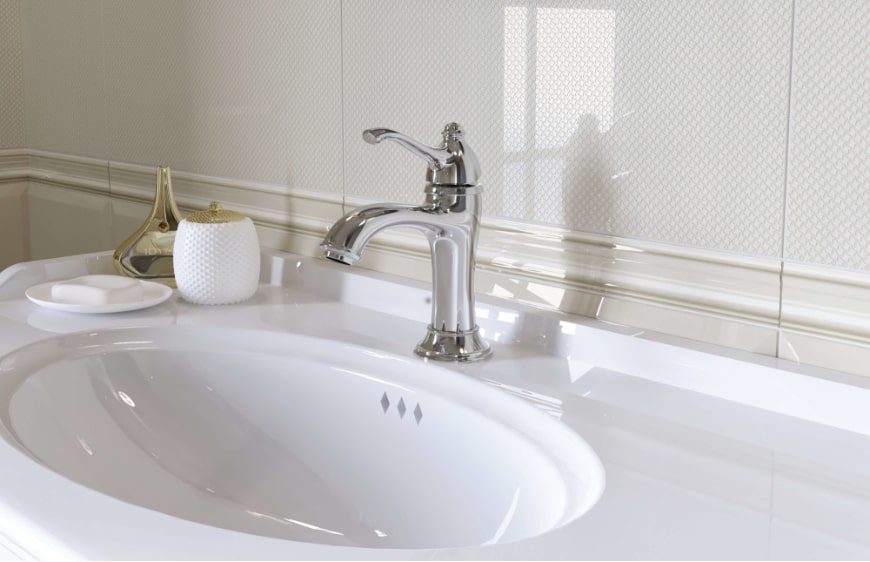
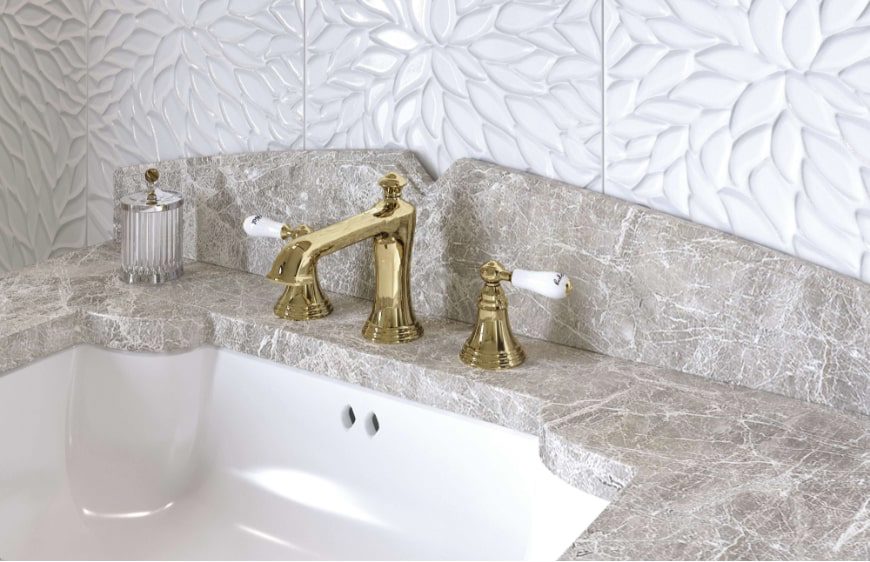
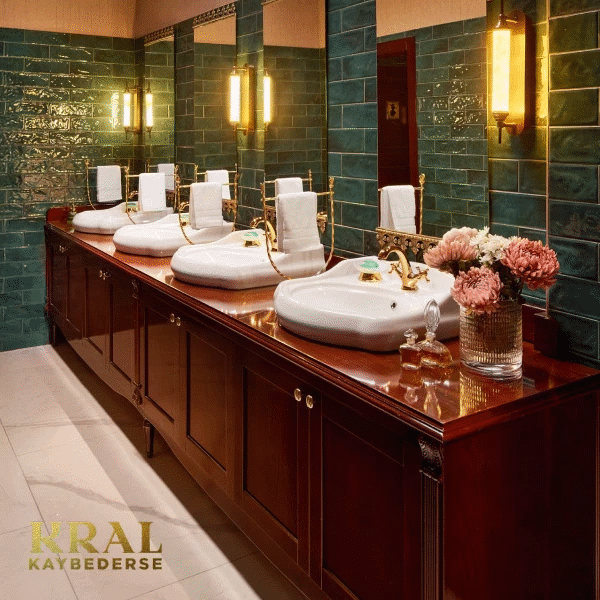
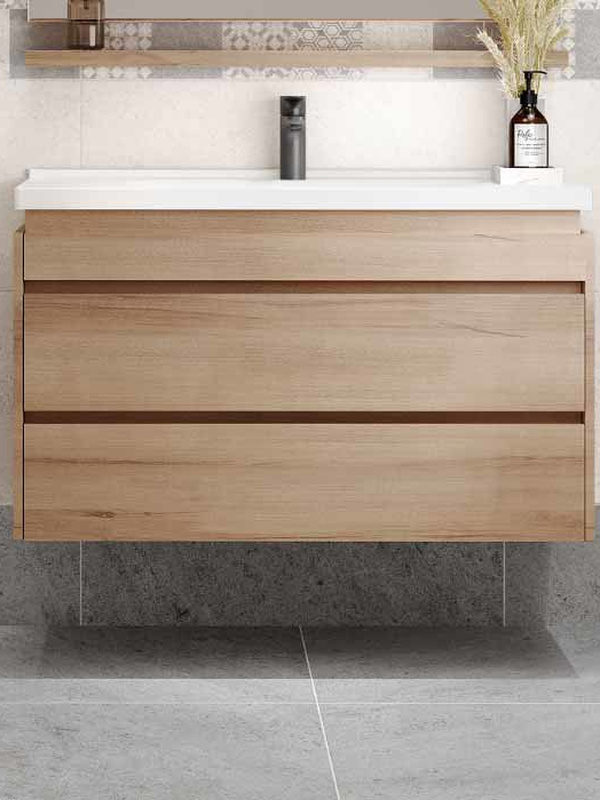
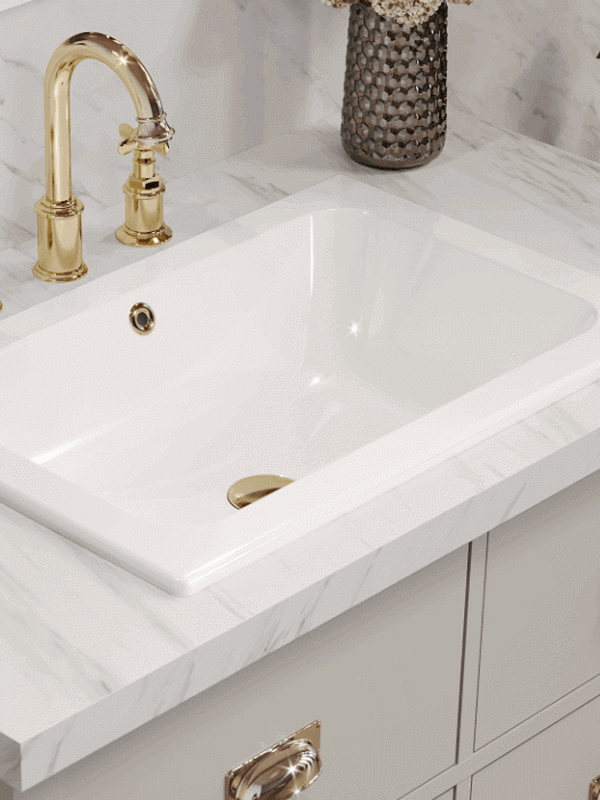
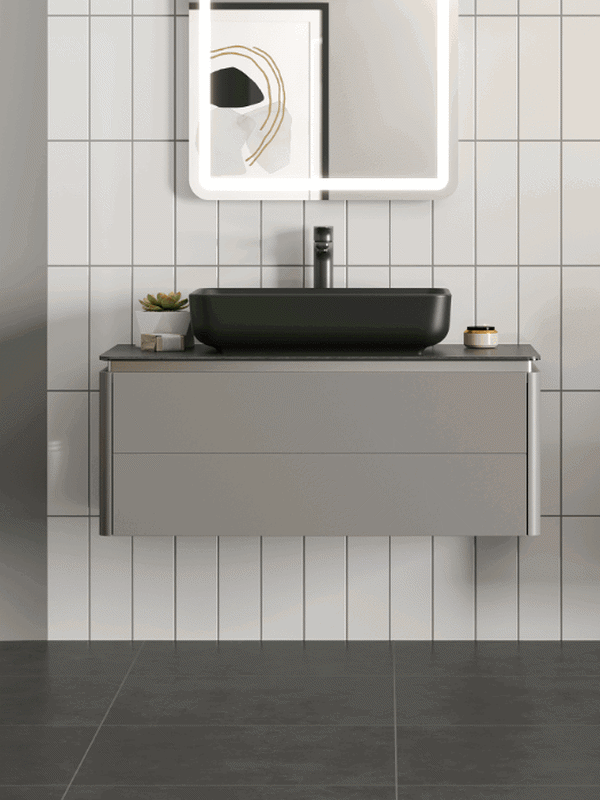
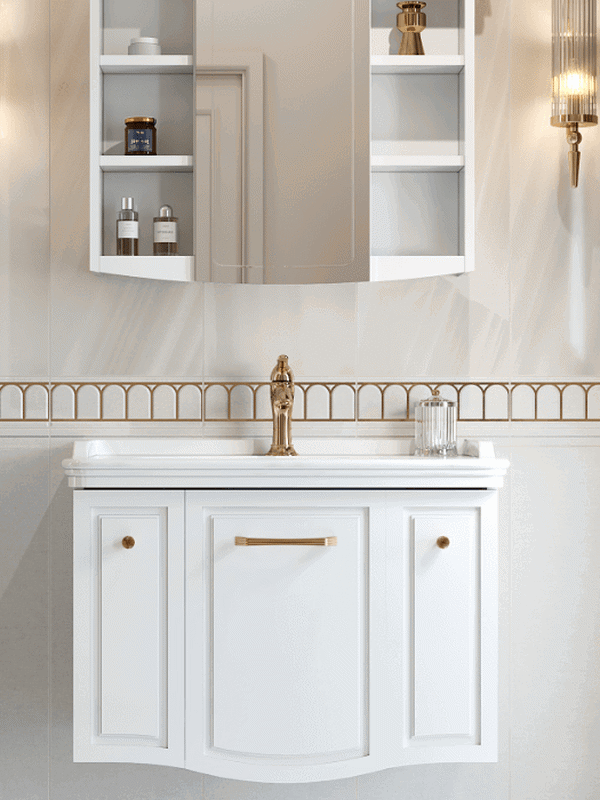
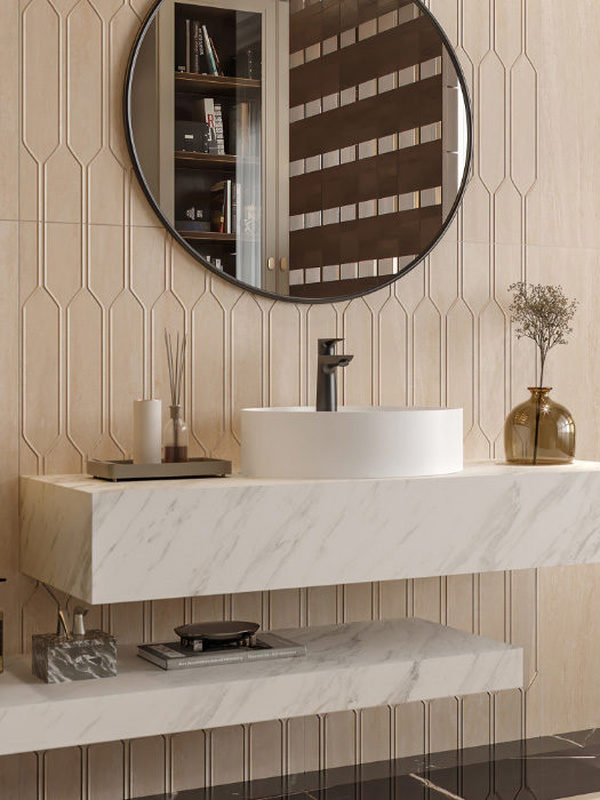
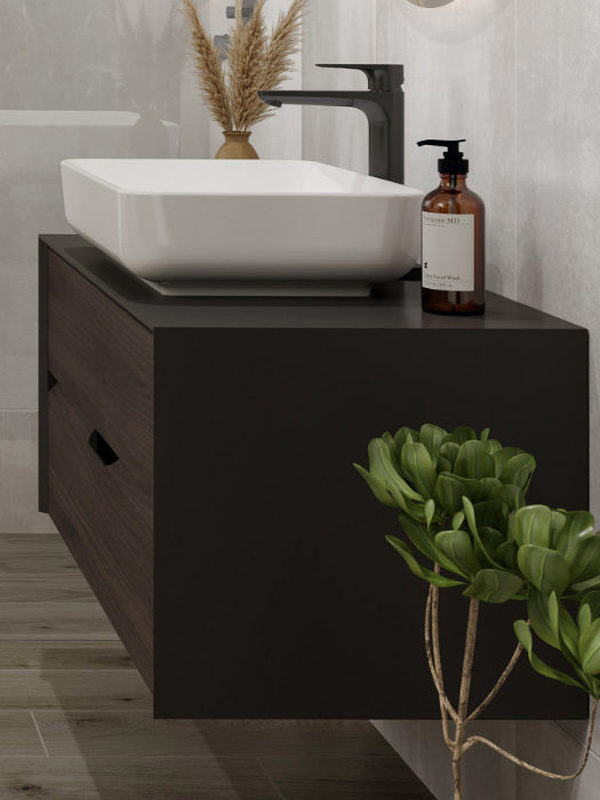
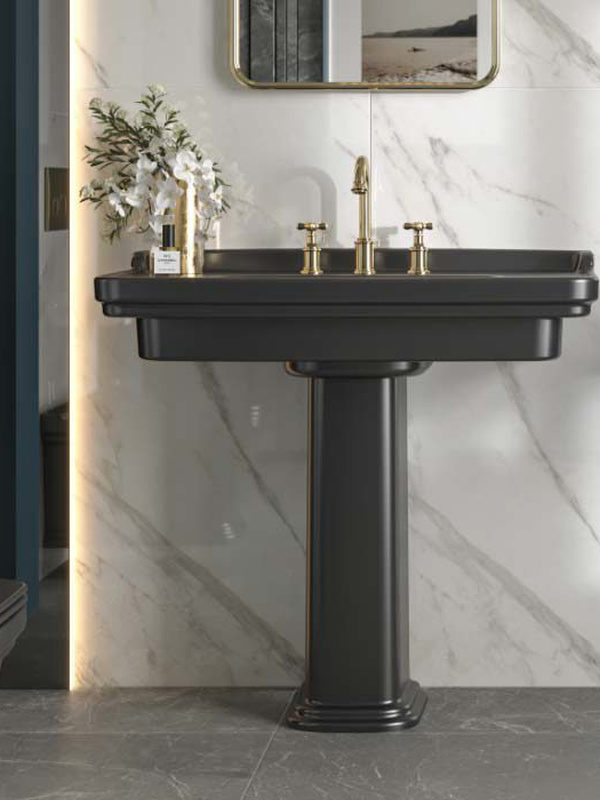
History really is this close… If you would like your bathroom to reflect Beyoğlu’s nostalgic atmosphere, you can enhance the Pera collection with different furniture and tap ranges. For example, Kale Banyo’s Vintage, Miro or Victorian bathroom furniture can create a truly nostalgic scene with Pera. For taps, rustic or neoclassical designs such as Artdeco or Anglosaxon should be on your shortlist. Now that your mood board is complete, how about a short Turkish coffee break?