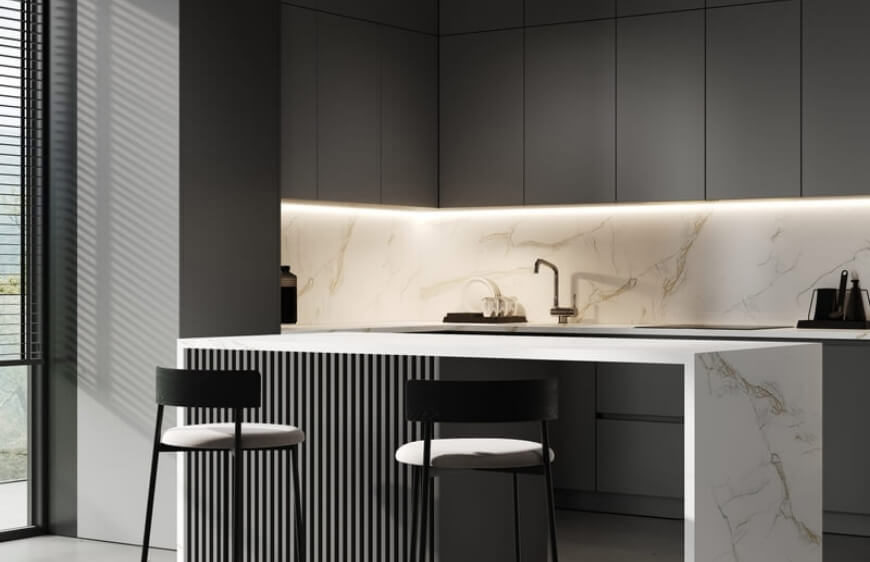
Of course, when designing a home, every room and living space deserves the same patience, attention, care, sense of style and calculation. Yet one space is a real puzzle: the kitchen. It may look simple, but success demands almost mathematical precision. It is a space of layer upon layer. It may not be considered the main living area, yet its traffic is heavy. As a wet area, hygiene and durability take priority in every material from top to bottom. It demands great attention to detail while remaining free of fuss and frills. It is loved both in solitude and in company.
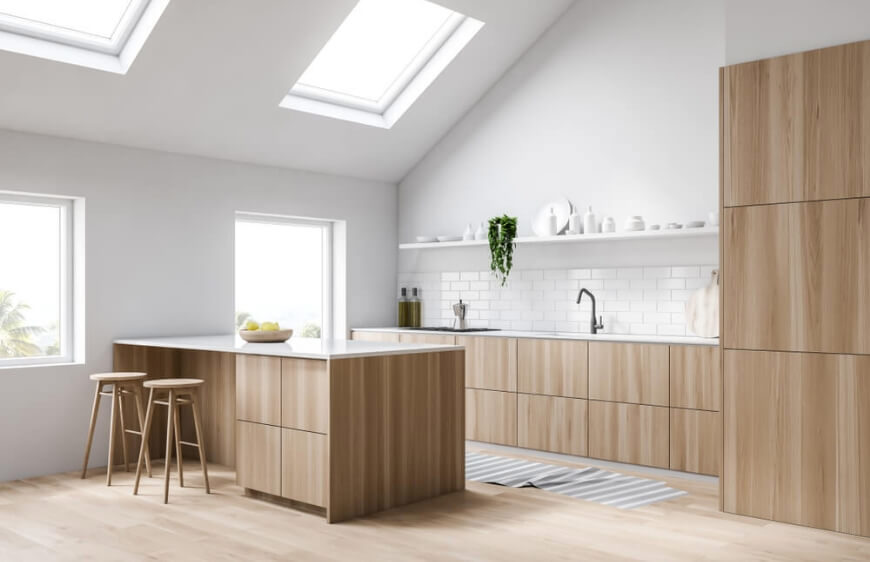
The Kitchen’s Mysterious Trio: Worktop, Floor and Wall Combinations
Choosing colours, shapes and surfaces for your new kitchen? Before you decide, discover the latest combinations for worktops, floors and wall coverings.
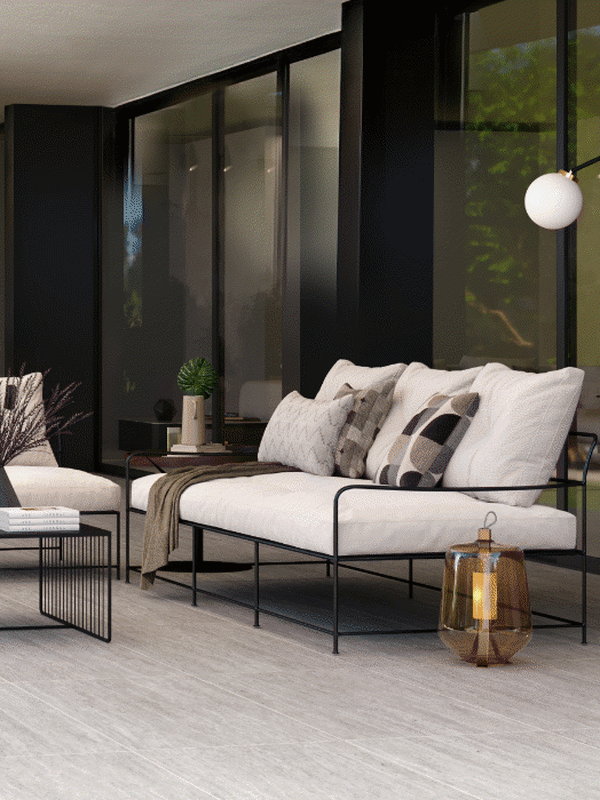
If you are building a kitchen from scratch or completely renovating one, learn what works with what, and which material and colour combinations are popular, before making certain decisions and choices. Here are the colour, pattern and material combinations for the kitchen's three champions: worktops, floors and walls.
An inseparable trio: stone, wood and marble
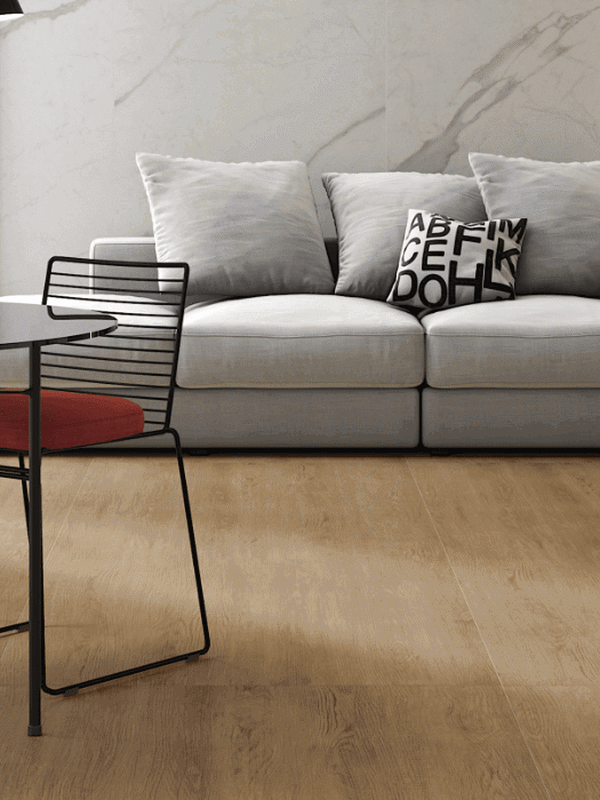
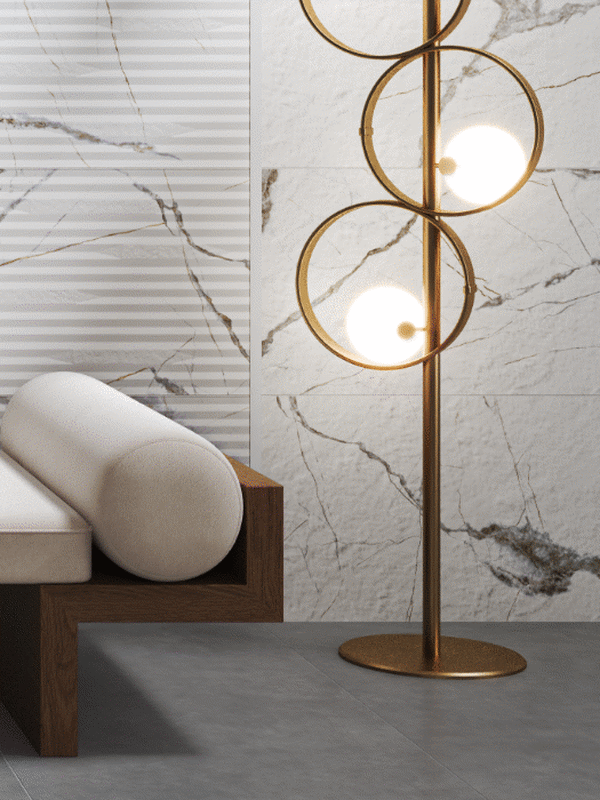
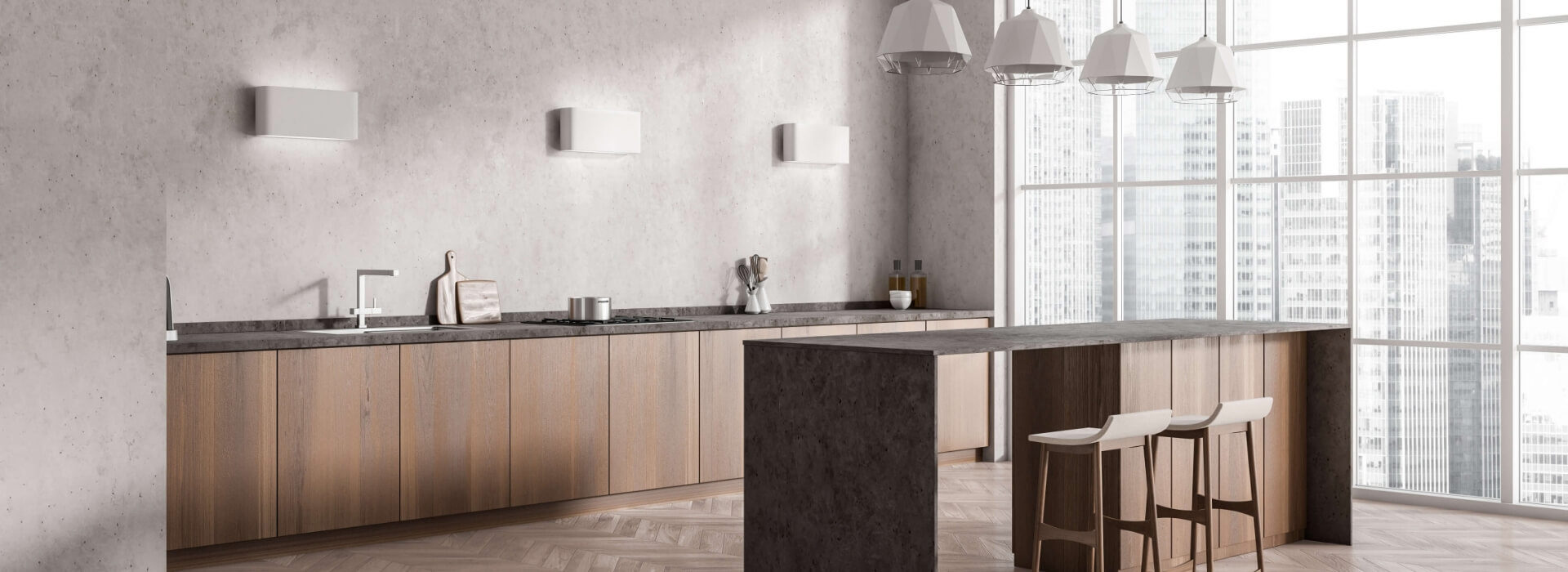
These three come to mind first when we think of textures drawn from nature. The greatest advantage of this combination, a favourite among kitchen designers, is the wealth of colour and pattern options. The three materials also complement one another while providing textural contrast. What is more, they can take on many different guises and suit every style.
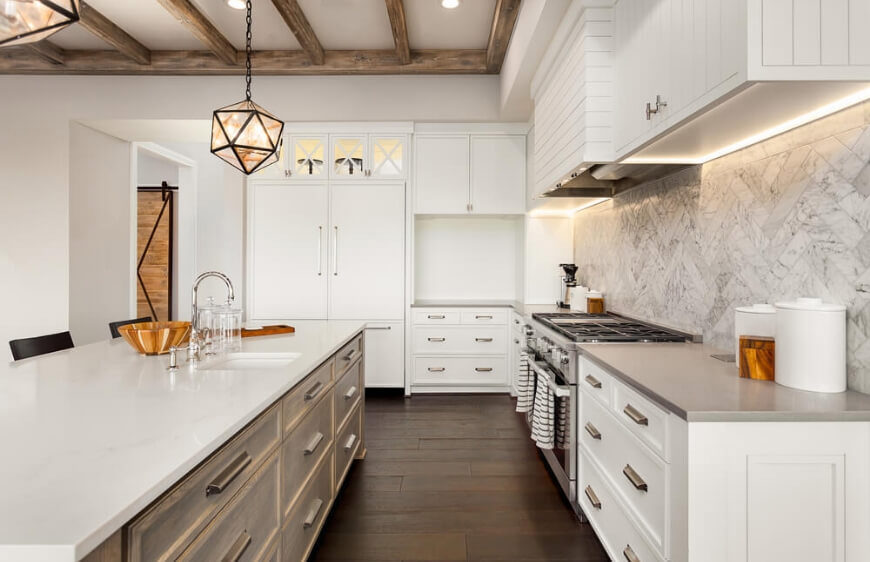
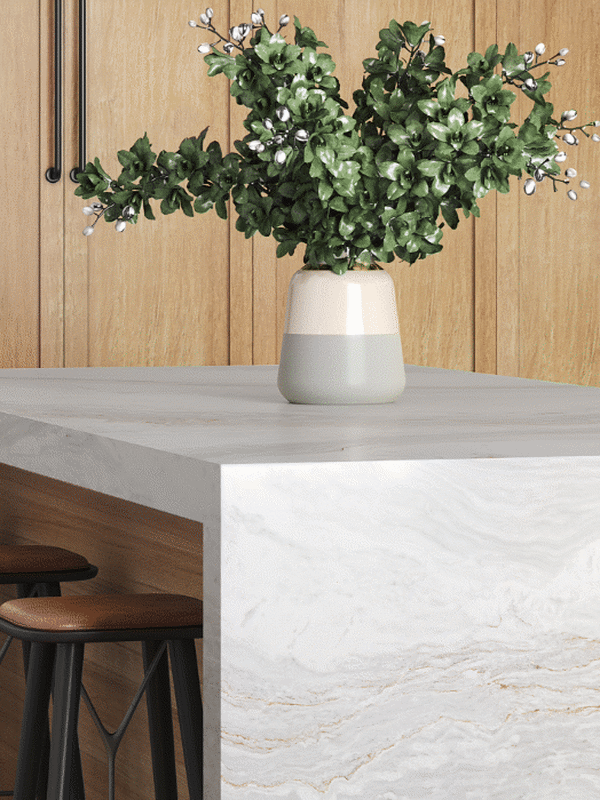
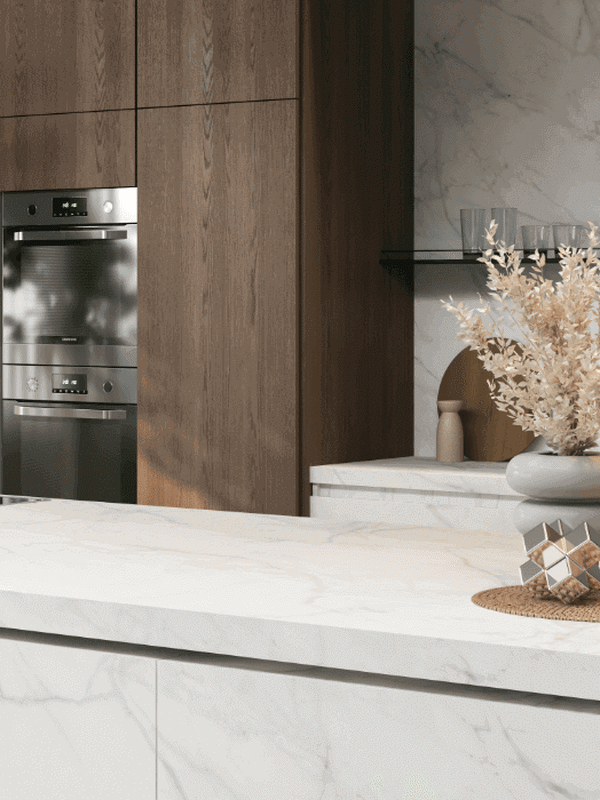
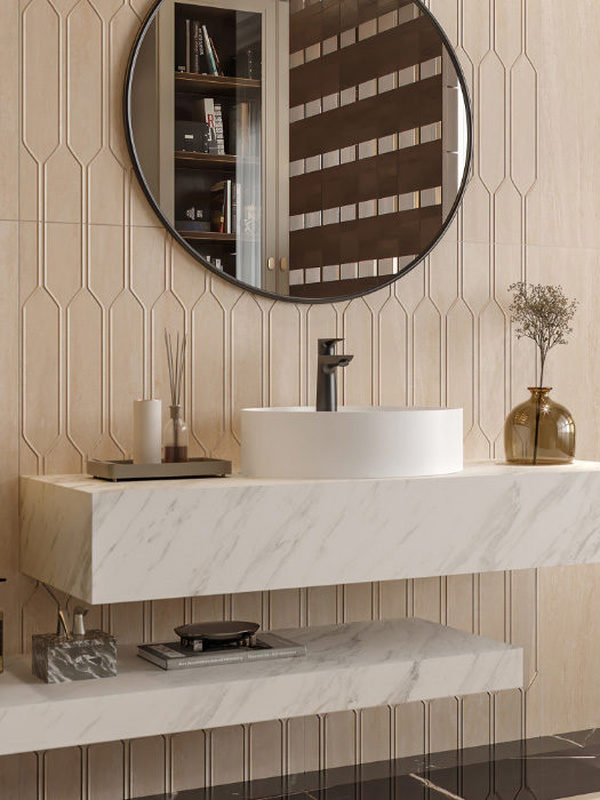
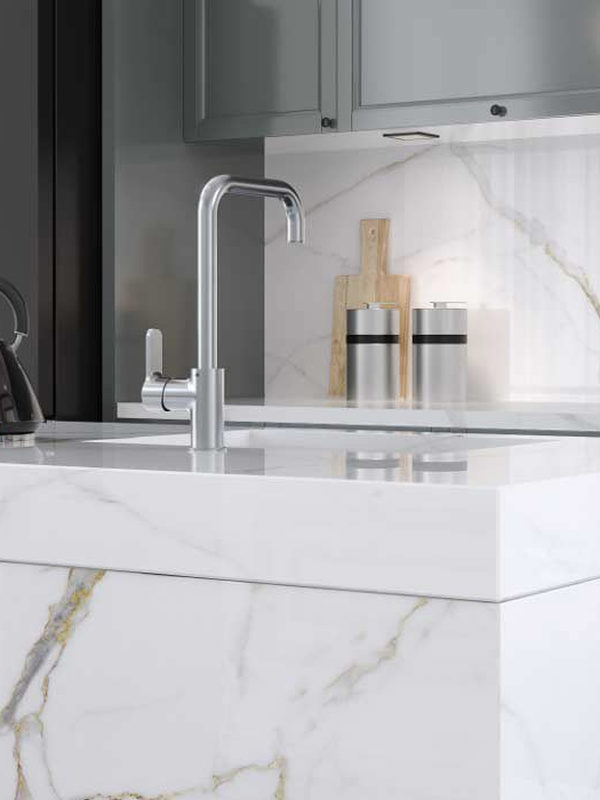
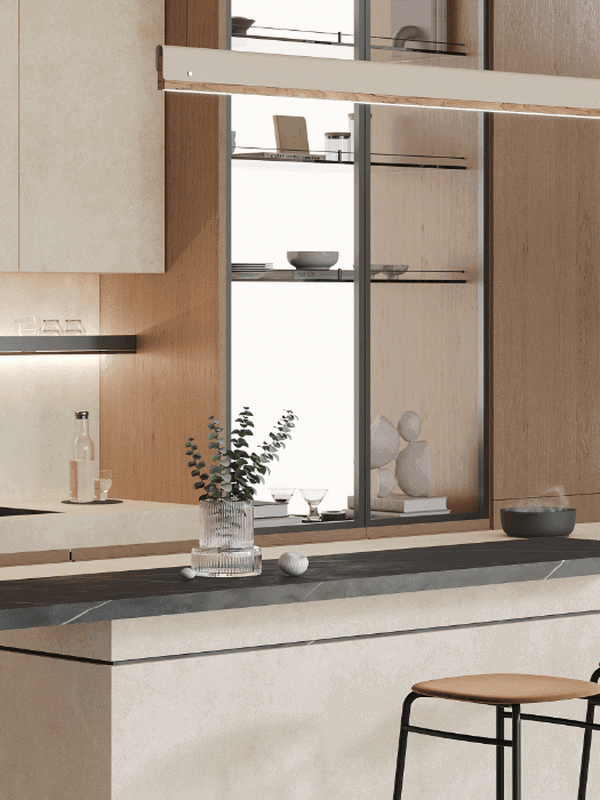
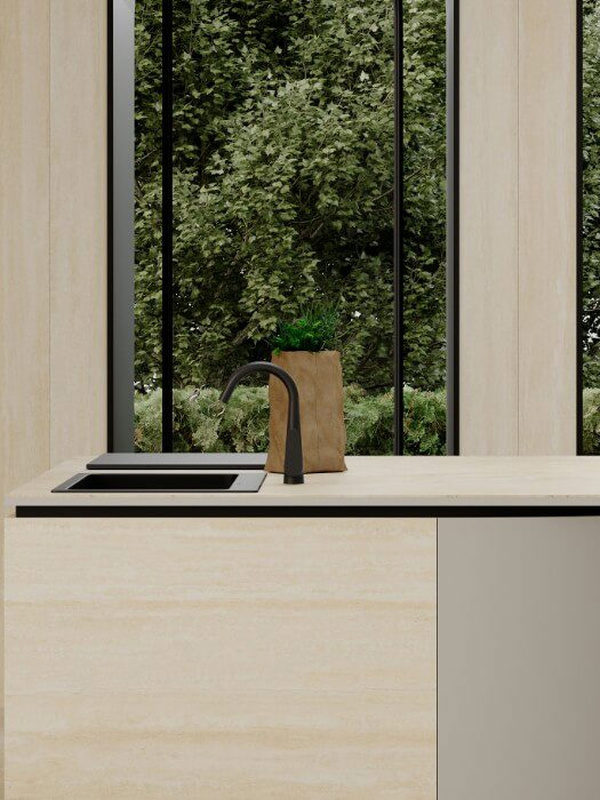
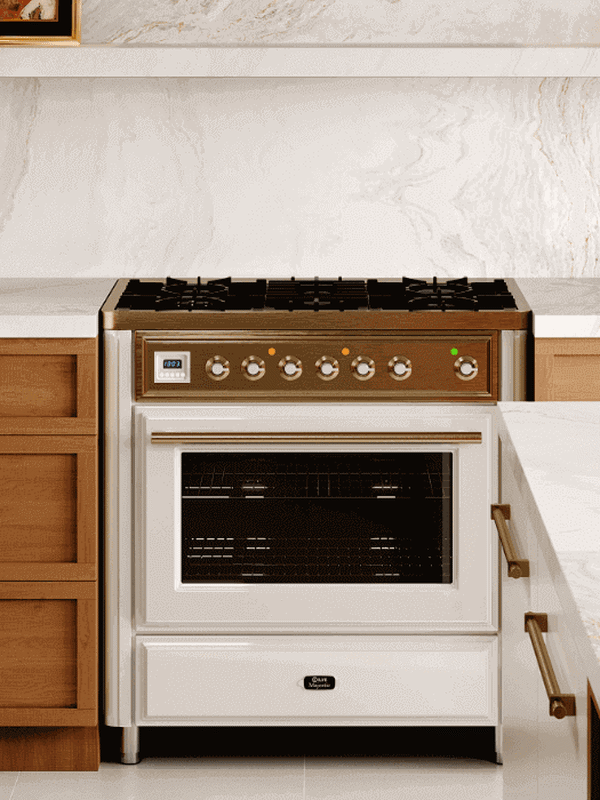
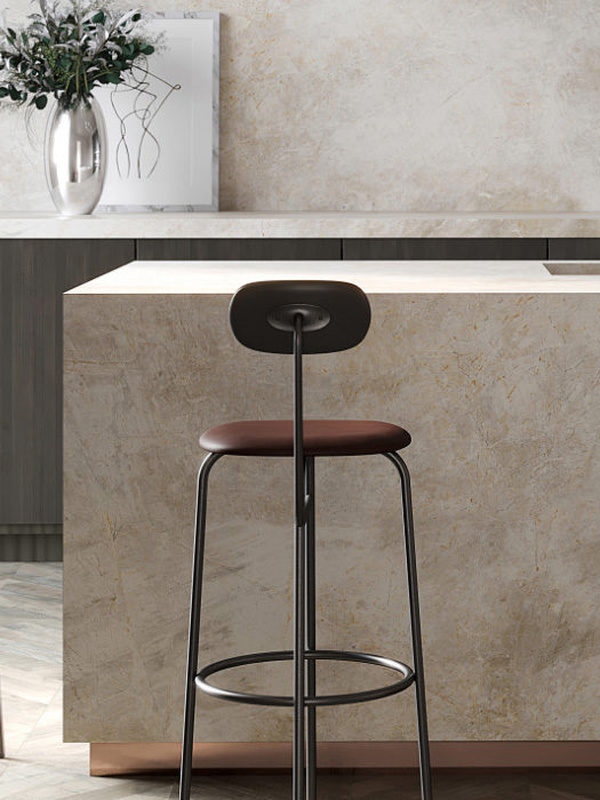
Although each of these materials suits all three surfaces, one particularly popular arrangement uses stone for worktops, and even shelves, island tops and sinks; wood, which brings warmth to the room, for flooring and cupboard doors; and marble for walls, splashbacks and tabletops. If you prefer, reserve the stone texture for walls and shelves, and use marble and wood on surfaces you touch and work on directly, such as floors, worktops and tabletops.
There is one point to consider carefully when making these choices: if you use natural stone for a worktop, remember that its surface is porous and may absorb water. It therefore needs periodic sealing. Innovative design comes to the rescue of anyone who wants to avoid these risks, along with others such as breakage, scratching and harbouring bacteria. How? Thanks to today's advanced printing technology, ceramic and porcelain tiles can faithfully reproduce the appearance of any material, from every kind of marble to granite, terrazzo, concrete, decorative tiles and, above all, wood.
They also offer more advantages than the original material: non-combustibility, resistance to chemicals, cutting, drilling and cleaning, resistance to high and low temperatures, stains, wear and scratches, and, most importantly, water absorption. If you would like to meet these superheroes and explore ceramic and porcelain tiles that capture texture, overall appearance and fine patterns as convincingly as the original material, here are some examples:
- For stone-look wall tiles, be sure to explore the tiles in Kalesinterflex's C-Stone, Kalestone+ and Natural Stone collections.
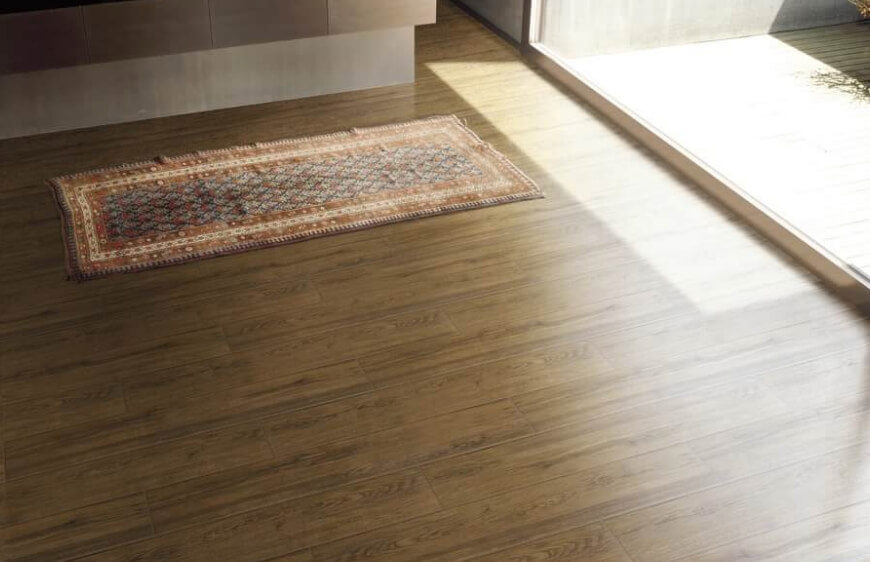
- For wood-look flooring, we suggest exploring Çanakkale Seramik's Legni, Listoni, Woodream, Chakra and Country series.
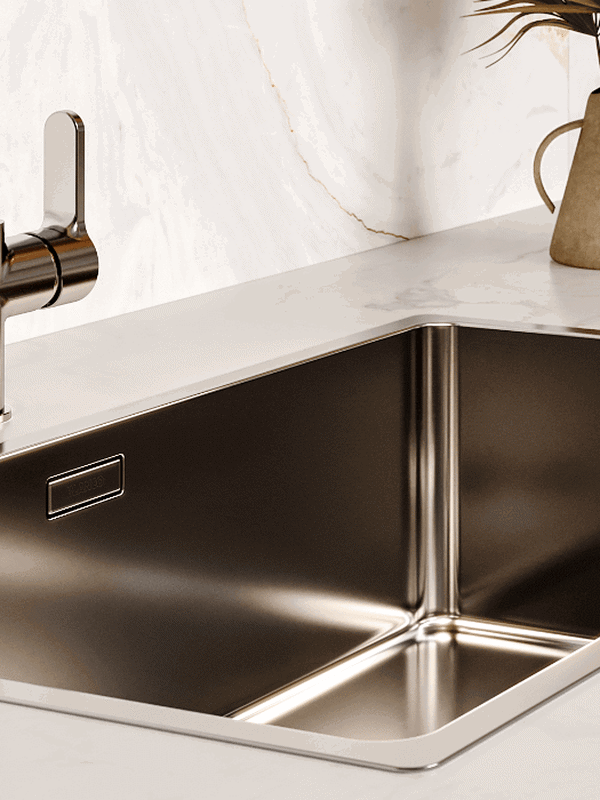
- For marble-look worktops, you will need large tiles and minimal grout lines, so look to large-format Kalesinterflex products. The brand's extensive Marbles collection includes 28 different marble-look porcelain tile designs.
Other combinations that complement wood
This is a kitchen, so we certainly want wood texture somewhere. But we also want to combine it with different materials and create new themes. Let's build these combinations around different styles:
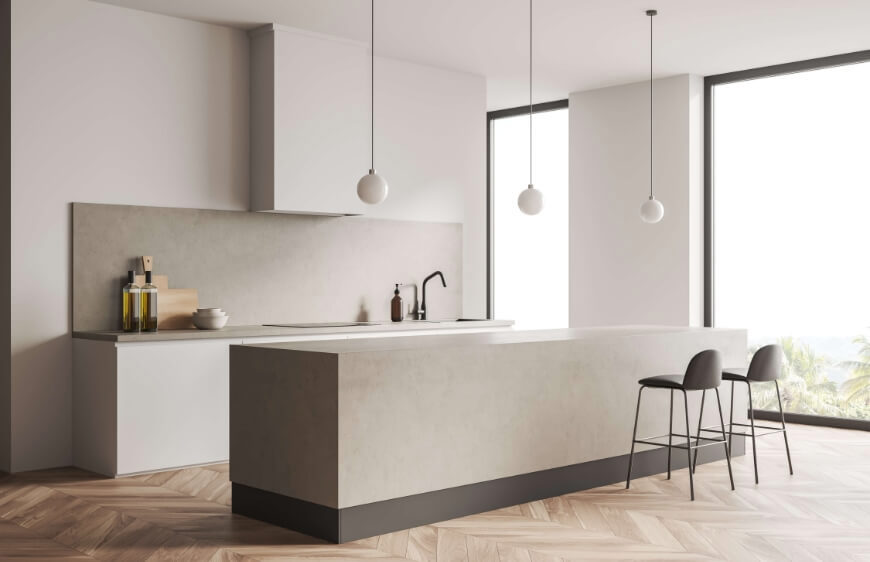
If you dream of a purist kitchen focused entirely on a raw, natural look and stripped of detail, start by using wood in its original colour. Where? On some of the cupboard doors.
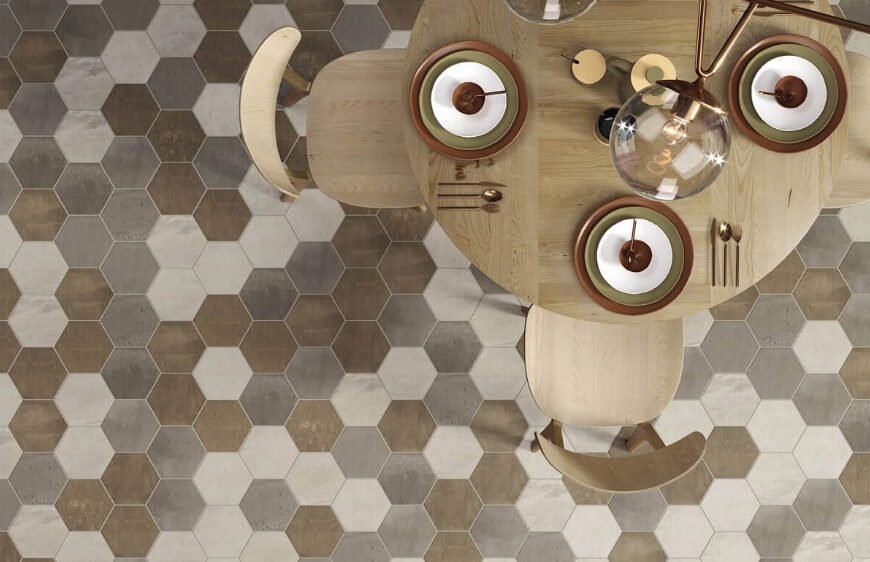
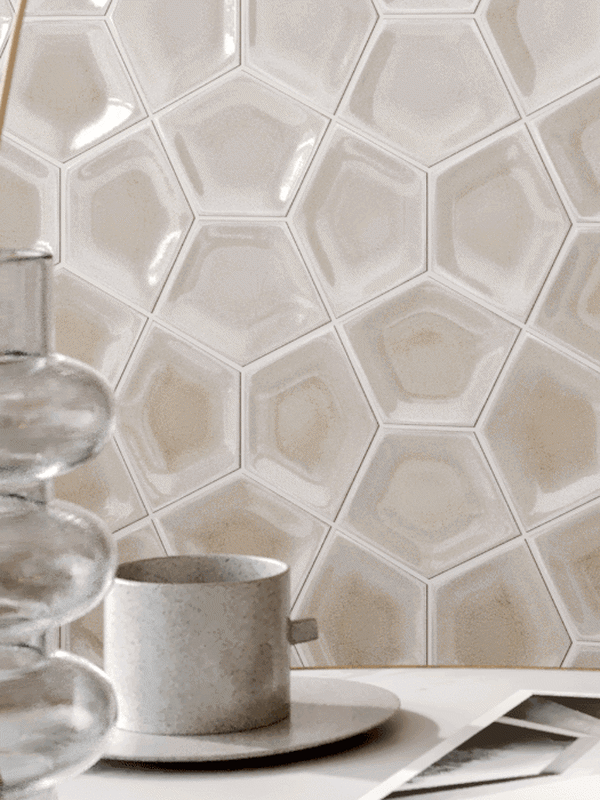
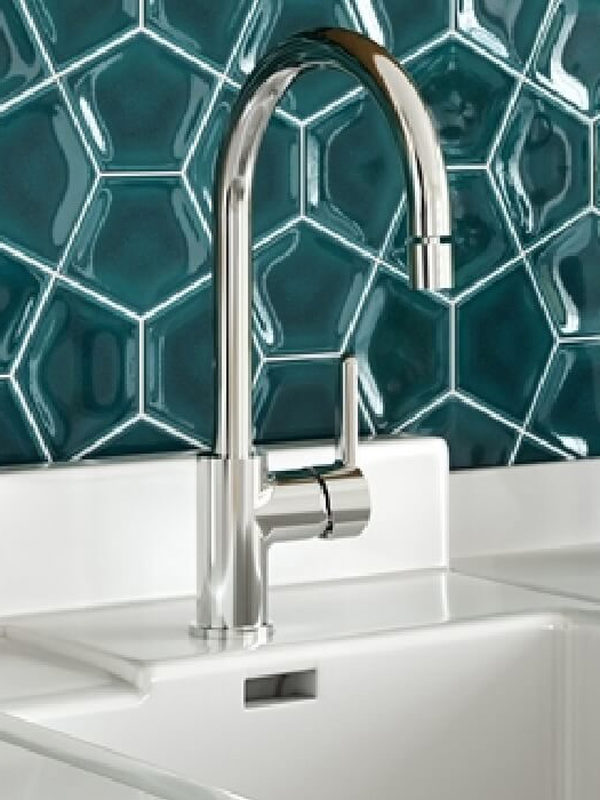
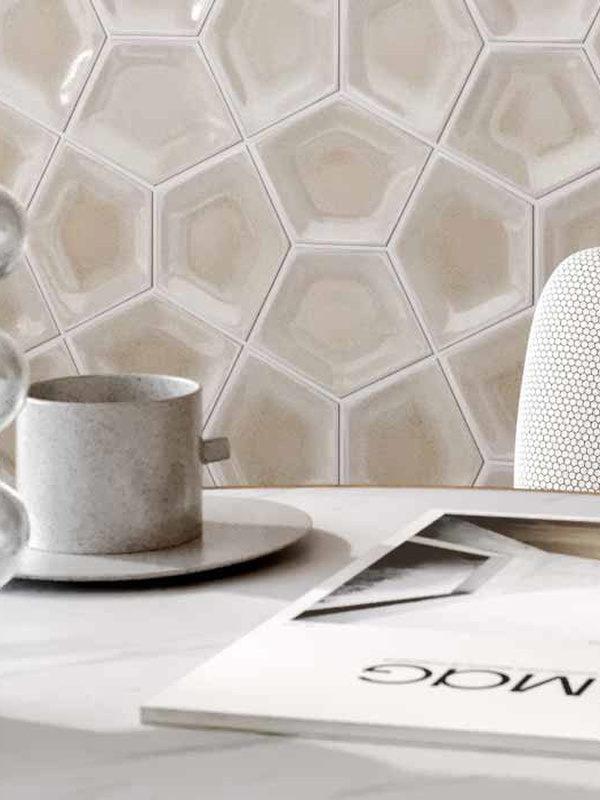
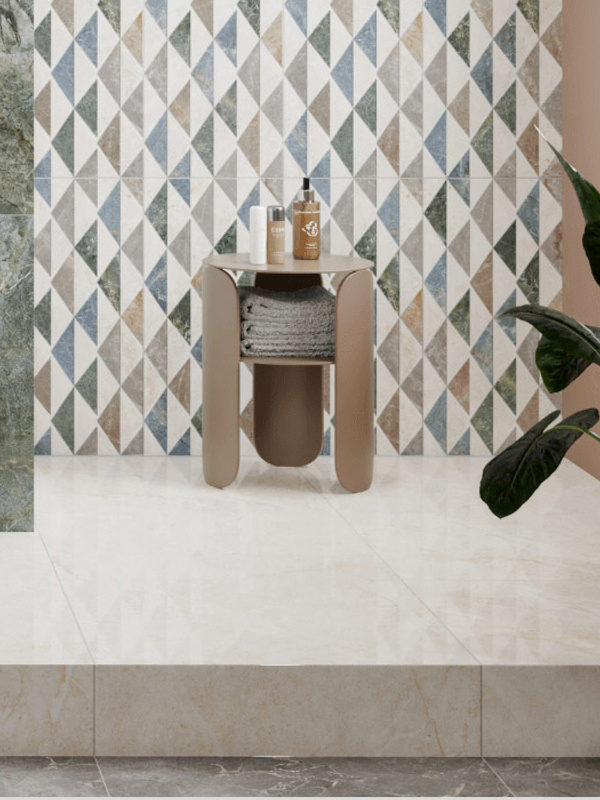
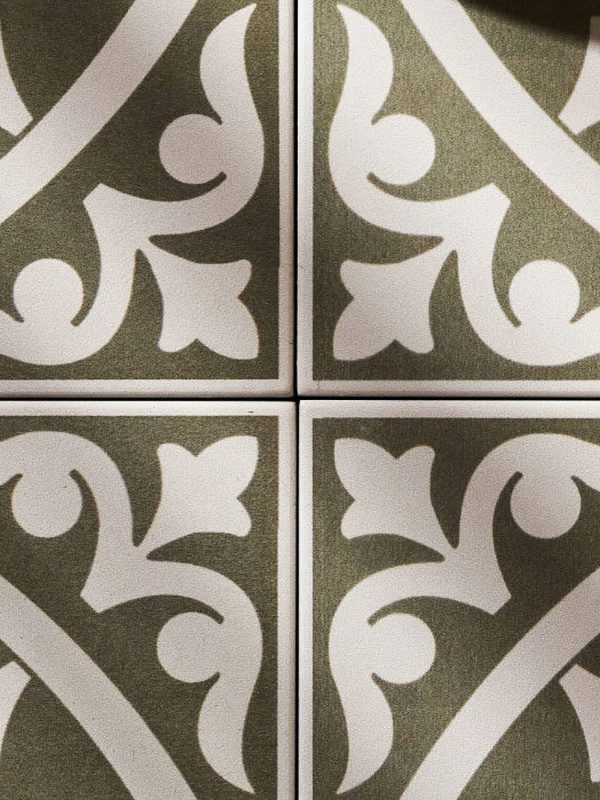
If you definitely want colour, combine natural wood doors with wooden cabinets in neutral shades such as grey, beige or taupe. Worktops can use stone- or concrete-effect tiles. As the splashback is a small area, it deserves a little movement: try medium-sized mosaics, finger tiles, metro tiles or decorative tiles. For example, tiles in Çanakkale Seramik's İpek collection have a built-in quilted, mosaic-effect design; such designs offer considerable ease of installation and budget advantages. If you would like hexagonal decorative tiles, explore Kalebodur's legendary Hexagon series. Combining decorative patterns with a hexagonal shape, the series features colours drawn from nature's calm palette.
If you want to move a little away from minimalism, delve deeper into nature and enjoy the energy of colour, welcome shades of green and blue and spice colours onto your cupboard doors.
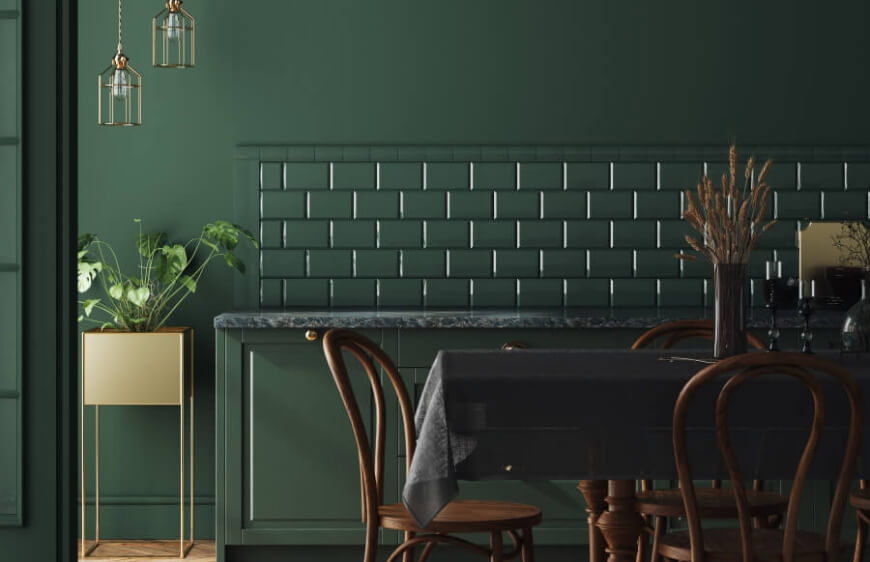
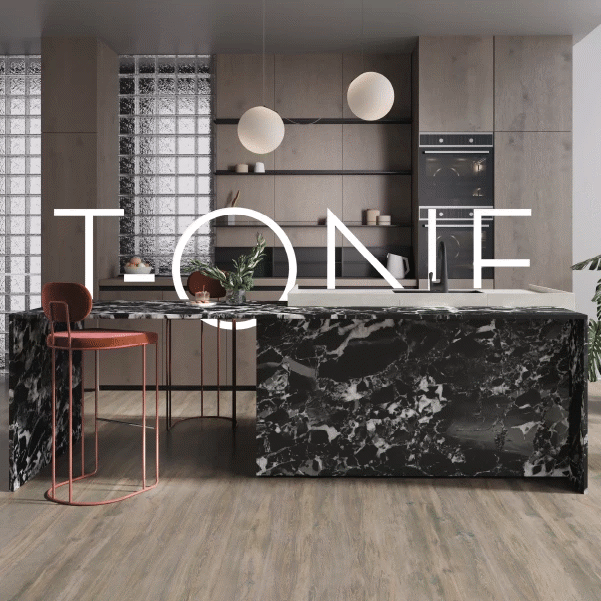
Combining these colours with raw wood tones also gives the room breathing space and a more considered style. To add elegance and refinement to such a colourful space, choose black marble, or black marble-look porcelain tiles, for the worktop: the horizontal line. Black defines the room's contours and adds sophisticated elegance without drawing too much attention. In this case, you can cover the splashback with decorative tiles or glossy tiles in natural shades.
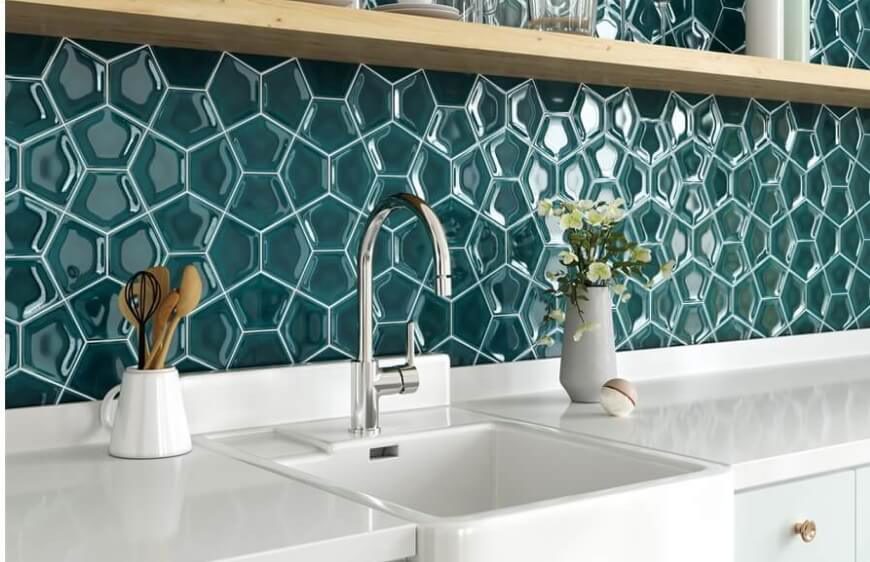
For example, Atria from the Formart collection in the Çanakkale Seramik family is tailor-made for the splashback in such a kitchen. Its asymmetric pentagonal shape creates a very natural surface, while its glossy greens and blues add an enchanting depth to the atmosphere.