Buying kitchen flooring based only on appearance or what others say is unlikely to give the best result. Every home differs in kitchen traffic, hygiene requirements and expectations of durability, just as it does in style. You may therefore need to consider a range of factors suited to your scheme.
The Big Decision: Choosing Kitchen Flooring
Knowing how to choose a kitchen floor and decide between wood, marble, porcelain, stone, concrete or LVT helps create a space that is as functional and forward-looking as it is beautiful. Here are the key themes and details in kitchen flooring trends for 2023...
The first requirements for kitchen flooring are resistance to different environmental conditions and a timeless material whose appeal endures. Wood, stone and tiles are the most classical choices in this respect.
Consider the Kitchen’s Needs When Choosing Flooring
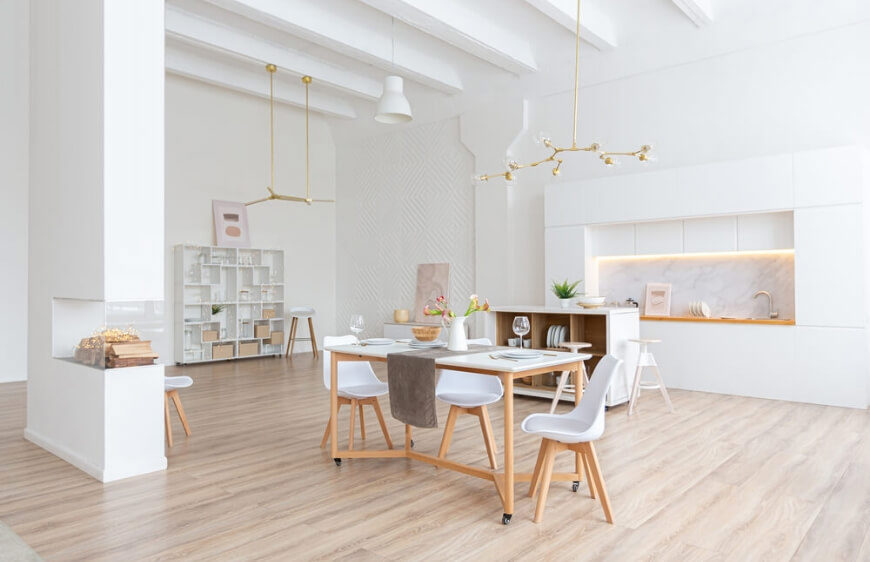
We are experiencing the saying “the kitchen is the heart of the home” more than ever. Today’s kitchens welcome an ever-changing flow of people, almost like an underground station. A successful design should therefore offer a multipurpose layout, including a well-equipped cooking area, central preparation station, supporting work areas and a social corner.
There are many factors to consider when choosing kitchen flooring. The earlier you decide on its style within your kitchen design, the more options you leave yourself.
Make sure the floor can withstand this busy way of life while providing the functions you need. Is it suitable for heavy foot traffic? Can it be used with underfloor heating? Does its sealing need regular checks? Are there pets or a baby at home? Does the kitchen open onto a garden?
In answering these questions, the kitchen’s relationship with its surroundings and its architectural position matter as much as the traffic within it. Factors ranging from humidity in the home to an open-plan connection with the living room help determine the flooring choice.

The Most Popular Kitchen Flooring Options
- Natural Stone Floor Tiles
Even so, when choosing natural stone for your kitchen floor, consider carefully how the space will be used. If you live alone and do not host often, for example, you may seek stone with a clear, flawless and adaptable appearance for a clean, minimalist look. In a family home with socialising, entertaining, cooking, family activities, sport and pets, you will need a more durable stone type, with an appropriate composition, texture and range of tones.

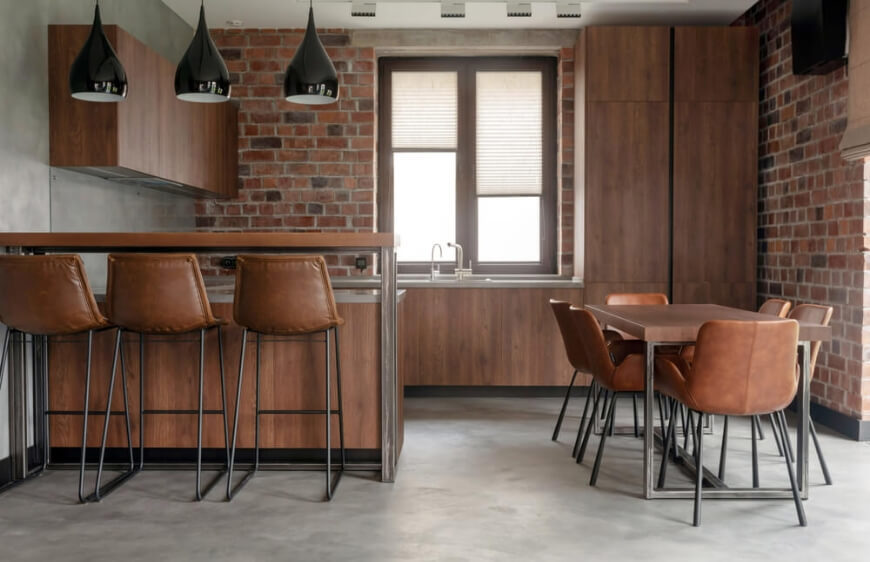
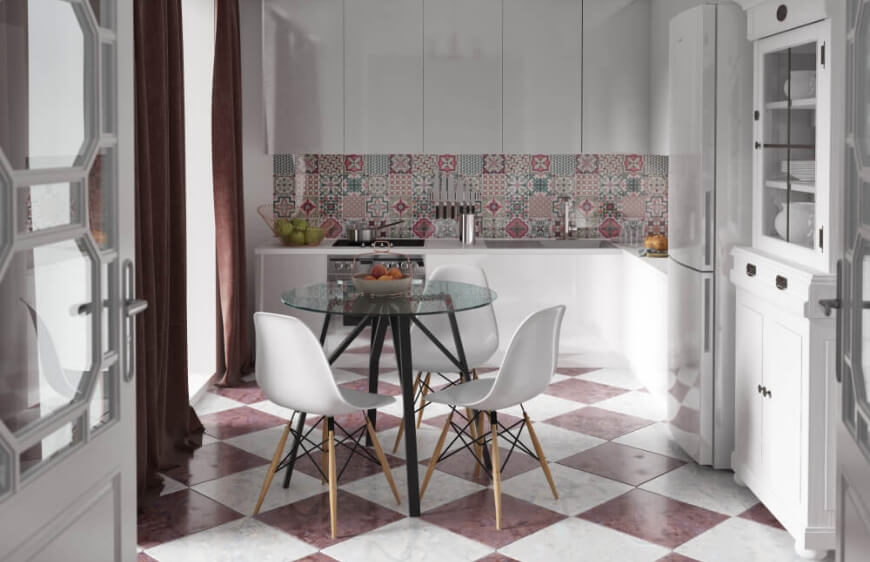
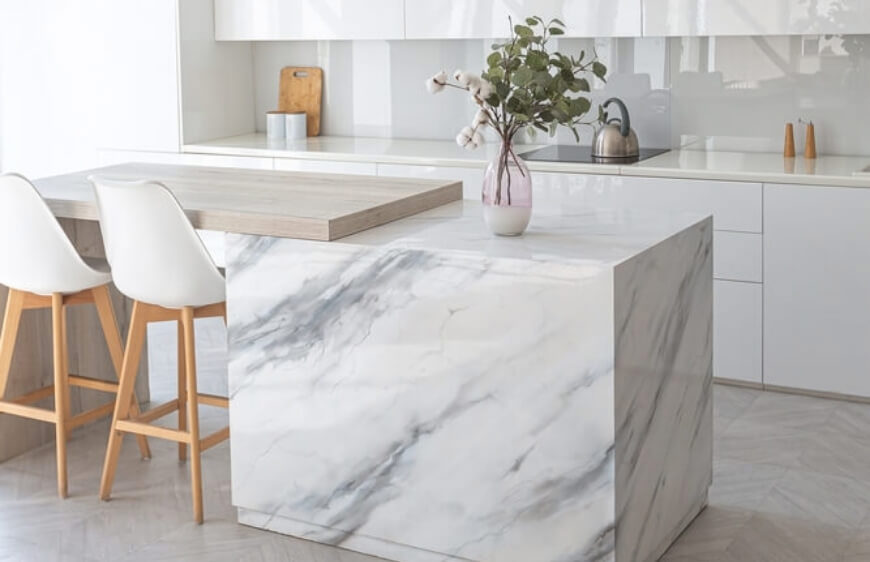
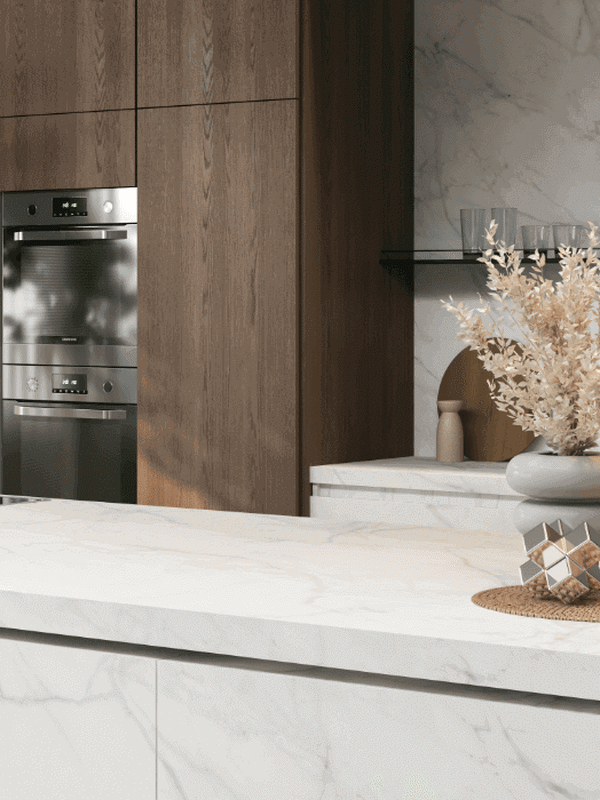
Large limestone tiles, for example, are particularly suited to airy country homes. If this describes your home and the kitchen is a peaceful space with a garden connection, you could choose sandstone, limestone, marble or terracotta. Marble tiles laid in a checkerboard pattern offer an elegant classical look, while cement, matt marble or concrete-look tiles suit a more industrial atmosphere. For example, Metis from the Çanakkale Seramik family brings matt marble aesthetics to 60 x 60 cm tiles in three colours: black, white and grey.
Important note: Natural stone tiles need a protective seal to preserve their surface. This is generally a product that fills the stone’s pores to protect against penetrating substances, and it requires regular reapplication.
- Porcelain Tiles
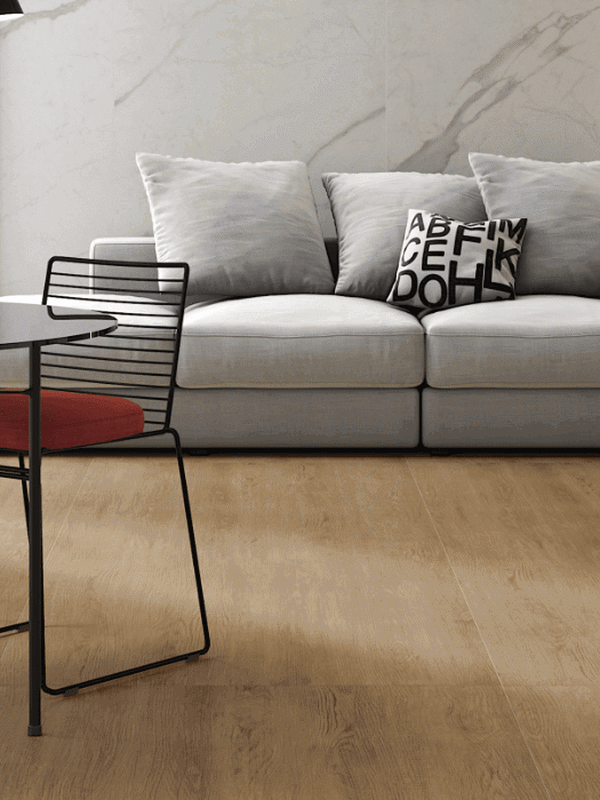
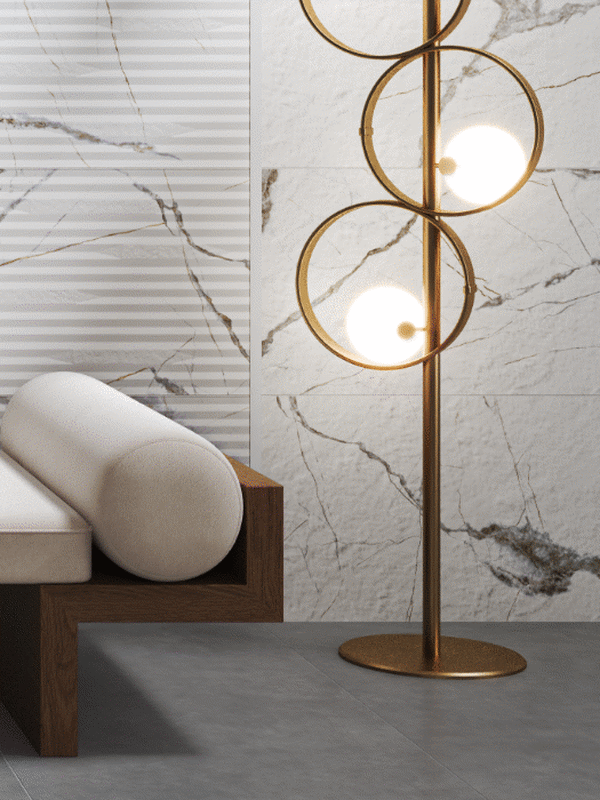
One of porcelain’s greatest gifts in recent years is its ability to offer wood lovers a wood look, stone lovers a stone look and marble lovers a marble look, reproducing the original aesthetic so closely that it can be difficult to distinguish. Porcelain floor tiles can also be more affordable than other alternatives, making them popular for those working within a budget. Examples with different aesthetics and the same assurance of durability include Kalebodur’s Royal Marbles, a marble-look porcelain collection; Cosy, combining wood and concrete textures; Uddo, with a parquet aesthetic; and Val di Susa, inspired by stone.
- Wooden Parquet
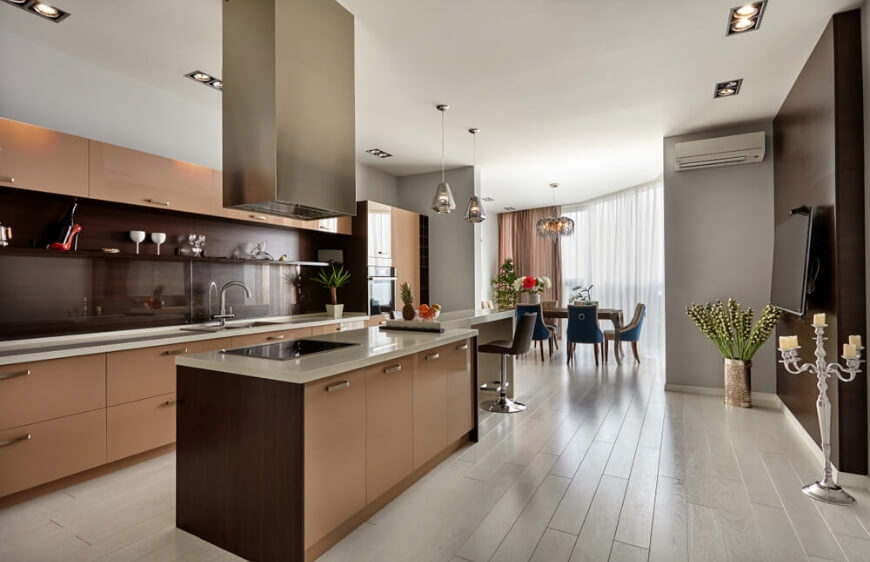
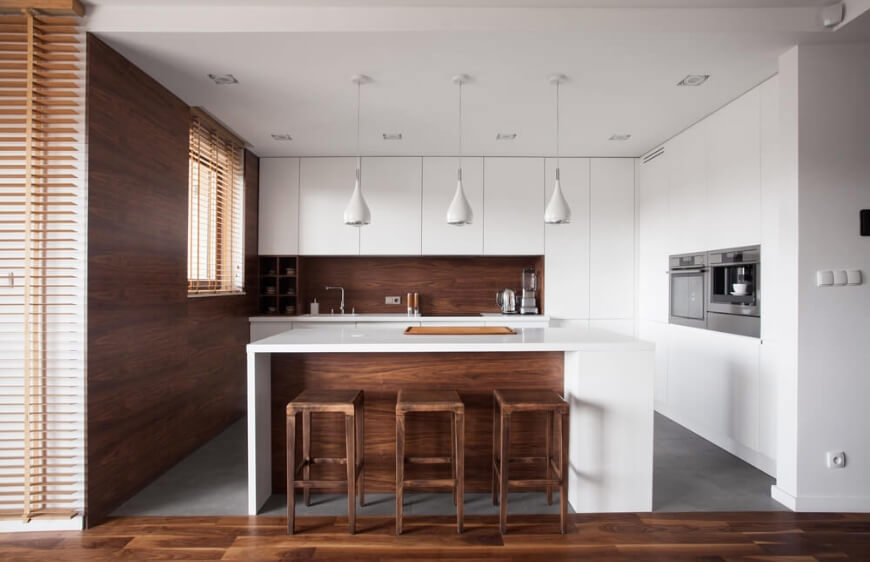
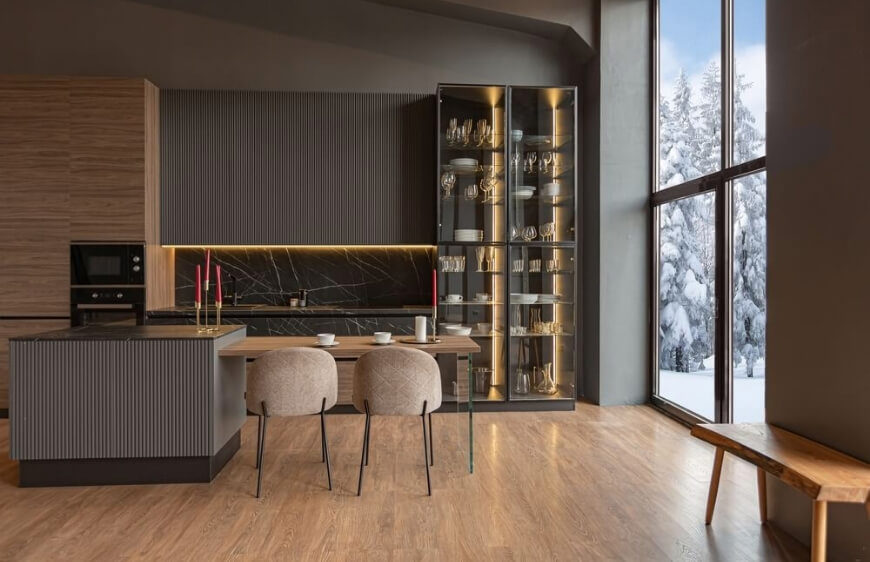
A celebrated kitchen flooring option, parquet is a material that should not come into contact with water. Wearing over time in busy areas around the sink, hob and refrigerator, wooden parquet works well with both underfloor heating and radiators, although it needs some care.As for its other advantages, wood is one of the first materials associated with natural living and positive energy. It is also a welcome choice for families, being especially forgiving when a child falls or an object is dropped. In spaces used for different activities, wood offers better acoustic qualities than hard tiles and feels more comfortable.
Questions on Our Minds
- Should the floor be lighter or darker than the kitchen cabinets and worktops?
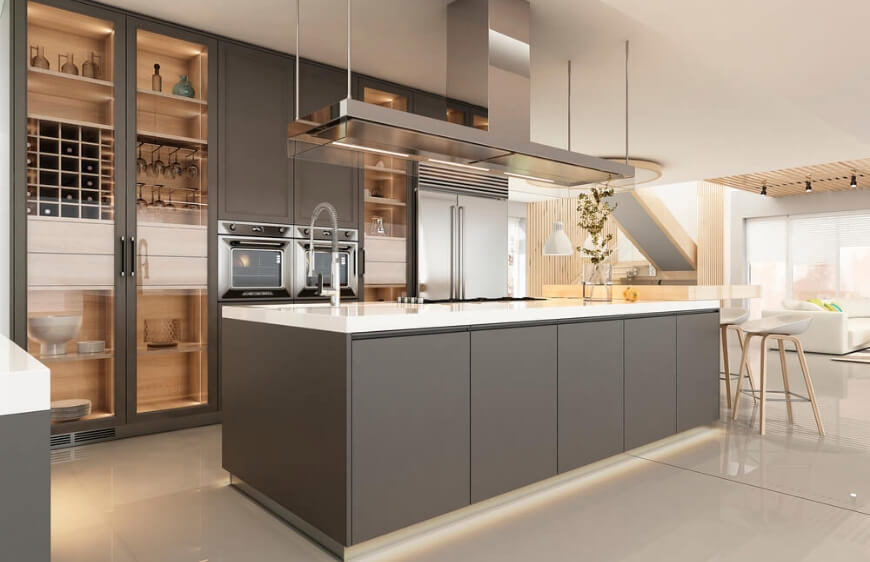
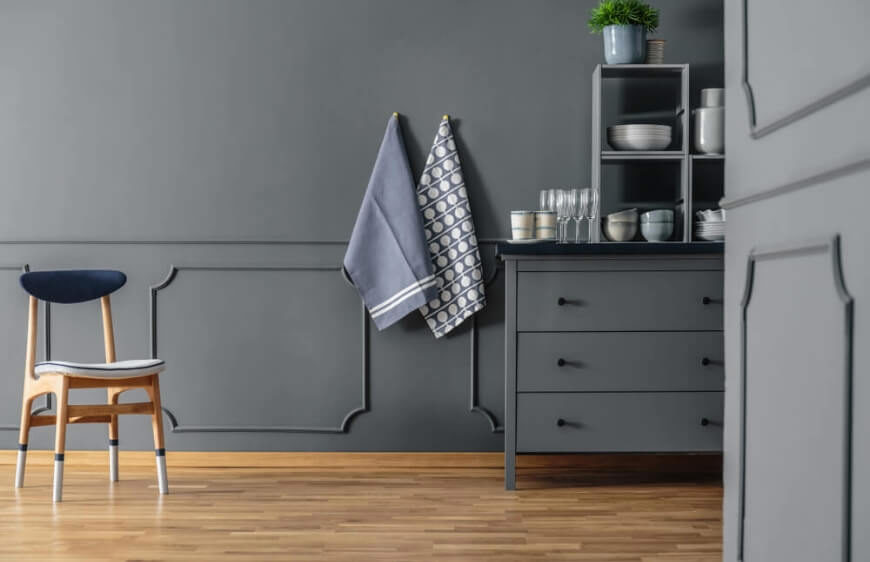
Depending on the layout, coordinating the worktops and cabinets with the floor can also be beneficial, creating a sense of harmony and consistency in the kitchen.
- What flooring should you choose for a small kitchen?