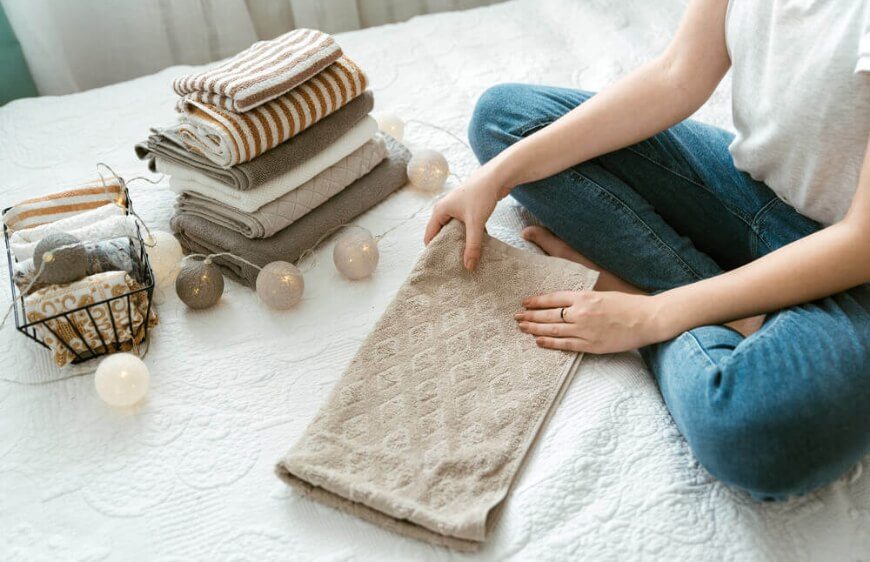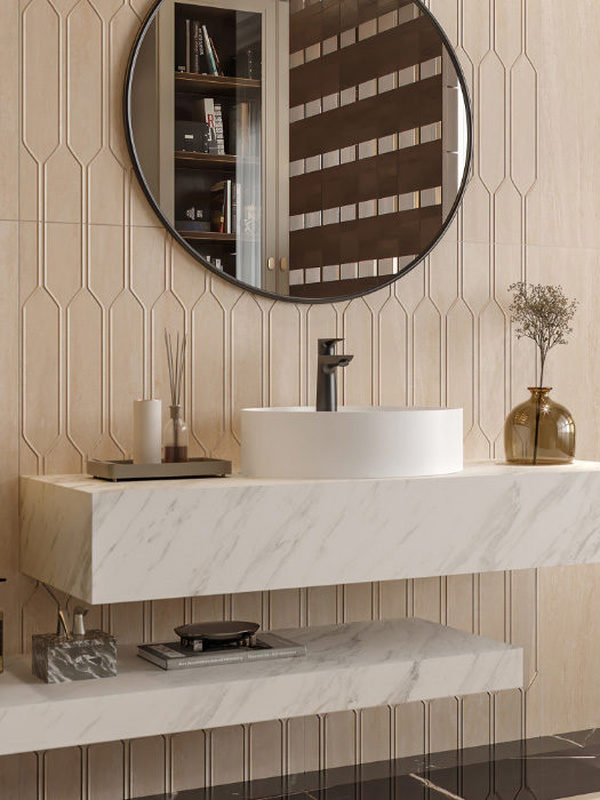
Conditions at home can add to this: piles in the sink, mountains of laundry waiting weeks to be ironed or even folded, empty packaging, heaps of broken chargers, appliances needing repair and bags whose contents resemble the lost world of Atlantis. This domestic disorder can be a major source of low spirits.
The 2022 Rule for Modern Living: An Organised Home, a Healthy Mind
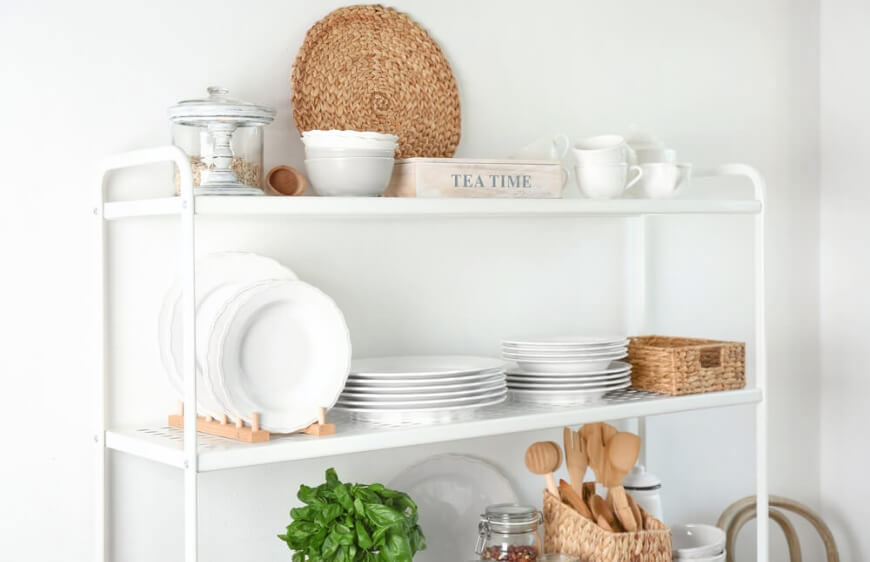
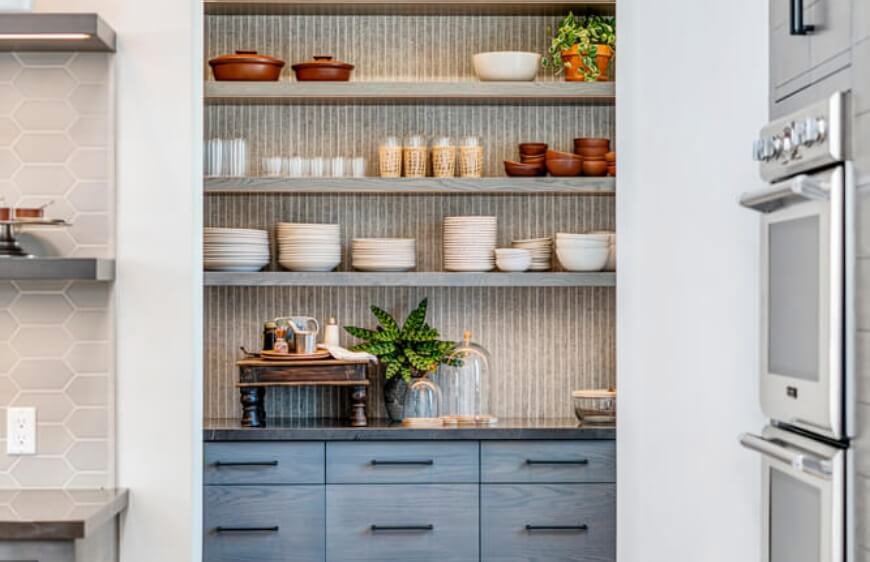
Well-organised living spaces that use thoughtful storage and decluttering methods also offer their occupants the gift of mental and physical wellbeing.
This is hardly a matter of luck. People living in large cities in particular can experience a loss of interest, hopelessness, sadness, low motivation and low spirits as a result of traffic, workloads, busy schedules, growing responsibilities and even bad weather. For many of us, the line we call depression can feel uncomfortably close.
We all tend towards untidiness in one way or another. However, when serious disorganisation is accompanied by high stress, anxiety, burnout or symptoms of depression, it may indicate that we are struggling with our mental health. Research also shows a close relationship between mental health and clutter.
A better-organised, clean home, freed from excess and accumulated baggage, can therefore provide a key to mental wellbeing. Conversely, when the home is untidy, motivation and interest in everyday activities can fall, physical activity can slow and indecision can arise. Higher levels of cortisol, the stress hormone, may follow.
Clutter can also reach beyond the mind and indirectly affect other areas of life. Late bill payments caused by disorganisation, for example, can create financial stress, which may eventually lead to tension in relationships. Clutter does not affect only the area in which it appears.
How an Organised Home Enhances Quality of Life
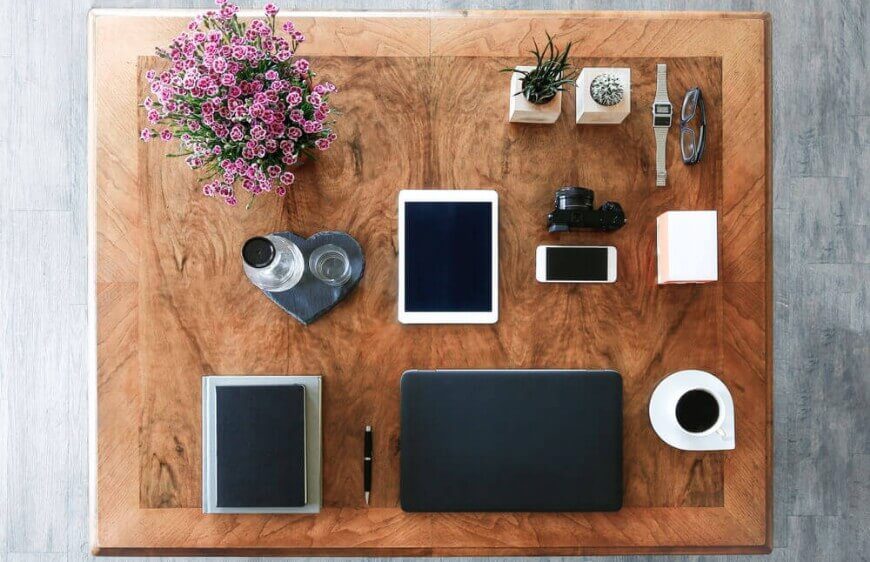
Experts agree that tidy, well-organised homes can benefit mental health. They suggest that someone who can store, sort and declutter effectively experiences greater clarity and control, improved confidence and increased productivity in a calm, orderly home.
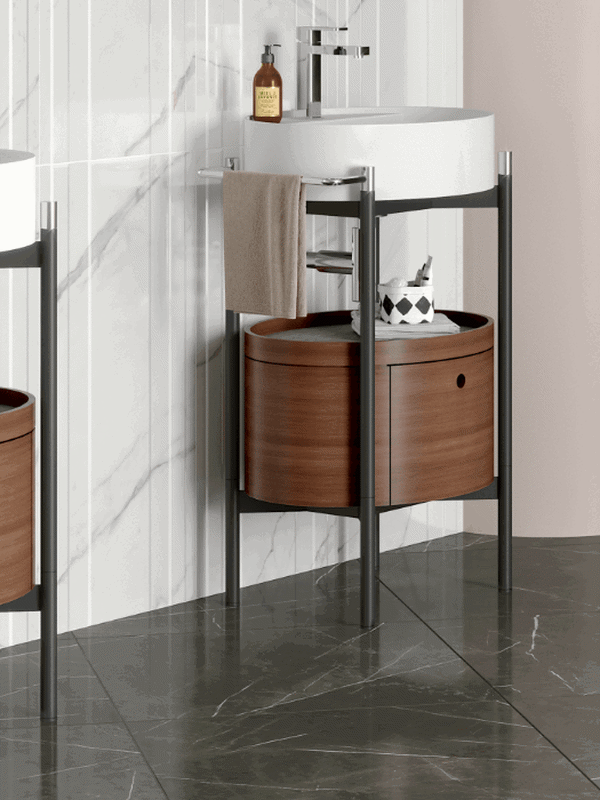
This is a system, of course, and establishing it takes time, commitment and effort. These demands may feel almost superhuman amid a busy day, but even getting up half an hour earlier to clear bathroom clutter can be a meaningful act of care for your mind and spirit. Above all, it can help you feel that life at home is valued, peaceful and secure.
How Can You Become More Organised at Home?
- Begin with Very Small Steps:
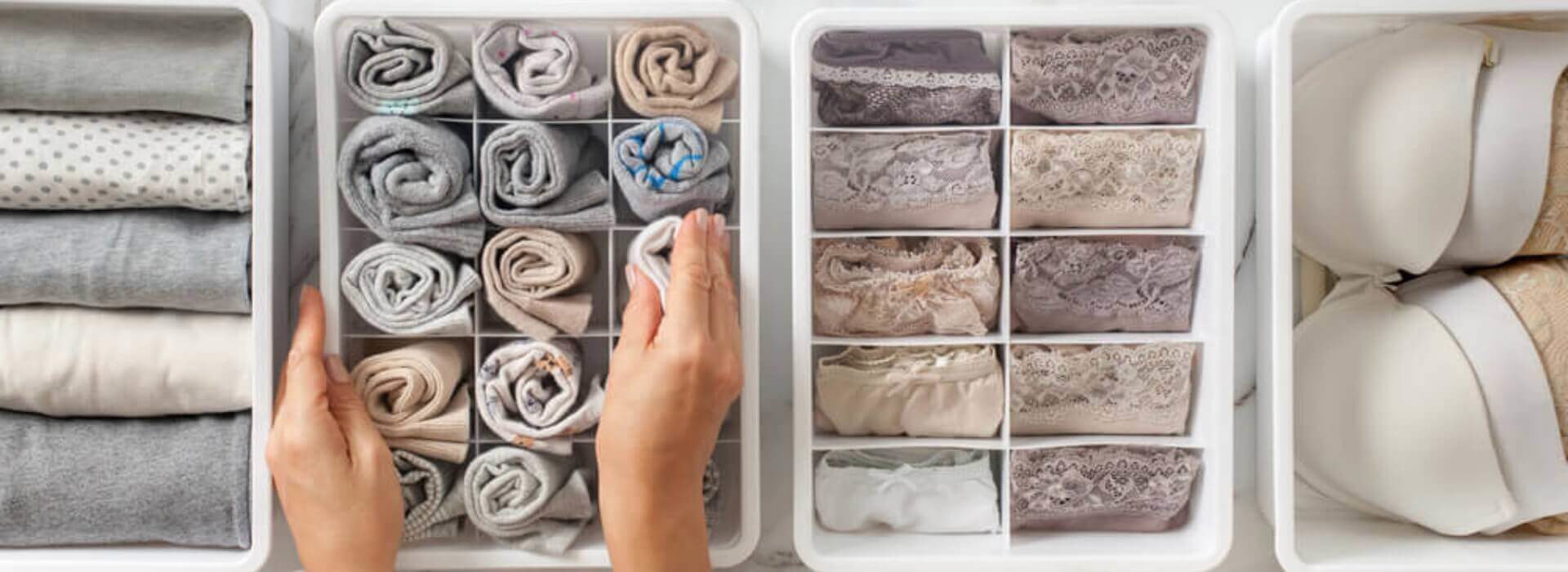
Begin with organisation goals that are as small and achievable as possible. Aim to organise a cupboard rather than an entire room. Reduce the scale further by breaking cleaning into smaller tasks. Make a schedule and allocate a set time to each area. Over time, you can increase that time as you gain the energy and momentum to continue.
- Create a Simple System:
Note the items you often misplace and give each a clear home. Rely on your notes rather than intuition or visual memory. Check periodically that the items are in the right places, until the arrangement becomes established and you no longer need the notes.
- Reward Yourself:
Getting organised is a wonderful opportunity to increase awareness. If you see yourself as a task-oriented person, treat it as serious work, give it the attention it deserves and plan a reward at the end. Making the process interesting and rewarding helps you enjoy the task and increases your motivation to repeat it.
- Ask Yourself Questions:
Your aim is greater mental balance, and the task at hand is to clear existing clutter. Questions that help you focus can be useful, especially when simplifying and letting go of old or unused possessions. Ask yourself: “Is this item a priority? Is it useful to me or someone else at home? Does it add a unique meaning to my life? Would its absence affect my everyday life? Is it worth the space it takes up?”
- Enjoy Your Achievement:
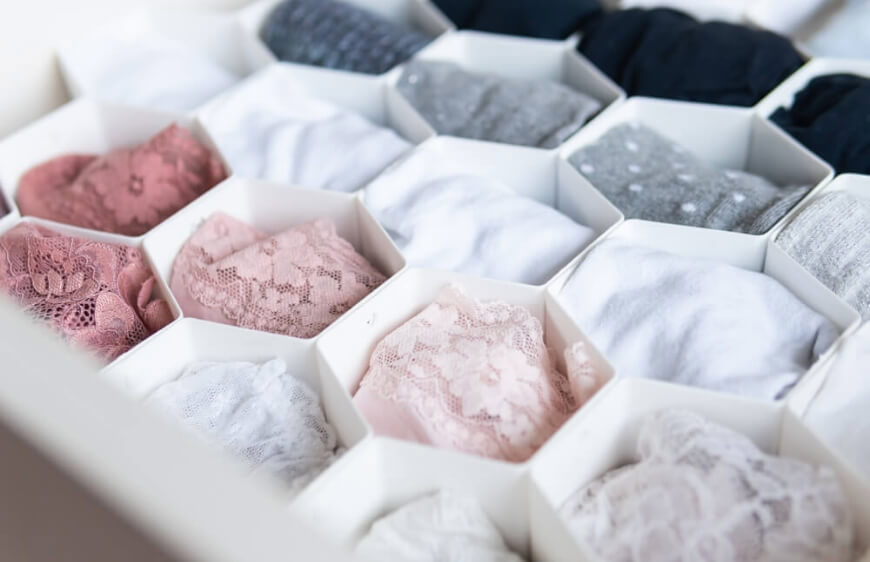
Do not dismiss tasks such as organising a drawer or simplifying a wardrobe as insignificant. They are not merely organisational jobs but achievements, and every achievement deserves to be celebrated. Let your celebration be time spent in the space you have worked on. In the home we care for with intention, affection and respect, the cocoon that helps make us who we are, spend a little time in the corner you have improved and strengthen your connection with it. Remember that homes have feelings: they are your feelings. If the home feels good, you feel good. If it speaks to all the senses, your mind is lifted too. The one thing with which you share this experience is the home itself.