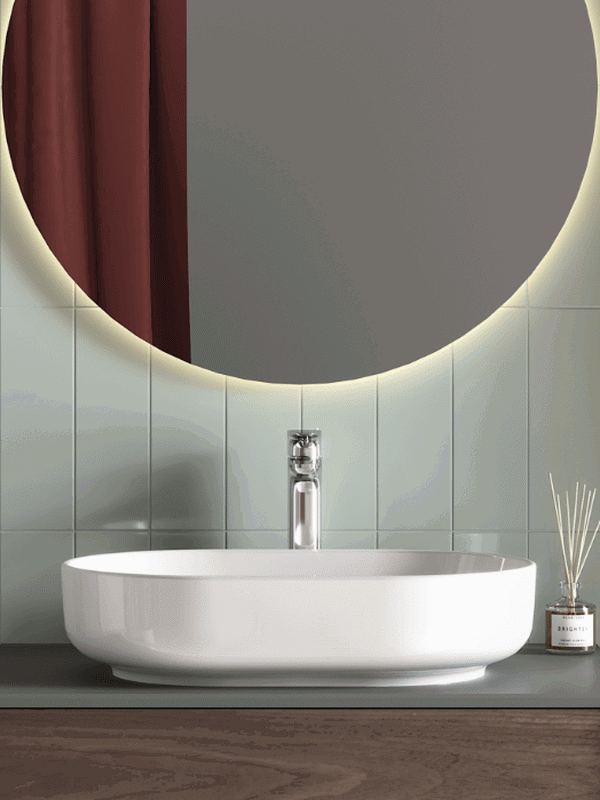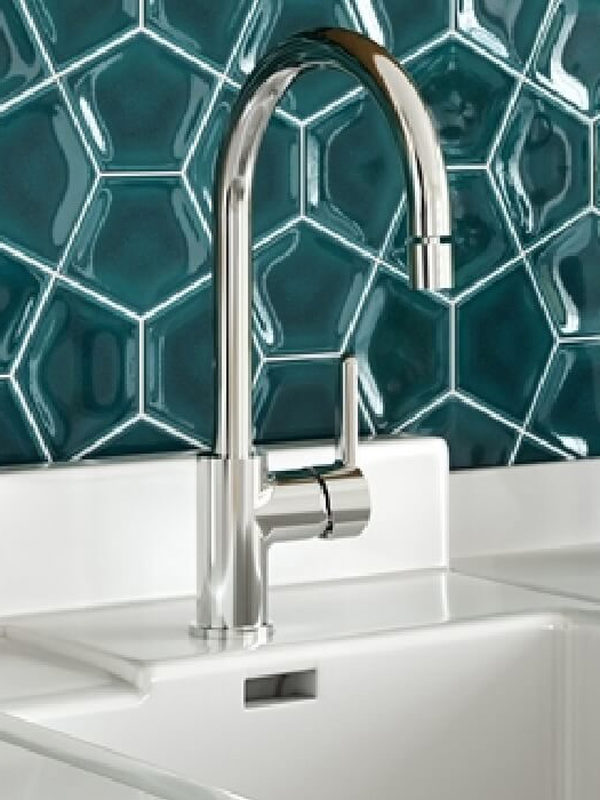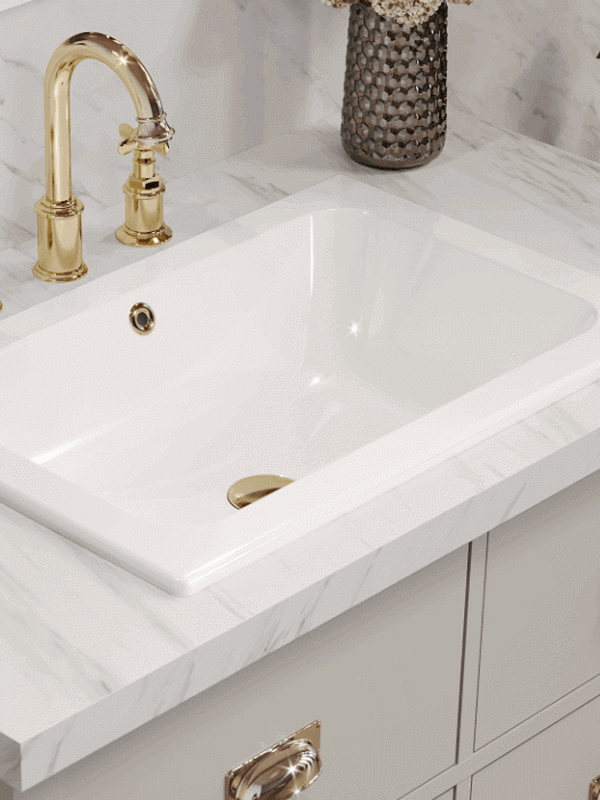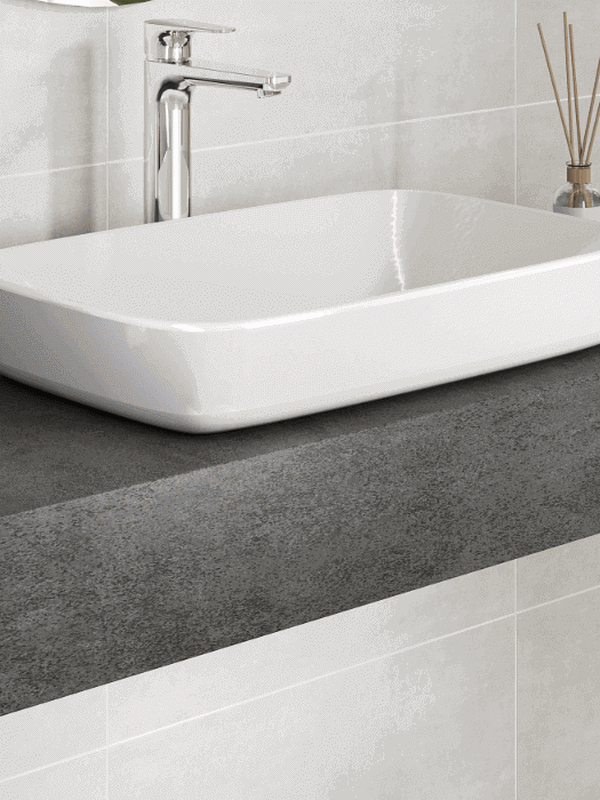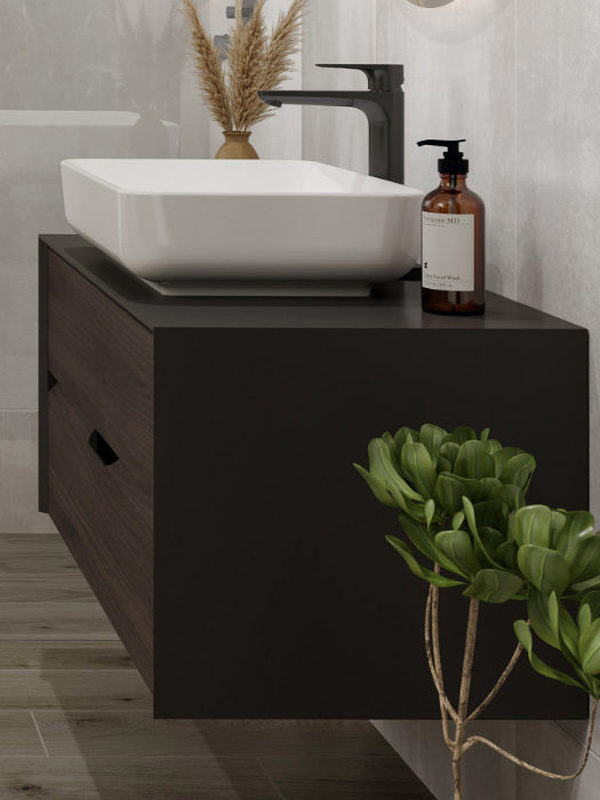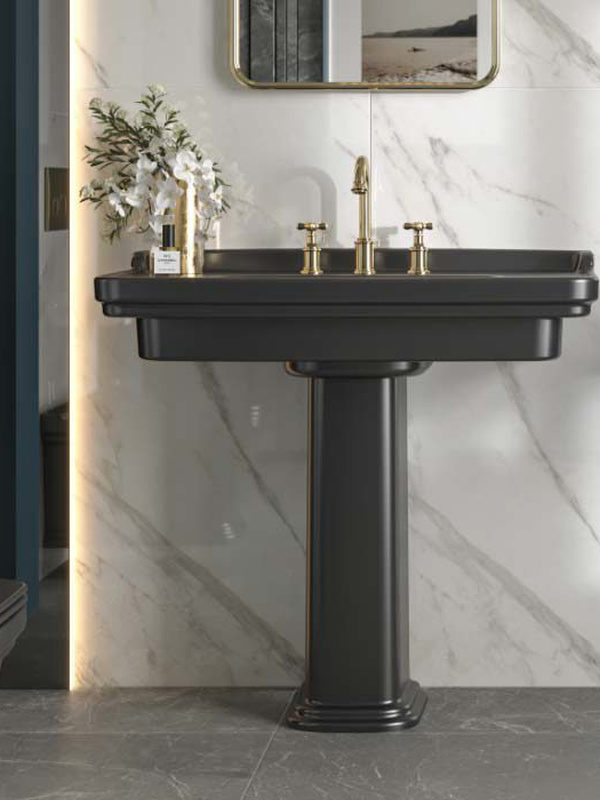
Before shopping for a tap or fitting, check the number of holes in the sink, wall or worktop. Alongside single-hole models with a simple look, two- and three-hole taps are also available.

The sink tap is one of the most frequently used fittings in the kitchen. From preparing and cooking food to washing dishes, vegetables and fruit, it is vital to everyday tasks. That is why, more than most kitchen items, the sink and its tap are wanted at the centre of things.
Together with the sink, the kitchen tap is a key feature in defining your kitchen's style. Choosing the right fitting not only meets your needs and improves functionality, but also expresses your personal taste. With so many options, though, how do you find the right one? Here are eight steps to choosing your ideal kitchen tap.
Your habits
Tap height
Position of the sink and tap
Kitchen style
Surface finish
Tap material
Number of sink holes
Number of tap valves
How the tap operates
Water savings
Hygiene
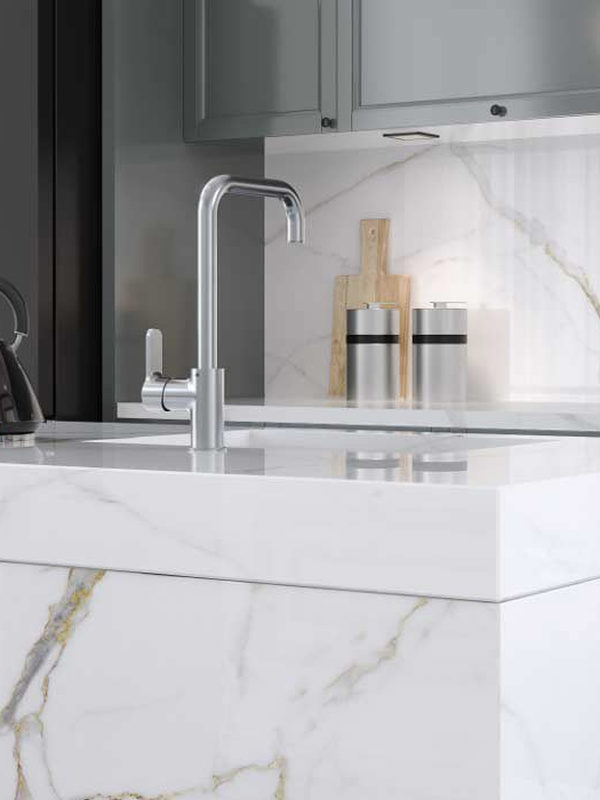
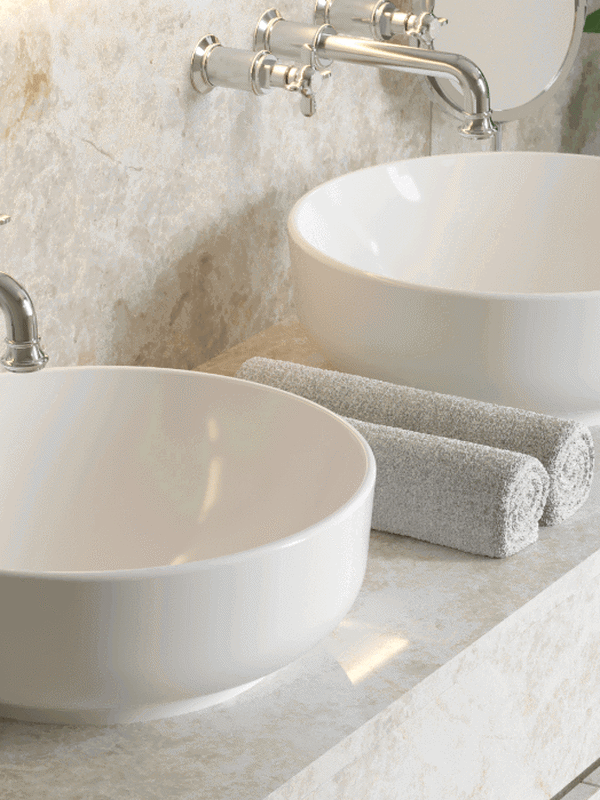
Compatibility between the sink and tap matters technically as well as stylistically. Kitchen taps may be basin-mounted, wall-mounted or worktop-mounted, with flexible hoses or hand sprays. Wall-mounted models can be chosen for single sinks. Worktop-mounted models are particularly suited to country, cottage or vintage styles.
! If you are replacing only the tap, consider the existing number of holes in the sink.
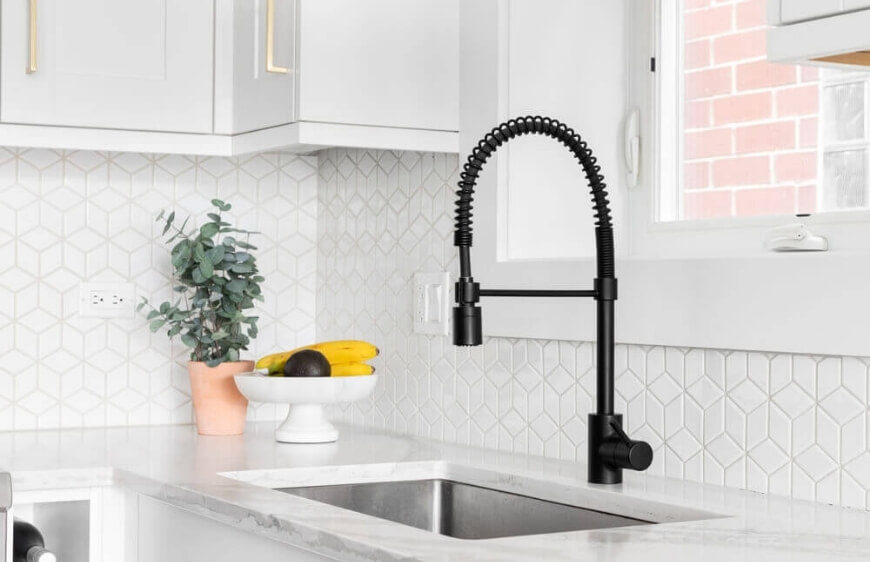
Before shopping for a tap or fitting, check the number of holes in the sink, wall or worktop. Alongside single-hole models with a simple look, two- and three-hole taps are also available.
Your habits matter here. If you wash large pots, pans and oven trays by hand, a low tap will not suit you well. On the other hand, a very tall model may disrupt the overall look. If you want more working room above the sink, choose a tall tap that sits 20–25 cm above the sink surface. It is also worth exploring swivel and flexible-hose features.
! Another criterion, of course, is to choose a tap that suits the size of your sink.
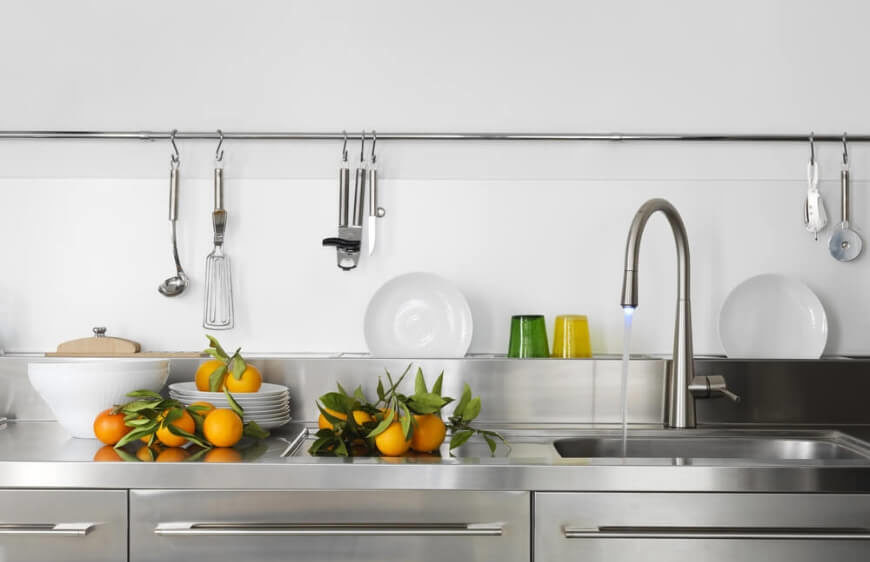
Pay attention from the outset to how the tap turns on and off and how its temperature is adjusted. Kitchen taps may have one or two turning handles with separate control of hot and cold water, or a single lever. Single-lever taps are often described simply as 'on-off' models: the same lever controls water pressure and temperature. The method of control varies between models. A swivelling body is particularly important with a double sink. If you want more features, explore industrial-style taps, flexible hoses, extendable spouts and hand-spray models that are easy to hold and use. Models compatible with water filters, sensor-operated taps, LED-lit designs, thermostatic taps and timed models offer more technological options.
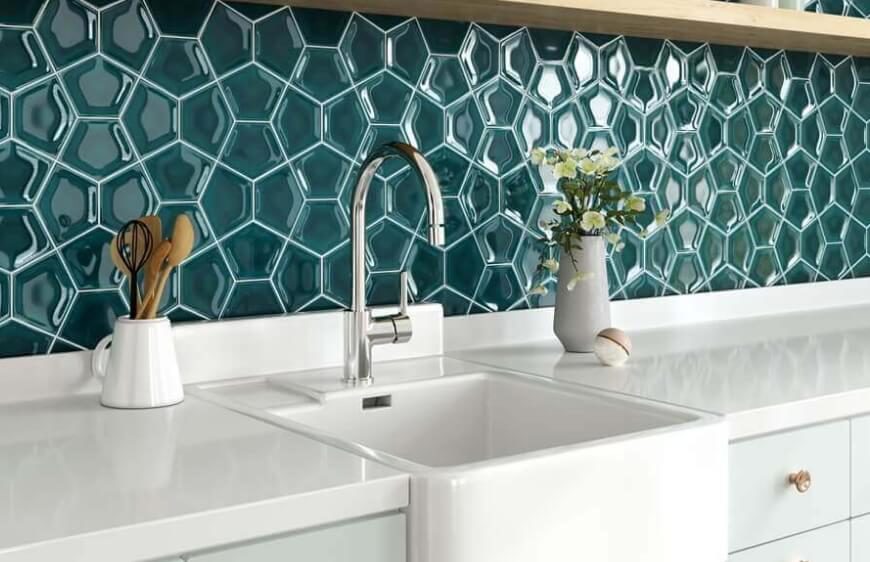
The valve material matters for your tap's durability and functionality. Plastic valves are one option, but if you want a durable, reliable product that does not drip over the long term, consider brass, stainless steel or ceramic valves.
Let's admit it: style matters! Both the kitchen tap and the sink say a great deal about you and your kitchen. Above all, they should complement the room's appearance and do justice to its style. Given its prominent position, it would be fair to call the tap the kitchen's prima donna.
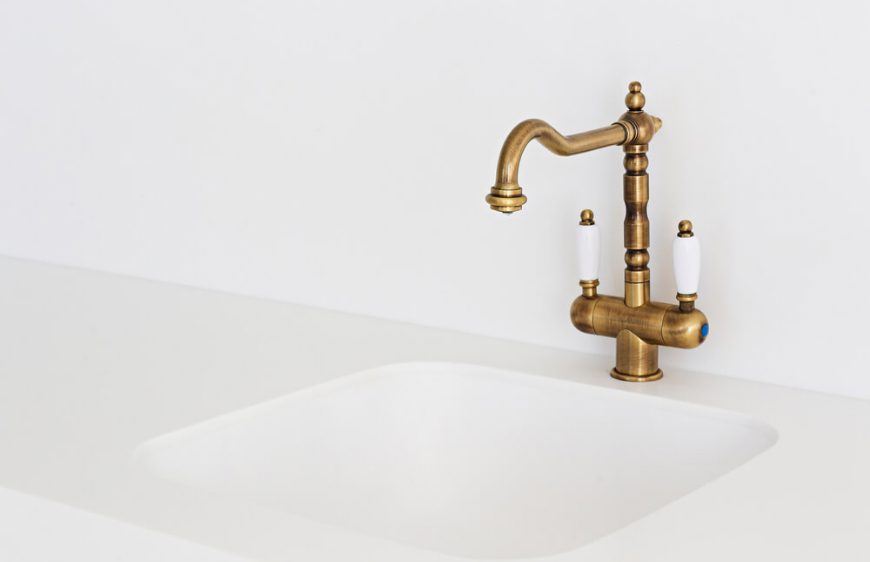
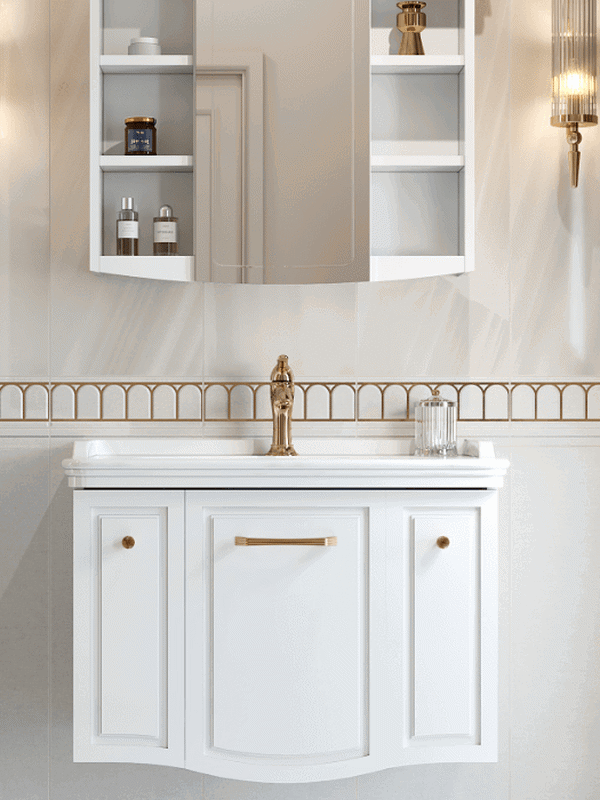
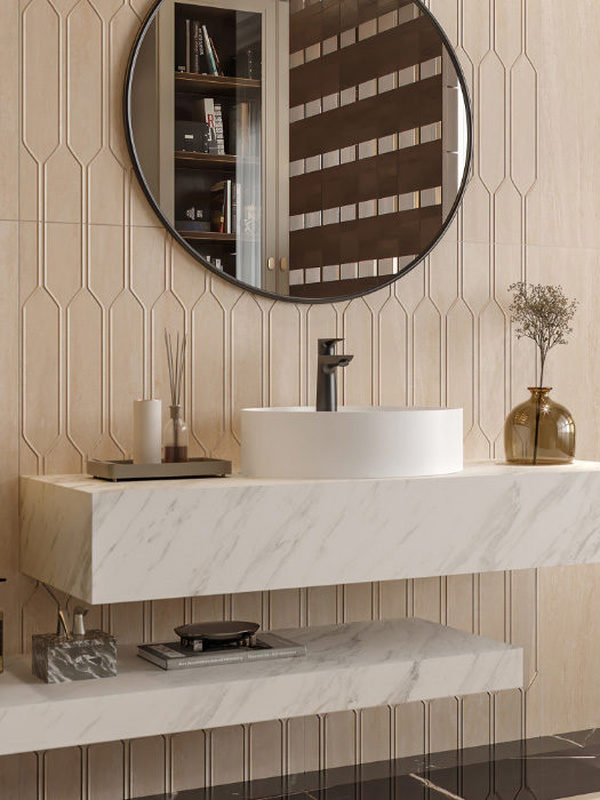
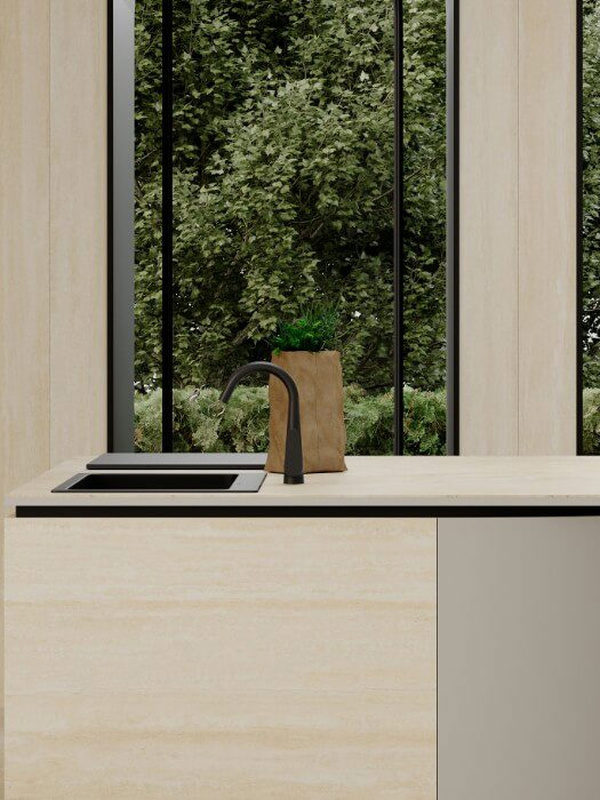
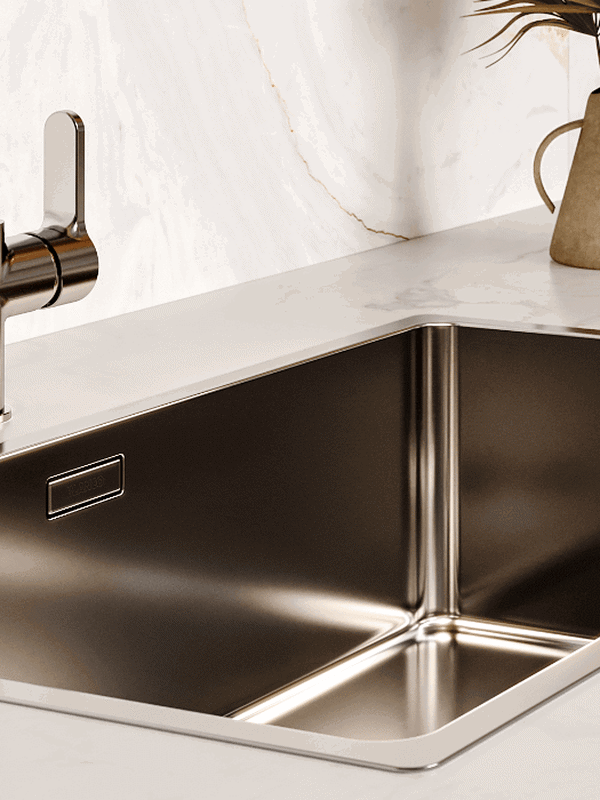
Speaking of style, there are many finish options. From glossy or matt black to chrome, brass and copper, choose one that suits your kitchen. Stainless steel and chrome taps work with most decorating styles. Chrome-plated taps can be paired with composite worktops. Stainless steel models are practical for hygiene thanks to their antibacterial properties. Chrome plating is the most common choice, as it is the most durable finish and the easiest to keep clean.! Salt particles that accumulate on chrome- and nickel-plated surfaces can cause corrosion, so anyone living near the sea should bear this in mind when choosing taps.
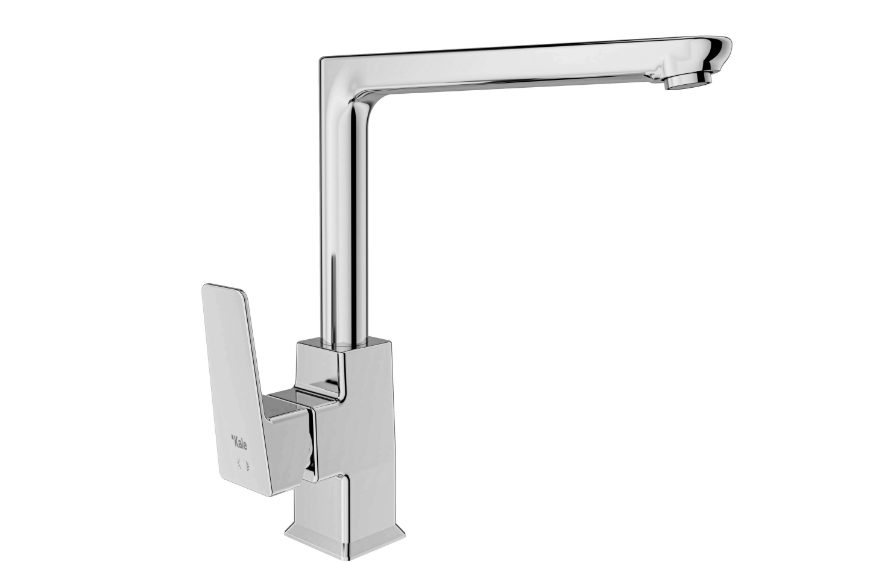
Efficient water use is a leading priority for the world's resources. When choosing a tap, pay attention to its watertightness and the brand's warranty. Aerators are also effective water-saving fittings. We should also mention sensor-operated and timed taps as products of the future: they make turning water on and off easier and reduce unnecessary use.