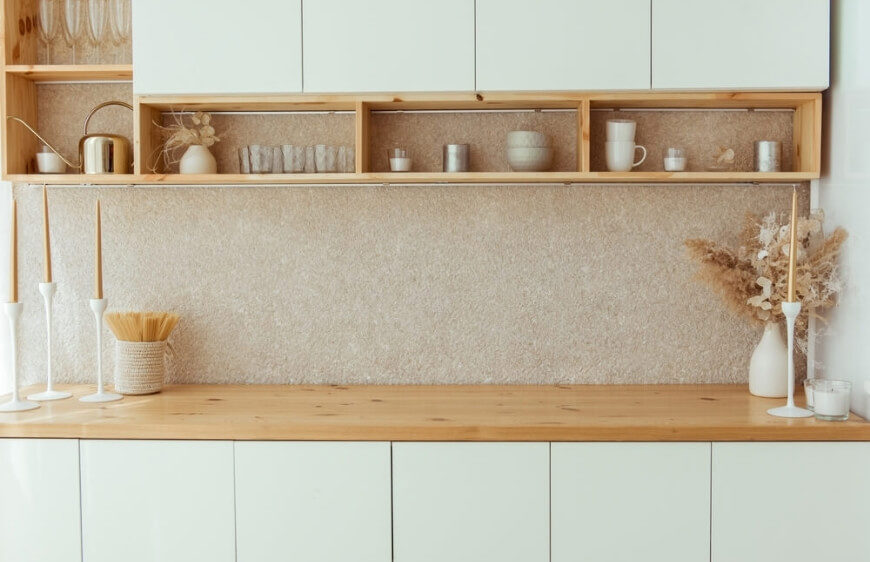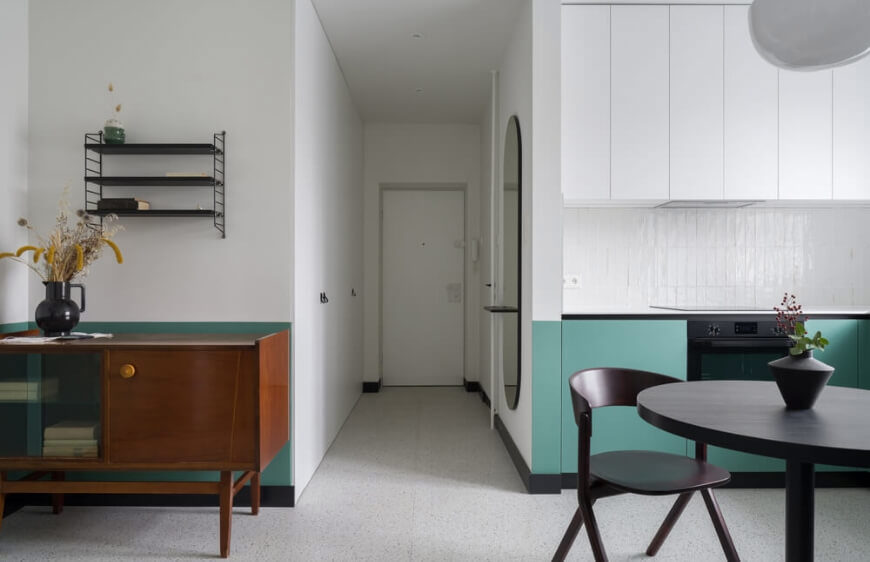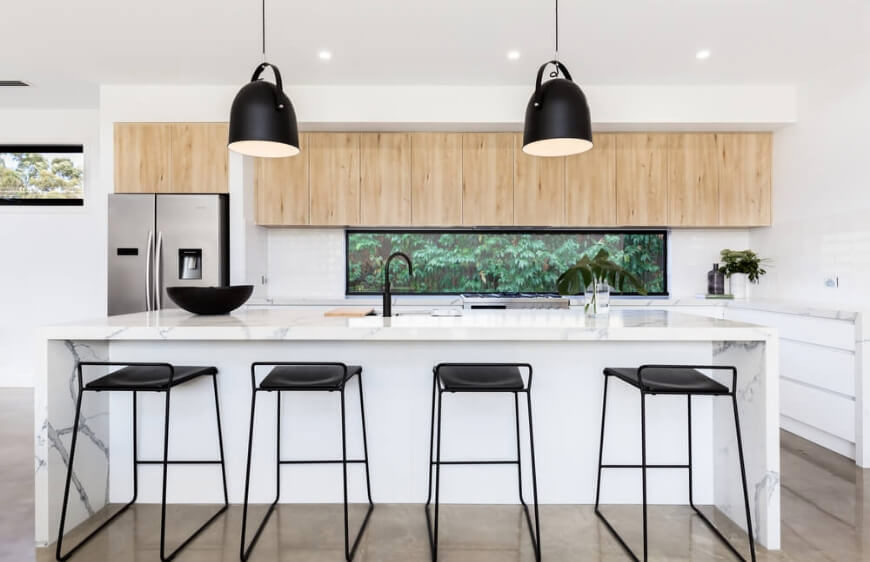

An environmentally friendly kitchen is one that has no negative impact on the planet. This covers a broad range of choices, from designing with sustainable materials and combining them with second-hand or antique pieces to introducing upcycled items and non-toxic paints. It also includes energy-efficient appliances and environmentally friendly equipment such as LED lighting.
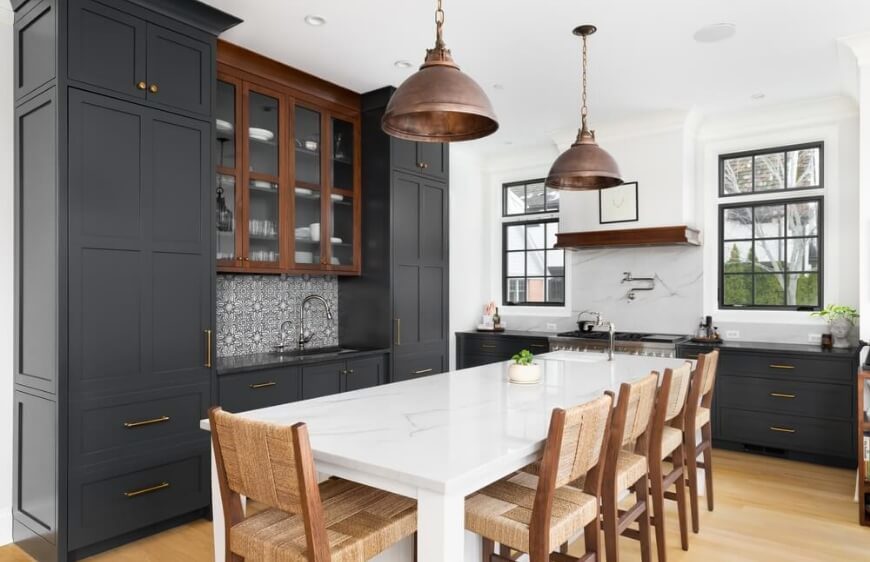
Sustainable Kitchen Ideas: 12 Ways to Create an Eco-Friendly Cooking Space
From décor to technology, this guide will help you make sustainable, nature-friendly choices for your kitchen.
Whether you are designing from scratch or renovating, sustainability has become an integral part of kitchen projects in recent years. Thanks to the latest innovations and materials, it is no longer as difficult to achieve as it may seem. Whether you prefer the simplicity of modern design or the welcoming character of cottage style, a few small changes and informed decisions can create a more sustainable kitchen without stretching your budget.
There are two ways to approach sustainable kitchen design.
NATURE LOVERS: They like their kitchens to look sustainable, choosing reclaimed and natural materials that offer environmental qualities while creating an atmosphere connected to nature.
TECHNOLOGY ENTHUSIASTS: They prefer a refined, contemporary kitchen and choose technological solutions for food storage and cooking with the intention of avoiding harm to the planet.
What Is a Sustainable Kitchen?
How Can You Create a Sustainable Kitchen?
For a truly environmentally friendly, healthy kitchen, it is important to adopt energy-saving food preparation and cleaning habits, use equipment made from sustainable materials and avoid toxic chemicals. Make thoughtful choices that benefit both your budget and the world.
- Give Your Kitchen a Second Chance
Just as clothes that have gone out of fashion can become fashionable again, the same is true of kitchens. Second-hand fitted kitchens have recently attracted considerable interest among environmentally conscious homeowners.When renovating a small kitchen, imagine how to make it practical without radical changes. Every renovation requires new materials, electricity and fuel, so prioritise a more sustainable way to make the most of the existing space. You may not want second-hand furniture, but keeping your cabinets and replacing only the doors can create a fresh, clean look. If they are structurally sound, do not discard them: kitchen cabinets are built to be sturdy and long-lasting.
- Carbon-Neutral (Zero-Emission) Production
Many manufacturers are working to make their products more environmentally friendly, and numerous companies now offer carbon-neutral collections. Research the options and consider products with carbon-neutral certification.
- Try Plywood
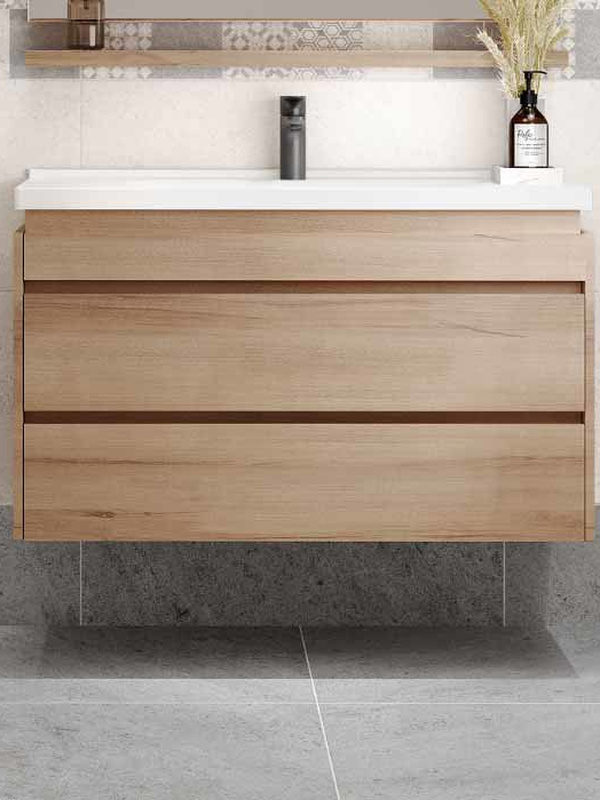
Plywood is durable and sustainable. Compared with materials such as MDF or chipboard, it is made with fewer chemicals and produces little or no off-gassing, contributing to a toxin-free home. Not all plywood is environmentally friendly, however. Check for FSC or equivalent certification and make sure the finishes do not contain formaldehyde. For quality and longevity, also check that it is B/BB-grade plywood suitable for joinery rather than general construction.
- Mix Old and New
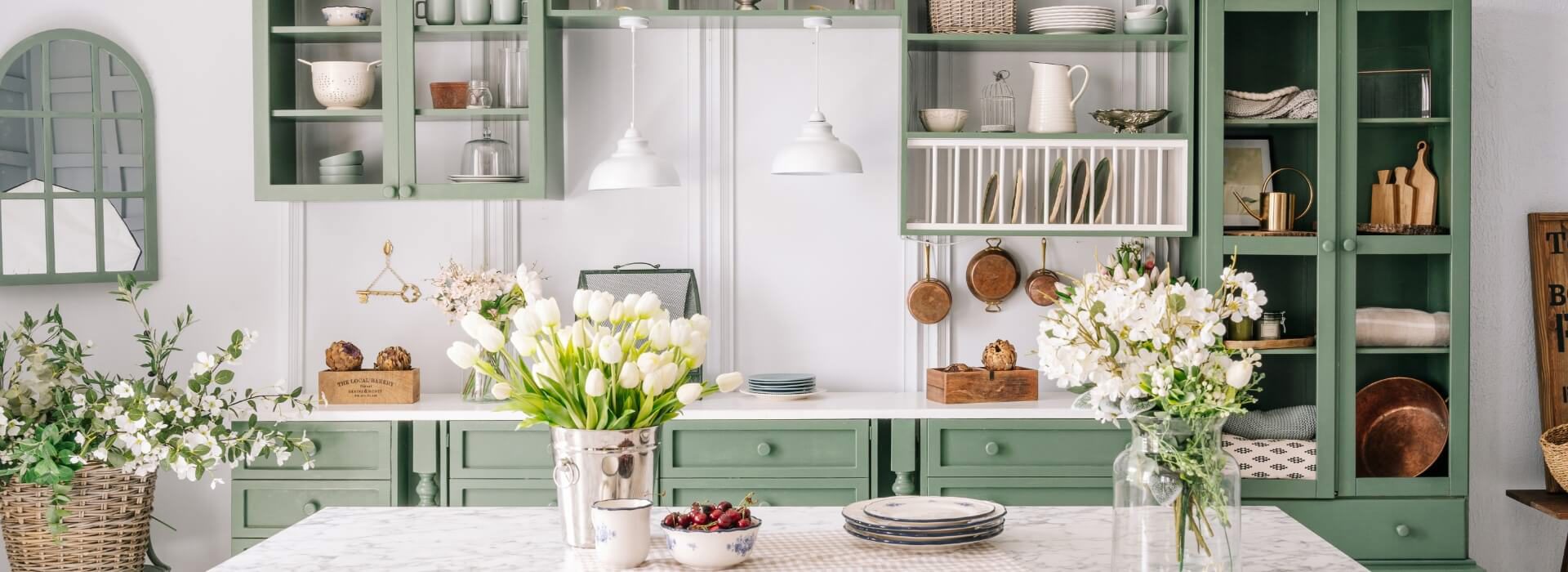
How about a kitchen with white metro-tiled walls, a fluted sink and a plate rack?
Explore vintage shops, salvage yards and websites to create a sustainable kitchen with a distinctive mix-and-match look. Consider laboratory benches, cabinets stripped of varnish and adhesive, a sanded and refinished iroko worktop, under-counter curtains made from old sheets, or an antique rack for plates and bowls. Introducing vintage furniture, surfaces or textiles is more than a sustainable decorating approach: it also honours the lives and heritage associated with a home.
- Explore Innovative Solutions
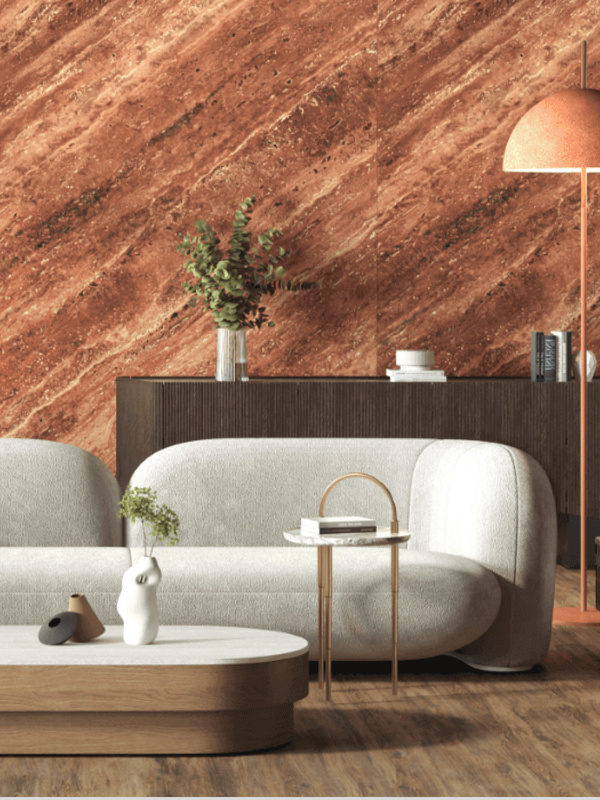
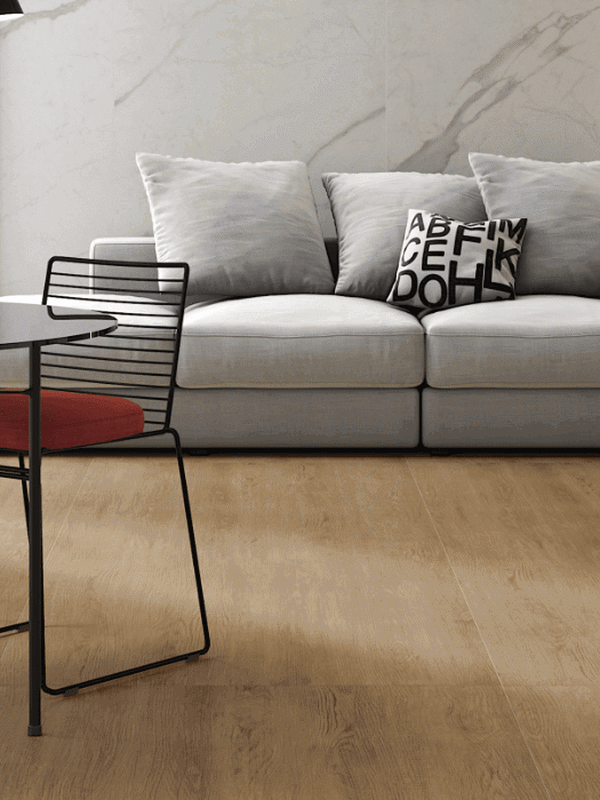
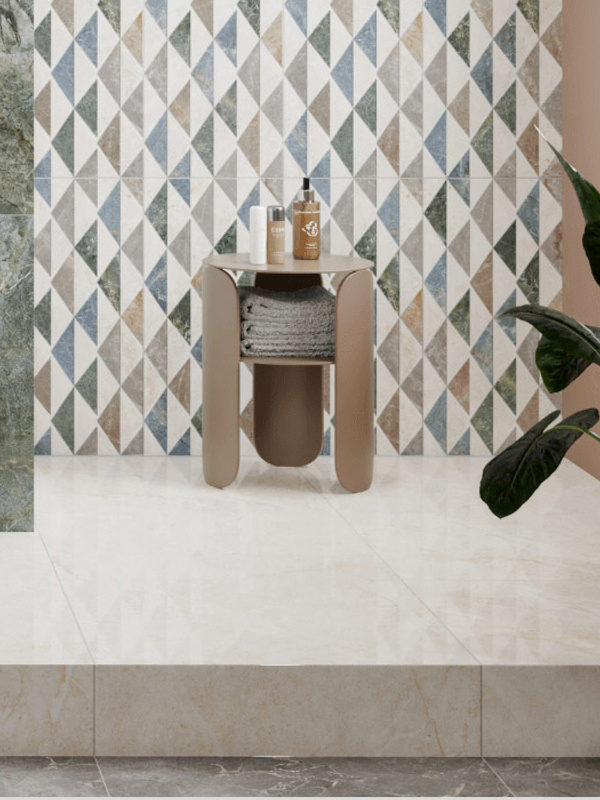
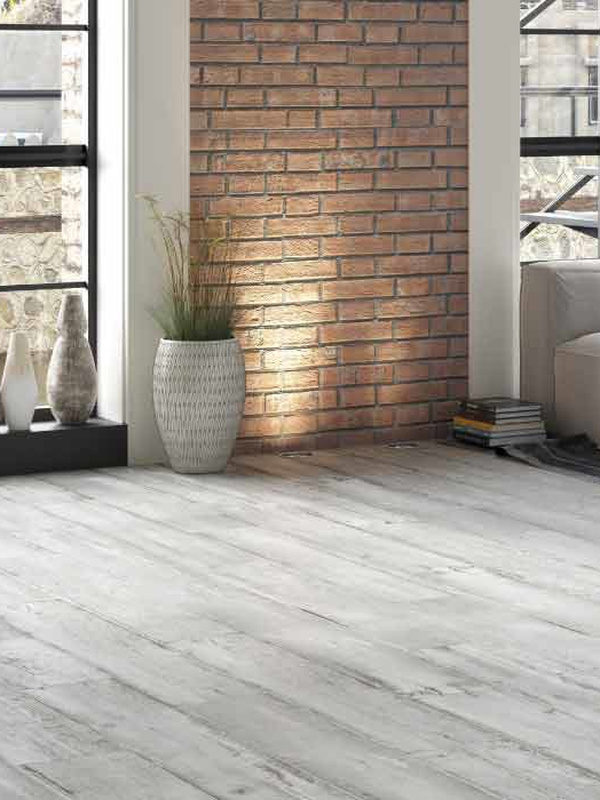
Did you know that completely plastic-free flooring can be made with low-value biomass such as mushrooms, maize crops, rice straw, used coffee grounds, discarded seaweed and oyster shells? Alongside these products, natural stone-effect tiles, from marble to travertine looks, are also ideal for kitchens: strong, easy to clean, scratch-resistant and sustainable.
- Choose Bamboo for Windows
If you are looking for an environmentally friendly option for kitchen windows, consider bamboo. Its exceptionally fast growth makes it a more sustainable alternative to other materials. Bamboo shutters and blinds can create an aesthetic effect similar to wood.
- Choose Plastic-Free Paint
Choosing paint involves more than finding a colour you like. Many paints contain microplastics as binders. Each time a paintbrush is washed, these particles can enter the drain and eventually reach the sea. Experts estimate that 180,000 tonnes of microbeads from paints enter the oceans each year, six times the 30,000 tonnes attributed to cosmetics. Eco-paints use natural silicic acid as a binder, surfactants derived from plant oils such as rapeseed and castor oil, sugar-rich plant materials, and generally natural or earth pigments for colour.
- Invest in Long-Lasting Cookware
Choose durable cookware rather than disposable products. While debate continues over the health effects of non-stick surfaces such as Teflon, their limited lifespan is beyond doubt. Consider stainless steel or cast iron instead. Although the initial cost may be higher, a good cast-iron pan can serve generations. Choose durability over the lowest price: use boxwood spoons, avoid plastics, consider handmade knives and replace paper towels with cotton kitchen cloths. Avoid buying unnecessary kitchen utensils.
- Replace Your Bulbs with LEDs
LEDs, among the most efficient kitchen lighting options, use very little energy with 95% efficiency. A worthwhile investment, LED lighting can last up to six times longer than other types of lighting.

- Consider Your Appliances
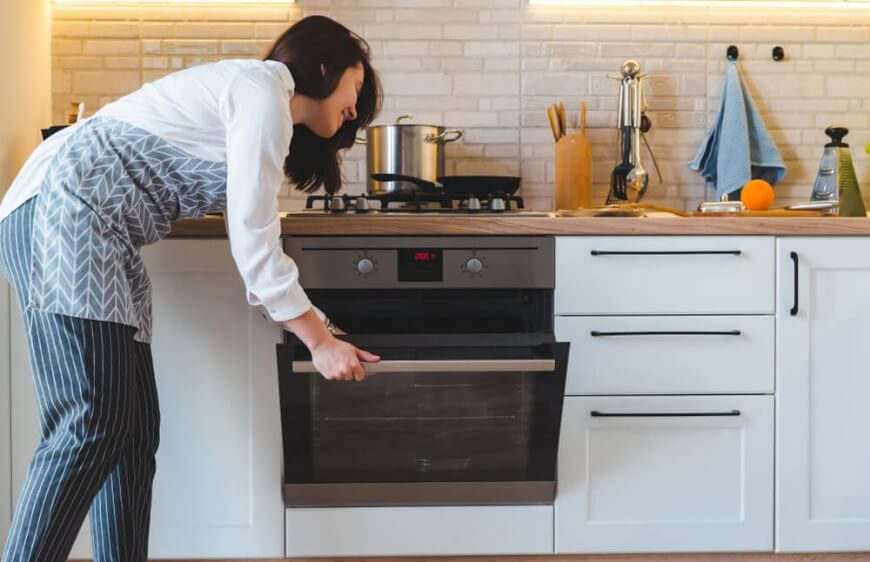
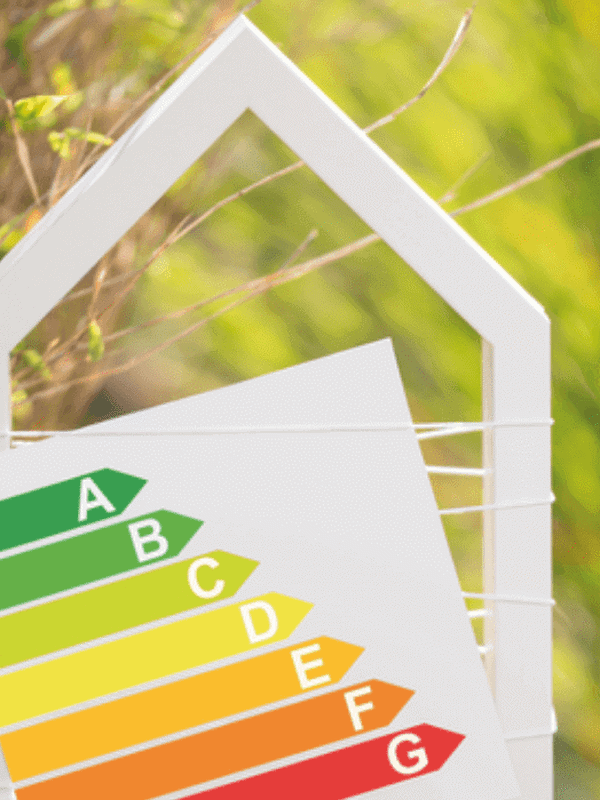
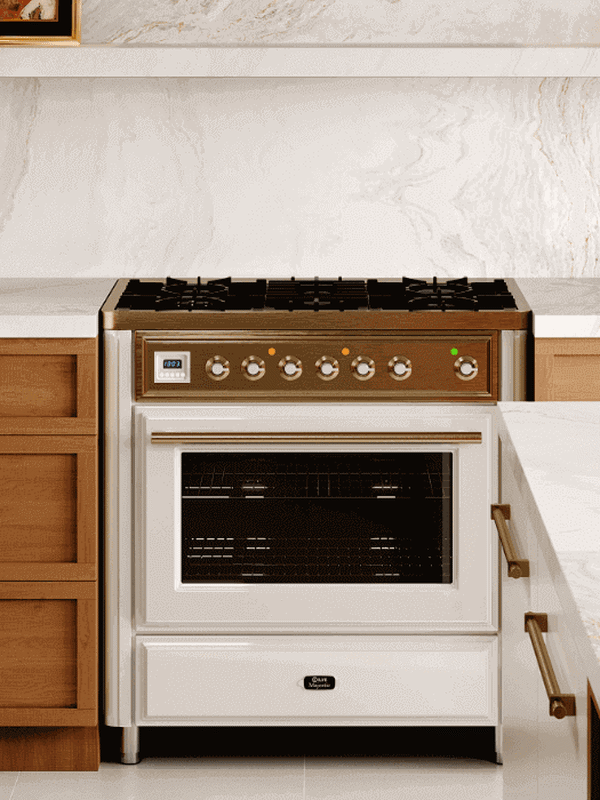
When replacing old appliances, check the available energy-efficiency ratings for hobs, refrigerators, freezers and dishwashers, then choose a durable model that will last. Simpler designs may be preferable in some cases: does your oven really need an internet connection? When an appliance genuinely needs replacing, contact the manufacturer first. Many companies run take-back schemes for their own products.
Tip: Fruit ripens and decays faster in the refrigerator because the ethylene it releases becomes trapped inside. Store it in the open air. A smaller refrigerator means storing less and saving energy.
- Choose Energy-Saving Cooking Techniques
Many familiar cooking methods use energy that is not needed. A few simple changes can make your kitchen greener.
- Skip preheating the oven; most new ovens heat up quickly.
- Limit oven use by cooking several dishes at the same time.
- Match the size of each pan to the hob ring when cooking.

- Make sure lids fit your pots and pans properly.
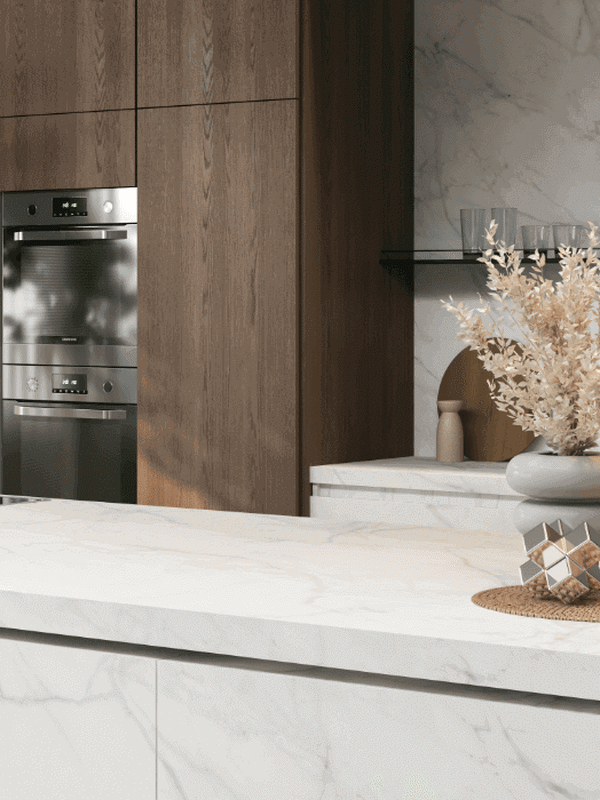
- Pressure cookers can reduce cooking time by up to 70%, saving energy.
- The most energy-efficient approach removes heat from the equation altogether. There is a broad niche culture centred on eating raw foods; do not be afraid to explore something new.