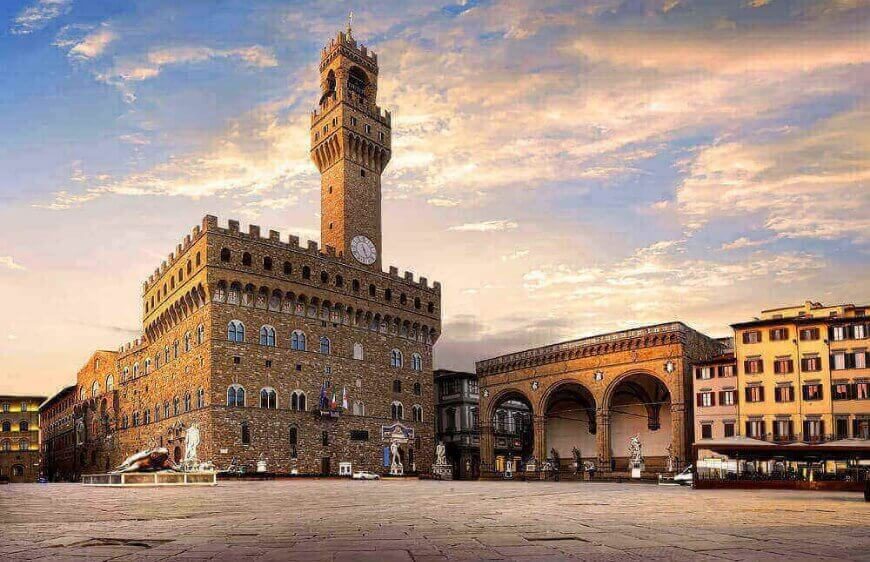
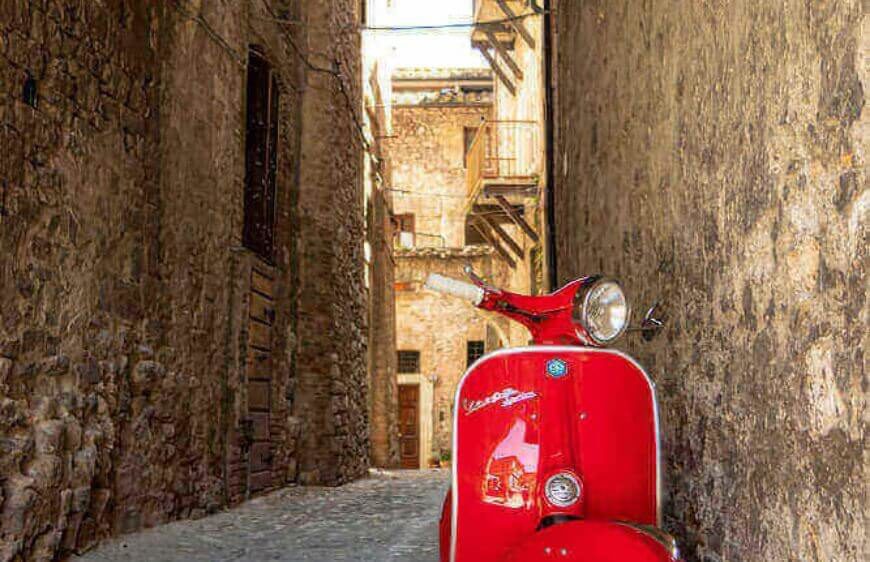
Home to many civilisations over the centuries, including the Roman Empire, Italy was known as an agricultural society until the Second World War. Today, it ranks among the ten largest economies in Europe and the world. Its strong economy, centred on design and production, emerged through post-war industrial transformations, the experience passed on by family businesses and small and medium-sized companies focusing on different sectors.
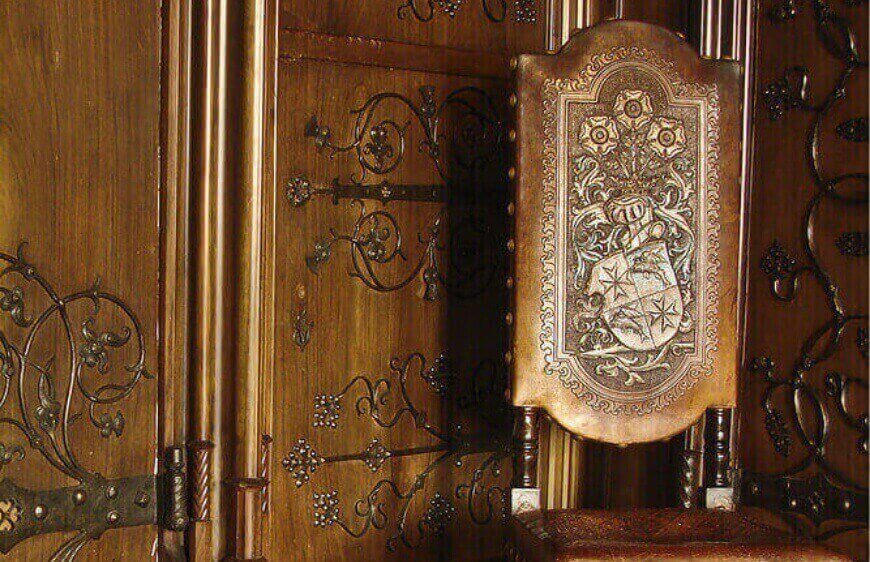
Surfaces Inspired by Italy
Italy is one of the most fertile and productive lands in the world of decoration and design. The boot-shaped country is not only a powerhouse of style, products, brands and talent; its natural riches also inspire interiors.
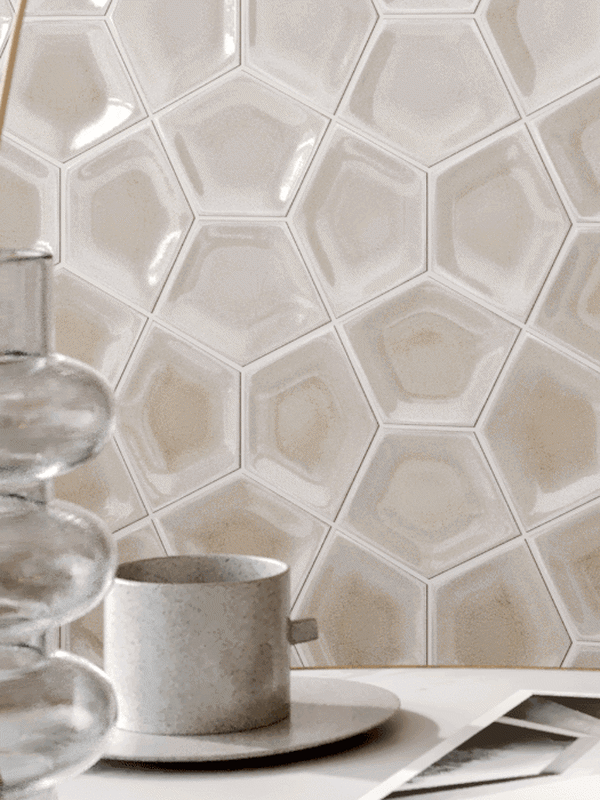
With a broad production network spanning cars, fashion, furniture and household appliances, Italy is now known not only as a European country but as a prestigious global brand that brings together expertise, pioneering investment in technology, innovation and quality craftsmanship.
One of the things that makes Italy so special is its geography. Considering the significant share of tourism in the national economy, we can also recognise Italy as an example of balancing industrialisation with preserving local character. The audiences for expensive shopping on Monte Napoleone and the pleasure of escaping everyday life over a simple espresso in San Gimignano may differ, yet the same Italy fills the dreams of people around the world.
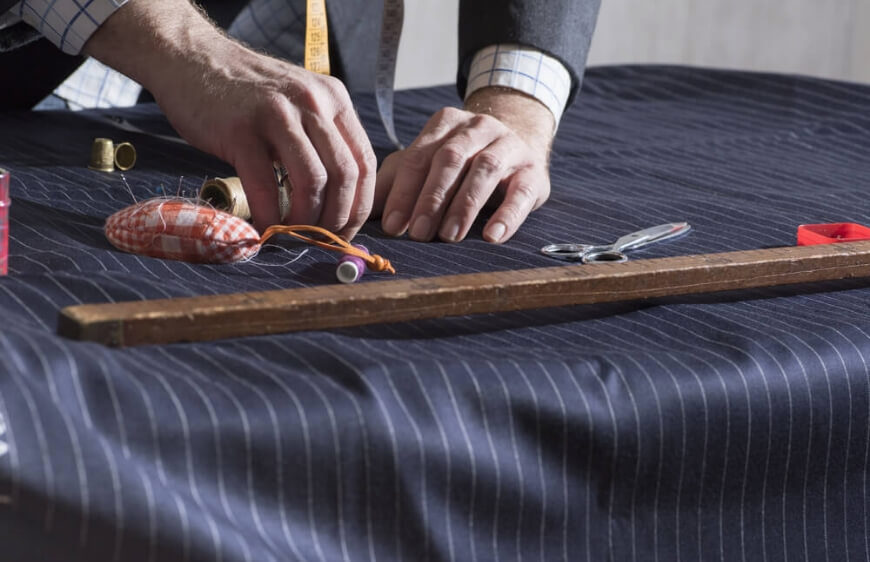
It must be admitted that Italians have refined taste. In everything from food and clothing to cars and jewellery, they manage to influence the world and express their distinctiveness. Italy recognised the importance of design centuries ago and has placed it at the centre of shared life and culture since the Renaissance. Its excellence in quality comes from family businesses passing experience to the next generation and advancing their brand value.
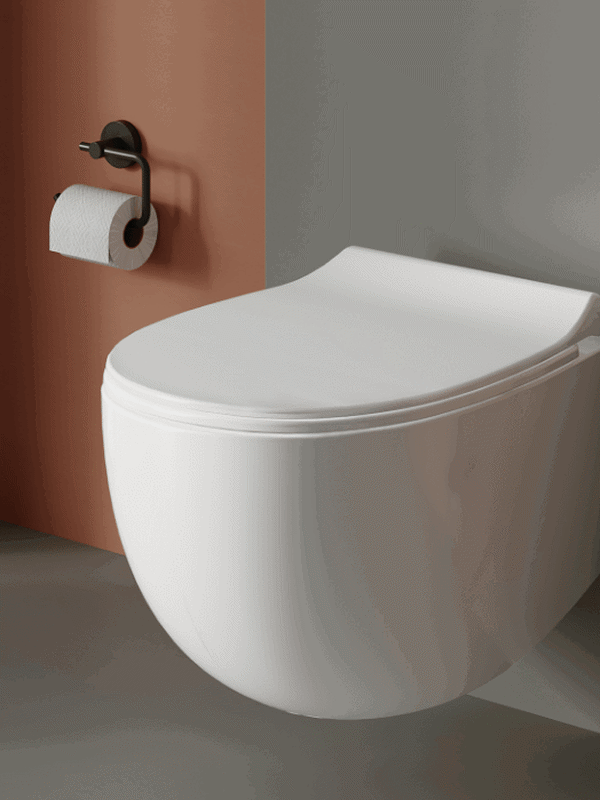
3 defining characteristics of Italian home décor:
- Bringing the past and future together:
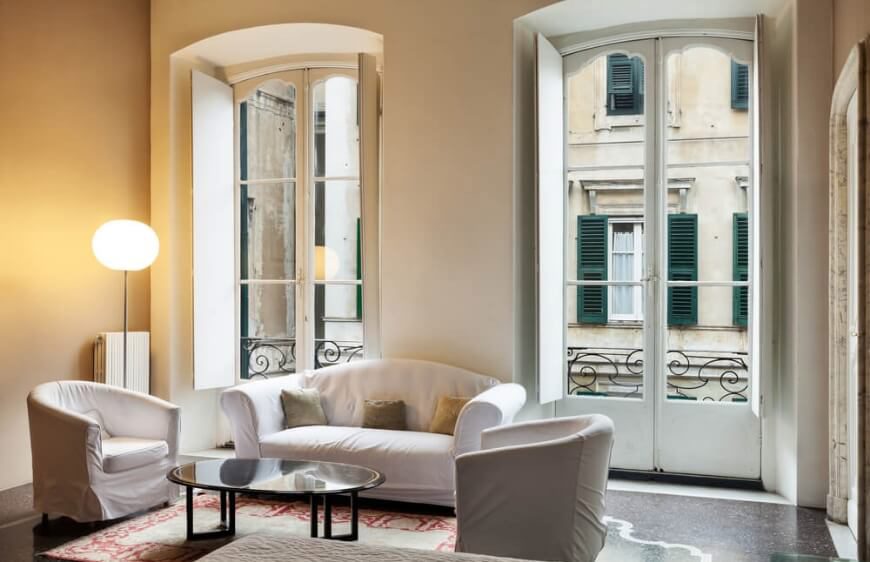
The most important principle of Italian-style living is preserving old architecture and its rich historic fabric. Buildings may be old and well maintained, while inside you find modern, functional décor. This principle also forms the backbone of Italian design: preserving traditional disciplines in production quality while using innovative touches to make the product part of the future.
- Creating comfortable spaces:
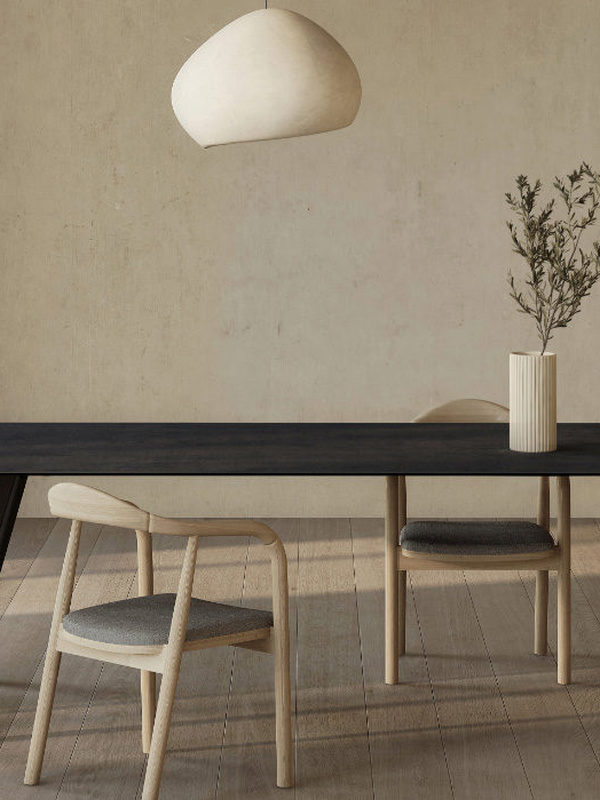
Although Italy is considered a master of furniture, Italians do not like cluttered homes. Particularly because of habits inherited from an agricultural past, extended-family living is common, and the movement of people through the home matters more than furniture. There should even be room to accommodate a new arrival comfortably. This is why comfortable armchairs with generous seats, large tables and bookcases are always prominent in Italian homes.
- Kitchens full of life:
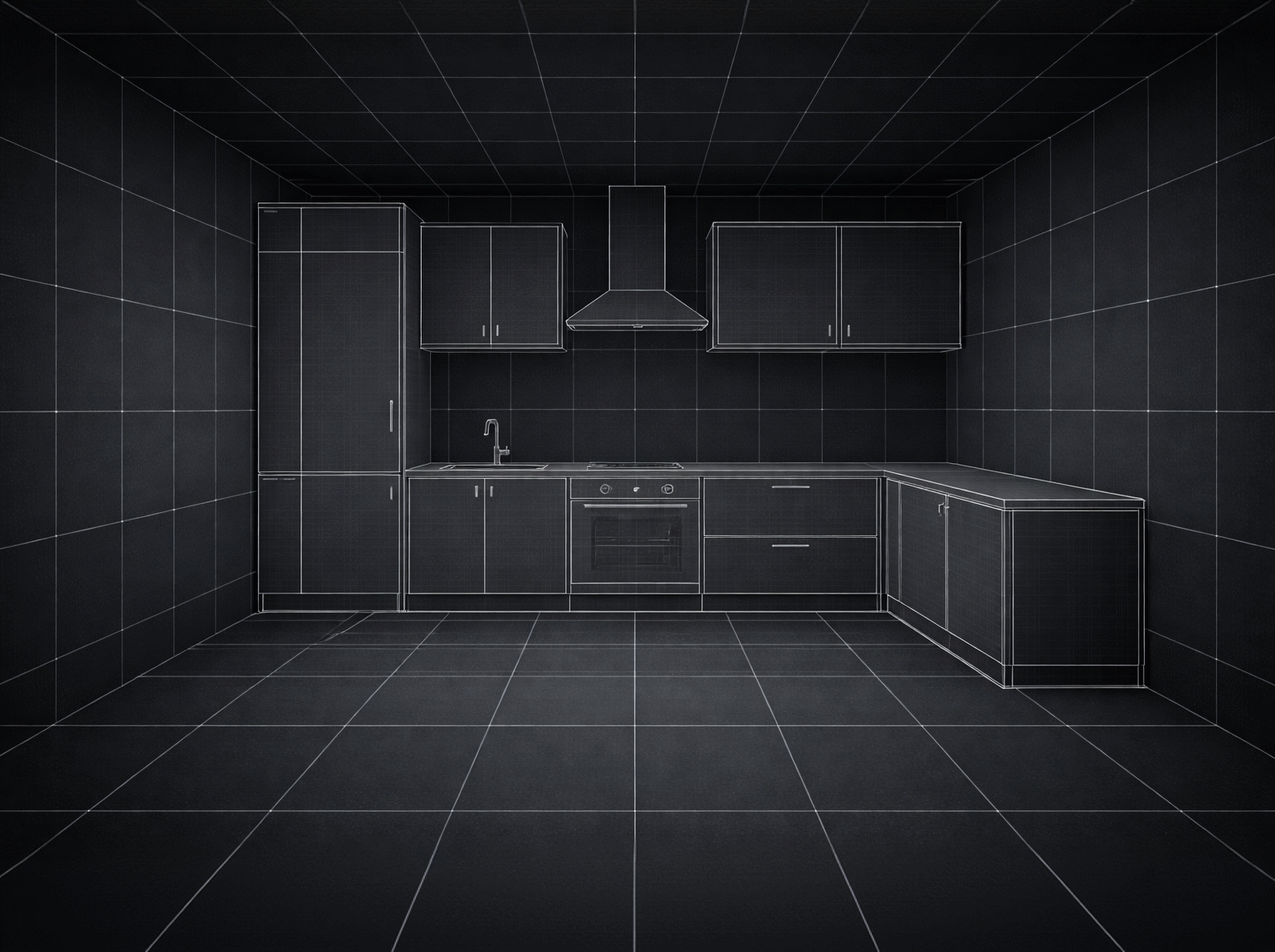
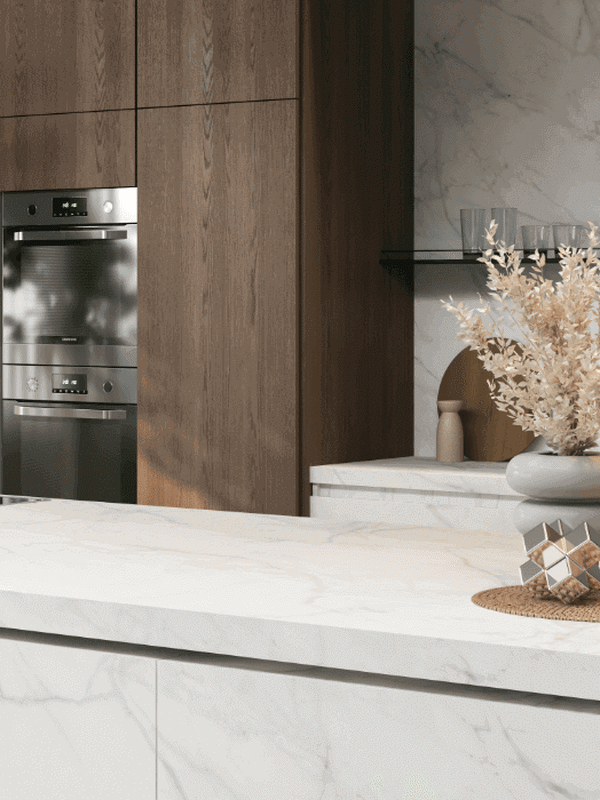
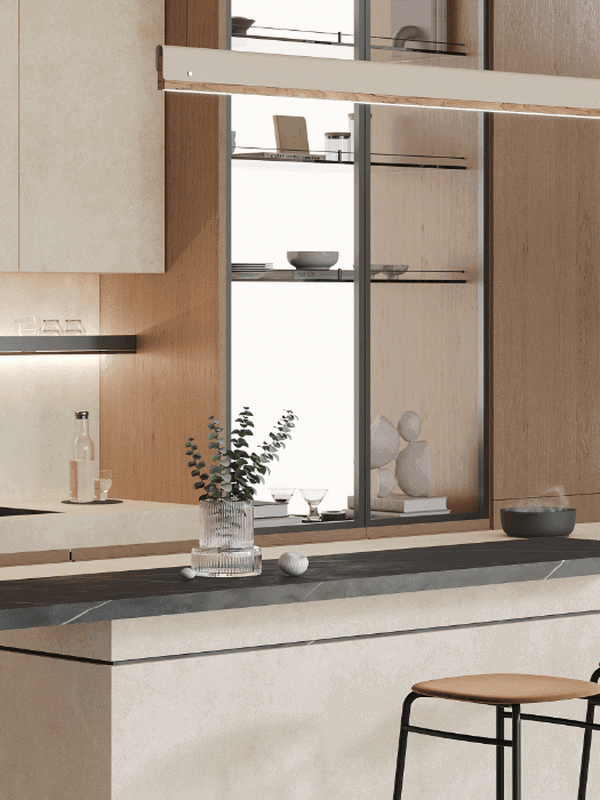
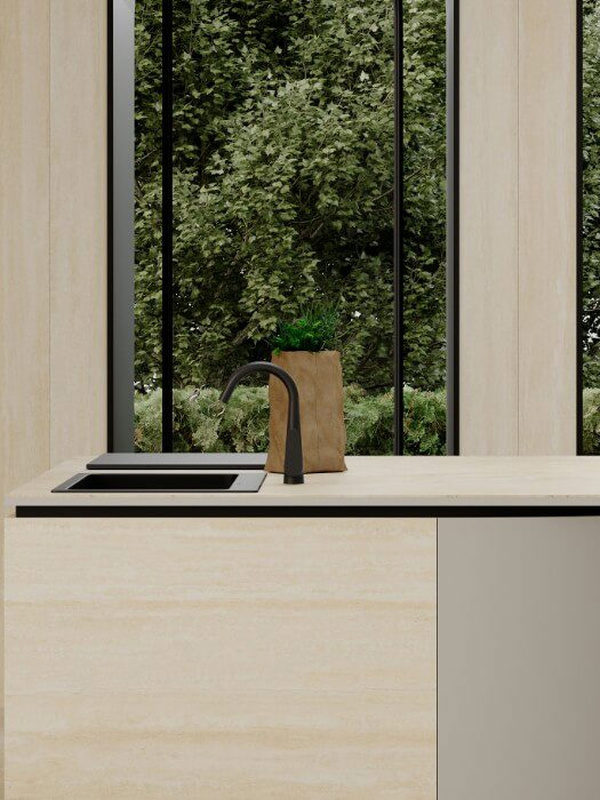
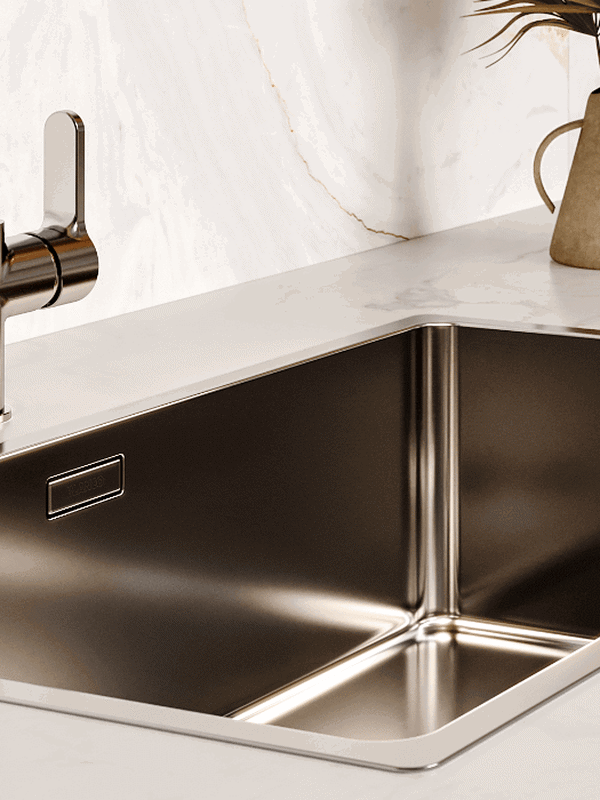
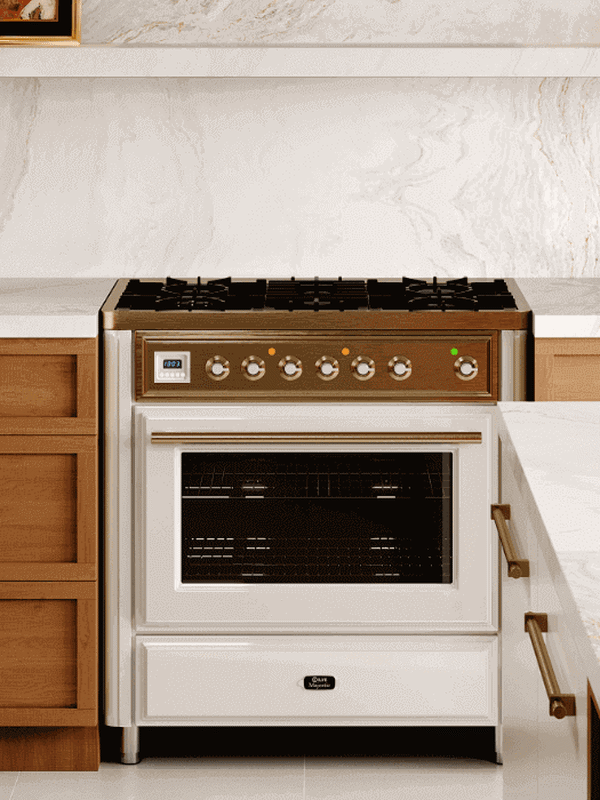
Just as gastronomy is central to Italian culture, preparing food together and eating it together in the kitchen are equally important. Considered the heart of the home and its main meeting and socialising space, the kitchen may be the area to which Italian design has devoted the most thought and in which it has led the way.
Italy's natural qualities as an inspiration for design
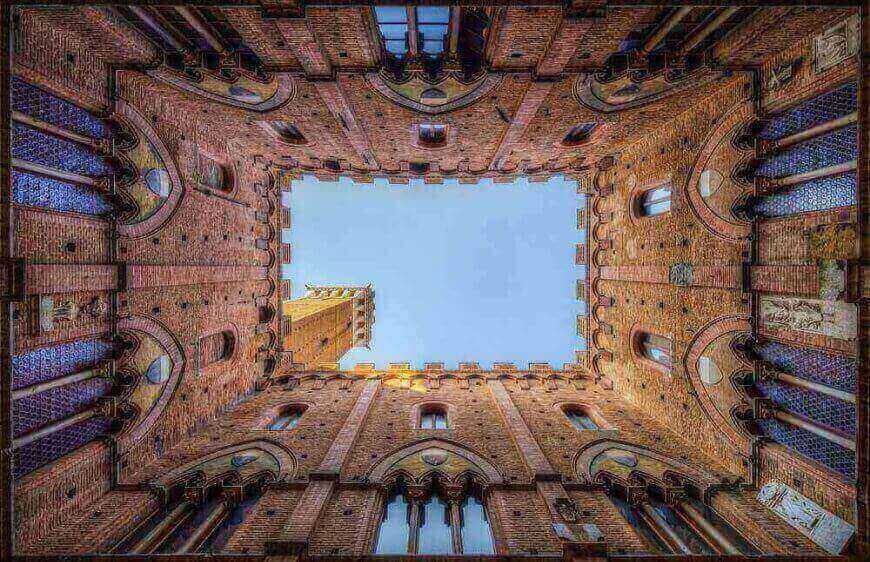
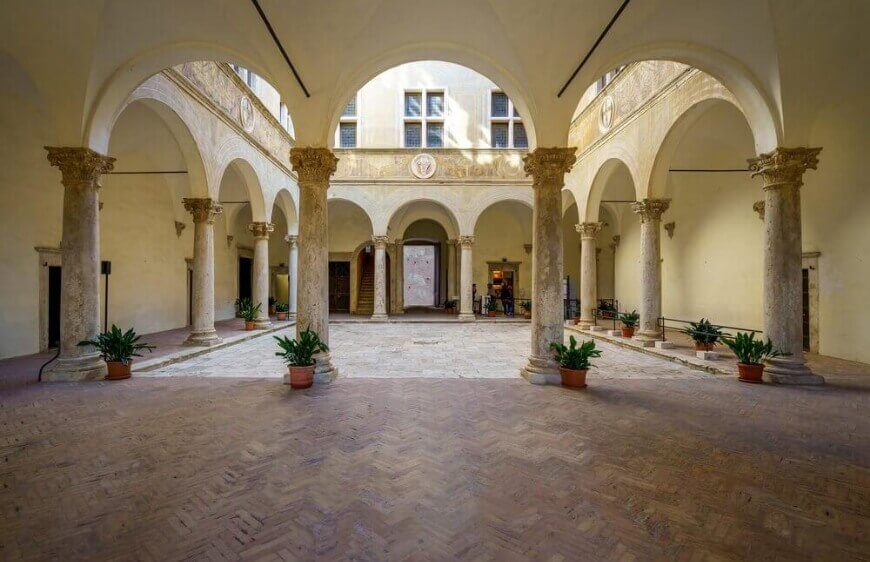
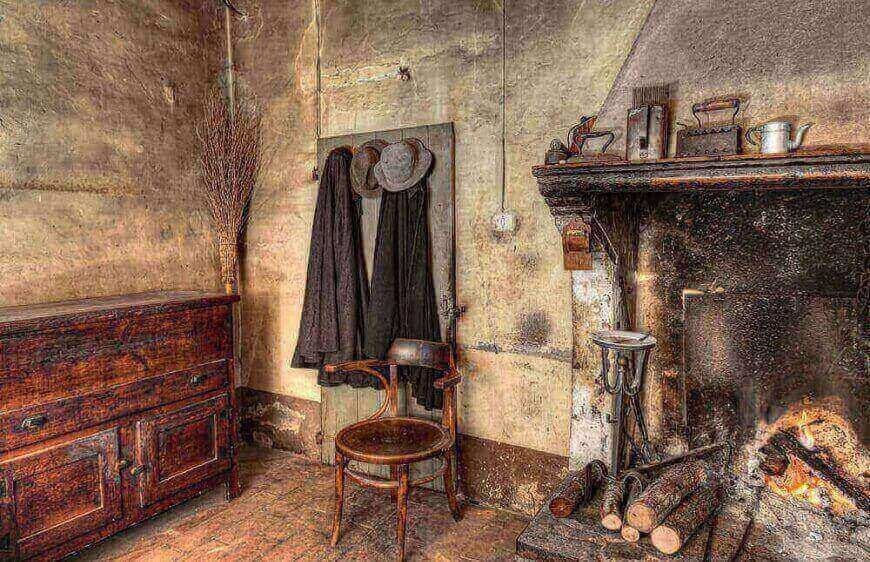
With its historic buildings and geographical riches, Italy is an adventure in inspiration. Every building offers something different, from palazzos with expansive frescoed ceilings, marble floors that embrace antiques and contemporary design together, and family portraits, to farmhouses standing back to back beyond endless vineyards, sheltering vast kitchens within cool walls of stacked stone.
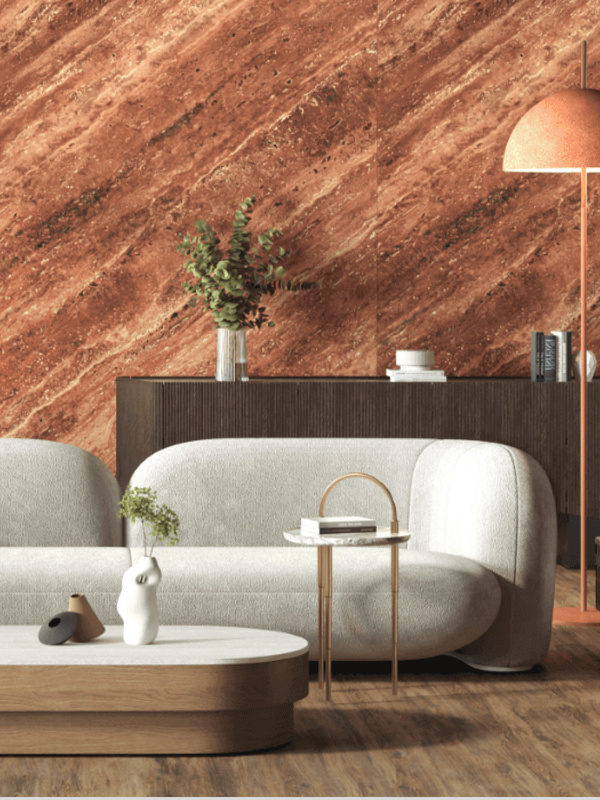
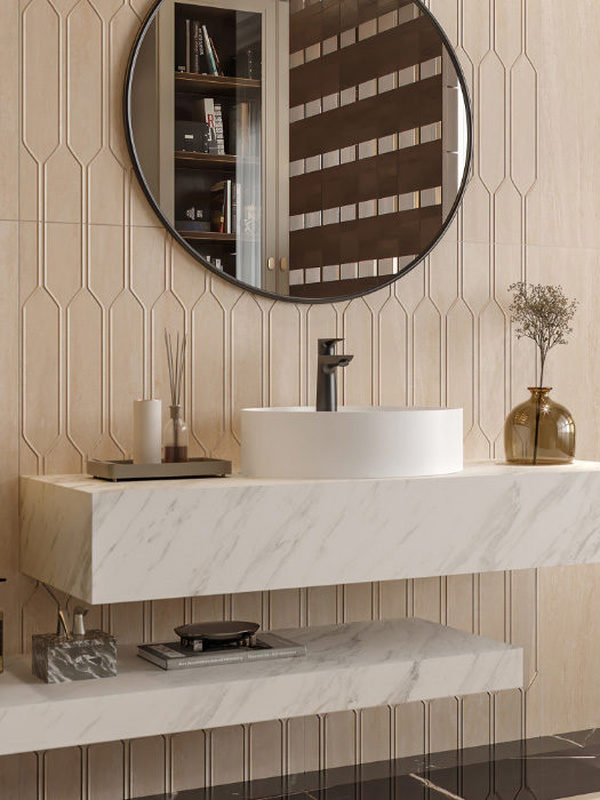
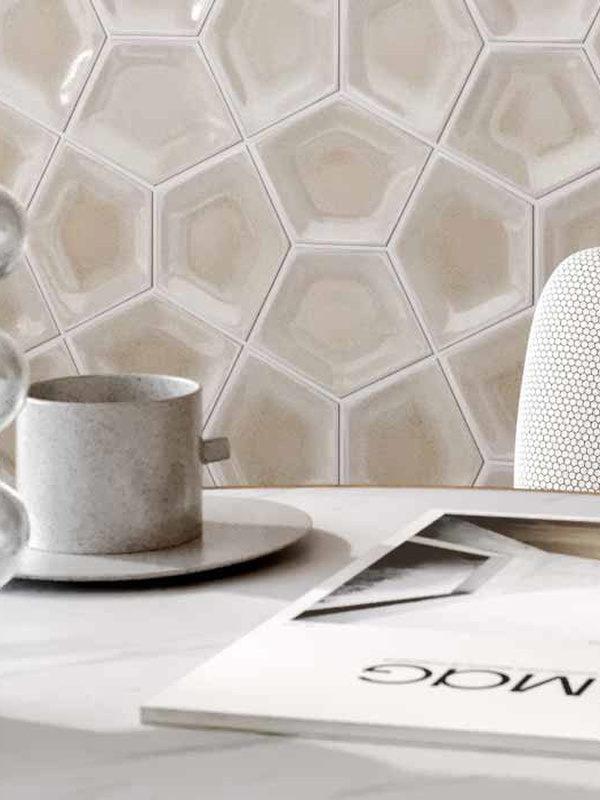
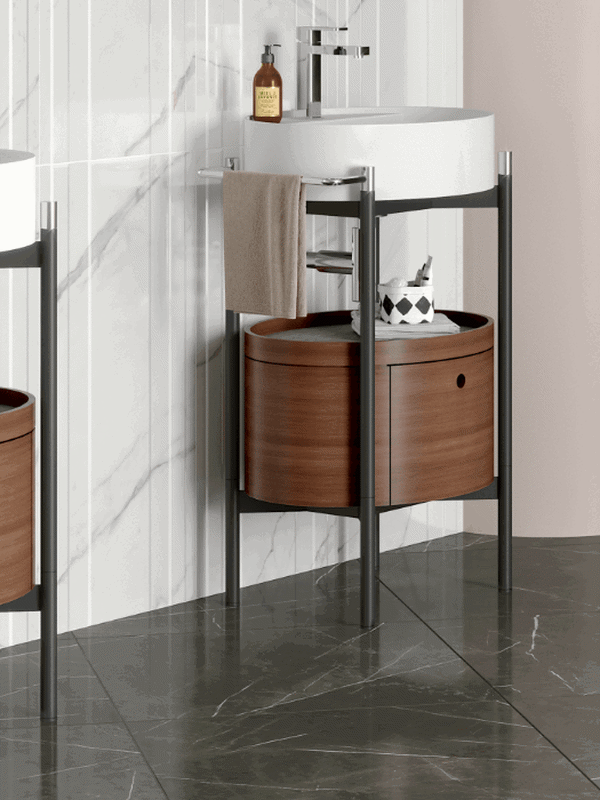
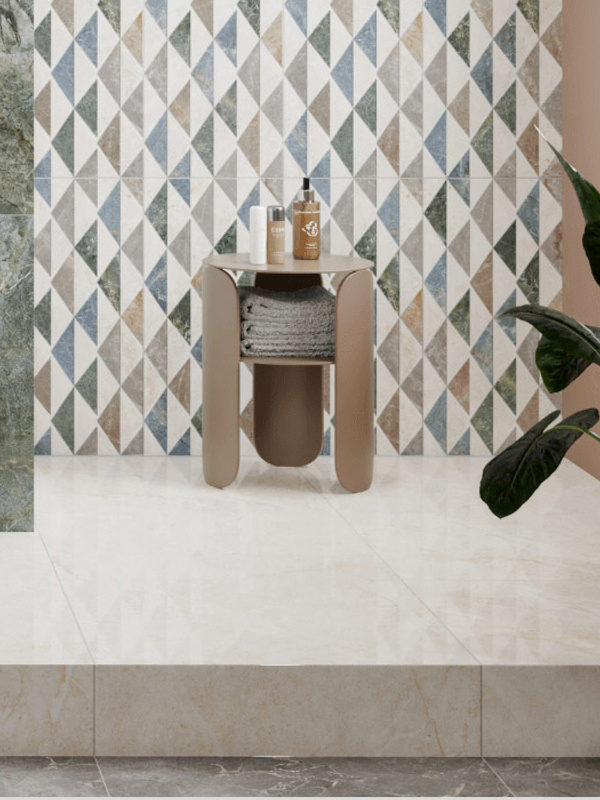
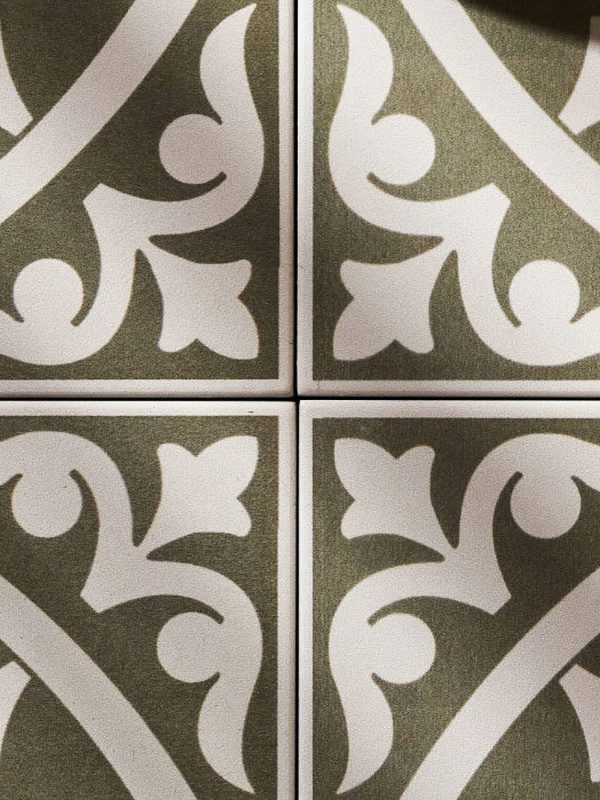
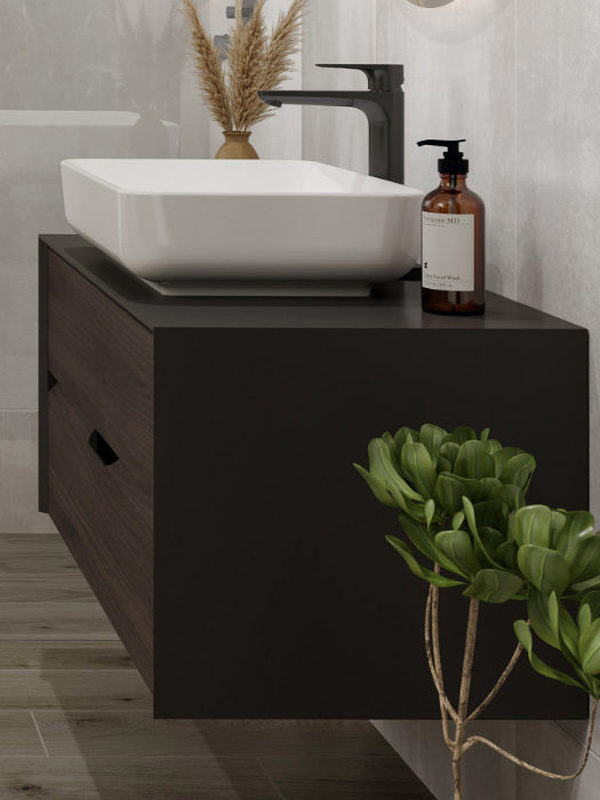
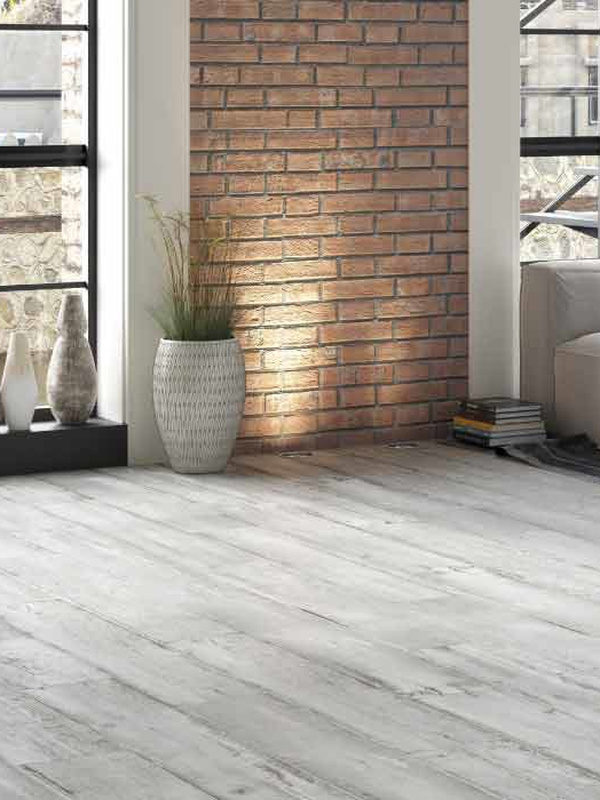
Today, many products are available for those who want to create a living space with references to Italian style. Furniture naturally comes to mind first. Yet to create the right sense of place, the surrounding surfaces must be considered first. This means combining floor and wall textures with Italian charm.
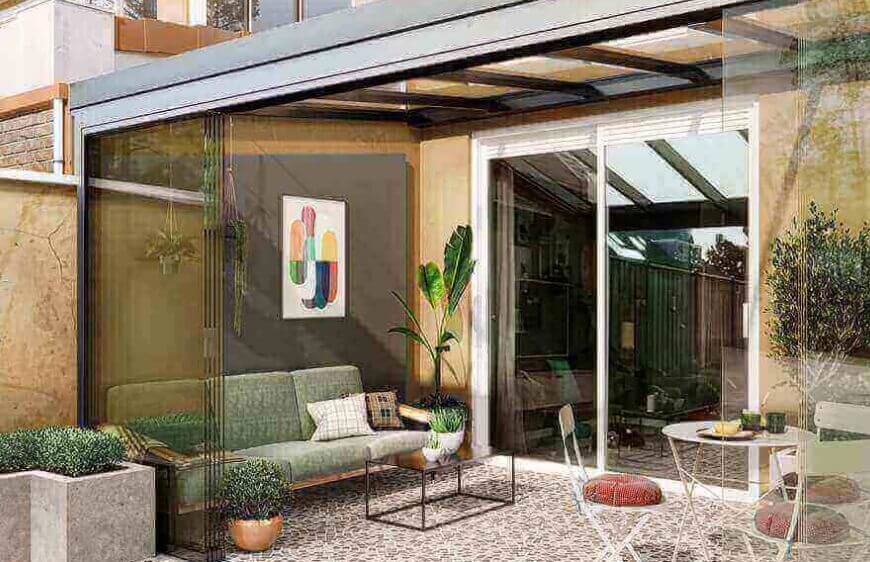
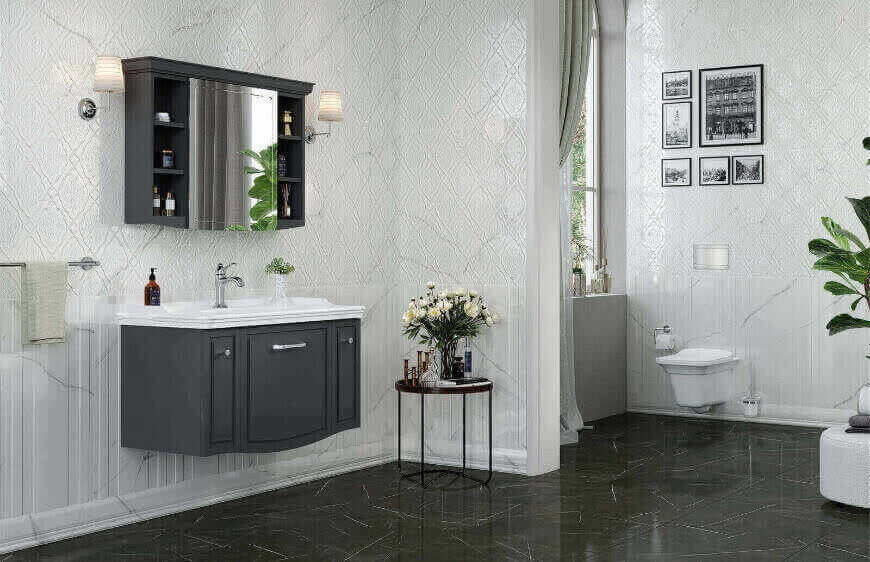
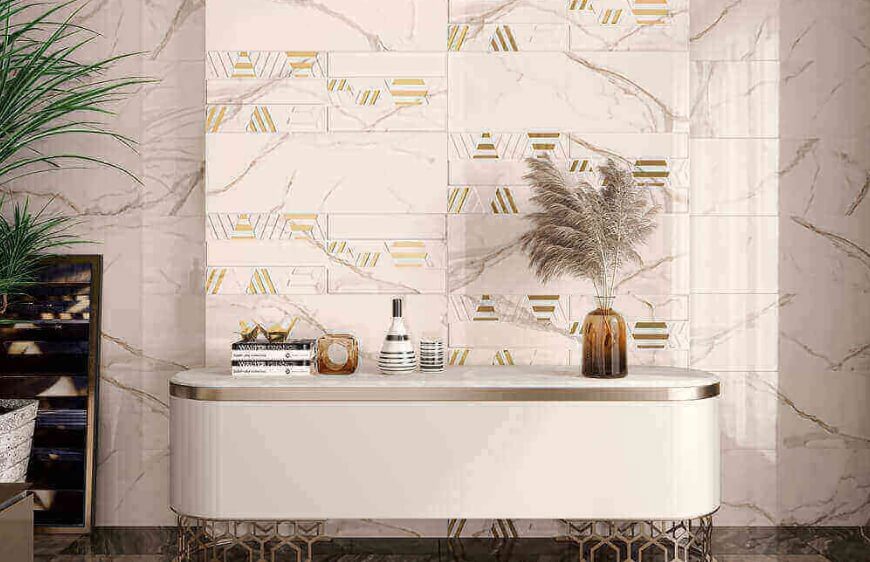
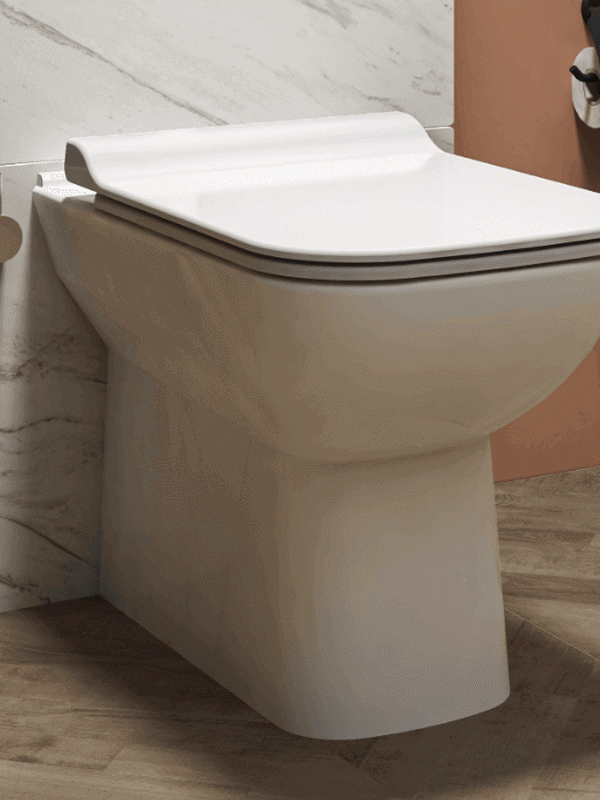
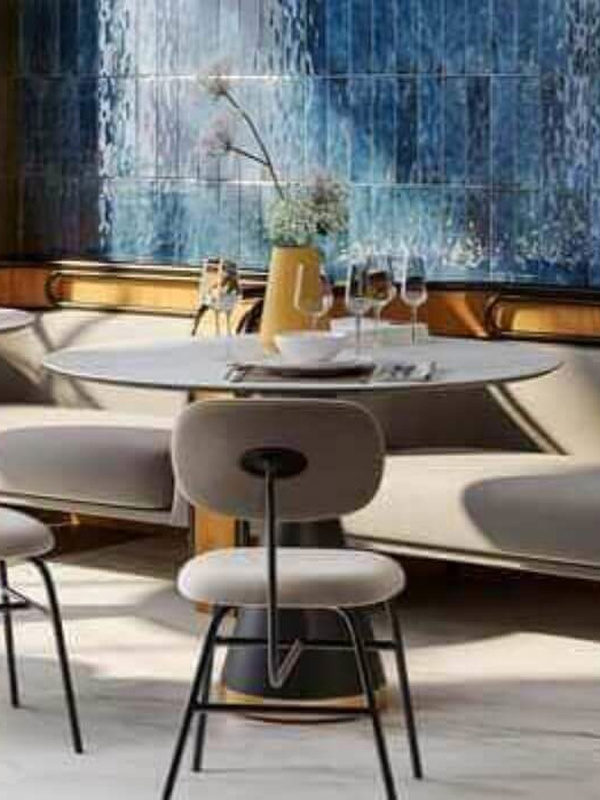
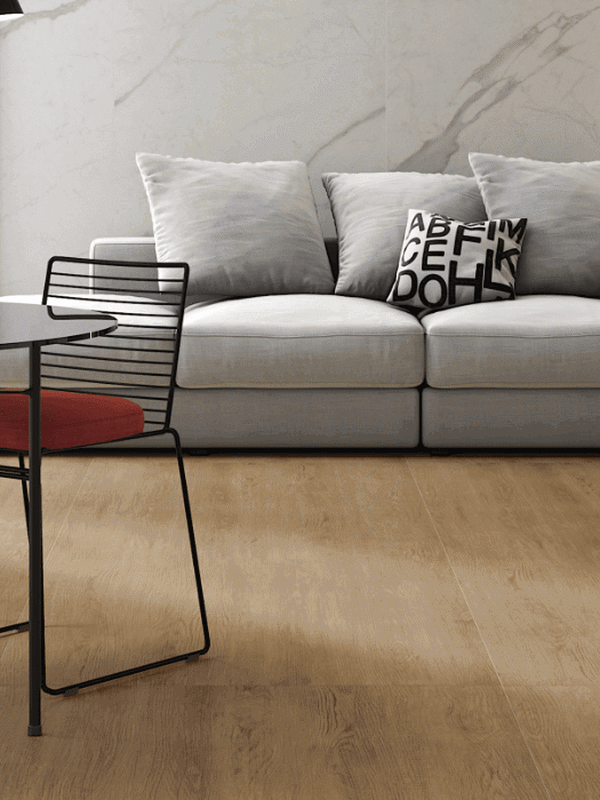
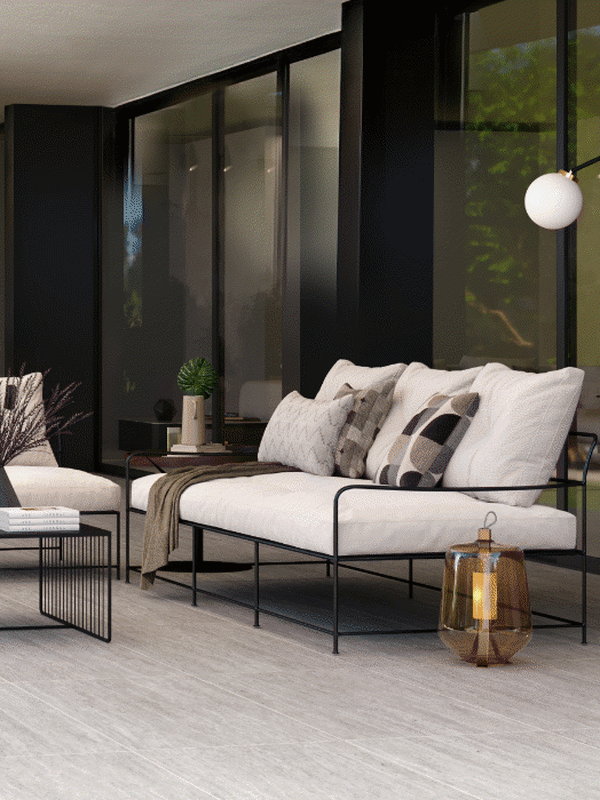
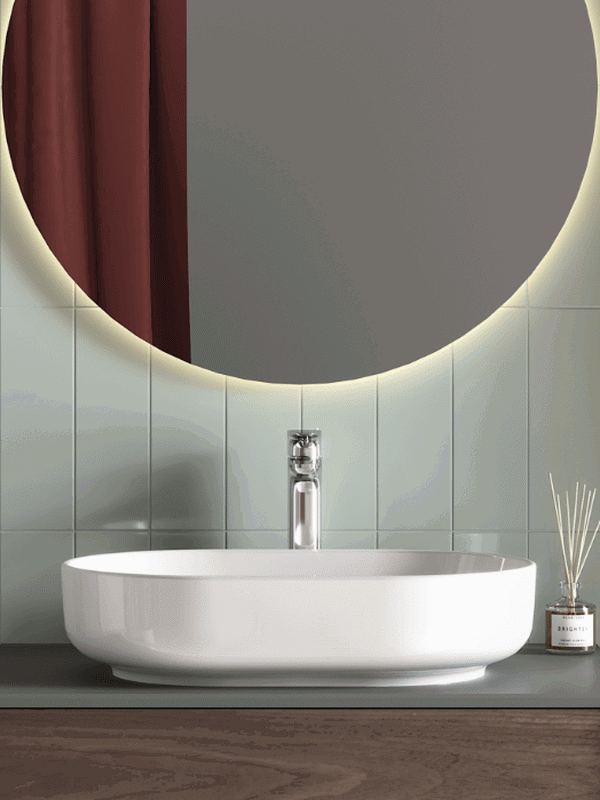
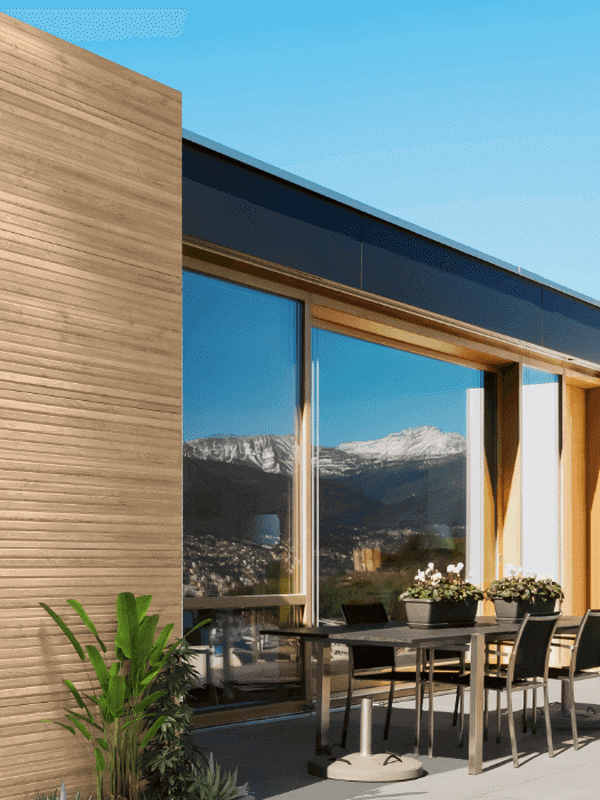
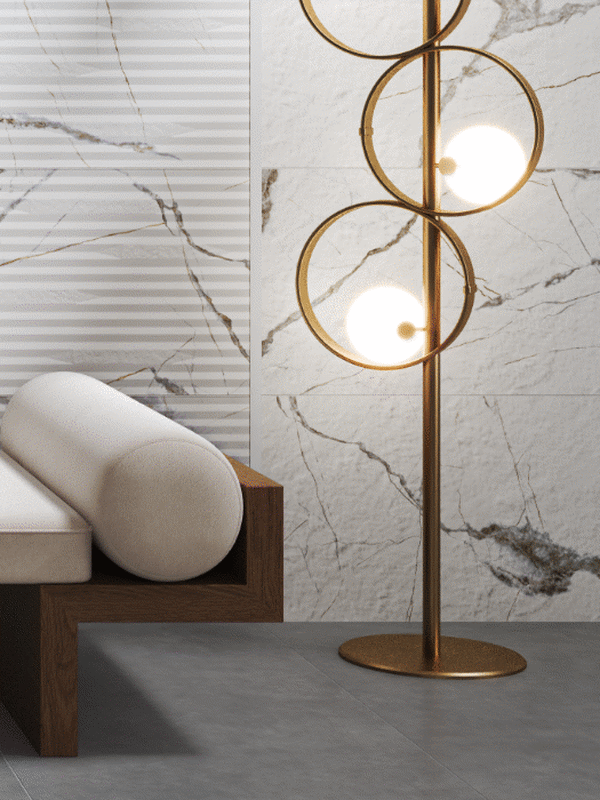
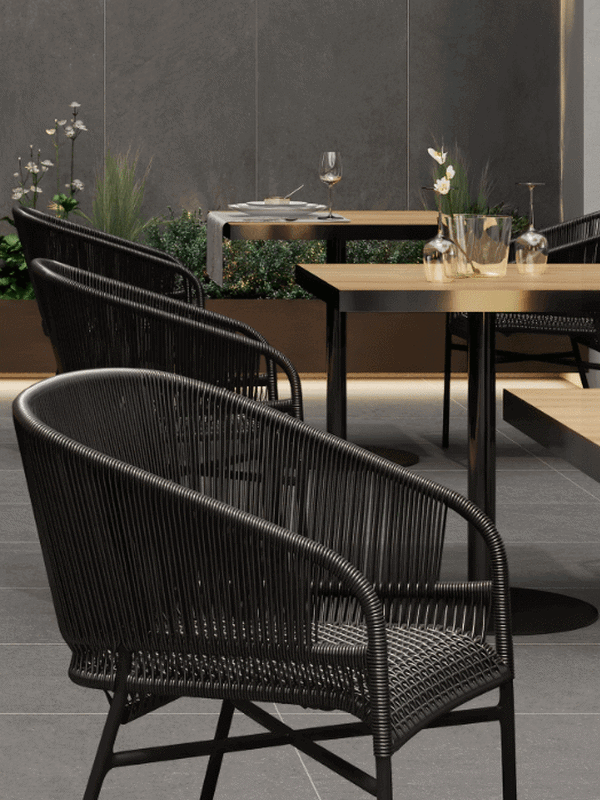
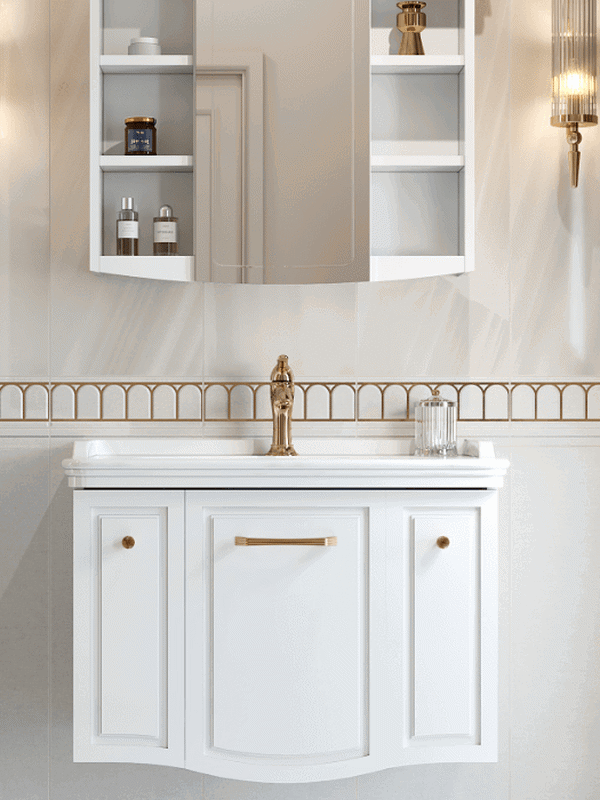
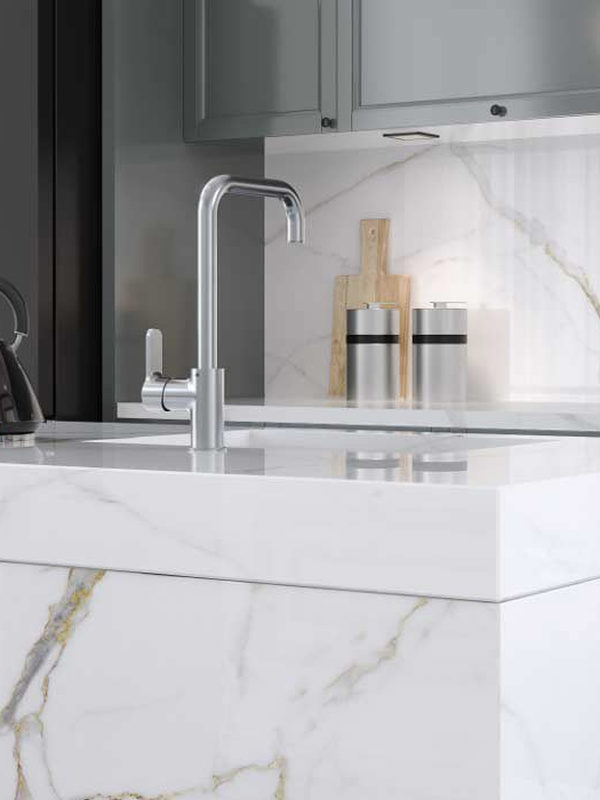
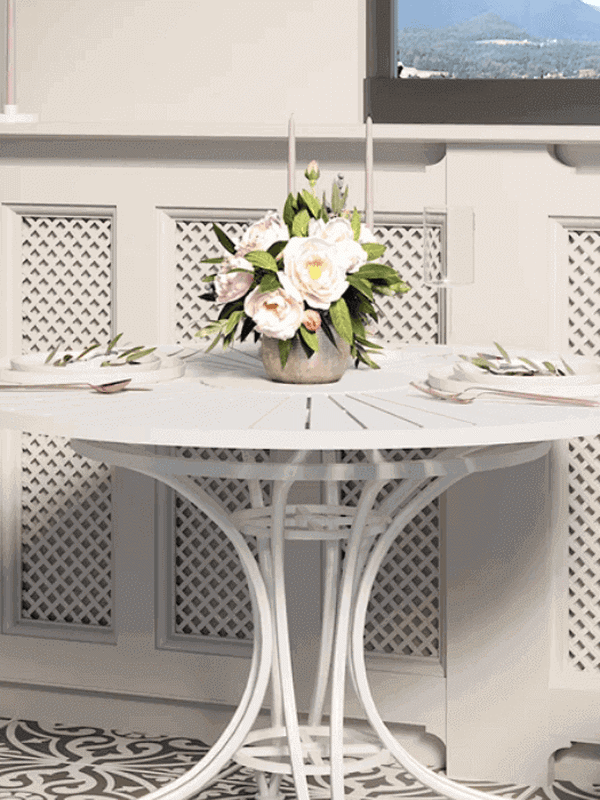
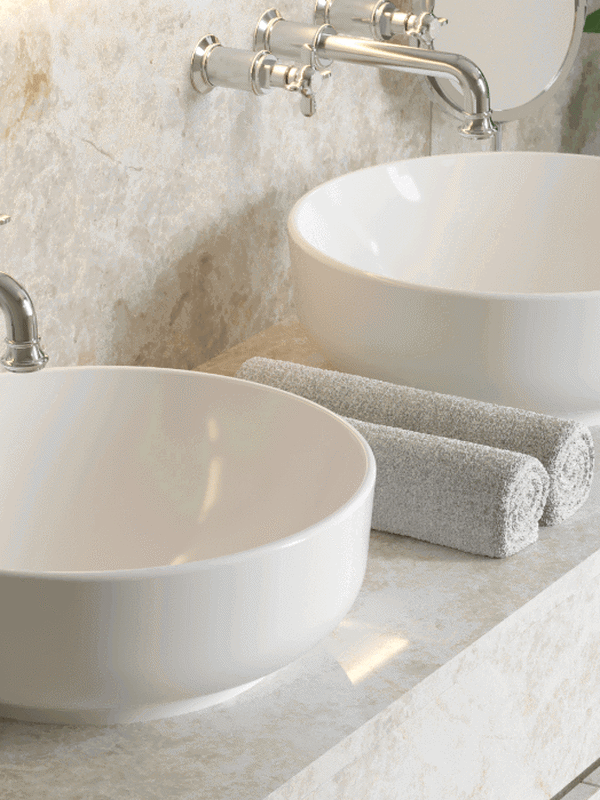
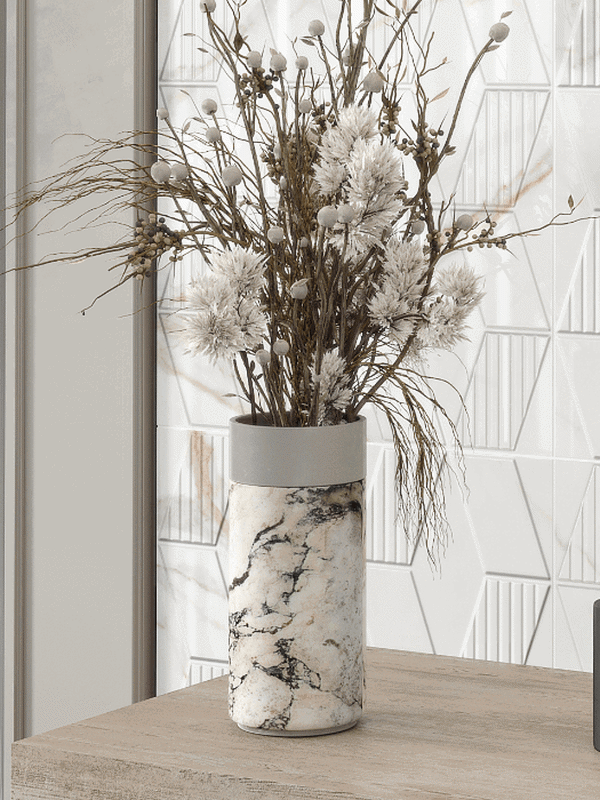
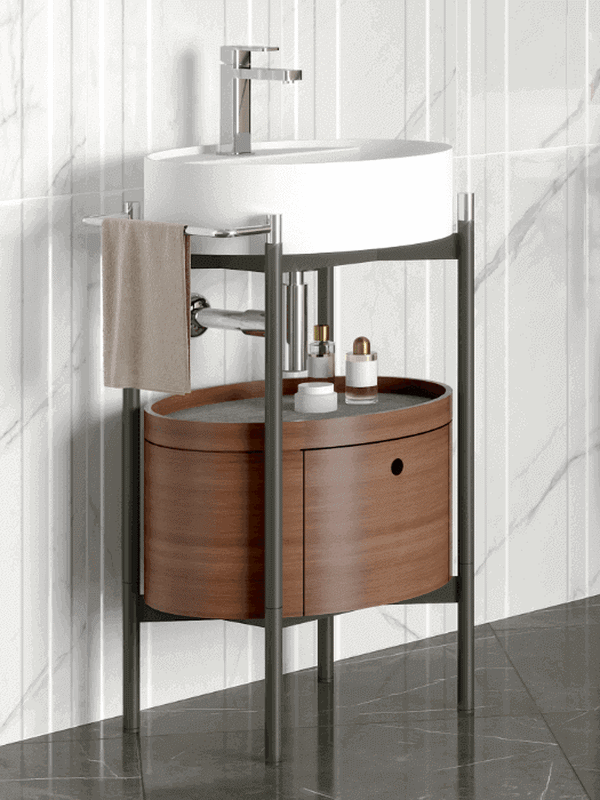
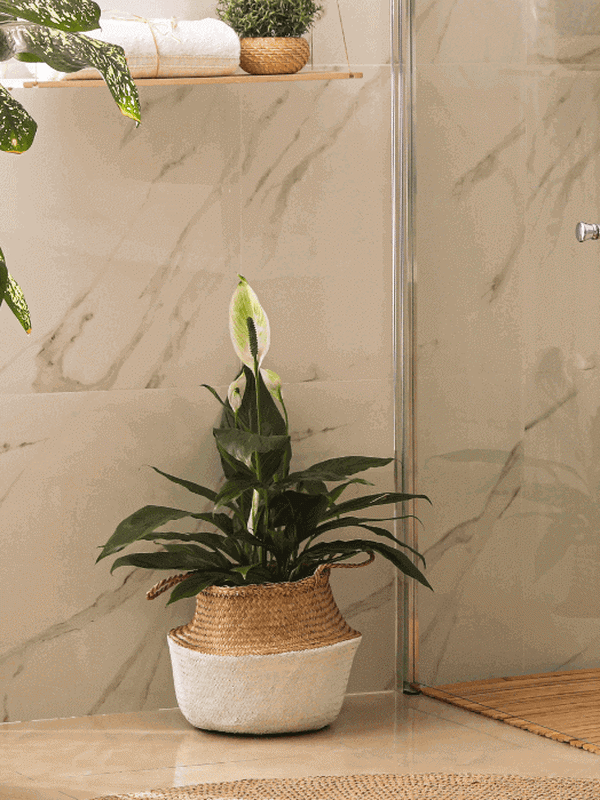
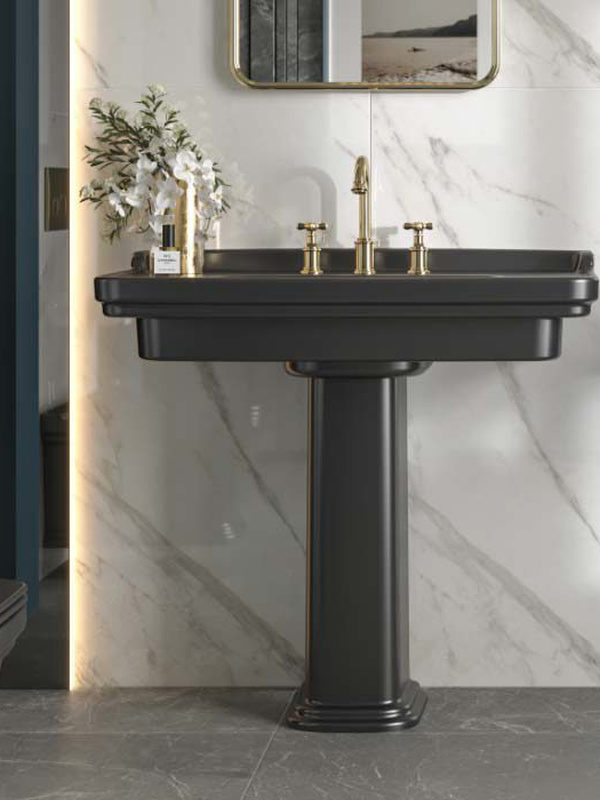
For example, Roma, one of Çanakkale Seramik's newest collections, takes its inspiration, as its name suggests, from Rome's unforgettable pavements. Recommended especially for outdoor areas, the Roma series makes it possible to capture the elegant, relaxed and cool atmosphere of Italian cafés.The Sandra and Calacatta series from Çanakkale Seramik are another gift to bathrooms and interiors, reflecting the full beauty of rare Calacatta marble, quarried in Italy's famous Carrara mountains, in wall tiles.
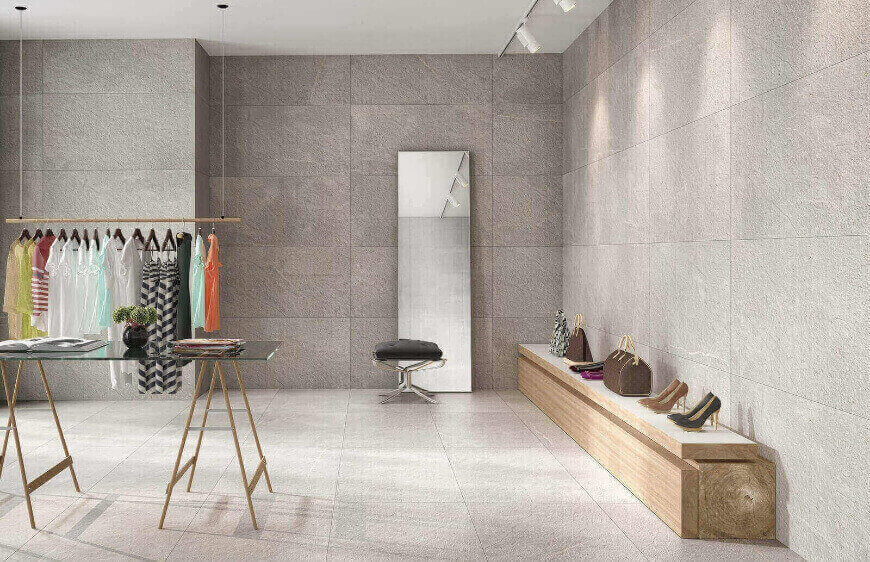
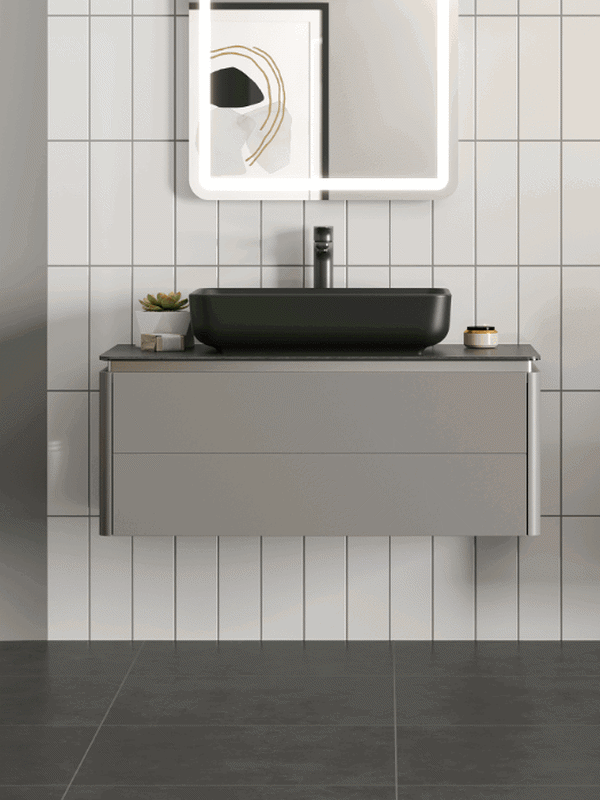
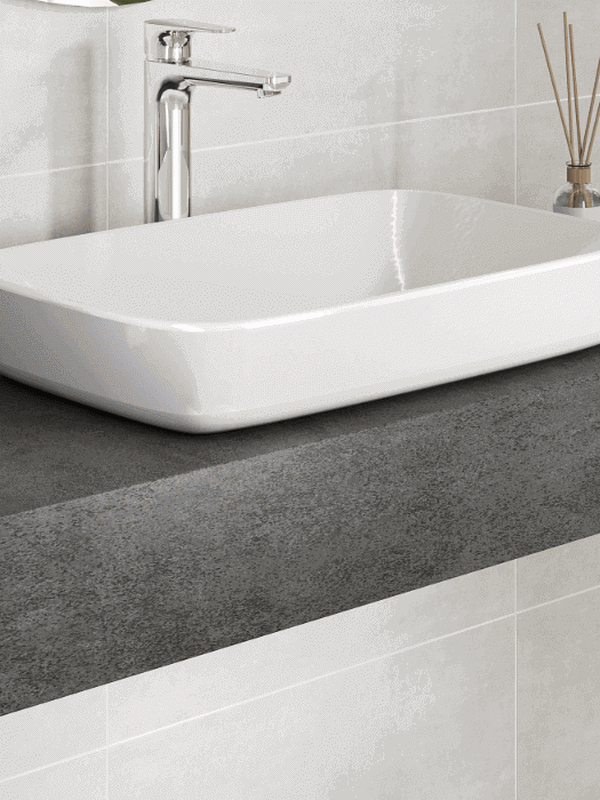
Val di Susa from the Kalebodur family is another product series inspired by Italy. Reproducing the texture of the rock surfaces in the renowned Susa Valley in Piedmont on porcelain tiles, the Val di Susa collection comes in neutral tones such as white, beige and dark grey. It is frequently chosen not only for homes but also for shared spaces such as hotels, offices, cafés and restaurants.