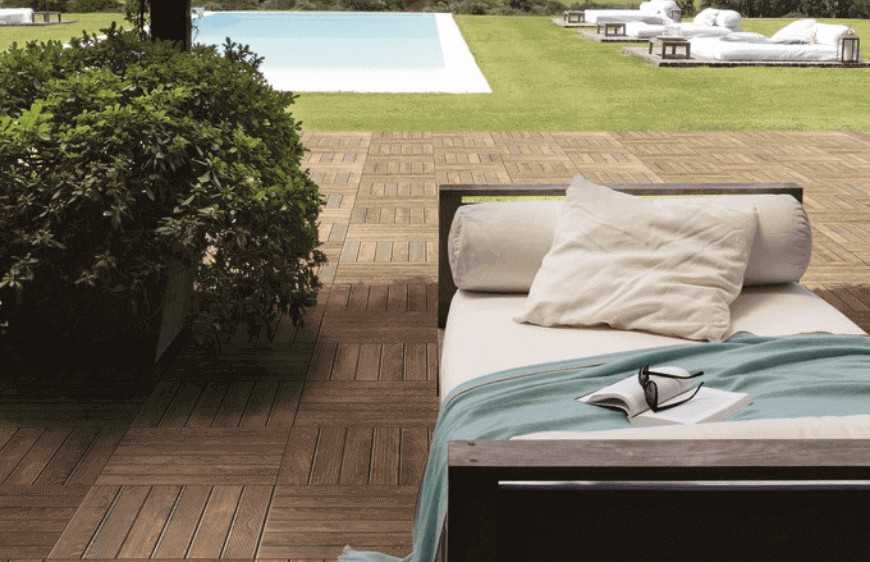
Pool Tiles

Pool Tiles

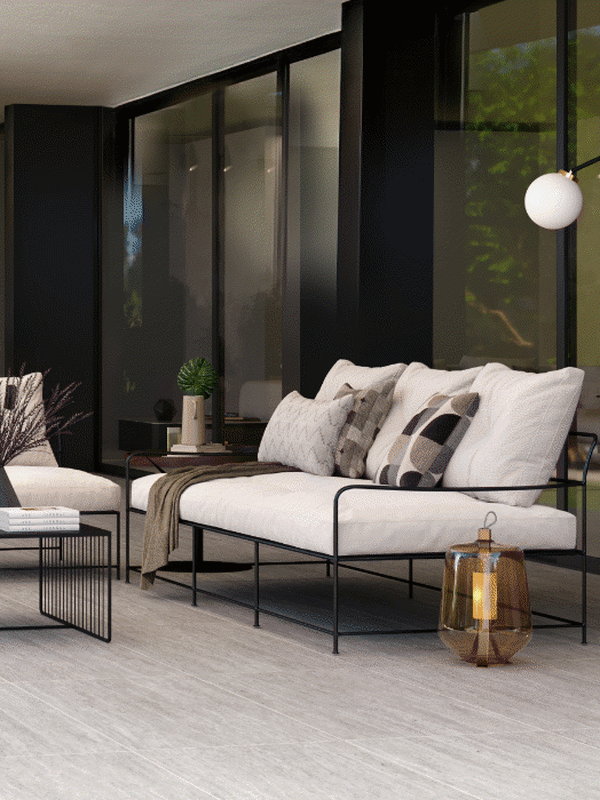
Time spent by the pool is an enduring pleasure, and with a little care and thoughtful planning, a pool can offer long-lasting quality and aesthetic appeal. Choosing ceramic tiles for spa spaces or outdoor pool areas, whatever the season, deserves consideration in its own right. We have brought together the details you need when selecting pool tiles in this article.

In summer and winter alike, poolside rituals play a large part in the outdoor moments we fill with happy memories. From swimming, a sport that is enjoyable, rewarding and effective, to the visual pleasure pools bring to outdoor spaces, these areas deserve careful thought.

If you believe that buying pool tiles should begin with an understanding of taste, use and performance, this article is for you. Together, we will explore how to choose pool tiles, which sizes to consider and what criteria to keep in mind when shopping.

What Should You Consider When Buying Pool Tiles?

Whether you are designing a pool from scratch or planning a renovation, it is worth deciding on a few key points when choosing tiles so that careful preparation results in a space you can enjoy.Resistance to water pressure should be your first requirement. Choosing without compromising on material quality will help you select long-lasting pool tiles. They must also suit weather conditions at different times of the year. Low water absorption is one of the first qualities to consider, particularly for pool areas.Resistance to substances used to maintain the water’s pH helps protect the tiles’ structure and colour. Being made without substances that endanger human health, and being easy and practical to clean, are among the other qualities to look for.
How Do You Choose Pool Tiles?

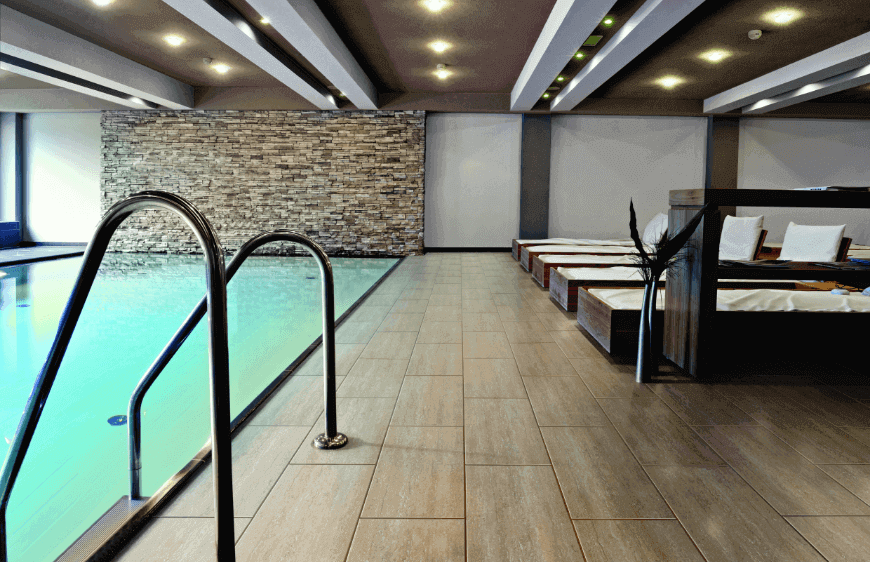
Although the tiles we are discussing may seem to share the properties of those used in many wet areas, there are important differences. It is useful to know that not every ceramic tile is suitable for a pool. Choosing slip-resistant tiles, for example, is vital in preventing hazards such as slipping and falling around pools. Slightly textured, matt tiles are one example.Another criterion is low moisture absorption, and it helps to know the required rate. Tiles with a water absorption rate no higher than 6% can be used safely in pools. You can also think of this as a precaution against problems such as water pressure and cracking. Although non-porous tiles may be considered in relation to hygiene hazards such as bacteria, they can become more slippery over time and therefore unsafe to use; this is something to watch for.
How Should Pool Tile Dimensions Be Calculated?

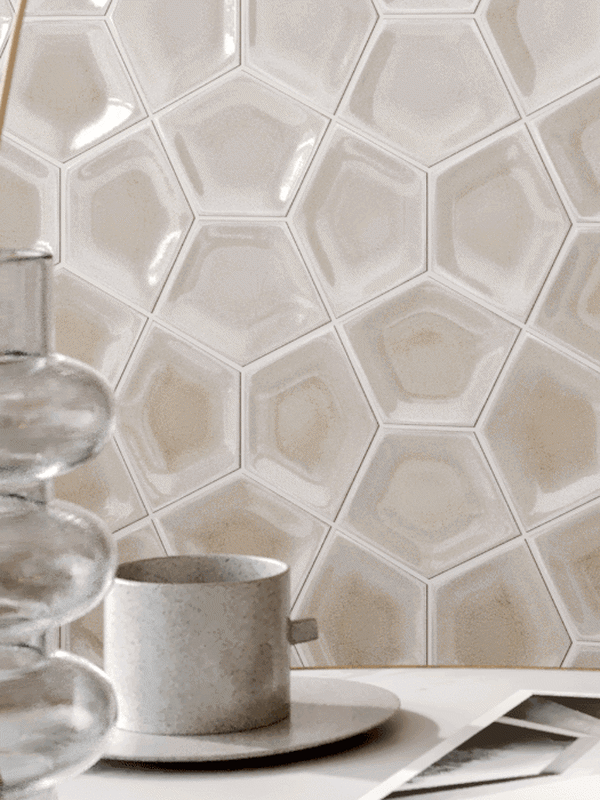
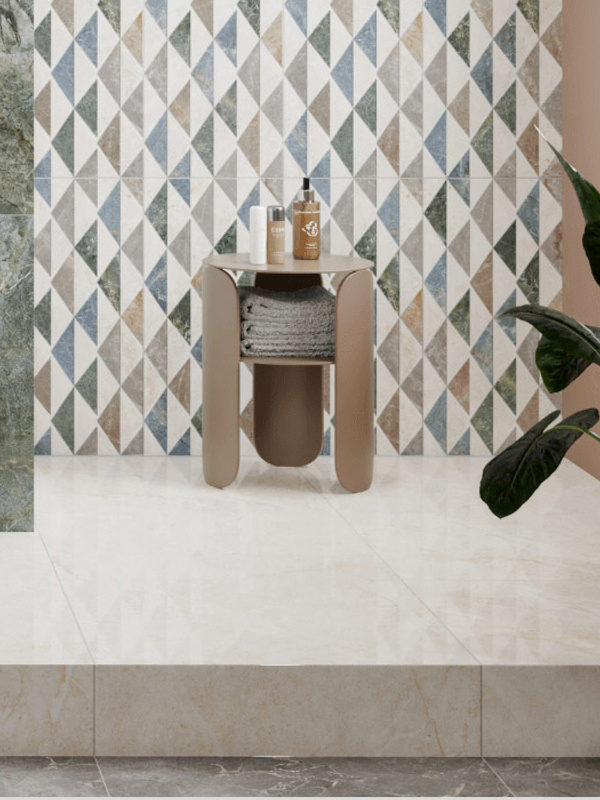
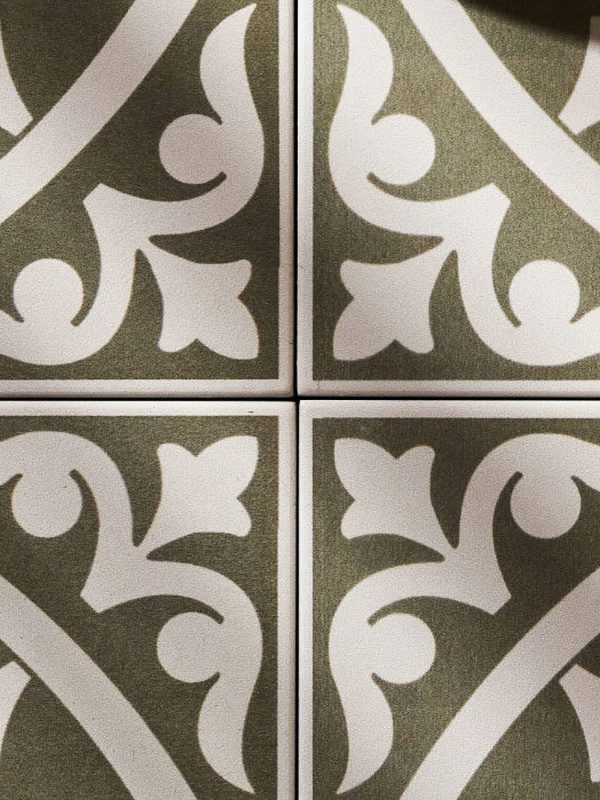
Choosing suitable grout for pool tiles is another important detail. Using grout with a high polymer content, meaning it is waterproof, is another way to protect pools against pressure-related hazards. If you wish to consider it among your options, porcelain, which is more durable than ceramic, is certainly a favourite material for pools.Tiles are measured and cut according to the pool’s design and dimensions, then laid with grout joints averaging 2–3 millimetres. Stone textures, contemporary terrazzo, classic colours or a concrete feel... With increasingly creative, modern colours, pool tiles create different impressions of depth in square, rectangular or long, narrow formats.Depending on the scale of your pool, small tiles can help it appear larger. If the pool area is spacious enough, you can choose large slabs with lively textures. With geometric forms offering further scope for creativity, pool tiles provide plenty of options for those seeking a three-dimensional effect.
Mekanınızı yapay zeka ile birkaç saniyede yenileyin!

Mekanınızı yapay zeka ile birkaç saniyede yenileyin!

Seçtiğiniz ürünü evinizde görün.

Evinde Gör

Banyonuzu yeniden tasarlamaya ne dersiniz?

Banyoda Gör

Blog

Explore All

Compare

Compare
Compare