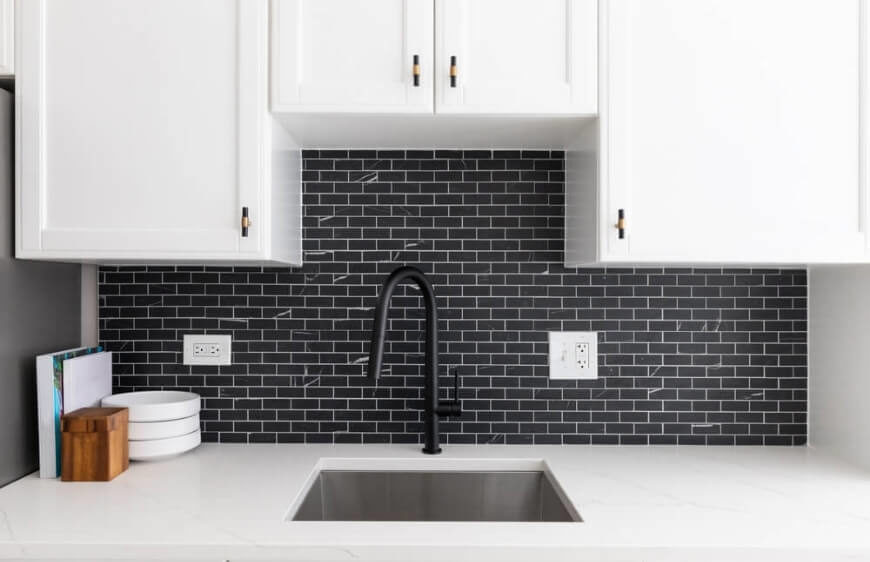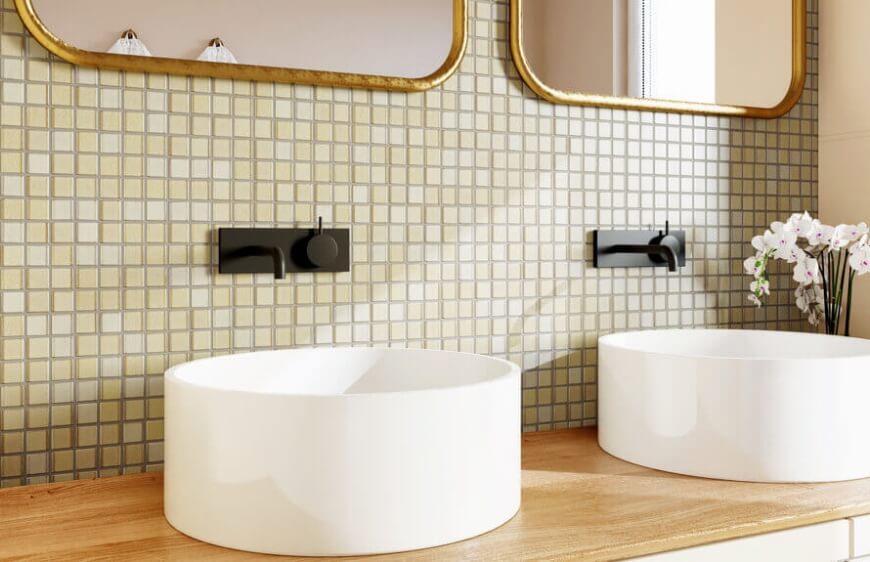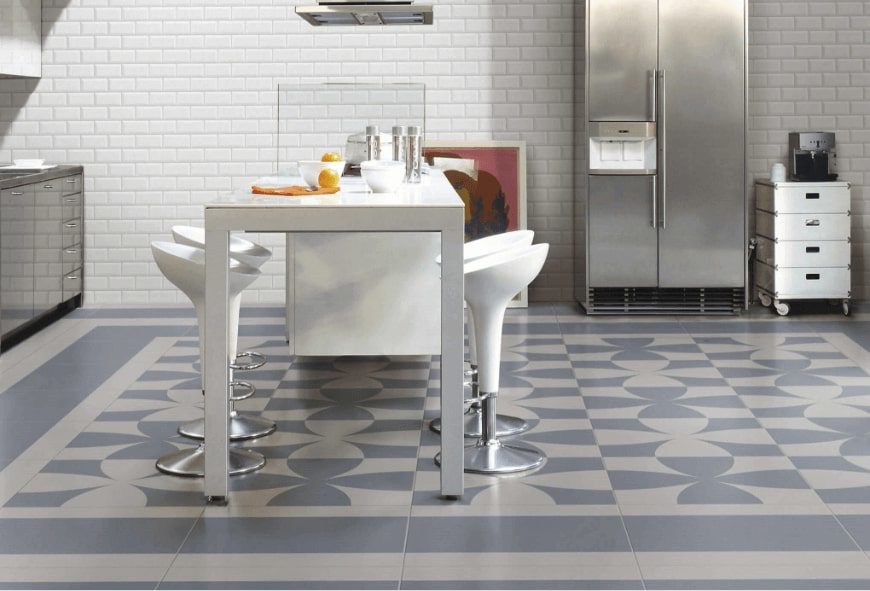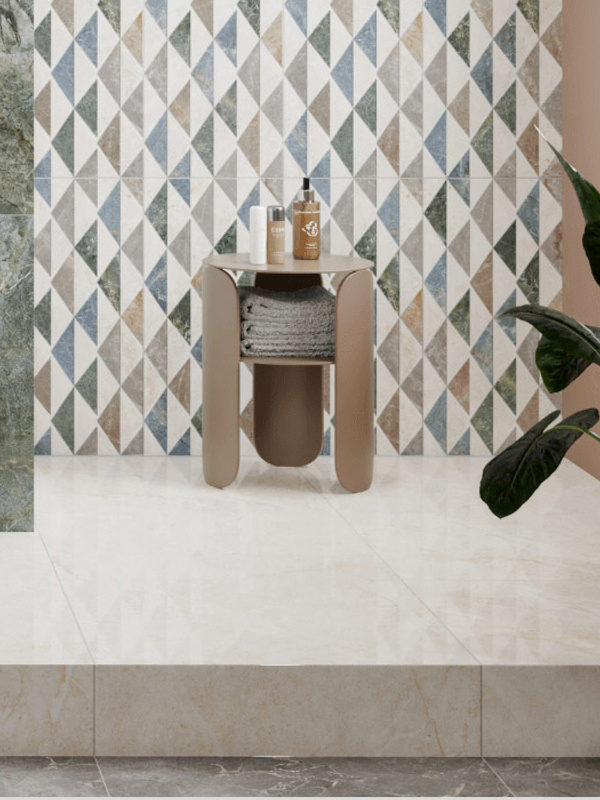
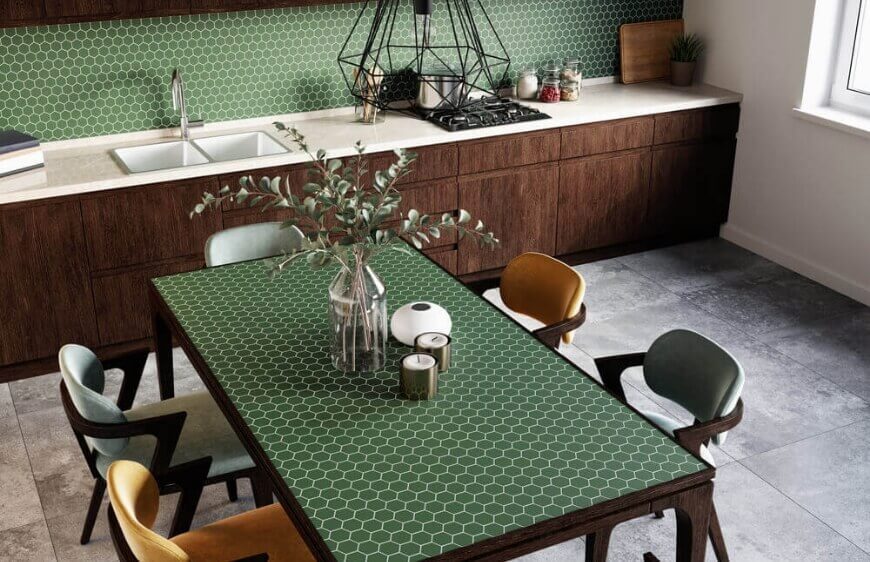
Mini ceramic and porcelain tiles and mosaics form a much-loved family in the world of tiles. These small formats are, in fact, the oldest and most established tile group, but as technology and design combined to increase tile sizes, their star faded a little. Even so, small ceramic tiles and mosaics still return to the top of the trends from time to time.At the other end are giant tiles. They offer a monolithic appearance, can look raw like concrete or epoxy, and create a seamless aesthetic. Yet it is difficult to use them to form patterns, work a surface like a painting or create a decorative panel effect. As sizes grow, the area in which they can be applied also becomes a question. Although opinions differ, large tiles tend to suit open-plan, spacious areas, while smaller tiles suit more confined spaces and surfaces.
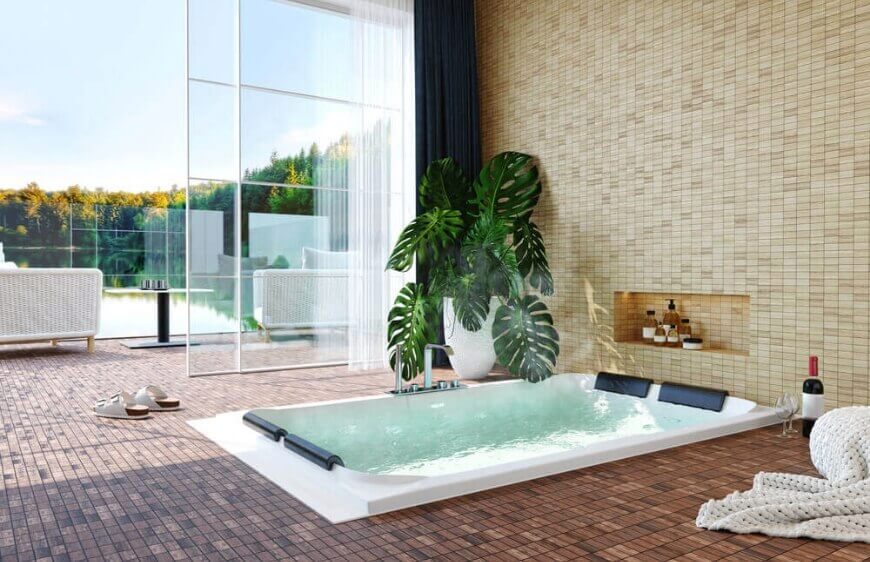
Playing with Scale on Surfaces: Mini Tiles and Mosaics
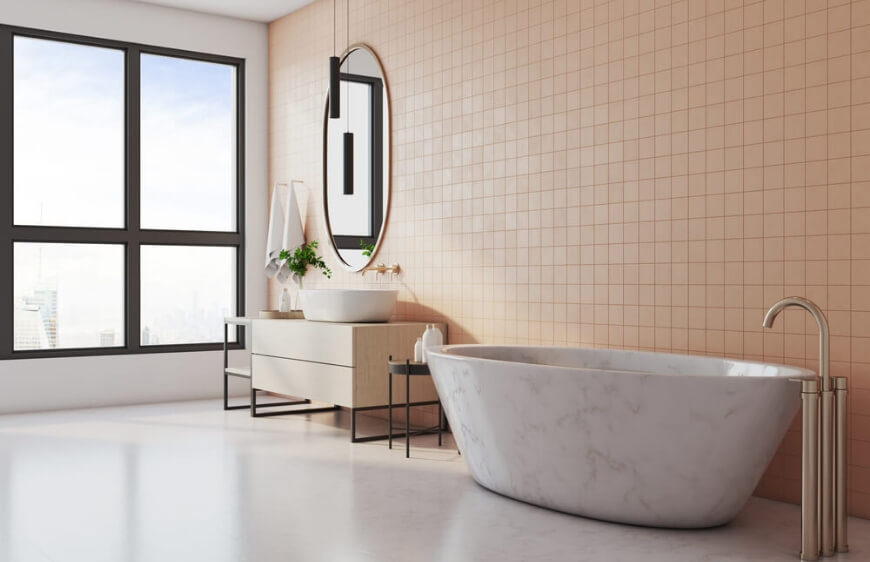
In recent years, the tile world has focused on the beauty of seamless surfaces, giving rise to enormous formats. Alongside them are small ceramic and porcelain tiles and mosaics, which bring a traditional tiled look to surfaces, create more stylised décor and can be applied to all kinds of surfaces.
Ceramic and porcelain tiles are versatile coverings. As well as offering a wide variety of designs, they are regarded as hygienic, durable and long-lasting surface materials. Today, tiles come in a vast range of shapes, sizes, colours, textures and effects. As a result, they are used not only on floors and walls but also on many surfaces indoors and out, from living rooms to tables.
The range of styles, colours and patterns in small formats, loved by designers and tile-making artists for both aesthetic and functional reasons, grows every day. When grout colours join the mix, the scope for inspiration expands further. For example, small white tiles on modern kitchen splashbacks can be paired with neon-coloured grout.But take care: this design may make a space appear smaller. If the room's size is a concern, choose grout in the same shade as the tiles so the joints visually disappear.
It is also worth remembering that large ceramic or porcelain tiles are much heavier than small ones, which can make lifting and cutting more difficult as well as installation. Since mistakes can be costly, working with large-format tiles requires a team experienced in handling them.
Small ceramic tile designs and ideal places to use them
Small ceramic and porcelain tiles appear in two forms: as decorative pieces within a particular collection, or as standalone, freely arranged designs such as mosaics. We will explore examples of both.
Pentagonal and hexagonal tiles:
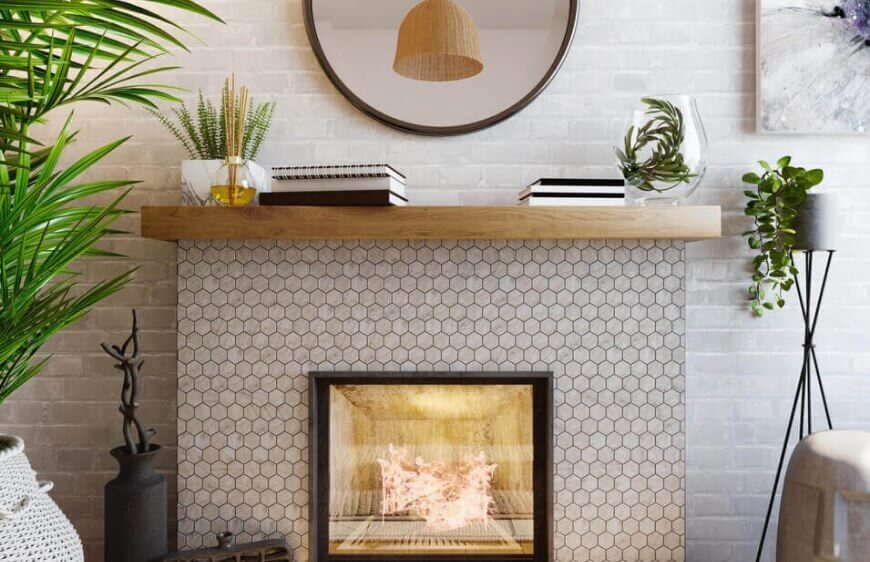
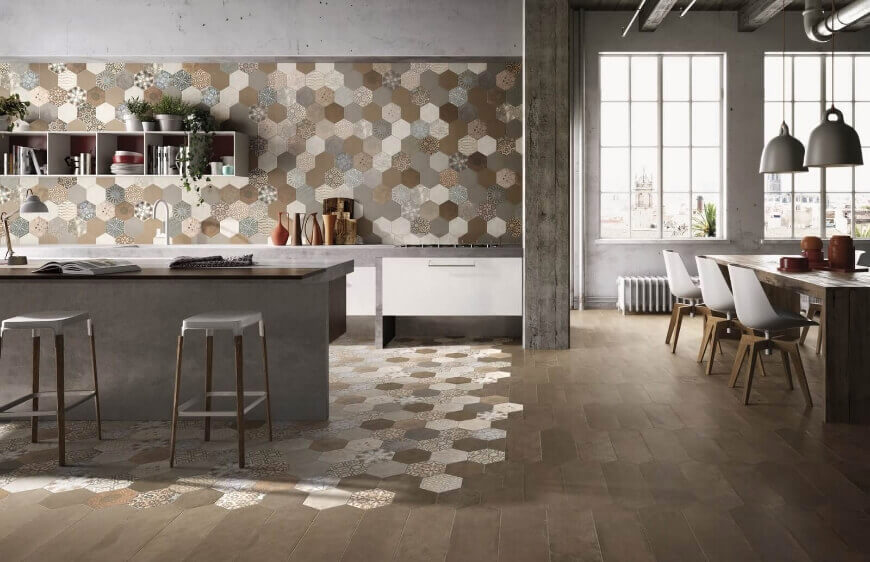
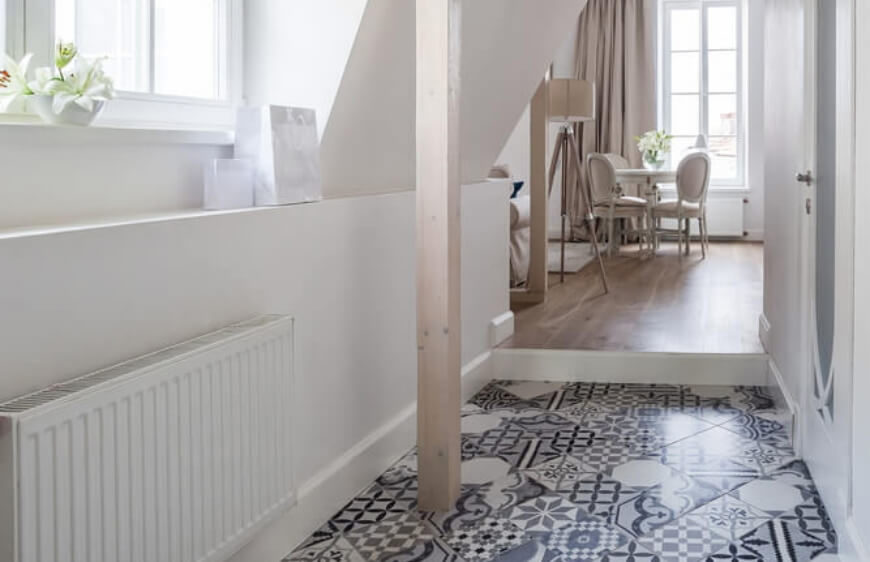
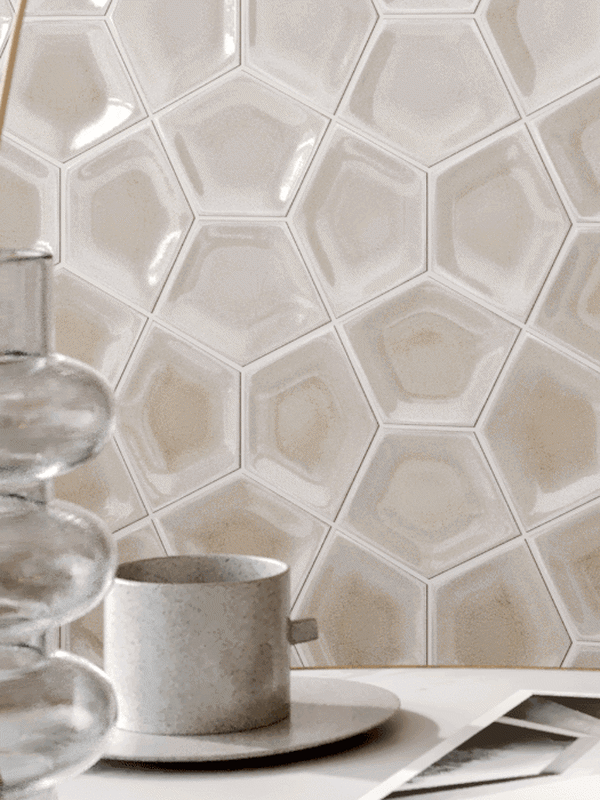
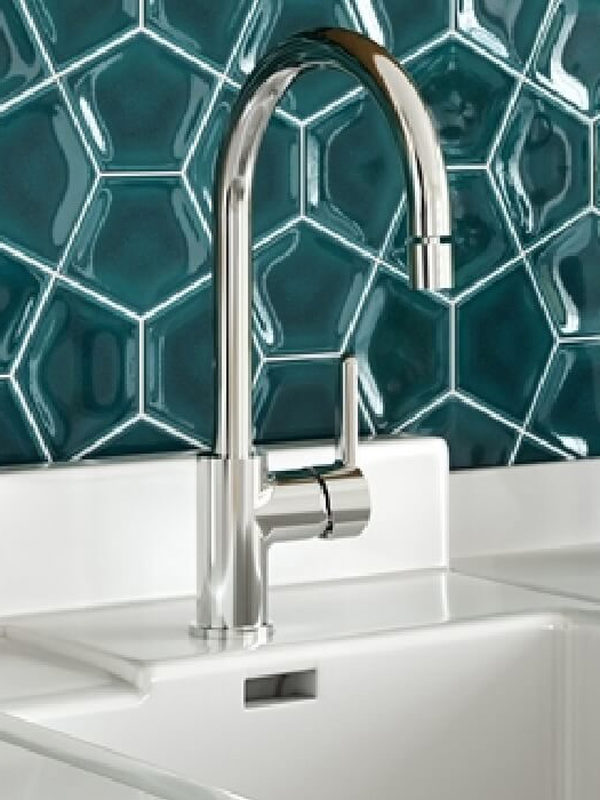
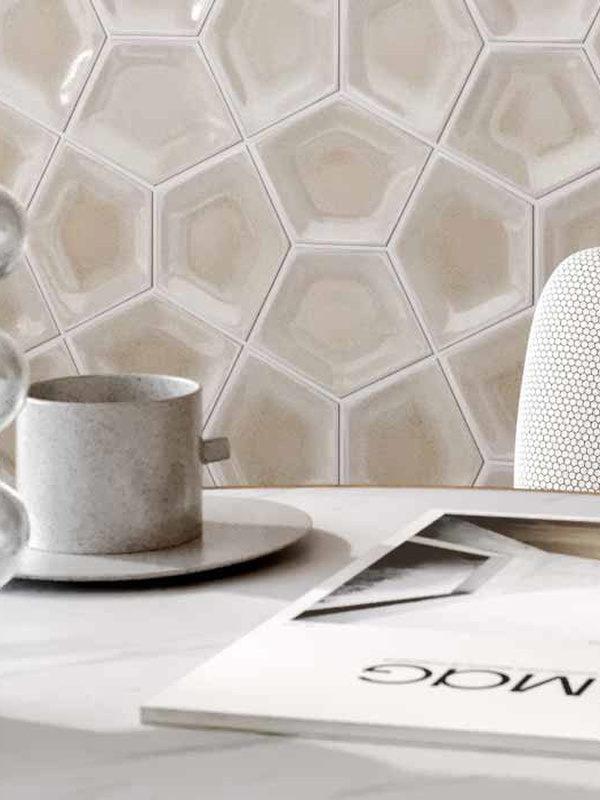
Pentagonal and hexagonal tiles have recently become popular again and are being combined with different materials—for example, hexagonal tiles on one part of a floor and wood or concrete on another. Small polygonal tiles also look attractive on splashbacks, and kitchens that continue them onto the floor gain a sense of visual unity. Bathrooms are another popular setting for hexagonal and pentagonal ceramics. Professionals who use them on shower floors and walls employ their geometric effect to distinguish the shower from the rest of the room and create a focal point.
Çanakkale Seramik's Hexagon collection offers hexagonal tiles in cream, taupe, cotto and black that can achieve this combination beautifully. Hexagon conveys the bohemian spirit of the Mediterranean in 17.5 × 20 cm and 17.5 × 60 cm formats, with a different pattern on each piece. Plain options in four colours are also available, but the artistic collage created when they come together is a delight to behold.
Finger or biscuit tiles:
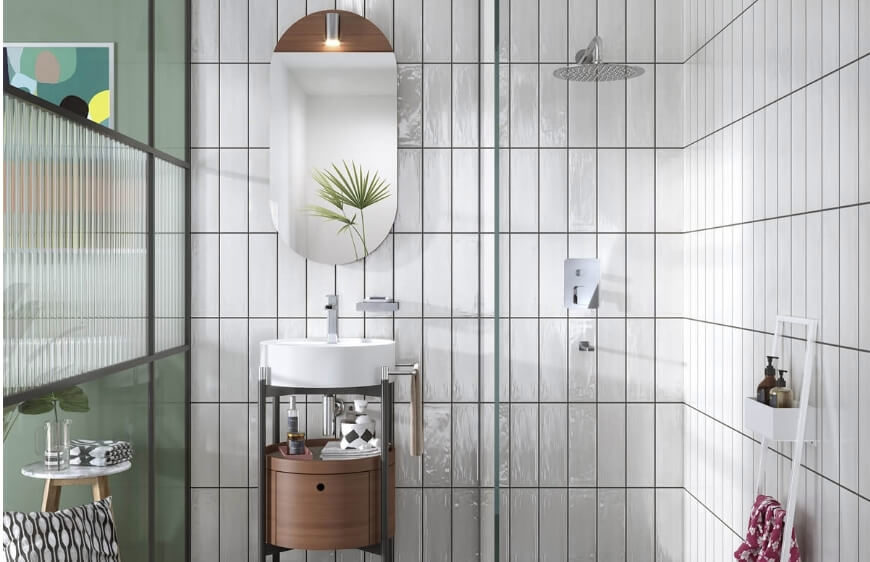
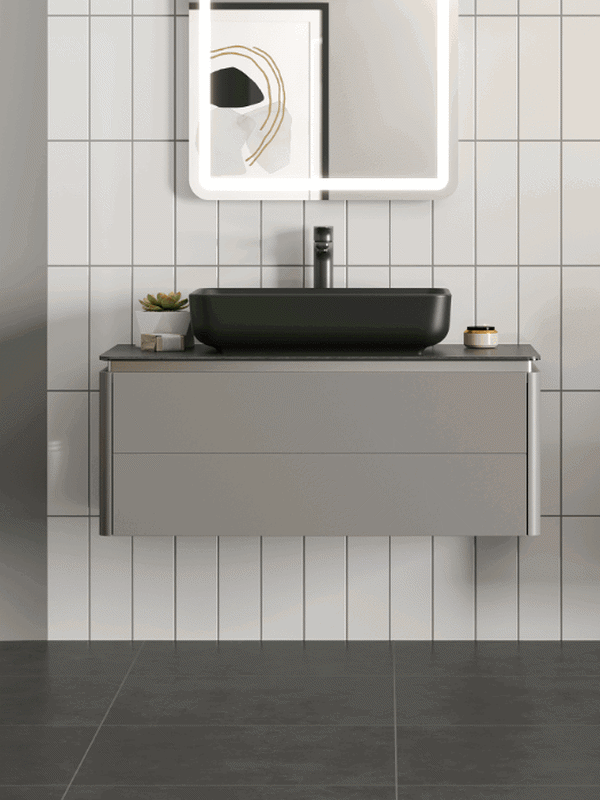
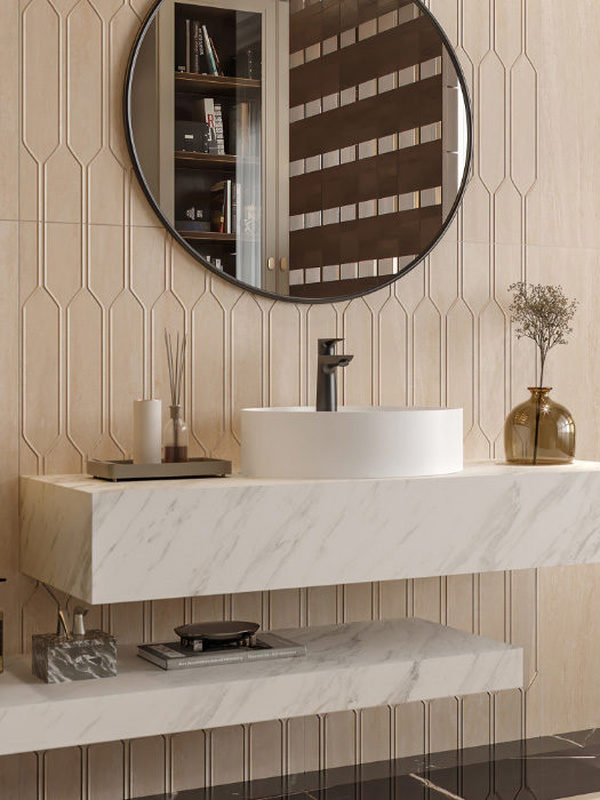
As the name suggests, these tiles have a small, long, narrow appearance, but the effect is actually created by combining a set number of pieces on a single tile. This makes installation easier, affects cost and reduces grouting work. They can also be applied in any space, as it is easy to cut along their edges, use only what is needed and complete another area with the remaining piece.
Çanakkale Seramik's Dante collection is a fine example of finger tiles. Arranged asymmetrically yet complementing one another, these ceramic tiles are decorative pieces in the Dante collection. Blending textile and cement textures, the Dante series stands apart with its deep, pronounced reliefs. Combining 48 small pieces within a 30 × 60 cm tile, Dante's finger tiles come in white, grey, anthracite and mix colour options.
Stylised homes with decorative tile patterns
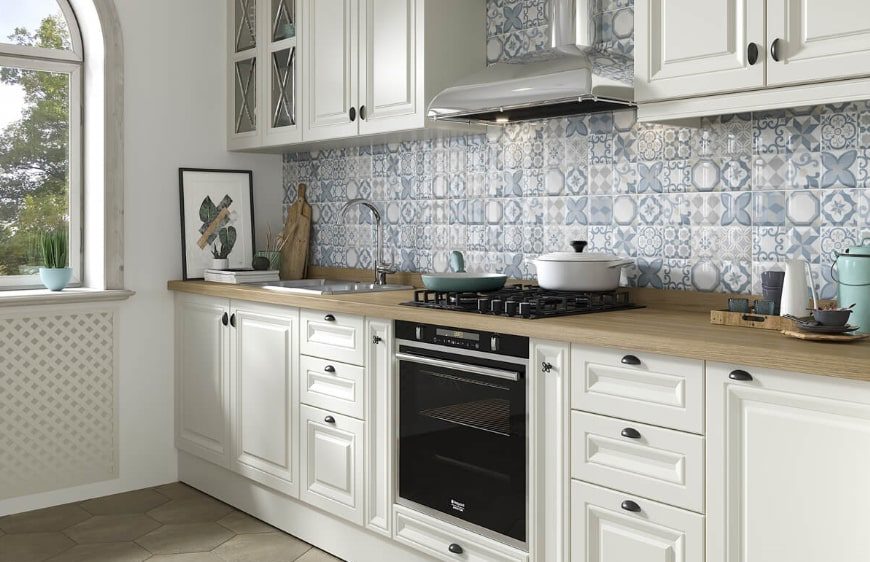
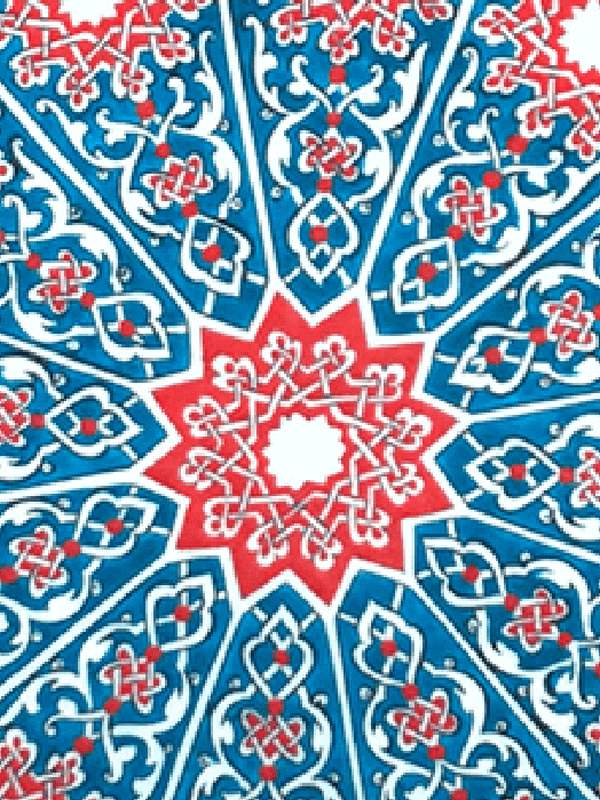
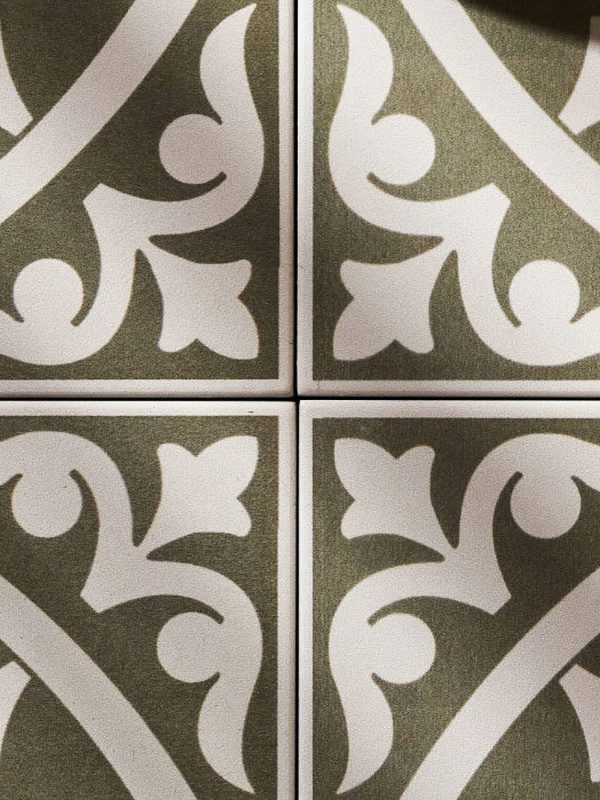
Blending the mystical character of the East with modernism, decorative tiles offer a shared language: balanced patterns that celebrate craftsmanship, a dedication to creating wonders from natural materials, and an eclectic taste stretching from Marrakesh to Britain. Having held a respected place between art, craft and design for centuries, these tiles create an artisanal finish through their matt surfaces, symbolic patterns and colour groupings, while also being admired for their strength, low absorbency and hygiene.
A sought-after material for rustic, Provençal and country styles, decorative tiles come in various sizes. Alongside 20 × 20 cm formats, ready-made combinations are available, as in Çanakkale Seramik's Aria collection, where 18 small decorative tiles are brought together on a single 30 × 60 cm ceramic tile. Aria is a small-format relief tile series offering three colour pairings: blue-cream, black-red and Alegra classic.
A tradition in small tiles: mosaic
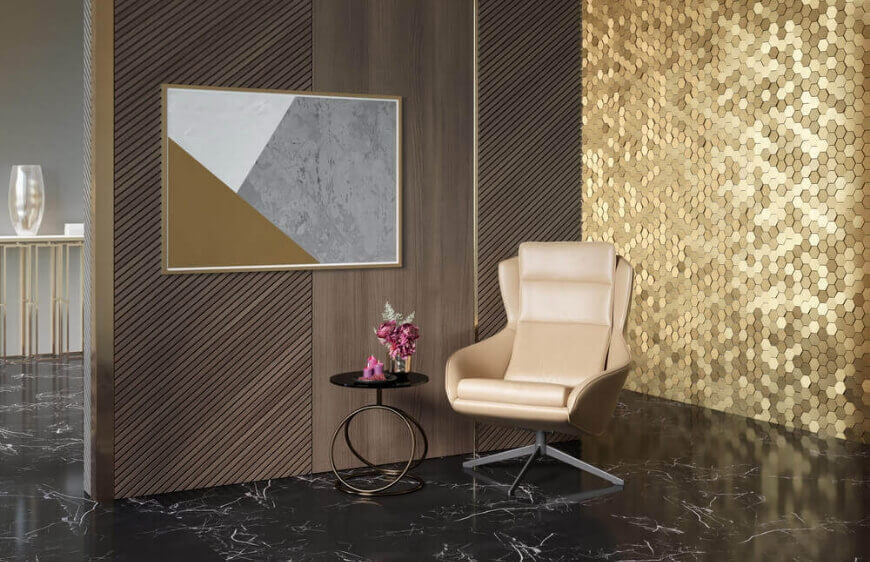
Mosaic is a versatile technique that brings movement to the simple appearance of kitchens and bathrooms and establishes a theme through different patterns. An ancient decorative art with a history reaching back 4,000 years, mosaic is believed to have originated in Mesopotamia. Artists of that era used various materials, including glass, seashells, ivory and pebbles.
Often depicting a home's crest, its owners, domestic scenes, gods, animals and geometric shapes, mosaic became an art that conferred status on its setting. In this practice, which spread from ancient Rome to Syria, large floors in courtyards, halls and the central spaces of bathhouses were chosen, while mosaics were also sometimes used to create detailed wall pictures. Retaining its prestigious place among preferred finishes to this day, mosaic still adorns many people's kitchens and bathrooms.
If your exploration of small tiles leads you to mosaic, we recommend the square decorative tiles in Çanakkale Seramik's Millenium series. Millennium's three-dimensional, mosaic-look ceramic tiles are a perfect match for retro interiors. The series brings 10 × 10 cm mosaic pieces in black and white, with matt and glossy options, together on a single 30 × 60 cm ceramic panel. It also includes 7.5 × 15 cm metro tiles in beige and white.