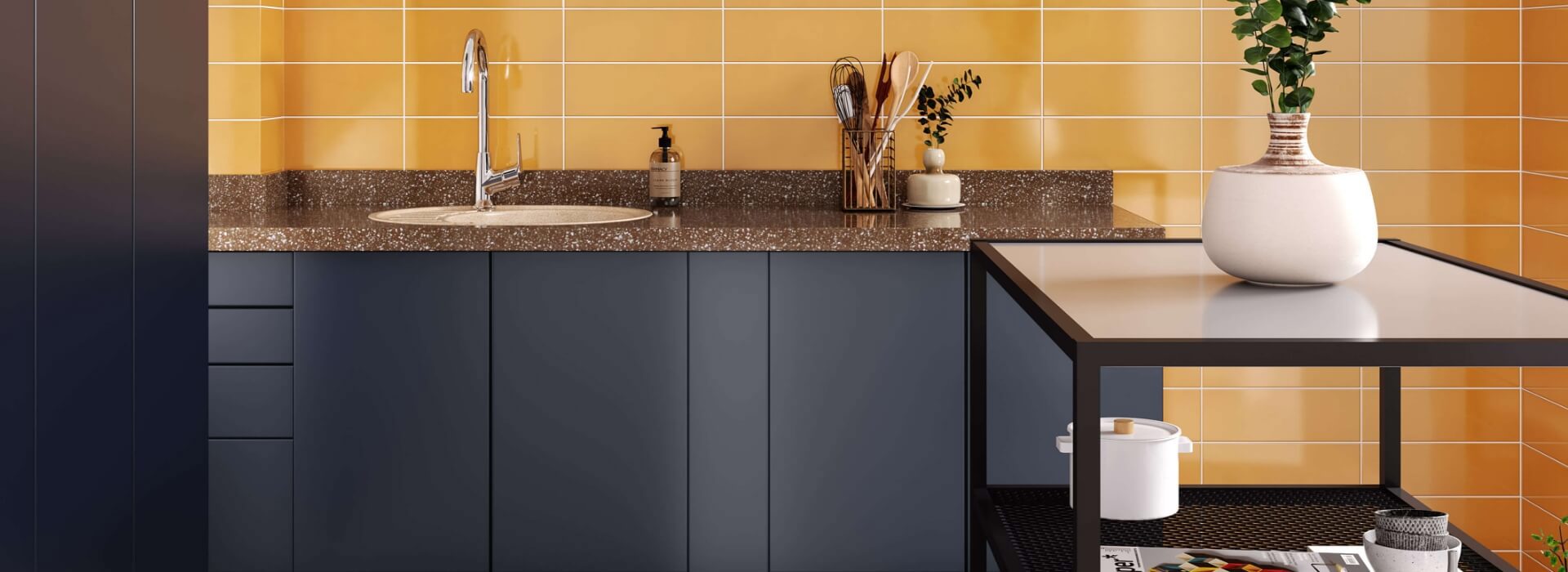
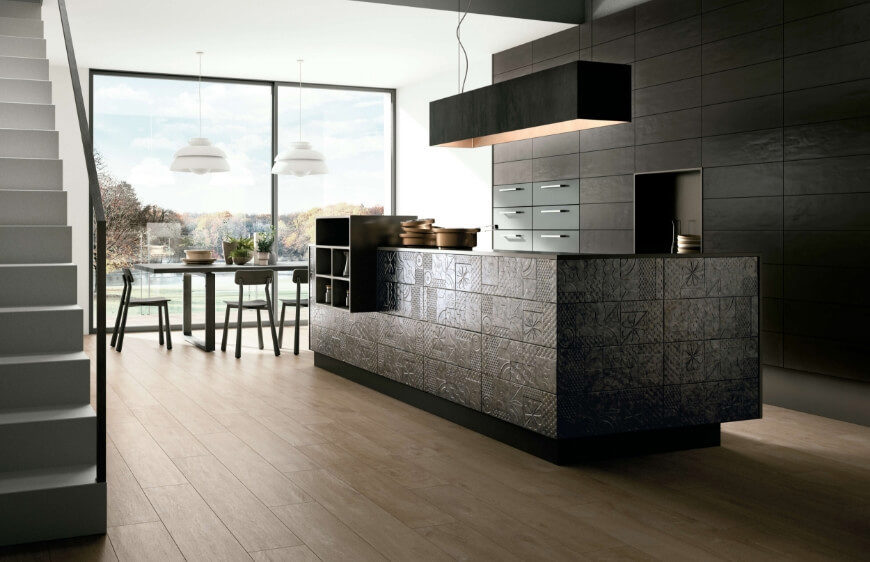
Planning Your Kitchen Cabinets

Planning Your Kitchen Cabinets

Narrow, small or asymmetrical, every kitchen needs cabinets that make the most of its space and keep it organised. What should you consider when having cabinets made specifically for your room?

How your kitchen looks matters, but how you keep it organised matters even more. Well-planned cabinets make the most of the available space and help create an ideal living environment. Whether you are renovating or starting from scratch, there are many important points and details to consider before commissioning or buying kitchen cabinets. Budget, size, style, quality, materials and door finishes are among the key features to address.

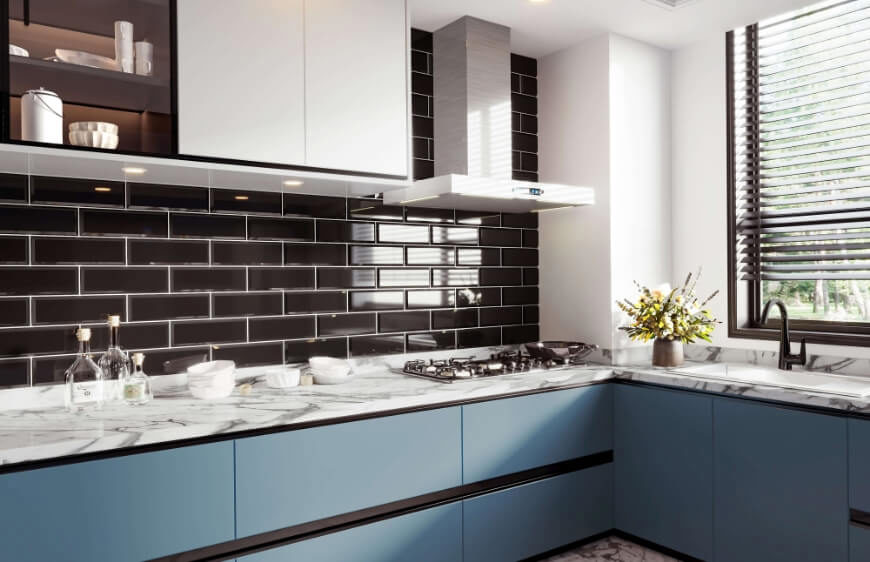
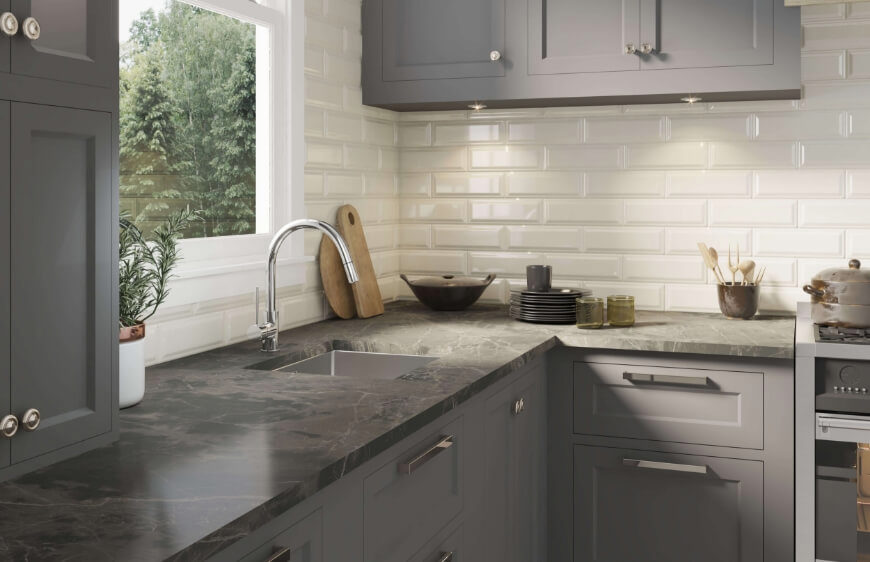
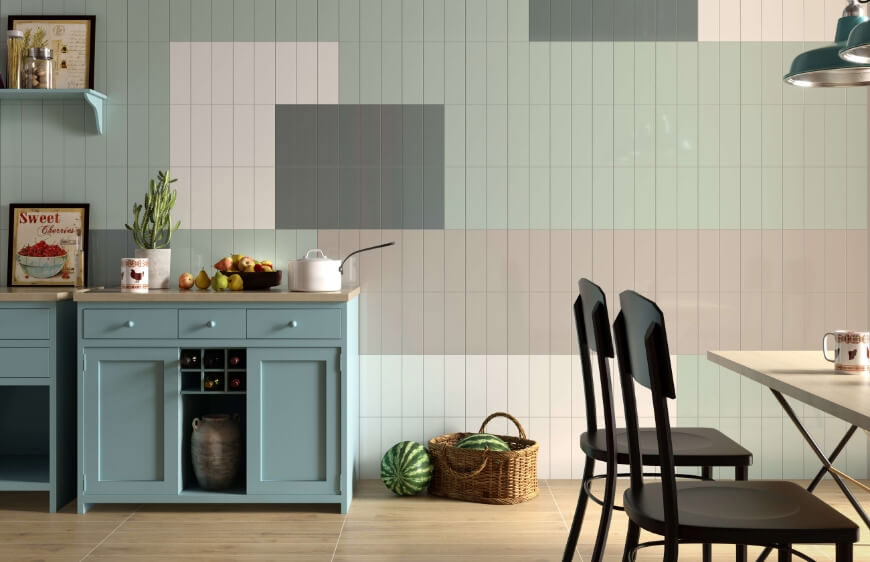
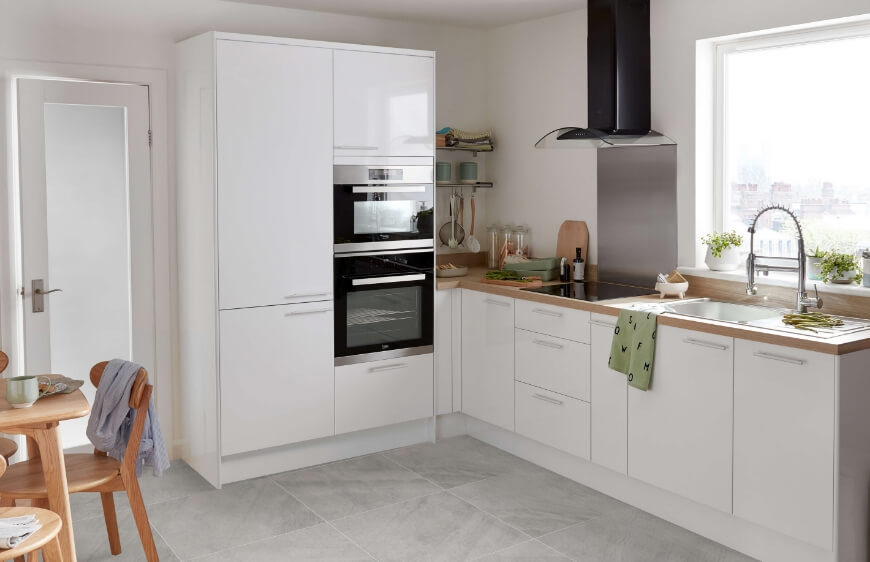
Kitchen cabinets provide storage and are the main pieces of furniture that make a kitchen functional. When selecting or commissioning them, consider the room's appearance and practical needs, paying as much attention to colour and material as to how the cabinets will be used.
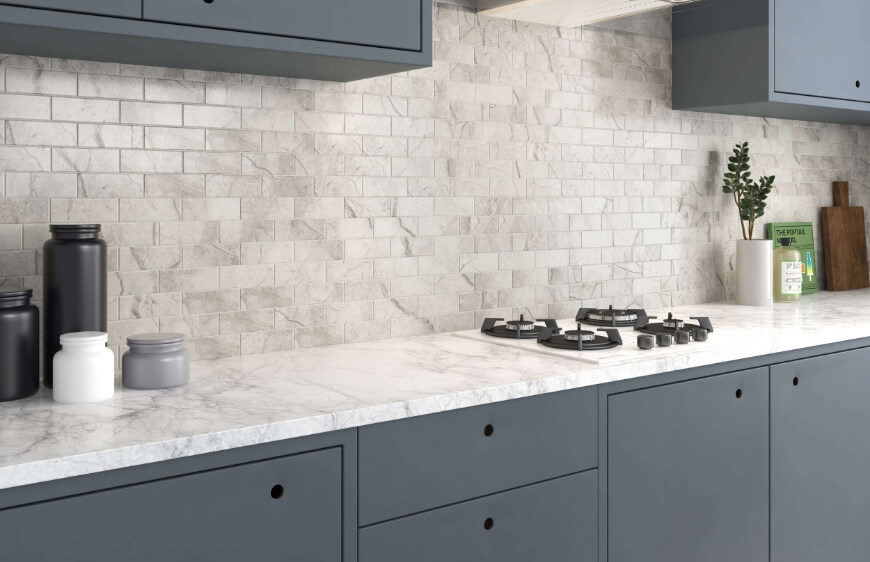
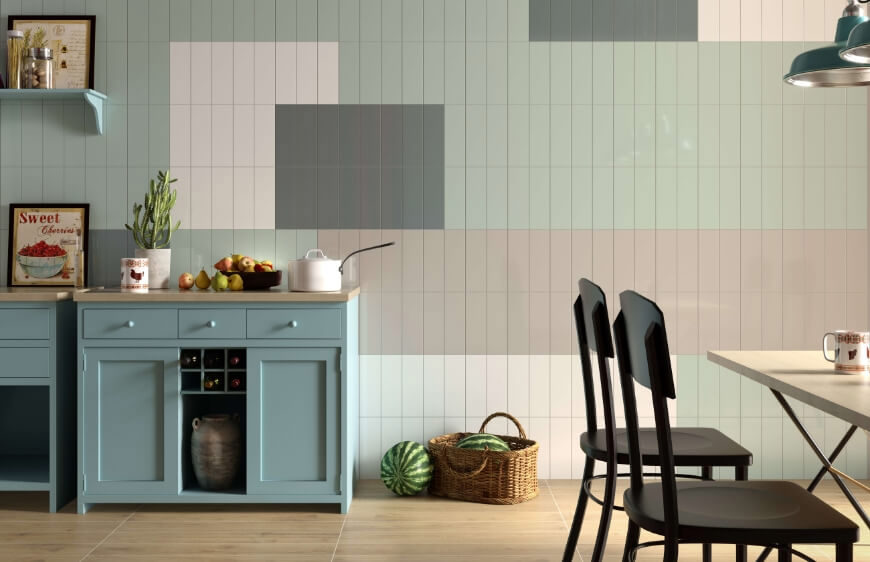
What to Consider

What should you look for when choosing kitchen cabinets?

  1. Budget

Kitchen cabinets are a significant investment, so remember that your choice is not easily reversed. They can account for 40% or even 50% of a renovation budget. Begin by setting the overall budget for the work. Do not let the decision overwhelm you: the cabinets you choose will shape the quality and atmosphere of your new kitchen and play a major part in its transformation.

  1. Quality

If you plan to stay in the home only briefly, a basic cabinet style may be enough. If you are creating your dream kitchen, look for the best-quality materials. Cabinets should have sturdy frames, doors and drawer fronts, reinforced corners and enclosed backs. As doors and drawers are opened and closed many times a day, they should operate smoothly and quietly. Door finishes should be smooth, with designs and colours that complement the kitchen.

Particleboard or MDF?

There are two main options for kitchen cabinet bodies: particleboard and MDF.

Particleboard: A lightweight, affordable material made from wood waste.

High-quality particleboard is strong and durable, so make sure the material you choose is of a good standard.

MDF: Although it costs around 25–35% more than particleboard, MDF offers many advantages as a cabinet material. Its smaller fibres create a strong, solid structure. It resists warping and expansion caused by changes in temperature and humidity. Its smooth surface is suitable for painting or staining, and it also holds screws well.

  1. Style

Create inspiration boards on platforms such as Pinterest and Instagram to decide how you want your kitchen to look. Explore new designs and trends in magazines and visit showrooms. Ready-made cabinets offer a limited selection of styles, while semi-custom and bespoke options provide greater design flexibility. Consider the home's overall architecture and its relationship with other rooms when choosing your kitchen's style.

  1. Measure the Space

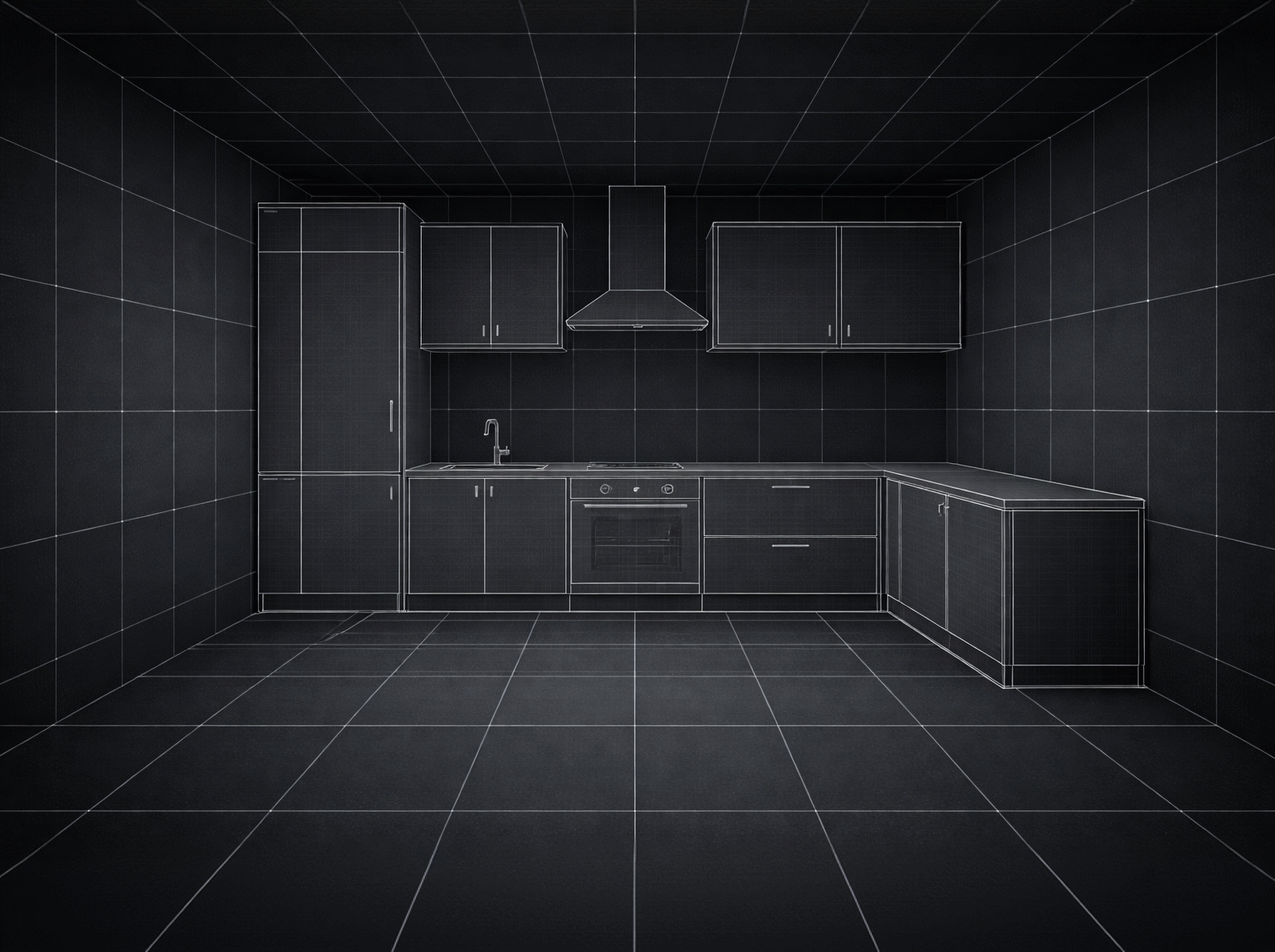
Before consulting a professional, measure the space carefully and sketch out roughly where you want the cabinets to go. These measurements will help you ask informed questions in DIY stores and showrooms and obtain clearer estimates and suggestions. If you are commissioning bespoke cabinets, they will also help you brief the cabinetmaker.

  1. Ready-Made or Bespoke?

  • Ready-made kitchen cabinets are the most economical option. They come in standard shapes and sizes, with a reasonable but limited choice of timber finishes and styles. Drawer and cabinet configurations are also limited.
  • Semi-custom kitchen cabinets offer more options for storage, design and style. They are factory-made in standard sizes.

  • Bespoke cabinets can be made specifically for you, in the design, quality and style you choose.

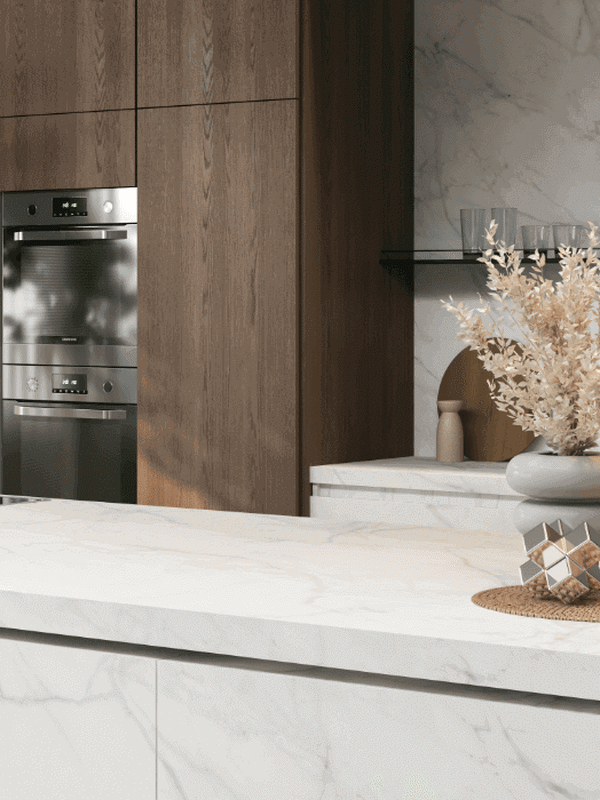
Semi-custom and bespoke cabinets can offer a wide range of storage solutions: pull-out shelves for pans, glass-fronted cupboards for glasses, tall pantry units, vertical dividers for trays and cutlery, or dedicated spaces for electrical appliances. Begin by identifying your needs.

Cabinet Doors

Doors are the most visible and character-defining part of kitchen cabinetry, so they will naturally be a priority. There are countless designs and six material options to consider:

1. Laminated particleboard doors, treated with a laminated finish for resistance to water and moisture.

2. Laminated MDF doors.

3. Acrylic doors with a finish resistant to wear and abrasion.

4. Membrane doors made by wrapping MDF in PVC foil under high pressure.

5. High-gloss kitchen cabinet doors.

6. Lacquered doors made by repeatedly spraying thin layers of paint onto MDF panels.

7. Glass-fronted doors.

Hinges

The opening and closing action of kitchen doors and drawers is important. Soft-close hinges slow the door down even when it is pushed shut quickly. This type of hinge helps extend the cabinet's life.

Practical Tips

To avoid problems with bespoke cabinetry:

  • When commissioning large cabinets, include plenty of compartments and drawers, and consider how easily the interiors can be reached.
  • Check that shelves are strong, made from suitable materials and sized to support heavy loads.
  • Plan the renovation with a reliable, skilled team.

  • List the appliances that need to be built in before the cabinets are made, and plan around them.

  • Arrange plumbing and electrical work to suit the cabinet design.

  • Decide the refrigerator door's opening direction in advance, taking the cabinet doors into account.

  • If the doors will have handles, check the durability of their material and finish as well as their style.

Mekanınızı yapay zeka ile birkaç saniyede yenileyin!

Mekanınızı yapay zeka ile birkaç saniyede yenileyin!

Seçtiğiniz ürünü evinizde görün.

Evinde Gör

Banyonuzu yeniden tasarlamaya ne dersiniz?

Banyoda Gör

Blog

Explore All

Compare

Compare
Compare