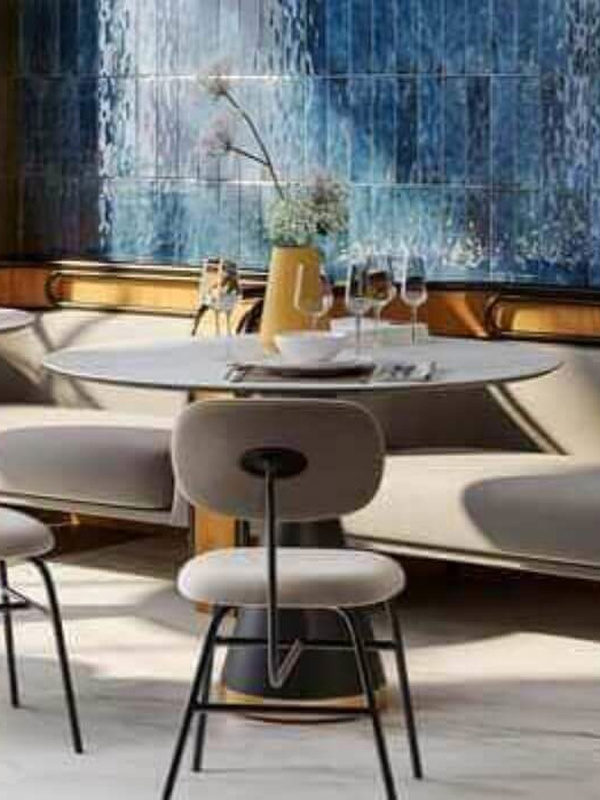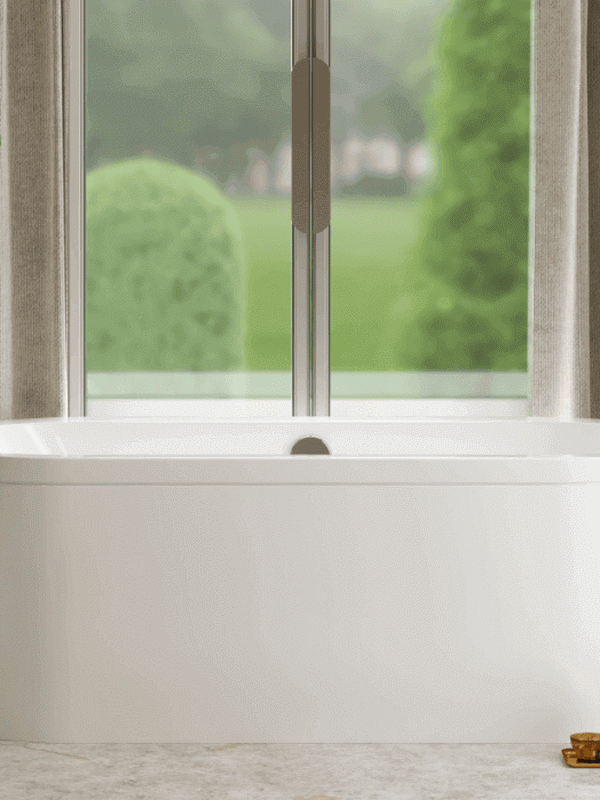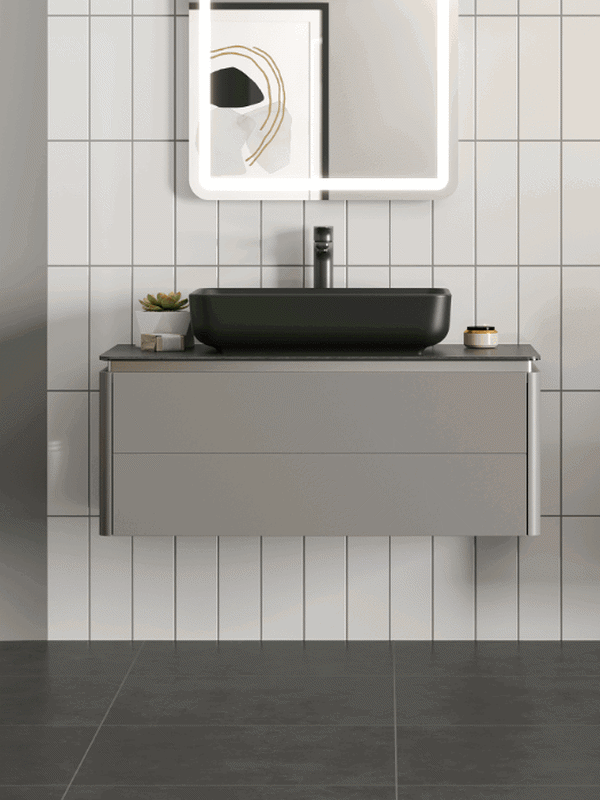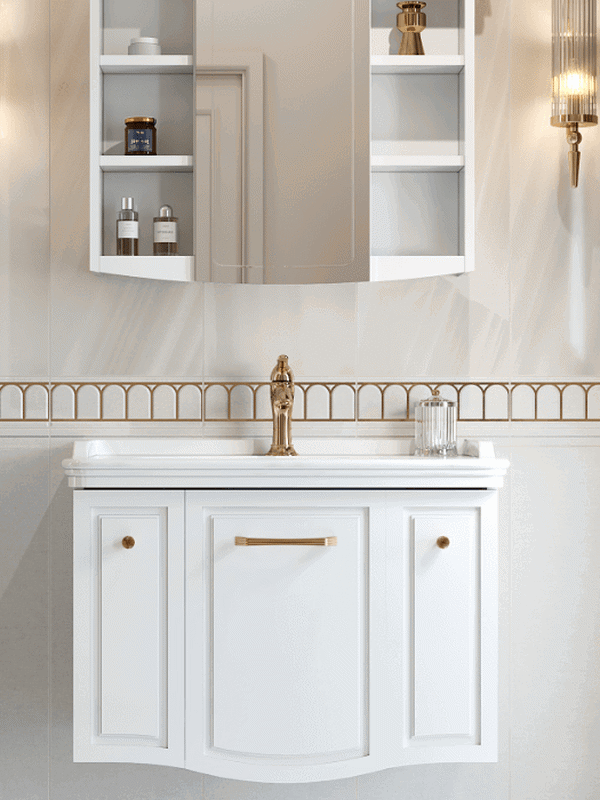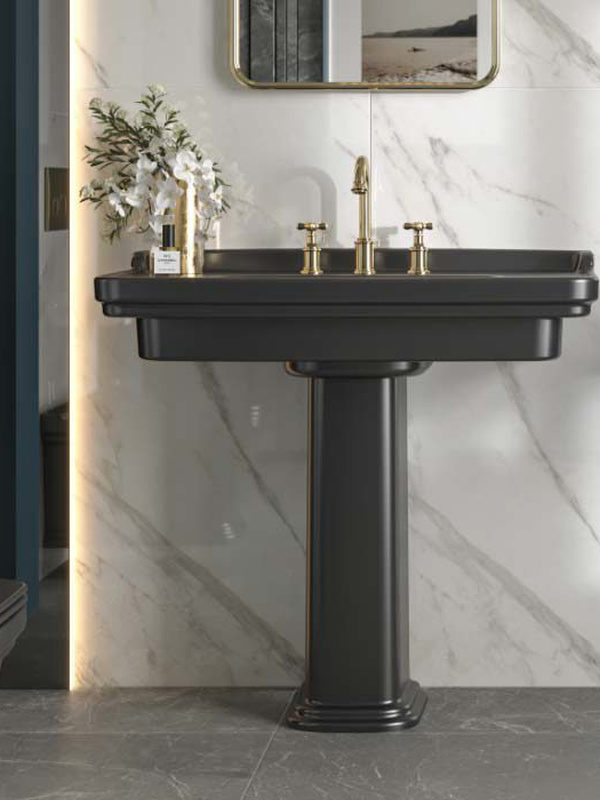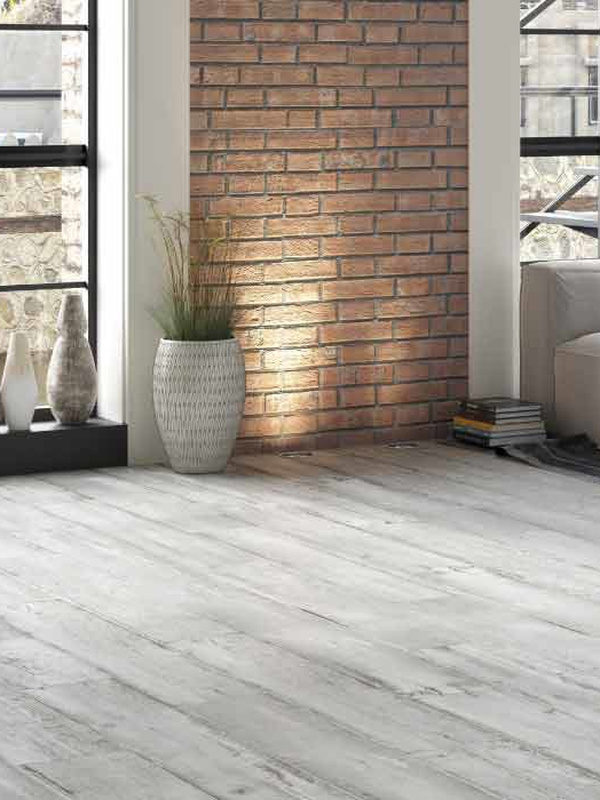
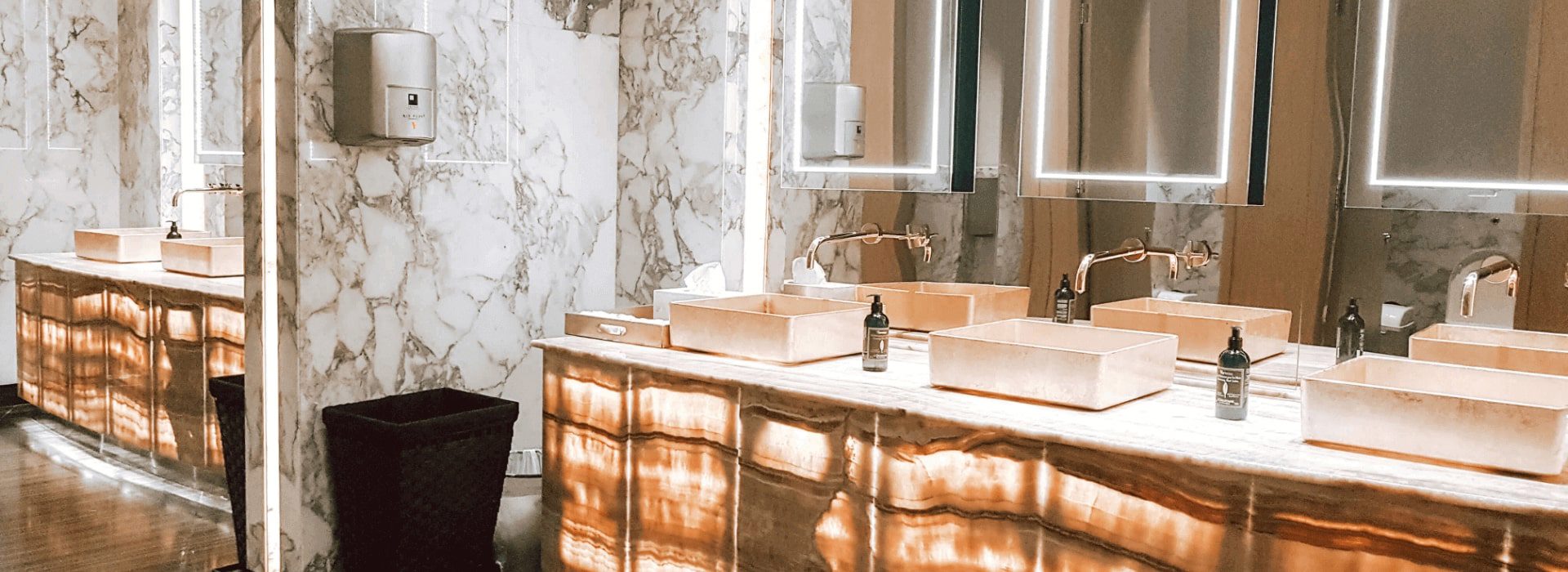
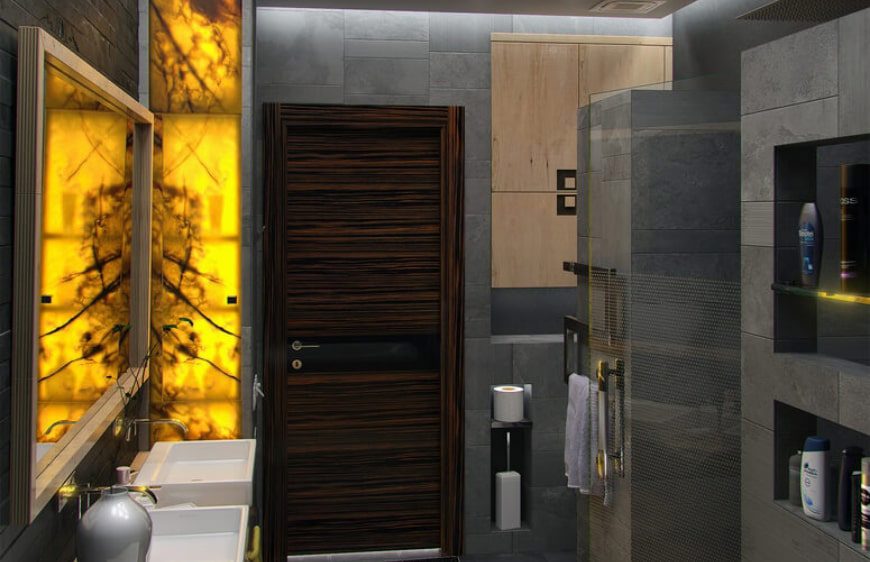
With its intriguing patterns and colour combinations, onyx is among the newest materials appearing in today's kitchens and bathrooms. This new arrival, introduced as natural stone and jewel colours grew in popularity, draws its inspiration from the widespread use of marble.
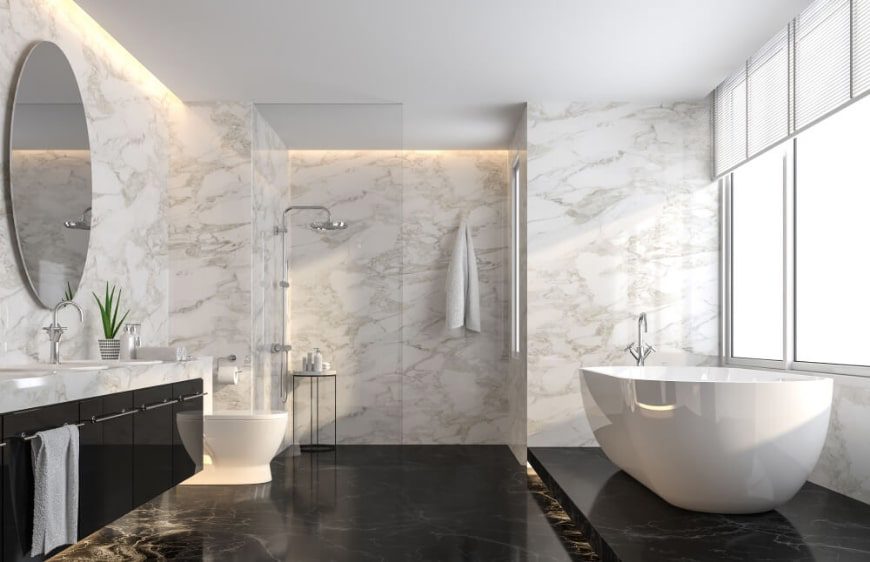
Onyx: A New Sophistication for Wet Areas
Marble, whose jewel-like appeal has grown through precious-stone colours, has found a new heir to its throne: onyx. A new discovery for kitchens and bathrooms in 2022, onyx is a favourite in classic, luxurious spaces, with varied colours, patterns and textures.
About onyx
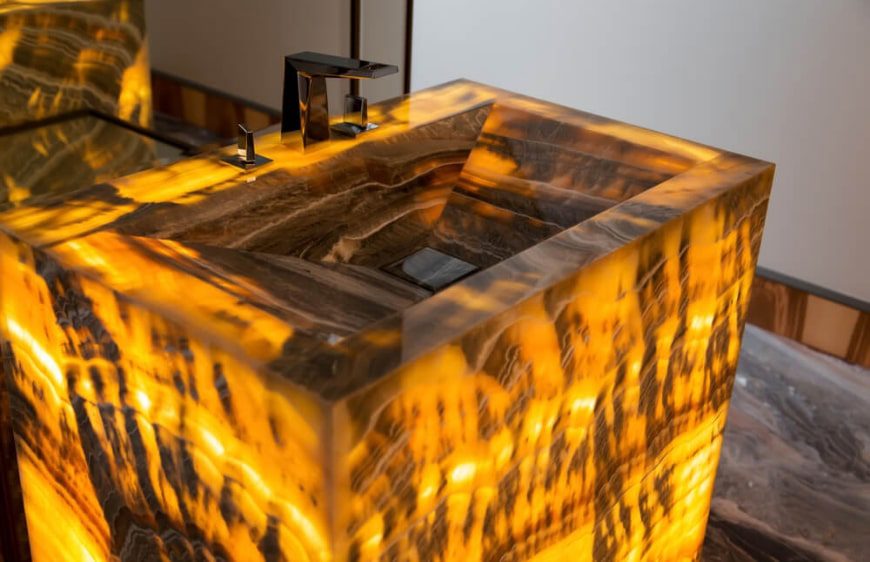
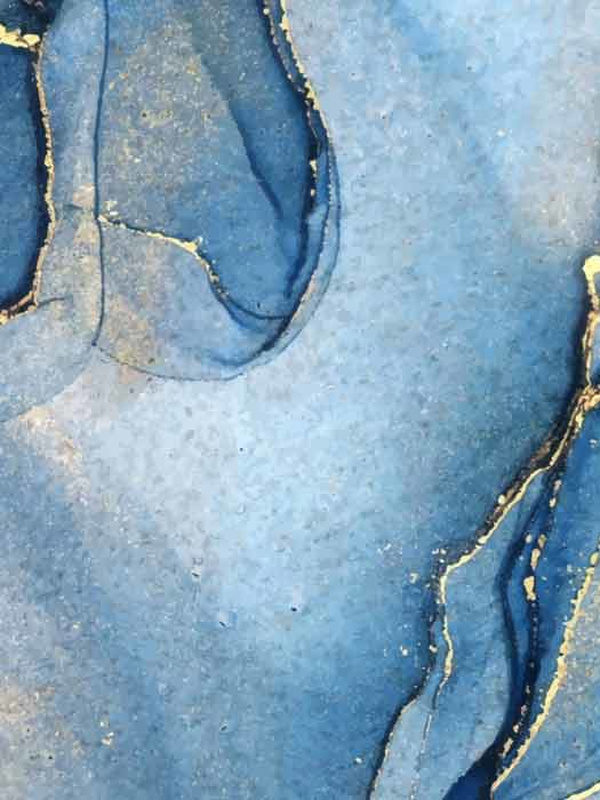
Onyx is a type of marble with numerous colour options and veined patterns. Unlike classic marble, however, its translucent structure emphasises the richness of its many layers. Its colours and patterns distinguish it visually from other natural stones. Particularly when it extends from floors to walls and ceilings, onyx gives spaces a sense of sanctuary and offers a more organic, calming atmosphere to those focused on mindful living.
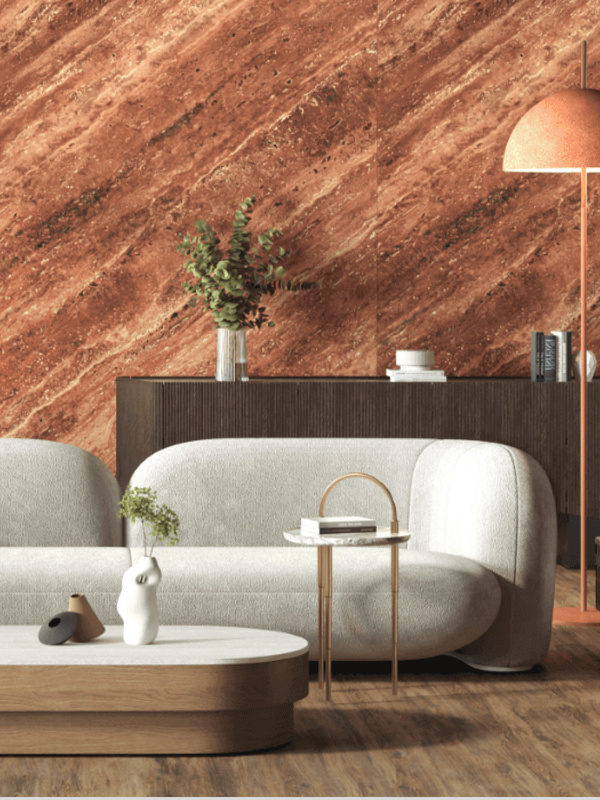
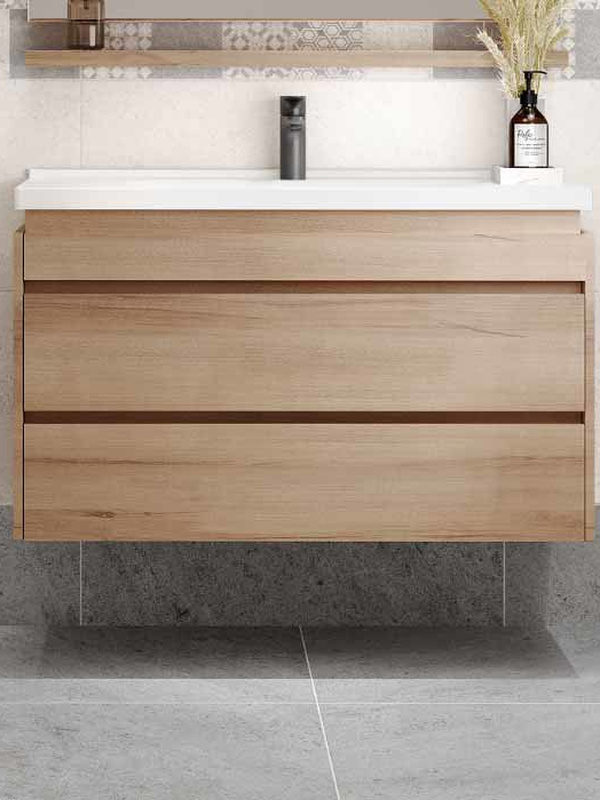
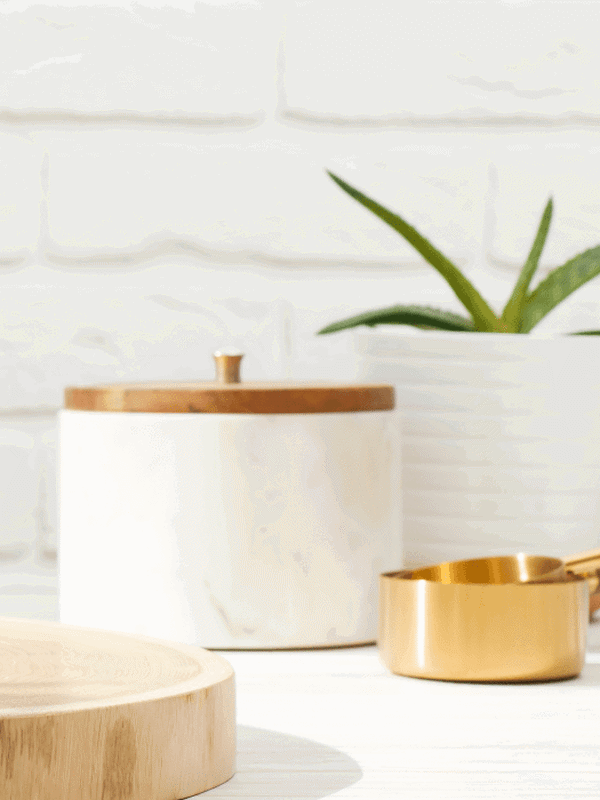
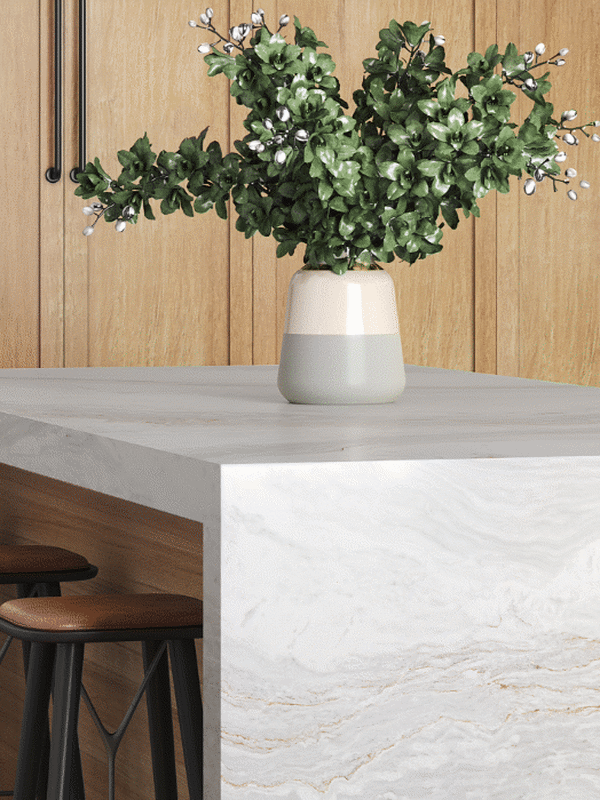
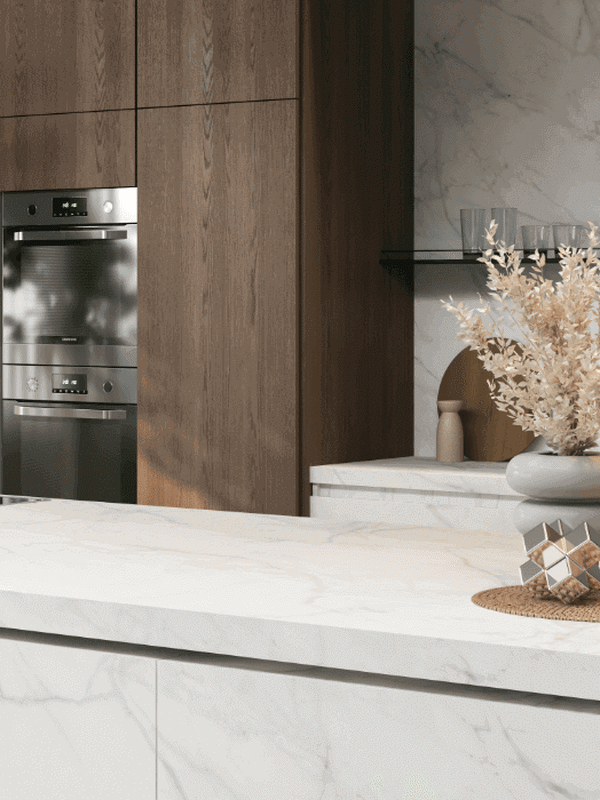
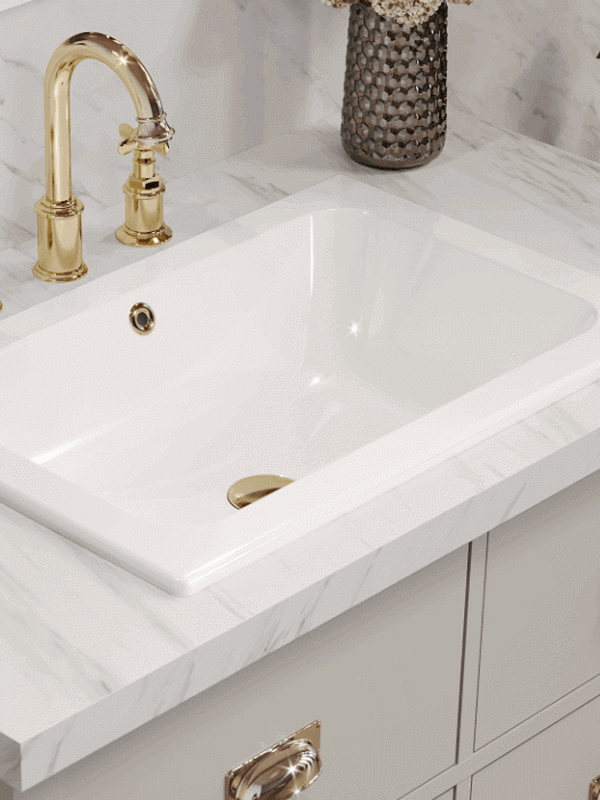
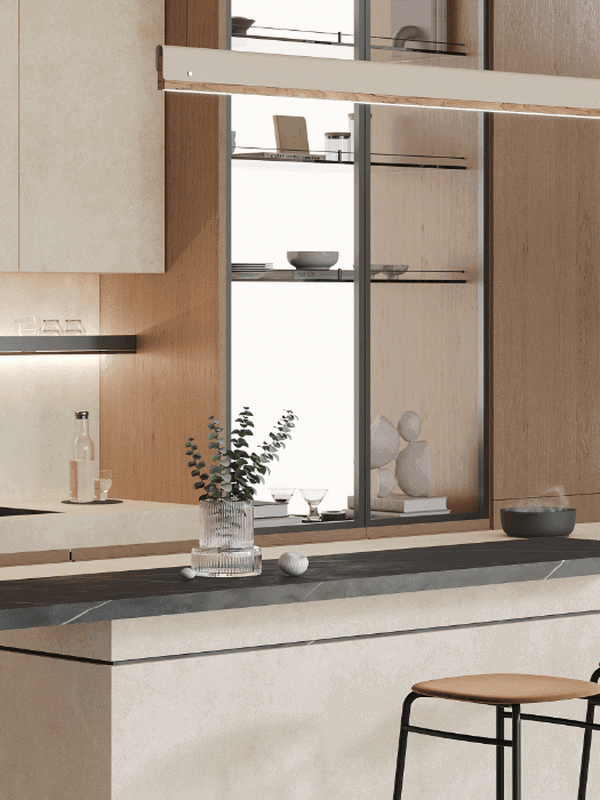
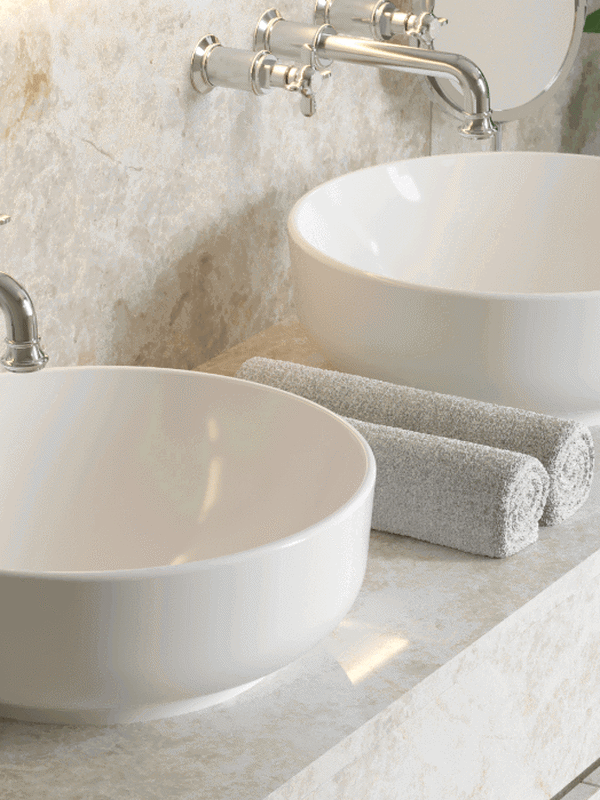
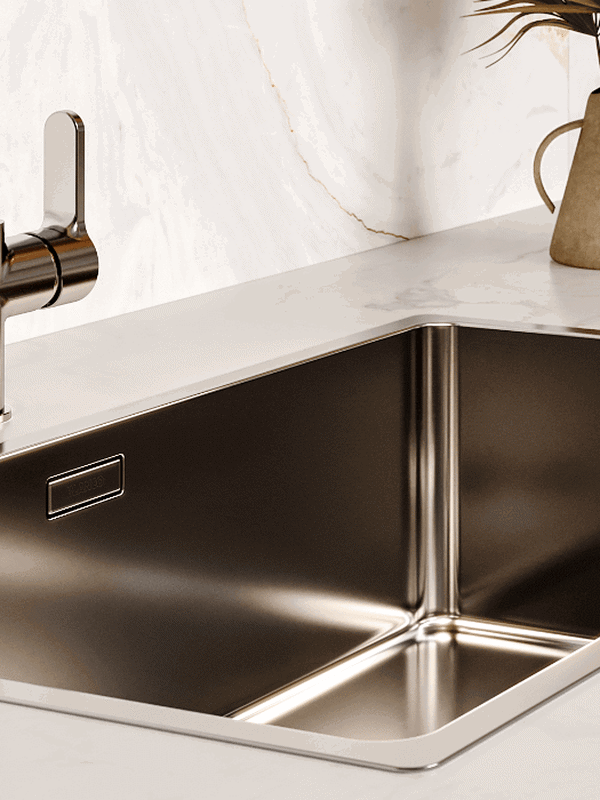
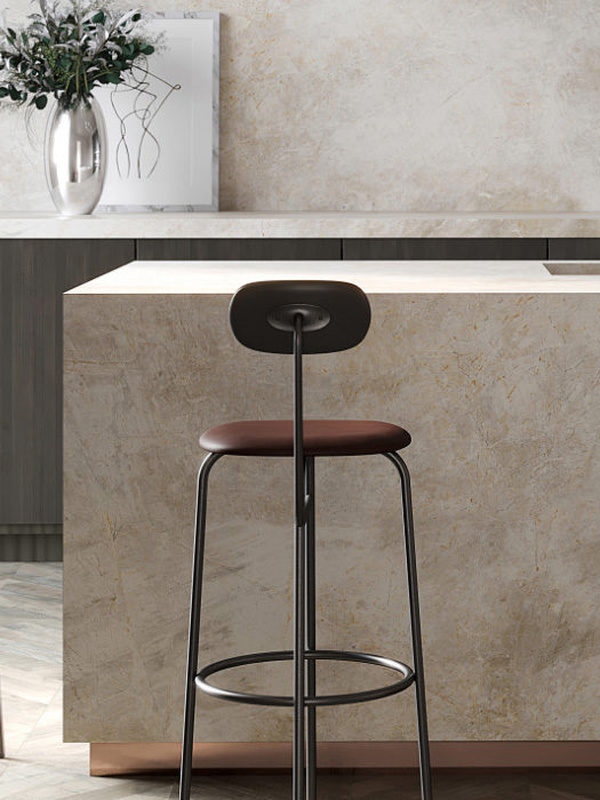
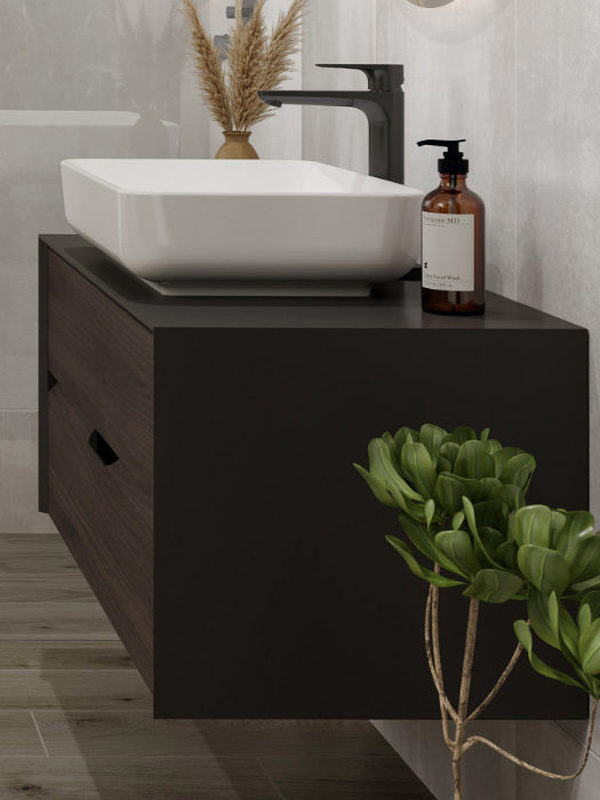
Used on worktops, islands and decorative objects such as trays in kitchens, and on floors, walls, shelf surfaces, dressing tables and bath surrounds in bathrooms, onyx brings natural beauty and luxury together. Ranging from pastel green to grey, cream to beige and honey, and red to black, it offers more colour choices than marble. Favourite shades include white, pink, ecru and pale green shot through with orange.
How can we use onyx in interiors?
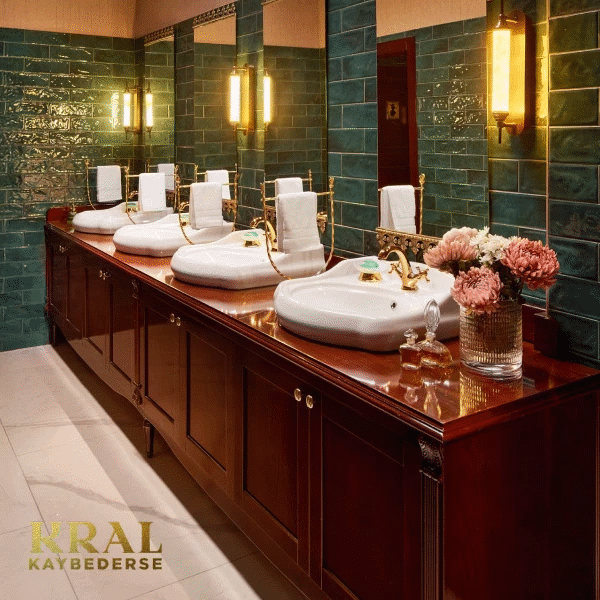
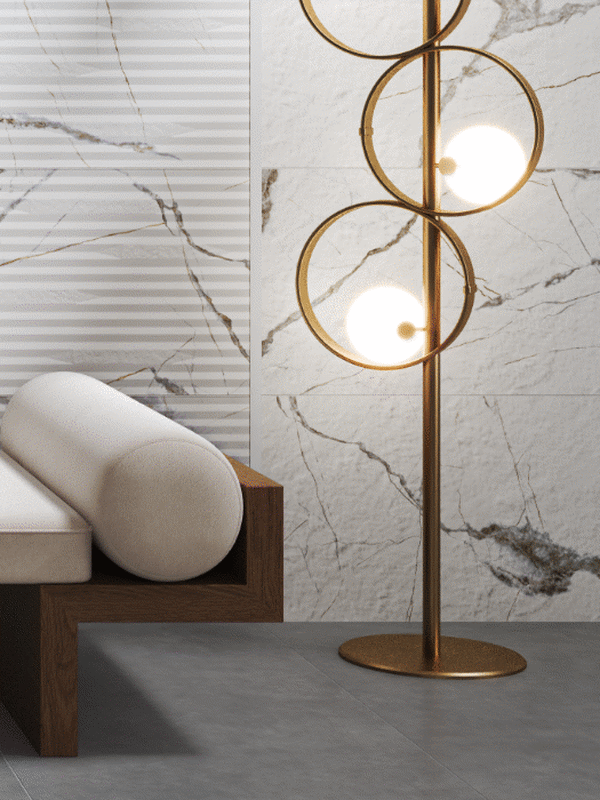
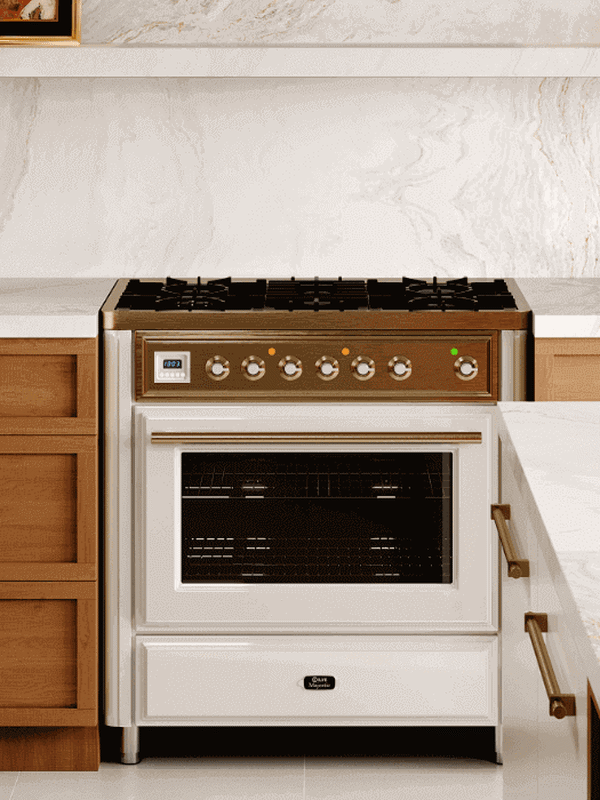
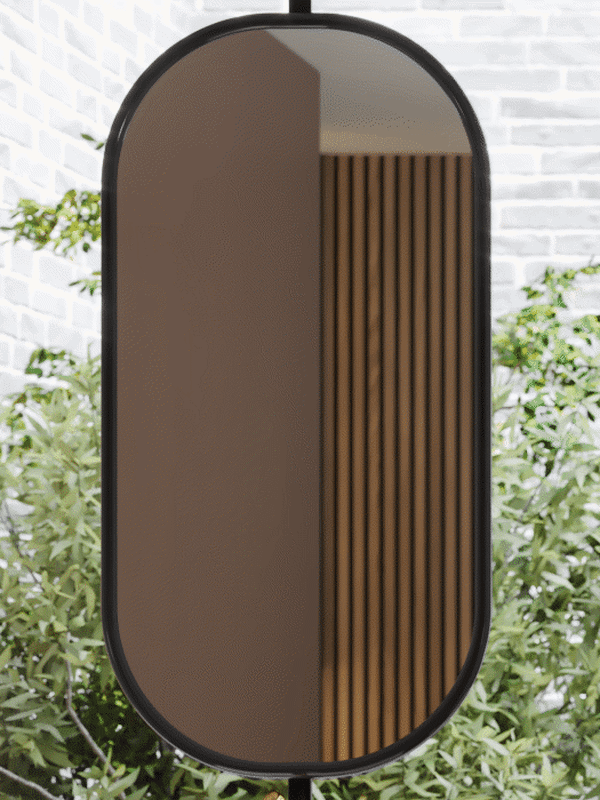
Onyx always wants to be the star of a space. When using it, you therefore need to consider the focal point it will create. It works well with brass, bronze, wood and even Calacatta marble, and you should take care to echo its colours in different parts of the room. Its deep, dramatic effect will guide the space's stylistic character. Period styles such as art deco, classic and rustic are therefore particularly suited to onyx.
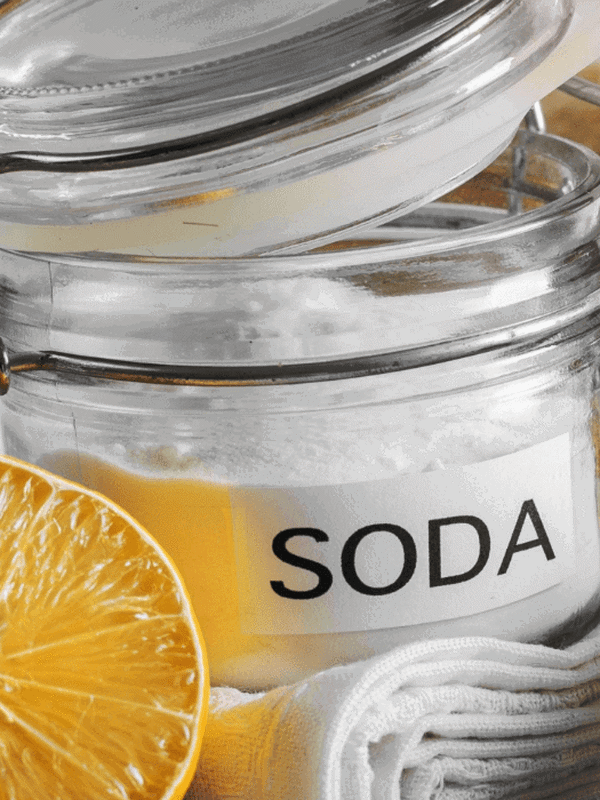
In recent years, backlighting onyx wall cladding to take advantage of its translucency, allowing the surface itself to act as lighting, has become common. This technique suits onyx beautifully, giving it a three-dimensional appearance. The material does have disadvantages, however: because it is porous, it needs a protective sealer, and you should avoid contact with acidic products such as lemon or vinegar.