Natural Stone-Look Ceramic Surfaces for Nature-Inspired Spaces

Natural Stone-Look Ceramic Surfaces for Nature-Inspired Spaces

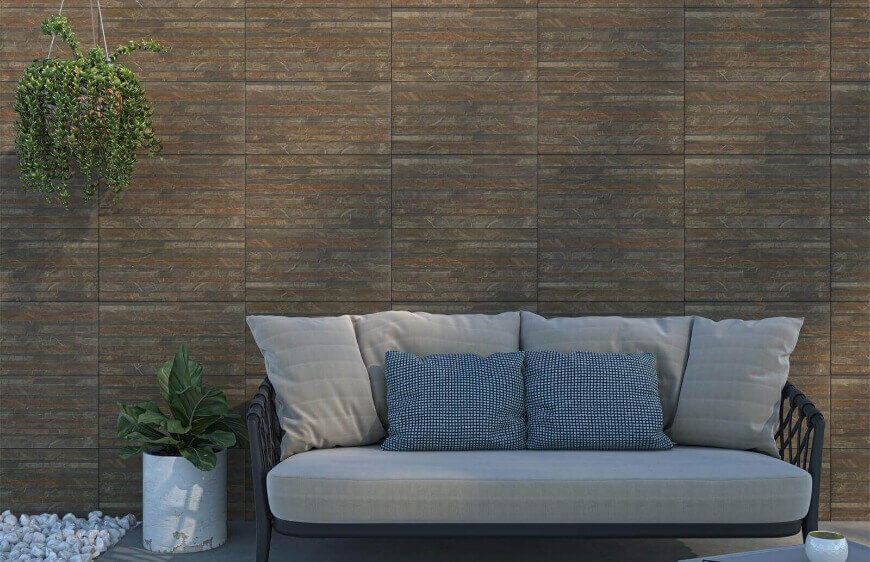
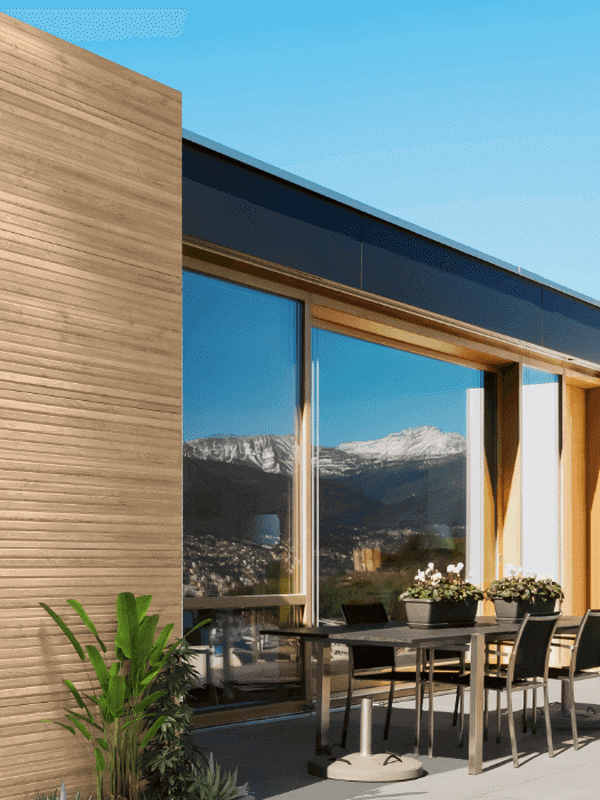
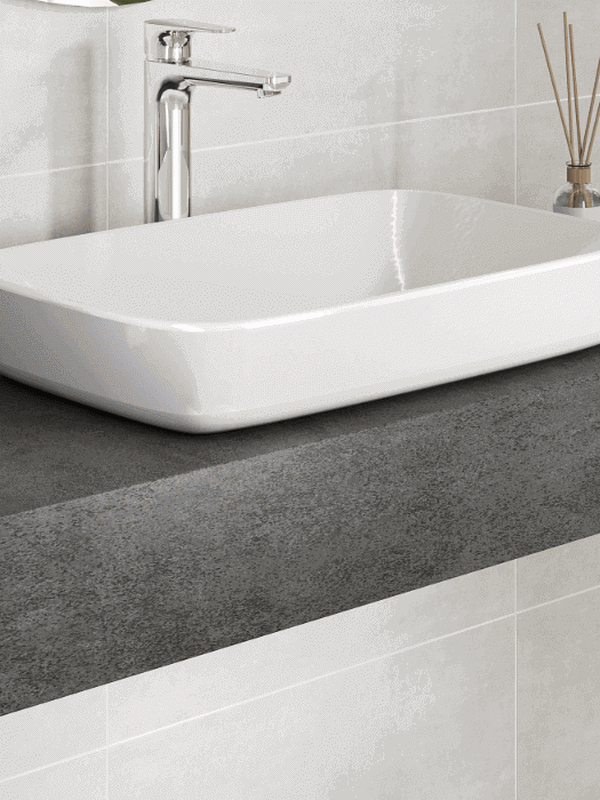
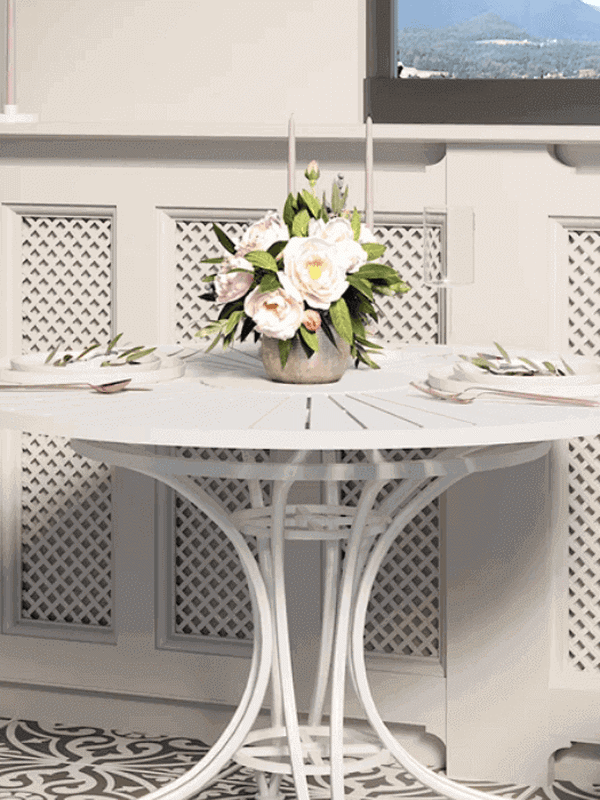
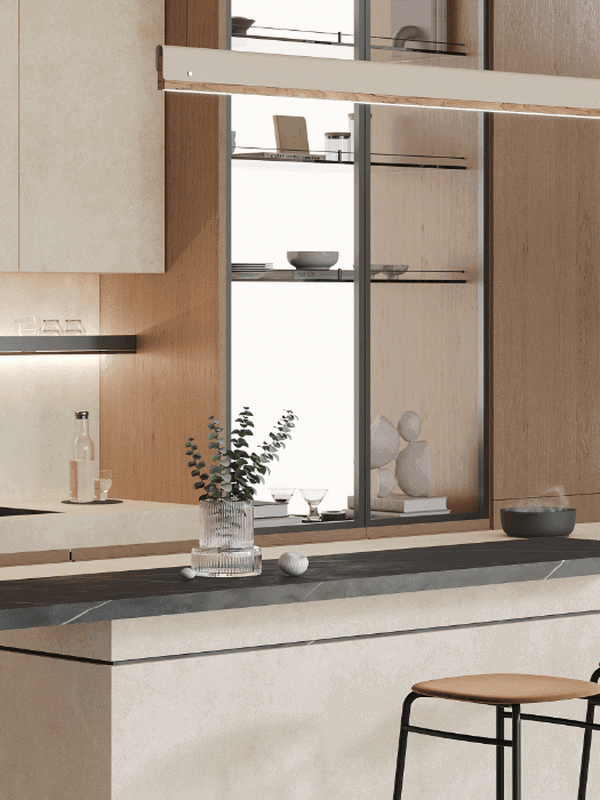
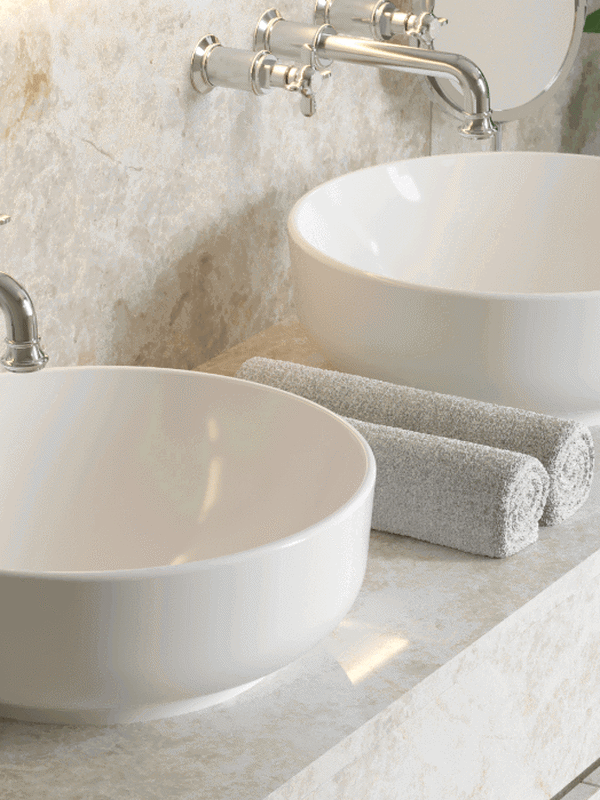
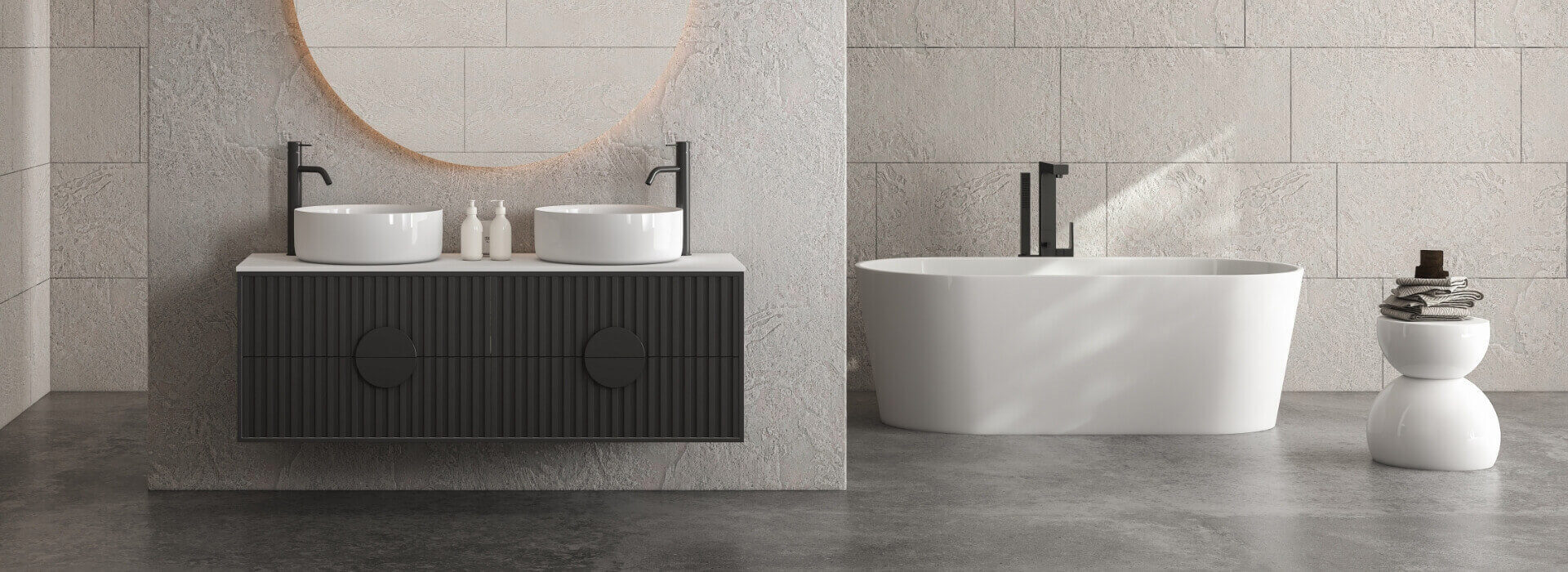
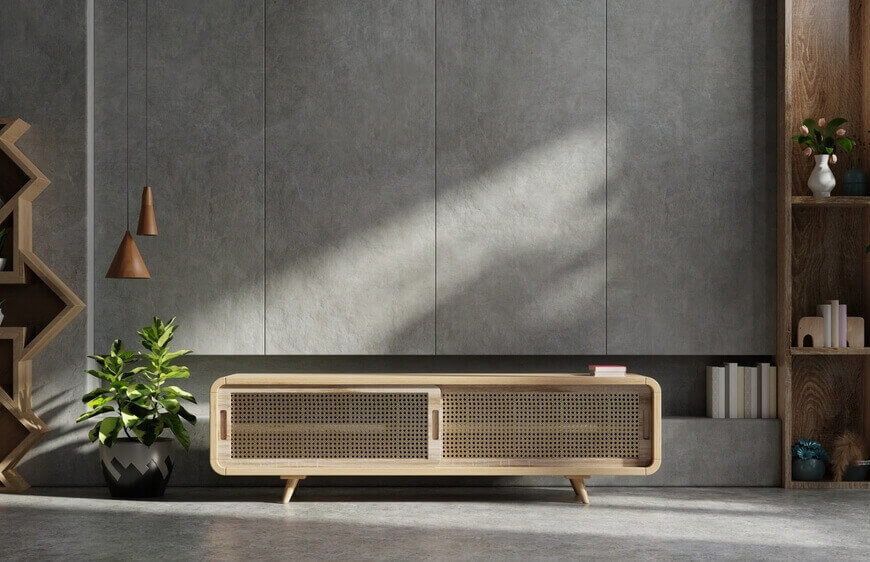
Natural stone-effect ceramic tiles, frequently chosen for homes set in nature and city homes drawn to nature's elemental elegance, are used not only in wet areas but on interior and exterior surfaces too.

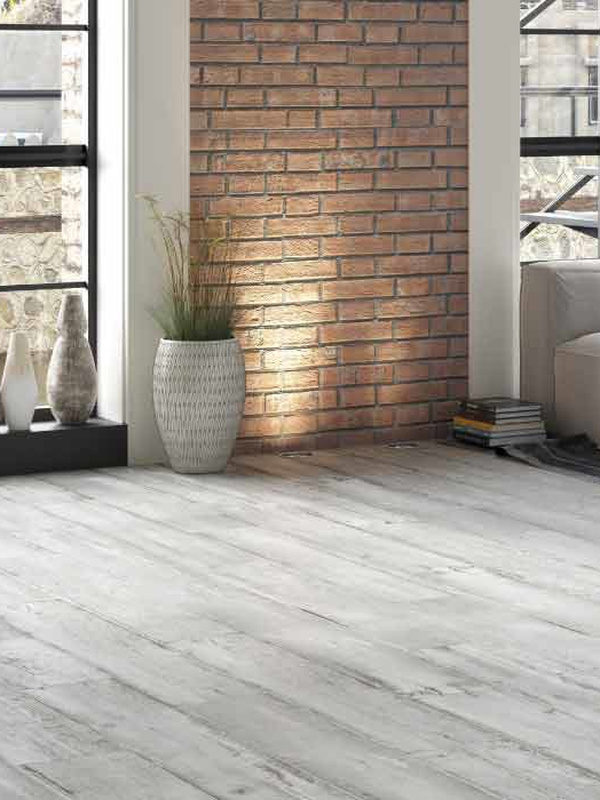
Natural stone surfaces familiar from mountain and country homes have also become popular in Provençal-style and loft-style city homes in recent years. Traditionally used on exterior floors and walls, or only in kitchens and bathrooms, stone textures are gradually extending their reach. We now see them and their variations on both walls and floors in main living areas such as living rooms, bedrooms and entrance halls.
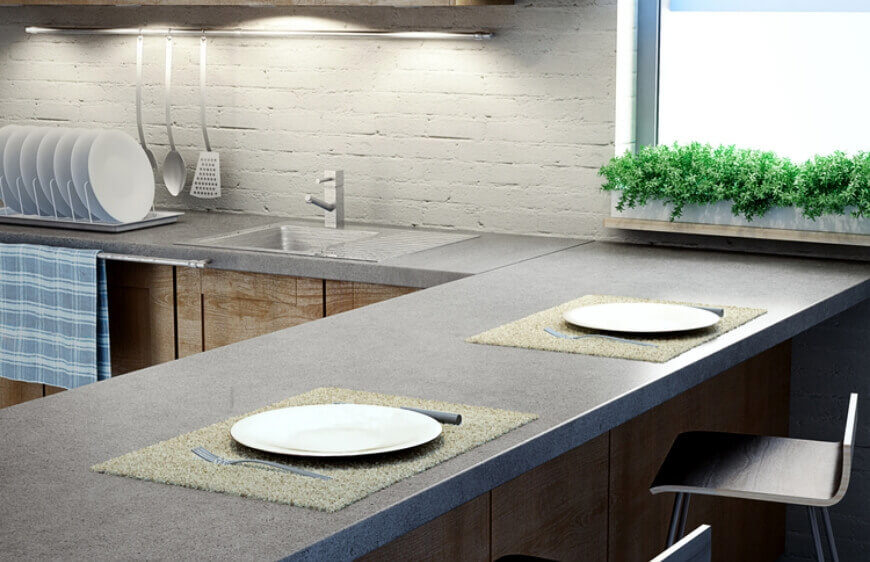
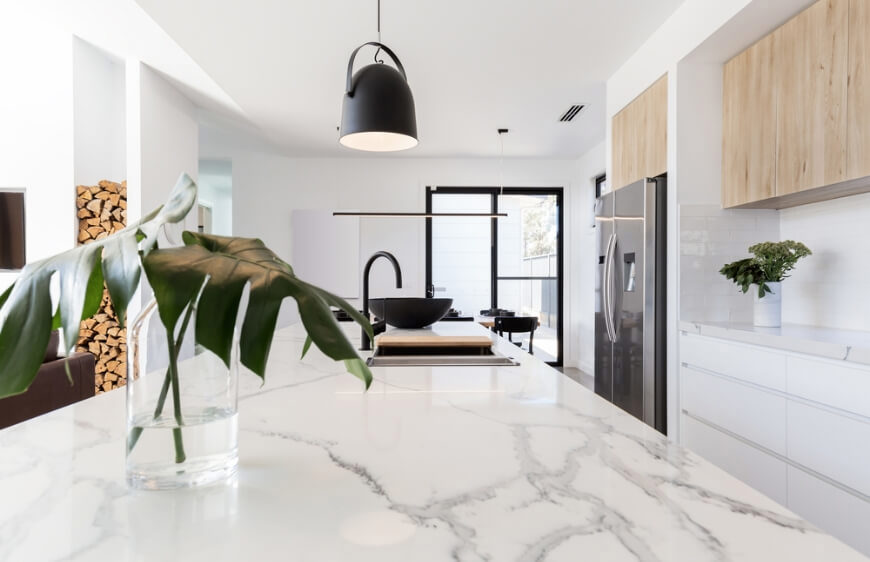
Yet natural stone's suitability for the busy demands of modern life, its cost, hygiene and practicality remain open to debate. The problem is not without a solution. Natural stone's bulk, difficulty of processing and limited resistance to breakage and staining have led the worlds of design and technology to ask whether something even better is possible. The result is natural stone-effect ceramic and porcelain tiles that unite nature's beauty with technology's aesthetic power, reflect all the characteristics of natural stone faithfully in a space, eliminate the disadvantages of the original and look indistinguishable from it.

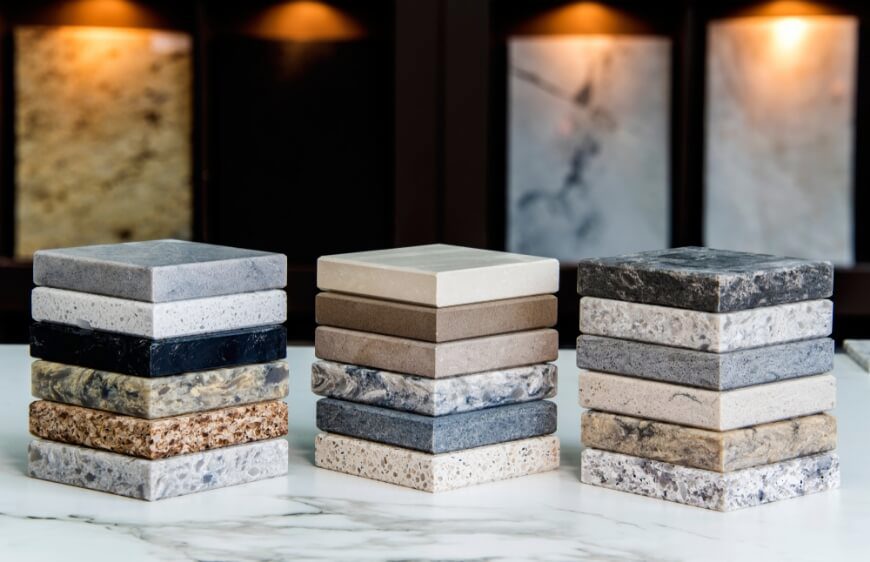
With a wide range extending from marble and limestone to granite and travertine, natural stone-look tiles offer such varied textures and colours that there is an option to suit every home's spirit. Durable enough for busy daily life and years of use, these tiles are lighter than natural stone, avoiding extra weight on the home, reducing costs and making installation easier. They also help keep the home cooler, making them a preferred choice for buildings exposed to strong sunlight. As conductors of heat, they are also considered a practical, functional material for underfloor heating.

Let us explore the most popular and widely chosen natural stone-look ceramic and porcelain tiles:

  1. Carrara marble lives on in porcelain tiles

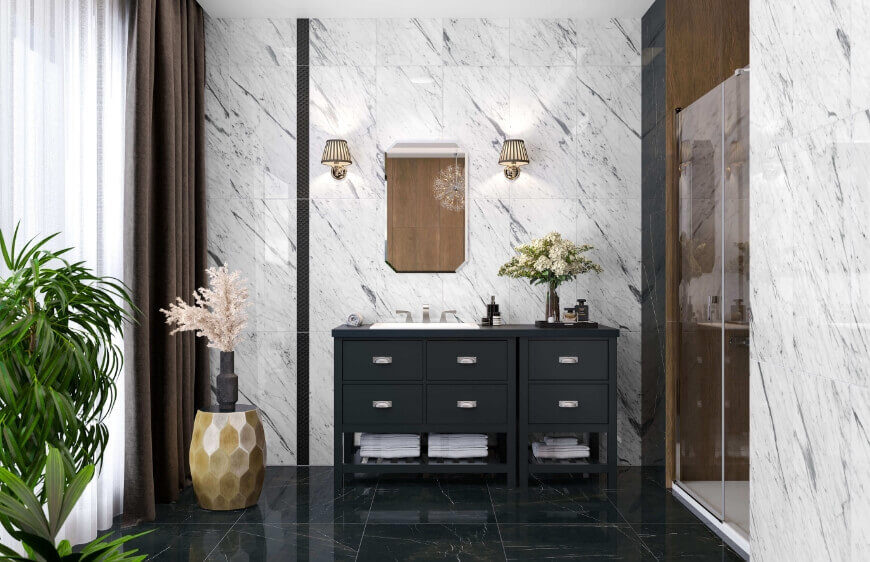
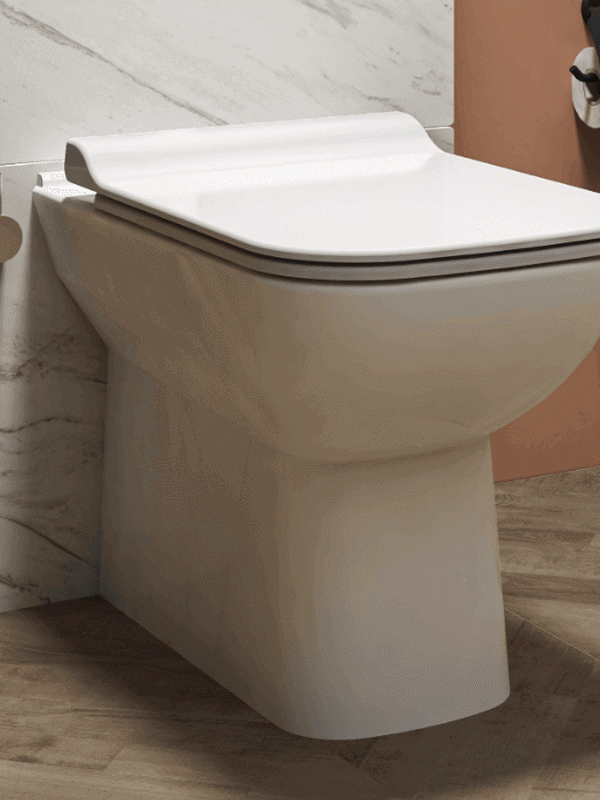
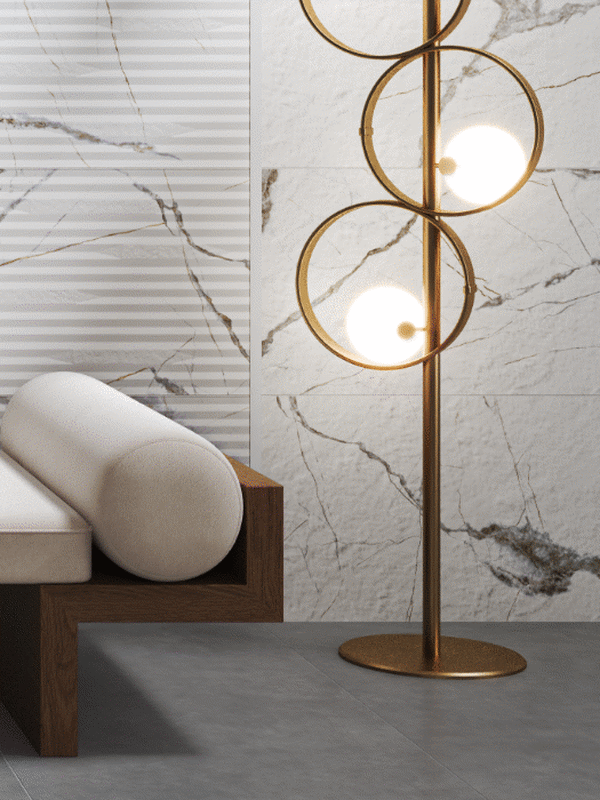
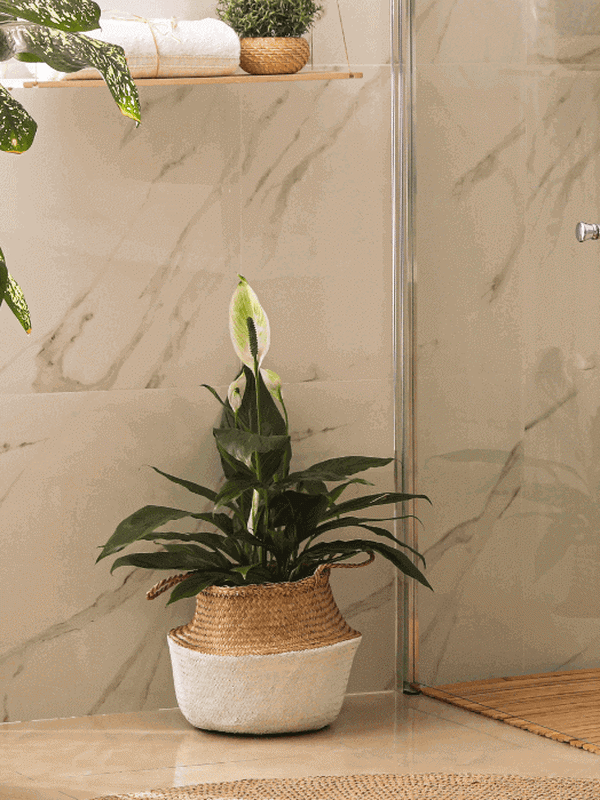
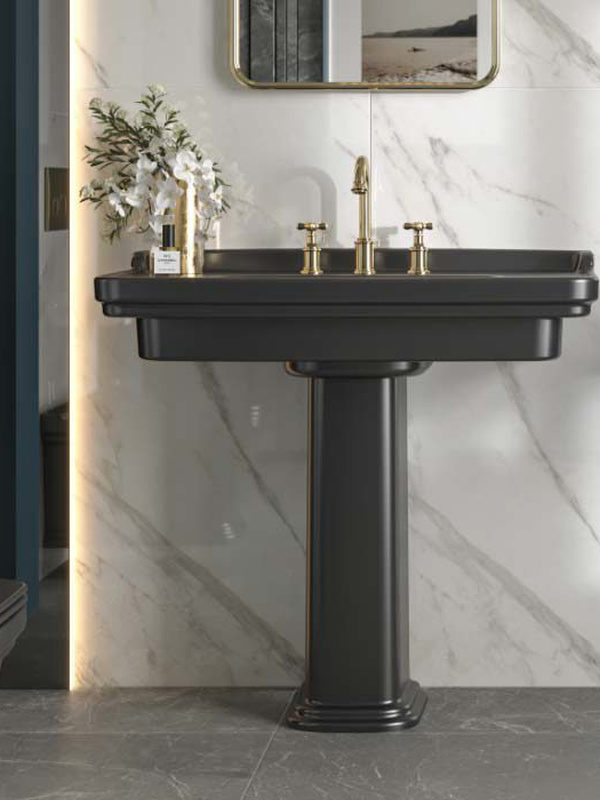
Carrara marble has been a favourite of architects, designers and artists for centuries. It has been used in luxurious, magnificent spaces, palaces, cathedrals and government buildings. Picture dazzling Carrara, with its venerable place in the marble family. Now imagine a version that resists stains, scratches and breakage, is hygienic and durable, and lasts even longer.
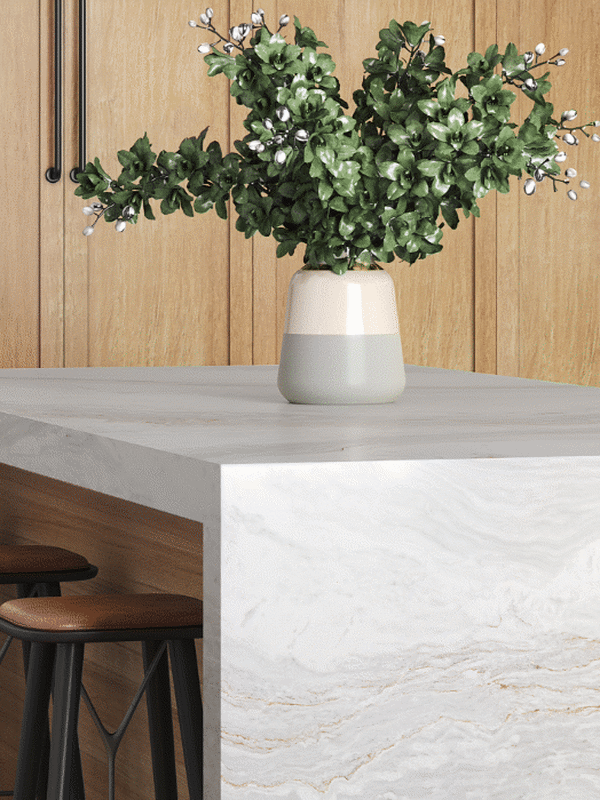
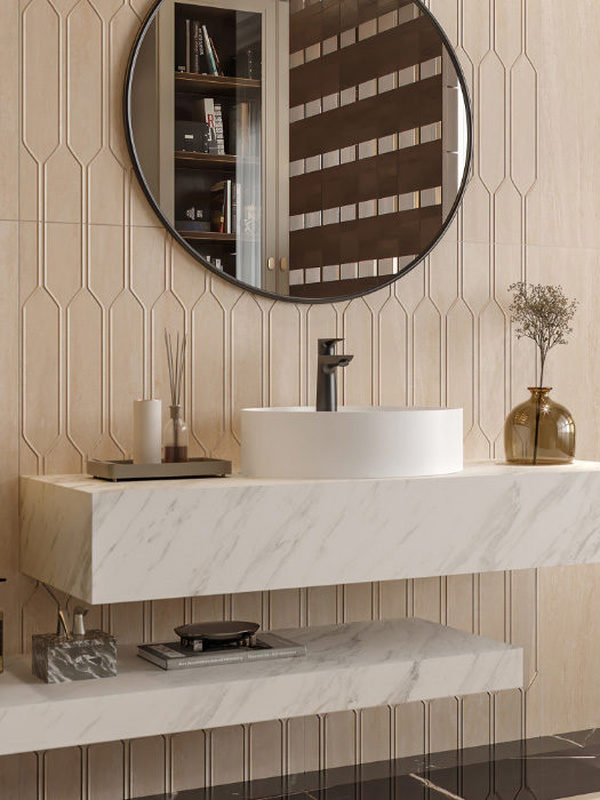
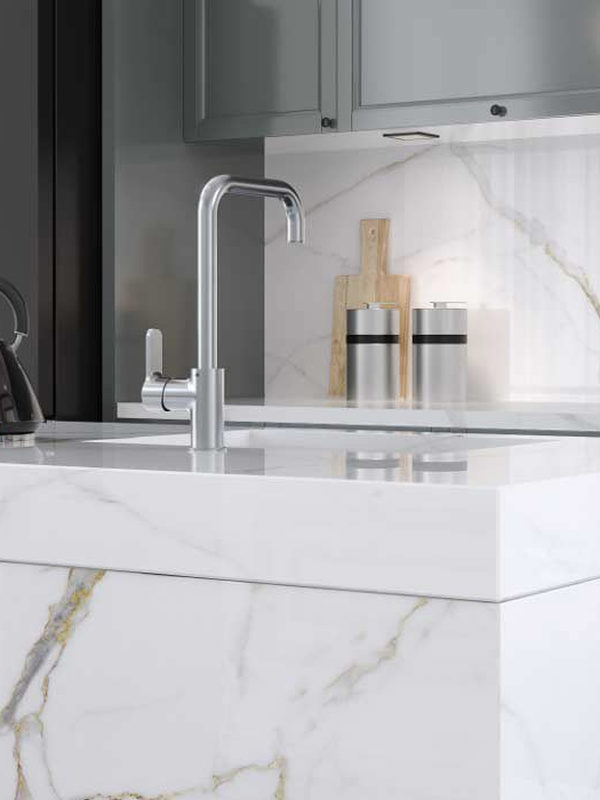
That is Çanakkale Seramik's Carrara porcelain tile collection. These polished porcelain tiles, in large formats such as 40x80 cm or 59x59 cm, look just like the world-famous Carrara marble. Made from porcelain with water absorption below 0.50%, the Carrara series is unaffected by high humidity or direct contact with water and can be applied not only to floors but to walls, worktops and fixed tables.

  1. The natural beauty of travertine in ceramic tiles

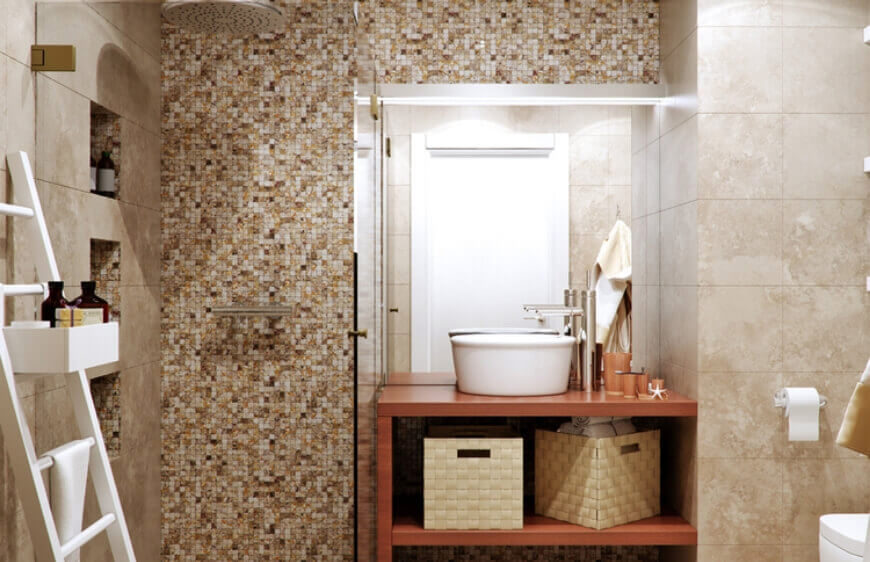
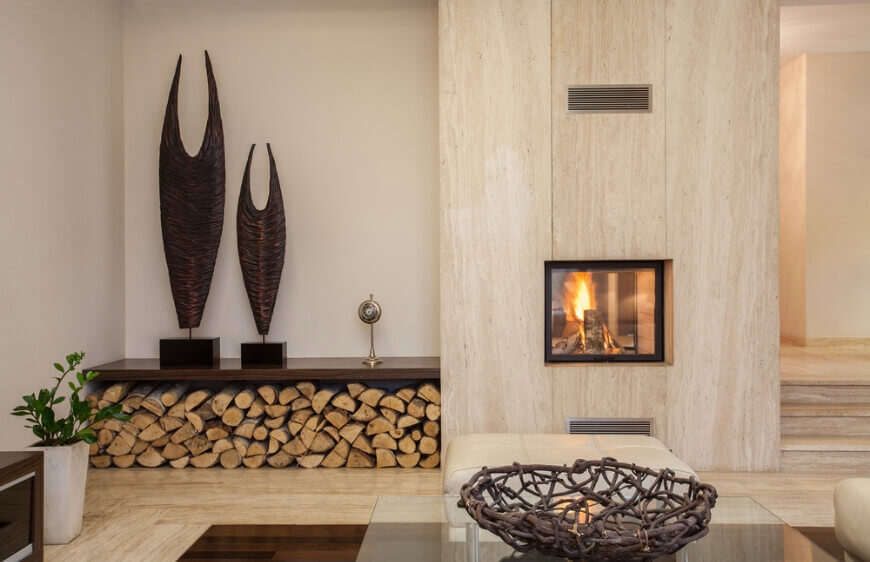
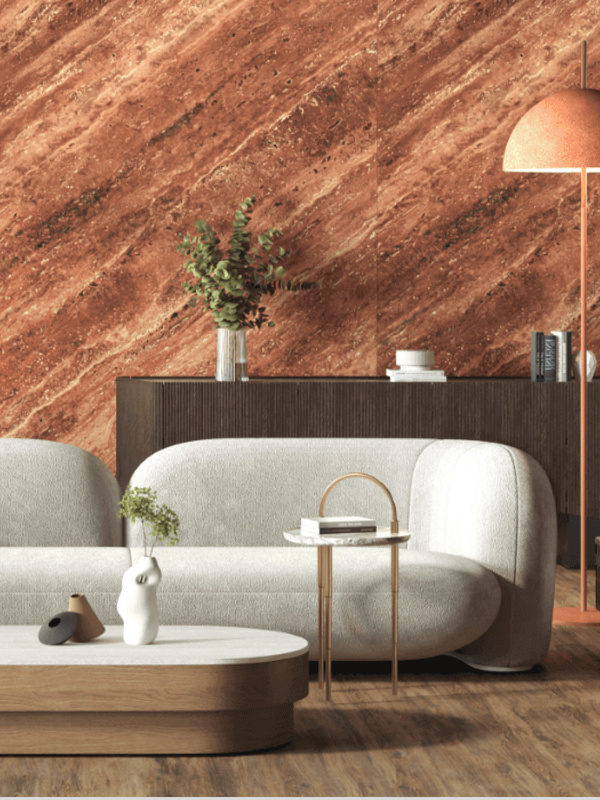
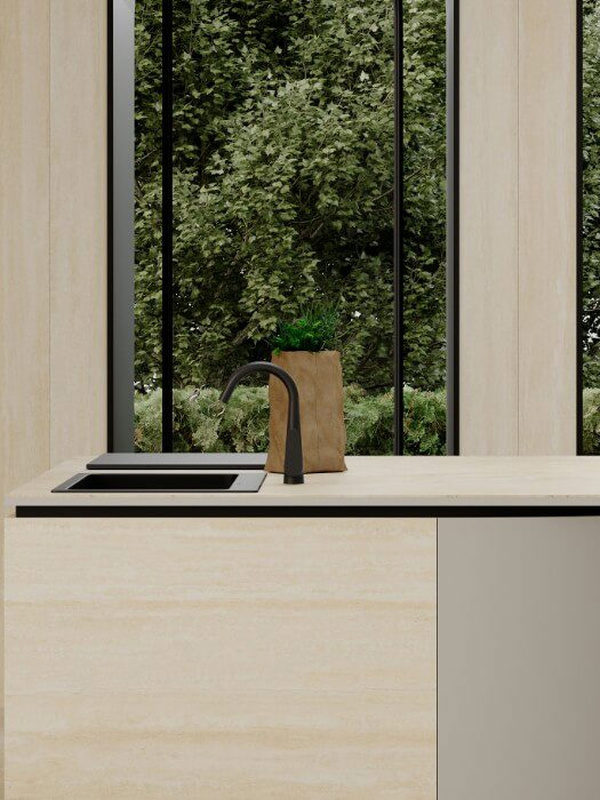
Evoking the stone houses of Tuscany, a dream destination for many, travertine is one of the classic beauties of the old world. A versatile material, it suits many styles: country, coastal, boho, rustic, contemporary and minimalist. Its distinctive pale palette and sensory texture immediately set any space apart from its peers.Real travertine, however, has disadvantages. It is expensive and requires special care. It is unsuitable for strong, direct contact with water and does not favour high-traffic spaces.

This brings us to a familiar solution that eliminates travertine's shortcomings while retaining its spirit: porcelain tiles. Since travertine calls for a somewhat seamless appearance, large porcelain tiles offer an advantage.

For example, Kalebodur's Supernova model is a long-lasting tile option resistant to heavy traffic, suitable for both interior floors and walls in various finishes and colours. Available in 30x60 cm, 60x60 cm and 60x120 cm formats and anthracite, cream, white and light grey, Supernova has an alternative from the Çanakkale Seramik family: Natura. Natura brings a texture such as travertine, whose porosity makes it a material never recommended for bathrooms or pool surrounds, into all wet areas with the durability of porcelain tiles. It is offered in noce, bone and beige. With its anti-slip properties, Natura offers freedom of application on any floor, from pool surrounds to high-traffic interiors.

  1. Porcelain interpretations of granite

Granite tiles are made by processing igneous, or volcanic, rock until a smooth surface is achieved. As the smoothing process continues, the rock's hidden beauty emerges.

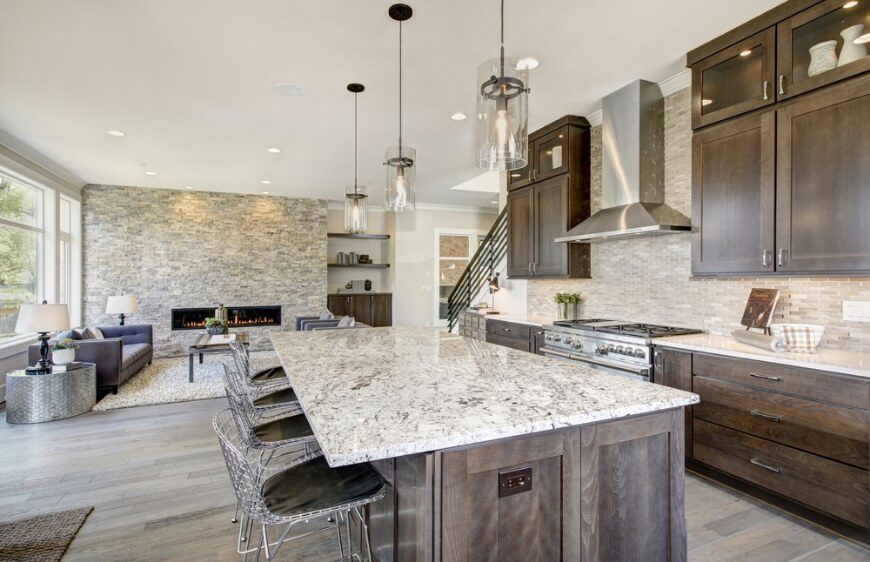
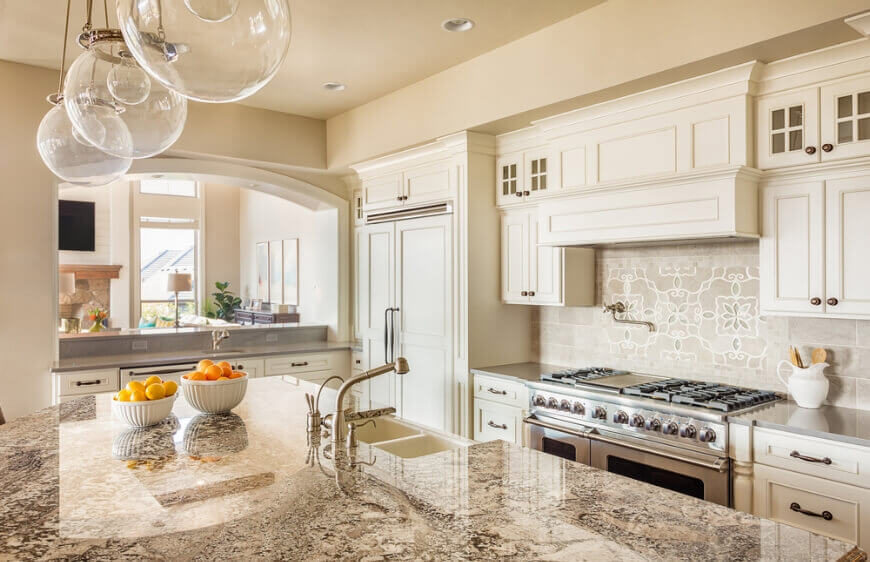
Considered the most durable material until granite-look porcelain tiles were developed, granite defined an era with its colour options. Taking over kitchens as both a worktop and flooring material, it sparked a trend through colours interwoven with gold, silver, gilded and glittering effects. That storm continues...Granite does have one small disadvantage: it is more expensive than marble, itself a luxury material. Whether premium or commercial grade, granite represents an investment in its own right.

There are also products that reproduce granite's texture in ceramic and porcelain tiles. Granite-effect porcelain floor and wall tiles combine granite's timeless appeal with the performance of new-generation porcelain stoneware. Narrow grout joints create seamless-looking surfaces and striking visual continuity. Made from natural raw materials free from plastic, silicone and other toxic substances, granite-look porcelain tiles offer greater promise than real granite through their hypoallergenic and antibacterial properties, resistance to many external factors, recyclability and value for money.

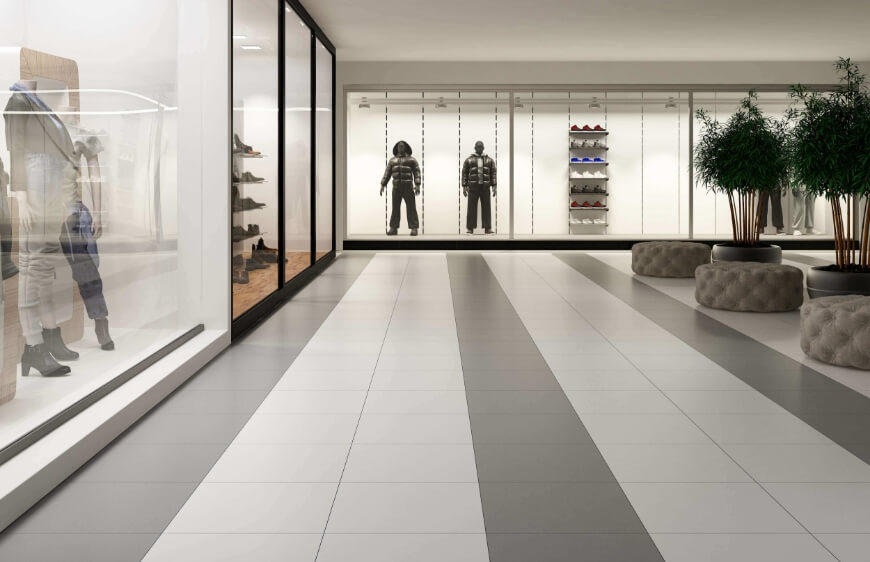
How about a few granite-look tile suggestions? First is Kalebodur's Fjord series, a matt glazed porcelain product with a natural stone appearance. In a 30x60 cm format, Fjord's stacked-stone look gives exterior wall surfaces a particularly striking character. The same brand's Code series consists of glazed porcelain with high abrasion resistance. It can therefore be used confidently in busy spaces such as schools, shops and banks. Available in white, bone and light grey, the series offers matt, crystal and glossy finishes. With a 60x60 cm format and an elegant, simple texture, Code is available in rectified and non-rectified versions.

  1. Can pebbles become tiles? Yes.

Technology has reached a point where imagining is no longer enough: the design world is driven to realise even the unimaginable and bring it to users. Pebbles and rock are examples. These two materials, as characteristic of nostalgic buildings as terrazzo, now live on in porcelain tiles.

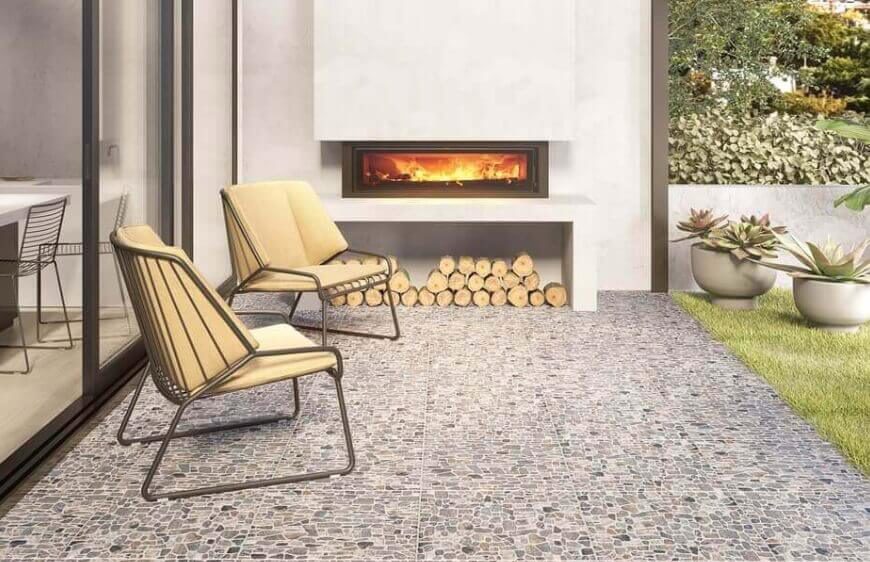
For example, Grava brings the charm and warmth of pebbles into living spaces, combining pebbles in warm and cool shades. Its sand-coloured surface stands out in a 45x45 cm format, with matt and non-slip texture options. Garden, another of the same brand's newest series, offers an unusual presence without compromising natural character. The rugged stone appearance created by combining rocks gives every space a distinctive identity. The series' matt and non-slip surfaces in a 45x45 cm format harmonise beautifully with brown, the colour of nature!

Mekanınızı yapay zeka ile birkaç saniyede yenileyin!

Mekanınızı yapay zeka ile birkaç saniyede yenileyin!

Seçtiğiniz ürünü evinizde görün.

Evinde Gör

Banyonuzu yeniden tasarlamaya ne dersiniz?

Banyoda Gör

Blog

Explore All

Compare

Compare
Compare