



Success
Your request has been successfully received. We will contact you as soon as possible.

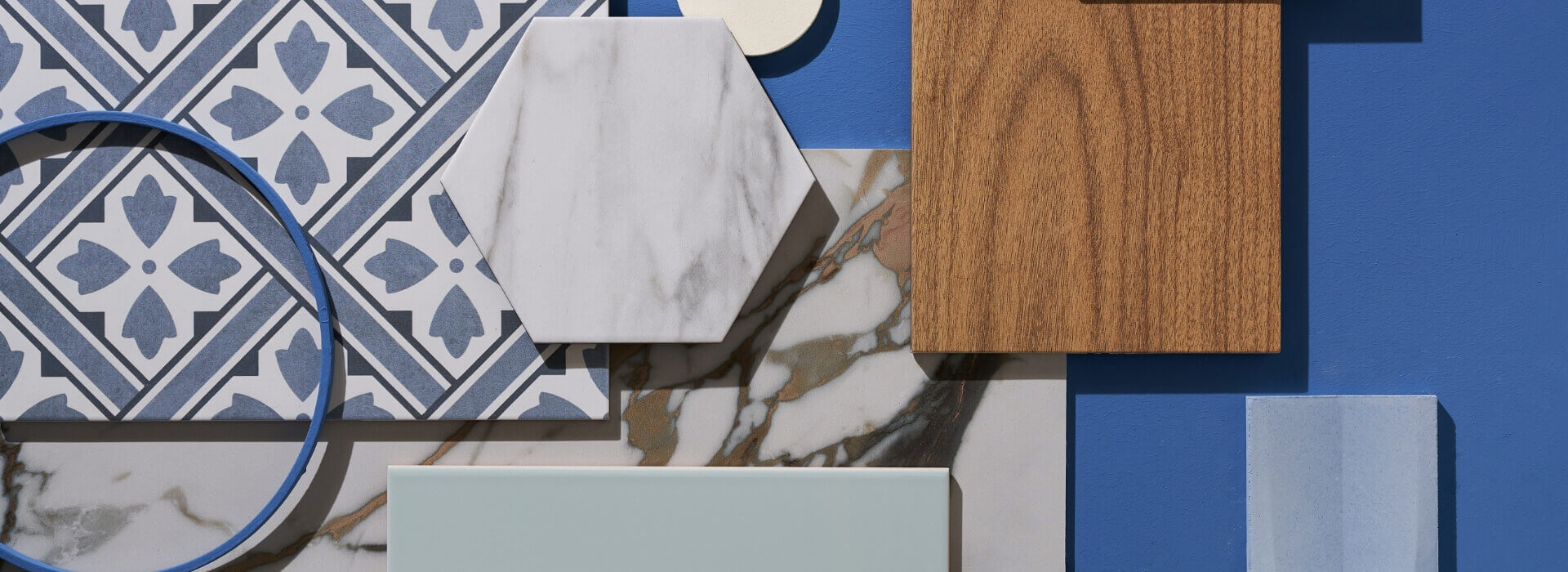
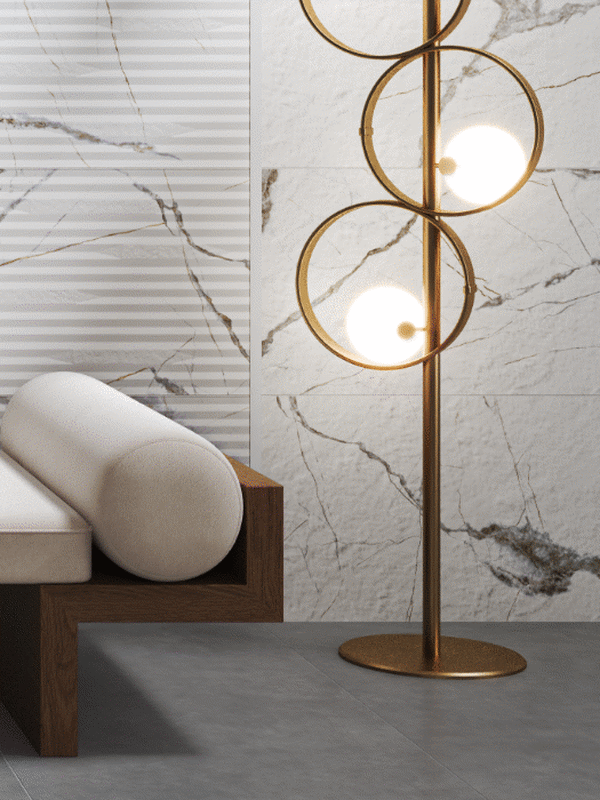
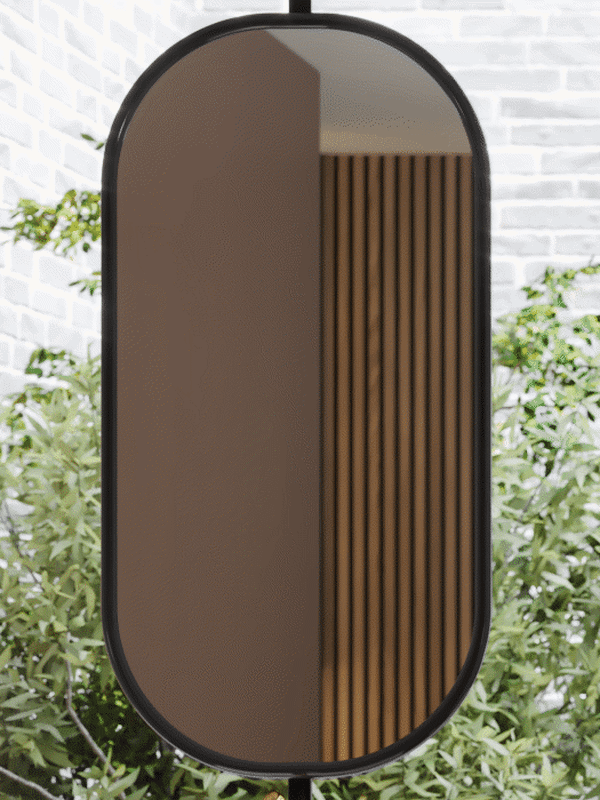
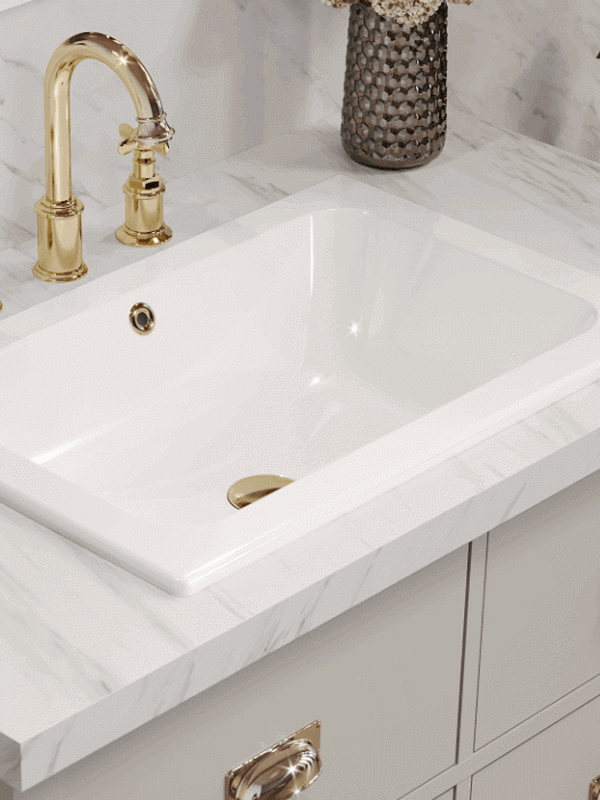
Mixing styles in decoration to create mix 'n' match schemes is hardly a new concept, especially when we consider that many decorative movements emerged from a blend of two earlier schools...
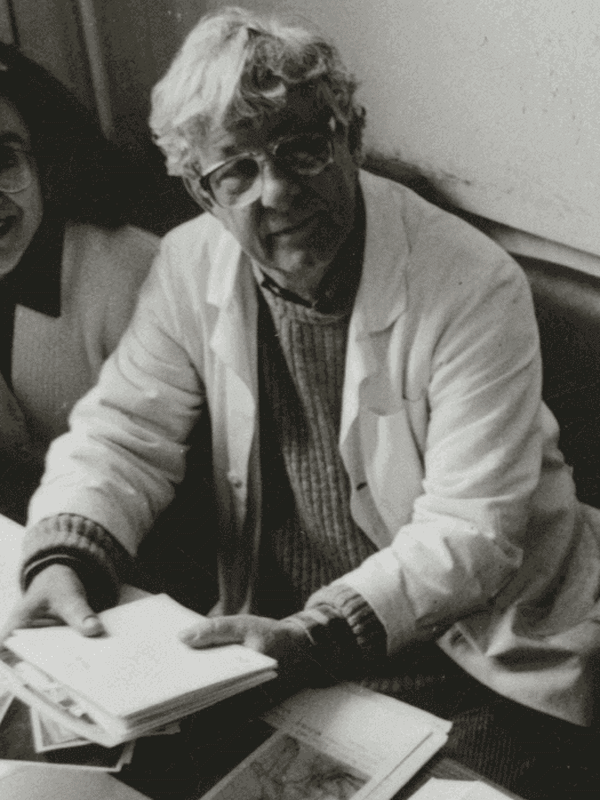
The comments made by 100-year-old interior designer, fashion icon and supermodel Iris Apfel about fashion and style in a recent interview suddenly went viral, prompting everyone to take another look in the mirror. What did Apfel say?
'Having style and being fashionable are two completely different things. You need money to follow fashion, but originality and courage to have style. Because style is in your DNA.'
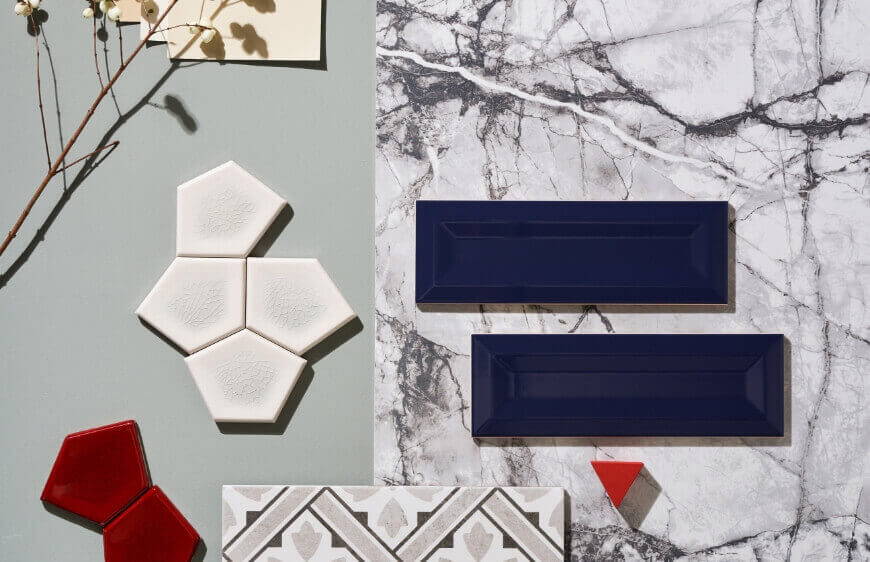
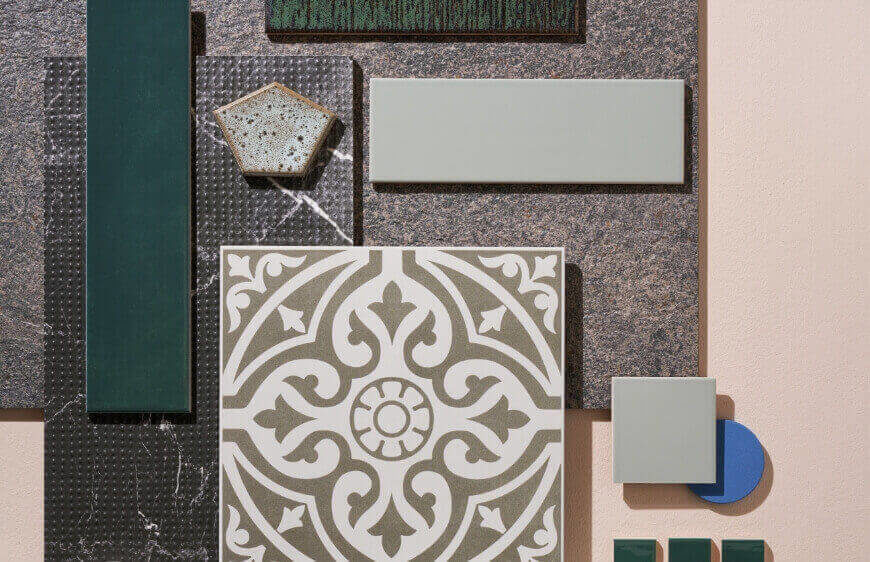
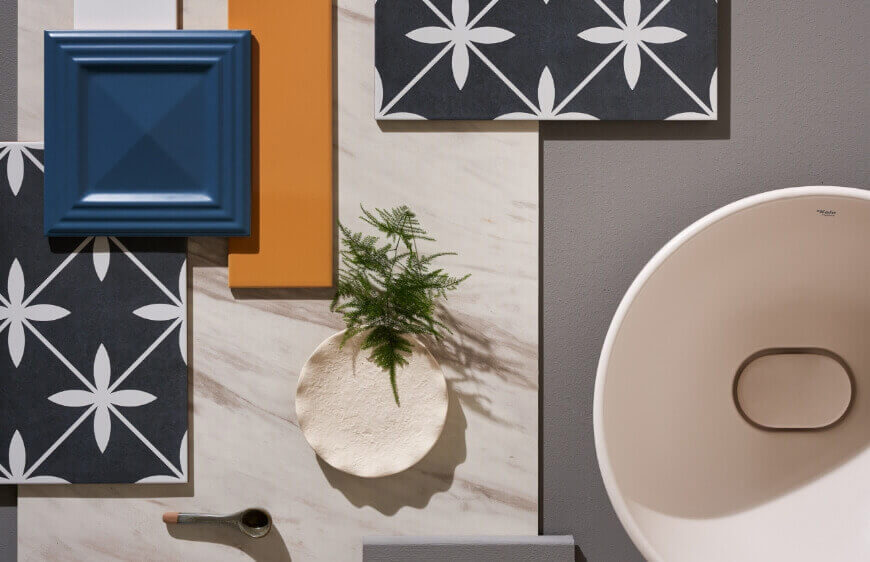
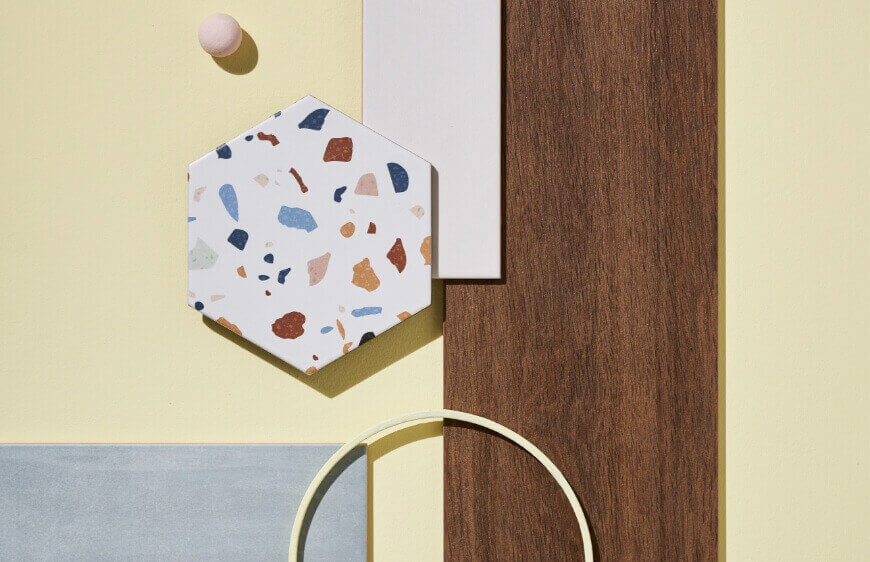
These three sentences from the celebrated icon could provide an extensive road map. But let us focus on the central idea: by listening carefully to what fashion, trends and popular movements have to say, you can stay up to date and even buy into all of them. Yet if you want to have style, you need to strip them away and create your own path, your own line, your own fingerprint.
This should apply not only to your wardrobe but to every area of everyday life, from your home to your eating habits. These are the real steps towards style!
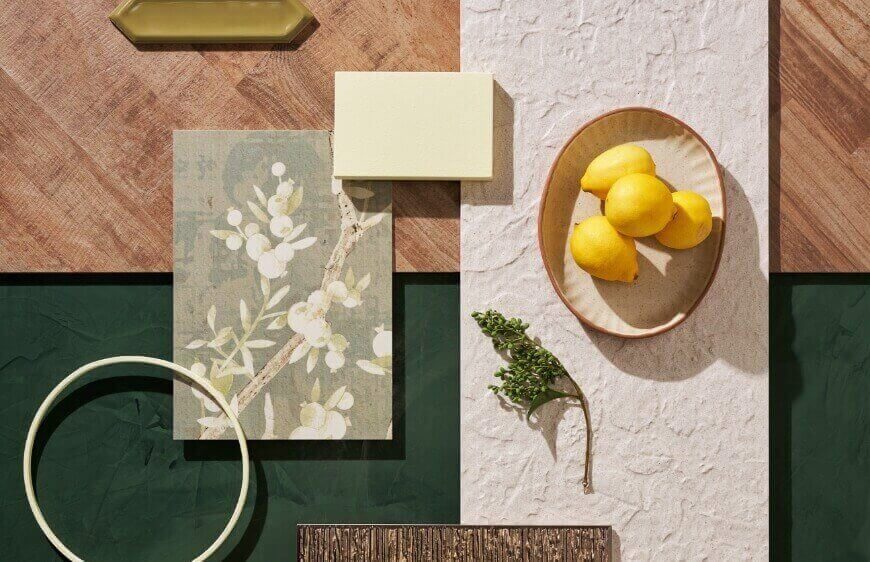
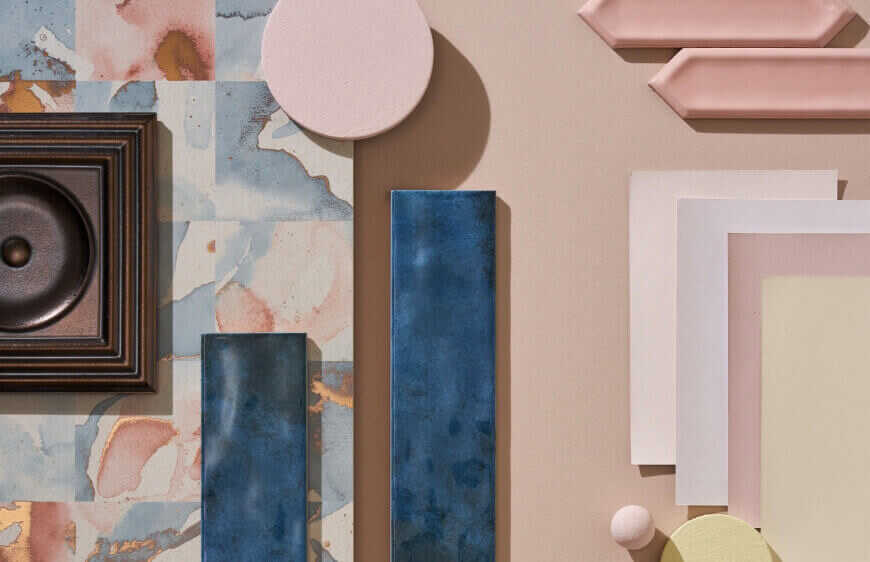
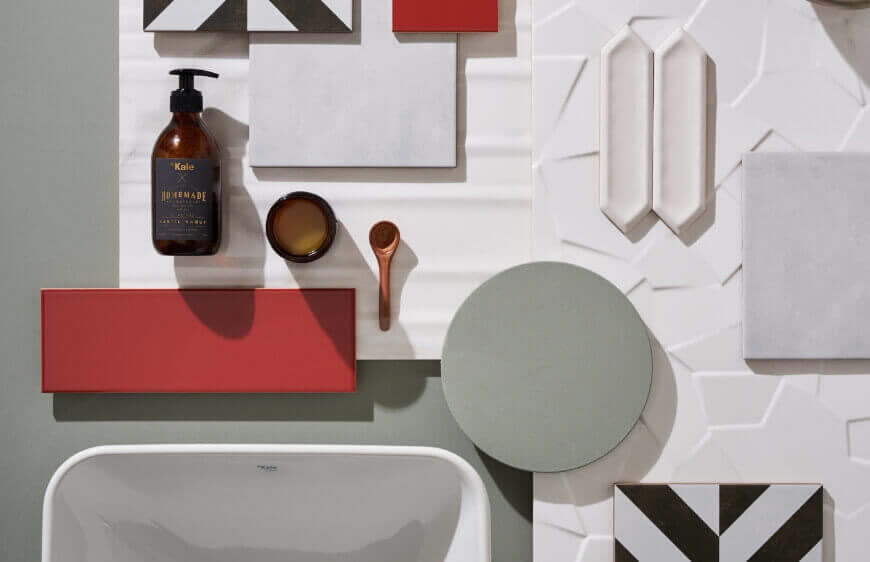
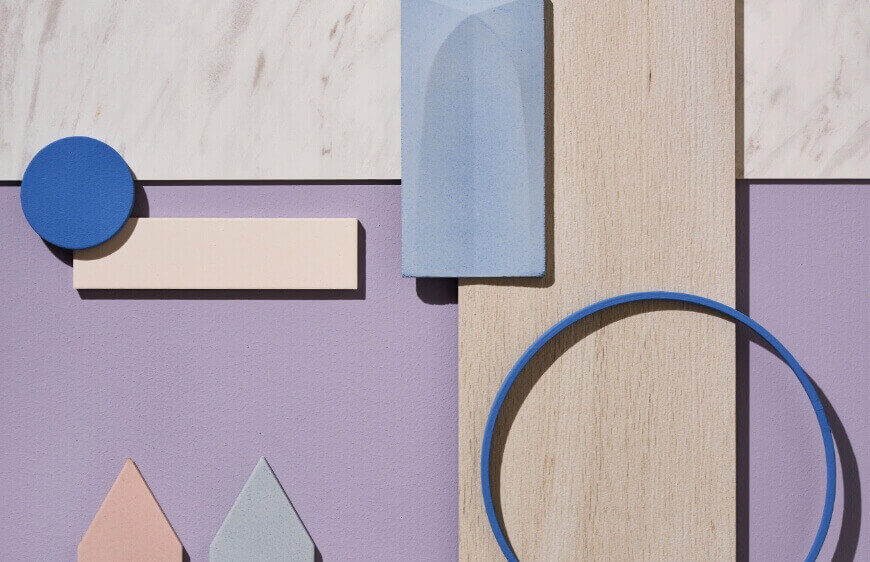
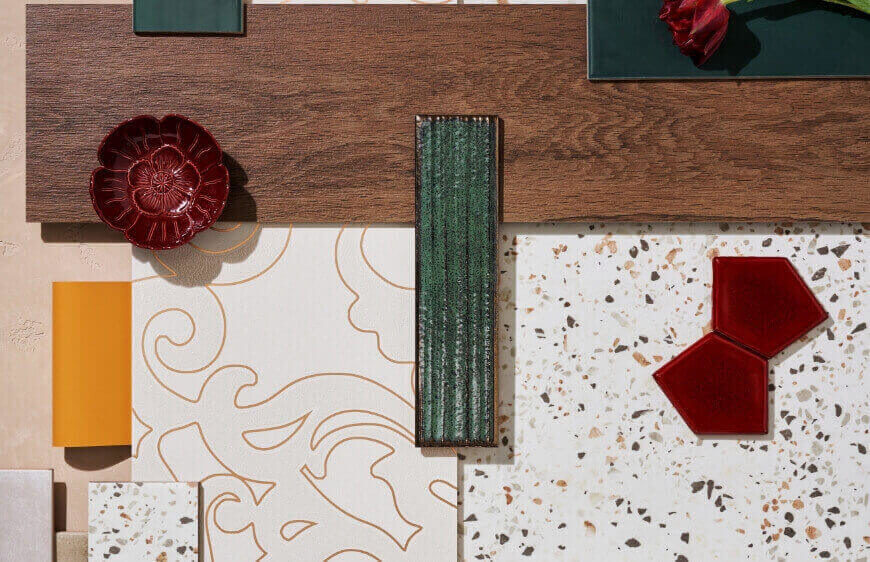
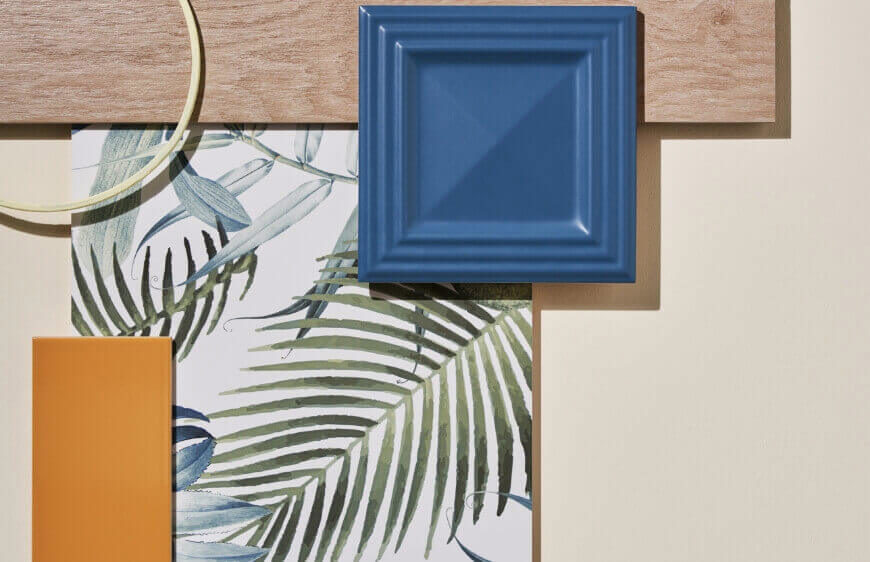
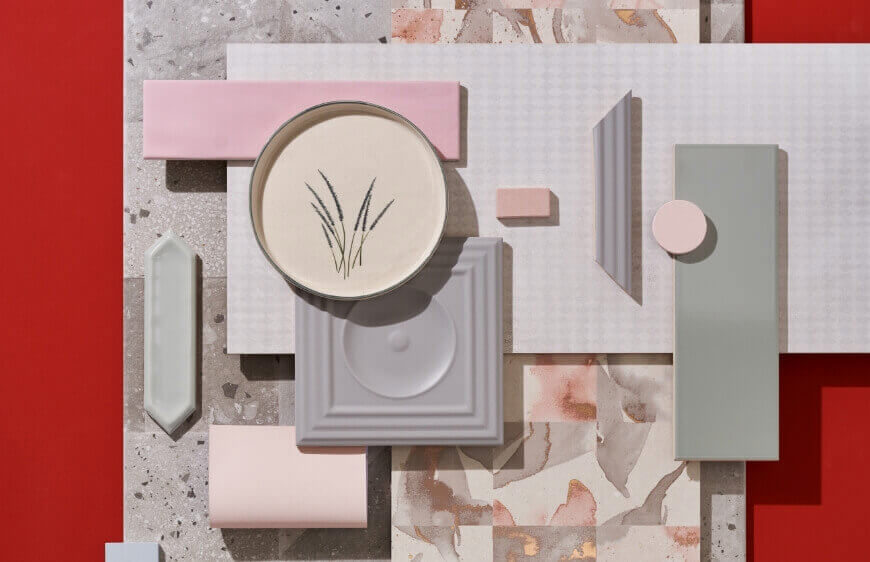
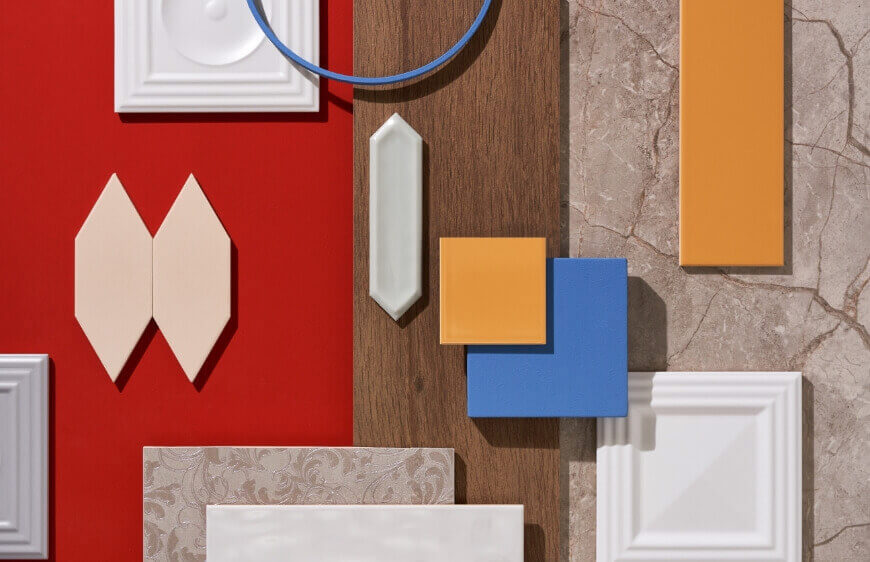
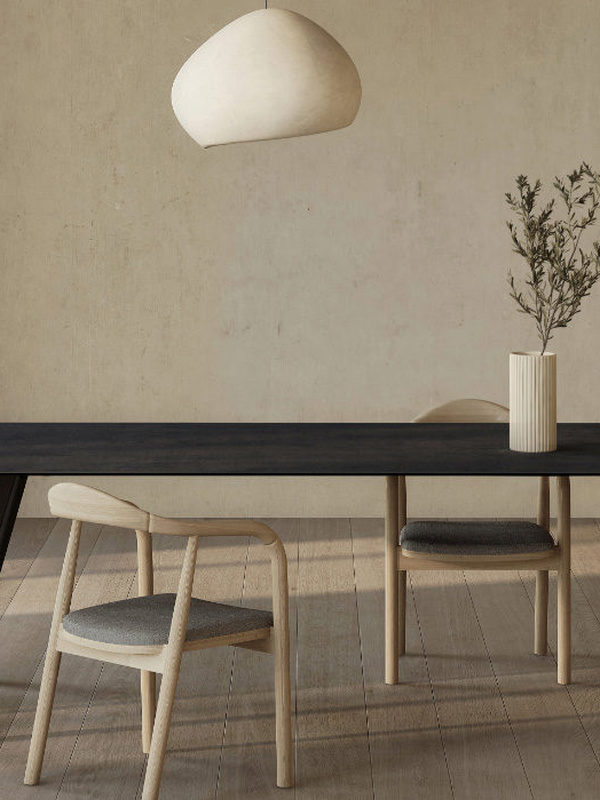
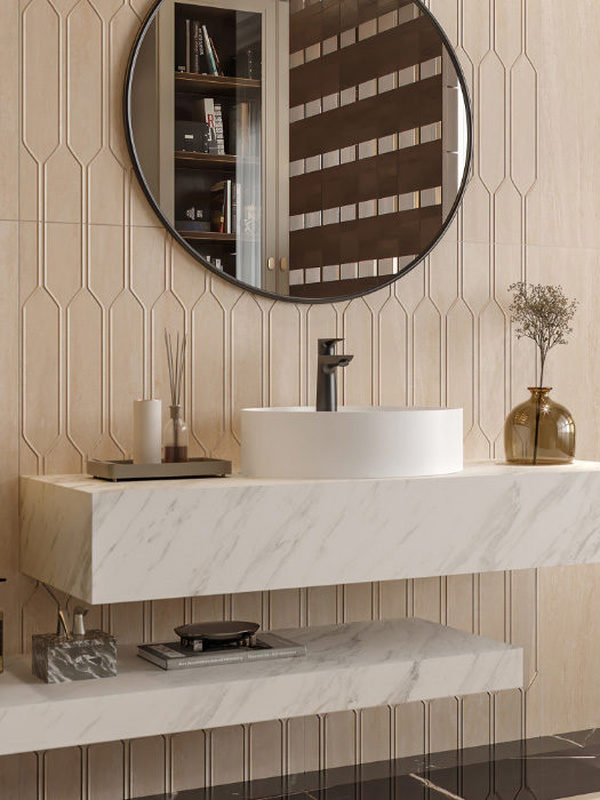
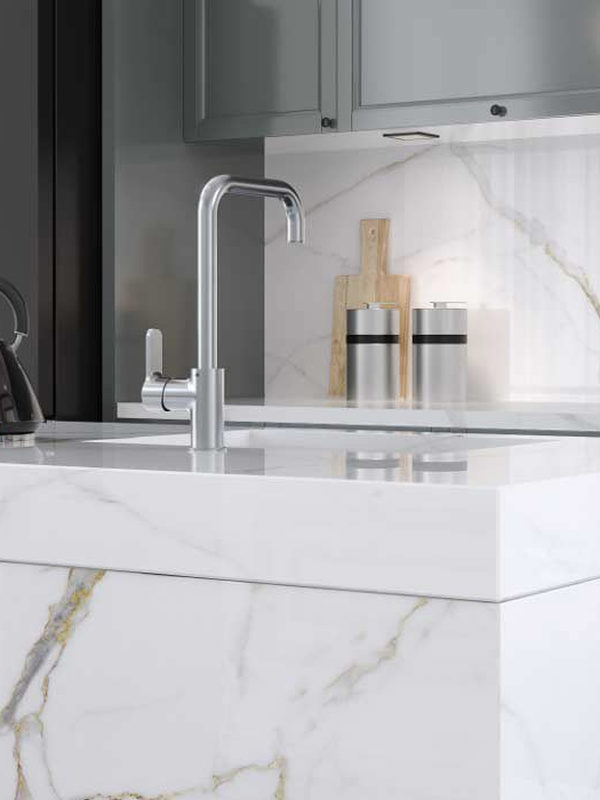
The word 'courage' certainly deserves emphasis here. When creating a style finds its meaning in courage, what is expected is not the application of ready-made trends, but a perspective full of creativity, a desire to stand apart and a search for new interpretations. This becomes possible by combining, synthesising and bringing together different disciplines. It is a skill we call mix 'n' match: the ability to unite different extremes and create a new composition.
Mixing styles in decoration to create mix 'n' match schemes is hardly a new concept, especially when we consider that many decorative movements emerged from a blend of two earlier schools. Many styles that remain enduring today arose when different sources of inspiration, materials and forms came together under one roof, developed an entirely new language and achieved remarkable harmony. Such combinations naturally carry risk and demand courage. The moment you leave consistency, stability and the status quo behind, you enter uncharted waters. But is that not what a revolution is?