Micro-Living in the Metropolis

Micro-Living in the Metropolis

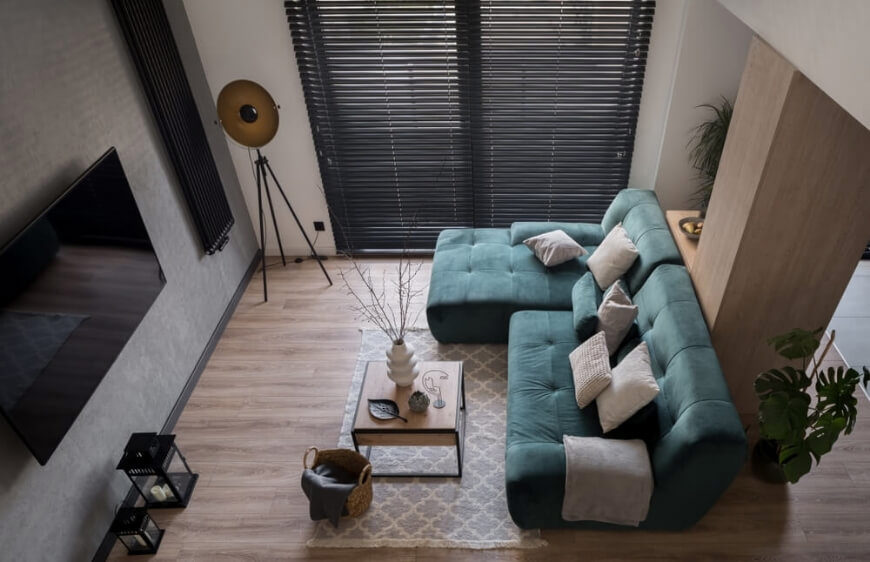
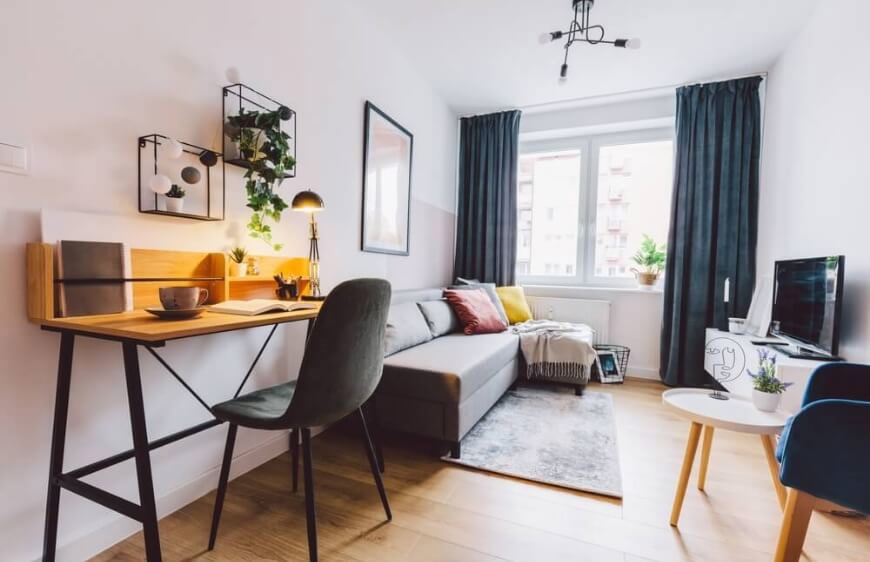
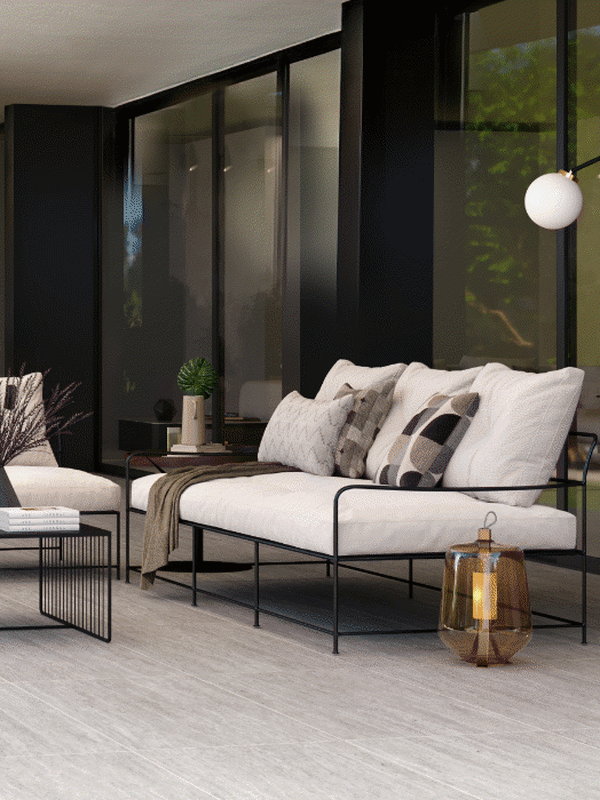
Apartments designed for people who prefer metropolitan life and central city neighbourhoods are giving rise to a new concept: micro-living!

As the treasures of compact living spaces—multifunctional furniture, mobile units and lightweight, space-saving designs—become increasingly common in shops, the signals tell a story. The design world is working to help city dwellers who love metropolitan life and central locations live comfortably, happily and at pace in their small homes. It is a movement: micro-living in the micro-homes of the metropolis...
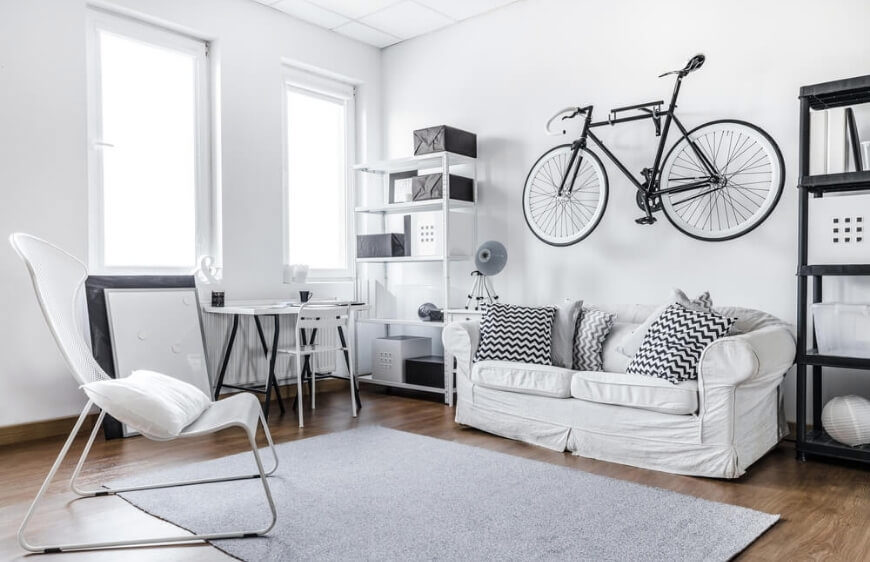
Many of us have, at some point, wanted to buy a sofa that turns into a bed, divide two corners with a semi-open bookcase or squeeze a laptop table in front of our armchair. In fact, we should see this imagined tendency as the practical needs imposed by the city apartments we inhabit—needs that concern us all. Housing challenges, especially in major cities, involving limited floor space and affordability push us towards these choices. We all find ourselves trying to gain space, and practical ideas allow us to live almost like illusionists. The message is clear: smaller living spaces are our future, and it seems there will be little chance of escaping them...
A survey of more than 5,000 people in London by Opinium Research confronts us with certain realities. Forty per cent of young people in their twenties are postponing starting a family because of rising house prices. Four out of every five respondents even say they want to leave the place where they live. That is a very significant proportion. Transport costs, which rise the further people move from the city, clearly suggest that these young people will continue to face financial difficulties even if they move away.
This is why collective living, or co-living, is on the rise. In recent years, brands offering open-plan co-working spaces have even begun providing living accommodation above their offices for workers. Technology, which gave us freedom through flexible working hours, now proposes removing the barrier between life and work.

Over recent years, the economic crisis and the pandemic led us all to spend more time at home, and the more we lived in our homes, the better we began to understand them. This habit brought more people into the world of decoration, prompted changes at home, gave rise to new brands and encouraged online shopping, even leading us to design everything and communicate in the digital world. Particularly when these homes are the apartment boxes described above, people began calculating something else too: how to unlock the secrets of micro-living for many years in a small space with smart home solutions.

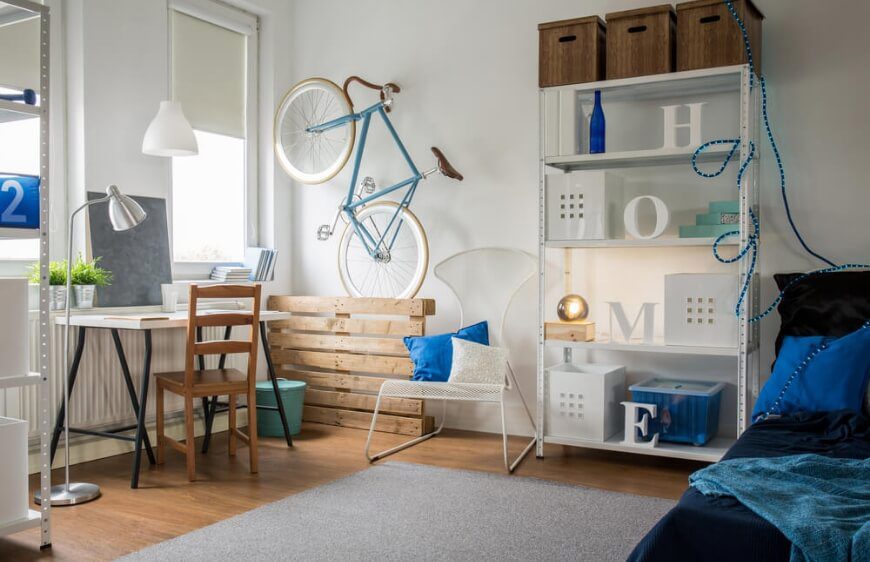
So, what can we do to support micro-living in micro-homes? As we all contend with limited floor space in city life, efficient storage becomes a subject requiring careful thought. The first step is to identify what we fundamentally need. Storage beds and L-shaped sofa beds are already at the top of everyone's list for small homes. Yet we make very little use of our walls. More precisely, we keep looking for cupboards instead of shelving systems. Walls need to be used efficiently. Well-organised storage areas make life easier and create quality living spaces without taking up too much room. Think of drawers and storage bases under beds and sofas, or ottomans and coffee tables with chest-like interiors. Beyond conventional solutions, turning the space beneath stairs or between columns and beams into storage units is another of the storage methods that can produce attractive, practical results.

Ultimately, we can unlock the secrets of micro-living by using furniture that serves five purposes at once, playing musical chairs with movable modules and making intelligent use of every surface. Let us now look at this room by room:

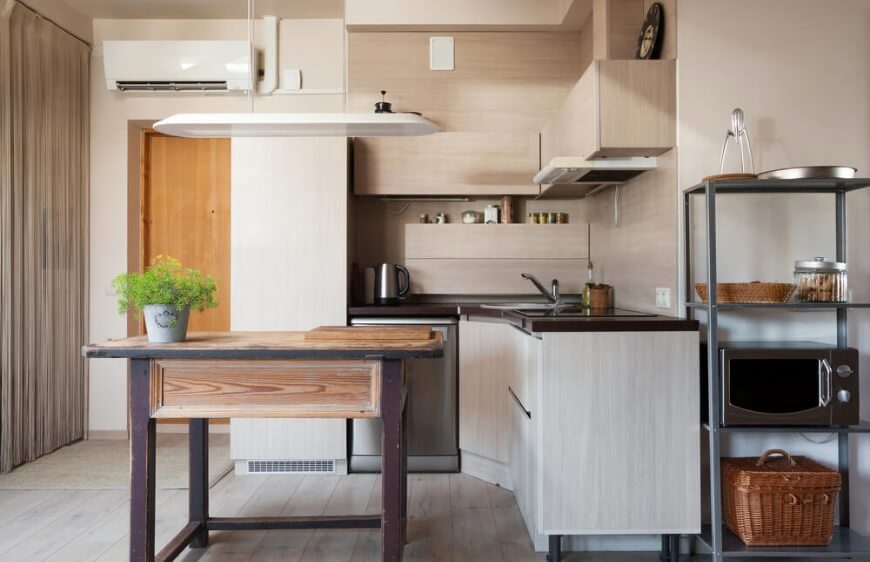
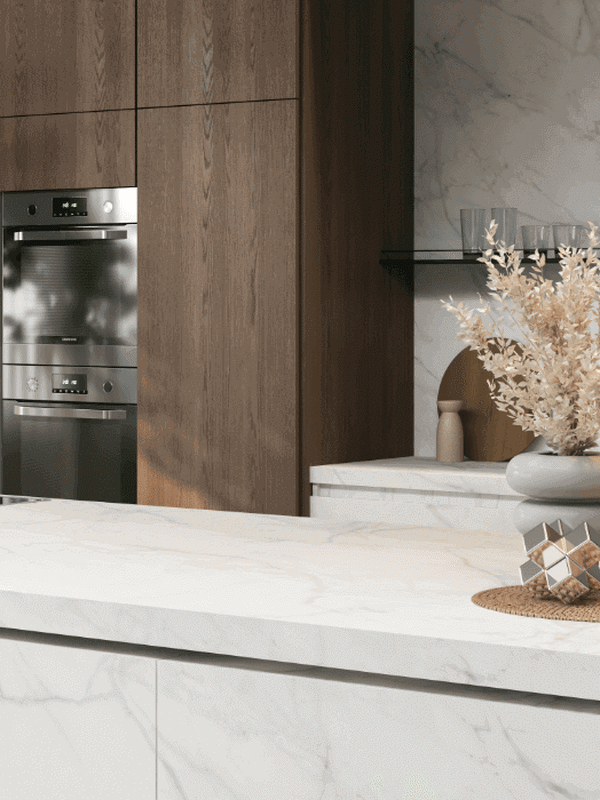
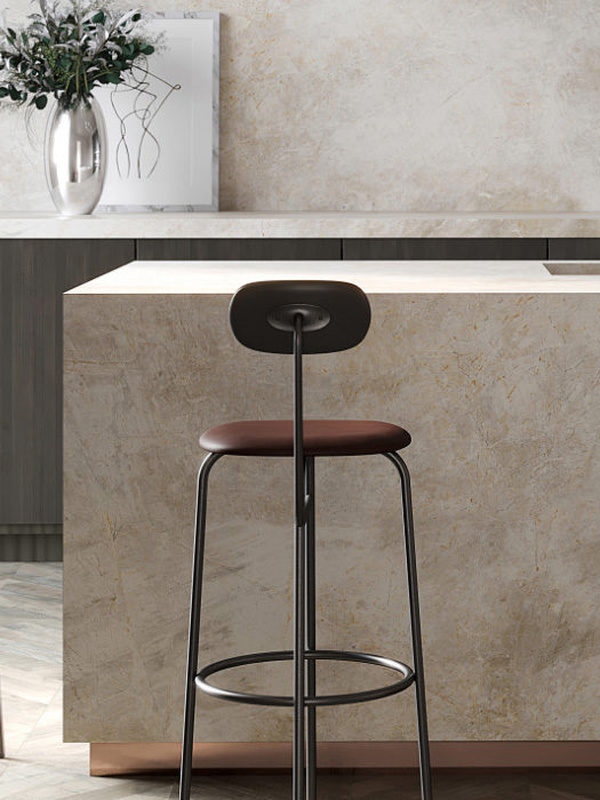
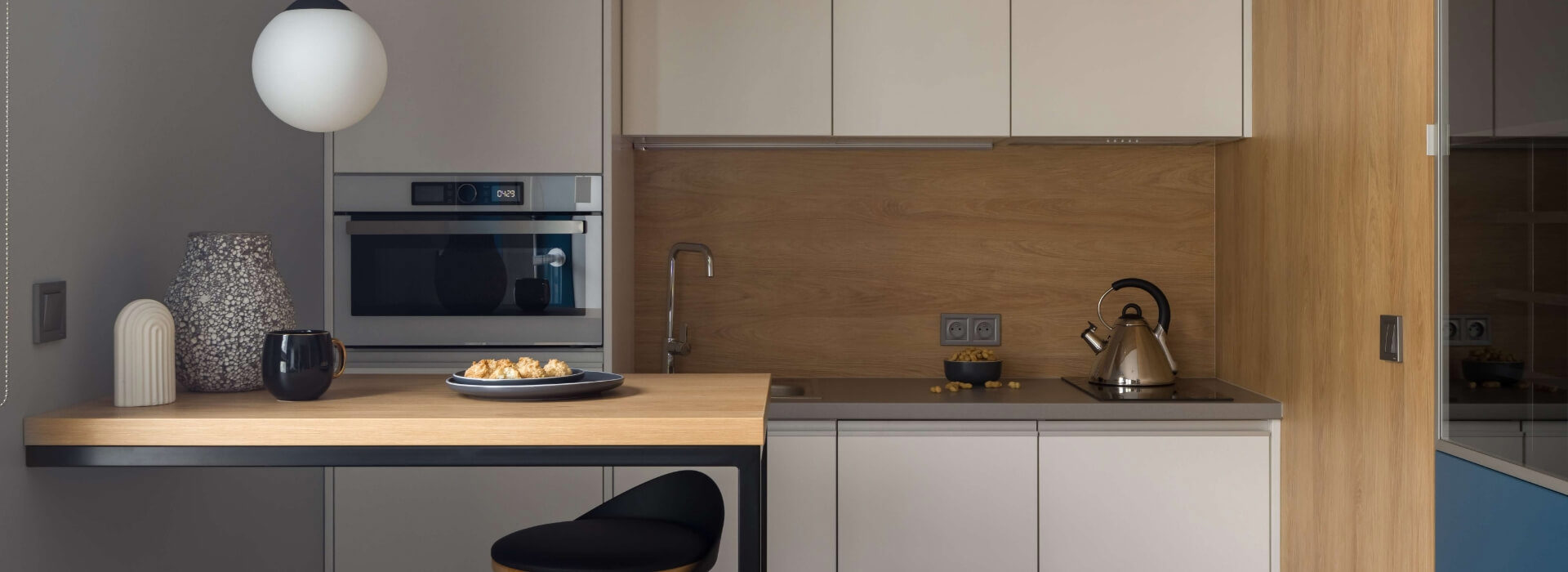
Micro-living in the kitchen

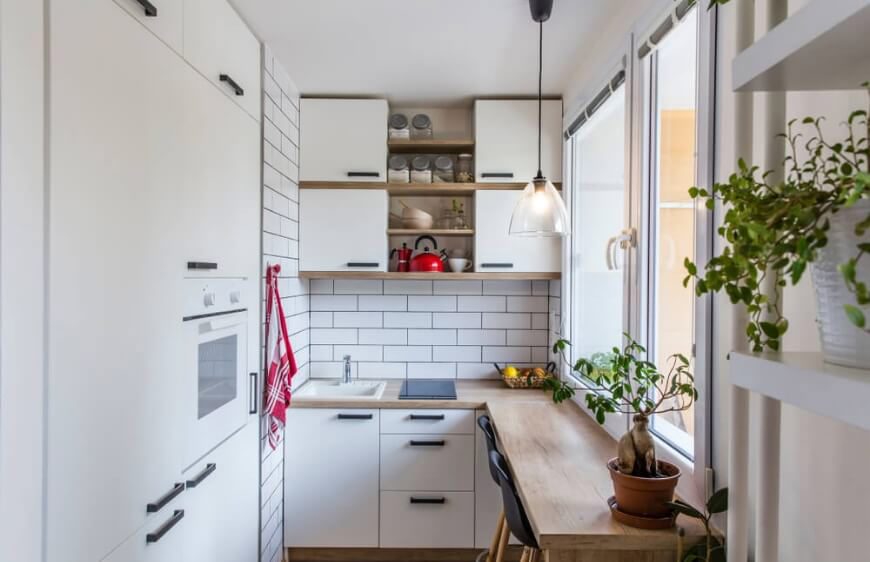
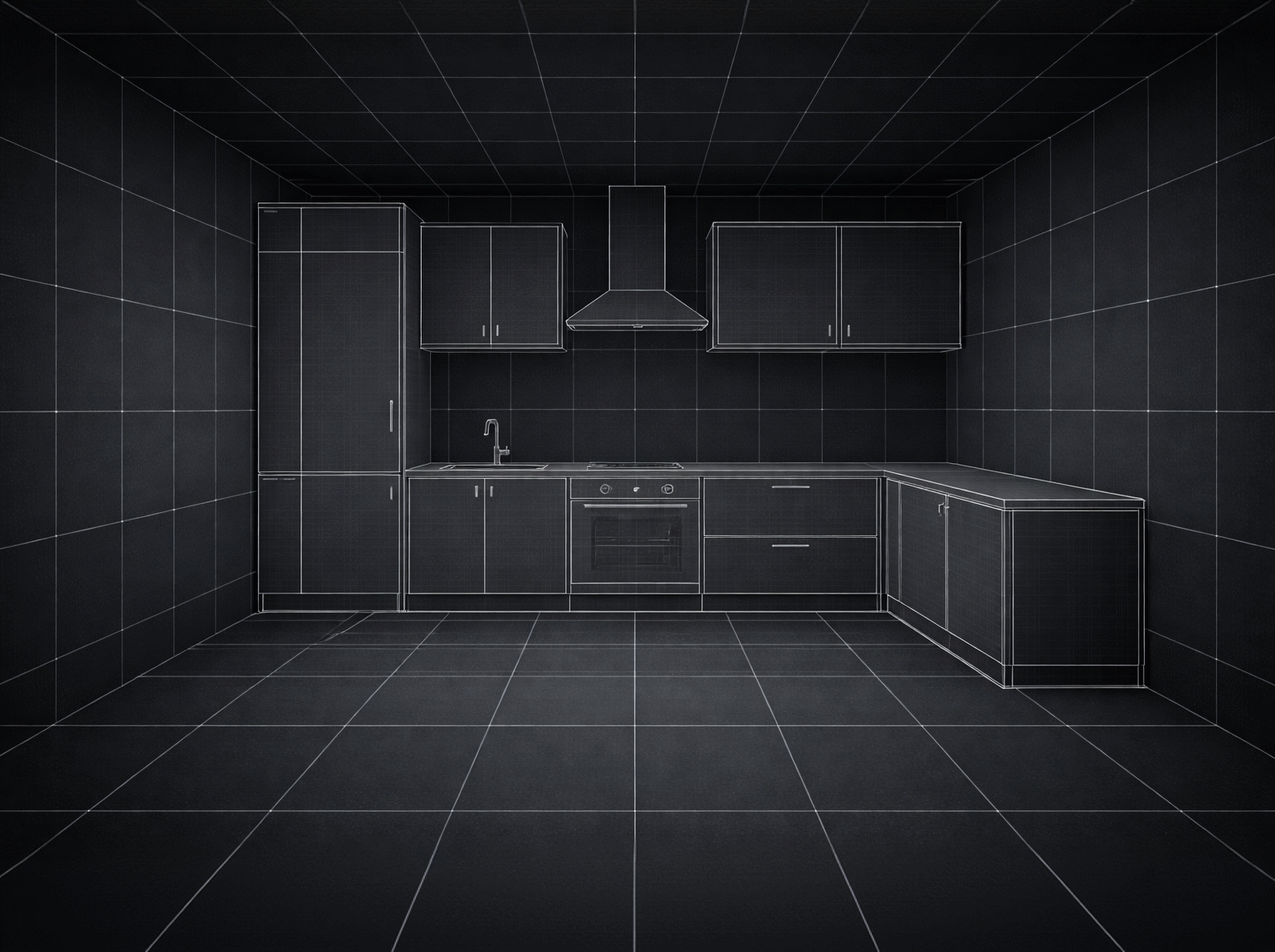
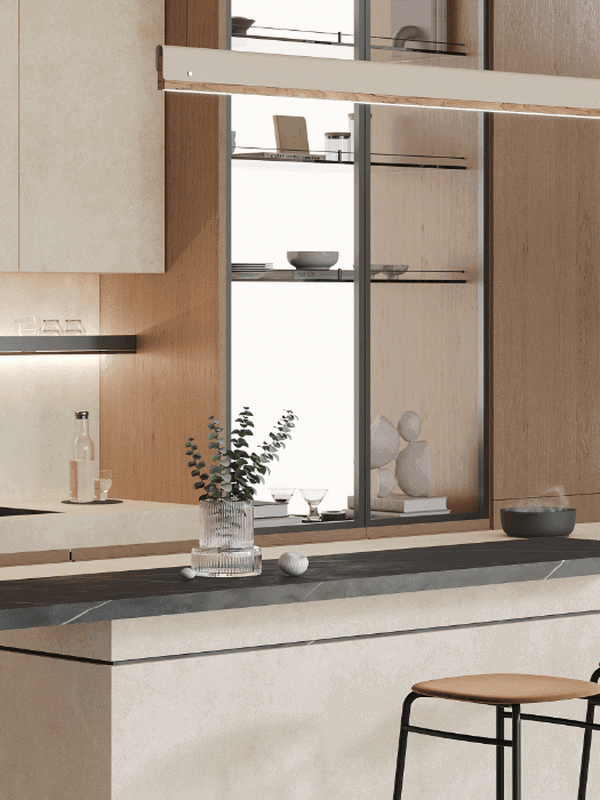
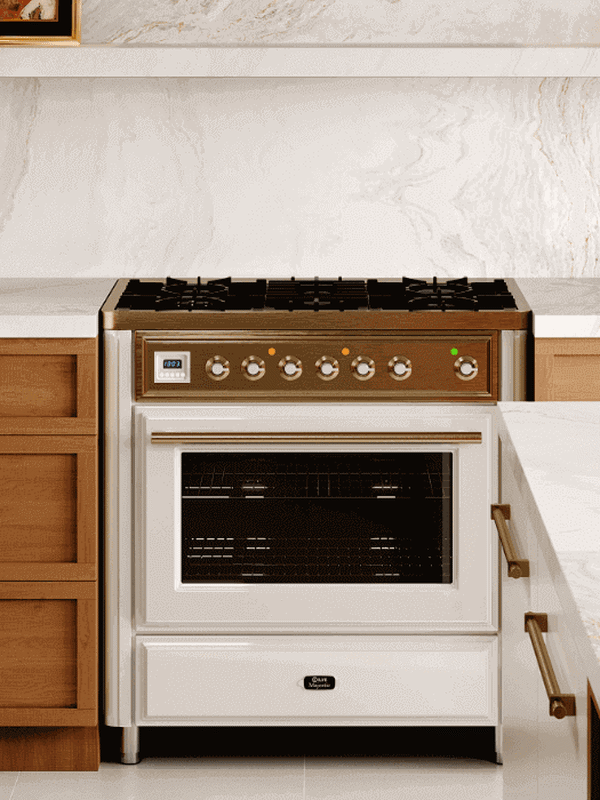
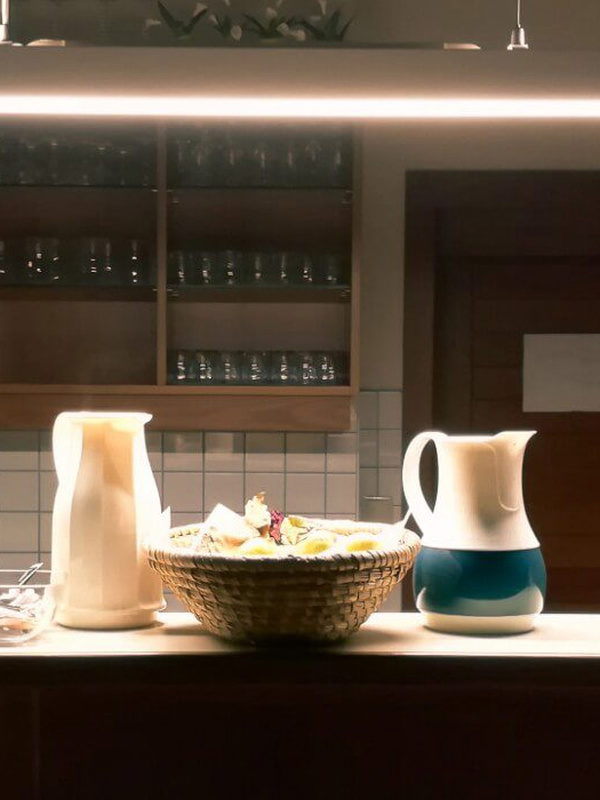
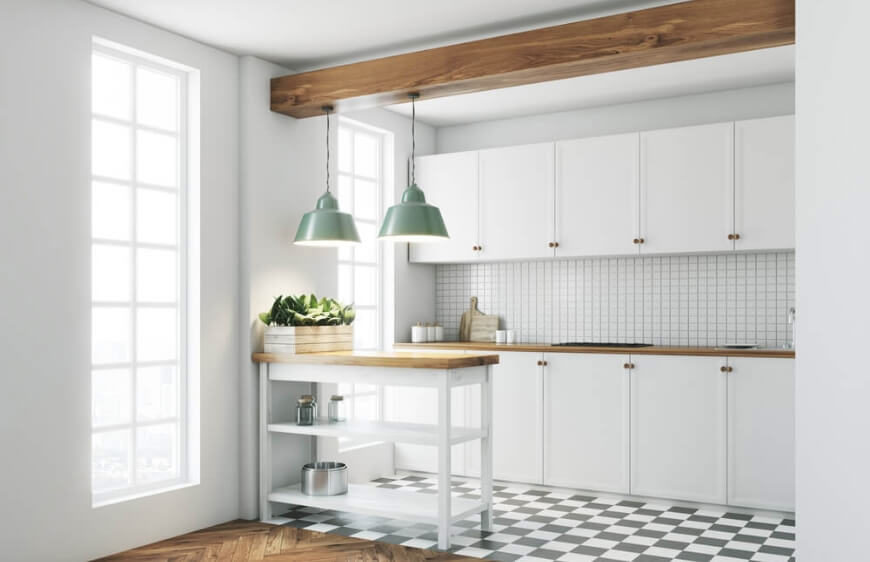
The size of your living spaces should not change the principles behind your storage organisation. Although smaller homes need more storage, remember that larger homes require the same organisation. Kitchens, the heart of the home, are among the living spaces that need to remain tidy and orderly at all times. Good planning is essential in a kitchen, where creating multifunctional storage is one of the most important rules.

To-do list:

  • Never forget the help that drawer organisers and rail systems can offer in the kitchen.

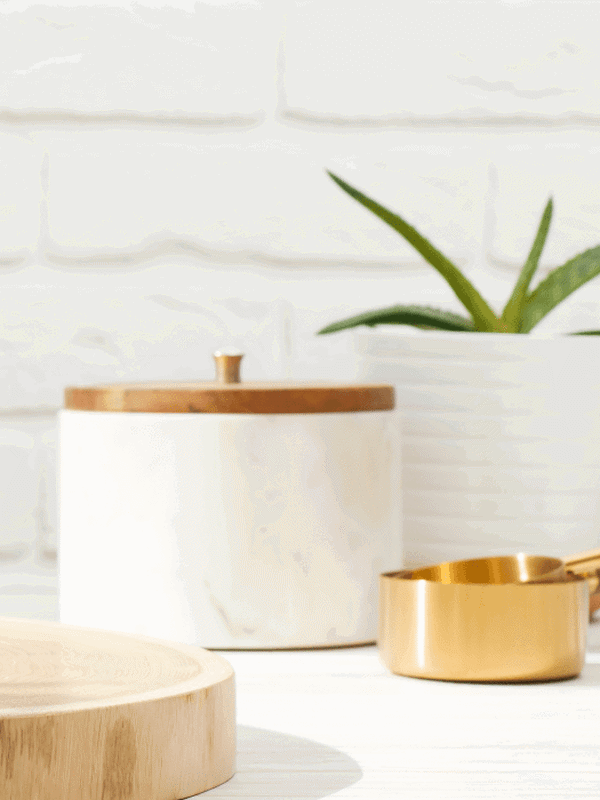
  • Glass, ceramic or metal jars, vacuum storage containers, baskets, boxes and adjustable shelf inserts help you sort your equipment.

  • Always label storage containers with their contents.

  • Keep your kitchen organised by placing the items you use most within easy reach and those you use least on higher shelves.

  • Everything should have its own place. Pots, pans, small appliances, dinnerware and glasses should be stored separately.

  • Positioning appliances in related locations will make working in the kitchen easier.

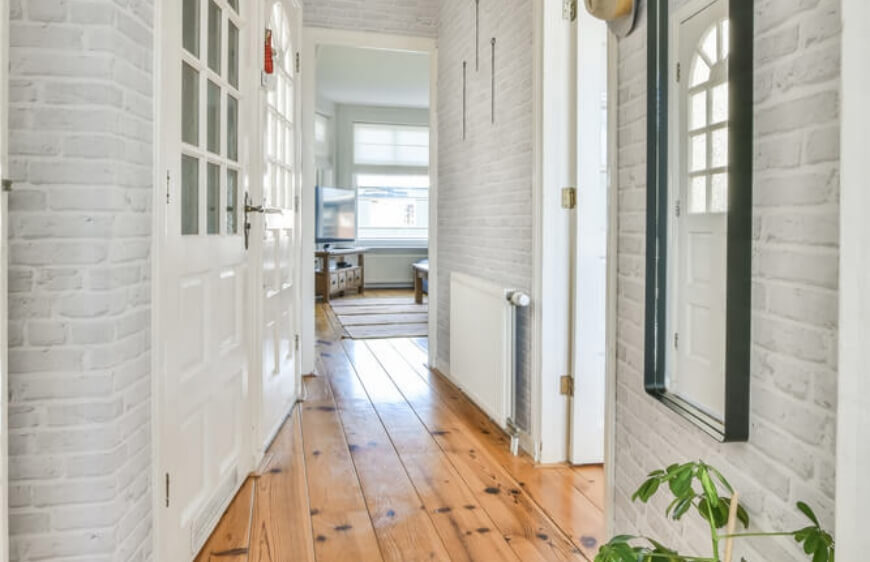
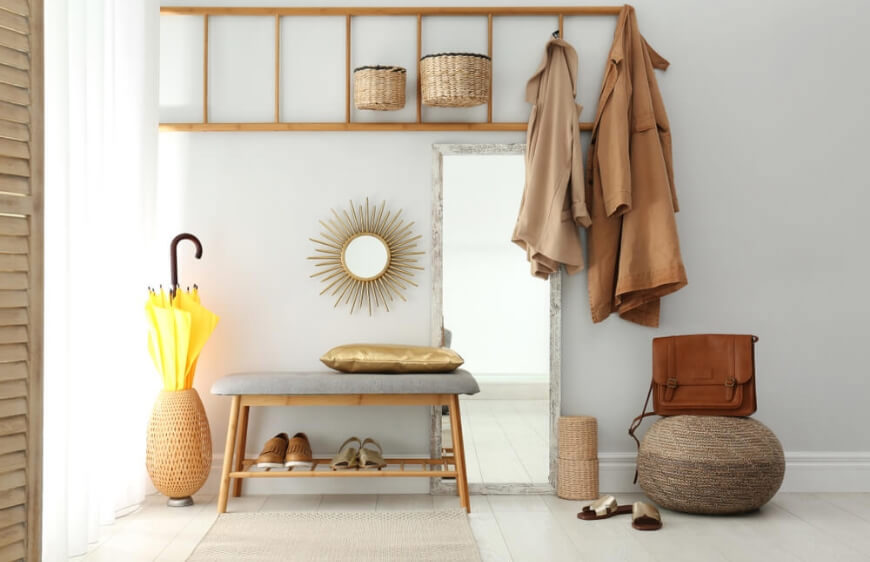
Micro-living in the entrance hall

Entrance halls are among the most difficult areas to keep organised. Everything gathers here, eventually creating clutter that is hard to tackle. Yet an entrance hall is like a mirror of the home. To achieve impeccable order in this space, which manages all the traffic through the house, you can use small tricks and creative ideas to turn it into a living area in its own right.

To-do list:

  • If you have no room for a hallway cupboard or freestanding coat rack, use a wall-mounted rack with shelf compartments or hooks.

  • Separate your children's belongings from your own to create an environment where they can dress and get ready independently.

  • Cupboards in various sizes, with multiple compartments and with or without doors, are the best solution for shoes in an entrance hall. If there is no cupboard, you can keep them on wall shelves and in clear boxes.

  • Storage ottomans can hold your hallway belongings and also provide a seat when you put on your shoes.

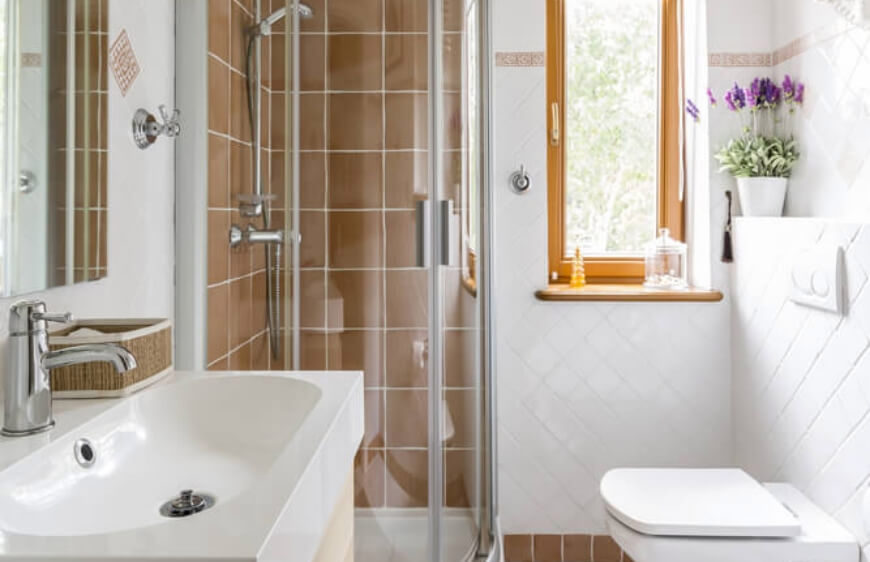
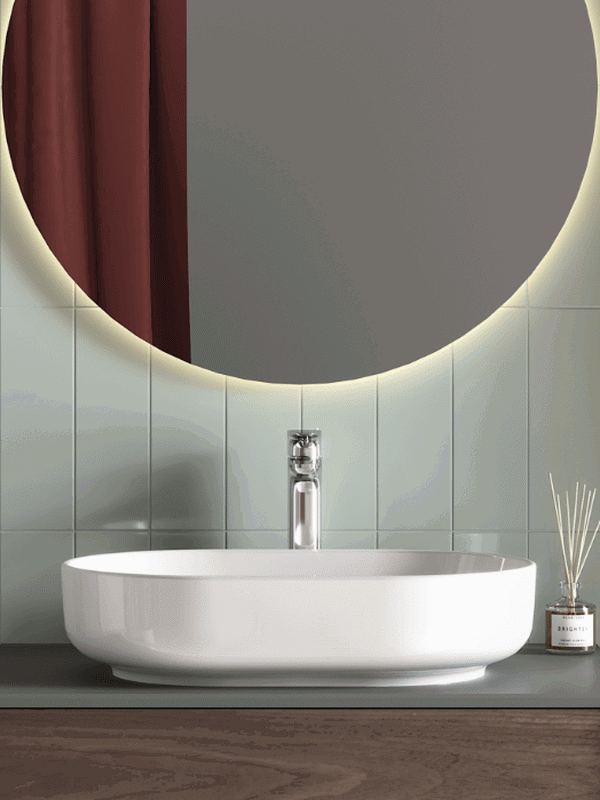
Micro-living in the bathroom

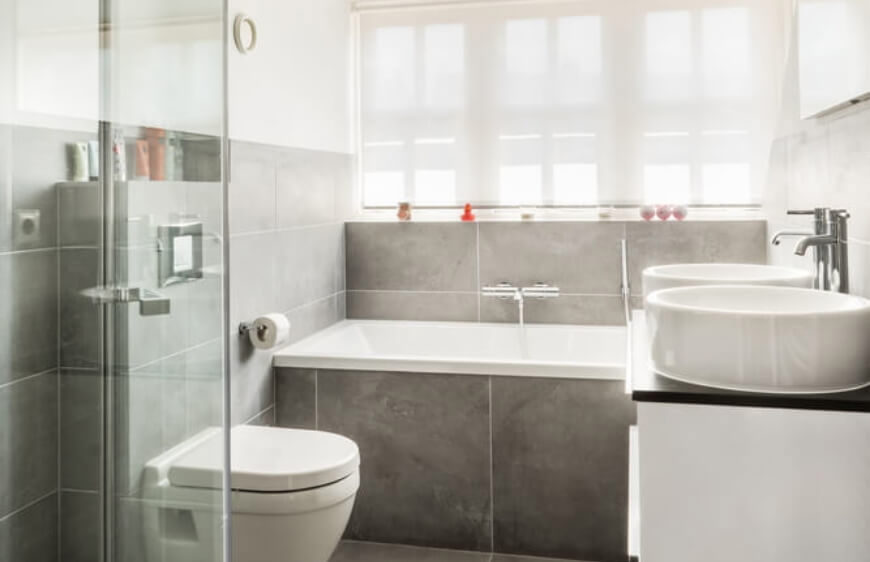
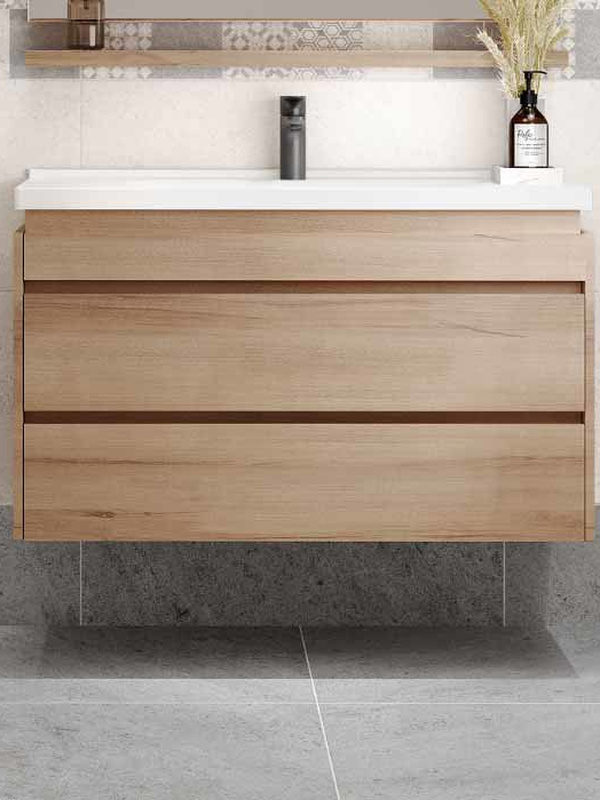
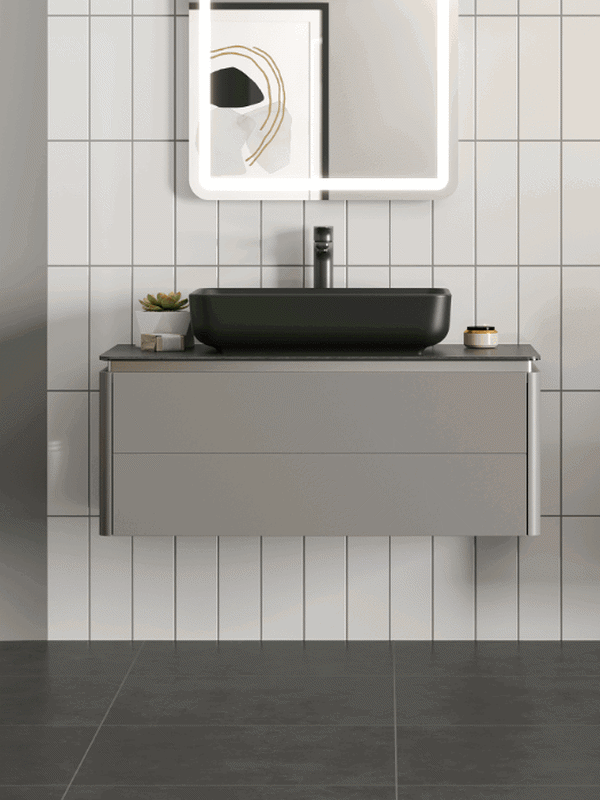
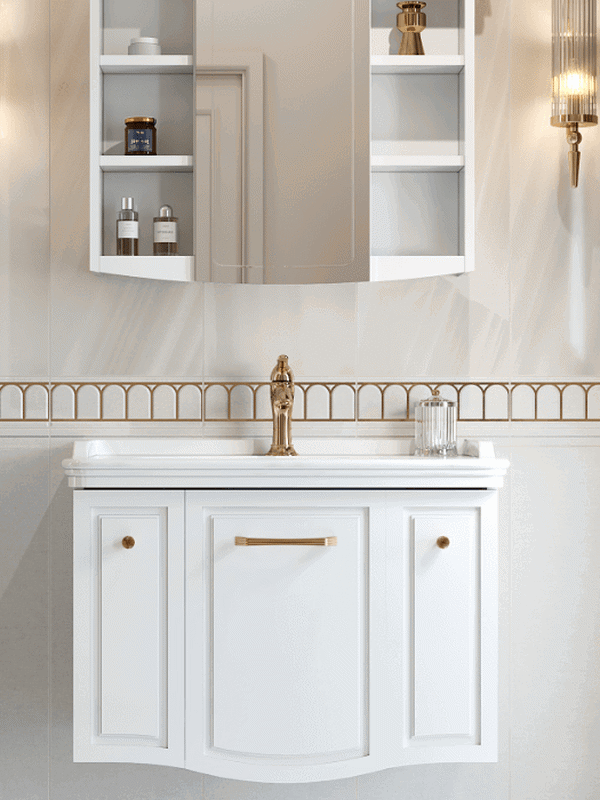
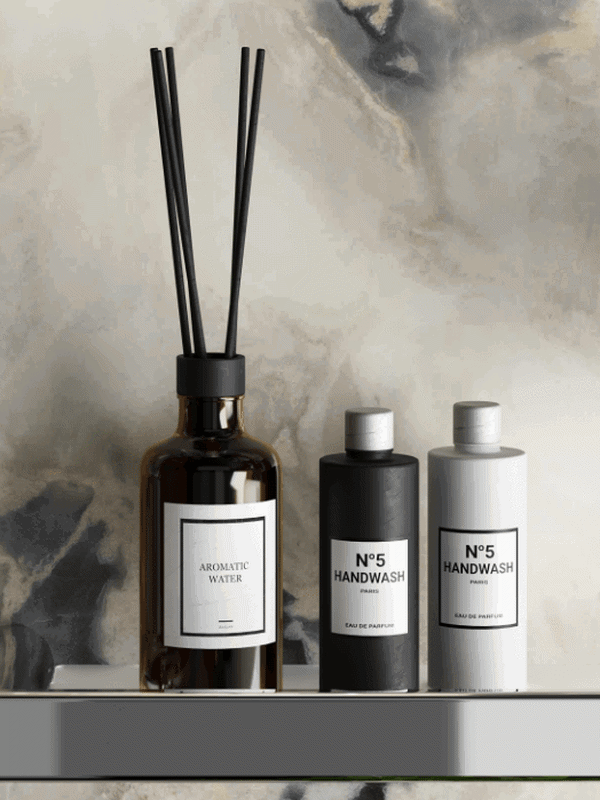
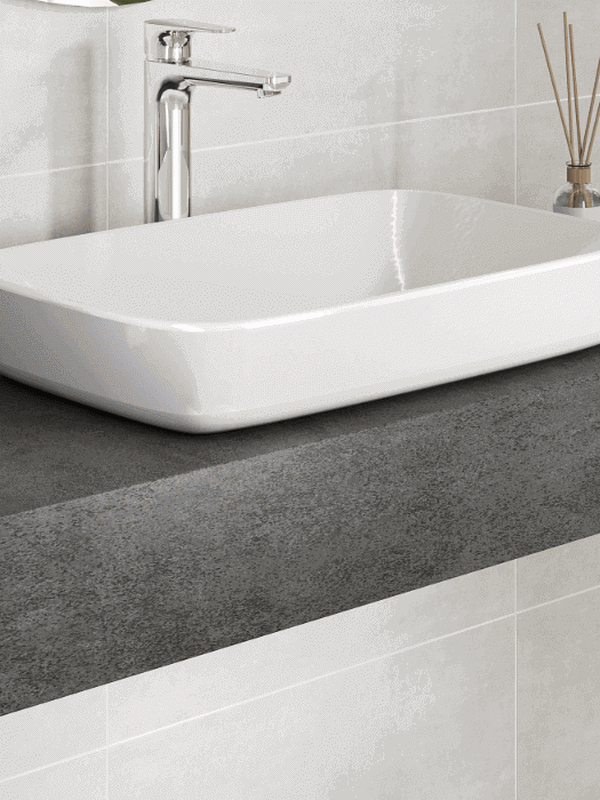
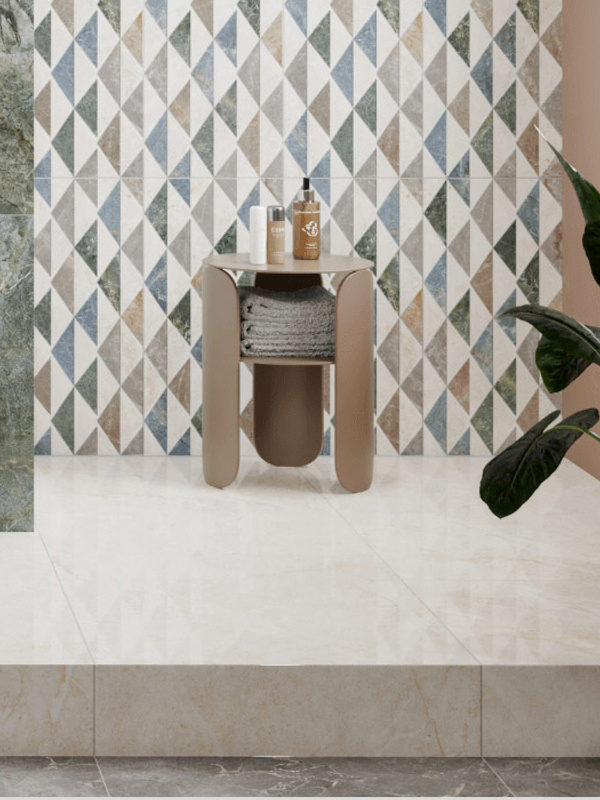
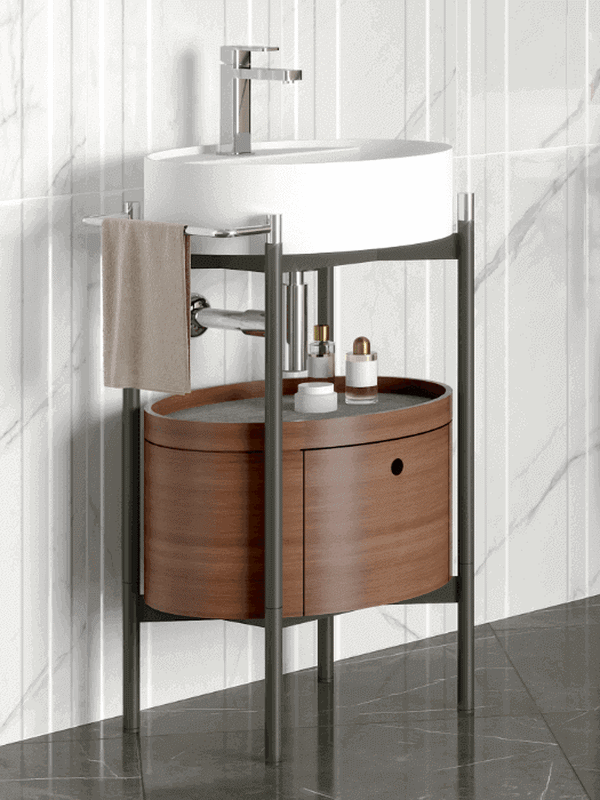
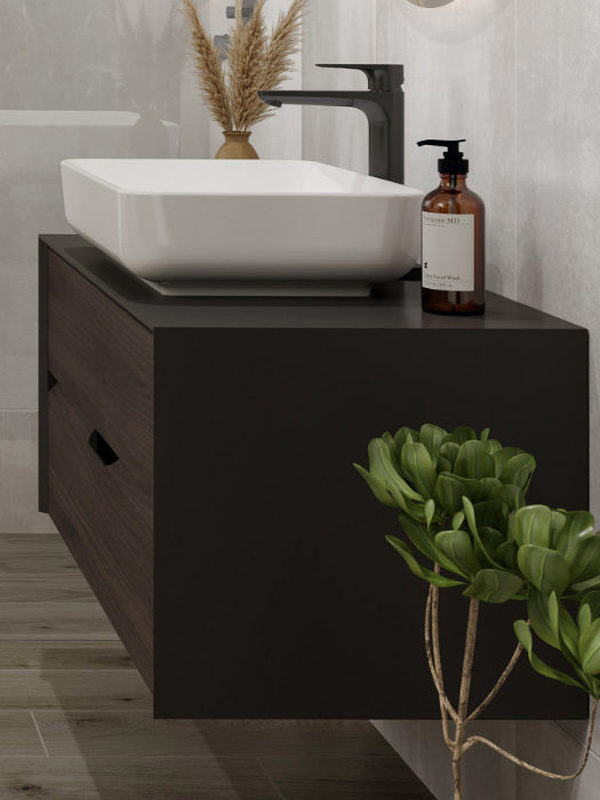
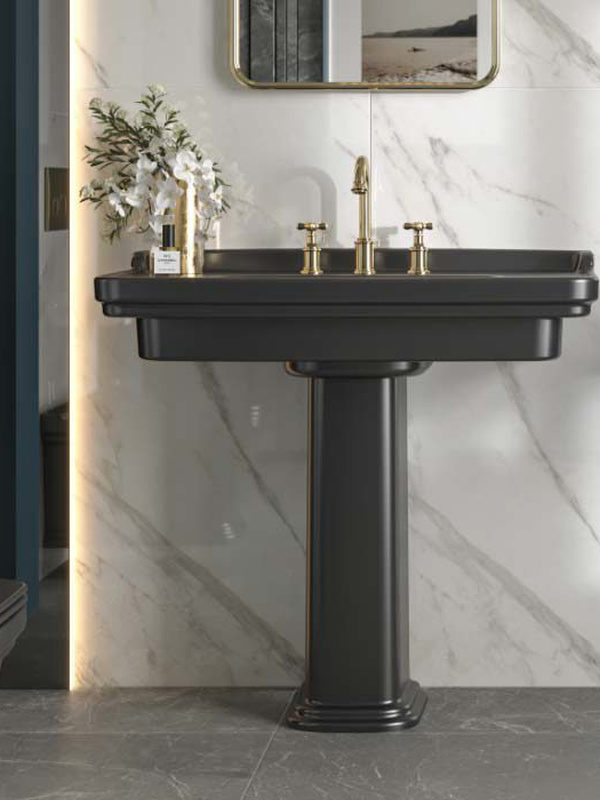
The bathroom is perhaps the space where the function-led decoration required by micro-living is applied most extensively. In small bathrooms, almost every surface and every square metre matters and should serve multiple purposes. When organising storage, wall shelves, suspended cabinets, baskets beneath and above cupboards, over-door organisers, drawer organisers, boxes and jars can help lighten the burden of bathroom clutter.

To-do list:

  • Remember that empty walls, the insides of cupboard doors and spaces beneath basins can all store your bathroom supplies, laundry and towels!

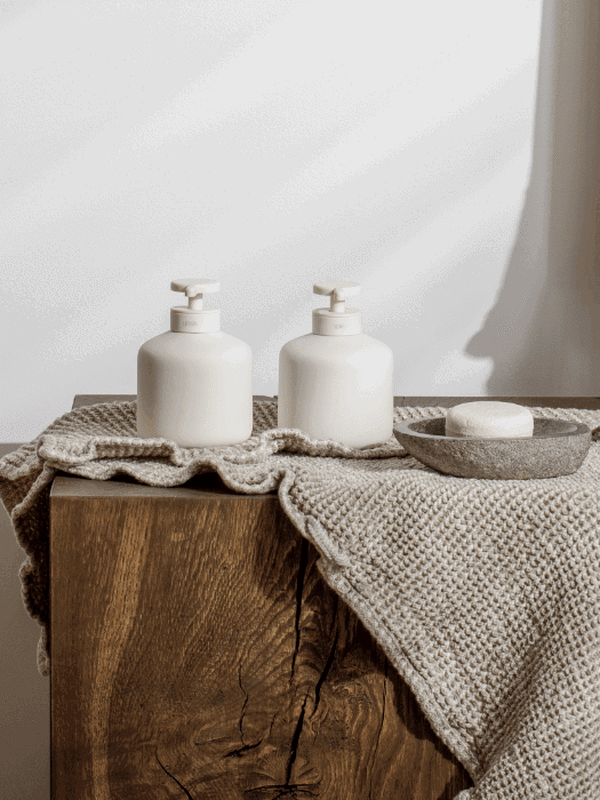
  • Put soap, cotton wool, accessories and personal care products into jars or clear boxes. This way, you will not have to search for them every time.

  • Hang baskets or fabric bags from hooks mounted on the wall or behind the door to store items you would rather keep out of sight.

  • Keep only as many towels, toilet rolls, cleaning supplies and personal care products as you need in the bathroom. Store the rest in a linen cupboard or utility storage area to gain more space and a more hygienic environment.

Mekanınızı yapay zeka ile birkaç saniyede yenileyin!

Mekanınızı yapay zeka ile birkaç saniyede yenileyin!

Seçtiğiniz ürünü evinizde görün.

Evinde Gör

Banyonuzu yeniden tasarlamaya ne dersiniz?

Banyoda Gör

Blog

Explore All

Compare

Compare
Compare