Mehmet Gürsoy and His “Music for the Eyes”

Mehmet Gürsoy and His “Music for the Eyes”

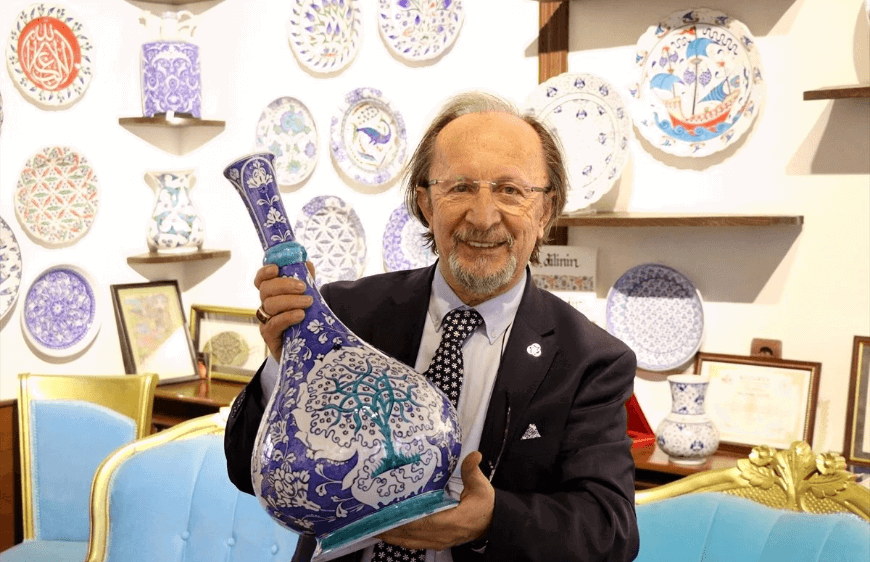
With 72 exhibitions in 50 countries, Mehmet Gürsoy is one of the leading figures in Turkish çini art and a true “Living Human Treasure”, recognised by UNESCO as a bearer of cultural heritage. A life immersed in art, a representative of the çini tradition and, at 69, a master of his craft... We explore the work of Mehmet Gürsoy, a master of Kütahya ceramics.

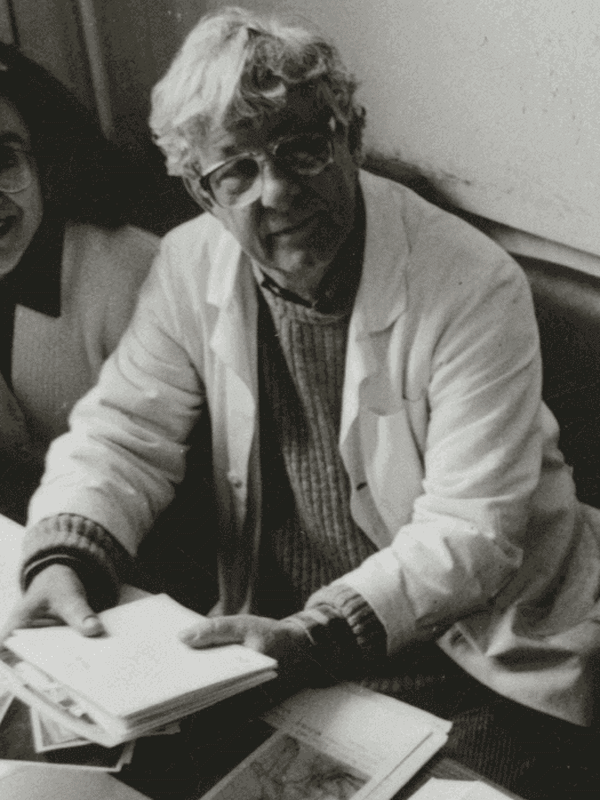
Shaped in Kütahya and İznik, Turkish çini is a ceramic art with a history of more than a thousand years, adorning buildings and carrying a rich cultural heritage. Mehmet Gürsoy is one of the artists who have helped share this tradition with the world. Born in Denizli on 12 December 1950, he had devoted his life to art long before being named a “Living Human Treasure” by UNESCO in 2009. He is a graduate of the Kayseri Education Institute and was also the sole student of the renowned illumination artist Prof. Dr Muhsin Demironat.It all began with an interest in çini that developed at a teacher-training school in Kütahya in 1975. The ceramics he saw in shop windows around the city and in schoolbooks drew him into this world. Comparing the two also introduced him to the decline of çini art in the 17th century. Inspired by a dream of reviving this fading tradition, he set out on a path he has followed ever since.
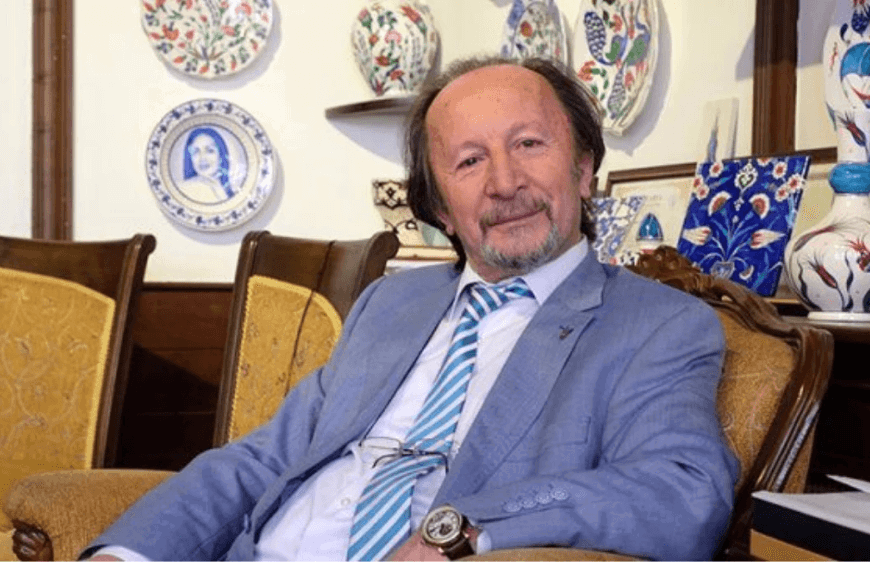
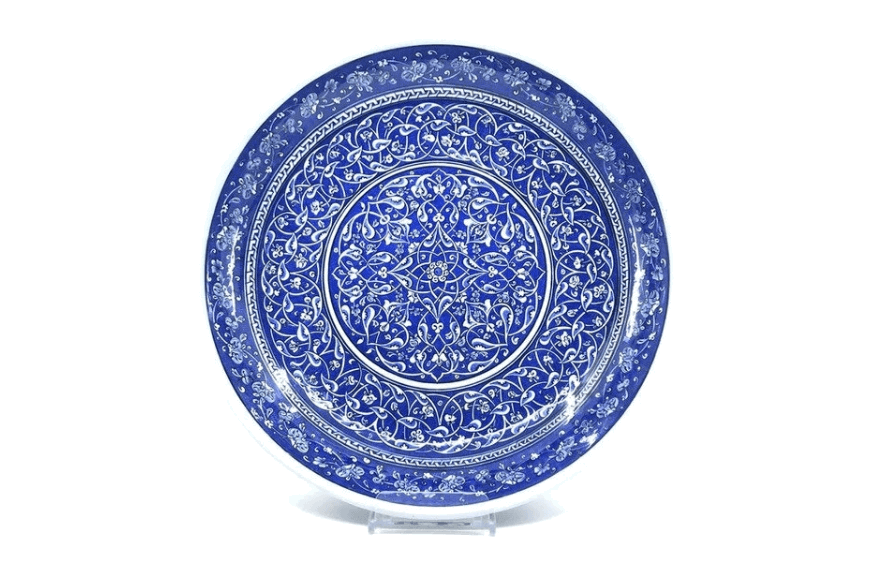
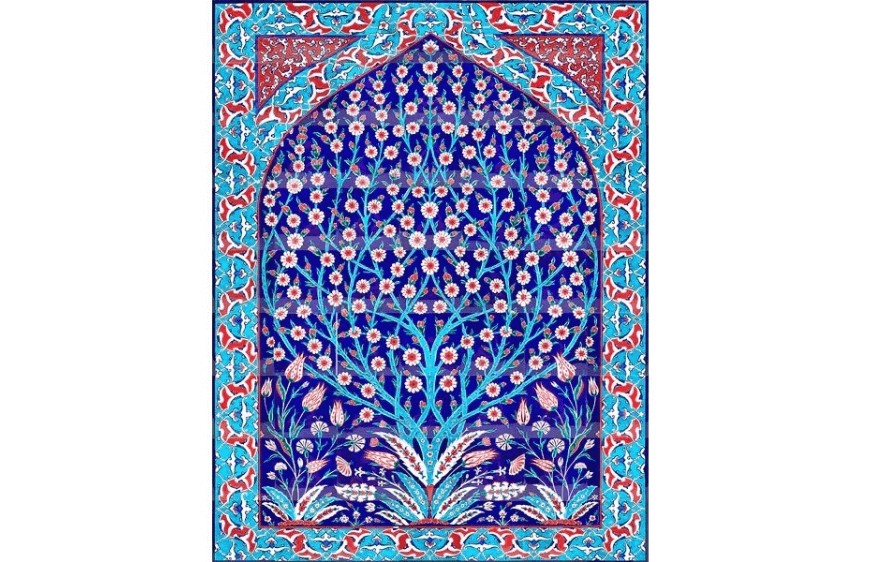
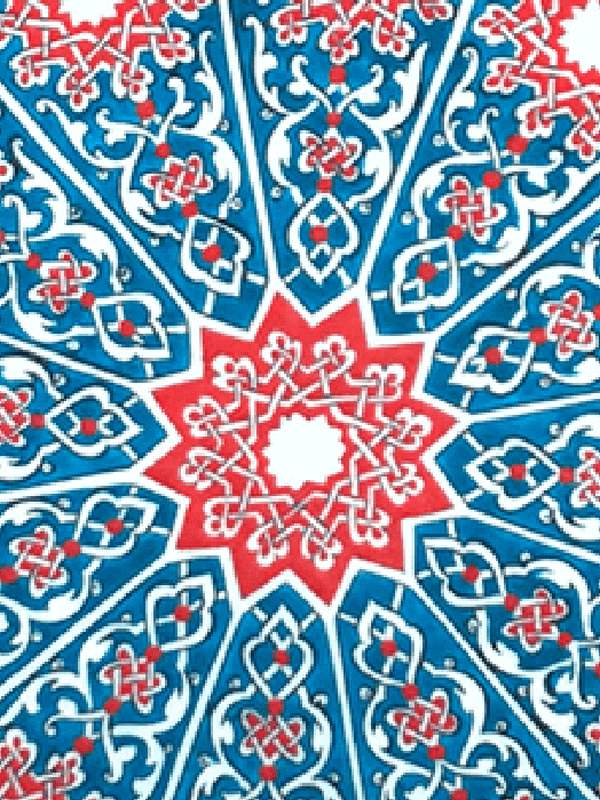
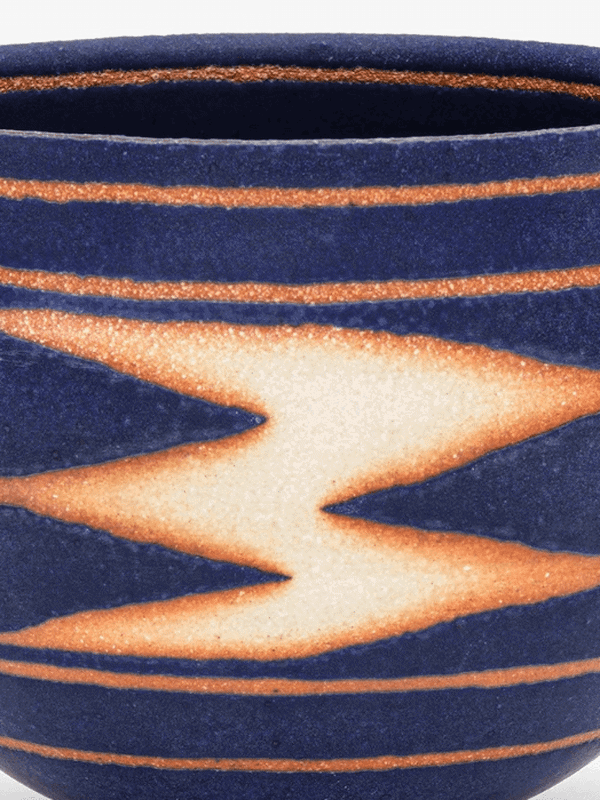
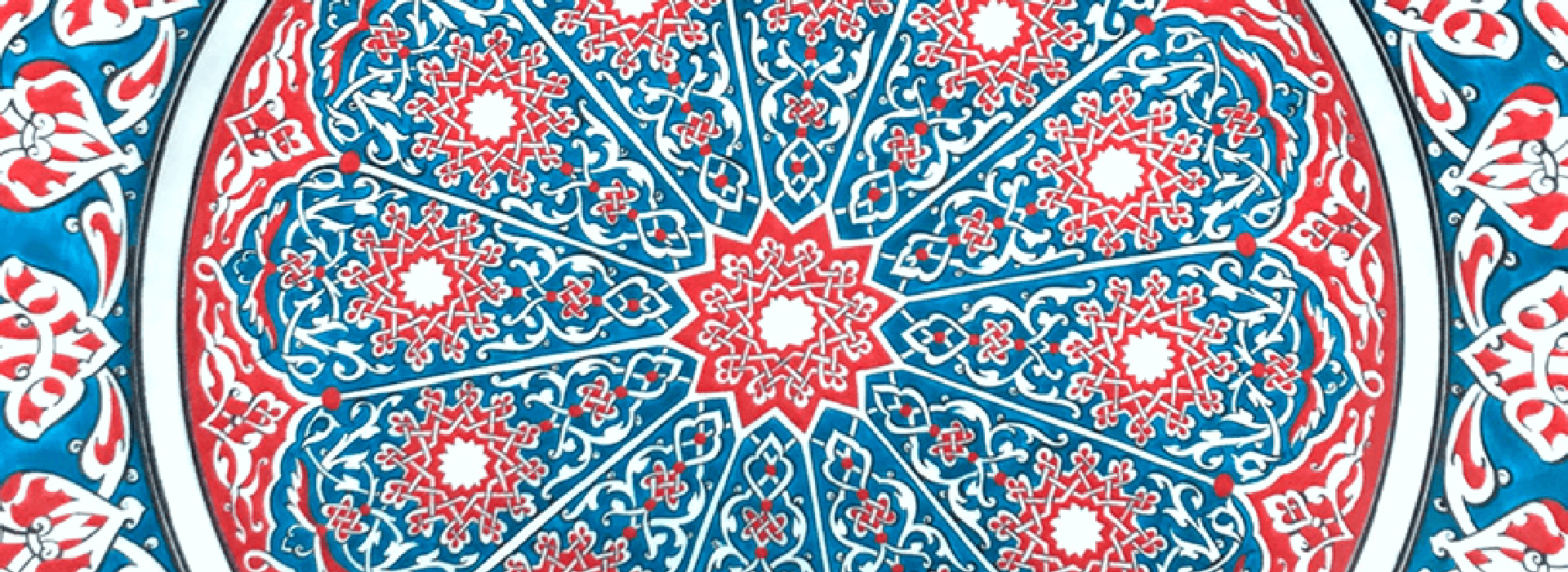
For Mehmet Gürsoy, who is listed in the Ministry of Culture and Tourism's National Inventory of Living Human Treasures, çini is an inheritance from the Ottoman era. Through his own artistic interpretation, he has taken this deep-rooted heritage to another level. He reunited çini with distinctive original colours that had been used in its early history and subsequently lost: coral red, turquoise blue, lapis blue and emerald green, for example.He describes çini as “music for the eyes” and his ceramics as “flowers that bloom in fire”. The floral notes of this music are tulips, carnations, roses and hyacinths. Reflecting this graceful language in the delicacy of his work, he makes ceramics in his studio in historic Kütahya, explores different painting techniques and continues to give 16th-century patterns a timeless presence.

“This art has taught me to think with greater grace, to love people, to love the Creator through creation, and to love the self within us.”He describes çini as a craft fired at 950 degrees and considers it one of the most important parts of our cultural heritage. The art that emerged in the 16th century and began to fade by the end of the 17th became a worldwide movement. Mehmet Gürsoy's dedication to this tradition is undeniable. He teaches çini in different countries, while 50 students he trained in Türkiye have themselves become çini teachers, making him a true ambassador for the craft.
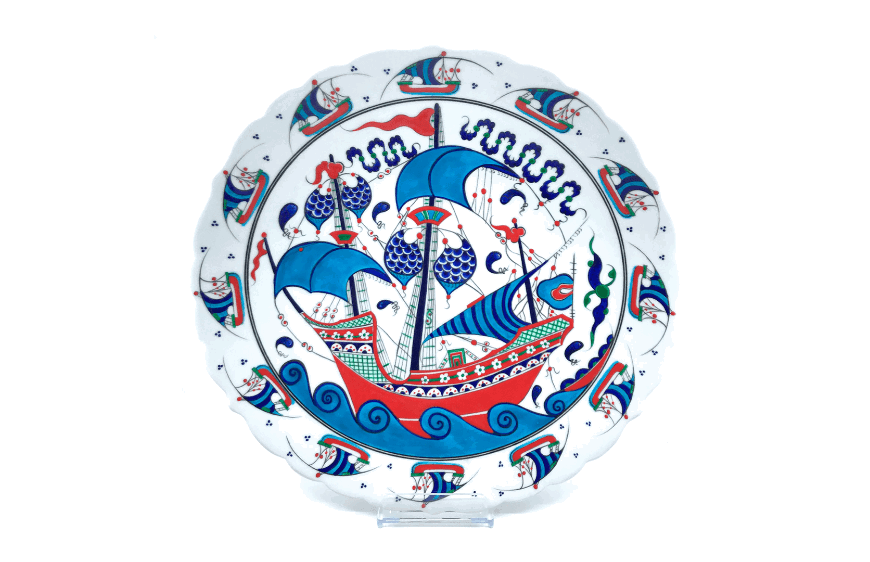
mehmet gursoy turk cini sanati iznik tabak

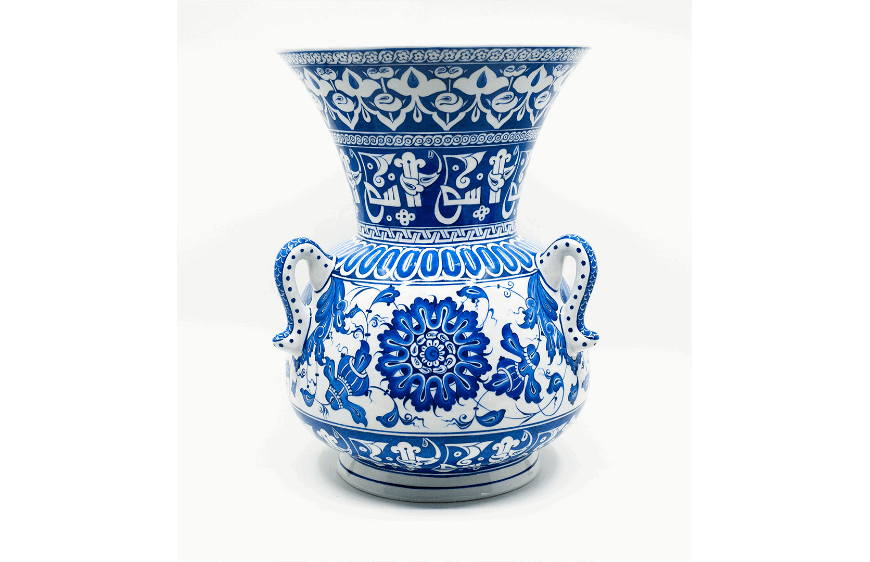
Mehmet Gürsoy is personally involved in every stage of making çini. From firing to painting, he draws, makes and produces each piece himself. He is particularly meticulous about preparing colours and places great importance on recovering the original shades of çini. For him, looking at a ceramic piece is a little like listening to music. One of the most significant achievements of his 44-year artistic career may be bringing back the original colours that were on the verge of disappearing in the 17th century. He has worked tirelessly on this and considers it deeply important: “Our ancestors adorned çini works with the colours of jewels.”

Having held 72 exhibitions in 50 countries, the artist has helped nurture the world's growing interest in çini. His works sell out at exhibitions, while his lectures keep the tradition in the public eye. He also frequently speaks of another appeal of çini: the positive energy it can offer when touched and contemplated closely.Portrait photographs: Anadolu Agency.

Mekanınızı yapay zeka ile birkaç saniyede yenileyin!

Mekanınızı yapay zeka ile birkaç saniyede yenileyin!

Seçtiğiniz ürünü evinizde görün.

Evinde Gör

Banyonuzu yeniden tasarlamaya ne dersiniz?

Banyoda Gör

Blog

Explore All

Compare

Compare
Compare