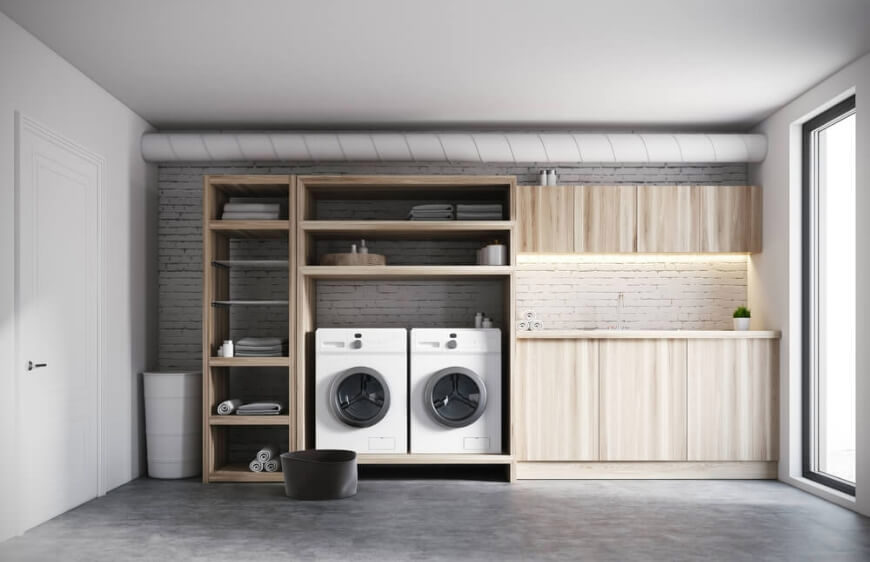
Laundry Rooms That Bring Hygiene and Organisation Together

Laundry Rooms That Bring Hygiene and Organisation Together

In this article, we explore the design, layout and decorative features of laundry rooms, among the most sought-after spaces in new-generation homes.

Laundry rooms are an essential part of 21st-century residential design. Even when floor space is modest, architects make room for a small laundry area. Sometimes they combine it with utility storage, sometimes they keep it separate. Either way, the washing machine eventually leaves the kitchen or bathroom.

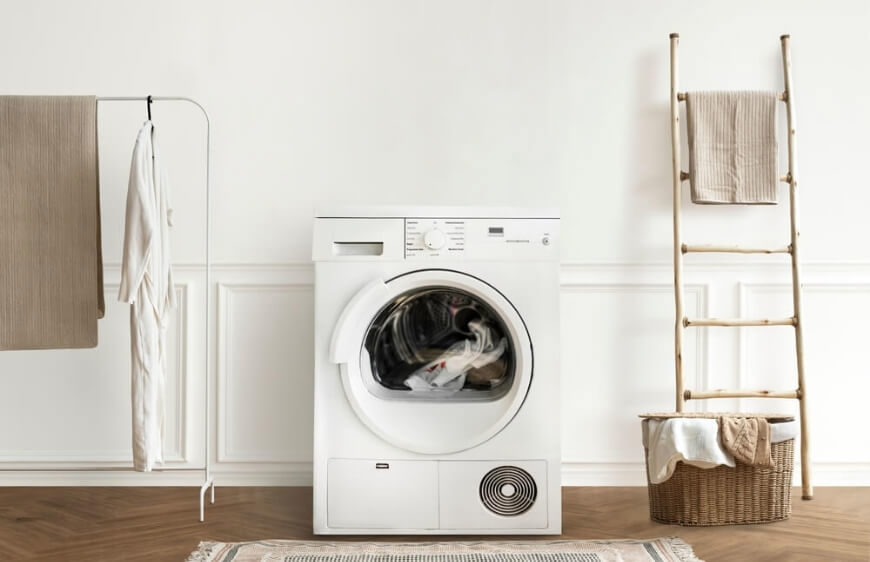
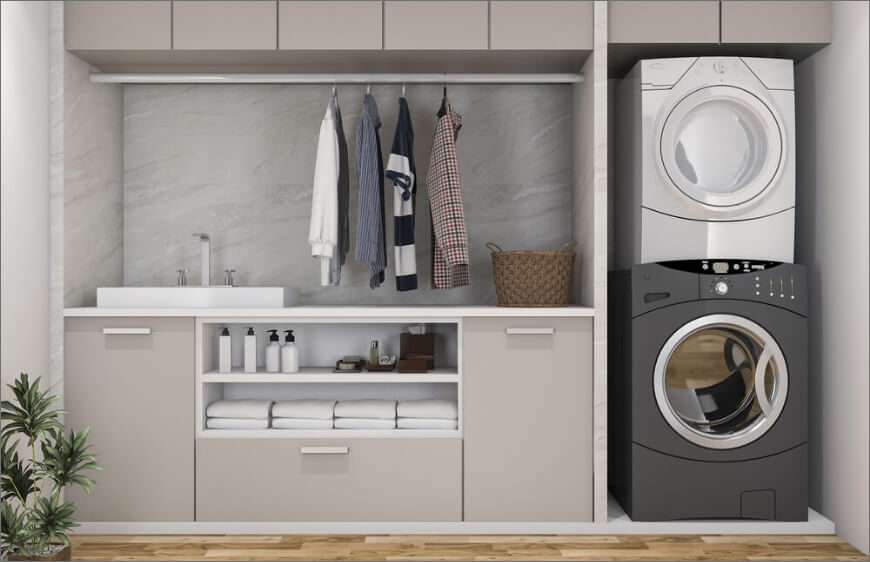
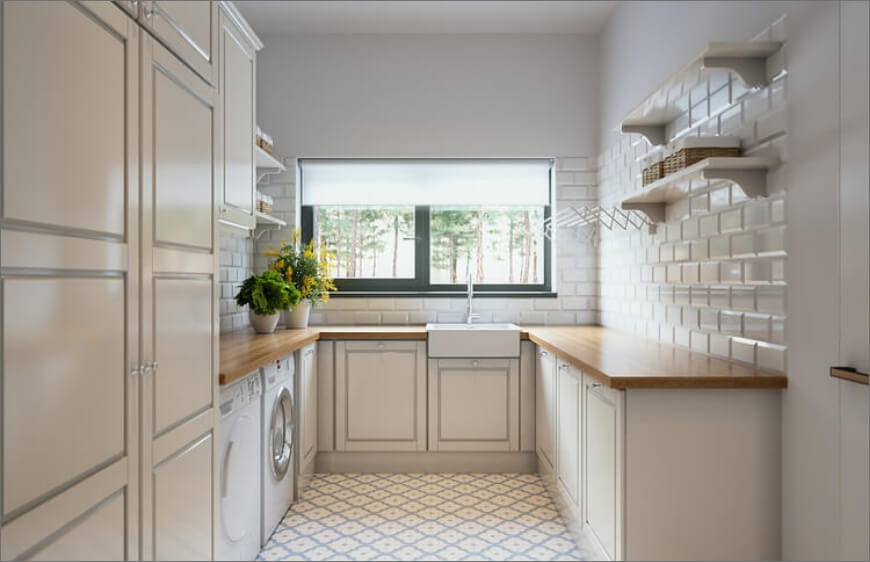
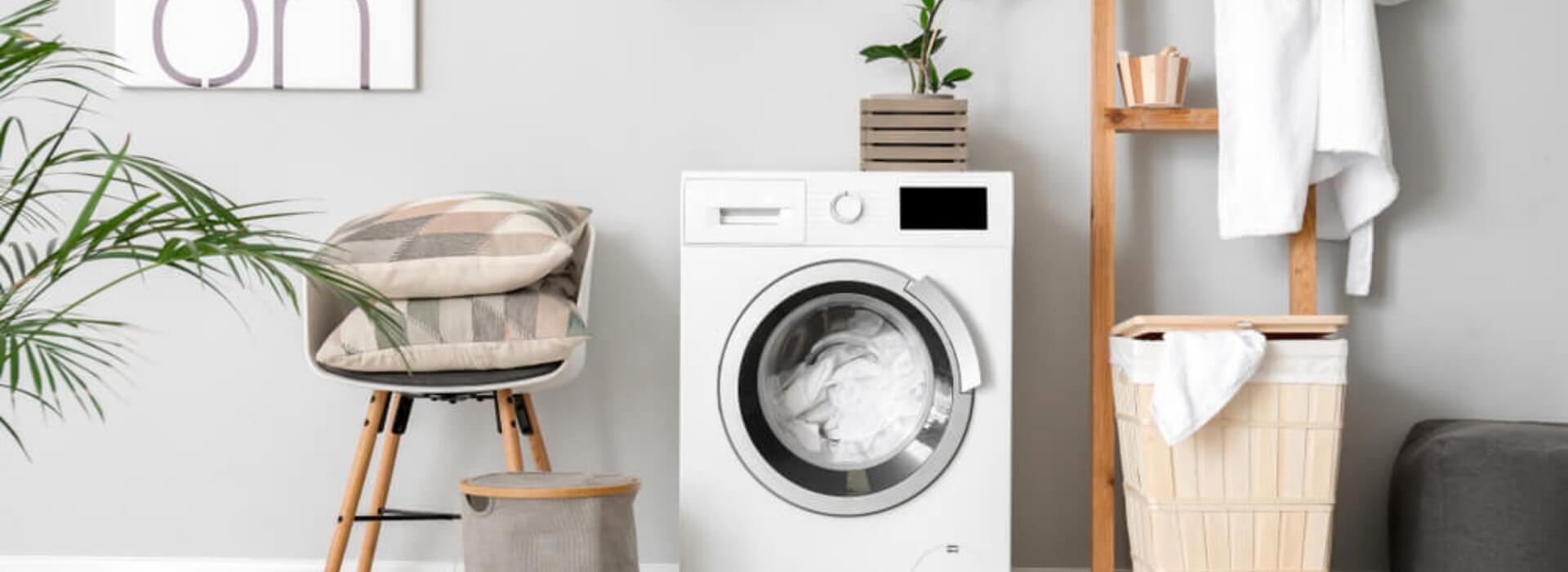
Technically, a laundry room is where washing machines and tumble dryers are located, along with detergents, laundry baskets, an iron, ironing board, pegs and similar items. Sometimes it is a room with space to move around, like a dressing room; sometimes it resembles a large cupboard whose doors open to reveal everything in a well-organised storage system. Ideally, however, a laundry room should have a window for air circulation, access to daylight, space to hang washing and enough room to sort, fold and iron clothes, while maximising storage.
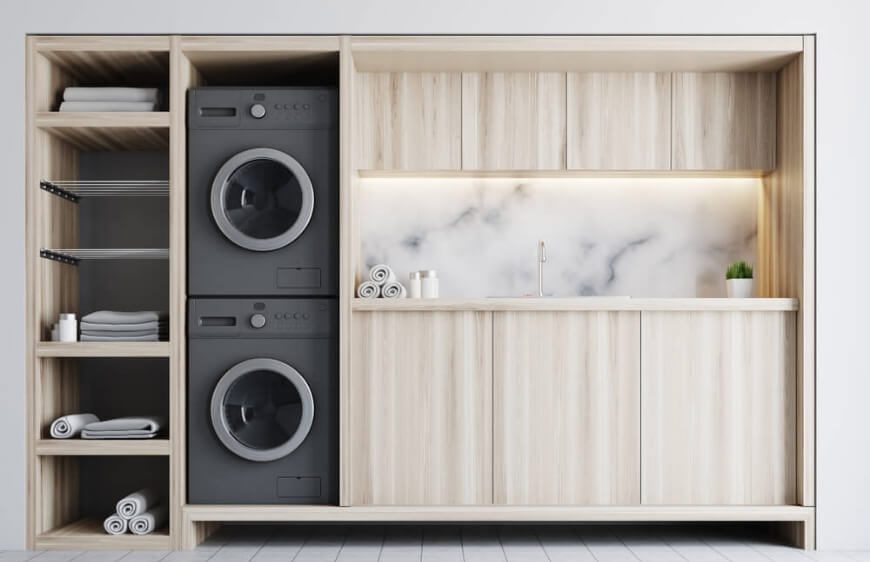
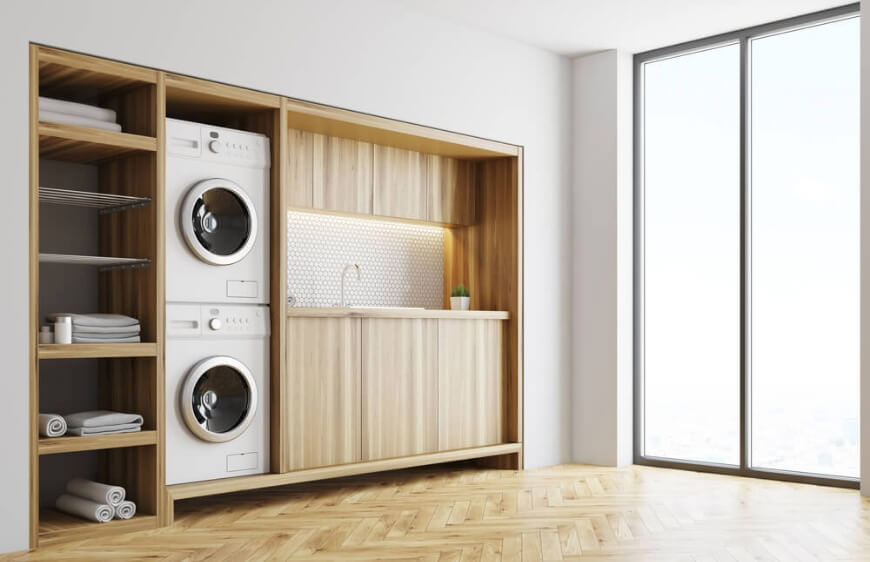
Research shows that laundry rooms gradually become places for storing cleaning products first, then boxes of unused belongings, sewing supplies, gardening equipment, tools, ski equipment and much more. This habit will continue as long as the home has no separate storage room. Some people also turn laundry rooms into offices. With a sink and water connection, it is quite possible for the room to become a retreat where pets are washed, stained clothes are soaked, coffee is made and work gets done.

What to consider when designing a laundry room:

Rule 1: Do not divide up the space according to the dimensions of your current appliances. Like it or not, one day you will part with them and buy more advanced models. If you want compartments for the washing machine or tumble dryer, leave at least 20 cm of clearance at the sides, back and top. Avoid making the surrounding compartments too precisely sized, so their functions can change. Allow additional space for hoses and air circulation.
Rule 2: Make sure doorways are wide enough for the appliances to pass through. Washing machines and tumble dryers, for example, are typically 60 cm wide, making 80 cm an ideal doorway width. A pocket door works well because it takes up no floor or wall space when open.

Rule 3: If your machines are front-loading, leave at least 60 cm of space in front so you can move comfortably around open doors. Stacking machines saves space, but remember that you need a worktop for folding and sorting. An ideal solution is a fold-down table or worktop that lowers from the wall and folds back up against it.

Rule 4: Insulating the laundry room's walls and floor will reduce noise. If this is not possible, choose appliances with quiet operation, reduced vibration and suspension features. A floor drain provides protection if a drainage pipe fails or a machine overflows. An automatic water shut-off valve detects electrical current in the washing machine and opens the water supply only when the machine is in use. If you use an extension lead, make sure it is not on the floor.
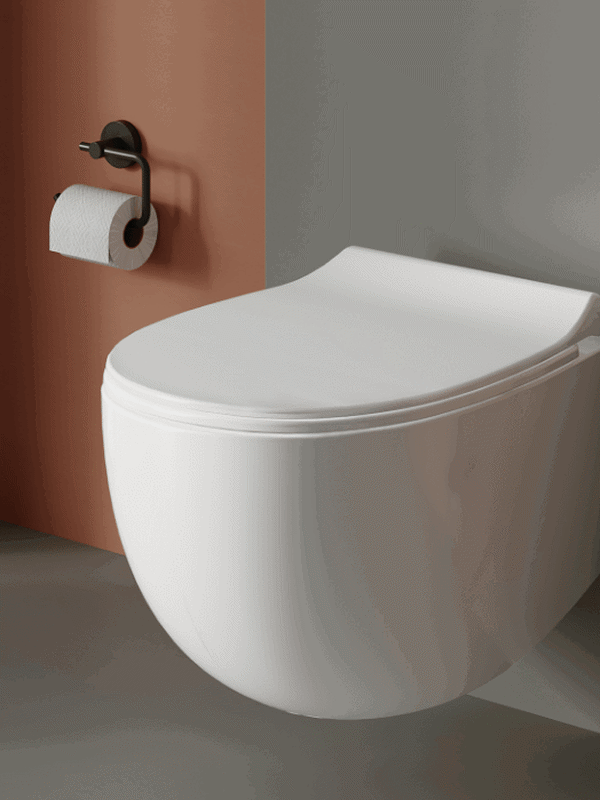
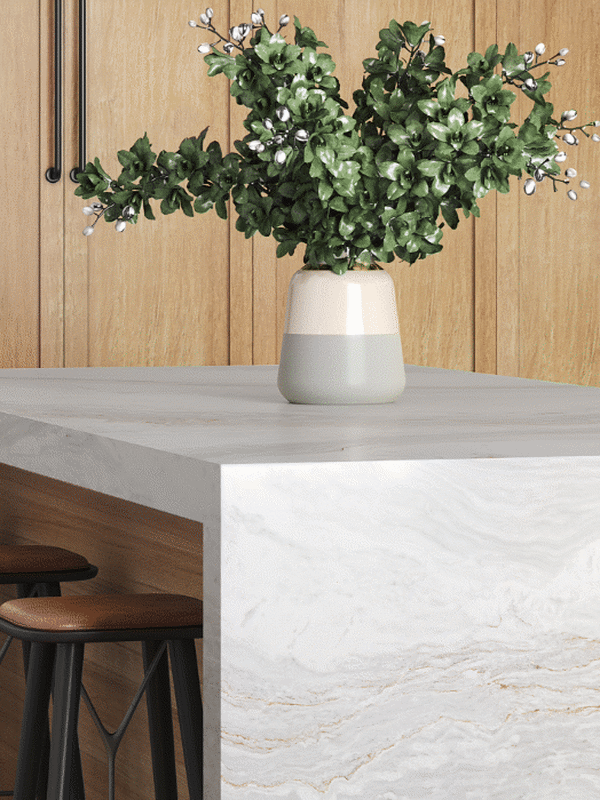
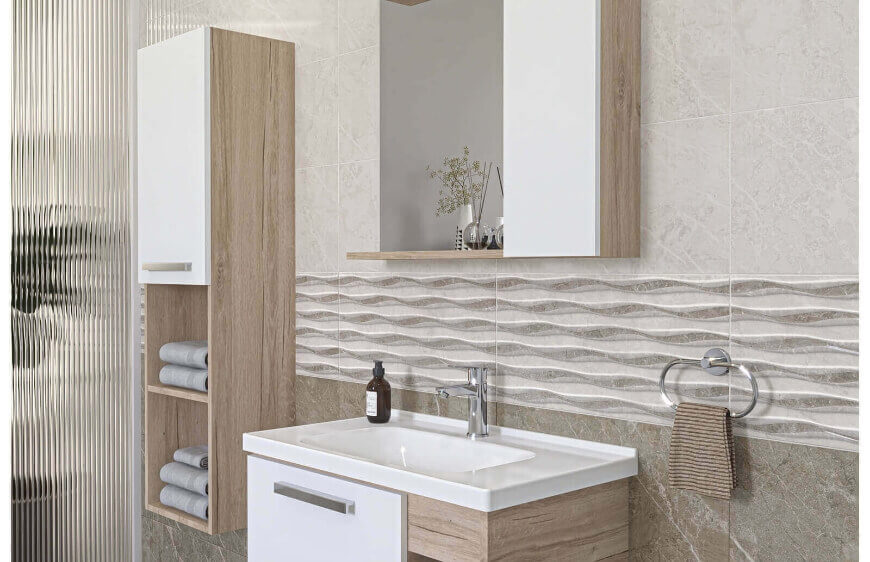
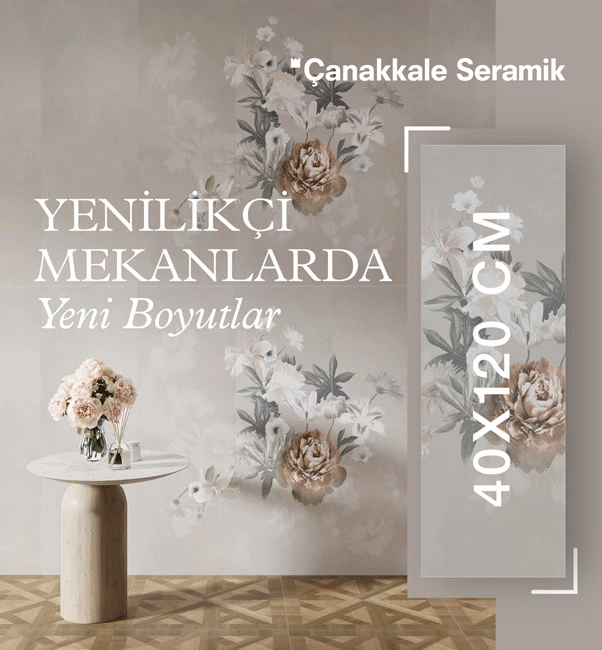
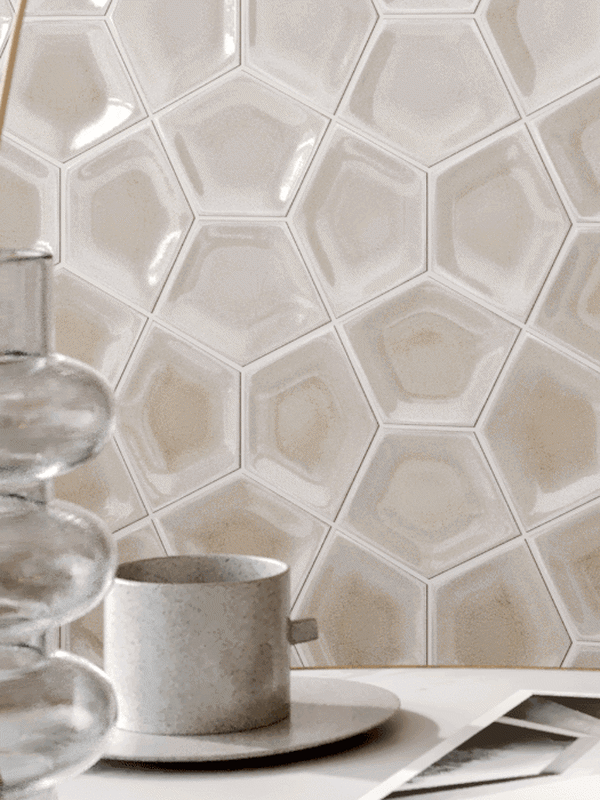
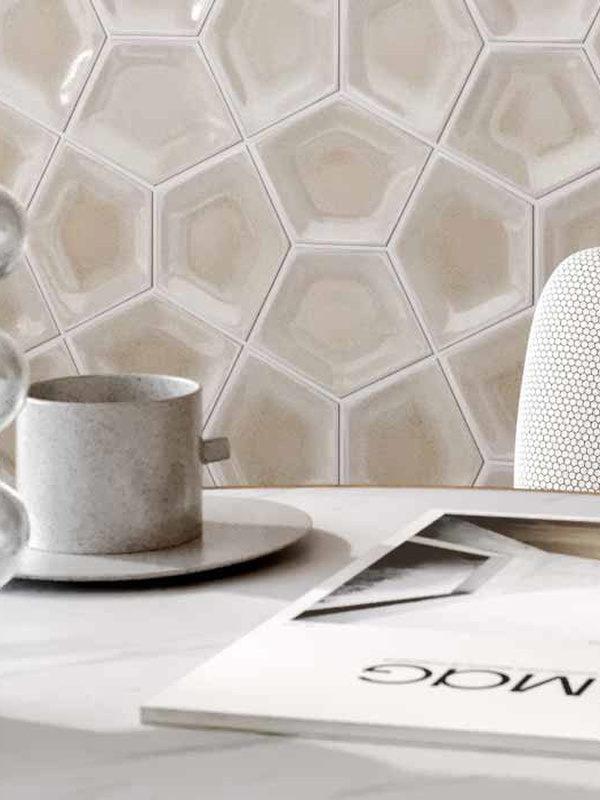
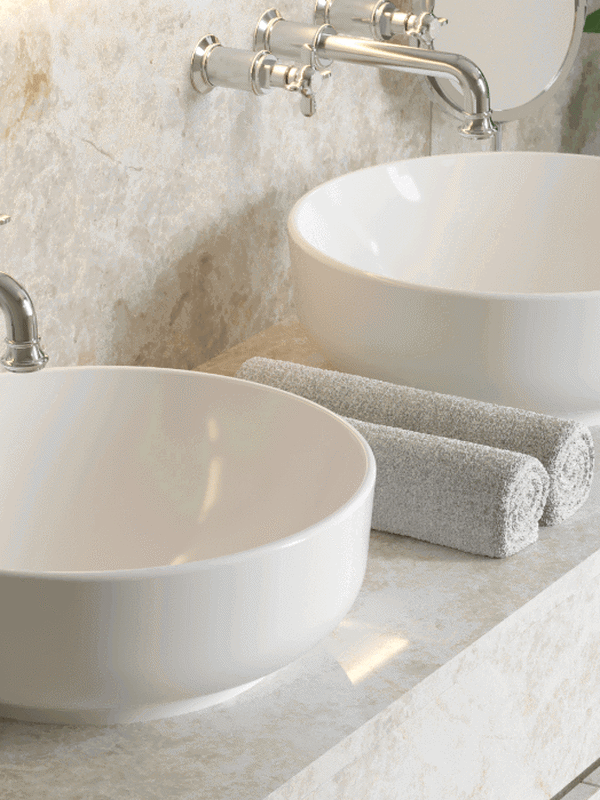
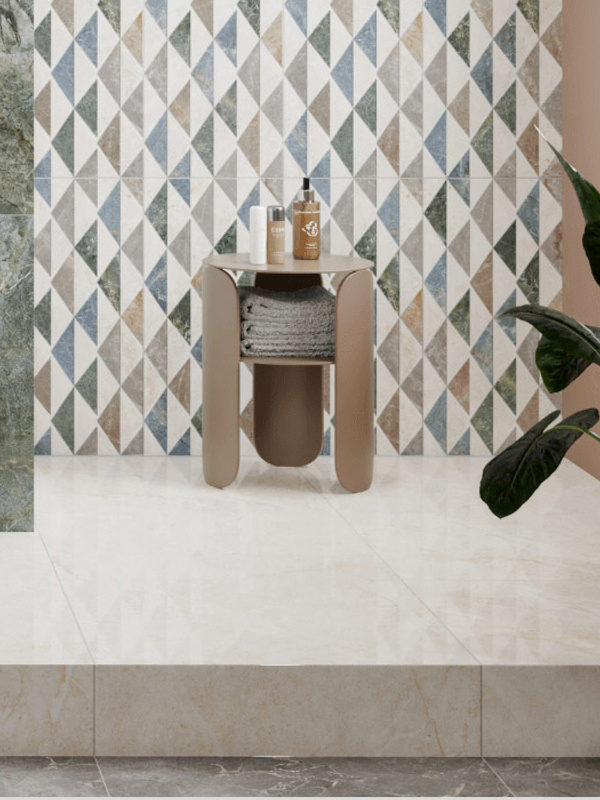
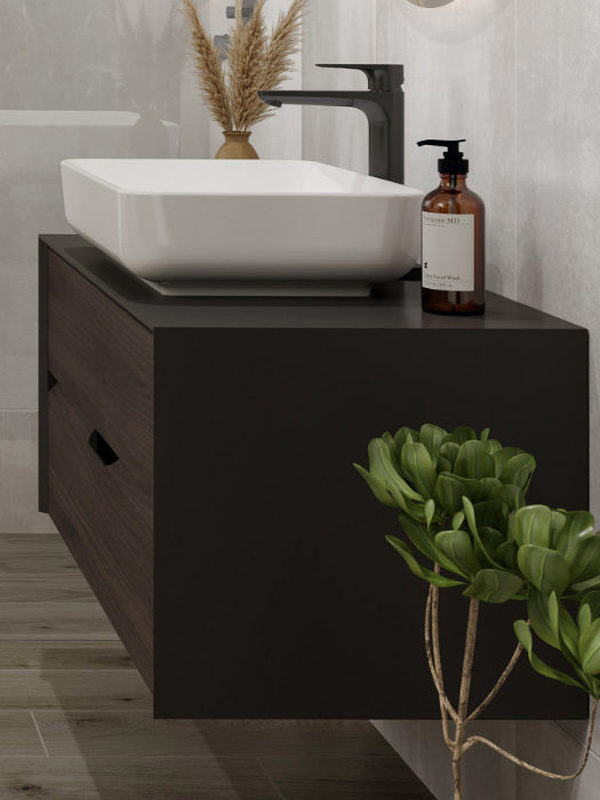
banyoda canakkale seramik alegra koleksiyonu bej rengi rolyefli dalga dekoru ile hareketli mekan
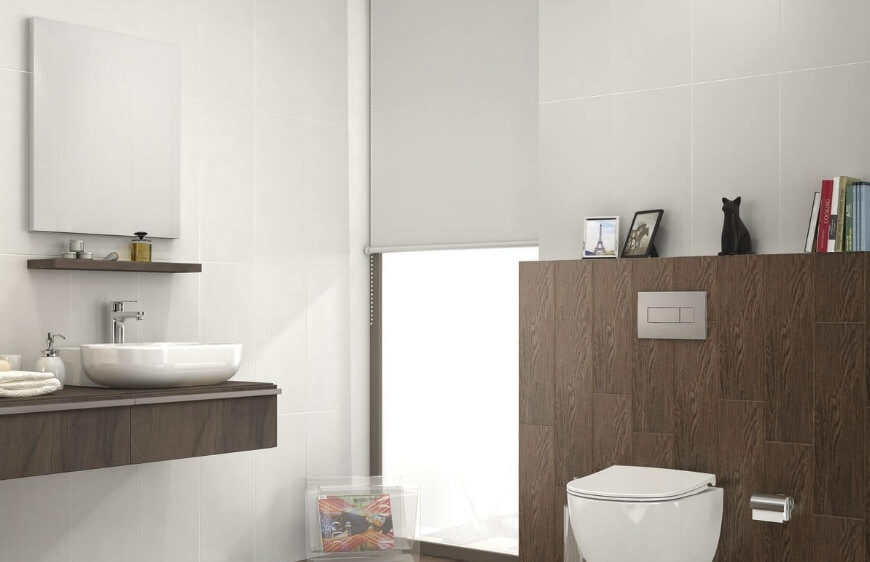
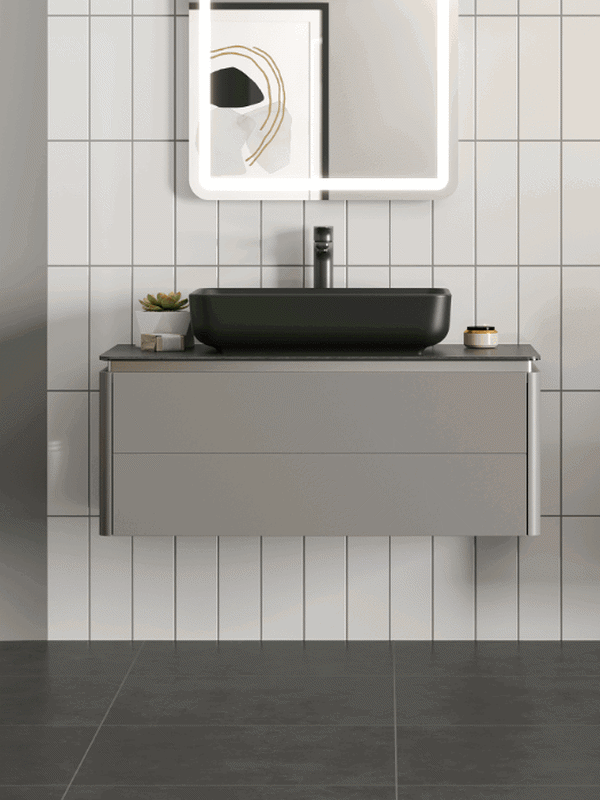
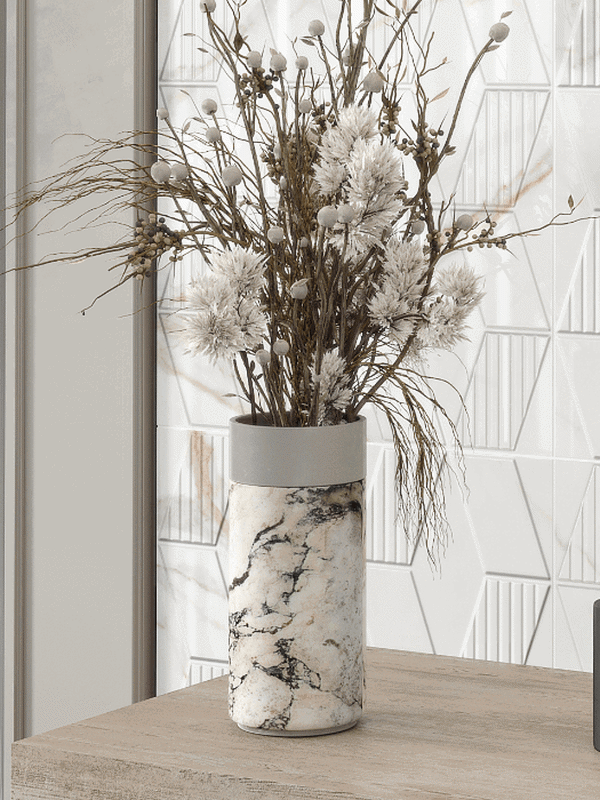
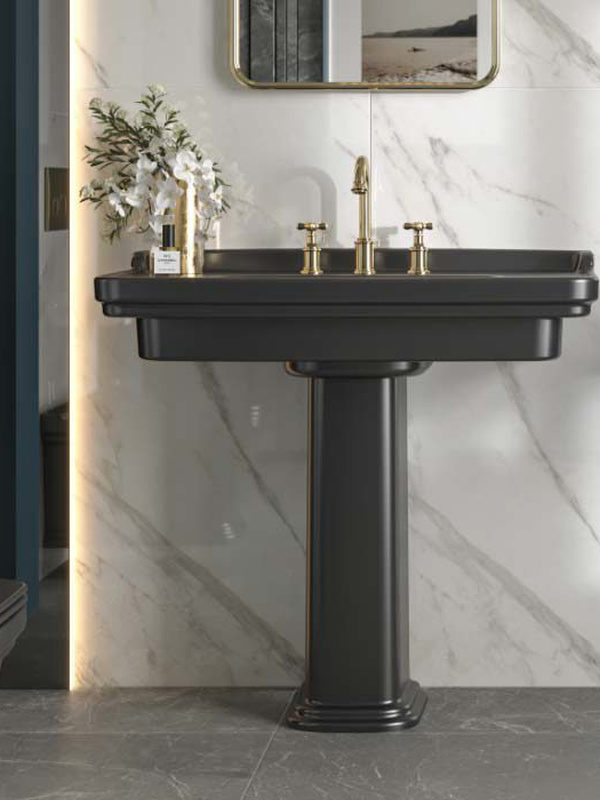
banyoda canakkale seramik beyaz serisi beyaz ve aydinlik duvar karosu

Ideas that bring function and style to a laundry room

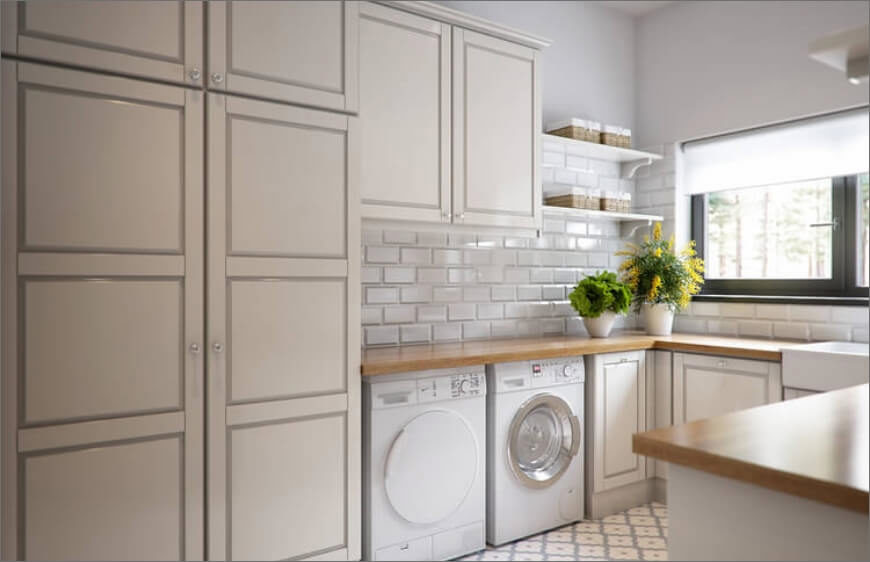
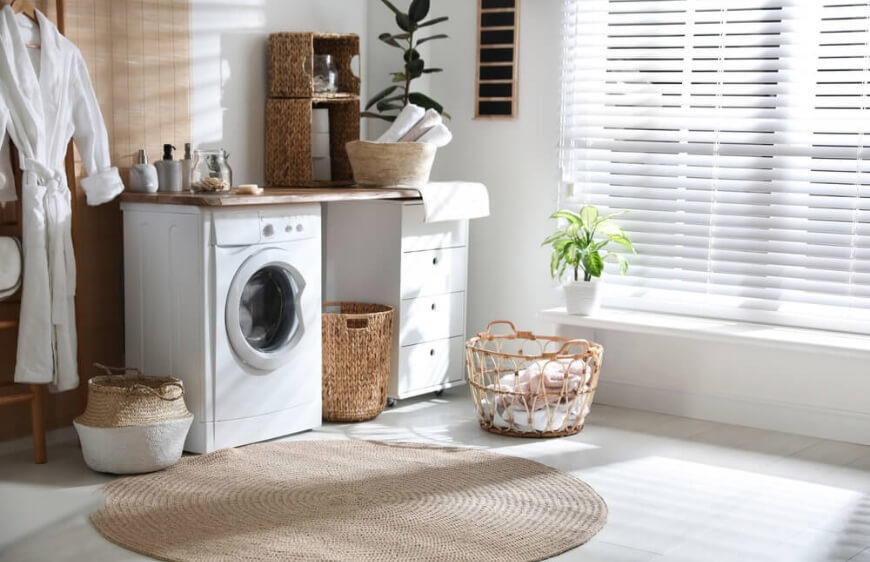
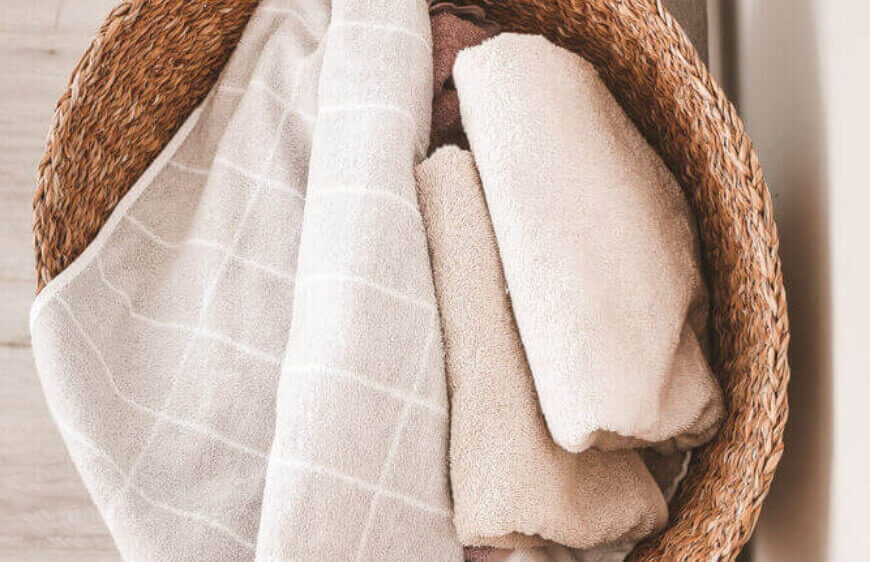
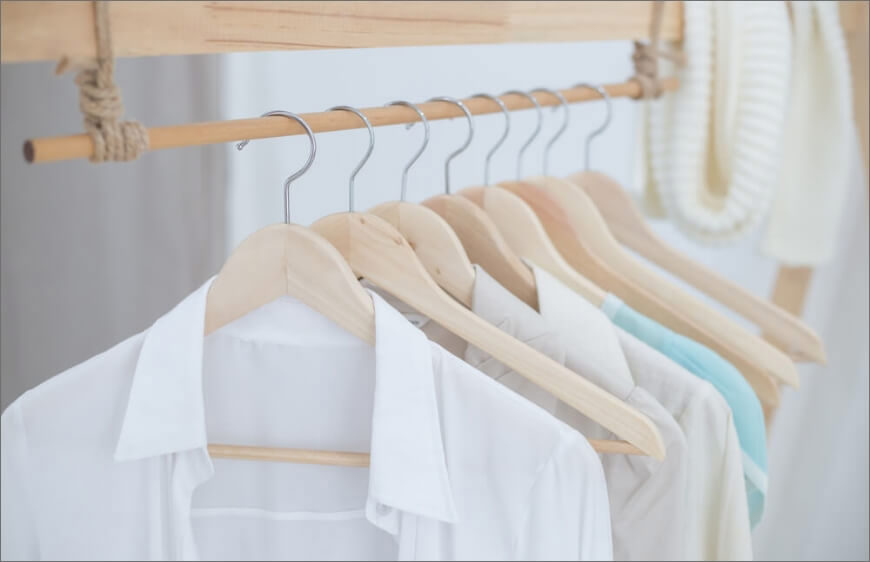
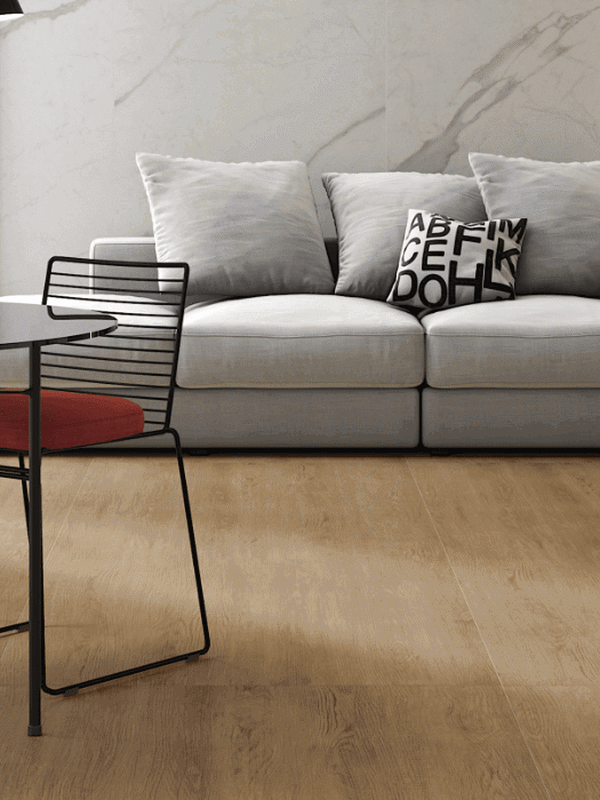
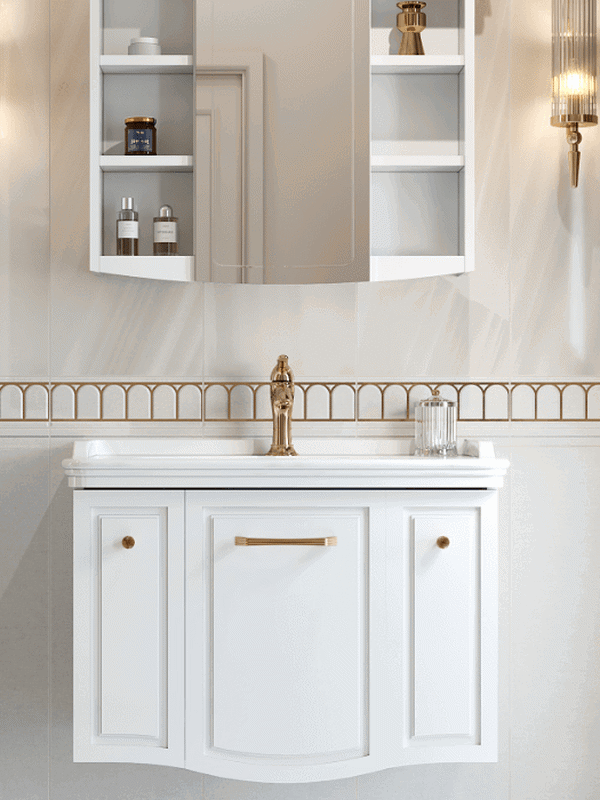
  • Remember that however colourful or dark the washing may be, the laundry room's image is white. It should therefore be designed in light colours, even shades of white. Pale raw woods such as oak, maple or ayous, and tropical textures such as bamboo, rattan or wicker, complement this palette best. With all-white floors, walls and cupboards, you can add a jute rug, woven baskets inside cupboards and woven lighting. Ceramic or porcelain tiles are suitable for the laundry room floor, as it can be considered a wet area.
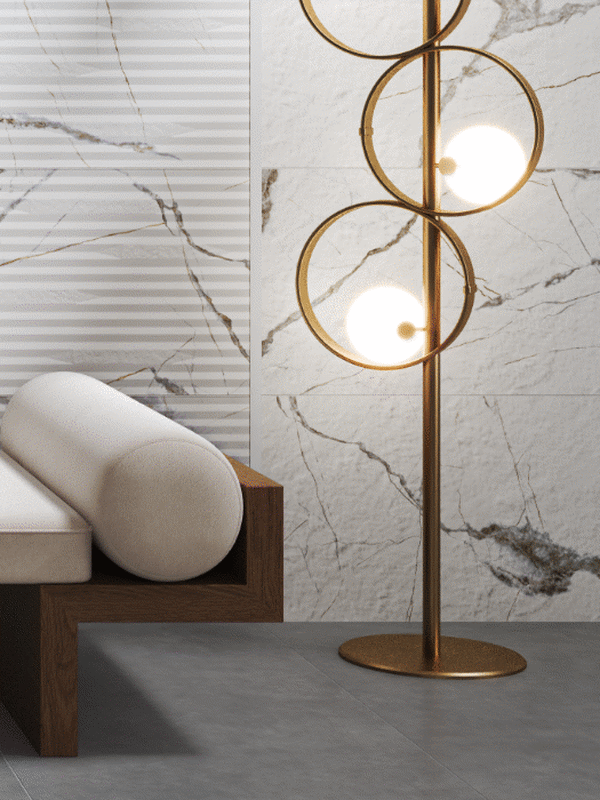
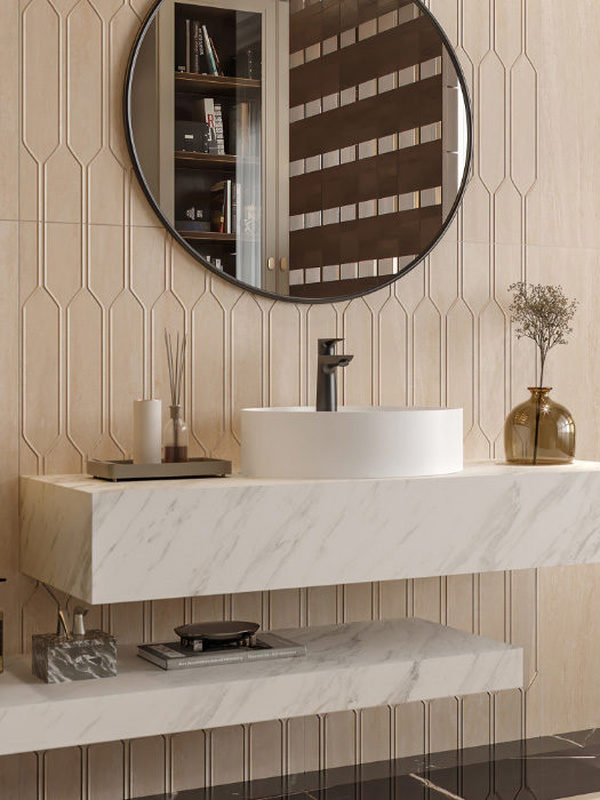
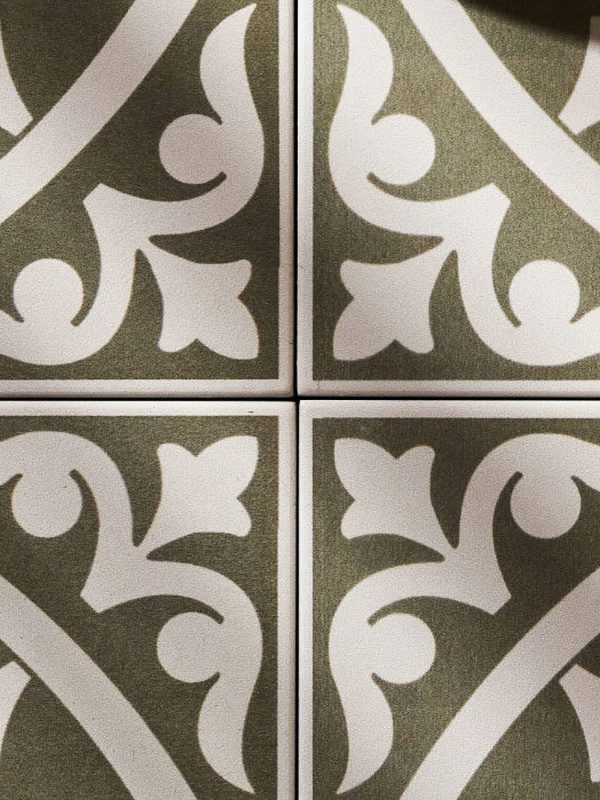
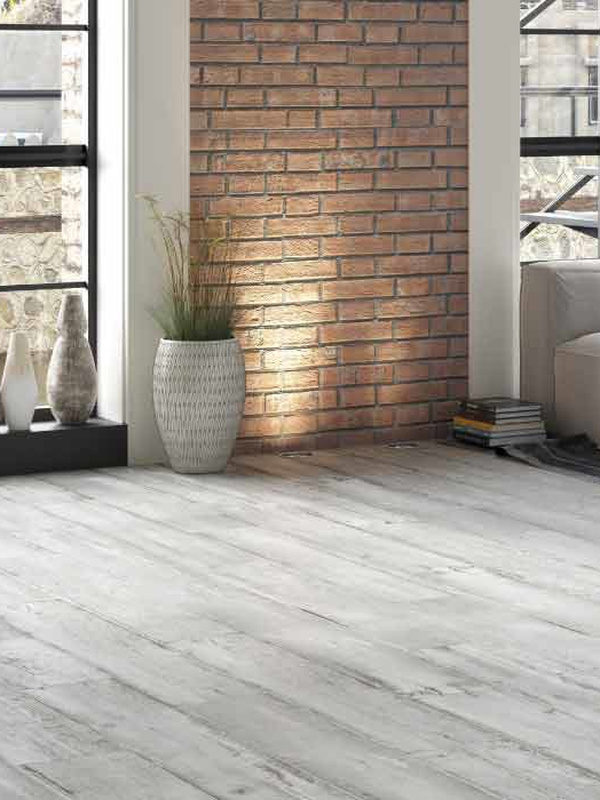
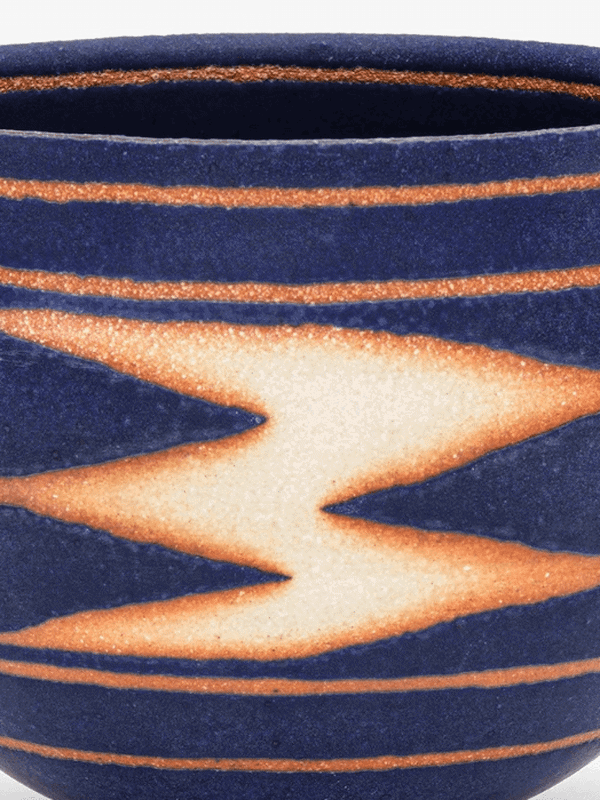
Çanakkale Seramik's Beyaz series hits the mark, dressing both floors and walls in white. Kalebodur's marble-look porcelain Iceberg series offers a solution with its pale palette, deep veining and bookmatched decorative options. The Alegra collection from the Çanakkale Seramik family brings movement to interiors with a wave-relief decoration. The collection offers both floor and wall tiles in light tones such as beige, grey and white.

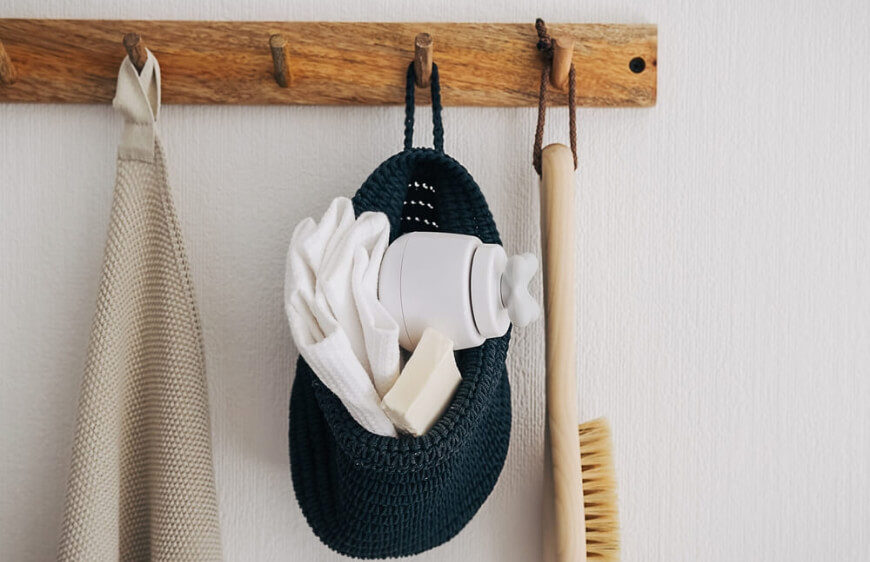
  • Wall hooks can be useful for completely dry items, but not slightly damp ones, where bacteria and mould may develop. A hanging rail beside the dryer lets you hang clothes as soon as they come out, keeping them unfolded until ironing.

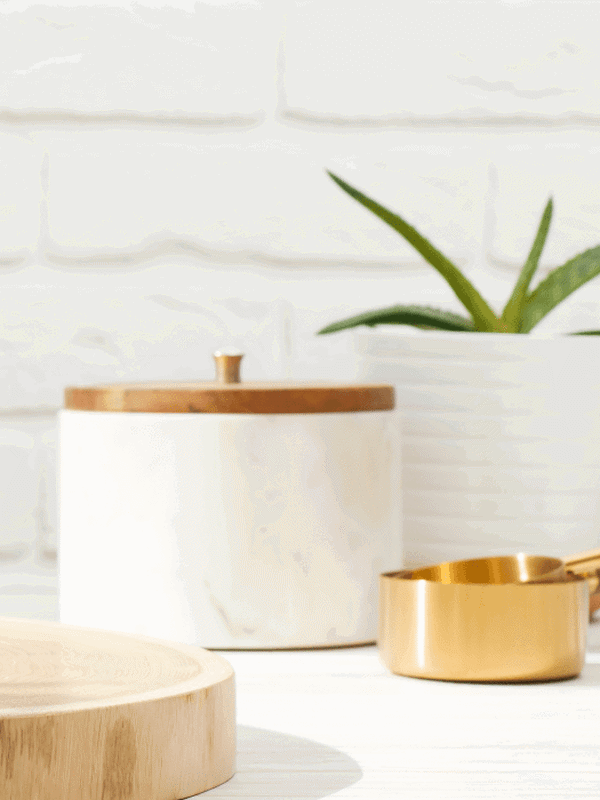
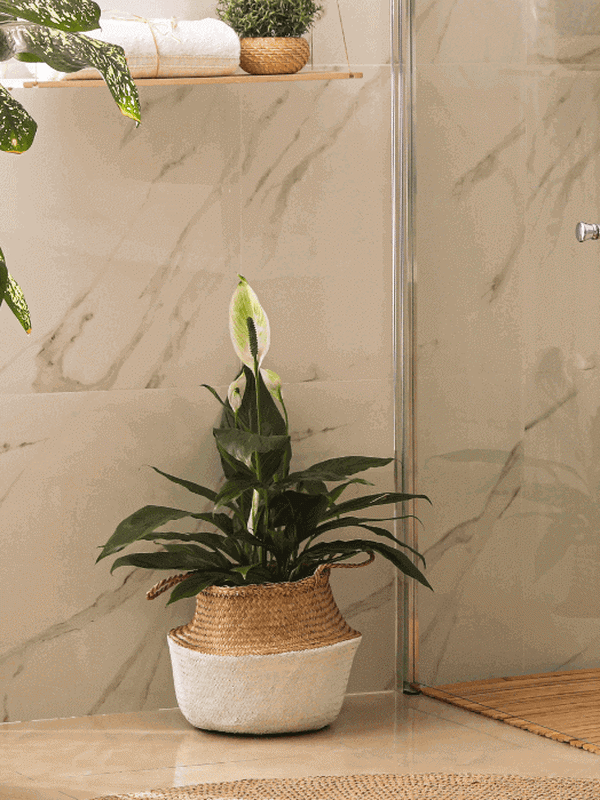
  • If you have a good source of daylight, add plants to your laundry room, just as you would in a kitchen or bathroom. Choose indoor plants that enjoy humidity to bring greenery and nature into the space.

  • If you want a smarter solution than a hanging rail, suspend your household ladder from the ceiling so it can be raised and lowered, and hang clothes hangers from it. This puts the ladder out of sight and solves your hanging-space problem.

  • Wall-mounted rail holders can also keep the mops, brooms and ironing boards that will inevitably gather in the room out of the way.

Apps for your laundry routine

An app that makes laundry spotless at a touch has not yet been invented, but helpful technologies can add enjoyment and information to the task. Apps such as Labels, Loundry Pro and Loundry Day Care Symbol Reader help explain the care and washing symbols on clothing.

Complete Laundry Care, Clorox myStain, Purex Laundry Help and The Ultimate Stain Remover Tips provide stain-removal, odour-removal and laundry advice.

Laundry Watcher, Rinset Laundry Timer and Laundry Time help you track washing, rinsing and drying times, and notify you when each process is complete.

Mekanınızı yapay zeka ile birkaç saniyede yenileyin!

Mekanınızı yapay zeka ile birkaç saniyede yenileyin!

Seçtiğiniz ürünü evinizde görün.

Evinde Gör

Banyonuzu yeniden tasarlamaya ne dersiniz?

Banyoda Gör

Blog

Explore All

Compare

Compare
Compare