Kitchens have a subtle complexity: they are shaped by details, yet need their own design language and a welcoming atmosphere. When you decide to decorate a kitchen, there are certainly many things to consider. Beyond its appearance and colour, its more intricate daily activity calls for practical guidance.To plan a well-designed kitchen that lasts for years, is practical and enjoyable to spend time in, adapts to different moments of the day and responds to changing demands, certain steps need to take priority. A roadmap centred on your choices and needs before the decorating begins will make the task easier.Let's work together to make the kitchen, the home's most intricate space, as thoughtfully organised as possible. Moving from details to the whole, use this article as a guide to creating a kitchen where you will enjoy spending hours and giving the heart of your home the attention it deserves.
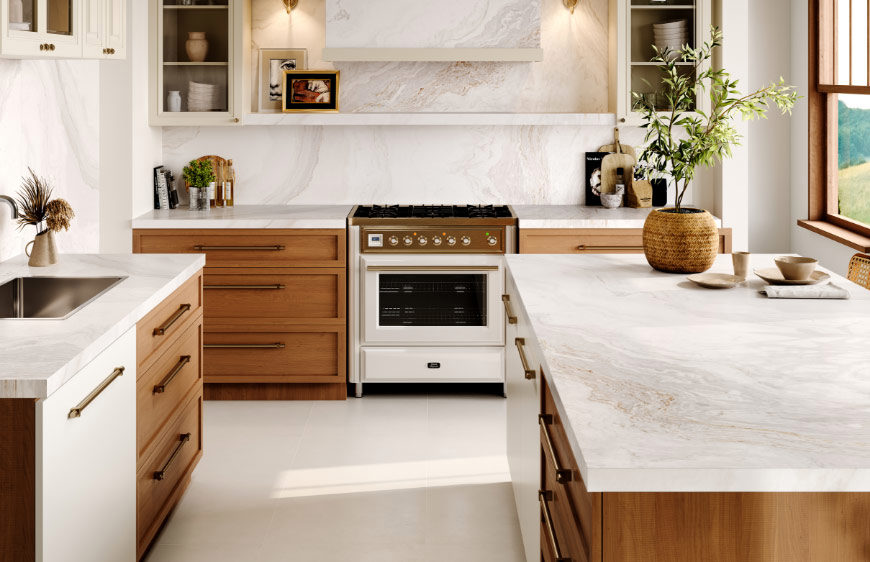
Key Steps to a Well-Decorated Kitchen
Busy from the early hours until midnight, kitchens are among the living spaces that demand the most thoughtful planning and organisation. There are a few key tips for designing a kitchen that is considered, beautiful and functional at the same time. Start taking notes as this article guides you through the details to focus on, step by step.
First step: create order
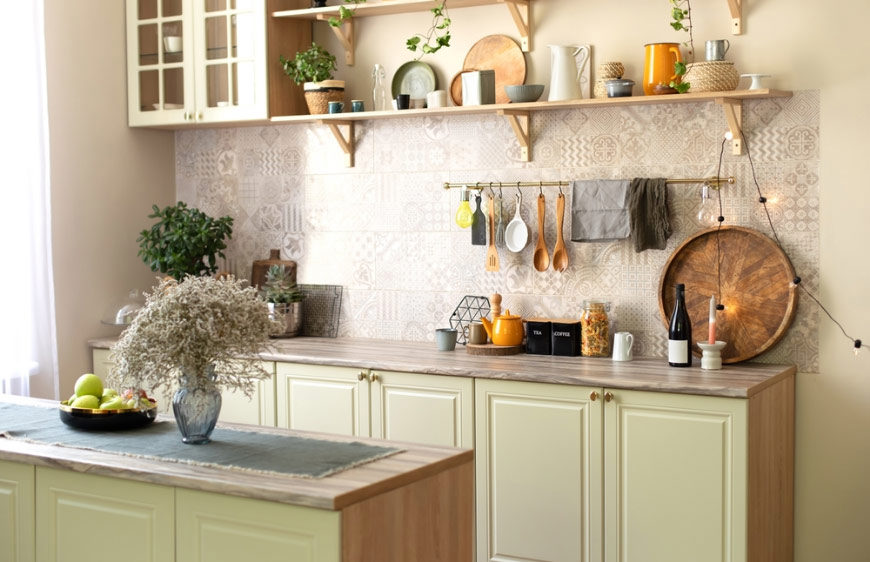
When planning your kitchen décor, always ask yourself: “How can I use my kitchen at its busiest without creating so much mess?” In a kitchen supported by practical, smart and innovative storage, everything can be both within reach and in its proper place. Make use of innovative cabinet organisers and arrange your kitchen equipment around these solutions.This will let you keep less equipment on the worktop and use the space that remains for decorative details, helping the kitchen coordinate with other rooms. Remember that the key to a kitchen that is easier to clean and quicker to tidy is a carefully considered organisational layout.
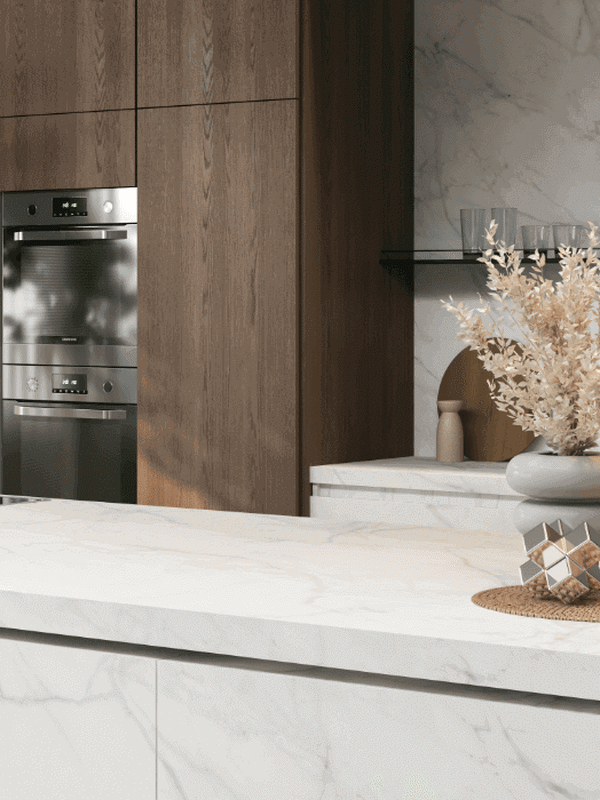
Vary your cabinets and shelving
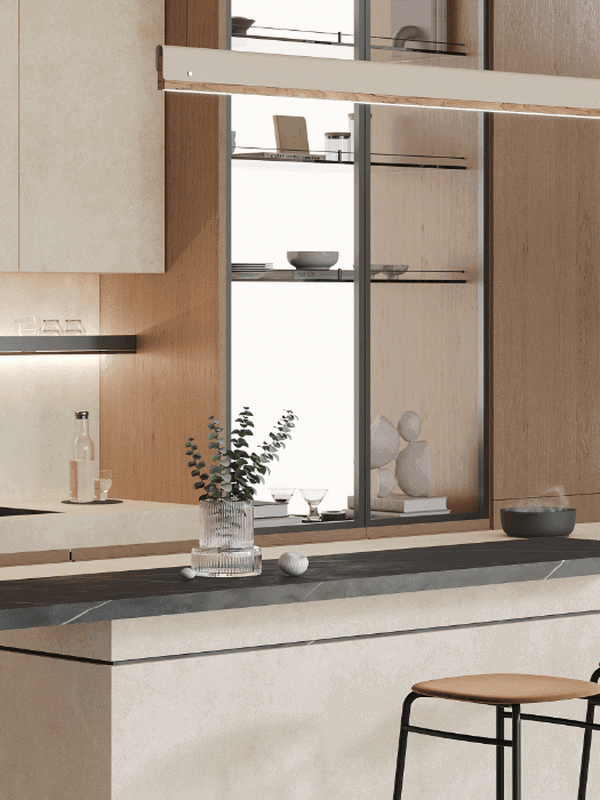
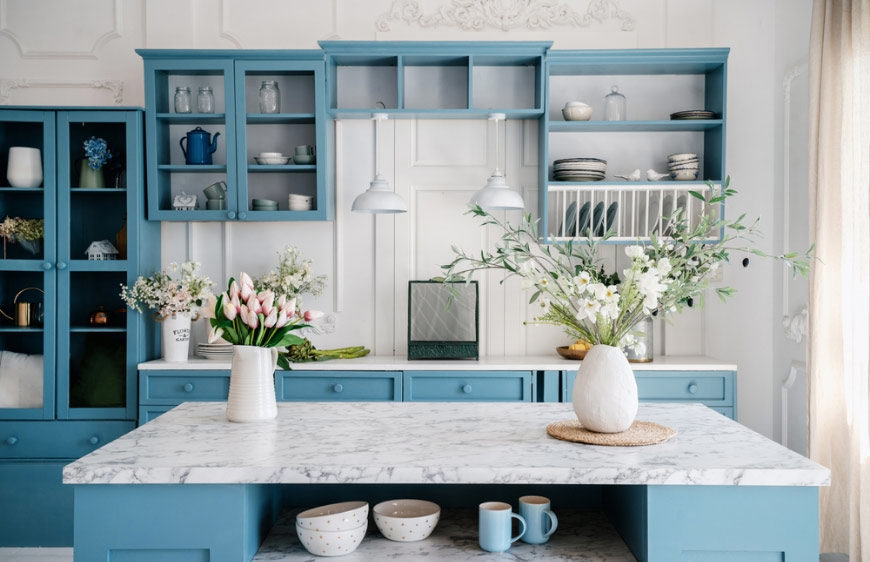
Once you have decided on an internal arrangement that keeps your kitchen orderly, it will help you determine how many cabinets and shelves you need, and what kind. Do you mainly need cupboards with doors, or open shelving? Perhaps more drawers would make life easier. The amount of equipment you have and the way it needs to be arranged will answer these questions.This will lead to decisions about where and how to position kitchen furniture and additional areas such as a coffee bar. Planning a functional kitchen also gives you clues about the space these storage choices will occupy. Treat it as an opportunity to review your equipment and keep the items you truly believe you need.
Decide on kitchen flooring
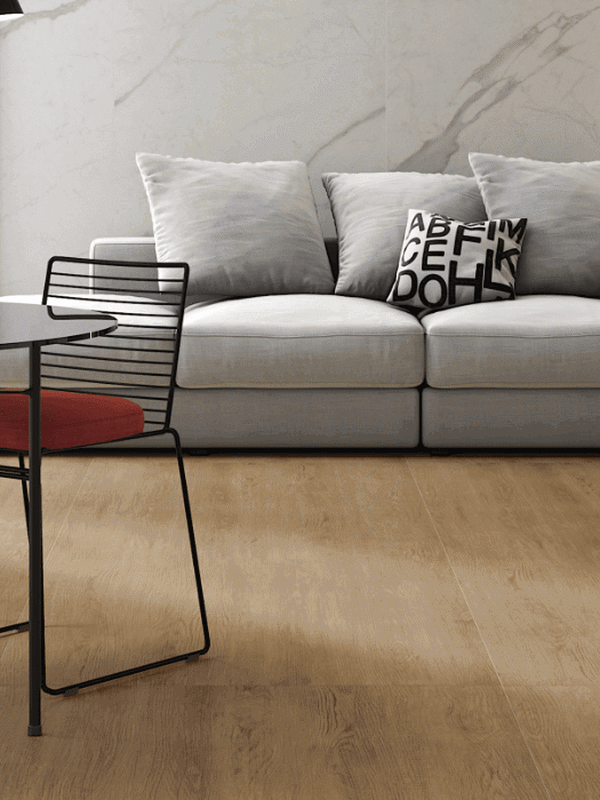
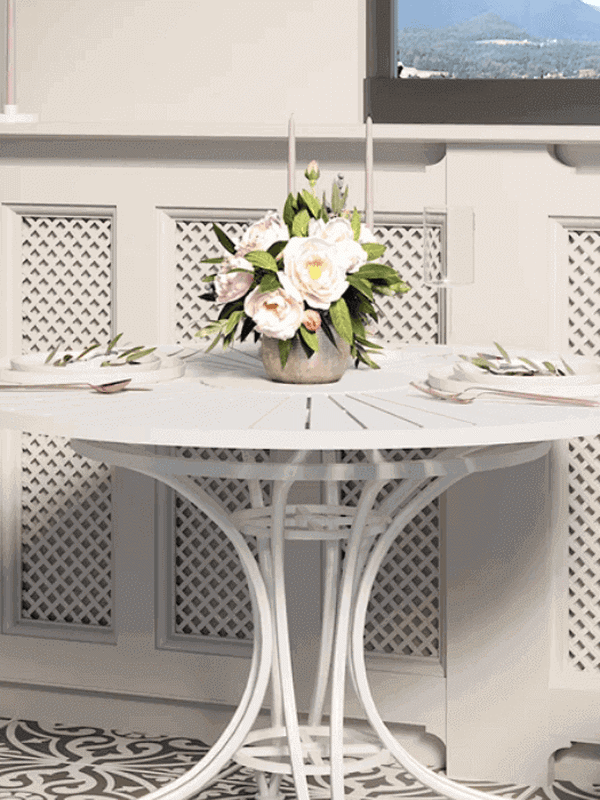
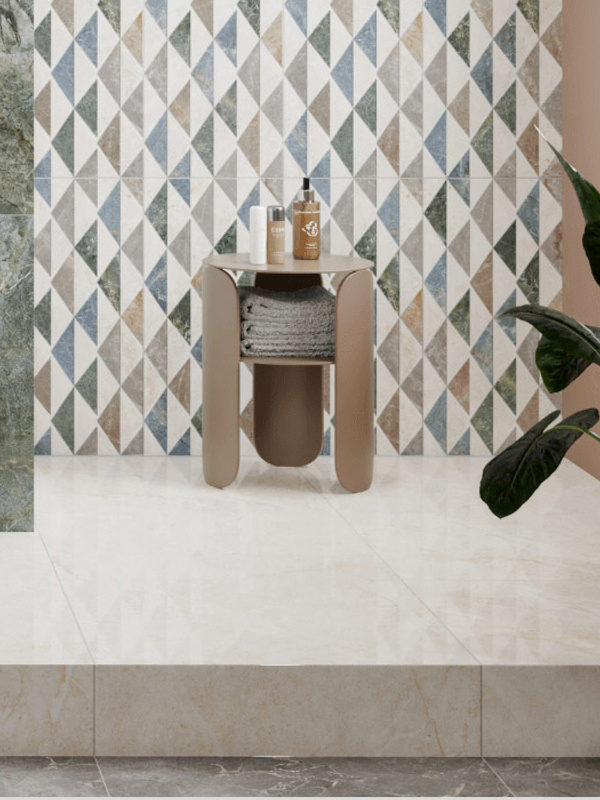
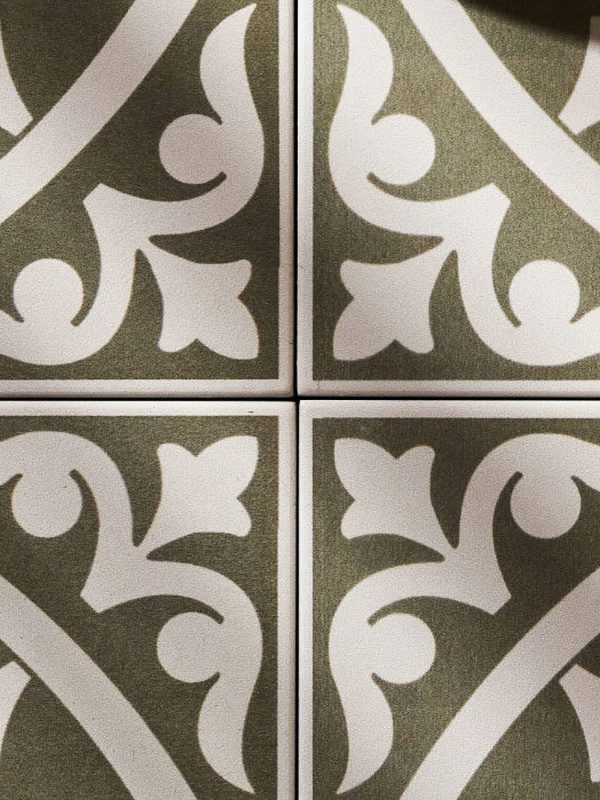
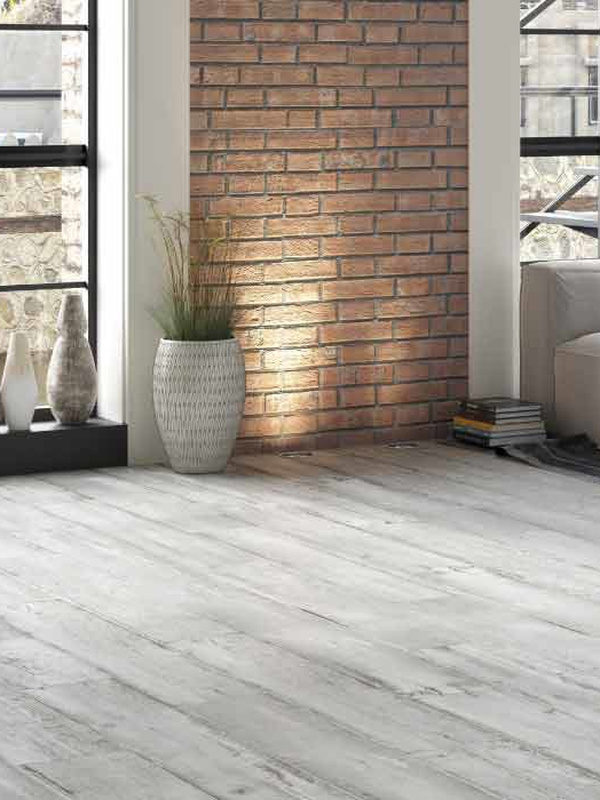
When designing the kitchen's overall structure, choosing the flooring material is naturally important. Your habits come first, but above all, a floor resistant to water and moisture will be invaluable. To support the decorative aspect, small-patterned ceramic tiles can create a balanced contrast with simple cabinets. This choice can also help disguise the debris frequently dropped on kitchen floors. Since flooring is not changed often, consider versatile, timeless options.
The texture of the kitchen: choosing a worktop
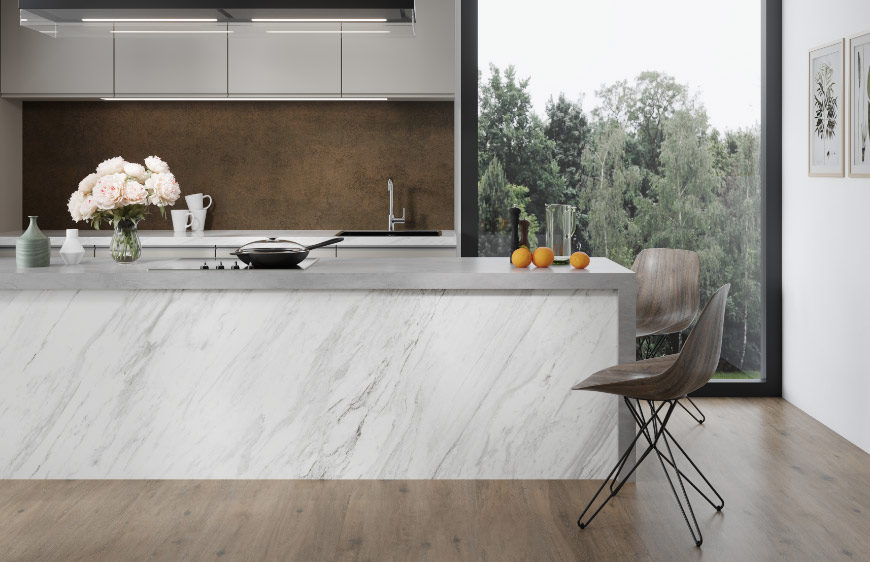
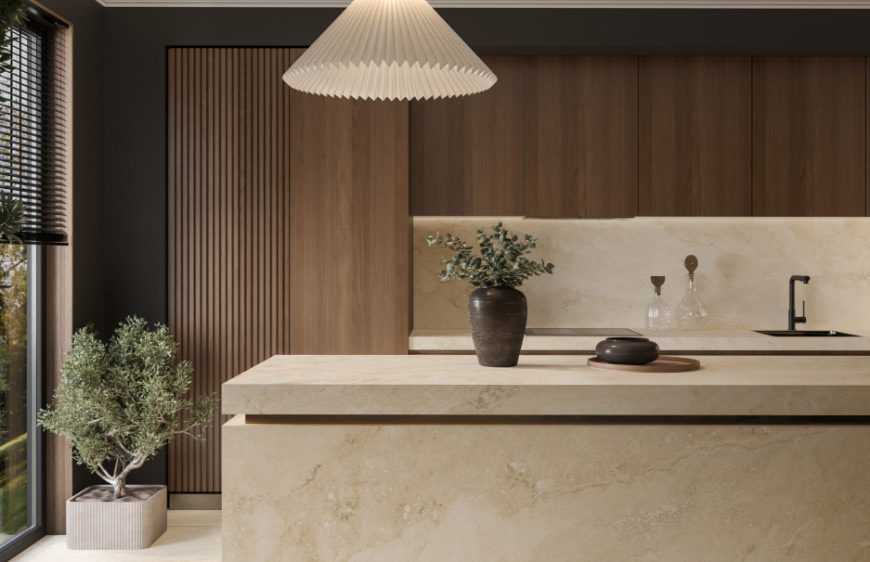
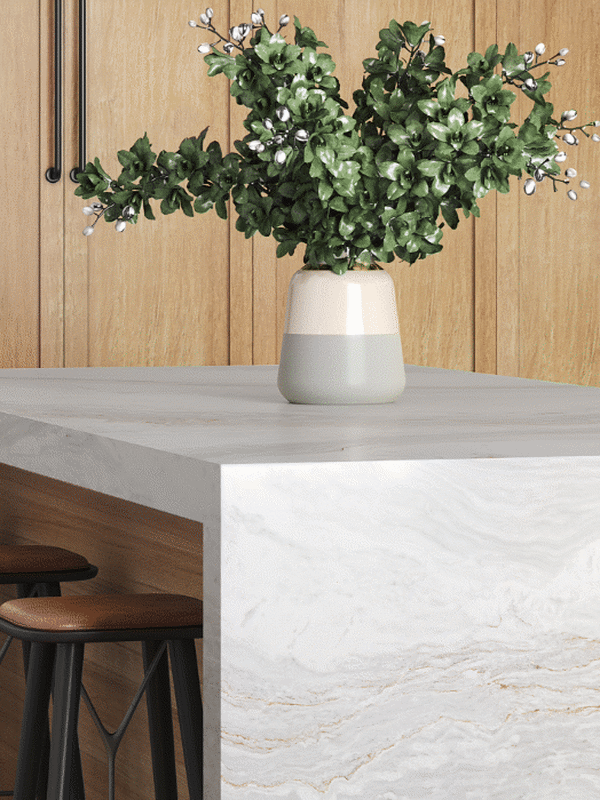
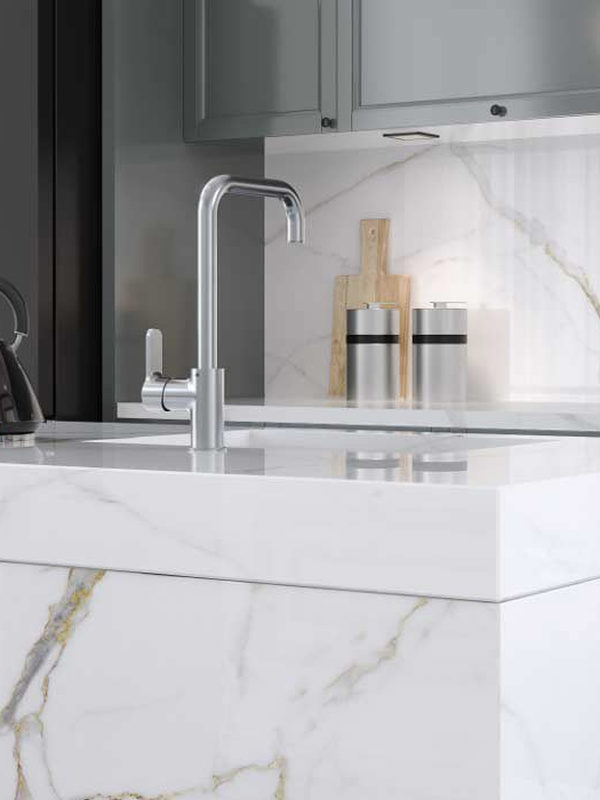
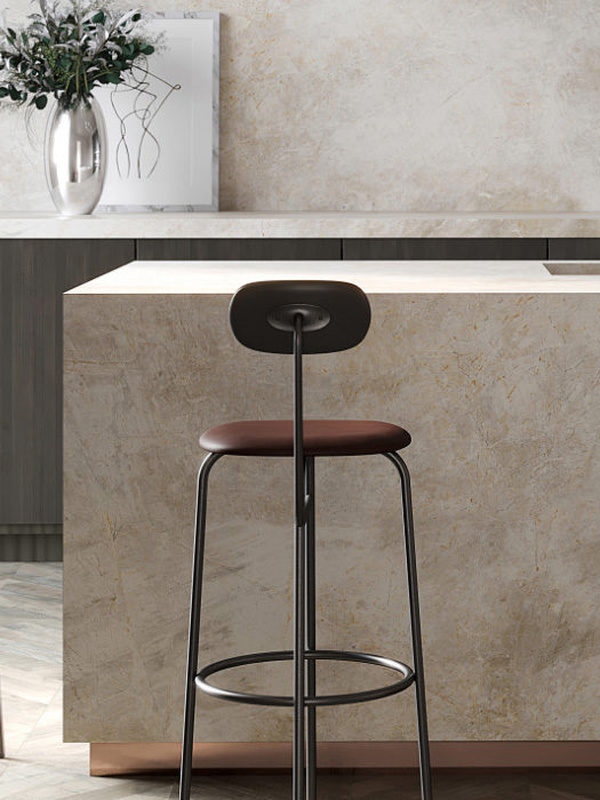
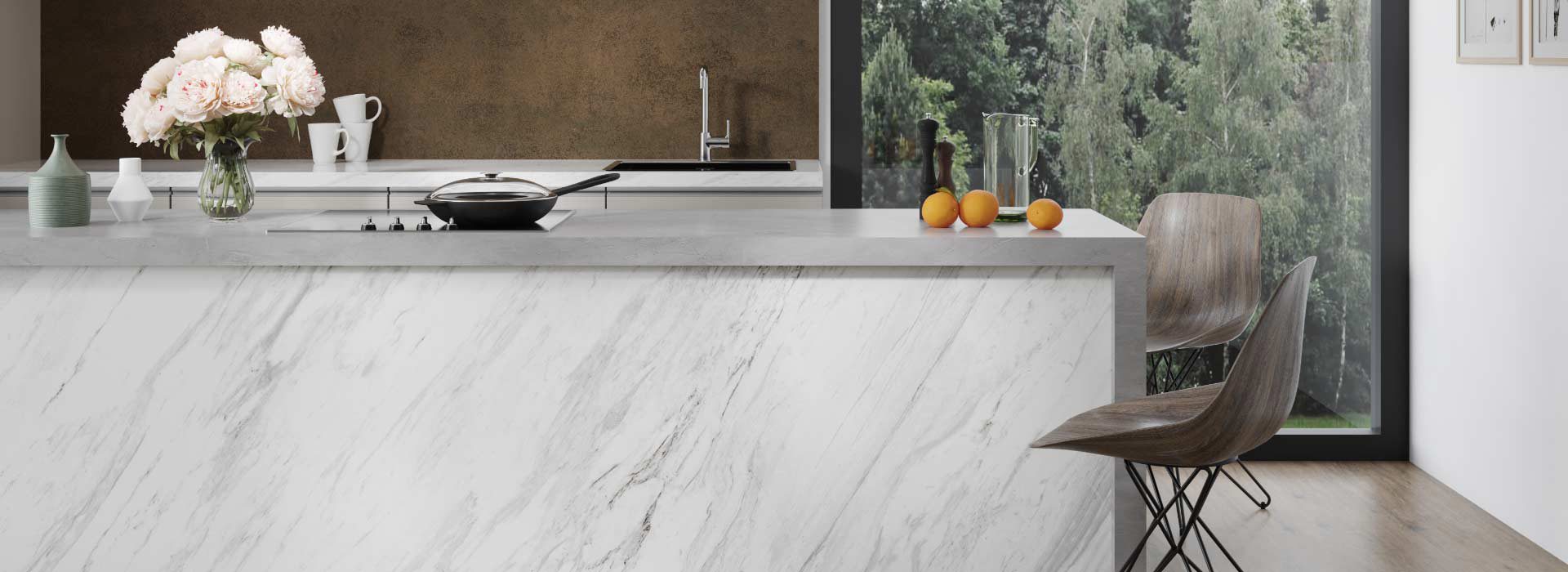
Worktops make a major contribution to the overall appearance and form the kitchen's focal point. Yet their value extends beyond aesthetics to practicality and strength. Choosing a long-lasting worktop that withstands different uses and cleaning products is an important step towards a well-decorated kitchen. When we consider appearance and function together, we want the style we create to retain its original character for as many years as possible, don't we?When choosing the worktop, your kitchen's working table, decide which everyday needs matter most. It is important to select the material and have the worktop made with these priorities in mind. If you rely on chemical cleaners for hygiene, for example, narrow down the options to surfaces that resist them. This is the quickest way to minimise wear.
For a well-lit kitchen
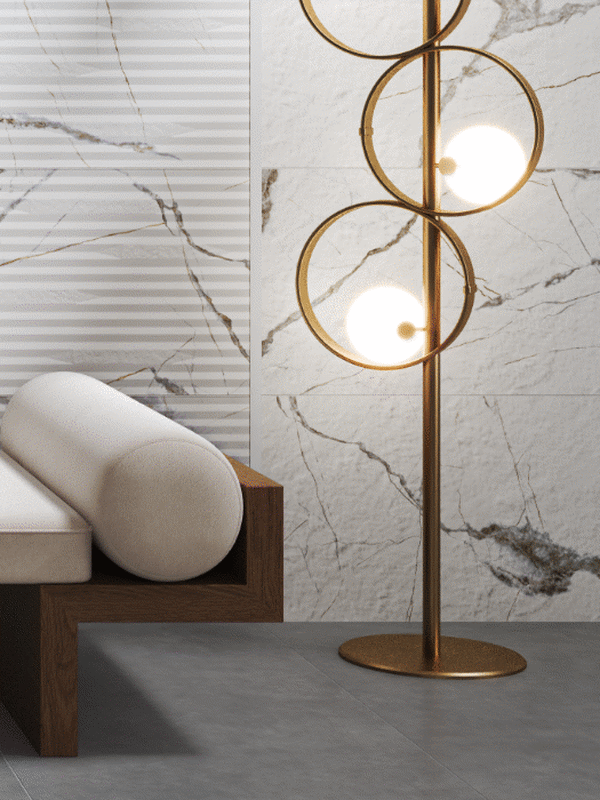
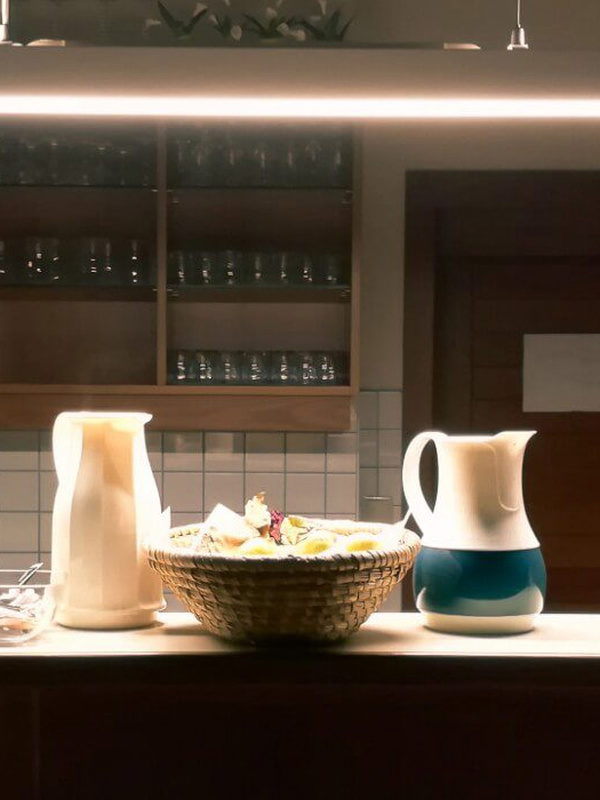
Designing a kitchen with focused lighting that clearly illuminates work areas, supported by softer light that enhances the atmosphere, is an important way to strengthen the décor. Remember to decide where to position the different lighting types so they contribute both to the beauty of the interior and to its functionality.
Choosing kitchen equipment
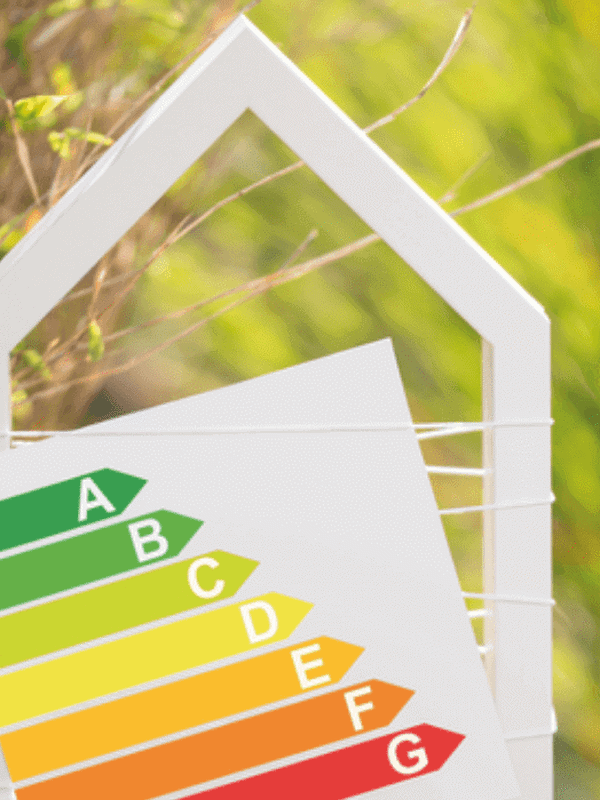
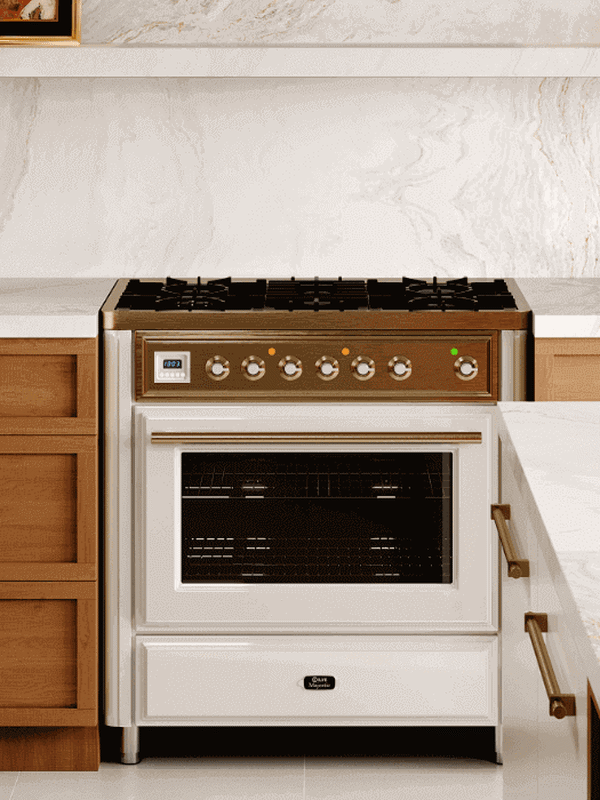
When choosing built-in or freestanding appliances, we recommend options that suit your daily life. If you entertain many guests, for example, you might allow space for a larger dishwasher or coffee machine. This is important when calculating the room available for cabinets. You can also check whether each appliance belongs to an energy-efficient class.
The power of details
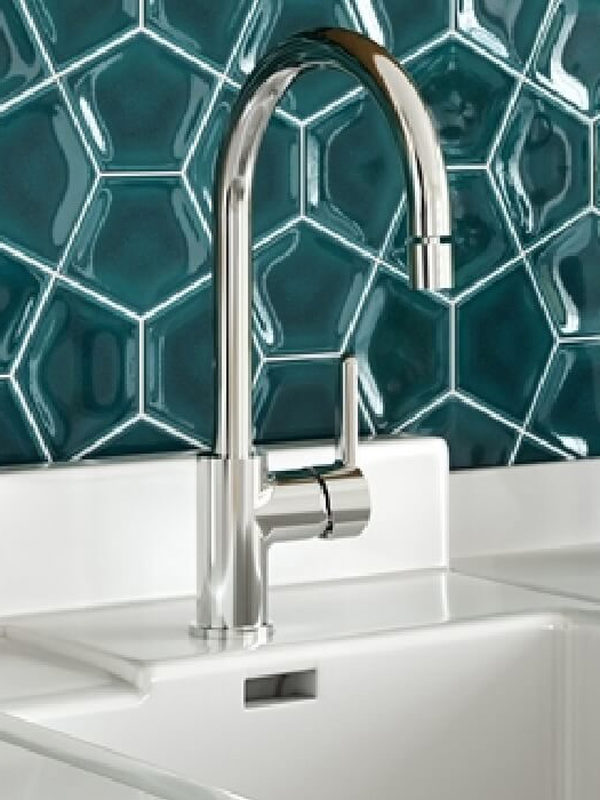
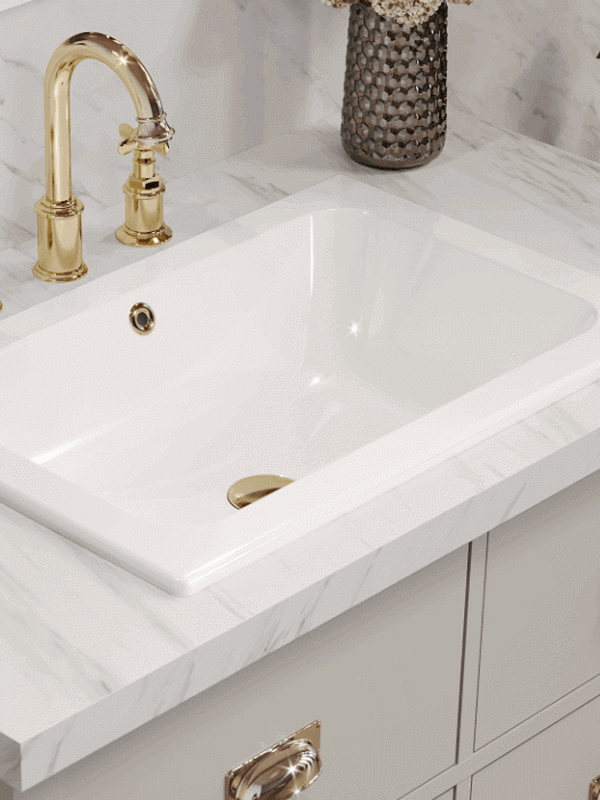
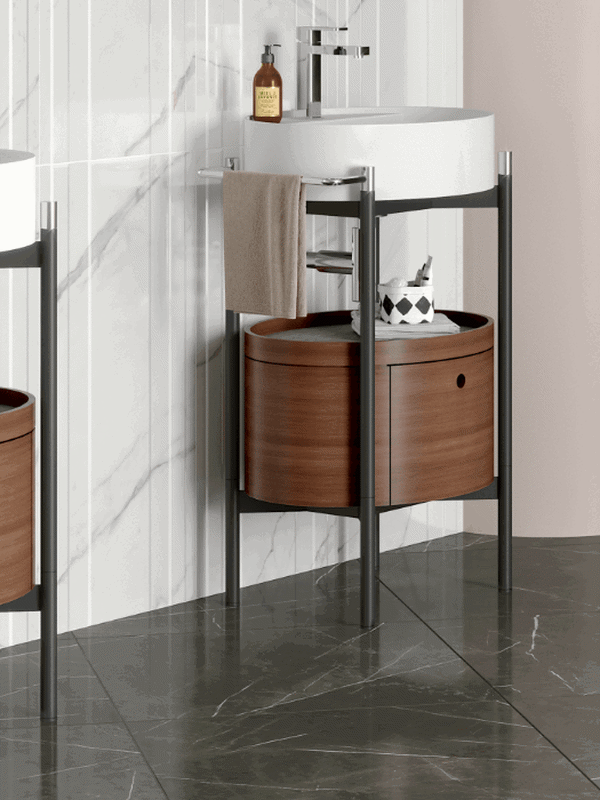
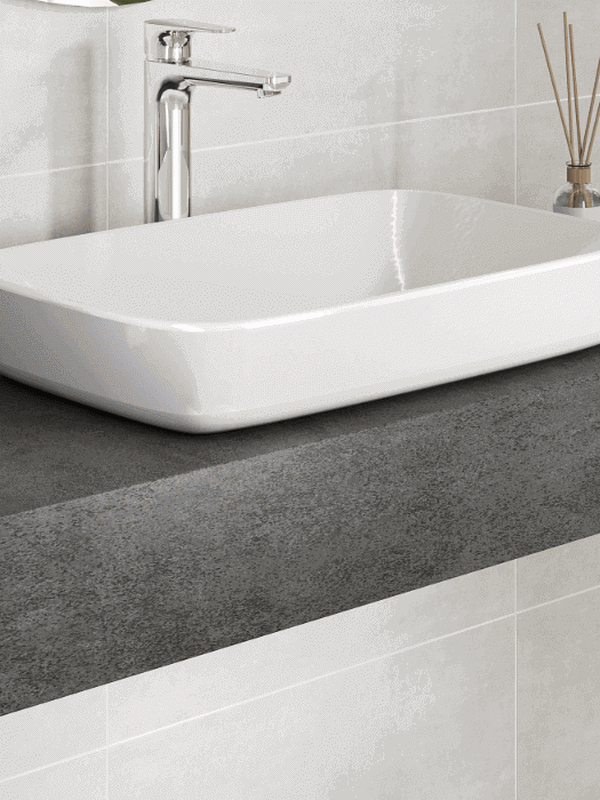
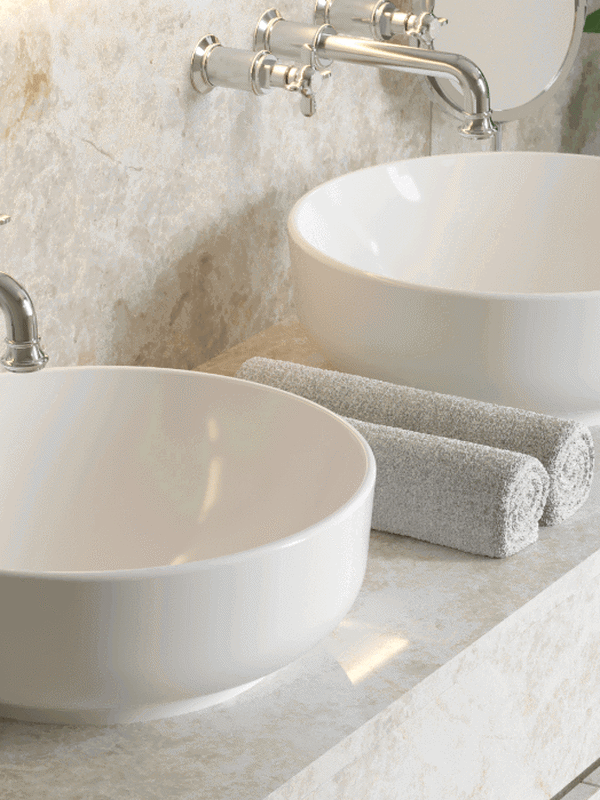
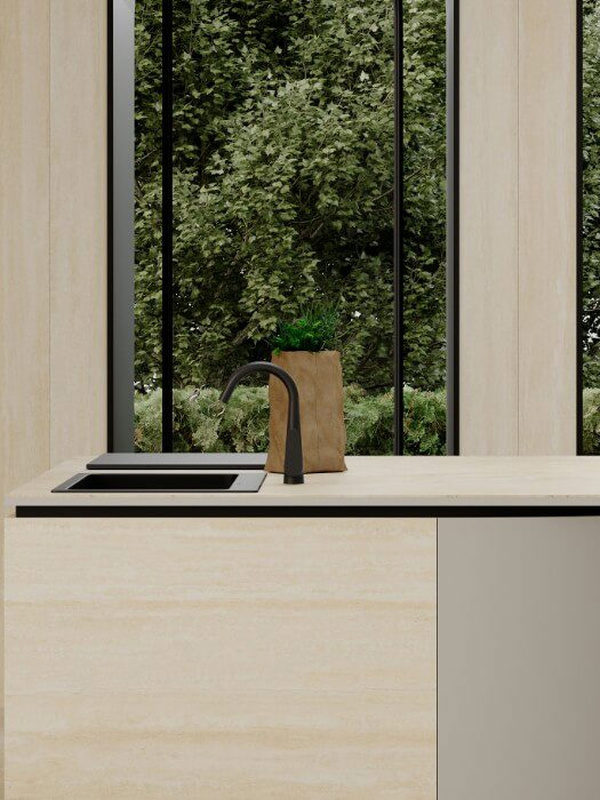
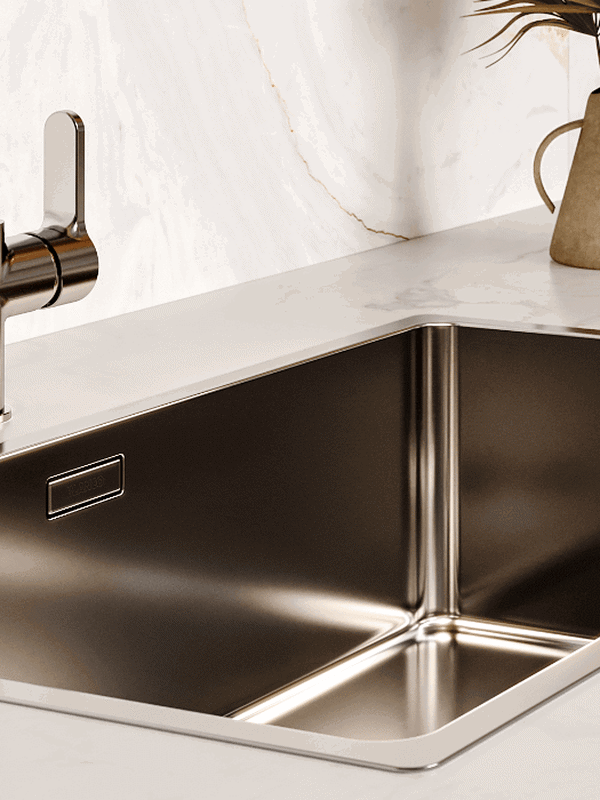
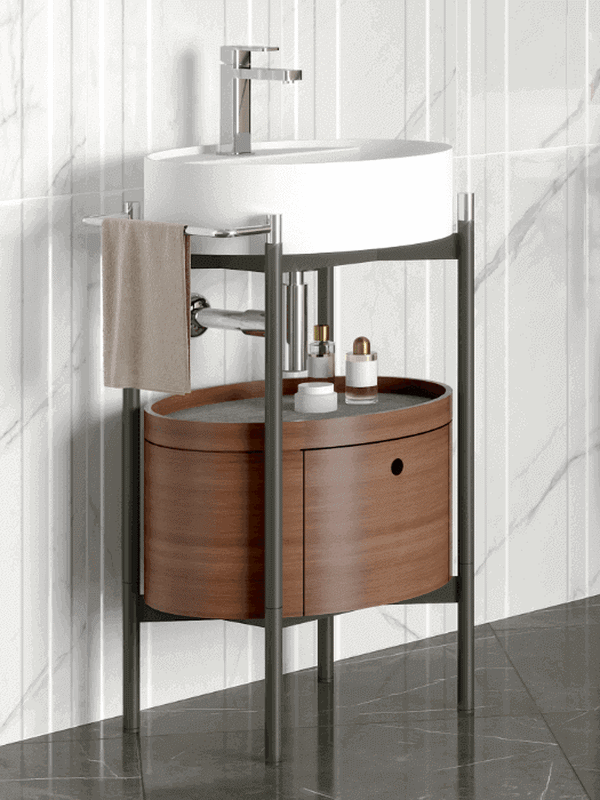
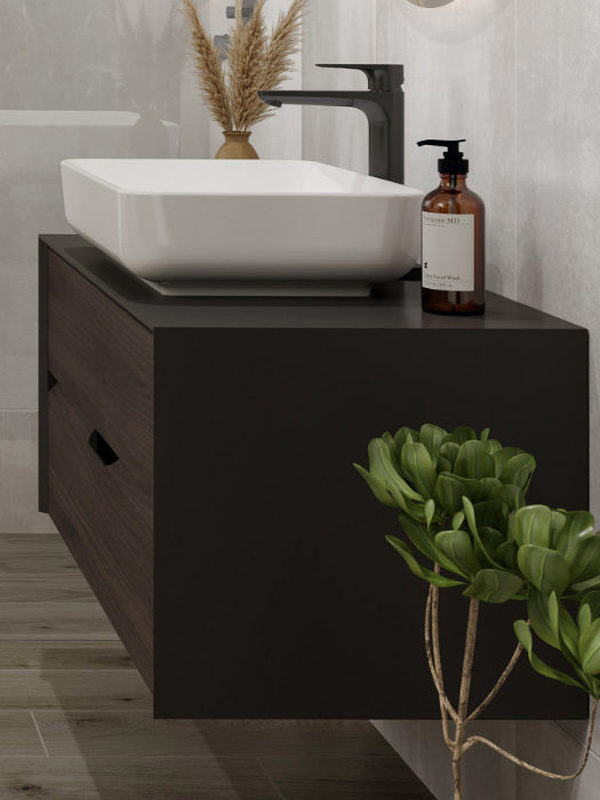
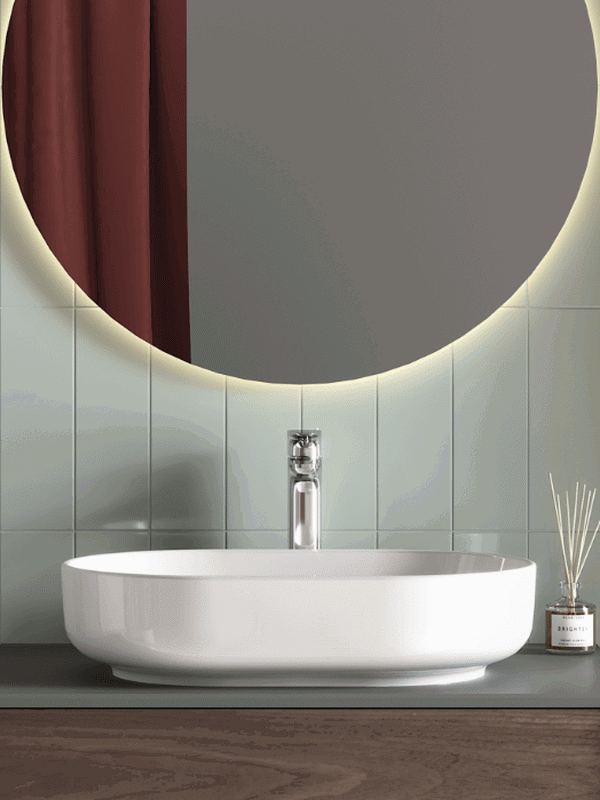
Remember to give proper attention to the key items that make everyday use easier while providing lasting, sturdy solutions. Taps and handles that will be used thousands of times, for example, should be durable and well designed. Sinks should likewise be easy to clean under heavy use and strong enough to retain their original appearance for years.