














Success
Your request has been successfully received. We will contact you as soon as possible.

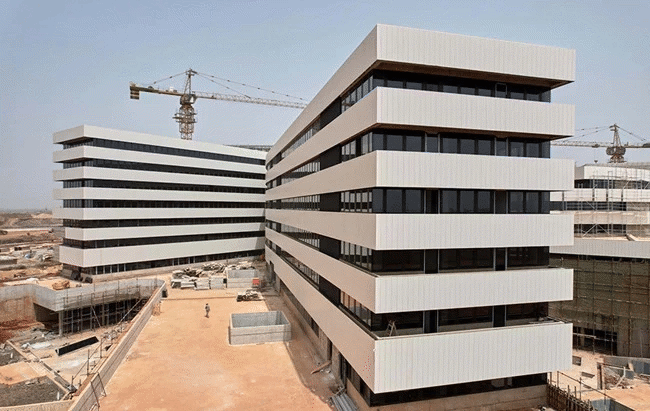
Kalesinterflex, introduced by Kalebodur, which has brought many innovative products to Türkiye, remains a preferred choice for major projects at home and abroad. It has added the United Nations House in Senegal to its prestigious references. The facade of the 60,000-square-metre building uses 16,000 square metres of Kalesinterflex porcelain ceramic slabs.
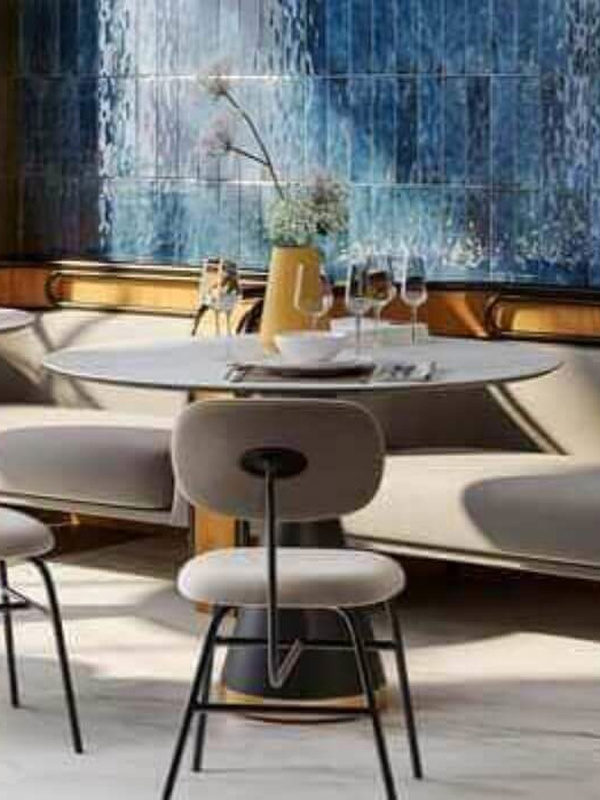
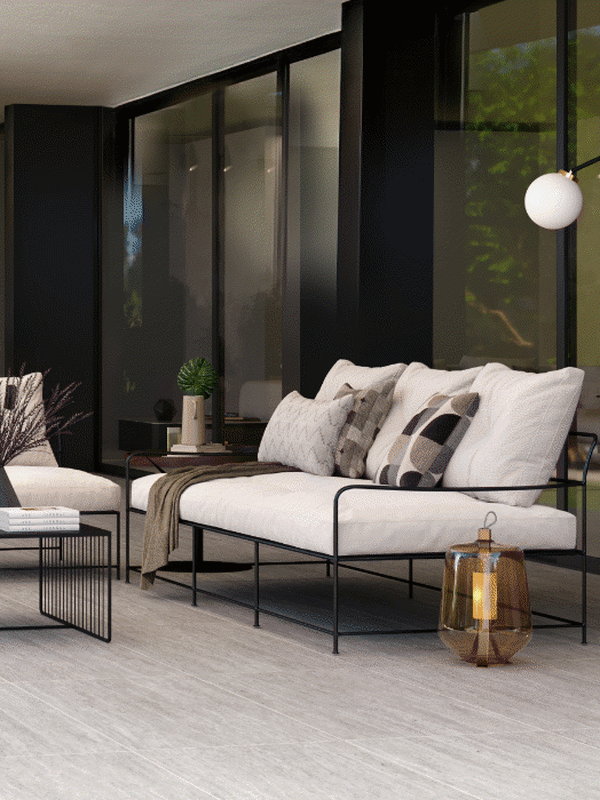
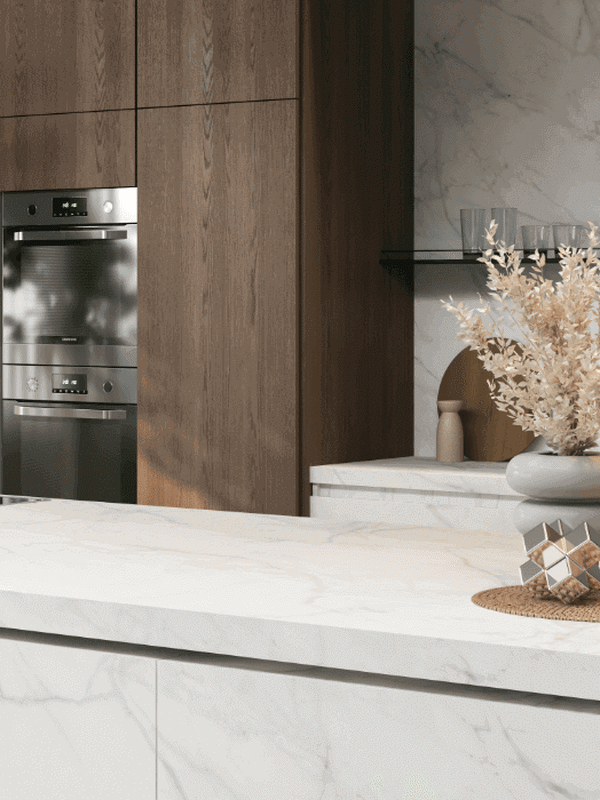
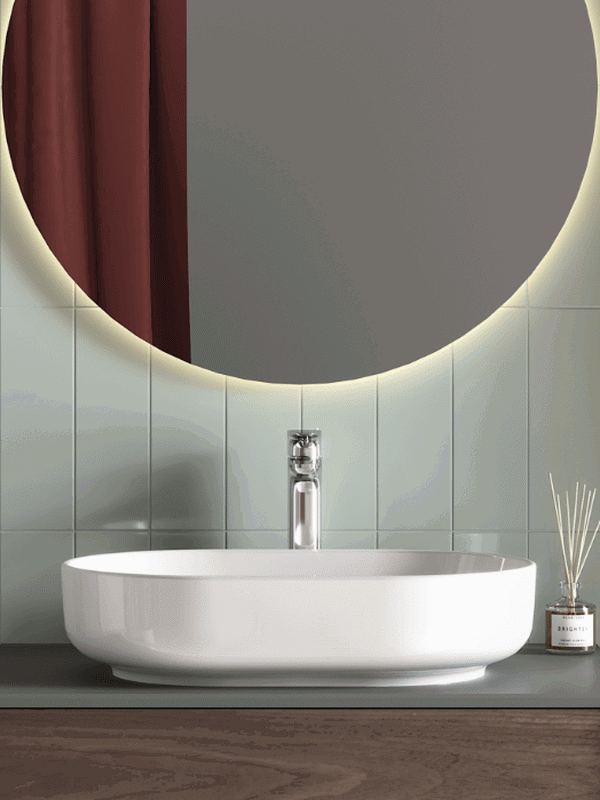
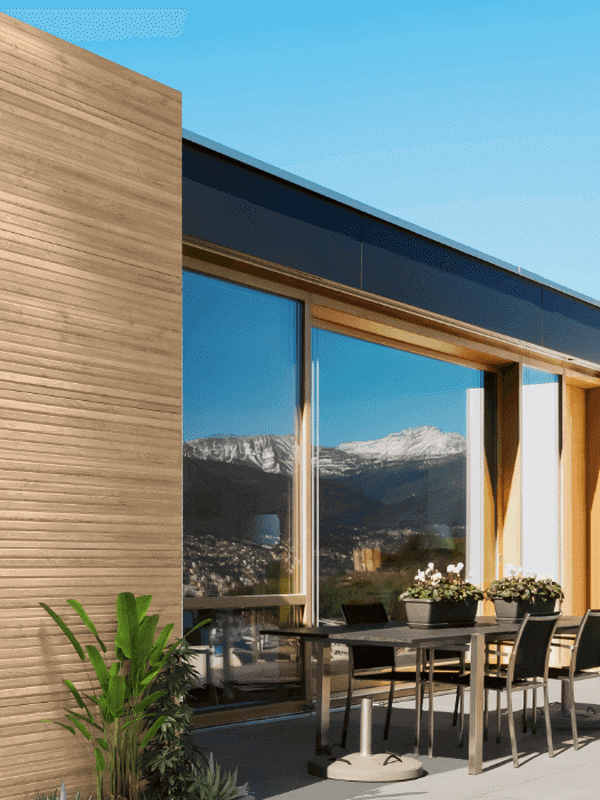
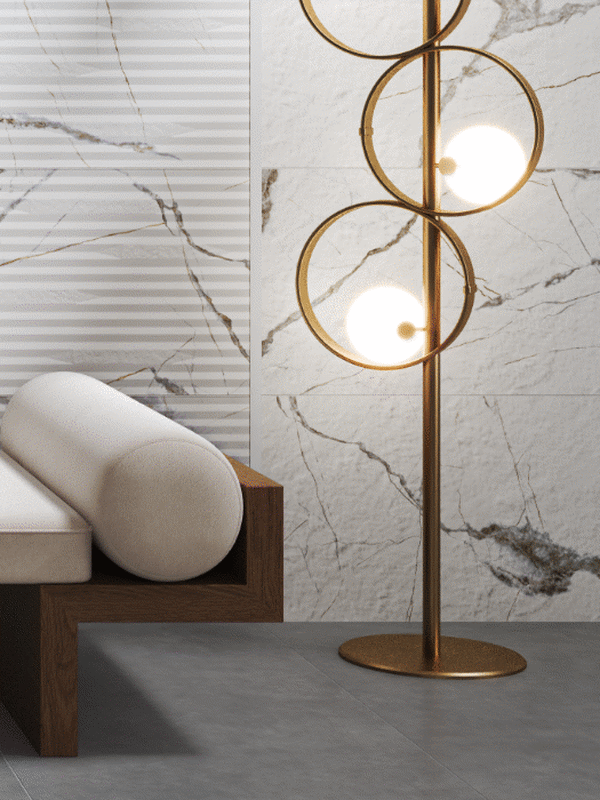
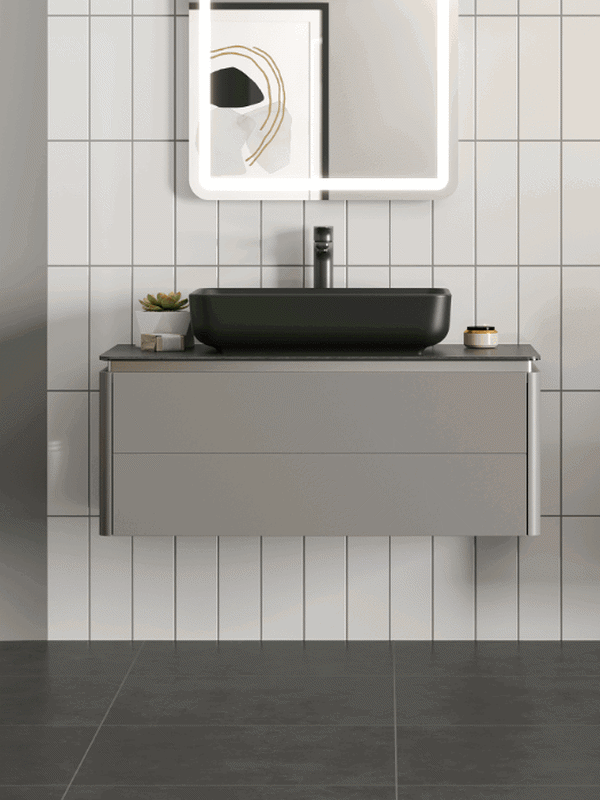
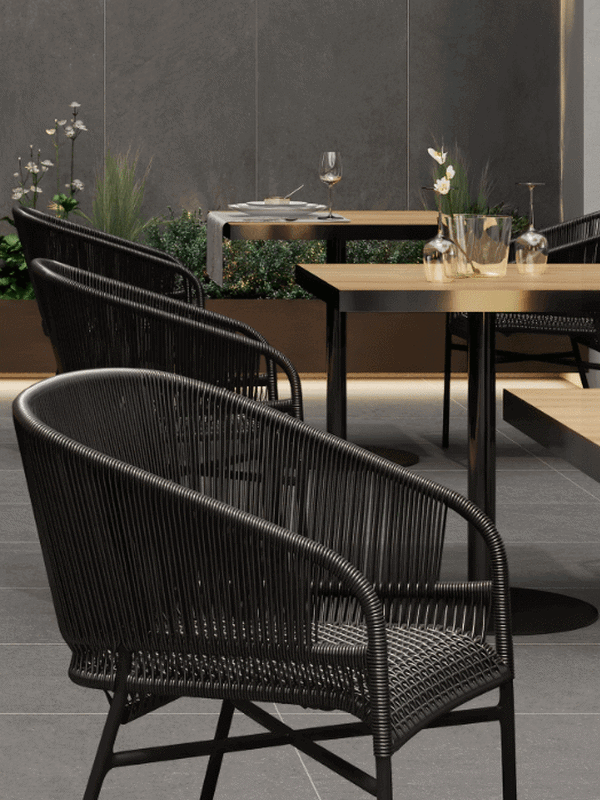
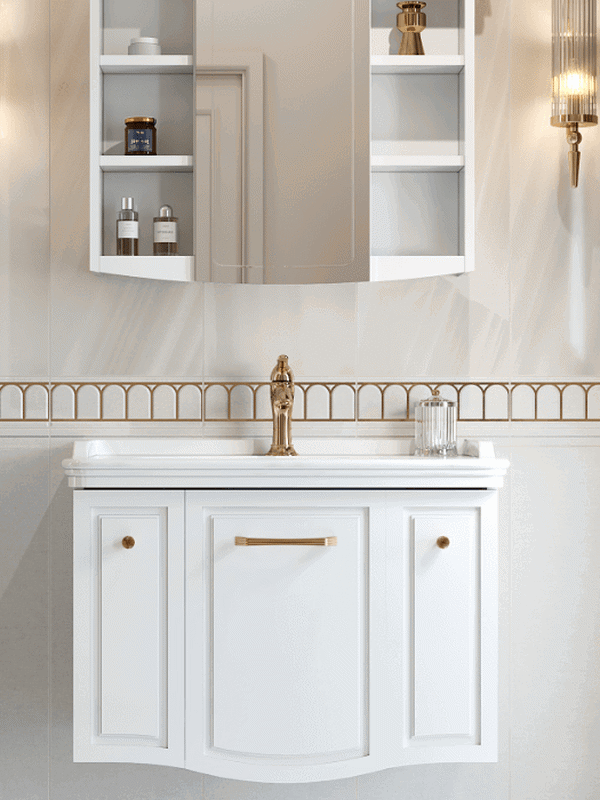
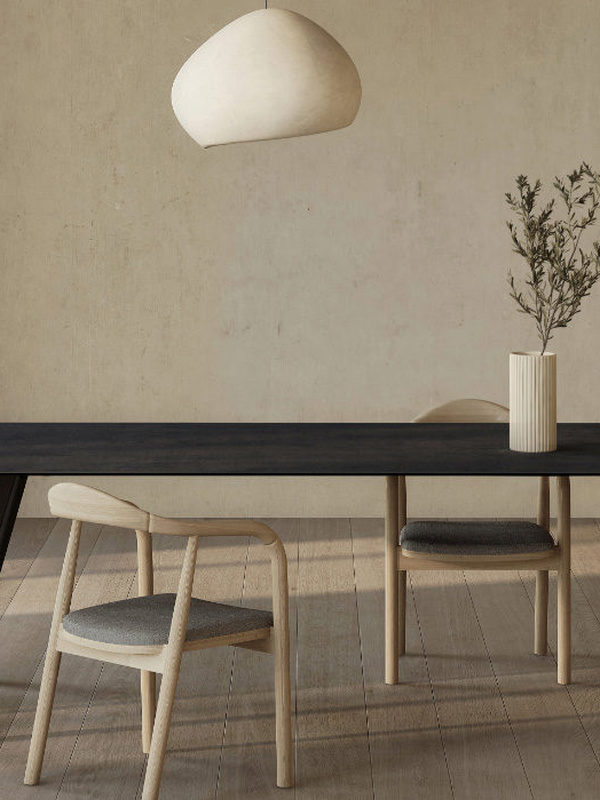
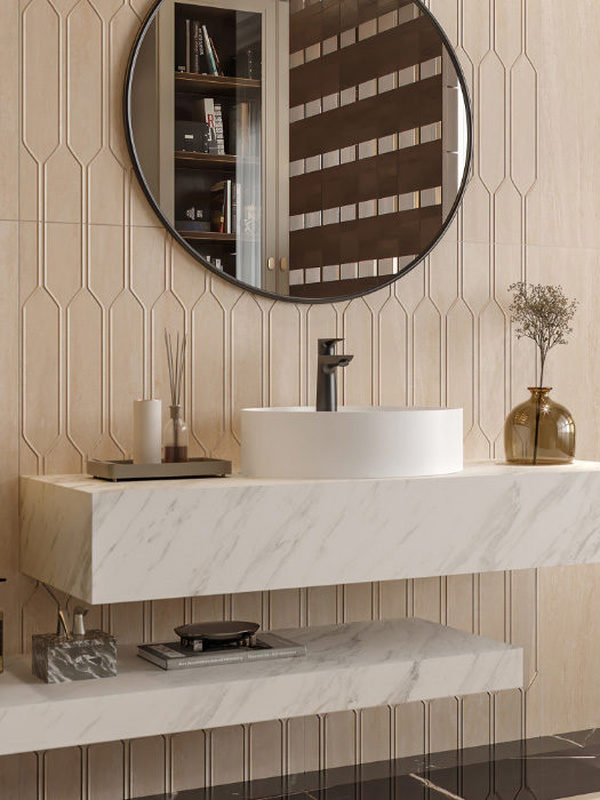
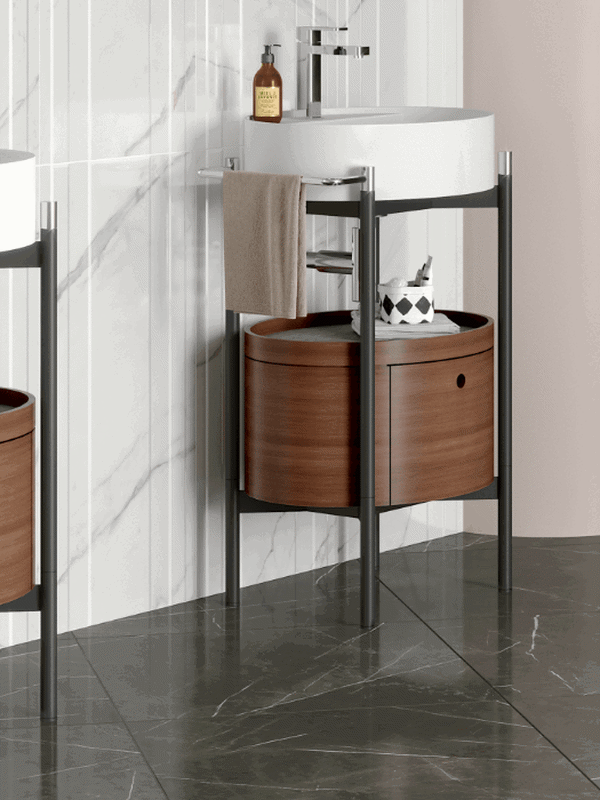
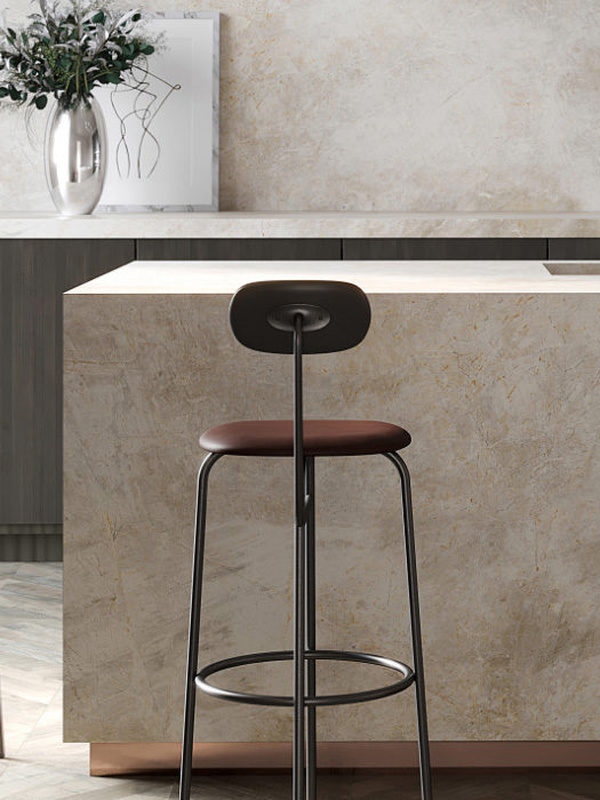
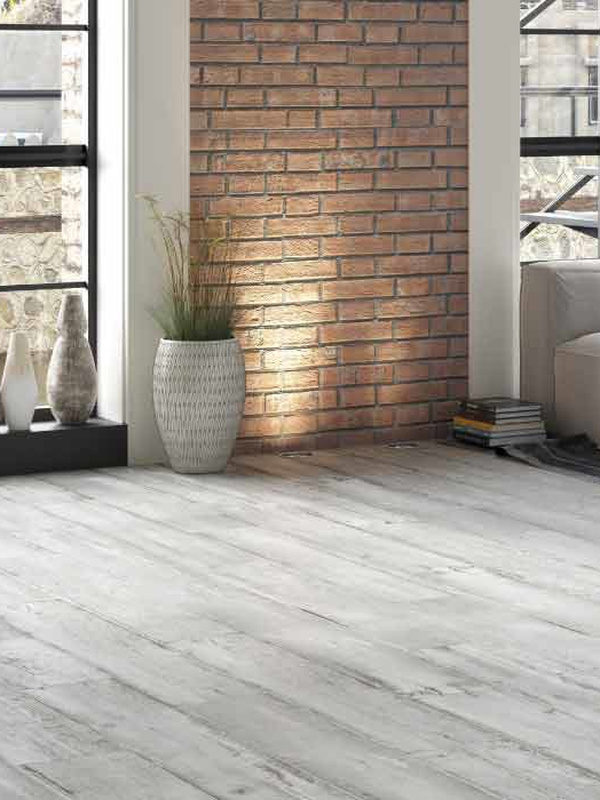
A preferred choice for architects on exterior facades as well as interior walls and floors, thanks to its dimensions, flexibility and ease of application, Kalesinterflex offers remarkable creative possibilities for architects and professionals.
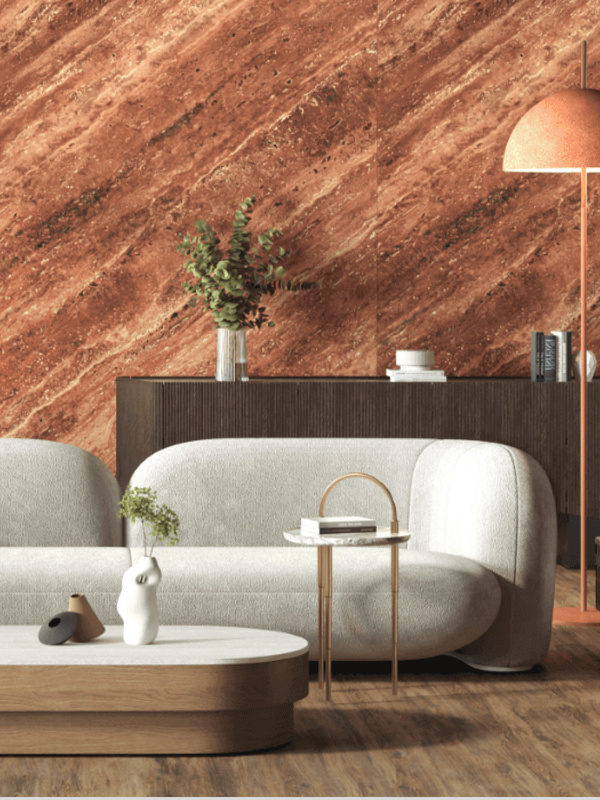
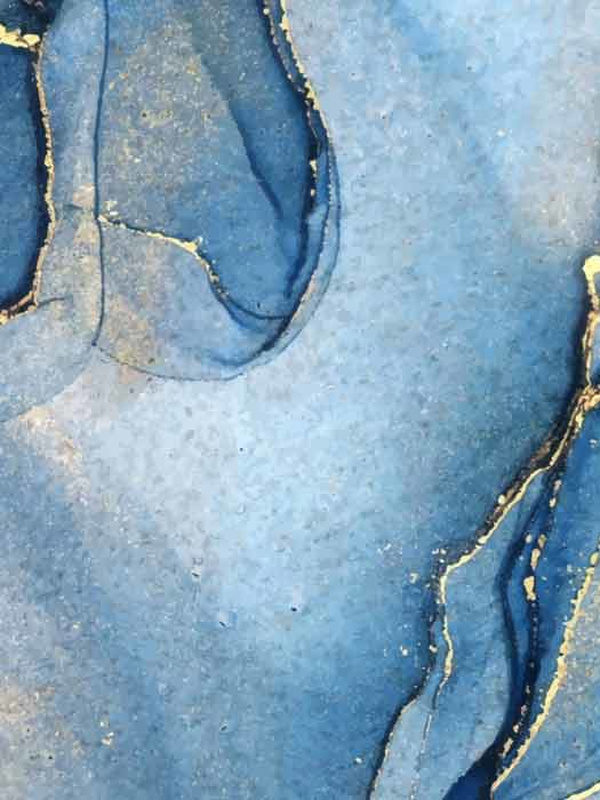
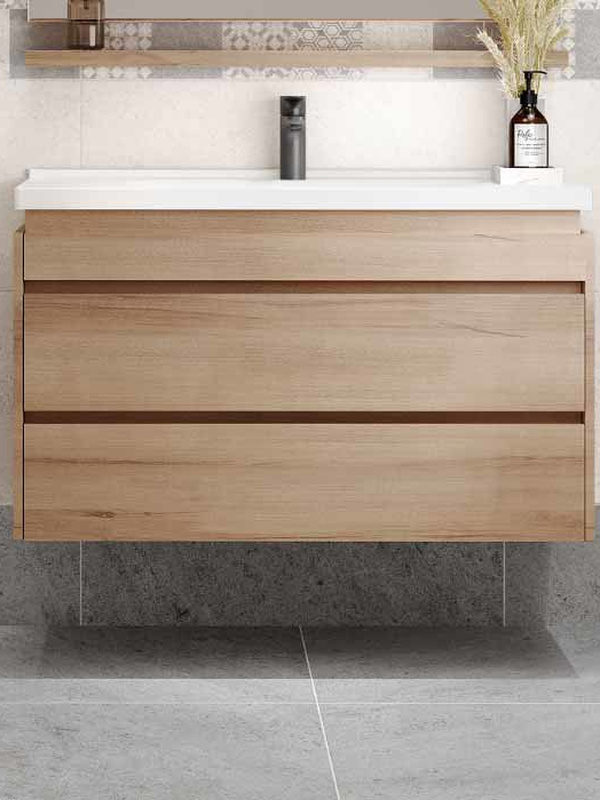
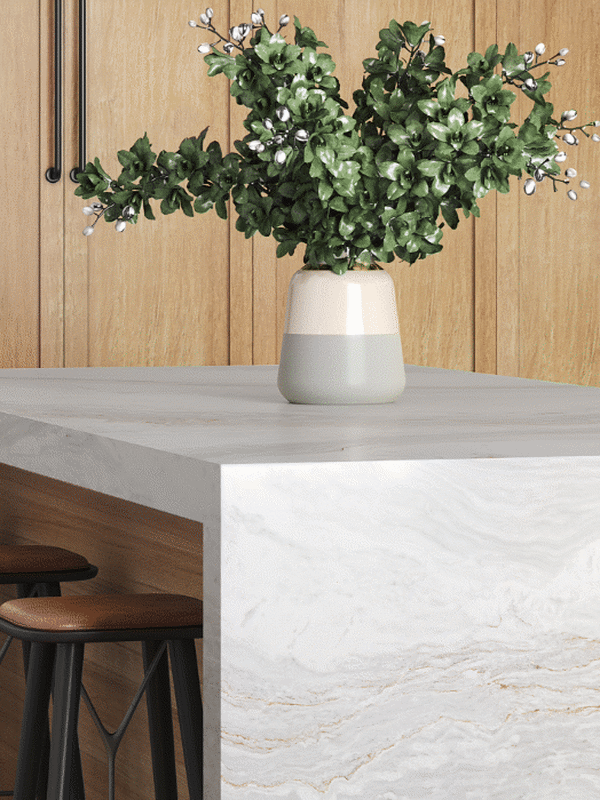
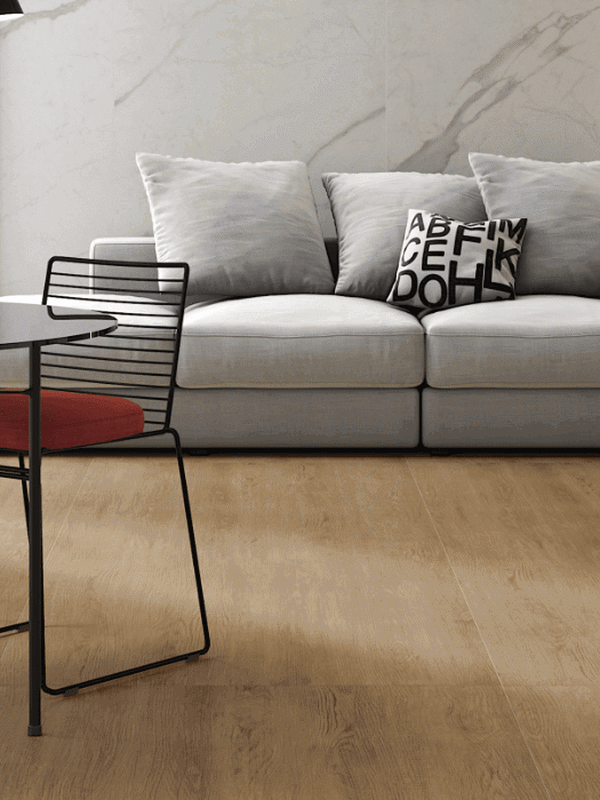
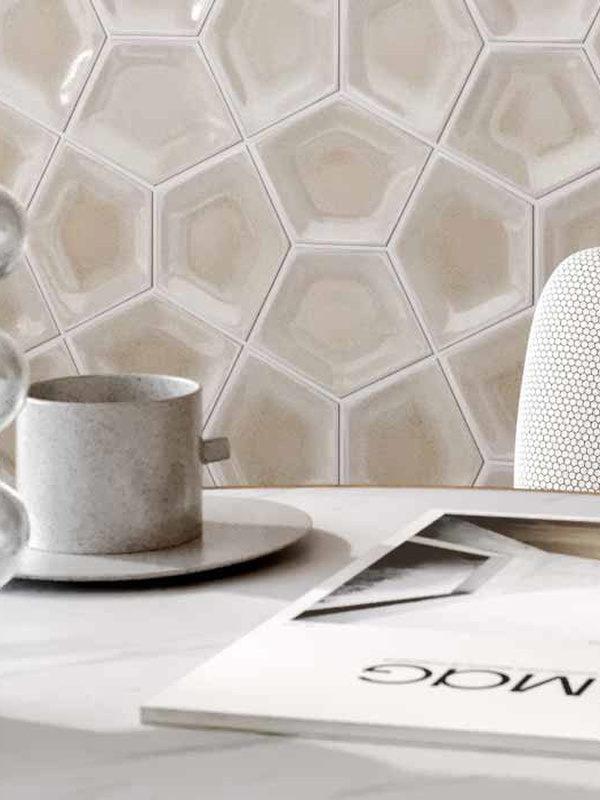
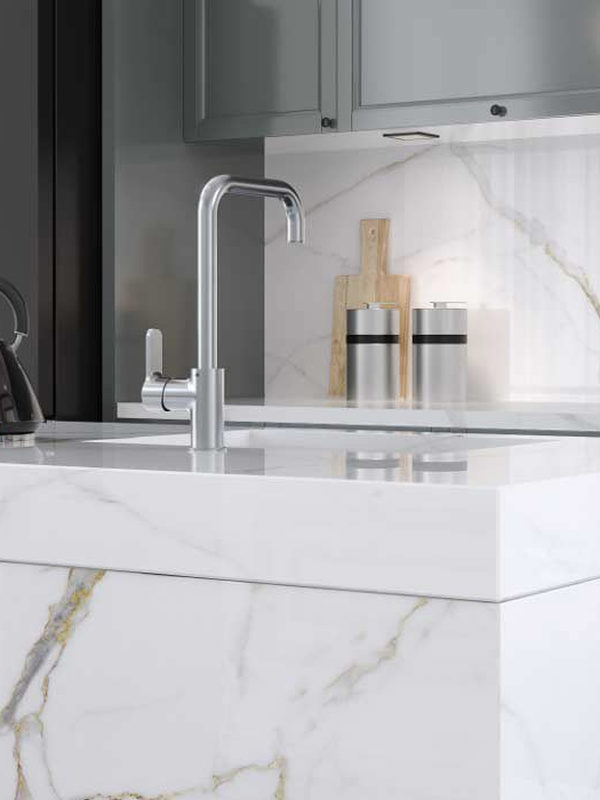
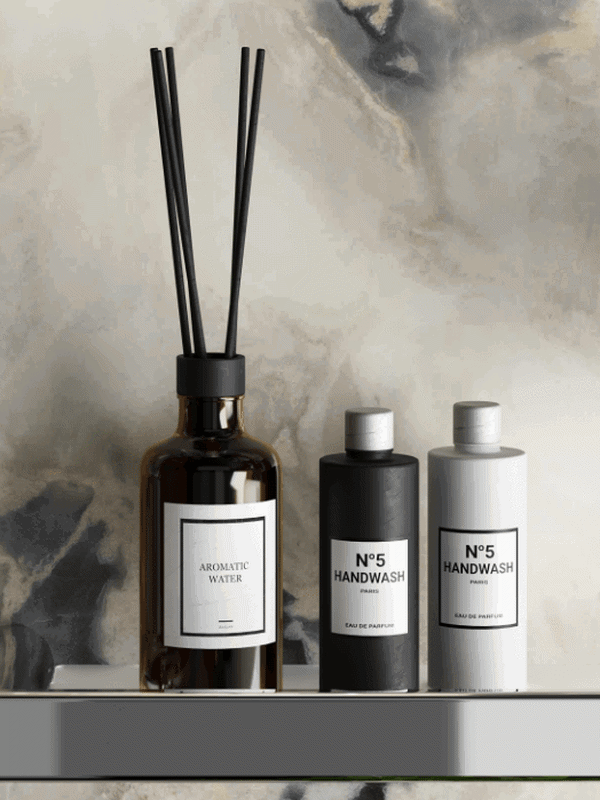
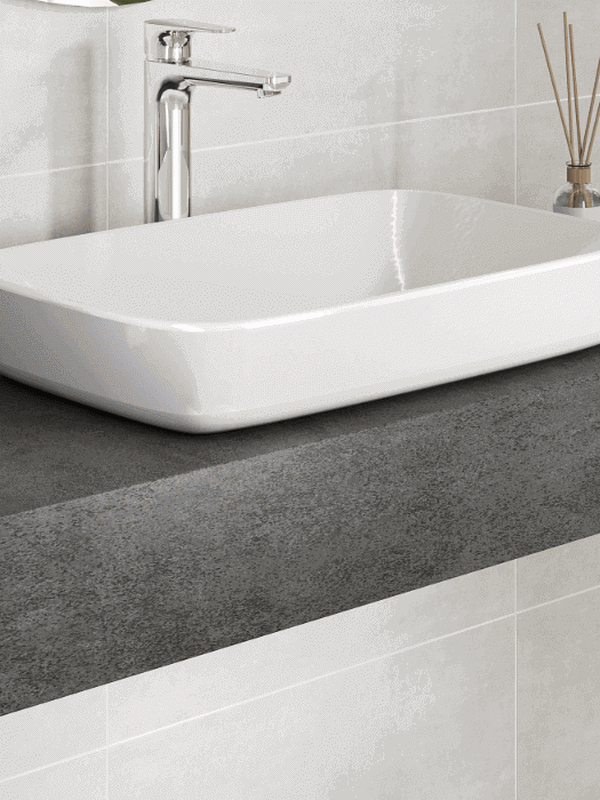
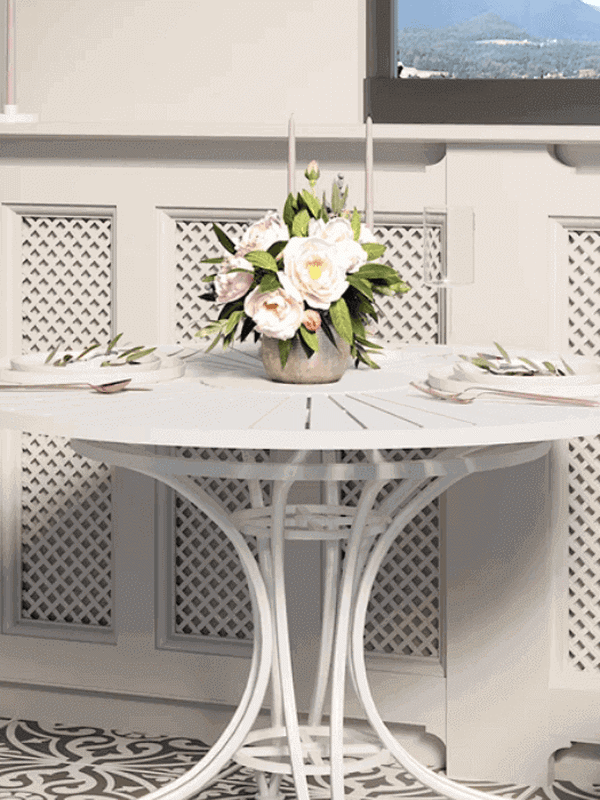
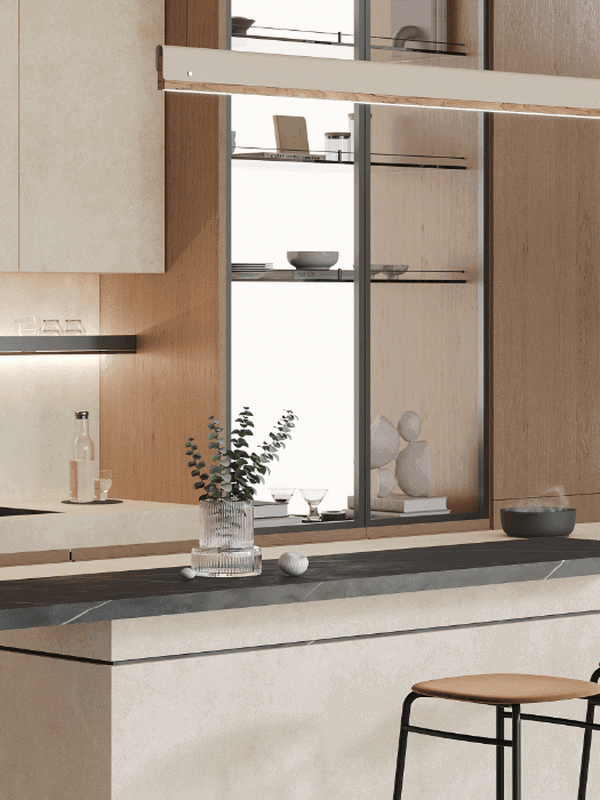
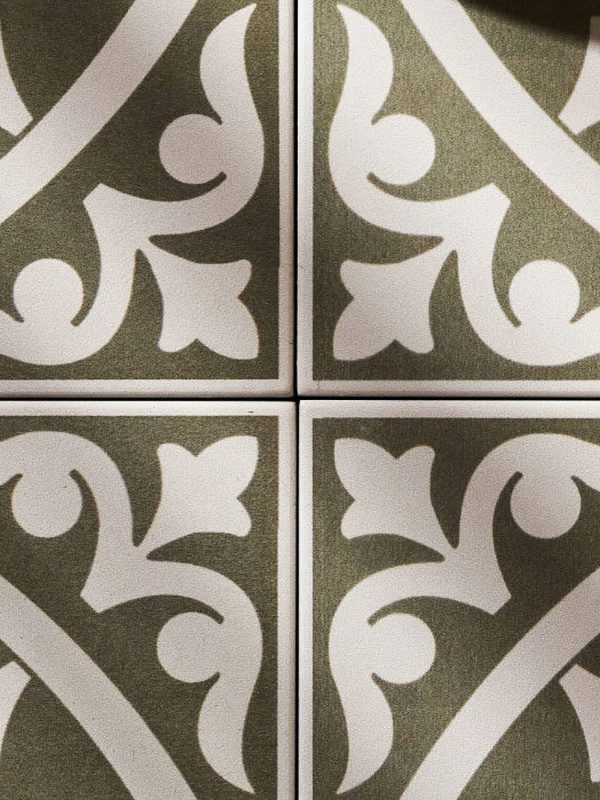
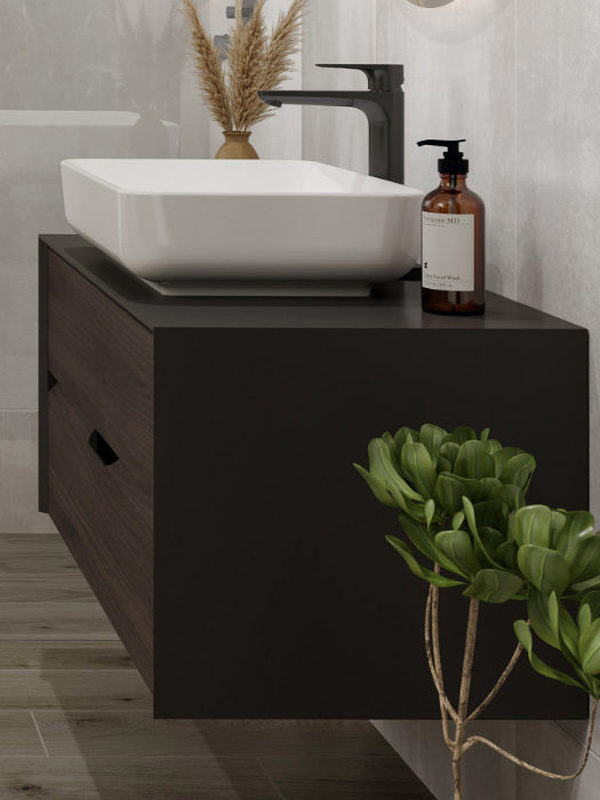
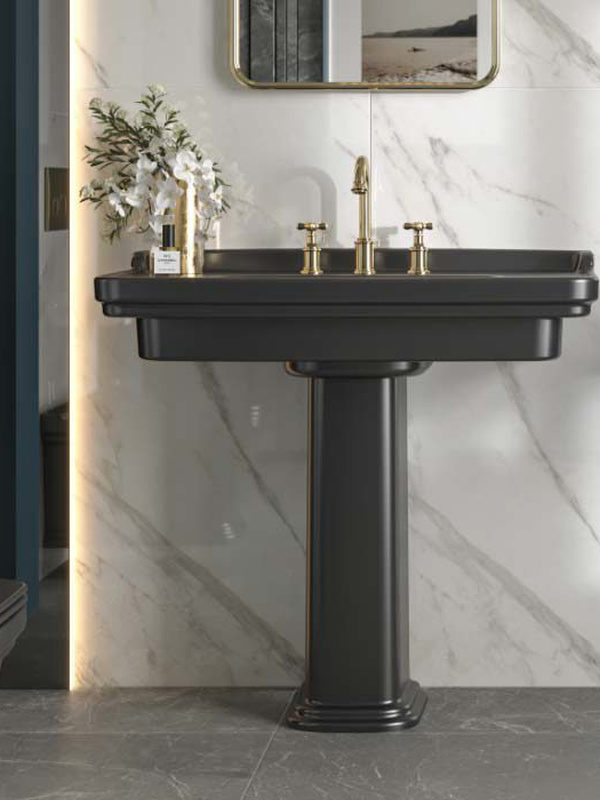
Providing design freedom and flexibility, Kalesinterflex offers boundless dimensions for big ideas. Manufactured as porcelain ceramic slabs in 100x300 cm and 120x360 cm formats, just 3–5 mm thick, it can also be produced in bespoke sizes suited to individual projects. Available in matt and gloss finishes, Kalesinterflex offers 18 solid colours and highly realistic metallic, wood, concrete and natural stone textures created through digital manufacturing technology.
Alongside being the largest porcelain ceramic slab, Kalesinterflex prevents bacterial growth through its hygienic structure. Going beyond conventional wall, facade and floor coverings, it creates a unified look on every surface it touches while helping form healthy living spaces through long-lasting durability and hygiene.
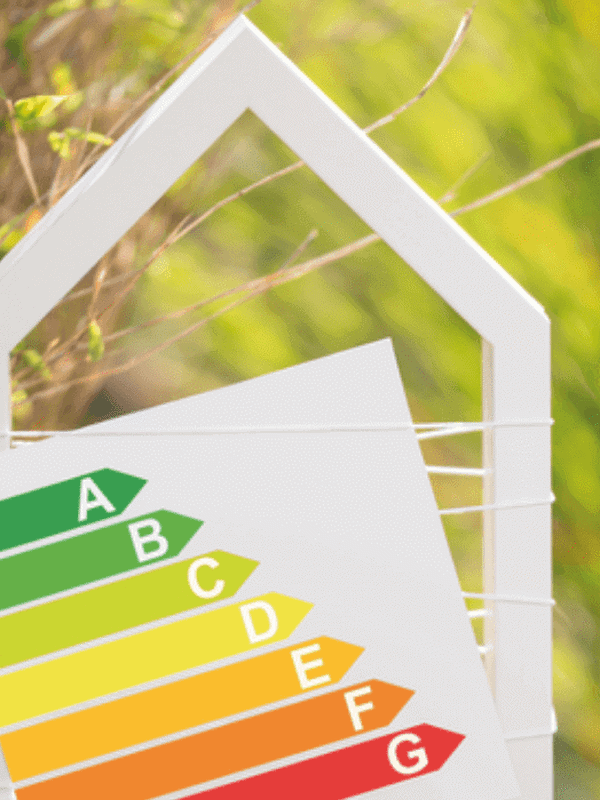
As well as its large, thin format, Kalesinterflex is an environmentally responsible technological product with Ecospecifer certification. Compared with conventional ceramic manufacturing, its gas and dust emissions are 20 times lower and CO2 emissions 1,000 times lower, while it covers four times as much floor area with the same raw material. Producing one square metre requires only eight litres of water, compared with 50 litres for a standard tile. It uses three times less energy and four times less electricity than standard tiles, with carbon emissions a thousand times lower than conventional ceramic production.
Protecting both indoor and outdoor spaces against bacteria even in poorly lit conditions, Kalesinterflex minimises detergent use through its easy-to-clean surface. It retains its original appearance despite repeated exposure to cleaning chemicals and abrasion.
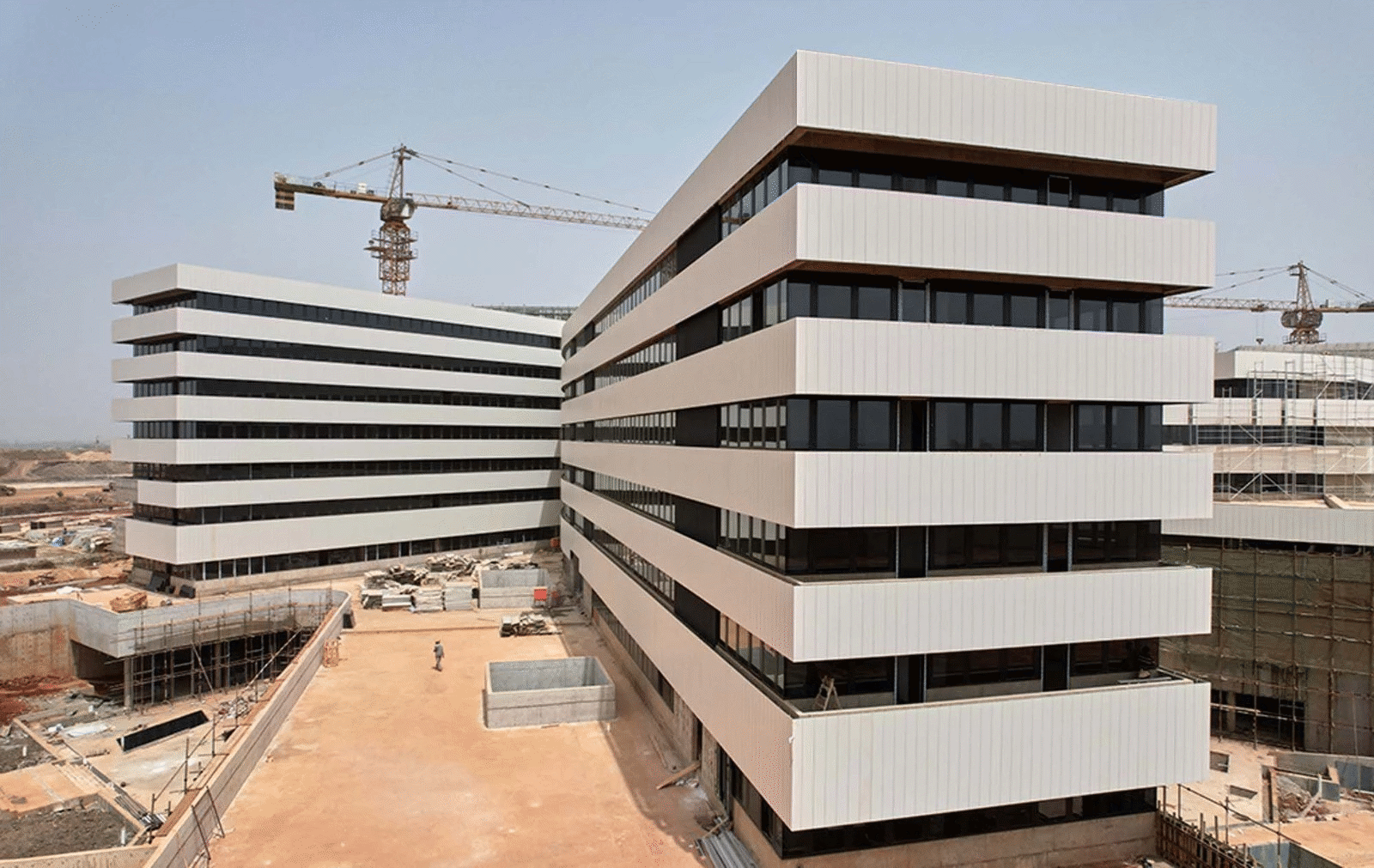
Designed by Wilmotte & Associés, the United Nations House in Diamniadio, the new ministerial district near Dakar, Senegal, was built on a 14-hectare site. Its 60,000-square-metre building features 16,000 square metres of Kalesinterflex porcelain ceramic slabs on its facade.
Initiated by the Senegalese government, the project brings together 34 United Nations agencies previously dispersed across Dakar in one new, monumental building. Comprising seven wings radiating from a circle, it aims to set an example in energy efficiency, accessibility, security and safety during both construction and use.
Conference facilities and a reception area for official events occupy the centre of the circle. An outer ring provides shared information and advice centres, meeting points and relaxation areas. The seven wings adjoining this circle of official and shared spaces accommodate 34 separate United Nations agencies with a total of 1,814 office units.