Innovative Bathrooms with the Raw Elegance of Industrial Style

Innovative Bathrooms with the Raw Elegance of Industrial Style

The elegance and charm of the old world remain among the greatest inspirations for today’s bathrooms: industrial style.

The interiors world calls it “unfinished elegance”. Industrial style began when factories built centuries ago in major cities moved to the outskirts and their empty buildings were converted into living spaces. With rough walls, robust floors and exposed pipes running through the room, it is now the name of a creative decorating approach. The elegance and charm of the old world are among the greatest inspirations for today’s bathrooms.

Industrial style is one of the most unexpected successes in interiors of the past quarter-century. Although its name suggests industry, it quickly won admirers around the world. It became a particularly valuable source of inspiration for creative workplaces such as advertising agencies, art studios, architecture practices and digital or social media offices spread across large desks.

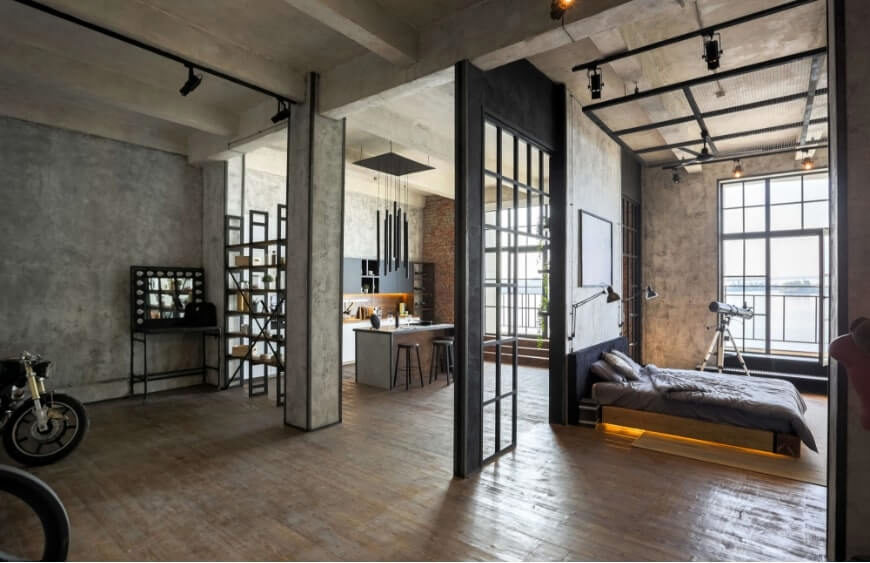
Nor did it stop at offices. Industrial décor also proved a natural fit for loft-style buildings that expanded metropolitan living space vertically, reduced walls as much as possible and catered to one- or two-person households.

Today, industrial style is a favourite not only in busy cities, but also in new low-rise residential projects in holiday destinations. Its territory is steadily expanding, influencing architecture and personal living habits as well as decorating principles. Originally a factory design approach defined by efficiency, economy and necessity, it has become a solution that is both cool and unpretentious for giving homes and offices an entirely new look.
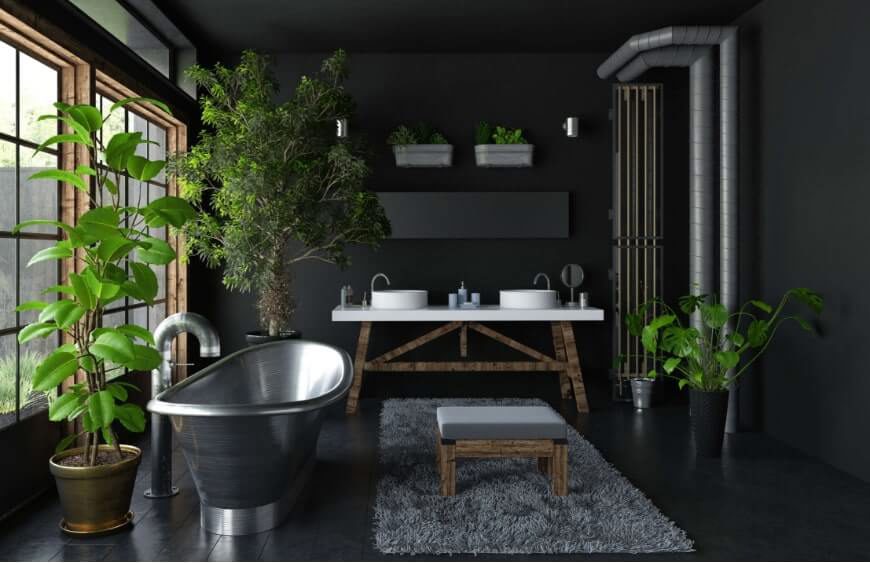
Those drawn to industrial style should view their living space as a whole when applying it. If you choose this approach, bring the same perspective to the living room, kitchen and bedroom. It can blend with modern, innovative décor; to soften it, draw on rustic style or collect a few older pieces and mix in vintage elements.

Endustritel Stil ile Tasarlanmis Banyo Mekaninda Endustriyel Kuvet

Bathrooms are among the spaces best suited to industrial style, with its raw, exposed accents, combined functions and contrasts between old and new. If this style has captured your heart, we have gathered some simple ways to introduce it here.

Are your sledgehammers ready? We are setting out on a substantial transformation…

The starting point: creating the right colour palette

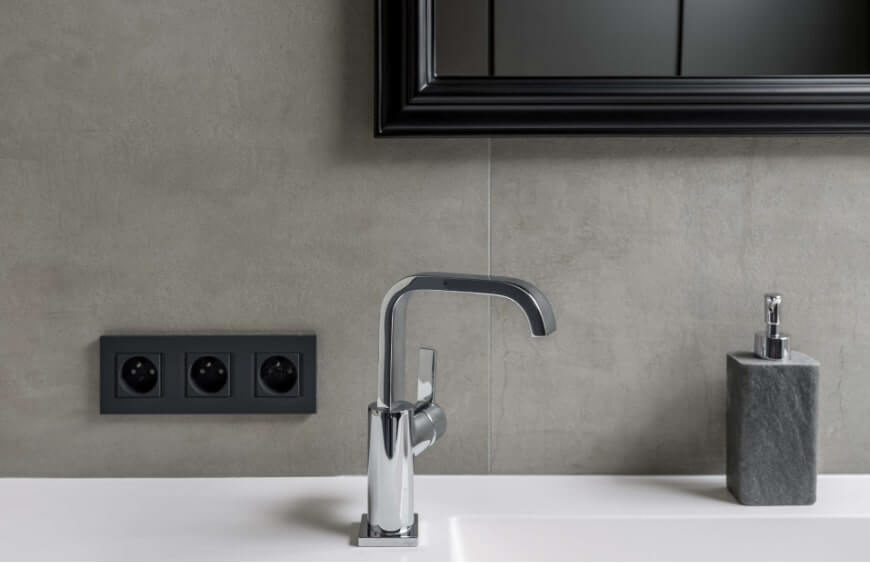
In a style that draws so strongly on naturalness and rawness, the palette should reinforce those feelings. Choose from neutral palettes, industrial style’s favourites. Masculine shades such as black and anthracite are among its most widely used tones. If these feel too bold, opt for a combination of calmer colours such as grey or beige. Gunmetal grey is a particularly popular choice for perfecting the industrial atmosphere.

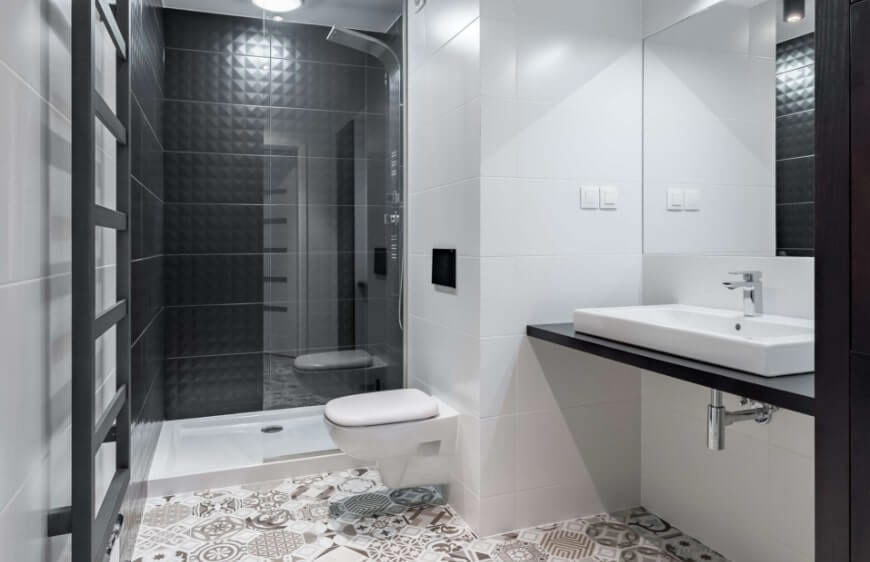
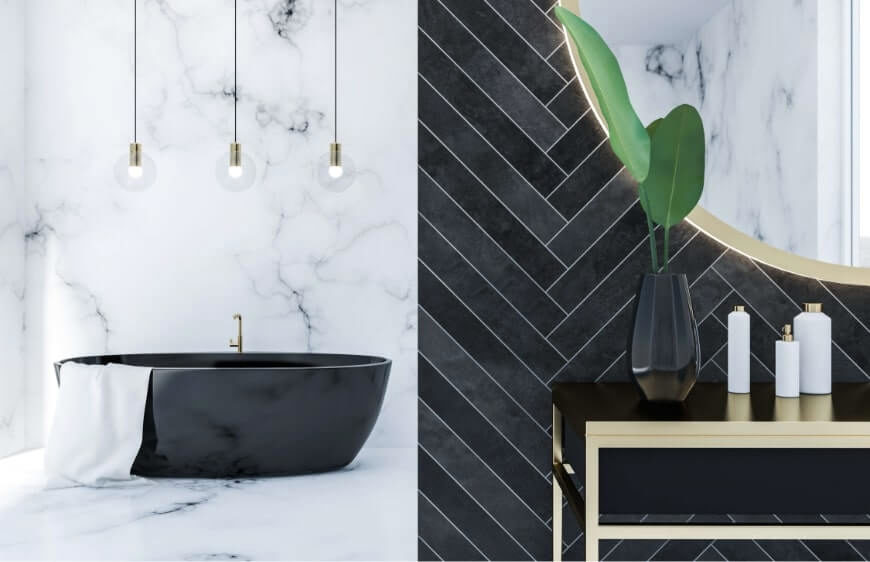
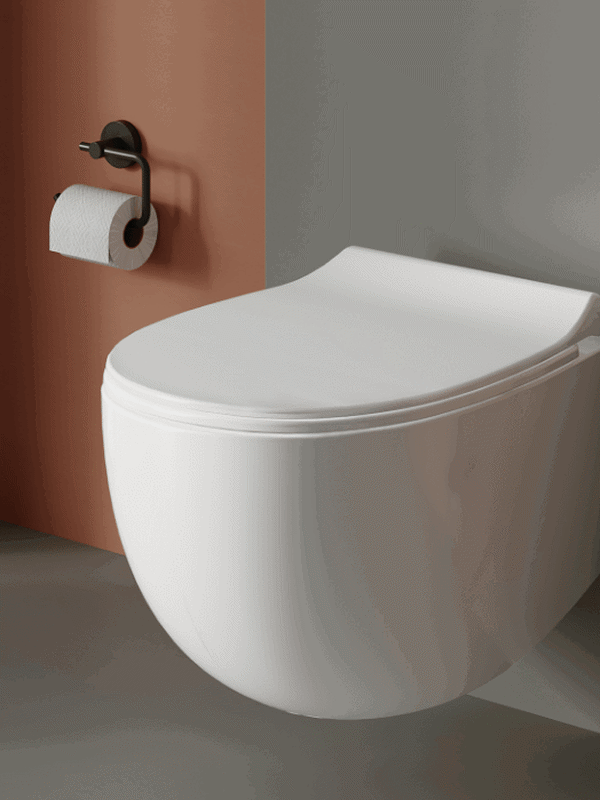
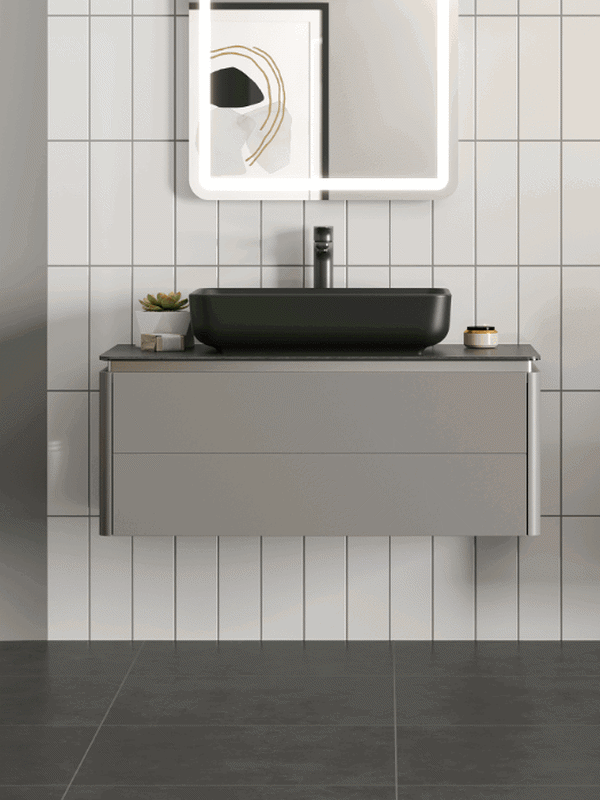
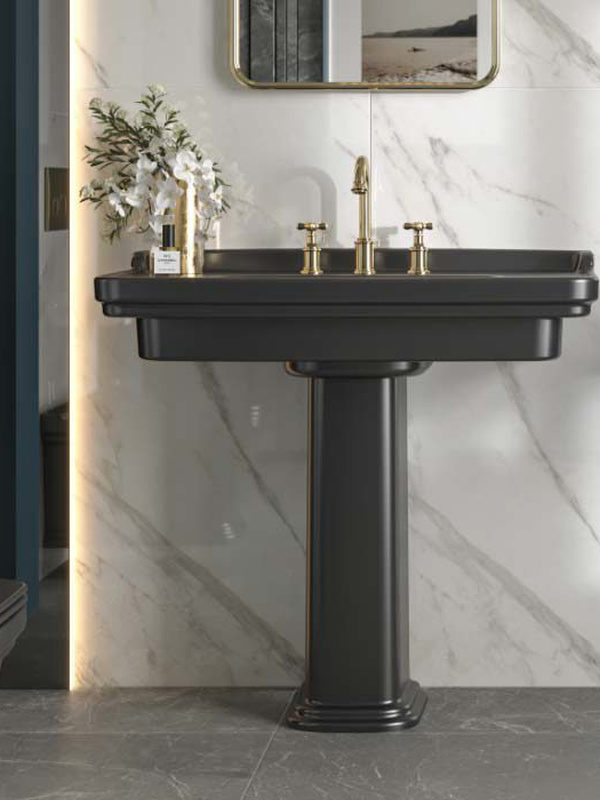
There is good news for the bold, too: black and white suits this style exceptionally well. Large white tiles on floors and walls create clean, elegant lines and a sense of ease and space, complemented by black details. Industrial style also calls for a little creativity, so you can add a burst of neon to the neutral palette to soften its coolness. Try red, perhaps echoed in a neon wall sign, or green, which works well with plants.

The room’s shell: floors, walls and ceilings

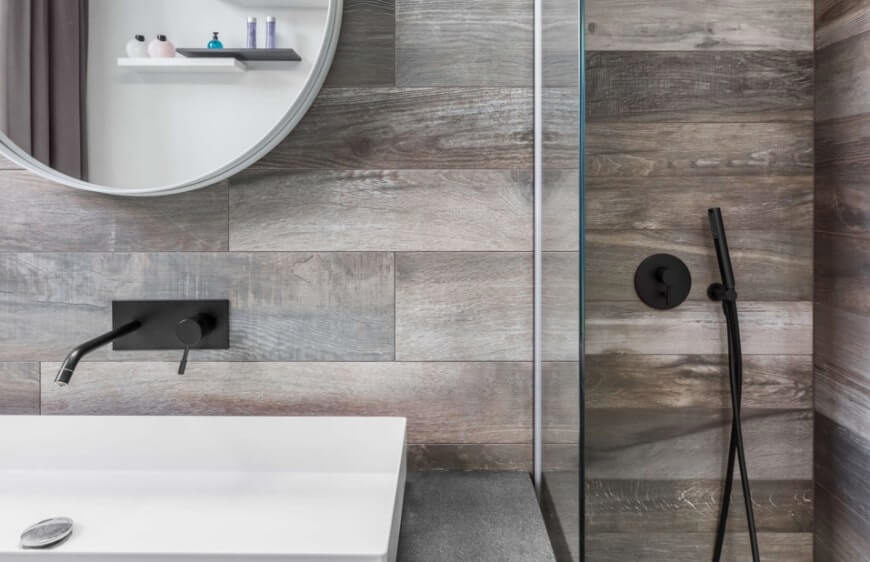
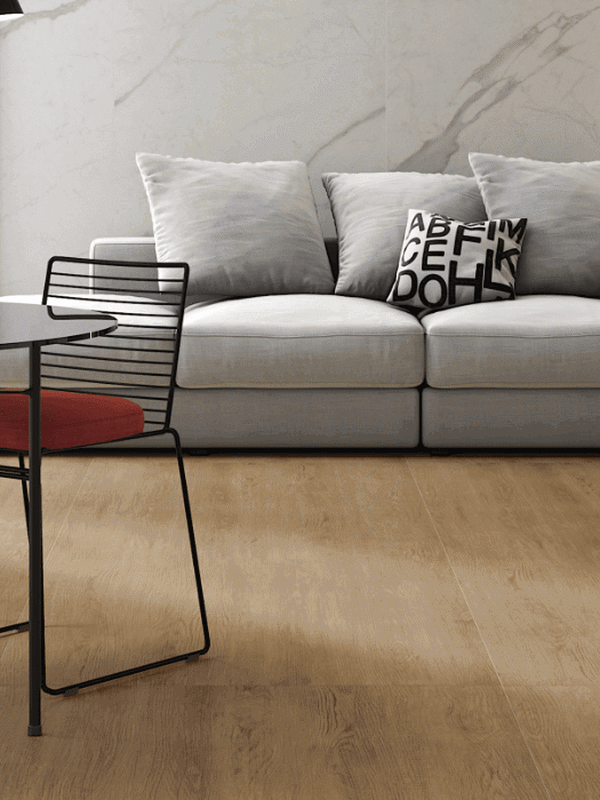
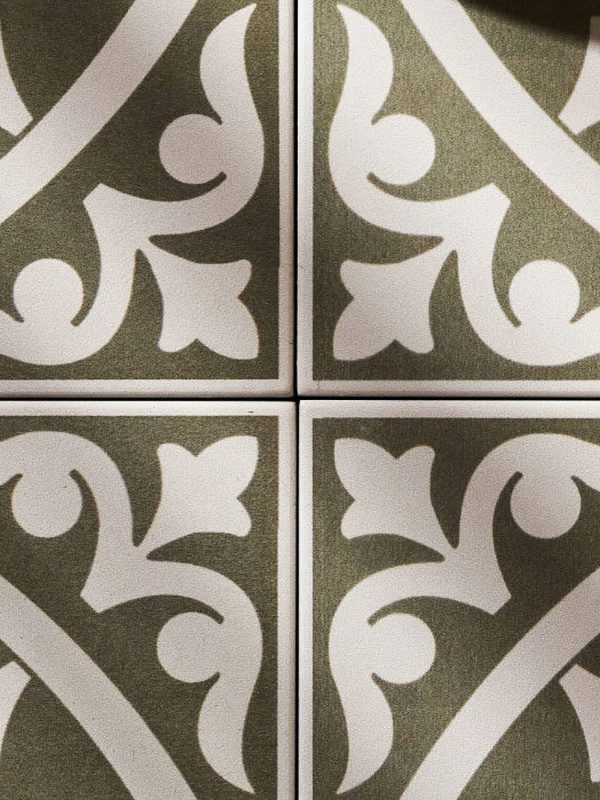
The first step in an industrial transformation should be changing the surfaces, since they are essential to creating a raw, unfinished feeling. Natural-looking textures such as concrete, wood and marble are particularly effective on industrial bathroom floors. This does not mean leaving the floor in bare concrete: today, many options successfully reproduce concrete and wood. Distressed wood-effect and concrete-effect ceramic tiles are readily available. Traditional çini tiles with vintage patterns, black-and-white ceramic tiles in an asymmetrical checkerboard arrangement, and marble are also strong contenders.

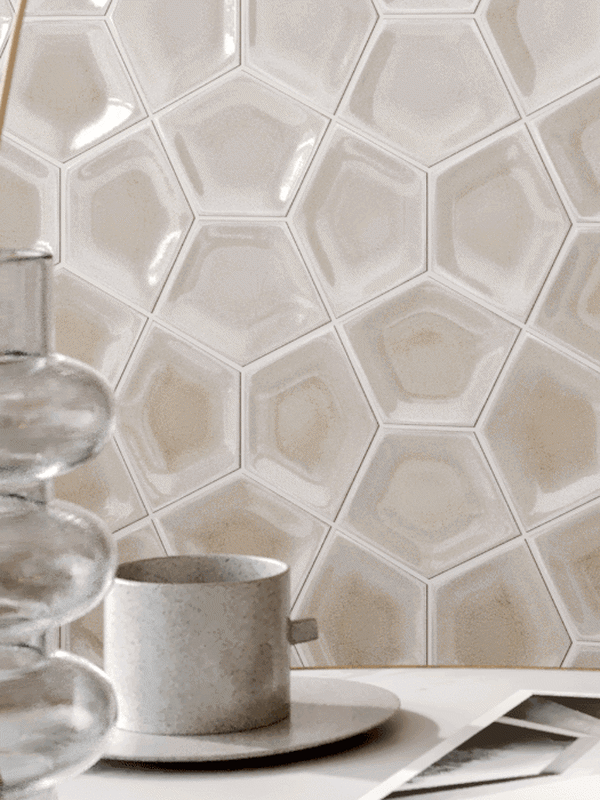
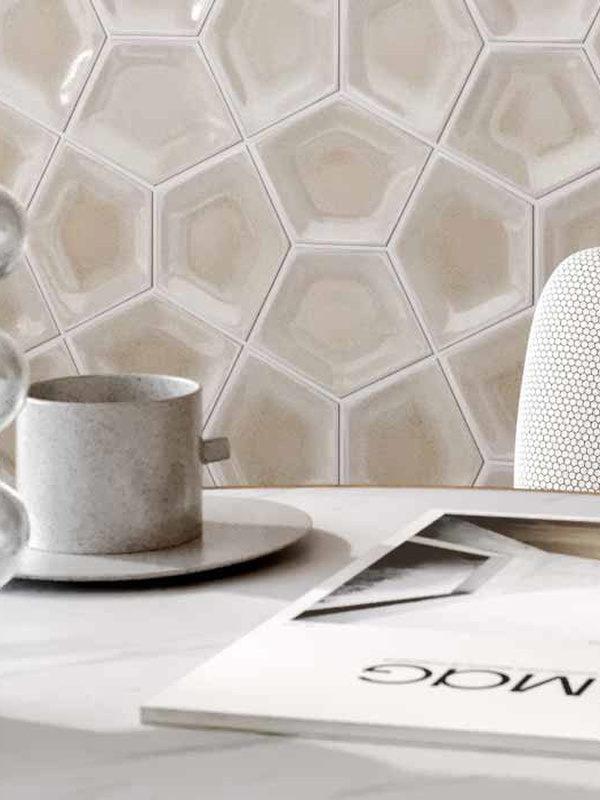
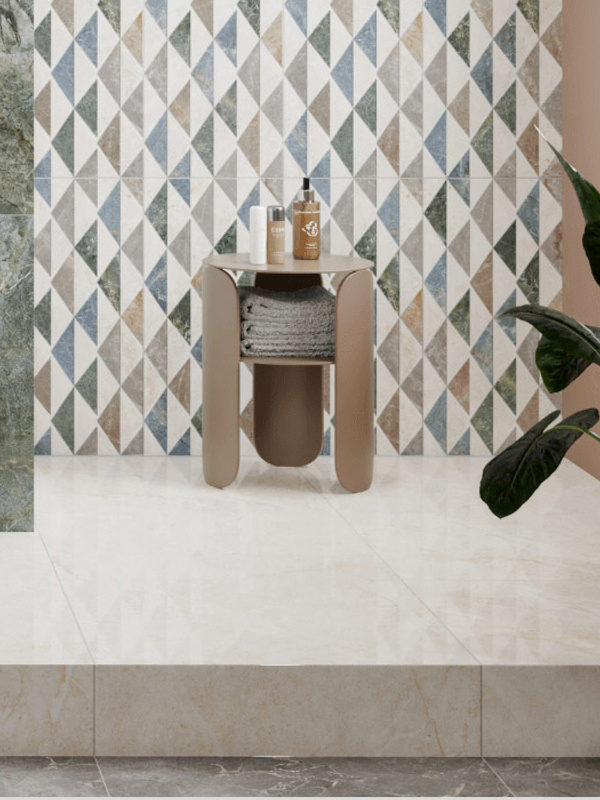
Pentagonal and hexagonal tiles, introduced more recently, have also risen with industrial style. Using two complementary colours of these tiles on the floor and in the shower is particularly popular today. Geometry anchors the space and creates visual interest, and industrial style expects high marks in geometry.Continuing the feeling of the floor onto the bathroom walls is an advantage. Like the floor, wall surfaces call for a natural, untreated effect, so concrete- and wood-effect tiles can remain on your list.

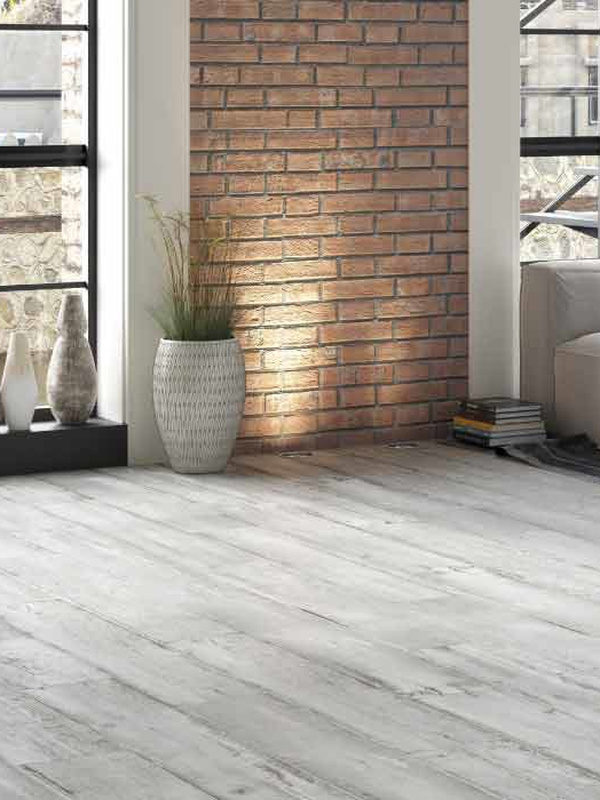
Brick, brick-effect wall tiles and concrete-effect tiles are among this style’s favourites. The most popular choice, however, is metro tiles. Whether laid horizontally or vertically, their decorative key lies in the grout colour.

Tugla Gorunumlu Duvar Karosu

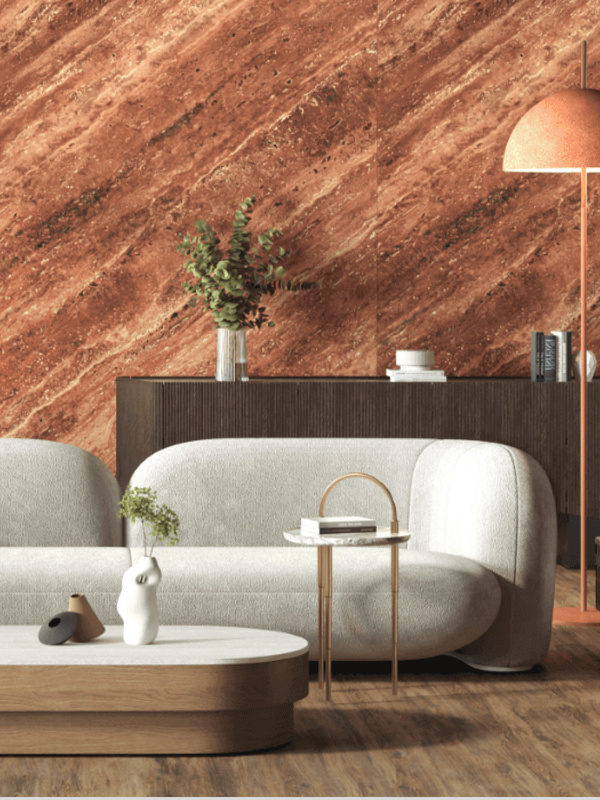
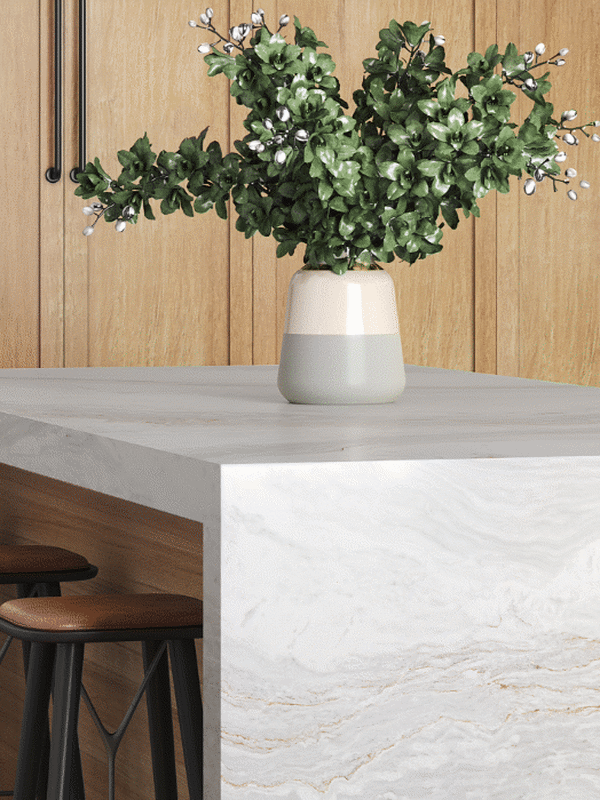
If you are using an accent colour such as black, consider anthracite or grey for the joints between tiles. For stone, choose granite, travertine, sandstone or marble. They offer texture and an immediate sense of ease through a clean, minimalist visual approach. One point is essential: create contrast. If you choose concrete-effect floor tiles, for example, switch to brick effects or metro tiles on the walls to achieve a cohesive whole.

Siyah Beyaz Mermer Görünümlü Karolar

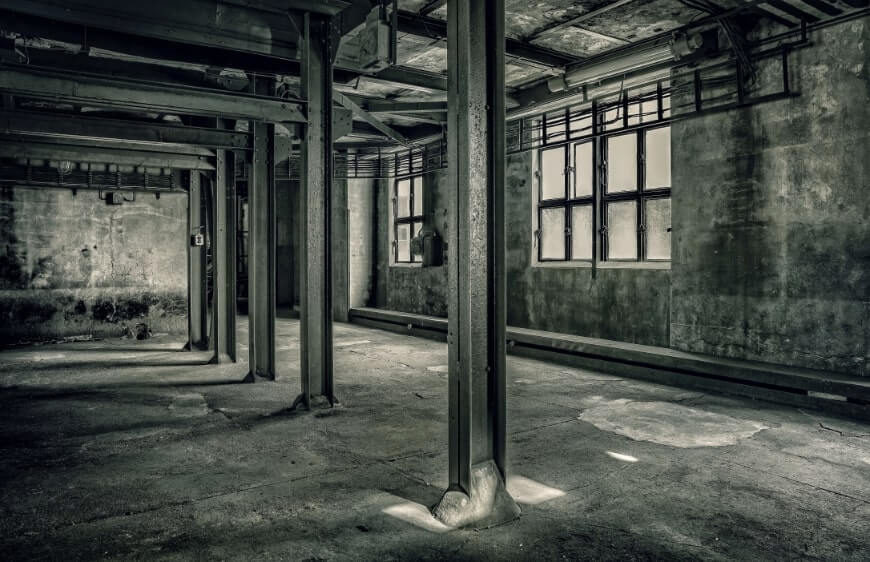
We do not suggest a particular ceiling covering, but industrial style’s organic, elegant look calls for exposed ceiling beams and ventilation systems. You are now beginning to discover what “bare and visible” really means.

Bring them into view: pipes and fittings

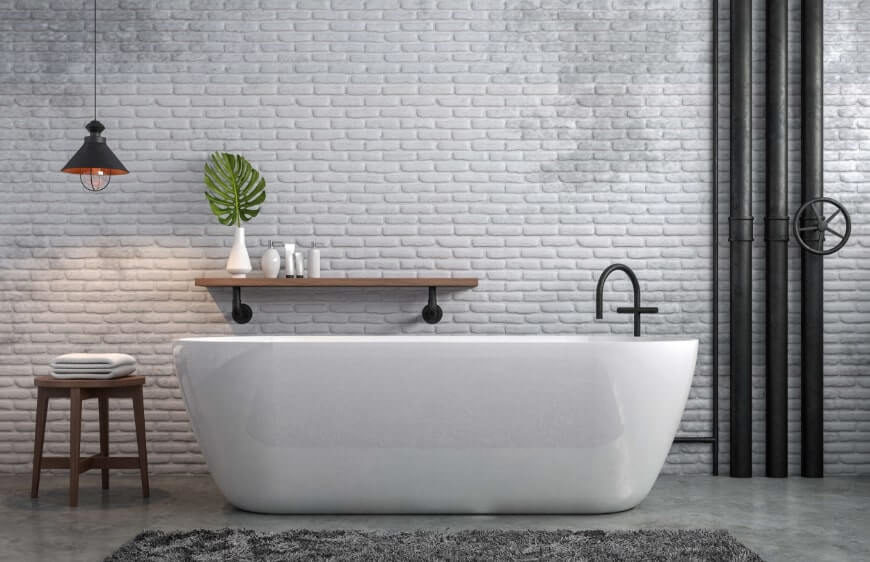
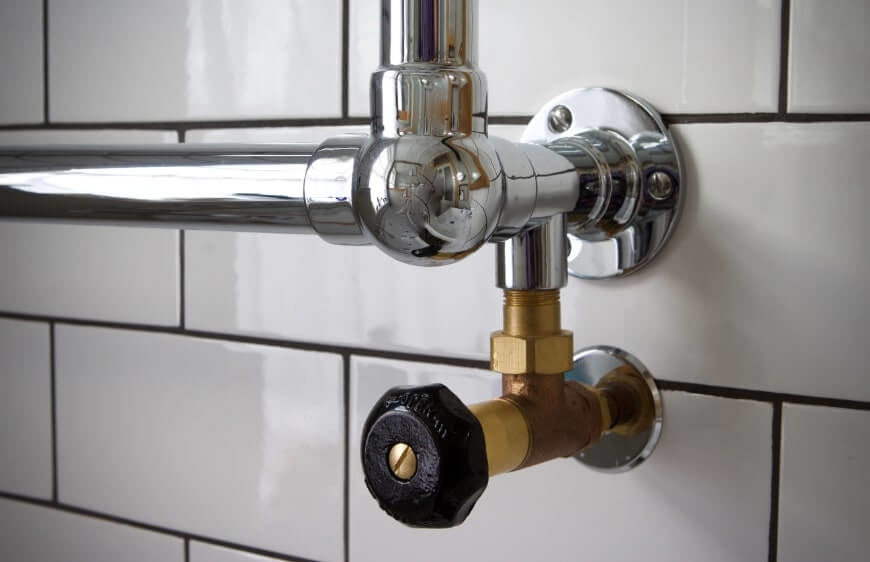
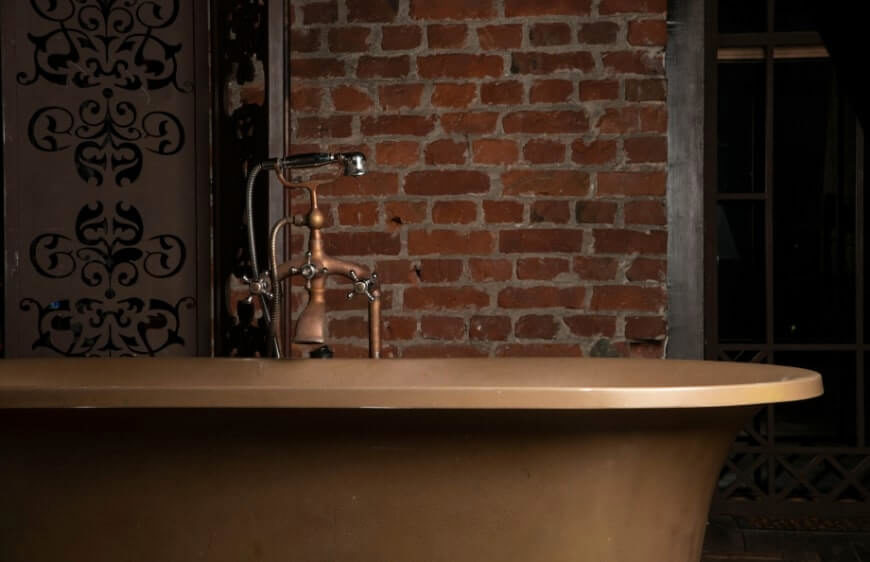
Exposed pipes and services are industrial style’s signature accessory. Turning imperfect elements such as connections into decorative accents is fundamental. Instead of hiding them, choose visible copper, brass or cast-iron fittings, or paint the connections in colours that complement the entire bathroom.

This principle of harmony applies to taps and fittings too. If you choose copper pipes, include the showerhead, basin mixer and even light switches in the decision, creating a comprehensive copper scheme.

DIY stores in the morning, flea markets in the afternoon: lighting

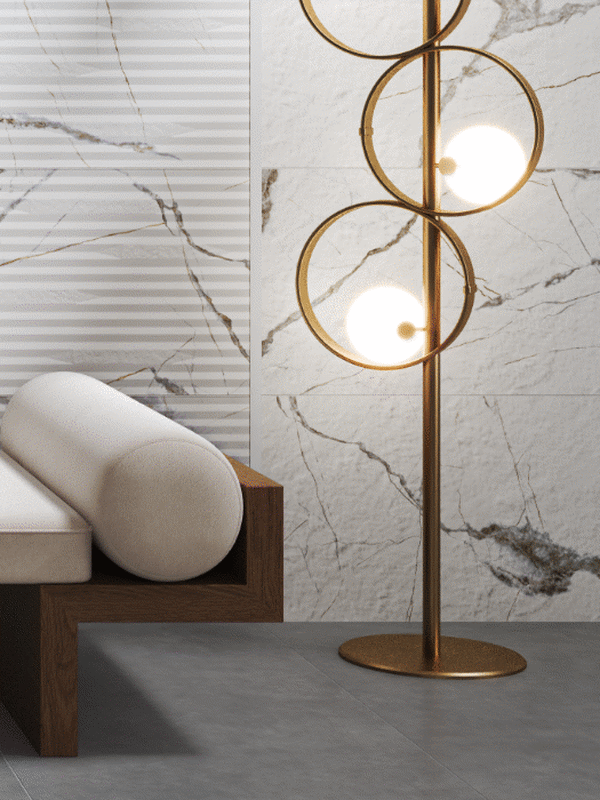
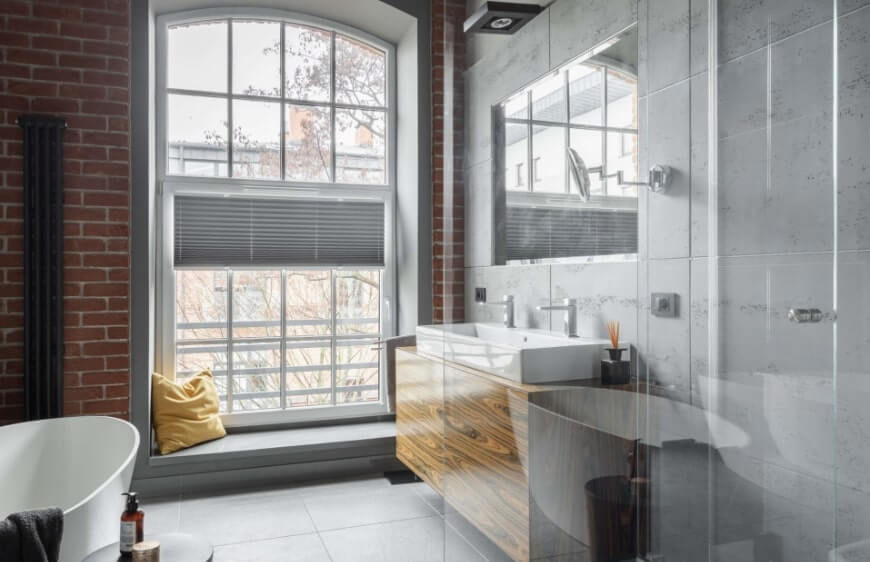
Speaking of light switches, lighting is a particularly important stage in an industrial bathroom and one that brings the style to the fore. First, industrial style loves daylight through tall, grid-framed windows, with views of the busy city beyond.

If you do not have enough daylight, find and combine the right local light sources. Options include minimal factory-style lanterns, caged pendants, large bulbs arranged along cables or ropes, adjustable accordion-arm spotlights and old railway lamps suspended from the ceiling. Interior experts also favour contrasting accents in industrial spaces, such as an antique chandelier that retains its splendour, shining among brick- or concrete-effect walls. Add DIY stores and flea markets to your daily itinerary while searching.

Industrial style at the water’s edge: showers, baths and basins

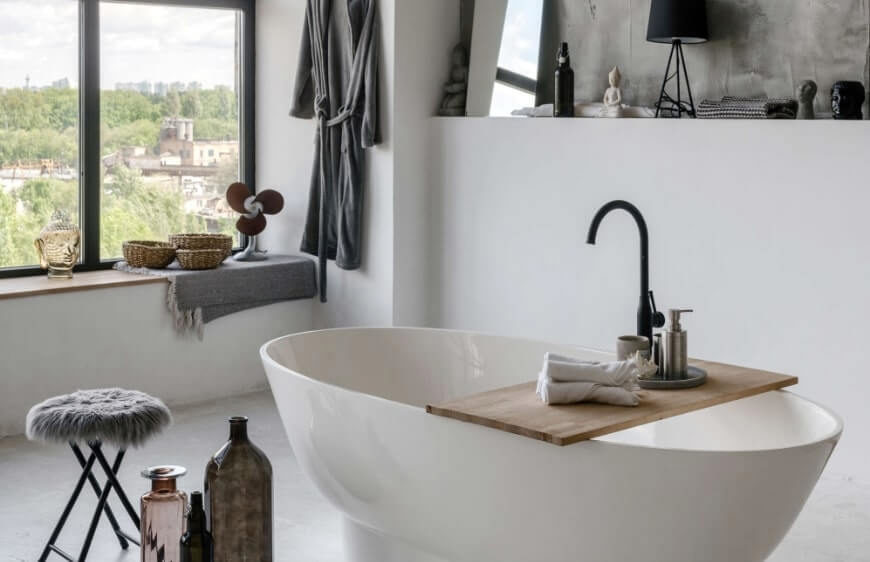
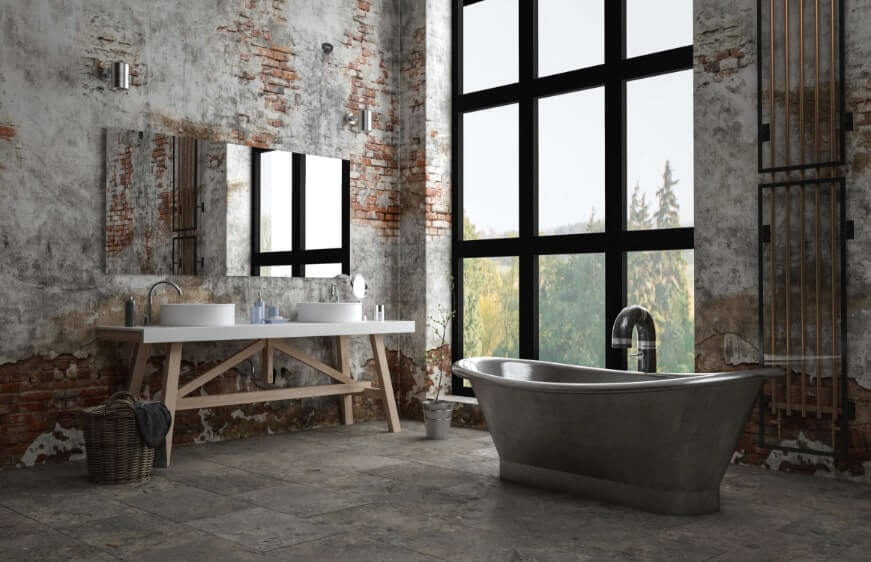
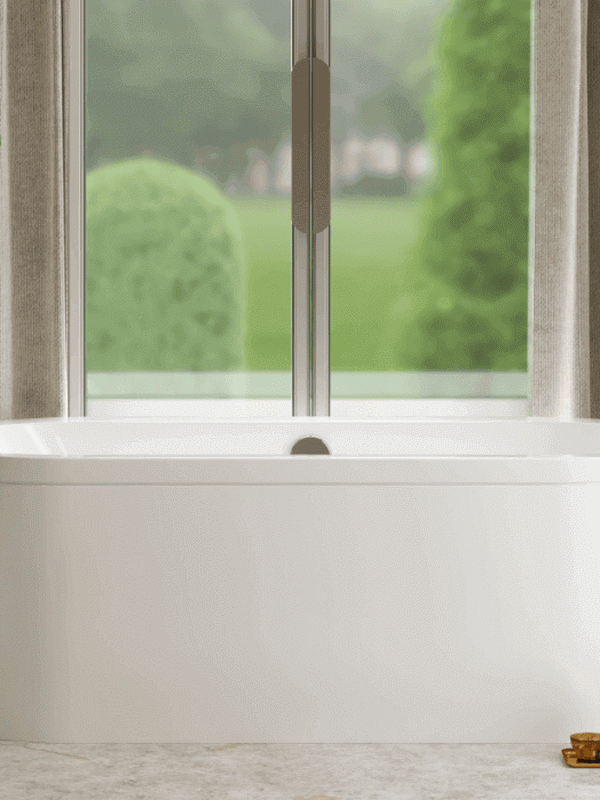
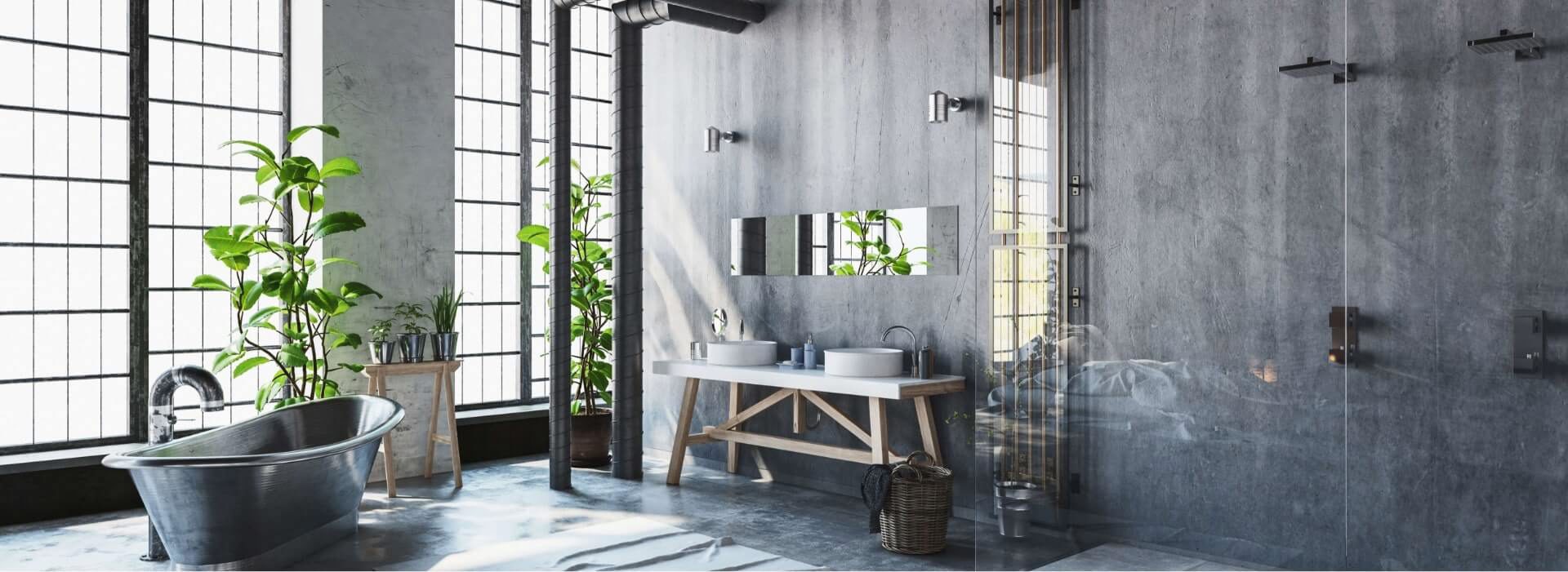
The shower, bath and basin areas are among the most important in defining industrial style. Choosing well matters, as the wrong piece can disrupt the whole picture. A little creativity will help you find the right part of the puzzle. Industrial style, for example, favours freestanding baths with feet over standard built-in designs. To soften a modern loft scheme with vintage elements, look for a vintage claw-foot bath: it will make an excellent focal point in an open layout.

Endustritel Vintage Banyoda Aydinlatma

Glass-enclosed showers are among architects’ preferred choices for this style. The glass is often divided by metal frames, most frequently in black. Keep generous showerheads and body jets in mind for a touch of luxury.

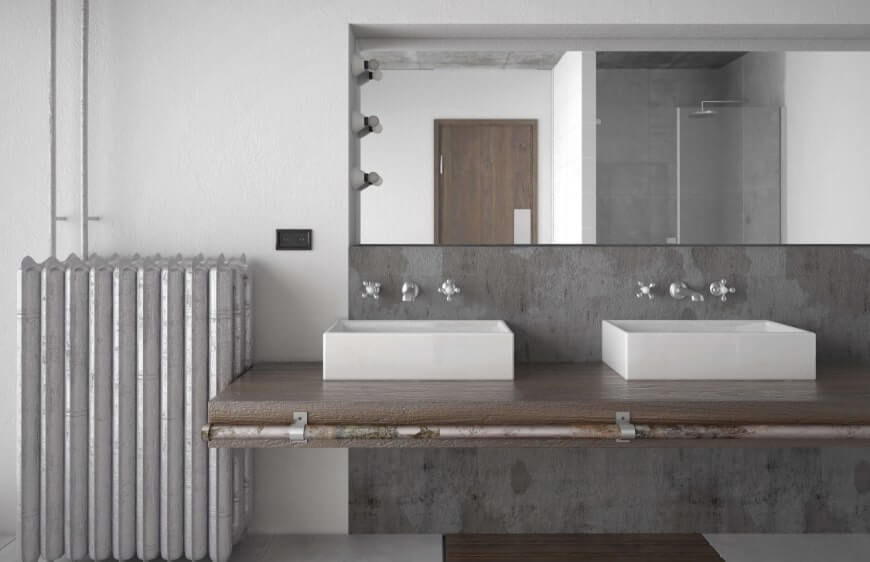
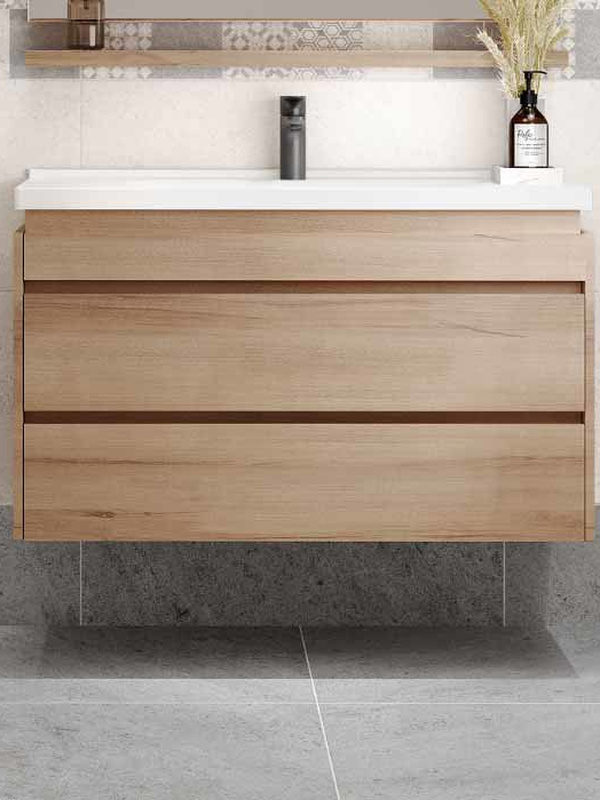
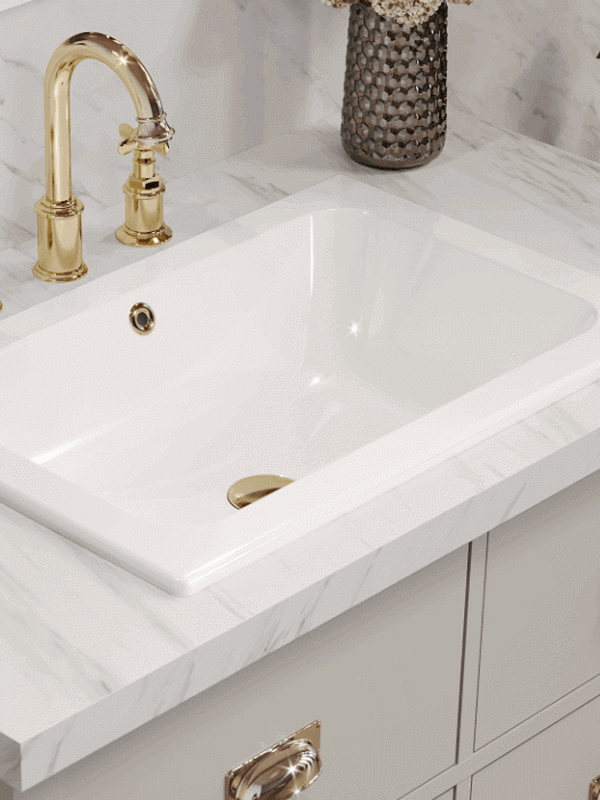
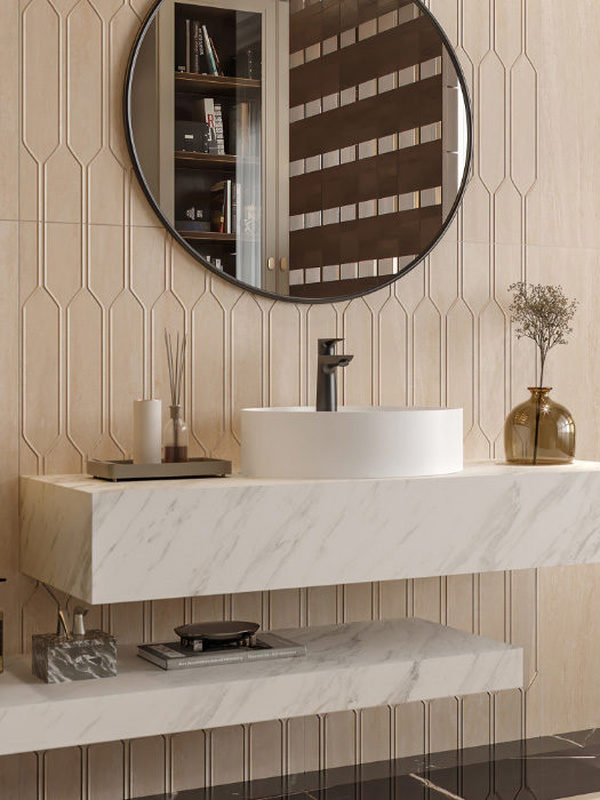
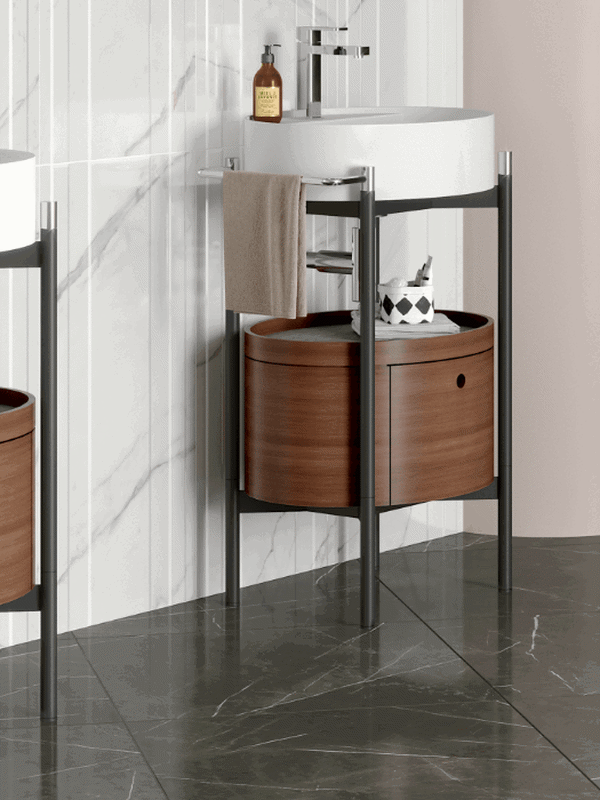
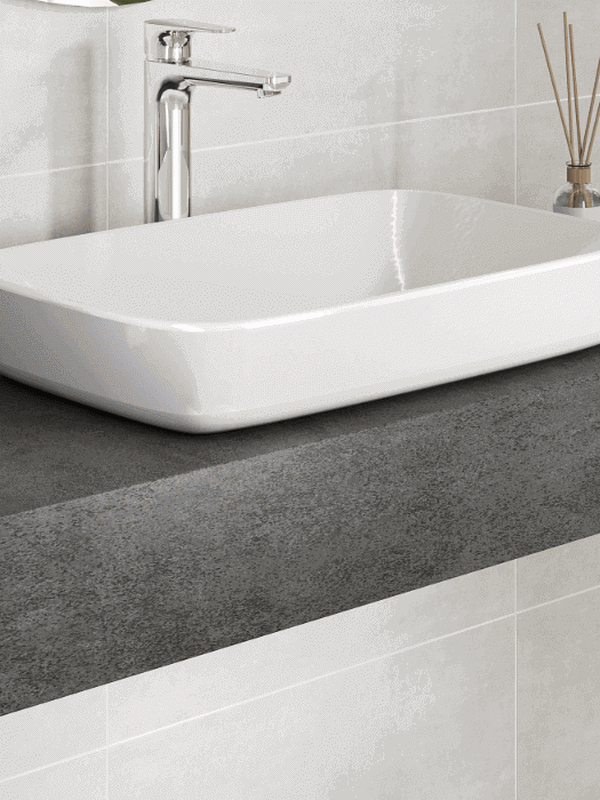
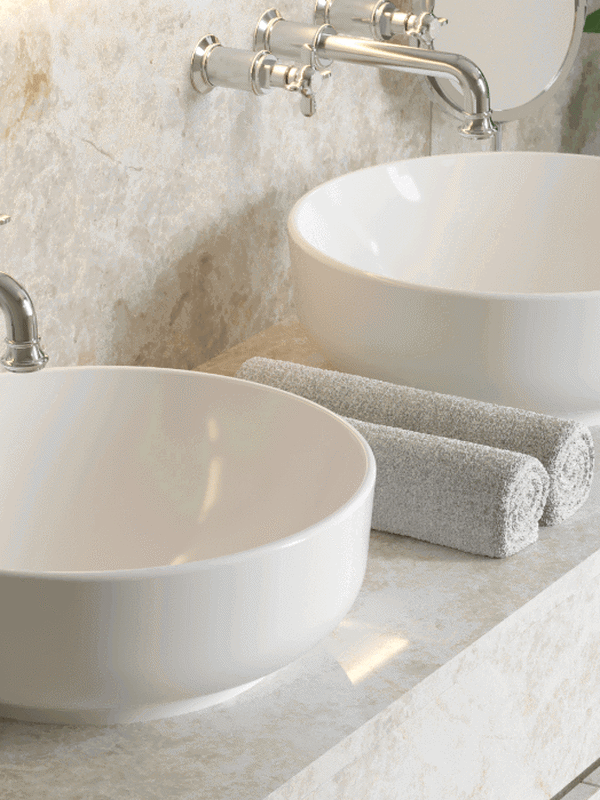
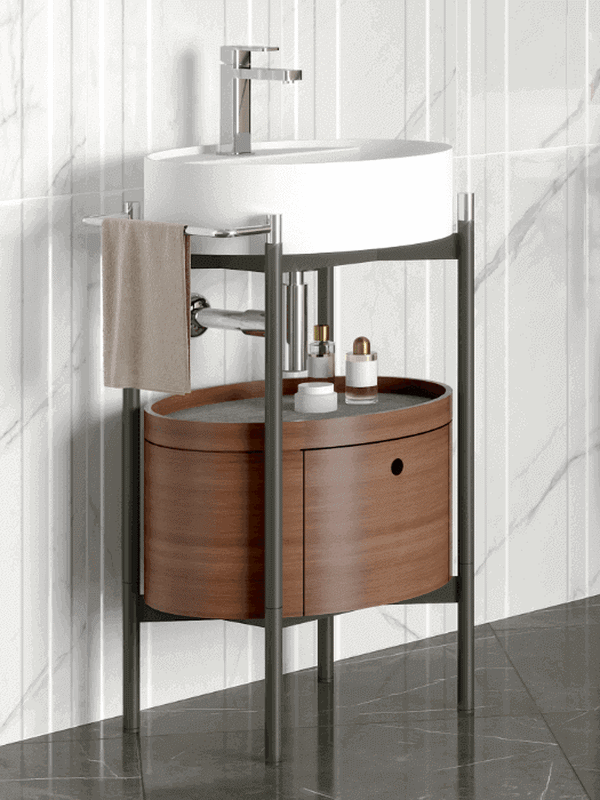
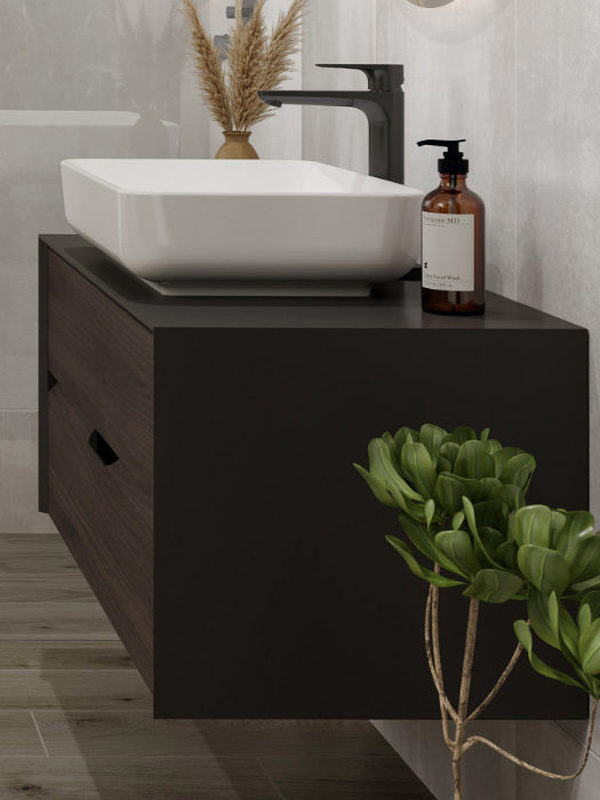
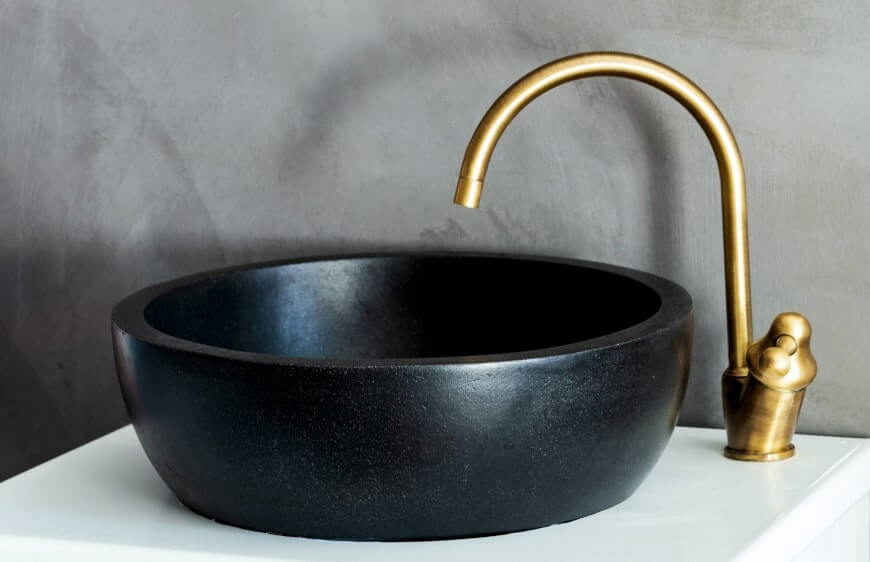
Stone or copper basins are stars of this style, which finds beauty in simplicity. If you prefer a traditional solution, frame your basin with an organic material such as wood or concrete to create a combination of textures.

Endustriyel Tarz Banyoda Bakir Gorunumlu Vintage Armaturlu Kuvet

Storage means industrial style: cabinets, drawers and shelves

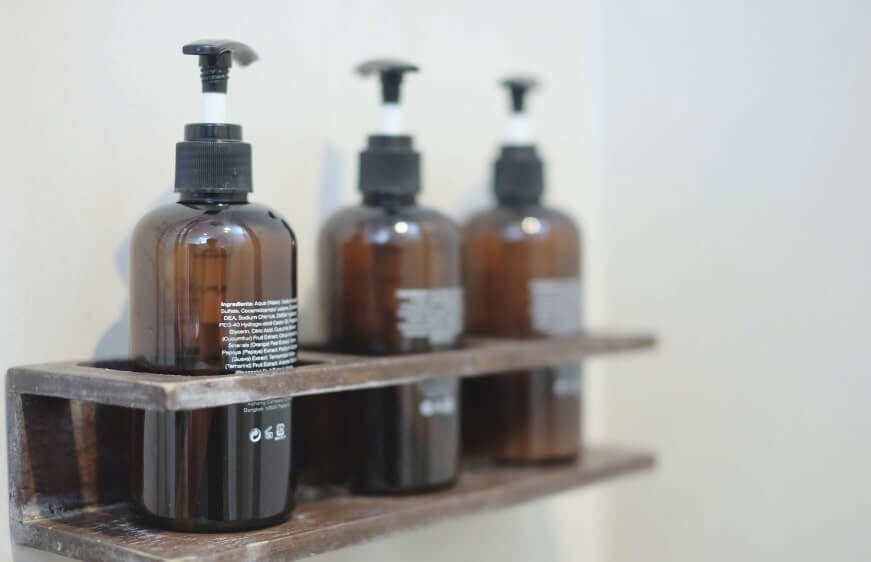
Maintain the organic spirit in bathroom cabinets, drawer systems, shelves and other movable furniture. Consider worn or raw wood-effect pieces, mesh-fronted doors and chrome handles. Complete the arrangement with a vintage cabinet recalling a school, warehouse or factory. The key is that industrial style avoids too much of any one material: combining different, complementary materials works better.

Choose less: decorative accessories

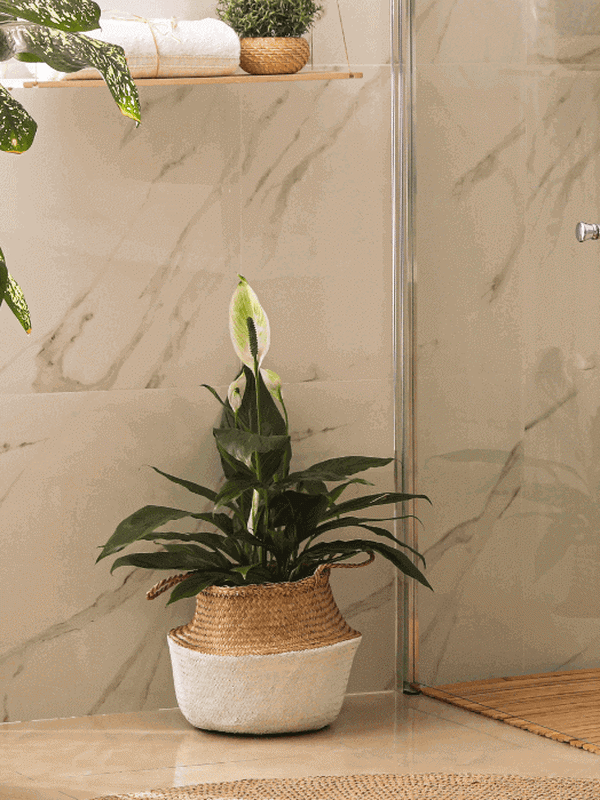
Industrial style has little appetite for decorative clutter, and its rule is simple: “Choose the minimum and do not fill the space.” Yet the stylistic contrasts mentioned earlier can work here too. If you have chosen a chandelier, for example, add a group of vintage candlesticks in a corner. A large indoor plant, a nostalgic radiator or photographs looking back to the past can personalise and enhance the bathroom.

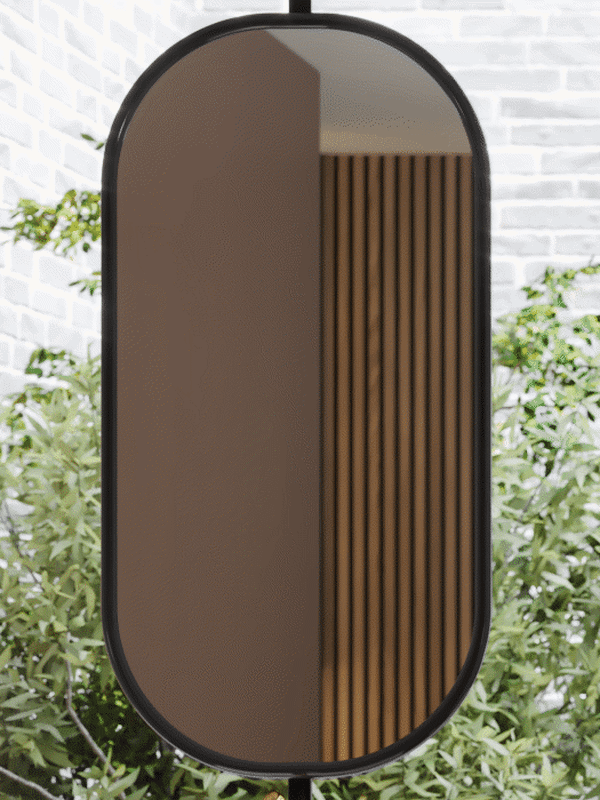
A mirror is essential in the bathroom. Finding one that complements industrial style may involve visiting second-hand shops or flea markets. Hang a slightly worn, factory-style mirror from leather straps that suit the same atmosphere.

Open sesame: bathroom doors

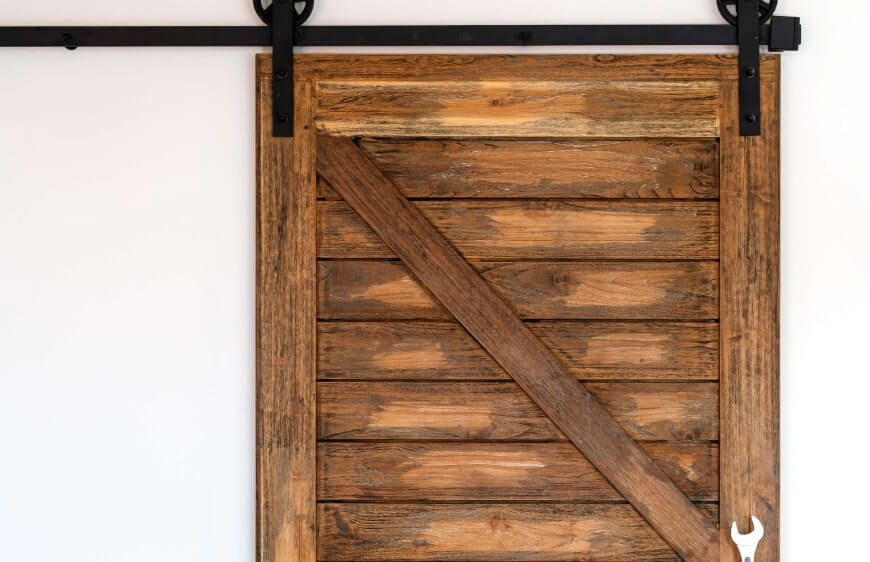
You have considered every detail, taken things apart and rebuilt them, searched and found what you need, but something is missing: the bathroom door, left behind and overlooked. Naturally, it should suit the style too. Choose a design that blends modern and rustic elements for a door that fits your industrial scheme. Distressed wood with visible metal rails and fixings will work beautifully.

With their high-quality building shells preserved and the principle of leaving imperfections visible maintained, these spaces were reused, renewed and recycled. This is how industrial decorating style was born: industry gave rise to architecture, and architecture to interiors.

A little history: where did industrial style come from?

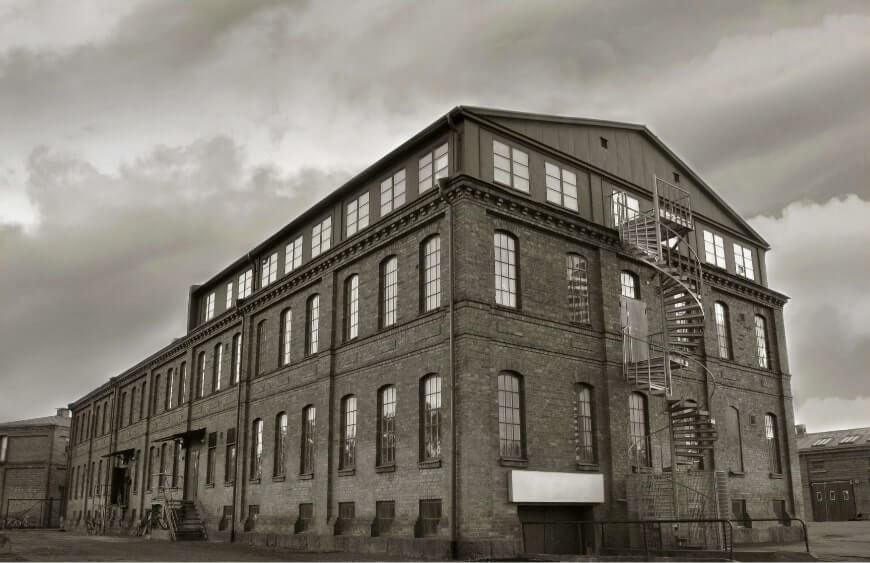
The first industrial buildings, constructed in the late 1700s, needed to be practical. Before technology entered everyday life, simple, unadorned, narrow buildings with large windows were erected in city centres to fill workplaces with natural light.

Gosterissiz Kullanisli Endustriyel Tugla Fabrika Yapisi

In what we call early industrial architecture, these production spaces were designed with open floor plans, plain façades, brickwork, pipes and ducts. By the early 1900s, factories needed larger, improved layouts. Concrete and steel came into play through the vision of Albert Kahn, one of the most influential architects working in industrial design.

Concrete and steel made larger structures possible, and those buildings required substantial plots. Factories consequently moved away from cities and metropolitan areas, leaving former workplaces deserted and forgotten.

In the late 1960s and 1970s, the process of renovating these long-abandoned buildings for human habitation began. Initially reclaimed by artists as homes and studios, their open structures, abundant light and generous floor plans became a source of inspiration. From the early 1990s, as urban populations grew and housing shortages followed, converting industrial areas into residential neighbourhoods through gentrification became a practical solution.

Endustriyel Akim Ile Tasarlanmis Mekan
Mekanınızı yapay zeka ile birkaç saniyede yenileyin!

Mekanınızı yapay zeka ile birkaç saniyede yenileyin!

Seçtiğiniz ürünü evinizde görün.

Evinde Gör

Banyonuzu yeniden tasarlamaya ne dersiniz?

Banyoda Gör

Blog

Explore All

Compare

Compare
Compare