How to Choose Your Kitchen Worktop

How to Choose Your Kitchen Worktop

There are plenty of creative choices for kitchen worktops, but fewer are ideal for intensive use. Let us take a closer look at surfaces that face constant moisture, heat and the demands of food preparation and cooking.

Quartz, natural stone, solid wood or marble: the choice of kitchen worktops varies widely with style and budget. Durability, resistance and hygiene should also be part of the decision. In recent years, particularly since the pandemic, the kitchen has become the home's busiest gathering place and a space for exploring, learning and putting skills into practice. Worktops have become its hardest-working and most frequently used surfaces.

To help you find a worktop that meets these needs, we will explore the advantages and disadvantages of the most popular materials, from wood to porcelain, and consider their characteristics so you can make an informed decision.

  1. Solid Wood Kitchen Worktops

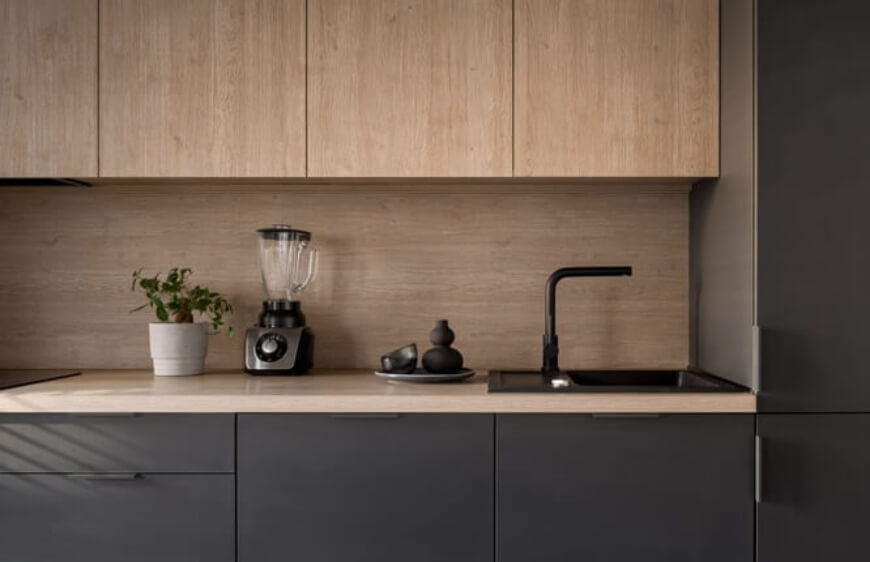
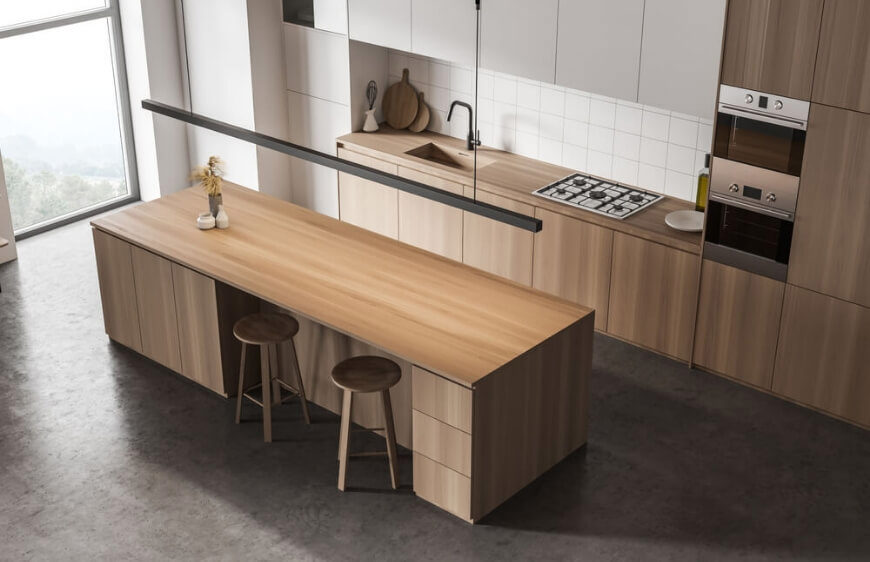
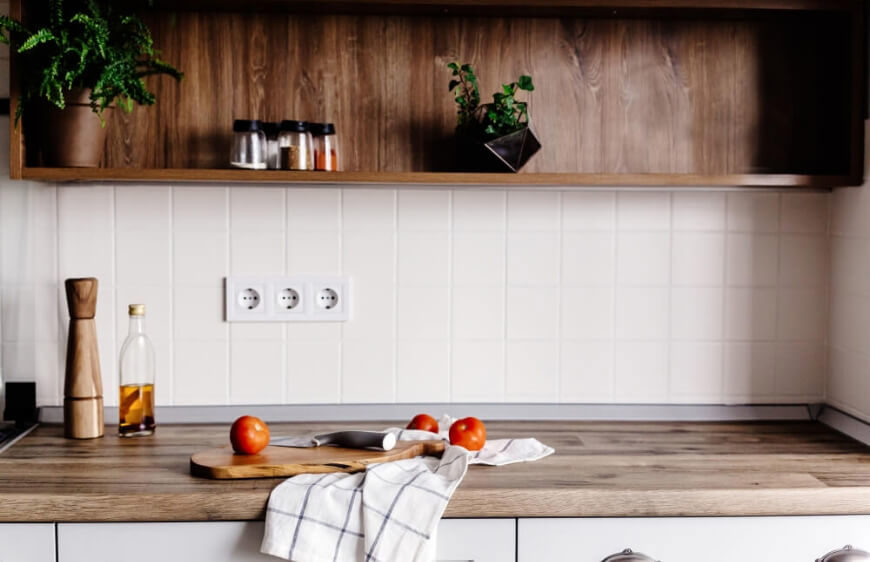
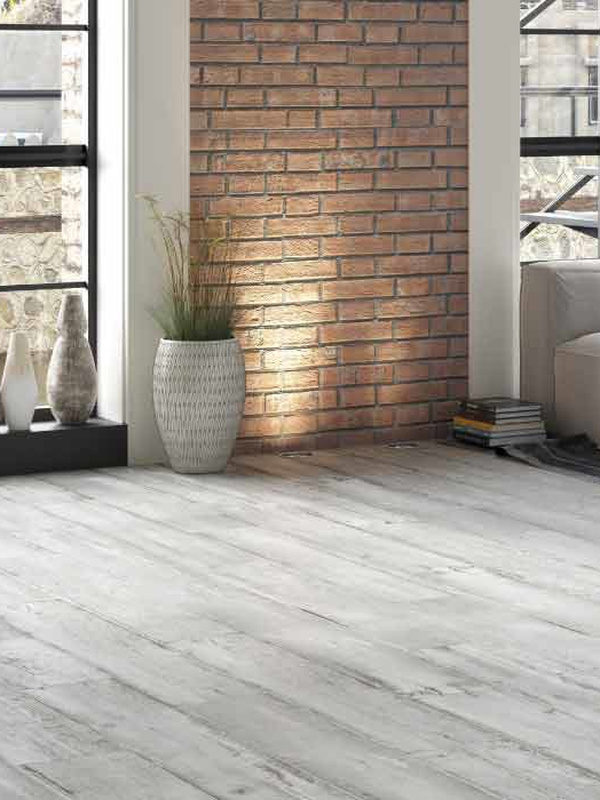
There is no denying the inviting warmth that a solid wood worktop brings to a kitchen, whether modern or traditional. Wood needs more maintenance than many other worktop materials, however, so its advantages come with drawbacks.Worktops are usually made from hardwoods rather than softwoods such as pine. Popular choices include oak, walnut and iroko, also known as African teak. Oak is the most commonly used timber: it is durable and attractive. Walnut is more expensive but can create an elegant, contemporary look. As a tropical timber, iroko is more resistant to heat and moisture. Whatever the species, though, wood does not like water, so wet areas around the sink need particular attention to keeping them dry. Wood requires regular oiling and sanding when it begins to look tired.

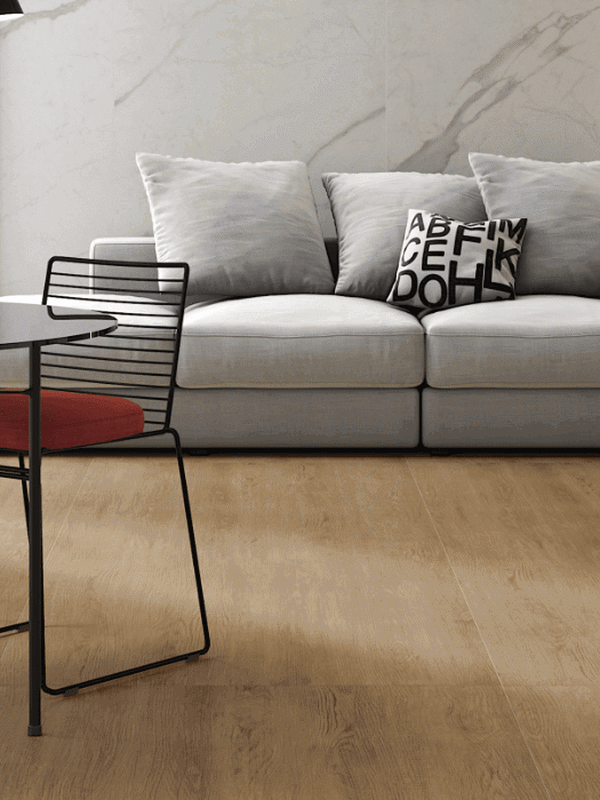
One of solid wood's strengths is its appearance. It is a material that never goes out of style in kitchen design. Available in different timber species, it can create a seamless visual transition between the kitchen and other rooms, particularly where wooden flooring or panelling is used elsewhere. With proper routine care, a wooden worktop can last for years. Without regular sealing, it can become porous, allowing bacteria and mould to develop.

  1. Porcelain Worktops

Asked which worktop is most durable, you might first think of granite or quartz. That is understandable, as many people are unaware of porcelain's strength. Porcelain is much stronger than granite and almost as hard as quartz.

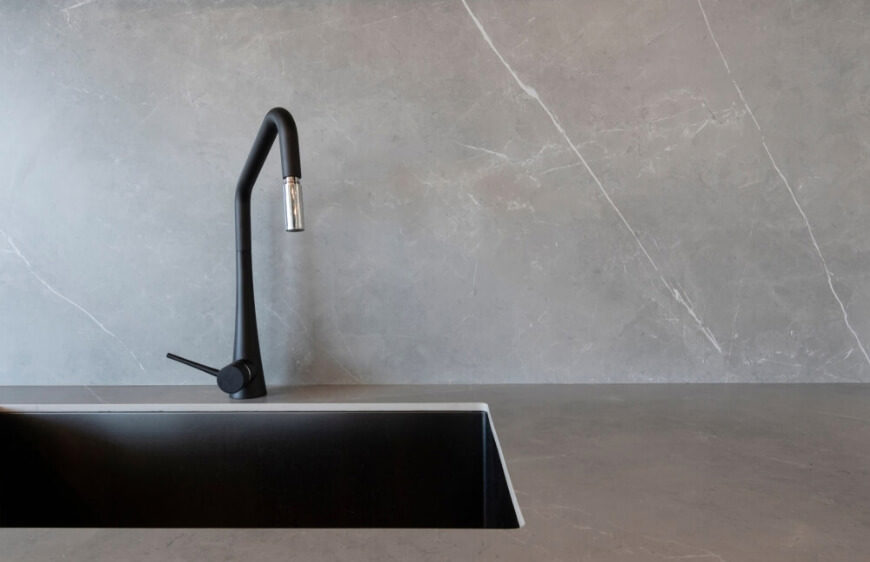
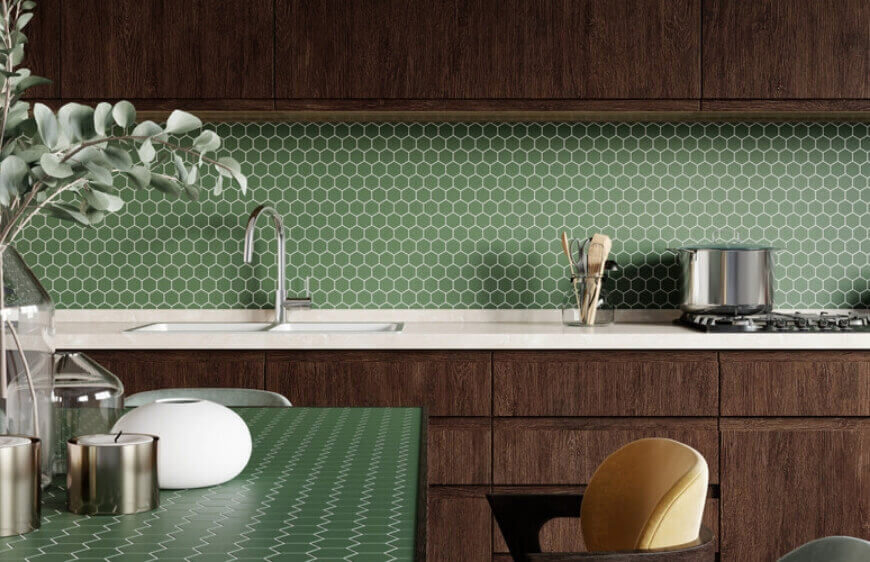
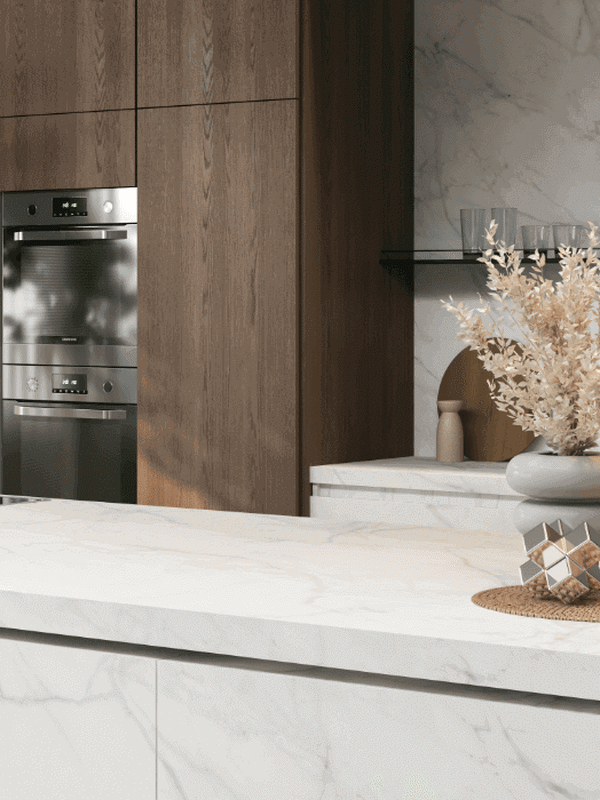
Porcelain is made by heating a mixture of powdered china stone and white china clay, also known as kaolin, to around 1,400°C. The high temperature creates a dense, highly durable material, while kaolin helps it retain its shape. The clay contains silica, mineral oxides and feldspars, which enhance durability and colour rather than reducing quality. When processed for worktops, this durable material is also a food-safe option. Porcelain slabs made for worktops are coated with a pigmented glaze, giving them an appearance similar to natural stone and even marble.

Porcelain worktops resist scratches and stains and, as a material that withstands 1,400°C, have high heat resistance. This means you can cut on the surface and place hot pots, pans and baking trays directly onto it. Porcelain is also non-porous, making it easy to keep clean. Worktops are now available in almost any pattern and colour, with many reproducing the appearance of marble and natural stone.Porcelain is non-porous and hygienic. With appropriate, regular cleaning, nothing can penetrate the surface, avoiding problems associated with bacteria or moisture. If choosing porcelain, opt for a matt rather than polished finish. Although polished porcelain is more stain-resistant than marble or concrete, it may stain over time.

  1. Quartz Worktops

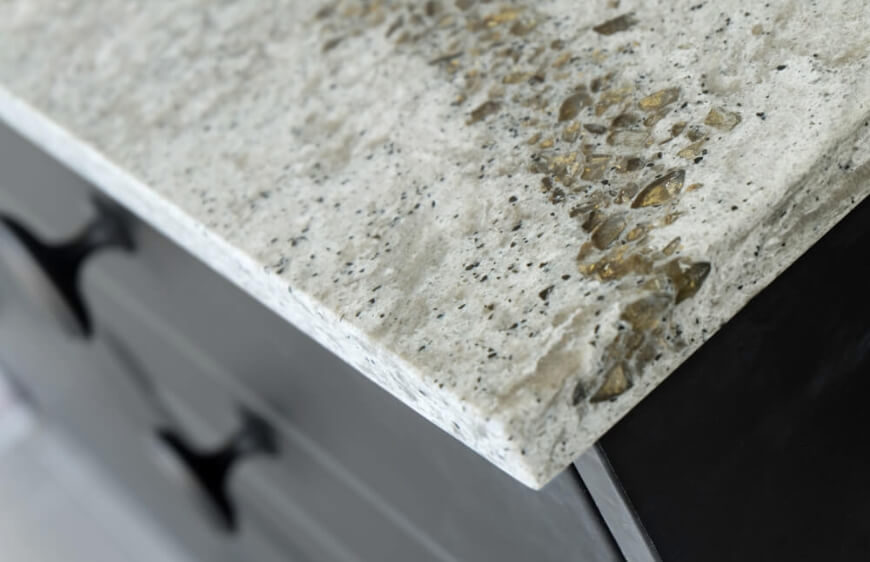
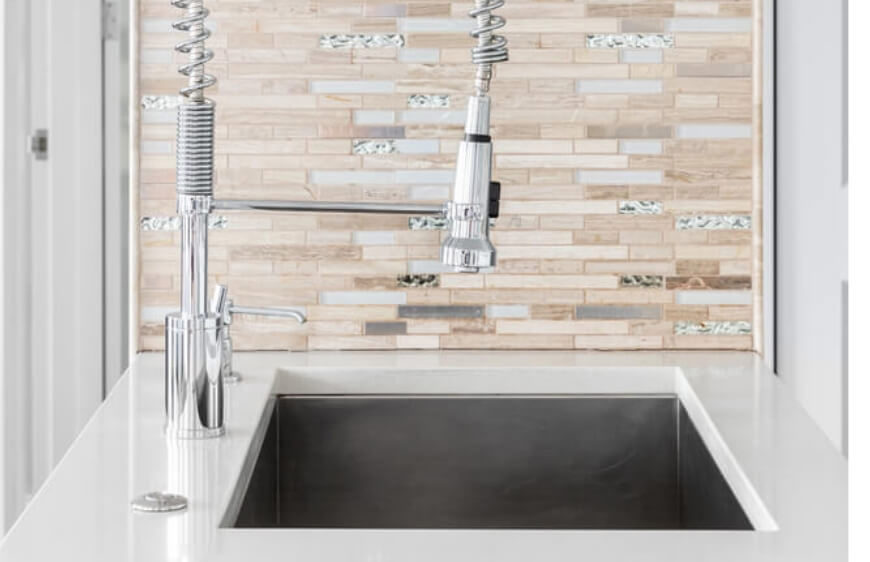
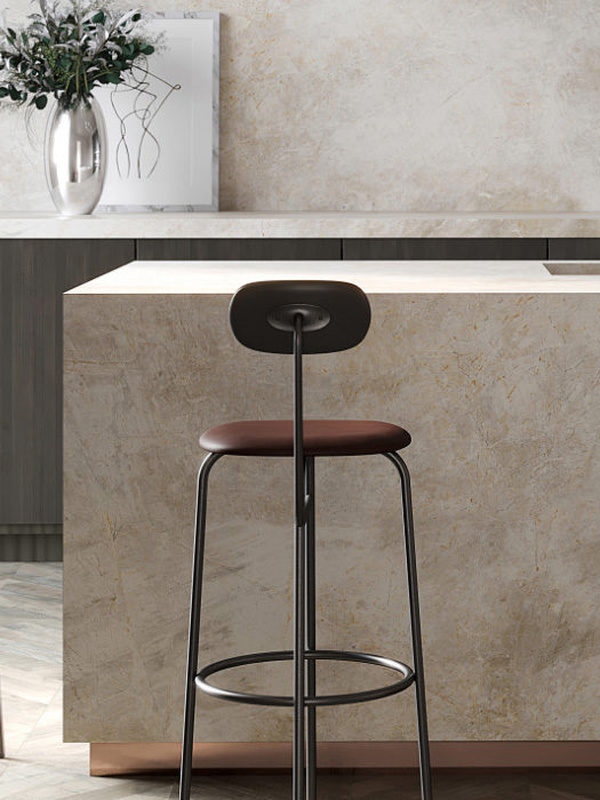
Quartz is among the most popular premium worktop materials. Manufacturers grind natural quartz and combine it with other natural and synthetic ingredients, including polymers, resins and pigments. Resins and polymers bind the quartz into a hard, durable surface, while pigments provide colour. Although many people think quartz is an entirely man-made material, it is a combination of nature and technology: natural quartz makes up around 90% of the worktop, with other ingredients accounting for the remaining 10%.Quartz worktops are strong, non-porous and resistant to cracking, scratching and staining, with a stronger structure than marble, granite and other stones. As manufactured surfaces, slabs have a consistent appearance, making quartz a choice for those seeking uniformity. They also offer the aesthetic qualities of natural stone, with patterned and plain-colour finishes available.

  1. Natural Stone Worktops

Natural stone encompasses a range of materials drawn from the earth. Granite is among homeowners' favourite and most widely used natural stone worktops. It is porous and needs a sealer to protect it. The sealer does not change its look or feel, but does not prevent staining, so any food or drink spills should be cleaned immediately. Nevertheless, granite is highly durable and needs little maintenance. A wide range of colours and patterns can complement the kitchen's overall palette.

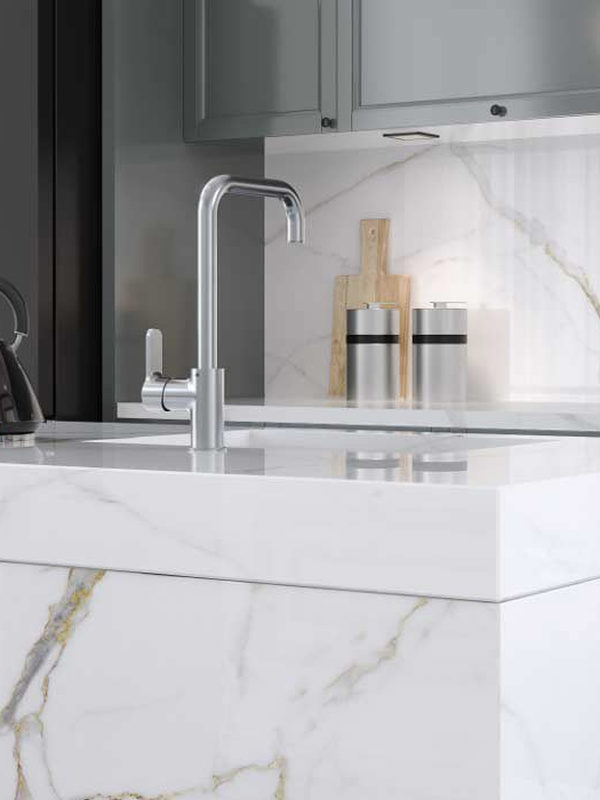
Volcanic lava stone is also durable and can withstand extreme temperatures. It is easy to maintain and becomes more attractive with age. Those seeking a luxurious worktop may turn to marble, but remember that contact with acidic liquids can cause staining. As a natural stone, marble can readily absorb drips, spills and food pigments if they remain on the surface too long. It also does not tolerate heat well, so hot pots and pans should never be placed directly on it. Time and wear can also dull the surface.

For cleaning natural stone worktops, a damp microfibre cloth, a little washing-up liquid and warm water are sufficient. Acids are the enemy of natural materials, and bleach, lemon-based cleaners and vinegar can damage marble.
  1. Ceramic Tile Worktops

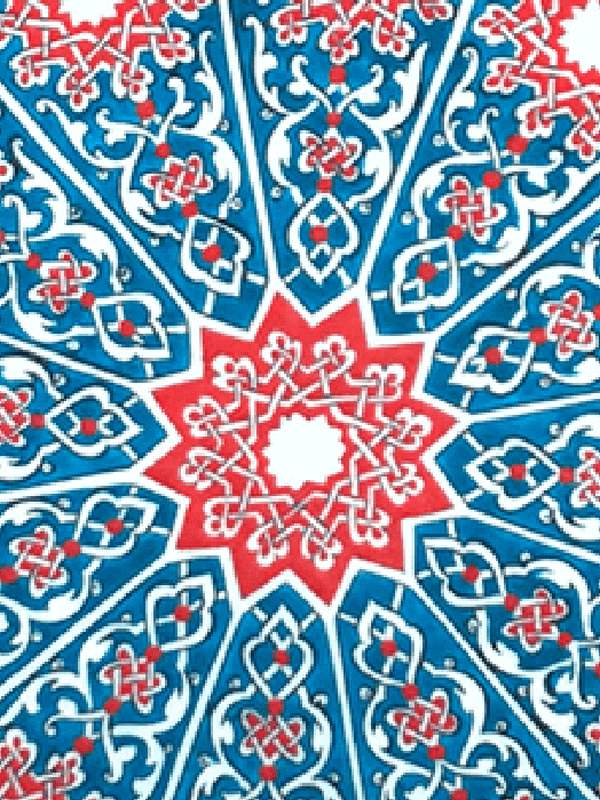
With its creative possibilities and long history as a handcrafted material, ceramic tile remains an increasingly popular worktop surface in kitchens that celebrate nature and art. A timeless choice, tiled worktops first appeared in the 17th century and have never disappeared despite the arrival of modern materials, returning to fashion again and again.

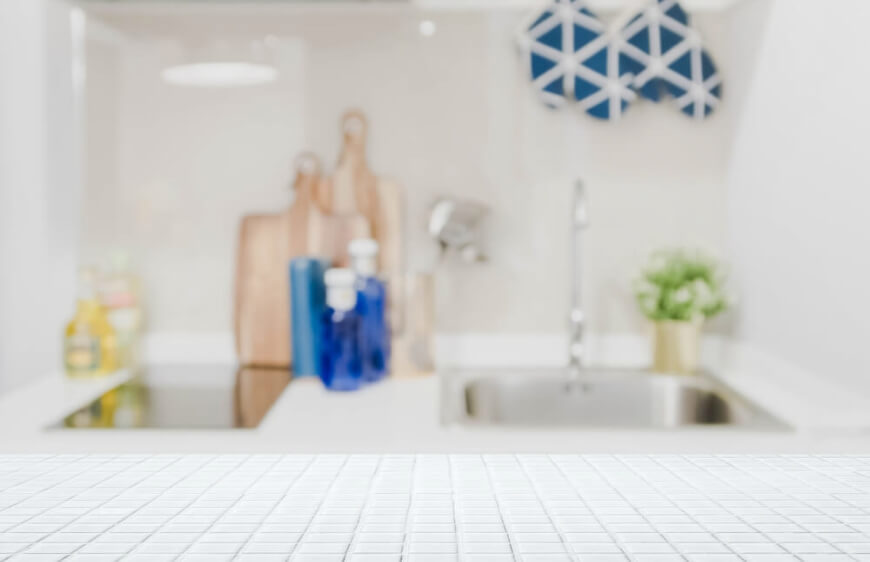
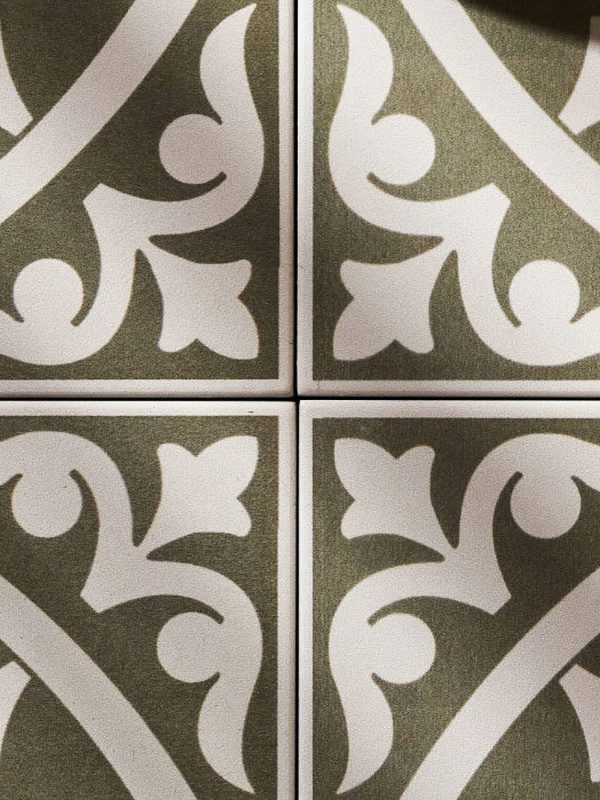
Known for their generally low cost, ceramic worktop tiles come in many colours, shapes and sizes. Creative arrangements allow you to personalise the surface and create decorative designs, giving artistic expression a place on the worktop.Ceramic tiles cannot, however, be described as fully resistant to the demands of worktop use. They withstand heat and resist scratches but may crack during kitchen tasks, and broken pieces cannot be repaired. A damaged tile must be replaced. Repeated replacements can eventually create visible differences between old and new pieces. Ceramic tiles themselves need little maintenance and no harsh cleaners, but a tiled surface has many grout joints, which need to be protected with a sealer.
  1. A Technological Revolution: T-ONE by Kale

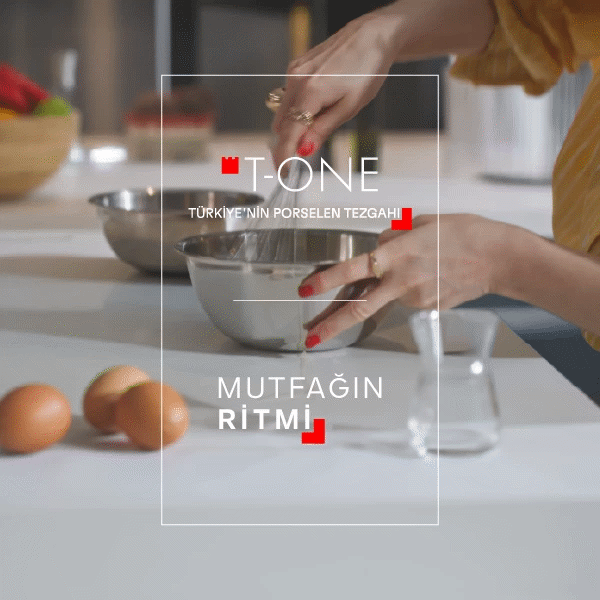
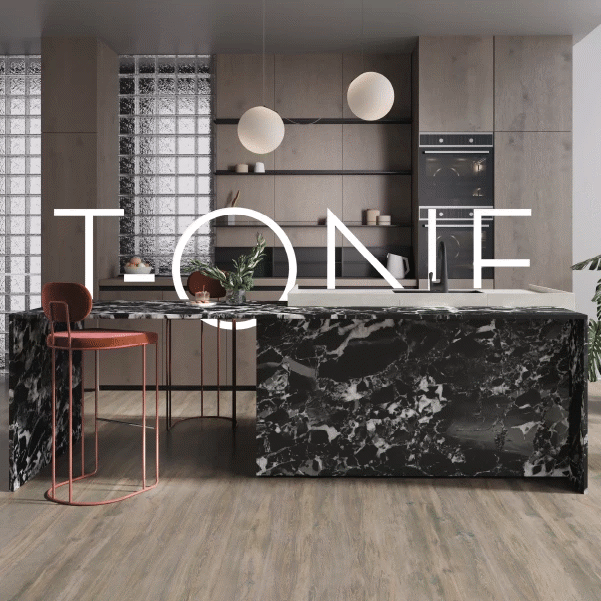
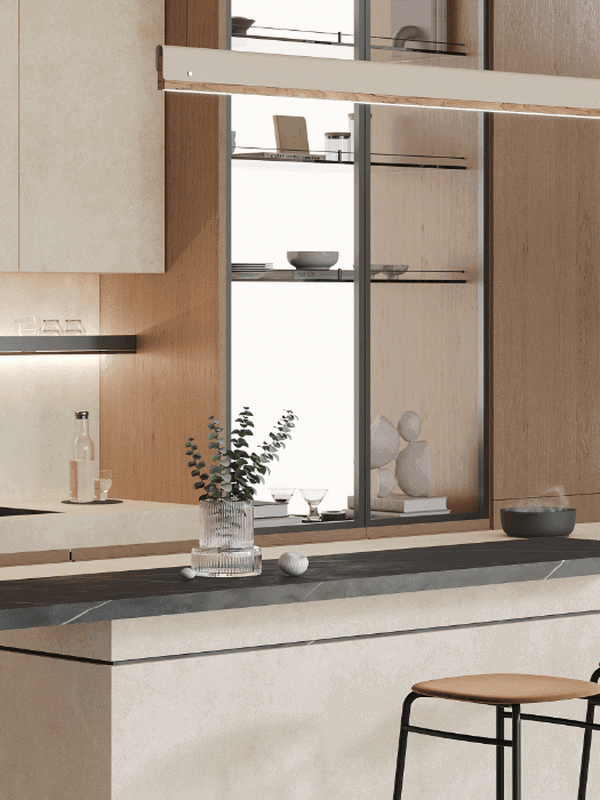
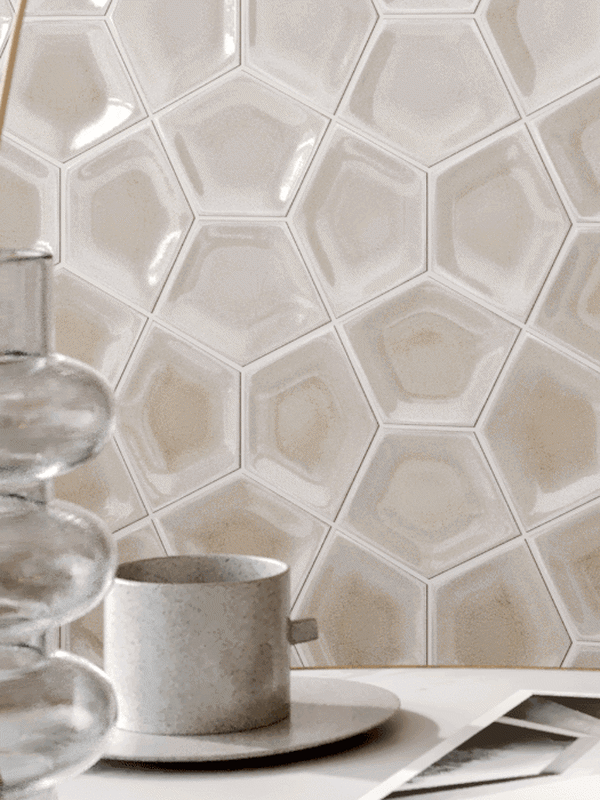
A new-generation kitchen is equipped with features that make life easier. Designed by Kale and created through advanced technology, T-ONE by Kale stands apart in durability and hygiene, offering higher performance than other worktop materials in price, quality and features.

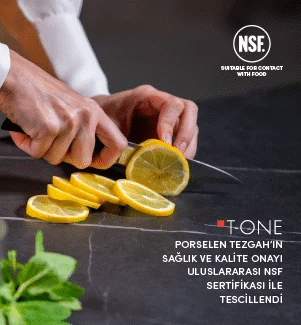
Developed from Kalesinterflex slabs, described as the largest and thinnest porcelain slabs produced in Türkiye, T-ONE by Kale is a remarkable innovation. With low water absorption, a focus on hygiene, a non-flammable, easy-clean and long-lasting surface, and high resistance to scratching, staining, breaking, wear, UV exposure and temperature changes, it is produced by laminating Kalesinterflex porcelain slabs in 5 or 6 mm thicknesses and sizes of 120 × 360 cm and 100 × 300 cm.

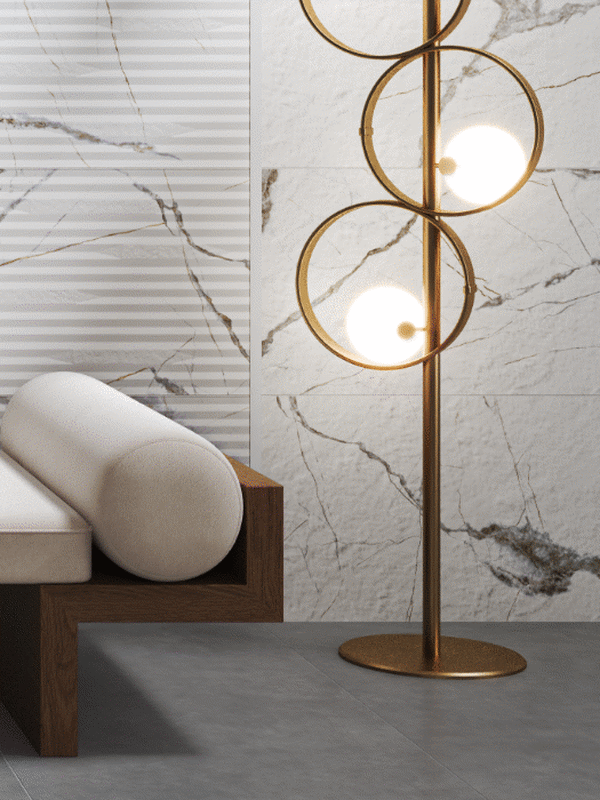
From kitchen worktops that scratch and stain easily to tables and coffee tables whose lifespan raises questions, T-ONE by Kale offers solutions with textures including wood, marble, stone and metal, alongside varied colours. Its technology combines functionality with a developed sense of aesthetics. The T-ONE by Kale family offers a range suited to every home, style and theme.

Mekanınızı yapay zeka ile birkaç saniyede yenileyin!

Mekanınızı yapay zeka ile birkaç saniyede yenileyin!

Seçtiğiniz ürünü evinizde görün.

Evinde Gör

Banyonuzu yeniden tasarlamaya ne dersiniz?

Banyoda Gör

Blog

Explore All

Compare

Compare
Compare