Because kitchens are used so frequently, they need constant cleaning. Keeping them orderly is important for managing time well. You should be able to prepare quick recipes without spending hours, then tidy away and clean with ease.To minimise the time spent on these tasks amid daily routines, one of the best approaches is to establish kitchen rules that suit your habits, supported by functional choices, easy-to-clean materials and a layout designed for efficient cleaning. The materials you choose should also keep pace with this carefully considered system and help you. Alongside moisture-resistant cabinets, practical shelves and drawers, and every detail selected to make life easier, ceramic tile choices should focus on use as well as appearance.
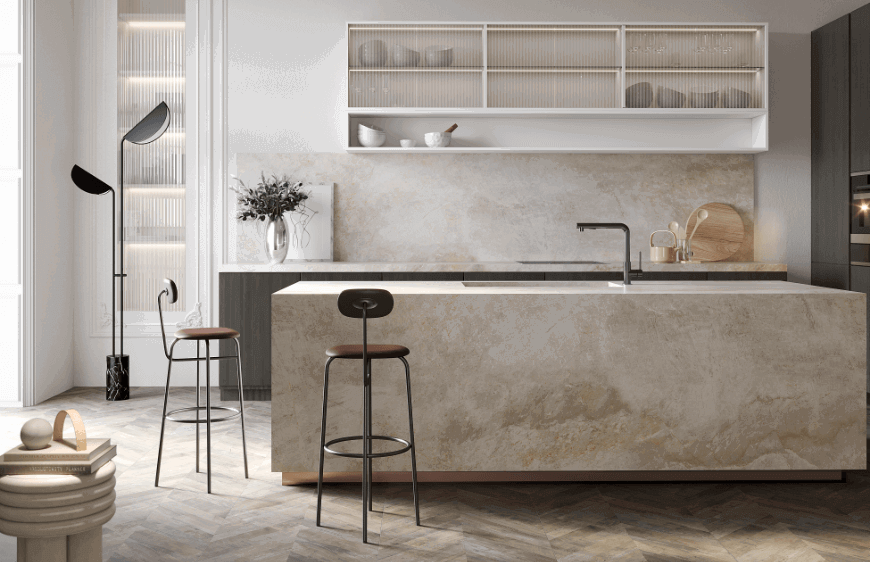
How to Choose Matt Ceramic Tiles for Kitchens
In a global world where aesthetic details receive more attention and trends move faster, every choice, large or small, offers clues to our character and lifestyle. One such decorating choice is between matt and glossy finishes. This time, we explore the question through ceramic tiles in the kitchen.
Choosing colours for matt or glossy ceramics
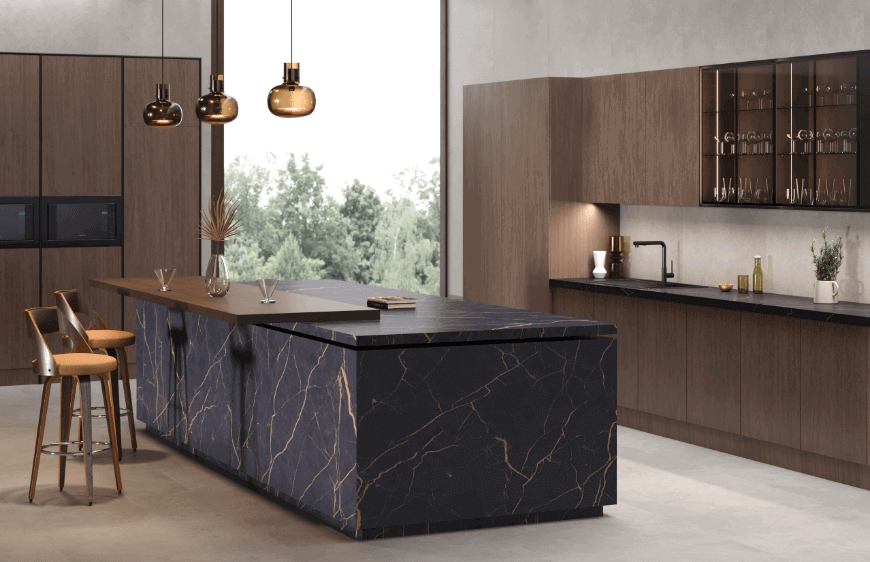
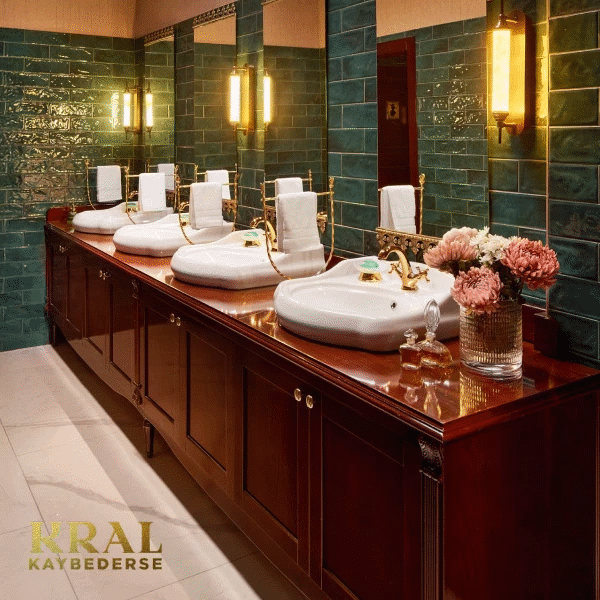
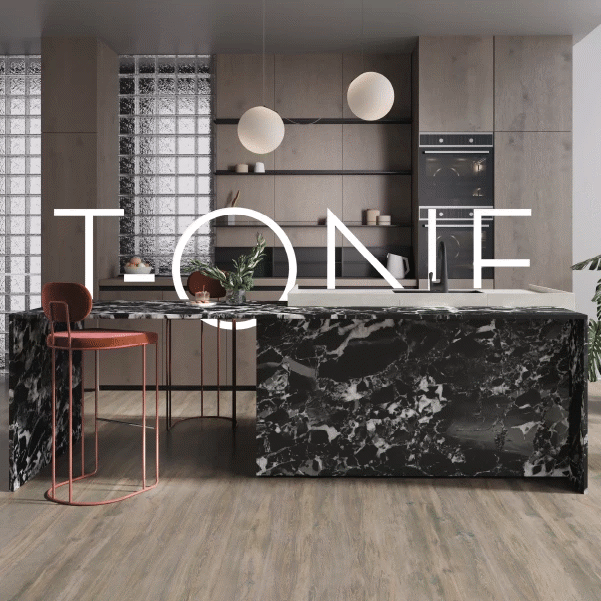
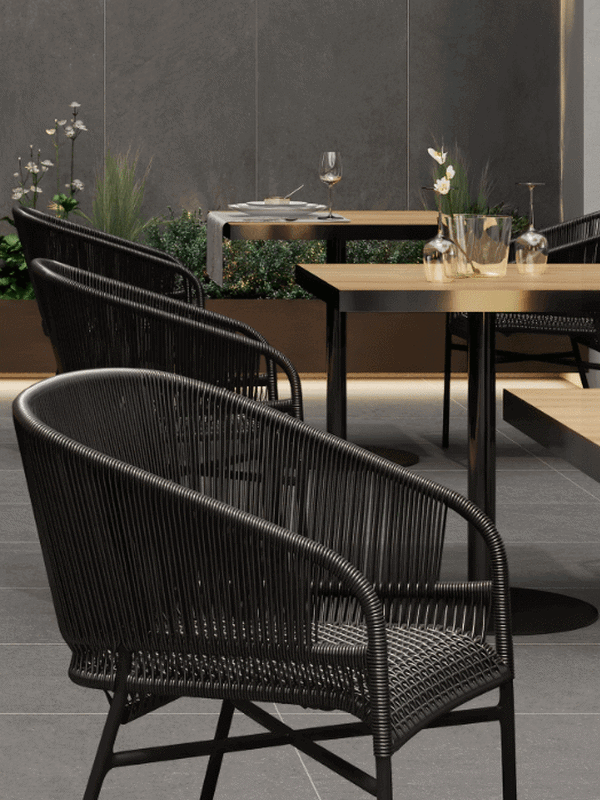
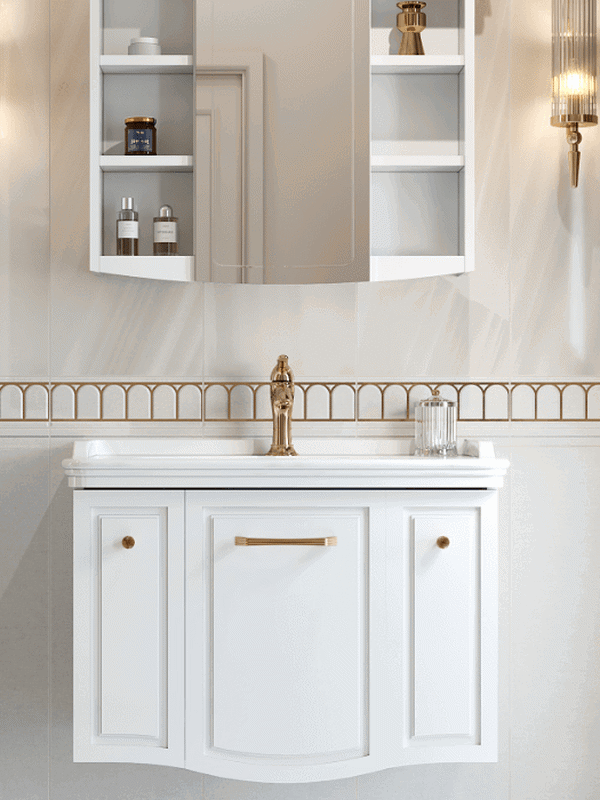
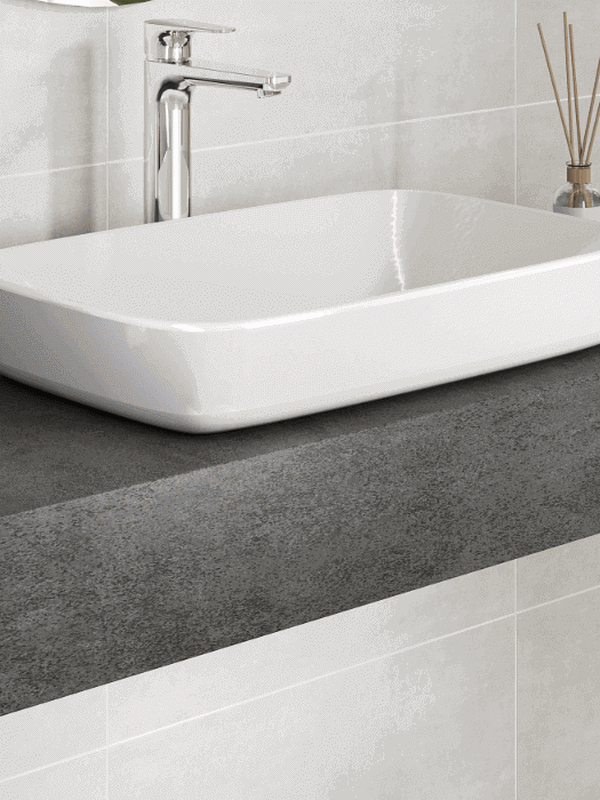
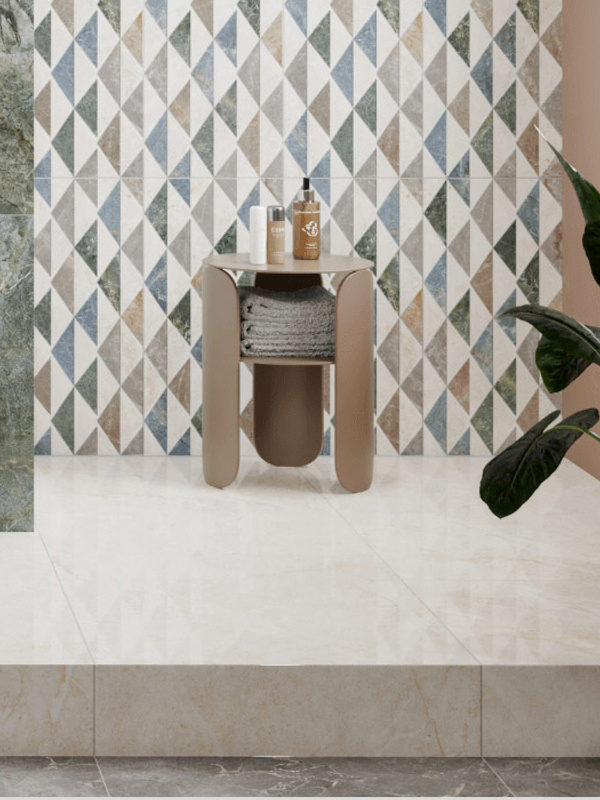
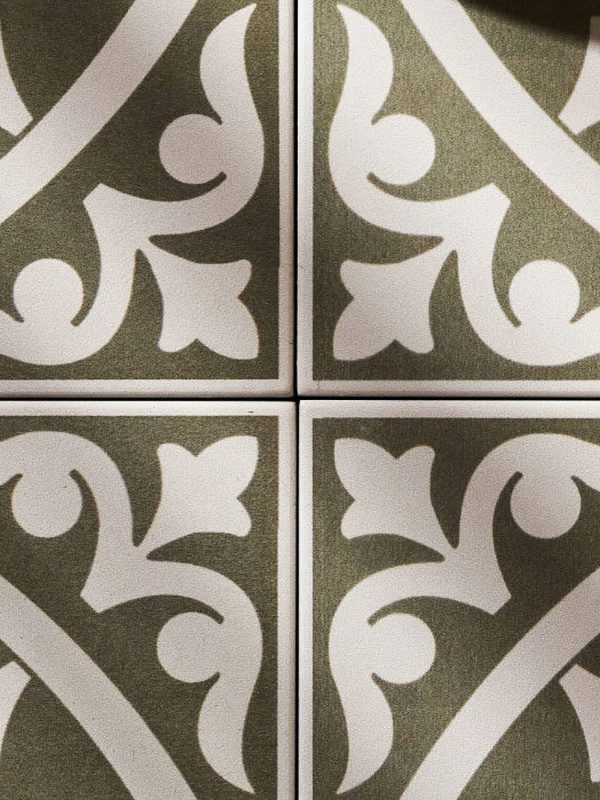
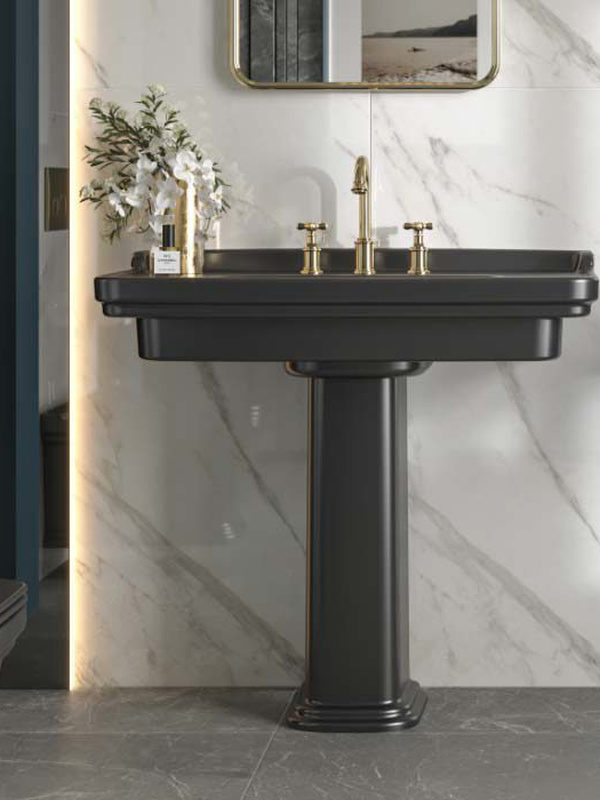
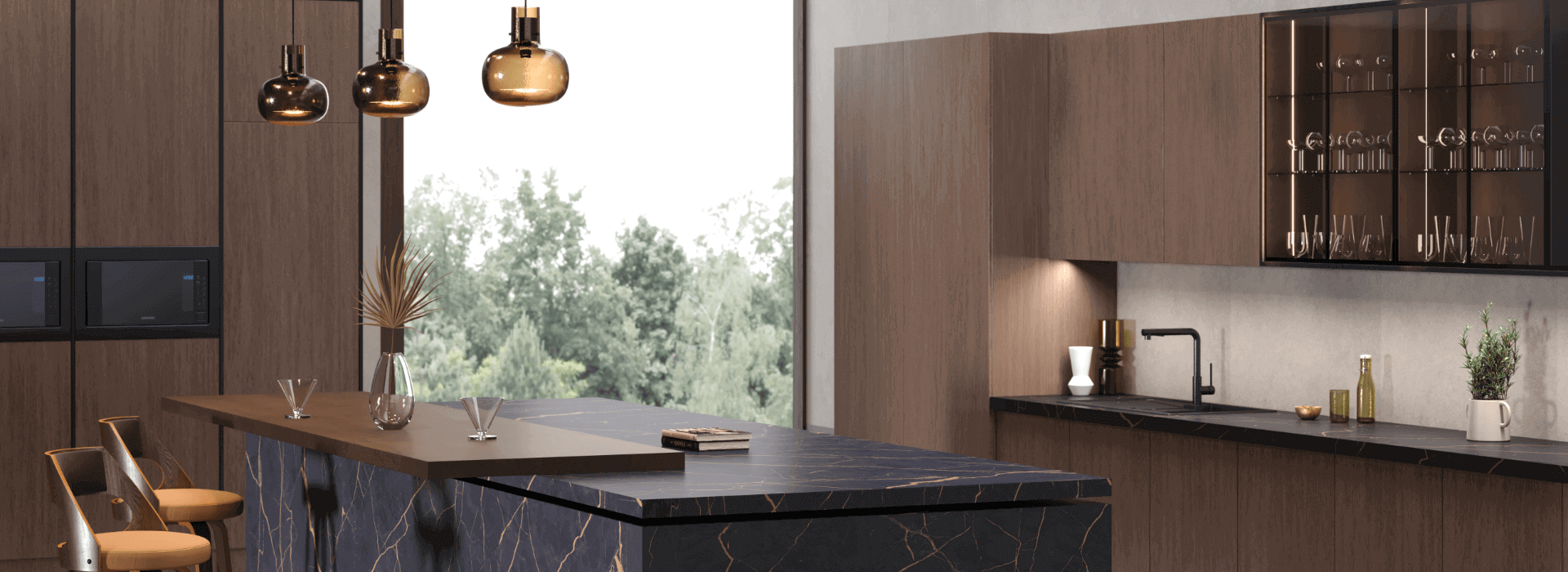
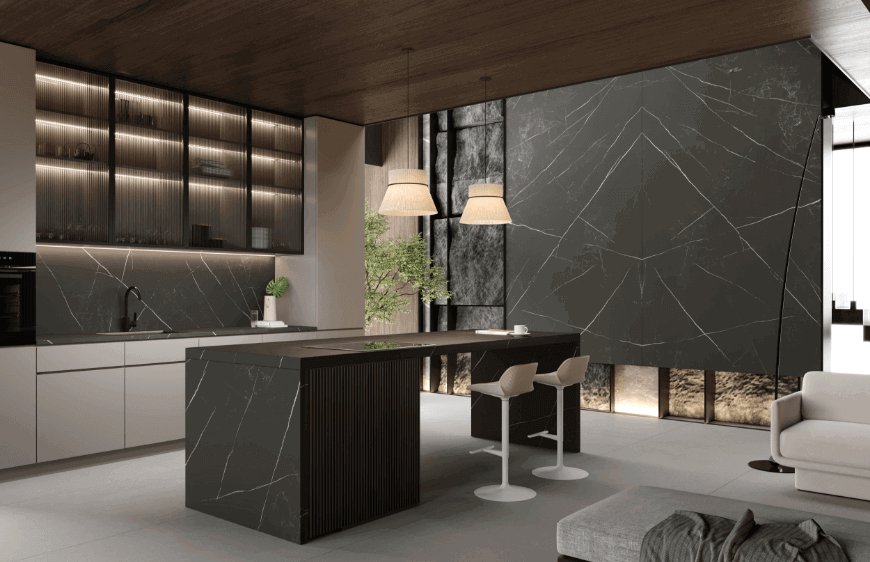
In the kitchen, ceramics are used on floors and walls, so deciding how to distinguish these areas matters. Colour can be a useful guide. If you are planning a light-coloured kitchen, for example, glossy tiles in light shades can create a cleaner, more elegant appearance.For a kitchen scheme with dark ceramics, matt surfaces offer a more modern, airy look. Particularly when choosing patterns, you can follow this rule by using matt finishes for patterned tiles and glossy options for plain, single-colour designs.
Easy-to-clean kitchen tiles
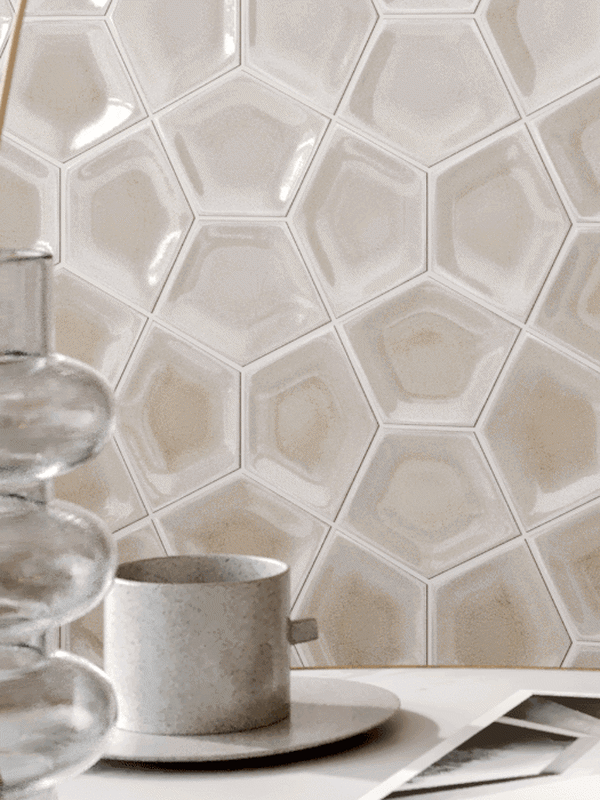
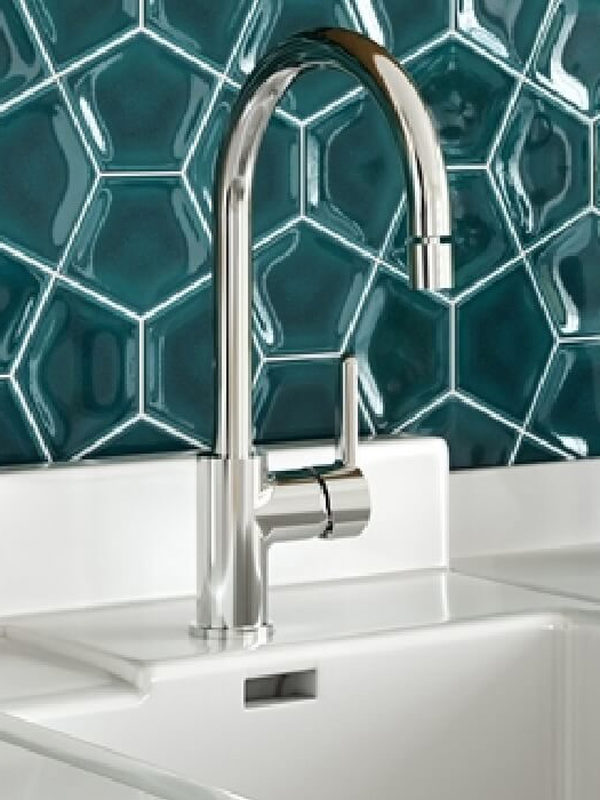
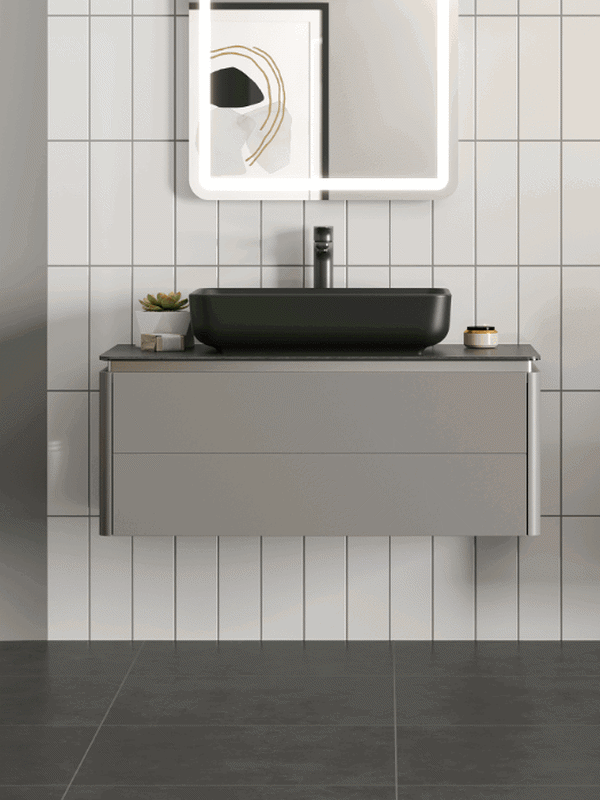
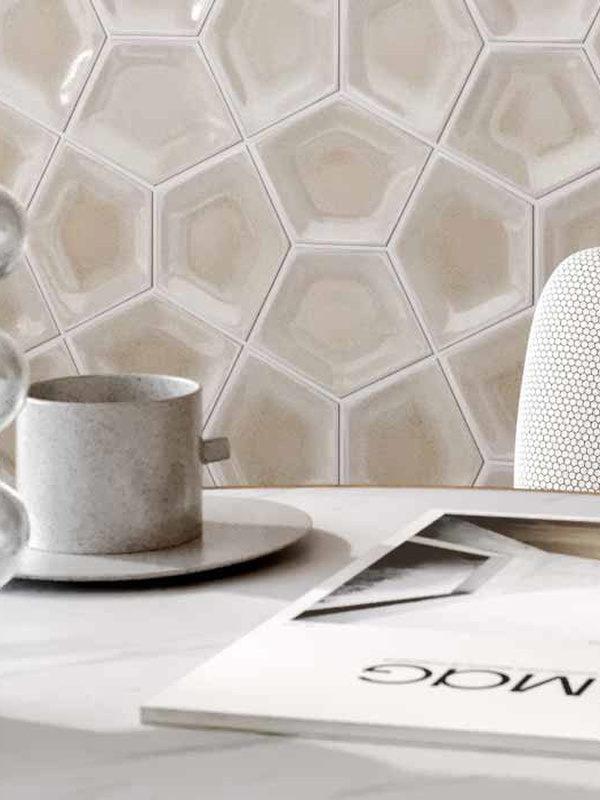
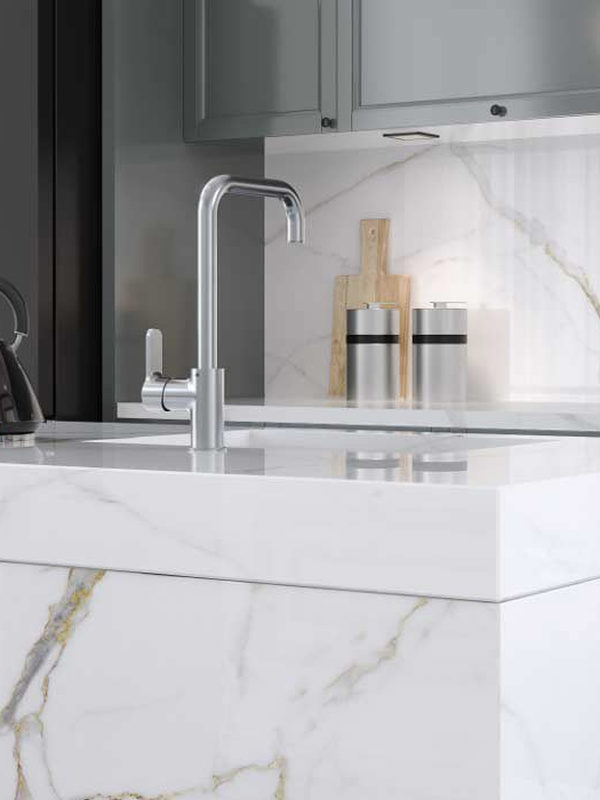
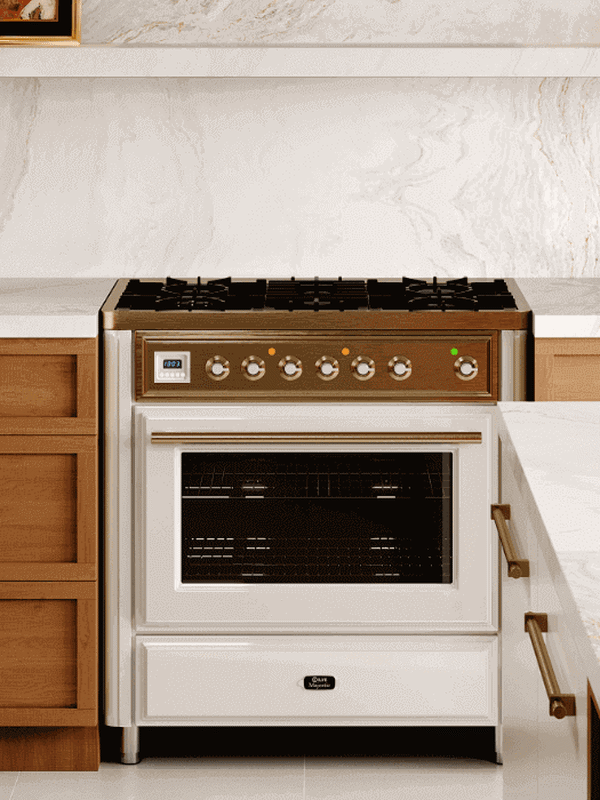
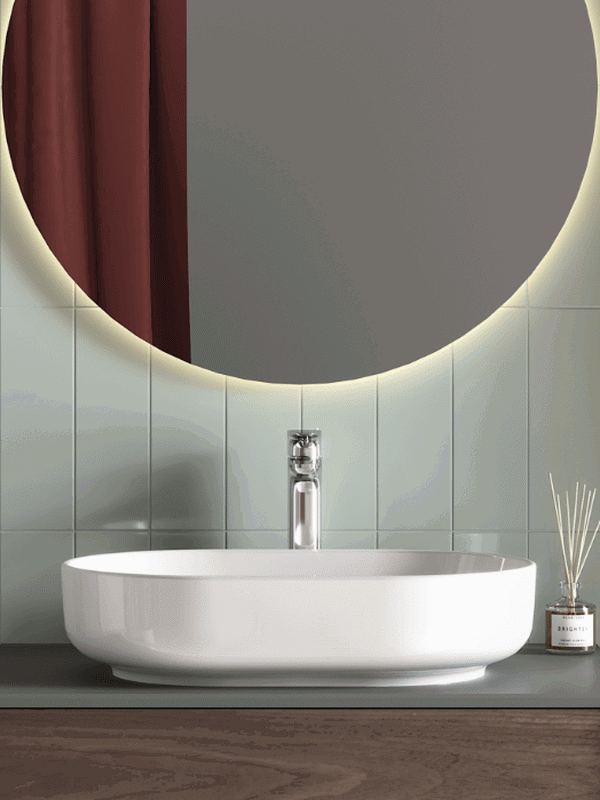
Considering where tiles will be used is important to making the right choice. Around the hob, where grease and splashes are more frequent, we recommend easy-to-clean ceramics. Plain, glossy tiles are particularly useful behind the hob and sink, helping you clean effectively.Choose matt finishes in areas less likely to be splashed, such as coffee bars or dining spaces, to create textural variety throughout the kitchen. Matt ceramics emphasise a modern style while bringing a welcoming feel closer to that of other interiors.
How should we choose ceramics for large kitchens?
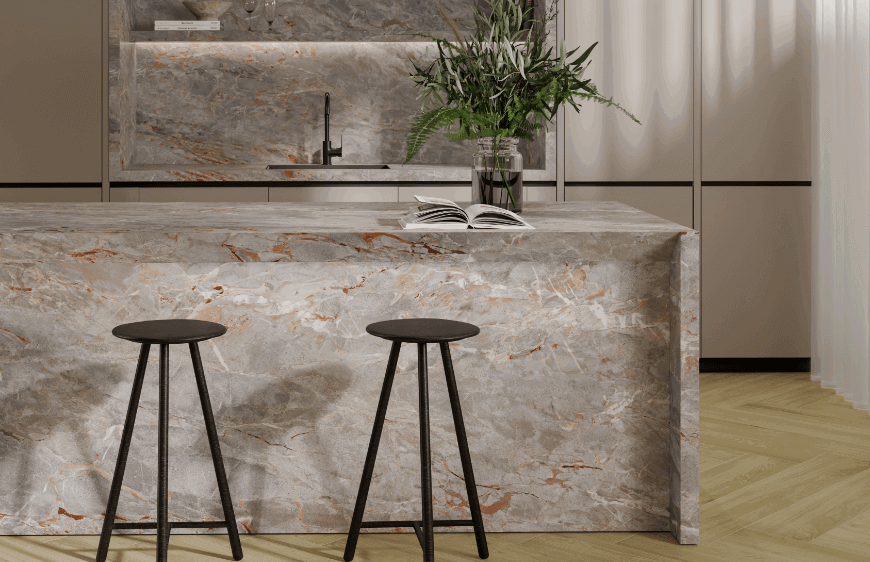
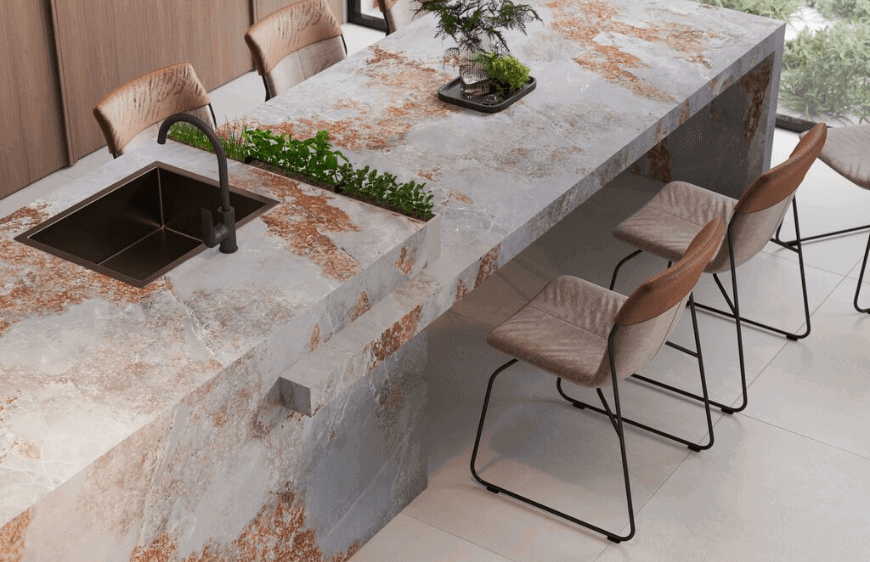
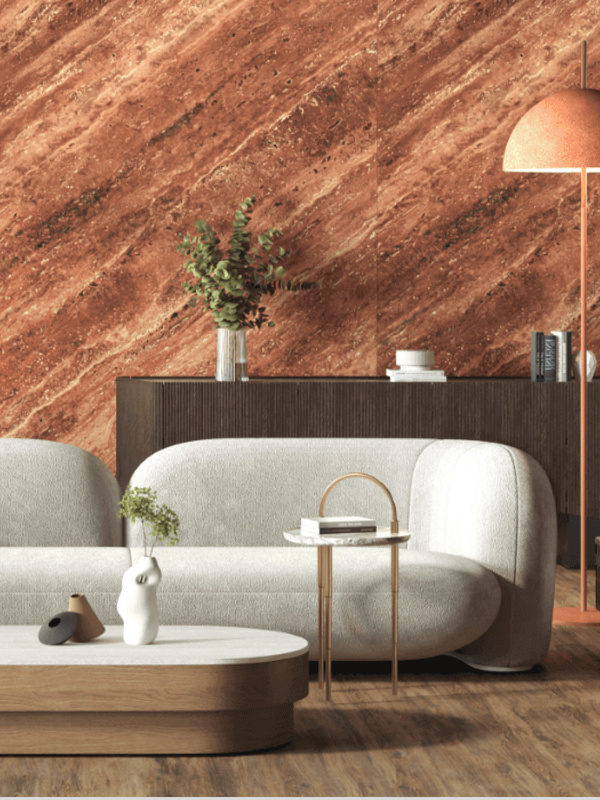
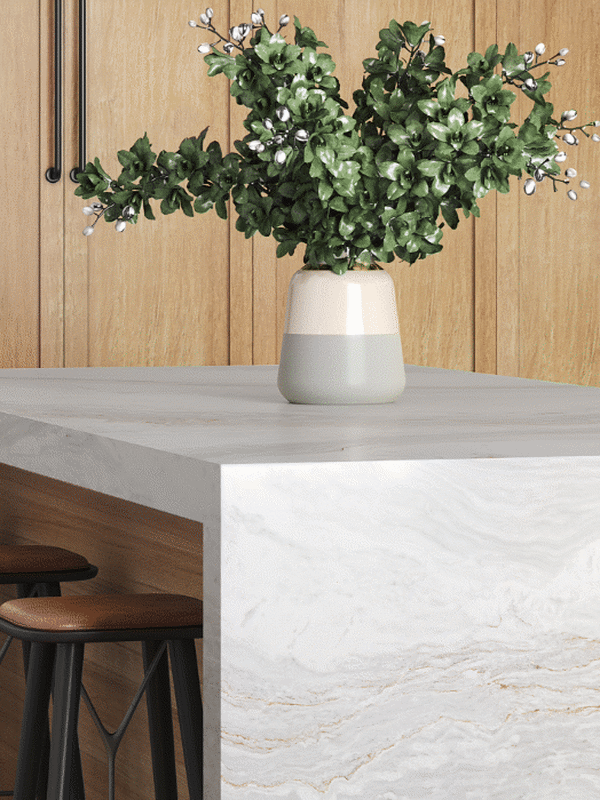
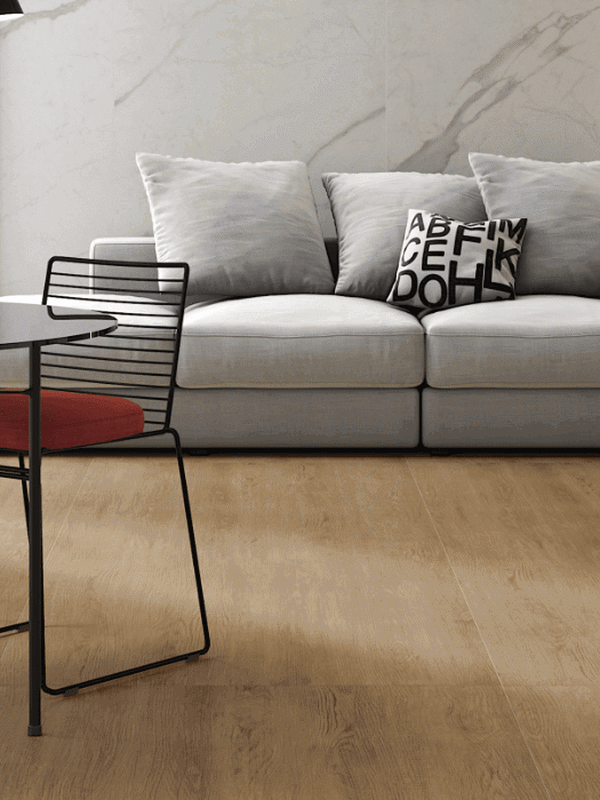
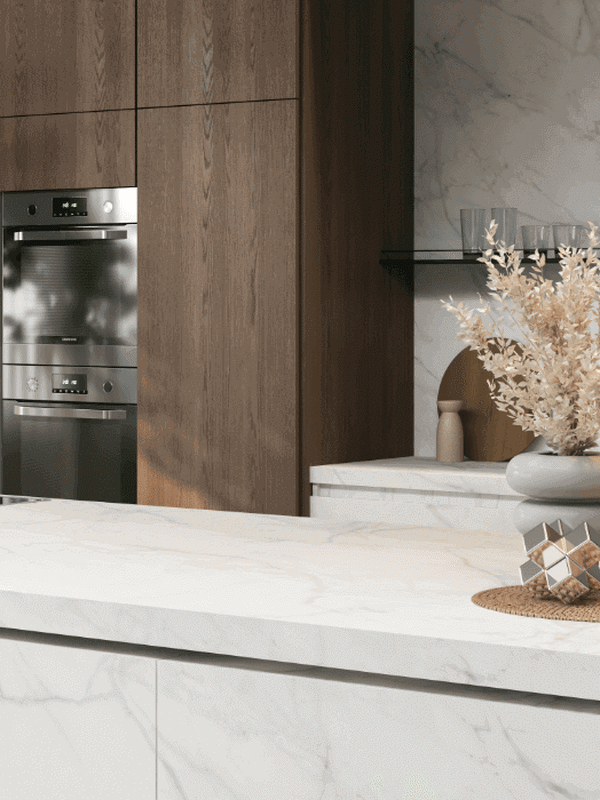
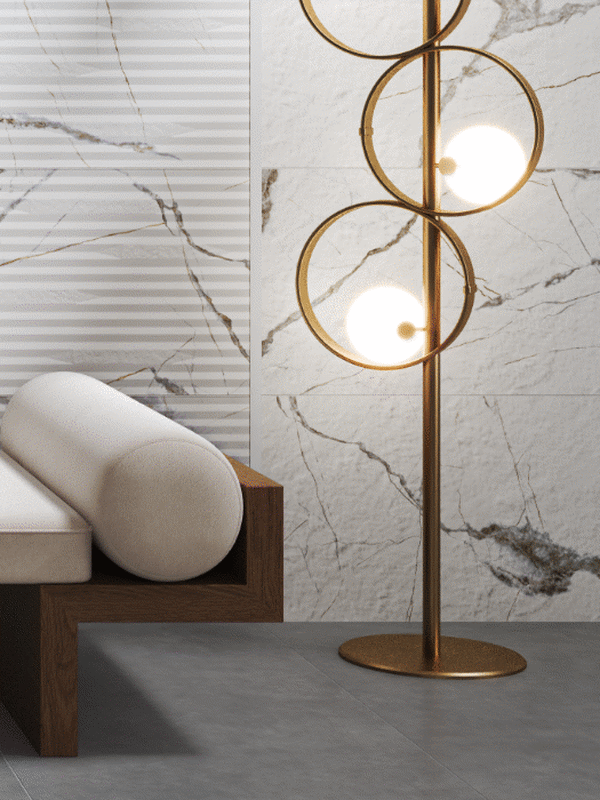
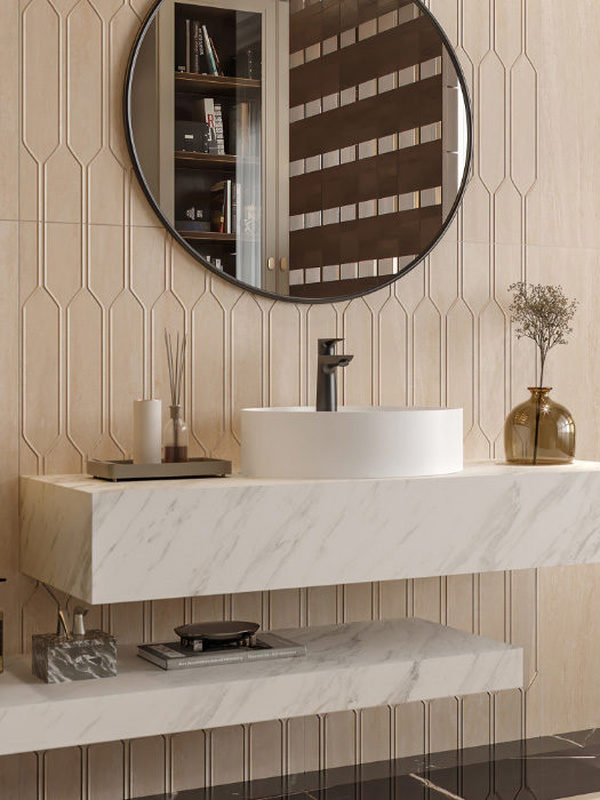
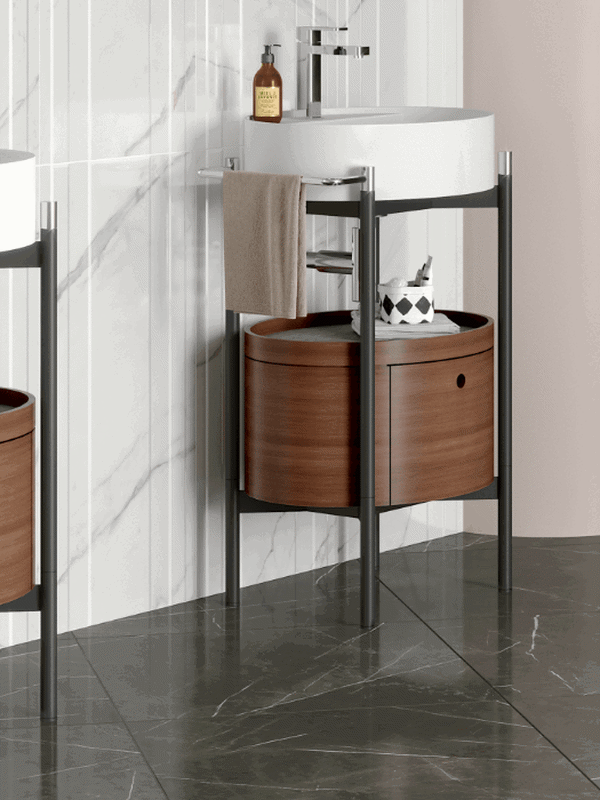
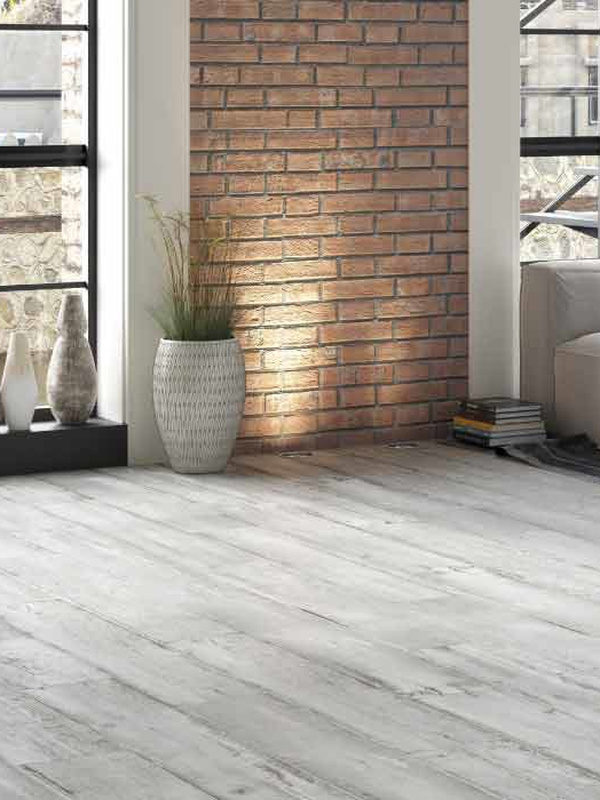
First, consider the size of your kitchen. A spacious room with plenty of daylight gives you more freedom with ceramic tiles. What kind of freedom? You could use larger formats or add interest through different laying techniques. Products with tonal and patterned transitions resembling wood or marble are also options.When using these larger tiles on the floor, it helps to choose matt rather than glossy finishes because floors experience more wear than walls. Matt tiles can therefore offer a solution that retains its original effect in an area where gloss may quickly diminish. Use the glossy version of the same design on the walls to create a rich scheme.

Which ceramics should we choose for small kitchens?
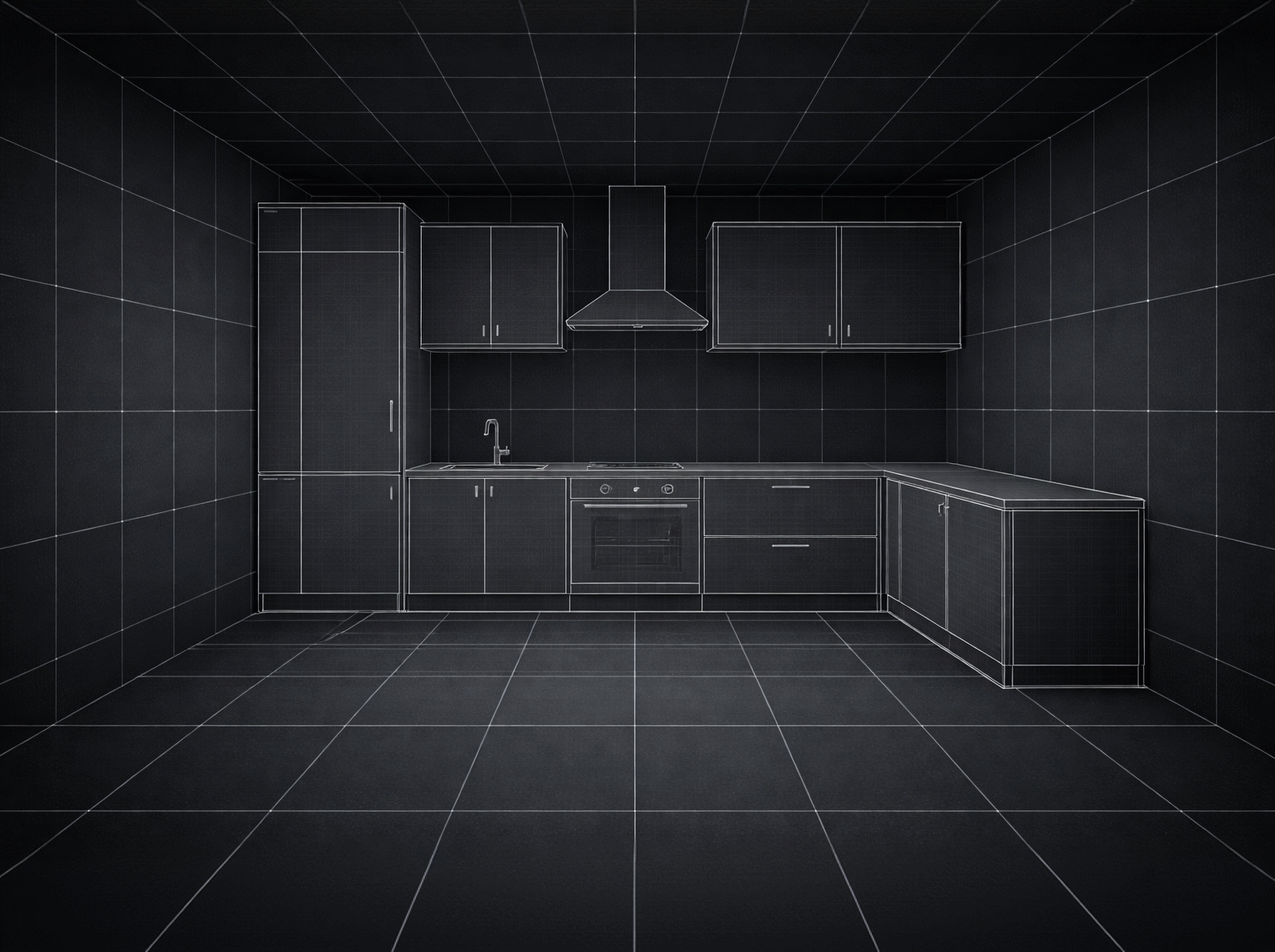
If you are designing a smaller kitchen with relatively little light, light-coloured ceramics naturally come into play. But subtle distinctions still matter. Small-format kitchen tiles, for example, can offer more effective solutions in small spaces. It is also a good idea to choose subtle textural transitions rather than strong patterns.For the splashback in particular, a glossy tile, preferably in the same colour as the worktop, will support cohesion and help create a space that feels larger and cleaner.