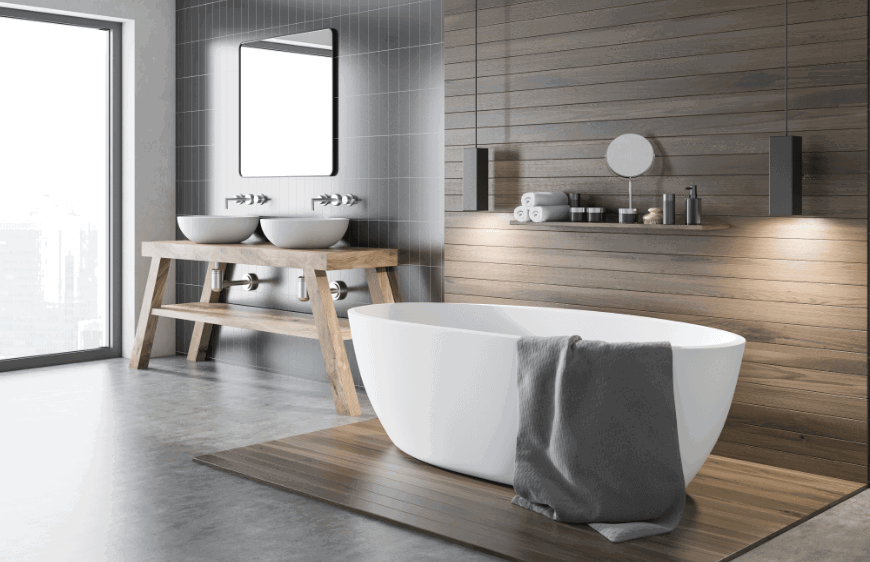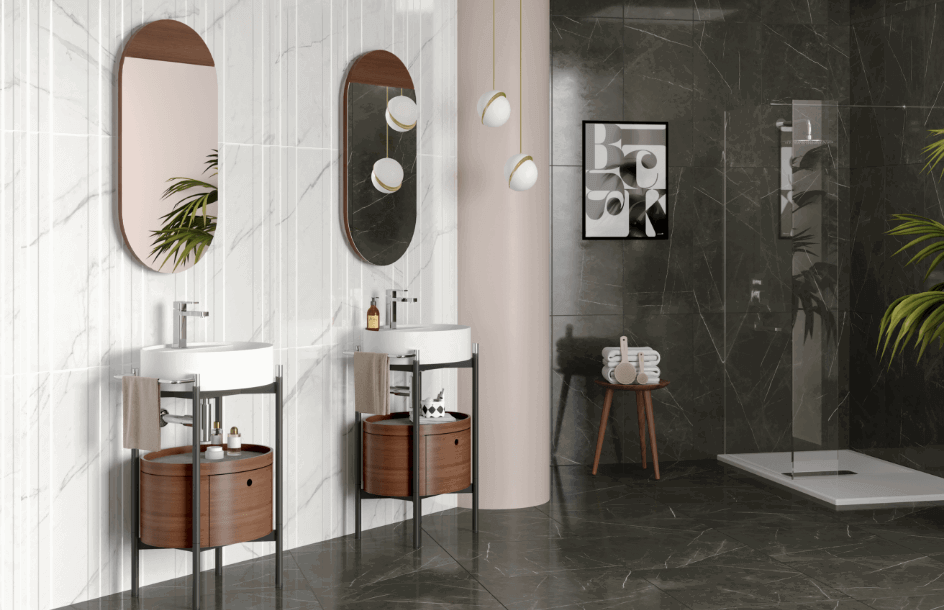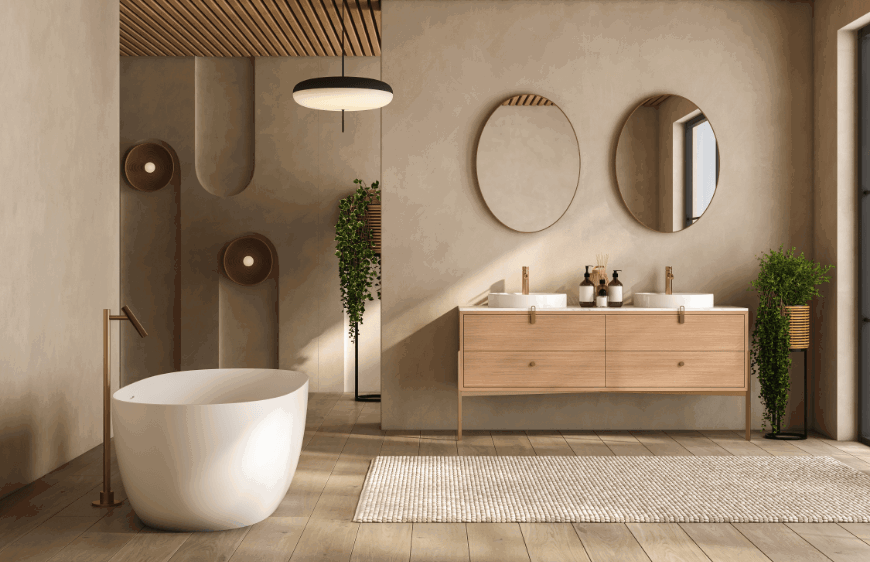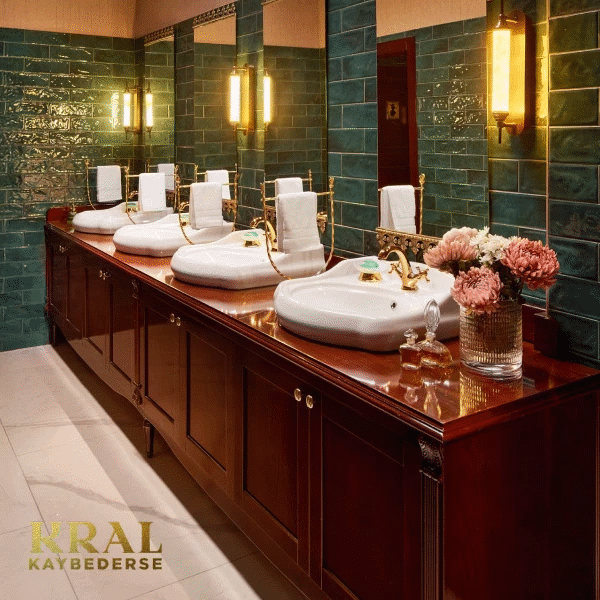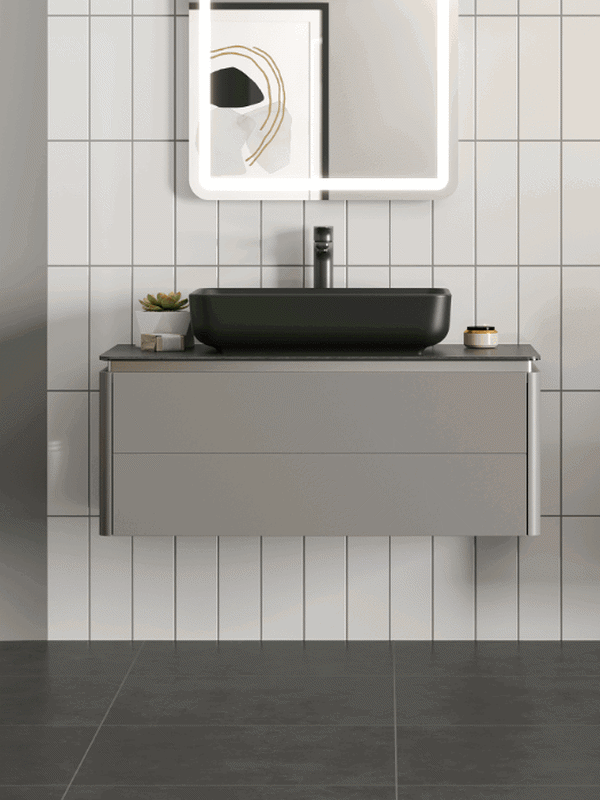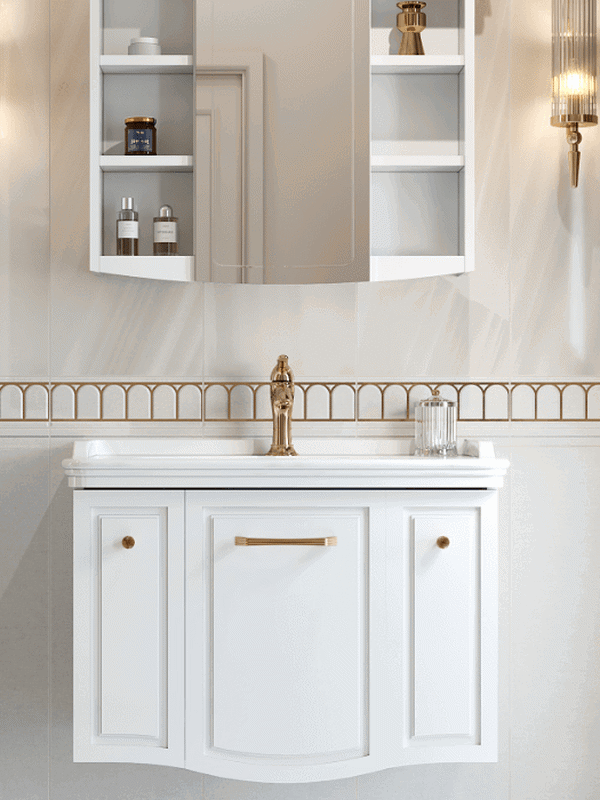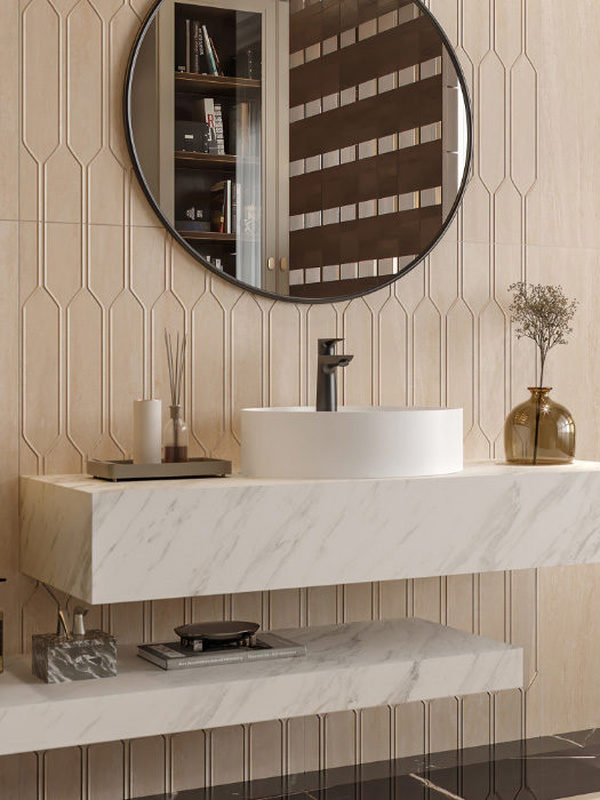
Lighting matters beyond interiors: it creates one of the strongest finishing touches in every space we inhabit. Indoors or out, the right lighting enhances all the elements within a living space. In other words, lighting is a key to decoration.Elsewhere in the home, we may choose lights freely according to personal taste. In the bathroom, however, certain details and priorities need to guide us. Light colour, intensity, fixture material and position all matter. Let's explore ways to use each of these elements effectively in bathrooms, where everyday activity is so frequent.
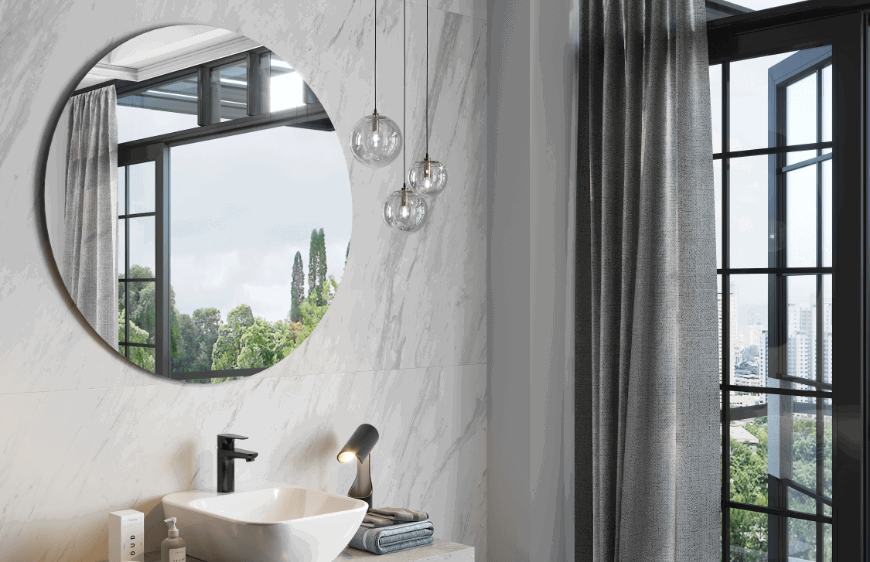
How Should Lighting Be Used in Bathrooms?
As one of the most frequently used parts of the home, bathrooms undoubtedly deserve careful thought, especially when it comes to lighting. By combining suitable light levels with fixtures chosen for different uses, we can establish a coherent design language for these relatively compact spaces. This article explores which lights to use in bathrooms, where to place them and how to use them.
Lighting steps for bathrooms
Planning bathroom lighting begins with some groundwork. The first step is to identify the functional areas, such as the shower, toilet and basin. Each has a different purpose and level of use, so each needs individual attention. Before that, however, a few general details are important.First, choose fixtures made from materials that resist moisture and rust. Durable wood or metals that will not oxidise are worth considering. The room's size is another deciding factor. Pendant ceiling lights or lights extending down from the ceiling may not suit small bathrooms, while larger rooms allow more freedom with pendant forms and wall lights.

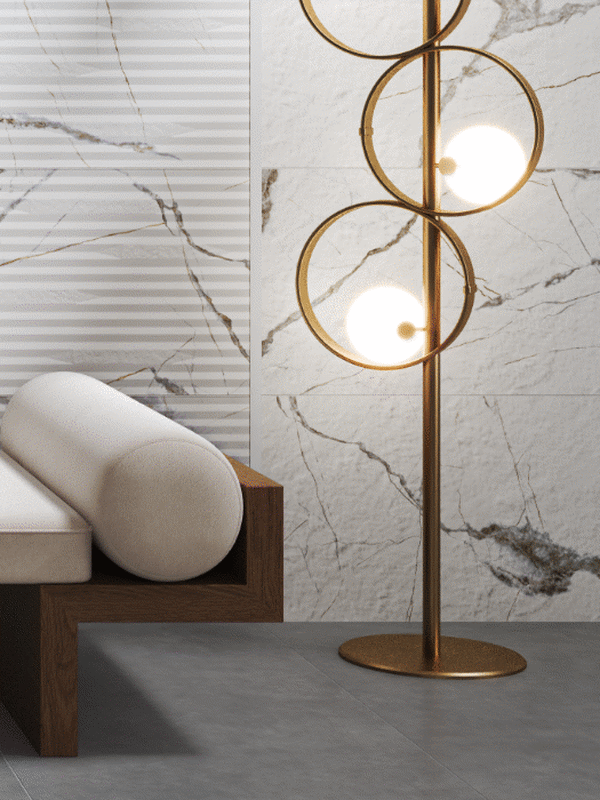
Lighting choices for different bathroom areas
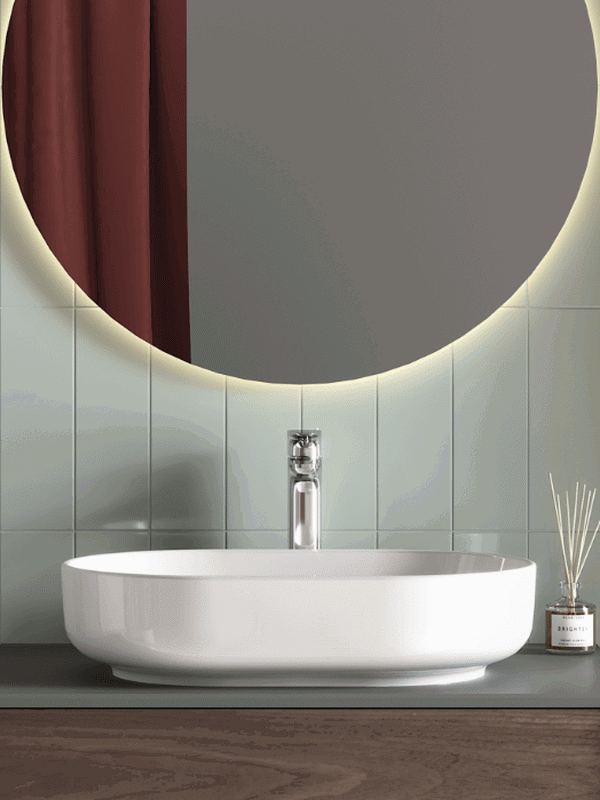
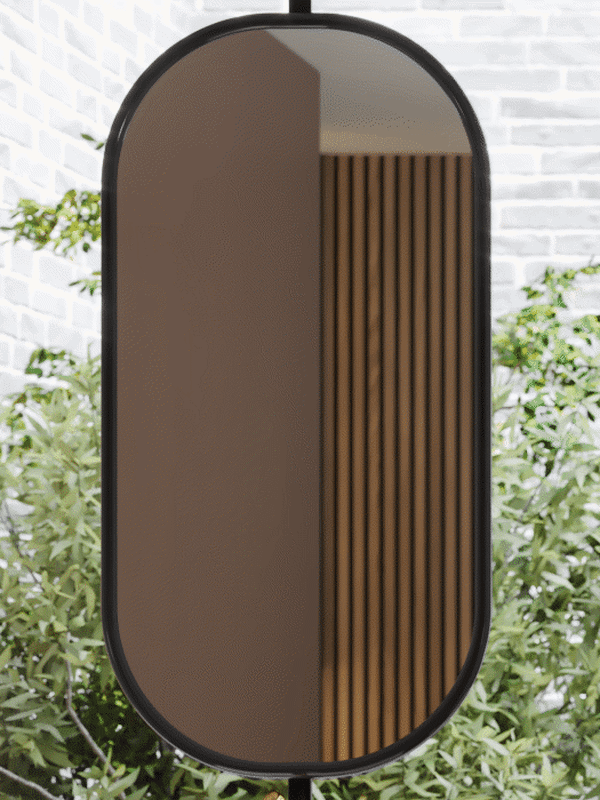
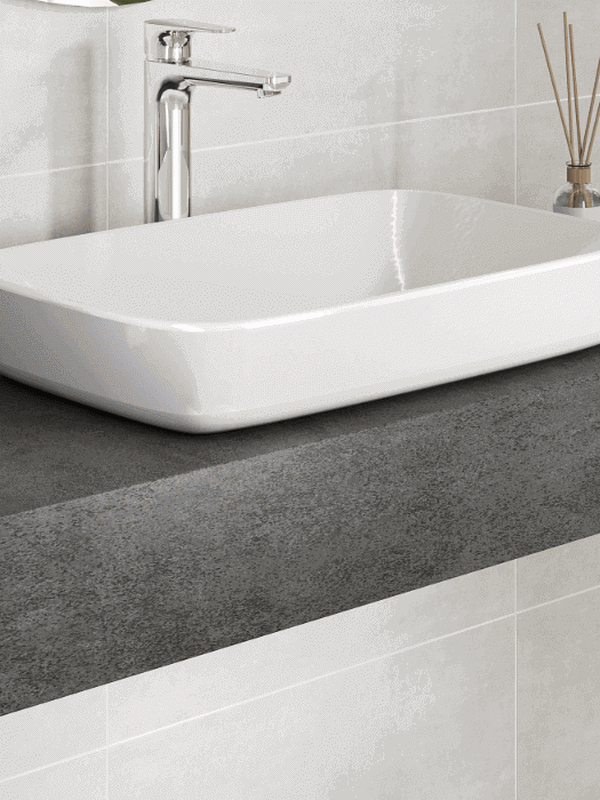
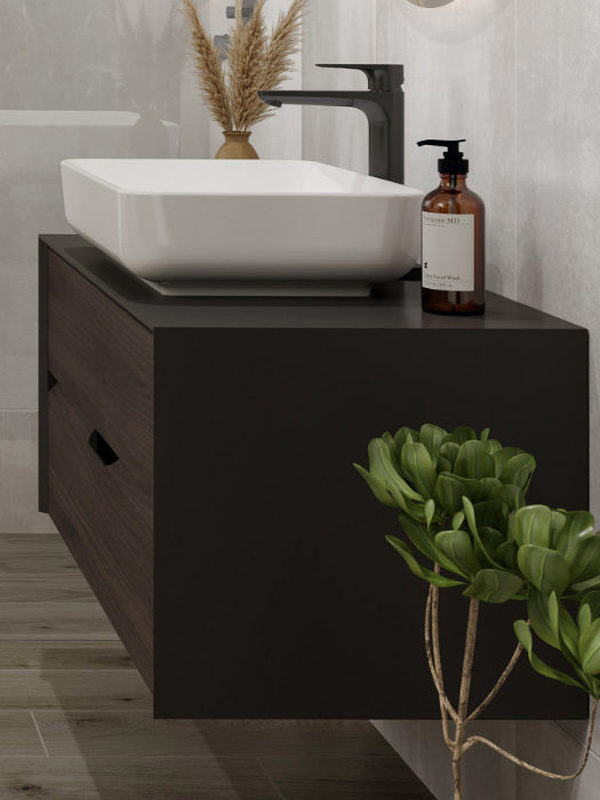
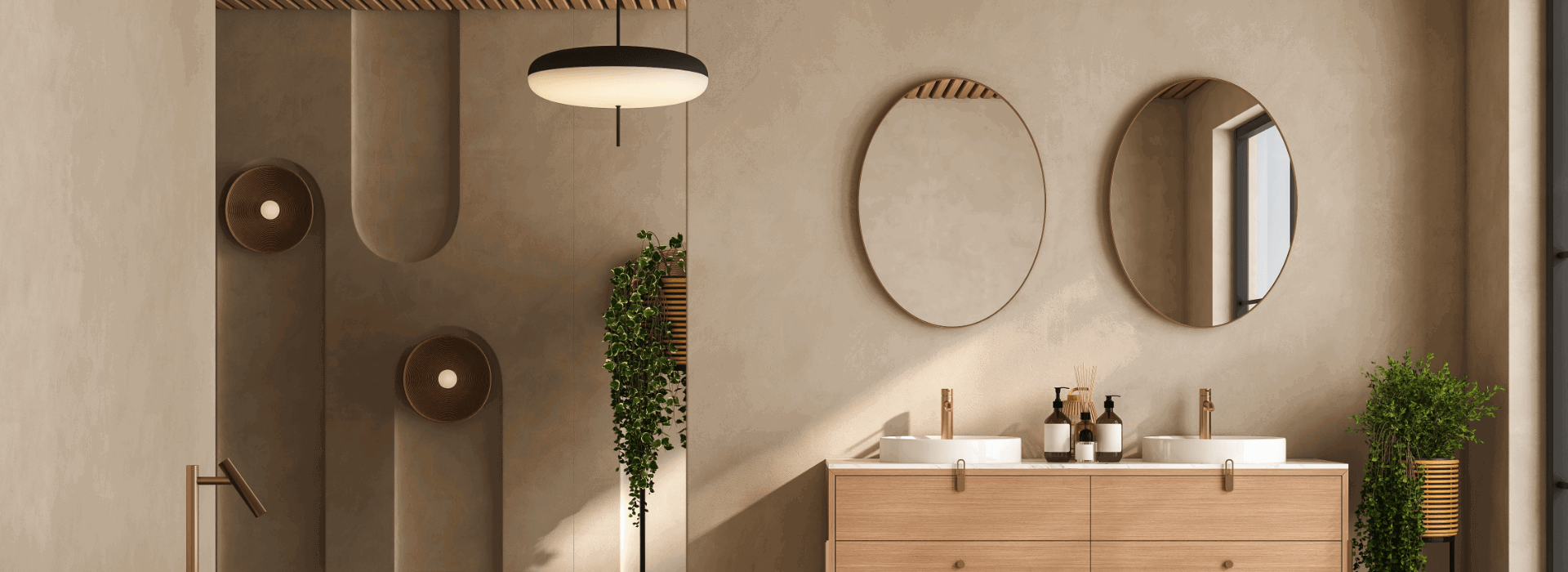
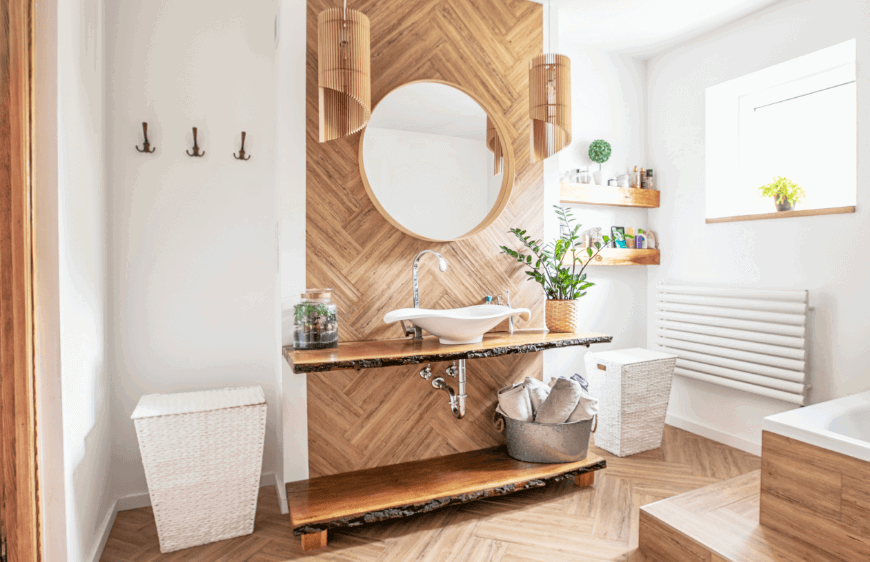
When choosing lighting, think of the bathroom in three parts: the mirror and basin, the bath and shower, and the toilet. The toilet area can be served by general ceiling lighting. The mirror and basin call for solutions tailored to their use: even backlighting behind the mirror, a wall light on either side, or a compact spotlight above. If you spend a lot of time using the mirror, you could combine two of these options.The bath or shower requires another lighting choice. We recommend a ceiling-mounted fixture without a pendant drop, with greater protection against water and moisture than those elsewhere in the bathroom.
What technical details matter in bathroom lighting?
Different bathroom areas need lighting at particular colour temperatures. With this in mind, choose 3,500–4,000 Kelvin for the mirror and basin, and 2,000–3,000 Kelvin for the shower or bath. In a guest bathroom, the decorative scheme may call for a dimmer atmosphere, which can sometimes be achieved with a small wall light or table lamp without focusing on Kelvin values.An IP rating, a measure of a fixture's resistance to water, also helps distinguish moisture- and water-resistant options when shopping. For example, lights rated IP44 will be suitable for bathrooms.
Classic bathroom lighting options
A familiar option is a flush-mounted globe light with frosted glass, a long-lasting choice that can suit bathrooms of different sizes. If the layout does not allow you to light the shower or toilet separately, you can choose one of these fixtures.As a supporting second step, we also recommend creating a generous light source around the mirror. Consider 100 lux for a toilet-only space and 150 lux where the room also includes a bathing area.