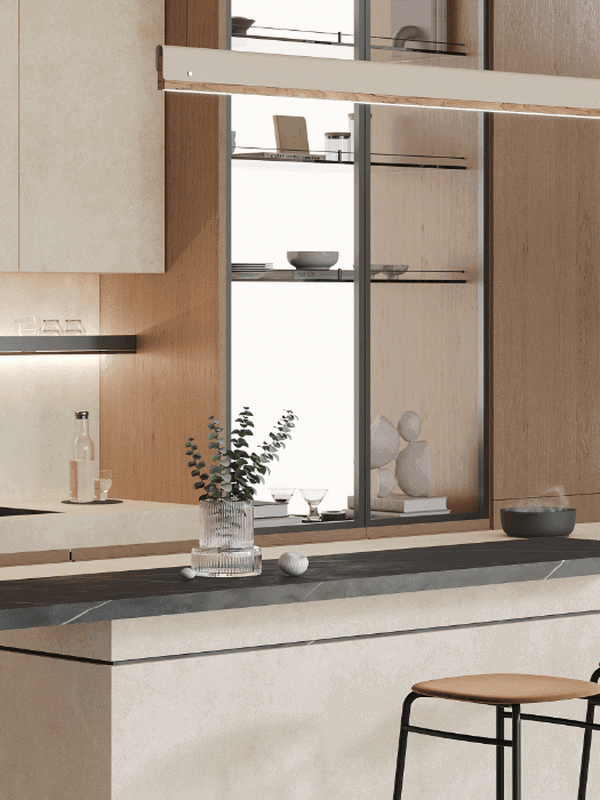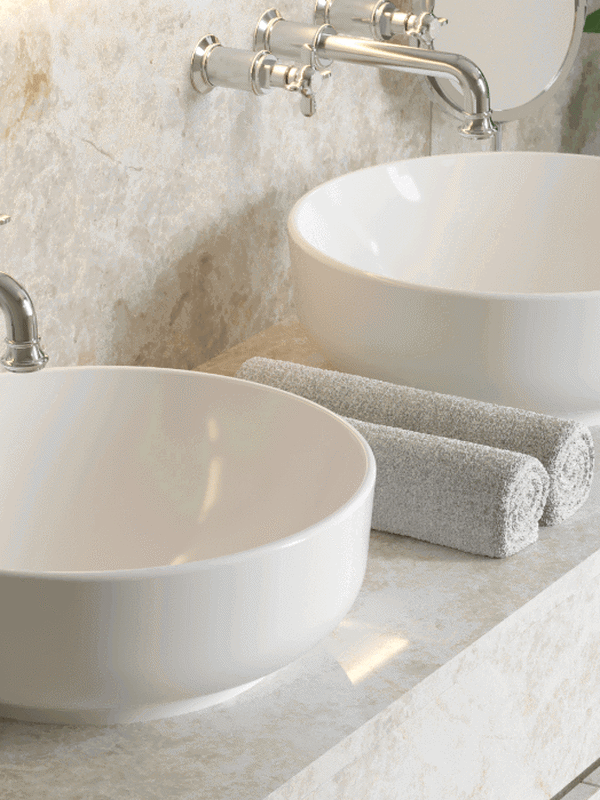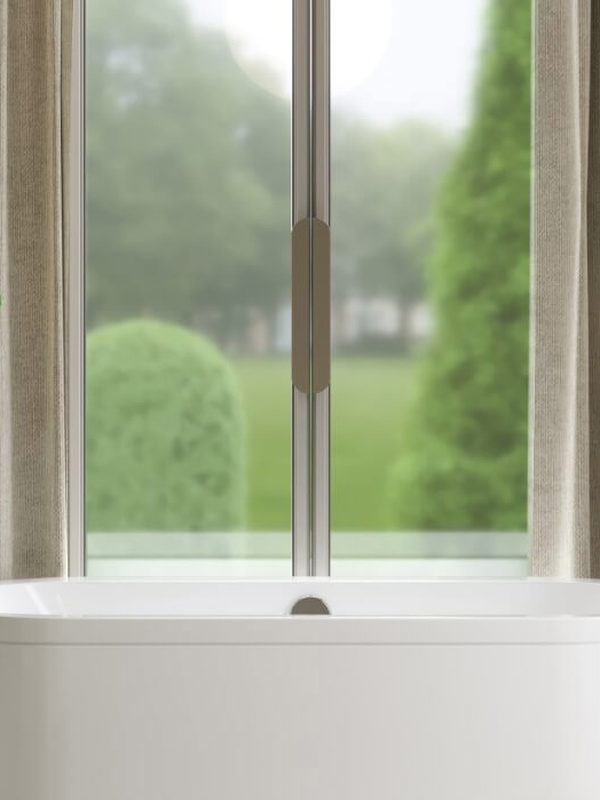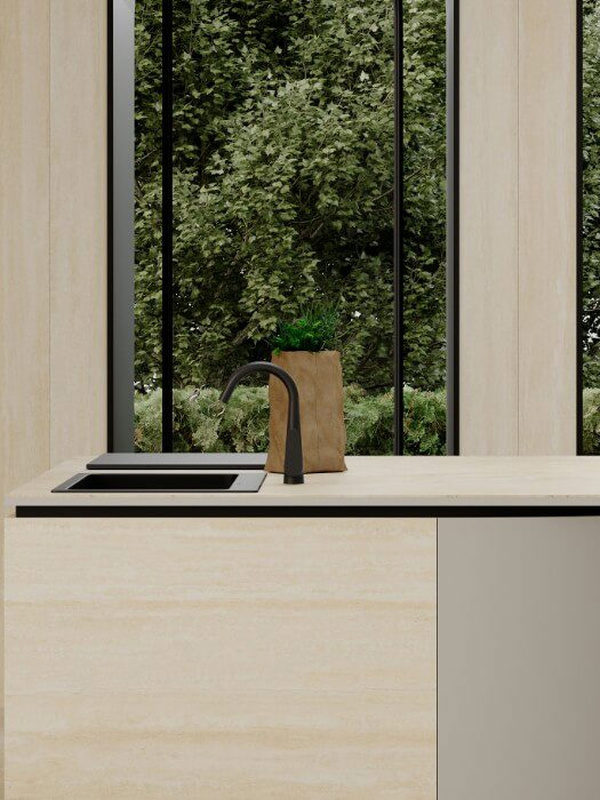

While our living habits have changed completely over the past ten years, our homes have undergone rapid transformation in the last few years because of the pandemic. During this process, our awareness grew, from what we eat and wear to our furniture and surroundings, and we focused on a healthier, better life. We came to understand our responsibilities towards ourselves and the earth, and reconsidered everything through the lens of sustainability. We hope these tips open the door to healthier, happier kitchens.
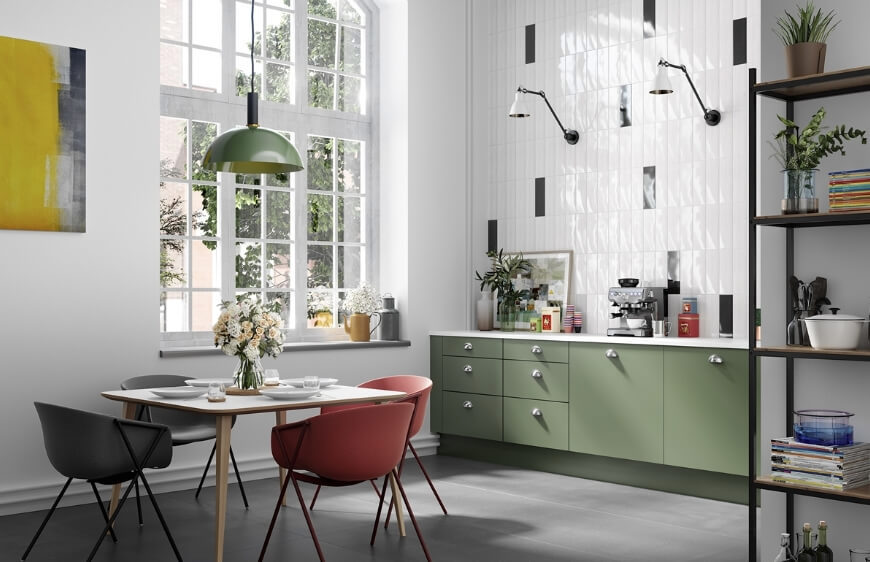
How Healthy Is Your Kitchen?
With almost all of human life spent indoors, have you considered how healthy these spaces are? We have prepared tips on what to consider when creating more sustainable, liveable spaces today. Our first stop is the kitchen...
Make the most of daylight
A kitchen that receives sunlight is essential for health. Getting an appropriate and sufficient amount of daylight regulates your circulatory system, helping you feel better emotionally, physically and mentally. Ventilation is just as important as light. Skylights or multiple windows are your route to good ventilation and light levels in the kitchen.
Bring greenery into the kitchen
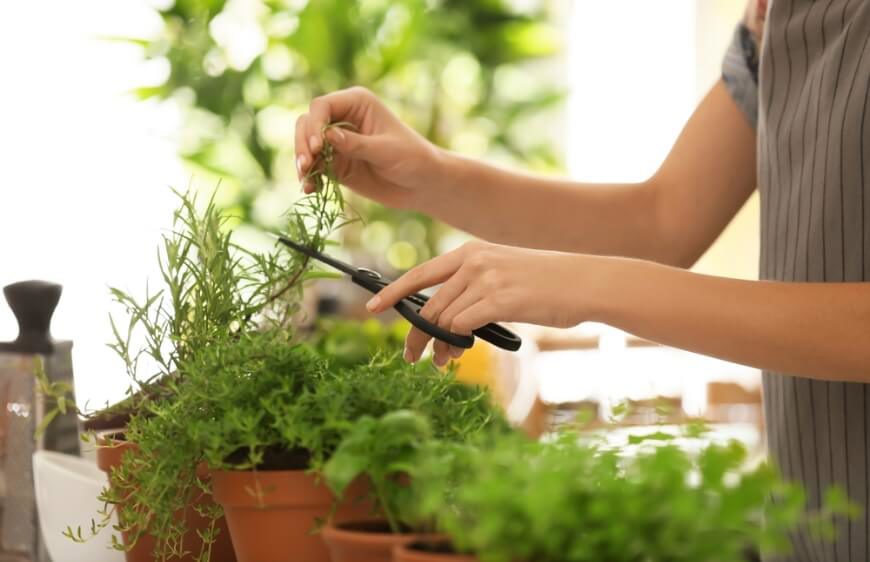
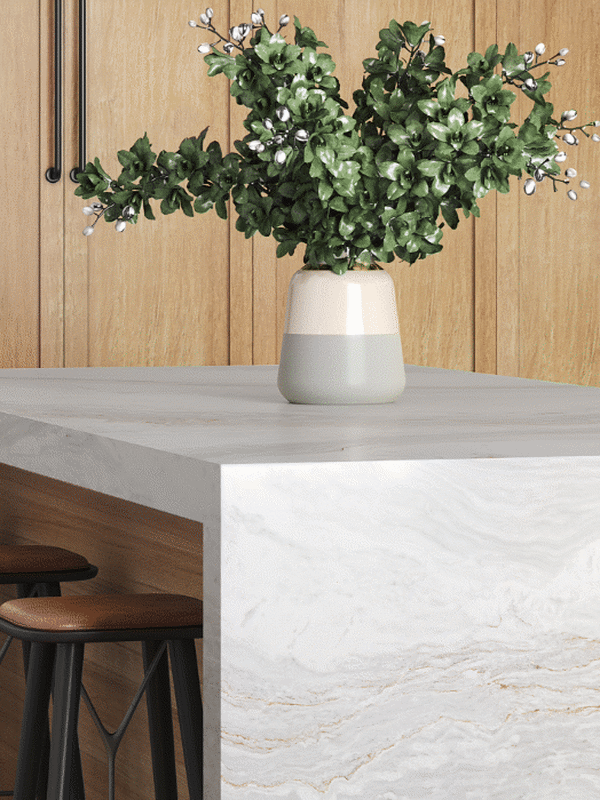
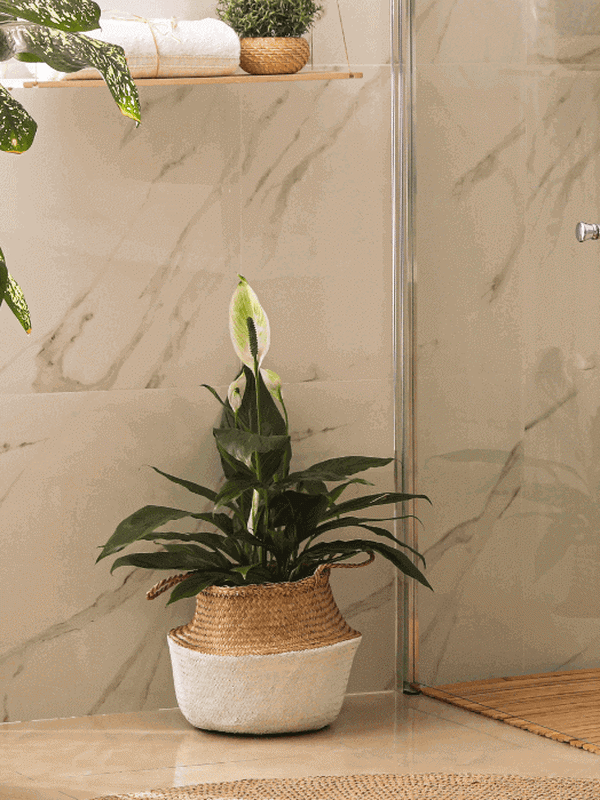
As biophilia takes hold in homes, think again if you have not yet invited plants into your living spaces. With this trend, defined as bringing nature into living spaces, having enough plants of the right types can help regulate your blood sugar, heart rate and blood pressure and reduce stress. By including herbs such as mint, basil and rosemary, you can also flavour your meals with fresh herbs you have grown yourself.
Update the layout
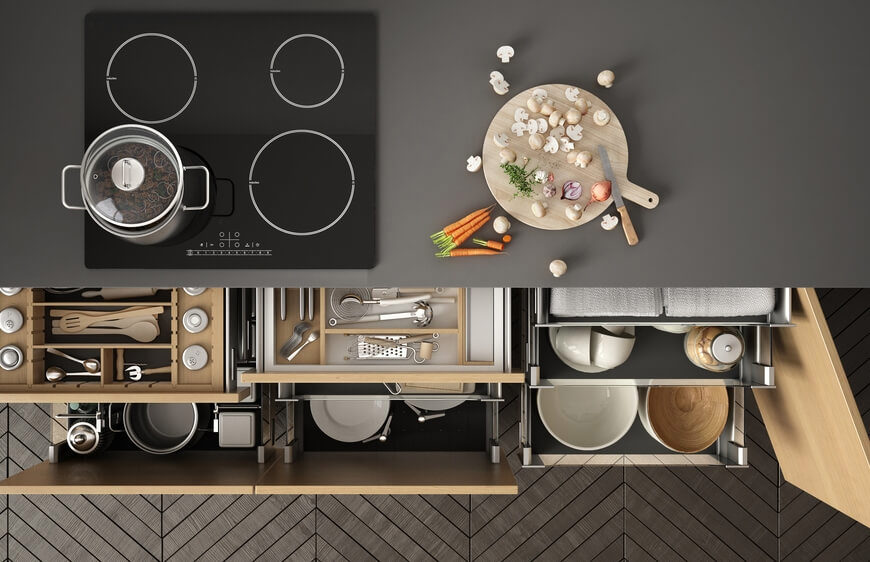
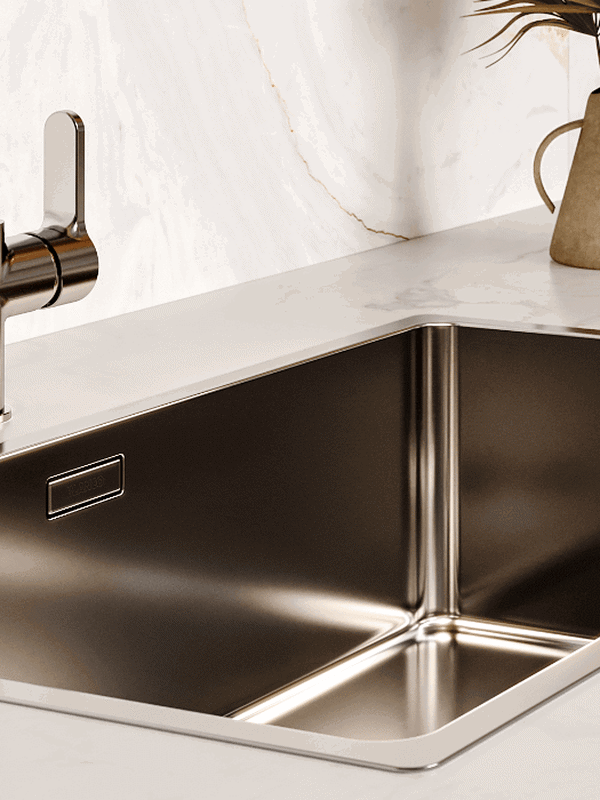
The way living spaces are planned has a direct effect on your health. For example, lift-up cupboard doors mean fewer upward movements, helping to minimise neck and back injuries. Placing the sink and dishwasher close together, using drawer and cupboard organisers or positioning the oven at chest height provides ease of movement and comfort. Finishing tasks in less time with less effort means more time for yourself and greater happiness.
Understand kitchen economics
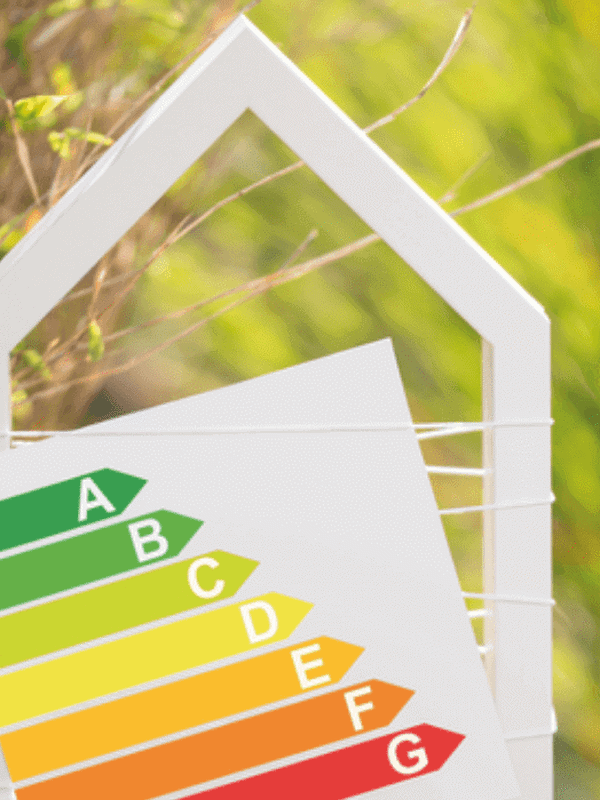
When the kitchen is the home's hub, the economics of production and consumption also need careful management. Reducing environmental harm requires planning not only to save water and electricity, but also to store food correctly, use it in time and produce less waste, or even 'zero waste'. By saving energy, we can reduce carbon emissions and create healthier living spaces.
Recycle to reduce waste
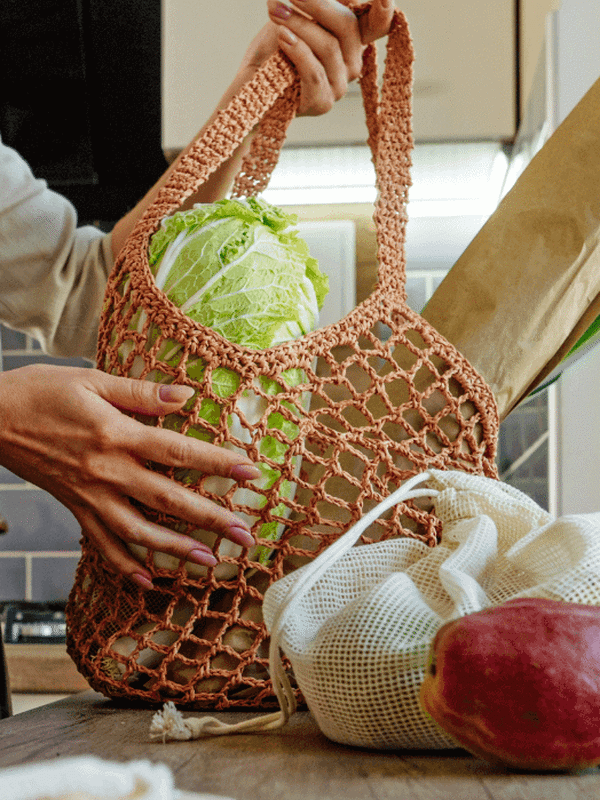
Reduce your waste. Remember that more rubbish means more greenhouse gases. Choose products with recyclable packaging. Separate your household waste into organic material, plastic, glass, paper and metal, and place it in the appropriate recycling bins. You can learn to compost at home and turn organic waste into fertiliser.

Make a change!
A healthy kitchen supports good eating habits and reduces your exposure to harmful toxins. Just as you change your food choices, make the following changes too.
Replace aluminium and Teflon-coated pots and pans with steel or cast-iron cookware.
Replace plastic storage containers with glass ones.
Reusable beeswax wraps provide a more sustainable covering than cling film.
Choose biodegradable, phosphate-free products instead of strong chemical cleaners. Use natural recipes and make your own detergent.
Run the extractor hood while cooking.
If you use tap water, install a water filter.
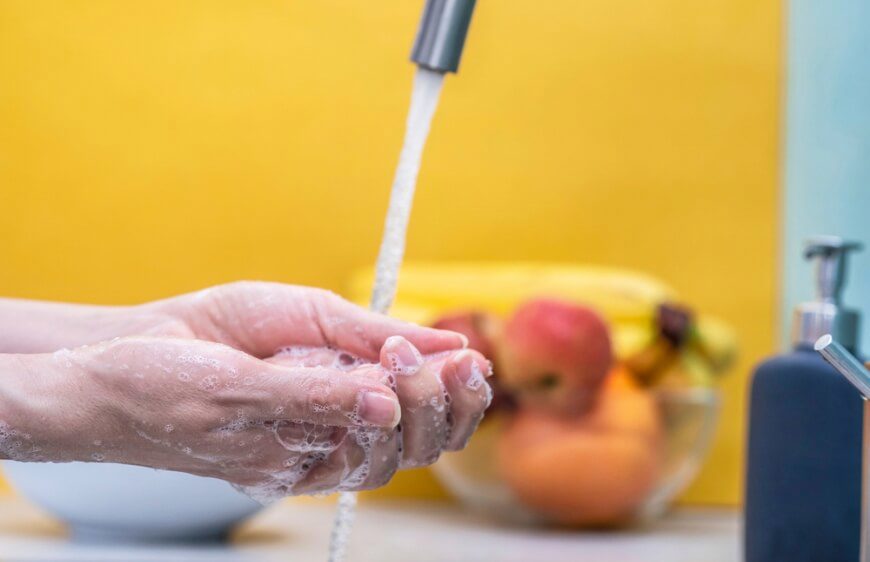
If you rarely wash your hands, get into the habit of washing them frequently.
Always keep your worktop clean, for organisation as well as health.