How Can We Live More Safely with Earthquakes? Safer Arrangements at Home

How Can We Live More Safely with Earthquakes? Safer Arrangements at Home

Earthquakes strike suddenly, violently and without warning. Identifying risks in the home and planning ahead can reduce serious injuries and loss of life.

Türkiye lies in one of the world's most seismically active regions. Experts' warnings of movement along fault lines and a series of destructive earthquakes are a reminder that an earthquake may catch us at any point in our daily lives between home and work. If we live in a high-risk city on a fault line and an earthquake strikes while we are at home, simple precautions taken beforehand can improve our chances of survival.

This article lists measures to reduce life-threatening risks and material damage caused by household belongings inside a building considered safe and earthquake-resistant, after experts have assessed all relevant factors, including its location, ground conditions and construction.

WHAT PRECAUTIONS SHOULD YOU TAKE AT HOME BEFORE AN EARTHQUAKE?

Many injuries during earthquakes are caused by objects that fall or move as the building shakes. Protecting ourselves and our families means minimising these hazards by securing furniture and placing it appropriately. Here are precautions to take at home.
GENERAL

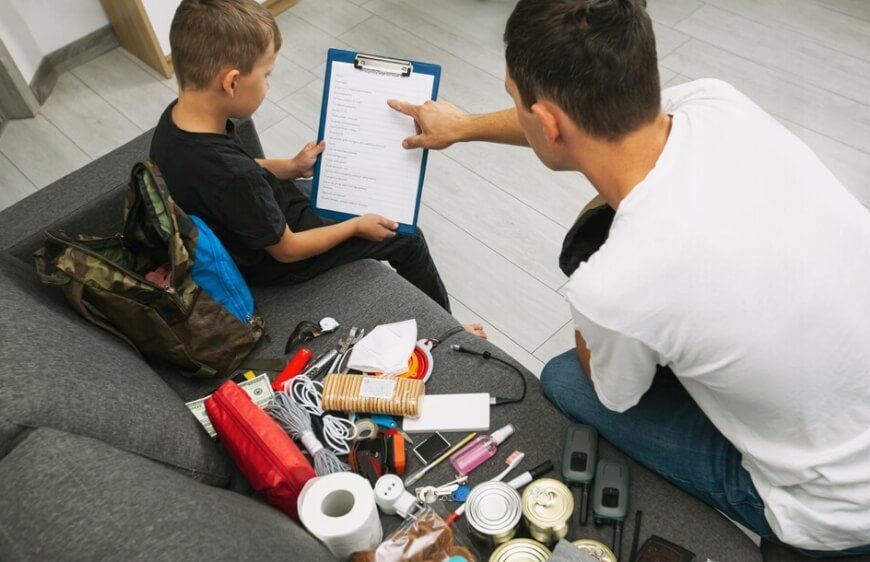
  • Make an inventory of your home and workplace.
  • Keep important documents and valuables—such as title deeds, identity cards, bank books, insurance papers, diplomas, passports, jewellery and money—in sturdy, waterproof boxes or envelopes in a safe place. Make paper and digital copies of documents, and leave another set with a contact outside your region.
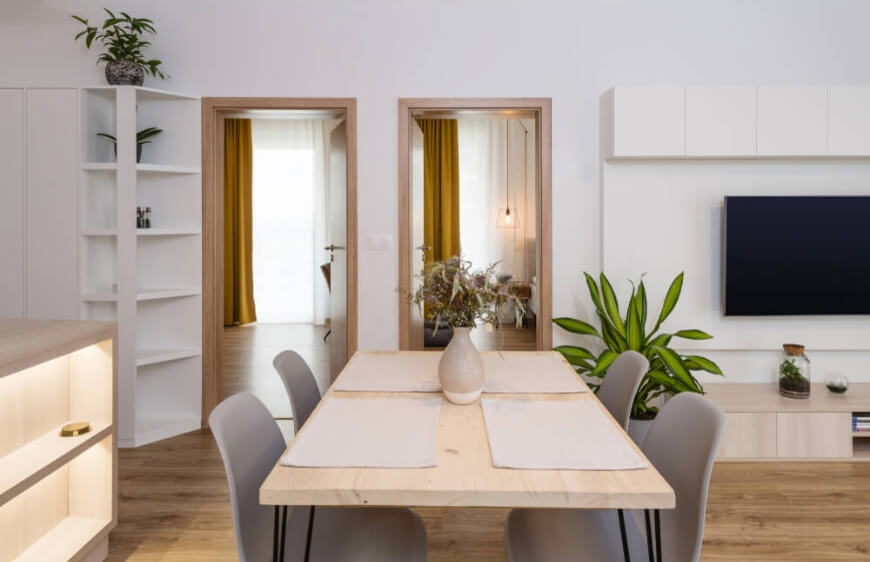
  • Do not place objects that could topple near doors.
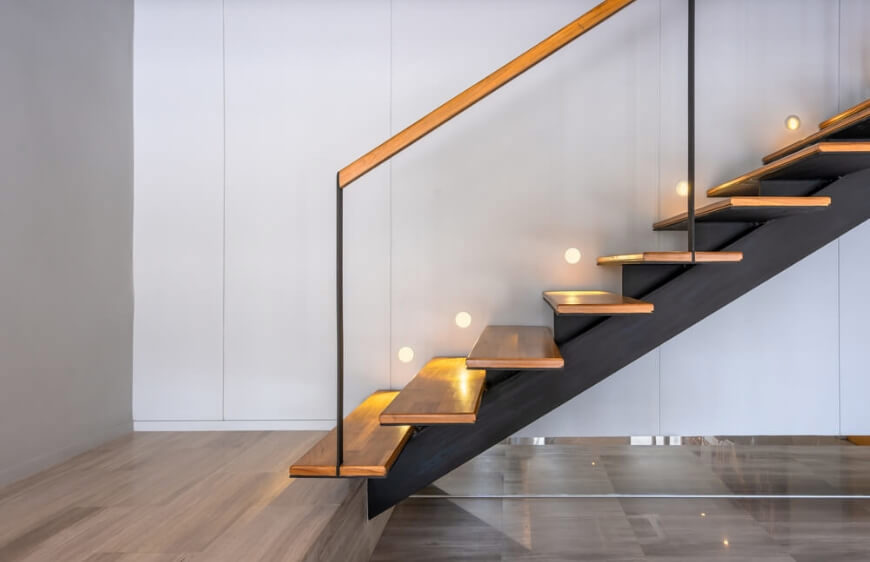
  • Keep emergency escape routes clear and ready for use. Remove obstructions and secure any items along the route. Exits should be wide, with doors that open outwards and remain unlocked. Automatic rechargeable lighting should illuminate these routes during a power cut.
  • Prepare an emergency supply kit for the aftermath of an earthquake, with enough water, food and other essentials for at least 72 hours. Keep it somewhere easily accessible in the area where you spend most of your time.
  • Use automatic gas shut-off and electrical protection systems to address gas or electrical faults and the resulting fire risk.
  • Keep a fire extinguisher firmly mounted on a wall in an accessible location known to everyone. Have it serviced regularly by the relevant provider, whether you live in a detached house or an apartment.
  • Arrange earthquake insurance.

Remember: during moderate or stronger shaking, the movement of furniture depends on its size, weight, fittings and location. Furniture whose height exceeds 1.5 times its width or depth, top-heavy furniture, units on wheels and books on shelves are among the items at risk (AFAD, 2011).

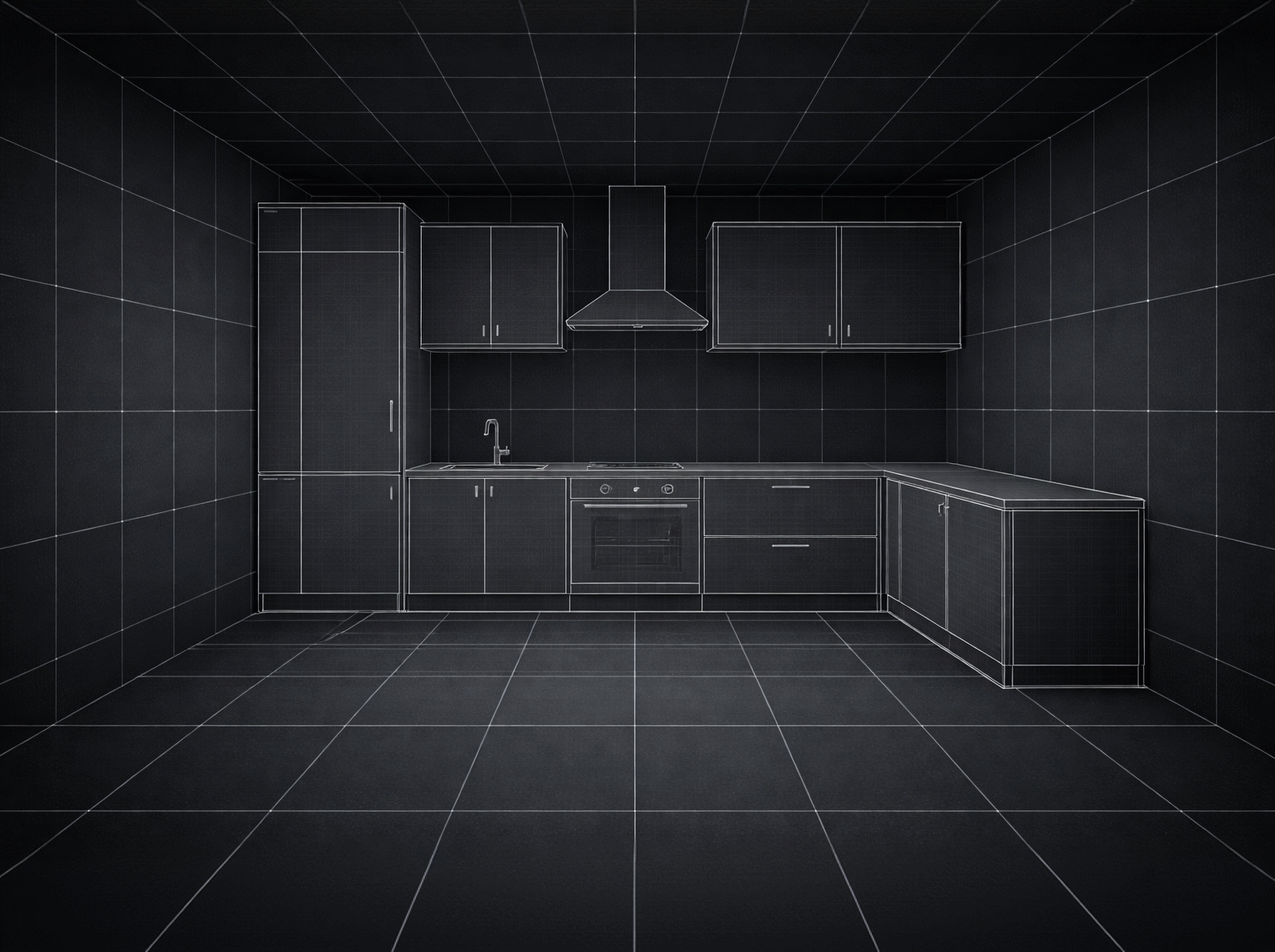
IN THE KITCHEN

  • To reduce fire risk, ensure all electrical kitchen appliances are installed correctly and completely. Repair faulty appliances and check their condition regularly.
  • Store bottled food and breakable glass or porcelain items in closed base cabinets, preferably with locks.
  • Fit elastic restraints across the fronts of shelves, and place small objects such as spice jars in boxes so they cannot collide or topple.
  • Give sharp utensils dedicated places for use and storage. They can be secured on a utensil board in a separate part of the kitchen.
  • Secure cabinet bodies and shelves both vertically and horizontally. Non-slip shelf liners can help prevent contents from sliding during shaking.
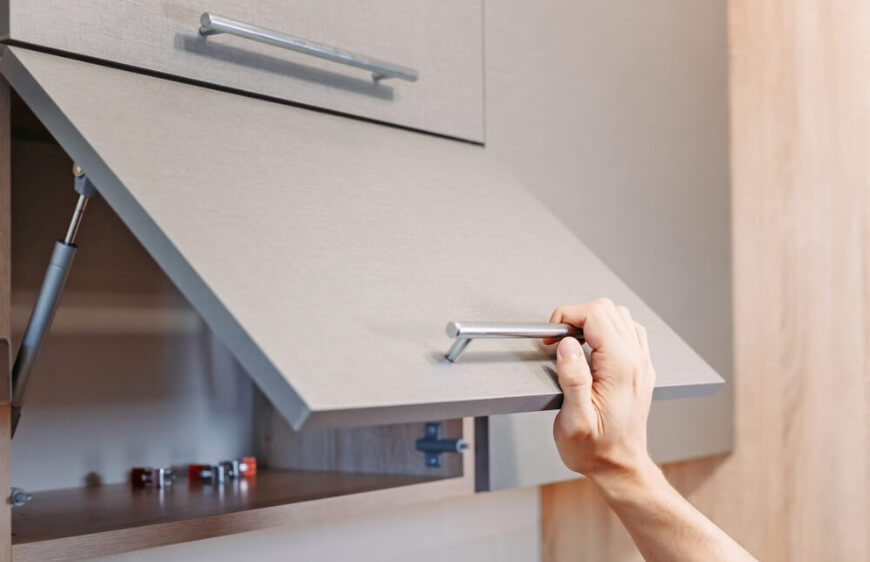
  • Choose lockable push-pull closures for drawers and cabinet doors, and use hinges with stops.
  • Choose slip-resistant flooring to reduce falls and accidents caused by loss of balance during shaking.
  • Use and secure metal brackets beneath small appliances that could slide off the worktop.
  • Secure all large appliances against toppling, whether they are built in or freestanding.

IN THE LIVING ROOM

  • During the seasons when they are used, ensure stoves and electric heaters are firmly secured to a wall or the floor. Do not let concerns about cosmetic damage to furniture or walls take priority over your life.
  • Secure ceiling- and wall-mounted items such as chandeliers and air-conditioning units with hooks capable of supporting their weight.
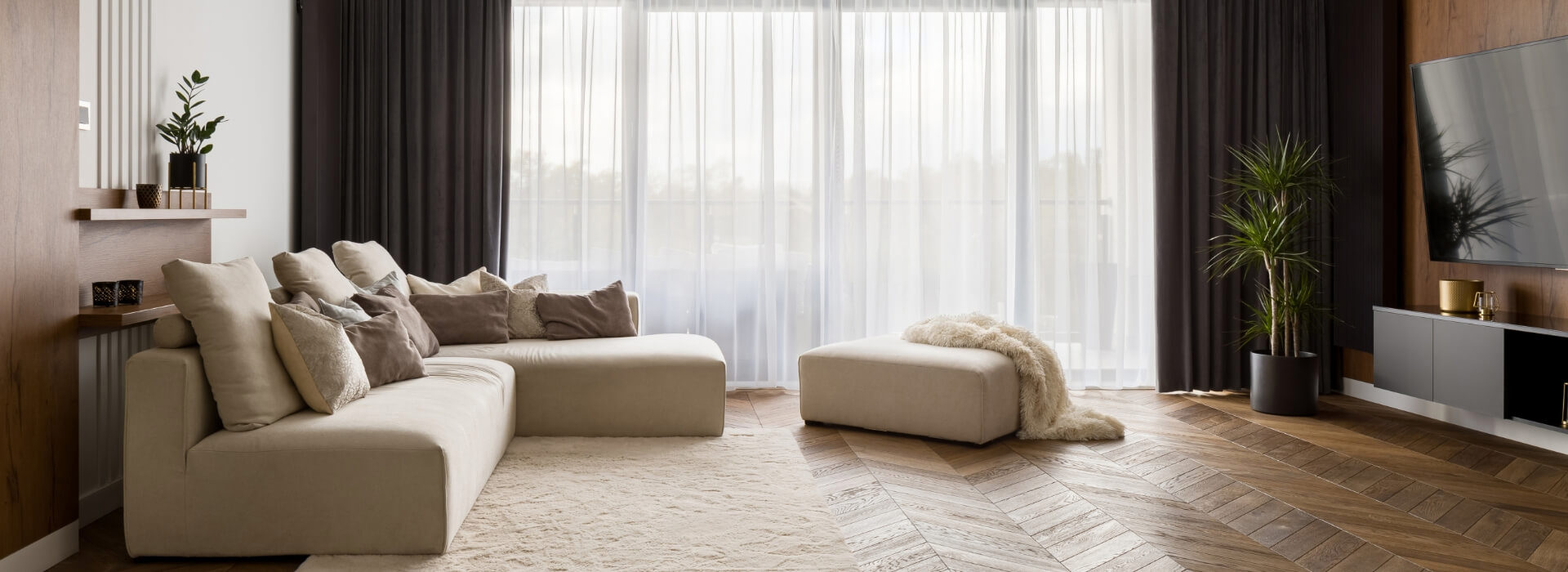
  • Place items that could move or fall during an earthquake inside closed cabinets. Secure those left outside cabinets in place. Large furniture such as bookcases should also be fixed to the wall.
  • Secure televisions, and computers in the office, to a wall or their supporting surface.
  • If a gap remains between secured furniture and the wall, insert padding to reduce impact.
  • Check that wall-mounted pictures are secure. Position very large, heavy pictures close to floor level.
  • Heavy curtains can help contain fragments if windows break.

IN THE BATHROOM

  • Secure mirrors, shelves and cabinets, and choose lockable cabinets.
  • These areas may be more resistant because of their smaller volume.
  • Keeping towels and toilet paper in the bathroom may help you protect your body if an earthquake catches you there.
  • In wet areas with many storage units, such as kitchens and bathrooms, ensure materials are flexible and resistant to breaking or bursting.
  • Make sure boilers and water heaters are fixed firmly to the wall so they cannot move.
  • Store flammable and explosive chemicals in closed, locked storage. Use clearly identifying fluorescent labels. In wet areas such as kitchens and bathrooms, keep these materials away from electrical sockets.

IN THE BEDROOM

  • Do not install heavy storage units such as bookcases or cupboards on the wall above your bed. Avoid hanging pictures or mirrors there.
  • Pay attention to furniture placement. Keep beds and sofas away from windows and heavy cupboards that could fall onto them. Position tall furniture away from places where it might block the exit route.
  • Secure items kept permanently on top of cupboards so they cannot slide off, or move them inside closed cabinets.
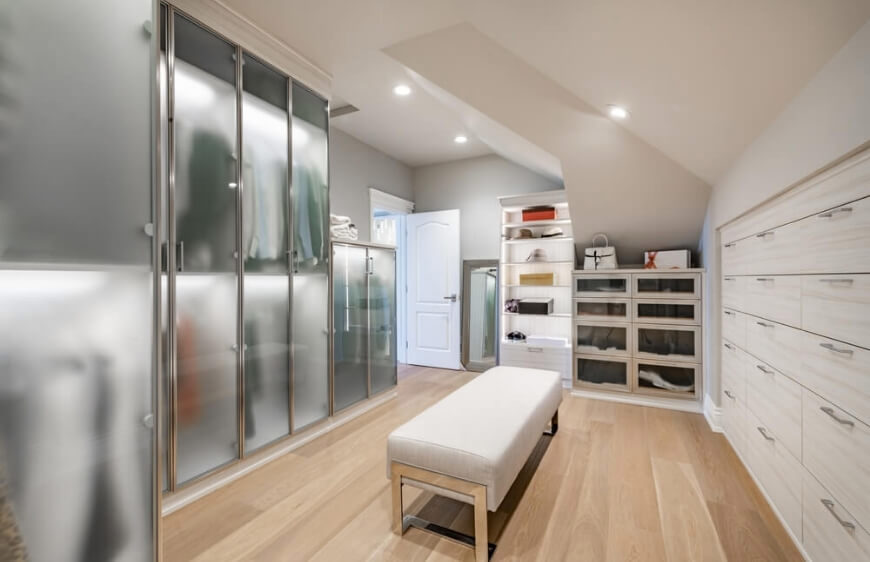
  • Secure all wardrobes, chests of drawers and dressing tables in bedrooms or dressing rooms to the wall or to other cabinets.
  • Fit mechanical locks to cabinet doors where heavy objects are stored, and replace broken locks.

An earthquake may, of course, catch us at work, at school, in a shop or on public transport rather than at home. Create emergency plans suited to the places where you spend time, and practise them regularly. Review these plans every six months to reflect changes in your life and surroundings.

Mekanınızı yapay zeka ile birkaç saniyede yenileyin!

Mekanınızı yapay zeka ile birkaç saniyede yenileyin!

Seçtiğiniz ürünü evinizde görün.

Evinde Gör

Banyonuzu yeniden tasarlamaya ne dersiniz?

Banyoda Gör

Blog

Explore All

Compare

Compare
Compare