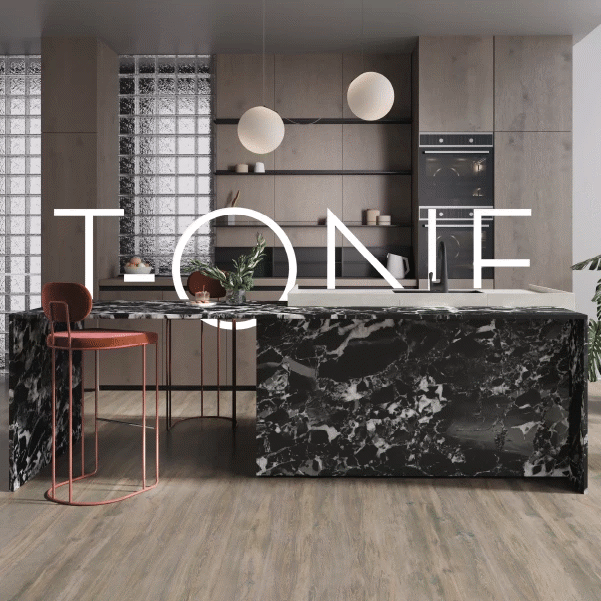
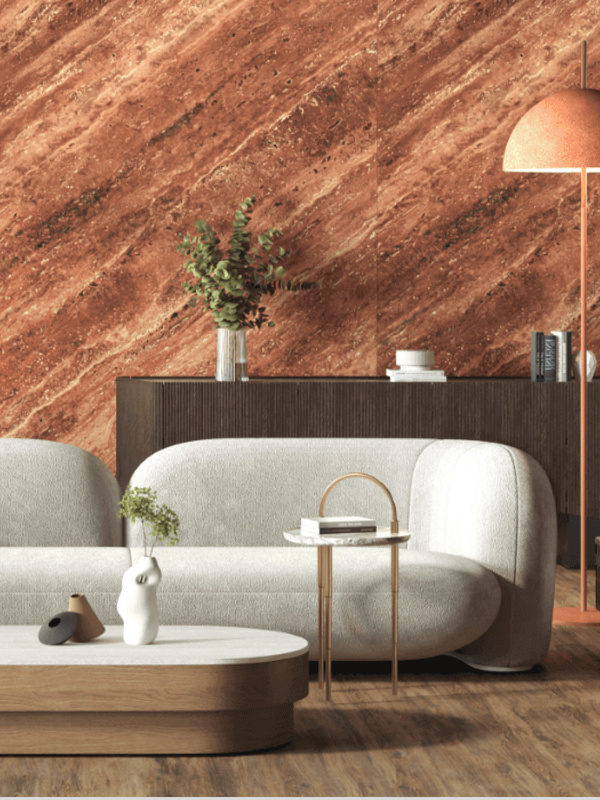
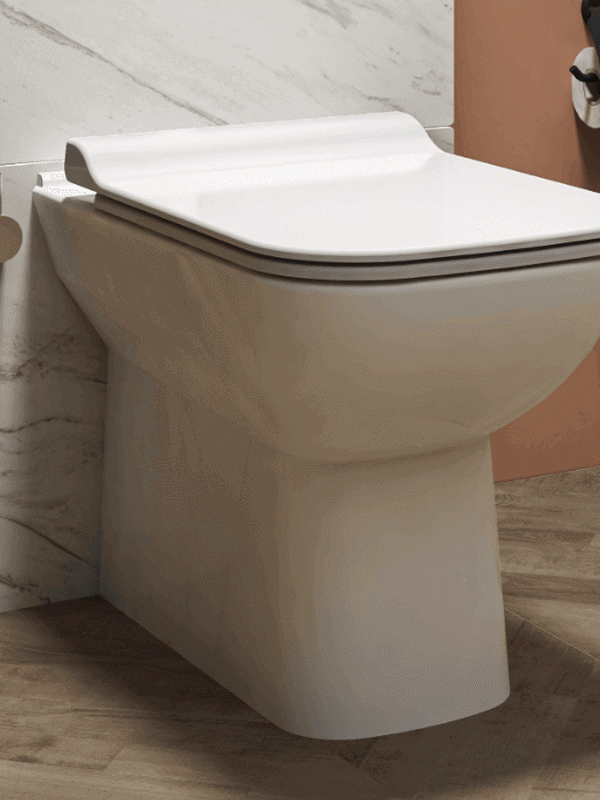
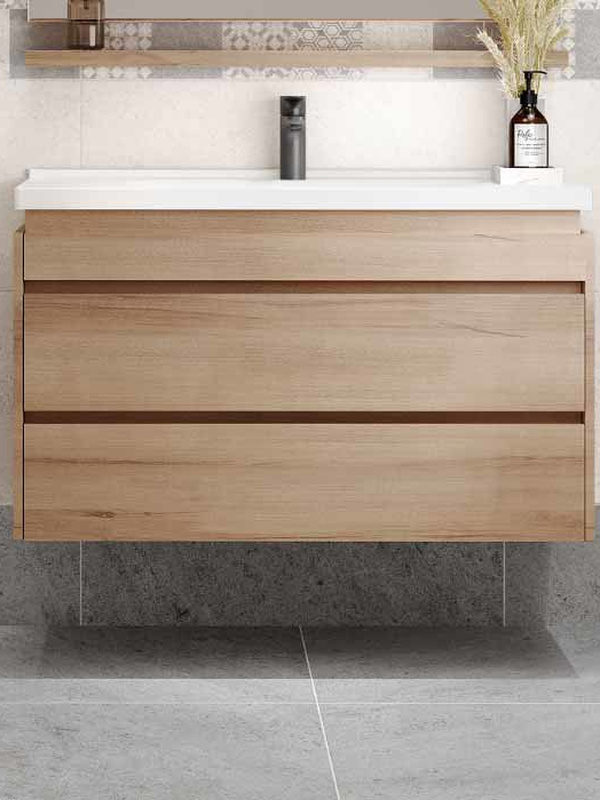
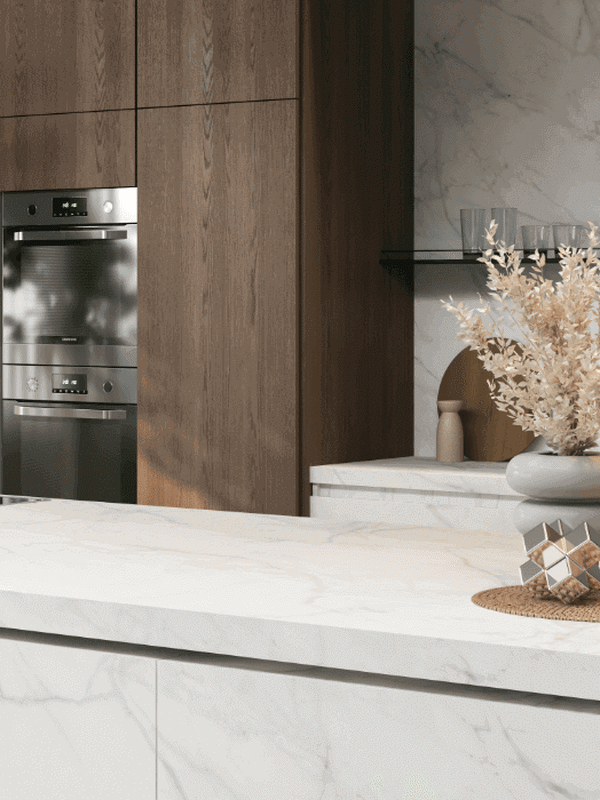
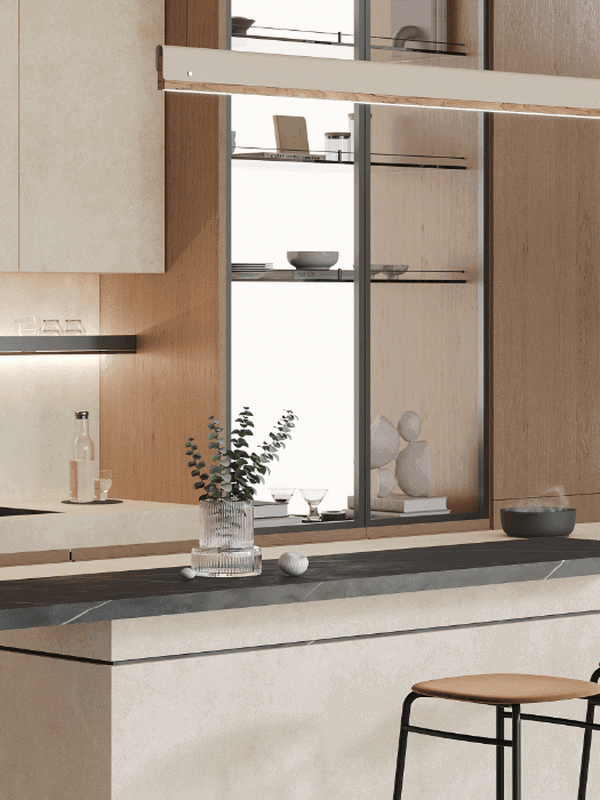
Imagine entering a sunlit kitchen in earthy tones, with the gentle aroma of freshly brewed coffee filling the room. As you begin the day in this inviting setting, you touch its surfaces and enjoy the comforts of a space that brings technology and nature together.
From Sustainable Timber to Smart Technology: 10 Ways to Design an Eco-Chic Kitchen
Welcome to a world of kitchens where the raw appeal of natural materials meets the contemporary aesthetic of the latest technology. Join us as we explore 10 ways to design an eco-chic kitchen that is both distinctive and environmentally conscious.
Sustainability and environmentally conscious design are now serious considerations and priorities for manufacturers. Kitchens are among the first spaces that come to mind when we think of durable, long-lasting materials and environmentally responsible design. With surfaces, appliances, furniture and accessories that all contribute to an eco-chic approach, they inspire spaces that reduce their negative impact on the planet over time. What once began with sorting waste now extends to seeking sustainability in every material and detail that shapes a room.
What can we do to create an eco-chic kitchen? Here are 10 ways to design a kitchen that makes a positive contribution to life over the long term.
- Choose Timber from Sustainably Managed Forests
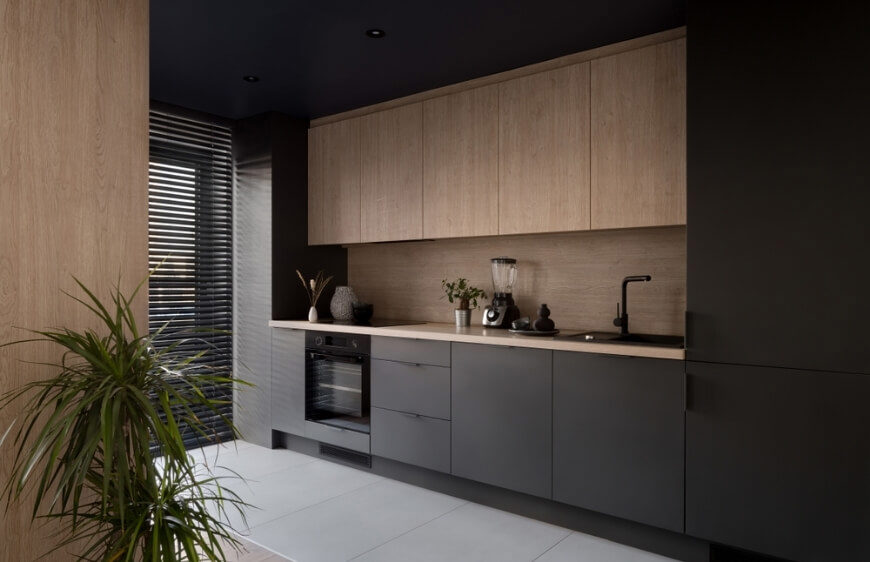
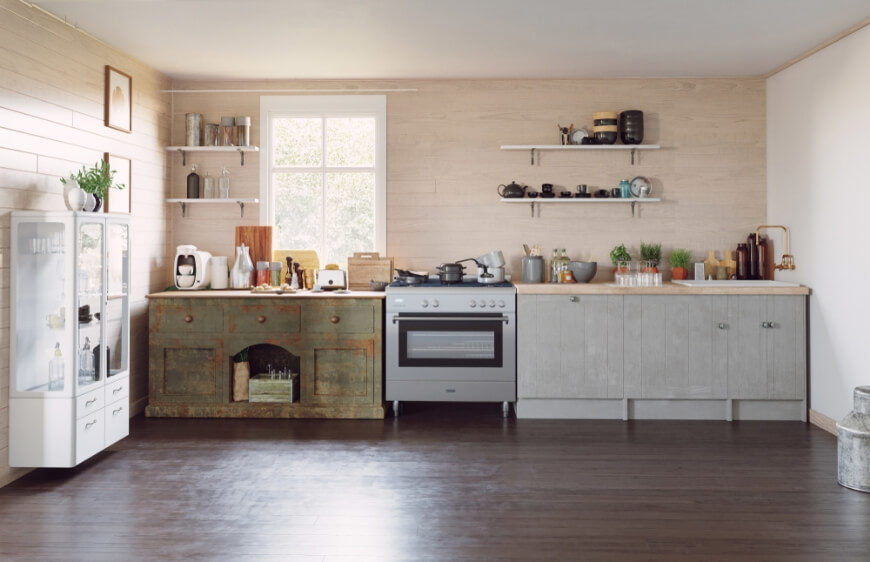
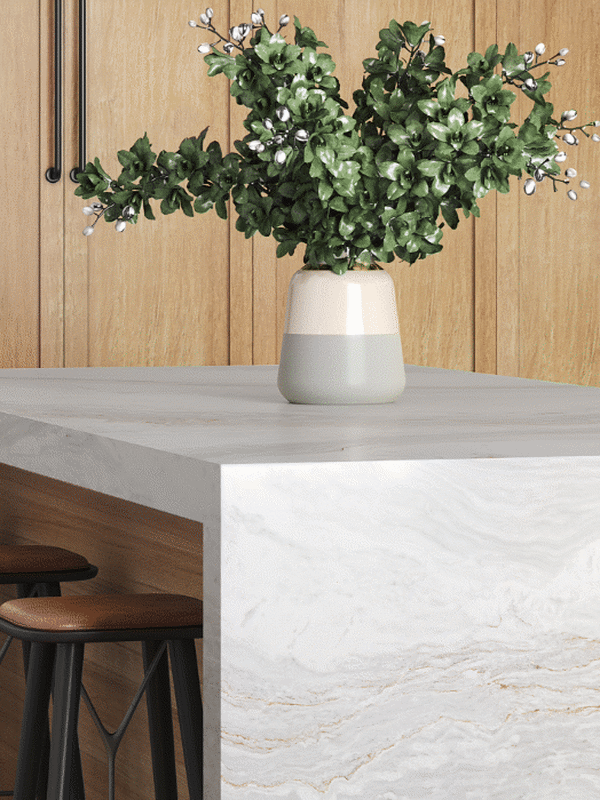
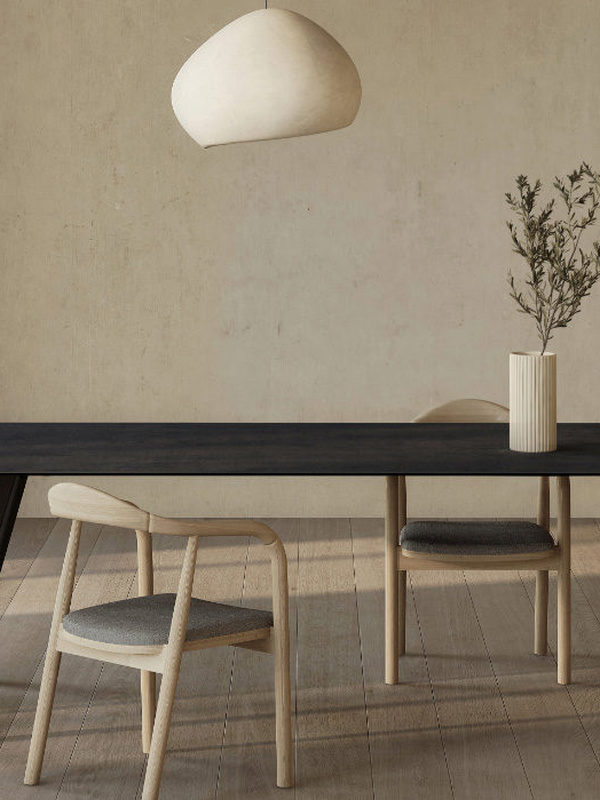
When designing a kitchen that respects and connects with nature, wood should be a prominent, tangible material. Careful selection is essential, however: not every type of timber leads to an environmentally conscious home. Choose woodwork made with timber from sustainably managed forests, where trees are replanted to replace those felled. Work with manufacturers that use these sources, particularly for furniture. This applies to cabinets, doors, panels, tables, chairs and other pieces.
- Embrace Minimalism
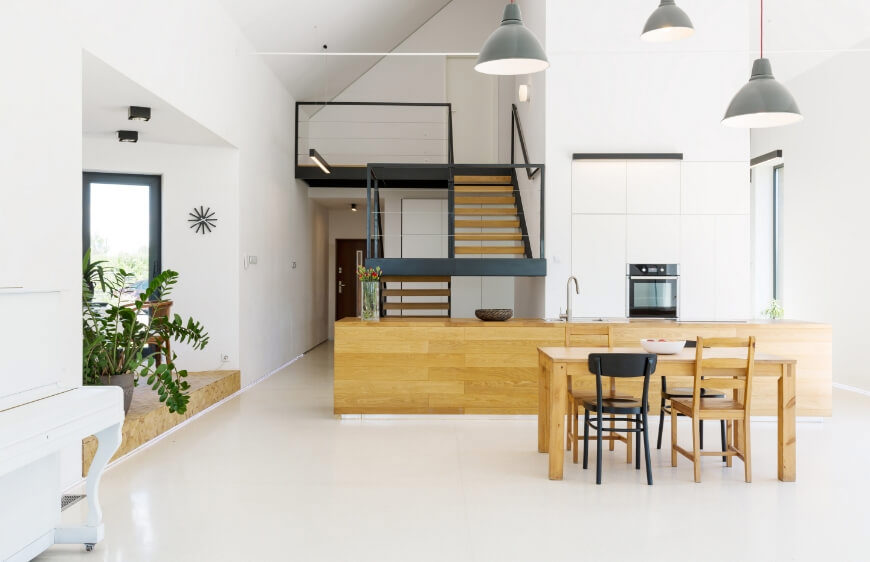
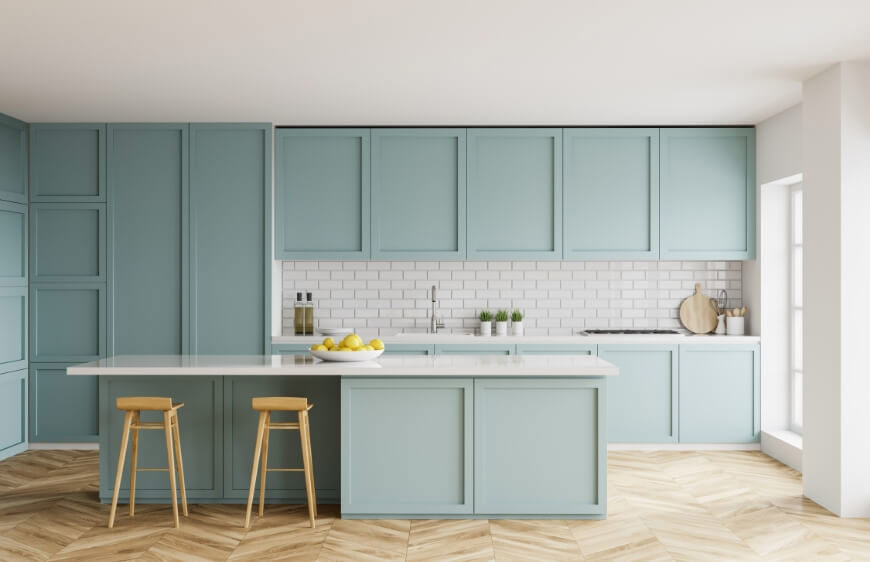
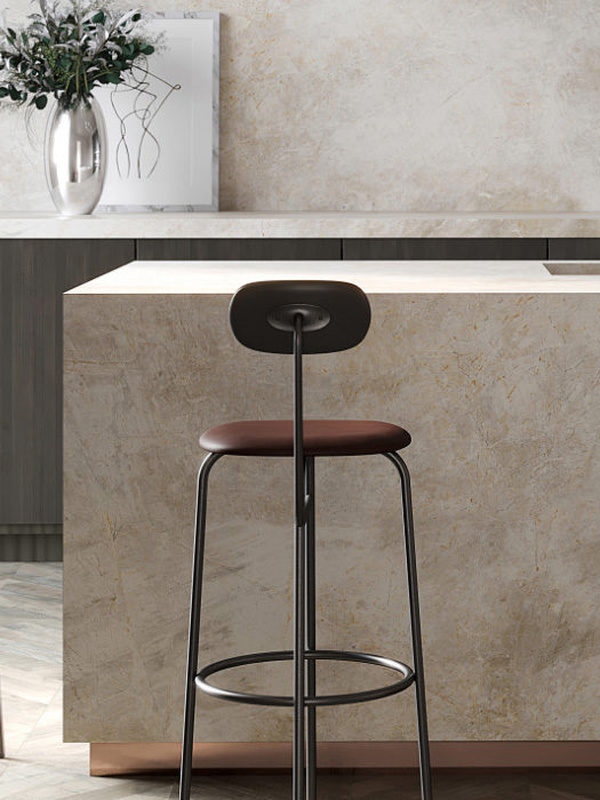
Minimalism embraces simplicity, restraint and resistance to excessive consumption while improving organisation and functionality. Keep kitchen details to a minimum, using clean lines and contemporary elements to create an open, uncluttered feeling.
- Turn to Reclaimed Materials
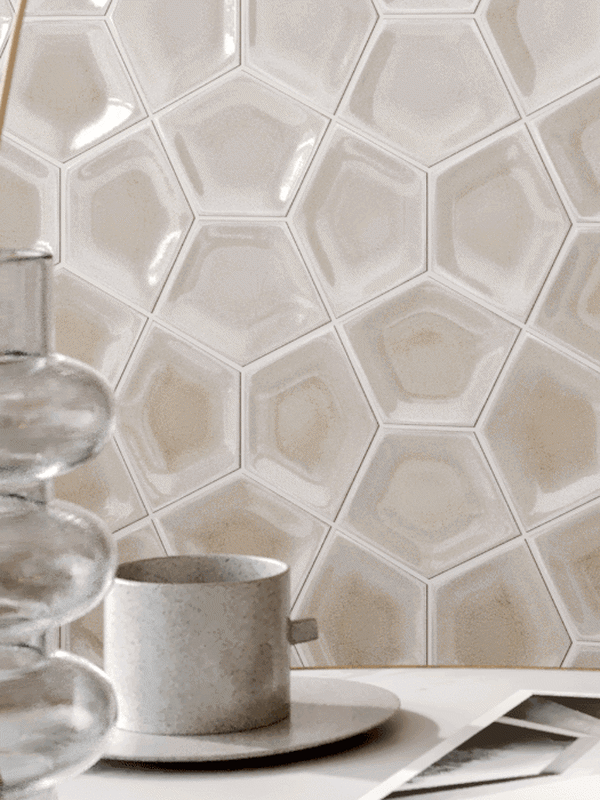
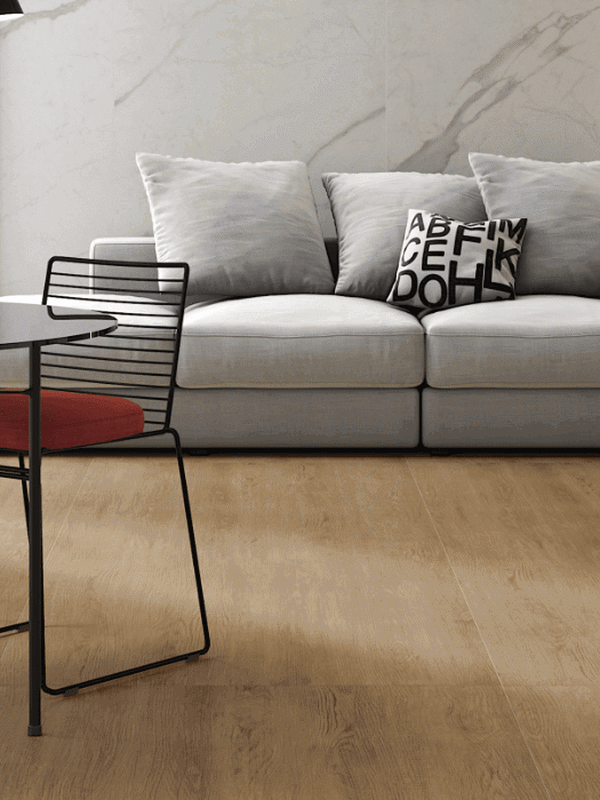
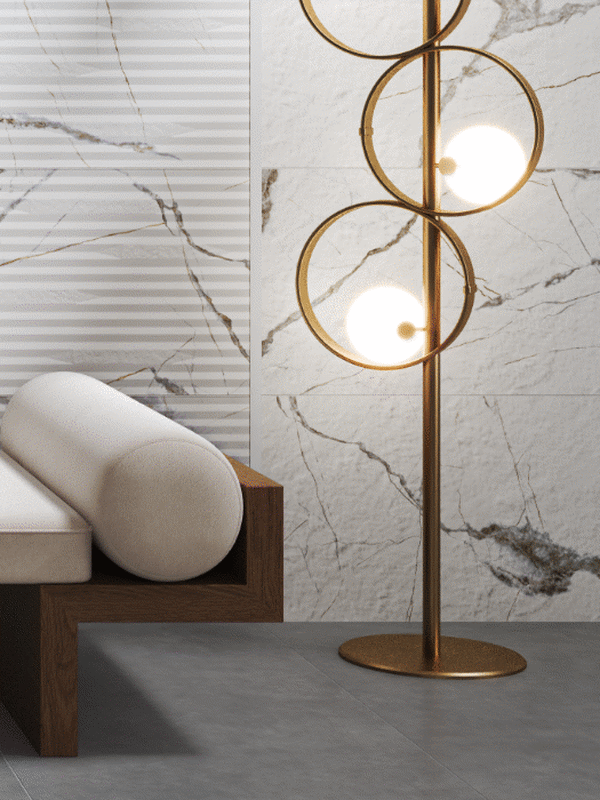
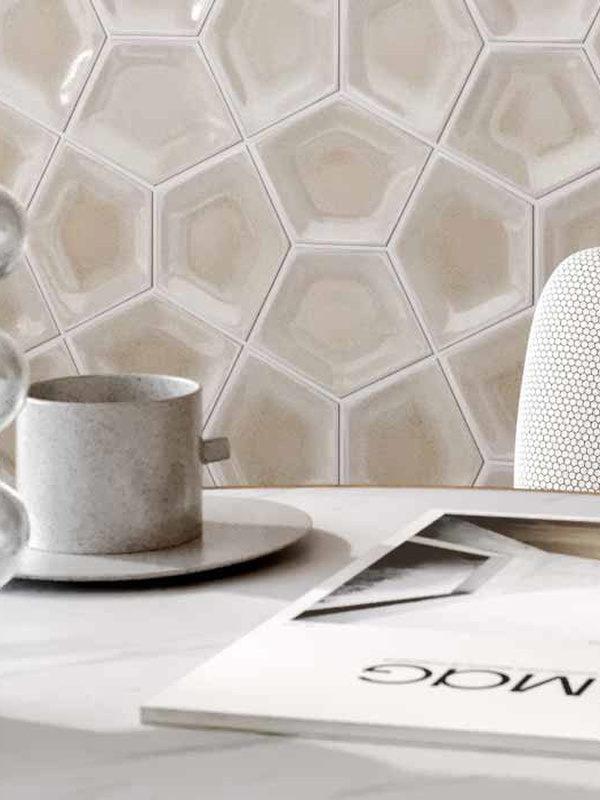
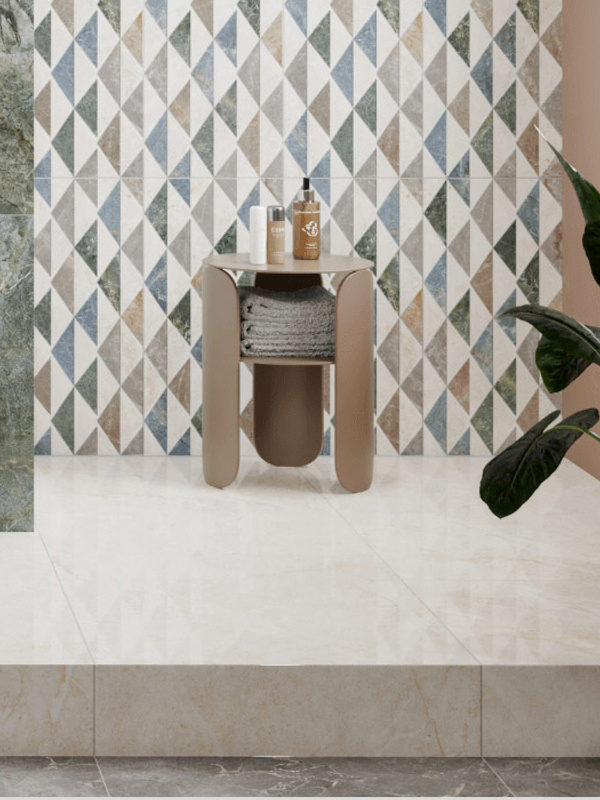
For accessories and lighting, consider materials such as reclaimed cork, stainless steel, glass, linoleum or bamboo. Recycled or recyclable materials offer a valuable way to reduce your carbon footprint. Porcelain tiles are another option for surfaces. If you want a kitchen that is both sustainable and visually appealing, consider porcelain with a natural terracotta, slate or stone effect. For example, Kalebodur's Val di Susa porcelain tiles reflect the surface of rock, while the Heraklia series evokes ancient stone. Their sustainable porcelain surfaces also help care for the planet.
- Mix in Second-Hand Pieces
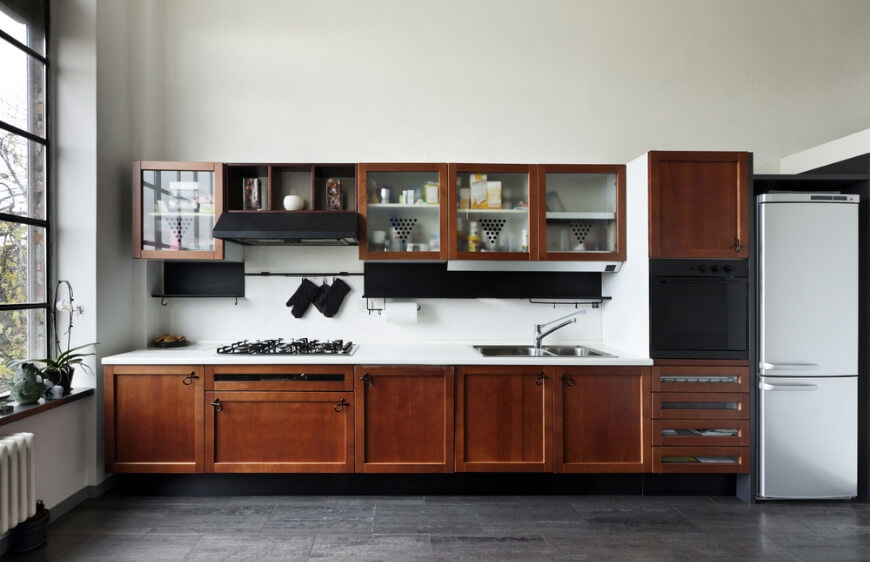
Beyond recycling, buying second-hand appliances and furniture can remove the intermediary and the associated carbon footprint. Second-hand shopping offers many environmental benefits: it reduces waste and the emissions associated with discarding appliances that are still in good working order. You can find second-hand shops online and in many neighbourhoods. In Istanbul, for example, Cihangir, Çukurcuma, Bomonti, Reşitpaşa and İstinye are places to look for well-cared-for vintage pieces.
- Optimise Water Use
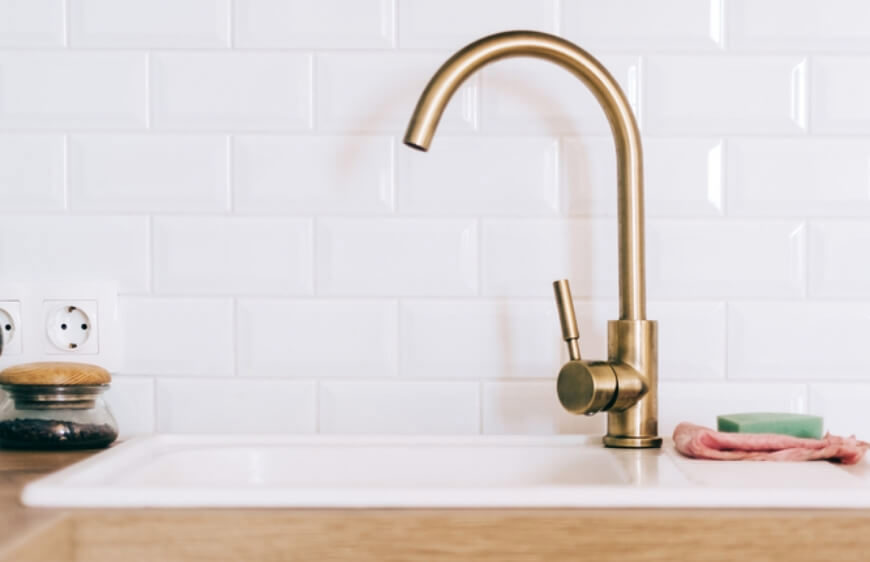
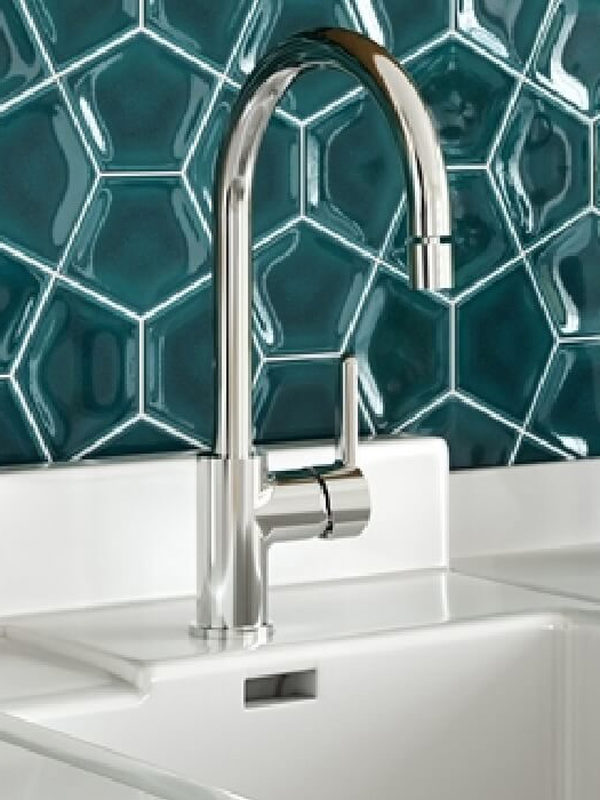
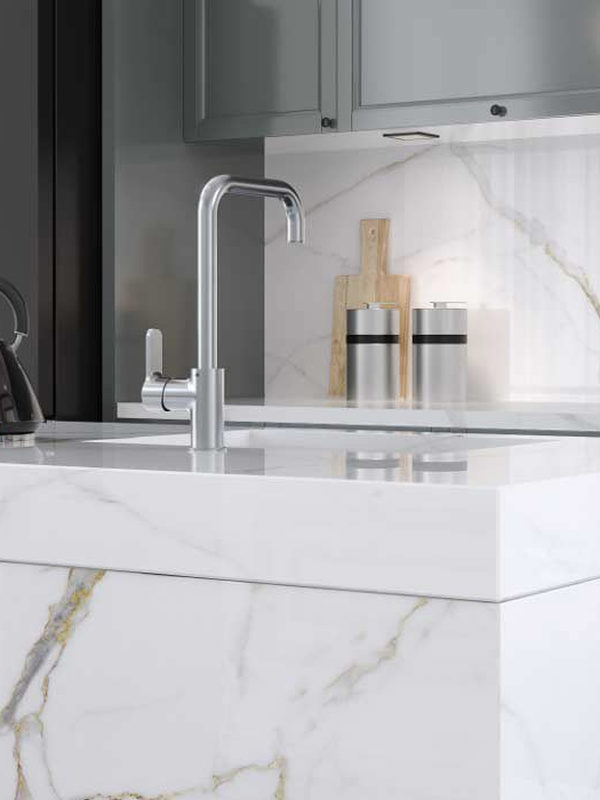
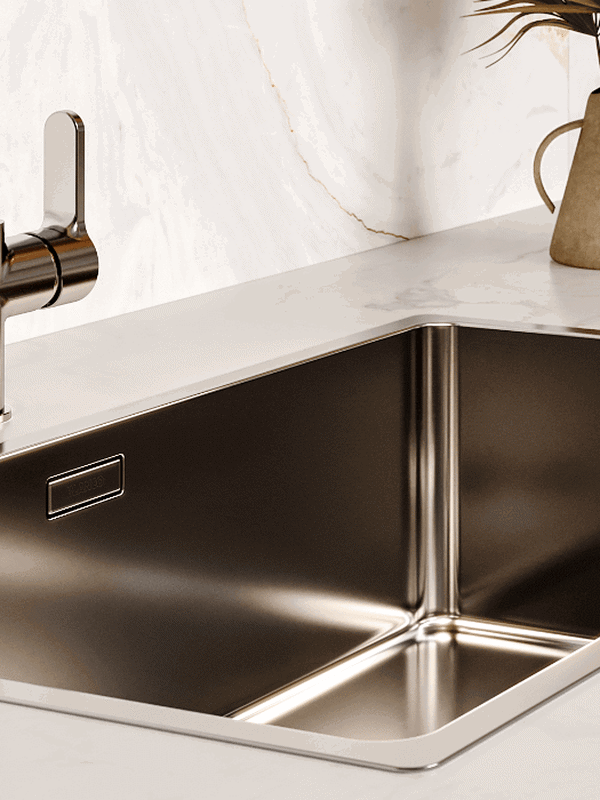
Compared with washing by hand, which increases water consumption, a dishwasher offers an efficient way to use water. If you are accustomed to hand-washing, which may sometimes seem more practical, timers beneath the sink can help control unnecessary use and build-up in pipes. Sensor taps provide another environmentally conscious solution. Their infrared technology activates only when approached, so you use only the water you need each time. Kale's Nova, Basics and Sempre tap collections, for example, offer water savings of up to 50% through their smart flow system. The Kale Cold Start System manages the transition between cold and hot water to help conserve energy. With the handle in the central position, it supplies cold rather than warm water, avoiding unnecessary activation of the home's heating system. This efficient use of water and energy supports sustainable living. Investing in a water filter can also reduce the need to buy bottled water, helping to cut plastic waste.

- Use Ecological Paint
Ecological paints contain no volatile organic compounds that harm your kitchen's air quality. Paint can contribute to indoor pollution and can also be harmful through atmospheric emissions associated with solvents, biocides and softening agents. Choose paints with natural ingredients wherever possible. You can also favour brands that eliminate single-use packaging, use more environmentally responsible supply chains, produce plastic-free paints and use recycled tins.

- Plan Efficient Lighting
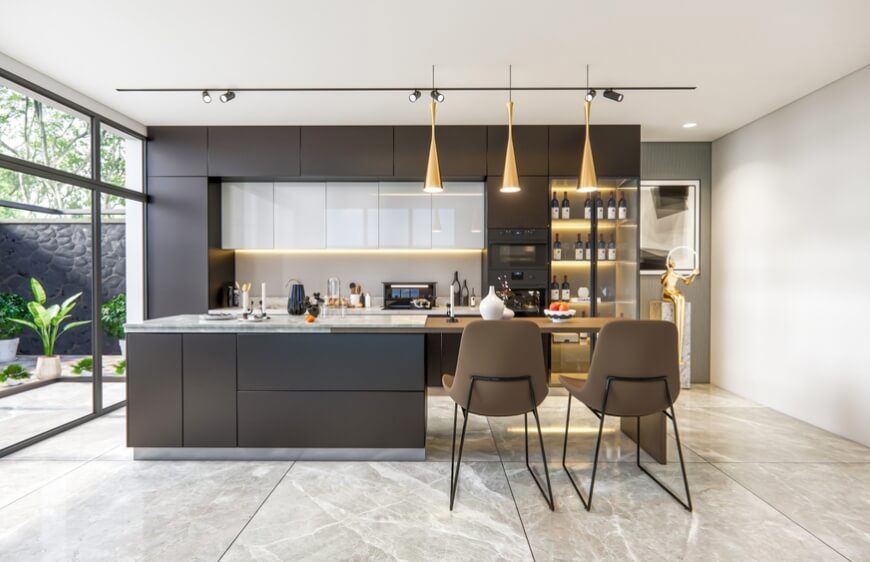
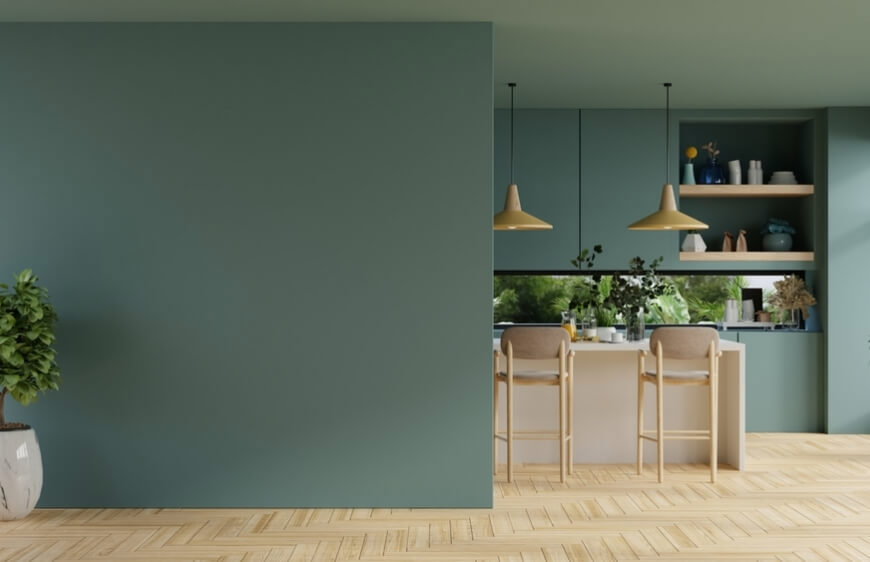
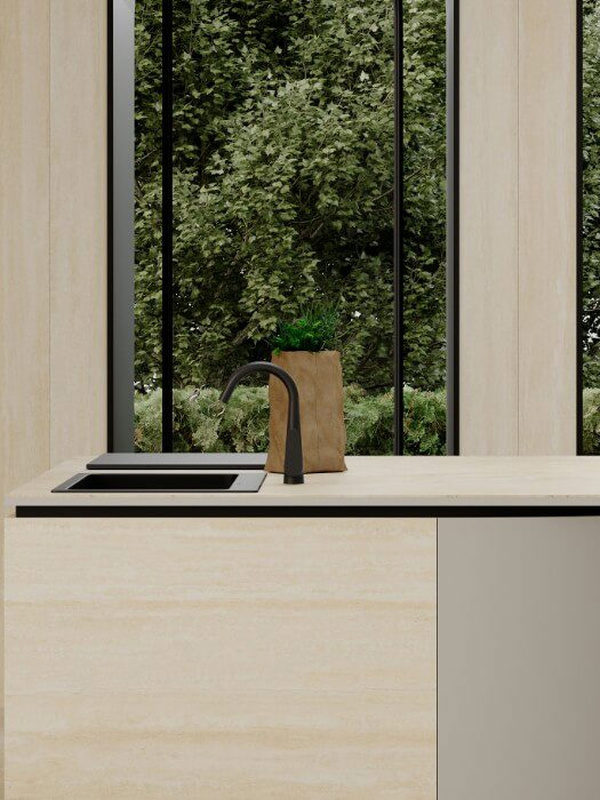
An eco-chic kitchen draws inspiration from nature, and natural light is one of the finest examples. It illuminates your home without consuming energy, so make the most of it. If you have the opportunity to enlarge or widen windows, consider doing so. Skylights and sliding glass doors are also options.Once you have considered how to maximise daylight, plan where artificial lighting is needed. Observe natural light levels and angles throughout the day, as these can vary considerably depending on the kitchen's orientation. You can then determine where and when additional lighting is required.For artificial lighting, avoid bulbs containing light-emitting diodes (LEDs). These contain toxic chemicals such as mercury that release hazardous emissions when discarded. Energy-saving bulbs such as compact fluorescent lamps (CFLs) last much longer than LEDs, and the energy saved offsets the additional cost after approximately one month of use.
- Shop at Local Markets
Markets, greengrocers and neighbourhood shops... Buying locally sourced products and supporting local producers are essential parts of a sustainable kitchen. Shorter transport distances mean less use of non-renewable energy. You can minimise raw-material waste and shorten the supply chain, helping to keep consumption in check.
- Choose Energy-Efficient Appliances
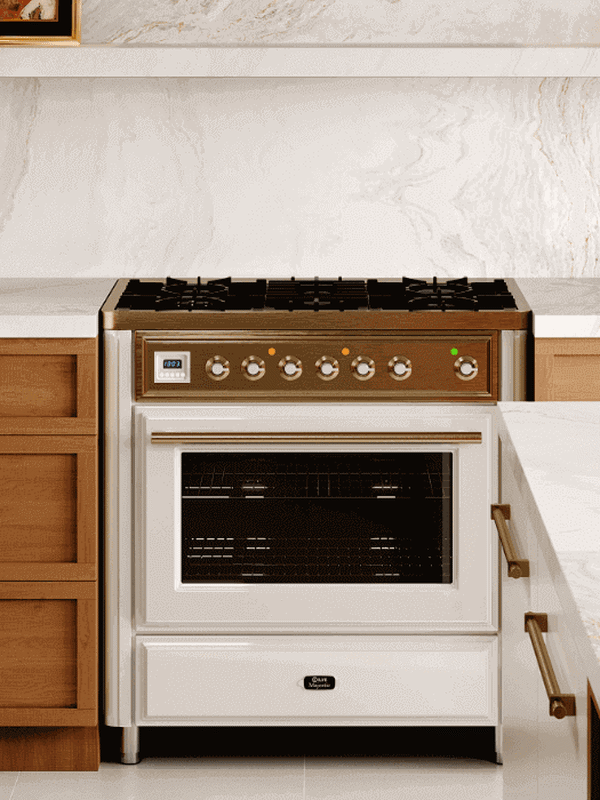
A holistic approach to sustainable kitchen design includes energy-efficient appliances. Whether choosing a toaster or a dishwasher, compare the ratings and select the options that offer the best energy savings.
- Make Room for Real Greenery
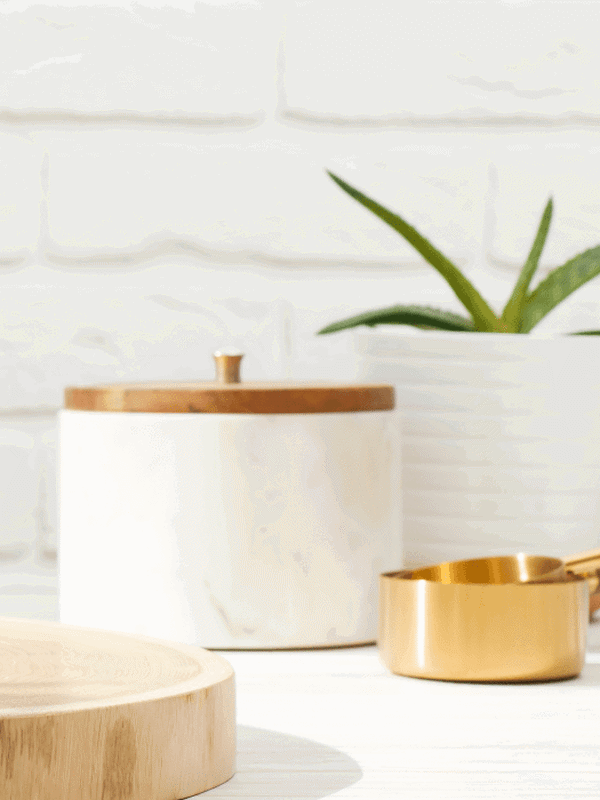
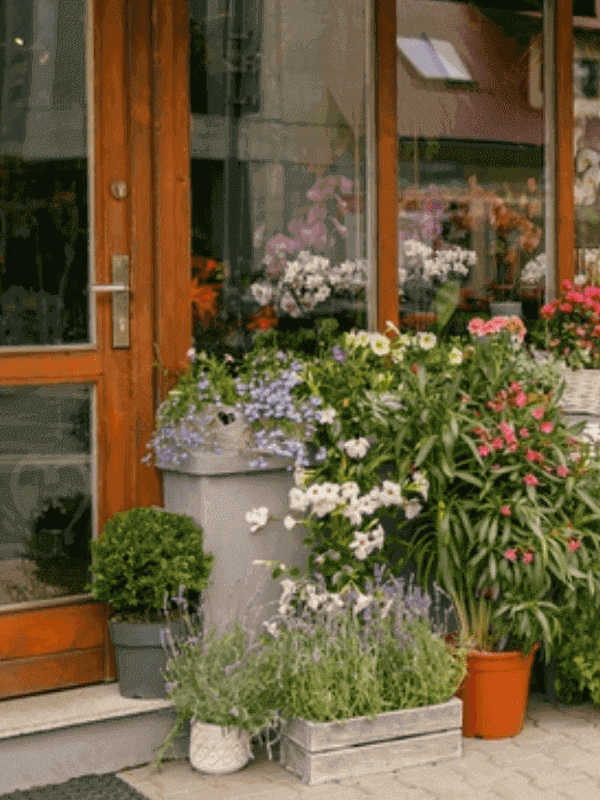
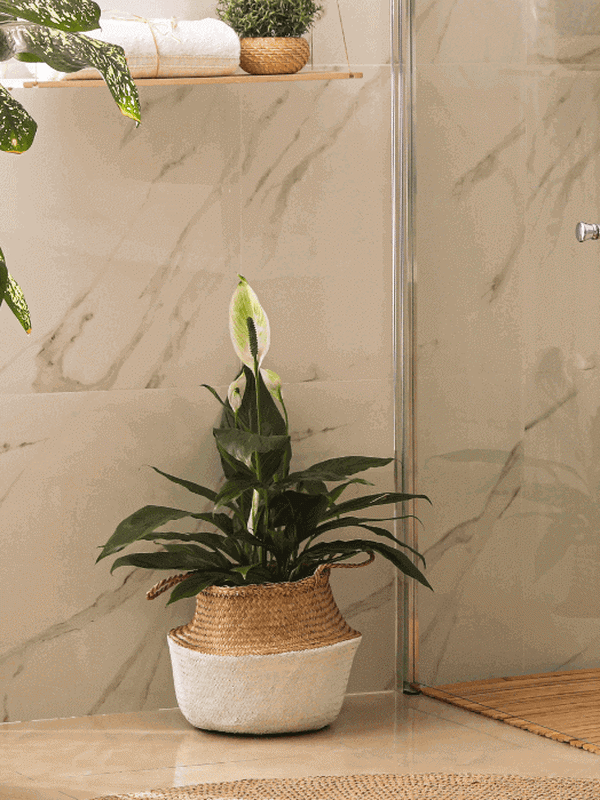
Remember to make room for greenery in your eco-chic kitchen: plants, flowers and even indoor trees. Fresh herbs smell wonderful and create a visual connection with nature. They also help clean the air.