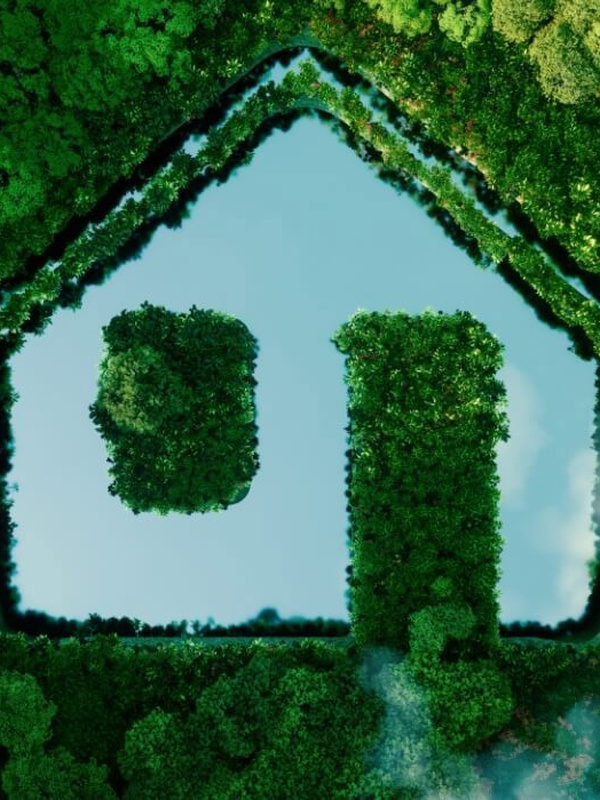


The increasing use of cloud storage, streaming platforms, big data and artificial intelligence is a growing source of concern about the internet's carbon footprint. Green web hosting aims to provide a strong response to this challenge. By hosting websites on servers powered by renewable sources such as wind and solar energy, it significantly reduces the environmental impact of our digital presence.
Embracing Sustainability: Green Trends for 2024
Across the world, 2024 is expected to bring a significant shift towards sustainability alongside innovative trends in every sector.
From sustainable email marketing and green internet solutions to environmentally friendly building materials, emerging trends will be about more than reducing our carbon footprint: they will redefine our relationship with the environment. We take a look at the coming year's sustainability trends, which aim to change the rules more fundamentally.
The EcoSend Revolution in Email Marketing
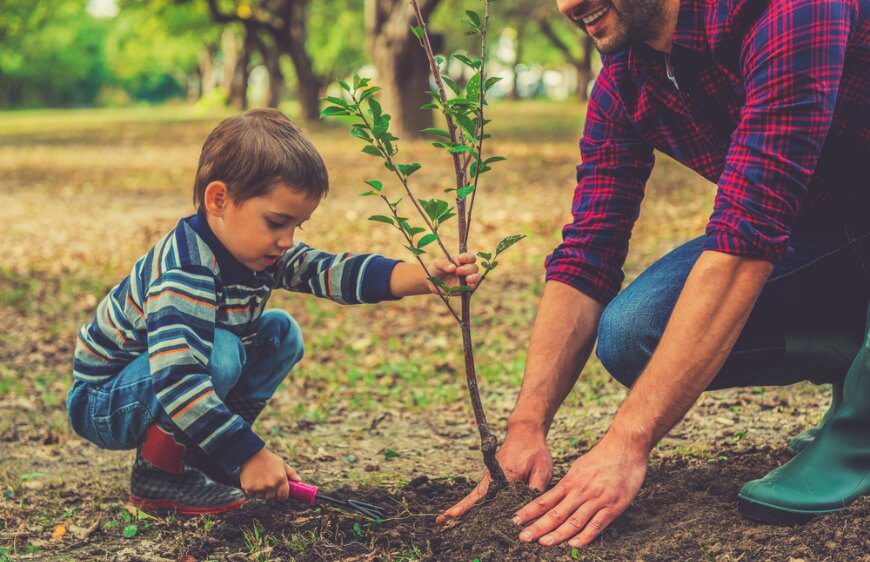
EcoSend is leading a green revolution in digital marketing. This pioneering solution, which has seen growing adoption this year, aims to reduce the environmental impact of email marketing. Running entirely on renewable energy and committing to plant trees for its users, EcoSend is setting a new benchmark for environmentally conscious digital communication. The project reflects growing awareness of the carbon footprint of online activity, with EcoSend at the forefront of efforts to address it.
Green Web Hosting: Powering the Internet with Renewable Energy
Natural Building Materials: Creating a More Sustainable Future
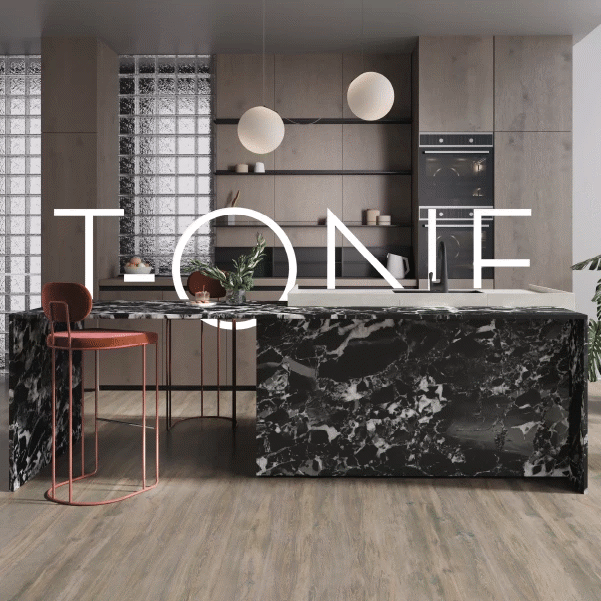
The construction sector is undergoing a green transition as natural building materials become more widely used. Materials with a low environmental impact and sustainable qualities, such as AshCrete, a new-generation cement based on fine ash, bamboo and cork, are becoming popular choices. They not only minimise construction-related carbon emissions but also improve insulation and durability, marking an important step towards environmentally conscious building methods.
Green Roofs and Roof Gardens: Urban Retreats
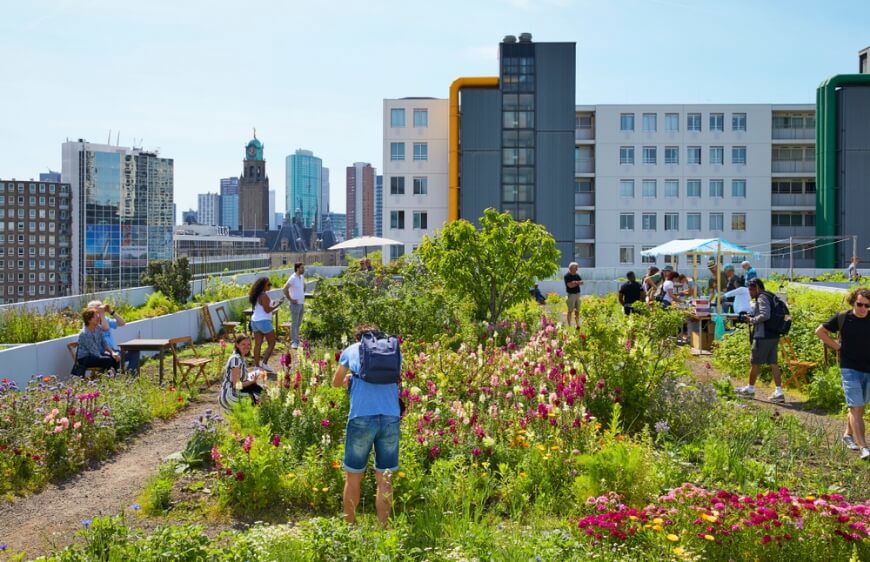
Roof gardens and green roofs are increasingly being introduced in urban areas to address environmental and emotional challenges. These green spaces offer many benefits, from improved air quality and reduced urban heat islands to peaceful retreats for city residents. As they appear on more buildings, green roofs help create healthier, more sustainable urban environments.
The Sustainable Fashion Movement Against Fast Fashion
With growing emphasis on sustainable fashion practices, the campaign against fast fashion is gaining momentum. The focus is shifting towards repairing and customising clothes to extend their life and reduce waste. This movement challenges the fashion industry's culture of disposable or short-lived clothing, encouraging consumers and producers to value longevity and sustainability. Second-hand clothing, clothes-swapping events and keeping older garments for future generations are also set to become more popular.

Saying Goodbye to Both Natural and Artificial Lawns
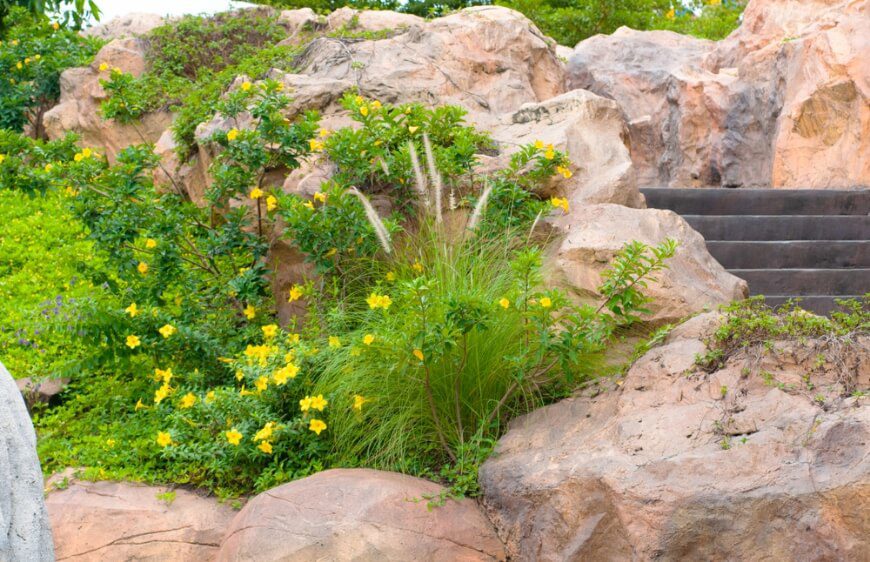
This trend aims to phase out both artificial and natural grass lawns in favour of increasingly popular natural landscaping with endemic plants. As well as supporting biodiversity, this approach minimises water and plastic use. Although grass looks natural, it consumes large amounts of water and can reduce soil quality. By choosing local plants and sustainable landscaping practices, homeowners and residential communities can help make the world more environmentally friendly and resource-efficient.
The sustainability trends of 2024 promise much more than passing fashions. They represent a fundamental change in how we interact with our world. As we continue to innovate and embrace these principles, we move towards a world where sustainability is a necessity.