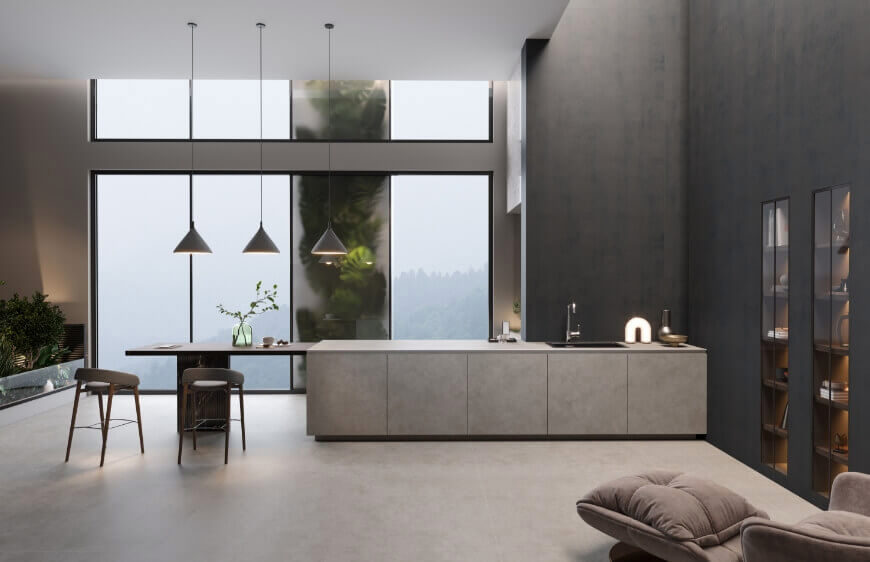
Brutalism is an architectural style that rose to prominence in the mid-20th century, characterised by raw concrete, geometric forms and rough, unfinished textures. Although often associated with public buildings such as government offices, universities and housing developments, its influence extends much further. The movement aimed to create functional, affordable buildings with a clean, modern aesthetic. The term “Brutalism” derives from the French béton brut, meaning “raw concrete”.
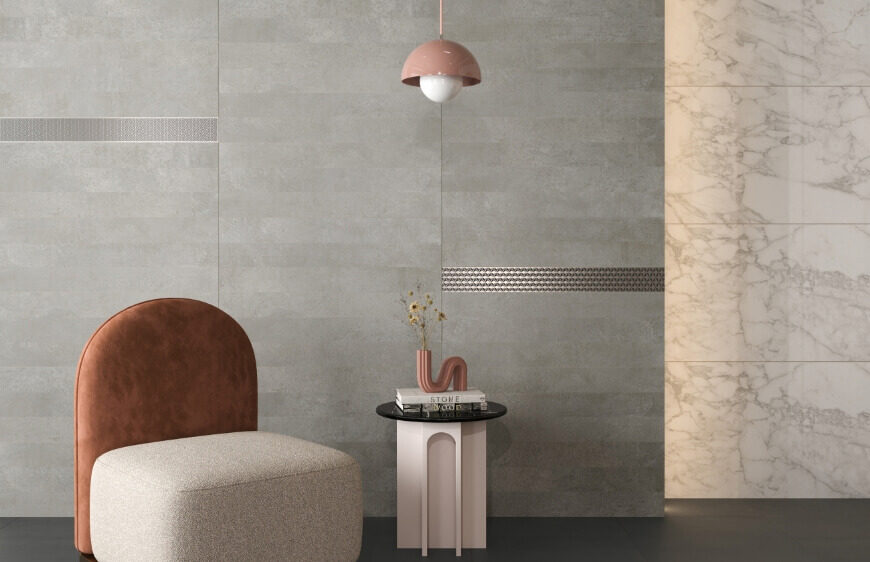
Embracing Modern Brutalism with Innovative Tiles
Brutalism has influenced architecture and design since the middle of the last century. Today, fresh approaches to interiors and living spaces are giving it a new lease of life.
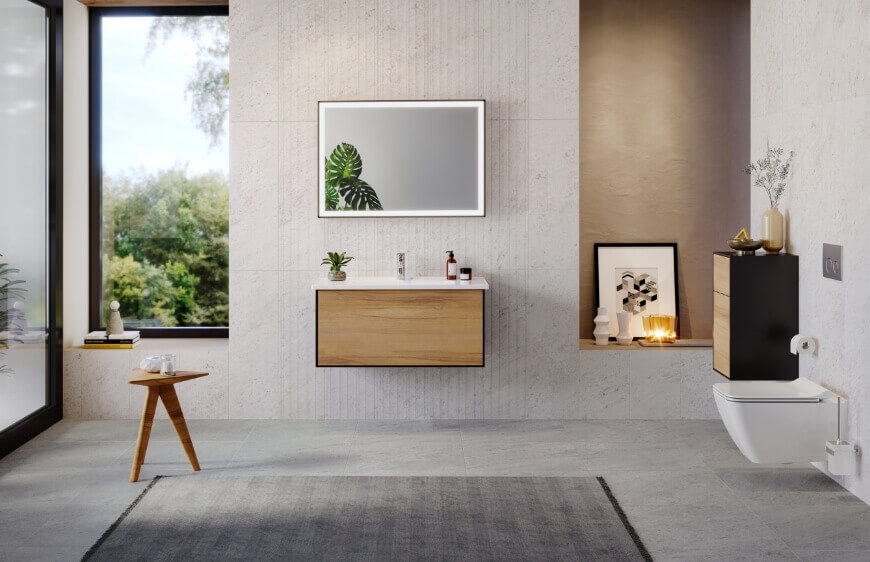
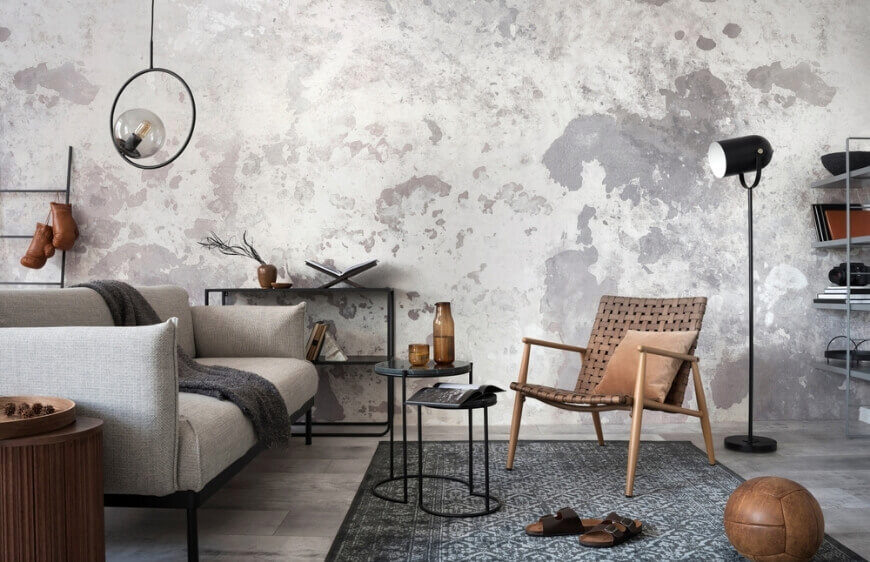
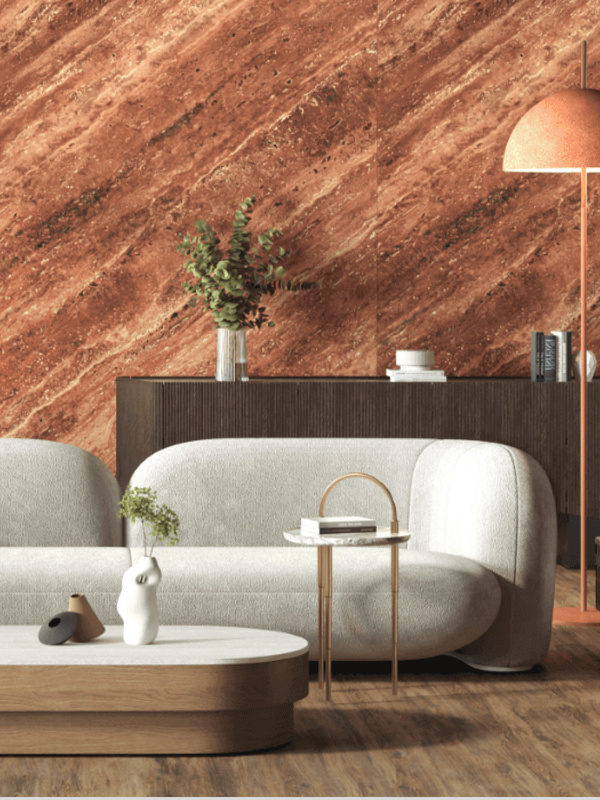
Interest in the Brutalist aesthetic has revived in contemporary interiors, with an emphasis on raw materials and bold geometric shapes used in harmony. This is particularly visible in furniture, lighting and decorative objects made from concrete, metal and stone. Designers increasingly use rough textures and unfinished surfaces to achieve a raw, industrial appearance. Modern interpretations in the home tend to balance the style's severity with softer elements, such as warm woods and natural textiles, to create more welcoming, comfortable spaces. Born from a social ambition to make modern design and functional minimalism accessible to a wider audience, Brutalism now appears in interiors as a bold, minimalist approach that celebrates style, function and the beauty of raw materials.
Brutalism without Pouring Concrete
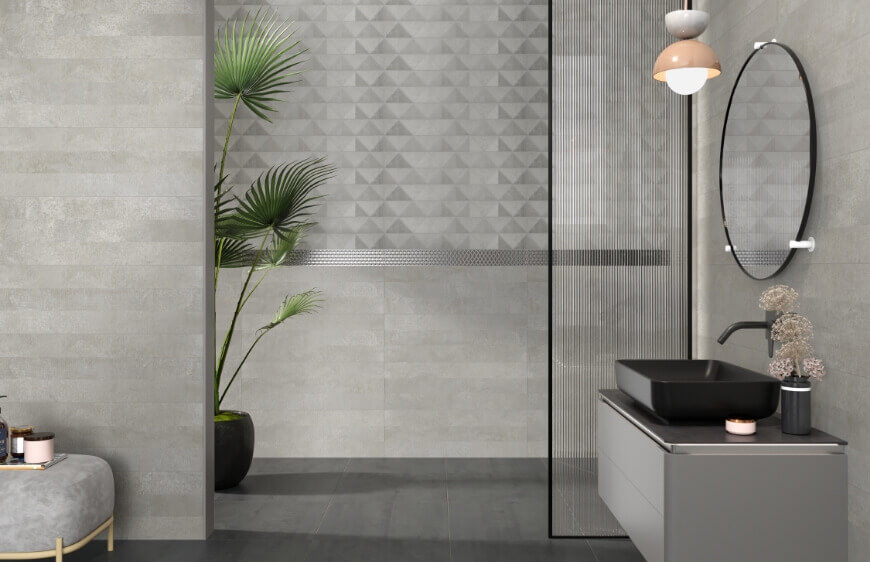
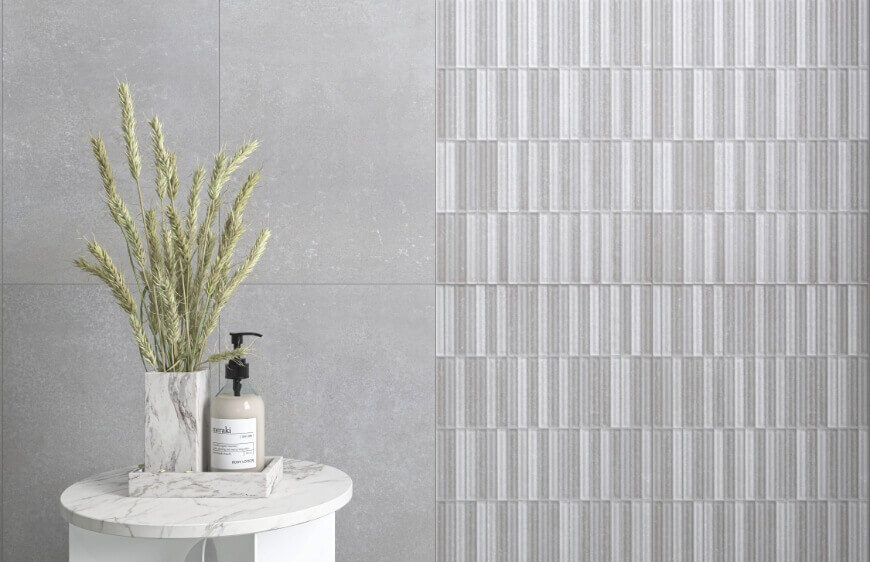
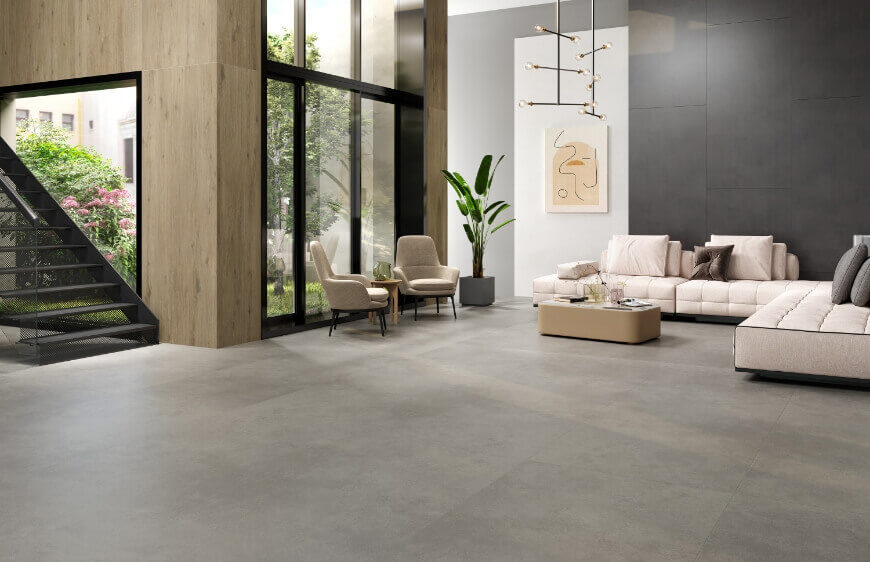
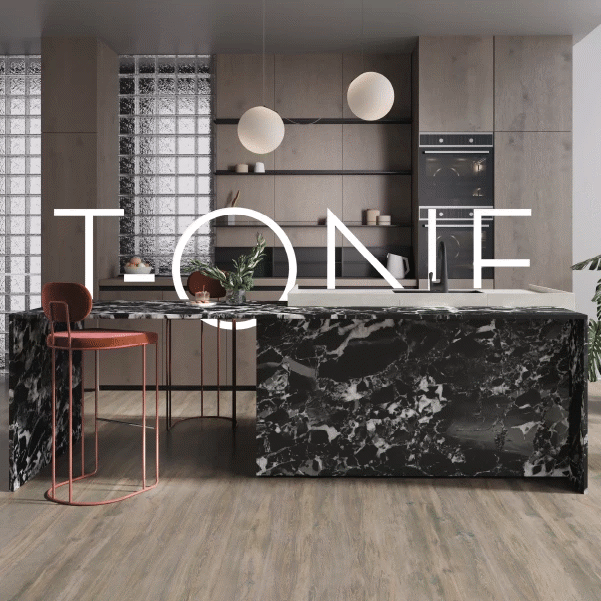
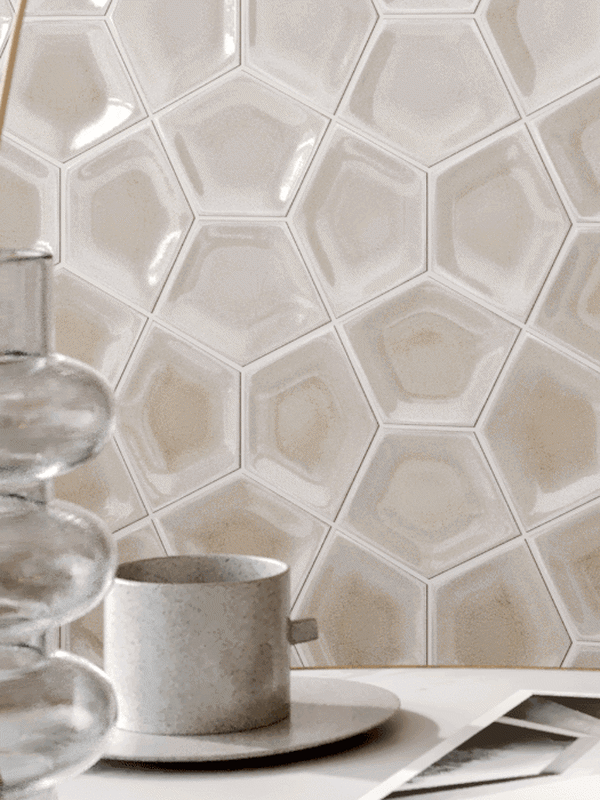
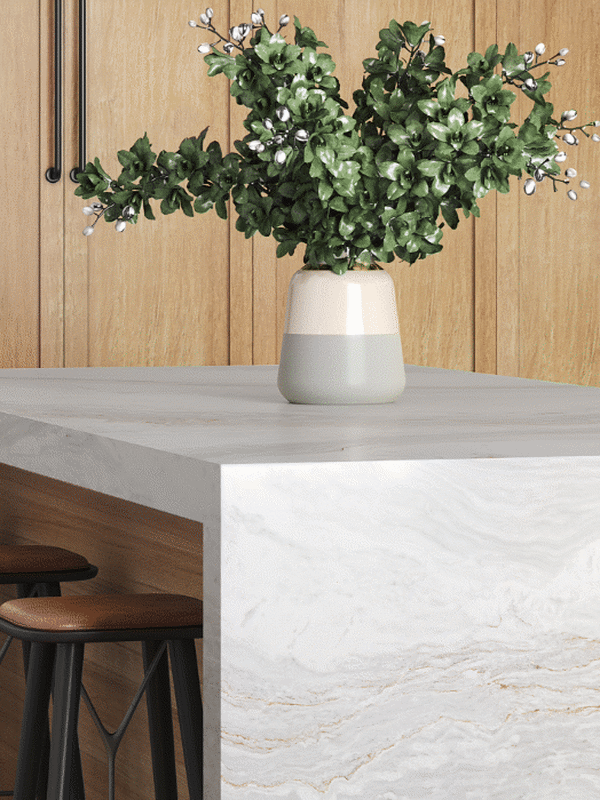
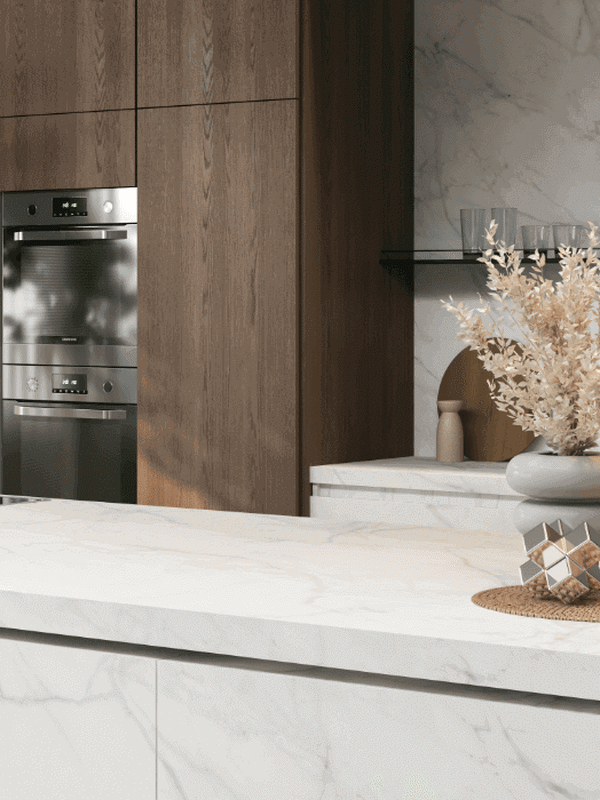
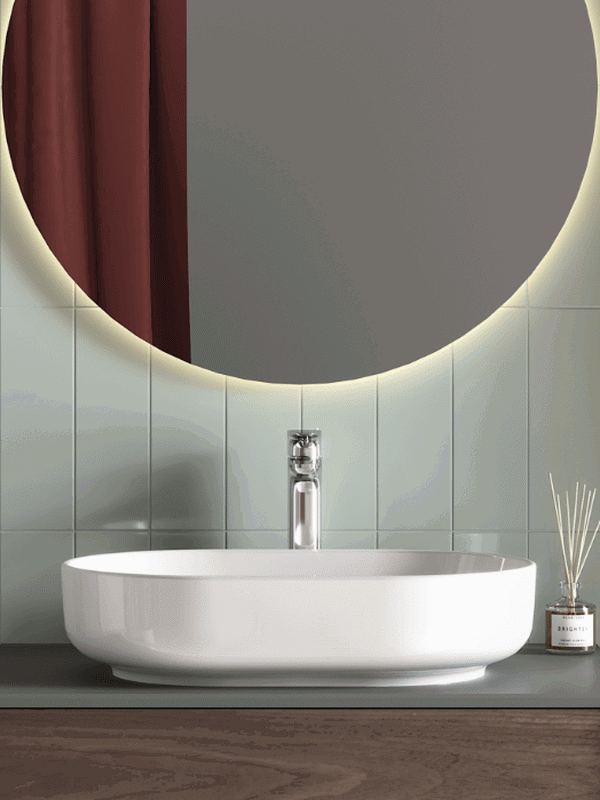
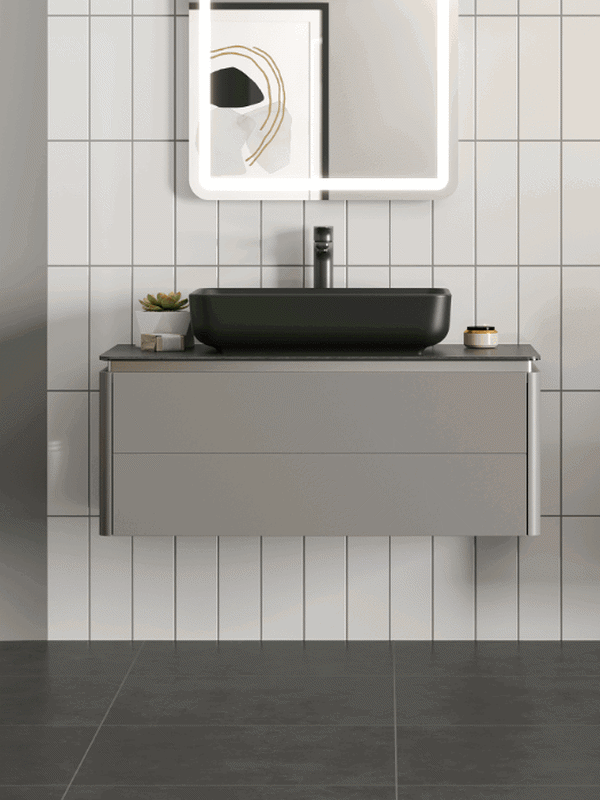
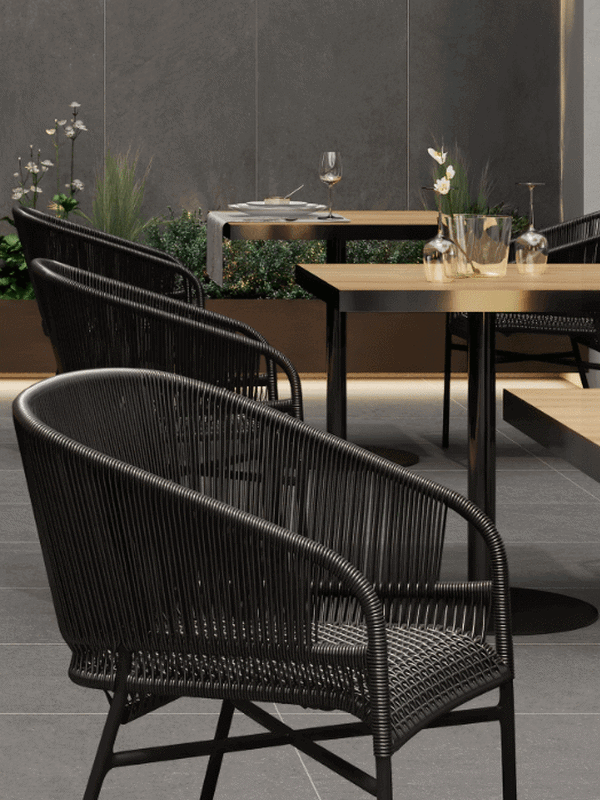
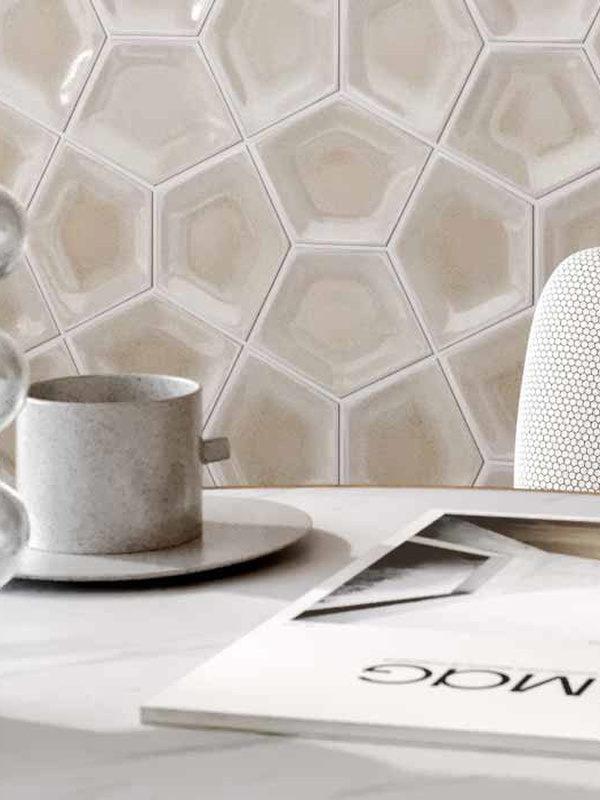
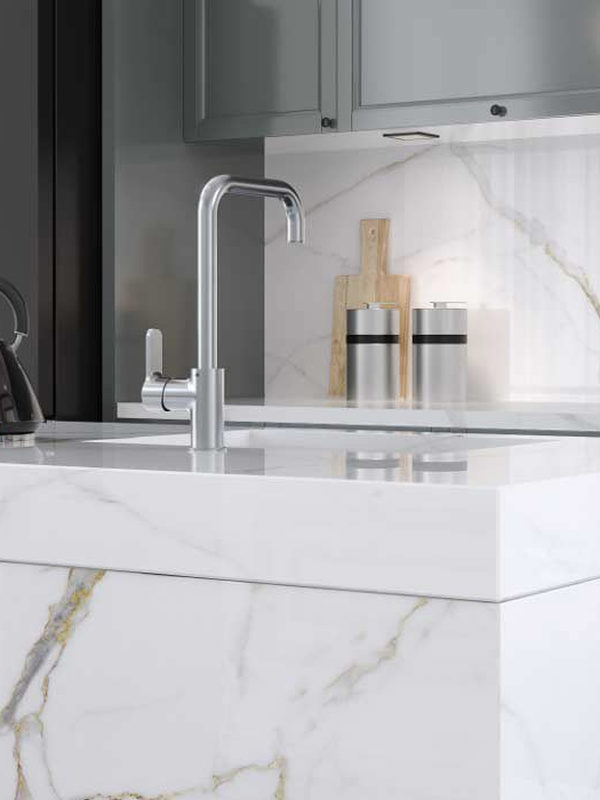
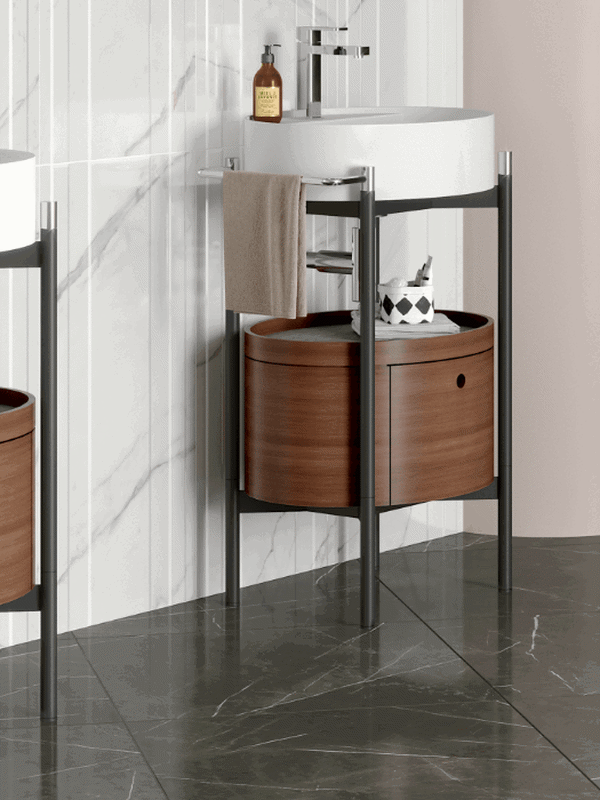
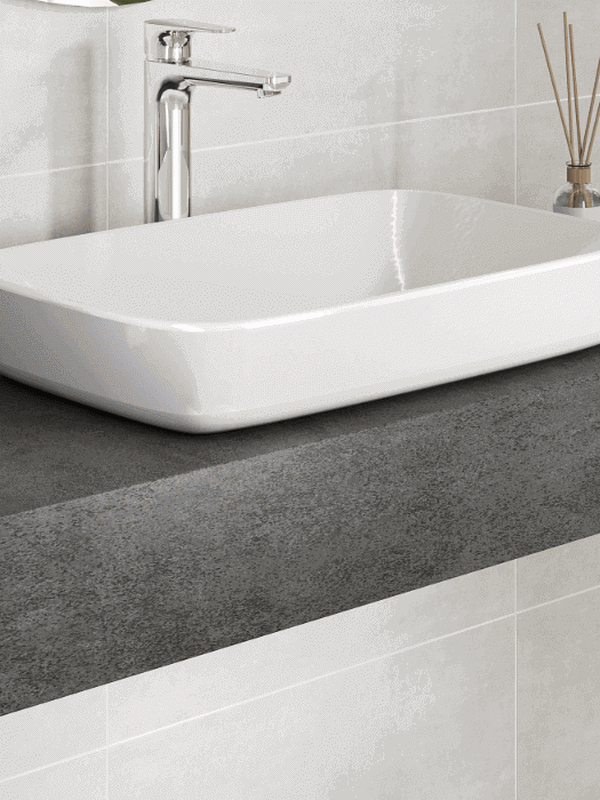
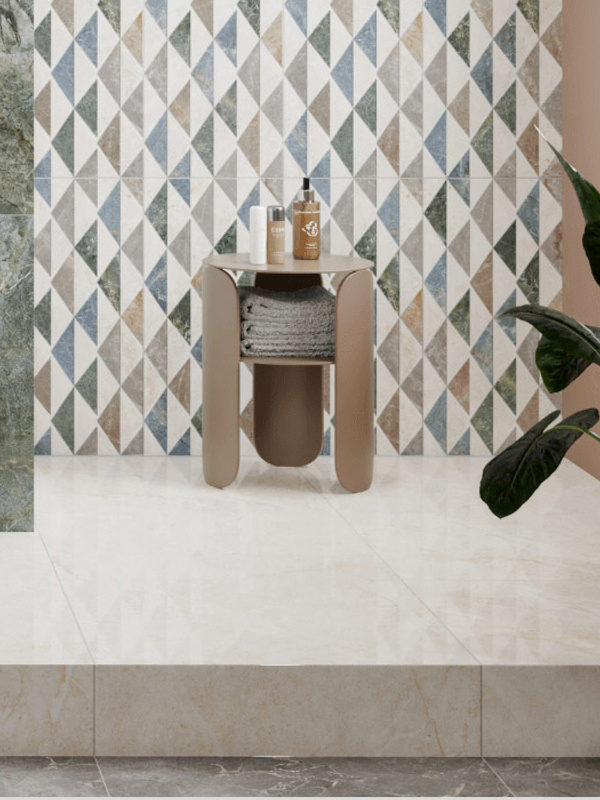
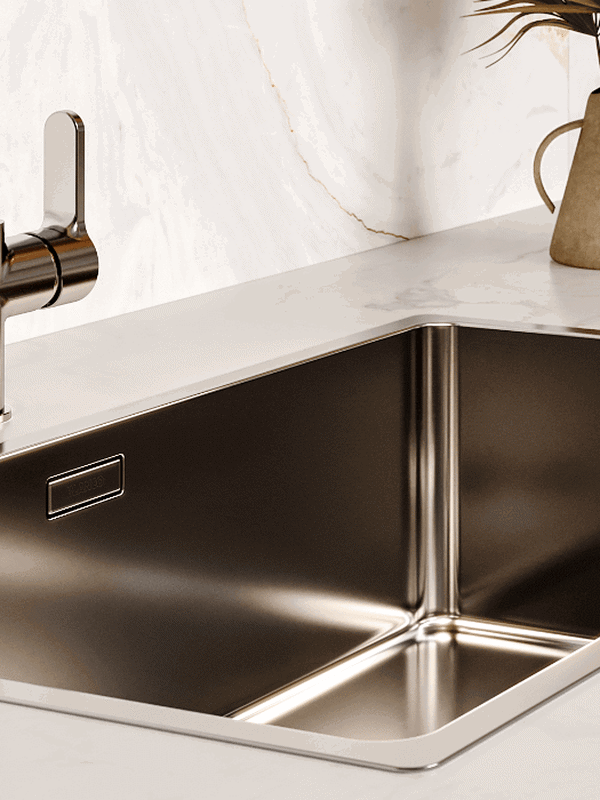
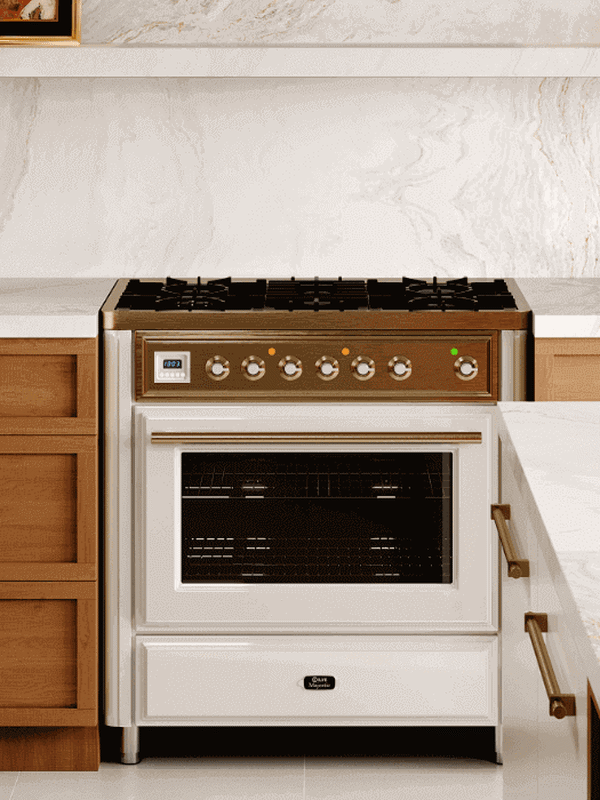
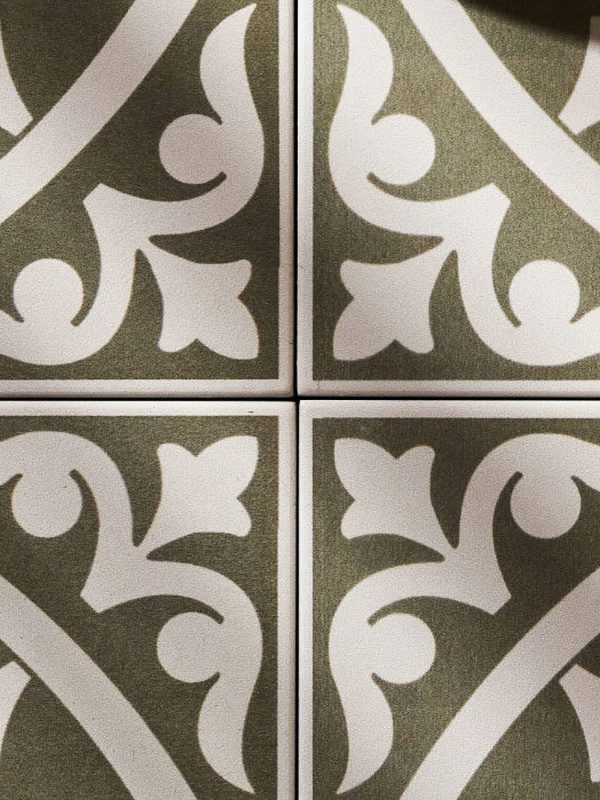
You do not need tonnes of concrete to give your home a Brutalist character. Concrete-effect or raw-textured tiles in grey tones can introduce the style more easily and flexibly. They offer a way to bring the industrial appearance of concrete into a room without its weight or cost. Use them on floors, walls and kitchen splashbacks, or even as worktops, with options such as T-One by Kale. Explore Kale and Kalesinterflex products for different possibilities.
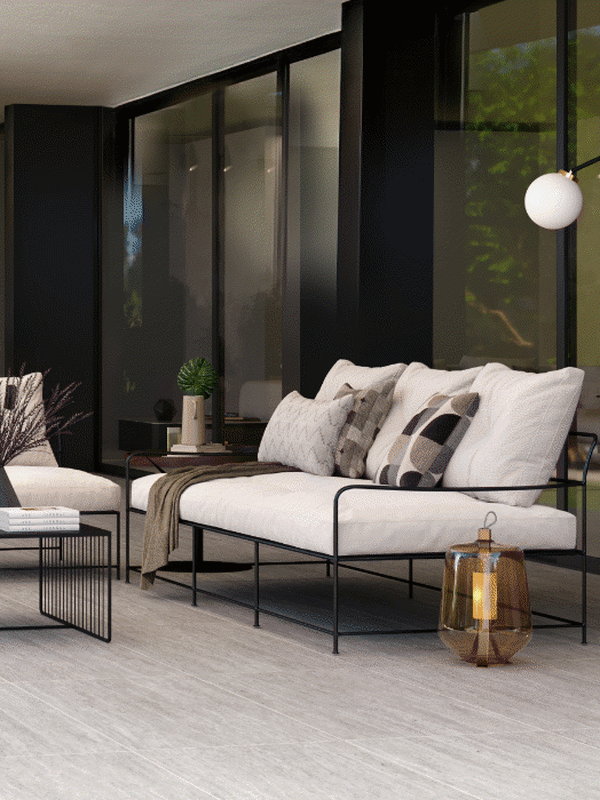
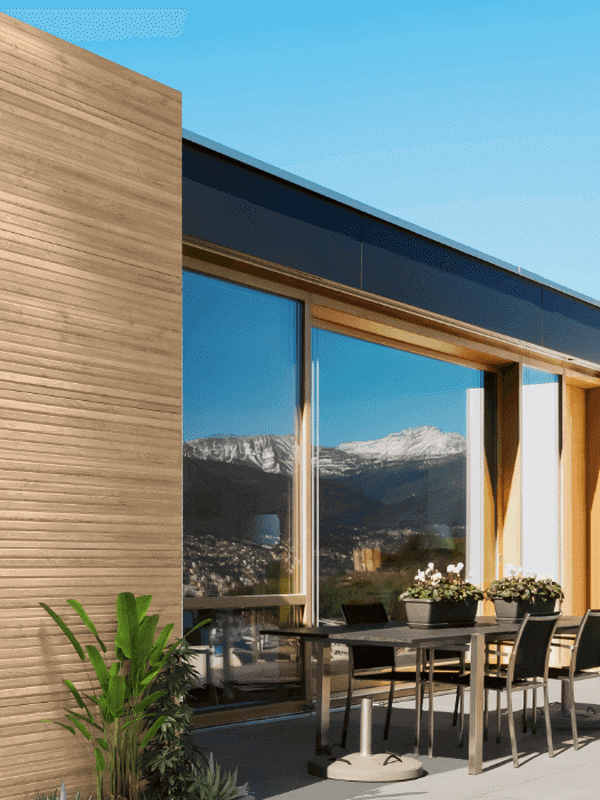
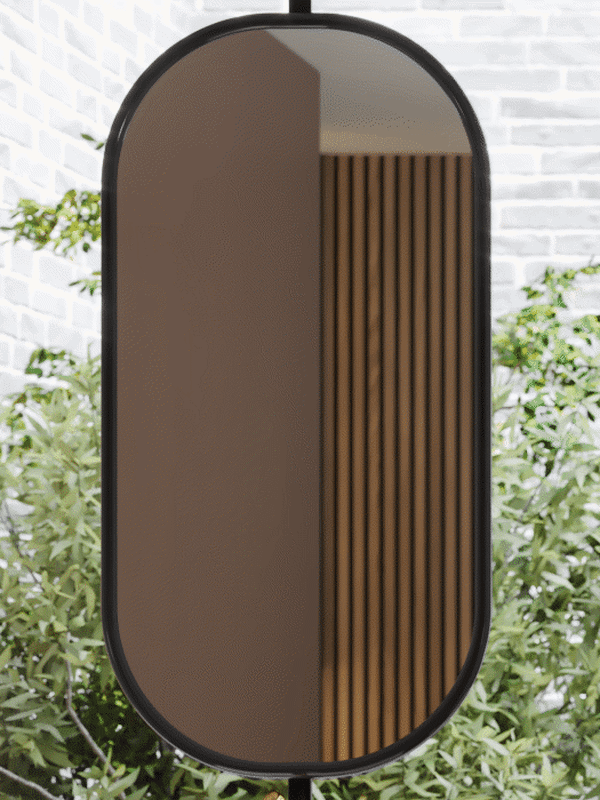
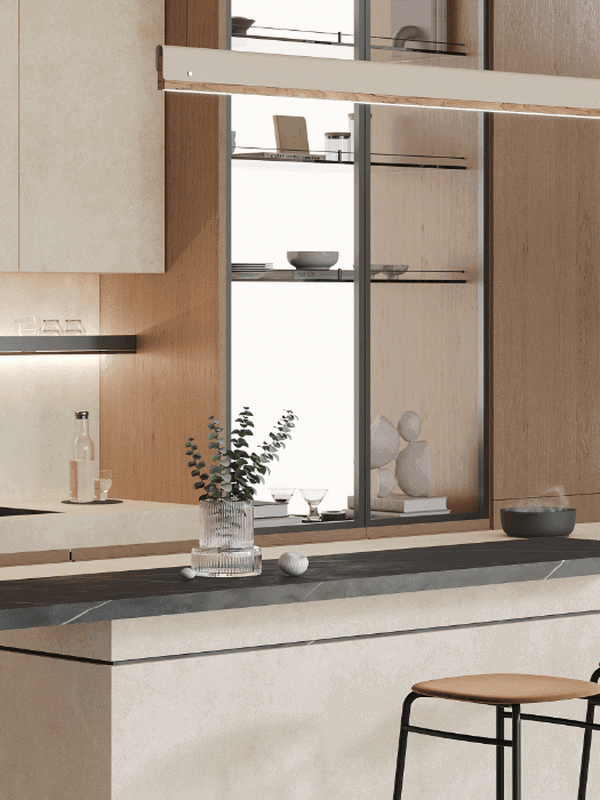
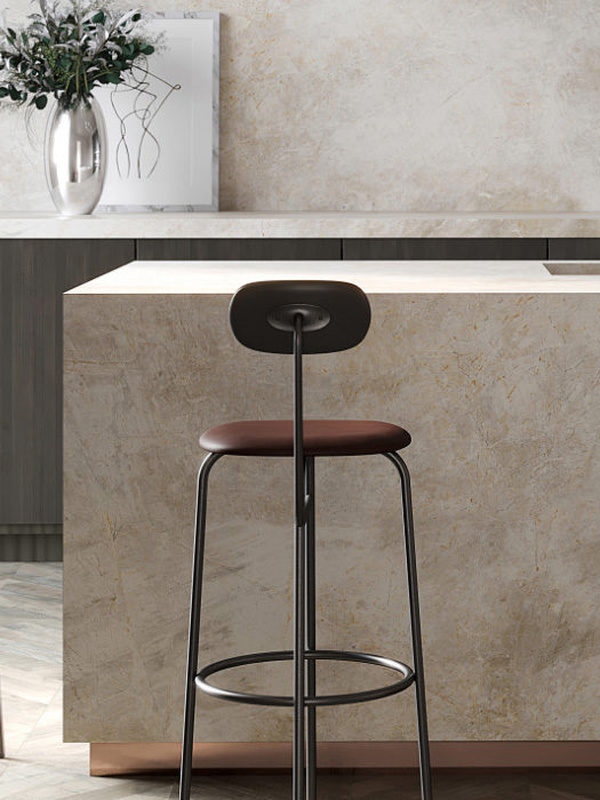
For a convincing Brutalist aesthetic, combine tiles with other raw, minimalist materials such as steel, glass and wood. Choose simple, functional furniture and decorative elements with clean lines and geometric forms. Industrial-style light fittings with tungsten bulbs can also help establish the atmosphere.
Which Tiles?
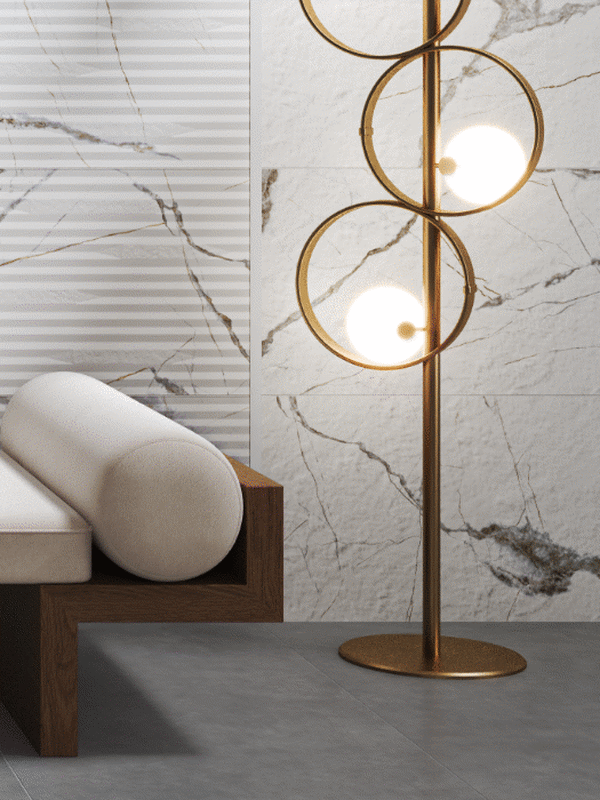
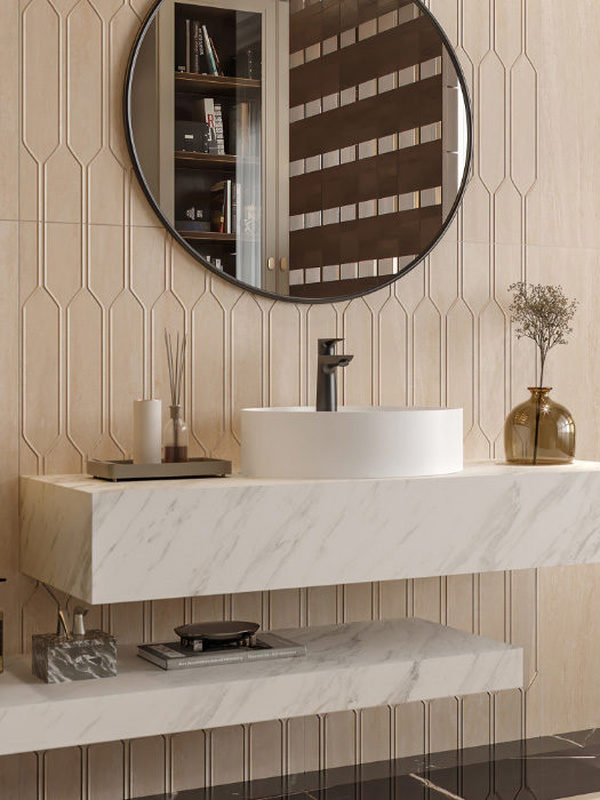
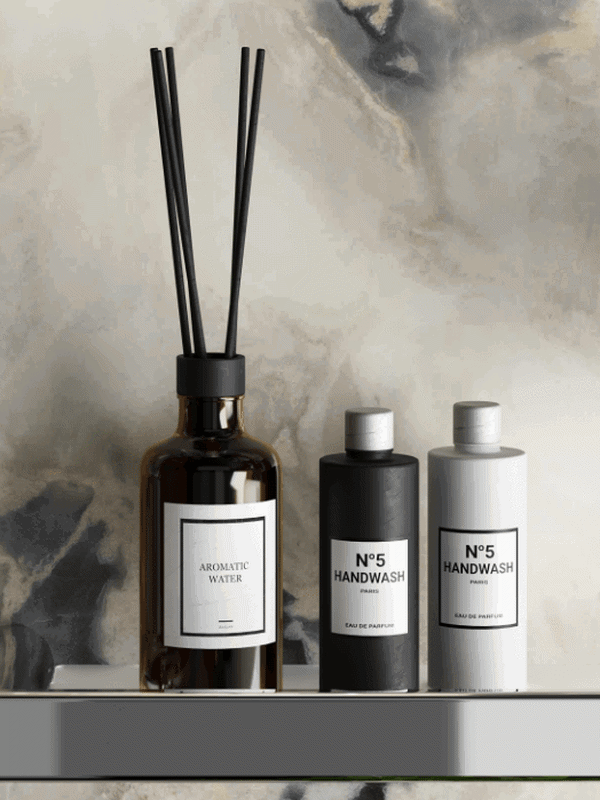
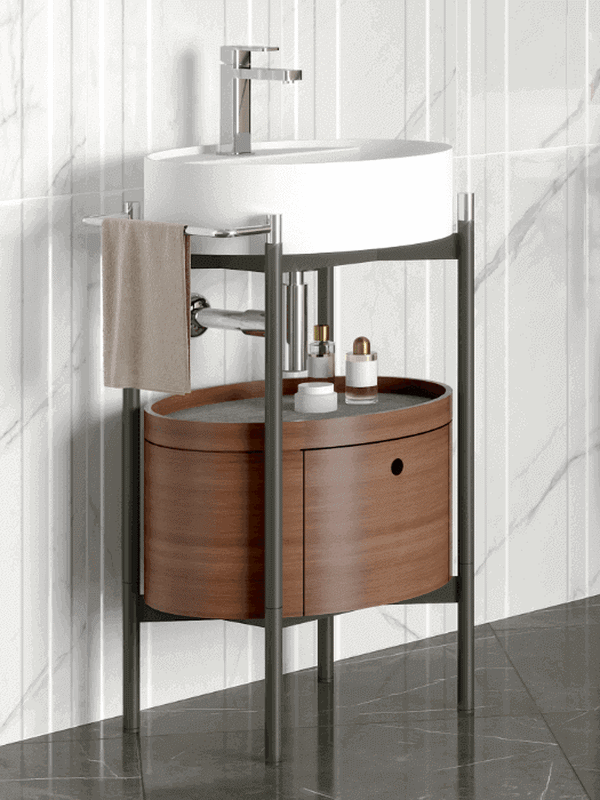
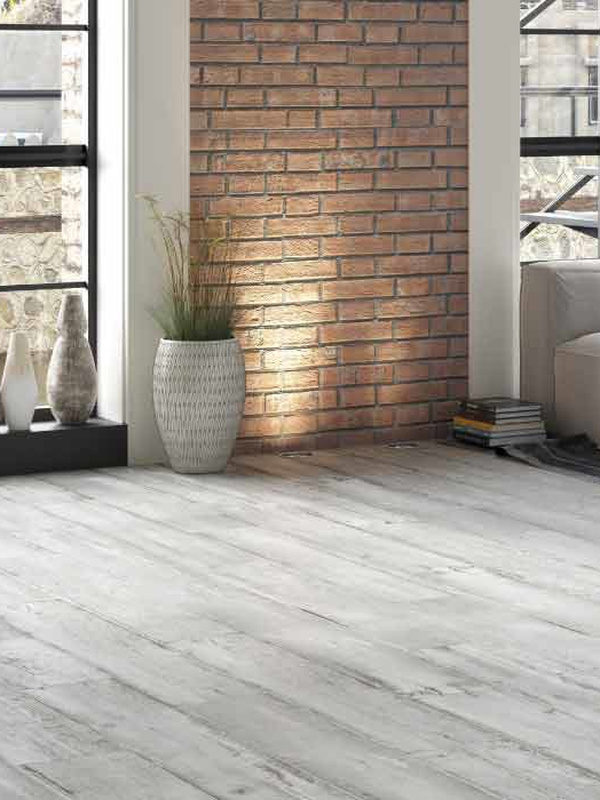
Here are some tile options that offer a flexible, affordable and straightforward route to modern Brutalist style.Concrete tiles: These can give a living room a rough, industrial character. Available in different greys, they can create a continuous floor or wall design.Terrazzo tiles: Made with marble, granite or other materials set in concrete, terrazzo tiles can bring a modern, sophisticated look to the living room.Slate tiles: Natural slate gives a living room a rough, rustic texture. It comes in different shades of grey and can be used for a feature wall or fireplace surround.Industrial-effect tiles: Porcelain tiles can reproduce concrete, metal and other industrial materials. Available in different shapes and sizes, they can be used for a feature wall or splashback.
A Softer Approach to Brutalism
Brutalist interiors can be visually striking, yet some people find them too austere or cold. To soften the effect without losing its raw character, balance industrial elements with warmer, more welcoming details such as soft fabrics, natural materials and touches of colour.
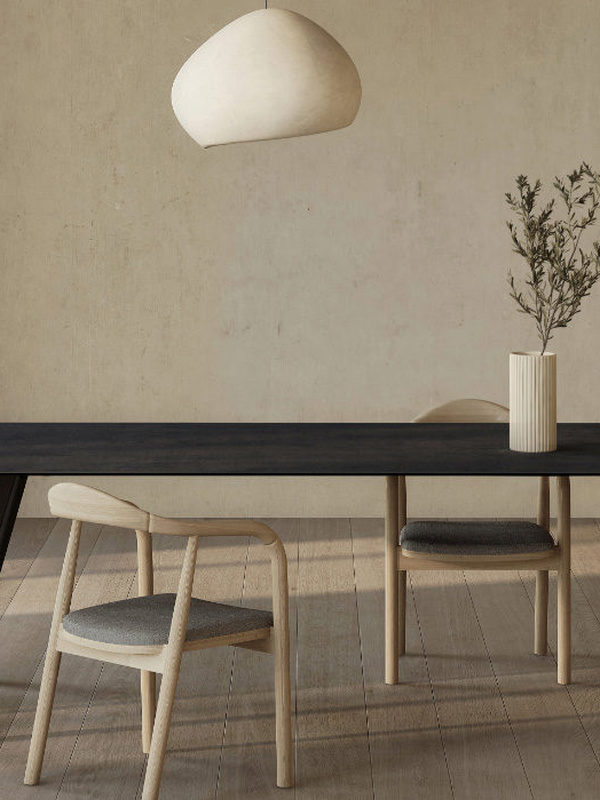
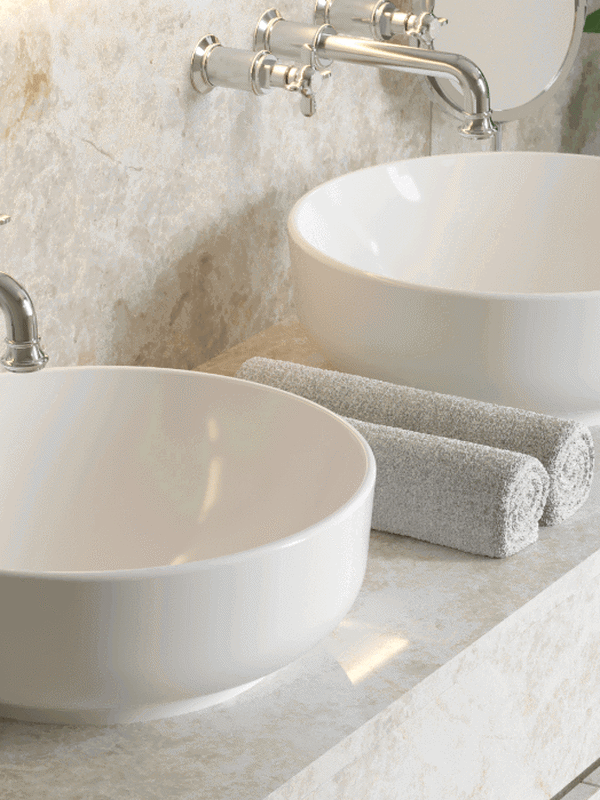
Organic Brutalism combines the raw, industrial elements of traditional Brutalism with natural materials and organic forms. This hybrid approach highlights the beauty of natural imperfections and textures, creating spaces that retain Brutalism's cool, raw character while connecting with nature.
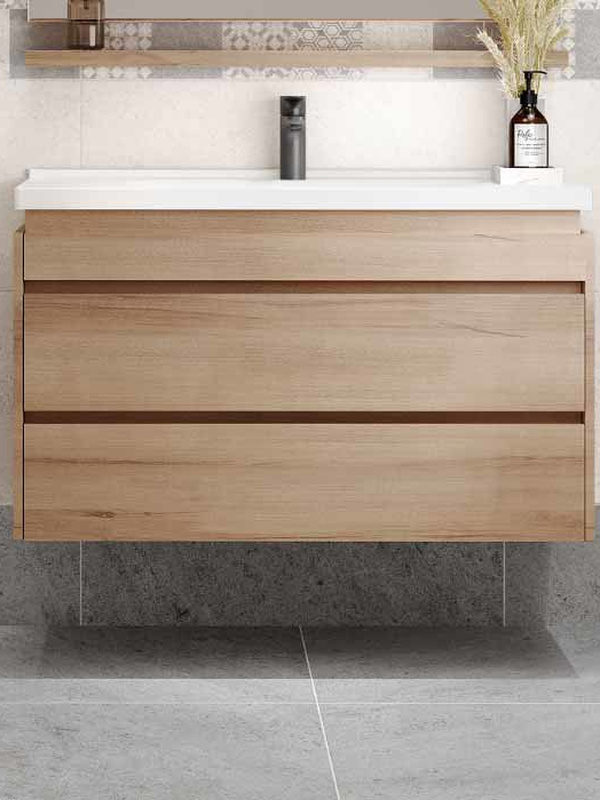
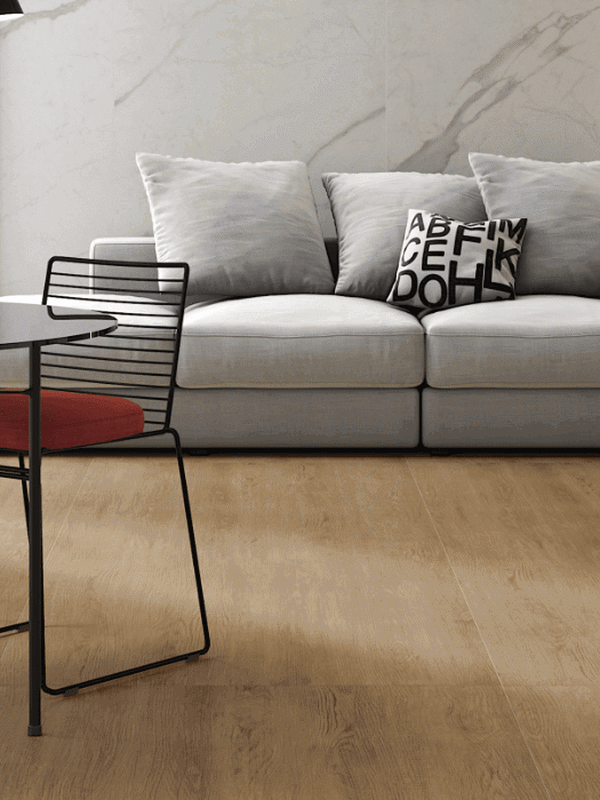
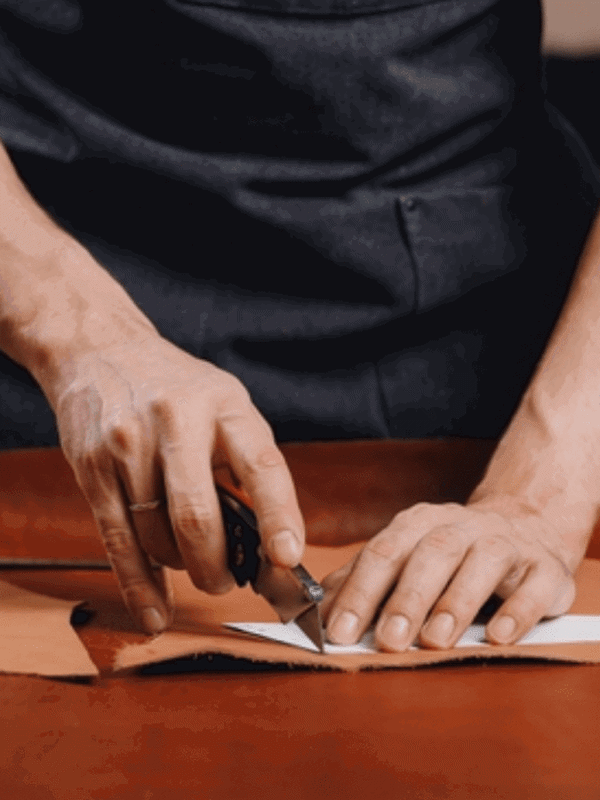
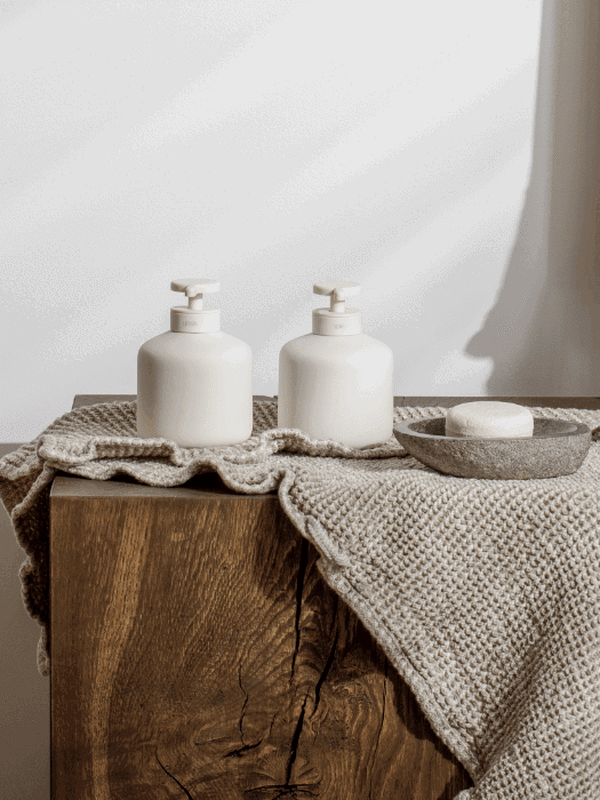
Begin an organic Brutalist scheme by incorporating natural materials such as wood, stone and leather. Used in furniture, flooring or decorative objects, they bring warmth and texture. A neutral palette of whites, greys and earthy tones helps create a raw, natural appearance. Soft greens or blues can add colour that complements both industrial and natural materials.
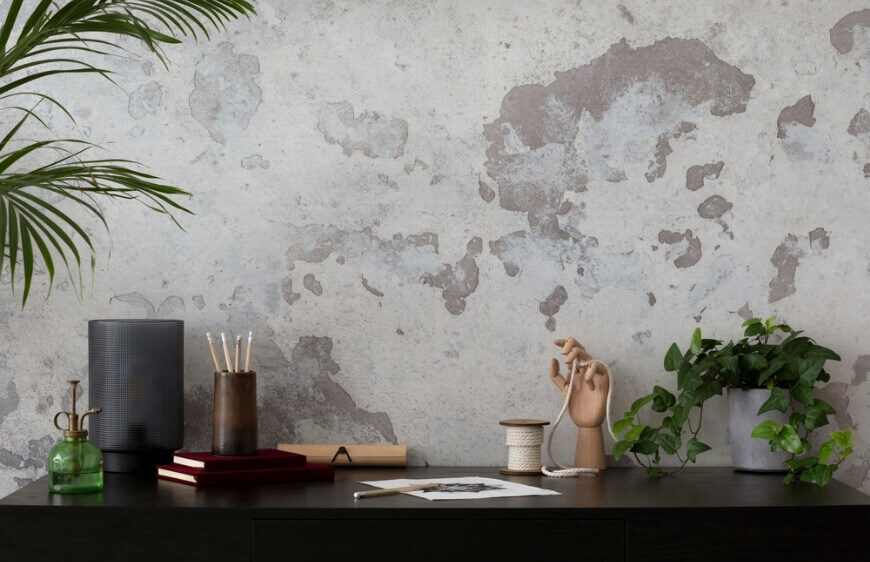
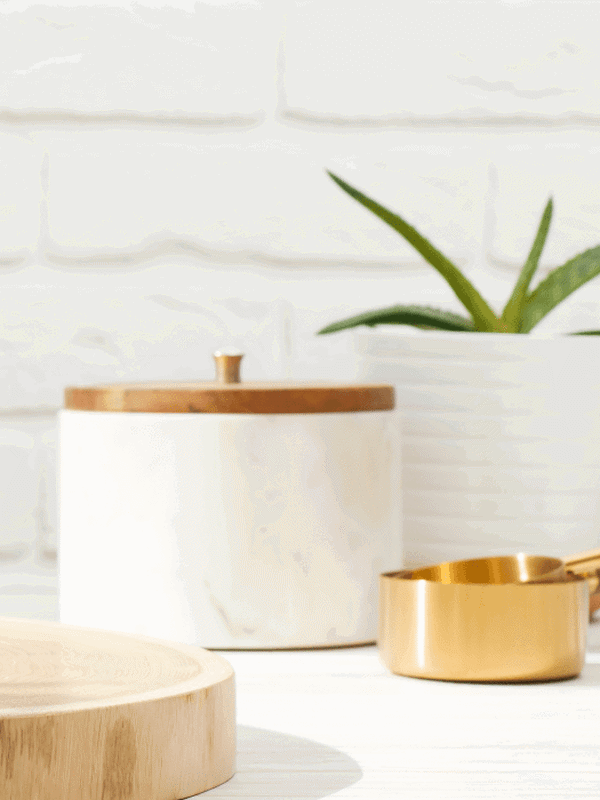
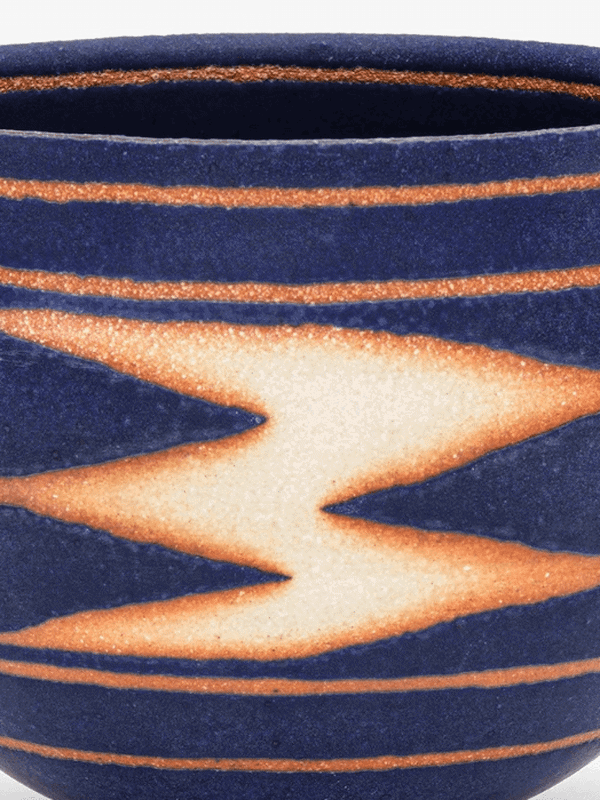
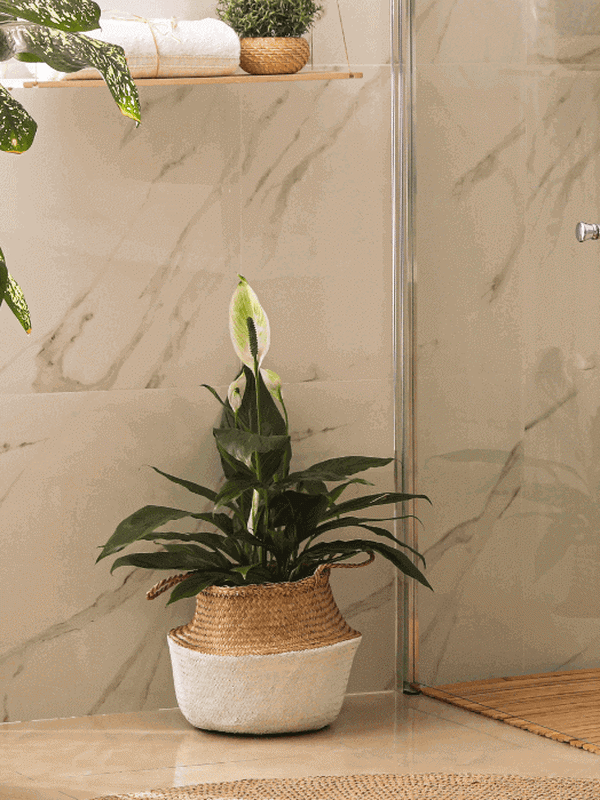
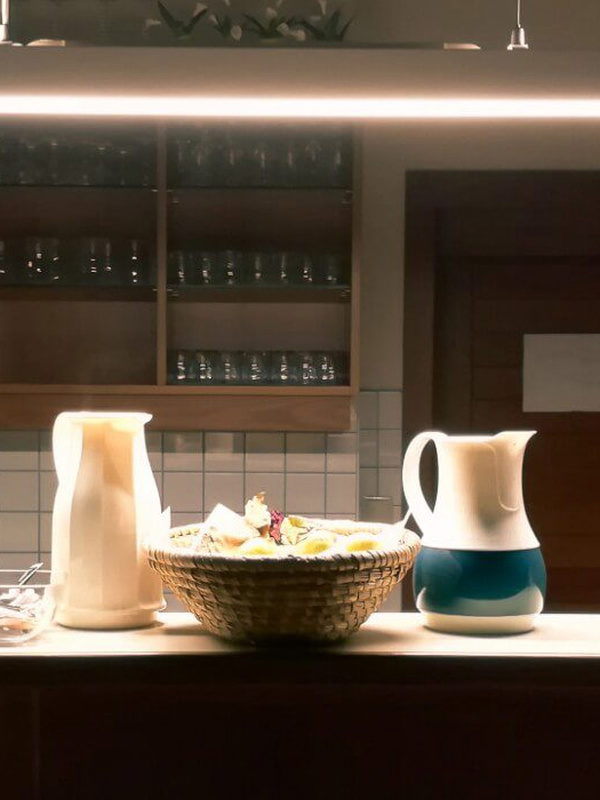
Keep the décor simple and minimal, with a few carefully chosen pieces that highlight the room's natural materials and textures. Plants and other organic elements, such as woven baskets or ceramics, can soften the industrial feel and bring nature indoors.
Plants That Bring Balance
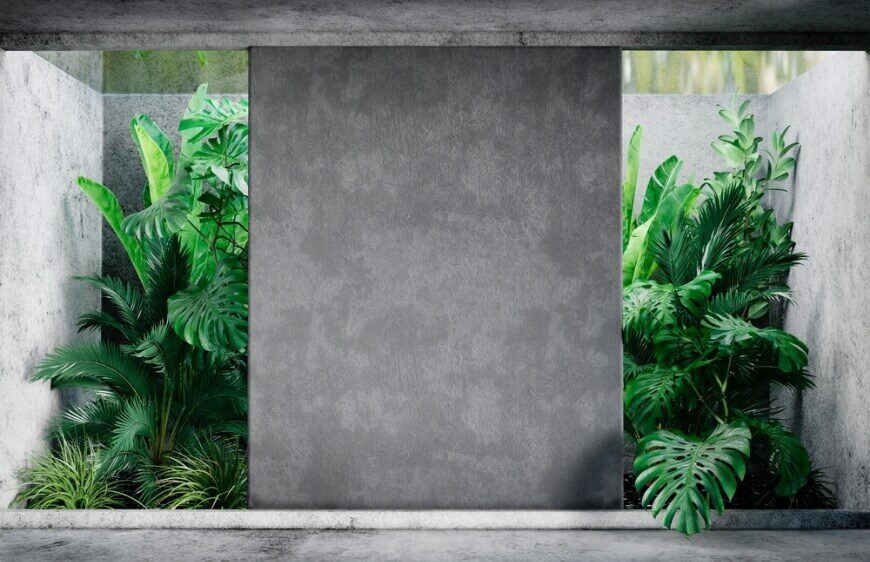
Houseplants bring life and nature to the raw, industrial materials of a Brutalist interior. When choosing plants for a space shaped by your tile selections, look for forms that suit its minimalist aesthetic.Succulents and cacti are ideal for Brutalist interiors: they require little maintenance and have sculptural qualities that complement geometric design. Prickly pear stands out, with broad, fleshy, spiny pads rising among concrete effects and metal textures. Pothos, spider plants and ZZ plants (Zamioculcas zamiifolia) are other low-maintenance choices whose sculptural forms work well with clean-lined interiors.
Choose planters in raw materials such as concrete or metal, with minimally worked surfaces, to complement the industrial atmosphere and the visual language of your tiles. Wall-mounted or hanging planters introduce greenery while saving floor space and adding layers to the design.Innovative approaches to tile production offer a wide, flexible range of ways to bring different interpretations of Brutalism into your home. With careful planning and balance, contemporary Brutalist interiors that combine warmth, nature and raw modernism can become a powerful expression of your personal style.