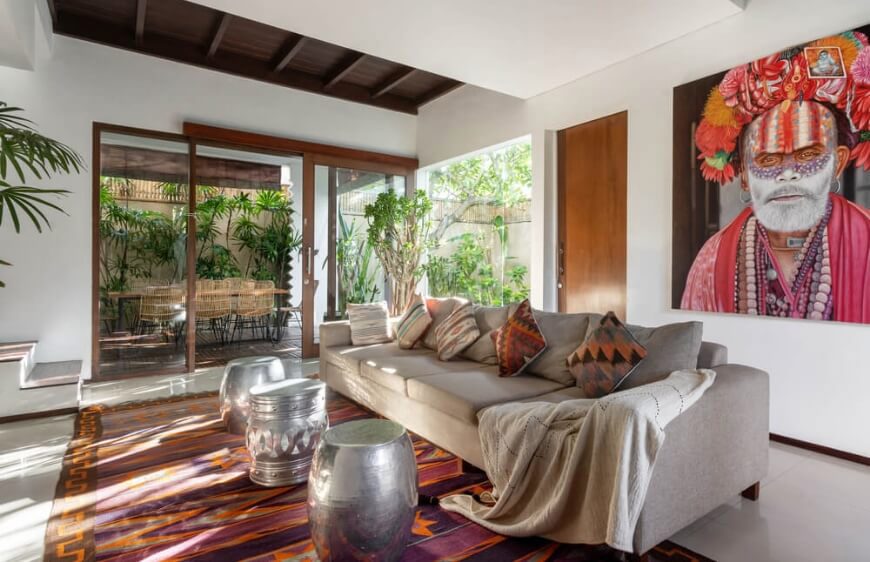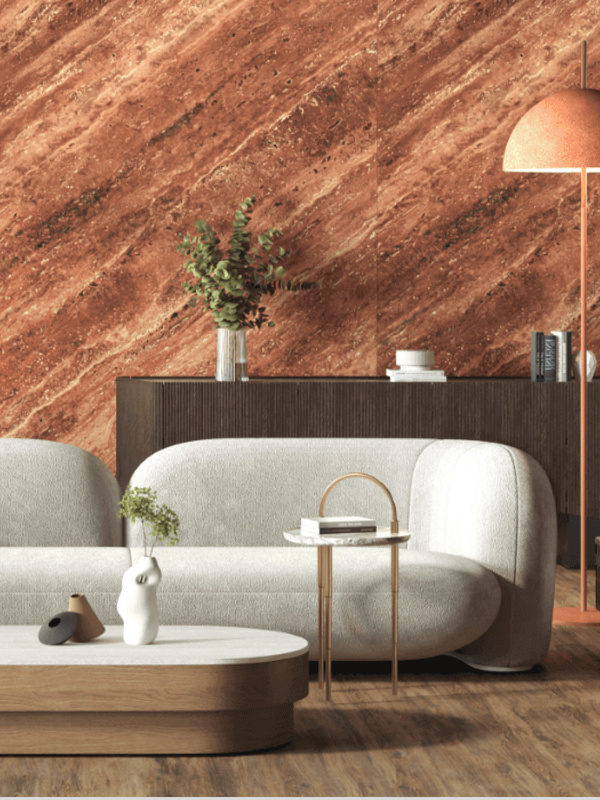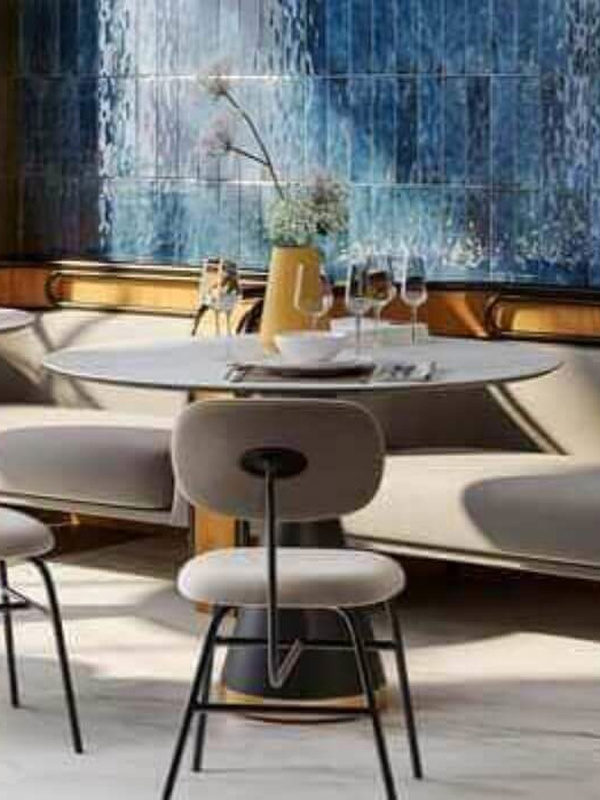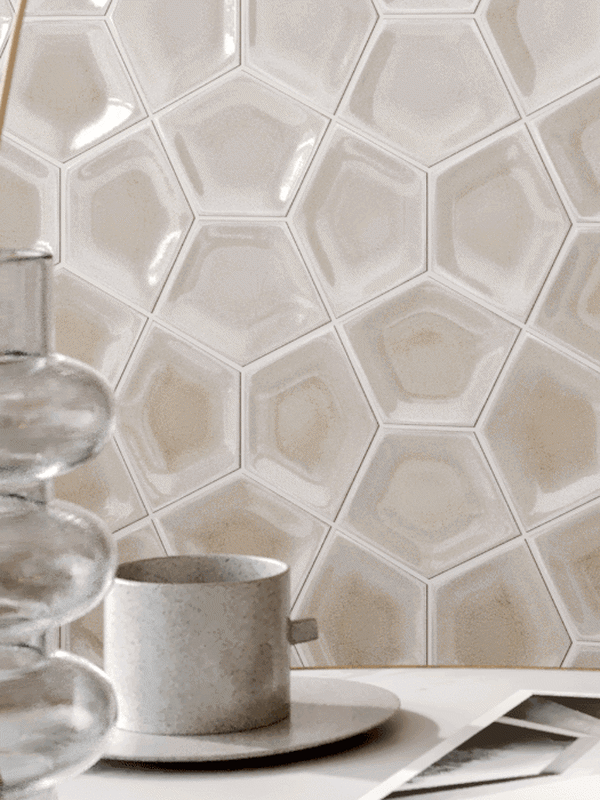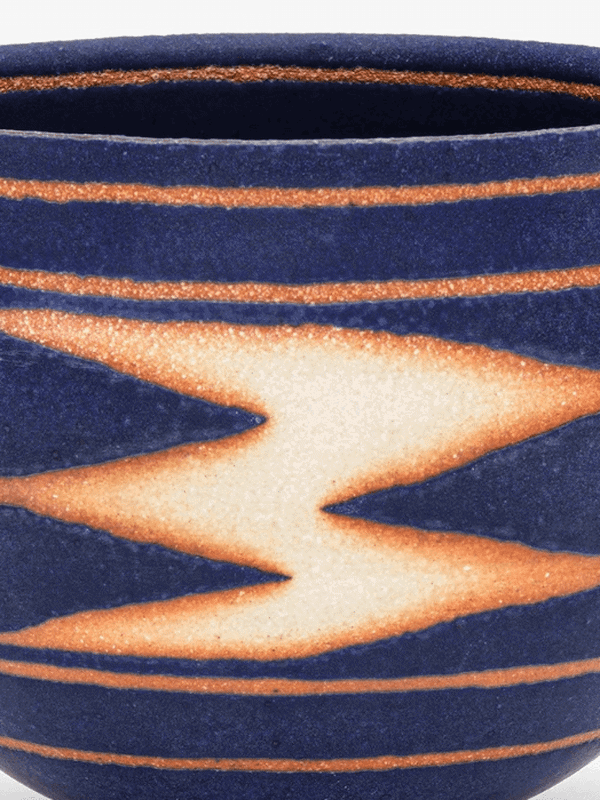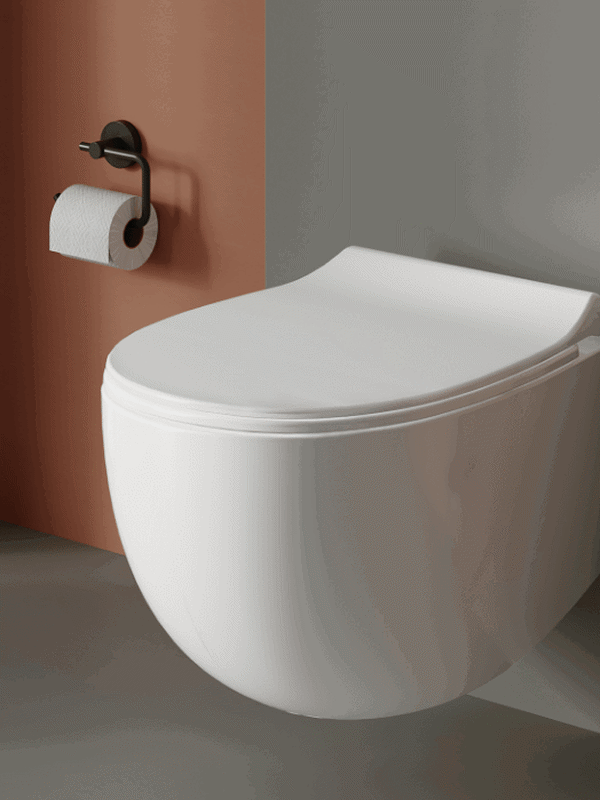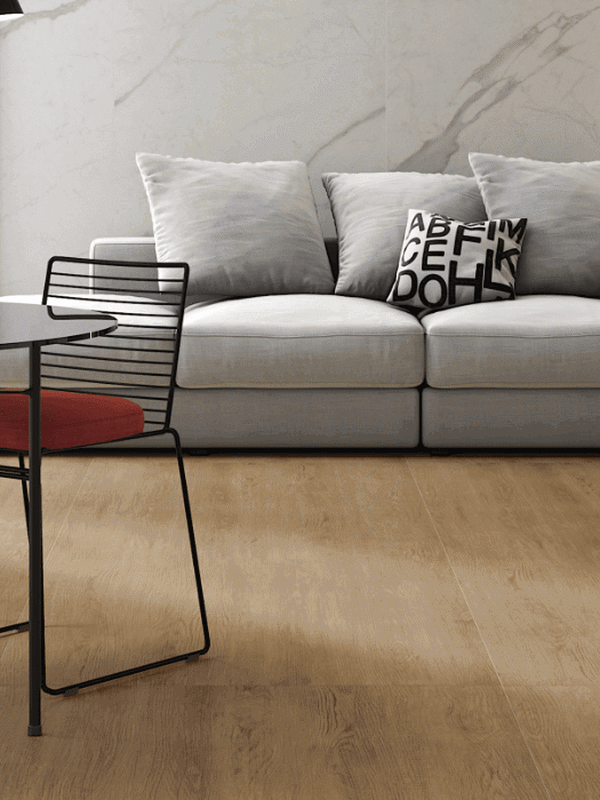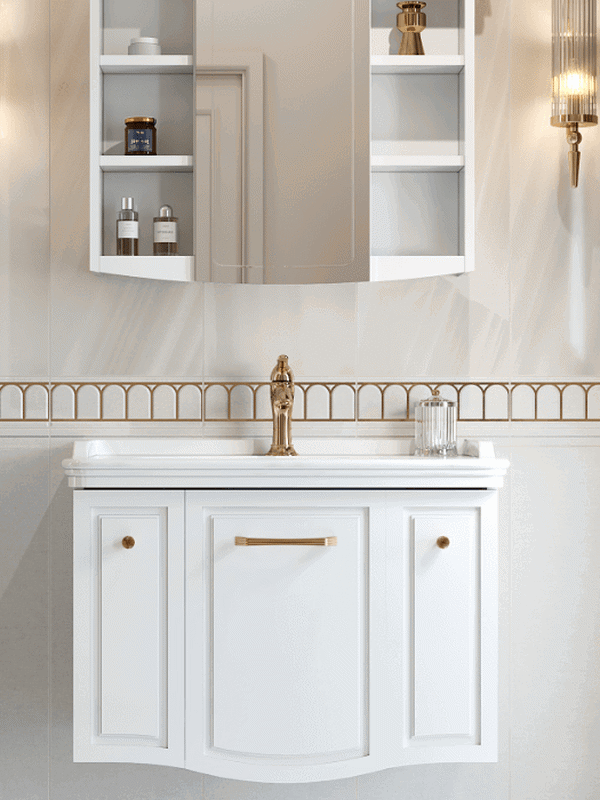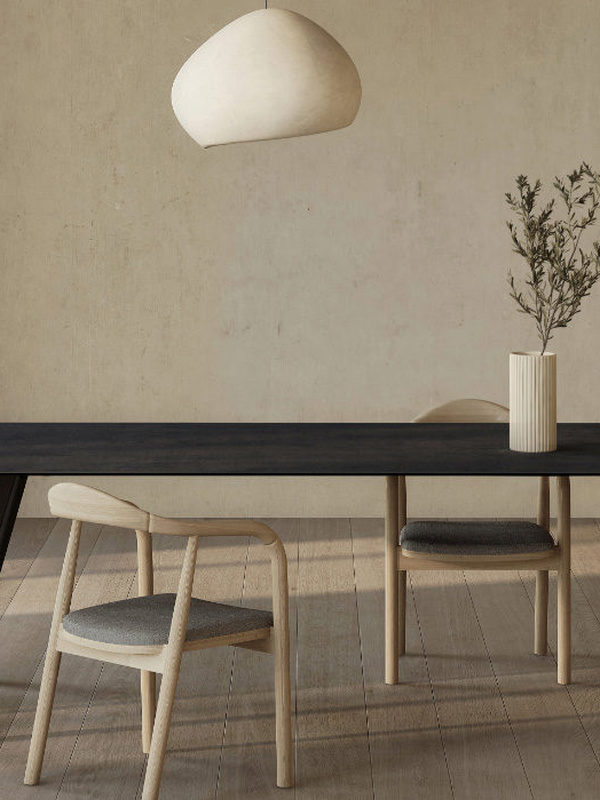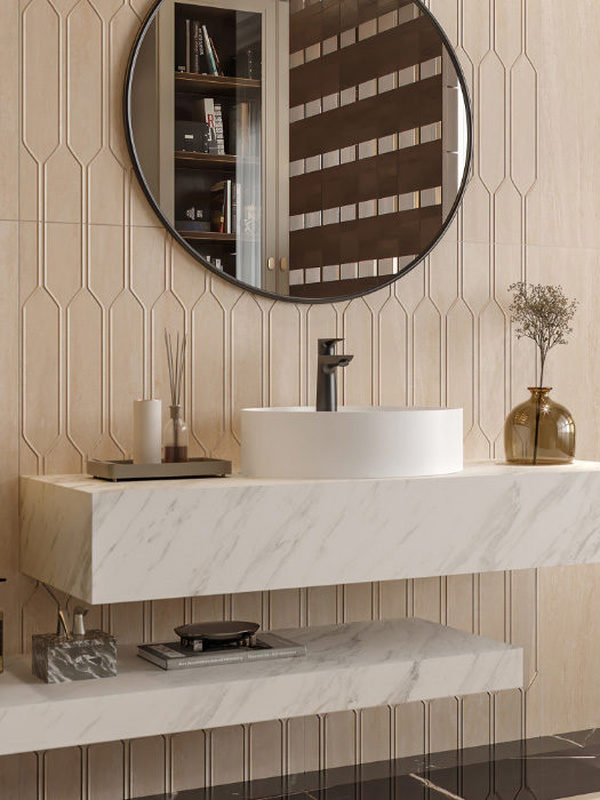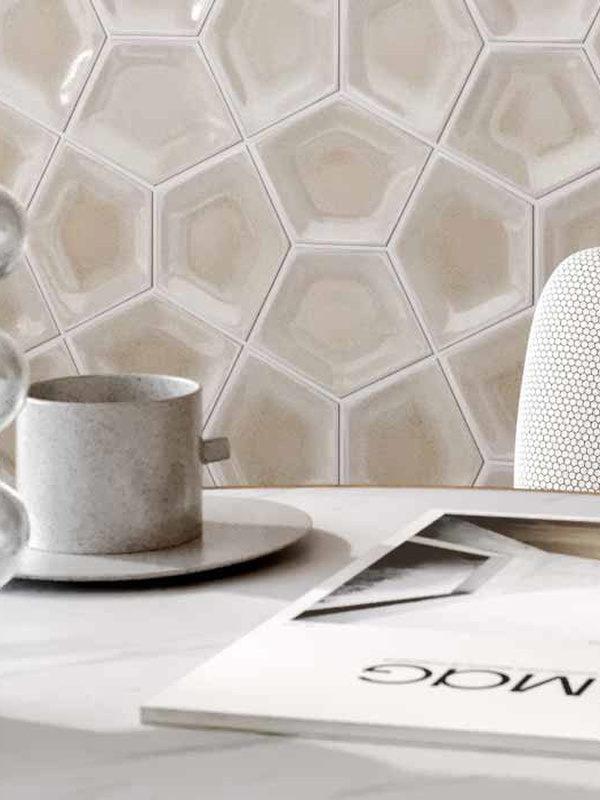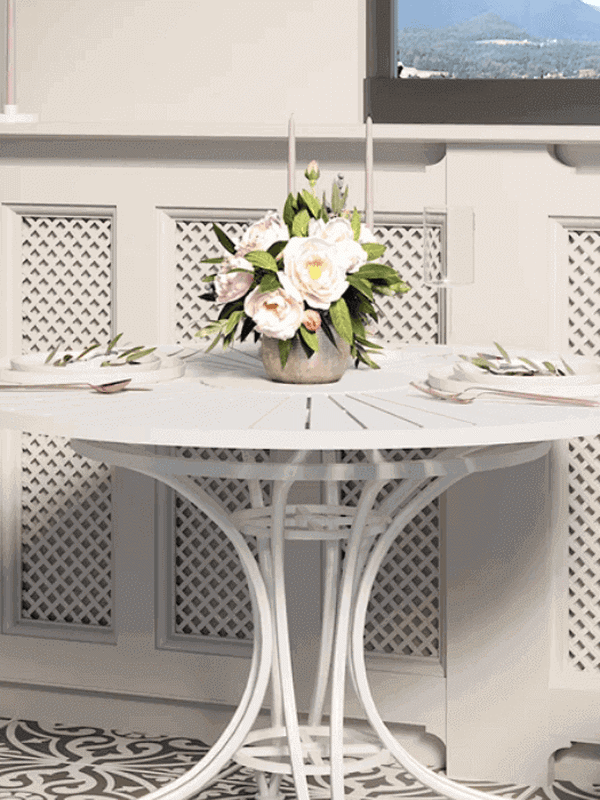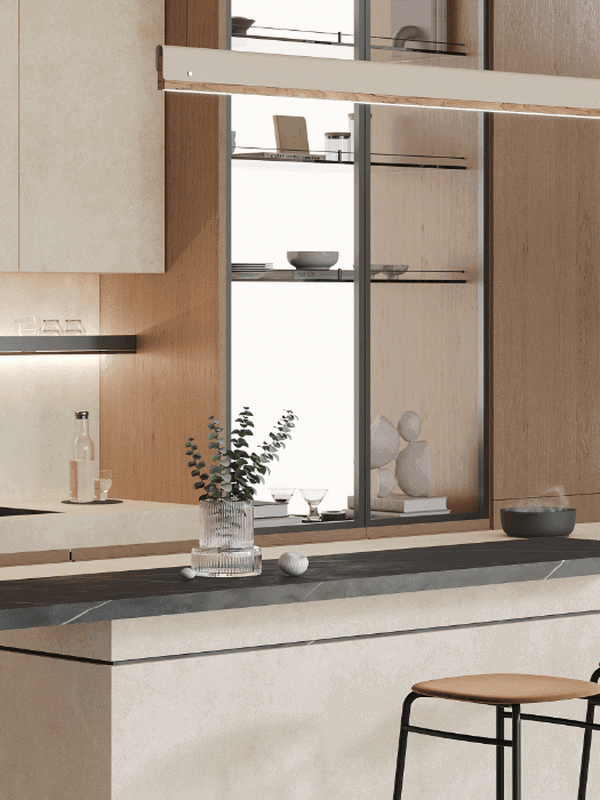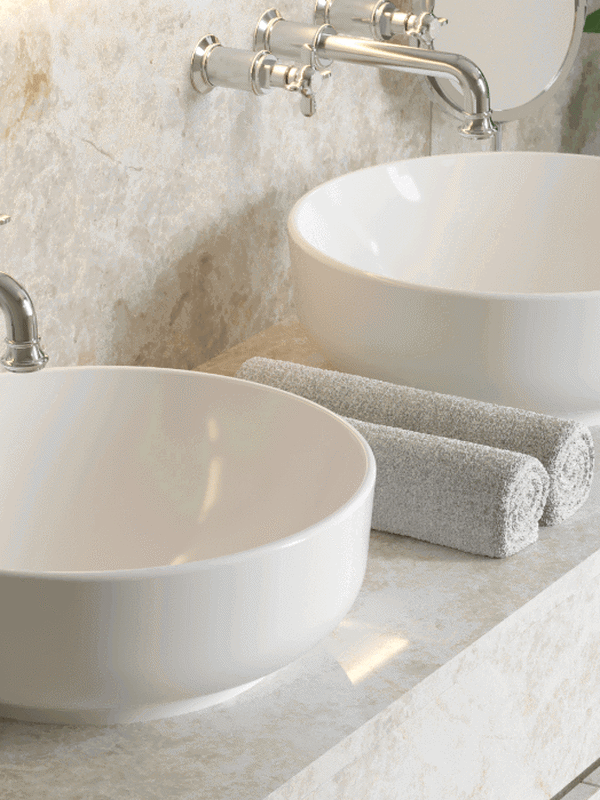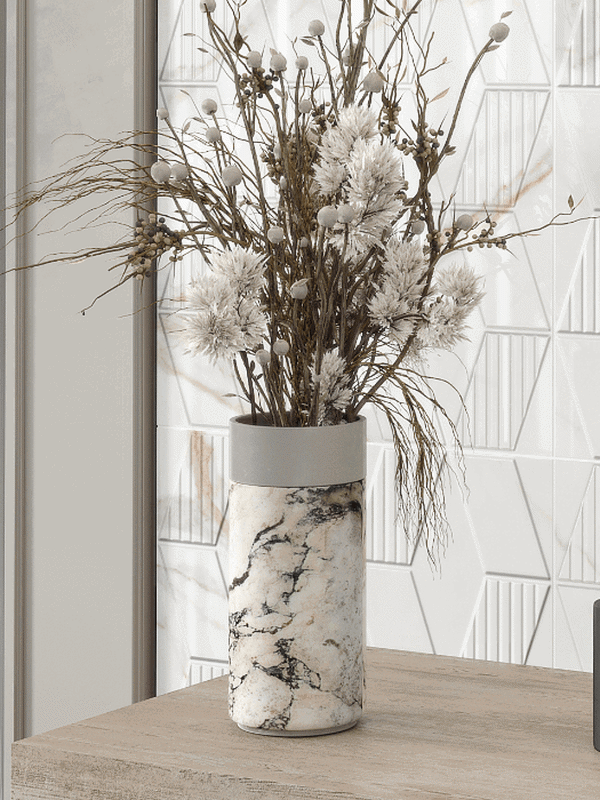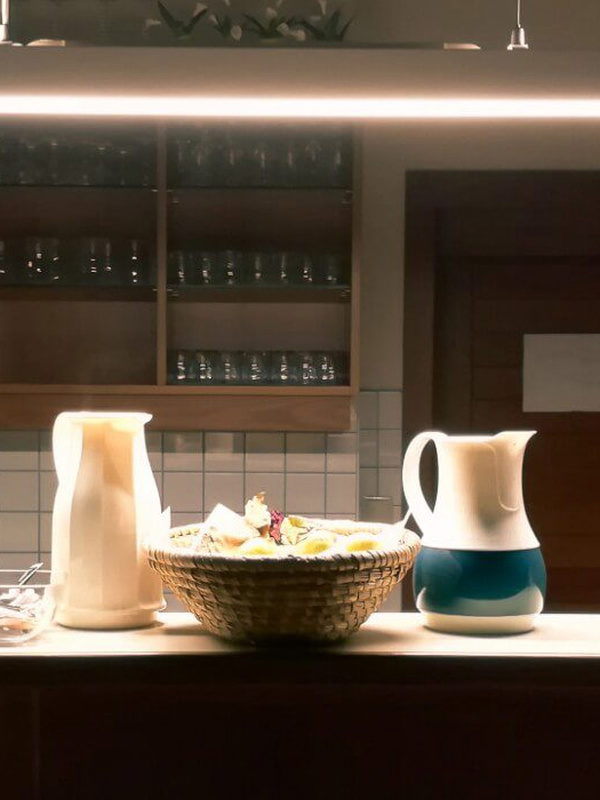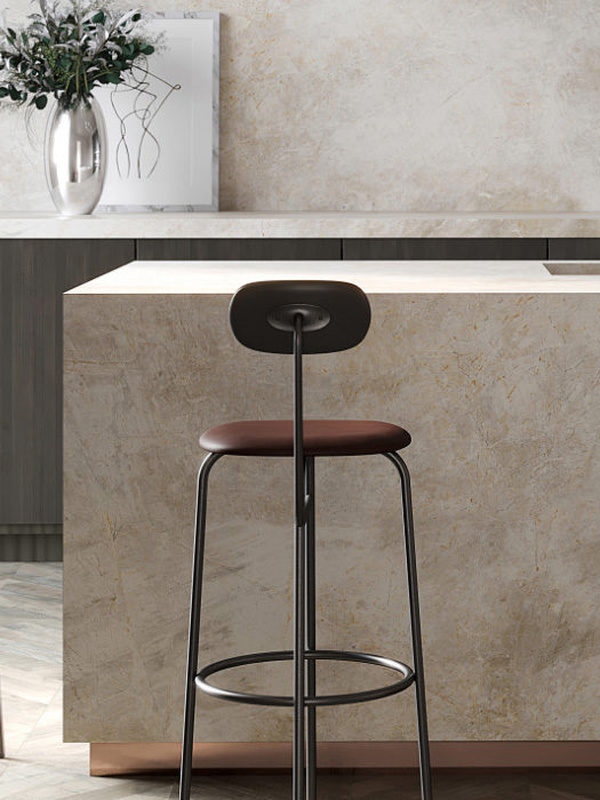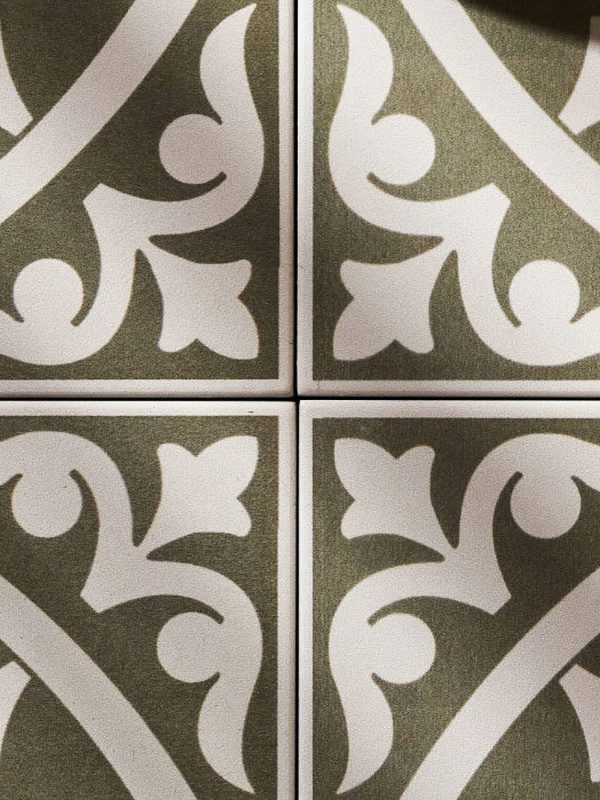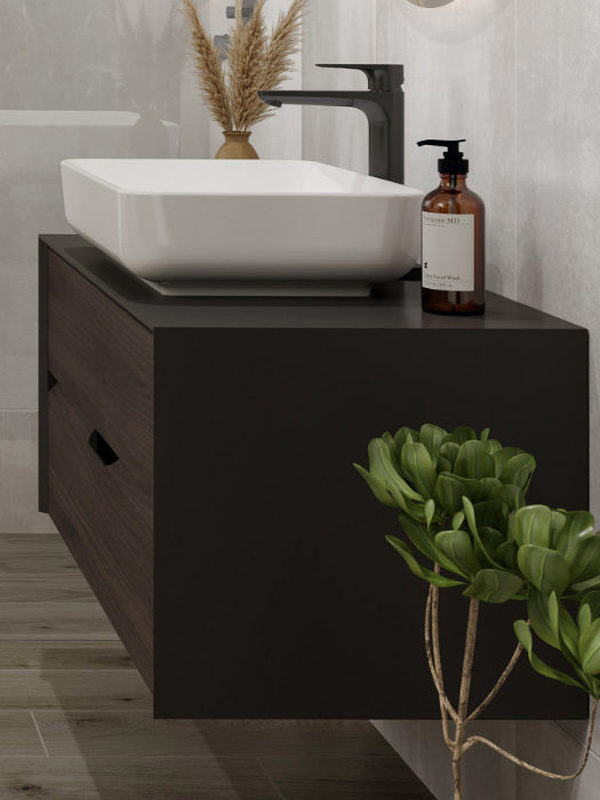
Eclectic style is an independent, 'a little of everything' category used to describe interiors that do not fully belong to a single school. The term derives from the Greek word eklektikos, meaning 'choosing the best'. In philosophy, it also refers to creating one's own thought by selecting only the best doctrines from a range of established schools. Eclecticism entered architecture in the late 19th century. It developed as architects who did not want to follow a single movement selected elements from various styles to create an entirely new look. Over time, it moved into interiors and eventually became a style of spatial design.
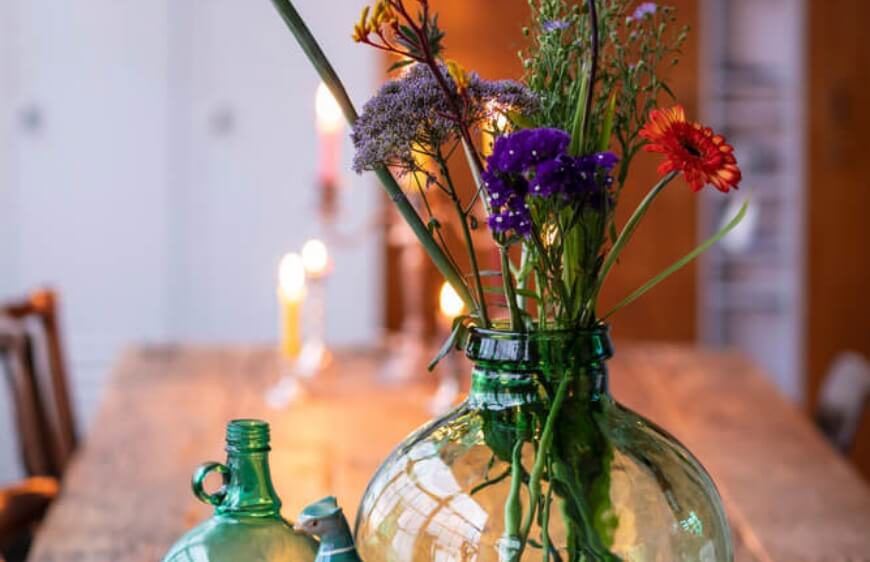
Eclecticism: The Style That Brings Styles Together
In Türkiye, eclecticism has come to be understood as a hybrid of ethnic, authentic and local decorating styles. In fact, it is a broader umbrella style that describes a balanced combination of all styles. This article explores eclecticism and its details.
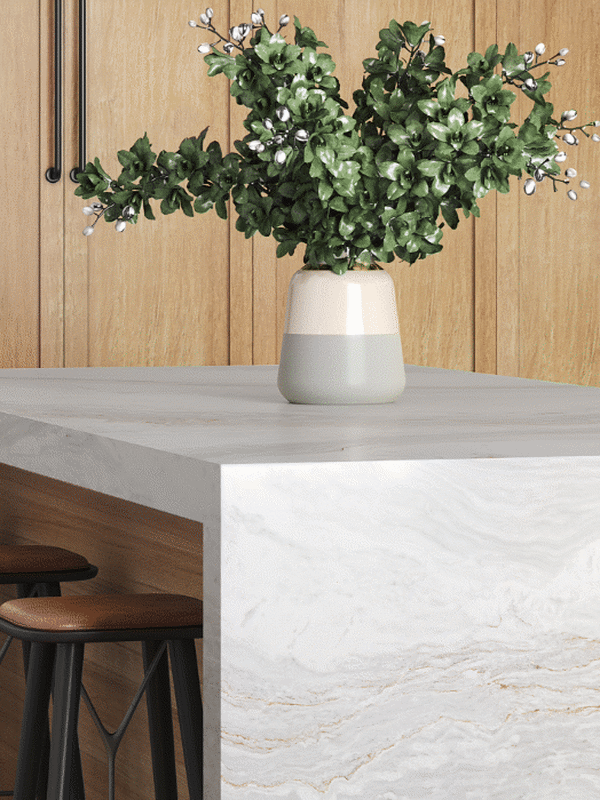
The most appealing aspect of eclecticism is that, unlike styles bound by a set of rules and principles, it imposes no rules or obligations. Known for its variety, eclectic style is highly flexible because it combines pieces from different periods and styles. This freedom can also be risky, because applying it judiciously and achieving balance requires real finesse.
Combinations in eclectic style
A truly hybrid style is not easy to define. Nevertheless, the order within this mixture is worth exploring:
Combining patterns
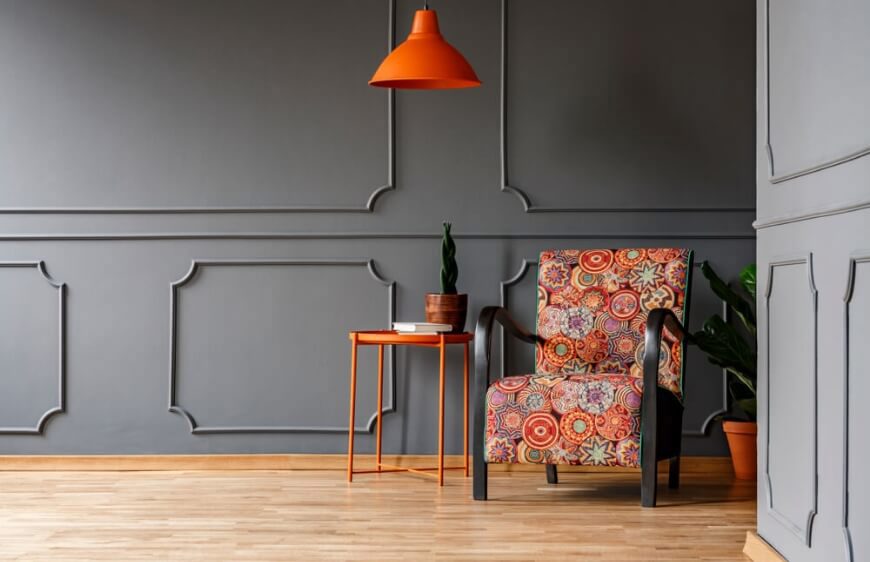
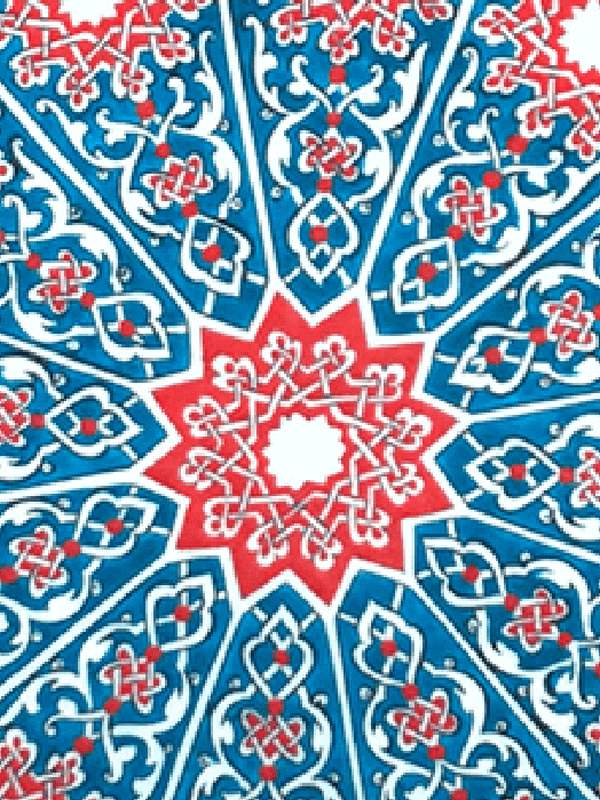
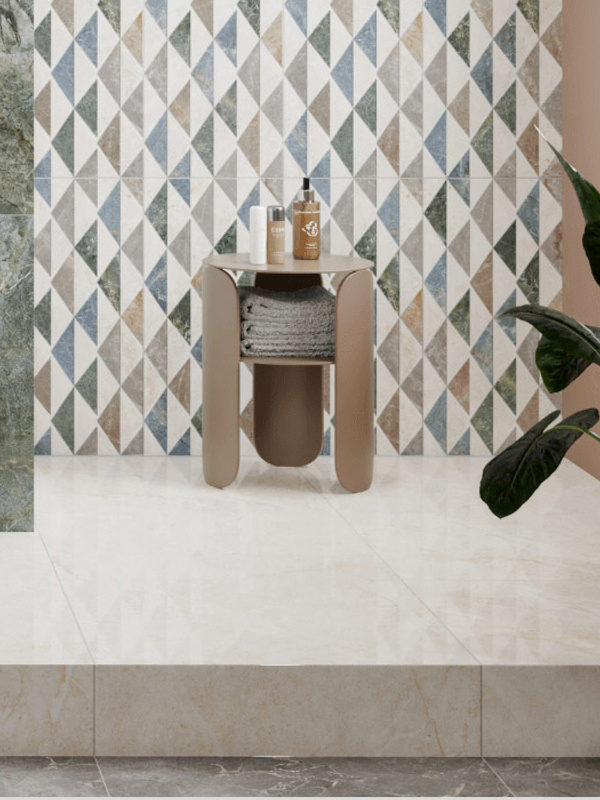
One of the most distinctive features of eclectic style is mixing patterns. But which patterns? Combining authentic patterns from different cultures suits it particularly well, yet the principle is to bring together the characteristic signature patterns of different styles.
Combining global inspiration
If you love travelling and discovering new places, eclectic style is for you. It allows us to find traces of the wider world and see antique pieces from exotic countries and ancient civilisations.
Combining traditional and modern
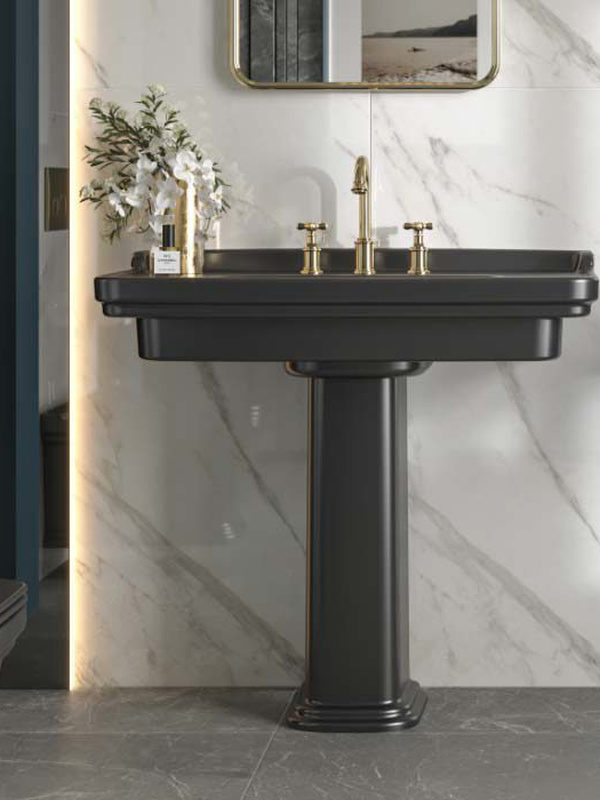
Mixing old and new pieces and bringing different eras together in one space is essential to eclectic style. For example, a Louis-style chaise longue can be paired with an art deco coffee table in an eclectic interior. Even if the pairing creates contrast, it adds impact and individuality to the space.
Tips for choosing eclectic décor
- Although eclectic style may seem busy and tiring, you can achieve cohesion through balanced arrangements while retaining simplicity. Remember that eclecticism does not mean maximalism. Eclectic style mixes textures, patterns, colours and forms, but always try out your arrangement and, if necessary, remove some of your chosen pieces.
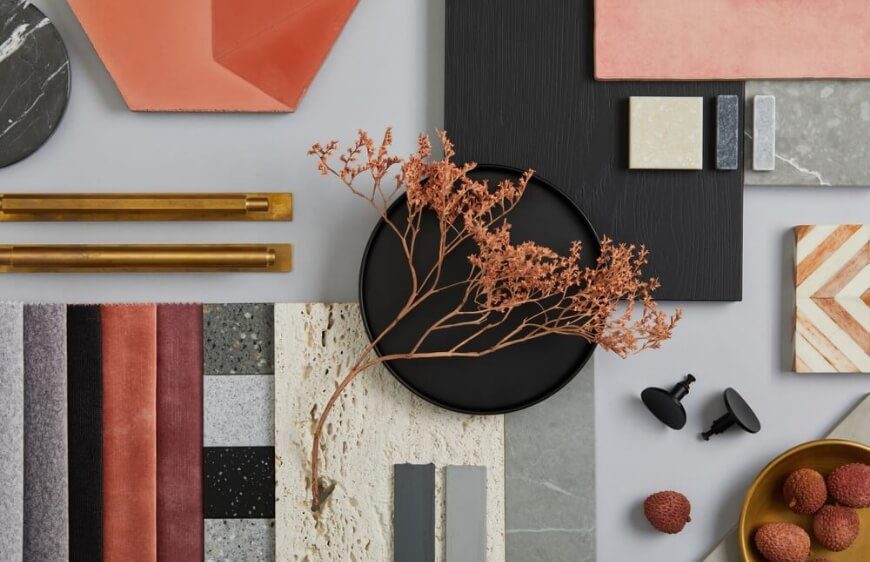
- Always have a colour palette. Sticking to it will help you create a sense of unity without losing control. For example, choose a neutral base colour for the walls, such as a foundation-like beige. You can then place striking, bold furniture against this colour and work on the balance.
- Personalise your home as much as possible. Remember that eclectic style is all about personality. Eclecticism is a wonderful opportunity to display the things you love with a curator's care and show what matters to you.
Eclecticism's favourite combinations
Modern rustic
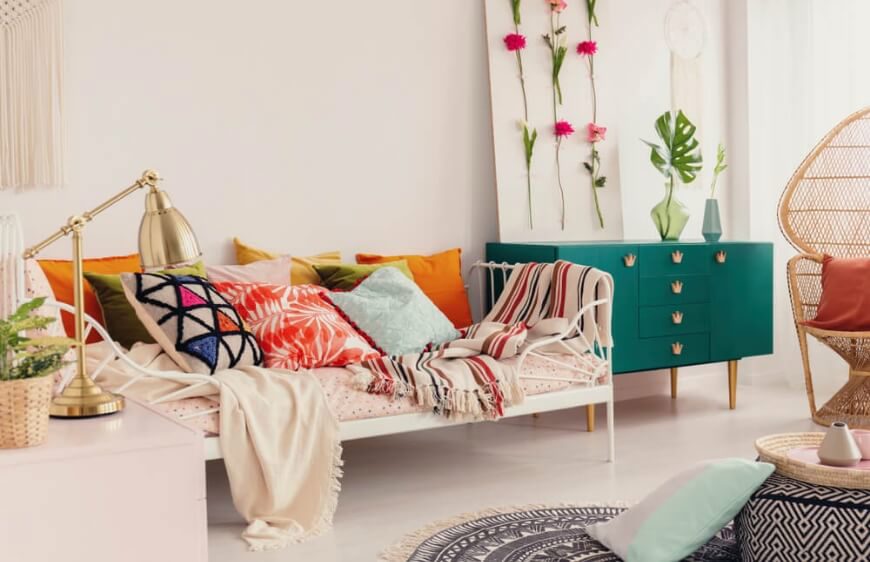
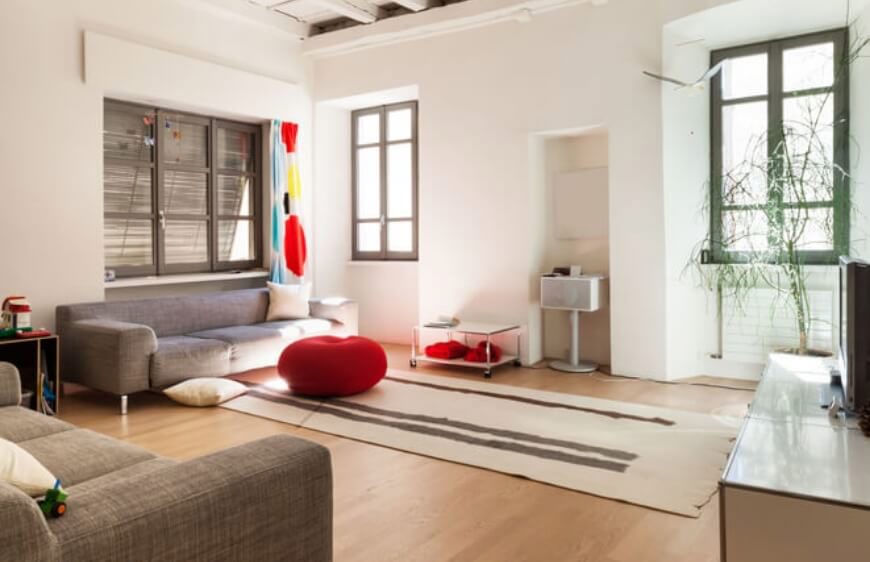
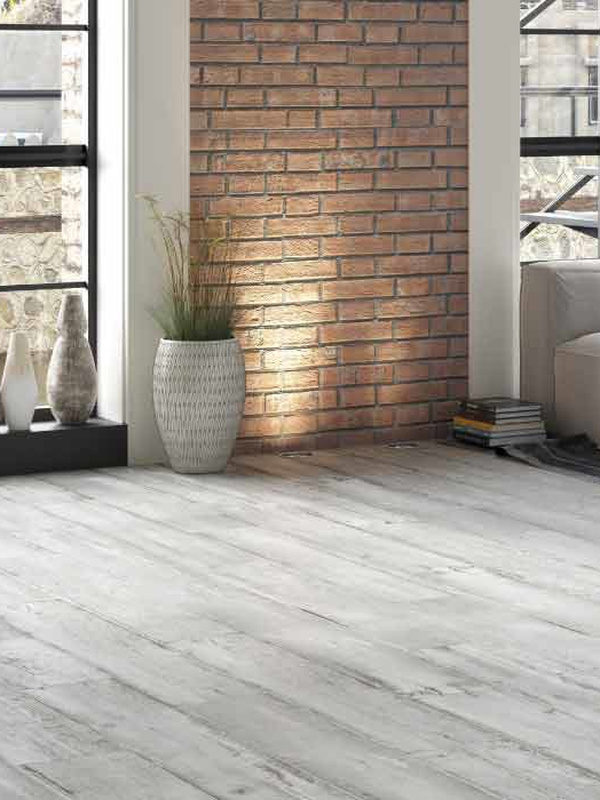
Modern rustic is a blended style that incorporates mid-century modern, rustic and boho design elements. The contemporary look of mid-century modern furniture is combined with rustic materials and natural textures. As many different colours and patterns meet in the space, the focus is on layered textiles. Eclectic style also relies on these layers: cushions side by side, paintings touching one another and rugs laid over one another. All these layers give the home a living spirit, while adding depth and contrast.
Boho minimal
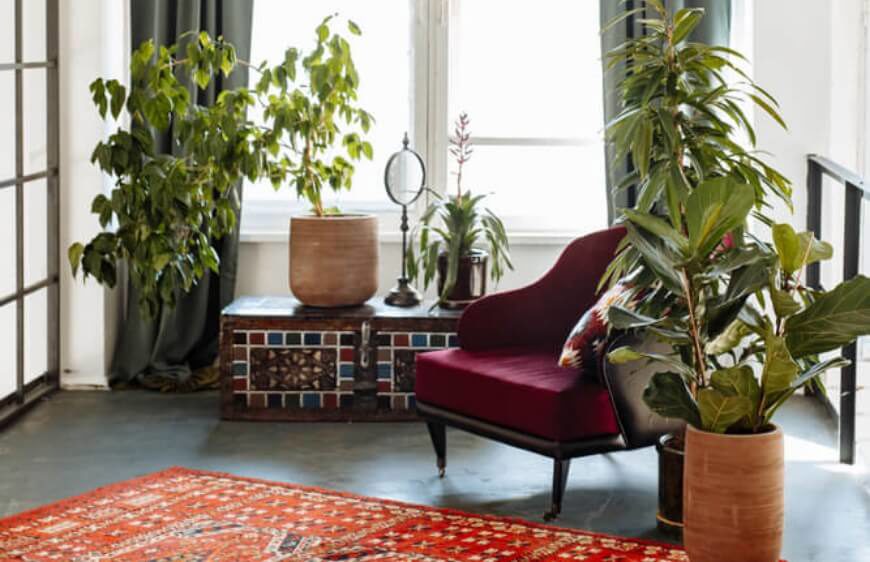
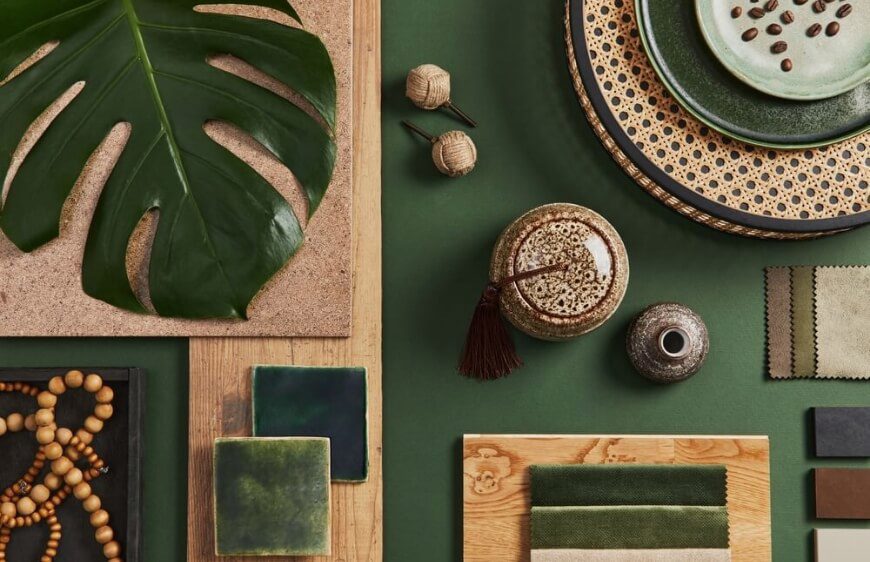
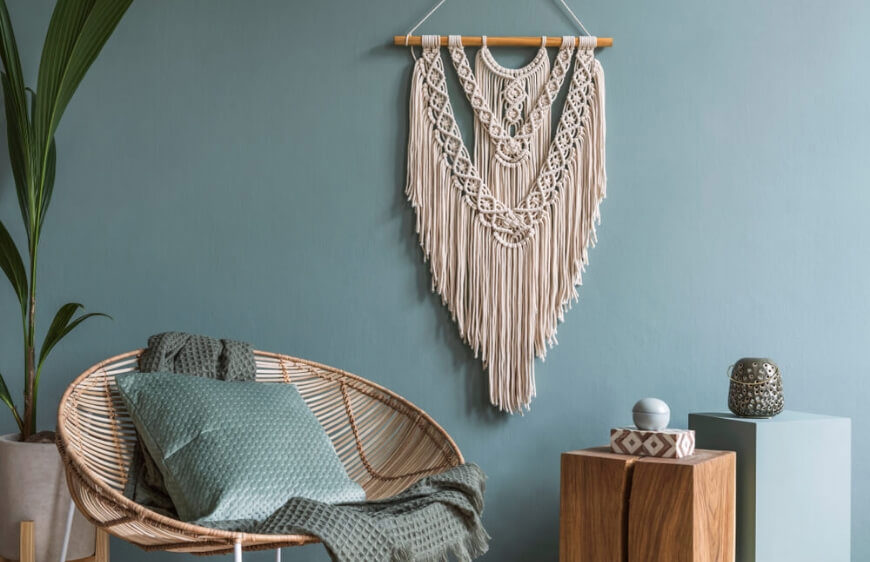
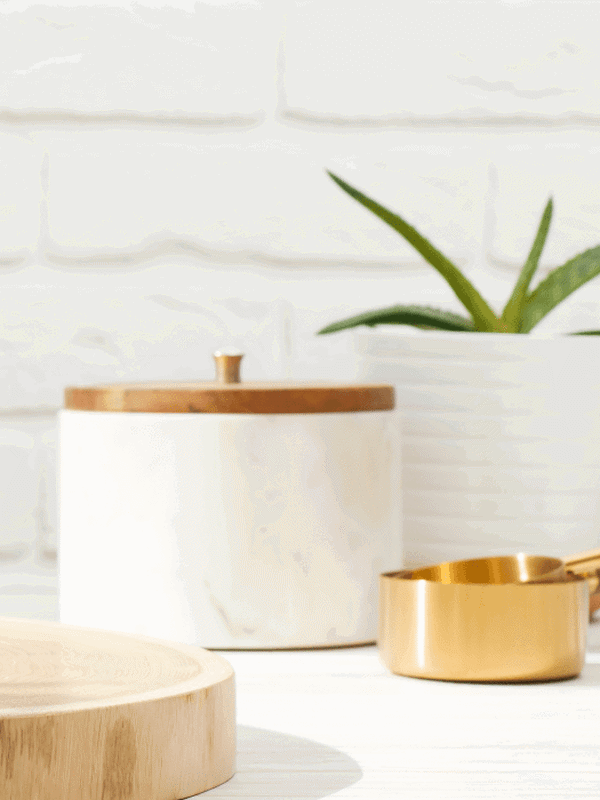
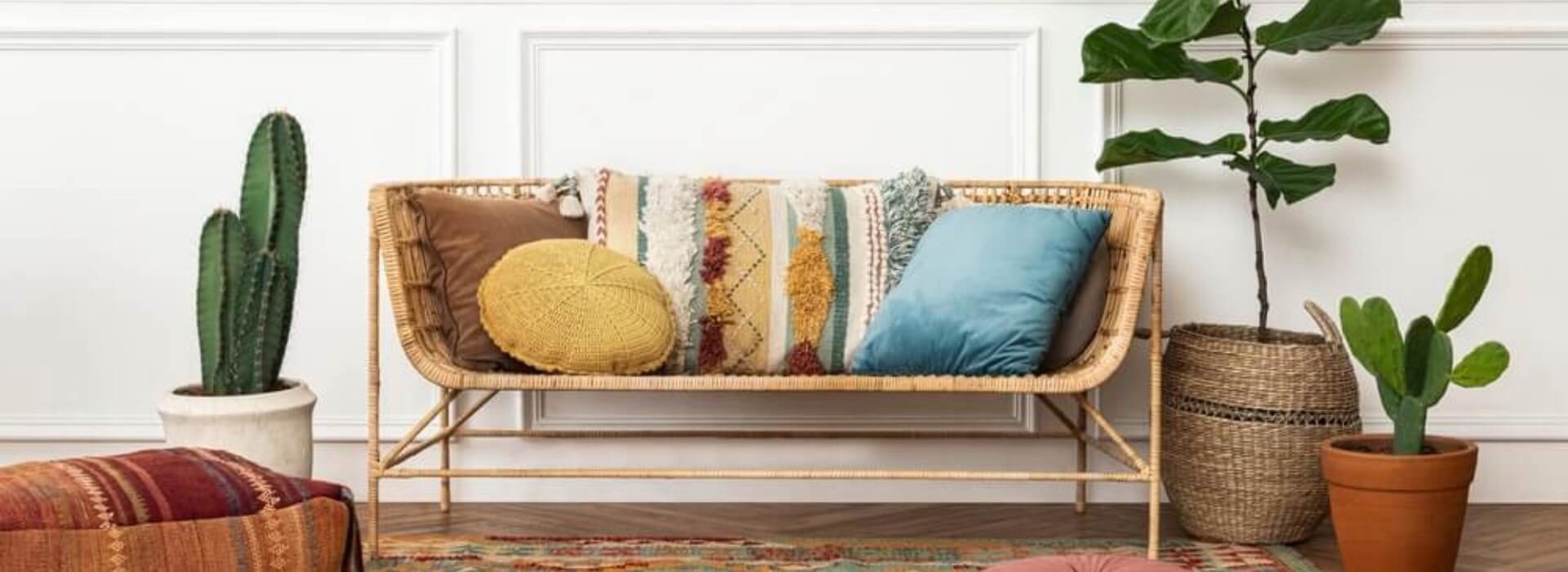
Boho minimalism, as its name suggests, sits on the minimalist side of eclectic style. It stands out through an elemental colour palette, a broad range of earthy base tones and antique glints. This style also combines many natural materials and textures. Ethnic and nomadic patterns are paired with geometric designs.Comfort and local character are at the heart of the atmosphere. Minimalist and modernist furniture takes organic forms, yet plenty of cushions and rugs fill this simple scheme. Large plants, indoor trees and trailing greenery bring nature's jewels indoors.
Glam eclecticism
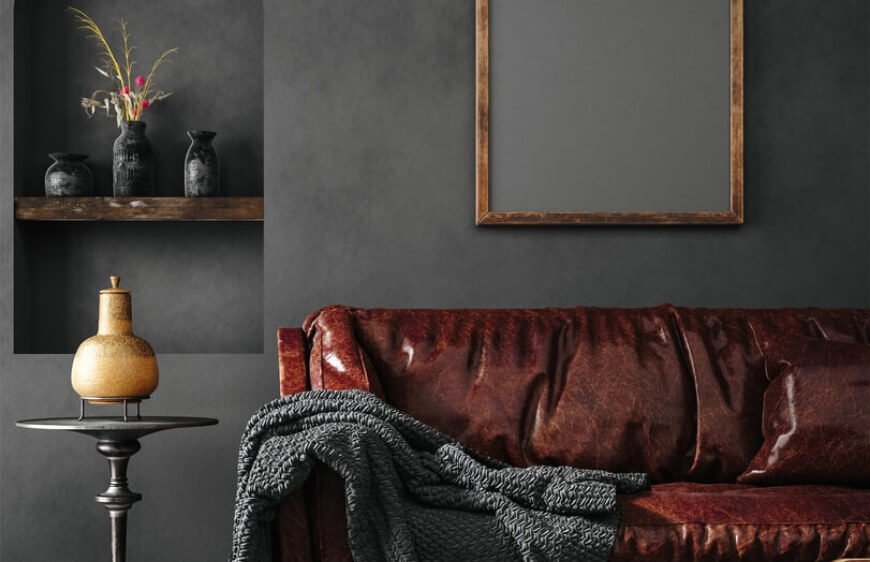
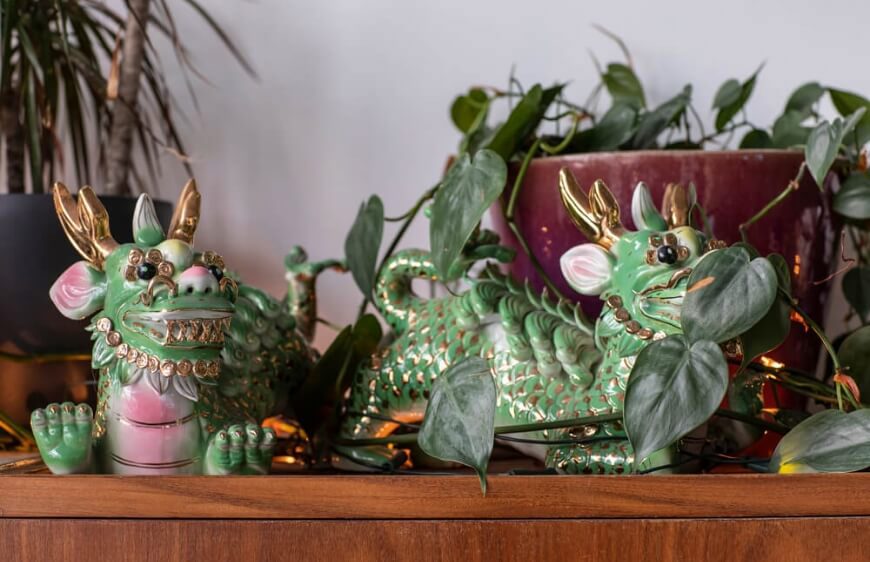
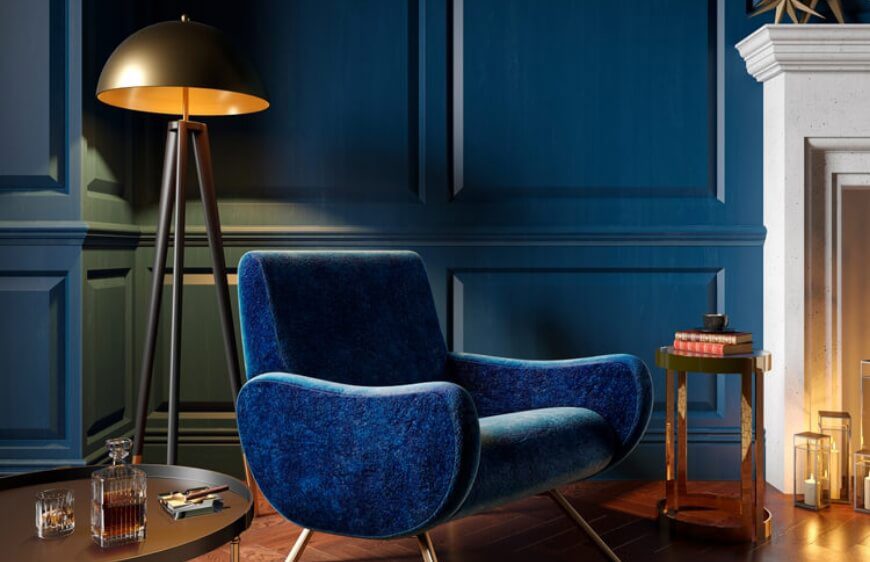
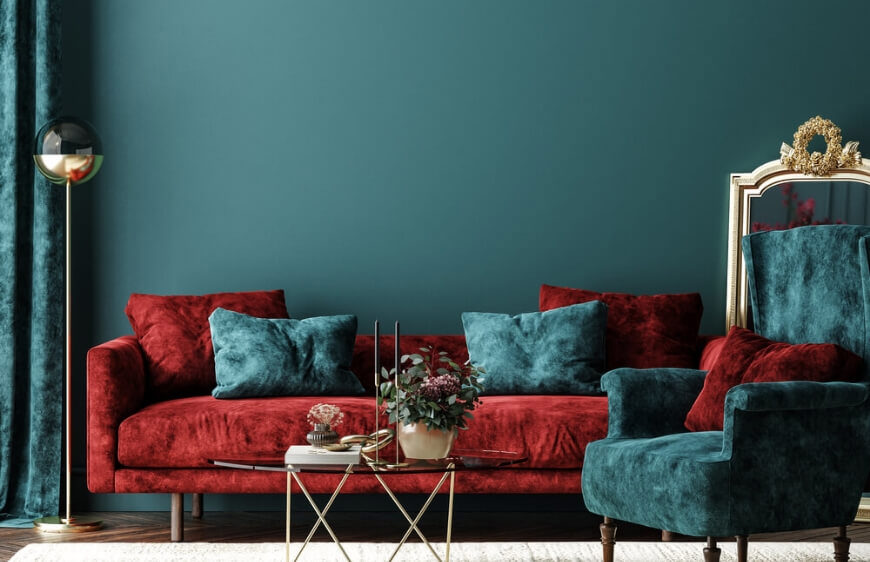
Now imagine four different styles together: classic, contemporary, minimalist and glam. The picture that emerges when they meet is like a concert featuring star rock 'n' roll bands side by side. In this dazzling, daring arena of style, traditional roots are respected while a full festival of textures and patterns unfolds: leather, velvet, marble, jute and more. The high contrast and adrenaline created by this mix of textures and materials form the DNA of glam eclecticism.