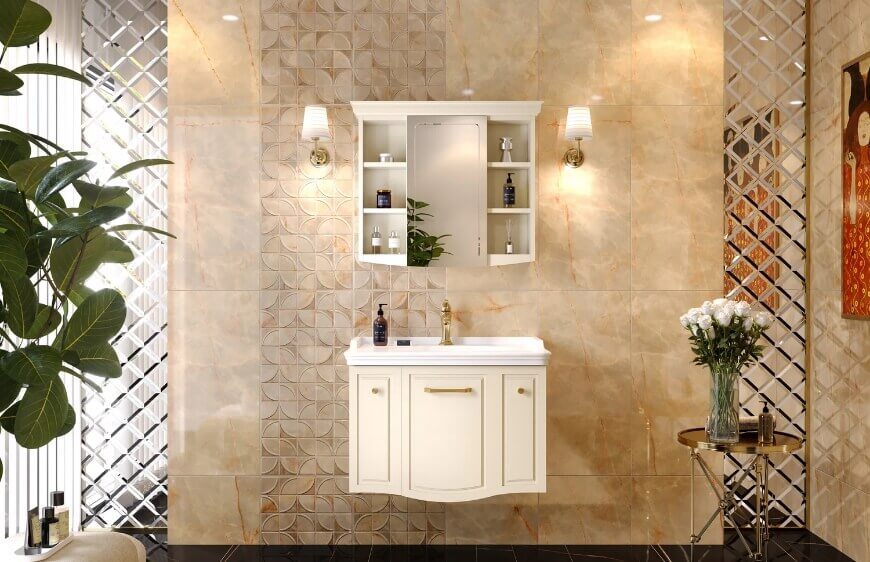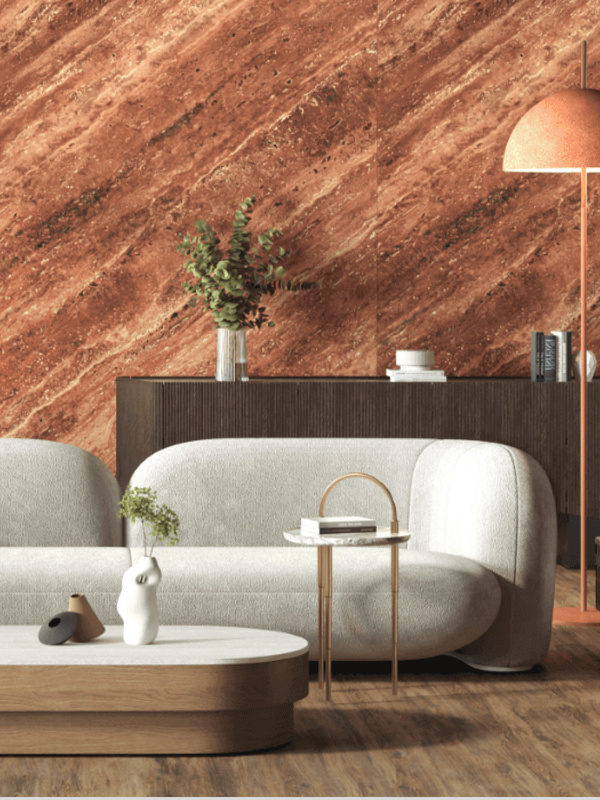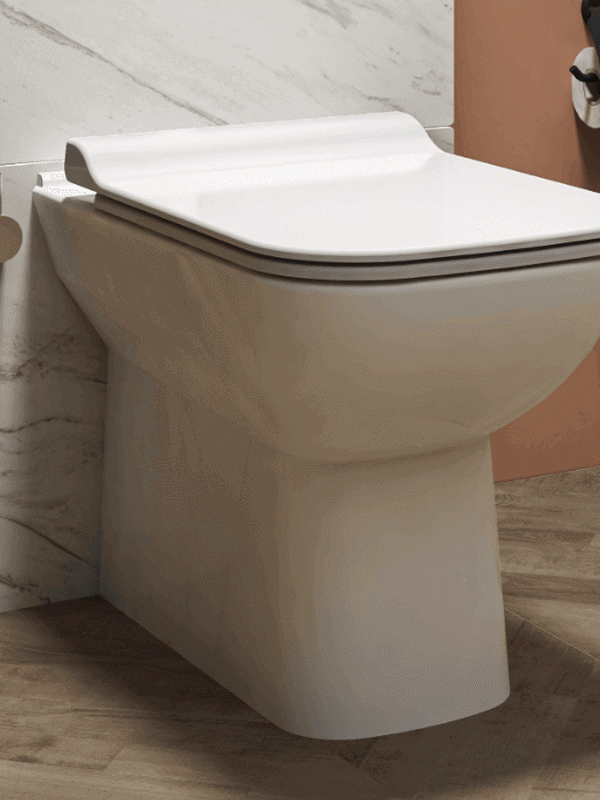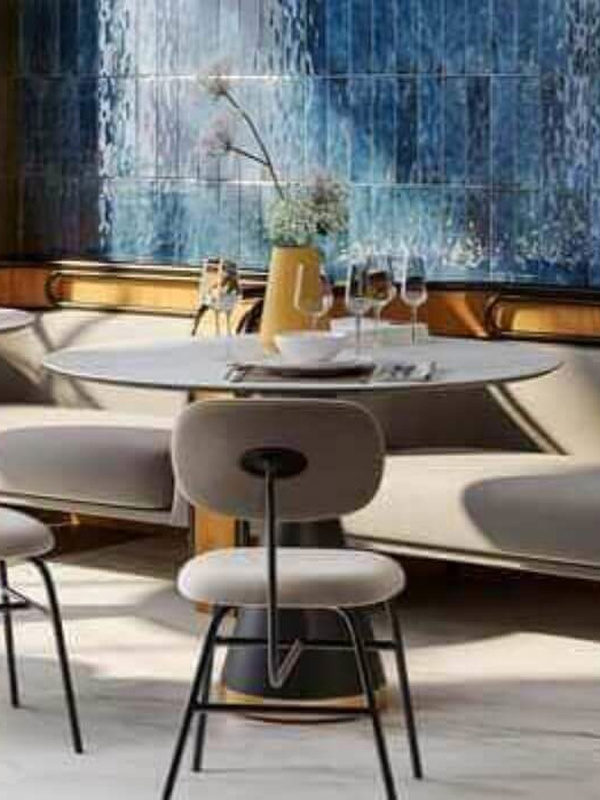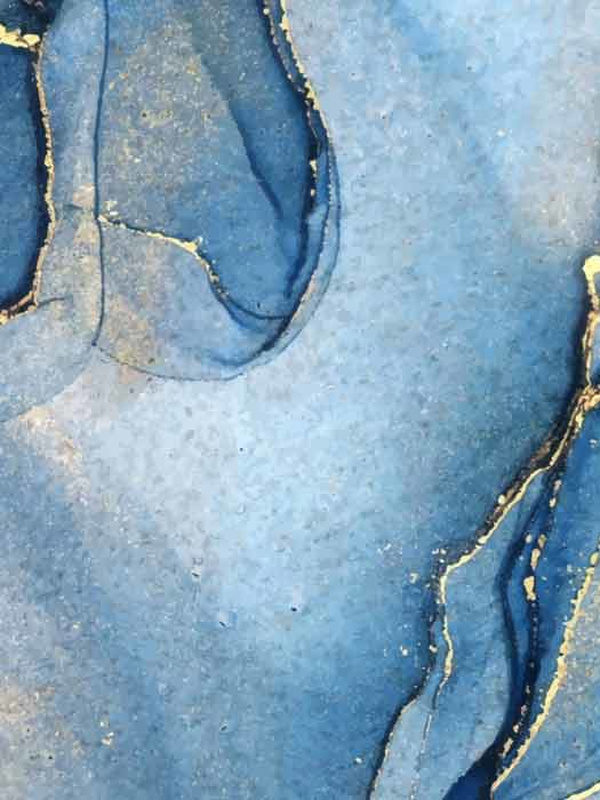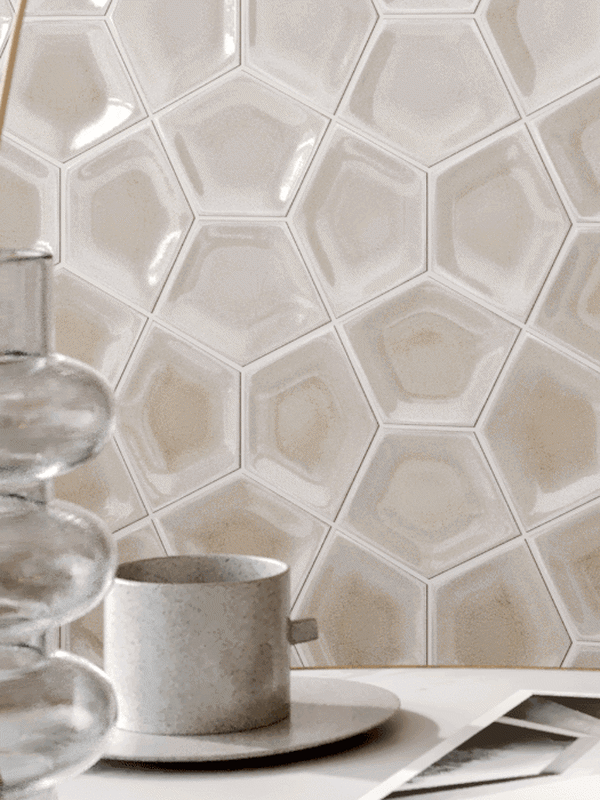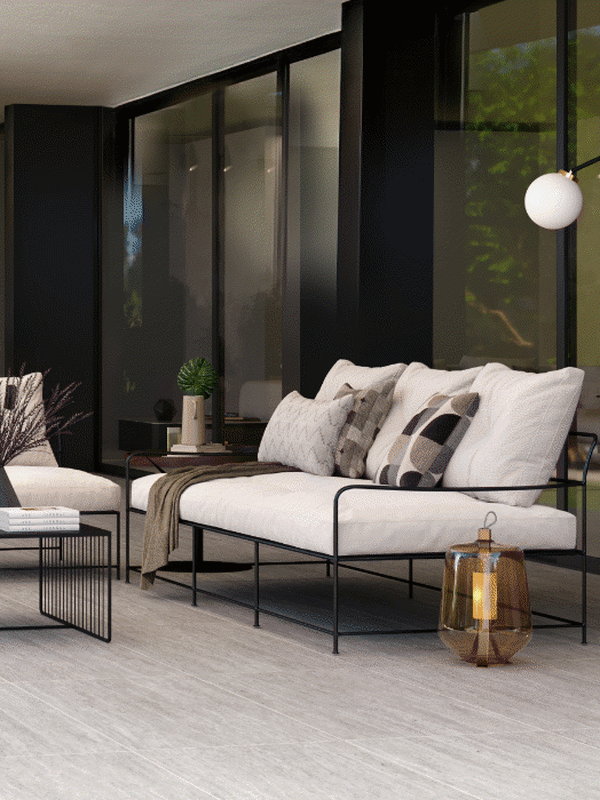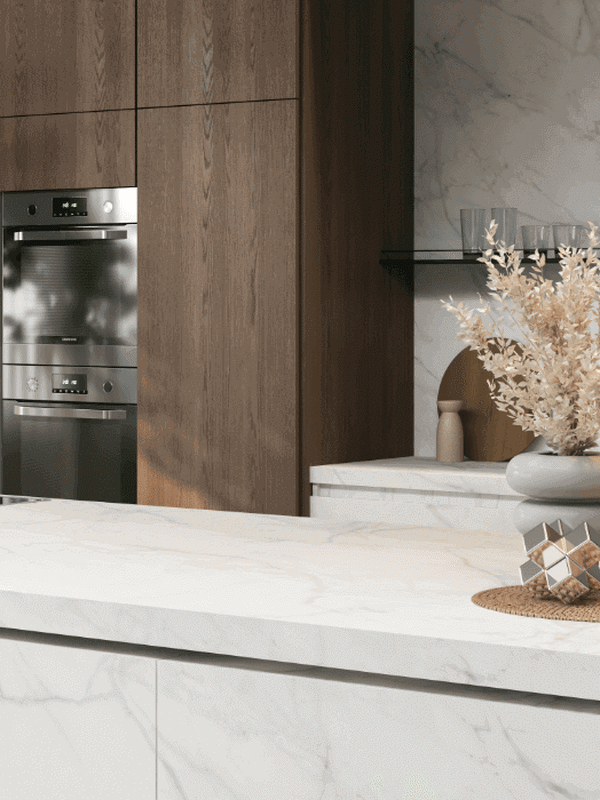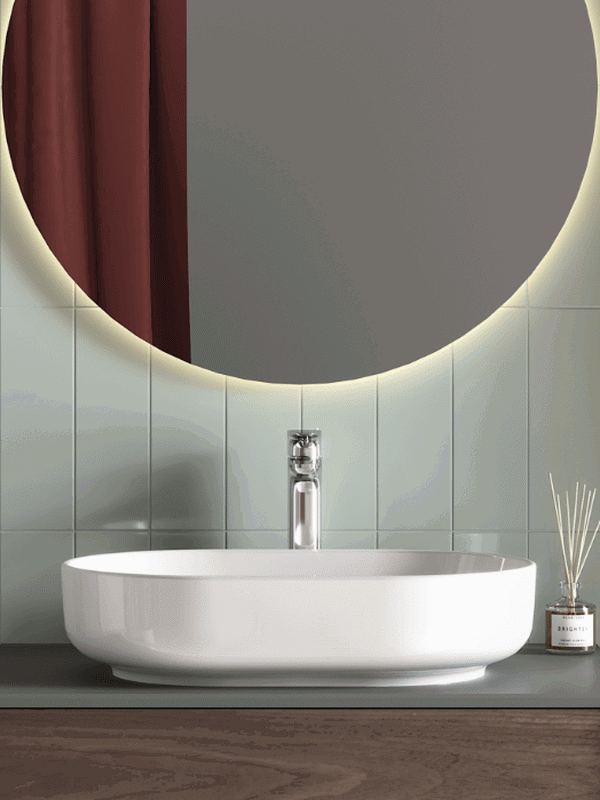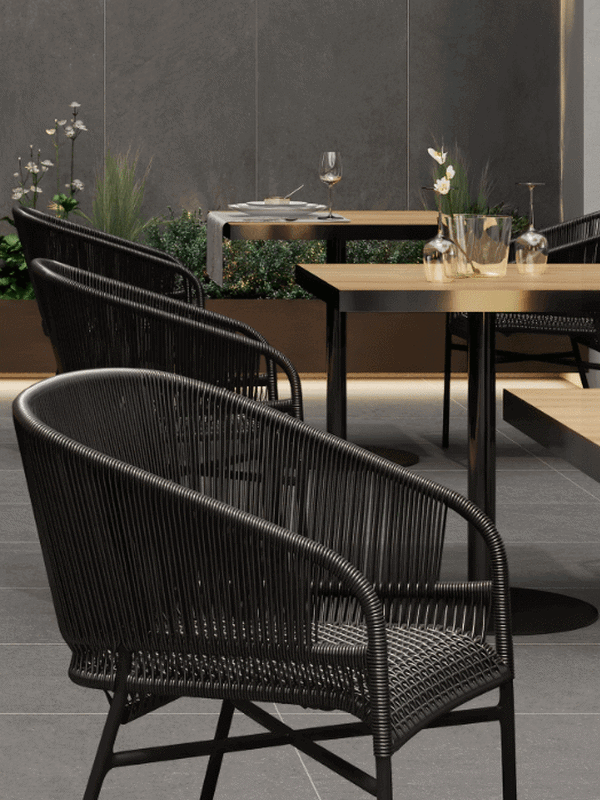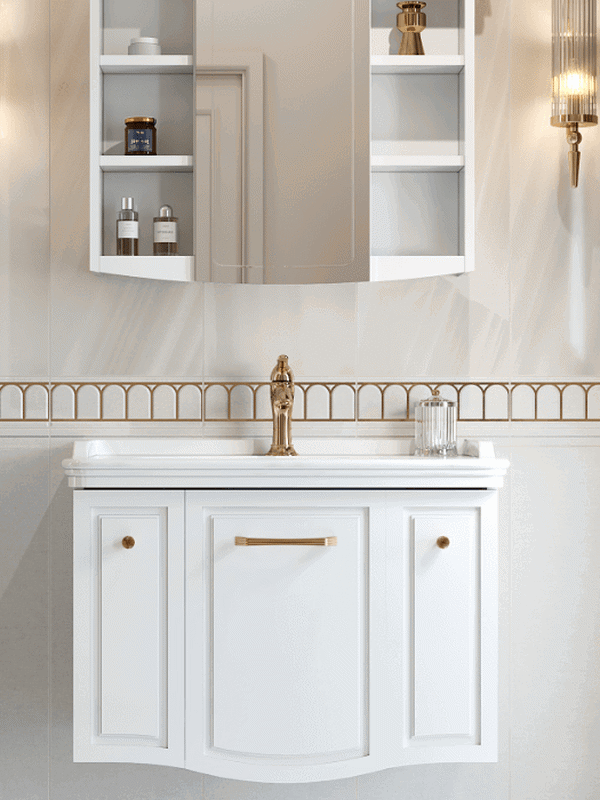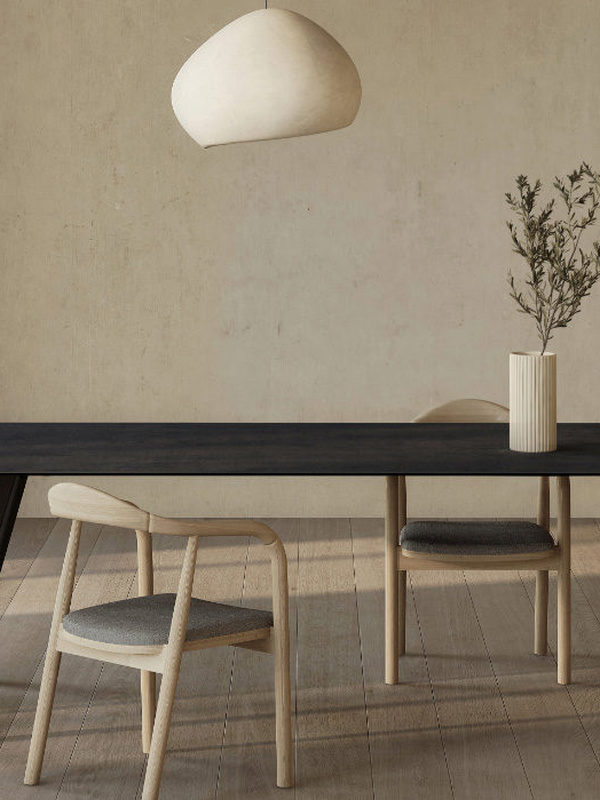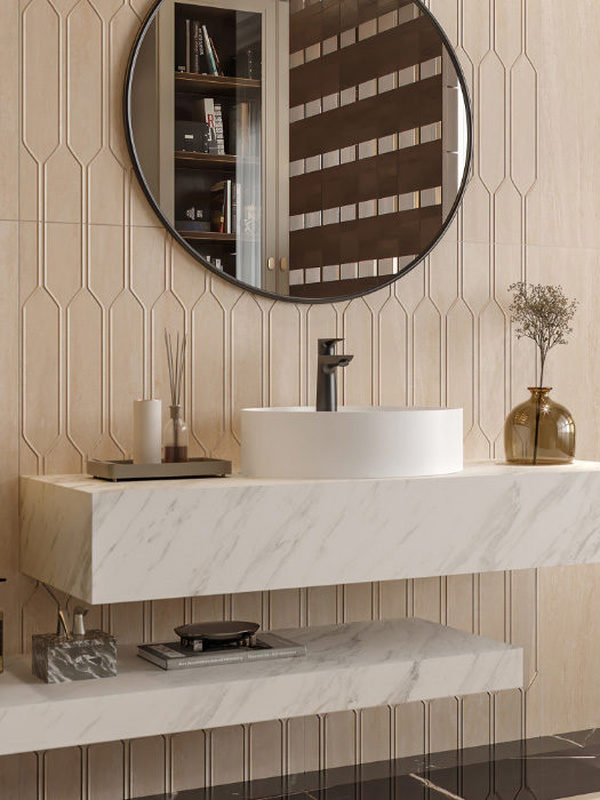
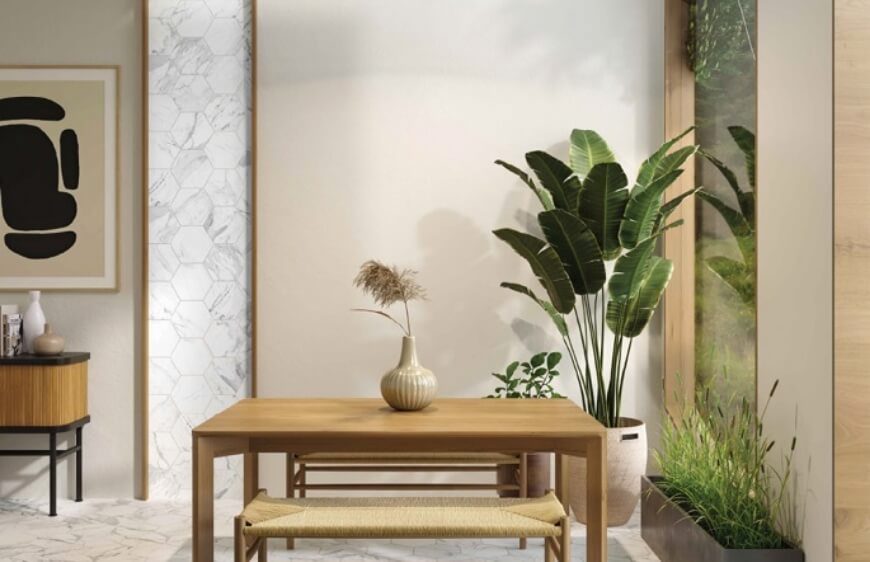
Using more than one floor finish seamlessly within a space has always been a challenging design task. From square decorative tiles to herringbone wood effects, or marble patterns to colourful terracotta hexagons, moving between forms, textures and appearances often involves contrasting materials and a healthy dose of creativity. A few thoughtful ideas can make it much easier. Here are some useful tips for blending ceramic tiles and creating harmonious transitions underfoot.
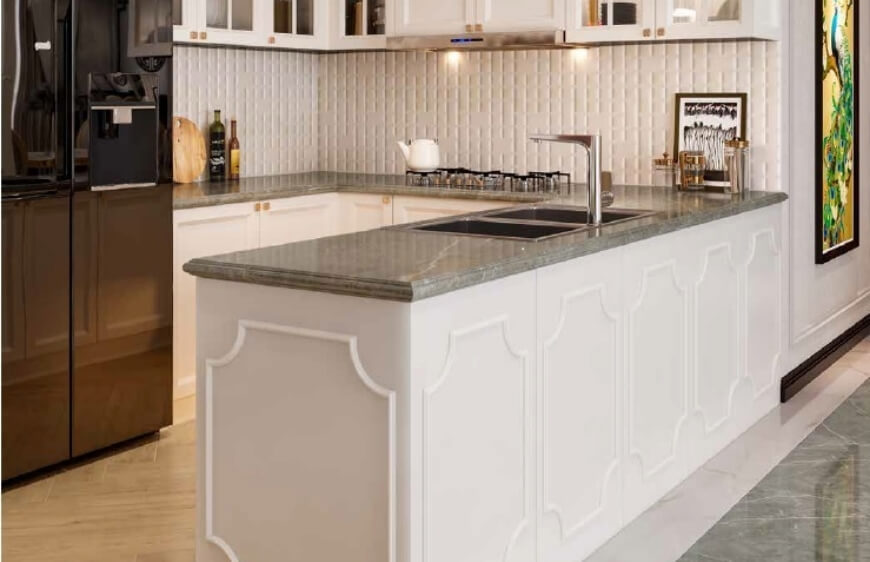
Dynamic Transitions
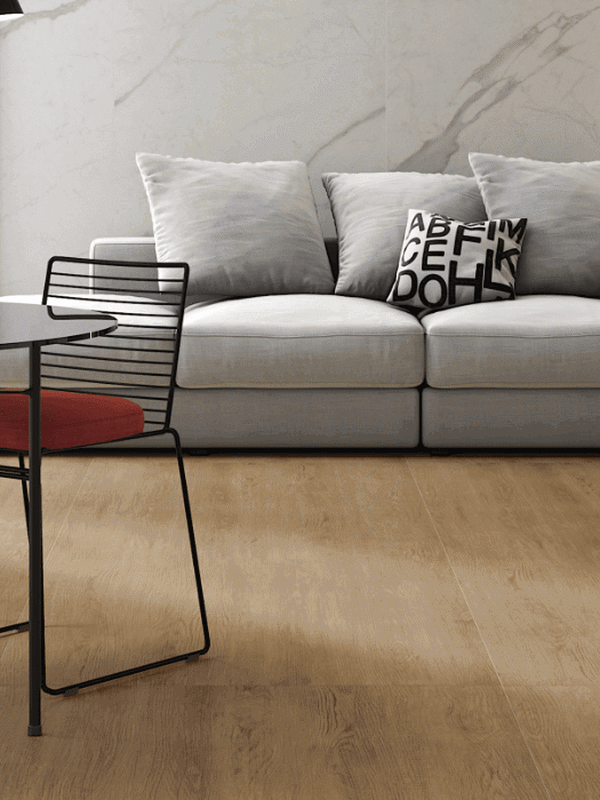
From wood to stone, rectangles to hexagons, combining floor tiles in different colours and designs can create a striking result. But how do you balance the transition from one style to another?
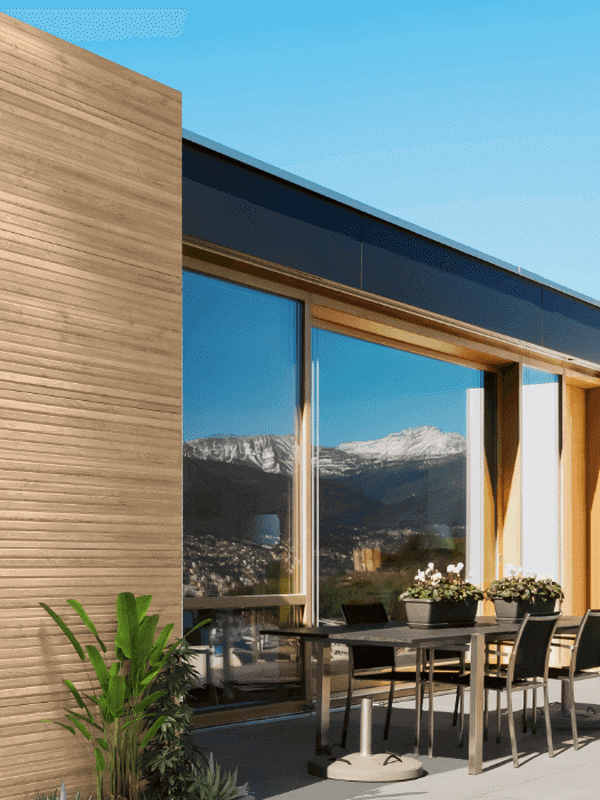
Colour Harmony
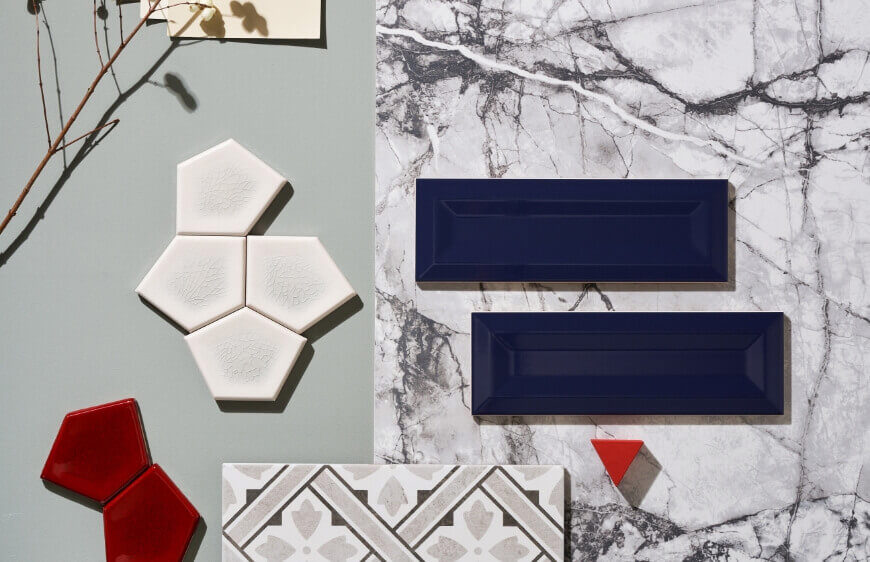
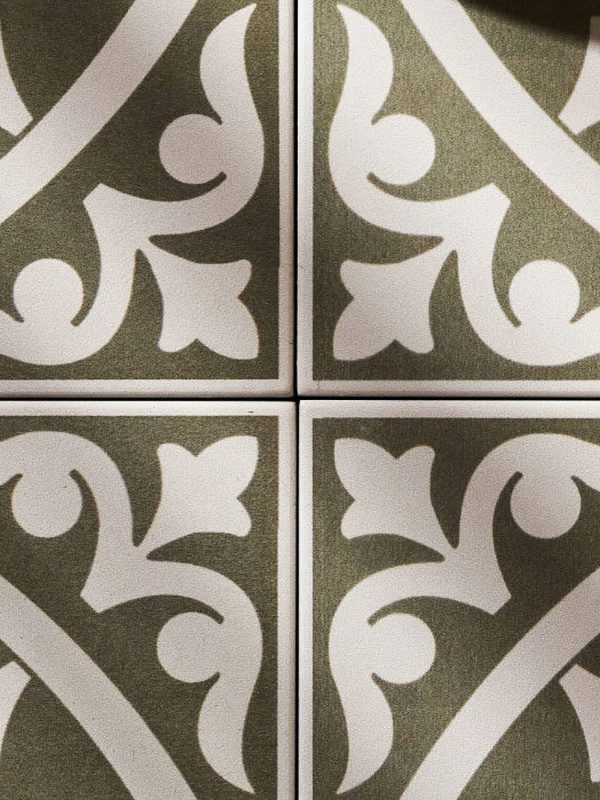
Create a colour scheme that ties everything together. When choosing tiles, look for colours that complement one another or belong to the same family. This helps connect different patterns or types of tile, however varied they may be, and creates a cohesive, seamless appearance.
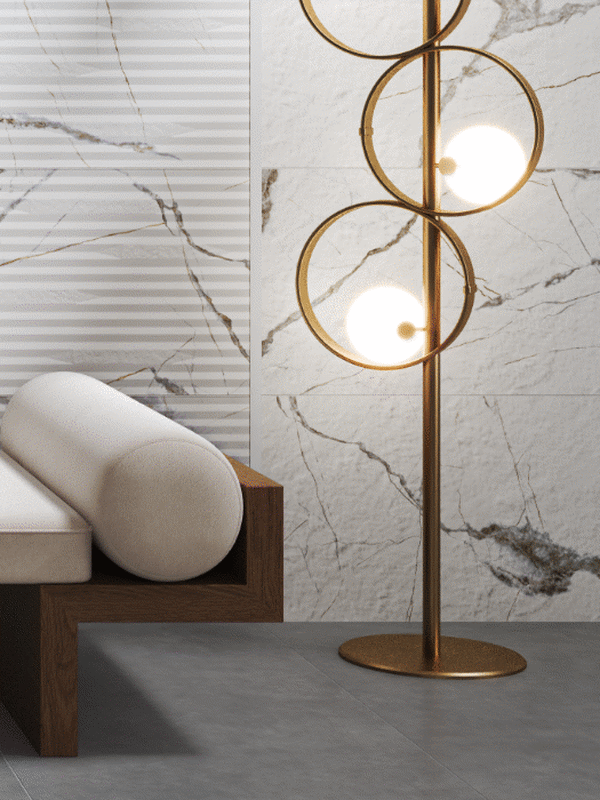
A Transition Piece
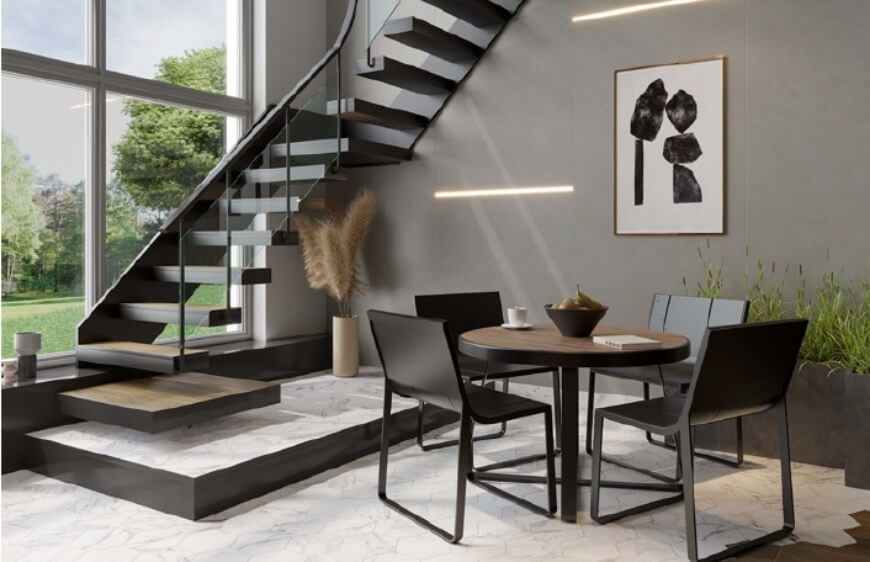
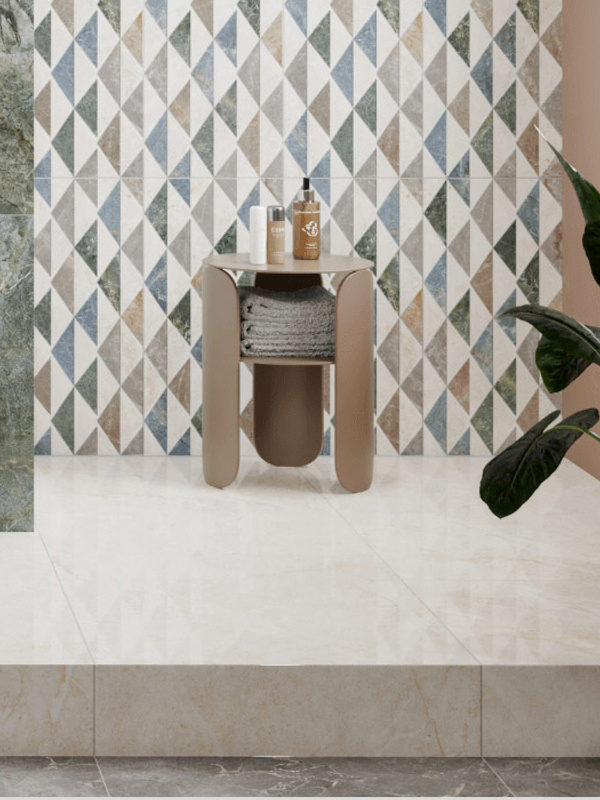
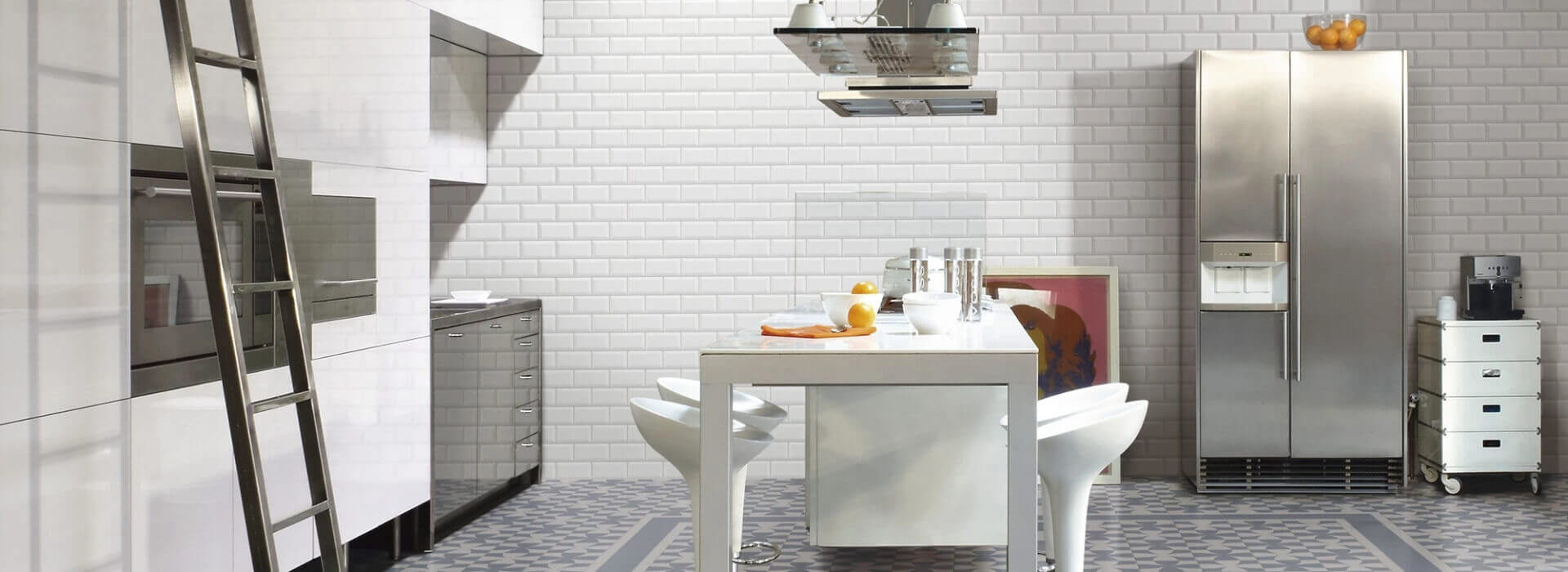
A transition piece can help bring two different tile types or patterns together. Think of it as a conjunction or punctuation mark connecting two sentences. For example, a narrow strip of plain-coloured tiles between two patterned areas can act as an “and”, creating a gentle transition.A variation on this approach is to frame the areas of different tiles with your chosen transition tile, rather than creating a single dividing line. This border could be a plain strip or a pattern that coordinates with the surrounding tiles. It helps define different areas of the floor and softens the transition between them, such as the space beneath a dining table or around a bath.
A Bespoke Pattern
If you are using tiles with different natural effects or decorative patterns, consider combining them into one overall design. Creating a geometric relationship between two or three marble-effect tiles can produce a beautiful transition and a captivating design unique to the room. Although this approach can require more time for selection and planning, the pleasure and satisfaction of solving a design puzzle that will stand the test of time make it worthwhile.
Test Before You Commit
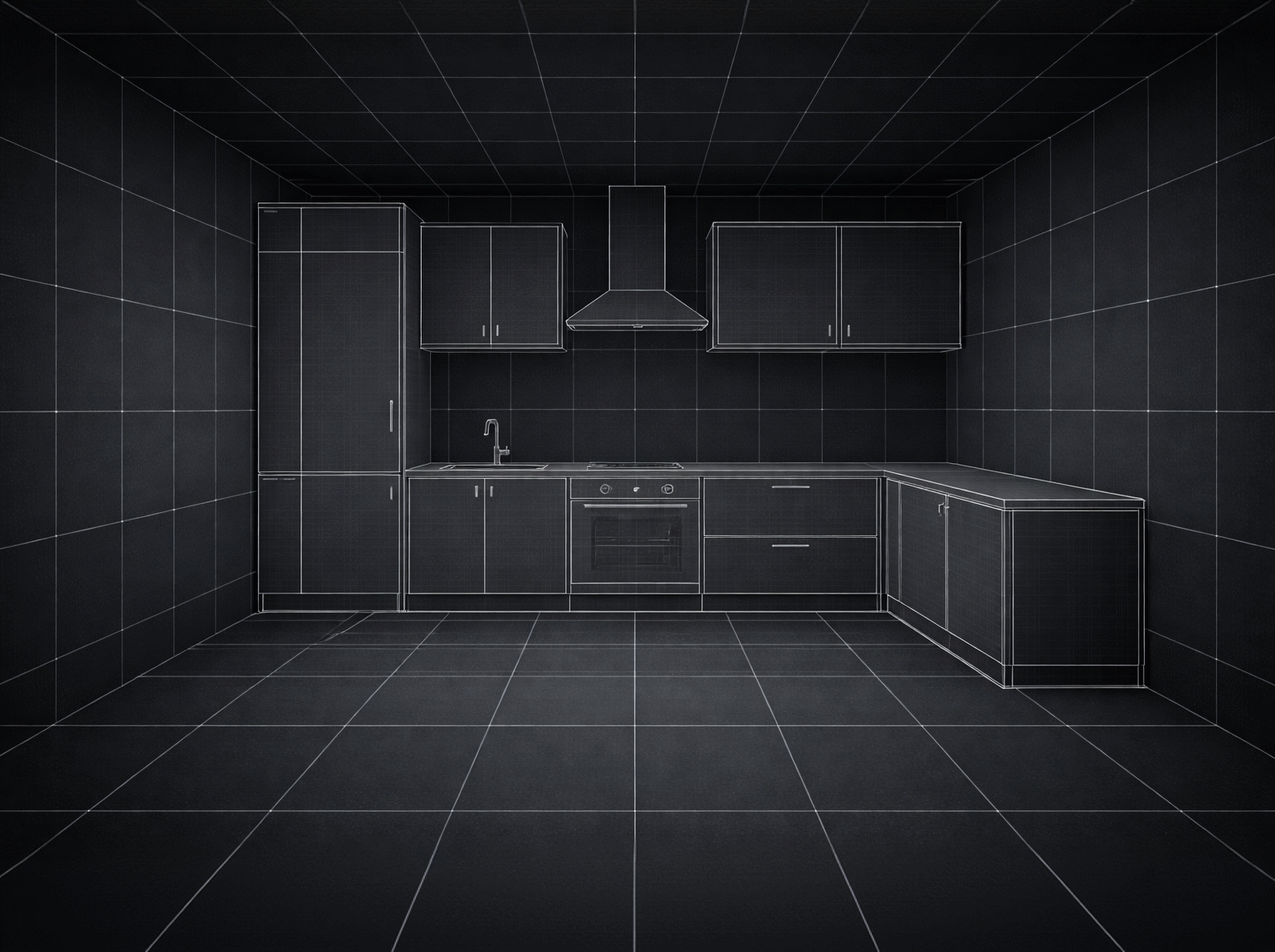
Bringing two textures as different as wood and granite together on one floor can be challenging, but it is possible. Allow more flexibility in your budget and schedule than you would for a standard floor installation. Although you can preview your choices by creating a virtual project in the KaleCore application, lay the tiles out on the floor before installation to see how they work together. Make a sketch, and be prepared to try several combinations. This allows you to refine the colours, patterns and layout before the tiles are fixed in place.
Professional Support
If you are unsure about combining different tile types or patterns, seek professional advice, including guidance from suppliers. Their expertise and experience can help you achieve smooth, seamless transitions between different tiles.
Creating a distinctive space where differences coexist harmoniously takes patience, but it is an enjoyable process that can result in a home you continue to appreciate for years to come.