The difference between kitchenettes, also known as mini kitchens, and full kitchens is not simply a matter of size or the number of drawers. There are many other differences. Let us take a closer look at these two types and help you make the right choice for your needs.
Do You Need a Kitchen or a Kitchenette?
Suppose you have a small home and naturally need to think about a small kitchen. Do you need a kitchen with plenty of cupboards, or a capable kitchenette? Let us find out.
The difference in appliances
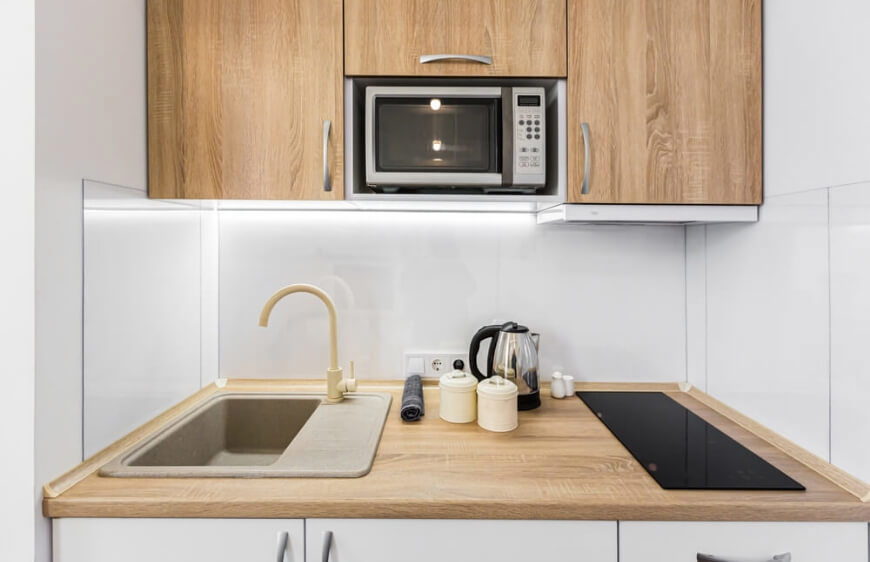
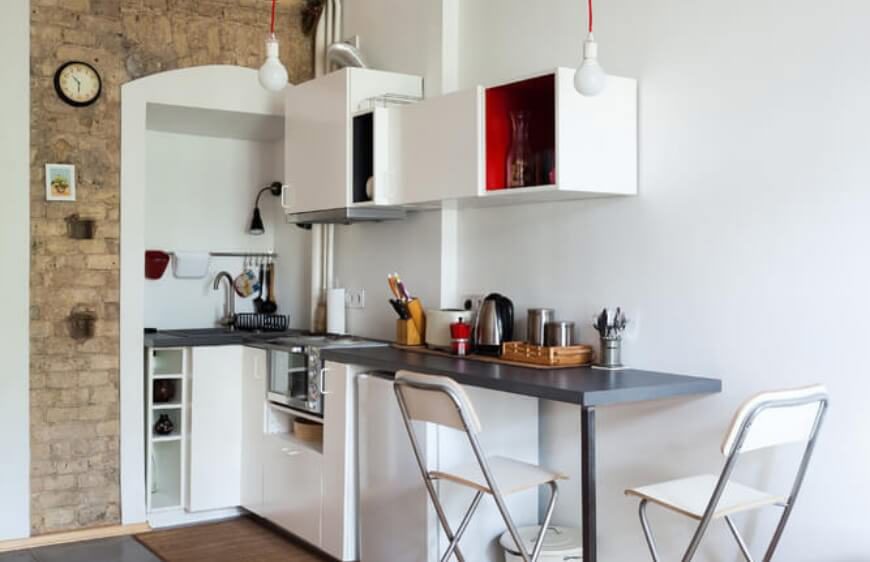
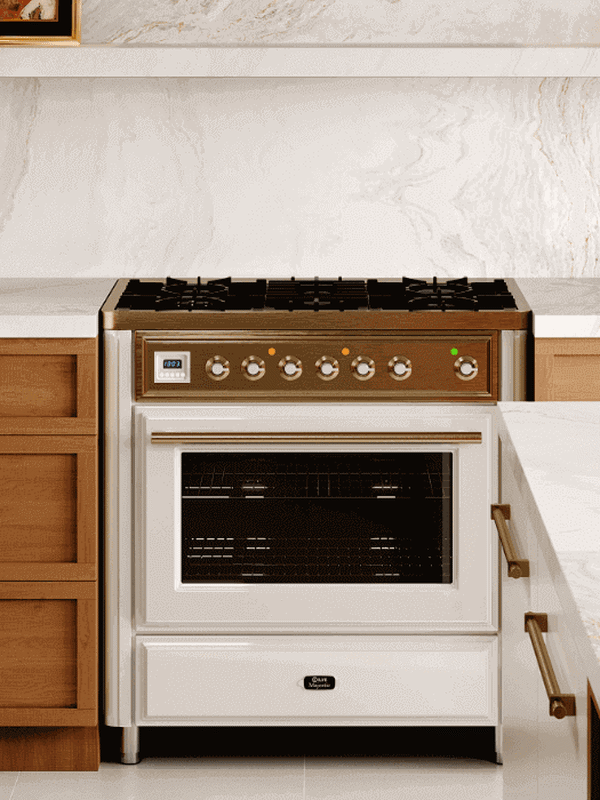
Although kitchenettes are often described as compact versions of conventional kitchens, this definition is incomplete because they are planned around only the most essential appliances. There is no standard appliance selection, but most kitchenettes include basic items such as a microwave rather than an oven, a small hob and a mini fridge.Depending on your needs, you can of course add a sandwich toaster, coffee machine or kettle. However, a kitchenette, recommended for spaces of no more than eight square metres, leaves little room for numerous appliances.

The difference in personalisation
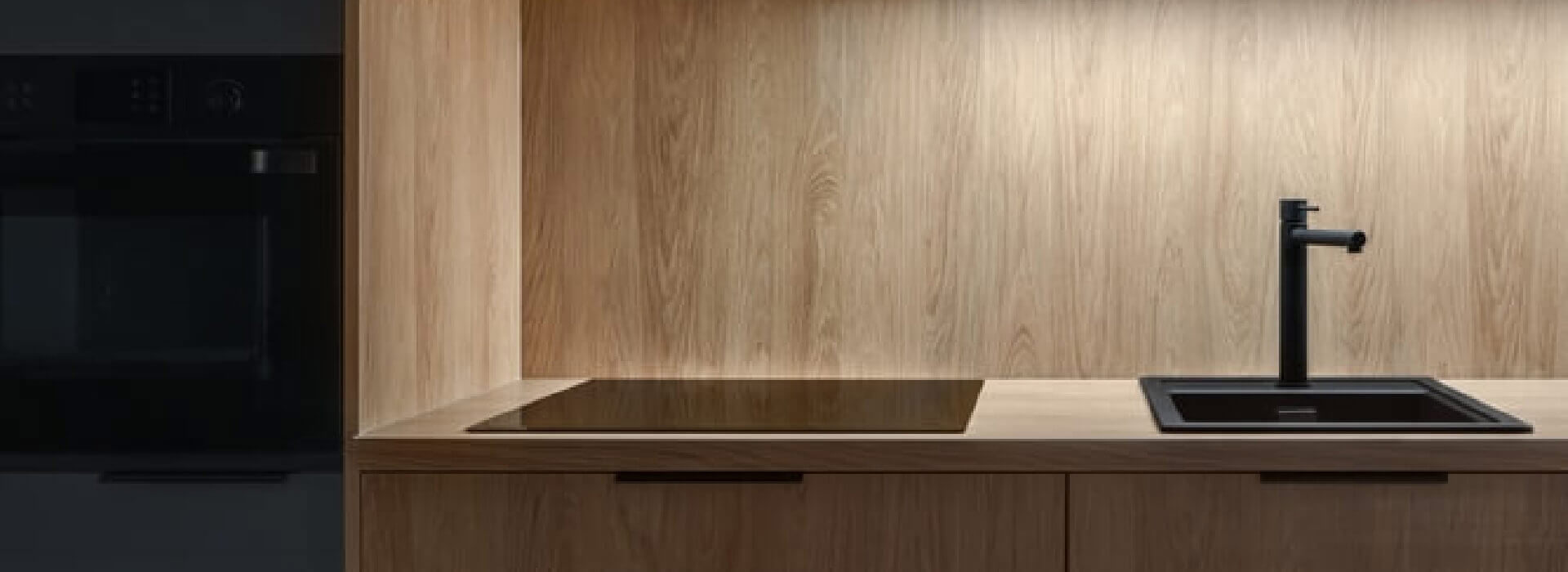
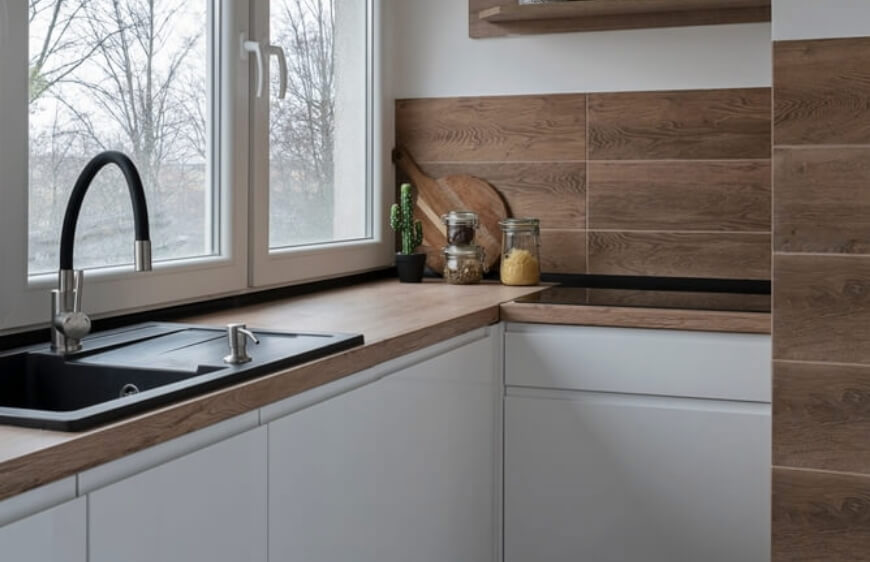
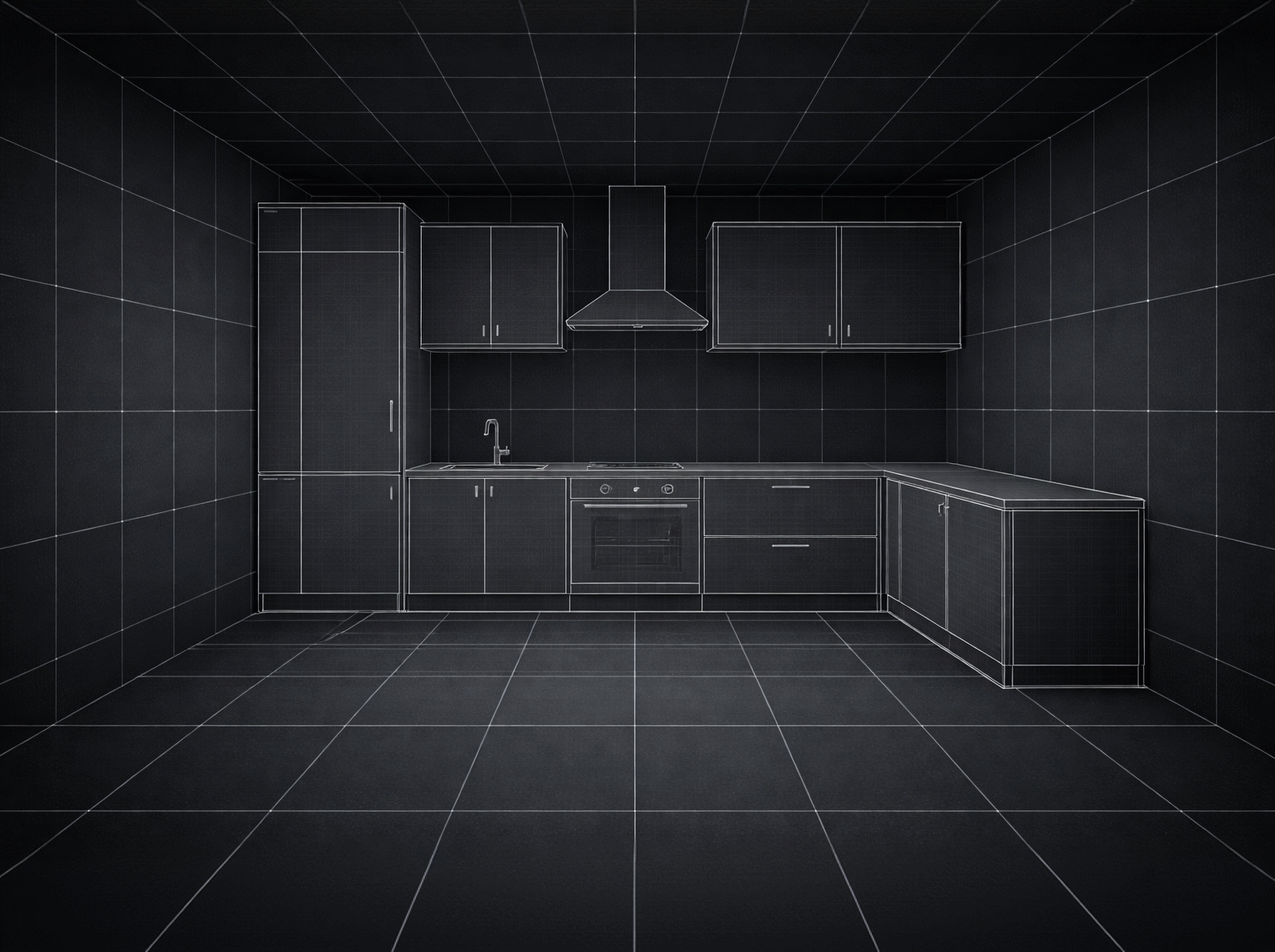
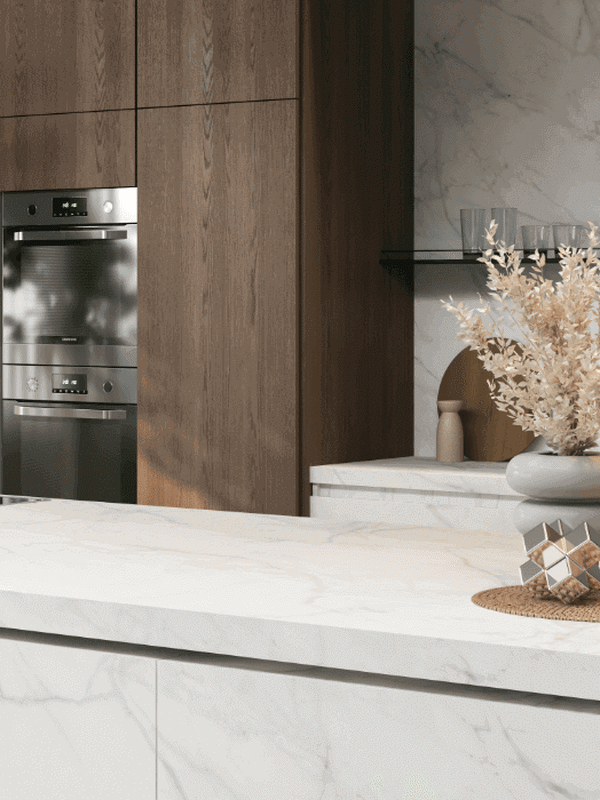
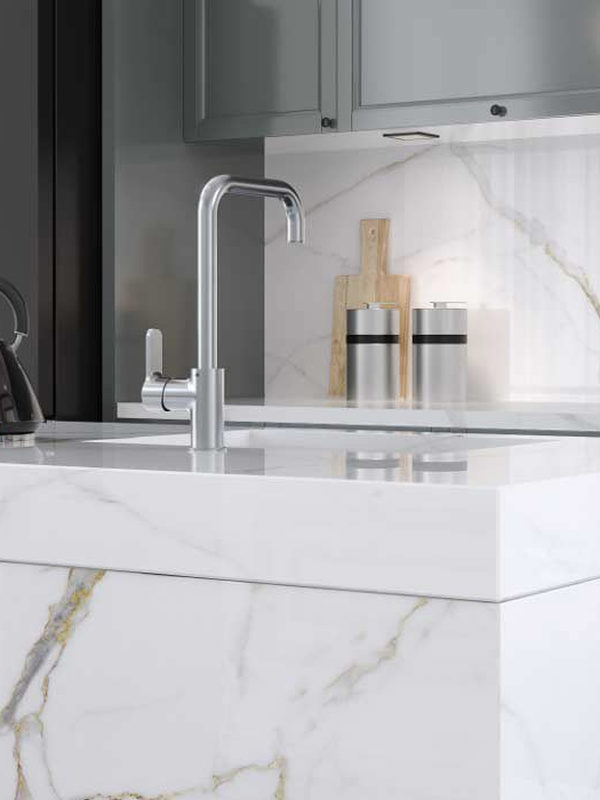
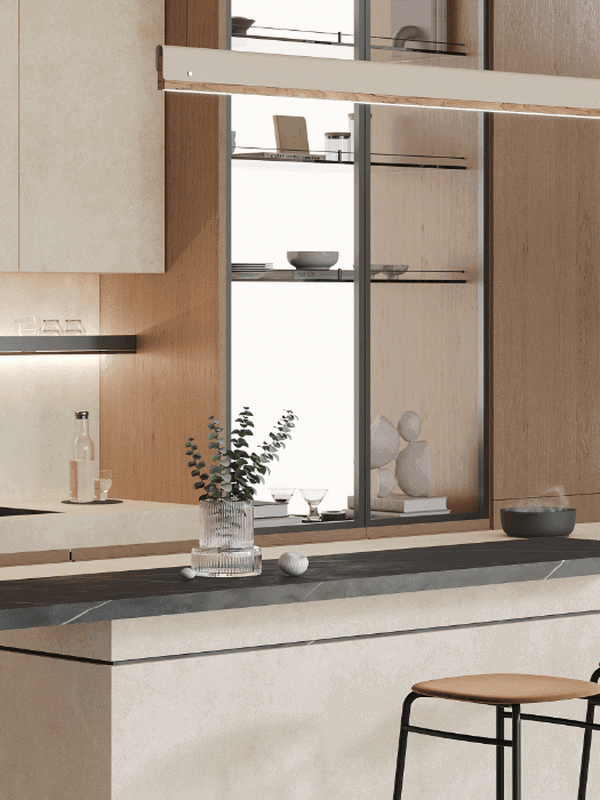
A kitchen means worktop space and storage, with horizontal and vertical surfaces you can personalise. It offers freedom. You can equip it with additional furniture and storage units, such as an island or a tall pantry cupboard. A kitchenette, by contrast, focuses on function and efficiency rather than style. The worktop is very small, with few shelves and drawers. Think of it as a kitchen hidden inside a medium-sized wardrobe.
Location, socialising and maintenance
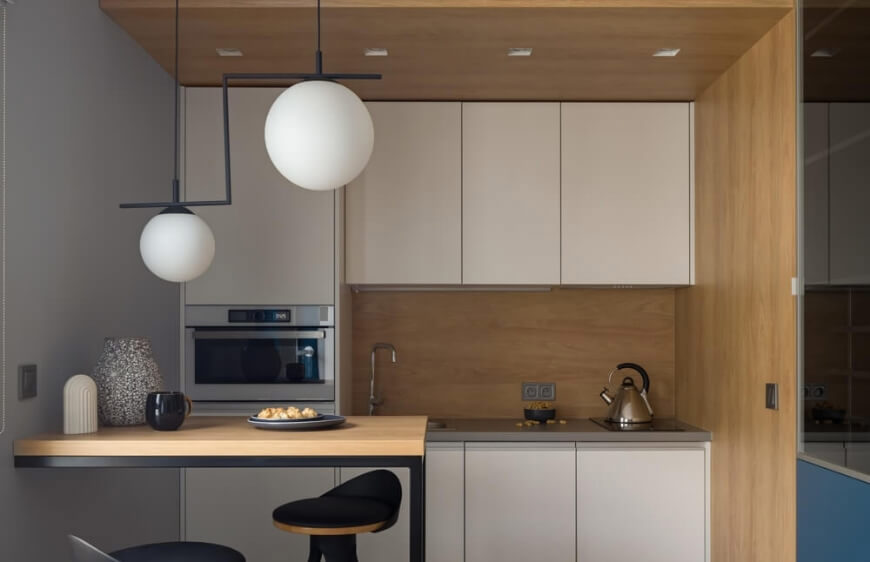
A conventional kitchen can be called the heart of the home. Every detail should be carefully considered, from lighting, adequate serving and preparation areas and storage solutions to the sink and floor tiles. Kitchenettes, however, can be installed in indoor and outdoor spaces ranging from the area beneath stairs to a terrace. They should occupy no more than eight square metres and fit into the most practical available spaces or corners awaiting a solution. Conventional kitchens can accommodate groups, depending on their size. Kitchenettes do not provide a dining service: they focus solely on heating and cooking, and not for large gatherings.
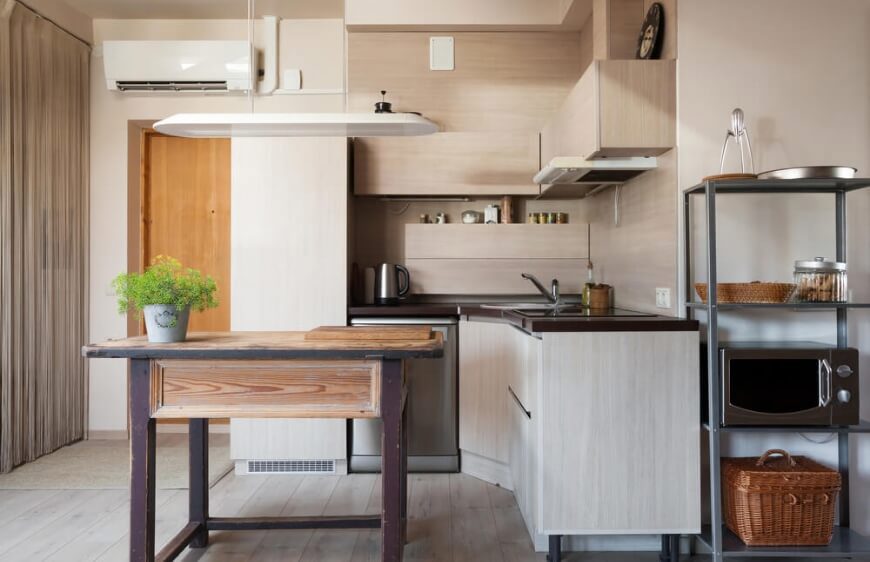
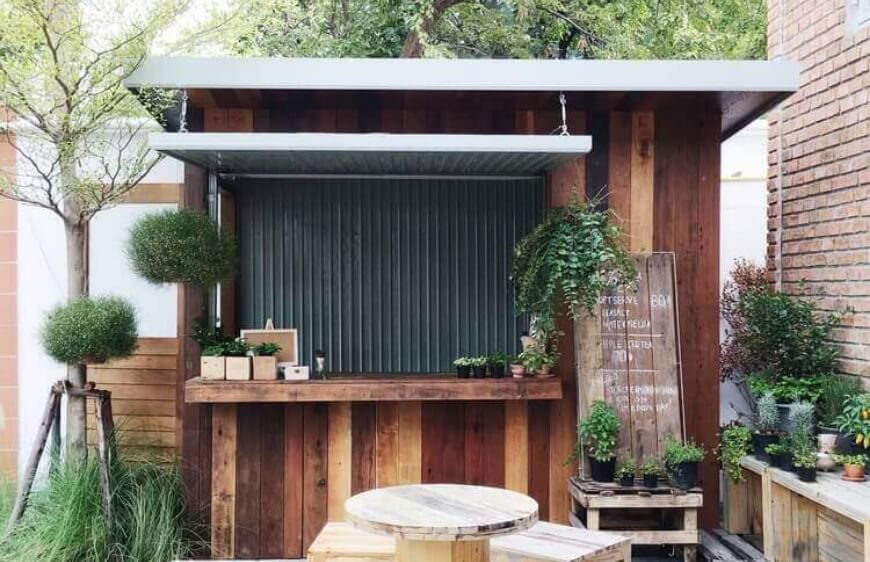
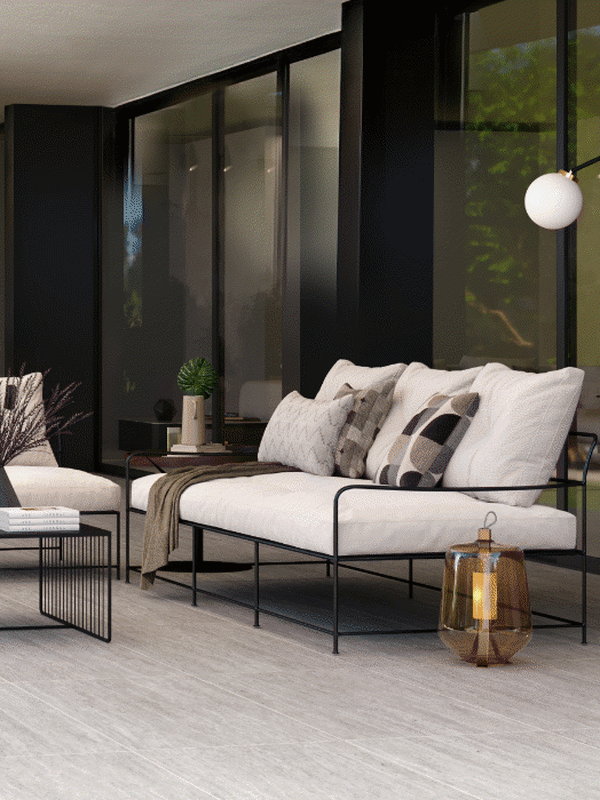
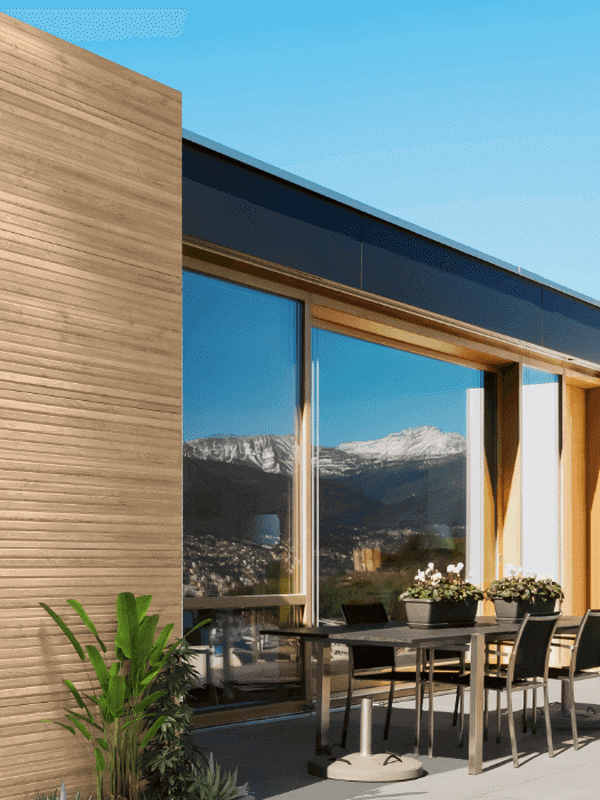
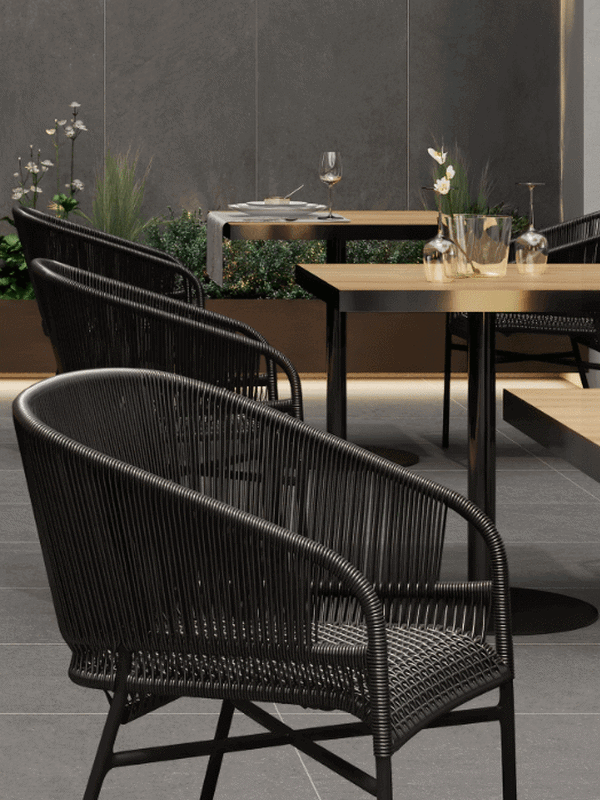
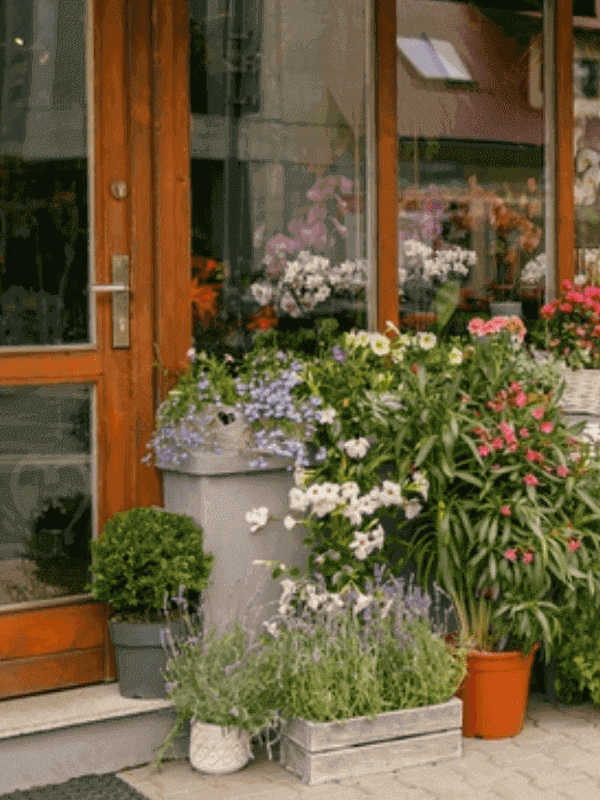
In recent years, kitchenettes have also become popular in outdoor spaces such as terraces and gardens. Going back and forth to the indoor kitchen when dining outdoors or preparing and serving cocktails can become tiring, while a serving station within the outdoor social area is much more practical.
Now, maintenance...The main purpose of a conventional kitchen is to prepare meals throughout the day, keep all the equipment together to make the desired recipe, and serve and present the food. You therefore need to store dozens of products in categories such as kitchen appliances, serving pieces and pantry supplies in the same space. So many storage units also mean a demanding routine of maintenance, repairs and cleaning. If you lack the time or inclination, are not cooking for a whole family and have only a limited amount of equipment, a modest kitchenette may be the answer. Cleaning a single-ring hob and a small microwave also takes less effort than looking after a large kitchen.