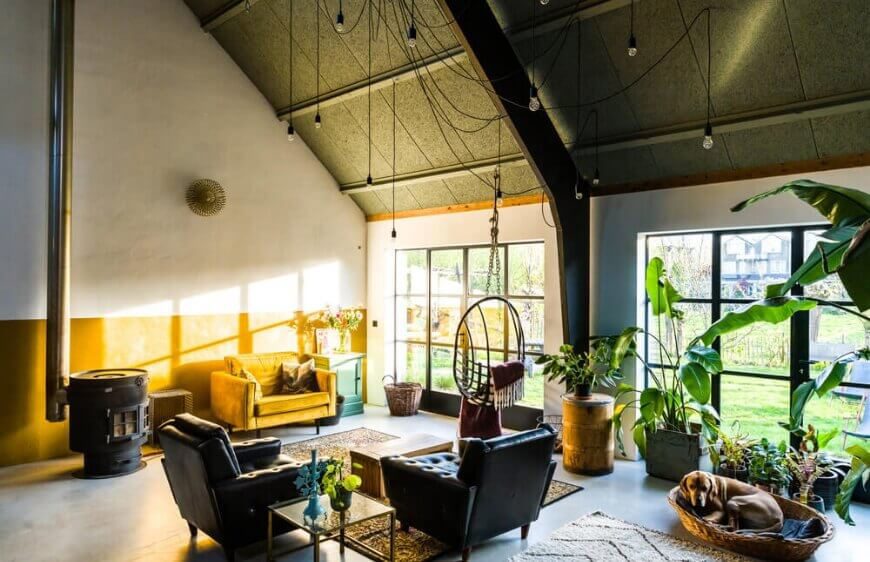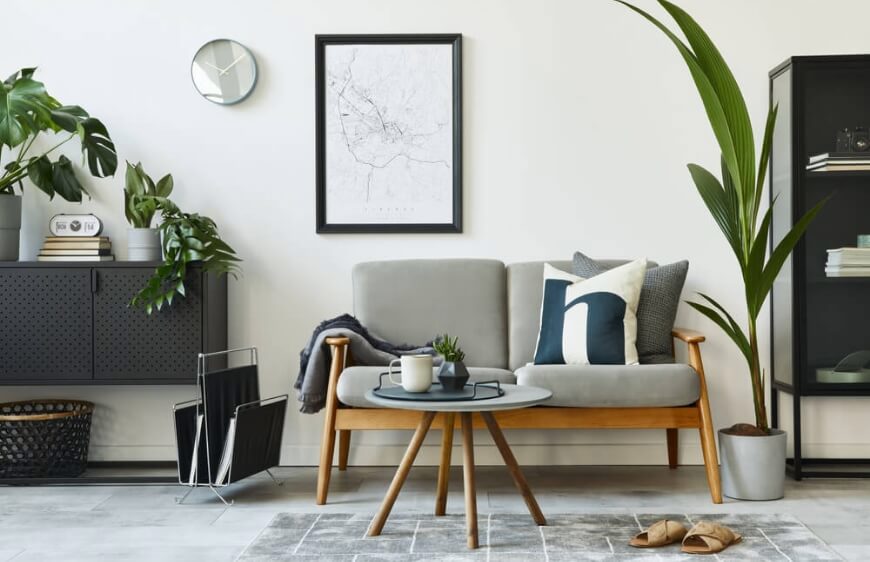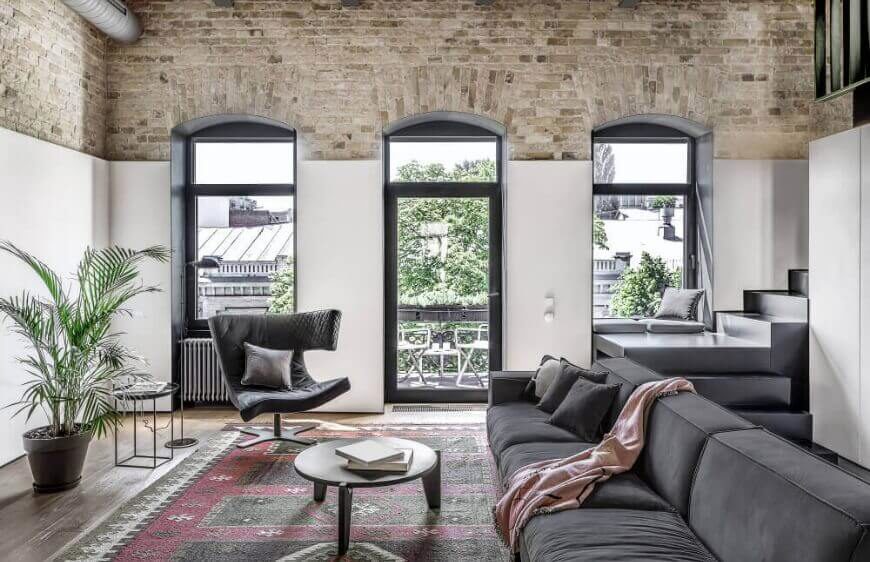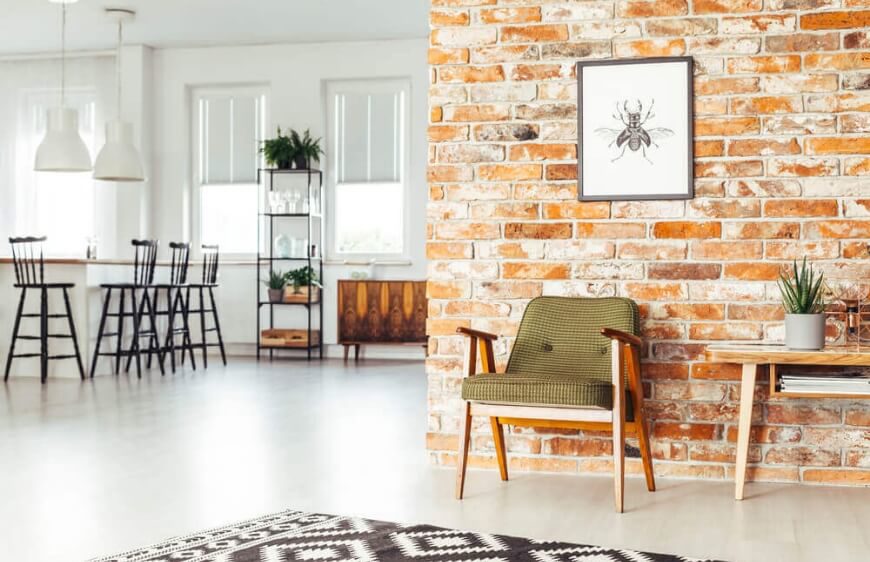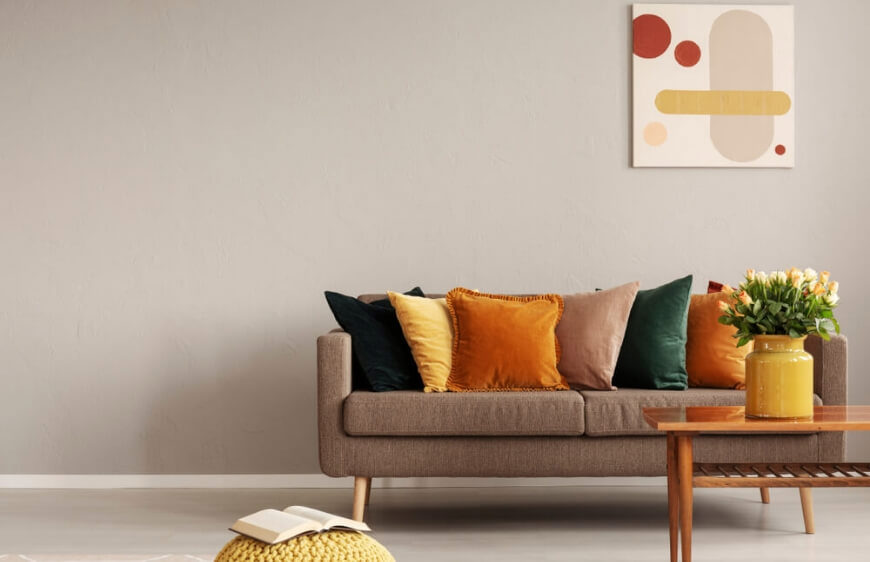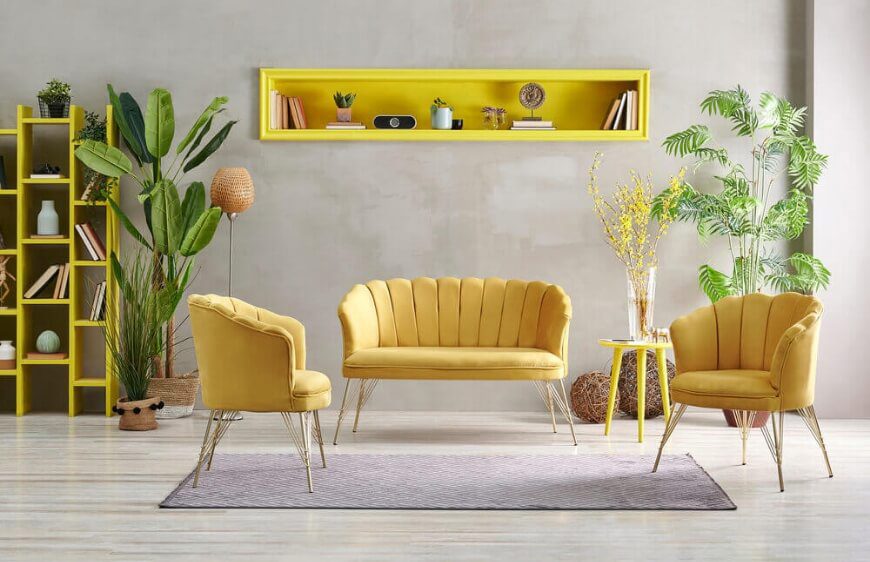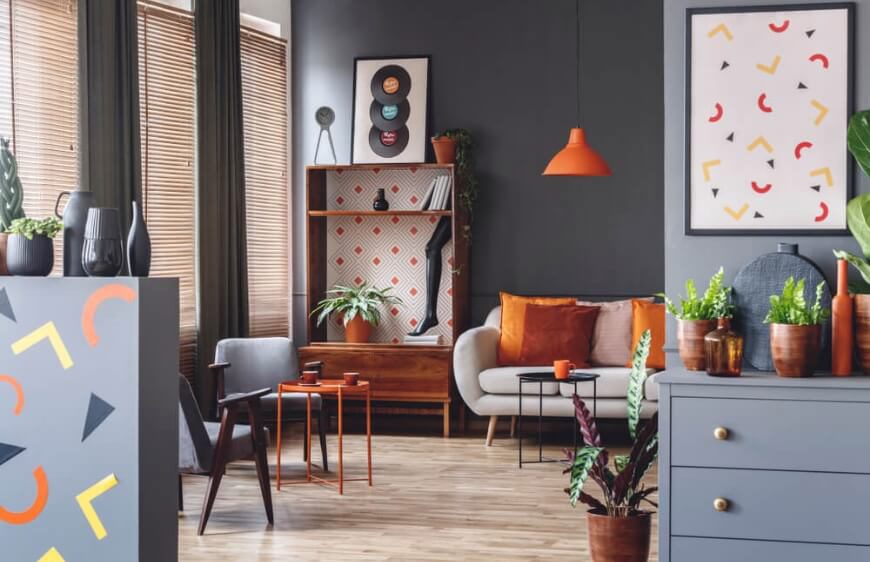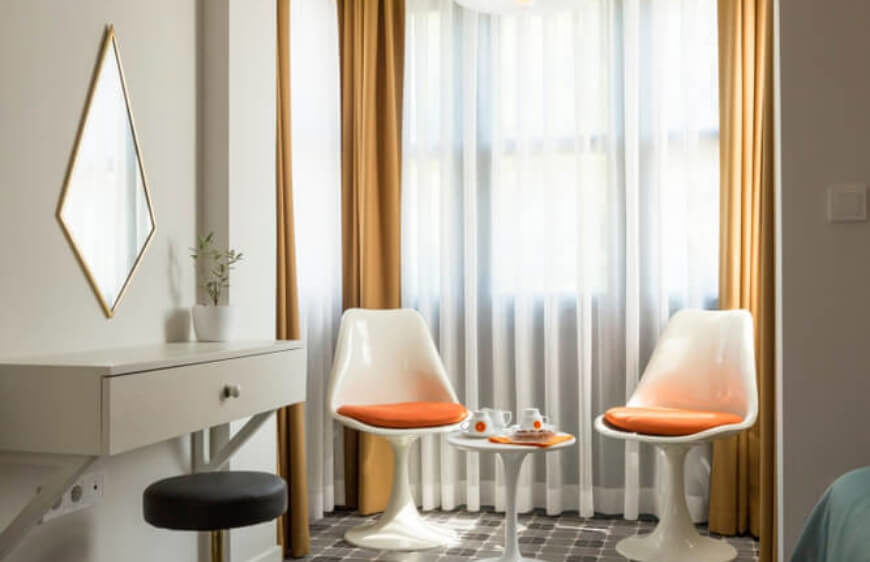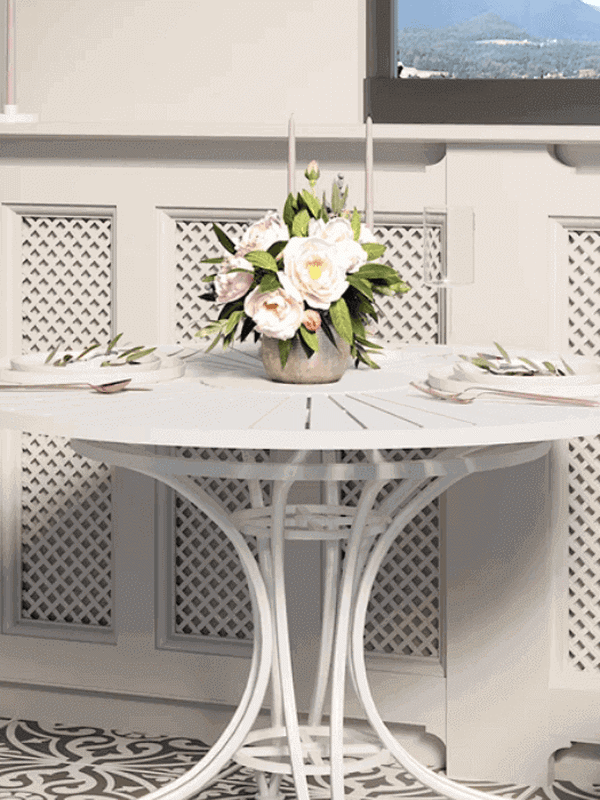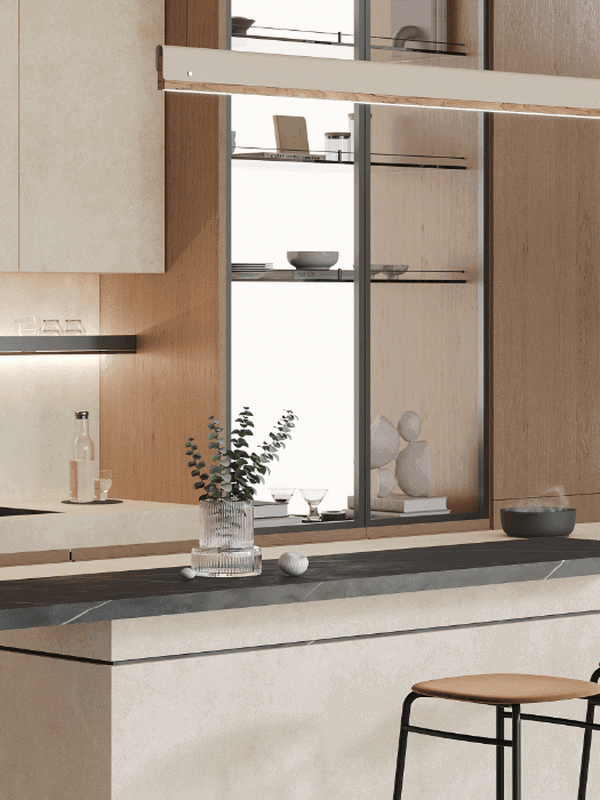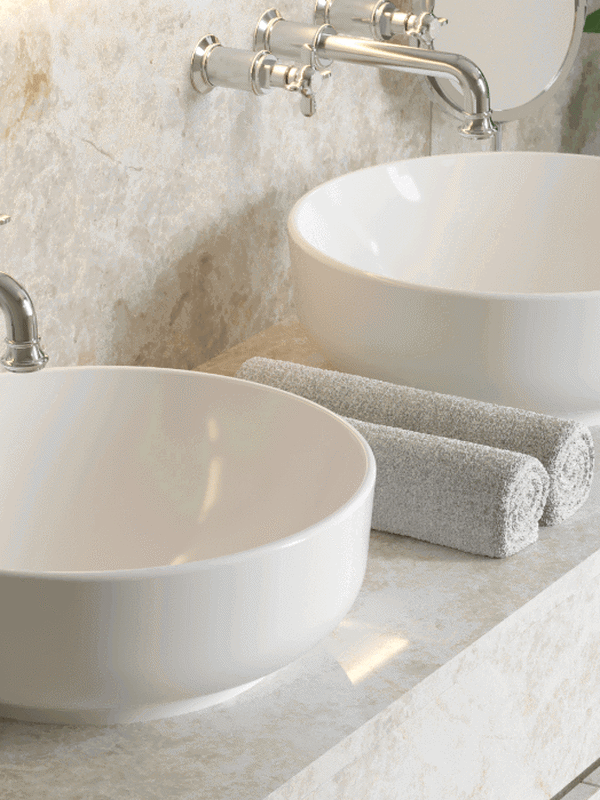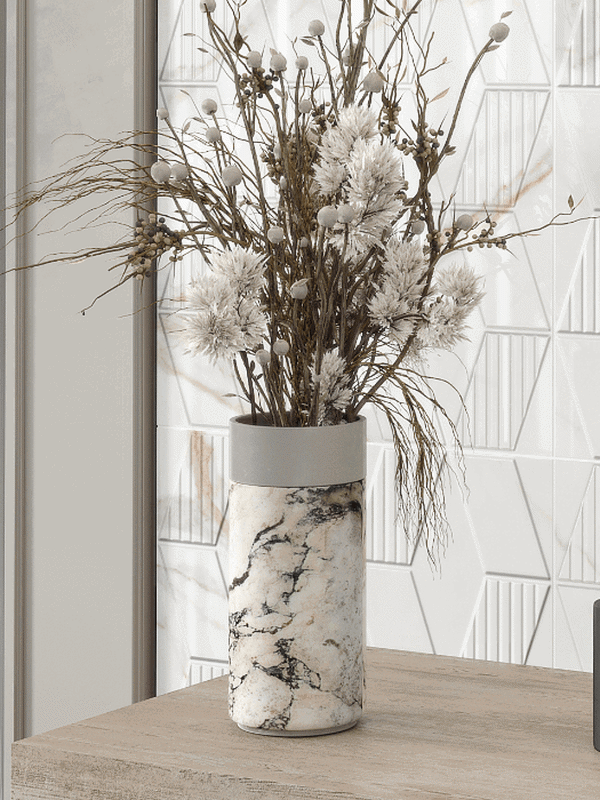
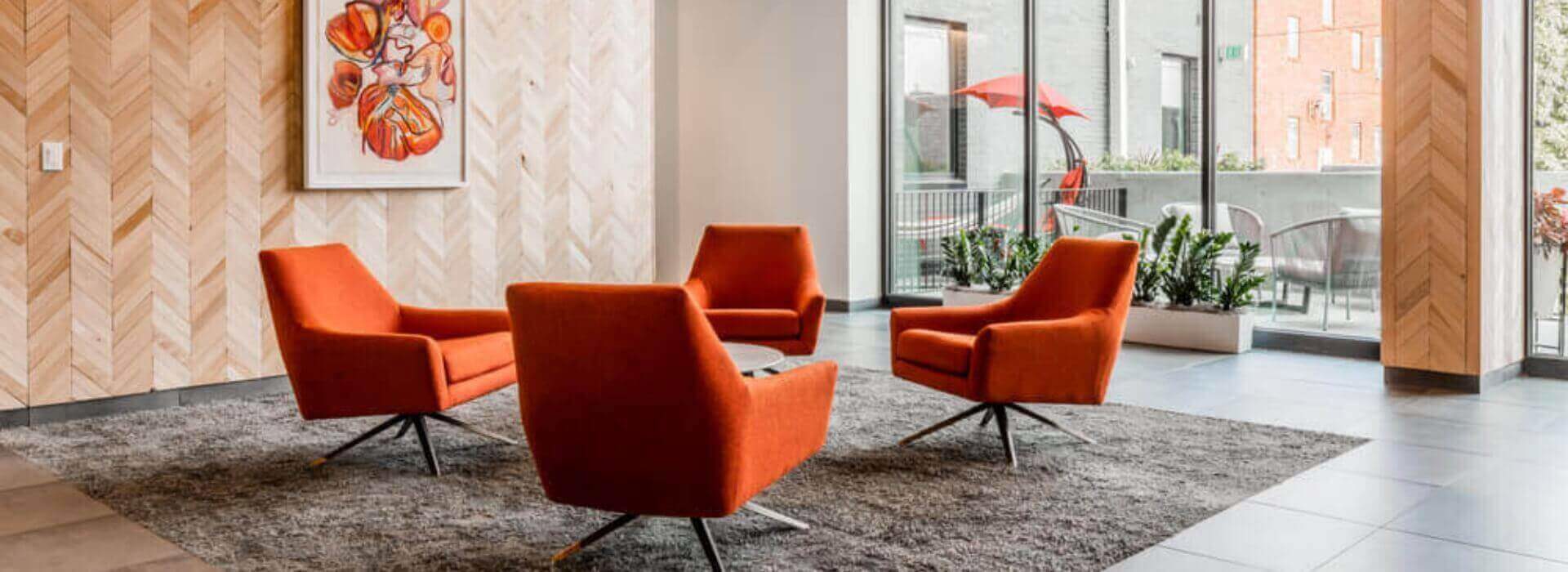
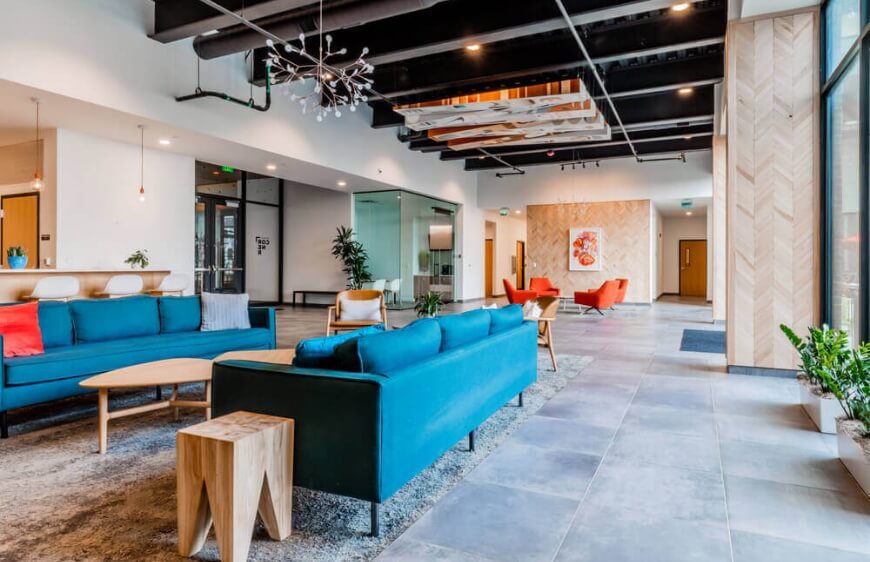
Retro is one of today's most frequently used words, often associated with the planet Mercury. Yet as a concept, it embraces a broad lifestyle spanning fashion, music, interiors and make-up: a shared approach among people who bring the character of past eras into the present.
Distressed Surfaces for Retro Homes
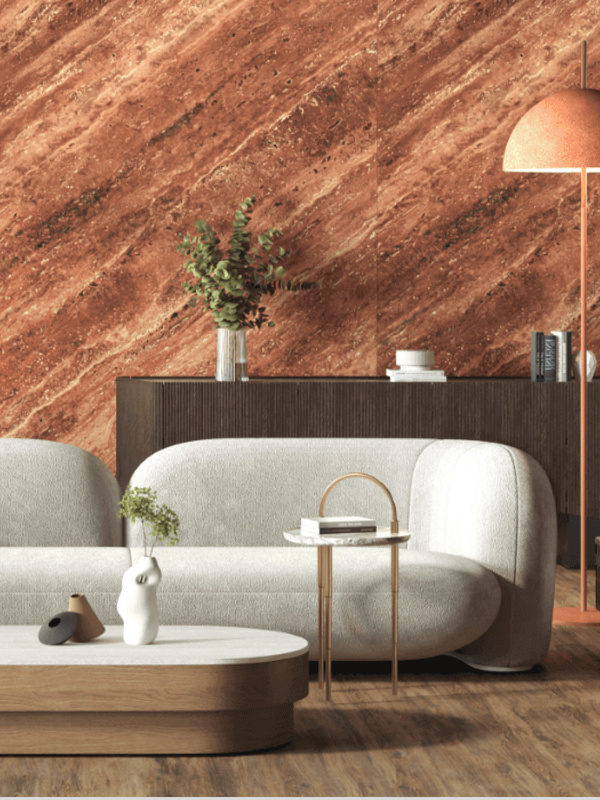
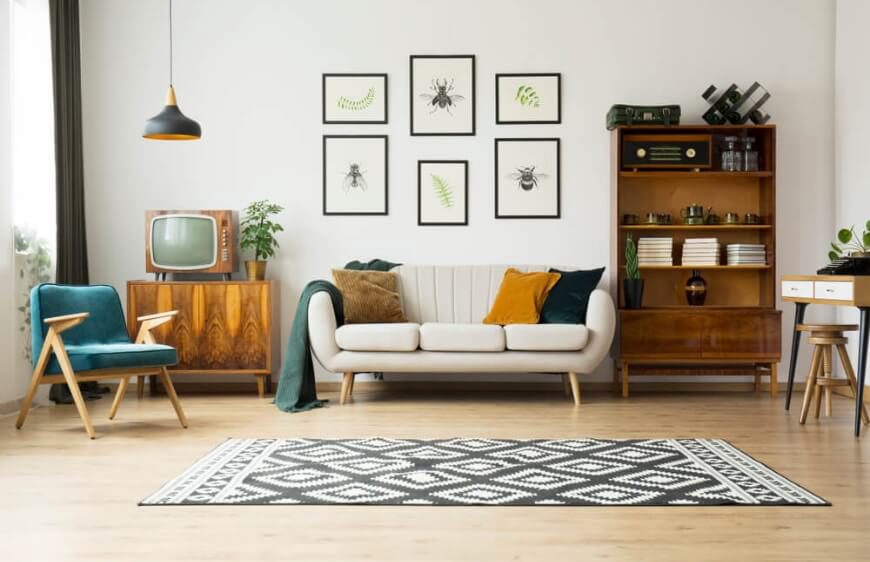
We are seeing more homes with a retrospective love of the 1970s, living spaces that hold on to this passion as time passes. They keep that nostalgic feeling alive not only through the period's characteristic furniture but also through distressed surface finishes.
The retro movement emerged through the reshaping of styles created since the Industrial Revolution. Designers use the term 'retro style' to describe looks inspired by or recreated from the past. French in origin, retro is a shortened form of retrospective and began to be used for French fashion evoking the period from 1950 to 1970.
It later entered British culture through the fashion media and came to mean the revival of past eras. Today, styles popular between 1920 and 1950 are grouped under the term vintage, while styles more than a century old are called antique. Retro is generally understood to refer to the 1950s, 1960s and 1970s.
There is a fundamental reason why retro's old yet enduring face remains popular: its aesthetic offers a unique world that helps people bring the colourful, free-spirited, youthful and art-focused style of the 1970s into their homes. Retro has now become a classic in interiors and fashion.
You do not need to shop only at antique dealers or flea markets to recreate it. Modern design produces many pieces inspired by the 1970s, creating an eclectic style. This approach is supported not only by colours, patterns and forms, but also by materials.
The defining features of retro décor
COLOURS:
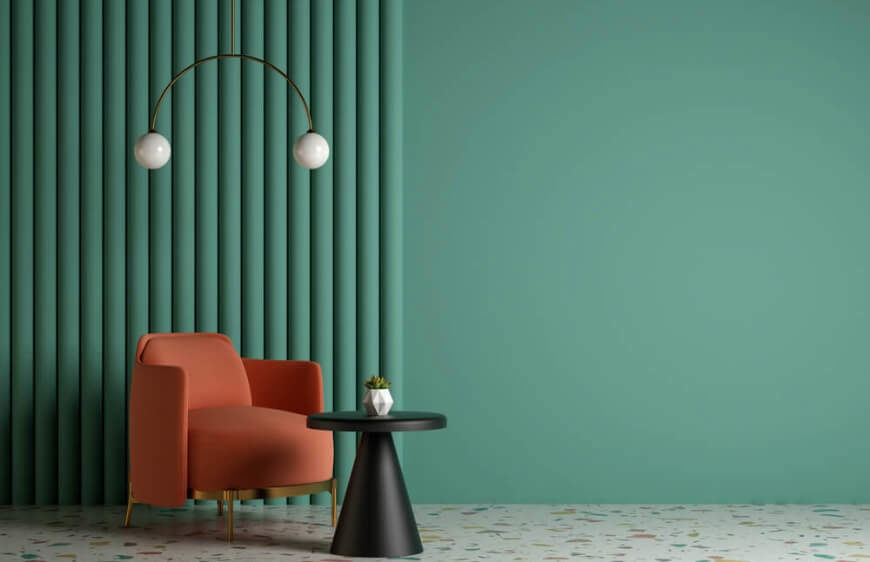
The first characteristic of retro design is the use of unconventional colours to create a playful, lively interior. Vibrant shades associated with pop art or funk—orange, red, fuchsia, turquoise, pink and pistachio green—may appear on a television and a sofa in the very same room.
FORMS:
In retro, form matters more than function. The sense of fantasy in the furniture should outweigh its practicality. Retro product designers therefore dream of playful furniture rather than simply practical or useful pieces, and form creates that playfulness. This is why rounded lines, triangles, asymmetry and enlarged, exaggerated volumes are so prominent in the movement.
PATTERNS:
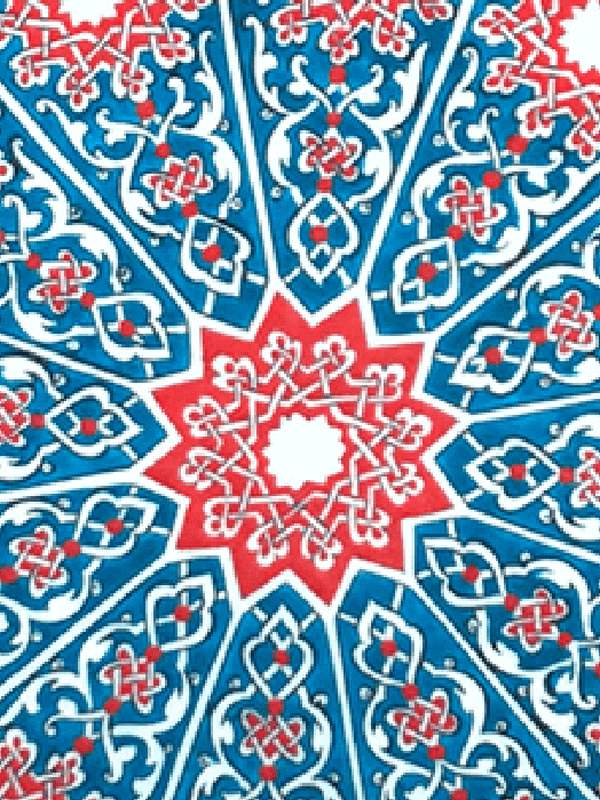
Patterns are retro décor's calling card: a collection of graphics that catch the eye immediately and compete with one another. Flowers, tangled lines, kaleidoscopic designs and abstract graphics are common. You can build around one of them or mix them freely.
Wall and floor coverings in retro style
Wallpaper is the first choice for wall coverings that bring together all the retro characteristics above. Think back to the 1960s and 1970s, the heyday of wallpaper: all-over graphic patterns covered walls in fluorescent colours. Each room could have its own world of patterns. As the walls put on a display of balanced chaos, they were further decorated with posters, prints and neon lettering.
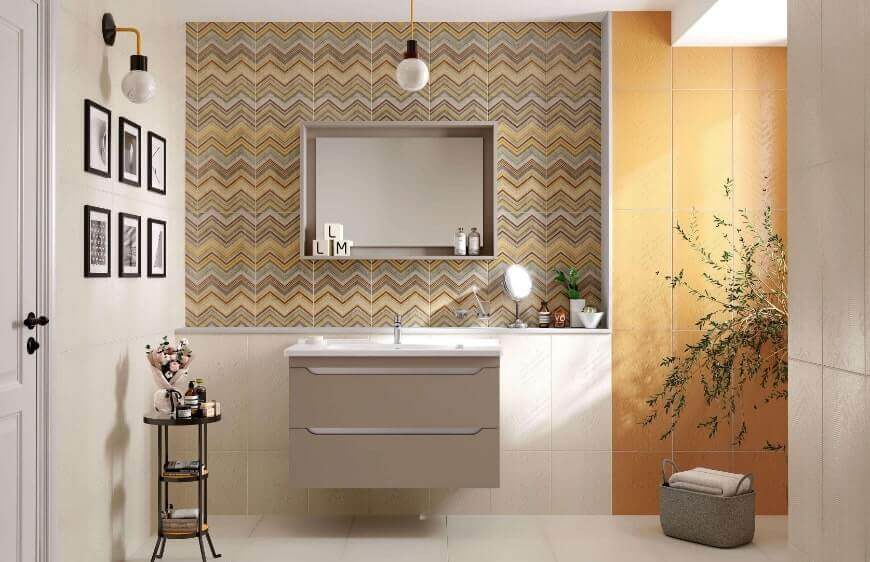
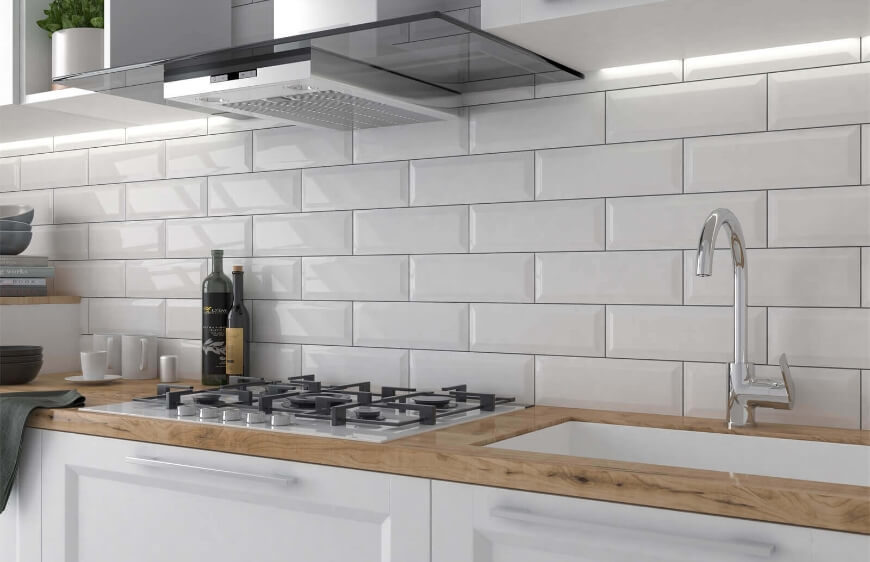
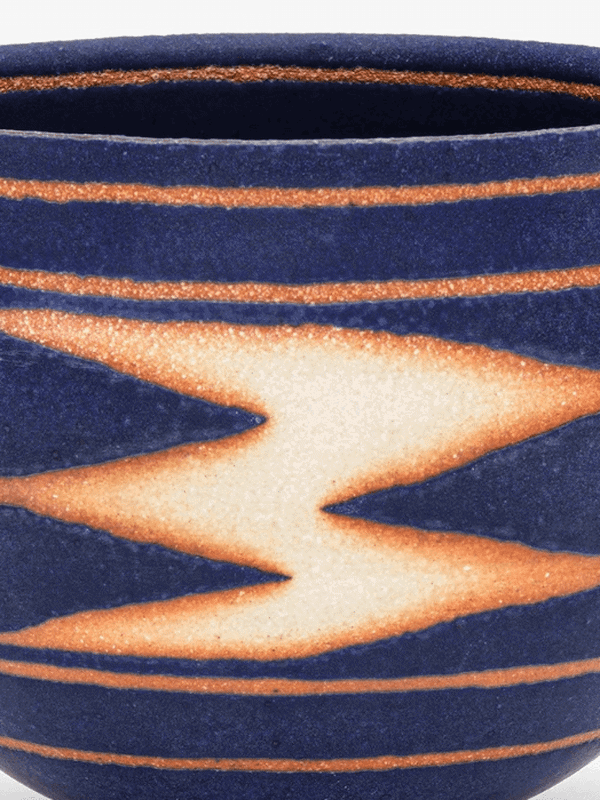
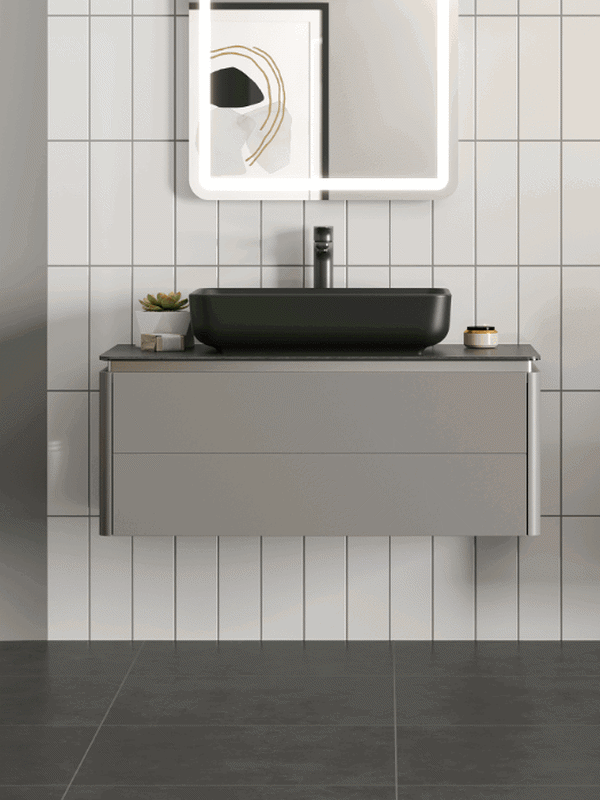
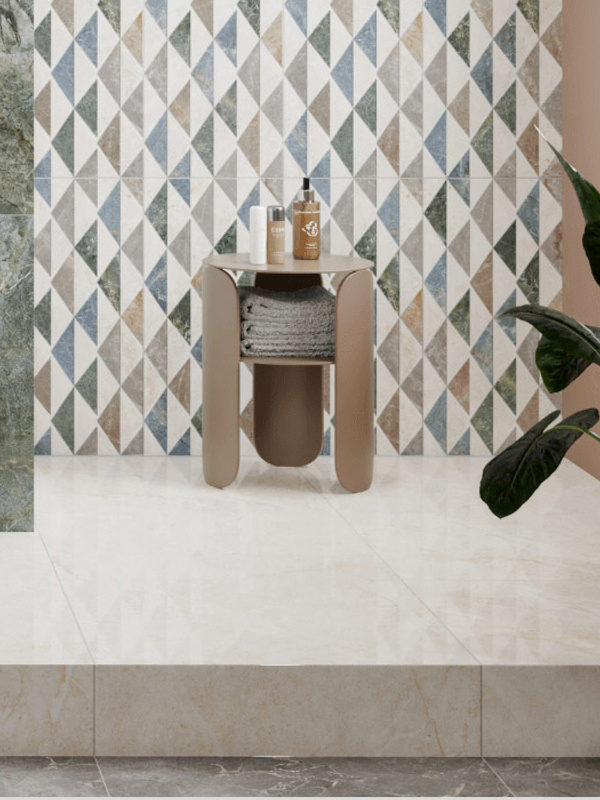
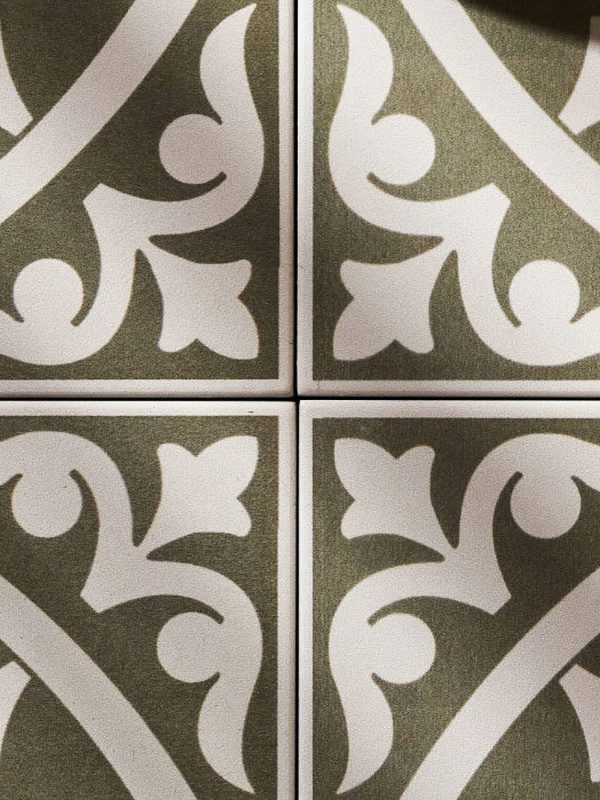
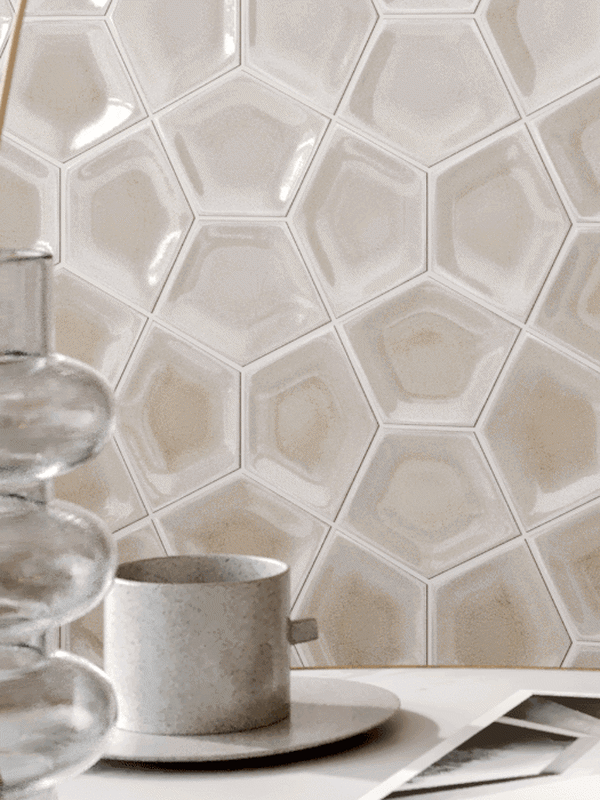
Alongside glossy metro tiles in kitchens and bathrooms, zigzags were among the period's most popular patterns. Inspired by fashion, this trend is still visible in today's designs. For example, the Fabric series from the Çanakkale Seramik family offers a true 1970s retrospective with decorative tiles combining zigzags with mustard and sage green. Meanwhile, the Avenue series in Çanakkale Seramik's Miniatile collection brings a greeting from the 1970s to metro tile lovers.
Among the leading flooring choices of the period was vinyl, continuing the enthusiasm for colour. Unlike the walls, however, this plastic-based material was used in a single colour rather than a pattern. Even so, you should expect the floor colour to change as you move from one room to another.
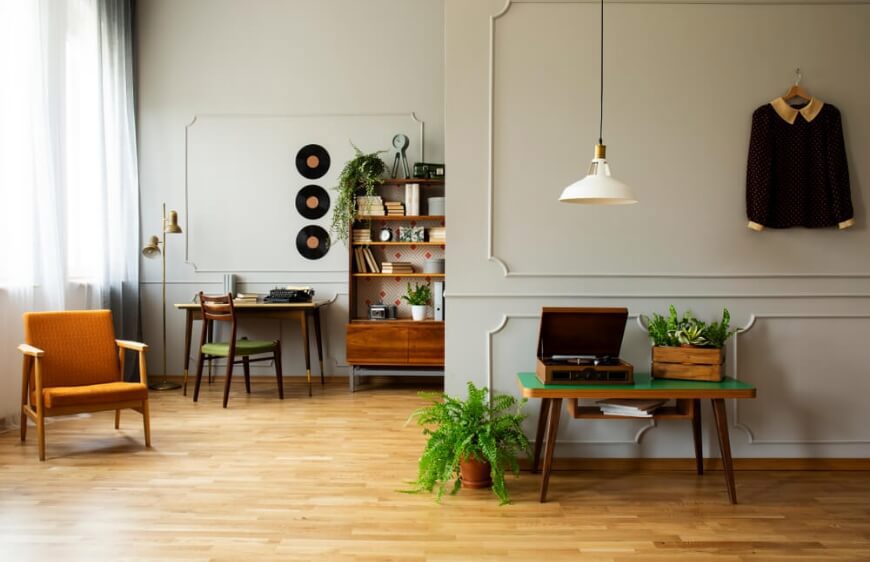
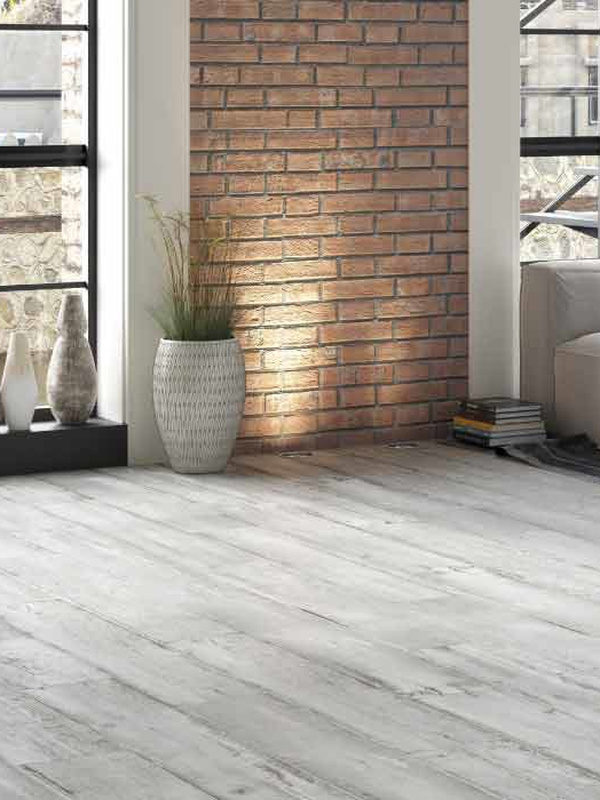
Distressed floors are another favourite in retro homes, particularly loft-style living spaces. Today, these homes are generally described as lofts, with high walls, brick textures and enormous windows, often located in well-preserved buildings in historic neighbourhoods. Their affinity for retro style extends to floors with the same raw, aged and unfinished surfaces.
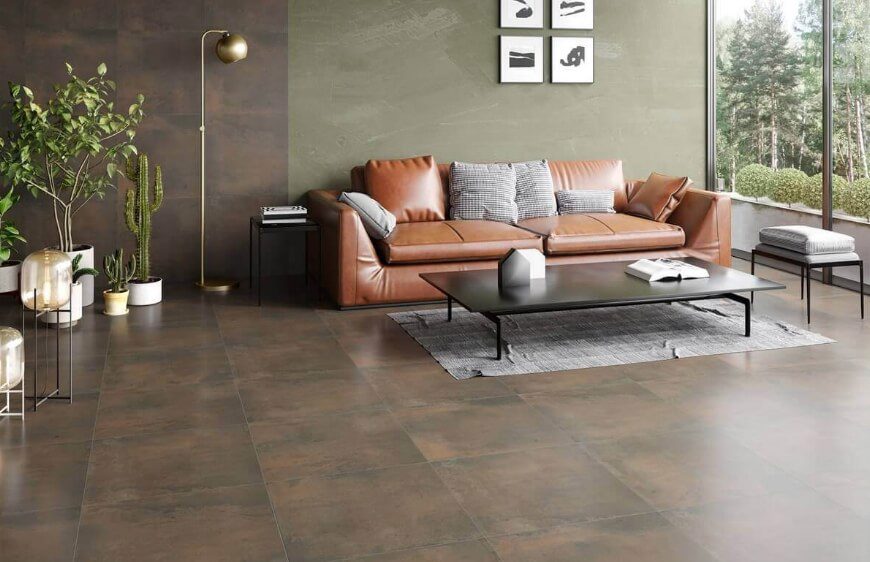
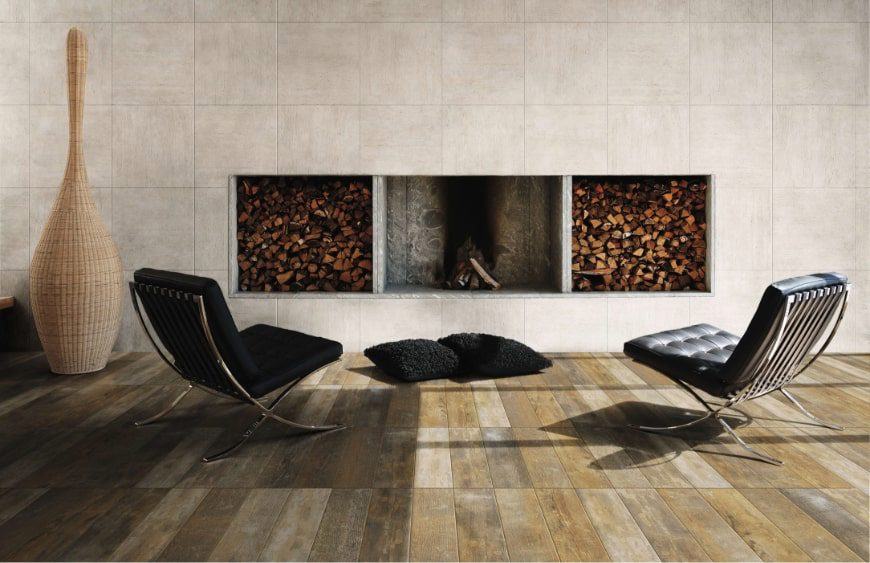
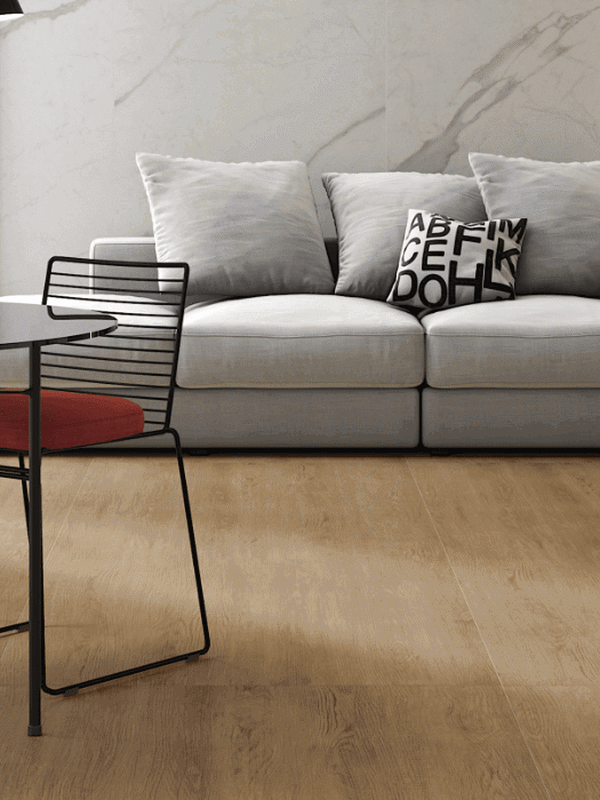
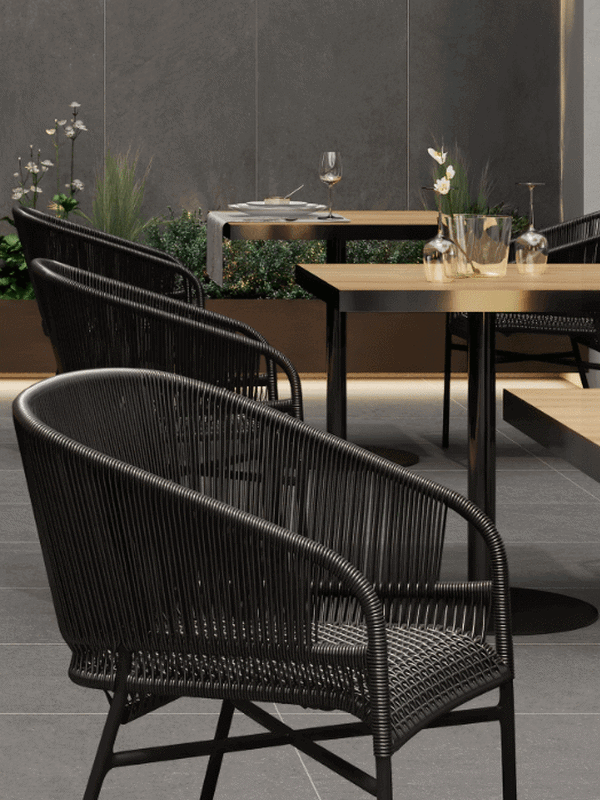
Naturally, contemporary interpretations of this effect are available. For example, Kalebodur's Vernis series captures a distressed metallic texture on glazed porcelain tiles. Rectified and semi-polished, it comes in anthracite and reddish tones. Those seeking aged wood rather than metal can find the answer in Kalebodur's Vintage series. Reproducing the distinctive colour variations of American walnut on porcelain tiles, Vintage brings the nostalgic texture of old floorboards into living rooms in particular.