Different Laying Patterns for Metro Tiles

Different Laying Patterns for Metro Tiles

When we think of metro tiles, the arrangement that usually comes to mind is the familiar side-by-side pattern seen on the underground station walls that gave them their name. Yet the world of decorating shows us that metro tiles can be laid in many other ways.

The strong interest in metro tiles in recent years is hardly surprising. Suited to styles from loft living to country, they are readily available in every colour and texture, including mirror finishes. The format has proved so popular that standard sizes, as well as slightly smaller and larger versions, continue to be produced.
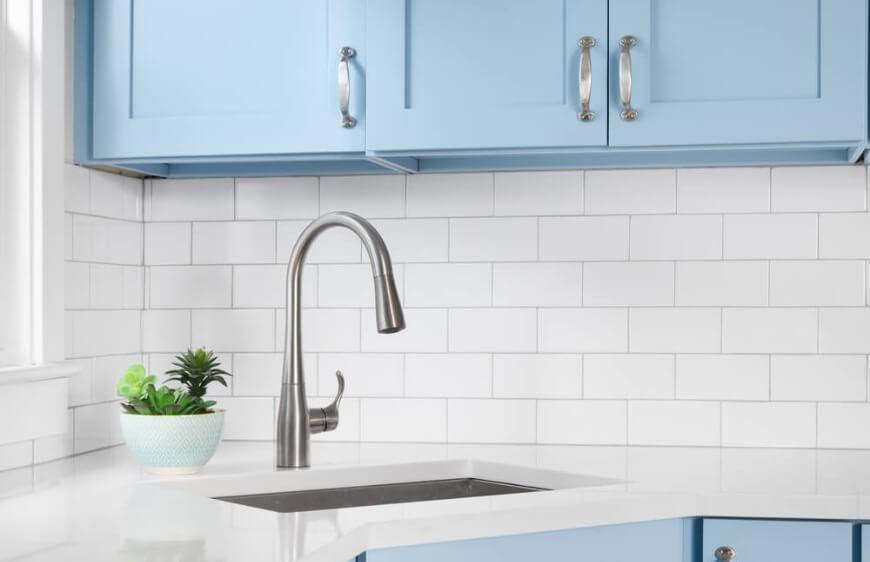
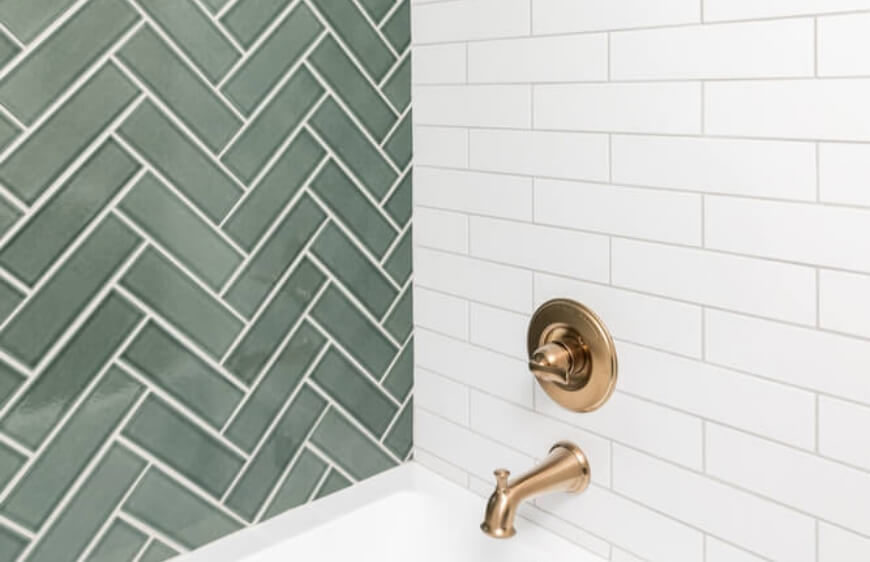
The most familiar, classical way to use metro tiles is horizontally, side by side. This arrangement, familiar from the underground stations where they originated, was only a starting point for decorating professionals. Today, more varied and creative laying patterns are increasingly popular.

Right-Angled Herringbone

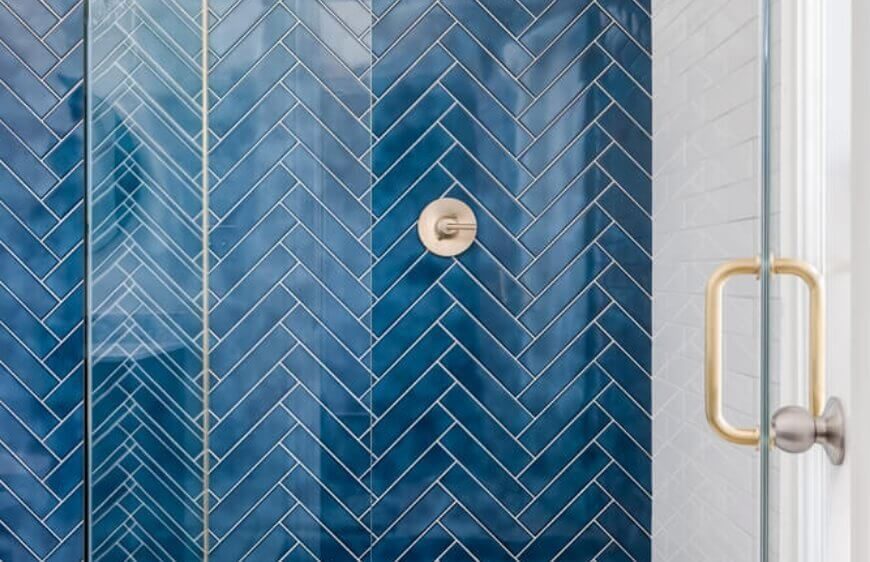
This pattern, in which tiles meet with their corners forming right angles, is a woven arrangement used for centuries. It suits minimalist spaces especially well, bringing movement in a different way from an angled herringbone layout. It is particularly effective in neutral colours, with contrasting grout recommended to make the pattern stand out.

Tone-on-Tone Tiles

This arrangement follows a 2+2 rule: two horizontal tiles, one above the other, sit beside two vertical tiles placed side by side, and the pattern continues. The distinctive detail is that one tile in each horizontal and vertical pair is darker or lighter than the others. This creates continuity, particularly on floors. For metro tiles with this tonal variation, explore the Juliet series from Çanakkale Seramik’s Miniatile collection.

Vertical Laying

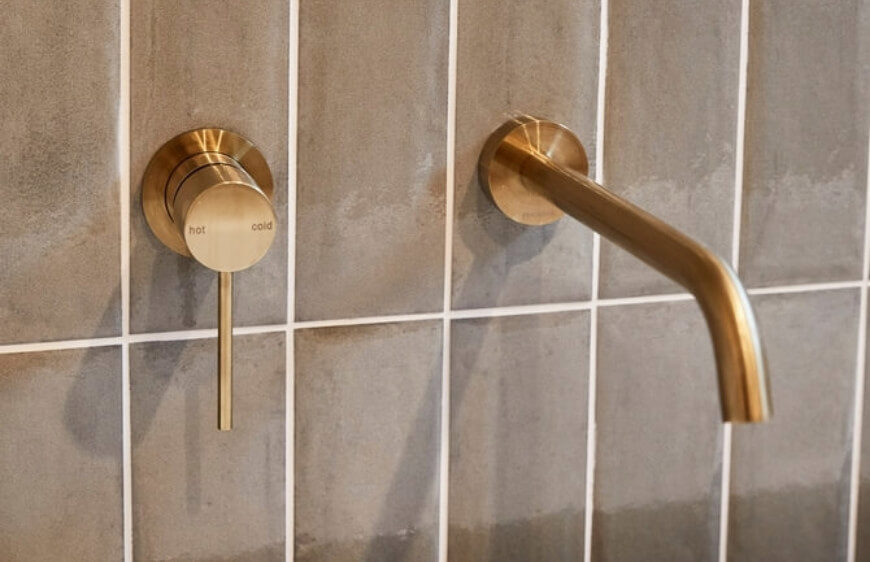
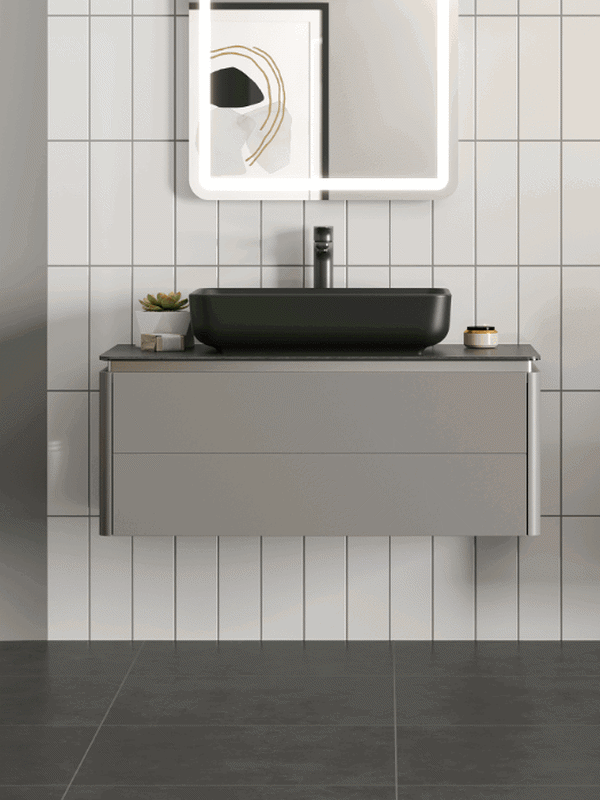
Here, the sense of width created by a classical side-by-side arrangement is replaced with an impression of height, laying the tiles vertically, end to end. To preserve that impression, choose grout in the same colour as the tile. A sense of continuity is important to the effect.

Mirrored Metro Tiles

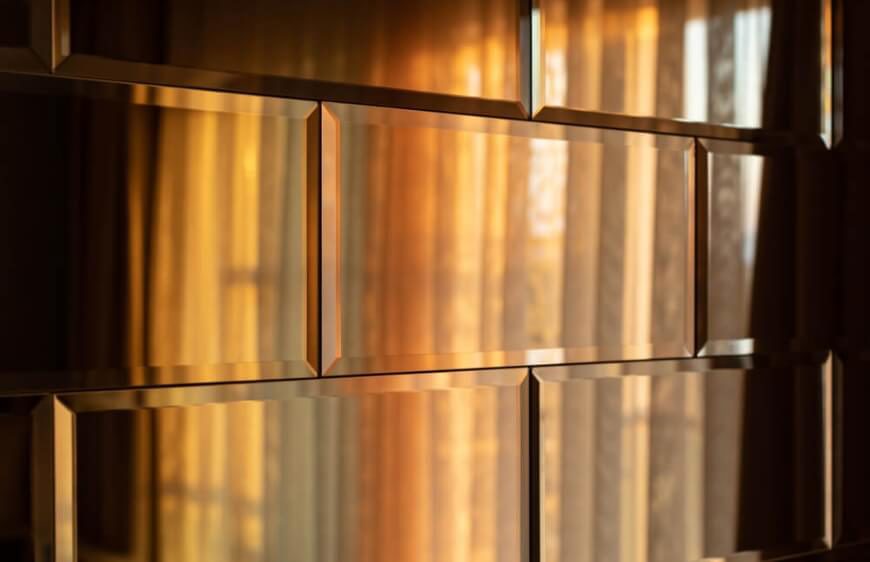
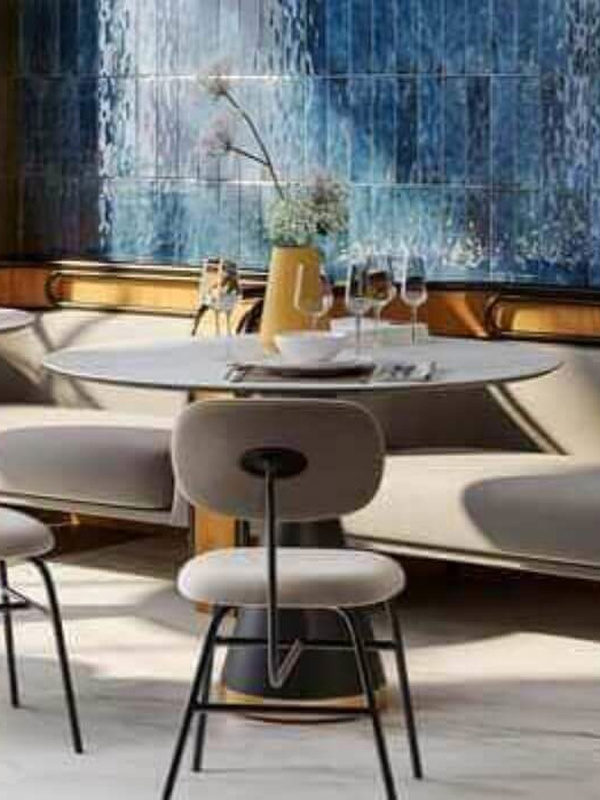
Mirrored metro tiles are particularly effective at extending perspective and making small spaces appear larger. Their reflective surface influences perception, while their tile format allows them to cover an entire surface. Individual tiles are also easy to replace if damaged. By reflecting the room’s light sources, they make the space appear brighter and taller.
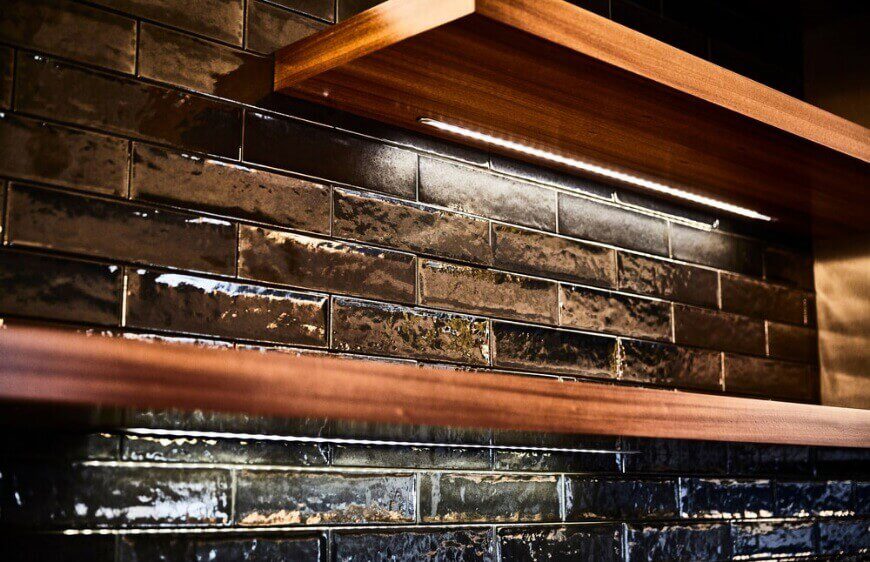
More recently, antiqued effects have also been applied to mirrored metro tiles. These are now used in kitchens and bathrooms, as well as living rooms, entrance halls and corridors, in homes that enjoy a balance of modern and vintage influences, especially high-ceilinged loft-style flats in historic buildings. They bring a lived-in quality, antique character and a dramatic atmosphere.

Surface Design Ideas with Metro Tiles

Standard metro tiles remain available, but they are now also produced in different rectangular sizes. As mentioned above, designers and decorating professionals are moving beyond classical layouts to experiment with other patterns. They also play with grout colours to personalise the look further. Let us explore some more ideas and inspiration.

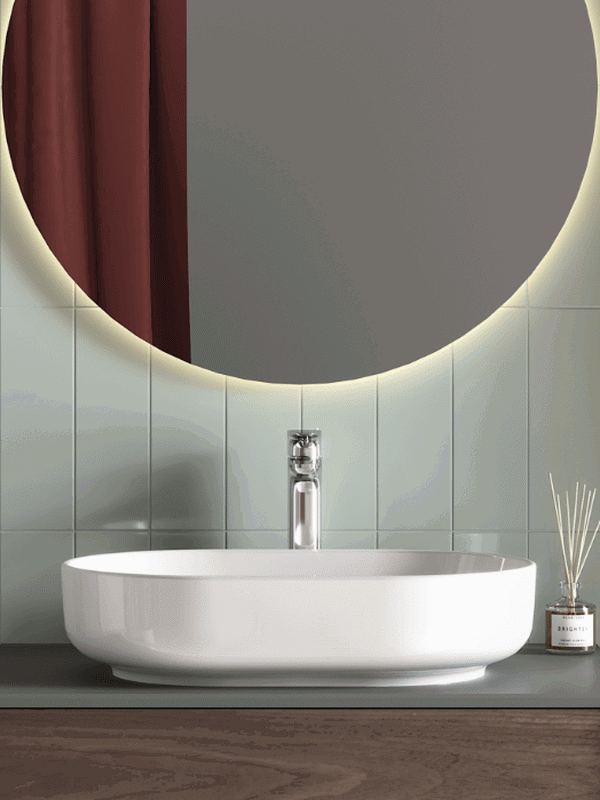
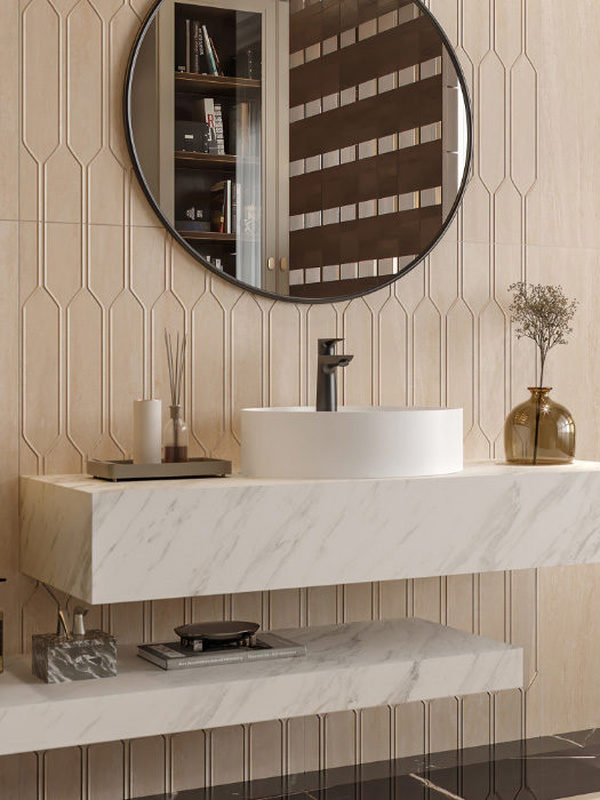
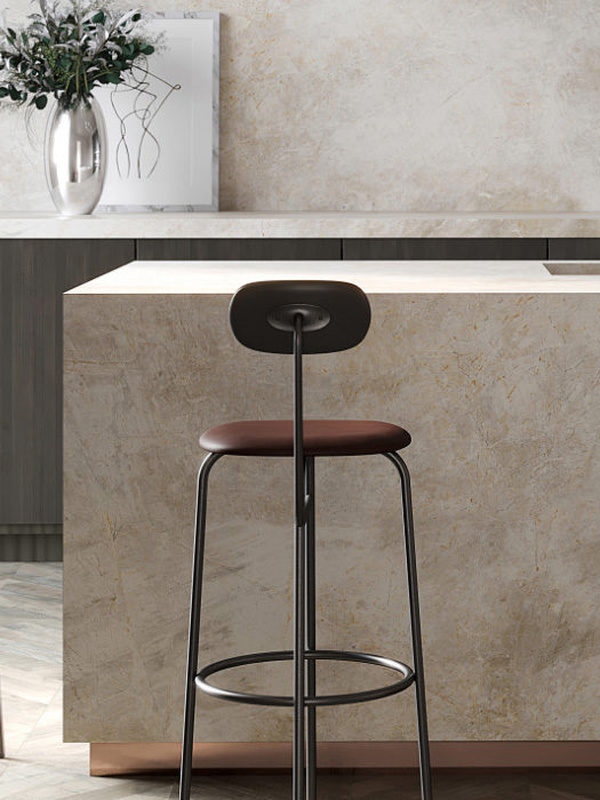
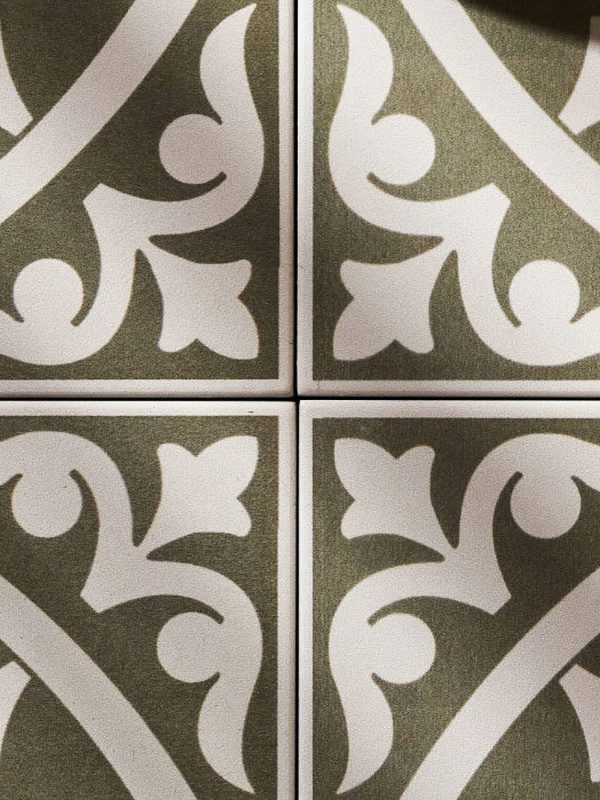
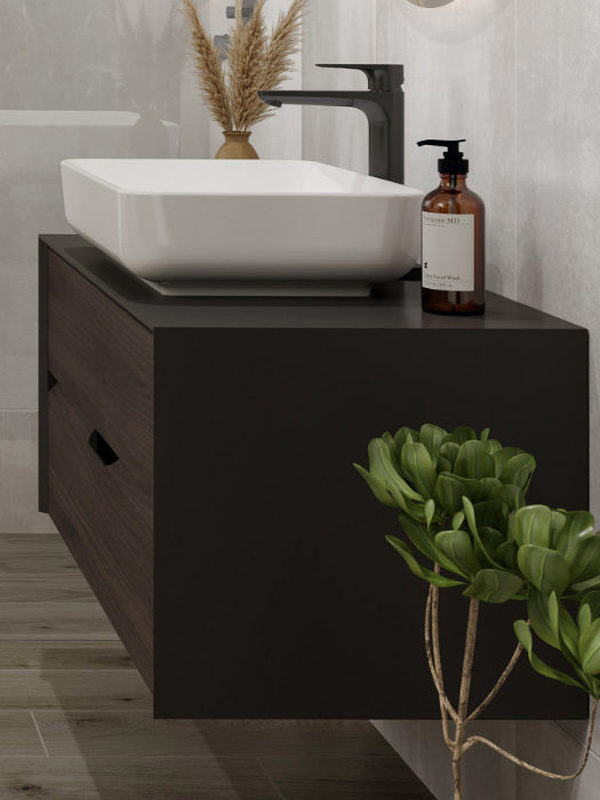
1. Pastel metro tiles express minimalism and the simplicity of Japandi style. Use them in a small area behind a bathroom basin or kitchen worktop. To extend this restrained atmosphere throughout the room, repeat the tiles’ pale colours in other kitchen elements, such as chairs, stools or artwork. Sage or celadon green would be ideal choices. For soft pastel metro tiles, explore the Windsor Frame series from Çanakkale Seramik’s Miniatile collection: this series alone offers nine colours. Çanakkale Seramik also has other metro tile series in different sizes and forms.

2. To highlight wooden or pale kitchen shelves and the flowers and accessories displayed on them, use dark, glossy metro tiles as a backdrop. You can repeat the colour on the lower cabinet doors. If several rows of shelves extend upwards, we suggest continuing the tiles to the ceiling.

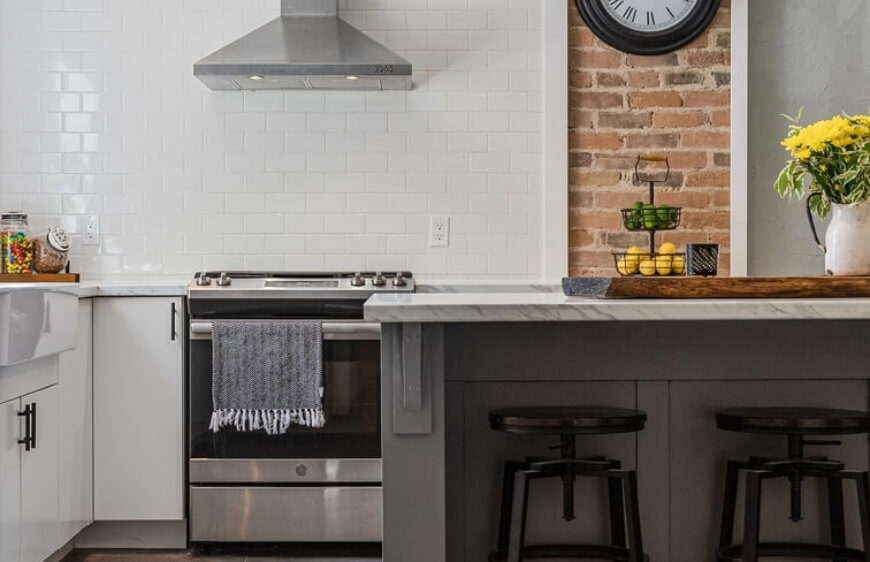
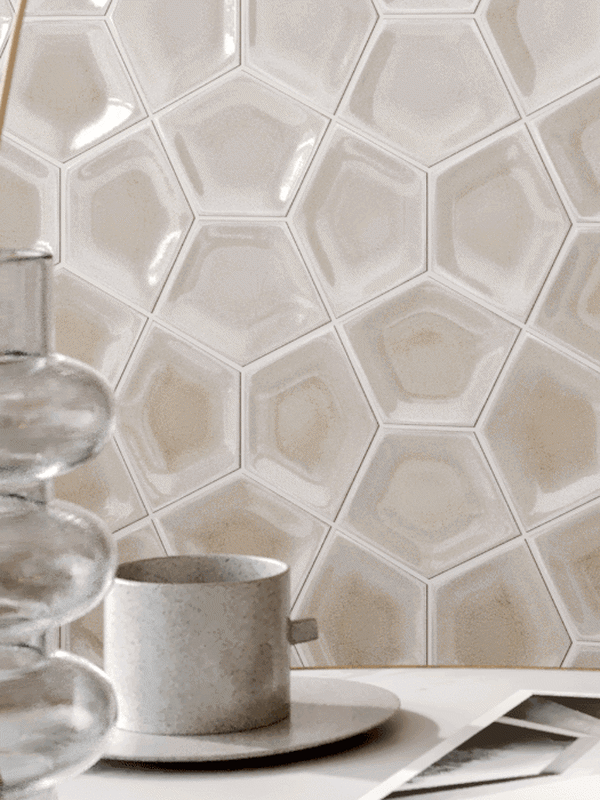
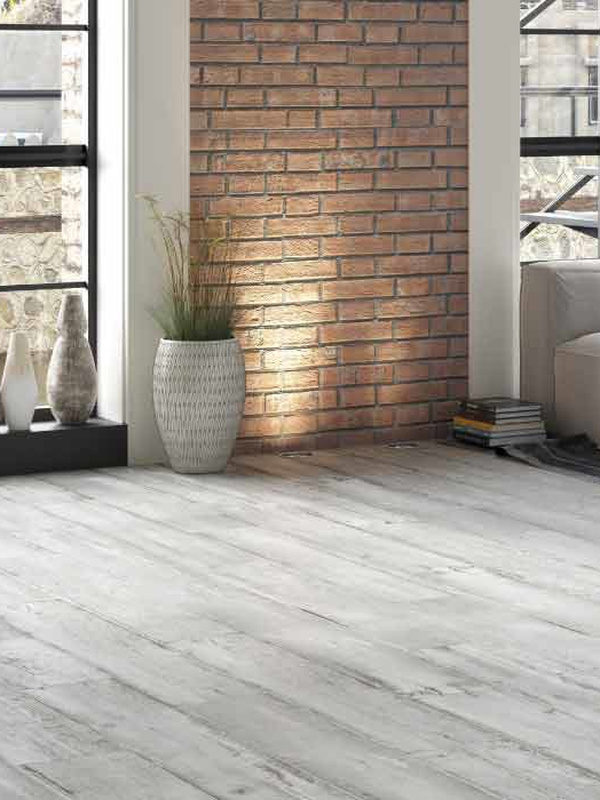
3. If you live in a high-ceilinged loft or a period flat with tall rooms, you may be familiar with traditional brick walls. When pairing them with another material, remember that white metro tiles are a natural companion. Small pentagonal or hexagonal floor tiles can become the third member of this combination.

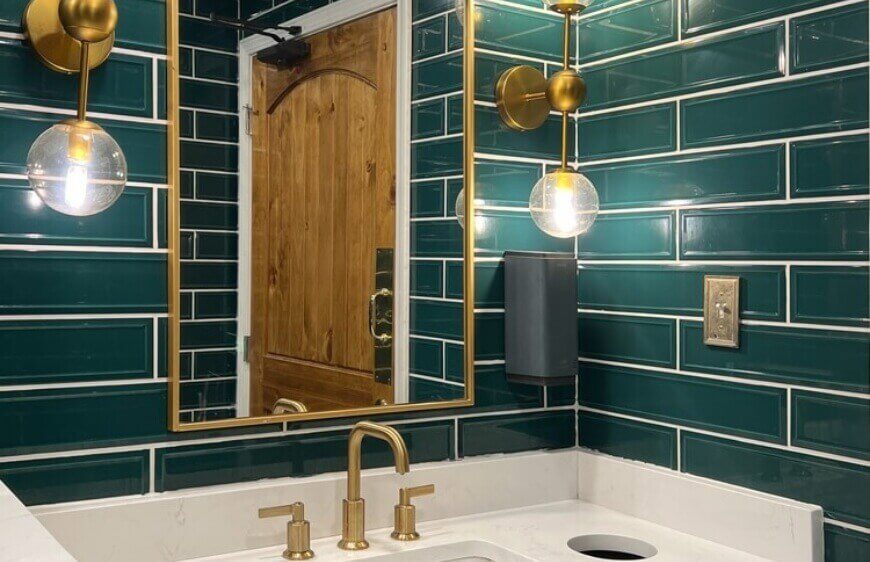
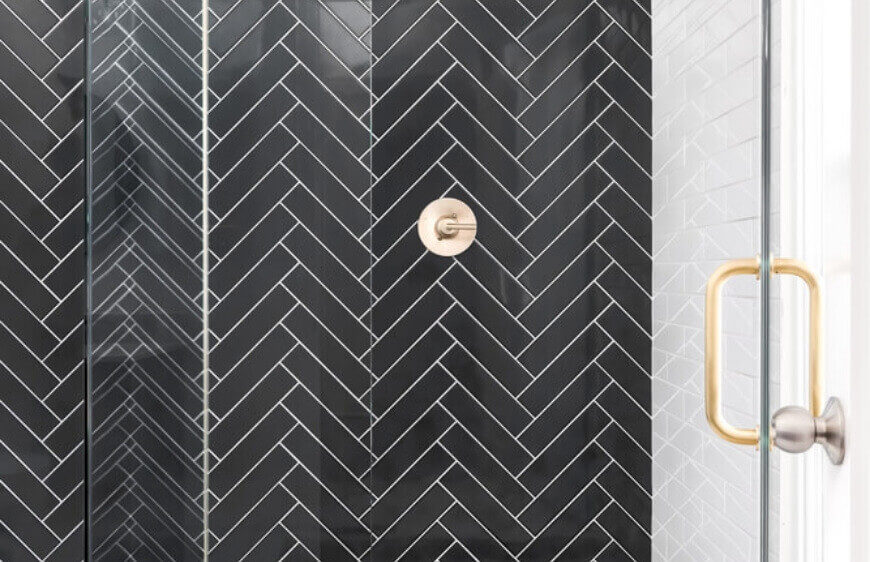
4. Imagine a bathroom with a large window and plenty of light. The room is white or pale, but you would like to balance it with a dark colour. Cover the wall containing the window, rather than the one receiving the light directly, with dark, glossy metro tiles. You could use a herringbone pattern and continue the surface from wall to floor. This can make the bathroom feel larger and add depth.

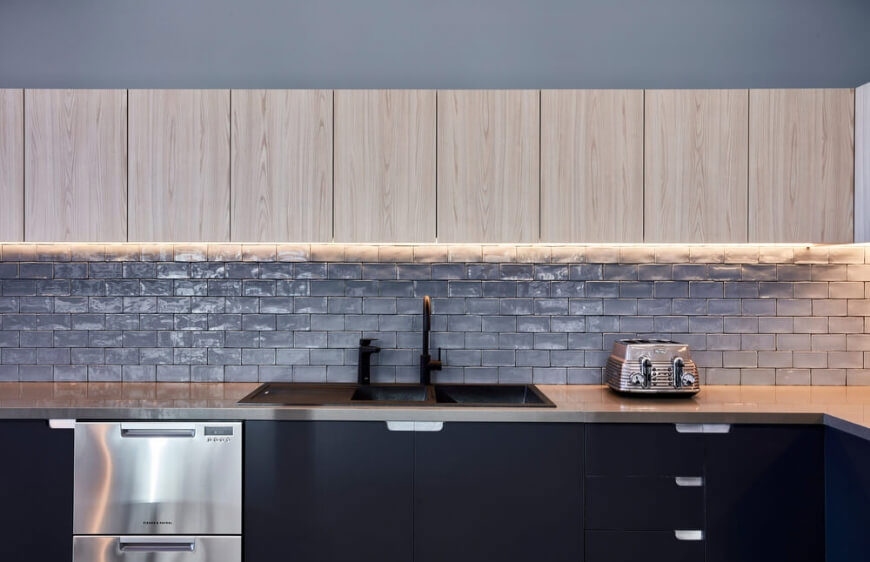
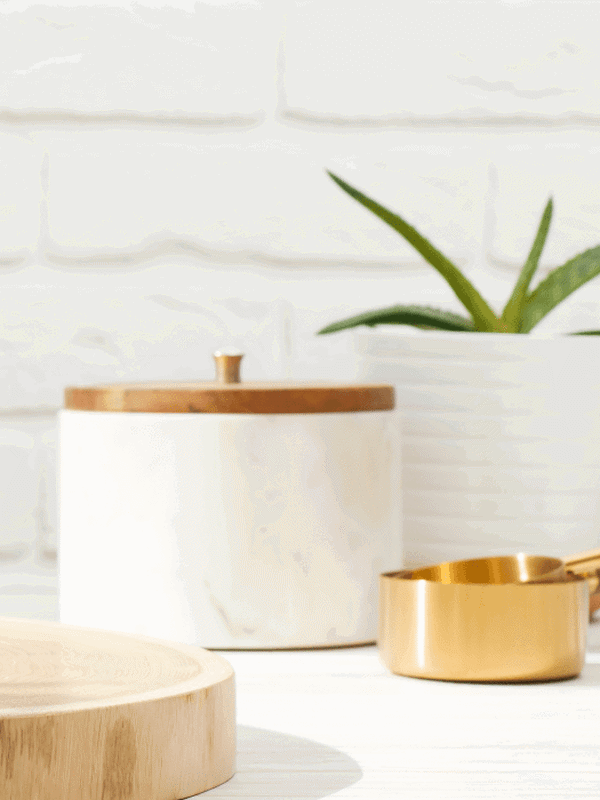
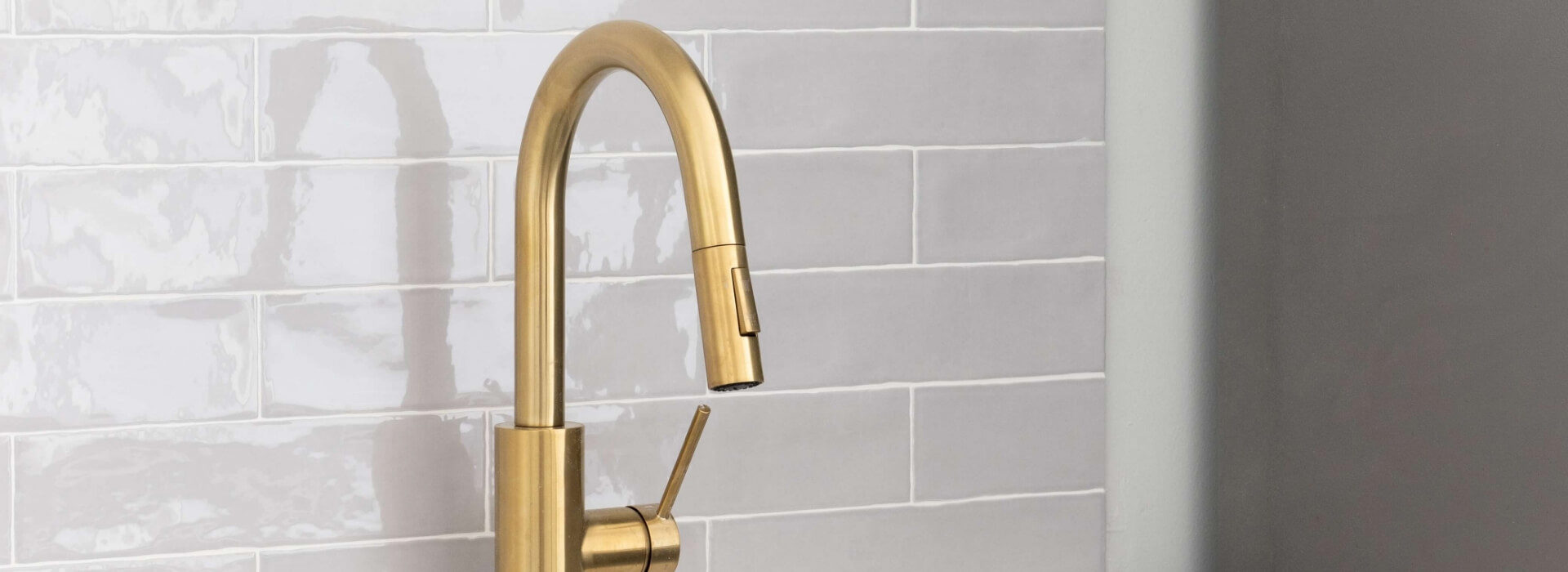
5. Metropolitan gentlemen often give considerable attention to food, kitchen equipment and kitchen design. Metallic metro tiles can complement their sense of style. Take care, however: these tiles do not lend themselves to contrast. To give the kitchen a more formal atmosphere, choose corresponding colours, such as gold for beige, silver for grey and bronze for black.

Mekanınızı yapay zeka ile birkaç saniyede yenileyin!

Mekanınızı yapay zeka ile birkaç saniyede yenileyin!

Seçtiğiniz ürünü evinizde görün.

Evinde Gör

Banyonuzu yeniden tasarlamaya ne dersiniz?

Banyoda Gör

Blog

Explore All

Compare

Compare
Compare