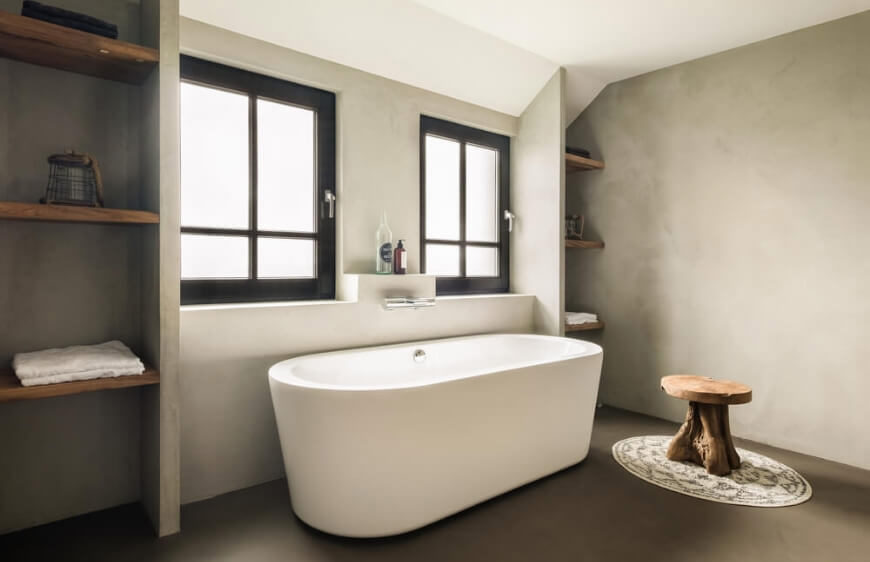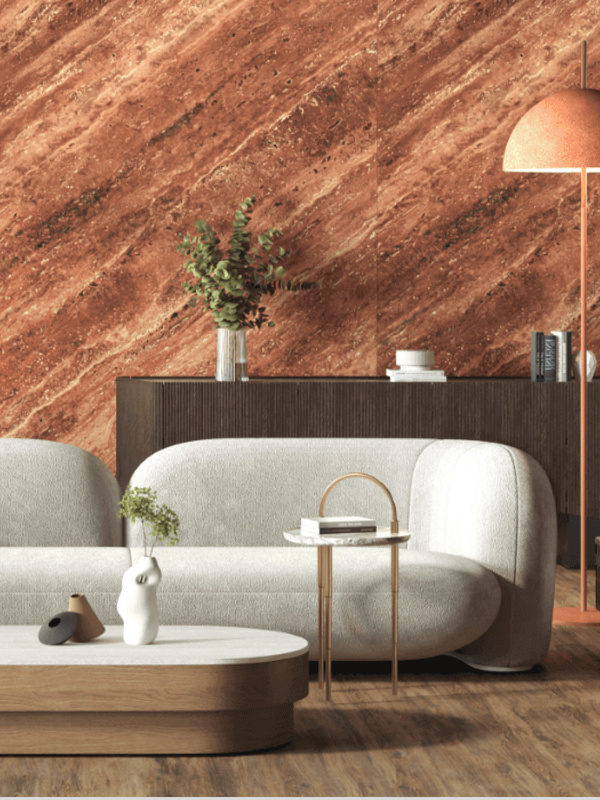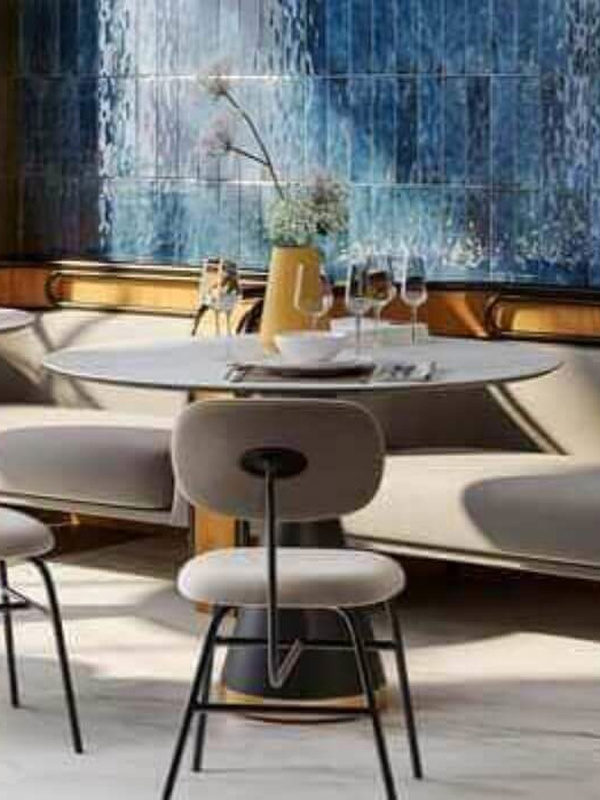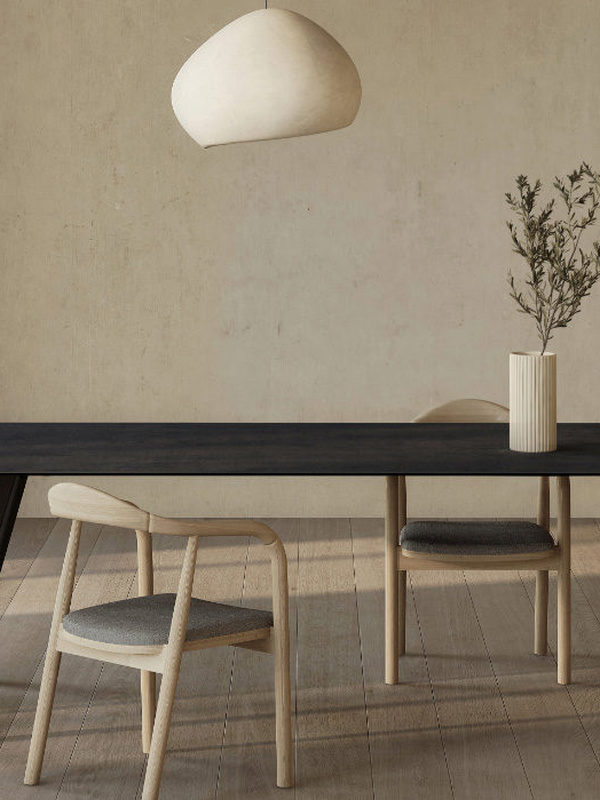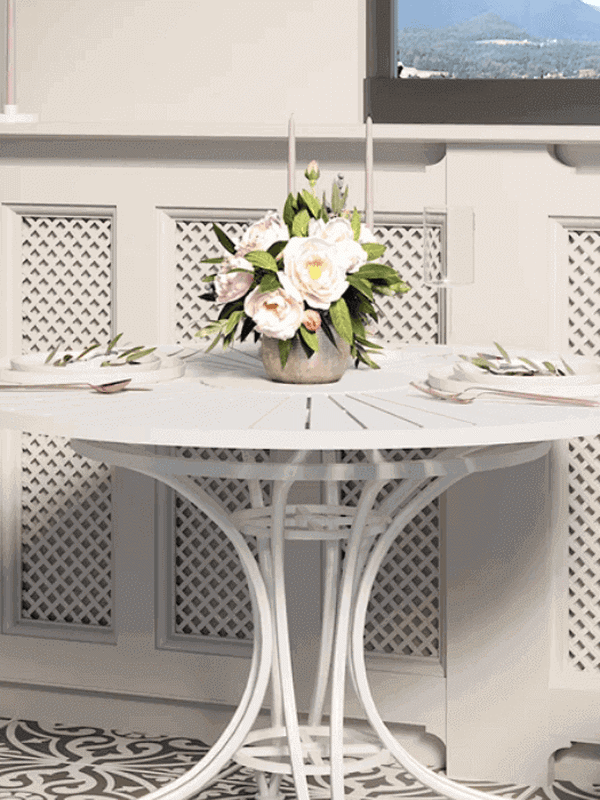
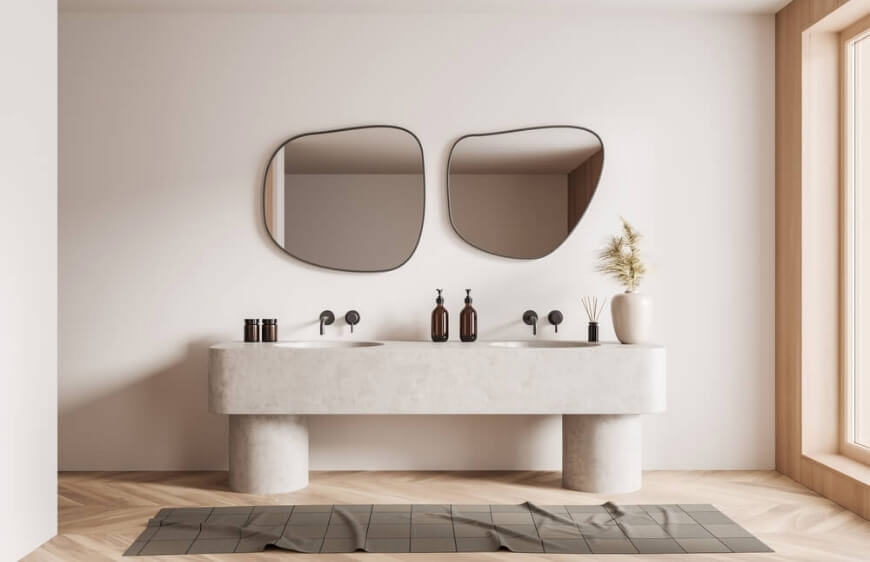
Curved forms have become one of the most important design trends of recent years. Appearing particularly in large furniture such as sofas, coffee tables and dining tables, this movement challenged the convention of symmetrical room arrangements and introduced bean-shaped and irregularly circular tables. Their organic unevenness, distinct from classic geometric circles, made them more unusual and the spaces they inhabited more creative.
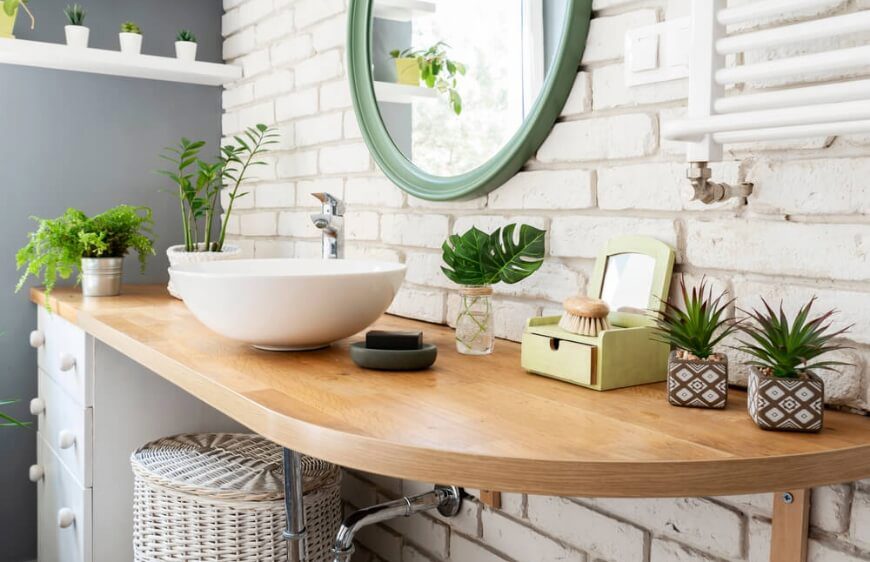
Curves and Flowing Lines in the Bathroom
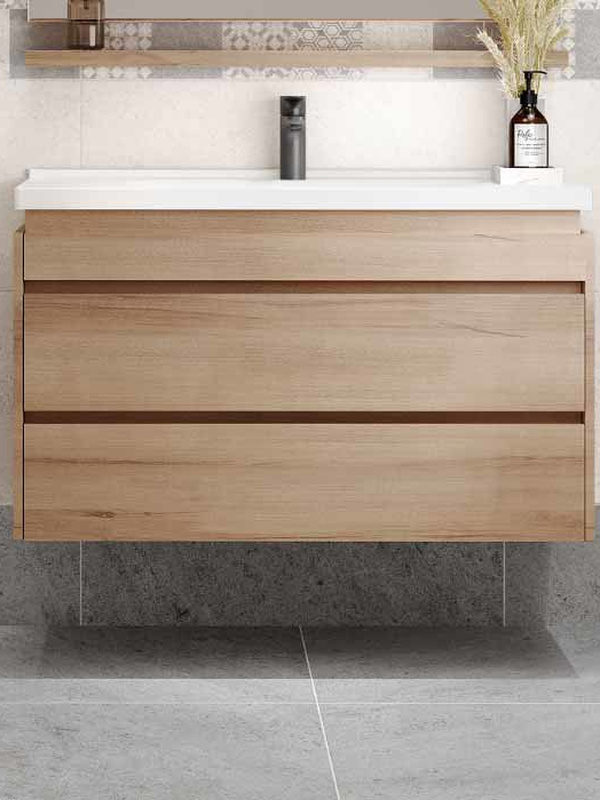
For a natural, flowing bathroom atmosphere that feels close to nature, we can draw on the curves and contours of organic forms to create a softer decorative scheme.
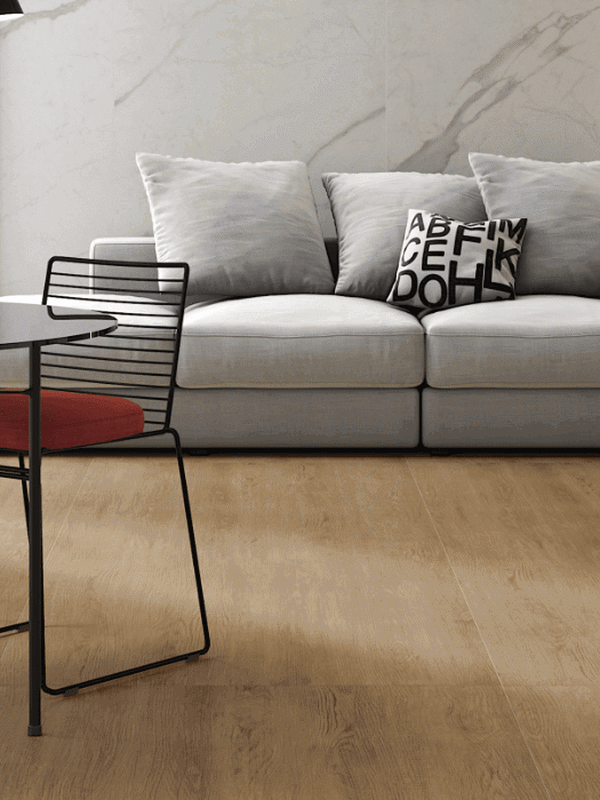
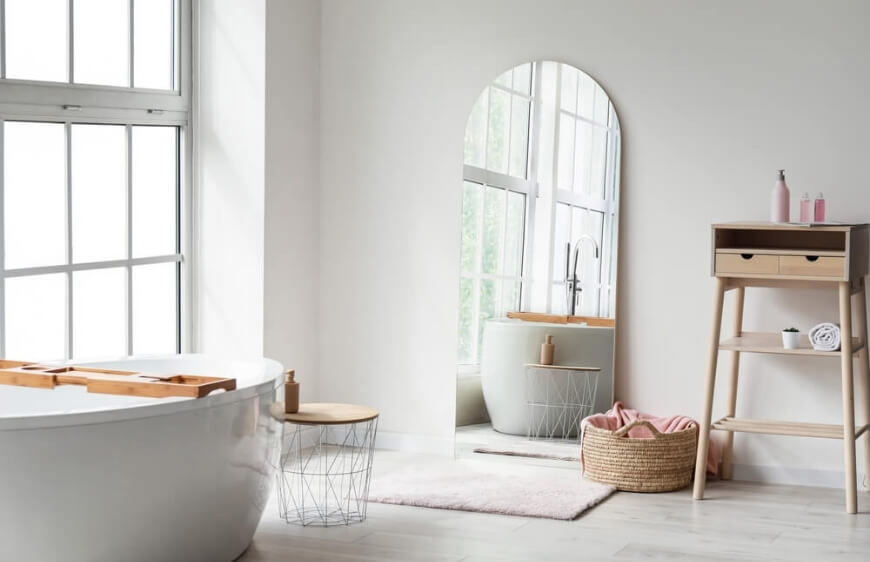
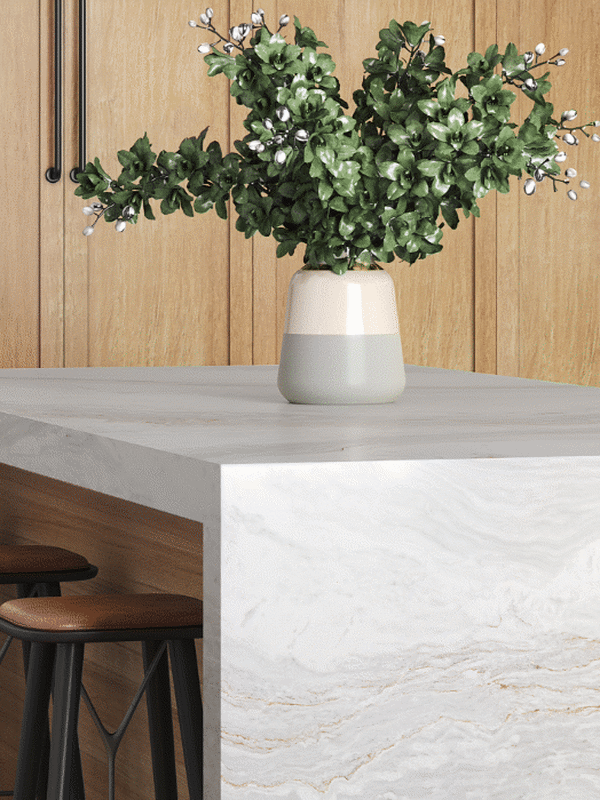
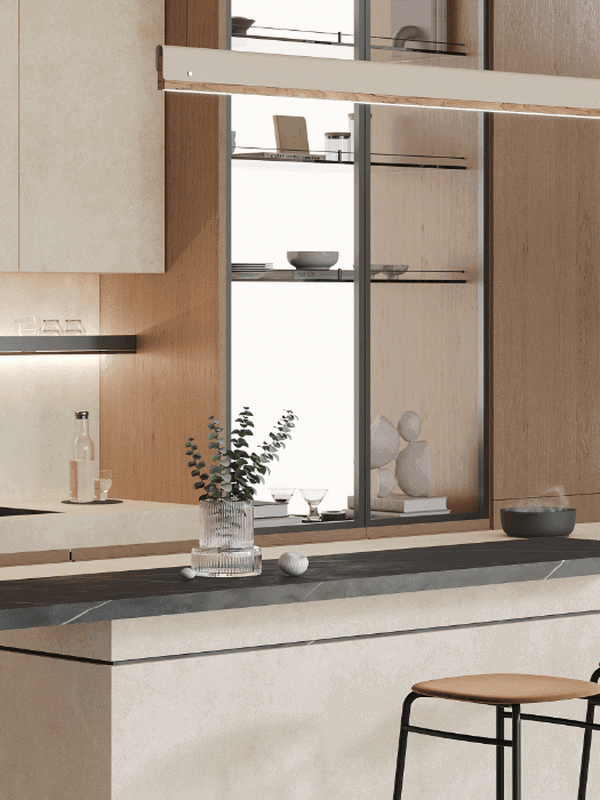
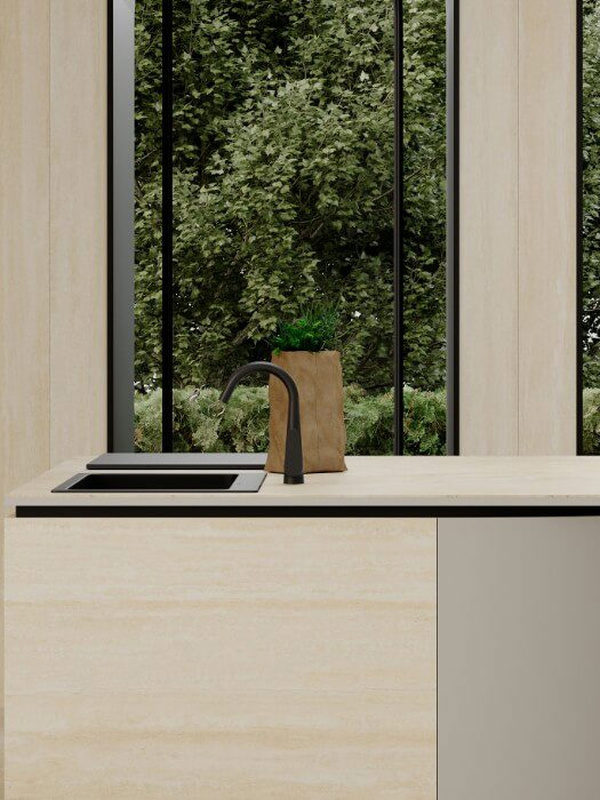
Over time, these curves appeared in other rooms too. From kitchen islands to headboards and side tables, they eventually embraced the bathroom as well. In fact, with bathrooms centred on an element such as water and inherently speaking to nature, it was only a matter of time before materials such as wood, marble, ceramic, concrete, terracotta and glass met organic forms. Basins led the way, followed by arched partition walls separating showers from the rest of the bathroom.
Elliptical shapes and rounded edges made bathrooms more inviting, warm and approachable, replacing sharp, precise lines and giving traditionally decorated, hard-edged, clinically cold bathrooms a welcome break. The introduction of curves removed corners and brought a visual rhythm that made bathrooms more relaxing and tactile.
- Curved bathroom fittings and basins
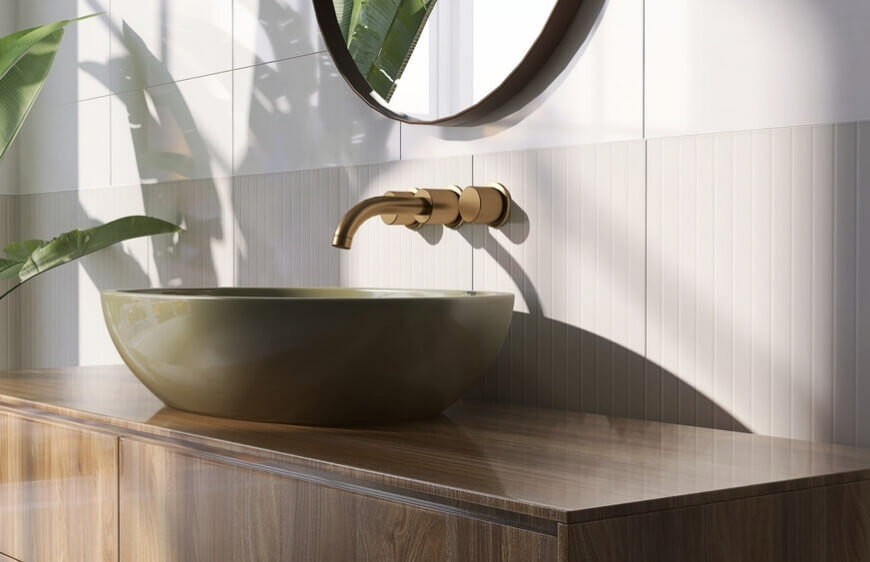
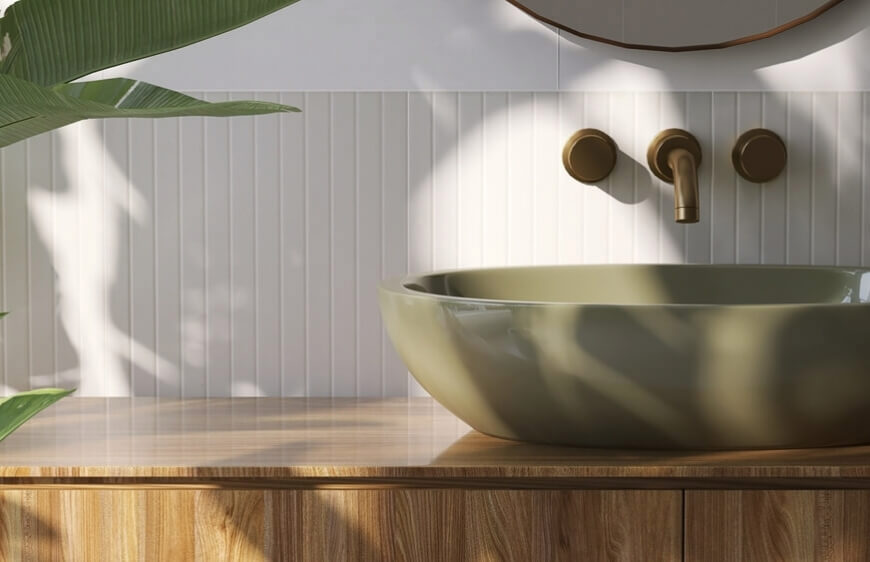
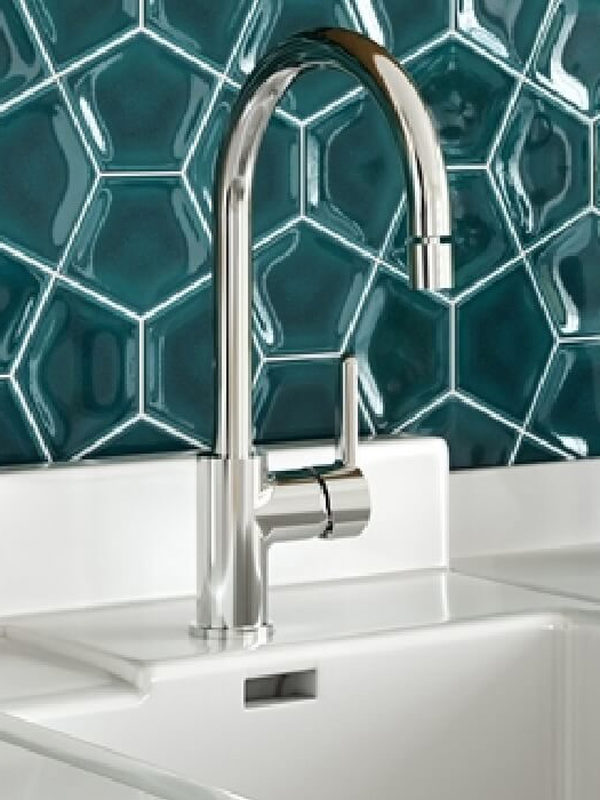
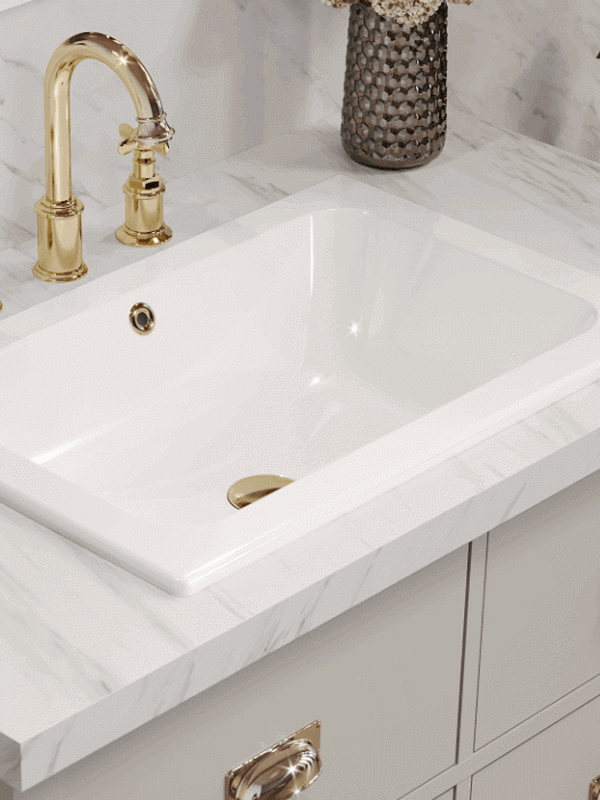
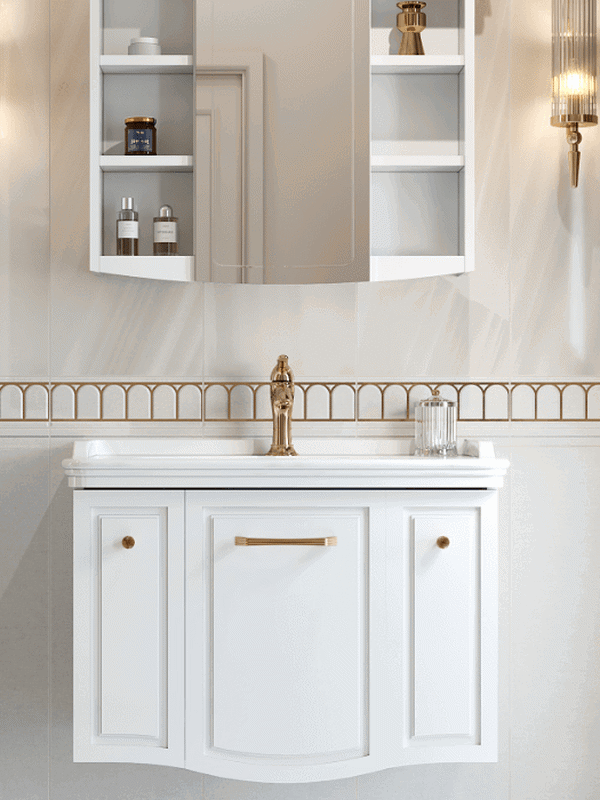
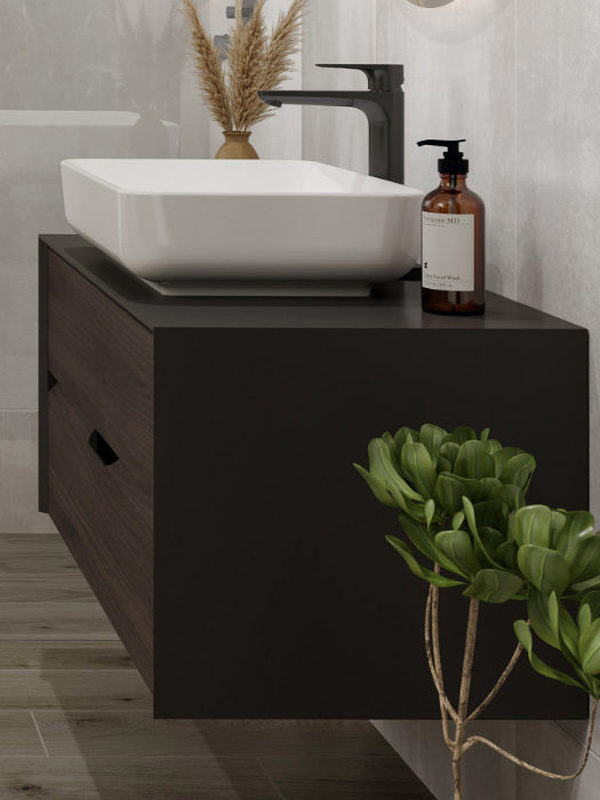
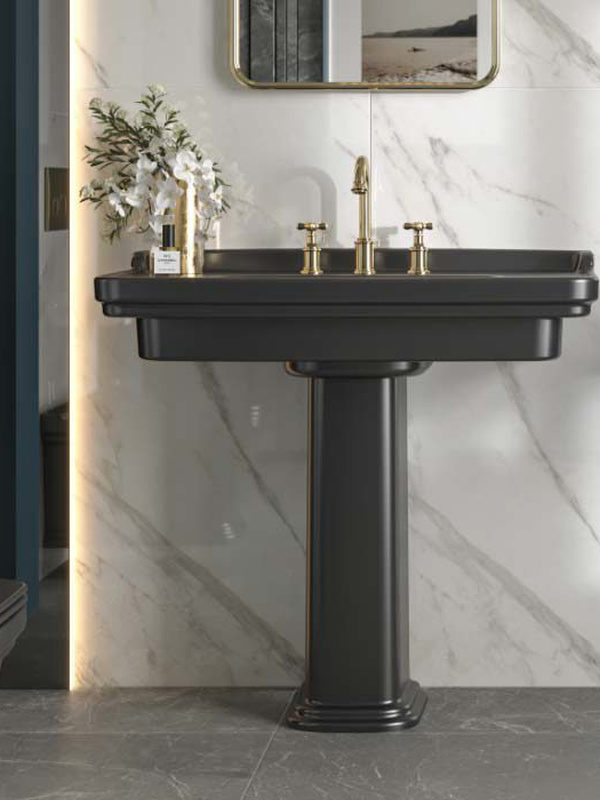
It may seem like a small detail, but creating a bathroom atmosphere defined by curves means focusing on the details. Tap and fitting sets are one example. Choosing rounded pieces rather than straight, cubic designs, especially in warm-toned metals such as brass, takes you a step towards a relaxing, soothing, spa-style bathroom. For designs in this style, explore the rounded forms of Kale Banyo's Classic sensor basin tap, Reno Mono sensor basin tap and Slim shower head from its technology series.
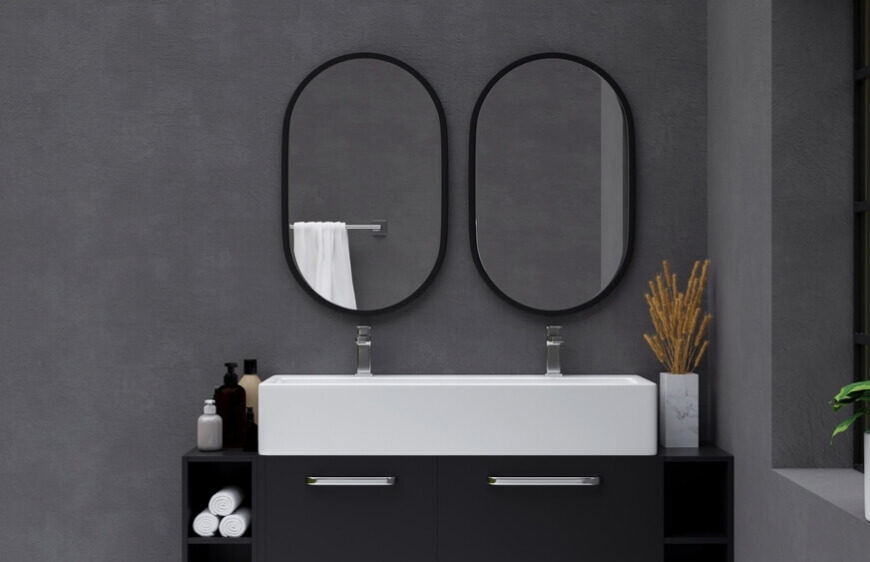
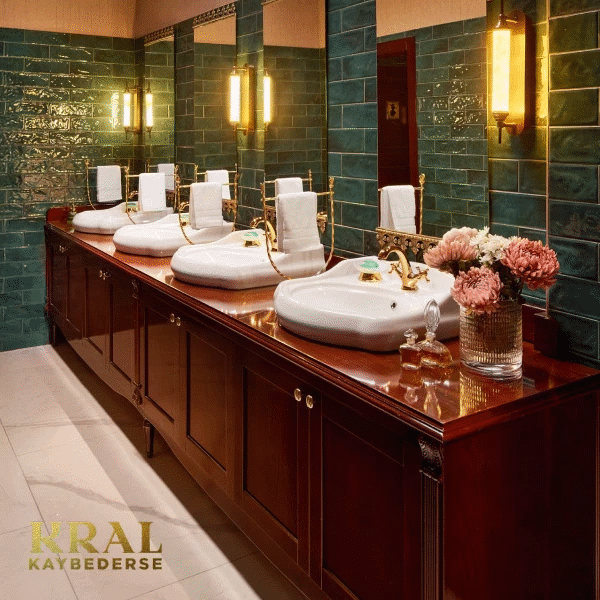
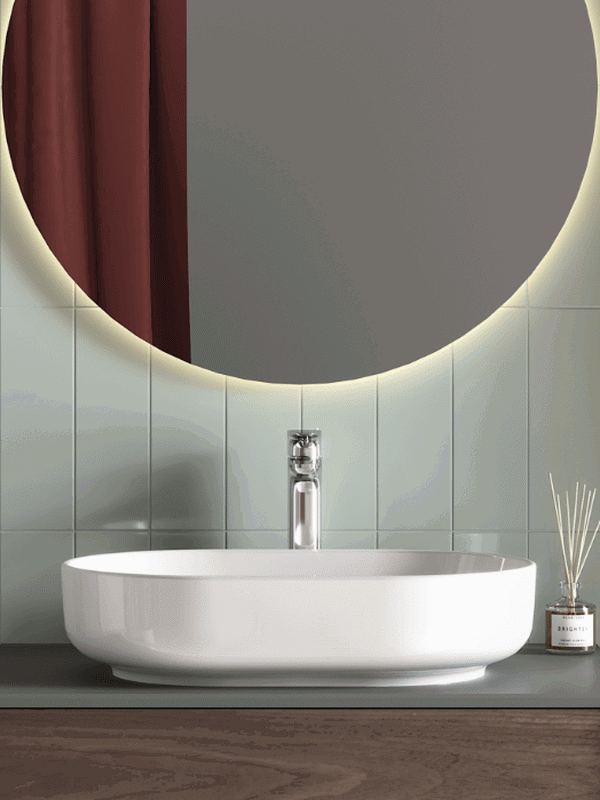
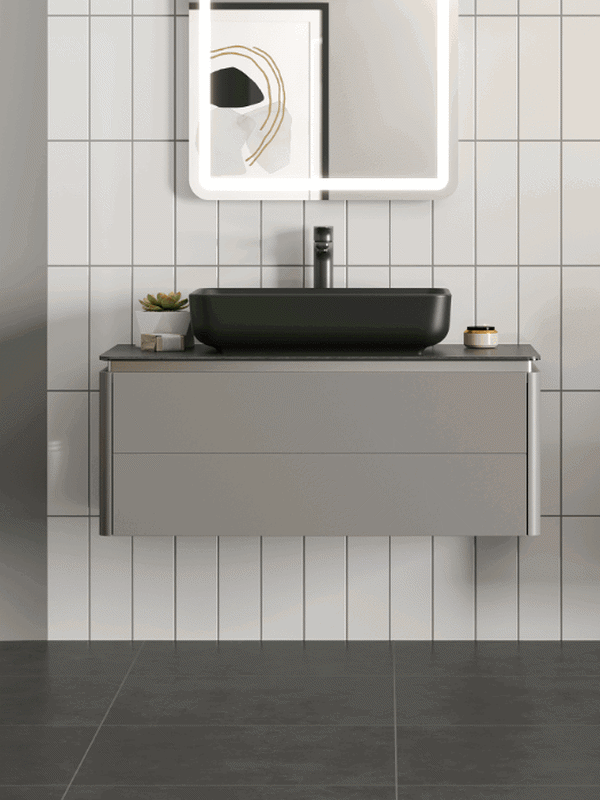
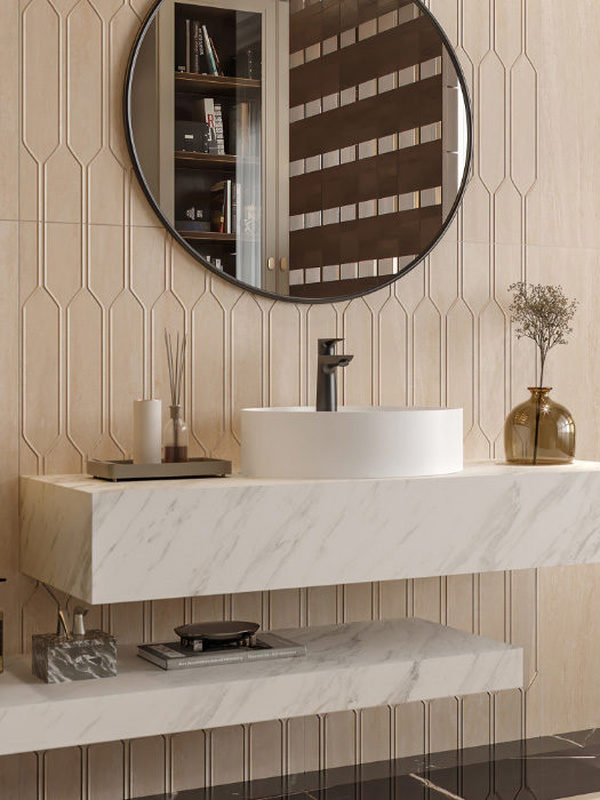
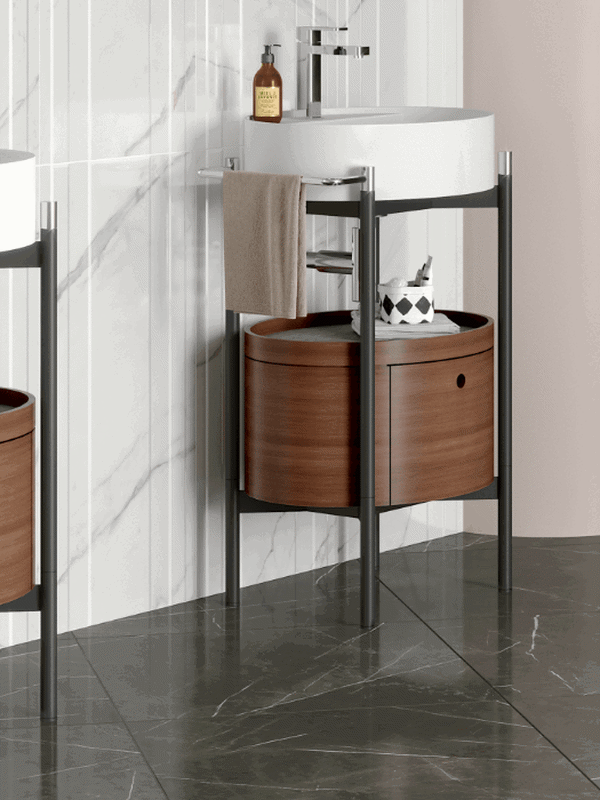
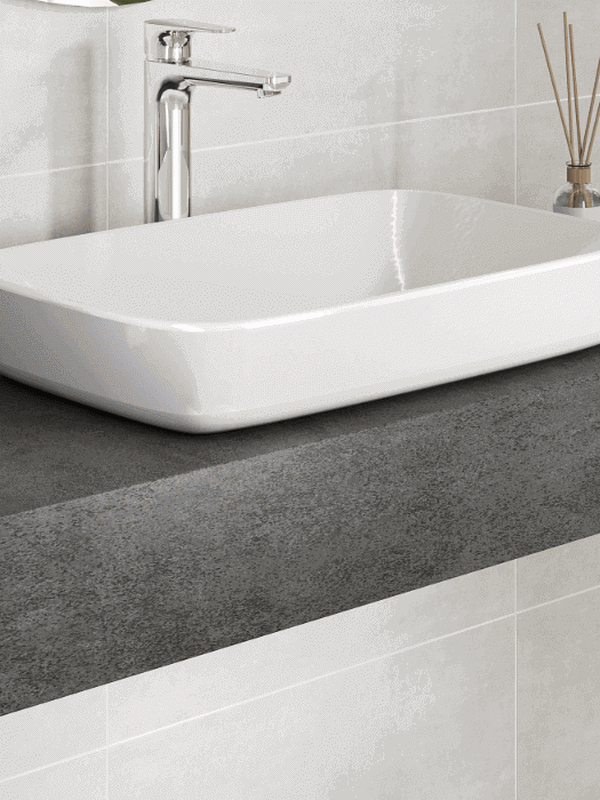
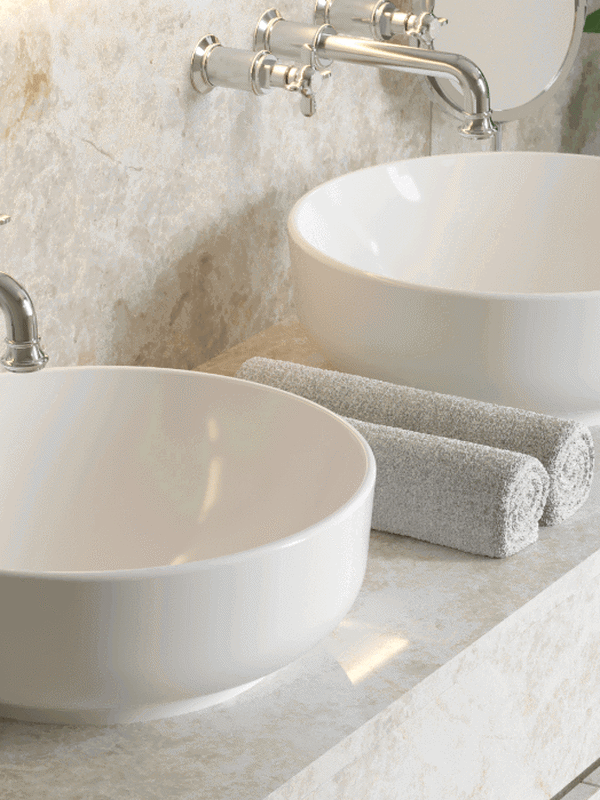
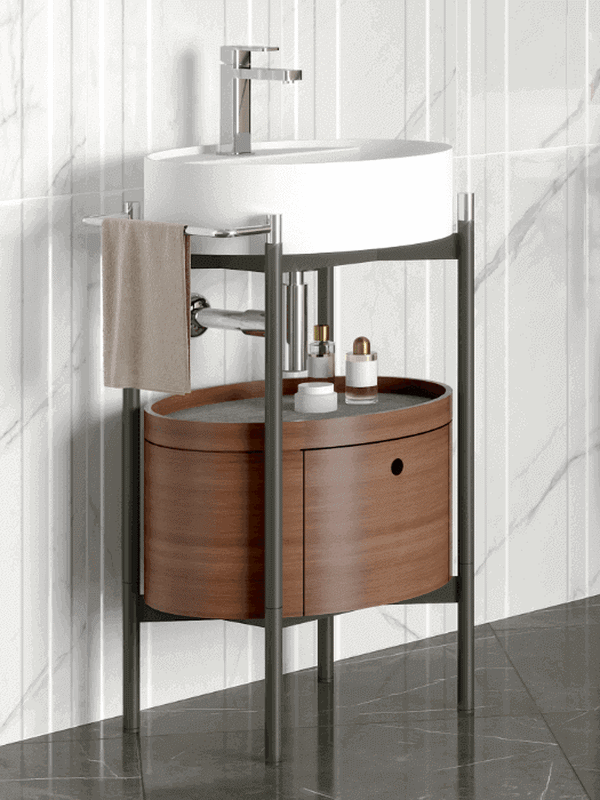
Let us continue: basins were the first to bring organic forms into the bathroom. Expressing curves, rounded contours and circularity in three dimensions, they made a striking impact in bold colours. This movement continues, and we are creating organic bathrooms with basins in masculine shades such as black, anthracite and grey. For small bathrooms with limited basin space, we recommend Kale Banyo's circular Smart Edge basin. For larger bathrooms where an elliptical form is preferred, consider the Zero 2.0 basins. Both models are available in white, matt white, matt pearl, matt mink, matt anthracite, grey, black and matt black.
- Arched doorways and curved partitions
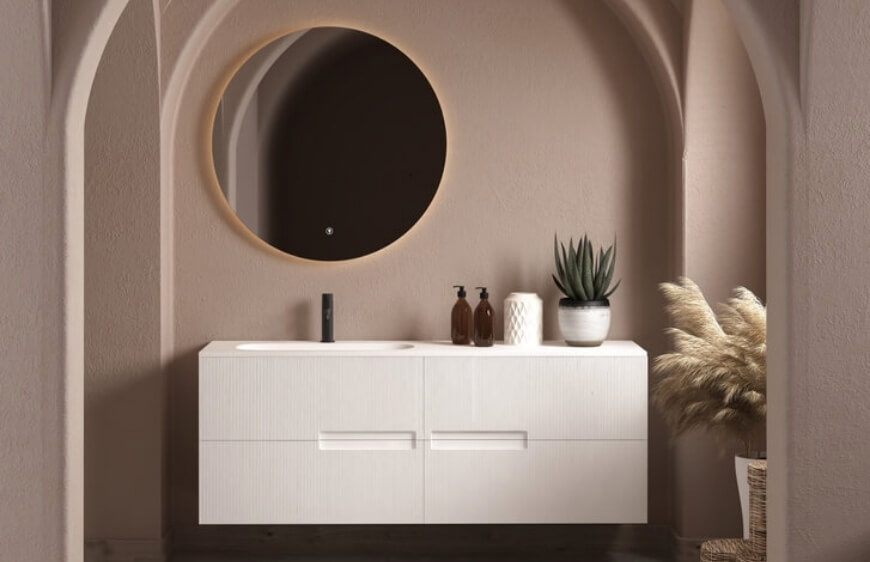
The architectural character of a curved bathroom is the first expression of its intended theme. If you are fortunate enough to have arched doorways, curved partitions separating the shower area or arched wall niches, use these features as a starting point for introducing other curved elements and supporting an organic flow throughout the space.
- Rounded toilets and baths
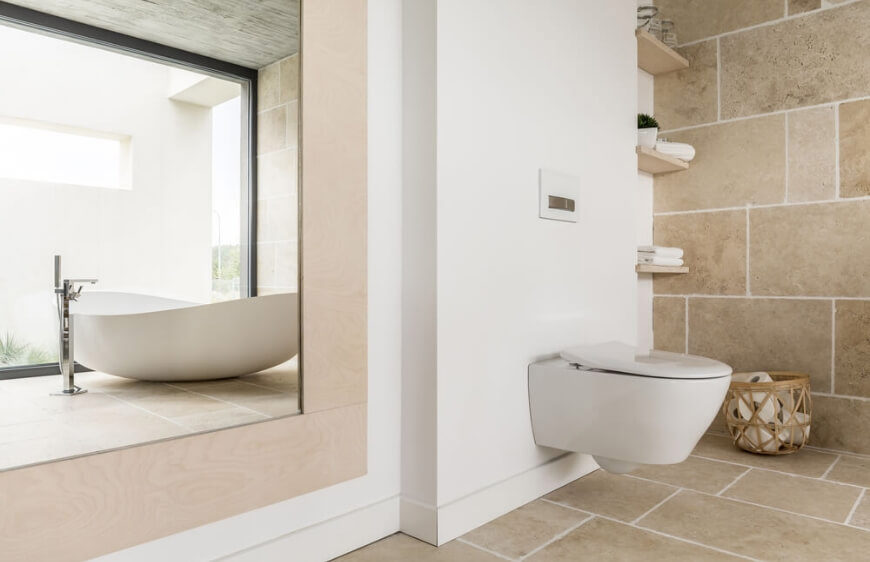
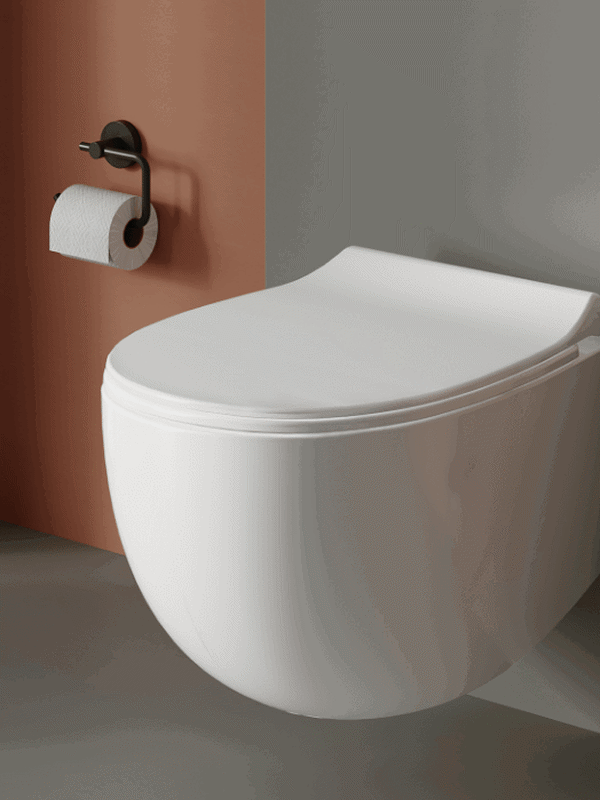
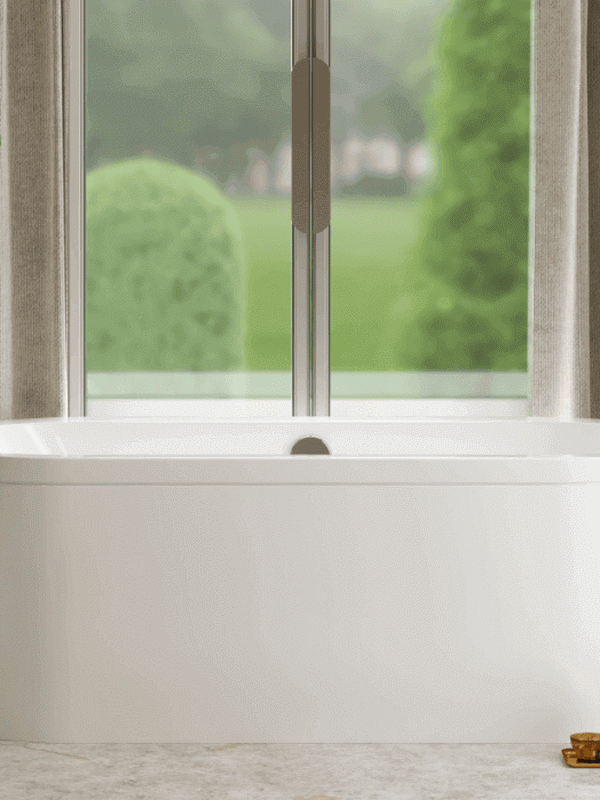
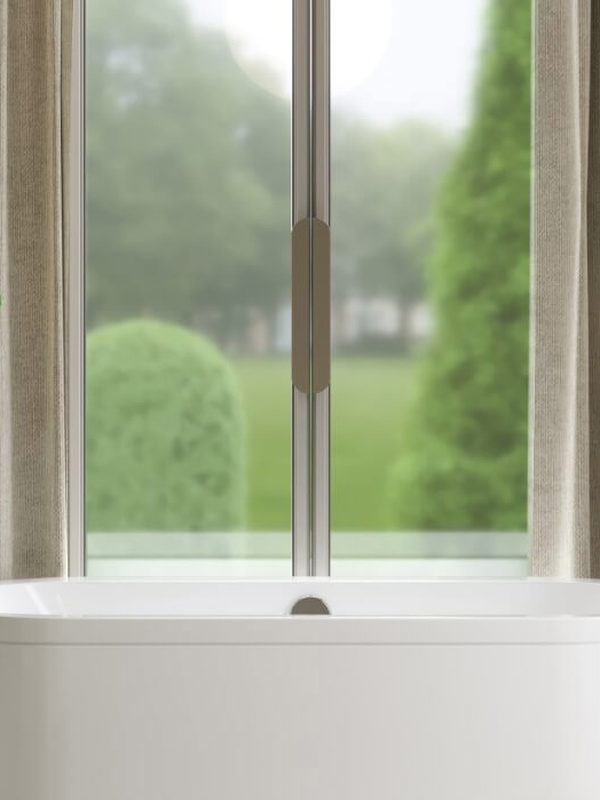
At the heart of the 'curved bathrooms' movement led by bathroom sanitaryware brands are the recent spread of spa culture, the emergence of healthy living as a basic need, the opening of numerous spa centres and the major trend for creating a spa atmosphere at home. As brand designers created flowing spaces for people seeking their own private home spa, they also developed sanitaryware with rounded edges. Toilets and baths have in fact been based on rounded forms throughout history, but their traditional lines have become more fluid and amorphous.
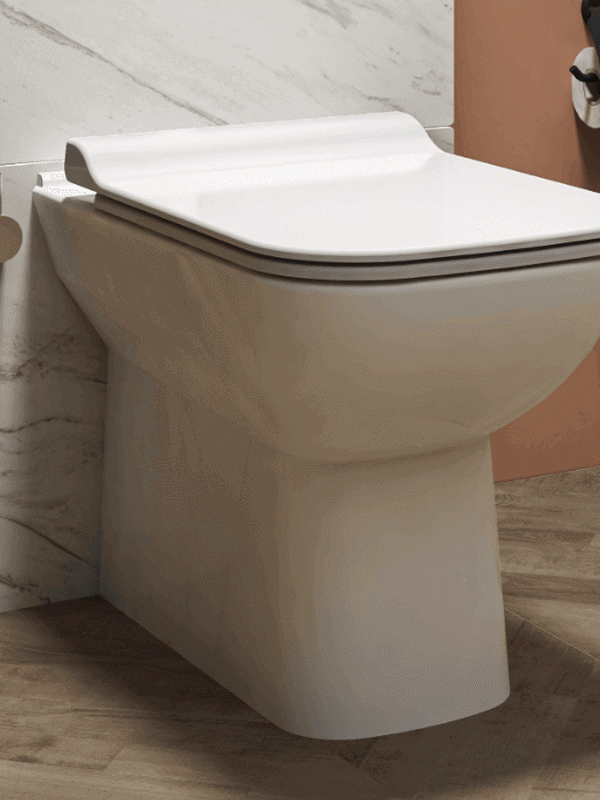
Kale Banyo offers examples of this innovative approach to baths. The Zen, Dot and Zero models are pioneers in both amorphous and circular bath designs. The same brand's Dove 2.0 toilet fully embodies the concept of organic form, while its smart flushing technology demonstrates impressive capabilities in economical flushing and practical functions.
- Soft textiles and textures for soft lines
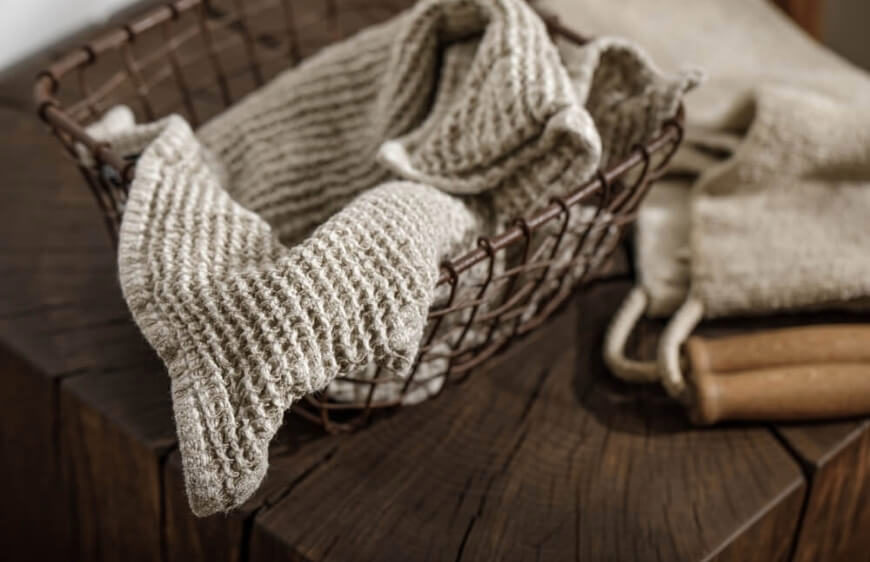
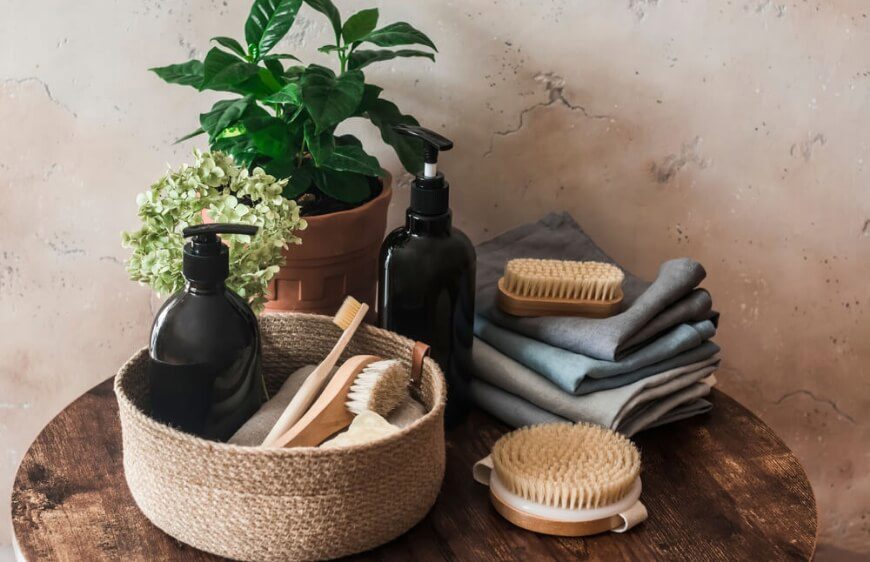
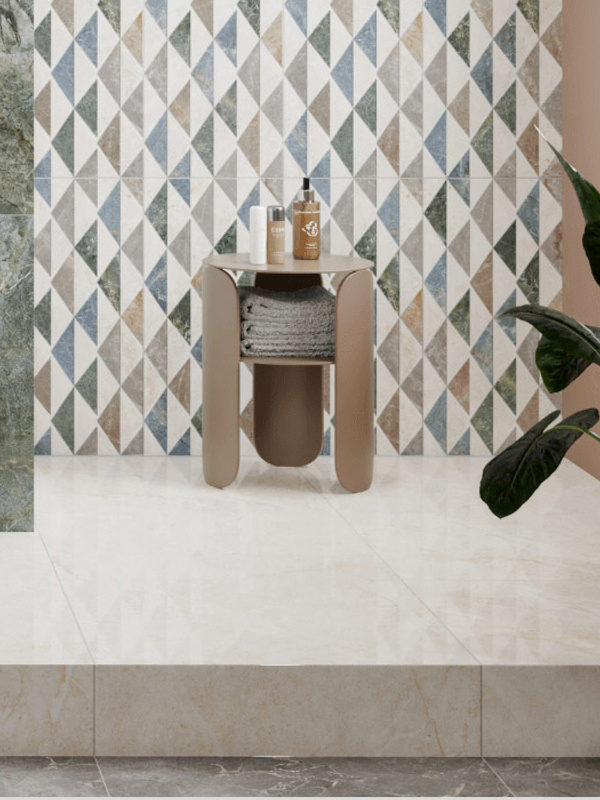
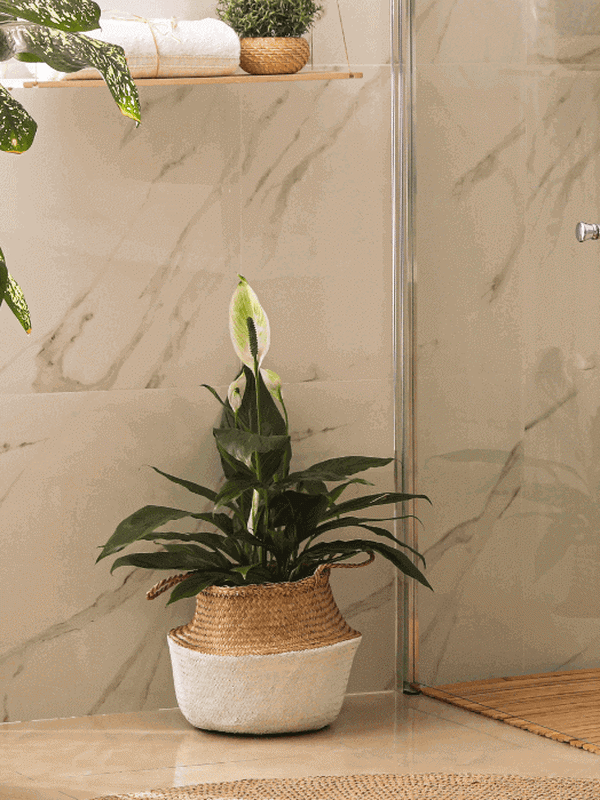
For some reason, spaces with hard, straight lines often feature minimal textile choices that continue the same cool energy. Yet soft, warm and natural textiles suit spaces defined by curves, circles and flowing contours. Bathrooms that embrace curves become places where we connect with nature through raw textures entirely free from synthetics.
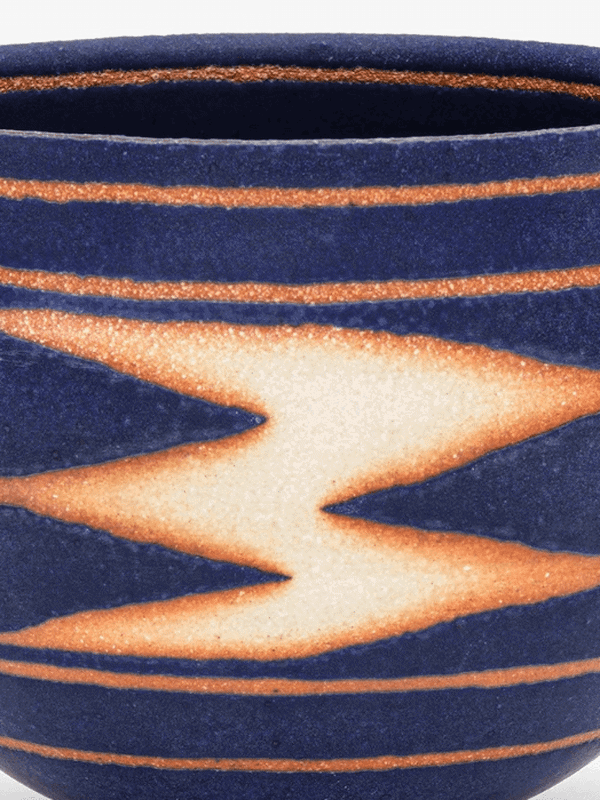
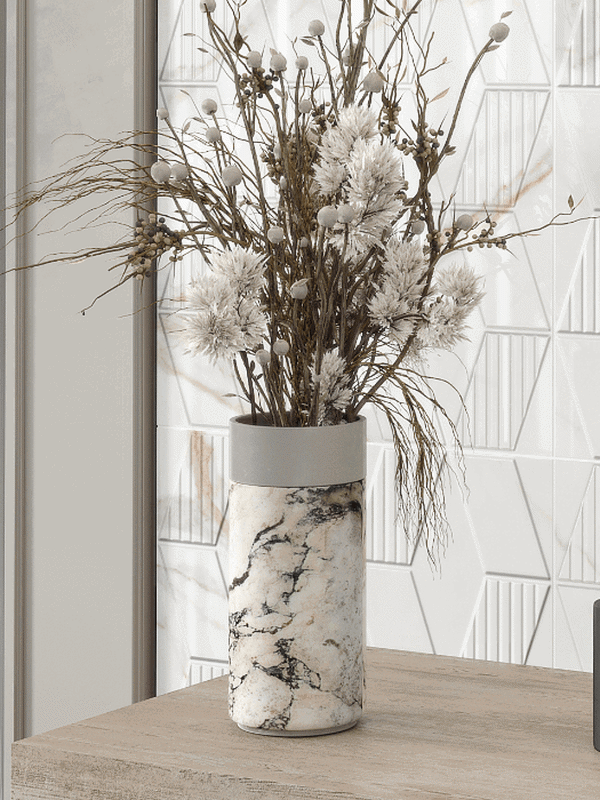
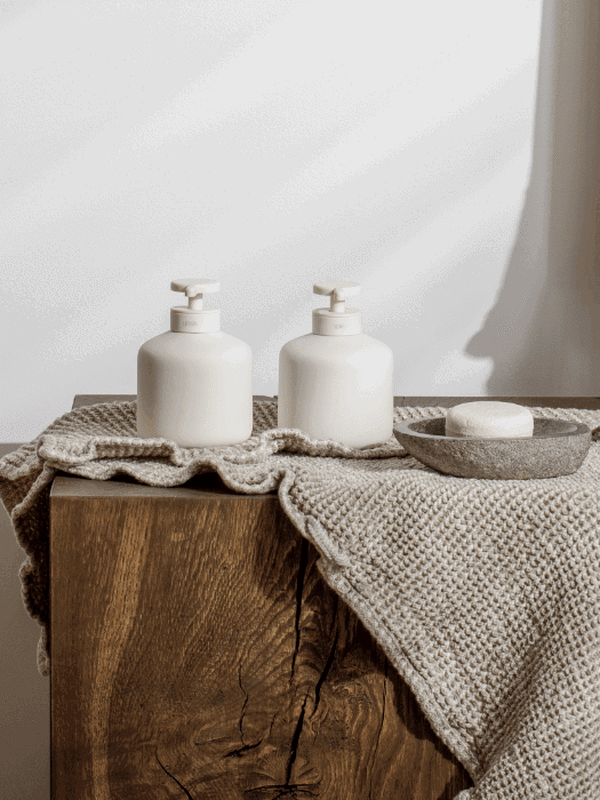
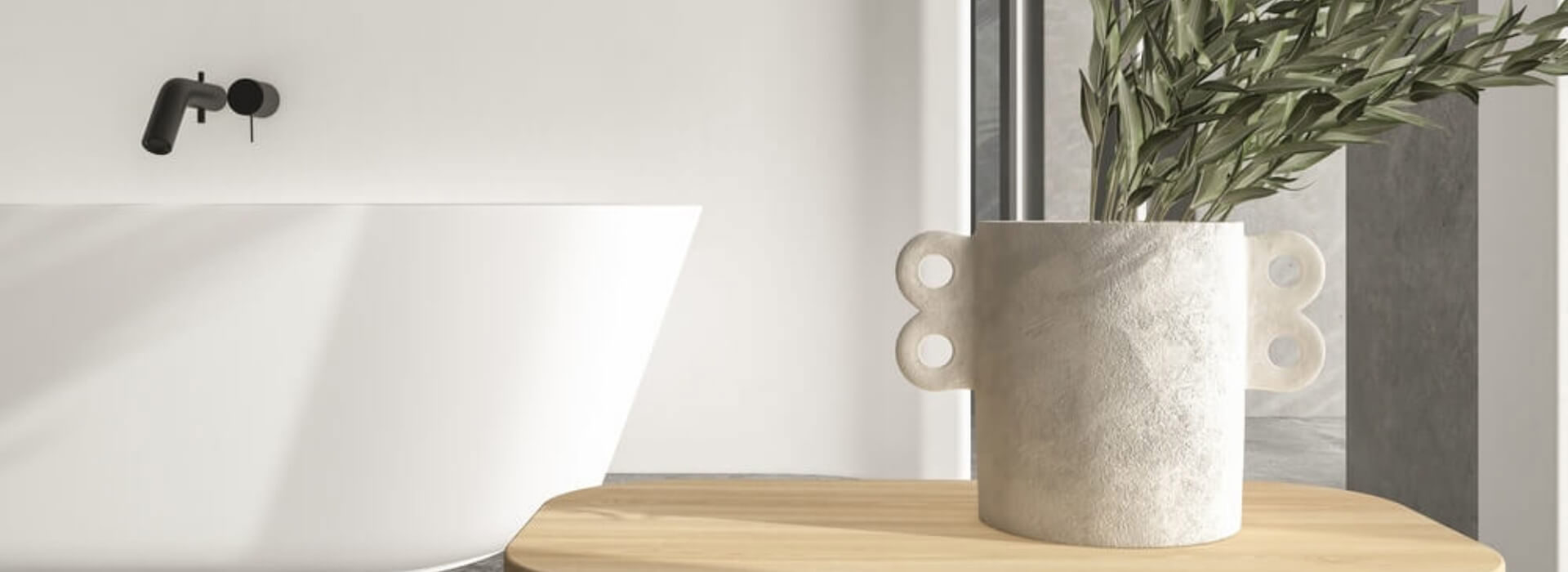
The same applies to other surfaces and textures. Materials such as wood, tadelakt plaster, earth and clay complement bathrooms full of curves. Wrinkled, crumpled and imperfect surfaces, such as earthenware and clay vases, bamboo blinds and linen towels, are particularly suited to this style of bathroom.
- Mirrors, lighting and finishing touches
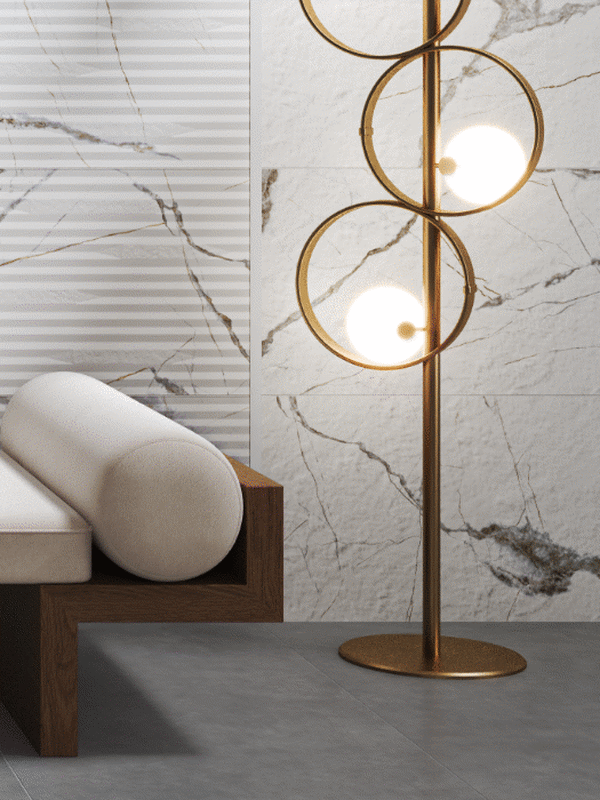
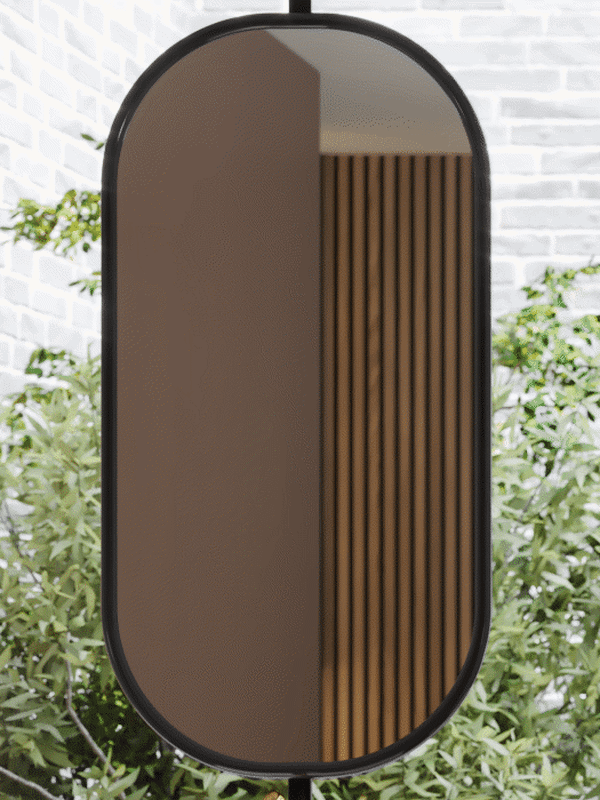
If you are beginning a rounded-form revolution in your bathroom, mirrors are the most practical purchase. Continue the approach with circular lighting and accessories. This will give your bathroom a more flowing, gentle and forgiving expression.
Curved bathrooms have their advantages!
Bathrooms filled with curved and sloping designs offer practical as well as aesthetic advantages. Creating a spa-like atmosphere, they become cleansing, restful sanctuaries and personal places to escape and relax. Curved furniture and units also provide a safer decorative scheme for children and older people. In addition, curved basins and baths are easier to clean and maintain than angular units.