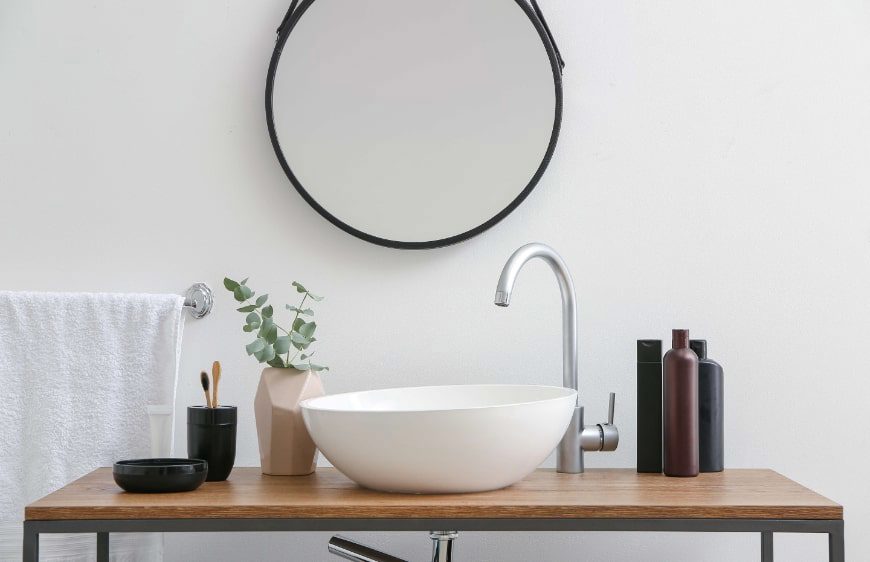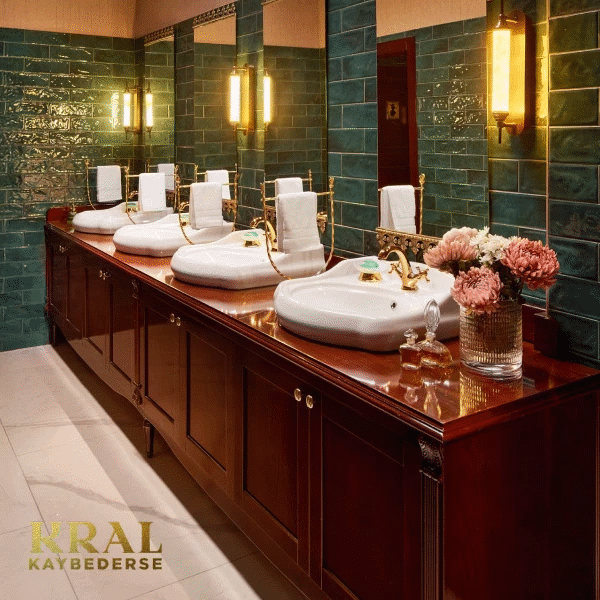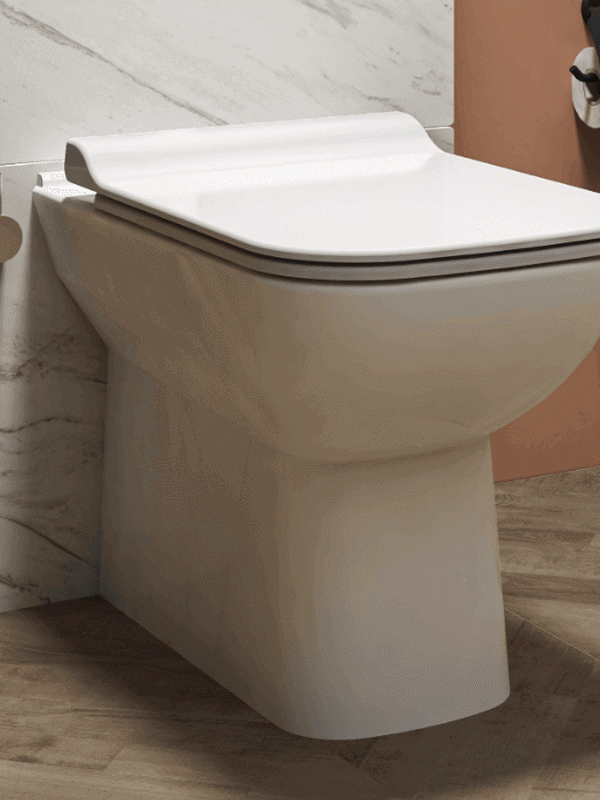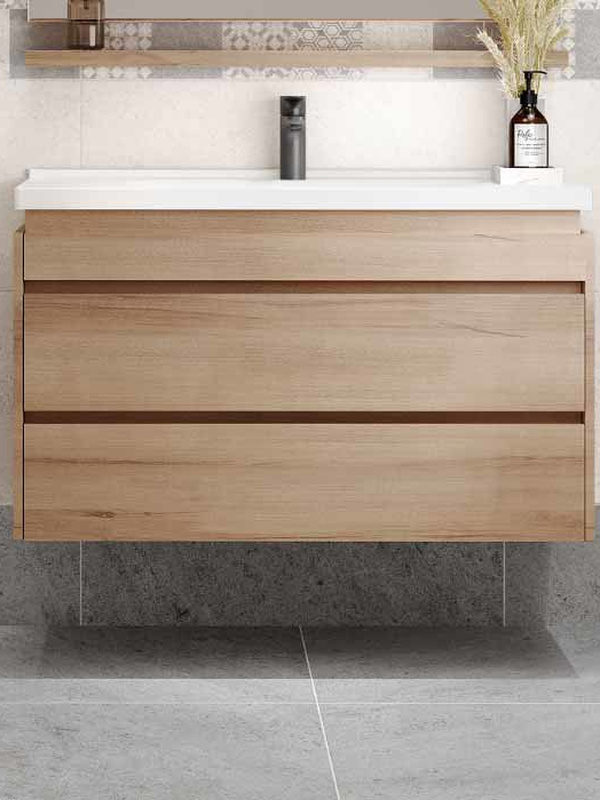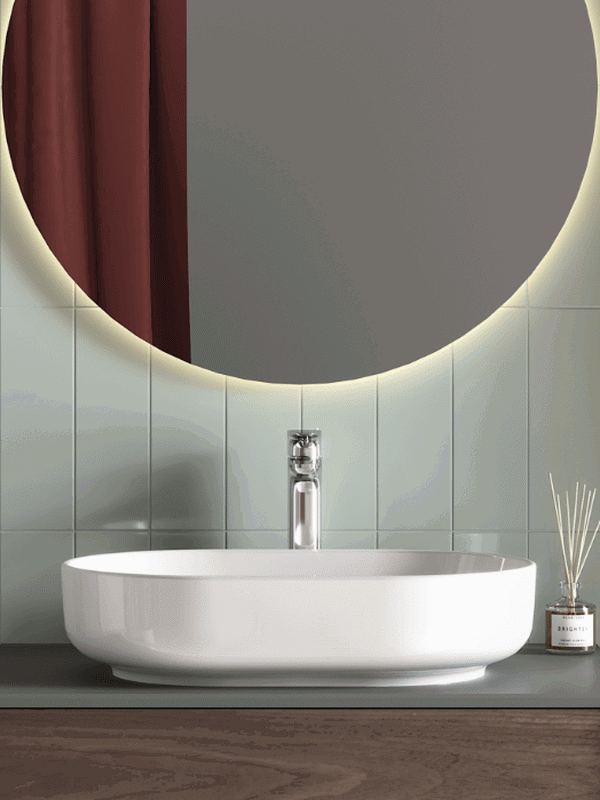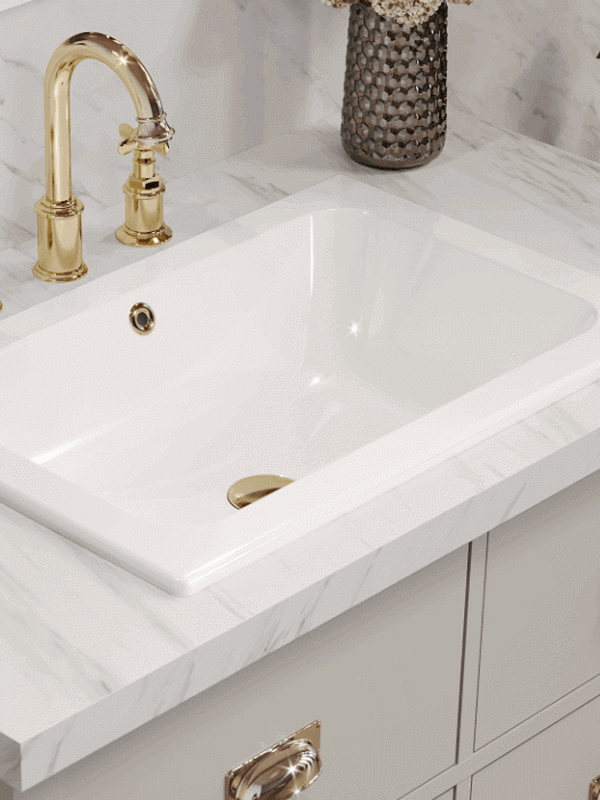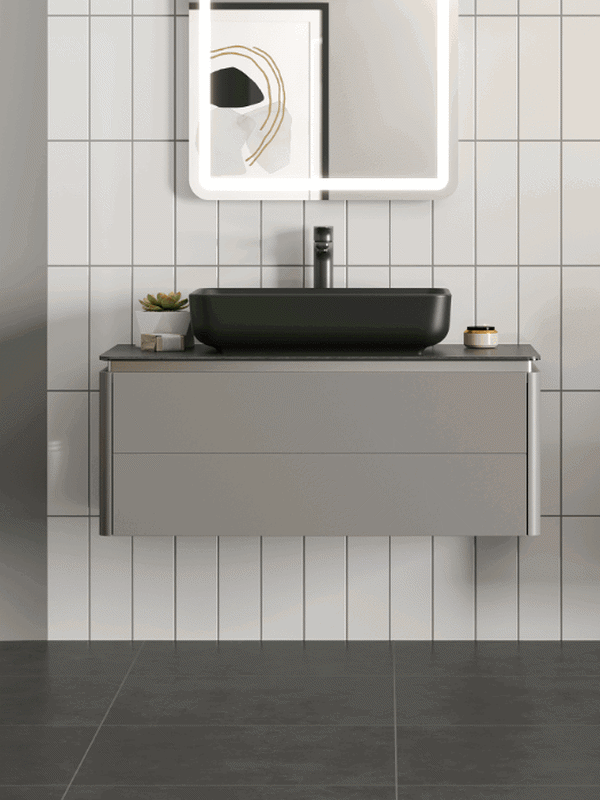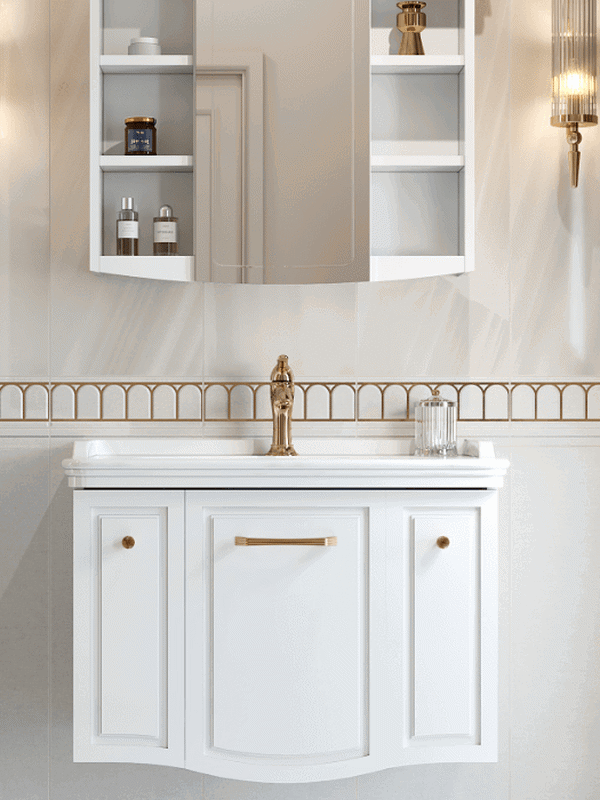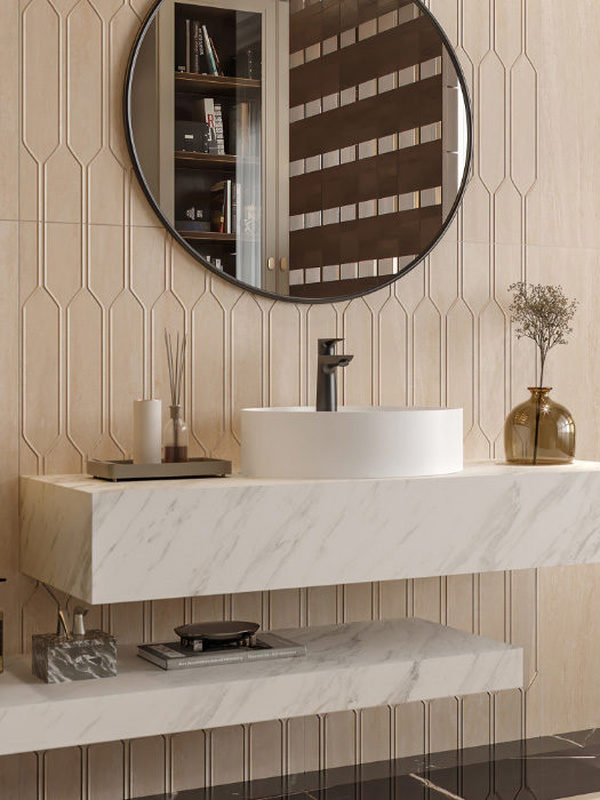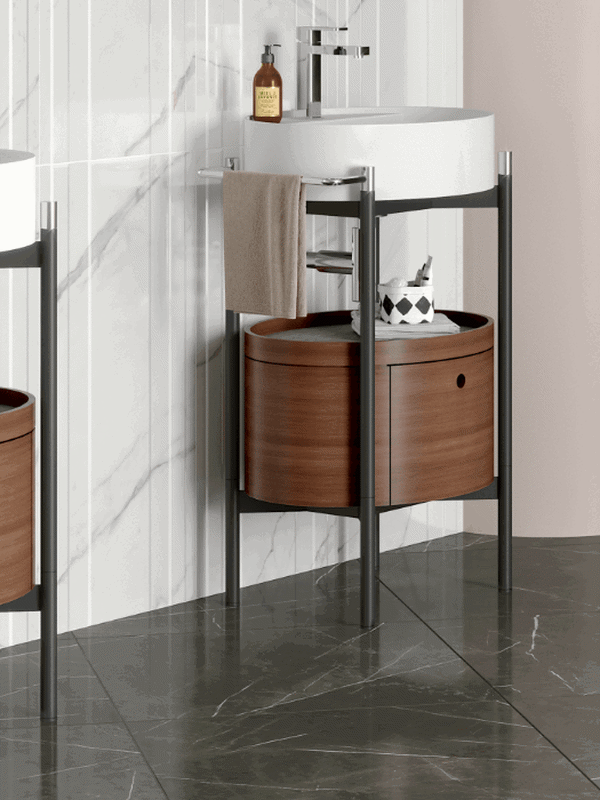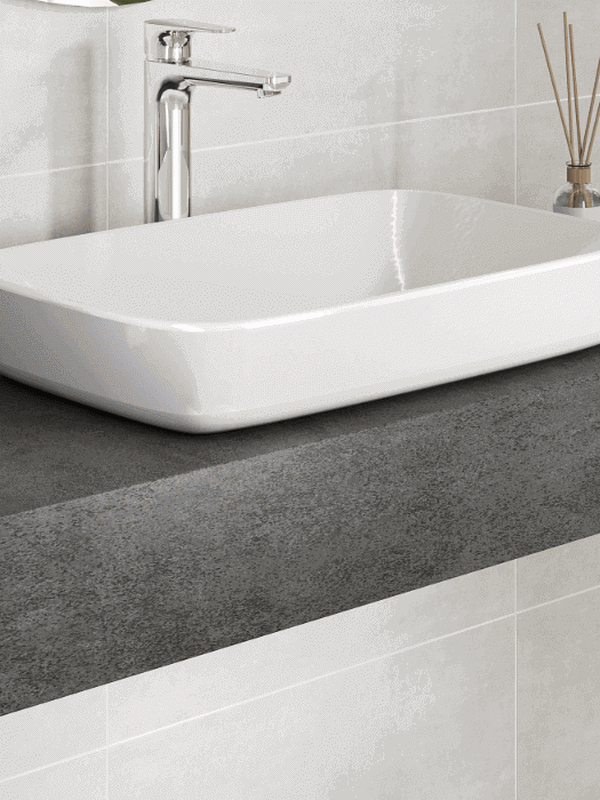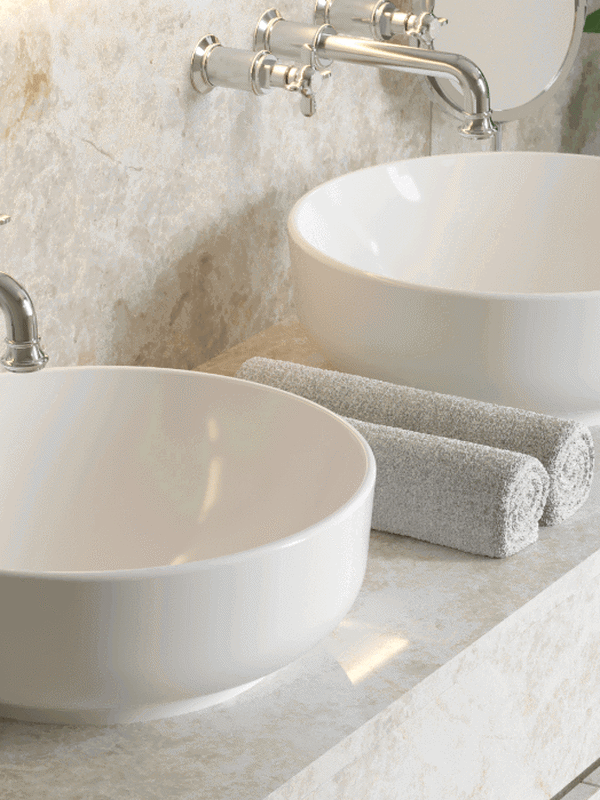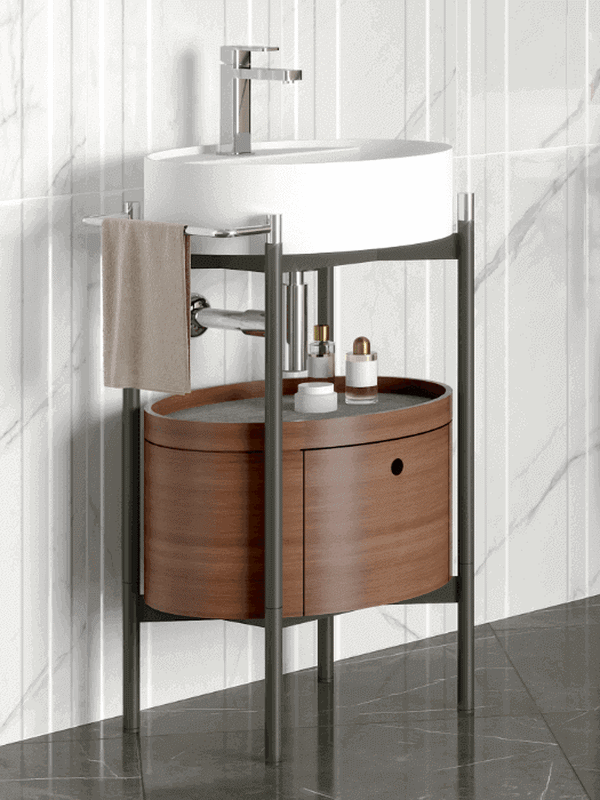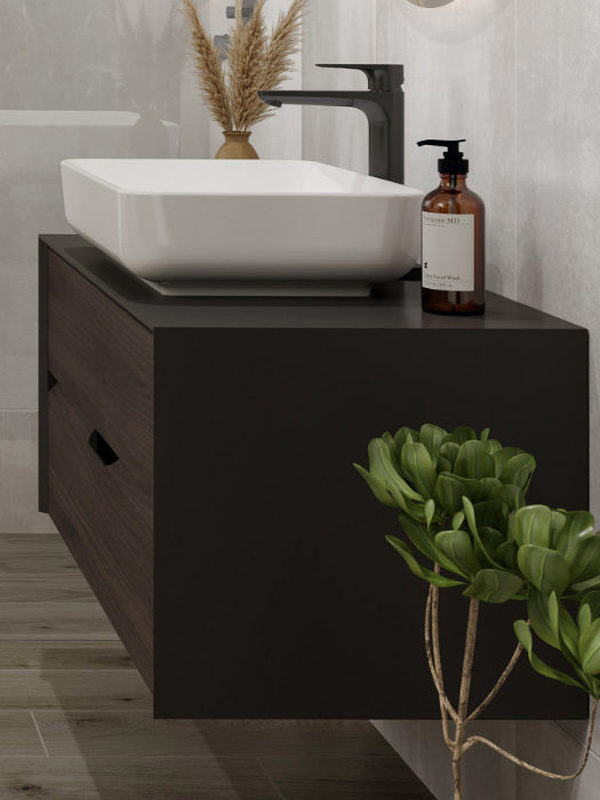
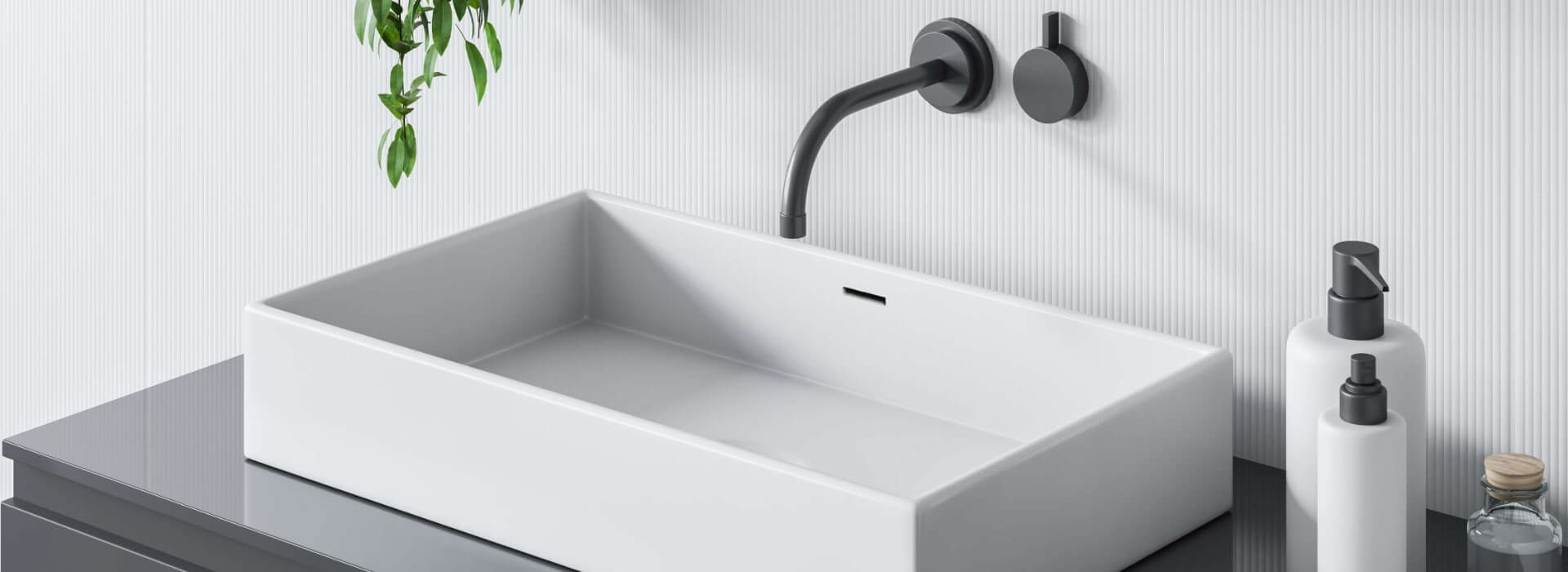
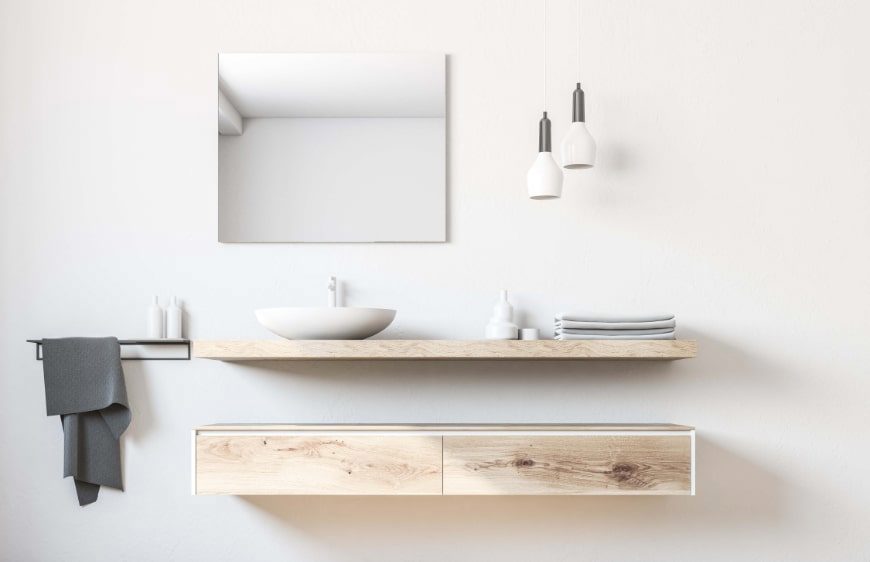
Countertops for countertop basins sit lower than those for other models. This is the most important design difference. Because a vessel basin rests entirely above the surface, the countertop begins at the basin's base. Choose the countertop basin and establish its dimensions first, then select a worktop and cupboard to suit.
Countertop Basins in the Bathroom
With sculptural forms and a choice of materials including natural stone, countertop basins are an appealing option.
Choosing a bathroom basin may seem simple, but it affects the entire layout. The cupboards and storage planned for under-mounted or pedestal basins differ considerably from the worktops used for countertop basins. First decide on the style you want and the details of your cabinetry, then choose a basin that suits the plan.


Which material?
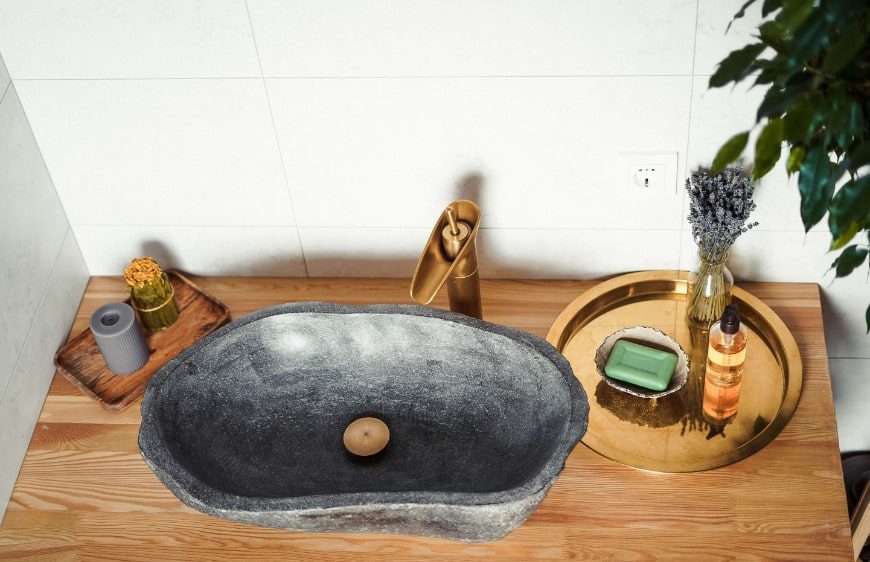
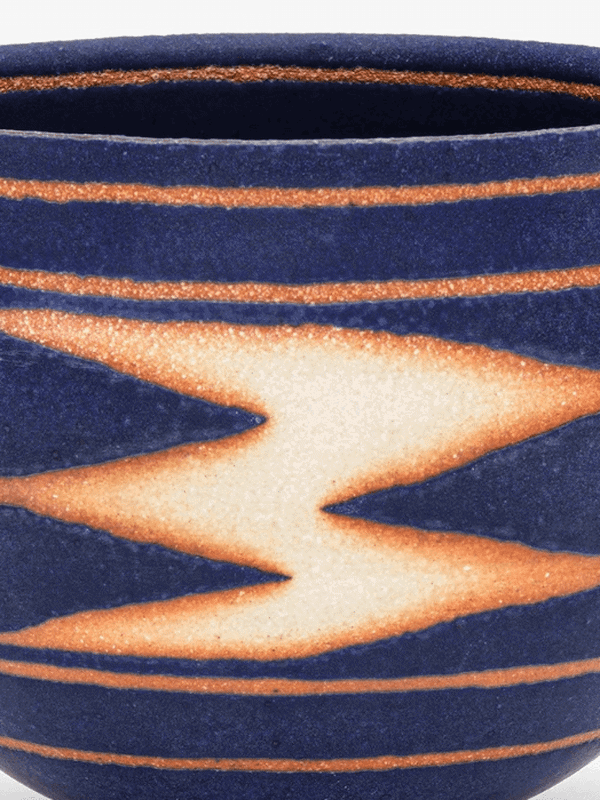
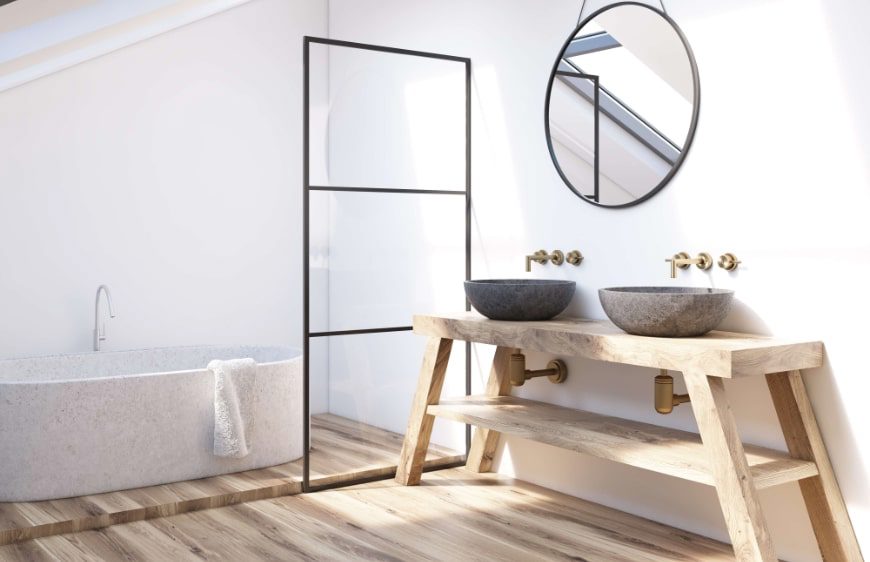
Countertop basins are favoured for their sculptural forms and, if desired, coloured surfaces. They can be made in porcelain in oval, square, rectangular or free-form shapes, or in natural stone, travertine, marble, zinc, traditional decorative ceramics, wood or mosaic. You can even repurpose an old stone washing basin found in a second-hand shop as a vessel basin.
Important details when choosing taps for countertop basins
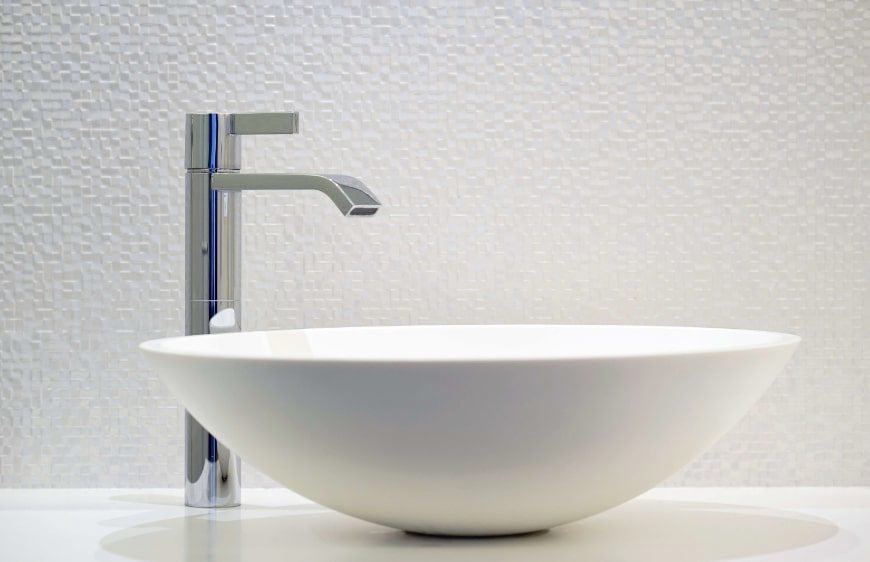
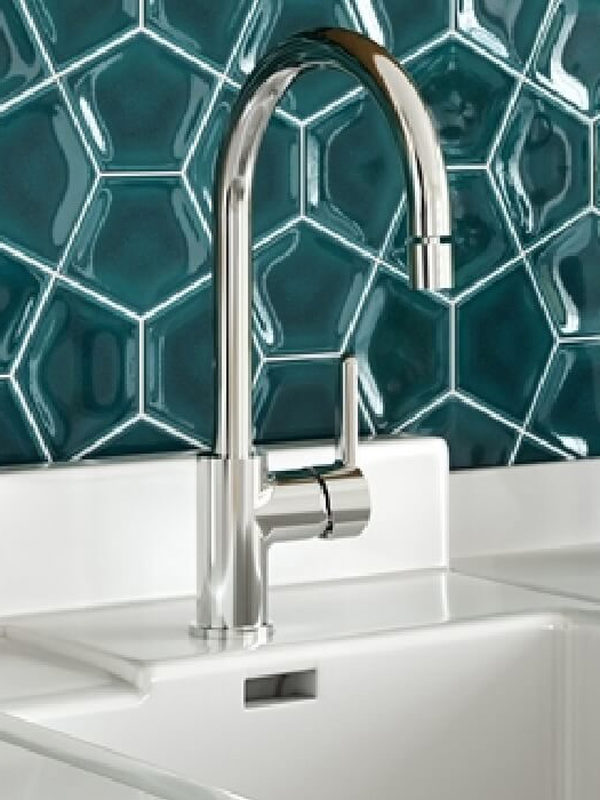
Taps for countertop basins also require careful selection. Once you have chosen the basin and worktop, you can opt for a tall tap mounted on the countertop or a wall-mounted fitting. Make sure either option has enough reach to direct water into the centre of the basin and enough height for your hands to fit comfortably underneath.
Where to use vessel basins
Integrated basins and their worktops are easier to clean than countertop models. Although the junction between a vessel basin and the worktop, and the area behind it, can be difficult to clean, small round vessel basins remain popular because they work well in compact bathrooms, lightly used guest bathrooms and corner layouts.