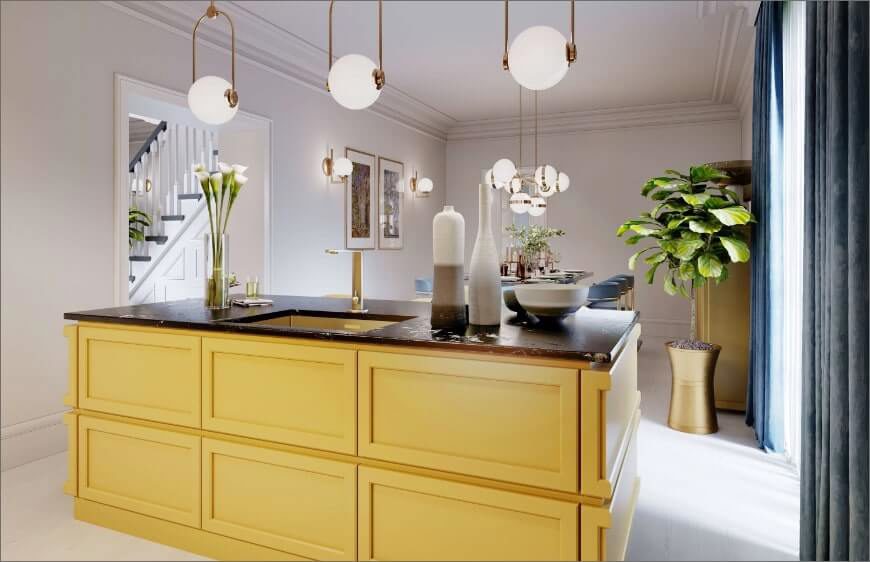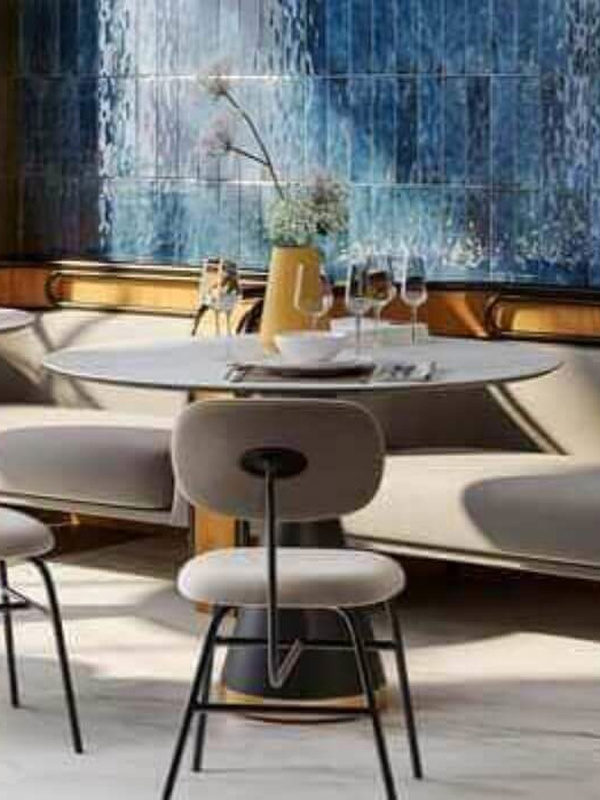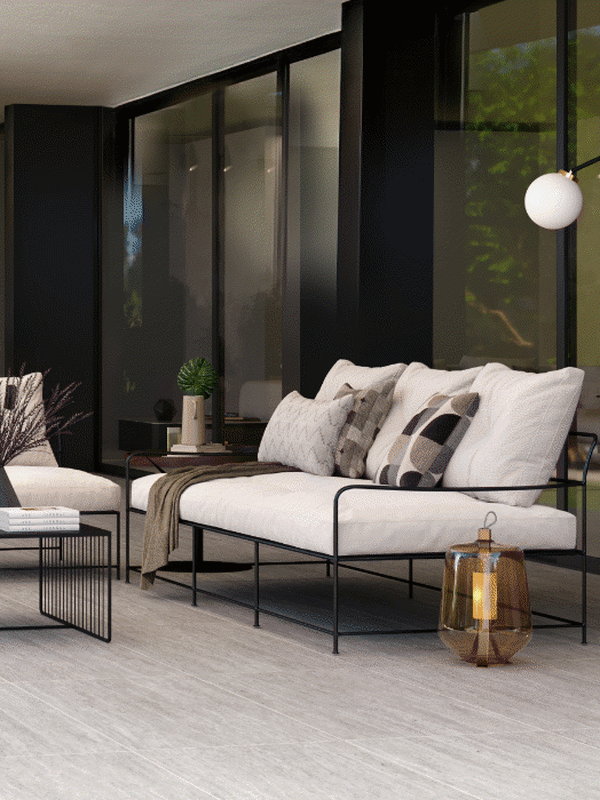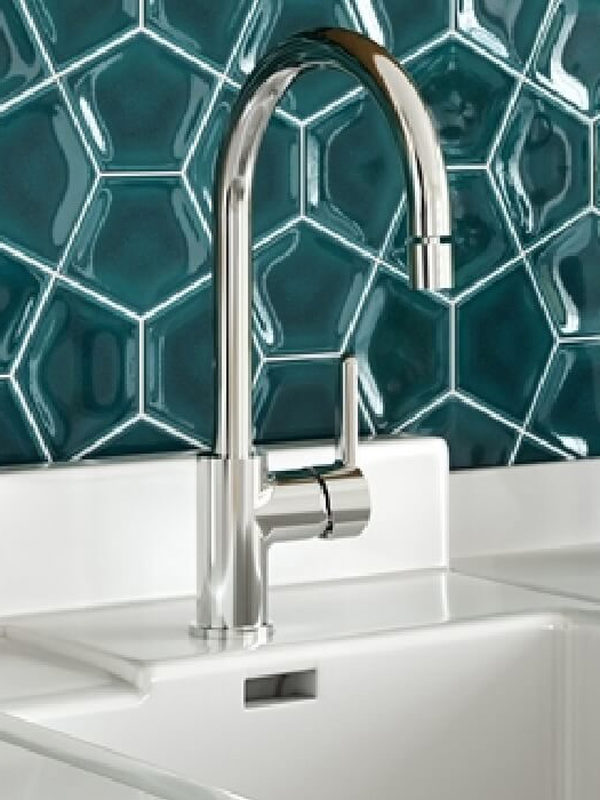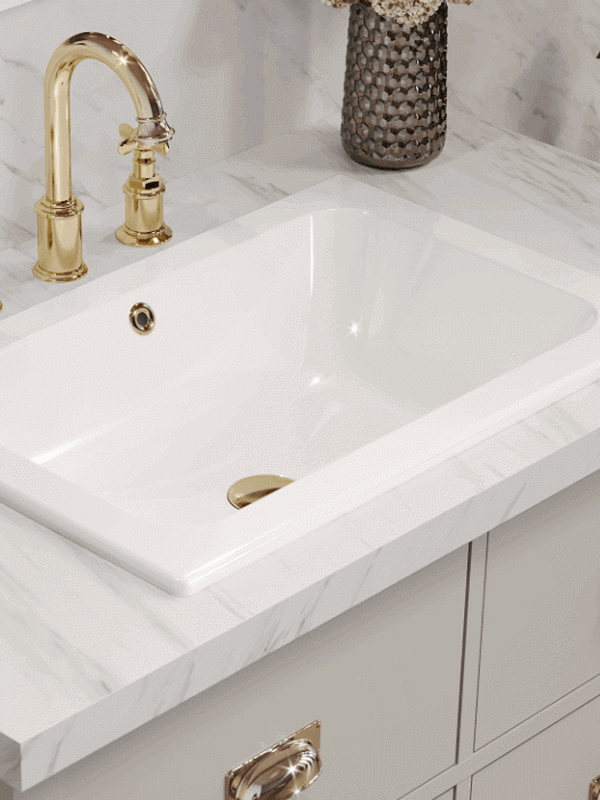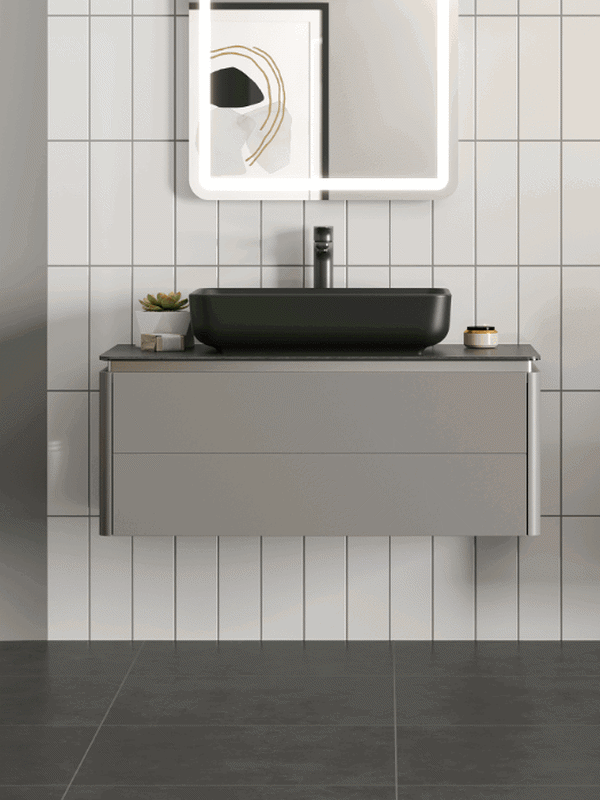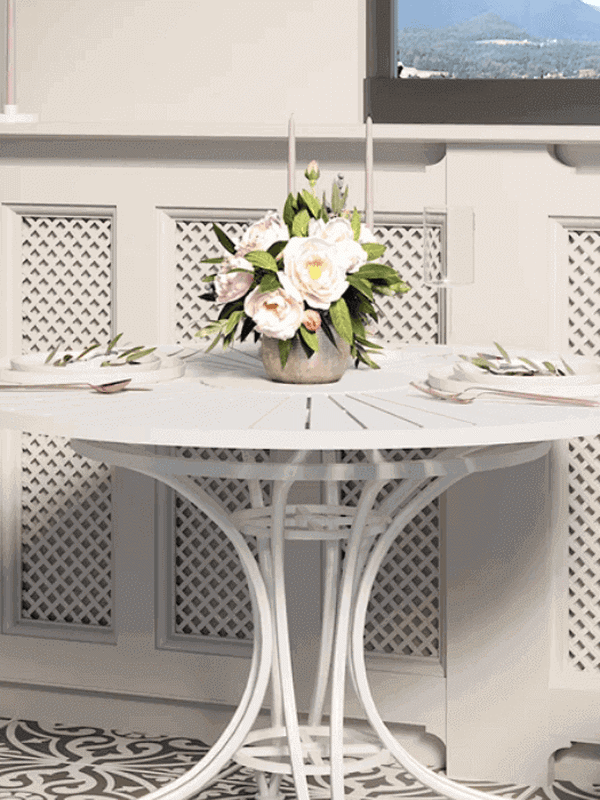
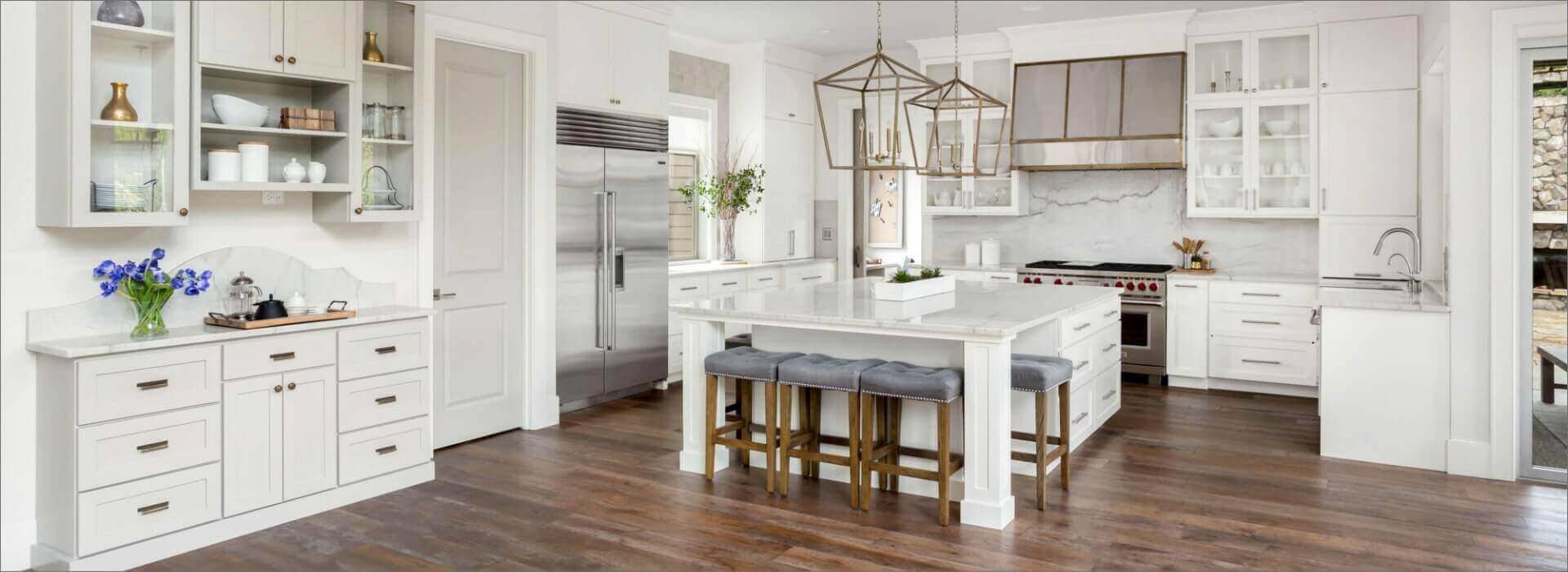
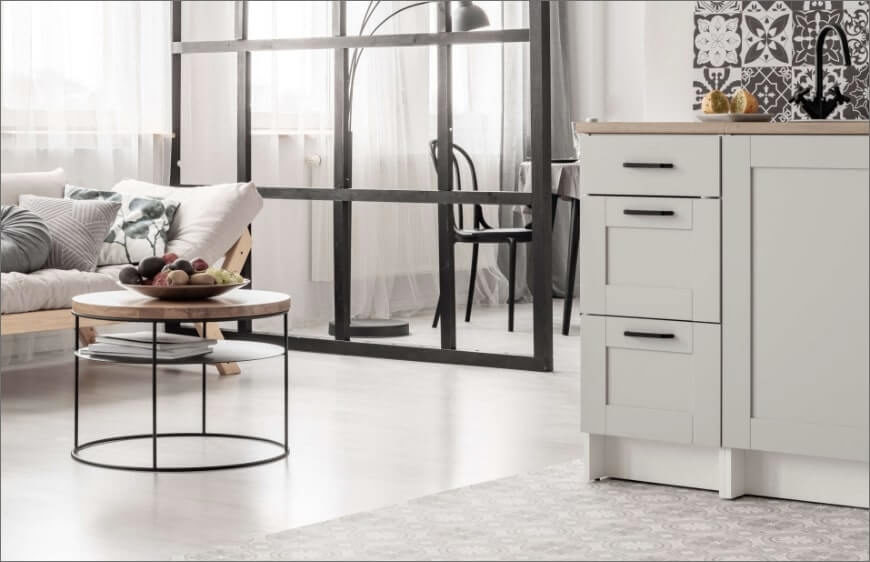
The most important quality of a classic kitchen is its welcoming spirit. To strengthen that feeling and make the kitchen multifunctional, create another living area within it. This helps bring family life to the fore. If you have enough space, add a small sofa, a table and a television so that you can cook, chat and watch films together. If there is not enough room, consider separating the kitchen from the family room with a half-height wall. Our suggestion is to keep everyone within sight.
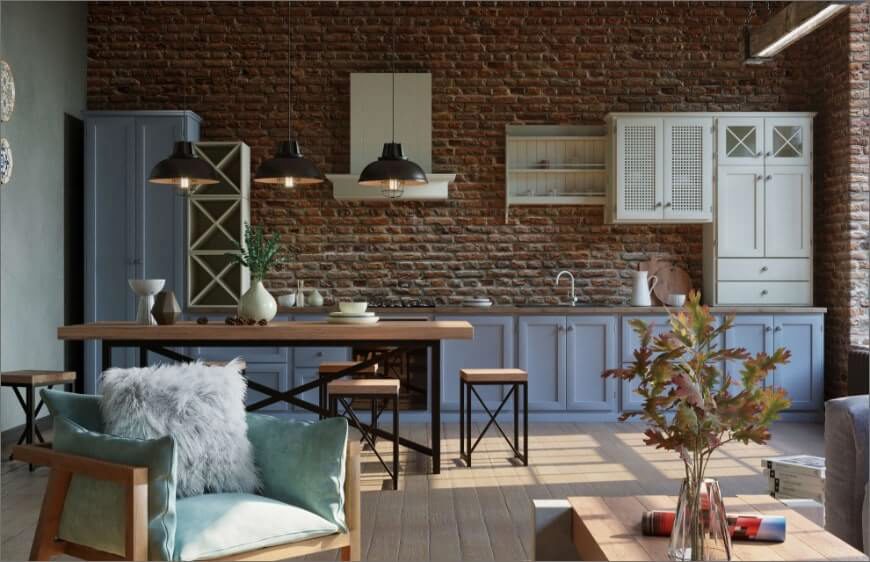
Classic Kitchens That Welcome Large Families
Designing a classic kitchen involves distinctive style features. Yet creating a warm, inviting space that embraces a large family may also call for a few practical decorating tips.
- Create two rooms within one kitchen
- Plan an organised, tidy kitchen
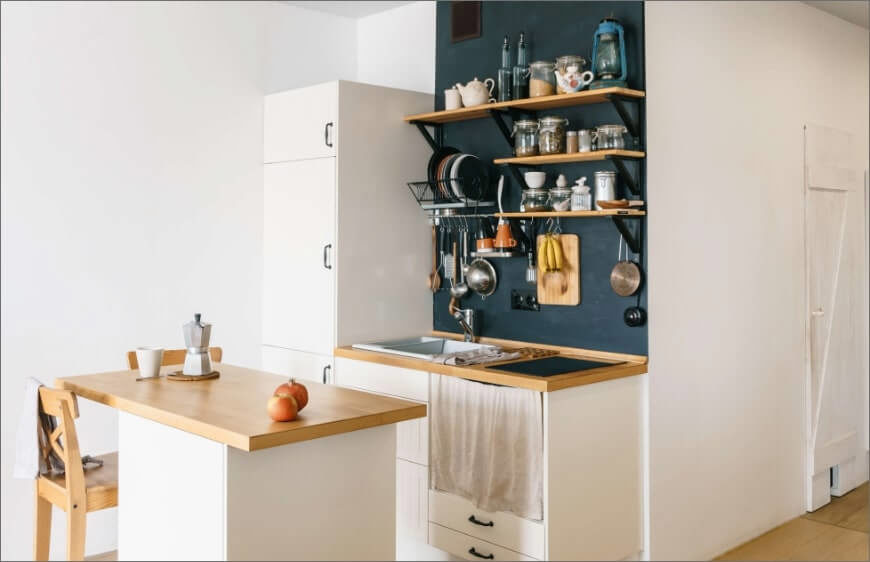
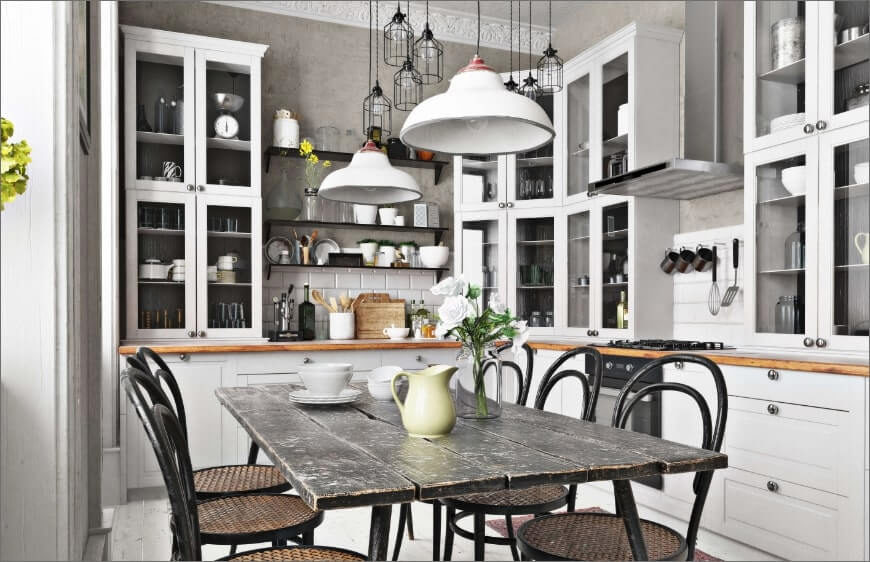
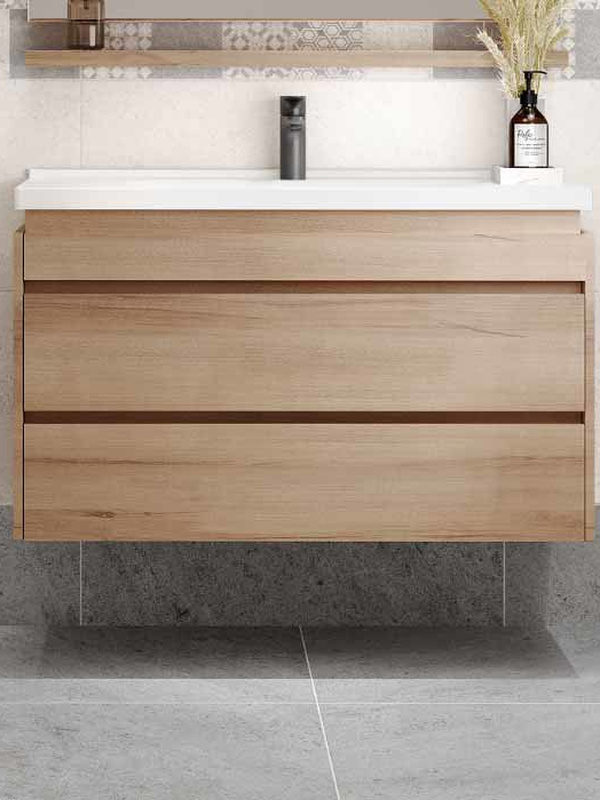
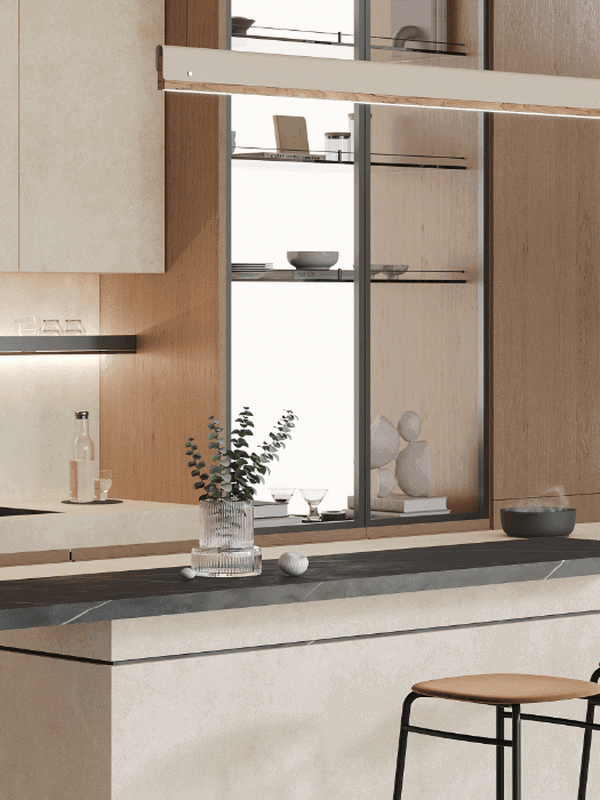
Cupboards that make storage easier can organise personal belongings as well as kitchen tools and appliances. For example, dedicate one drawer to stationery or children's toys. A chalkboard on the fridge or one side of the kitchen island gives family members somewhere to leave daily notes and helps them feel part of the kitchen. Displaying pantry supplies in cupboards with transparent doors, or on open shelves, also helps everyone find their way around without constantly asking you where things are.
- Choose classic textiles with a cheerful touch
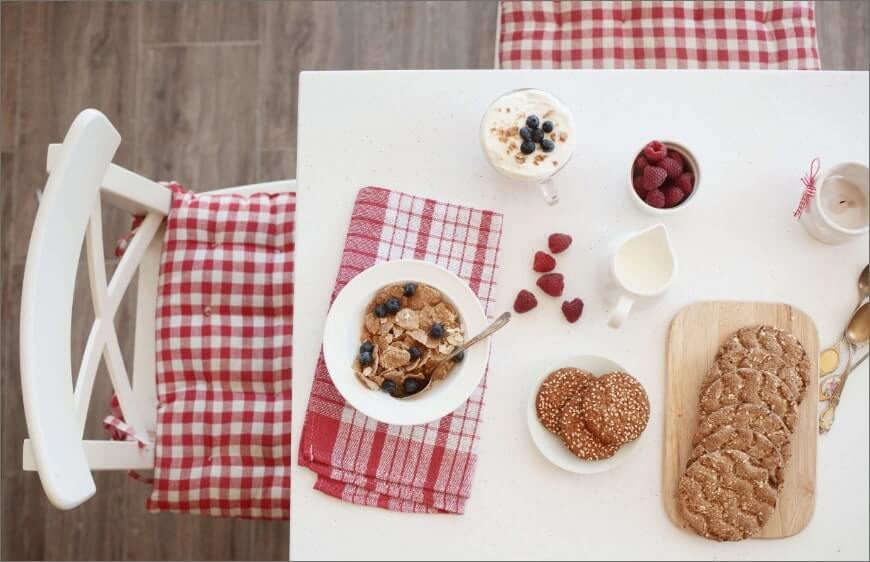
Textiles associated with classic interiors are, of course, one of the style's defining elements. Choose colourful fabrics with patterns such as gingham or polka dots to soften the atmosphere and keep it lively. Remember, too, that shades such as orange, yellow and red stimulate the appetite and bring warmth to the space.
- Do not be afraid of colour
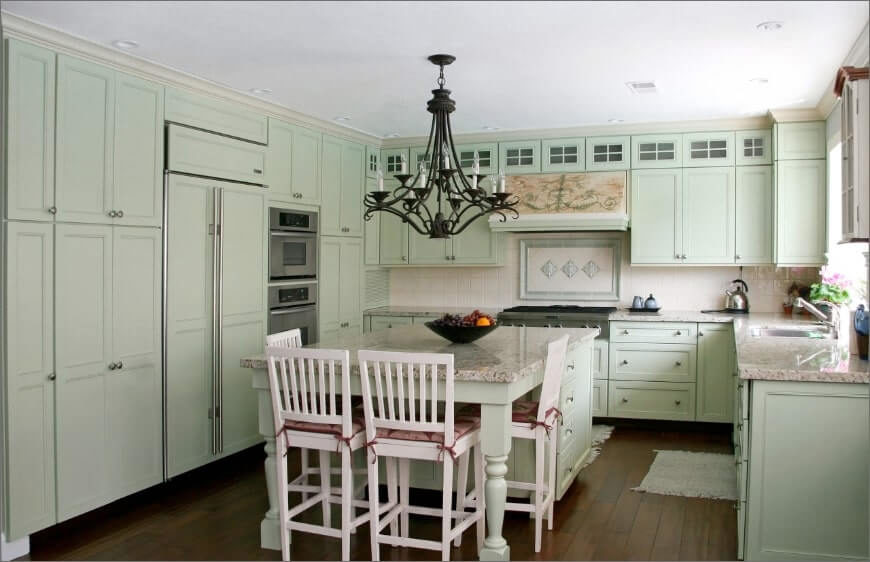
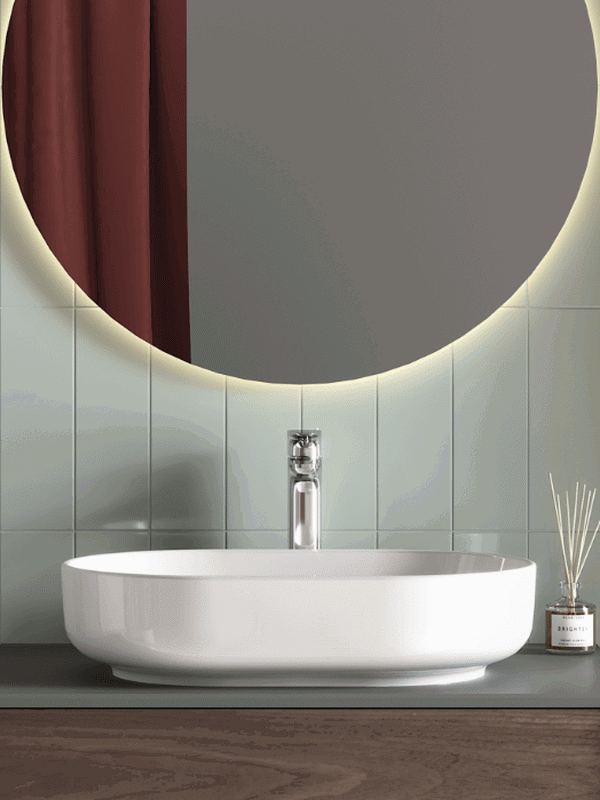
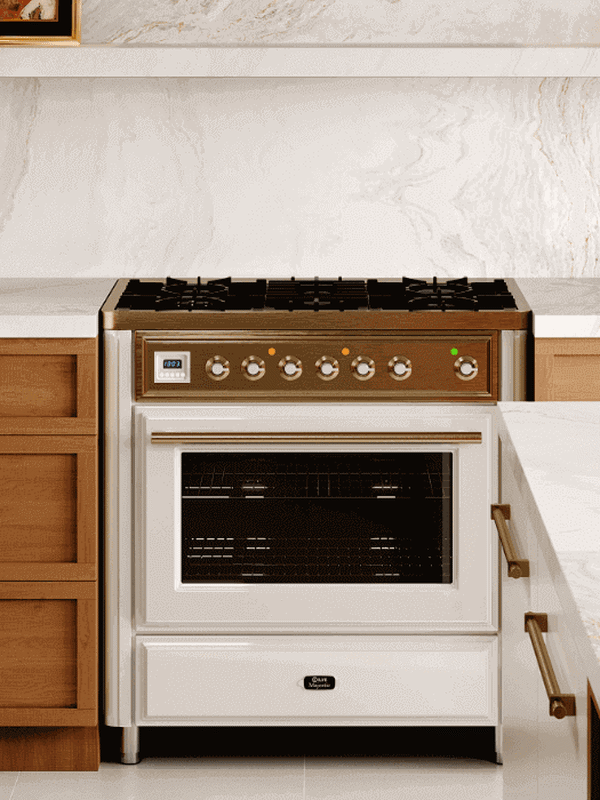
The colours that convey the dignified character of classic style are generally black, grey, anthracite, white, cream and taupe. But this is not a rule. You can also create an inviting, aristocratic kitchen with soft colours such as sea blue, mimosa yellow and celadon green. This will give you a bright atmosphere and, if you have young children, a palette that appeals to them too.
- Add furniture at a height children can reach
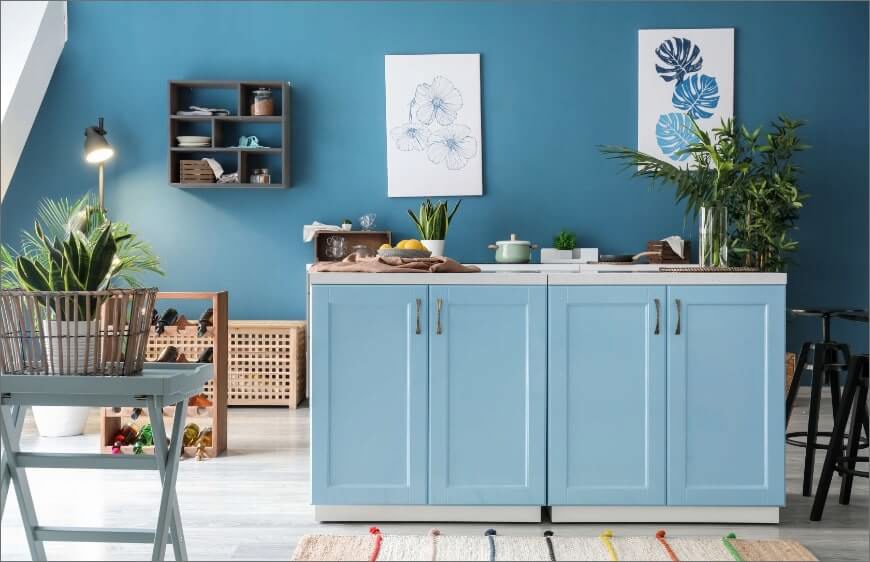
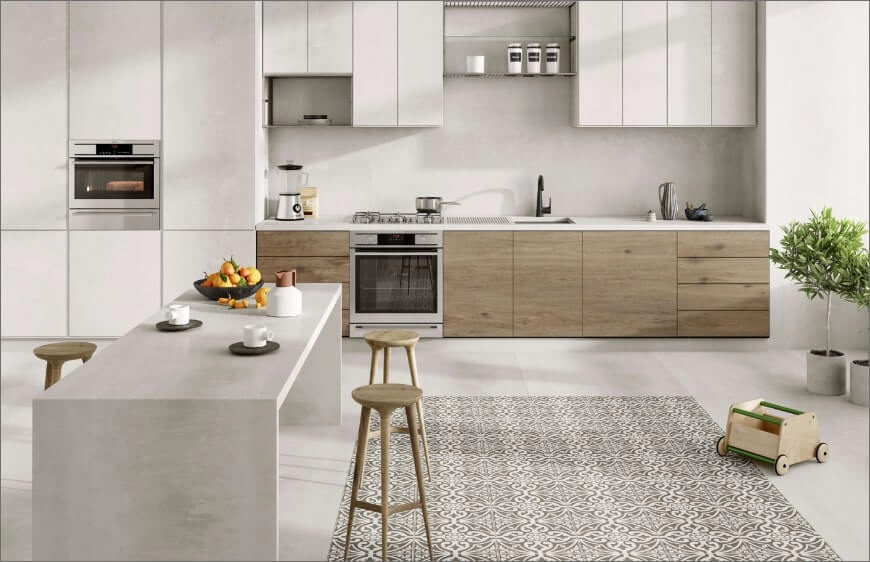
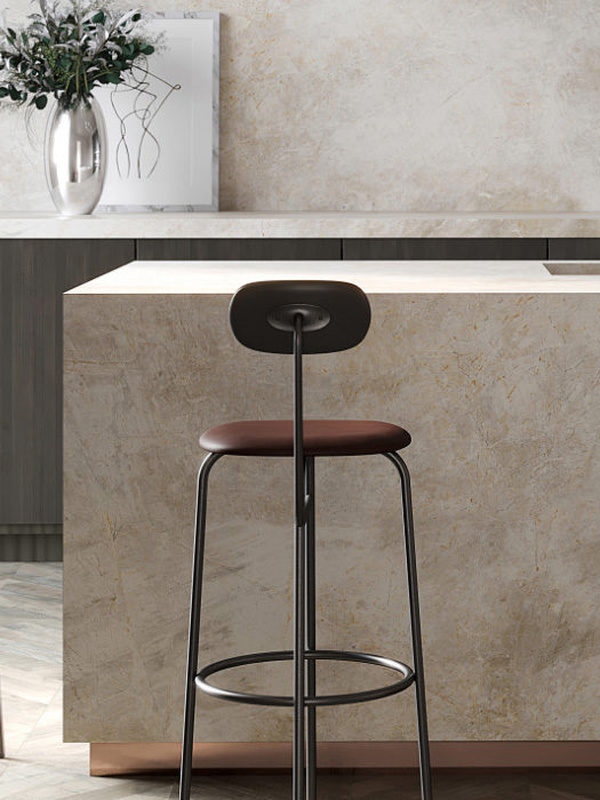
As in minimalist kitchens, symmetry is fundamental to classic kitchens. But rules can sometimes be broken: place furniture at a child-friendly height away from the main preparation stations. Let children enjoy preparing things alongside you. A serving trolley or a cupboard with a worktop and small drawers for their own belongings will also be useful. If you do not want to add another piece of furniture, make sure there is a stool in the kitchen that allows them to reach the preparation area.
- Choose easy-to-clean surfaces
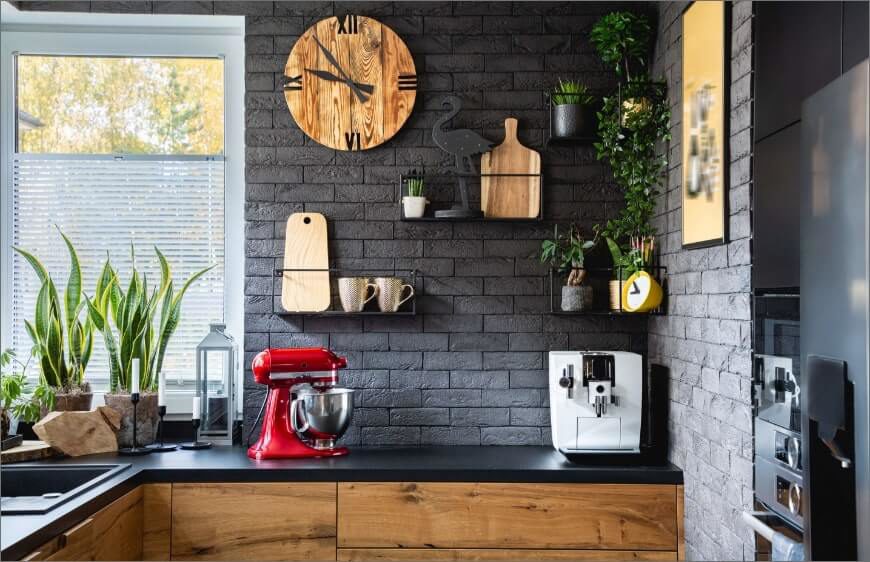
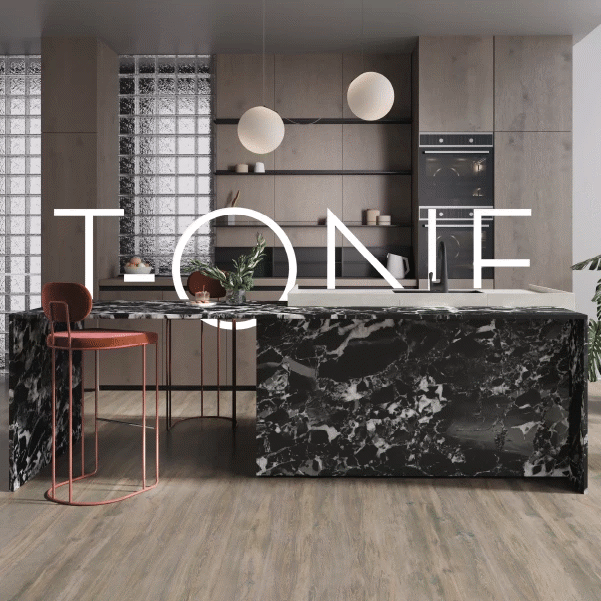
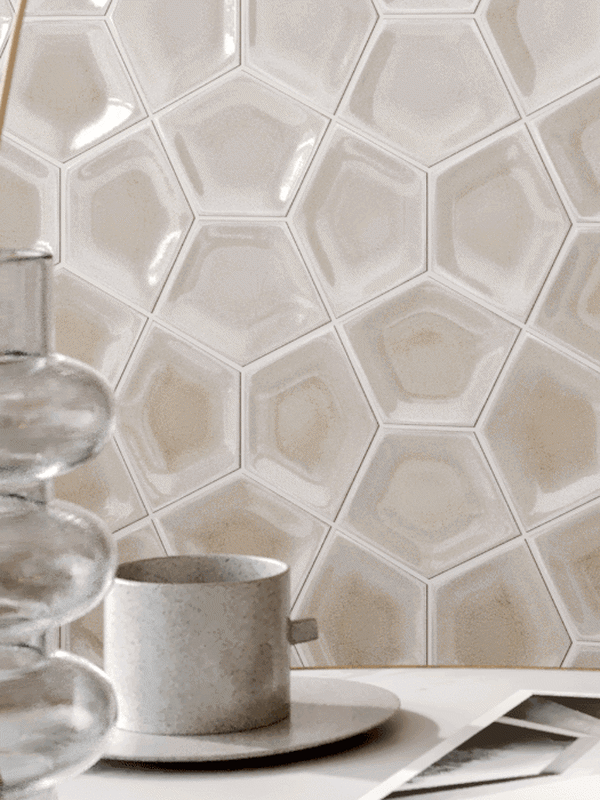
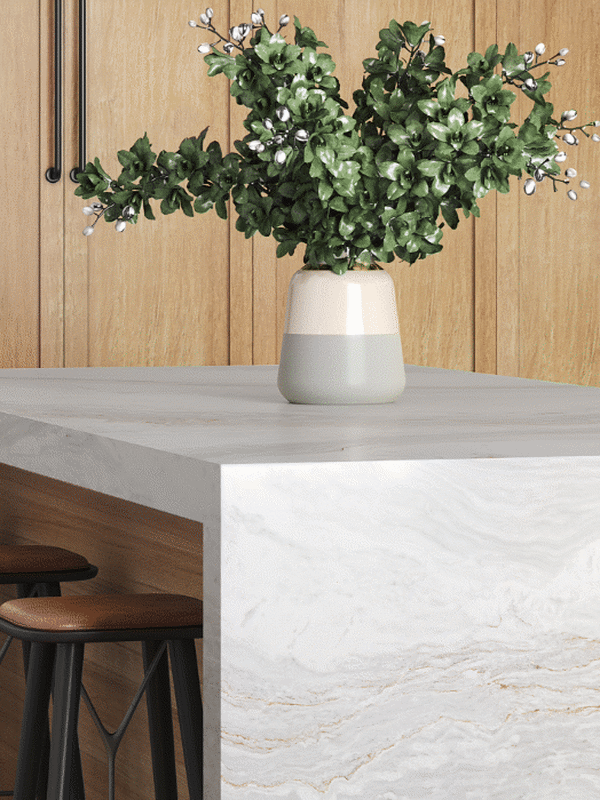
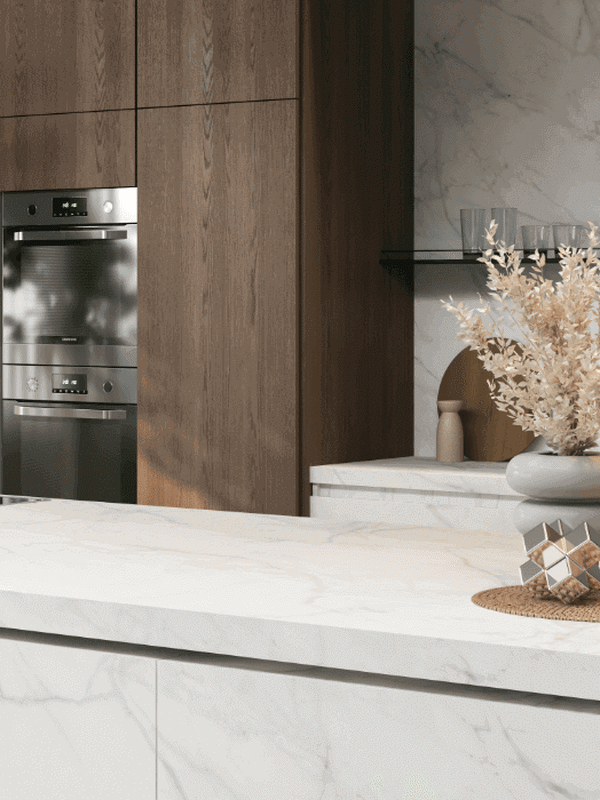
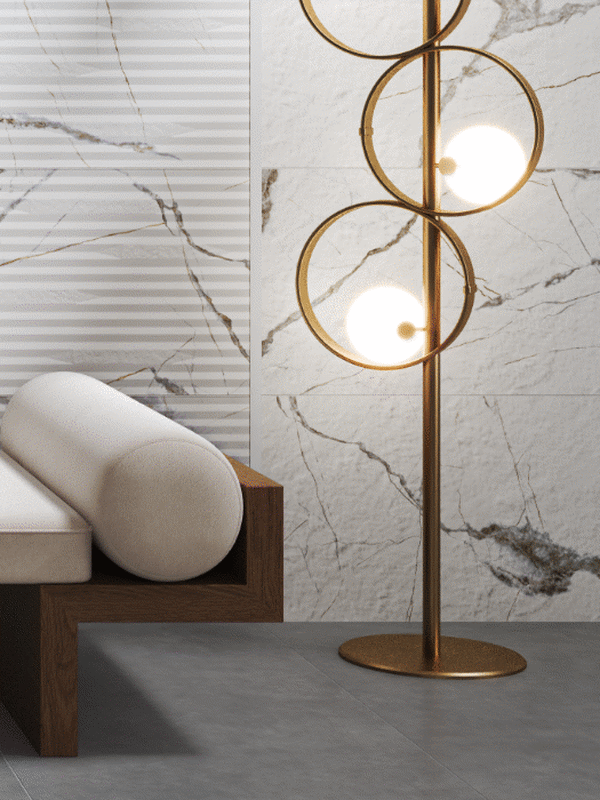
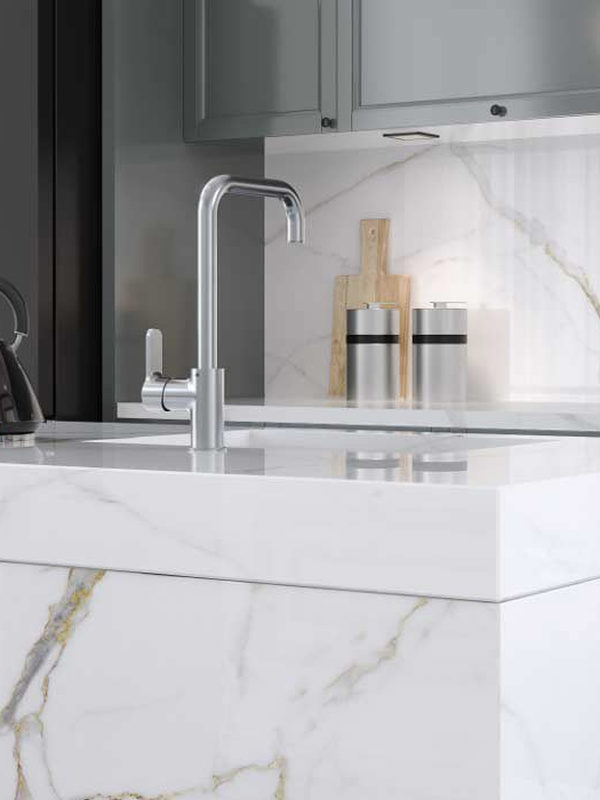
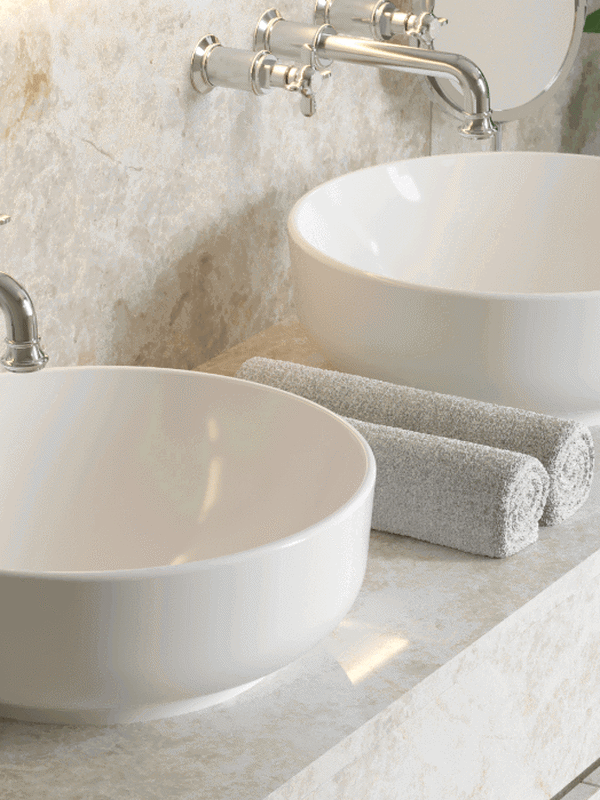
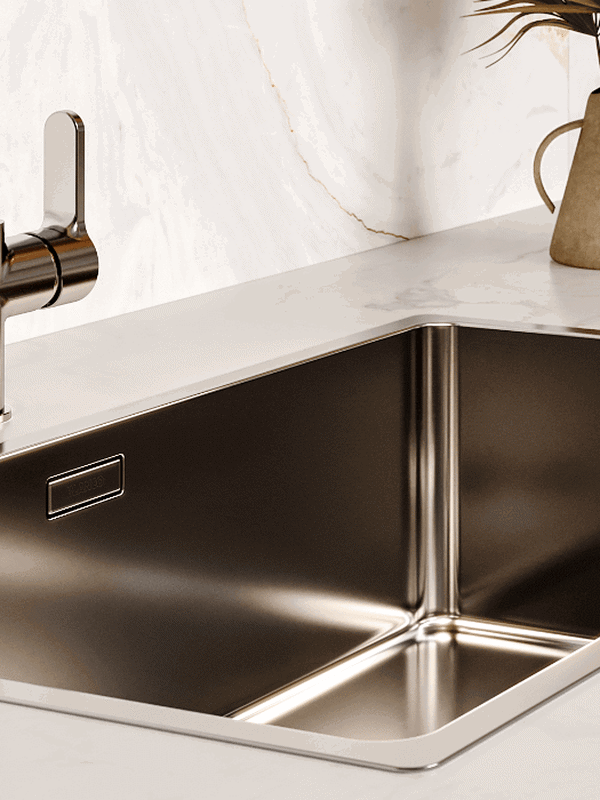
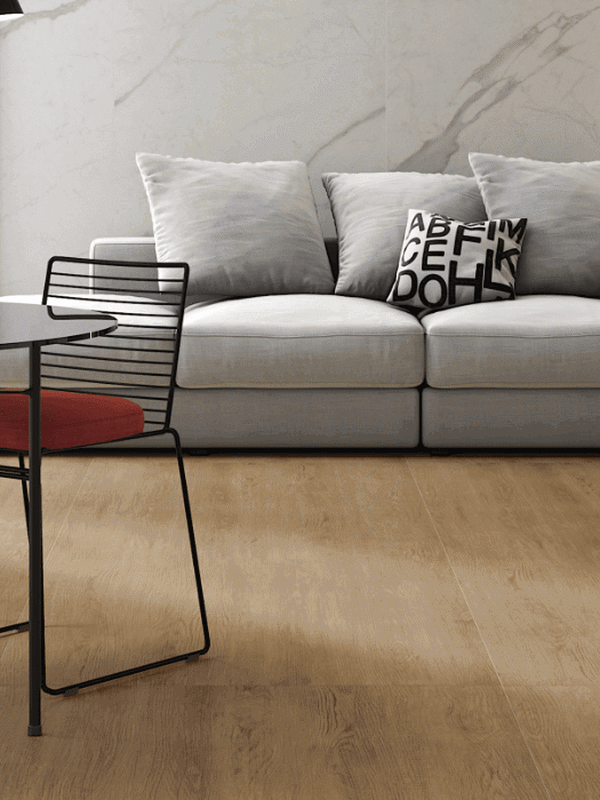
A luxurious material such as marble may seem the crowning touch for a classic kitchen, but marble is not easy to live with and stains readily. It can turn you into a parent who is constantly warning and supervising. Choosing durable surfaces that are easy to clean and resist staining instead creates a kitchen where everyone can take part without worry. Today's young people are also more sensitive to sustainability than adults. By choosing worktop materials with sustainable qualities, you can capture a young, innovative spirit. In this respect, Kale Group's T-ONE by Kale collection could be just what you are looking for.

- Trays that invite activity
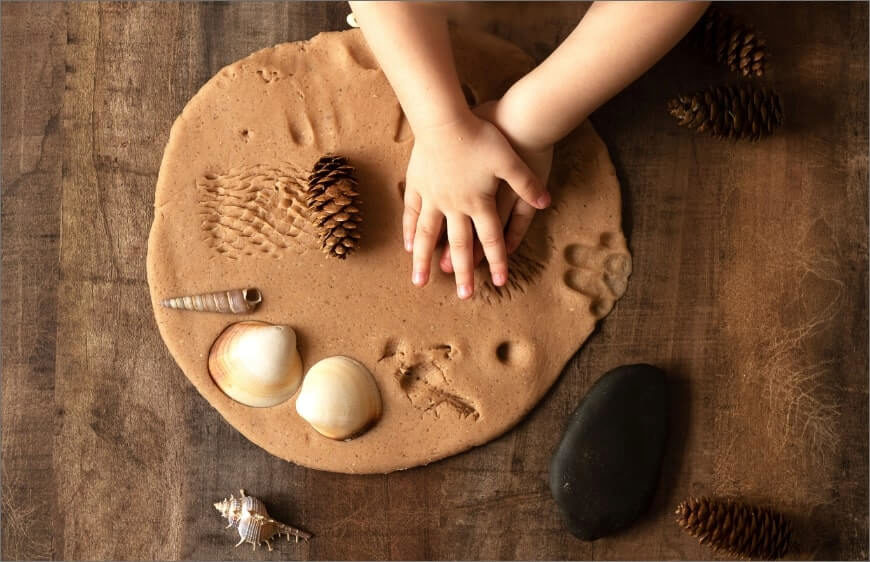
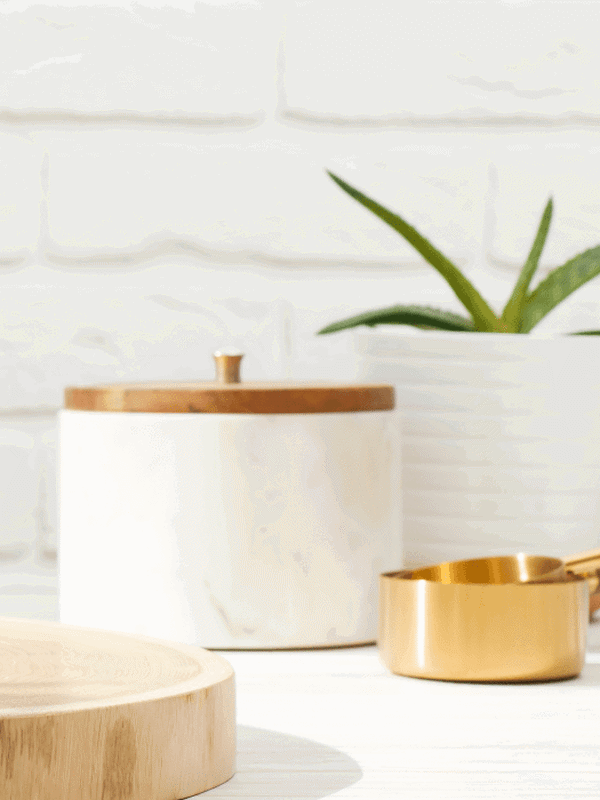
When you need to keep children occupied, a small tray that invites creative activity can be a lifesaver. Place a tray with biscuit cutters and a jar of modelling dough on the kitchen island to keep them engaged and encourage them to spend more time in the kitchen.