Choosing Pool Tiles

Choosing Pool Tiles

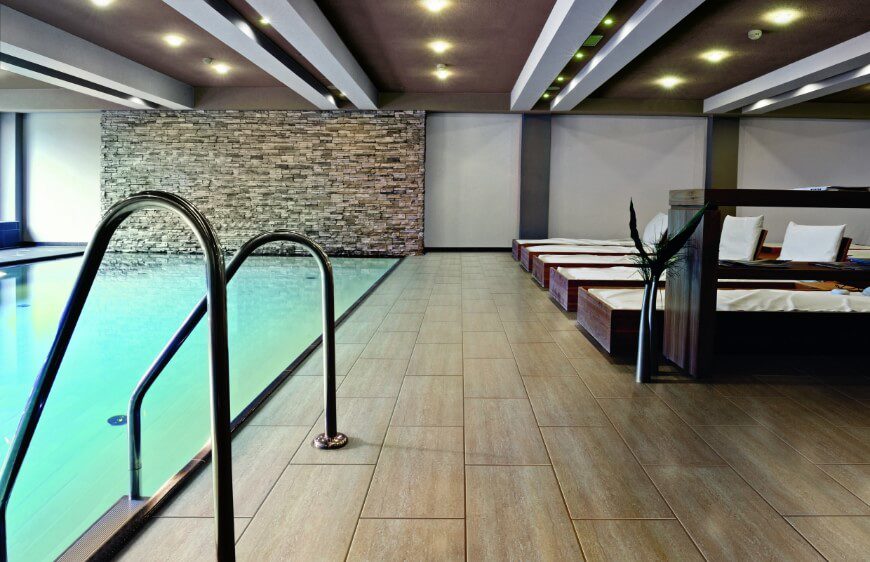
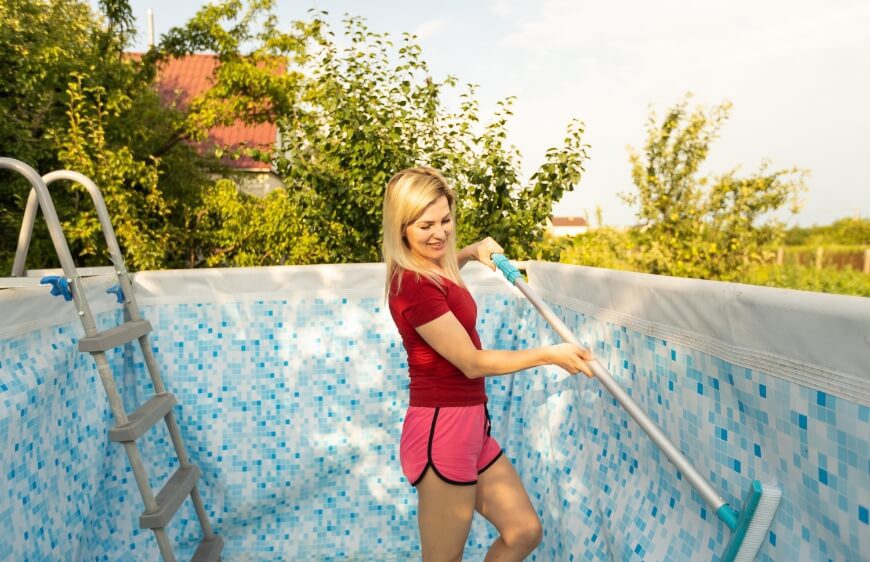
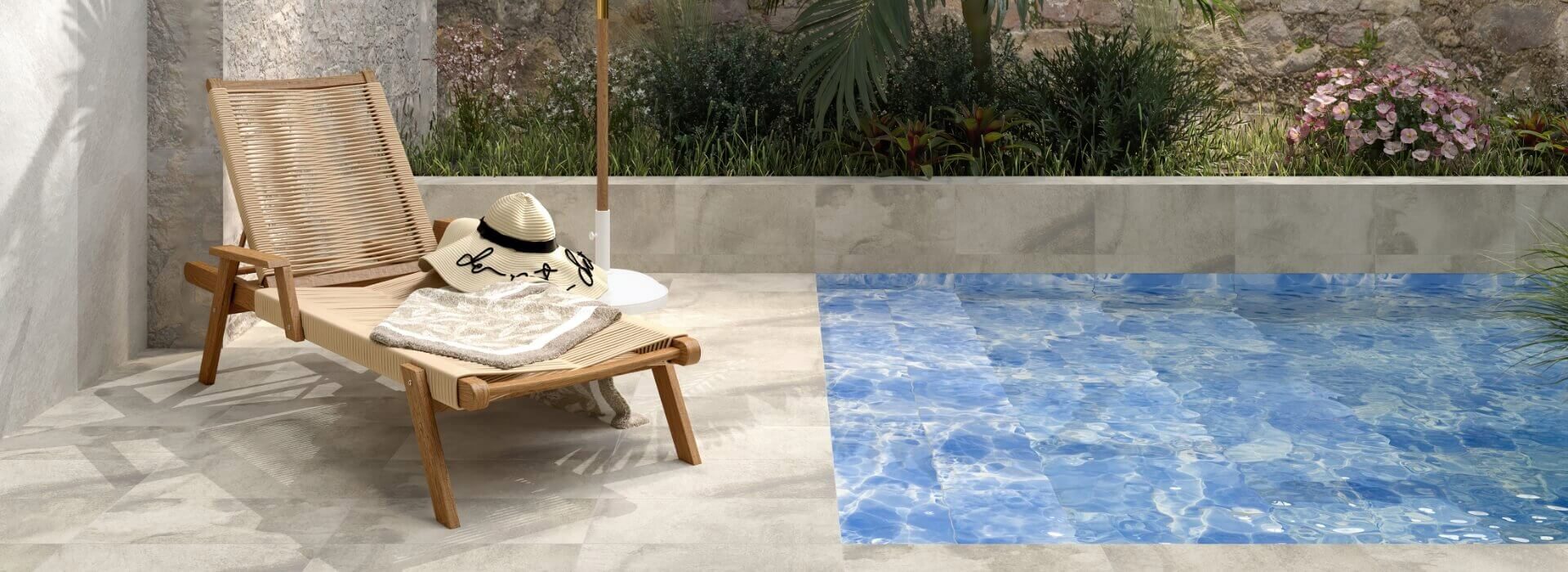
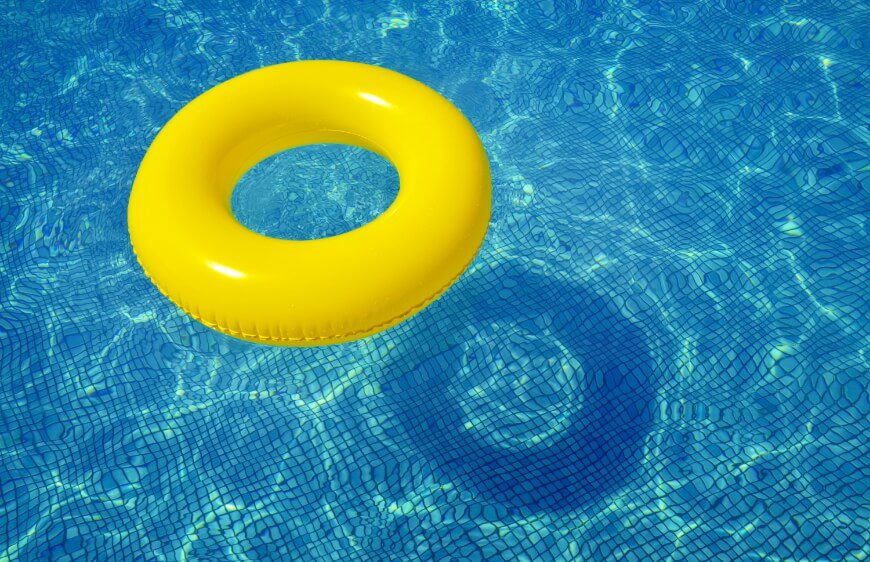
A swimming pool may be one of summer's most enjoyable ways to cool down. Bringing pleasure to our days and beauty to gardens, pools are enduring focal points in holiday developments, private homes, hotels and thermal spas. But how should pool tiles be selected and installed?

Personal taste and requirements matter when choosing tiles for a pool or its surroundings, and designs may differ between residential and commercial settings. Wherever they are used, however, certain criteria are important.

Ceramic or porcelain pool tiles should be practical to use and protect the pool against scratches, stains and other damage. Tiles should be:

  • Resistant to water pressure.
  • Made from premium-quality materials.
  • Long-lasting.
  • Slip-resistant.
  • Easy to clean.
  • Low in water absorption.
  • High in mechanical strength.
  • Resistant to varying temperatures.
  • Resistant to chemicals used to maintain the water's pH balance.
  • Free from substances harmful to health.
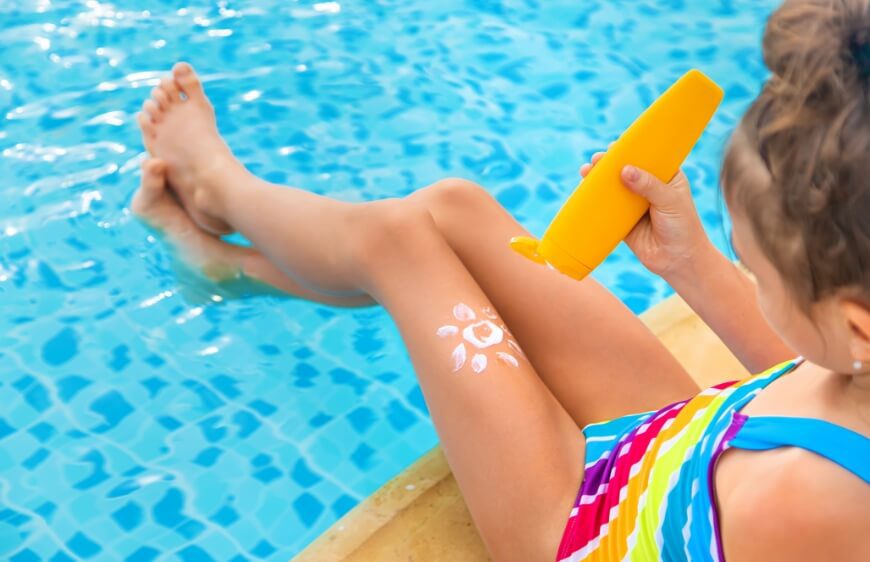
Paying attention to these criteria can help achieve the best result, whether for an ornamental pool or a swimming pool.
Low Water Absorption

This value indicates a material's ability to absorb moisture. For pools, it should not exceed 6%. Why does it matter? A material with high water absorption can quickly become saturated during prolonged contact with water, leading to internal damage, possible deformation under water pressure and premature cracking. Porcelain tiles are an option because they absorb less water.

Resistance to Aggressive Chemicals

Chlorine-based cleaning products are used to clean and disinfect pools. Tile surfaces should not react with these substances or lose their original appearance.

Slip Resistance

Slip resistance is essential for safe pool use. Pay particular attention to steps, entry points and the surrounding areas that are frequently wet. Choose textured or rough surfaces for wet areas rather than smooth, glossy glazed tiles.

Resistance to Water Pressure

It may sound unusual, but tiles need a degree of flexibility. Excessive water pressure should not create internal stresses within the material. Flexibility helps provide longer-lasting performance.

A Non-Porous Surface

Porous surfaces offer a breeding ground for bacteria and other microorganisms. Once this happens, surfaces may become very slippery and can also pose a health risk.

How Are Pool Tiles Installed?

Surface Preparation

Make sure the reinforced-concrete or rendered surface is clean, dry and sound, with no residue that could prevent adhesion. Use suitable repair mortars to address irregularities in the substrate or structural cracks in the surface. On highly absorbent surfaces, apply 4505 Kalekim Primer before the waterproofing material.

Applying Waterproofing

For waterproofing beneath swimming-pool tiles, apply a cement-based, two-component, highly flexible waterproofing material. Reinforce floor-to-wall joints and corners. Once the surface has dried, allow at least 7 days for full curing, then carry out a 24-hour watertightness test.

Tile Fixing and Grouting

When fixing ceramic tiles over flexible waterproofing, use a material specially developed for pools whose high polymer content contributes to water resistance. For the joints, choose a high-performance, flexible grout designed specifically for pools.

Bonus

How to Clean Pool Tiles

  • Use a soft-bristled brush, with a dirt-removing cleaner if needed.
  • Pressure-wash the tiles at a minimum of 150 bar. Drain all dirty water after washing.
For professional solutions for pool tiling and more, visit Kalekim. You can also explore KaleSeramik's extensive range to find the tile design you want for your pool.
Mekanınızı yapay zeka ile birkaç saniyede yenileyin!

Mekanınızı yapay zeka ile birkaç saniyede yenileyin!

Seçtiğiniz ürünü evinizde görün.

Evinde Gör

Banyonuzu yeniden tasarlamaya ne dersiniz?

Banyoda Gör

Blog

Explore All

Compare

Compare
Compare