
















Success
Your request has been successfully received. We will contact you as soon as possible.

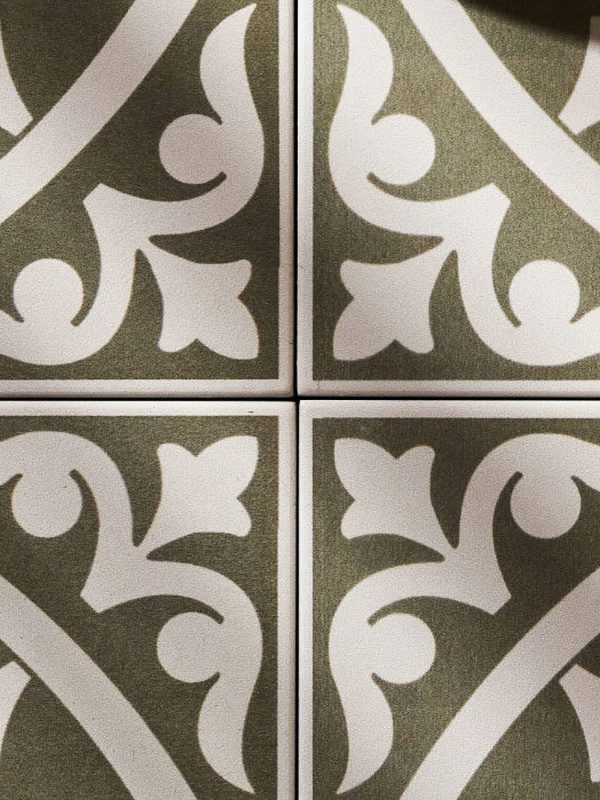
Even if our mood board features tiles in many patterns and sizes, we should choose those that complement the size and atmosphere of the space.
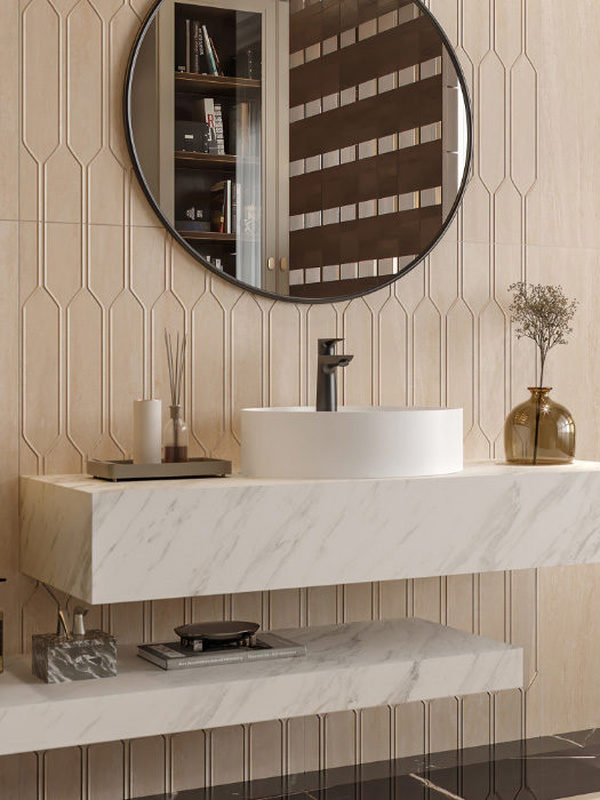
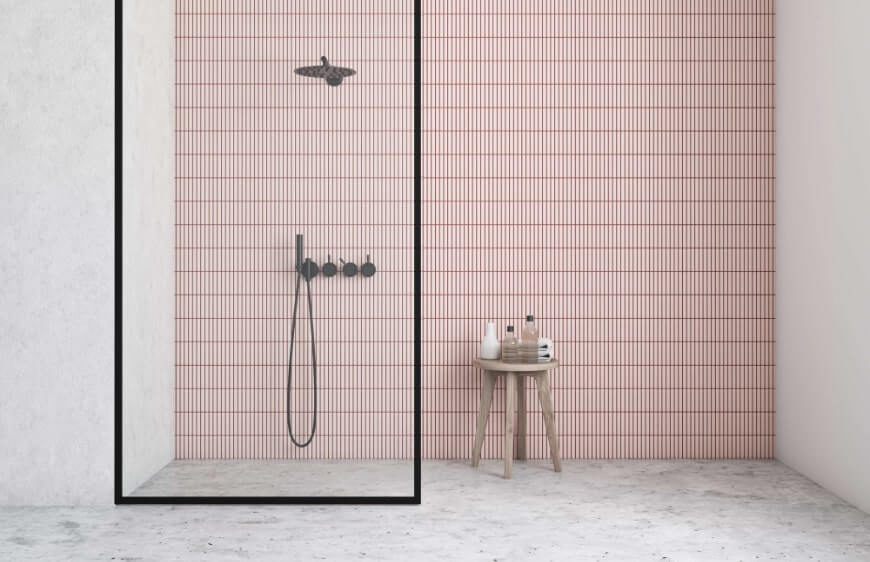
Looking at recent innovations in bathroom ceramics and tiles, we see unfamiliar sizes becoming popular. Metro tiles were particularly popular in recent years, such as the 7.5 x 15 cm tiles in Çanakkale Seramik’s Millennium series or the 10 x 30 cm tiles in its Miniatile-Avenue series. That enthusiasm continues. Now we are discovering 12 x 92 mm finger tiles. Arranged together on a single 30 x 30 cm tile, these finger tiles offer a very different visual feast, much like mosaics.

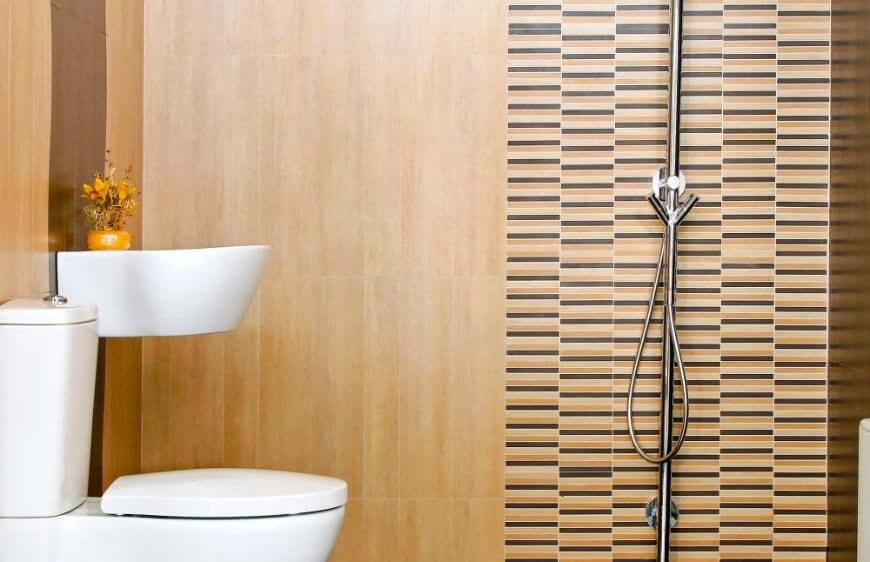
Setting all this aesthetic evolution aside, there needs to be a relationship between the bathroom’s floor area and the size of its tiles. Put simply, choosing smaller designs rather than enormous ceramic tiles for a small bathroom shows that you are managing the perception of space—or vice versa. Yet, contrary to general rules, it is also possible to create a particular concept by mixing and matching different tile sizes. Ultimately, the matter is entirely subjective.
Whatever the size of the space, start by measuring the floors and walls to be tiled. When measuring, take furniture, the shower or bath area and corners of the floor into account. Remember to include grout joints in your calculations. To work out how many tiles you need, you should know the room’s area in square metres, allowing around 15% extra for cutting waste. Put more simply, measure the bathroom’s length and width, multiply them to calculate its area, then multiply the result by 15%. This will be the actual number of square metres of tiles you need to buy.
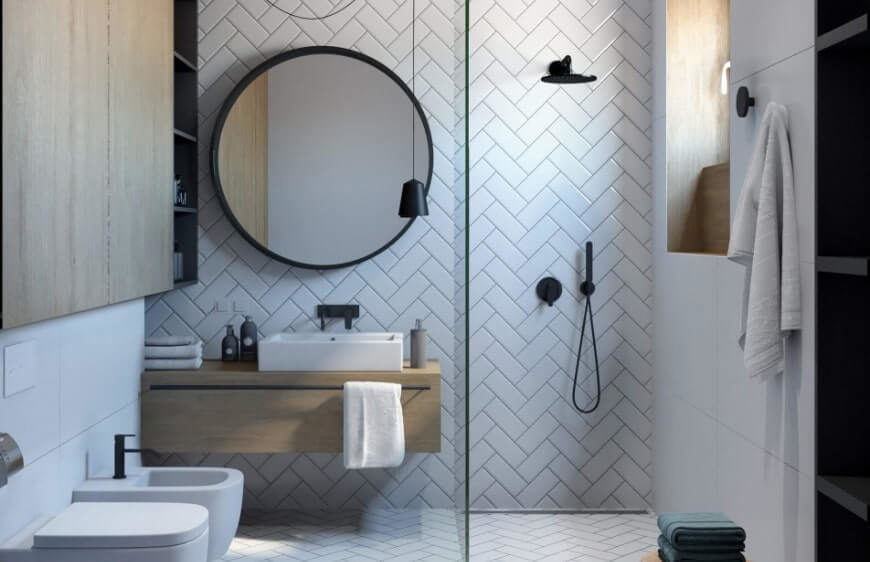
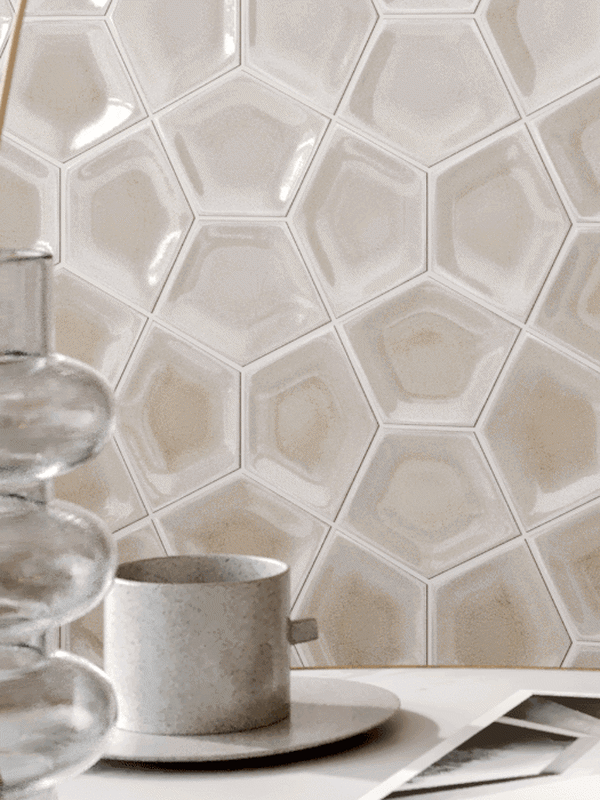
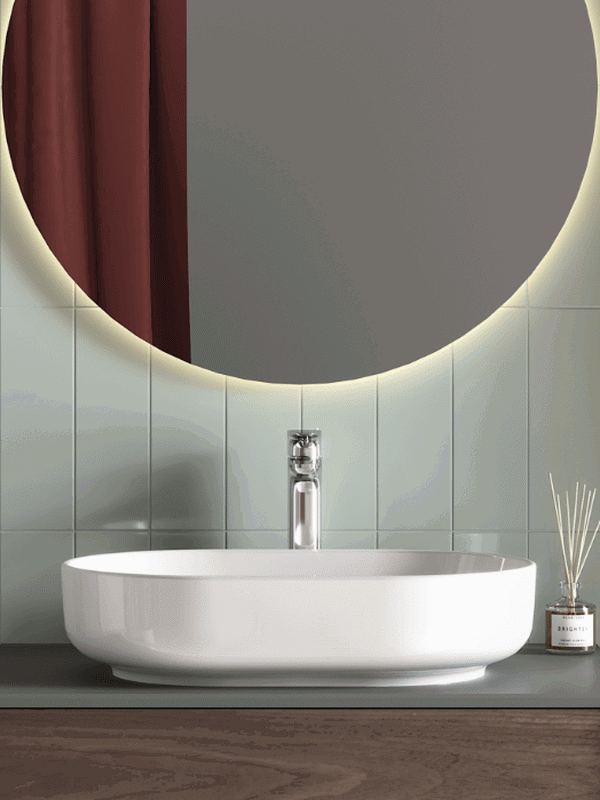
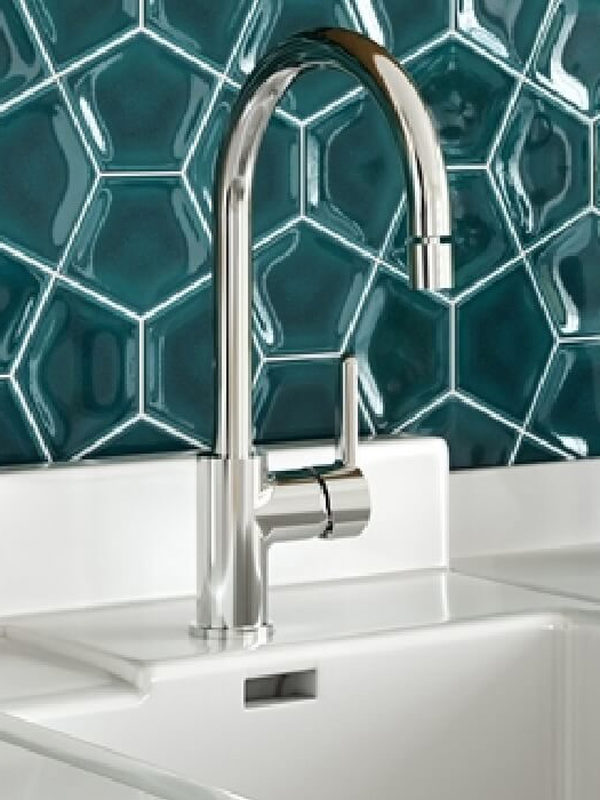
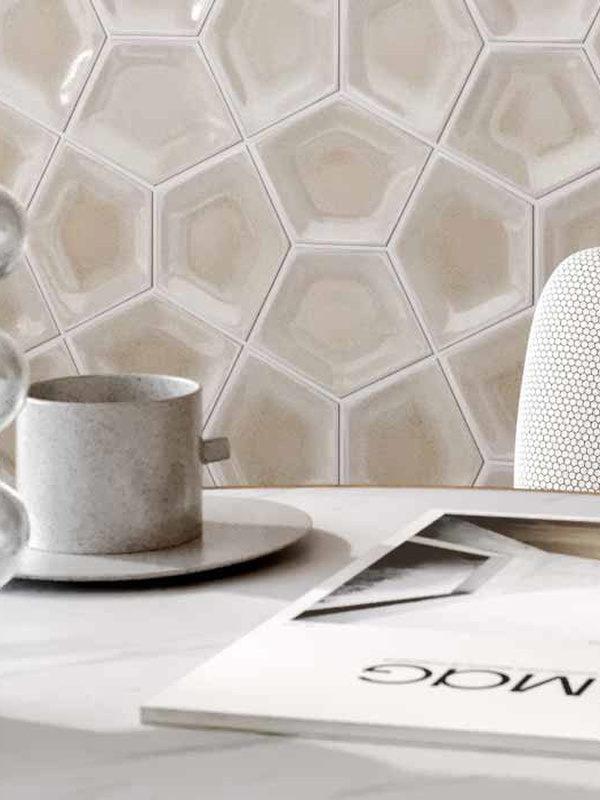
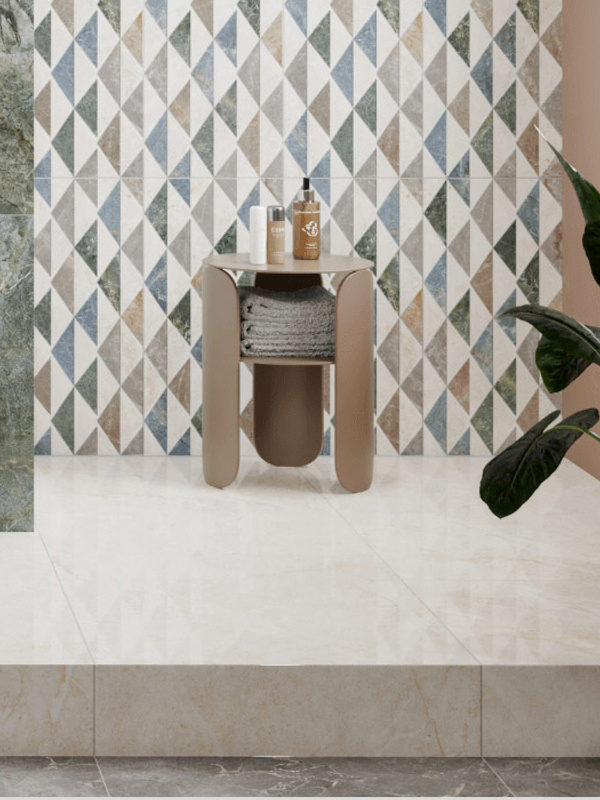
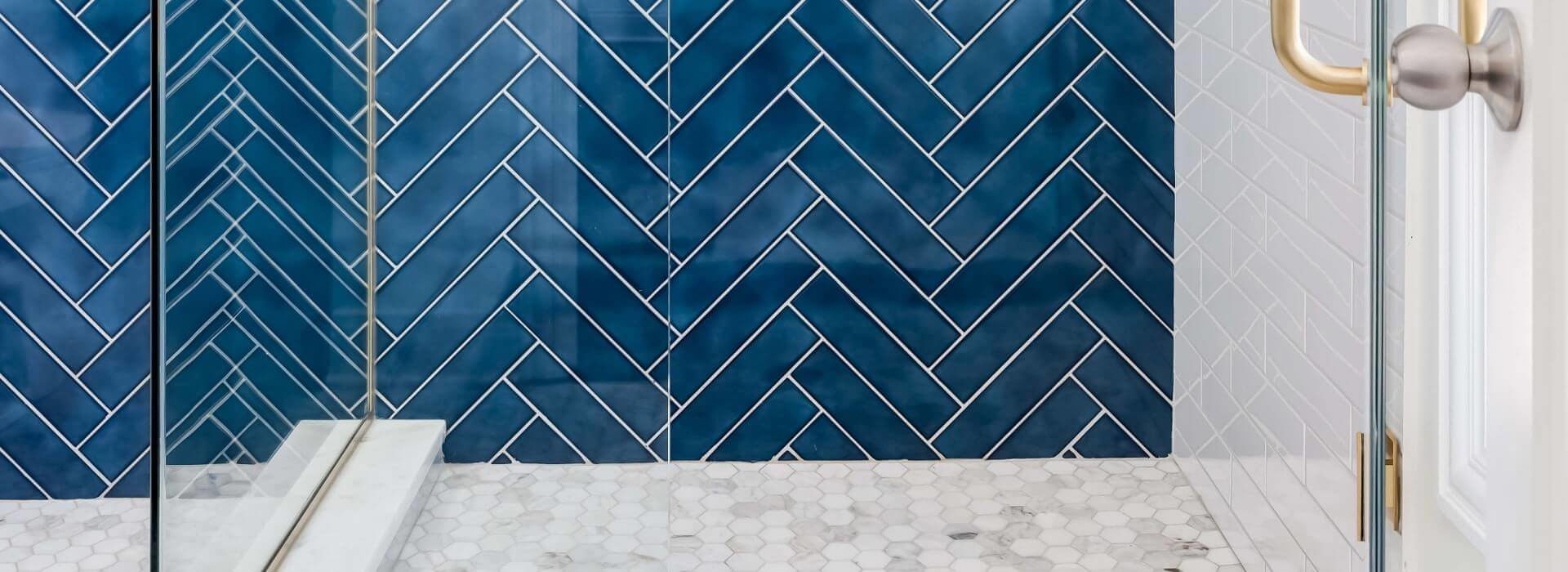
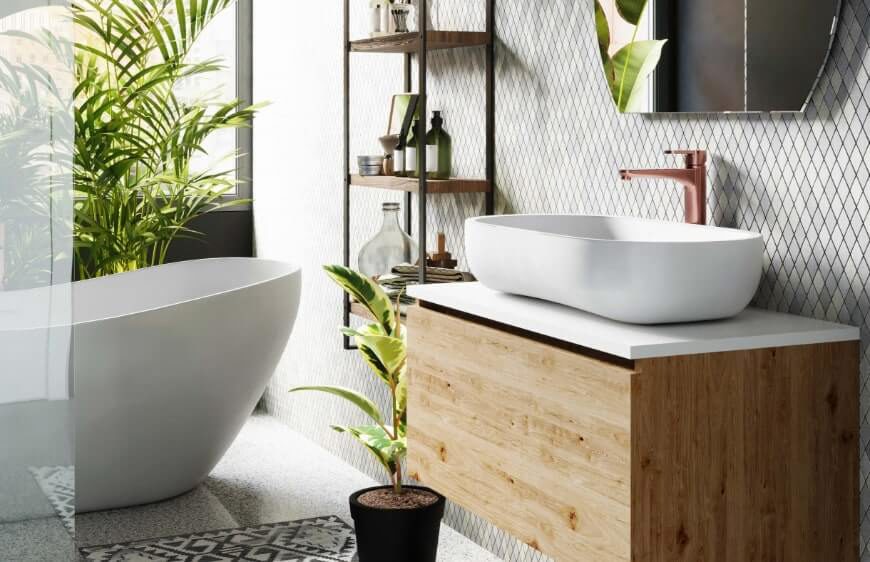
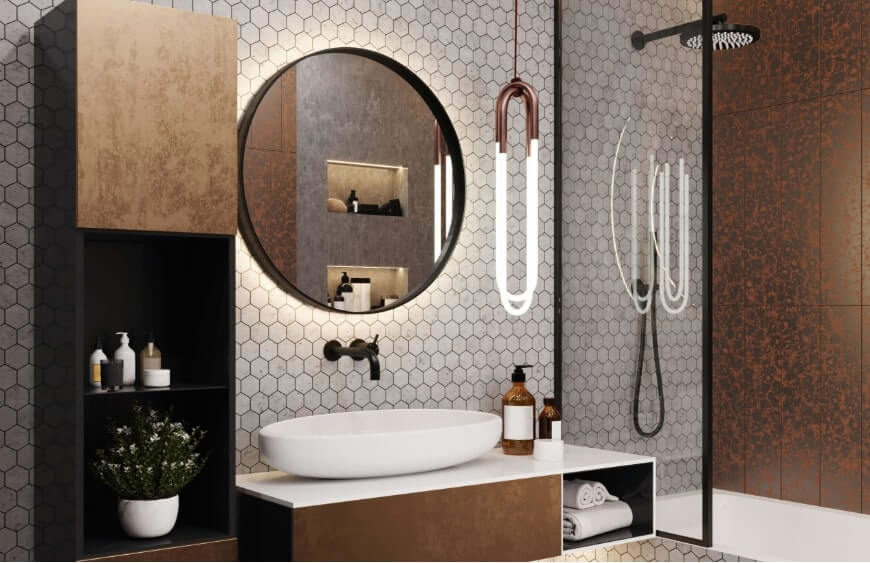
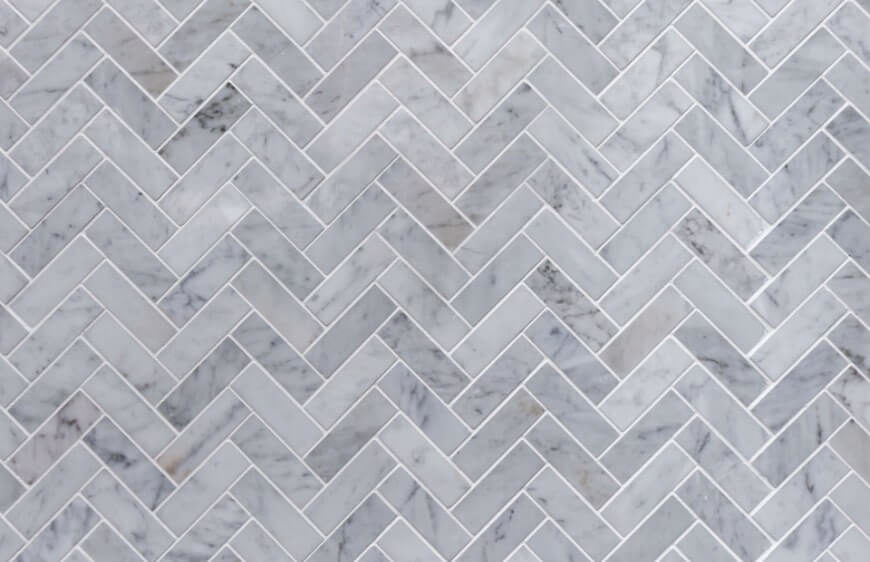
If your bathroom is smaller than standard dimensions, mosaics are the most suitable choice for the walls around the bath or shower. The Aria series from Çanakkale Seramik offers mosaic ceramics combining different patterns in a natural colour palette. If you want to play with perception and make the room look larger, laying long metro tiles in a herringbone pattern is another idea. Honeycomb tiles can produce the same visual magic. Suitable for small spaces, they can easily be laid around fixtures such as basins, showers and baths, without incomplete sections, cutting or infilling.
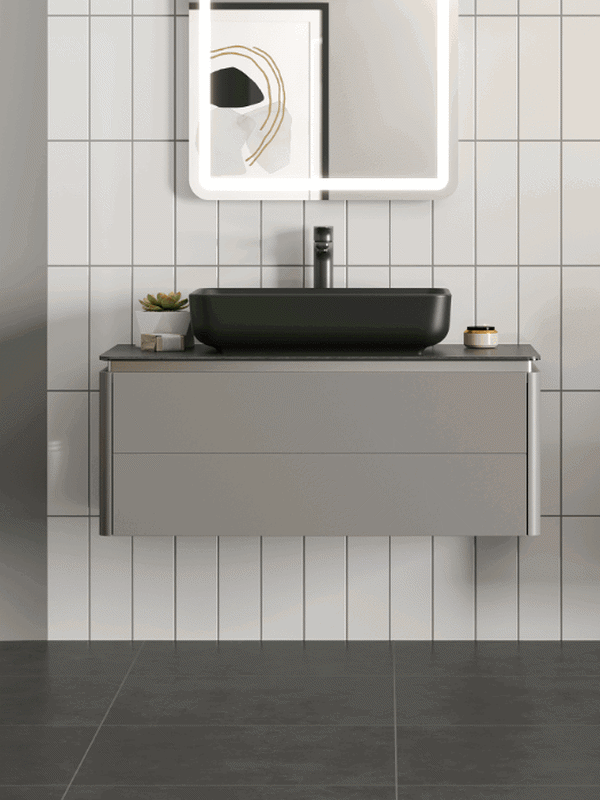
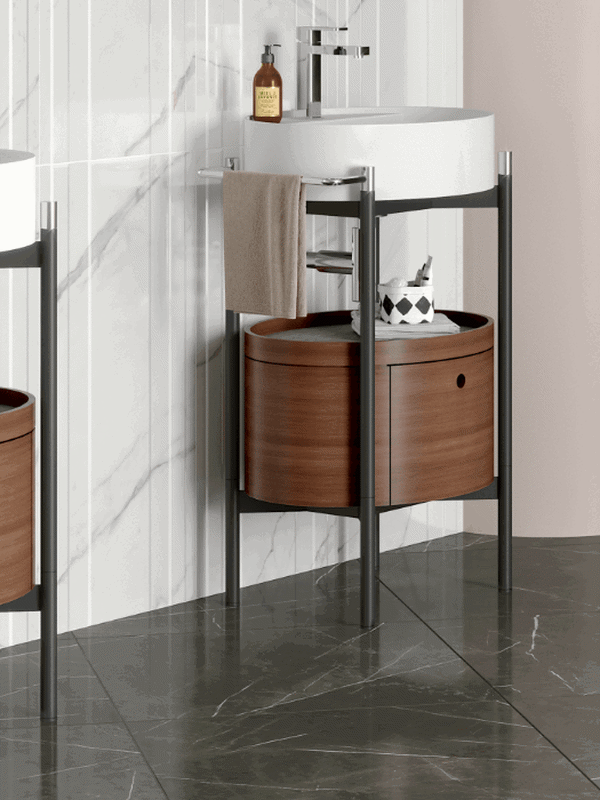
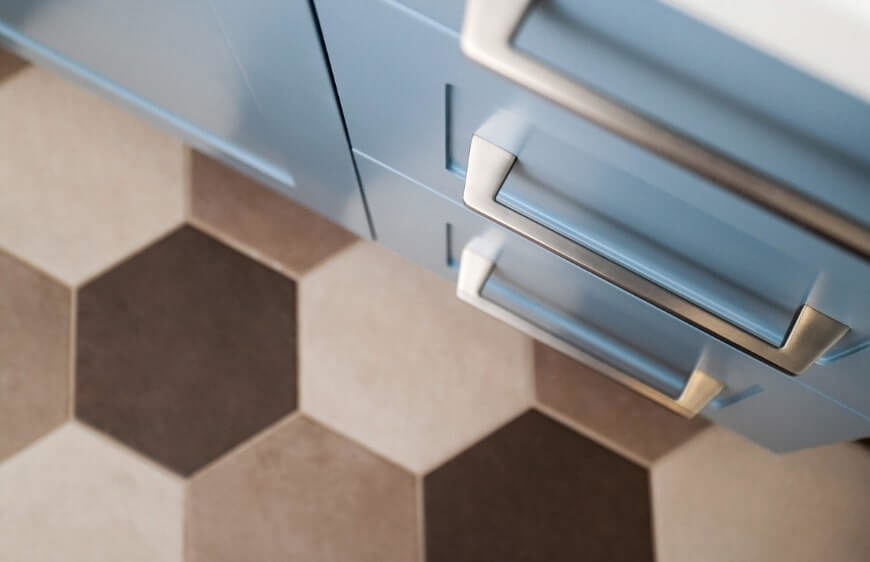
As mentioned earlier, honeycomb tiles remain popular. The Hexagon decorations in Çanakkale Seramik’s Grafen series offer neutral colours including anthracite, brown, beige, white and grey, bringing a natural feel to the room. If you choose mosaics or small tiles for the shower area, you can use long, slender tiles on the walls. Laid vertically, these make the bathroom appear taller. For example, vertical applications of tiles from Çanakkale Seramik’s Miniatile-Windsor series create precisely this effect.
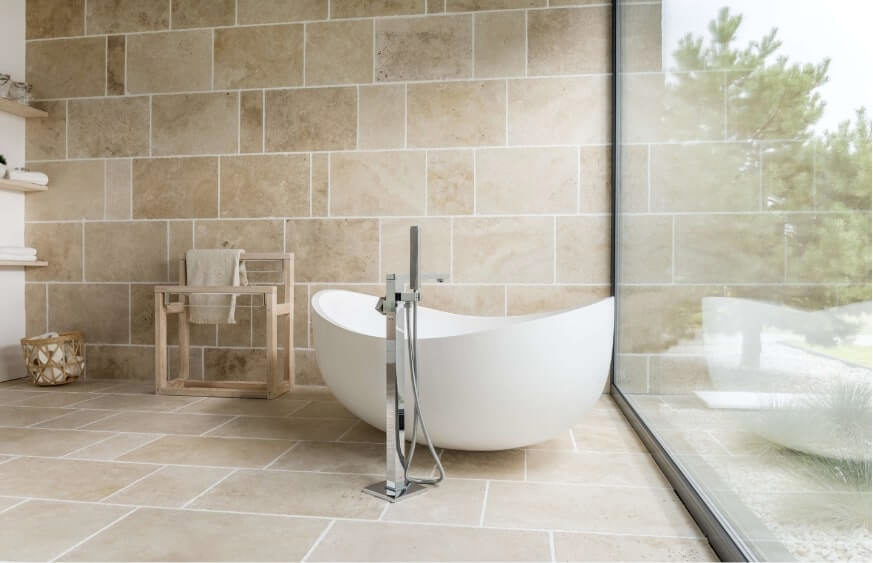
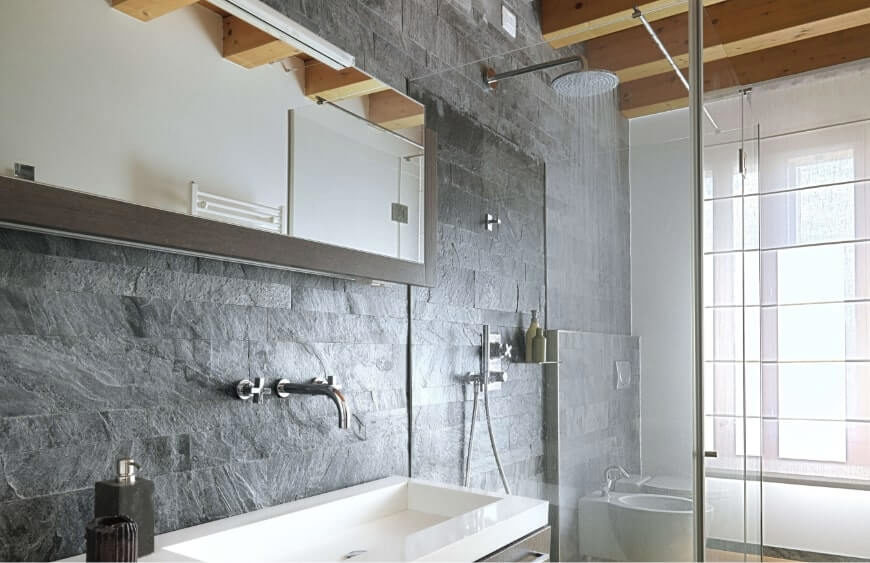
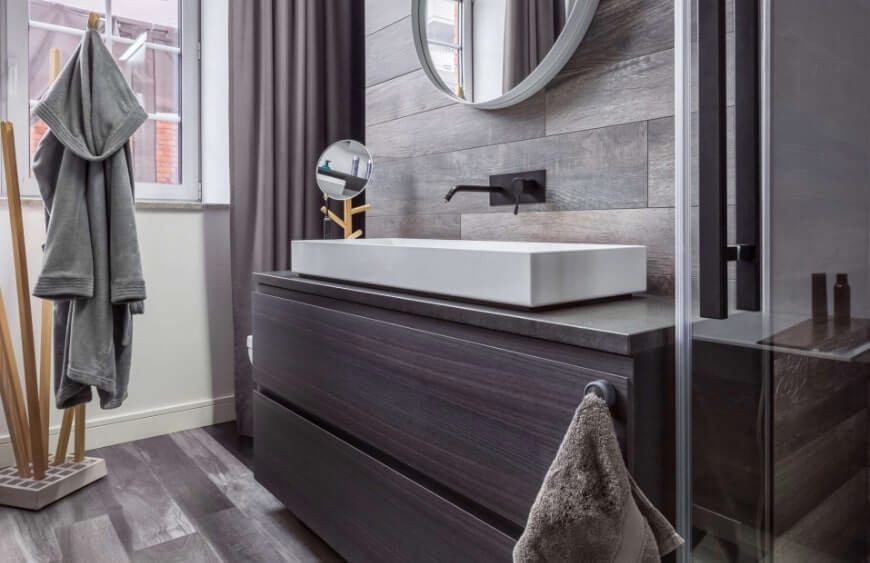
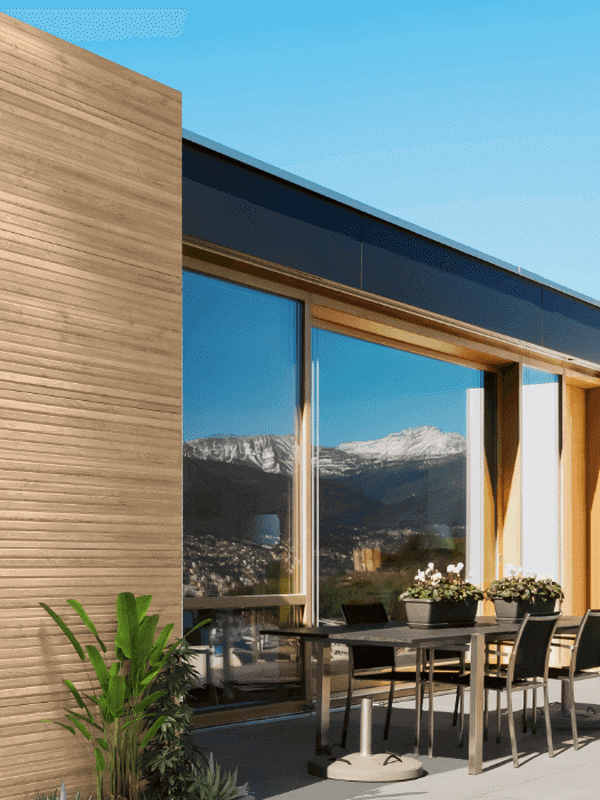
Although larger bathrooms may seem easier to work with, some decisions are still crucial. If you choose tiles in different sizes rather than a single format, you need a clear aesthetic concept; this approach can make the space appear more compact. Choosing wide, long tiles in a large bathroom reduces the number of grout lines, creating an open, clean look. To add a focal point, use large tiles in the centre and smaller ones as a border around them. If you want to use wood-effect ceramic tiles to create a natural bathroom atmosphere, choose designs at least 90 cm long to achieve the impression of parquet. The 15 x 90 cm tiles in Çanakkale Seramik’s Woodream, Listoni, Legni and Country series are excellent examples.
A favourite way to pair contrasting colours, the chequerboard pattern has made its way from the catwalk to inspire surface tiles.
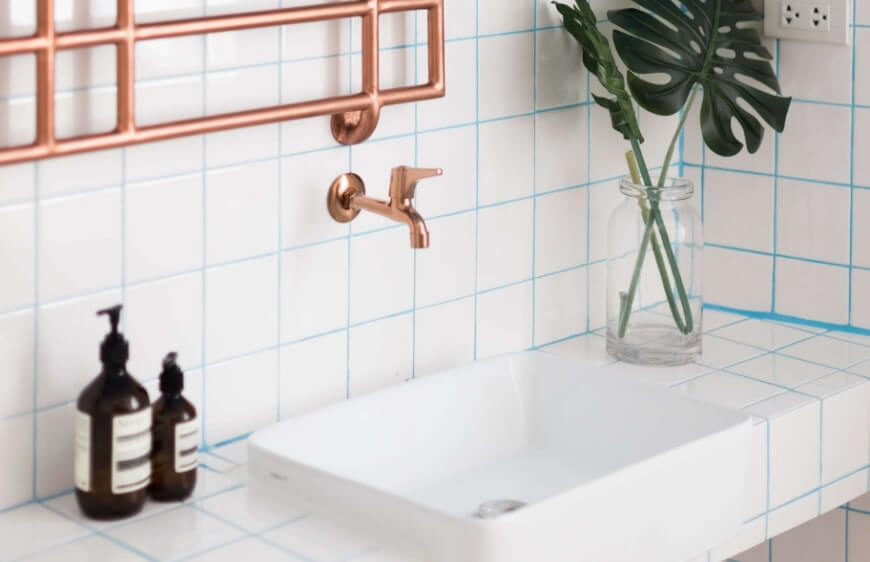
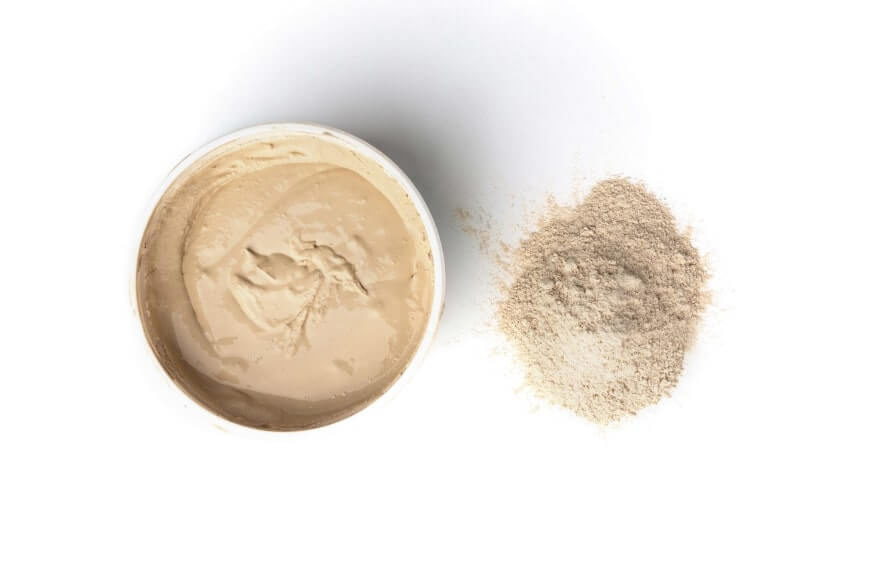
An aesthetically refined bathroom, whatever its size, faces one challenge: grout. Affecting tile dimensions and laying patterns, grout joints can disrupt the entire floor and wall aesthetic, from small mosaics to large, wide tiles. They can be even more conspicuous in small tiles and mosaics. To avoid this, you have two options: choose a grout colour that contrasts completely with the tiles for an unusual visual statement, or choose a matching colour that makes the joints visually disappear.
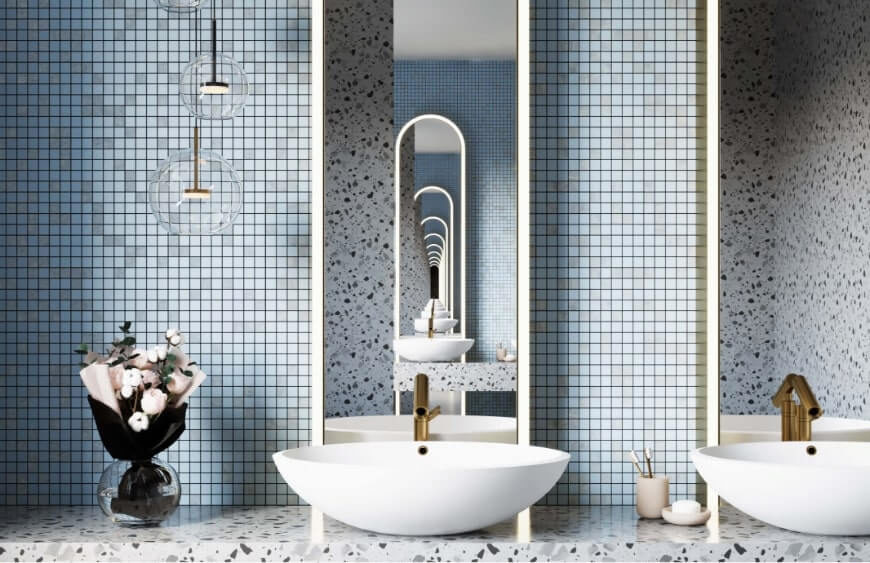
1. Light colours make a space look larger.
2. Dark colours add warmth and depth.
3. Neutral colours conceal marks and allow you to switch easily between nature-inspired styles.
4. Vibrant colours are cheerful and add character.
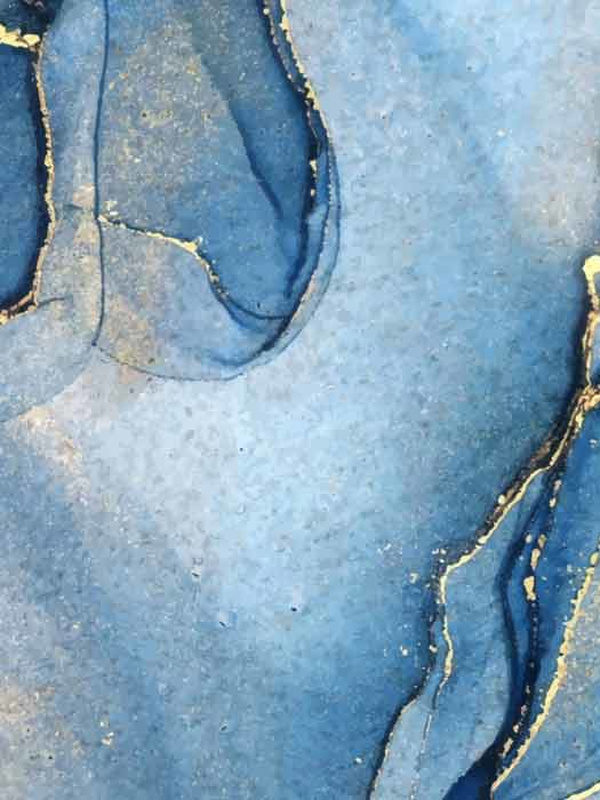
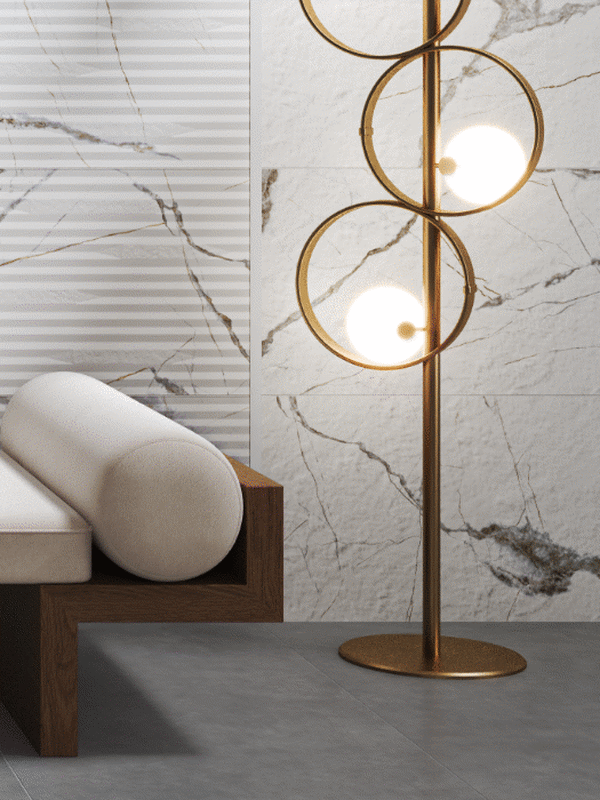
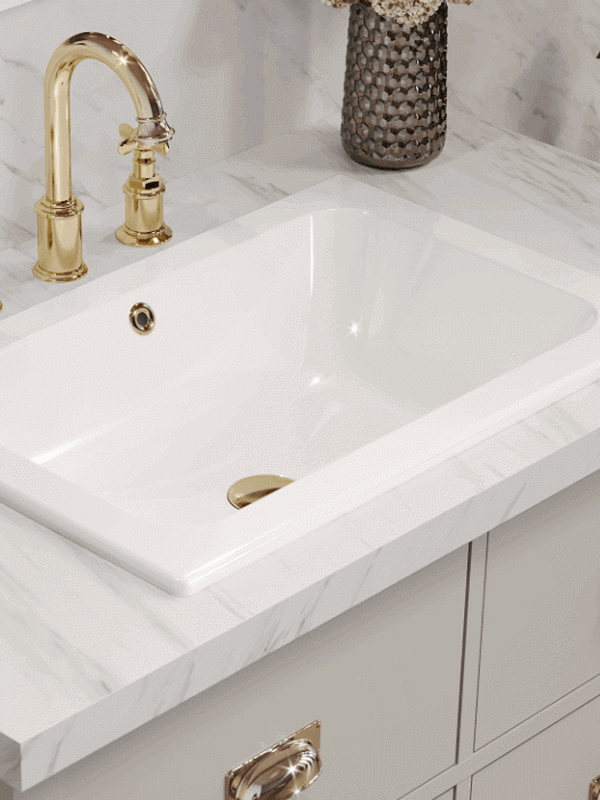
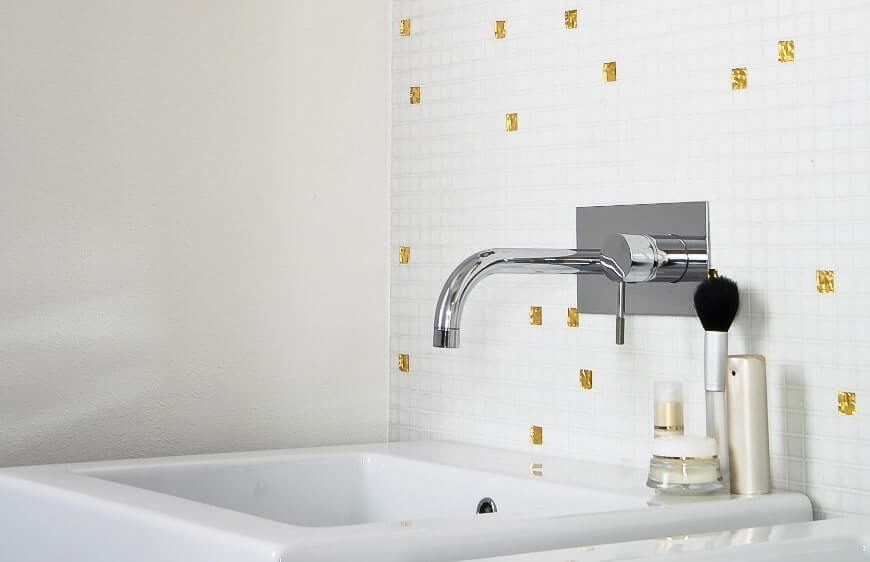
With hints of classic style, history and decorative splendour, gold continues to symbolise status in interiors, bringing excitement to floor and wall tiles.