Ceramic Tiles from A to Z: A Short Glossary

Ceramic Tiles from A to Z: A Short Glossary

Before bringing the beauty of ceramics into your living spaces, explore this alphabetical guide to help you make choices that suit your style and follow each stage of the process with confidence.

From art to industry, the world of ceramics is rich in terms and concepts. Before exploring this inspiring field, why not become familiar with its language? Knowing some of the terms you may encounter during research, shopping and a project can make the process easier. This short glossary offers clear, accessible explanations.

Anti-slip: A slip-resistant property.

Abrasion resistance: A ceramic tile's ability to withstand foot traffic and friction, indicated by its PEI rating. Ratings range from 0 (not recommended for floors) to 5 (heavy traffic and heavy commercial use). For residential applications, consider the PEI surface-abrasion rating alongside hardness, stain resistance, chemical resistance and ease of cleaning.

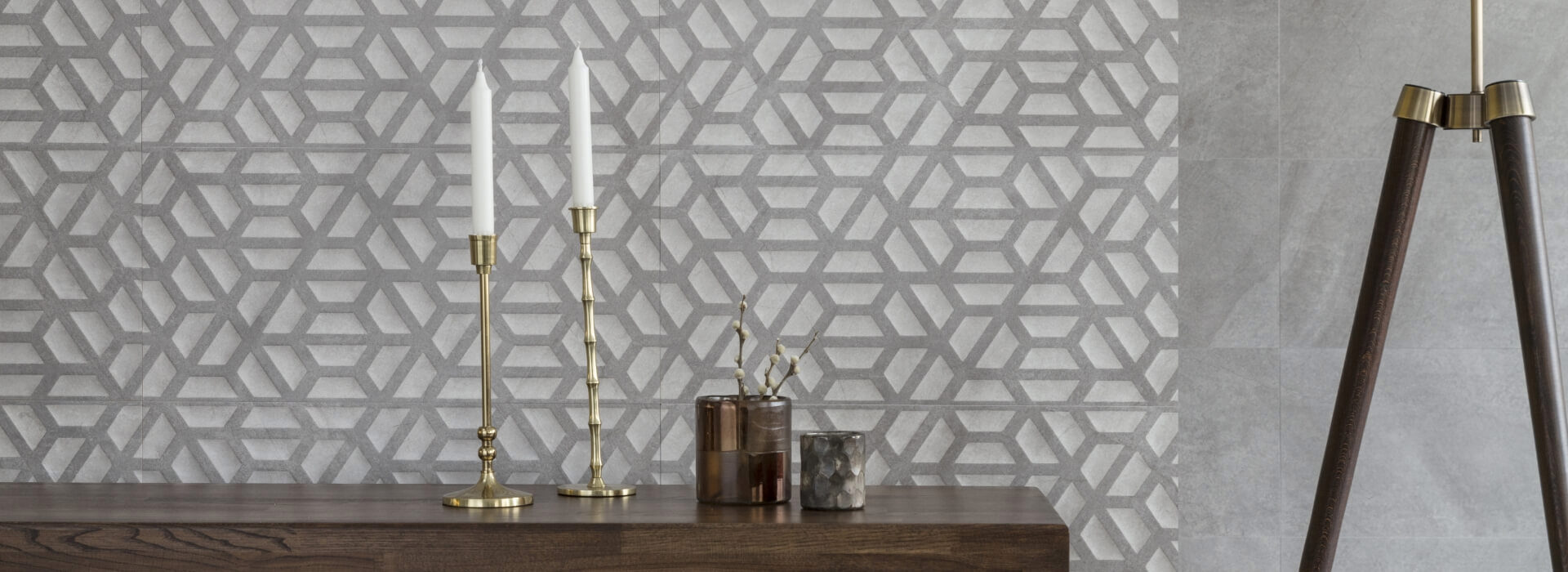
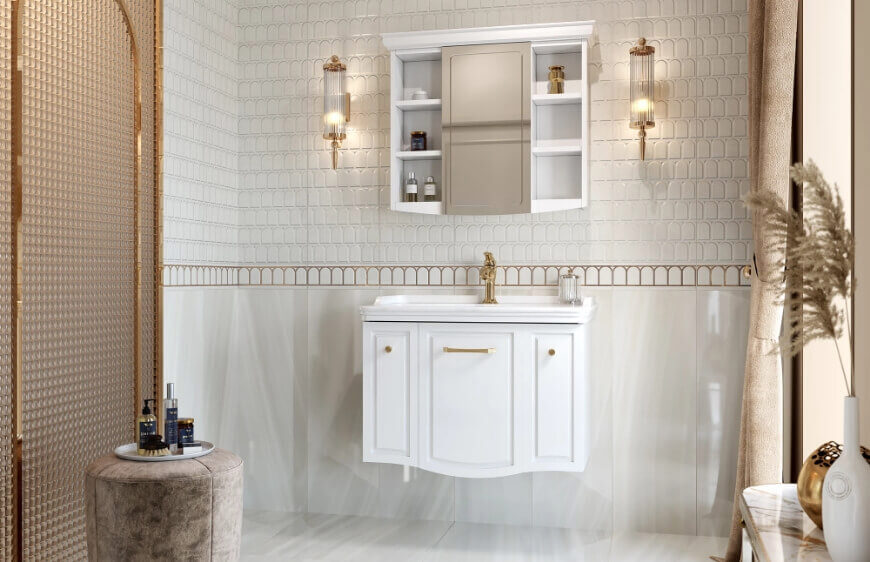
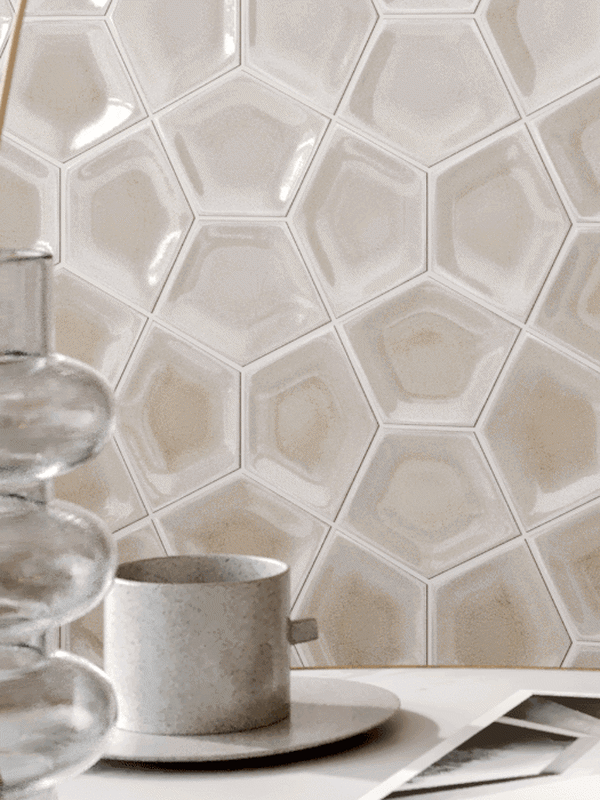
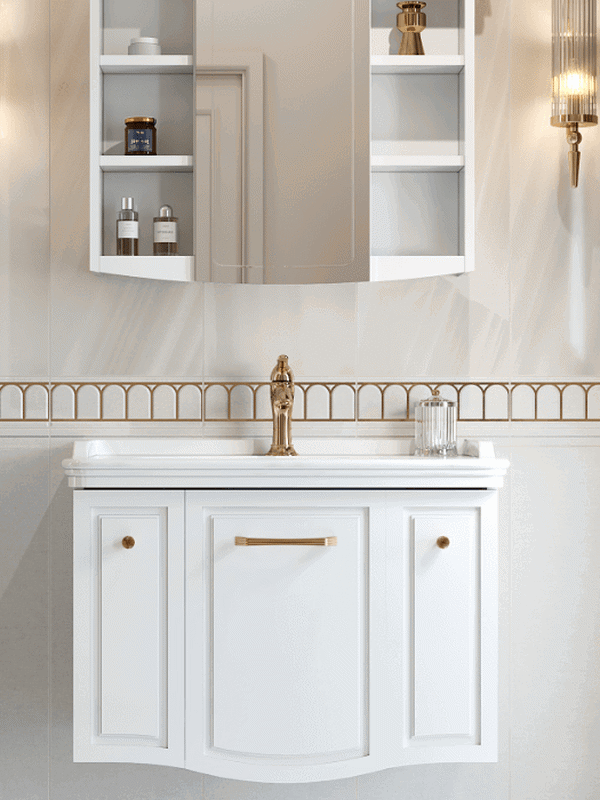
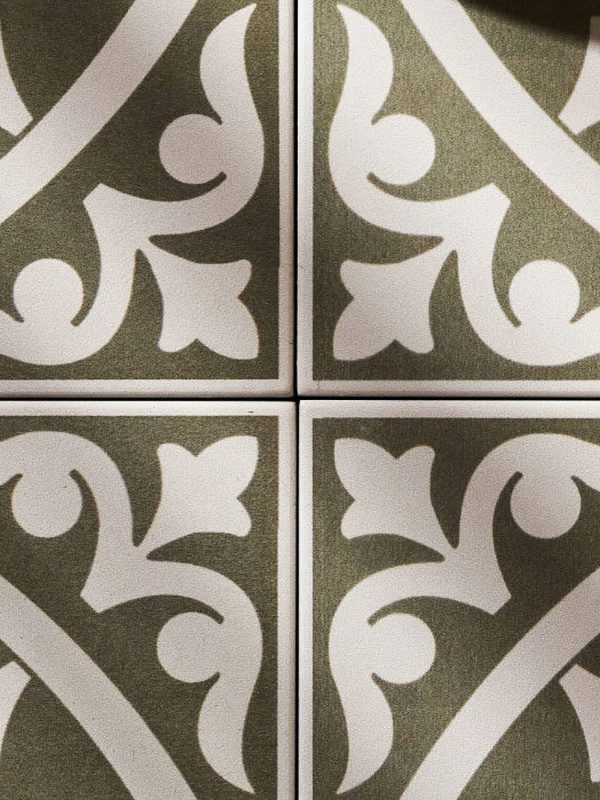
Border tile: A patterned tile inserted among wall tiles in wet areas. The Turkish term “bordür” derives from the French word for a border.Dimensional tile: A three-dimensional tile with a sculpted surface, created using contemporary tile technology.Body: The main structural part of a tile, excluding its glaze.Cotto: Italian for “fired”, referring to the firing process. Monocottura tiles are fired once. For bicottura tiles, the body and glaze are fired separately, producing a less scratch-resistant tile best suited to walls.Wall tile: A product category with water absorption E > 10% under TS-EN 14411. Suitable for indoor use and, because of its physical properties, for walls only.Tiles classified for walls and floors are not interchangeable. Wall tiles cannot withstand floor traffic, while floor tiles are generally too thick and heavy to be fixed to walls.

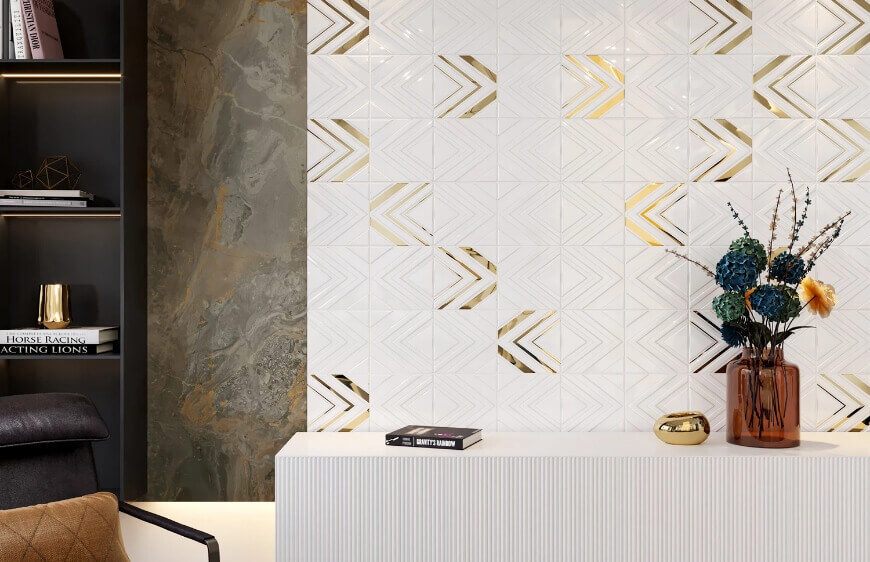
Decorative tile: A tile placed among plain field tiles, in a line or scattered arrangement, for decorative effect.Joint: The gap between two wall or floor tiles.Grout: Mortar used to fill the joints between pieces of tile, porcelain, ceramic flooring, natural stone and similar coverings. Grouts may be cement-, gypsum- or epoxy-based.Texture: A design element that gives definition to a surface. In architecture, it complements the effects of colour, form and light in shaping the user's perception.Frost resistance: A tile's ability to withstand freezing conditions in cold climates. Ceramic tiles with low water absorption (E ≤ 0.5%) should be used where frost is a risk.

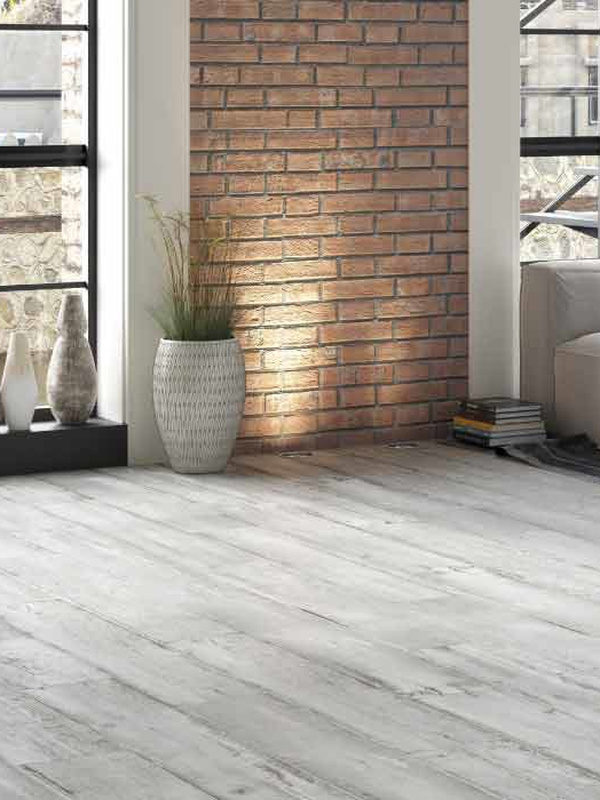
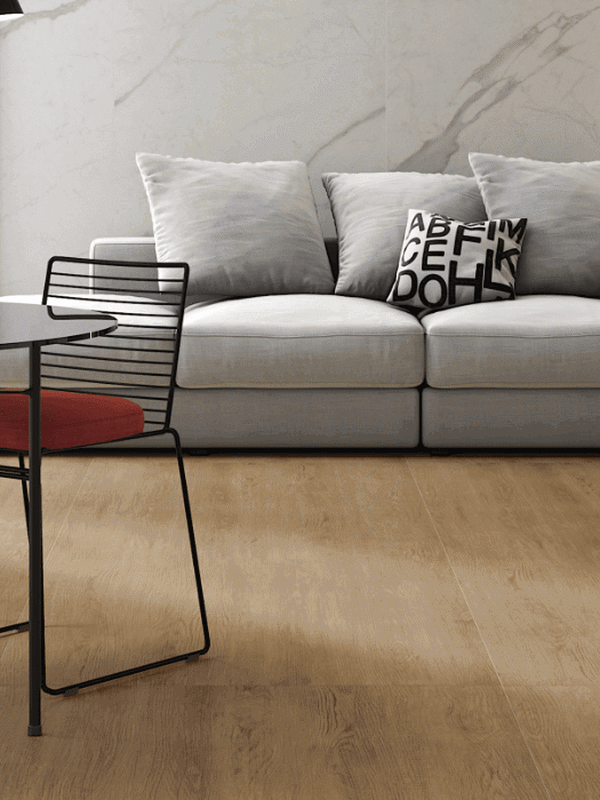
Effect tile: A tile that reproduces the appearance of another material, such as a wood-effect floor tile.Epoxy: A durable, resin-based grout resistant to stains and chemicals. It has a plastic-like appearance and requires residue to be cleaned away. It sets faster than conventional grout and does not require further scrubbing.Faience / glazed wall tile: See “Wall tile”. A building material made by pressing a mixture of ceramic raw materials, such as clay, kaolin, quartz, feldspar and limestone, into moulds and firing it at 900°C or above. One face is glazed and the other is porous. Its name comes from Faenza, Italy, where it was first produced in the 15th century.Wastage allowance: Extra tiles ordered to allow for breakages, defects and cuts at awkward angles. A 10% allowance is generally recommended, with more for complex layouts. Buy some additional tiles for future repairs and keep the batch or reference number for easy identification.

Honed finish: A semi-glazed, matt-looking surface with a smoother yet softer appearance than glazed tiles. It is a good choice for high-traffic areas and is often applied to natural stone-effect tiles, such as marble effects.Wet area: A room or area in a building where water is used, such as a kitchen, bathroom or toilet.Tile: A general term for ceramic wall and floor tiles and porcelain flooring, deriving from their square form.Crackle: A cracked effect.

Slip resistance: A property created by gripping granules or raised relief on a tile's surface. Different standards use a range of test methods and ratings.

Slip-resistance ratings:

R9: Entrance areas, bathrooms, kitchens, pharmacies, banks, schools and hotels.

R10: Storage areas.

R11: Restaurants and canteens.

R12: Fire stations, car parks and industrial kitchens.

R13: Livestock facilities, leather and textile factories, and oil-production areas.

Lappato: Italian for “ground”, this is a method of polishing certain glazed and unglazed porcelain floor tiles and borders with special abrasive stones. The finished product has a semi-polished appearance.

Batch: A quantity of identical tiles made in the same production run. Colours can vary between batches. For a consistent look, particularly with plain tiles, use tiles with the same batch number in one area.

Porcelain floor tile: A product category with water absorption E ≤ 0.5% under TS-EN 14411, indicating the body's porosity. It may be glazed or unglazed and is fired at 1150–1200°C. It is more durable than standard wall and floor tiles and has high breaking strength. Porcelain floor tiles are recommended outdoors in very cold regions or where there are large temperature differences between day and night.

Glazed porcelain tile: Porcelain with a glazed surface. It is frost-resistant and suitable for indoor and outdoor use. Its physical properties allow it to be used on both floors and walls.

Unglazed porcelain tile (technical porcelain): Its surface texture and design come entirely from the tile body. It is frost-resistant and, being unglazed, offers high resistance to deep abrasion. It can be used indoors, outdoors and in commercial spaces.

Rectification: Grinding, cutting and straightening the edges of large-format wall, floor and porcelain tiles. This removes rounded edges and creates straight, square sides.

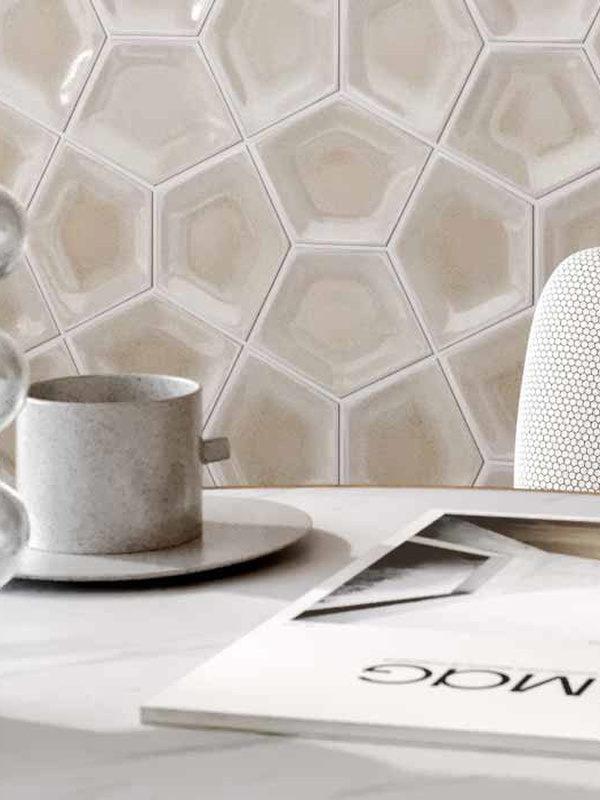
Relief: A technique in which carved or added elements remain attached to a solid background made of the same material.Relief tile: A tile with raised and recessed areas on its surface.Ceramic: The word derives from the ancient Greek keramikós, meaning “of pottery”, and kéramos, meaning “potter's clay”, and entered Turkish through French. A ceramic is a solid material containing inorganic compounds of metallic and non-metallic elements held together by ionic or covalent bonds.Glaze: A glassy, opaque coating fired onto a tile to harden it. It creates a surface that is slippery when wet but less porous. Non-porcelain ceramic tiles are generally glazed. Porcelain does not require glazing, although glazed porcelain is popular. Glazes may be glossy, matt or satin, with hardness ranging from relatively soft to diamond-hard.

Water absorption: A measure of the open pores within a ceramic tile's body, expressed as the percentage difference between its dry weight and its weight after absorbing water. TS-EN 14411 classifies ceramic tiles according to their water-absorption values.
Terracotta: Italian for “baked earth”, this is a matt ceramic product made from fired clay, typically reddish brown.

Terrazzo: A flooring method originating in Italy, and the resulting product, made by incorporating small pieces of materials such as glass, granite and marble, usually into a cement-based mixture, to create a colourful surface.

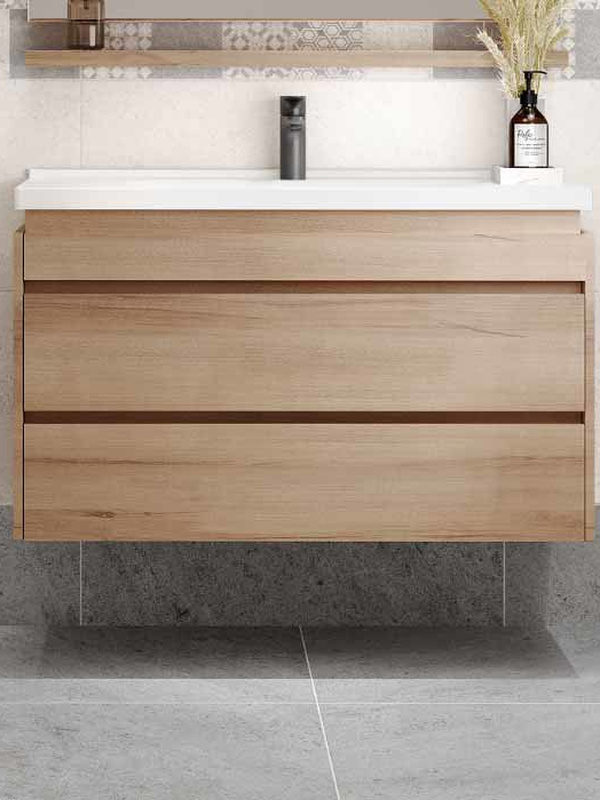
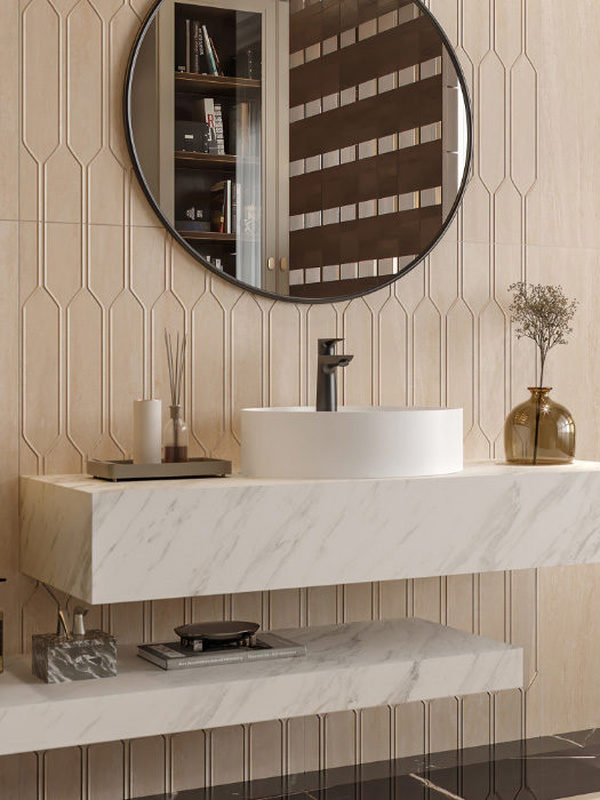
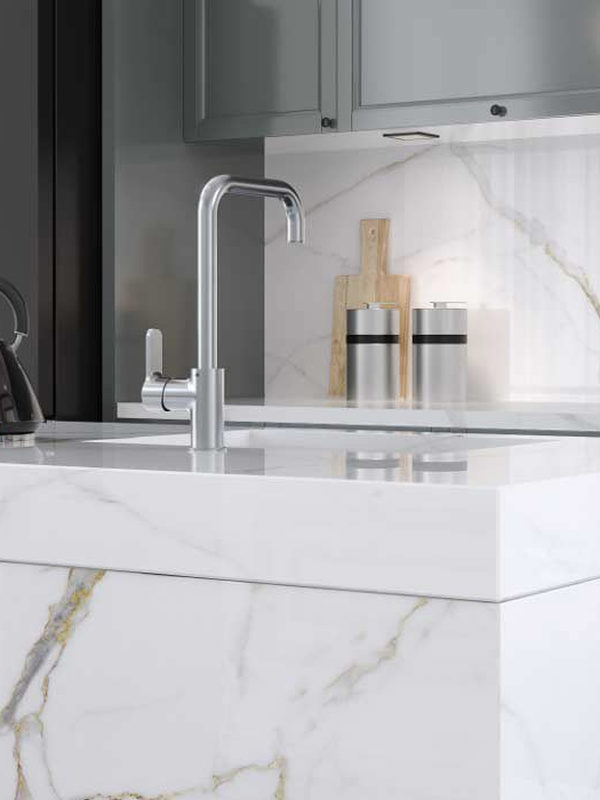
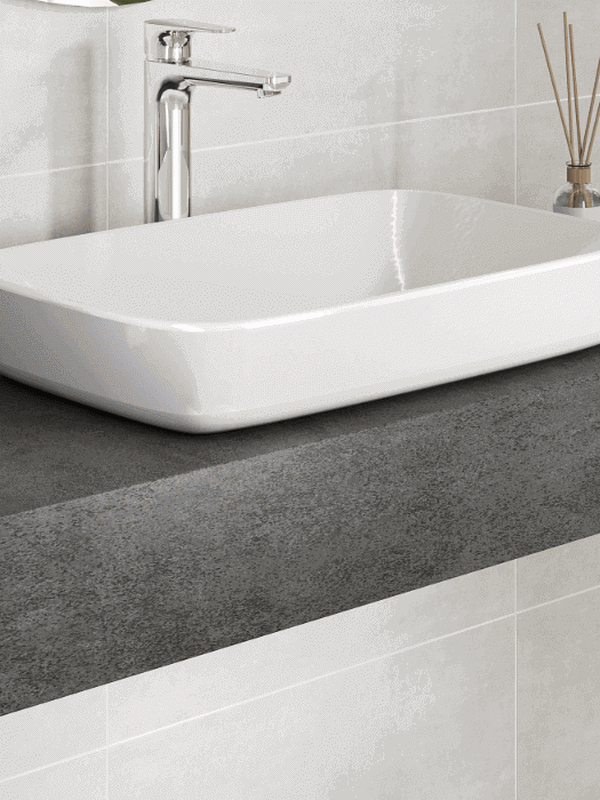
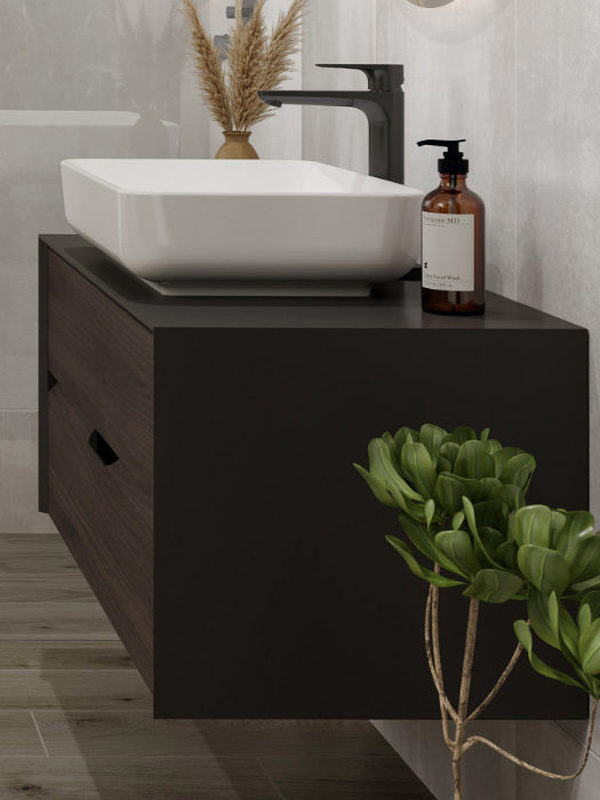
Kitchen splashback: The wall area between kitchen cabinets and the worktop.Basin splashback: The wall behind a basin worktop.Trim: Finishing pieces designed to complete the installation of field and decorative tiles. These include edge and corner pieces, rounded profiles and finishing borders.V rating (shade variation): The degree of variation in colour, tone and pattern between ceramic tiles.V1 (Uniform appearance): Each tile has the same texture, colour, tone and pattern, with only minor, insignificant differences.V2 (Slight variation): There may be differences in texture and/or pattern within the same colours, but the tiles have a very similar overall appearance.V3 (Moderate variation): The colours in one tile indicate those found in the others, but their intensity can vary considerably.V4 (Random variation): One tile may be a completely different colour from another. These differences create a highly natural appearance.
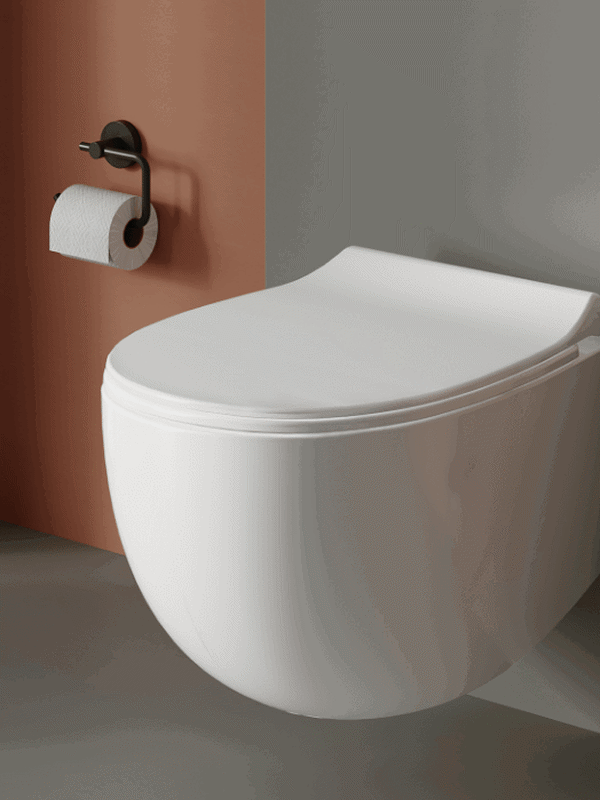
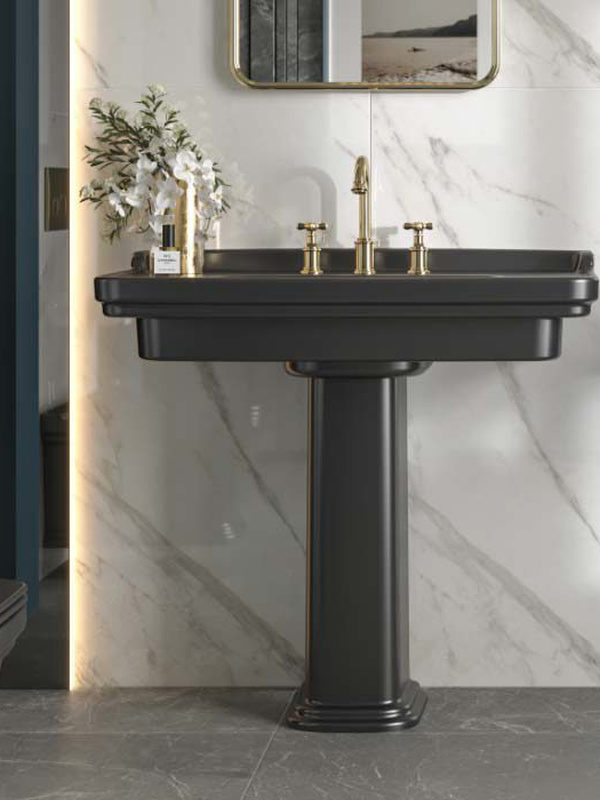
Sanitaryware: The Turkish term “vitrifiye” comes from French and means “vitrified” or “glassy”, referring to the glass-like surface formed in ceramics during firing. In construction, it is the general term for products used in wet areas, such as basins, squat toilets, baths and shower trays. They are mostly ceramic.Zellige: Handmade glazed ceramic mosaic-style wall and floor tiles characteristic of Morocco. Many of their patterns and motifs are reproduced in contemporary ceramic and porcelain tiles.

Mekanınızı yapay zeka ile birkaç saniyede yenileyin!

Mekanınızı yapay zeka ile birkaç saniyede yenileyin!

Seçtiğiniz ürünü evinizde görün.

Evinde Gör

Banyonuzu yeniden tasarlamaya ne dersiniz?

Banyoda Gör

Blog

Explore All

Compare

Compare
Compare