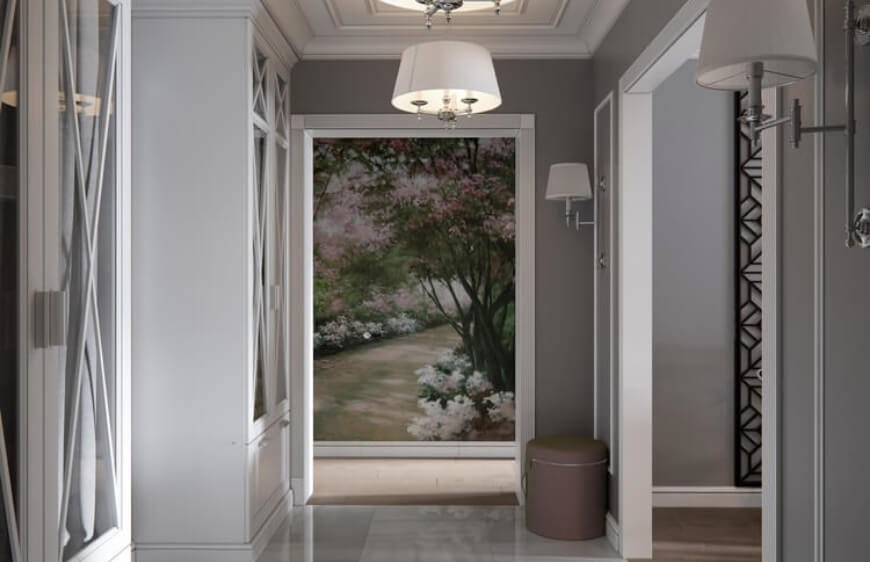
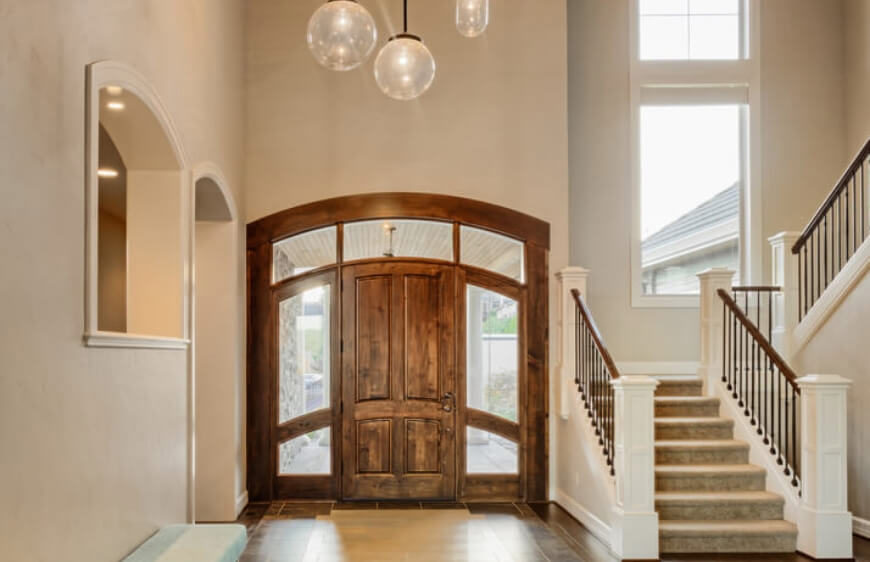
The entrance hall marks your first step into the house and your return home. It is also where you leave and take one last look. It therefore deserves its own consideration, with décor that is both welcoming and functional. It offers a preview of the home's overall design style, too. Corridors, meanwhile, are high-traffic areas because they connect different rooms. With this in mind, both entrance halls and corridors need practical, durable, easy-to-clean flooring.
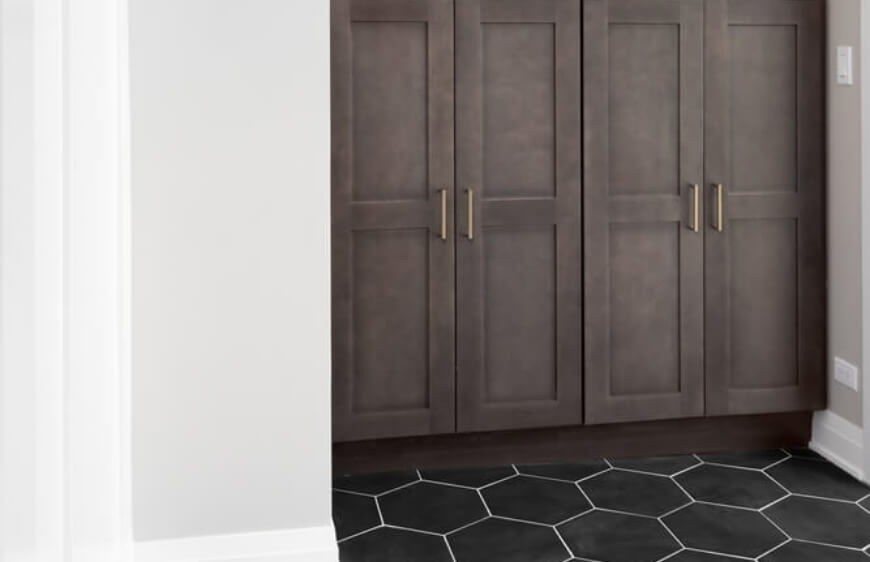
Ceramic Solutions for Entrance Halls and Corridors
As the first spaces to welcome you when you enter your home, entrance halls and corridors should be designed for frequent use, with ceramic floor tiles suited to this level of traffic.
If we think of the entrance hall and the corridor beyond it as the home's main artery, we can also conclude that their flooring should differ from that in the other living spaces. This variation brings energy to the home and breaks up monotony.
Two flooring options best suited to entrance halls and corridors:
Porcelain tiles and natural stone tiles
Porcelain tiles
Porcelain floor tiles can be considered the ideal solution for entrance halls and corridors because they are extremely durable and do not require constant maintenance. Their high resistance to water, stains and damage such as scratches means that few materials perform better in homes with children or pets. We simply recommend applying a protective grout spray over the joints to improve water resistance.
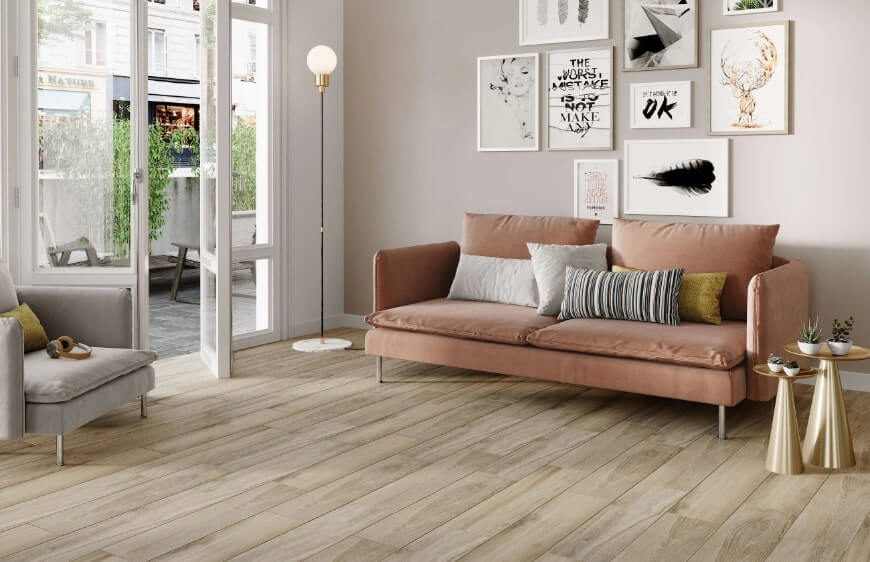
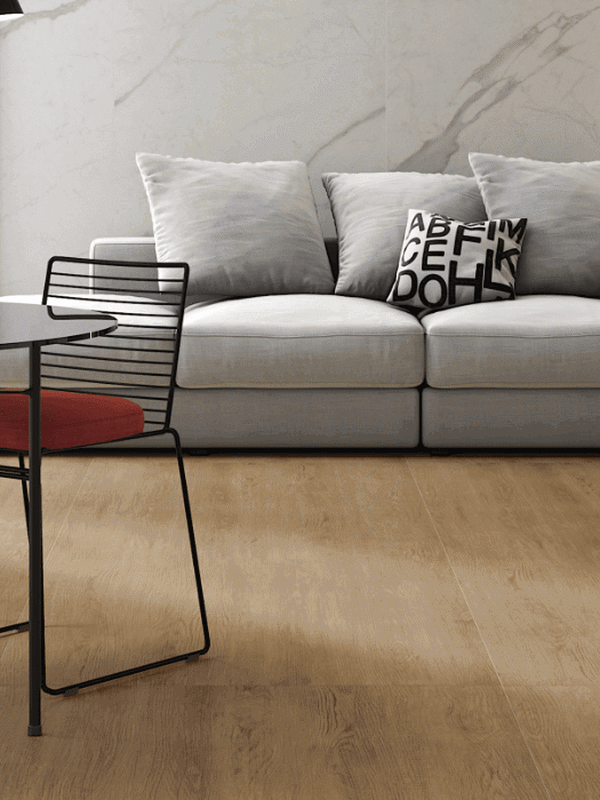
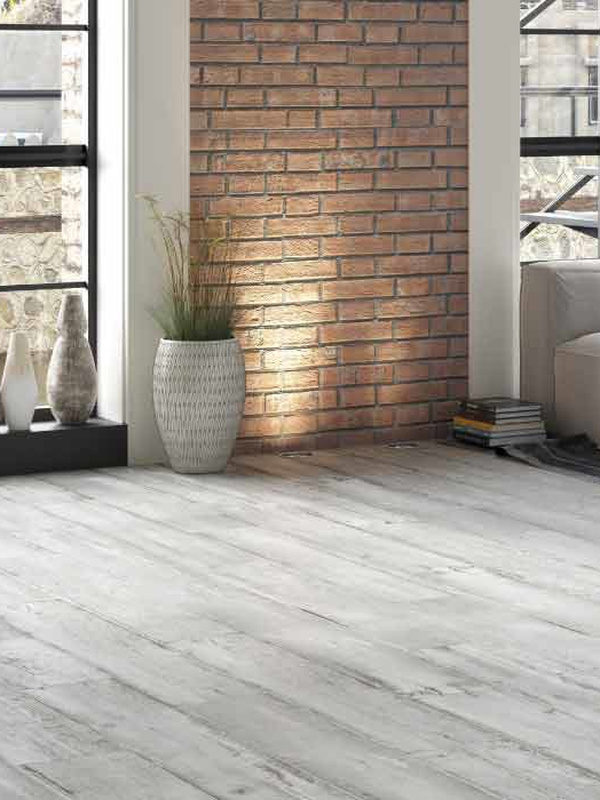
Another advantage of porcelain floor tiles is the wide range of designs and finishes available, so you are sure to find a product that suits your room's colour palette or your style. Today's advanced digital technology even allows porcelain tiles to reproduce the appearance of materials such as marble, wood and natural stone. For example, Kalesinterflex's Shellwood series is a comprehensive wood-look porcelain ceramic collection offered in three colours—Dark, Honey and Walnut—with 3 mm and 5 mm thickness options and different sizes. Another alternative comes from Çanakkale Seramik: the Legni series brings the natural beauty of wood together with warm colours, offering glazed porcelain tiles in noce, white and natural shades and a choice of sizes.
Natural stone tiles
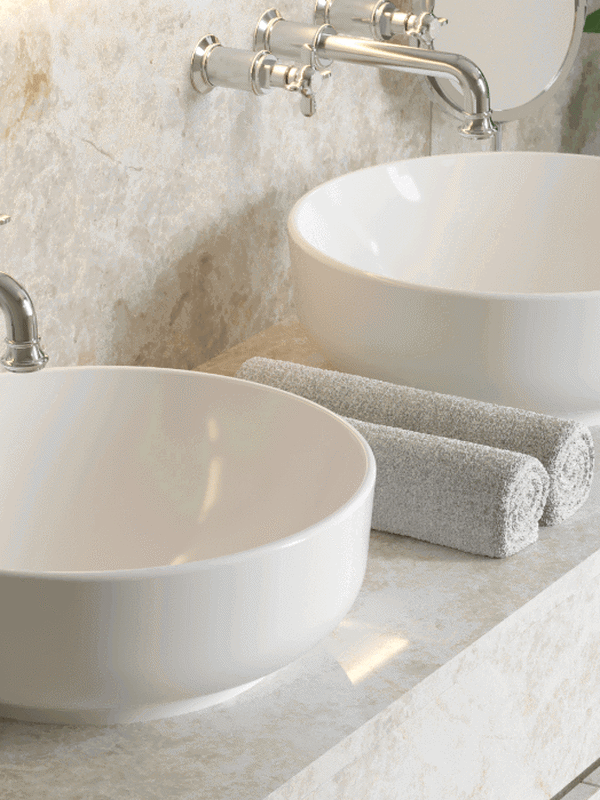
Natural stone tiles are particularly popular in country, Provençal, rustic or Mediterranean/Aegean holiday-style homes. Products in this group, such as stone, travertine, terrazzo, marble and granite, are described as coming entirely from nature. They cost more than other options but are a good long-term investment.
Although natural stone helps create a distinctive look, it has some disadvantages to consider in areas with heavy traffic. Its porous texture makes it more absorbent than other tiles and more easily damaged. On the other hand, stone is an excellent conductor of heat, making it very suitable for underfloor heating.

Styling tips for entrance hall and corridor floors
- Make your entrance hall feel more spacious
We have started with the hardest part, haven't we? In new city homes, entrance halls are small and corridors are narrow. Yet the right flooring choices can make them feel larger and airier. Using large floor tiles is one way to make a space appear bigger than it is. Large-format tiles also minimise grout lines, creating an illusion of greater width. For an example, look to the latest in technology: the Kalesinterflex Innovation series. Available in 100 × 300 cm and 120 × 360 cm sizes, Kalesinterflex Innovation tiles, with their 3 mm thickness, are the world's lightest, thinnest, largest and most flexible porcelain ceramics.
- Make narrow corridors look longer
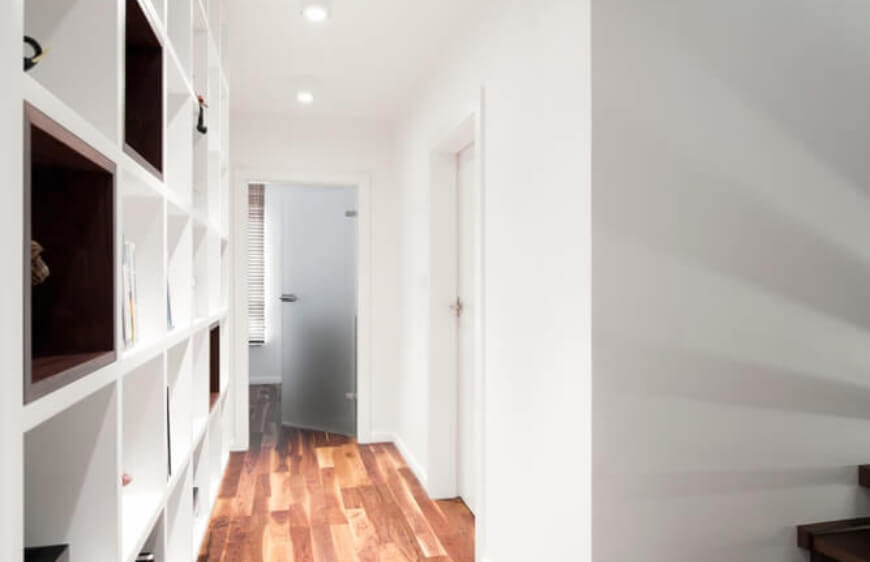
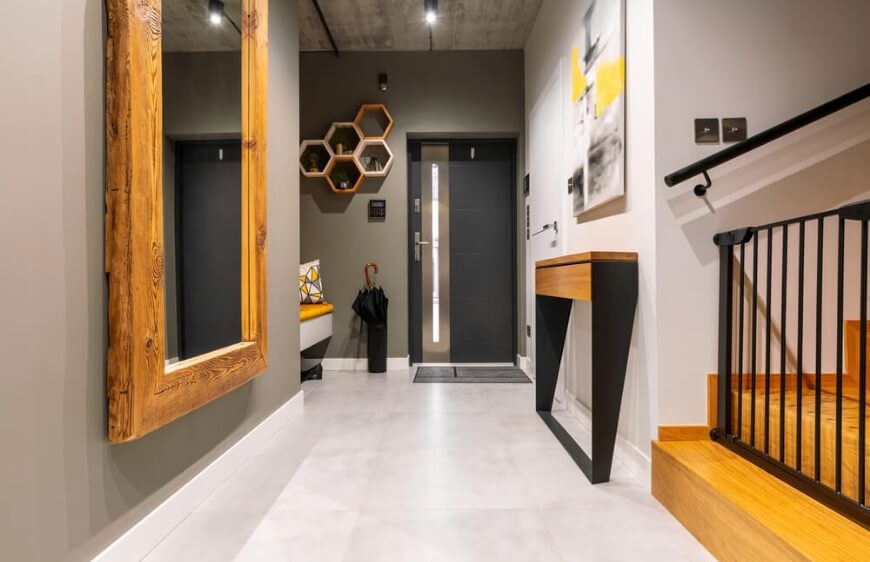
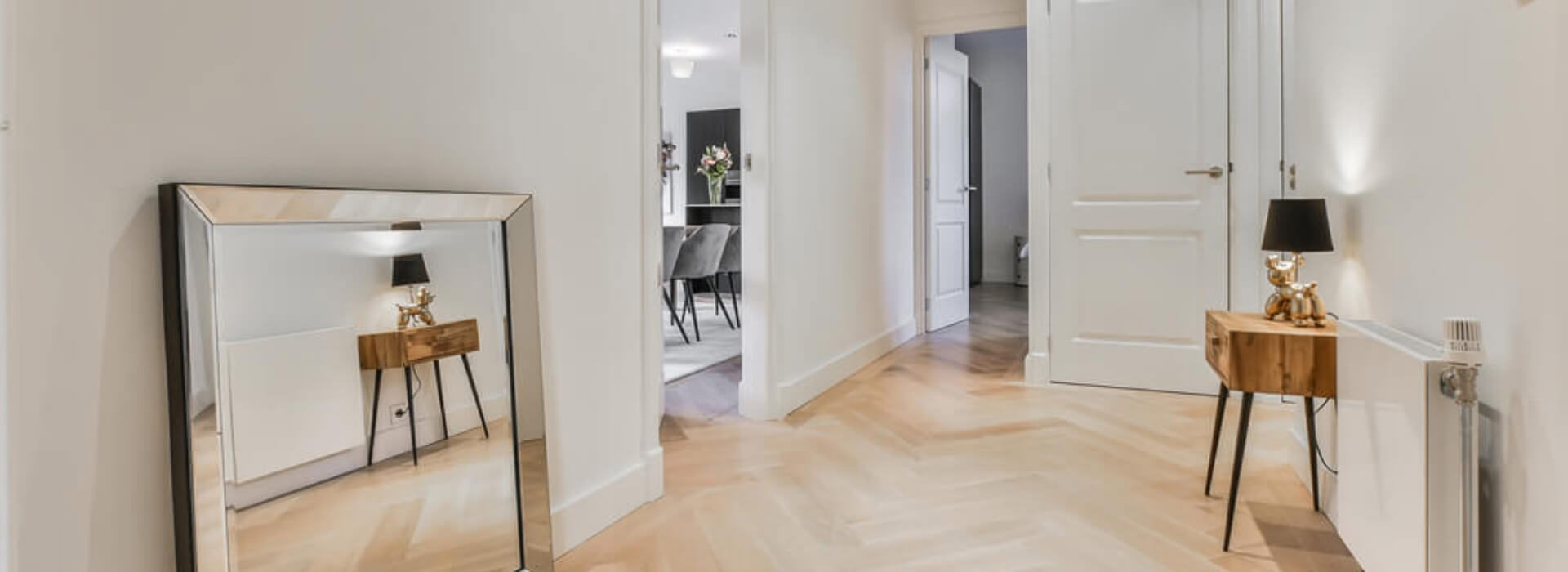
Here is another visual trick: if your corridor is narrow, choose tiles that make it appear longer. For this, you will need long, narrow tiles in the style of timber floorboards. Since more tiles will be used, we recommend matching the grout colour to the tiles to create a continuous expanse of colour. One of the best solutions comes from Kalebodur: the Madera series brings the natural appearance of wood into living spaces through ceramics. With 30 × 120 cm and 20 × 120 cm sizes and five colour options, it brings the beauty of timber boards to corridors.
- Use mirrors and colour
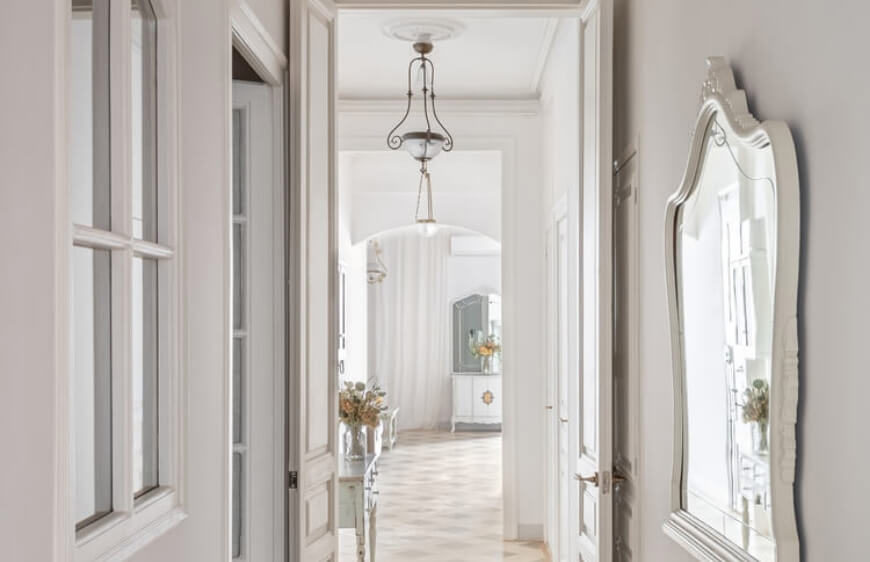
Corridors are often enclosed spaces without windows, so they need both good lighting and a bright colour palette. Choosing light shades for the flooring and walls creates a more spacious feeling through reflected light. Support this effect with mirrors and wall lights positioned opposite one another to create greater depth in perspective and multiply the light from the sconces.
- Choose bold patterns
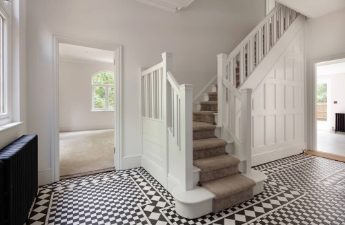
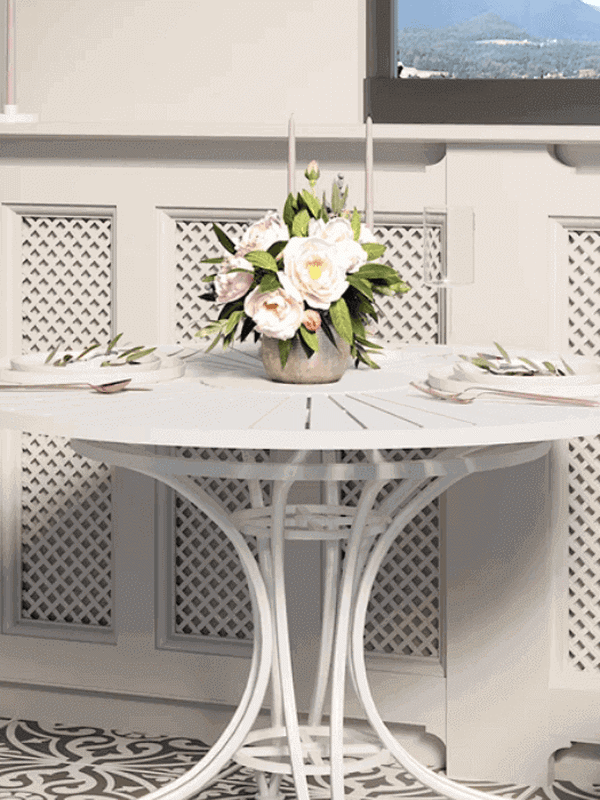
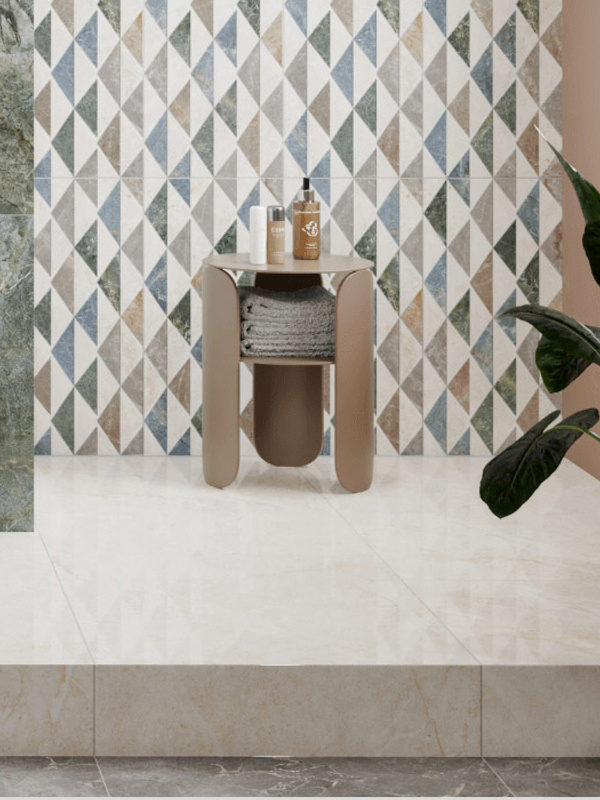
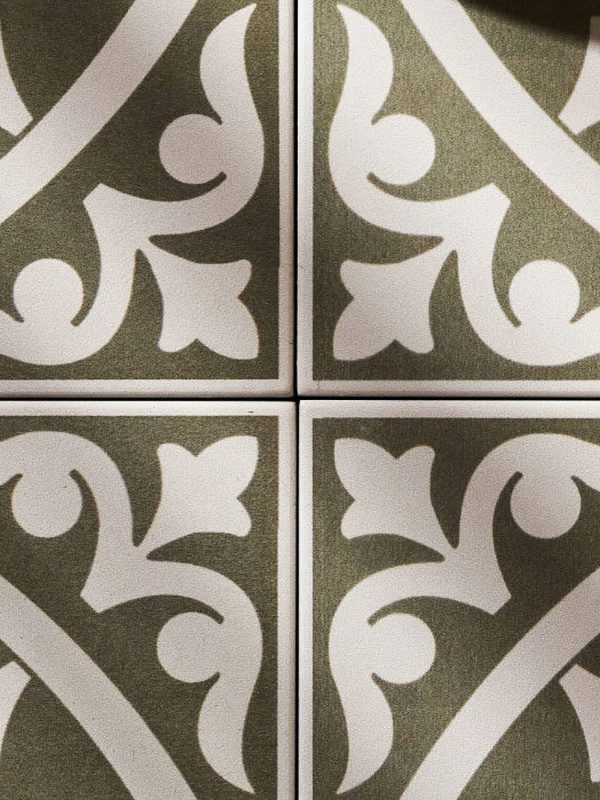
Remember that entrance halls, corridors and even staircases are spaces where we do not spend long, yet we still want them to have style. Choose a bold pattern that complements the home's overall décor while raising its energy. For example, in an Art Deco home, a chequerboard tiled entrance hall makes a strong impression. Combined with a crystal chandelier, a large mirror, a marble console and brass fittings, it can create an atmosphere of luxury. The solution here is Çanakkale Seramik's Ornament series. Reinterpreting decorative tile forms for today, Ornament's two-colour geometric designs make it a flooring favourite not only in rustic homes but also in Art Deco interiors.