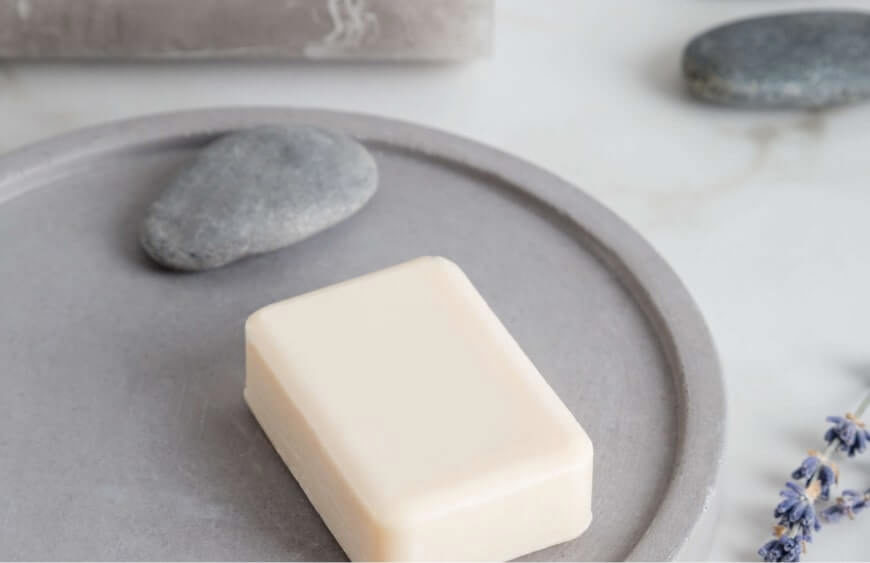
Bathrooms: Where Hygiene Comes Together

Bathrooms: Where Hygiene Comes Together

Here is the world of hygiene, disinfection and cleaning in our homes and bathrooms, in all its aspects and with its new everyday routines.

Who could have imagined that hygiene would one day become important enough to shape the global agenda, that being clean and keeping things clean would top the trend lists, or that a bar of soap would be vital? Time continues to surprise us, inviting the world to create routines that protect both itself and the health of its inhabitants. Here is the world of hygiene, disinfection and cleaning in our homes, particularly our bathrooms, with all its dimensions and new habits.

In the old normal, people who paid close attention to hygiene at home shared a language others could barely understand, like members of a club. Their conversations might revolve around which products they used, where, how often and in what rituals, enthusiastically sharing everything they knew. At least until the pandemic, it seemed that mysterious and eccentric. Recently, this club has gained millions of members, as hygiene has taken a leading place in everyone's life and on the world agenda. Even television news begins and ends with hygiene. Everywhere we look, we see reminders about correct hygiene practices. The subject has become as important as life itself, moving from fourth place in Maslow's hierarchy of needs to the top of the list.

During the pandemic, our homes, offices, schools, places to eat, drink and shop, and every conceivable point of contact have been judged by their hygiene standards. It is natural that this should change our habits. A culture is taking shape, and once again it begins with ourselves and our homes.Bathrooms are the first stop and undisputed meeting point for cleaning, cleansing and hygiene. With water and soap at their centre, are they not already the main frontline in our efforts to protect ourselves and those around us? Let us approach the subject through the bathroom and consider hygiene from that perspective. Roll up your sleeves, put on your gloves and let us explore bathroom hygiene in detail.
Disinfected or clean? That is the question.

First, disinfection and cleaning are entirely different subjects, although they are closely related. Cleaning means removing bacteria, dirt and mould from surfaces. Even thorough cleaning, however, cannot destroy certain pathogens such as viruses: they remain active unless the harsh chemicals they cannot tolerate are used. For example, non-toxic multipurpose cleaners can remove dirt and mould as part of routine cleaning. Although they may not be effective against viruses, they protect you from harmful bacteria.

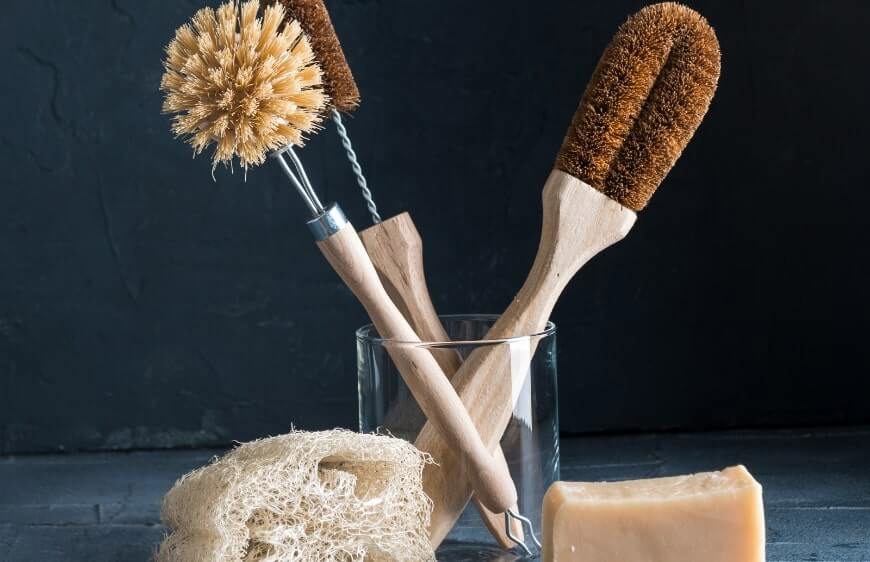
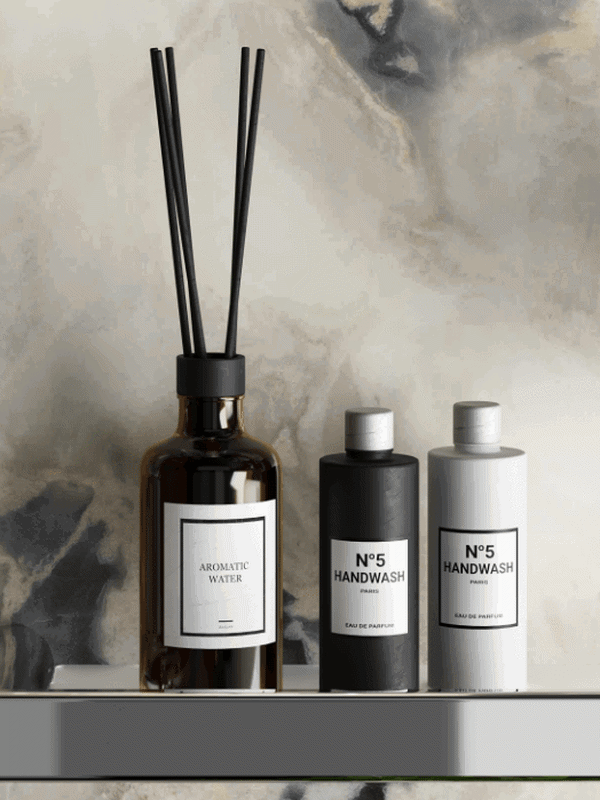
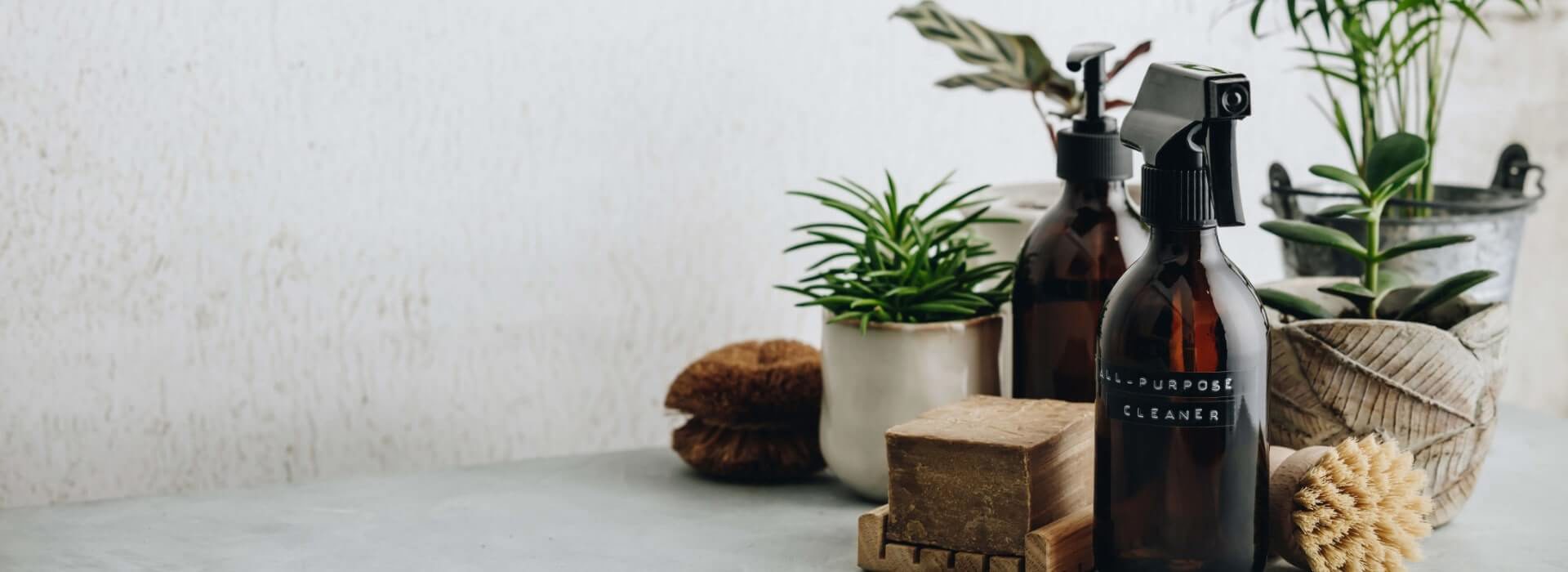
Hijyenik Banyo Temizlik Urunleri

In recent years, concern about the effects of harsh cleaners on the environment and the human body has led people to seek products described or certified as green, environmentally friendly, non-toxic or natural. Such concerns are understandable: chemicals in some cleaning products can irritate the eyes, skin or respiratory system. We therefore want safe, effective green alternatives. A list prepared by the US Environmental Protection Agency (EPA) includes tested disinfectants effective against viruses, including products made with bleach, isopropyl alcohol, quaternary ammonium compounds, or quats, and other ingredients. Few green cleaners appear on this list, however. Products intended for use against viruses need appropriate testing and certification, following specific protocols. Such work is still continuing on many green disinfectants worldwide. Some research suggests that essential oils derived from citrus and lavender have antibacterial and antiviral properties, although whether these properties are effective against viruses is not yet known. Until green cleaners are added to the EPA's list of virus-killing products, the agency advises staying with approved conventional disinfectants.

Good cleaning practices are enough

Let us emphasise this: there is no need to disinfect every area obsessively every day. Establishing a routine cleaning schedule is sufficient. For bathroom hygiene in particular, following the instructions on product labels allows you to create your own system and keep danger at bay. Build your routine around products tested for their effects on human health and carrying a lower risk of asthma, irritation, hormonal disruption or carcinogenic effects.

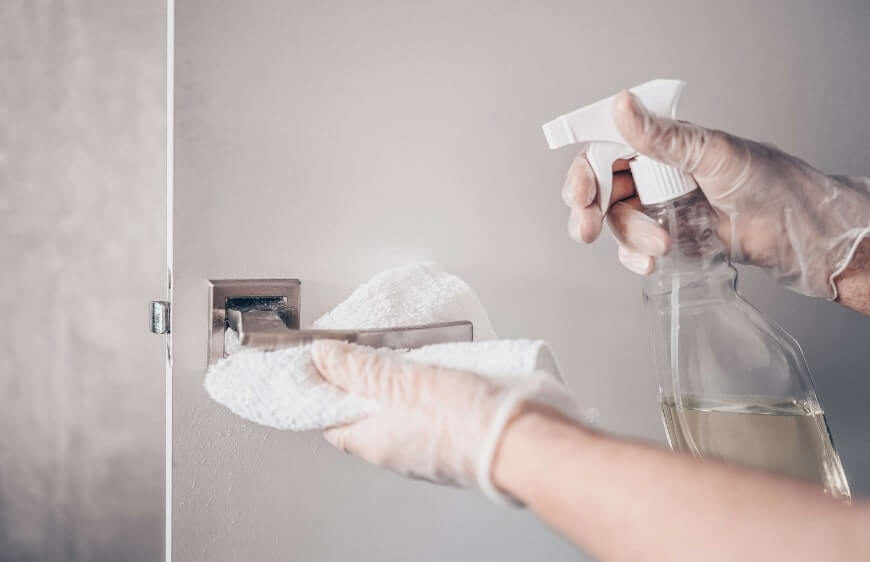
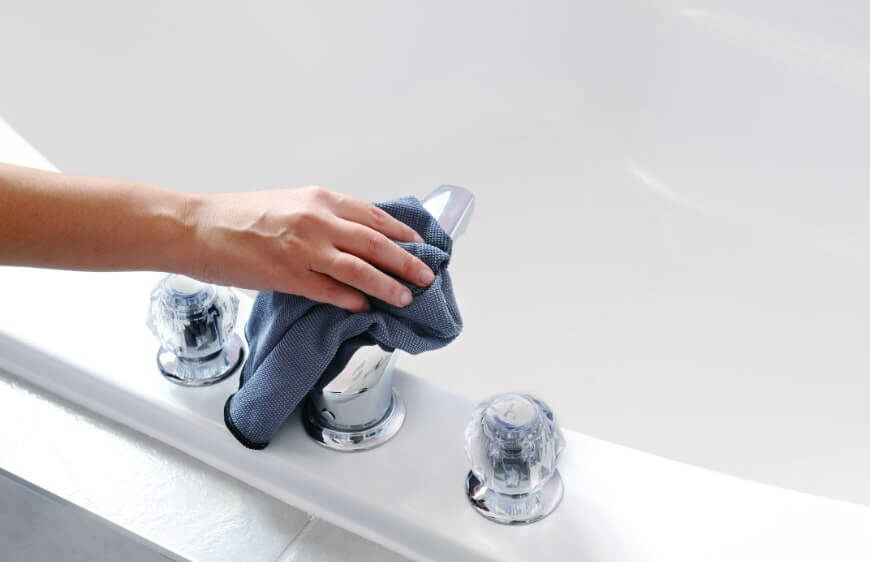
For floor cleaning, for example, products based on 70% alcohol with a few drops of an essential oil such as lavender or lemon are probably among the greenest options available. Water diluted with four teaspoons of bleach per litre is also described as an effective cleaner for 24 hours. Experts do not recommend bicarbonate of soda, vinegar or other natural products as sufficient protection against viruses. Frequently touched areas—surfaces, door handles, light switches, flush buttons, fittings and taps—need cleaning at least twice a day, depending on the number of bathroom users and how often they enter. Carry out this routine with a damp cloth and always rinse with water afterwards.

Establishing an appropriate cleaning system and ventilating the room afterwards can also reduce traces left by harmful chemicals. We recommend opening doors and windows afterwards to allow fresh air to circulate.

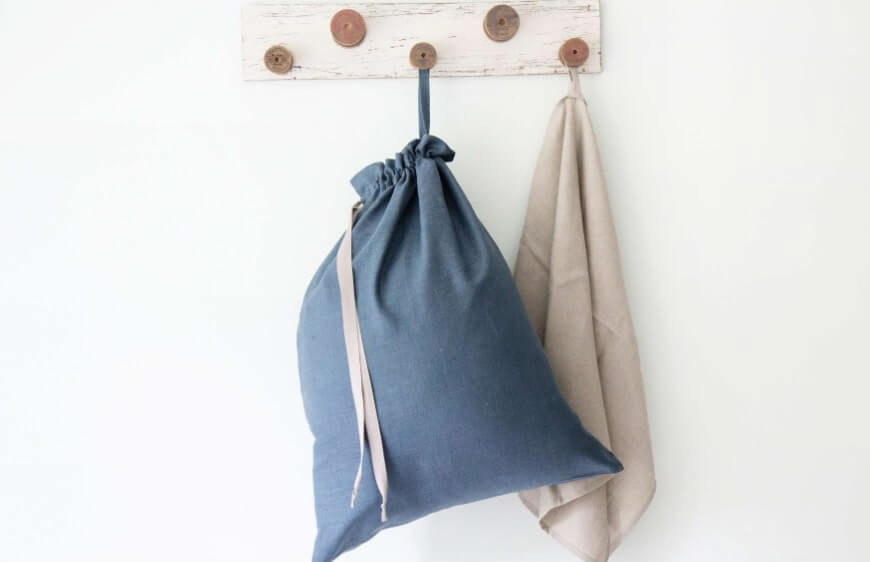
Another routine that supports good cleaning habits is reducing bathroom clutter and removing items that are difficult to clean. Replacing conventional towels with disposable paper towels is also presented as a good choice. Other details include placing dirty laundry directly into the basket without shaking it and spreading germs into the air, and regularly washing the laundry bag or basket. You could even consider keeping laundry in disposable bags.

Mop water can spread microorganisms if it is not replaced regularly. During cleaning, the water should therefore be changed at least once an hour.

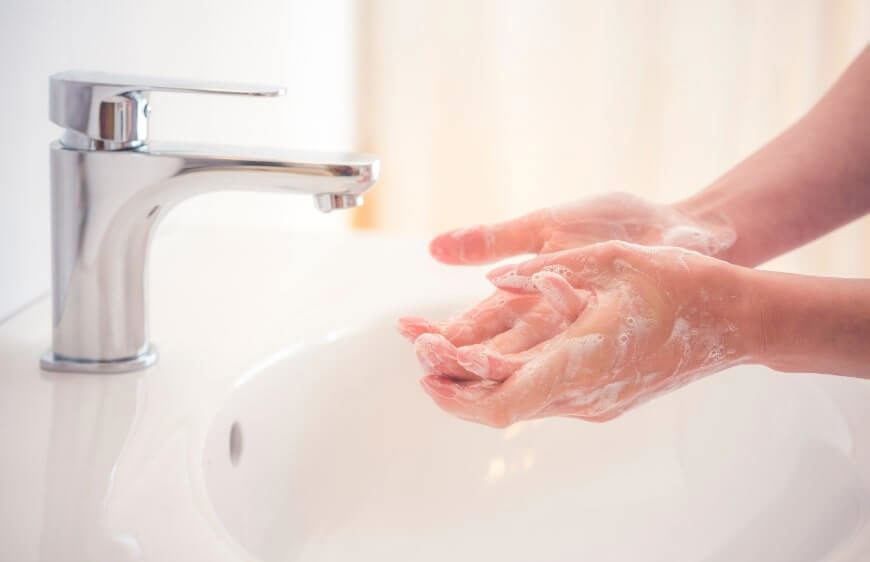
For personal hygiene, ordinary soap is said to provide the best line of defence, with frequent handwashing using soap and water for at least 20–30 seconds. You hear this constantly, but it is true. A handwashing song is an enjoyable way to turn the water-and-soap routine into a habit for children. One frequent question concerns water temperature. As long as you use soap and wash correctly, cold and hot water are equally effective at removing germs and viruses from your hands, so the temperature makes no difference.

If you prefer a greener approach to soap, you can choose ecological hand soaps and bio-based sanitising gels. You can also seek cleaners made with certain active ingredients that have lower toxicity. Once again, remember to ventilate when using products containing volatile substances that may cause irritation or toxicity.

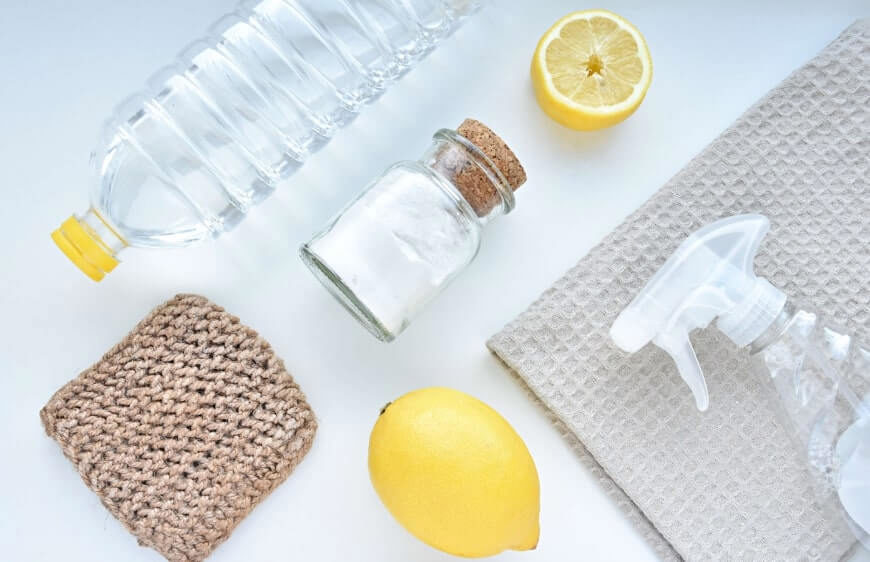
Hijyenik Banyo Temizlik Firca Sabun ve Urunleri

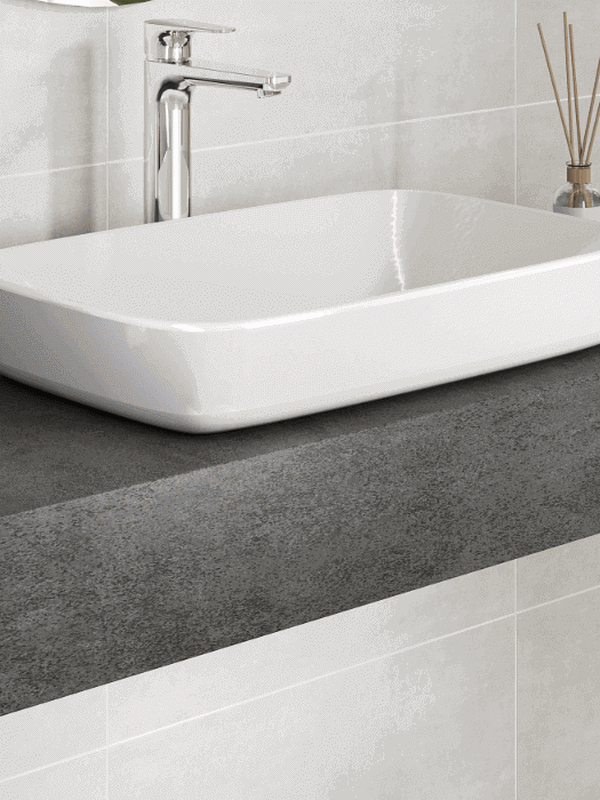
A bathroom that loves cleanliness: Kale Banyo SmartHijyen technology

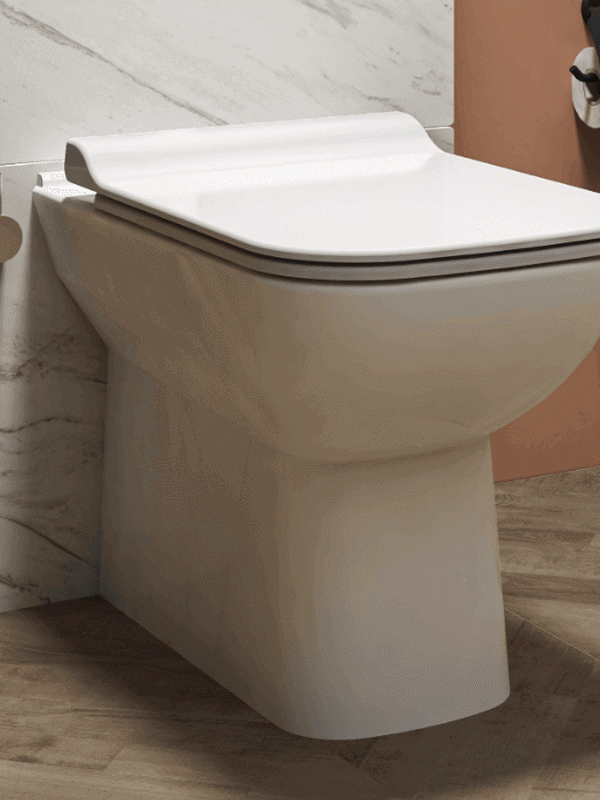
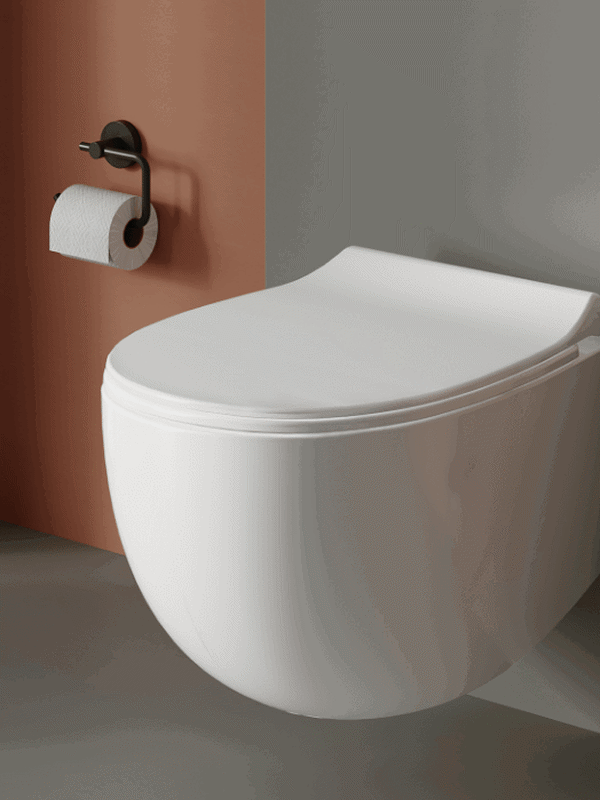
We are confident you will do your best, especially at a time when everyone seems ready at the door with gloves and clean cloths. Yet manufacturers share responsibility for hygiene with users. When it comes to bathrooms, it is worth getting to know manufacturers that focus on hygiene and develop technologies to support it. Kale's SmartHijyen technology belongs in this category. Kaleseramik, which has obtained Environmental Product Declarations (EPDs) for all its products, offers a new design philosophy and corresponding designs for airy bathrooms with environmentally conscious solutions, lower water and energy consumption, and a commitment to leaving a better world for tomorrow. The brand produces sanitaryware such as toilets, basins, urinals and toilet seats with SmartHijyen properties and has its products tested in independent laboratories. These tests substantiate the SmartHijyen approach, which prevents new bacterial growth and destroys existing bacteria by disrupting their cell structure. SmartHijyen can be described as a shield that maintains Kale Banyo products' antibacterial properties as on their first day. Nano-sized silver ions damage microbial cell walls and disrupt DNA and RNA structures. These ions prevent bacteria on the products from multiplying and also destroy existing bacteria.

Kale Banyo brings many products to bathrooms through its Smart philosophy. The environmentally friendly Smart Product Family, comprising SmartYıkama toilets, SenseSmart urinals, AquaSmart urinals, SmartEdge, SmartColor and SmartYüzey, gives us bathrooms suited to both our own health and that of the beautiful world we inhabit.

Natural formulas for cleaning showers, bathtubs, basins, bathroom surfaces and toilets—bacteria’s favourite places

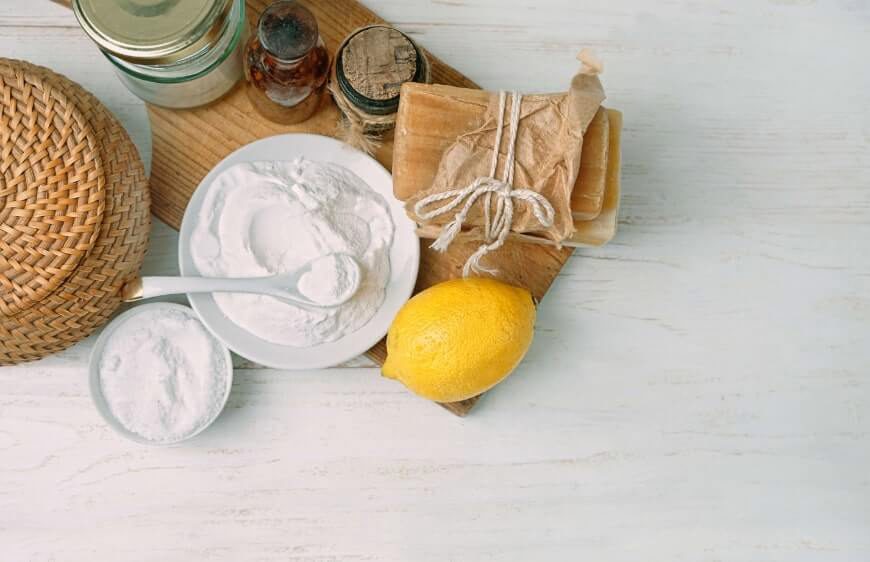
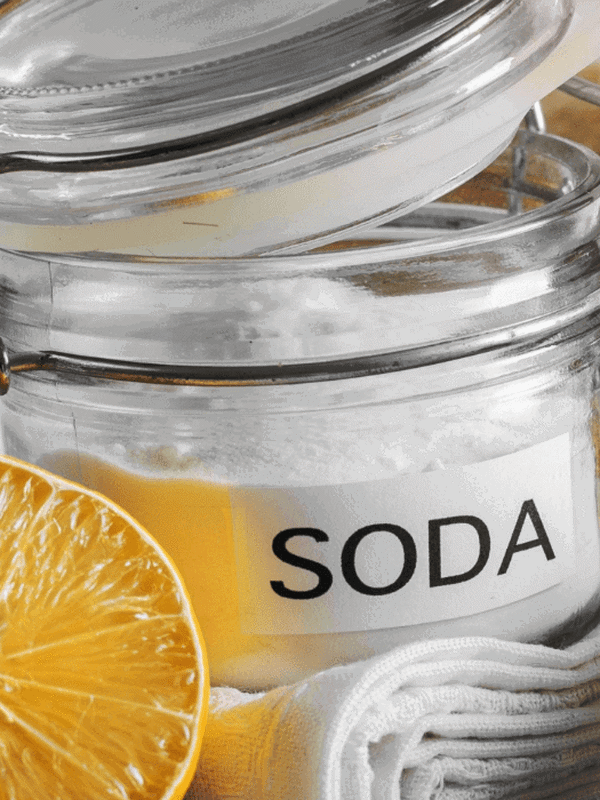
There is a common misconception about cleaning ingredients: we think of bicarbonate of soda and vinegar as natural, yet they too are chemicals. However, like lemon, they can break down in nature. Unlike harsh chemicals that flow through drains and sewers and reach the sea without breaking down, causing serious pollution, they can disperse into air and soil. For these reasons, homemade mixtures can help protect our own and our families' health as well as the ecological balance.
We will begin with bathing and cleansing areas, offering natural formulas for different corners and surfaces. With a short shopping list and related ingredients, these mixtures can easily be prepared at home as environmentally friendly approaches to bathroom hygiene.

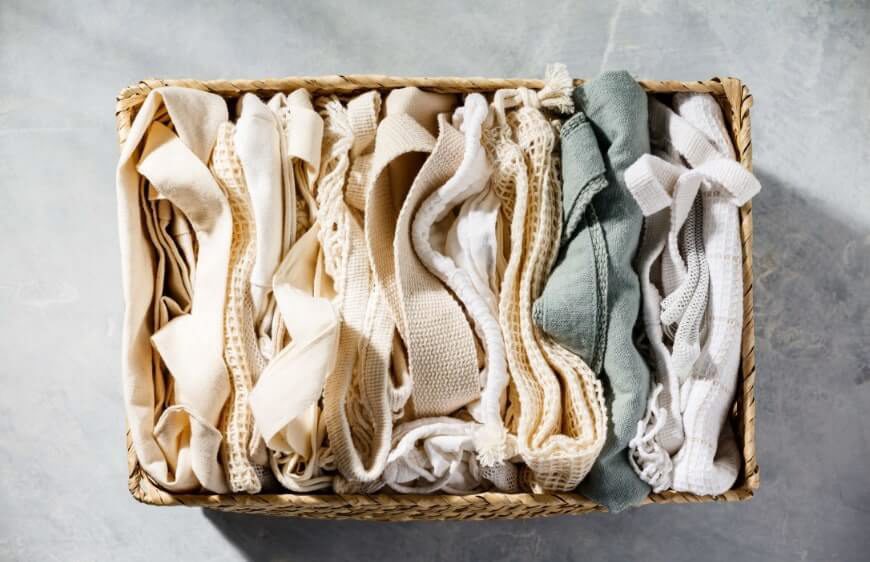
Banyo Duzenleyici Sepetler

Your natural formula for the bathtub

  • Half a litre of water

  • 1.5 tea glasses of vinegar

  • 1 dessertspoon of borax

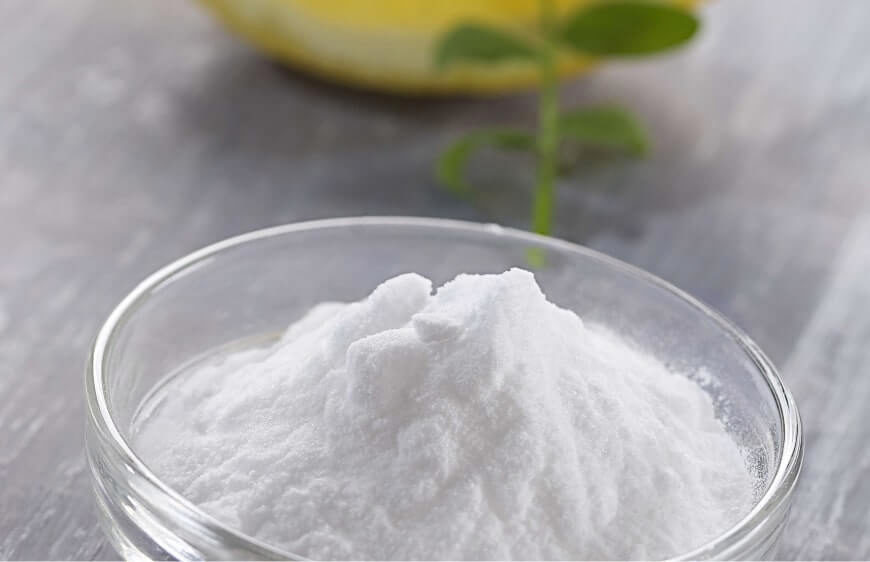
  • 2 dessertspoons of bicarbonate of soda

Mix all the ingredients in a spray bottle and apply to the bathtub and surrounding surfaces to dissolve and remove soap and shampoo residue. A few drops of lavender oil will give the mixture a more pleasant scent.

Your natural formula for basins

  • 1 water glass of borax

  • Half a water glass of bicarbonate of soda

  • Half a water glass of borax

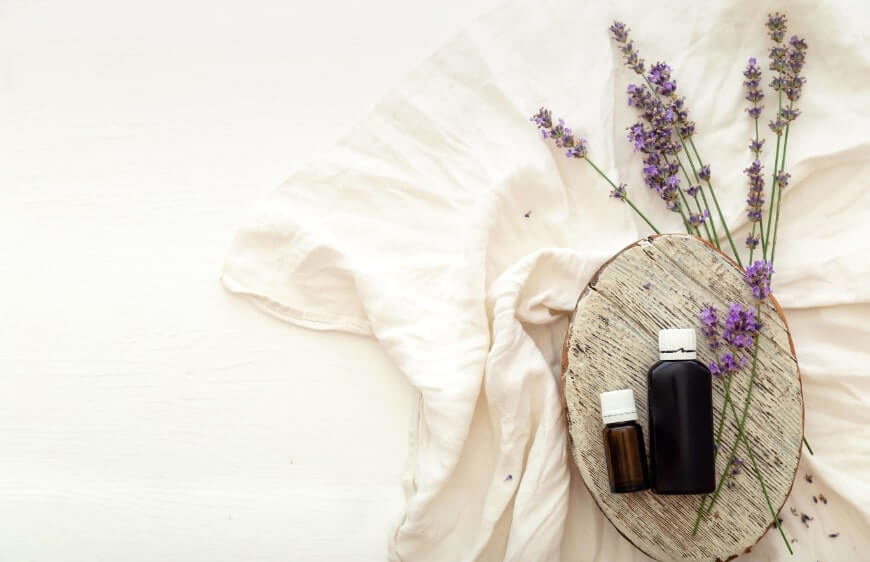
  • Around 10 drops of lavender, lemon, lemon balm or orange oil

Mix the ingredients in a bowl. Apply a small amount to a damp sponge and scrub the basin, then rinse thoroughly with hot water. To remove limescale from taps, rub the marks with lemon, leave for around half an hour and rinse with water.
Another suggested formula for taps and fittings uses bicarbonate of soda directly. Dampen an old toothbrush with water, dip it in the powder and brush the metal surface. Then bring a container of vinegar up to the tap spout so it comes into contact with the vinegar. Finish by wiping with a damp cloth.

Your natural formula for bathroom surfaces

  • 2 cups of water

  • 2 teaspoons of borax

  • 4 drops of pine essence

  • 4 drops of cedarwood oil

  • 4 drops of lemon oil

You will need another spray bottle. Pour all the ingredients into it and mix. Spray the mixture onto the surface, then wipe with a damp cloth.

Another option for bathroom surfaces

  • 1 cup of baking powder

  • 1 cup of lemon juice

  • Vinegar

  • Salt

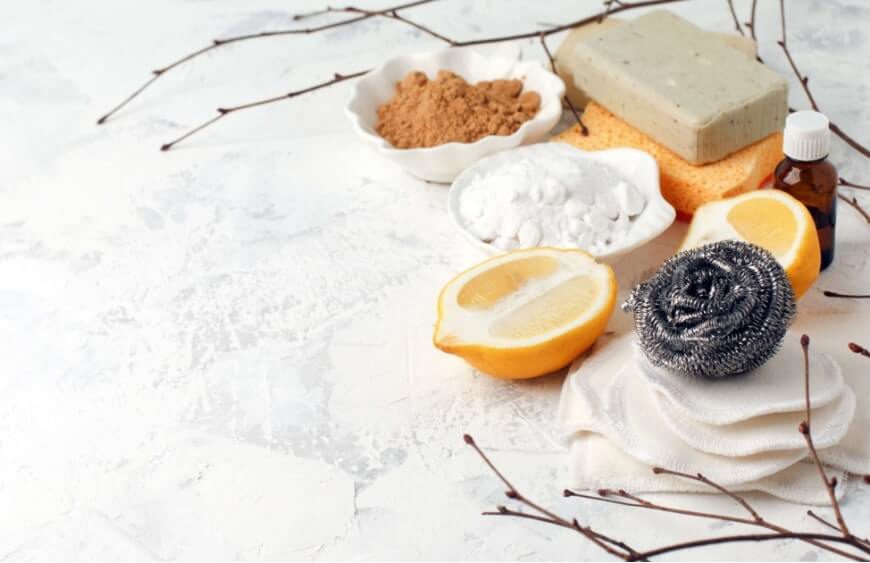
First mix all the ingredients except vinegar in a bowl to form a paste-like consistency. Wipe the bathroom surfaces with diluted vinegar, then apply the prepared mixture with an old toothbrush, particularly to grout. Finish by wiping with a damp cloth.

Your natural formula for toilets

  • Half a water glass of bicarbonate of soda

  • 1/4 water glass of liquid olive-oil soap (soft soap can also be used)

  • 10 drops of eucalyptus, lavender, lemon, tea tree, thyme or mint oil. Eucalyptus, lavender, lemon, tea tree and thyme are among the essential oils considered antiseptic and antibacterial.

  • 1/4 water glass of hydrogen peroxide solution

  • 1 water glass of hot water

  • 1/4 water glass of vinegar

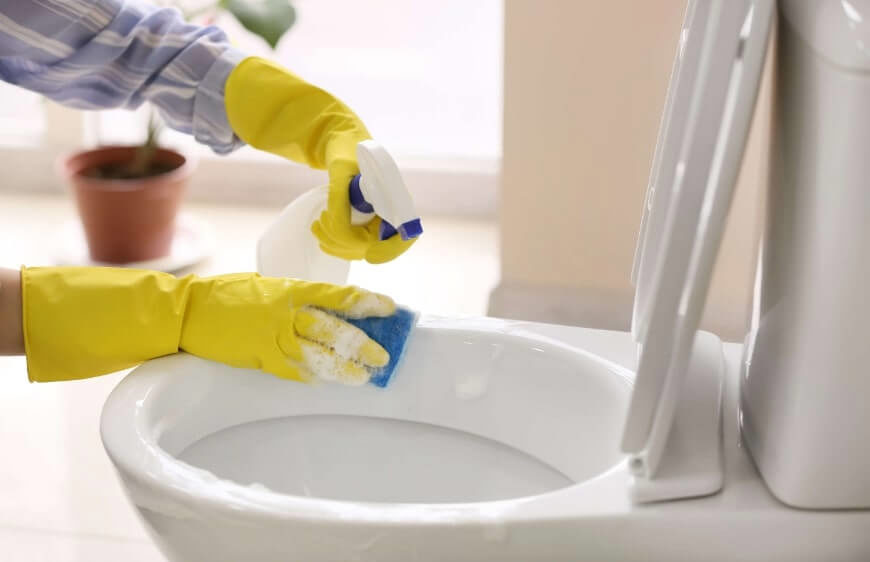
Slowly mix all ingredients except the hot water in a spray bottle. Add the hot water last and spray the mixture into the toilet. Wait 10 minutes, then brush and rinse.
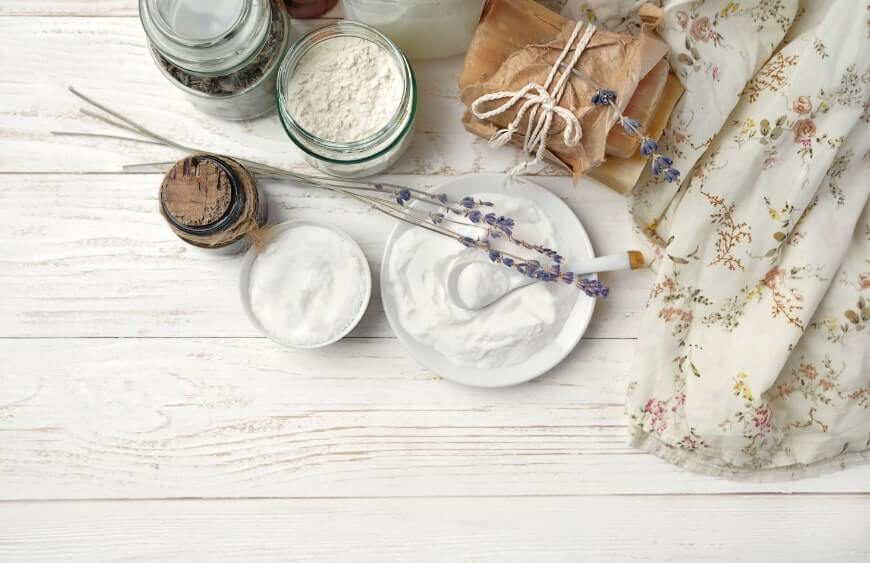
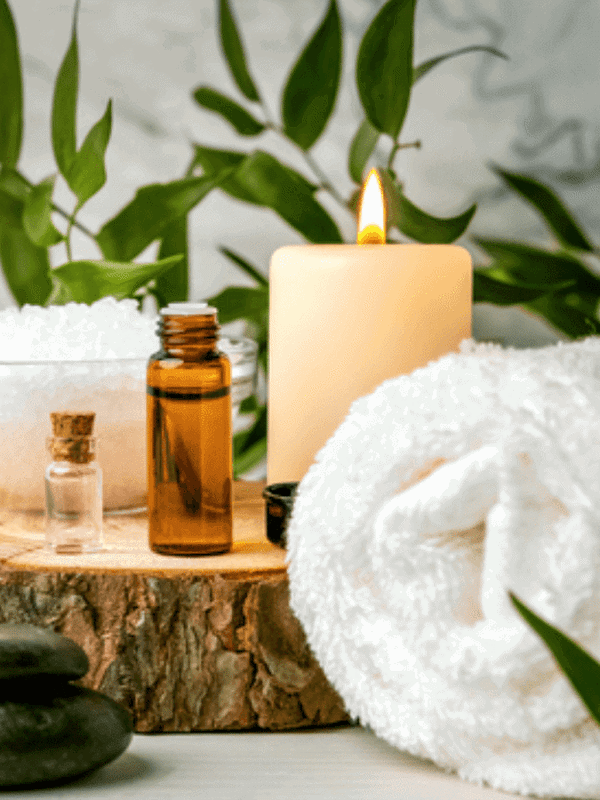
Dogal Kimyasal Icermeyen Banyo Temizlik Urunleri
Mekanınızı yapay zeka ile birkaç saniyede yenileyin!

Mekanınızı yapay zeka ile birkaç saniyede yenileyin!

Seçtiğiniz ürünü evinizde görün.

Evinde Gör

Banyonuzu yeniden tasarlamaya ne dersiniz?

Banyoda Gör

Blog

Explore All

Compare

Compare
Compare