Bathroom Wallpaper: How to Choose and Apply It

Bathroom Wallpaper: How to Choose and Apply It

Wallpaper brings style and personality to bathrooms and is becoming increasingly popular in interior design. Explore its style signatures, advantages and disadvantages, and practical application ideas in this article!

Because bathrooms are wet and humid environments, wallpapering them may not seem like a lasting decorating choice. But rest assured: wallpapers designed specifically for bathrooms are now available, including products unaffected by water, moisture and mould.

In this article, we step into the world of bathroom wallpaper, which adds style and individuality to the décor. With its advantages and disadvantages, guidance on matching wallpaper to different styles, and application tips, a veritable Atlantis awaits!

What types of wallpaper are used in bathroom décor?

Which wallpaper is best for bathrooms?

Paper wallpapers:

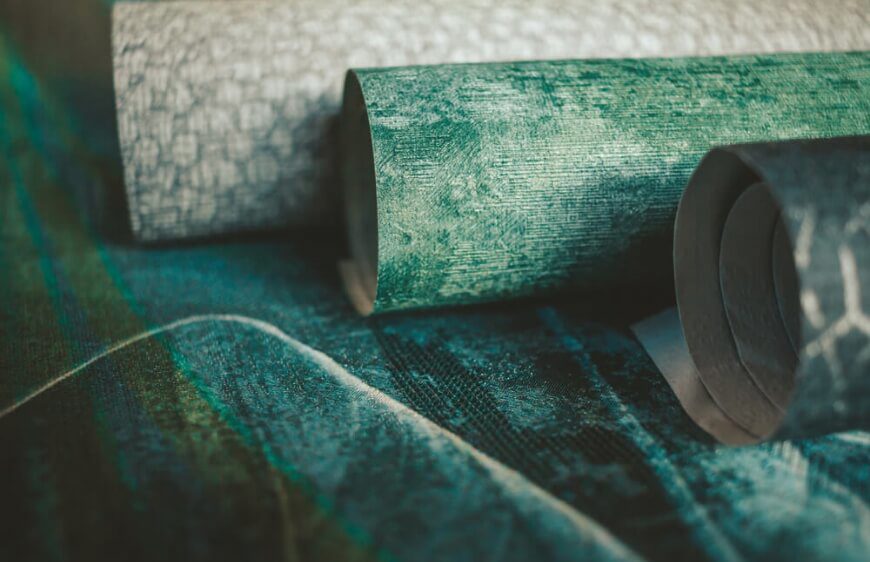
Traditional wallpaper is made from paper and applied to walls with special adhesives. It is highly susceptible to water and humidity, but much more affordable than self-adhesive and PVC-based wallpapers. Compared with vinyl wallpaper, it is also more natural, environmentally friendly and, of course, nostalgic and welcoming. If you choose traditional paper wallpaper for its affordability and practicality, we recommend using a varnish or finish to seal the surface and protect it from water. Even some water-resistant wallpapers are applied with a mould-resistant primer to reduce the risk of moisture accumulating behind them. Make sure all edges and ends are firmly stuck down so water or moisture cannot get underneath.

Vinyl wallpapers:

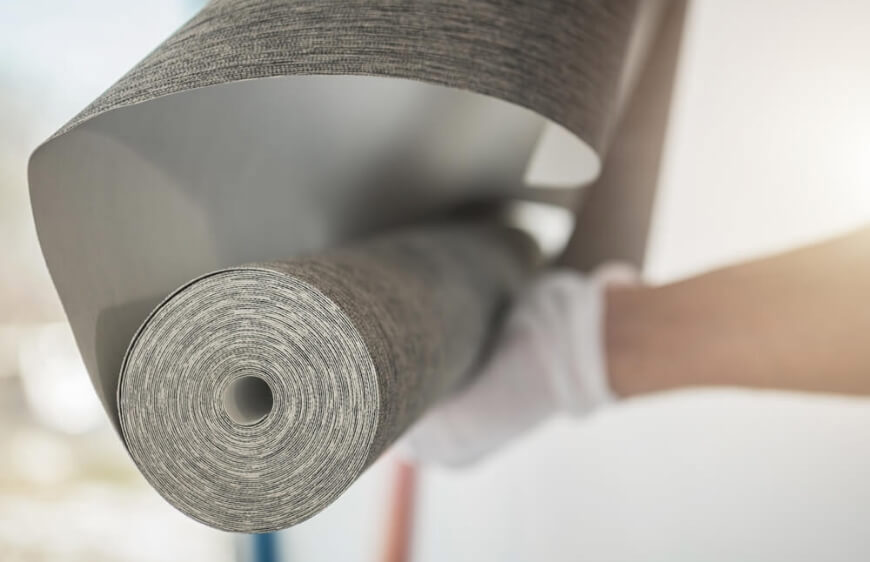
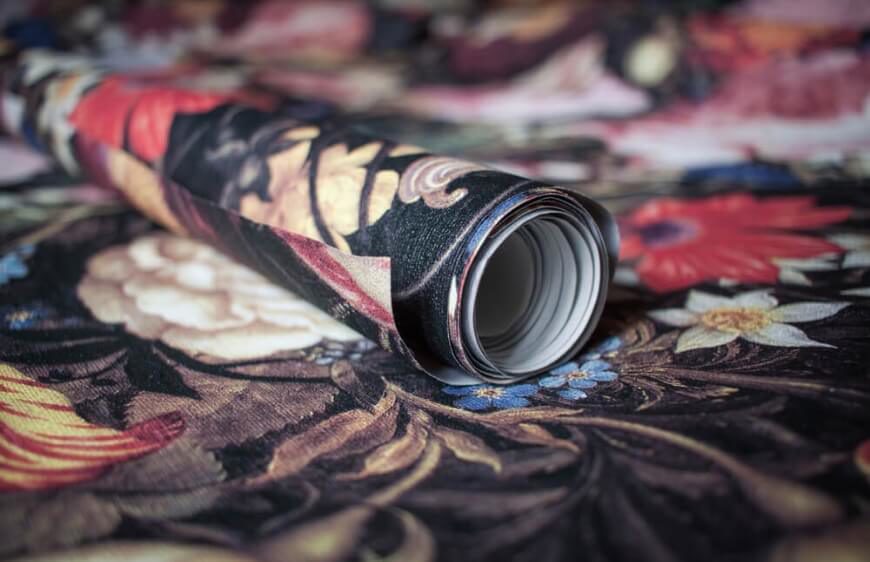
For bathrooms constantly exposed to water and high humidity, the most suitable wallpapers are water-resistant and waterproof types. Vinyl wallpapers, a composite paper product, can be wiped clean easily. Self-adhesive versions can be removed easily if you want a change of style later. This type of bathroom wallpaper can also be applied easily over bathroom tiles.

Important note: check the composition when buying vinyl wallpaper. Some wallpapers are vinyl-coated rather than vinyl and may be less durable. For long-term use, choose 100% vinyl wallpaper.

Where is the best place to use wallpaper in a bathroom?

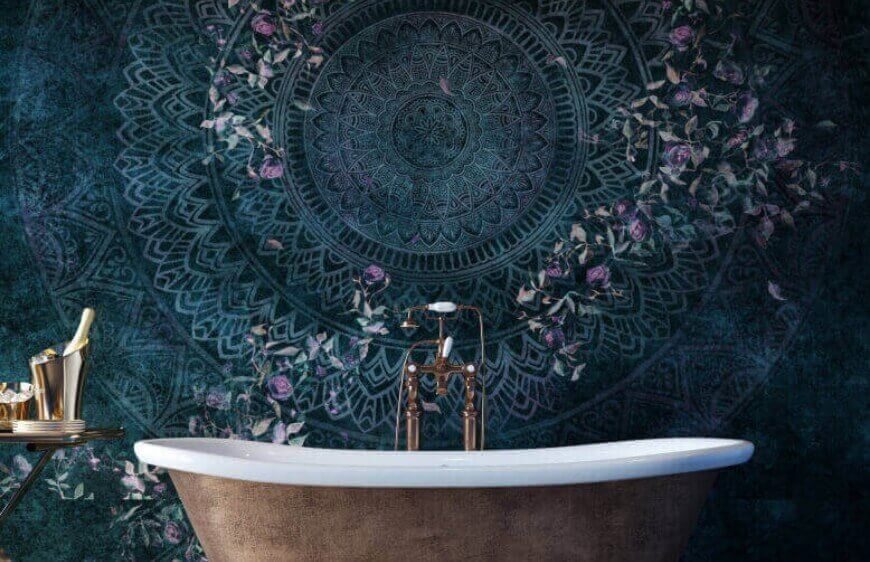
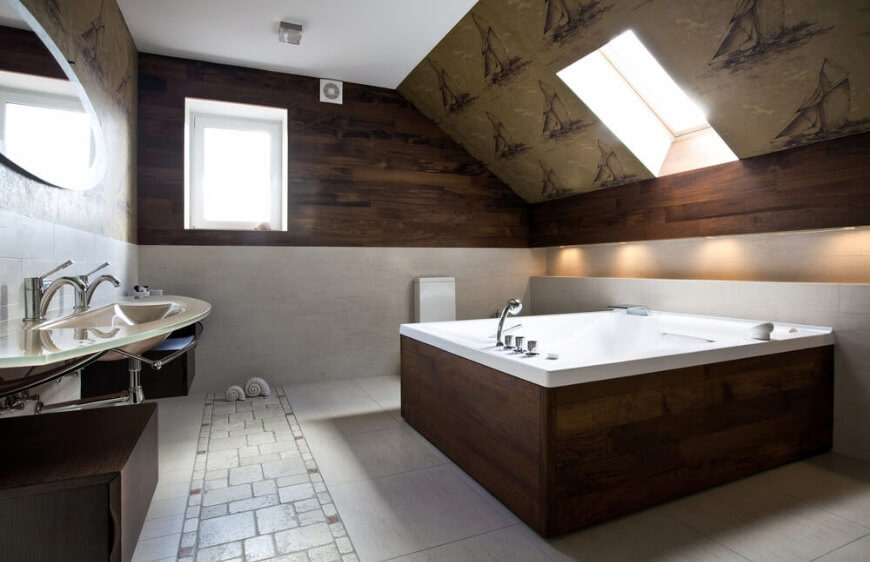
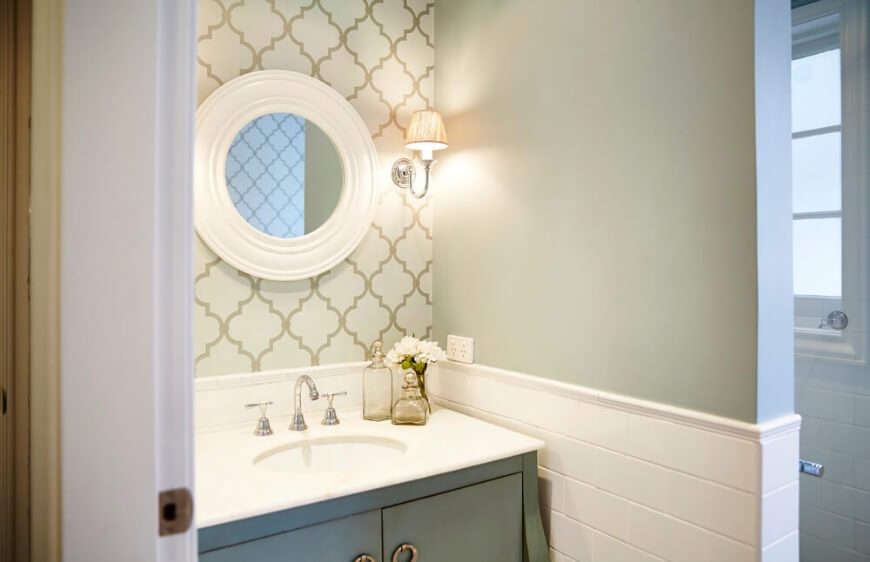
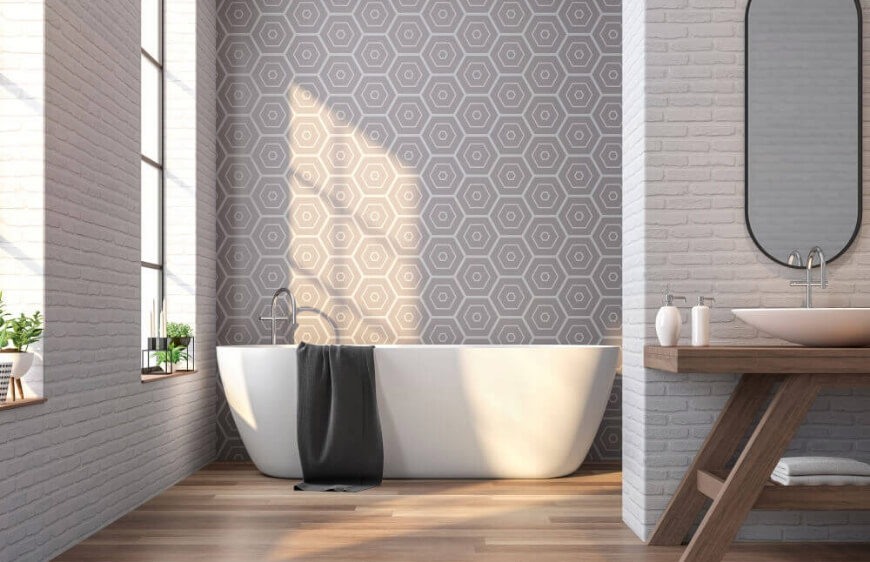
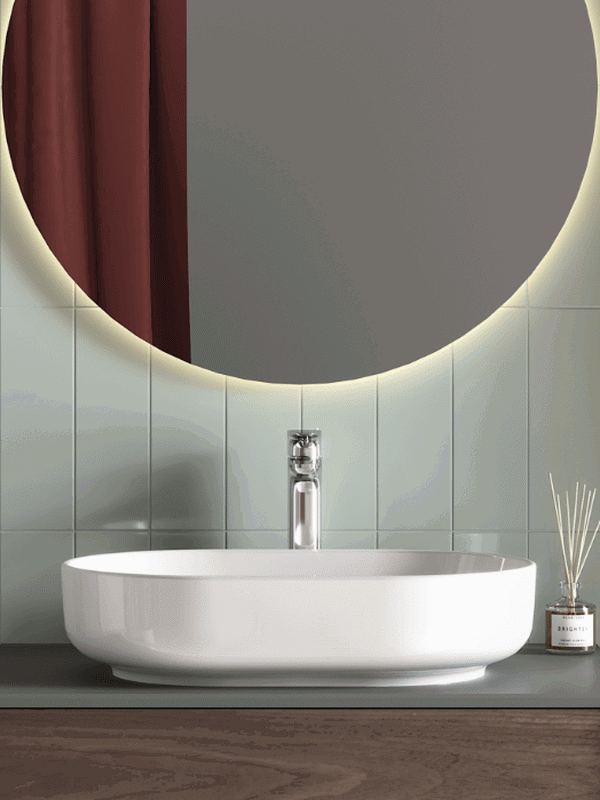
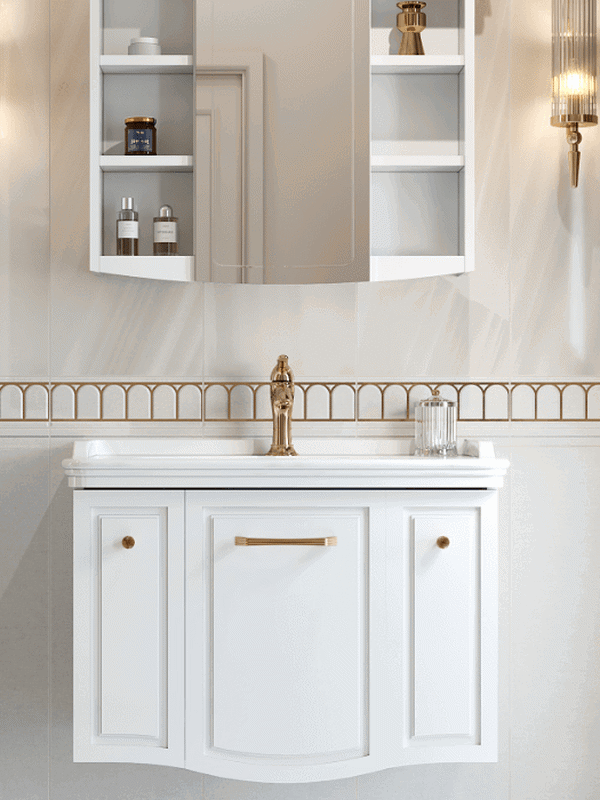
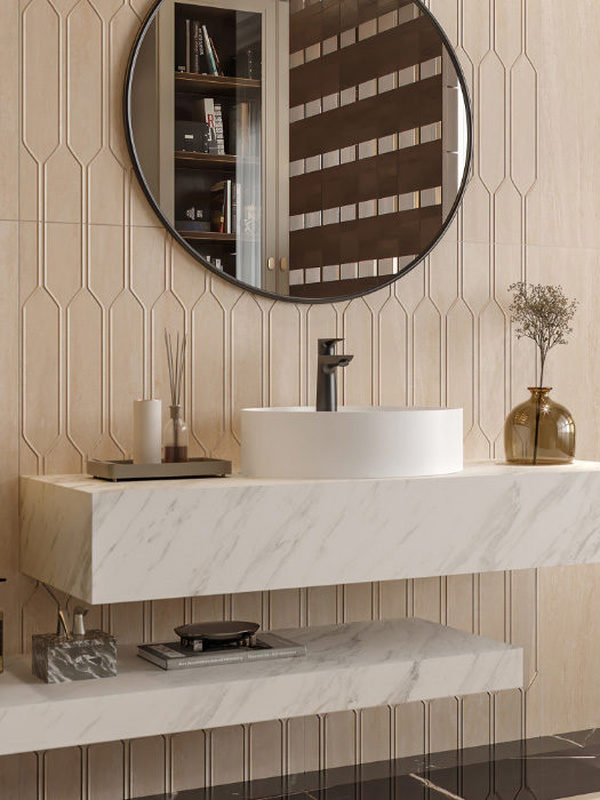
The best surfaces for bathroom wallpaper are walls that do not come into direct contact with water. For a long-lasting finish, look beyond the shower or bath area to furniture-focused corners: behind the basin, where wallpaper looks attractive with mirrors and wall lights, or behind cabinets and shelves. Still, if you have a photogenic claw-foot or rustic copper bath, you could wallpaper behind it too. It is a little risky, but appearance matters as well!Some interior designers prefer wallpaper on the upper half of the wall. Particularly in romantic classic, shabby-chic and country styles, the lower half is clad with timber panelling or metro tiles, and the upper part with wallpaper that suits the design theme and colours.

What are the advantages and disadvantages of bathroom wallpaper?

First, the bad news: the best-known disadvantage of bathroom wallpaper is that an organic material such as paper does not get along well with humidity, splashes, mould or heat. However careful you are, even if you protect the bathroom from excessive moisture and avoid splashing, wallpaper can swell, peel or suffer damage to its pattern or colour. The best solution is to choose highly durable products.

Now for the positives and advantages. The main advantage is ease of application. If you are renting, in particular, you may want an easily changeable way to add personality and style without major renovations. Vinyl wallpaper that you can remove and replace with another pattern two years later may be the answer. Wallpaper is also more affordable than other wall coverings.

How do you wallpaper your bathroom?

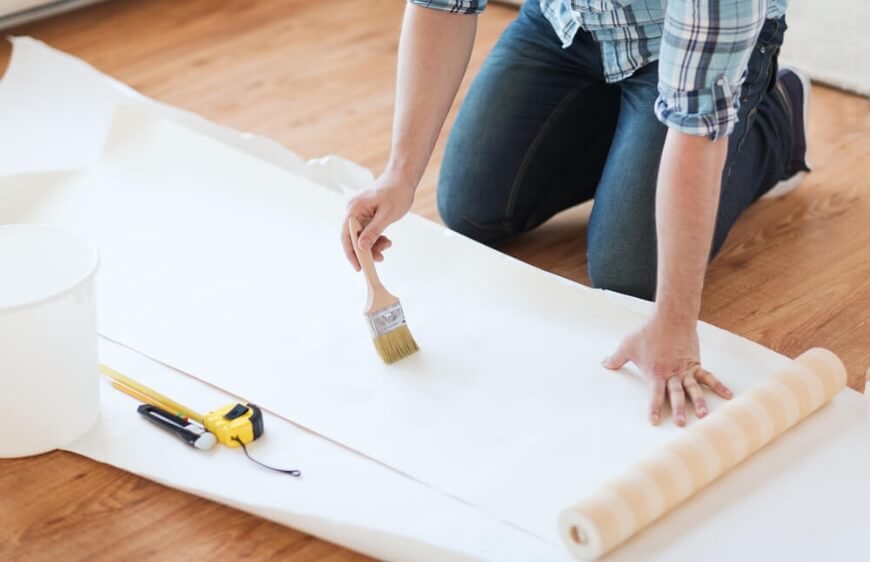
Each wallpaper naturally has its own application method, specific adhesive and technique. Here, we will explain how to apply traditional paper wallpaper that is not self-adhesive. Even so, read the application instructions on your own product's packaging carefully and follow those steps.You will need a roller, clear adhesive, a dry cloth or sponge, and a spray bottle filled with water.

1. Prepare the wall. Wallpaper should not be applied to porous, uneven or textured walls, or those with patches of peeling paint or plaster; more precisely, it will not look good. If your wall is like this, smooth the surface, fill holes with plaster, scrape off loose paint with a scraper and make the wall as clean as possible.2. At the second stage, if your wallpaper is self-adhesive, you need to moisten it. Spray water onto the back from a distance, in controlled, spaced applications. Make sure the edges are moistened in particular.3. If your wallpaper is not self-adhesive, apply the adhesive first. Using a roller, spread it carefully over every part of the paper. This type does not require wetting.

4. Next, allow the adhesive to activate. Fold both ends of the wetted or pasted wallpaper inwards without pressing them flat. Continue folding inwards so that the ends meet. This prevents the adhesive from drying while activating it. Leave it like this for five minutes.5. Now apply the paper to the wall. Position each panel from the top, then smooth the surface downwards with a sponge or dry cloth, pushing all air bubbles out as you go.
6. Once all the wallpaper is in place, apply varnish and a protective finish over it with a brush or roller. Wait for it to dry and for the colours to settle. Make sure every seam is firmly joined; you can use clear silicone or sealant to secure some corners.

Which wallpaper patterns suit different bathroom styles?

First, we suggest avoiding wallpaper in very minimalist or very rustic bathrooms. Since simplicity is central to a minimalist bathroom, cover the walls with paint or simple tiles with an integral pattern. Wallpaper's main role, after all, is to add patterns that emphasise a room's style. Rustic bathrooms, meanwhile, are defined by rawness, purity and natural character. For nature-focused rustic bathrooms, we therefore recommend wood-look ceramics instead of wallpaper.

Art Deco bathrooms:

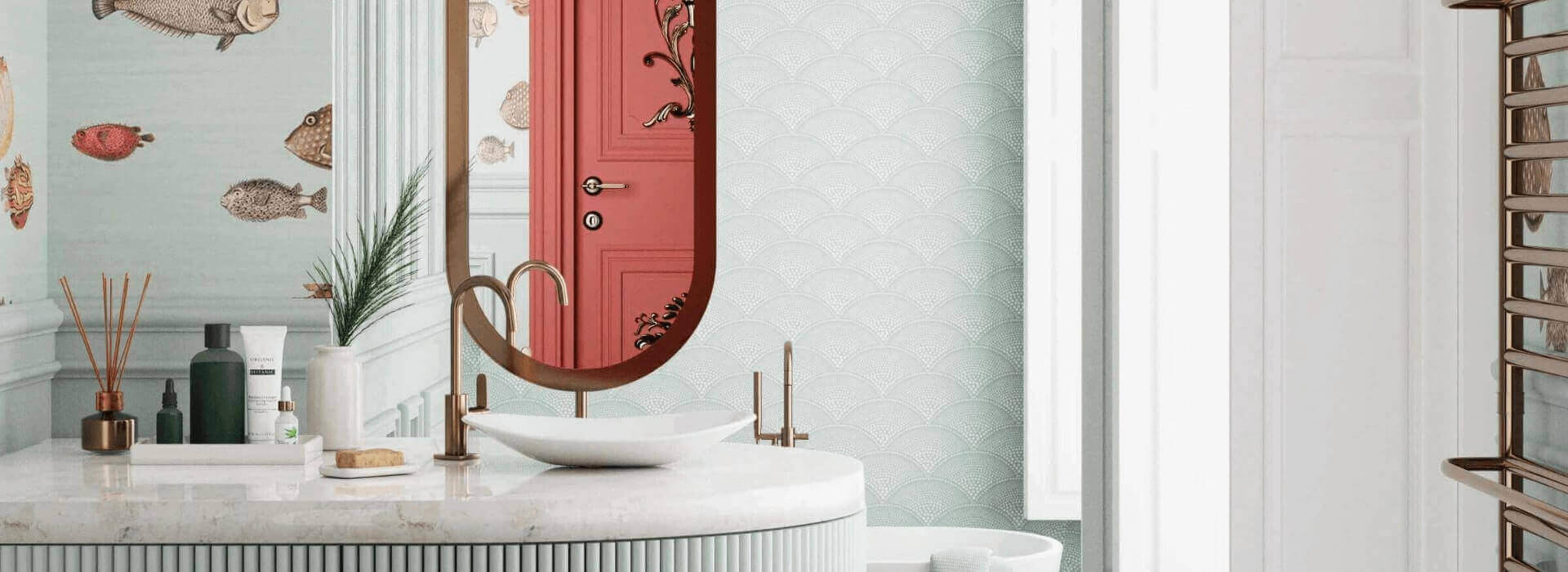
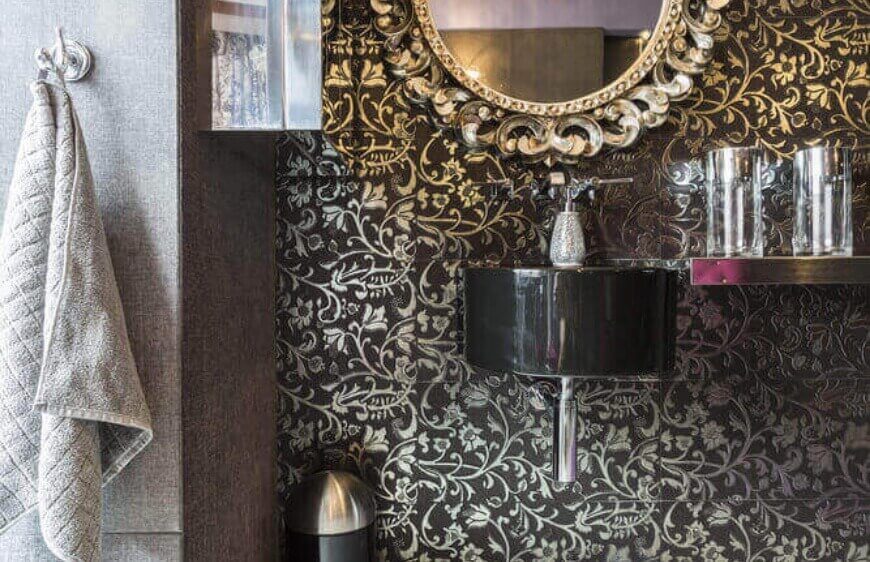
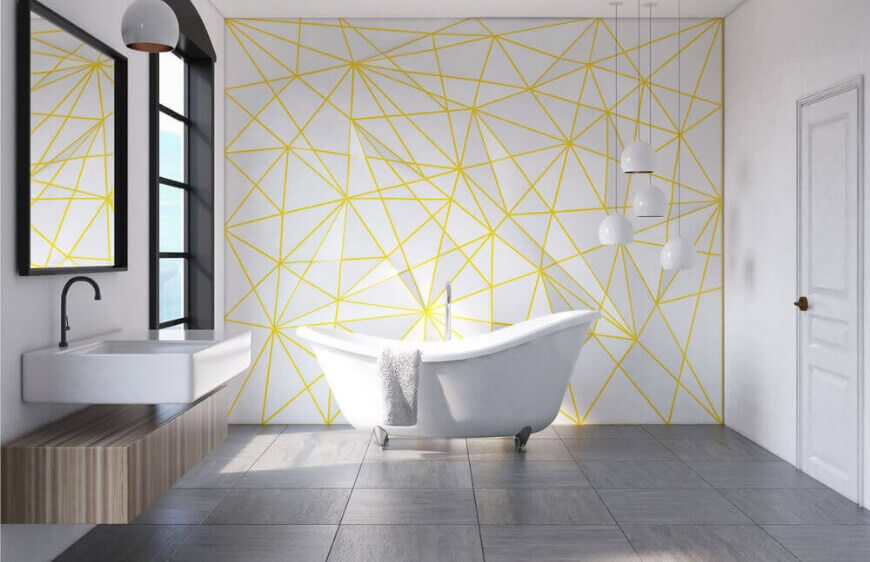
Geometric shapes, especially polygons, outlined in gold or rose gold on black; multicoloured flowers on black; fans; and mermaid-scale motifs.

Country-style bathrooms:

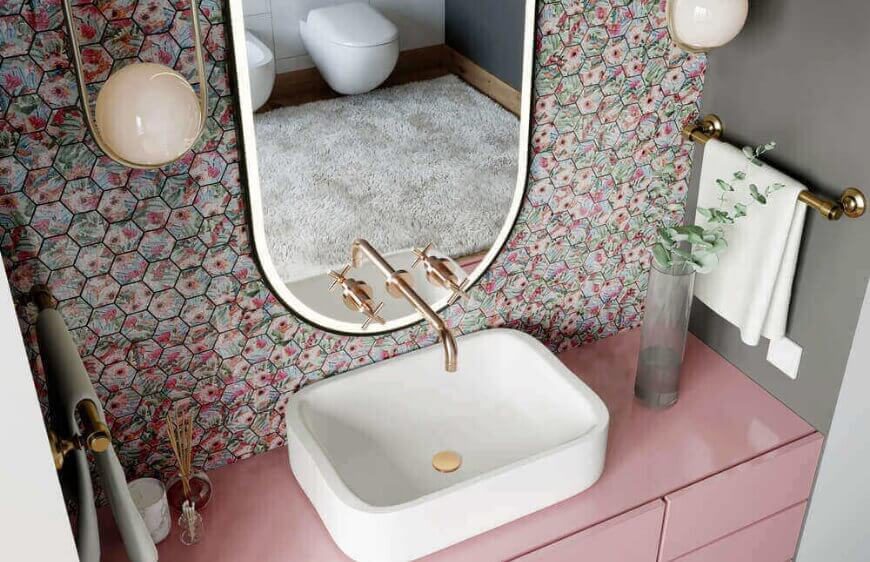
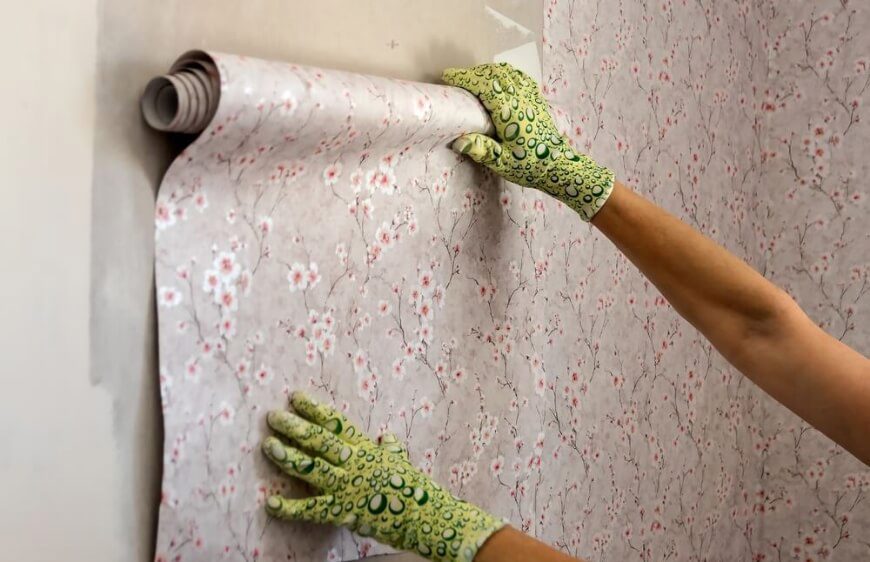
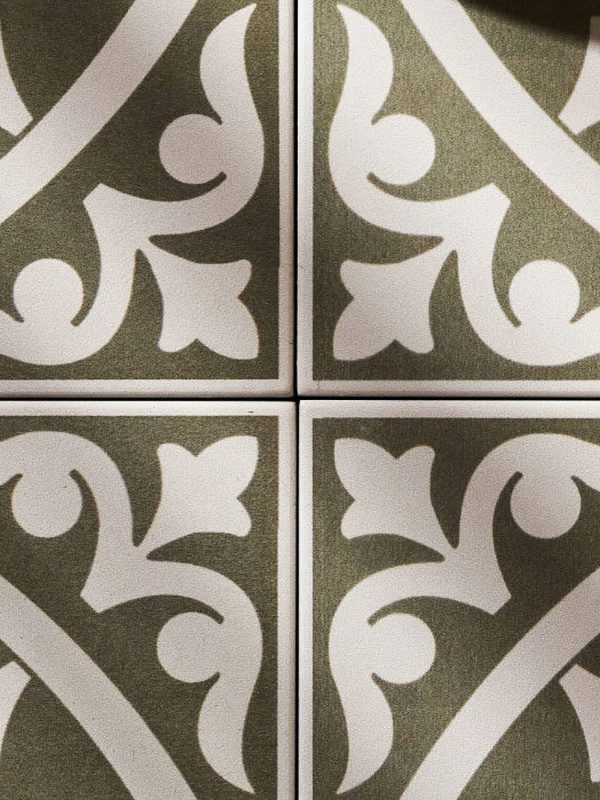
This is bathroom wallpaper's favourite style: small flowers in pastel colours, checks, polka dots, decorative tile patterns, bouquets, toile de Jouy designs and butterflies.

Tropical-style bathrooms:

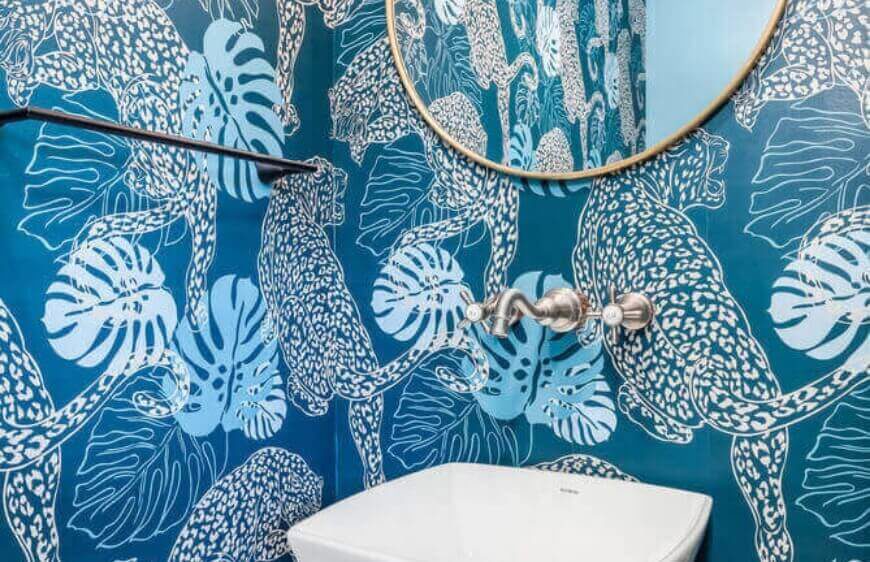
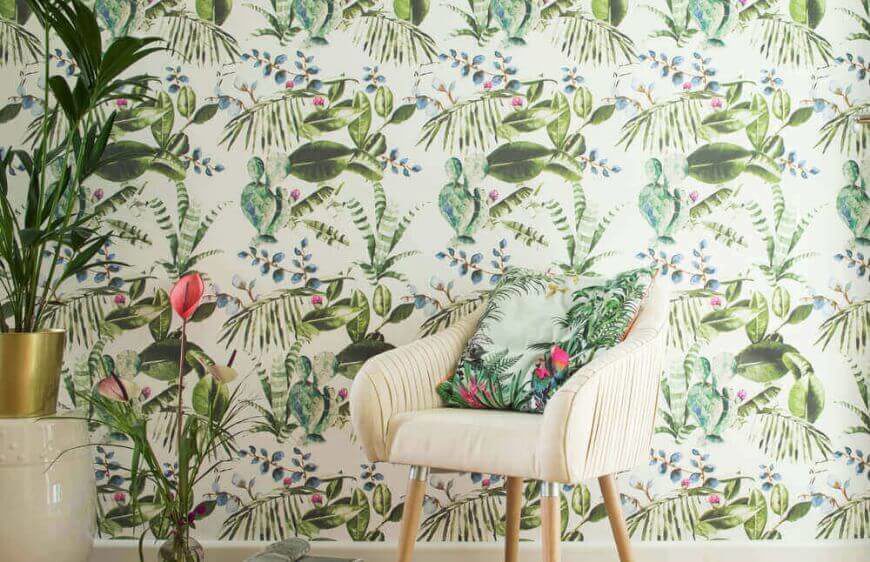
Exotic foliage such as palm and banana leaves, wild forest animals such as parrots and leopards, sea creatures, maps and postcards.

Boho-style bathrooms:

African motifs inspired by early art in cream, beige and ecru; large plant silhouettes; brick patterns; dreamcatchers; woven straw and bamboo patterns, including textured versions; palms; and overlapping tone-on-tone arches.

Mekanınızı yapay zeka ile birkaç saniyede yenileyin!

Mekanınızı yapay zeka ile birkaç saniyede yenileyin!

Seçtiğiniz ürünü evinizde görün.

Evinde Gör

Banyonuzu yeniden tasarlamaya ne dersiniz?

Banyoda Gör

Blog

Explore All

Compare

Compare
Compare