As you design your dream bathroom, remember that this is one of the most complex and challenging areas of the home. Knowing how to plan everything from lighting to tiles before work begins will make the process easier.

Planning to renovate your bathroom? Get started with the right steps in the right order!

As you design your dream bathroom, remember that this is one of the most complex and challenging areas of the home. Knowing how to plan everything from lighting to tiles before work begins will make the process easier.
Follow these 5 steps before you begin:
1. First, decide how you use your bathroom and what you need. Do you shower or bathe more often? Do you have a large collection of personal care products? The answers to questions like these will guide your choice of bath or shower system and the number of cabinets you need. Create mood boards and identify your favourite style. This will help you find your way through hundreds of options and choose products more easily.
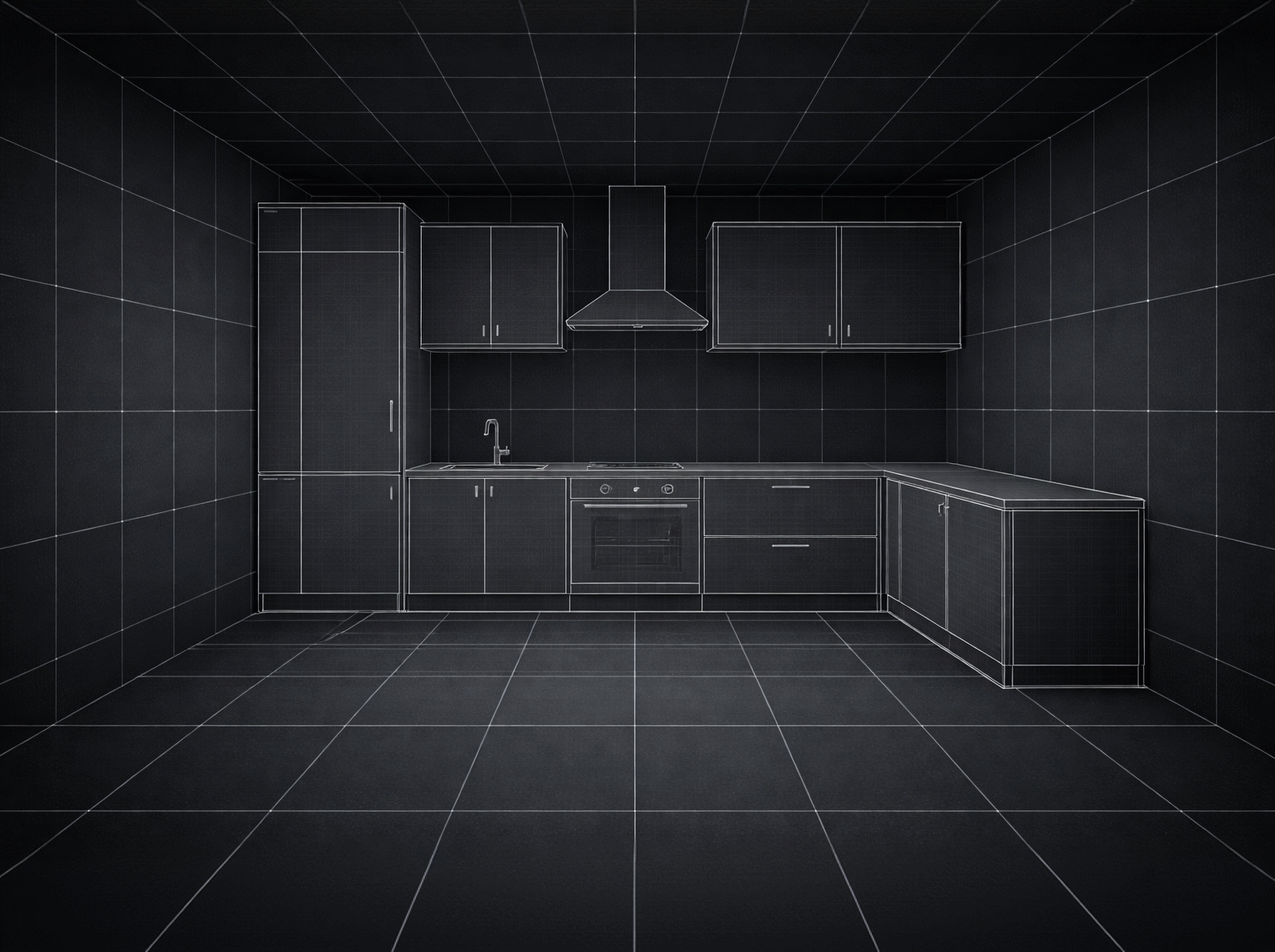
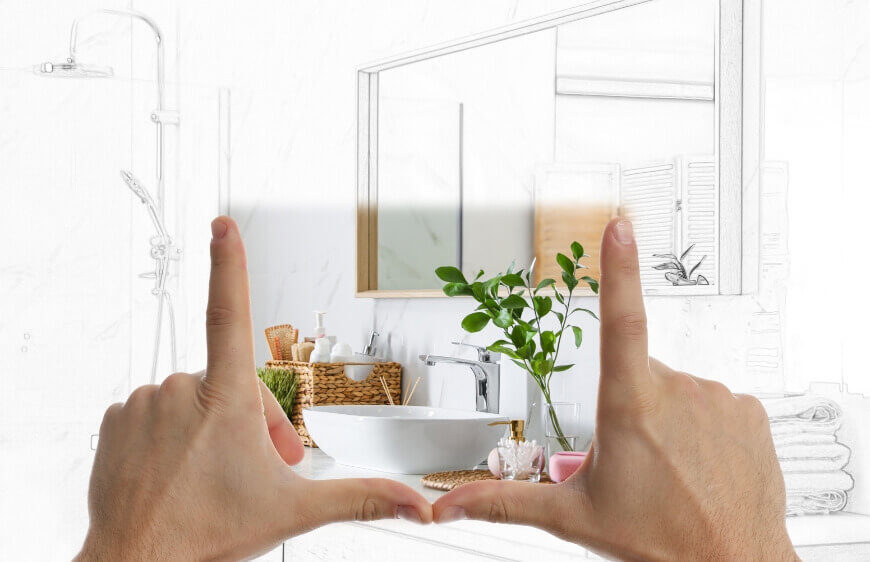
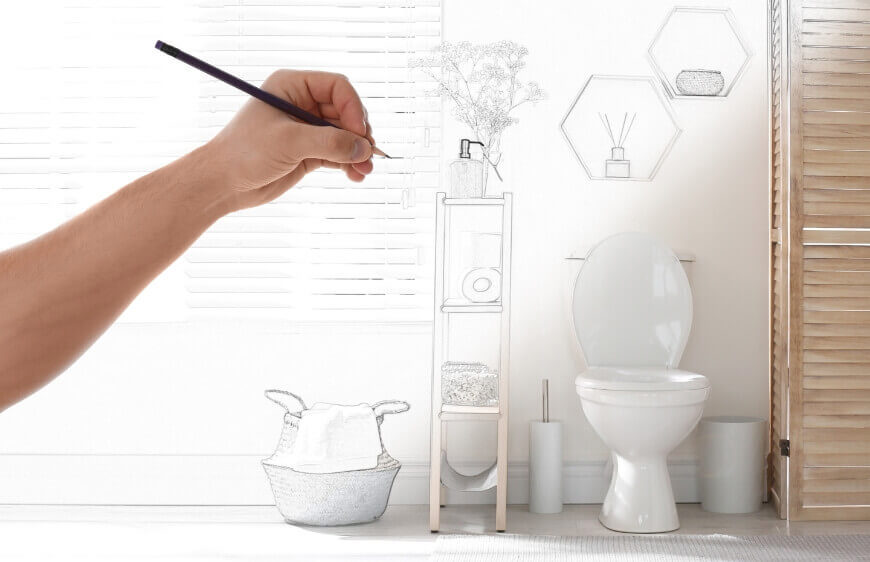
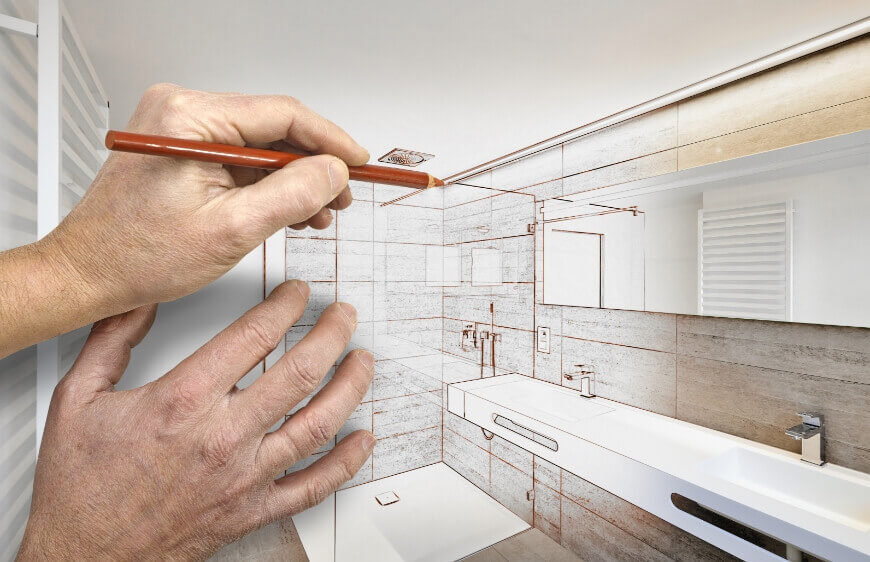
2. Draw your bathroom to scale and prepare a plan. Even if you are not a professional, a rough sketch will give you an idea of what can go where and the dimensions involved.
3. Review the existing plumbing, electrics and heating. Research the renovation regulations in your area and consult your building manager.
4. Plumbing repairs can take two weeks. Remember, however, that a complete renovation will require at least six weeks in total. You will not be able to use your bathroom during this time, so arrange an alternative.
5. Many bathroom brands employ architects or interior designers in their showrooms. Be sure to consult them about planning and product choices.
You may have complete freedom when choosing colours, bathroom designs and tiles, but some fundamentals, such as plumbing and heating systems, remain unchanged. Infrastructure comes first, so start by investigating what is behind the walls.
The starting point for plumbing is the position and arrangement of the pipes serving the basin, bath or shower, and toilet. This directly affects the placement of every element in the bathroom, so take these details into account when planning your layout. The building's plumbing and main wall can often make certain changes impossible. If you intend to relocate fixtures, discuss these changes with a plumber.
Absolutely. Before choosing any tap or plumbing system, check whether your building has a pressure-fed (low-pressure), high-flow (high-pressure) or combination system. Some shower systems can work even with very low water pressure. Always seek advice before buying.
Check whether there is enough hot water storage capacity for the bathroom. If you have a combi boiler, it can meet your needs on demand, helping to prevent hot water from running out quickly. If your flat does not have its own boiler, however, check the capacity of the building's boiler. This will help you understand the risk of suddenly running out of hot water, particularly during busy morning shower times, and take appropriate precautions. Consult a plumbing specialist to find out.
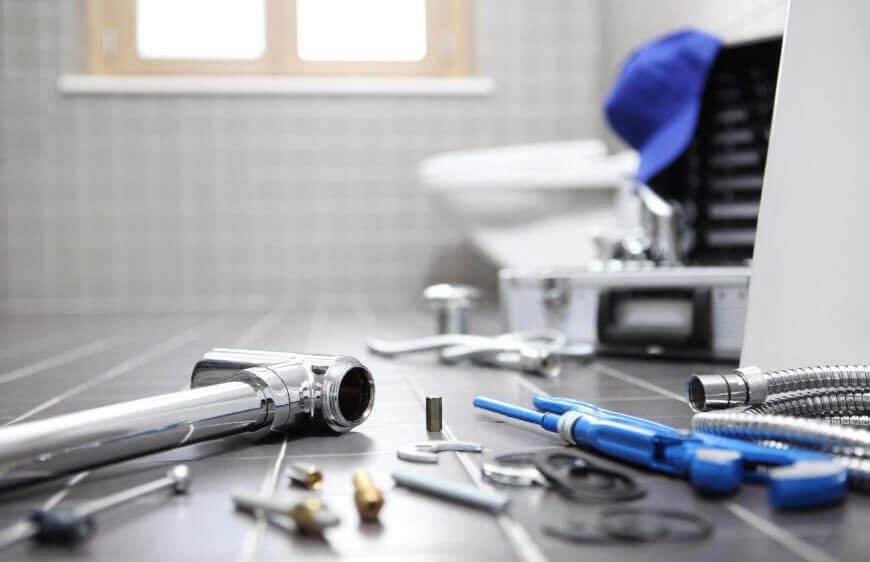
A thermostatic valve system that balances hot and cold water is essential for a shower. Installing a concealed system requires sufficient space in the wall behind the shower panel. If you use an exposed valve system, ensure that there is enough room in the shower enclosure. Where space is limited, a projecting fitting will make it feel smaller. Bath plumbing needs to run beneath the floor, particularly if you choose an increasingly popular floor-mounted bath mixer. The connection between the tap and bath at floor level is important. You can extend the pipes if necessary. Whether you are installing a bath or a shower, ensure that the pipes remain easily accessible for any future work.
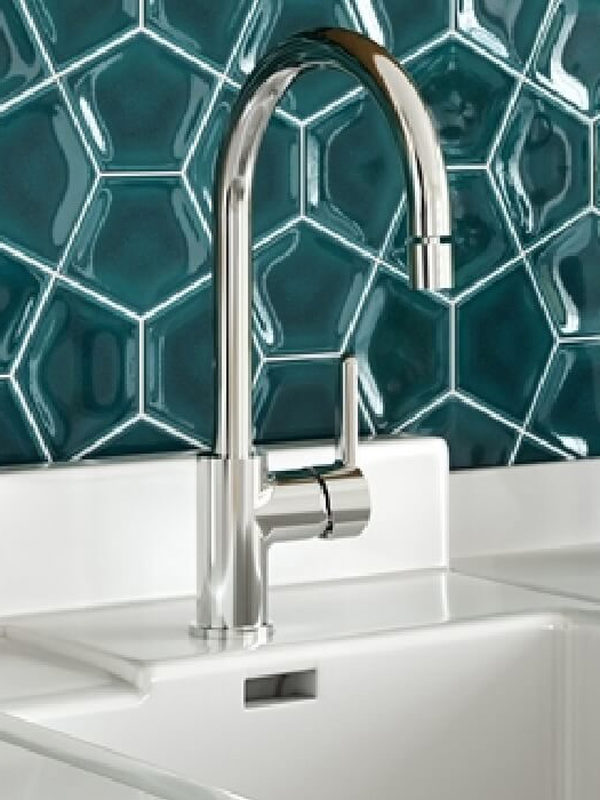
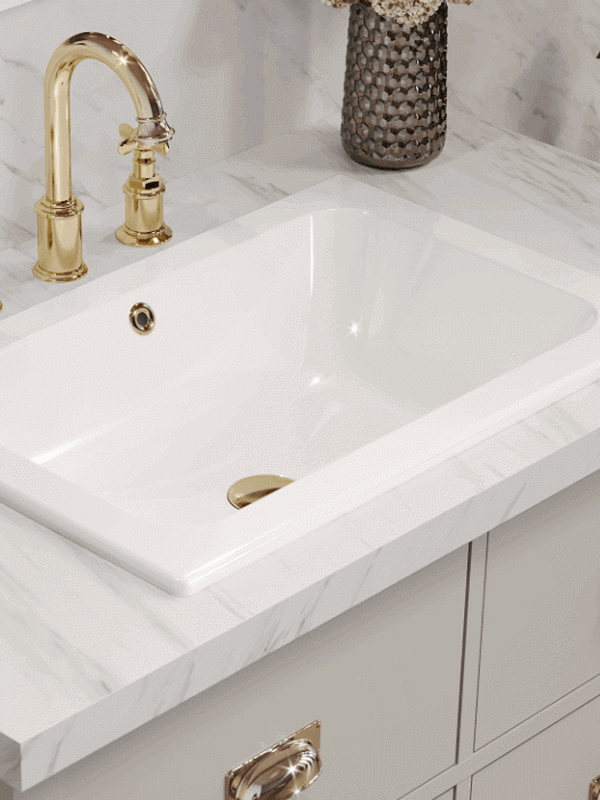
If you are choosing between a single tap and a dual-outlet mixer, a dual-outlet mixer is naturally the more practical and convenient option, making it easier to adjust the temperature. Very hot water from a single-outlet tap always carries a risk of scalding, especially if you have young children. Also choose models with filtered isolation valves, a feature that extends the life of the tap. Ceramic-disc taps also offer durable, long-lasting use.
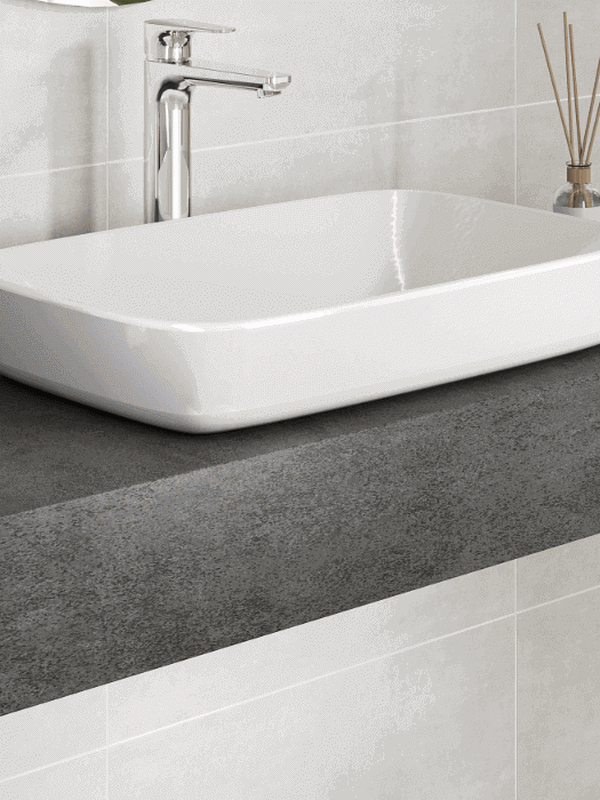
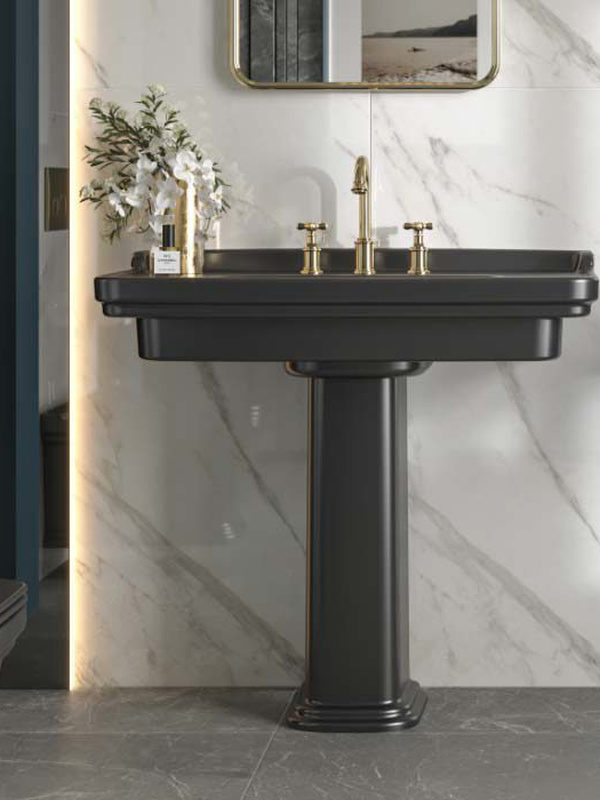
Taking measurements before buying a tap is particularly important. Experts recommend an ideal height of 90 mm and a spout reach of 130 mm. The size of the basin also affects the tap dimensions. What matters is that your hands fit comfortably beneath the tap when washing, without water splashing around the basin.
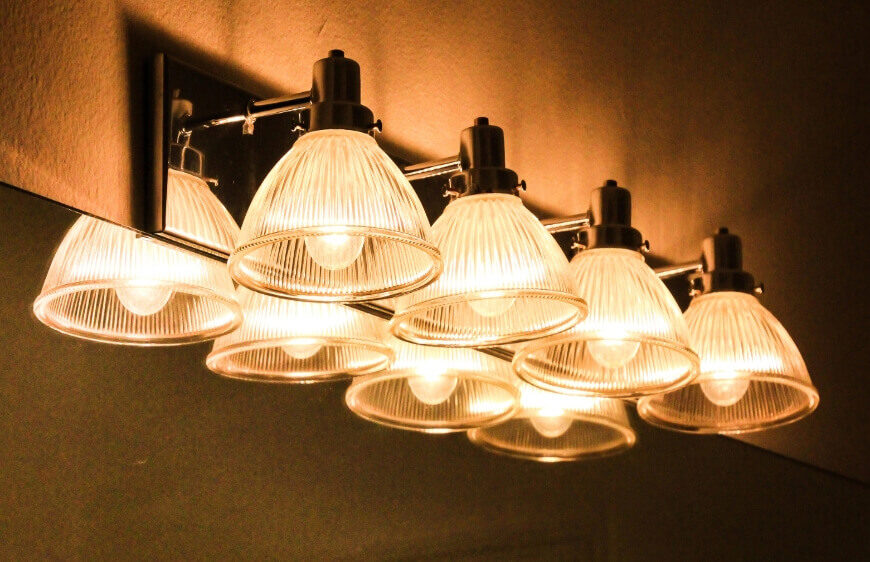
A well-planned bathroom lighting scheme creates an atmosphere that is as relaxing and enjoyable as it is functional.
Decide on the furniture, taps and appliances during the first stages of bathroom planning. Ideally, plumbing and electrics should be planned together. Choosing water and electrical outlet positions afterwards will add to your budget and may require walls or floors to be opened up, unnecessarily extending the work.
When deciding on your bathroom lighting layout, consider how you will use the room. More atmospheric, subdued lighting may be enough for a guest bathroom, while you may prefer brighter lighting in your everyday bathroom.
In every case, consider these three main types:
1. Ambient lighting, which can be positioned around the bath or shower, or inside any niches.
2. Functional lighting for everyday use.
3. Task lighting for specific areas, such as the mirror or make-up area.
Before installing any electrical fittings, check the building specifications and the IP rating. IP ratings usually consist of two digits: the first indicates protection against solid objects and the second against liquids.
IP65: Water-resistant.
IP67: More water-resistant.
IP68: Waterproof.
The secret to bathroom lighting is combining different types of fittings, giving you light for different purposes. One of the most suitable and practical options is a combination of LED lighting and decorative ambient lighting. Wall lights, woven pendants or even chandeliers that reflect your style can provide extra light around the shower, mirror or bath while adding elegance to the atmosphere.
An electrical socket is a must beside the basin. Count the appliances with plugs, such as hairdryers, shavers and electric toothbrushes, and make sure enough sockets are installed. Remember that some modern bathroom designs allow sockets to be concealed inside cabinets. You will also need an extra socket for the vacuum cleaner. If your bathroom contains other items that need electricity, such as a television, music system or washing machine, add them to your socket list and plan the electrical installation around all these needs.
The latest bathroom trend is lighting integrated into furniture. Many brands offer spotlights built into the area around the mirror. There are also miniature LEDs for small shelves or niches, and lights that create a candlelight effect if you use your bathroom as a spa space. Remote-controlled lights or sensor lighting that switches on when you enter the bathroom save electricity while creating ideal ambient light.
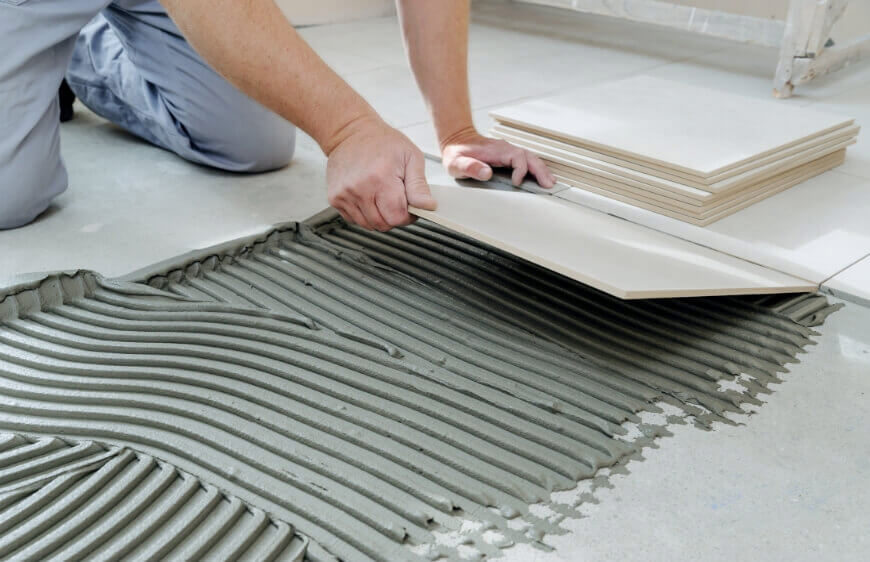
Choosing the right tiles or paint for your floors and walls will help you enjoy your bathroom safely for many years without tiring of its design.
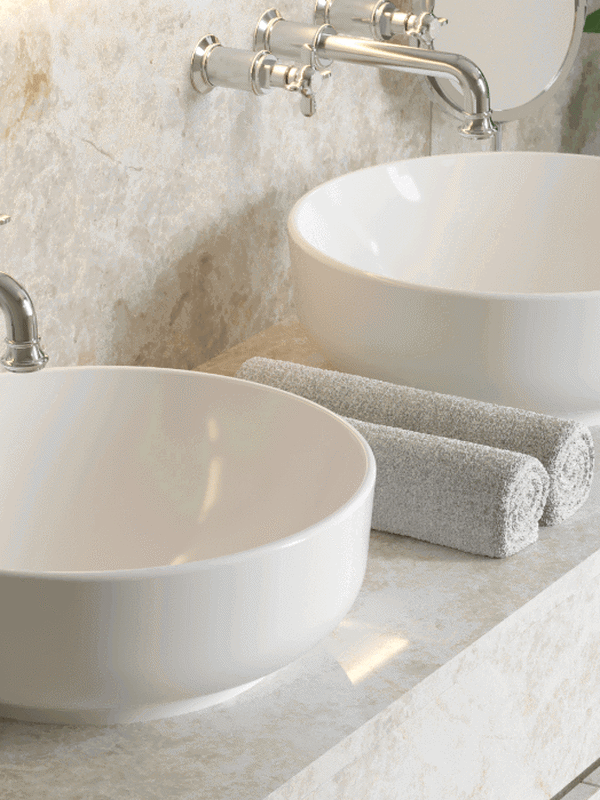
Whatever you choose, it needs to resist moisture and water. Ceramic tiles work well on both floors and walls.
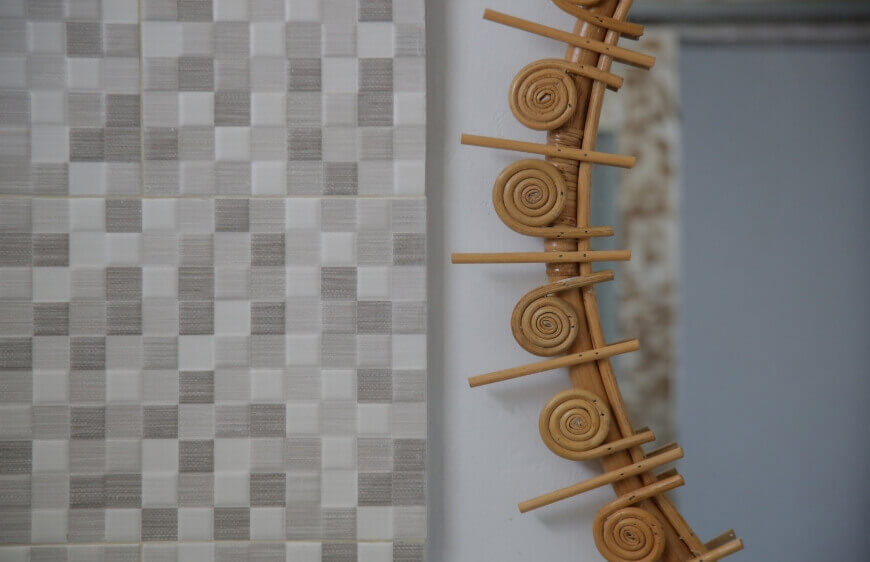
If you live in a very humid, wet area, you may experience limescale build-up, so choose light-coloured bathroom tiles. Dark colours make marks more noticeable. Choose the largest possible tile sizes to reduce the amount of grout used. This also improves durability.
Before tiling, apply a thin coat of plaster to smooth the surface. If you are using small mosaic tiles, ensure the wall surface is even. In very damp areas, the wall needs to be waterproofed. Durable epoxy is a sensible alternative to porous cement grout, which can discolour and develop mould over time.
If you choose paint, it should naturally resist moisture and mould. Many brands make paints specifically for wet areas. Wallpaper, however, absorbs water and moisture and can peel easily, so use it in areas without direct contact with water wherever possible. Heavy vinyl-based wallpapers are recommended for wet areas.
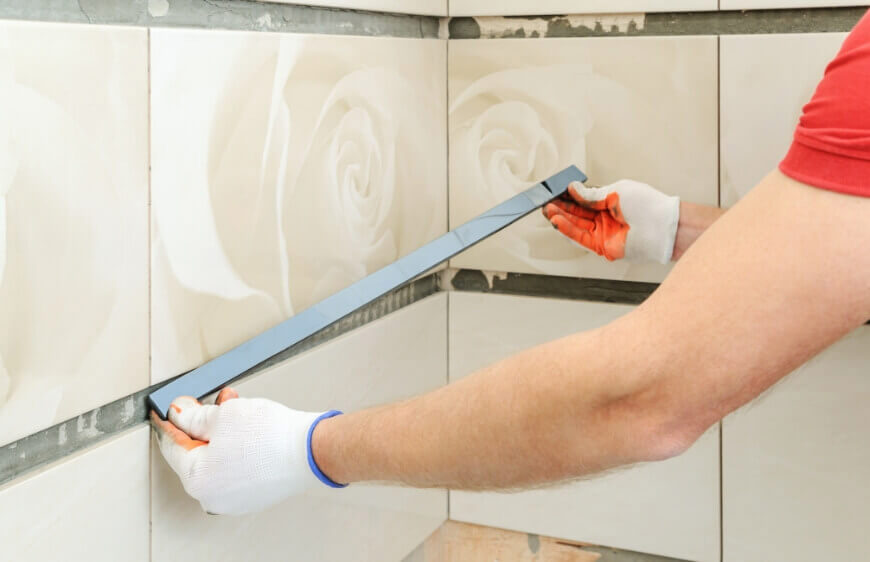
The most challenging part of tiling a floor is deciding where the cut tiles will go. Try to position them along wall edges or in less visible areas. The most practical way to avoid awkward cuts is to lay out the tiles and adjust their positions before fixing them to the entire floor. Mixing different patterns can also help disguise cut edges. If you are installing underfloor heating, use ceramic tiles, which conduct heat easily, rather than wood.
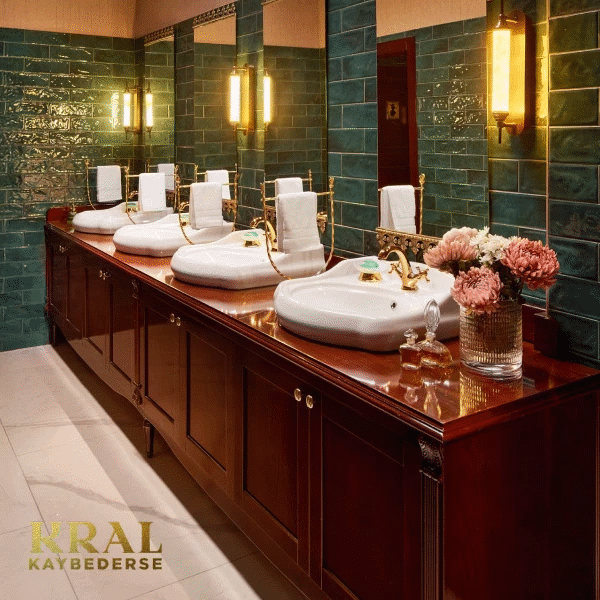
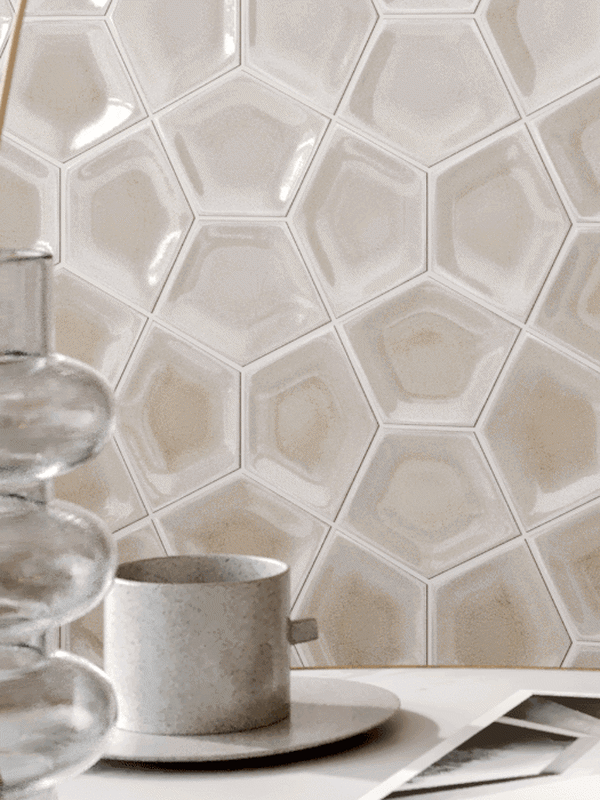
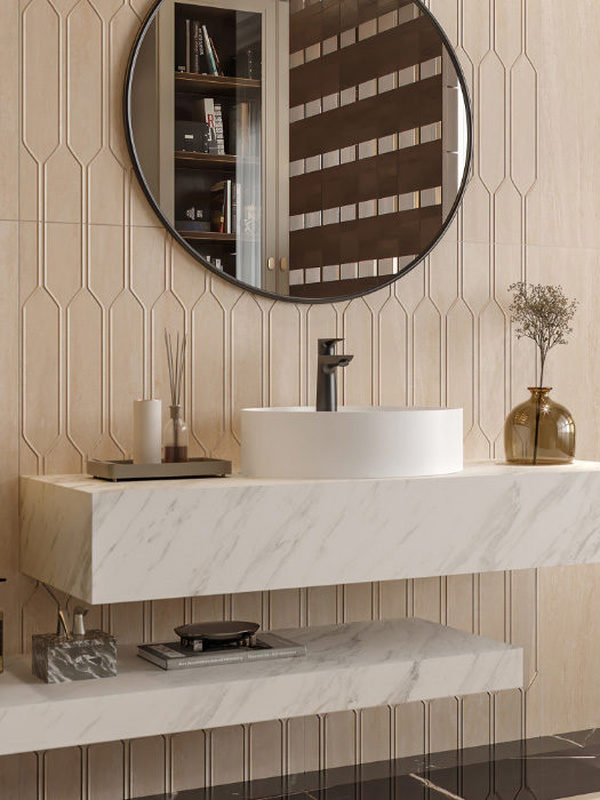
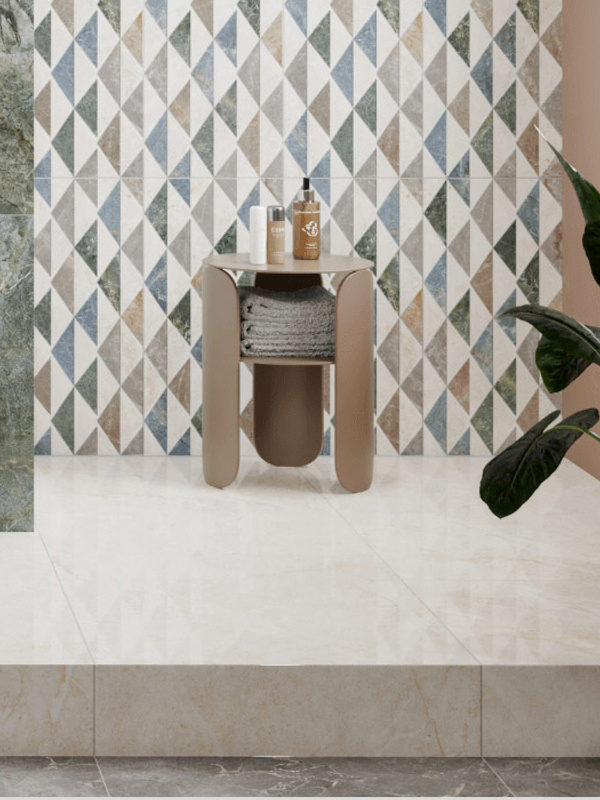
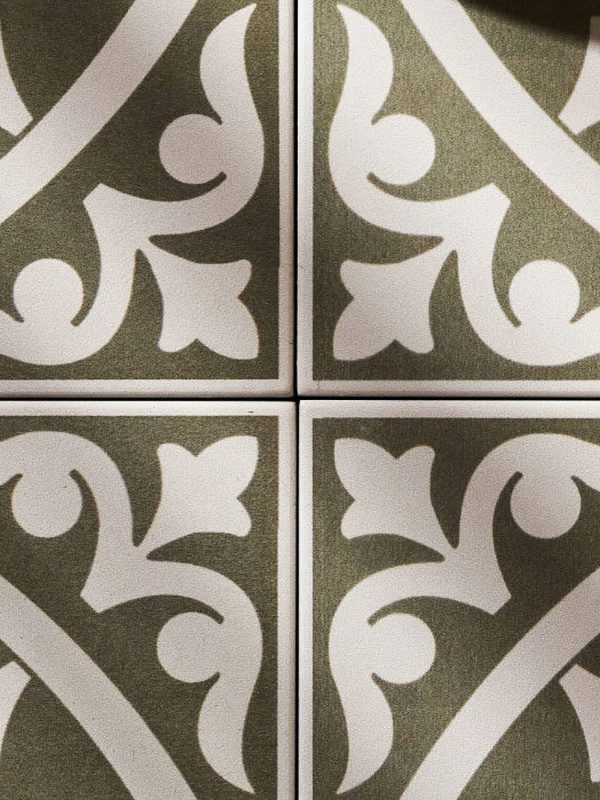
Tiles and bathroom furniture are among the hardest choices to make during a bathroom renovation. Inspiration images collected from magazines or online can guide you. Whether your style is classic, natural, modern, colourful or Mediterranean, it should continue into the bathroom just as it does throughout the rest of your home. A consistent style is one of the foundations of a home with character. If you are undecided between several bathroom designs that suit your style, layout and dimensions, your budget will help you choose. There is sure to be a model that suits the budget you have set aside for your new bathroom.
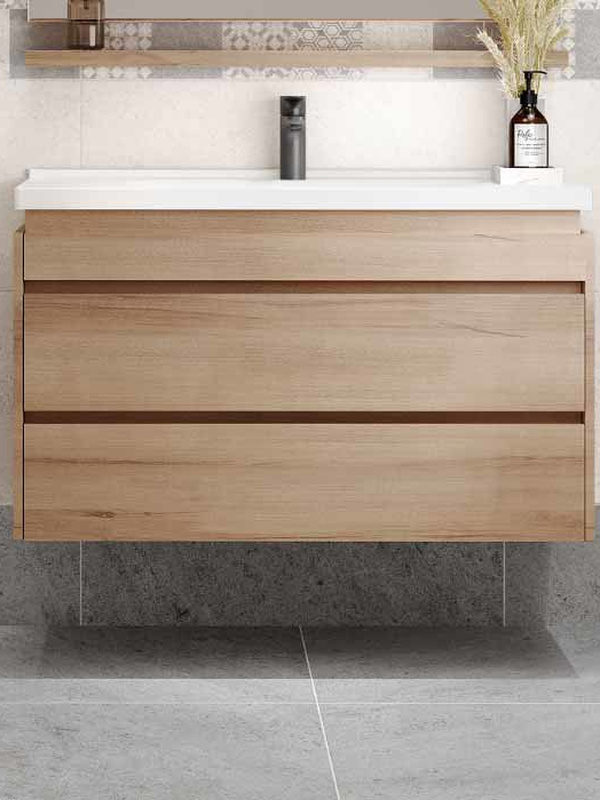
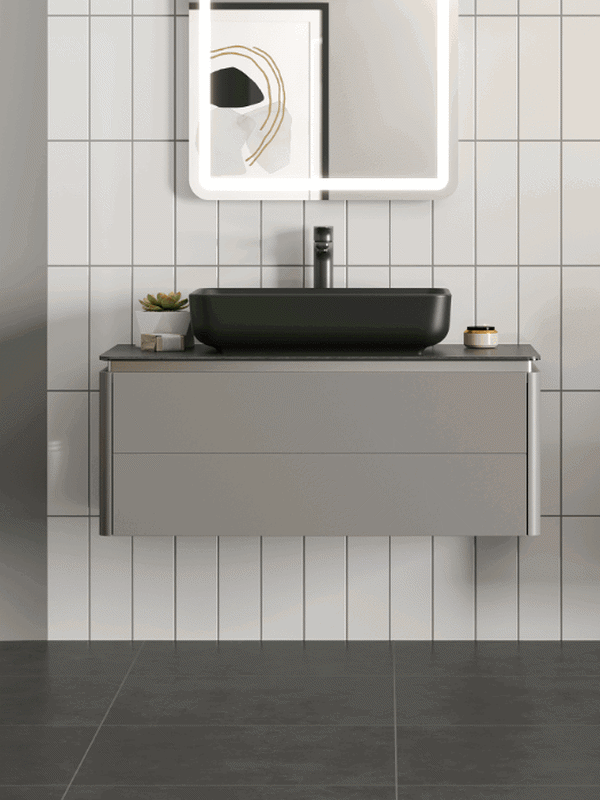
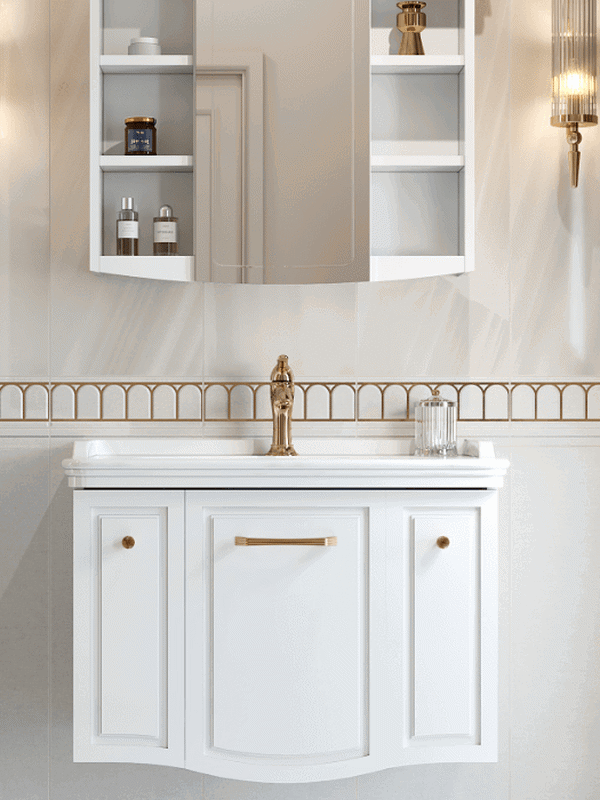
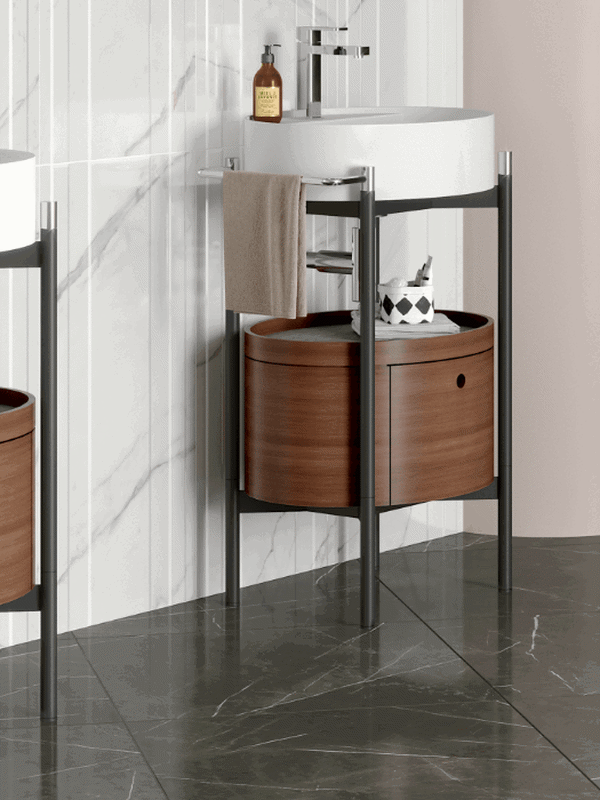
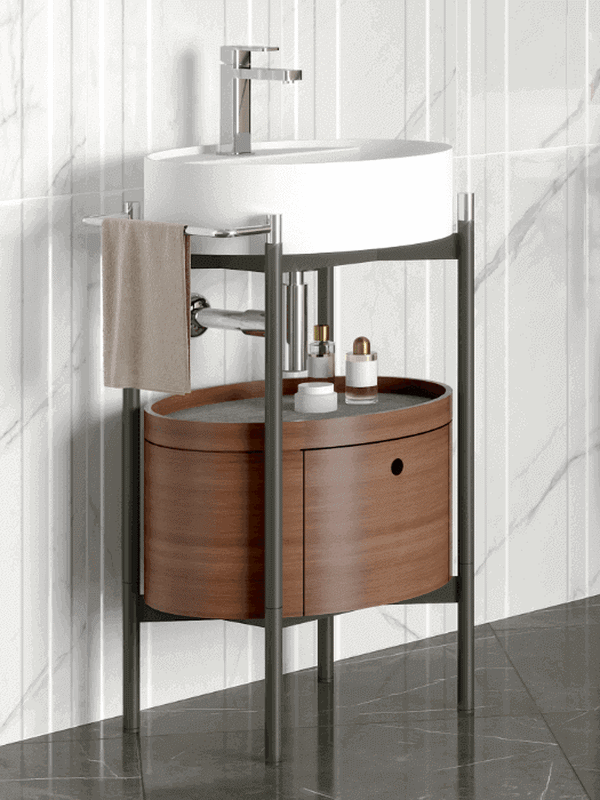
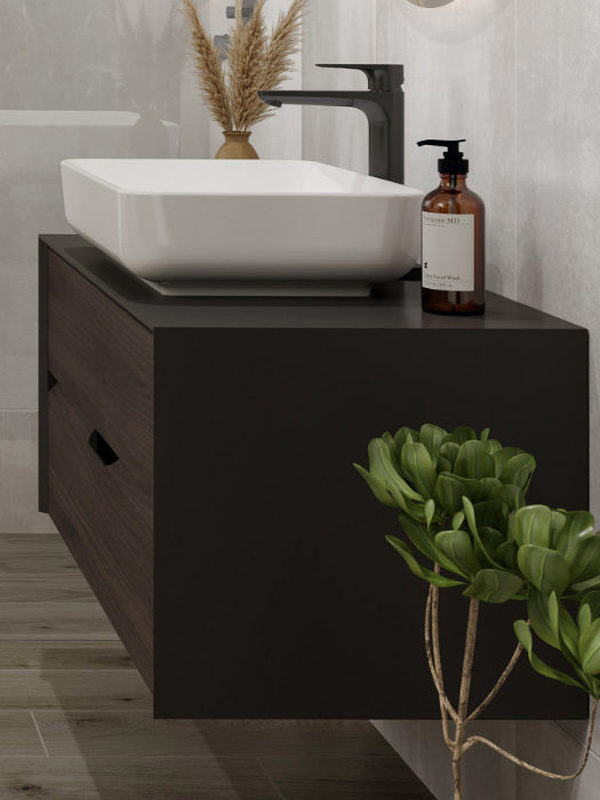
Storage is just as important in the bathroom as it is elsewhere in the home. The furniture you choose should therefore be as functional as it is attractive. There is no fixed formula for how much storage you need, but you can estimate it by considering the items you use every day. Plan your storage units at the beginning of the layout process with this in mind.
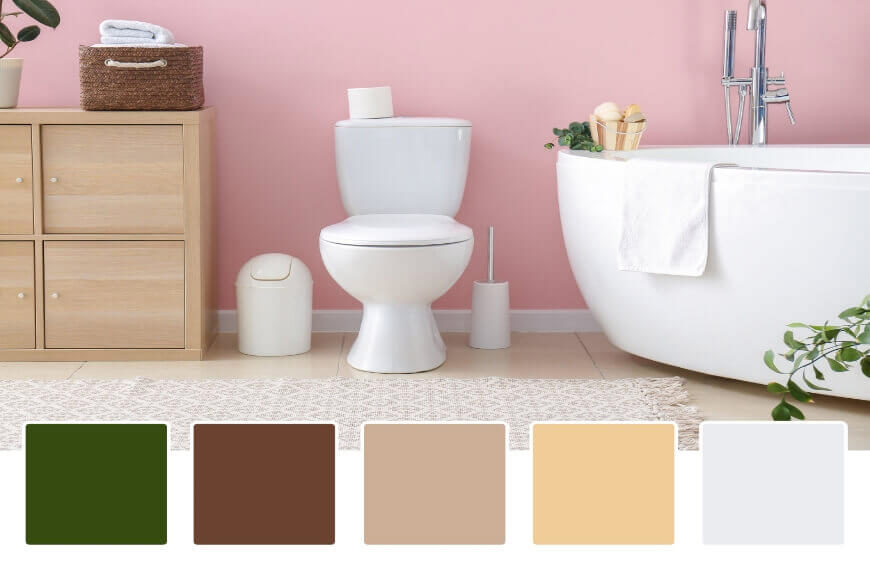
Bathroom furniture may come in a wider range of colours than you expect. Although white remains the most popular choice, you can take a bold step and explore other colours. However, experts recommend light-coloured cabinets with colour added through accessories and textiles such as rugs, so you are less likely to tire of the scheme over time. They suggest that this approach is particularly practical for seasonal changes.
Many bathroom brands now offer personalised touches. Being able to choose glass or cane cabinet fronts, change handles or select shelving to suit your space helps you create your own style. Do not limit yourself to a single brand. A wire-fronted cabinet found at a second-hand shop can create a charming bathroom corner, providing storage while putting your own stamp on the room. Studies highlight how often people use iPads and phones, or read books and magazines, in the toilet. If you share this habit, a side table placed in a corner of your bathroom can be both an attractive and a functional touch.