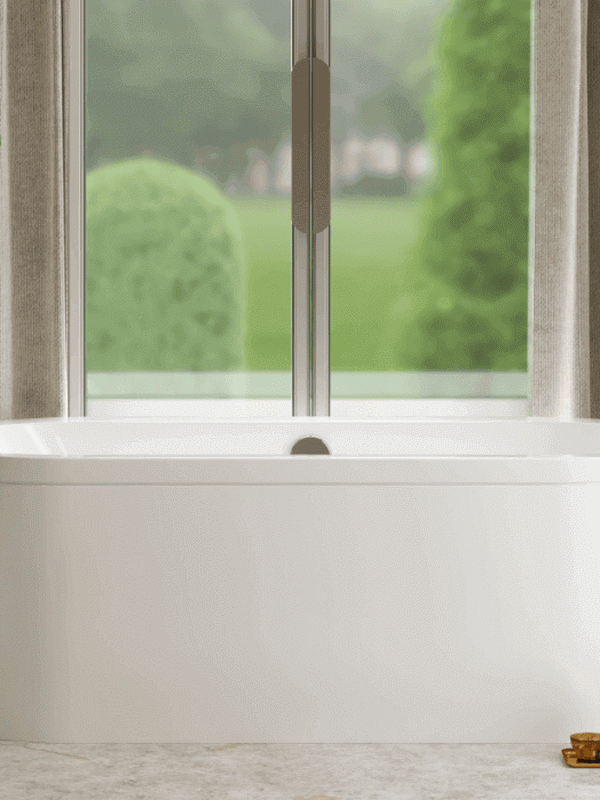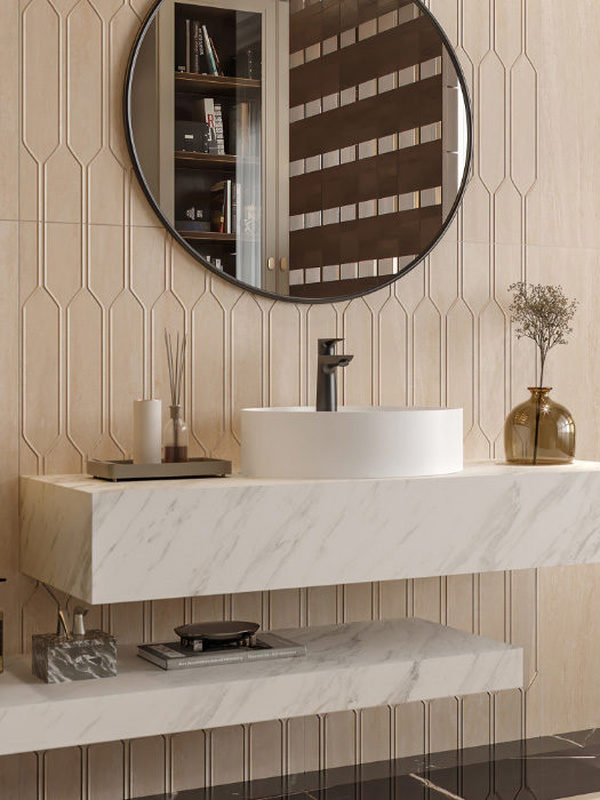
You have decided to move to a new home for a fresh start. You have made your choice, and an exciting period of activity lies ahead. Before settling in, however, identify any issues that need addressing, particularly in the bathroom, such as health, safety and layout, and complete the necessary maintenance or renovation in good time.Let us consider the bathroom checks and repairs to make before moving into your new home:
Bathroom Checks to Make Before Moving into Your New Home
If the bathroom in the home you have just moved into is neither new nor practical, a checklist would be useful, wouldn’t it?
Plumbing
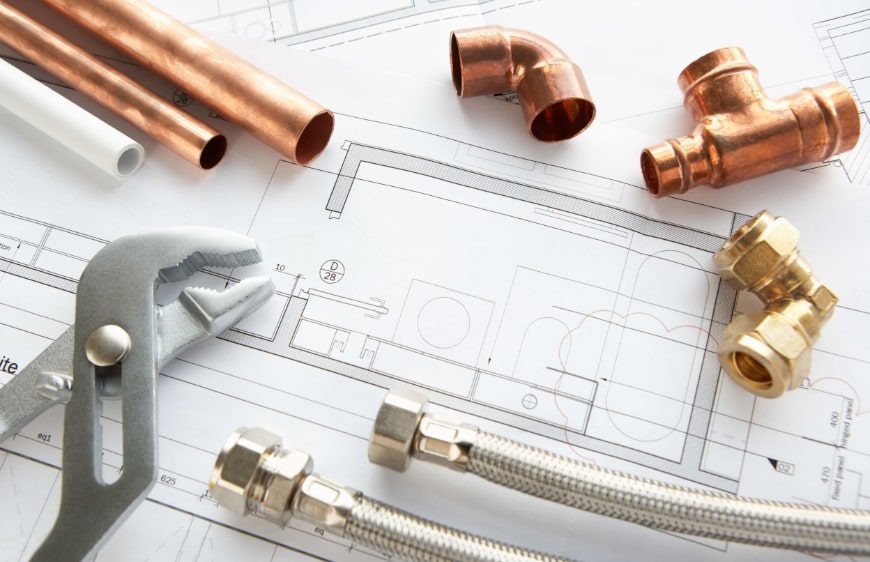
Plumbing problems often go unnoticed at first and can lead to calling a tradesperson in the weeks after moving in. Inspect everything carefully beforehand. Make sure the drains work efficiently, there are no connection problems that would require breaking into walls or floors, and the pipes beneath the basin and the rest of the plumbing do not leak.
Damp areas
Thermal insulation and waterproofing are important because bathrooms have frequent contact with water. Mouldy areas left by previous use can offer clues. They may be caused by poor maintenance or by plumbing problems. Incorrect floor gradients, faulty drain connections and improperly fitted drain covers can also cause damp. In addition, a home with external wall insulation may need internal insulation to address moisture problems. Identify the source of the issue before beginning renovation work.
Sanitaryware
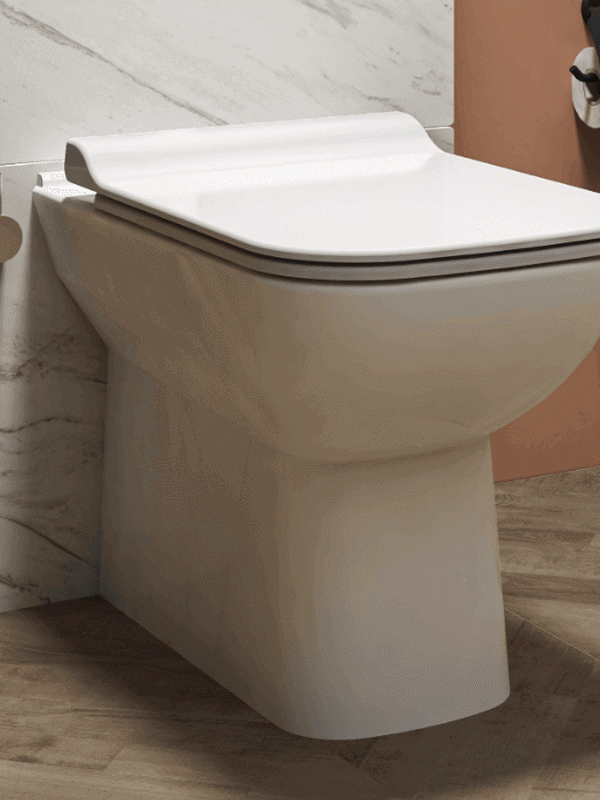
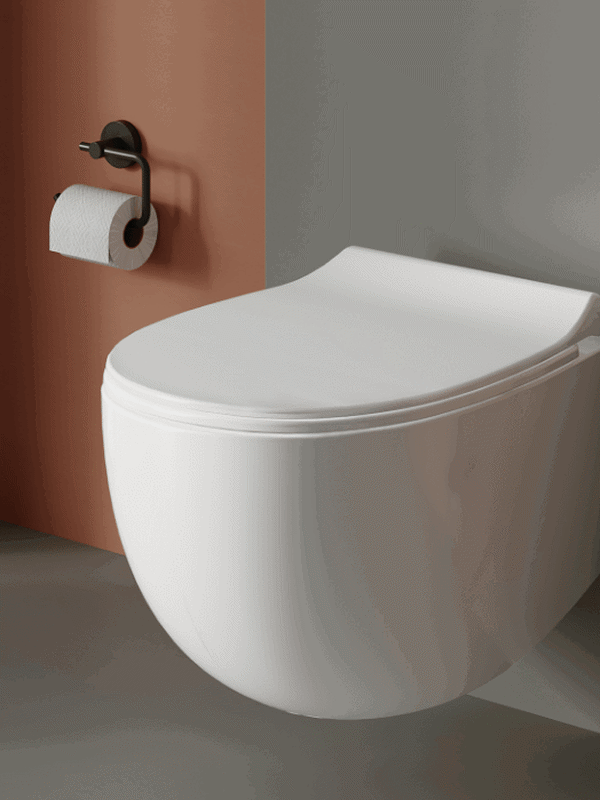
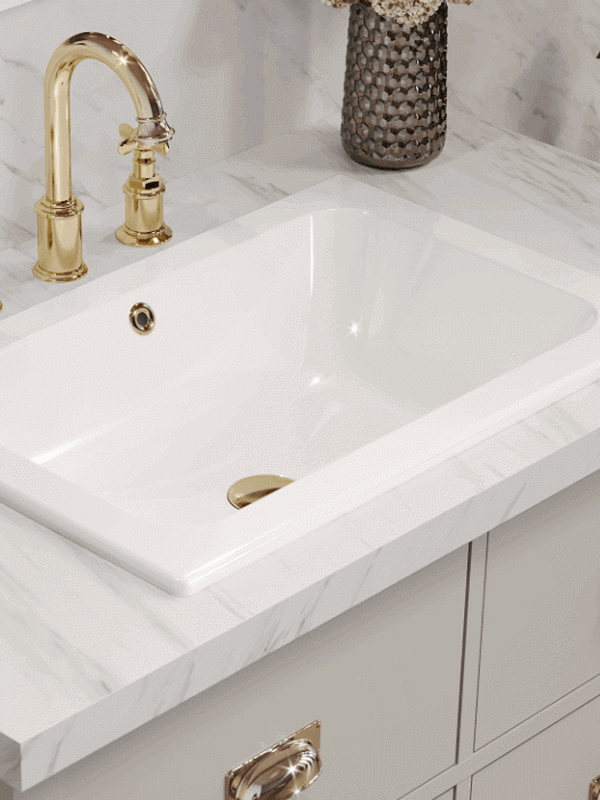
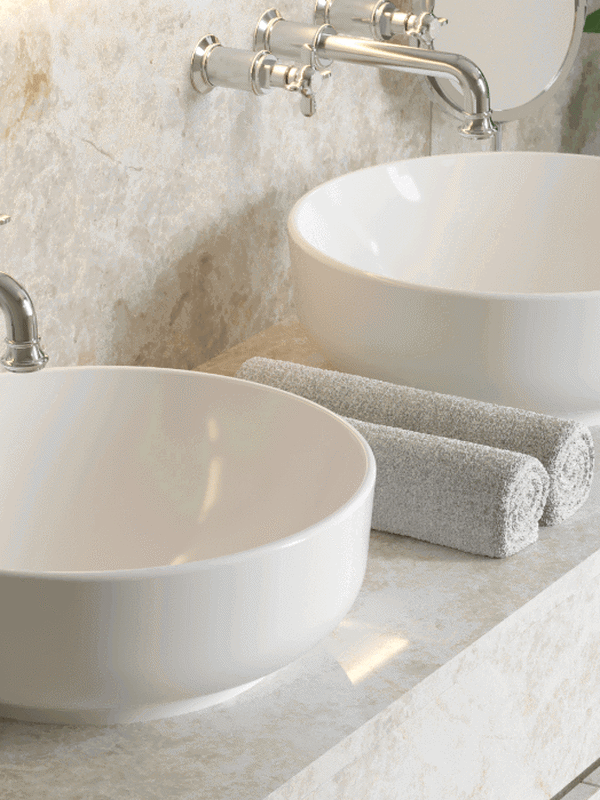
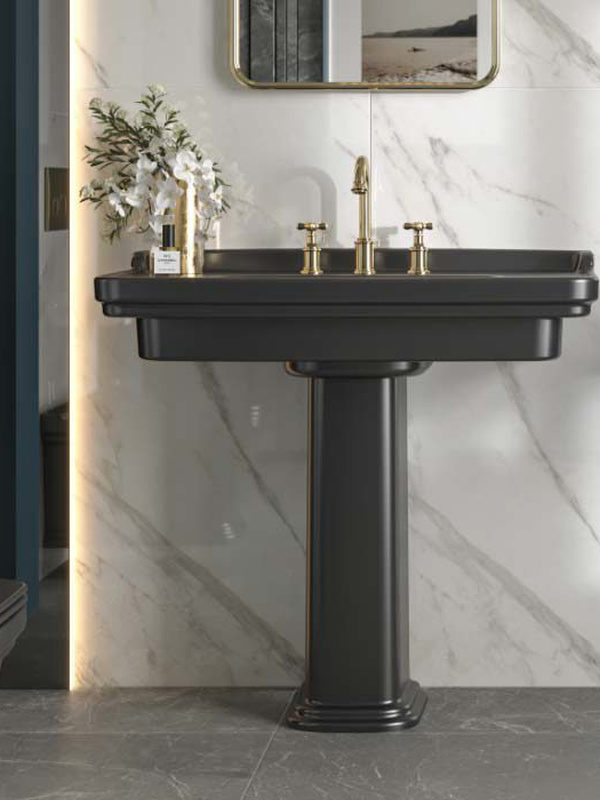
If the home has had previous occupants, the toilets should always be replaced for hygiene reasons. The toilet fittings, sanitaryware and shower head can also be included in this list. Depending on your budget, replacements may extend to the basin, shower and shower enclosure. If the home is newly built and you will be its first occupants, make sure the toilets are securely fixed and do not move under a user’s weight. Stability also matters for shower enclosures, baths and basins. Test them to ensure they do not move.
Tiles and grout
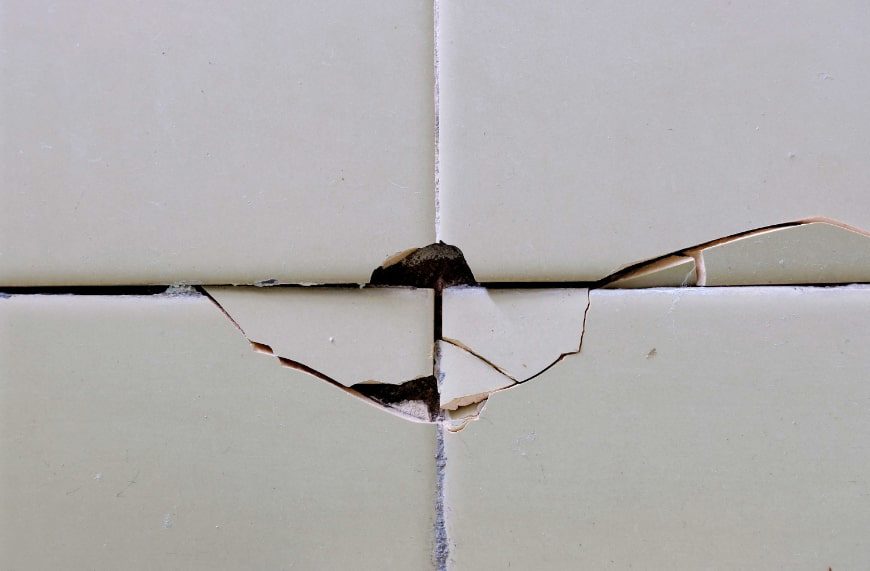
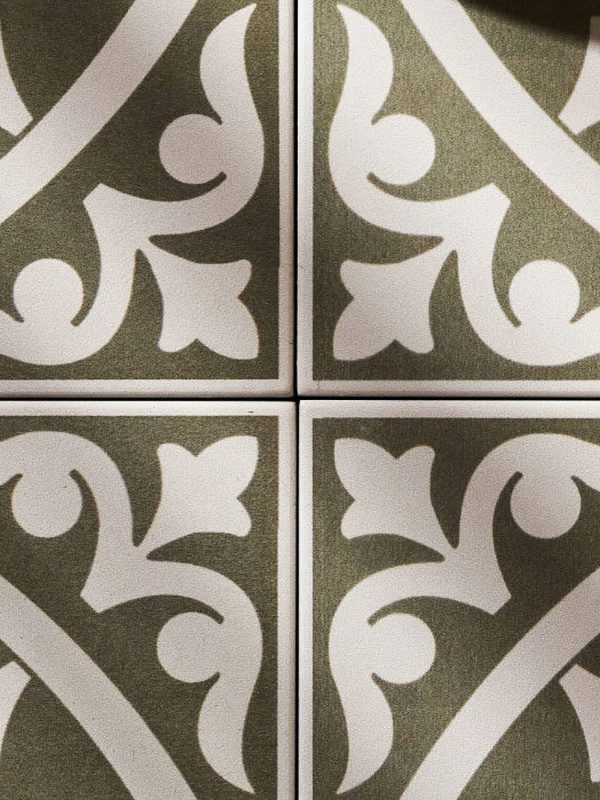
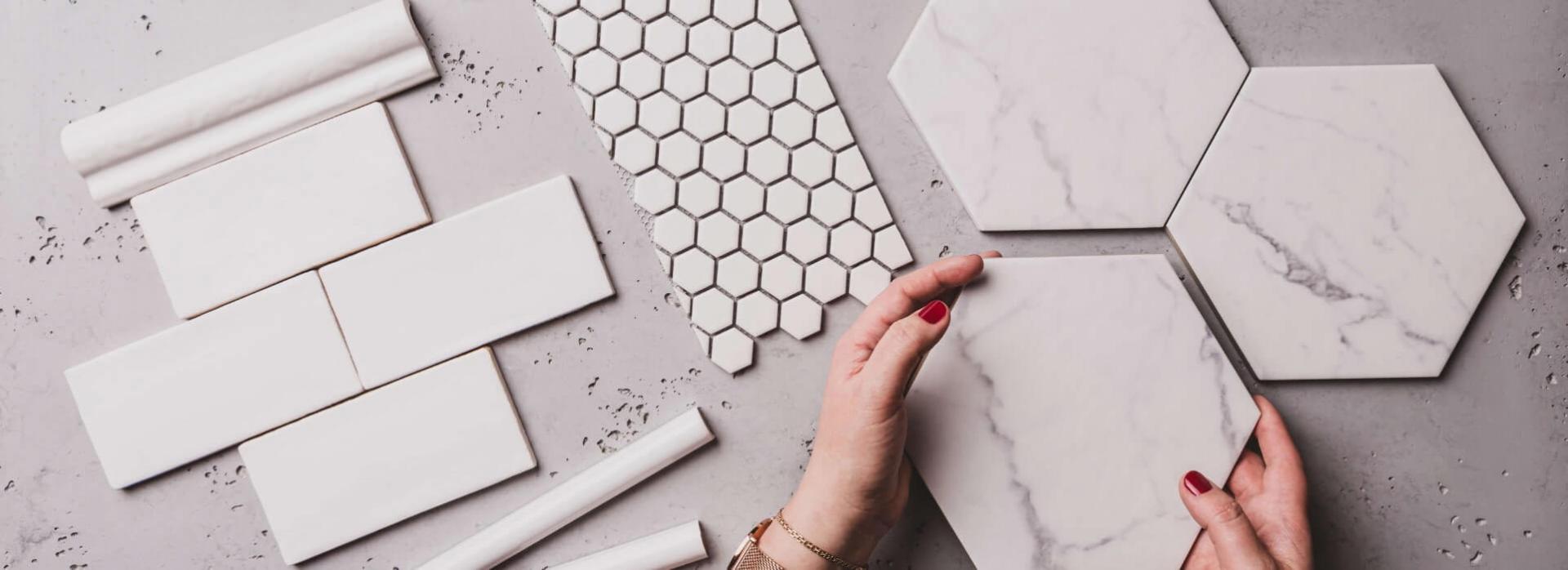
Details such as broken ceramic tiles, worn grout and missing silicone behind showers and basins can cause problems. These defects do more than detract from the appearance; they can lead to more serious issues such as water penetration. Identify any such problem areas in advance.
Furniture
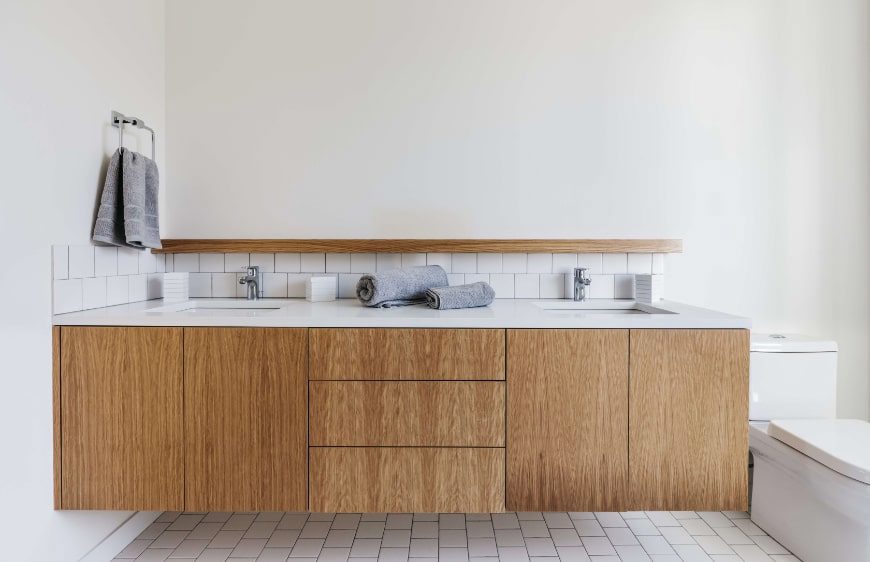
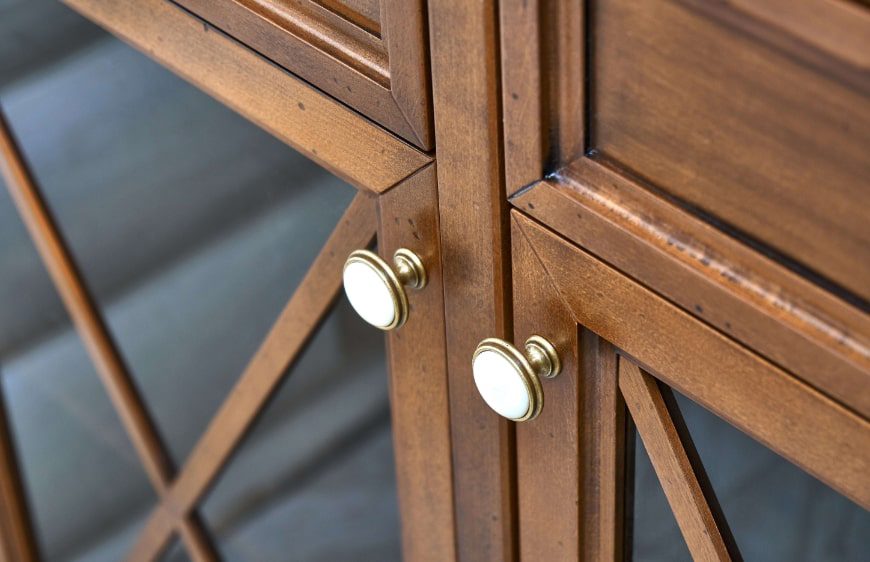
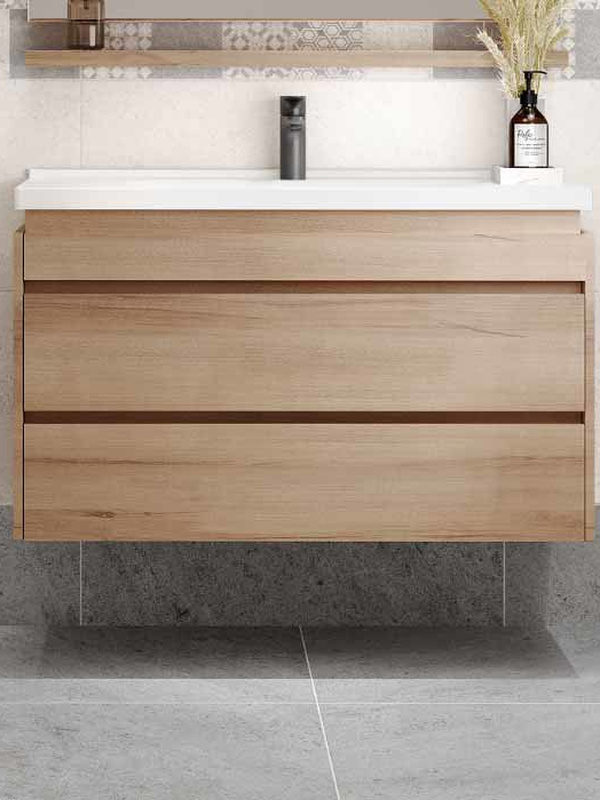
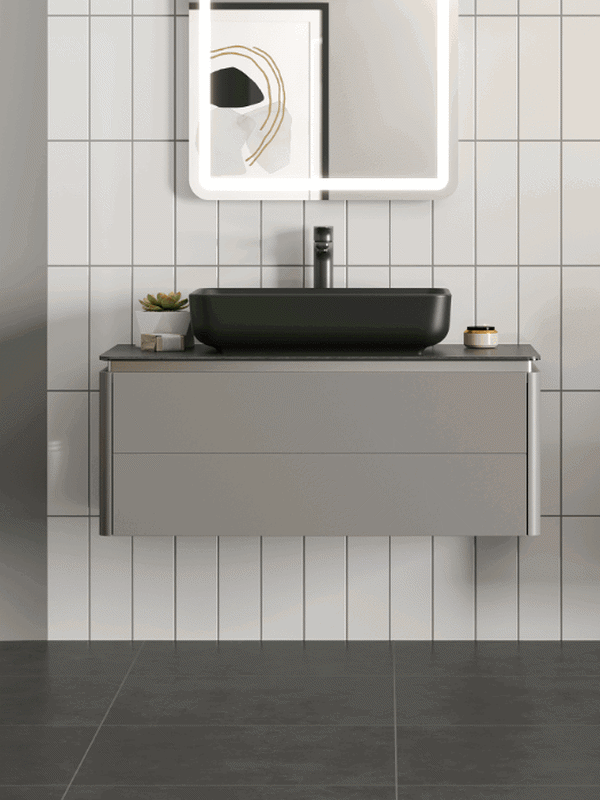
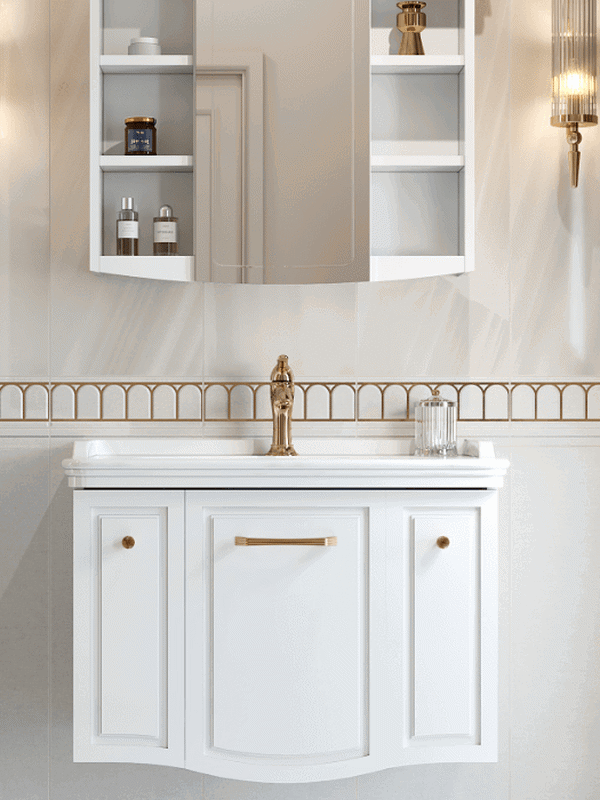
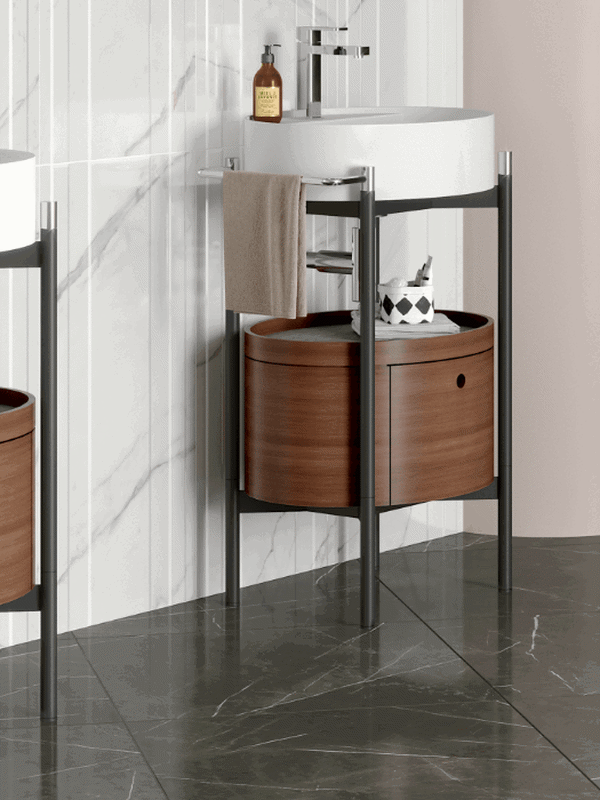
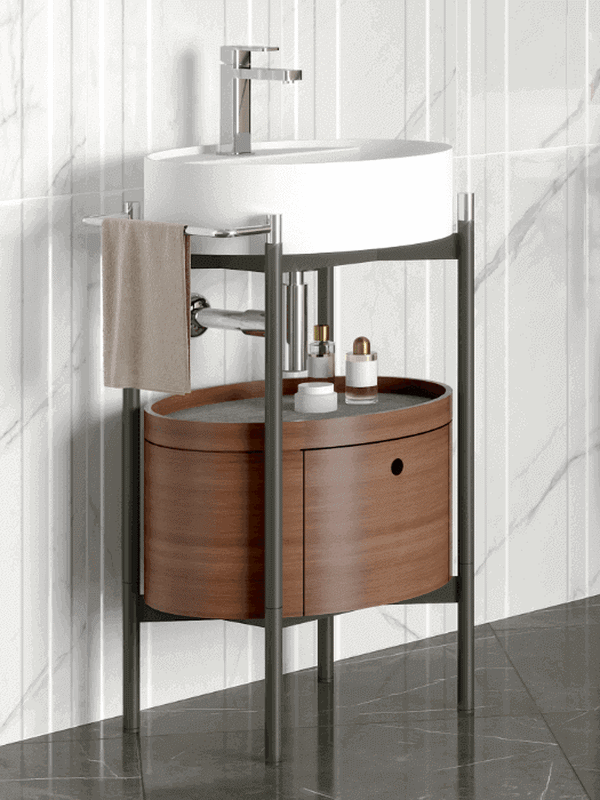
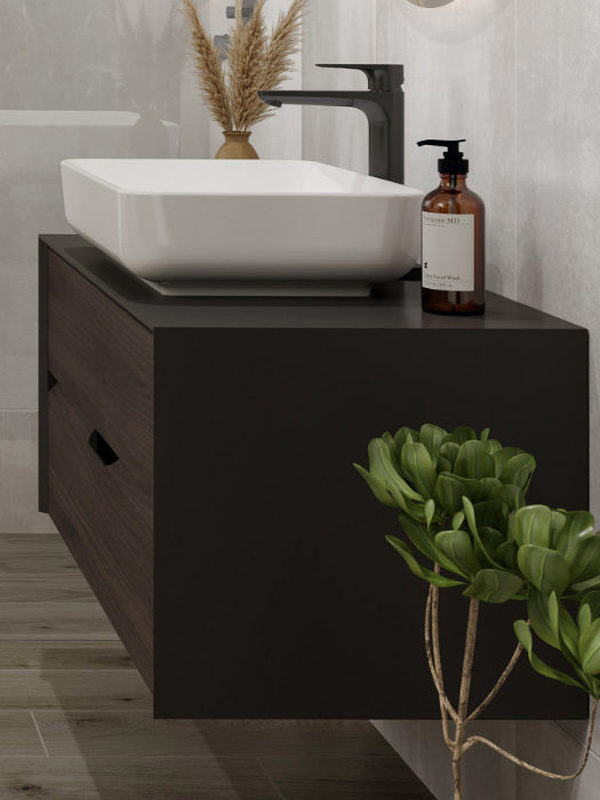
Assess bathroom furniture in two stages. First, check its fittings and condition: do drawers and doors work properly, how worn are the hinges and runners, has moisture damaged the furniture, and are the handles secure? Second, consider how well the furniture will meet your needs. If you have a large collection of products, you may need more storage and additional units.

Lighting
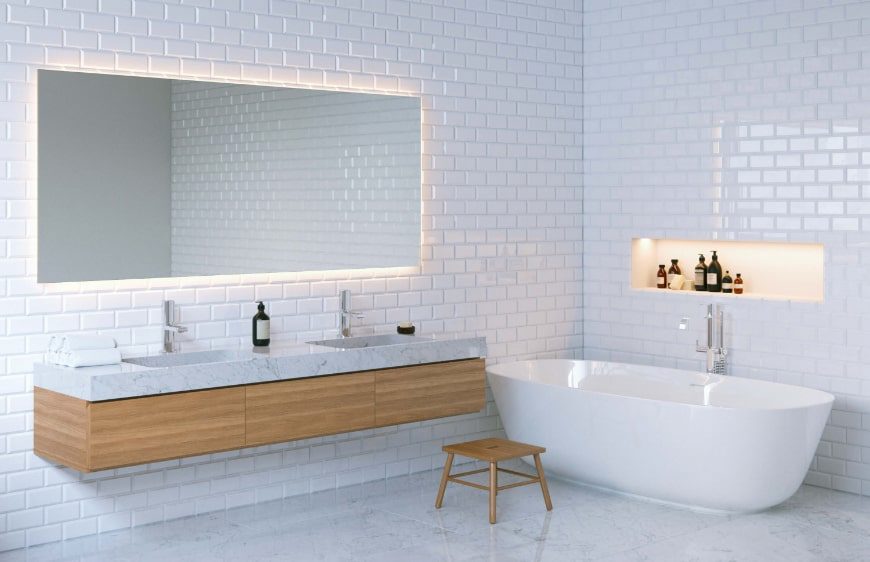
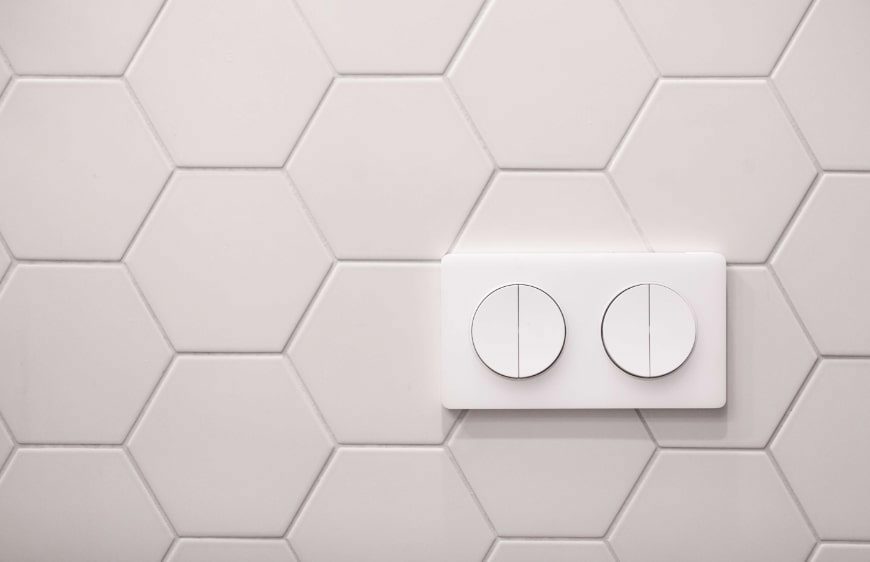
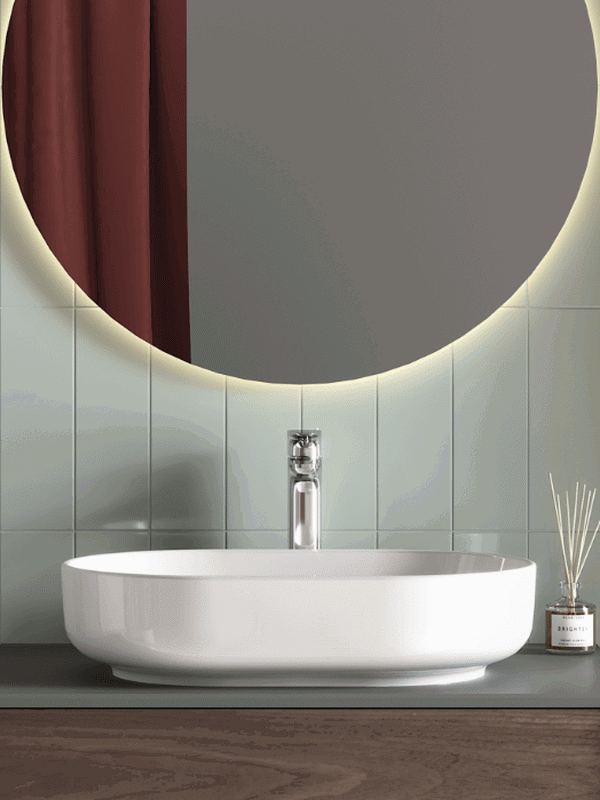
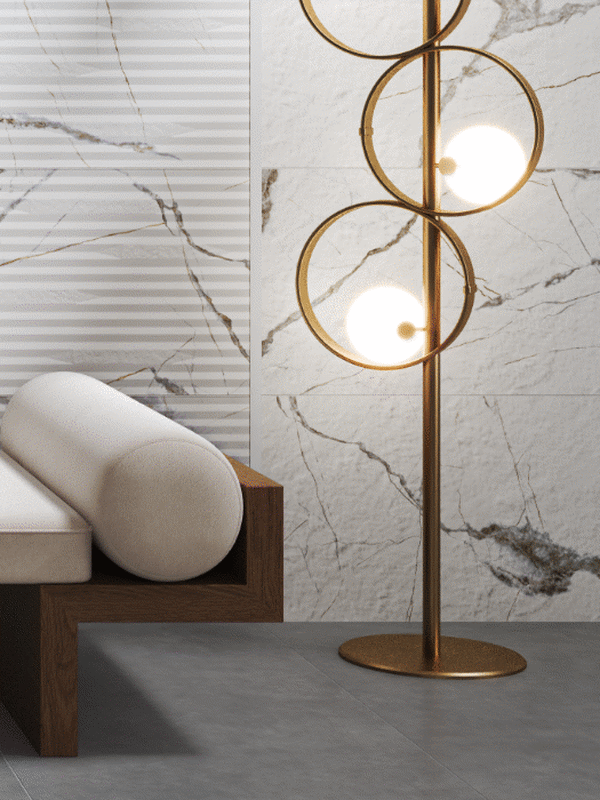
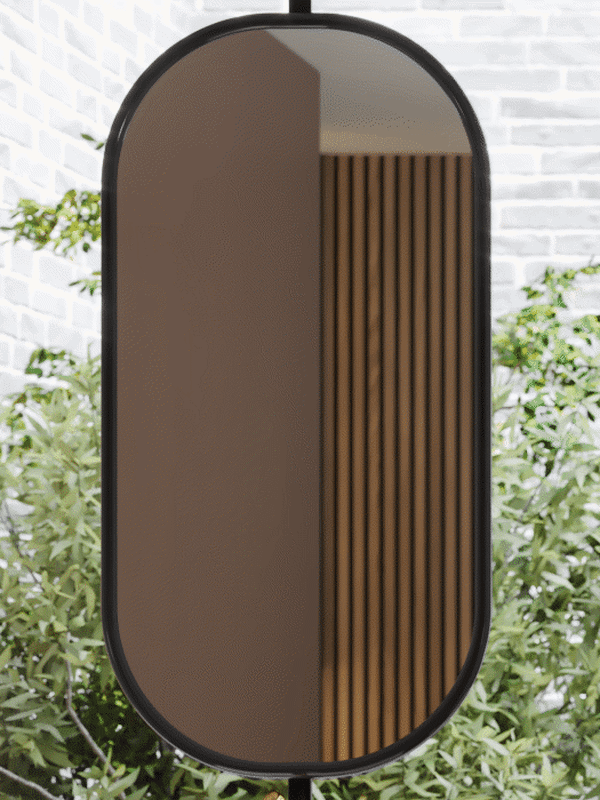
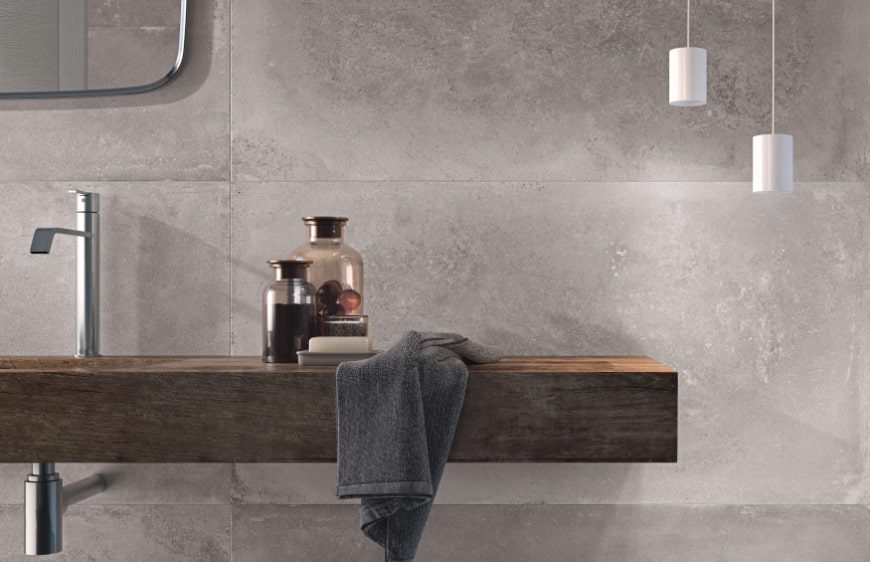
Establish how your new bathroom is lit during both the day and night. Beyond the overall atmosphere, check whether additional and task lighting are sufficient. Bathrooms with limited daylight may need wall lights or floor lamps as well as ceiling lighting. If you prefer not to deal with these options, you can hang extra mirrors to distribute the existing light; reflections will make the bathroom look brighter. Also check that light switches and sockets work correctly and present no safety hazards.