
As we become more aware of how our actions harm nature, creating environmentally friendly homes matters more than ever. Such homes are often more economical to run and maintain too. When the aim is to create a resource-efficient space, savings on bills are a natural result.Environmentally friendly homes generally provide a healthier, more comfortable living environment. A green home, for example, offers better air quality through non-toxic natural materials and improved ventilation. Living in an environmentally friendly home not only helps protect the planet but also brings greater health and peace of mind to you and your loved ones.
An Eco-Friendly Home in 10 Simple Steps
Making your home environmentally friendly does not have to be complicated or expensive. There are many easy ways to reduce your living space's impact on the environment. Here are ten tips to help you get started:
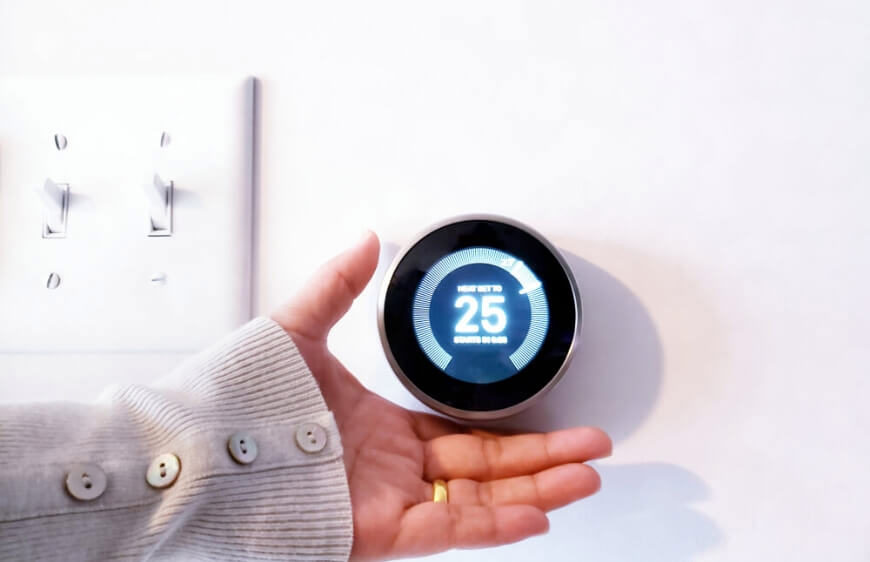
- Get a smart thermostat:
Room temperature is an important factor in improving our quality of life at home. With a programmable thermostat, you can adjust the temperature around the times you leave and return, ensuring your home is always at the ideal temperature when needed. This can also save a significant amount of energy.
- Teach those around you about saving energy:
You may not always receive a friendly response to every piece of information or reminder, but eventually people will appreciate what you are trying to do. After all, were our fathers not the ones who repeatedly reminded us to turn off the lights when leaving a room?
- Choose environmentally friendly appliances:
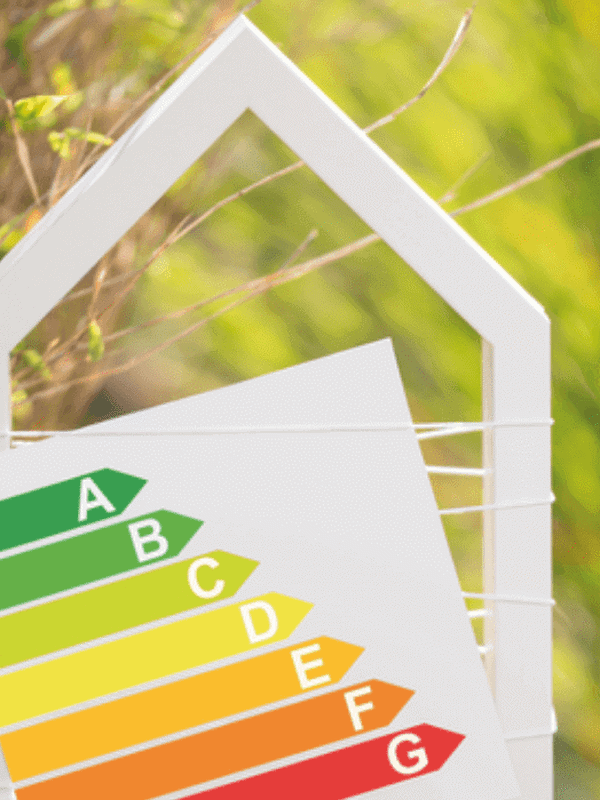
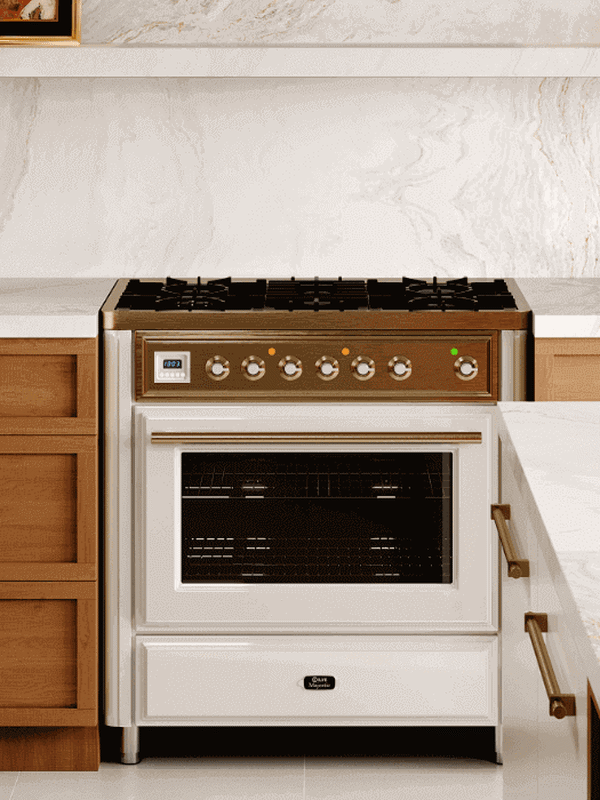
When it is time to replace an old appliance, from small household devices to major appliances, choose Energy Star models or those with a high energy-efficiency rating. They can save you both time and money.
- Do not waste energy:
Chargers plugged in beside your bed or favourite living-room armchair are convenient and always ready to use, but many electronic devices continue to draw power even when switched off.
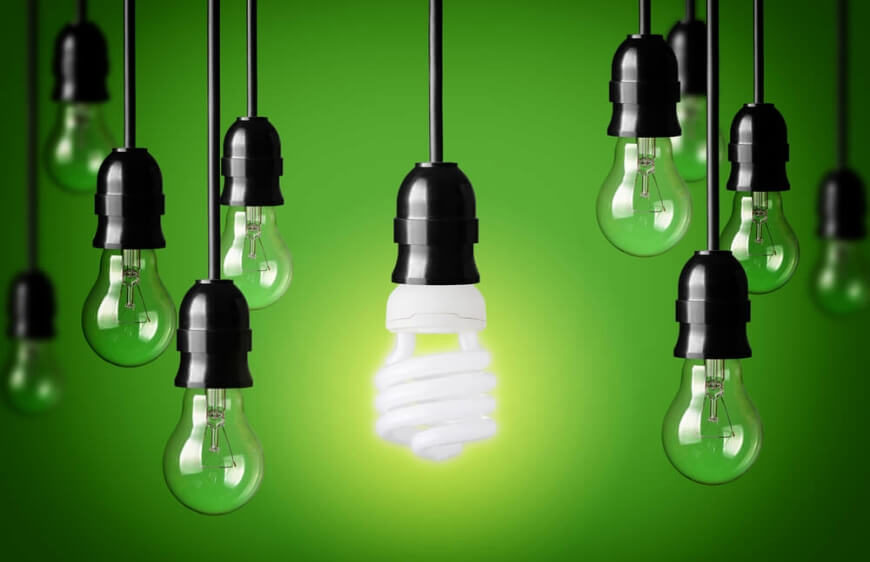
- Use environmentally friendly light bulbs:
This is one of the most obvious and familiar items on the list. If you have not made the switch yet, now is the time! CFLs, or compact fluorescent lamps, use 75% less energy than traditional incandescent bulbs and last ten times longer. LED bulbs are also very efficient, and you can choose models with adjustable colours to create an atmosphere.
- Reduce water consumption:
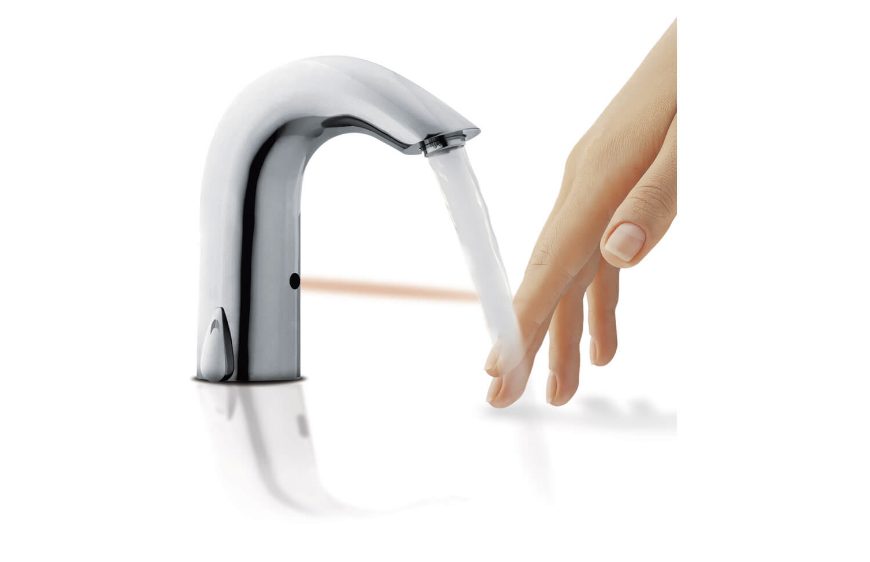
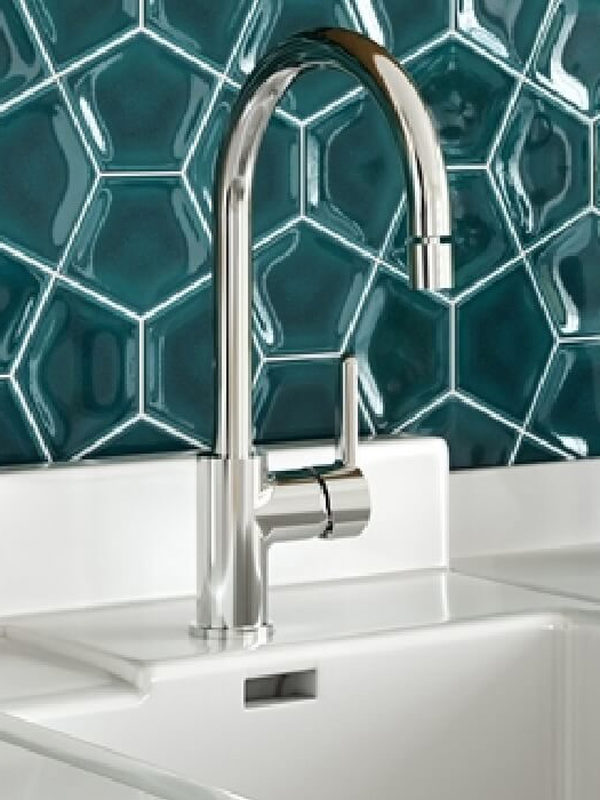
You can save water by using low-flow shower heads, taps and water-efficient flushing systems. Repairing leaks, however small, is another excellent way to conserve water.Water matters: it is well past time to stop buying drinking water in plastic bottles for your home. Domestic filtration systems that make tap water as clean as any plastic-bottled water you can buy have been in use for a long time.
- Use non-toxic cleaning products:
Many conventional cleaning products contain harmful chemicals. To protect your family's health and the environment, choose environmentally friendly options. Make a habit of reading and understanding labels. You can also easily find many recipes online for natural cleaning products made with everyday household ingredients. Do not expect all of them to be effective, but some are sure to surprise you pleasantly and change your cleaning routine!
- Recycle:
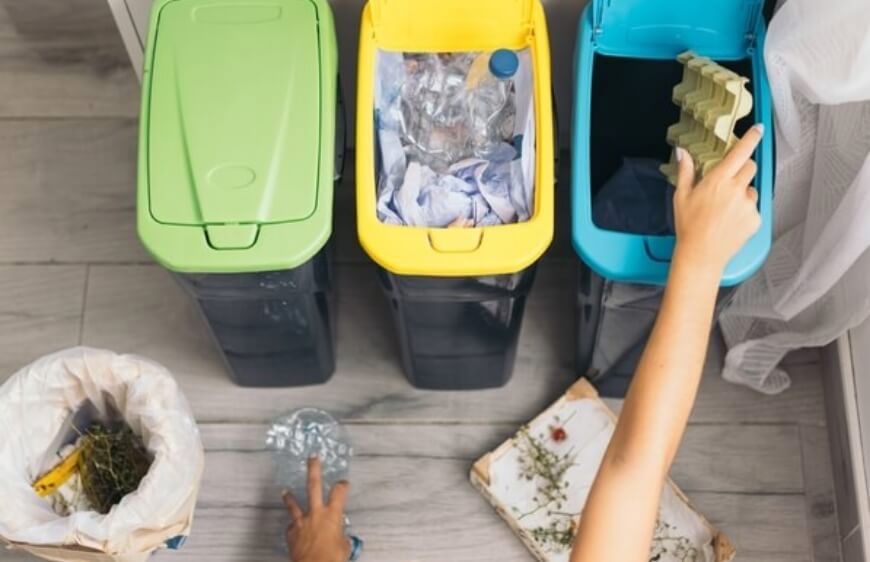
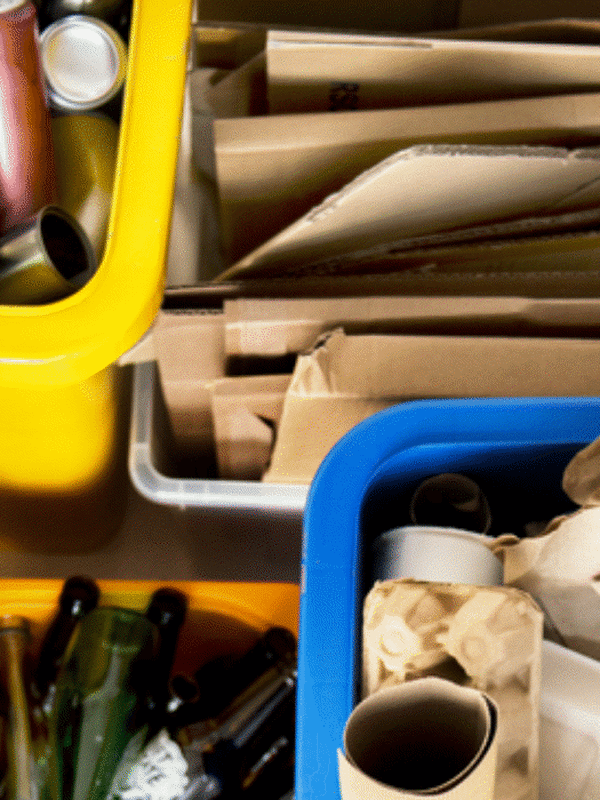
For recycling to be one of the easiest ways to be environmentally friendly, you need to live somewhere where waste collection and processing are fully integrated with recycling. Our major cities have waste sorting and recycling centres, and although they are not on every corner, there are collection points for different types of waste. This means we should also have enough motivation to separate glass, paper and plastic.
- Compost:
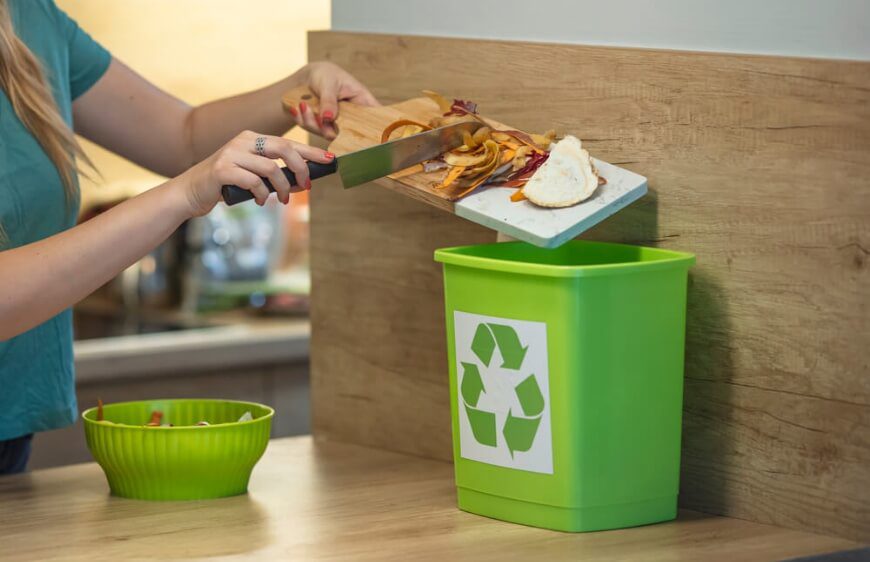
Let us carry the motivation from the previous point into this one. Composting brings organic waste that cannot enter conventional recycling into our own recycling cycle. It is a wonderful way to reduce household waste and help your garden grow. By garden, we do not necessarily mean a vegetable plot or landscaped area. A countertop garden of thyme, basil, parsley, coriander and mint in small upcycled plastic containers is enough to put your compost to use.
- Buy environmentally friendly products:
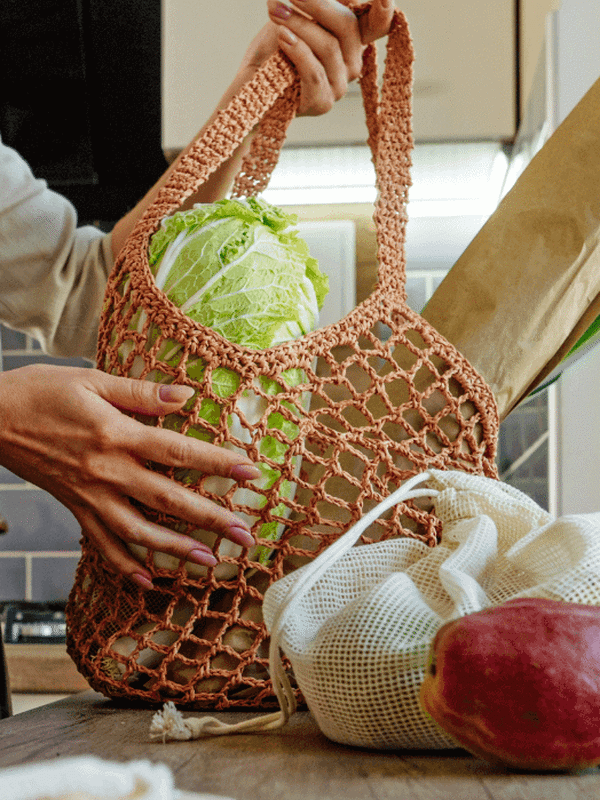
Whenever possible, choose products made from recycled materials or renewable resources. You can also look for products made according to the Zero Waste concept. This covers everything from clothing and office supplies to furniture and the packaging of everything you buy. And, of course, do not buy anything you do not need.Small changes to your daily routine can have a significant effect on the environment. Following these tips can make your home more ecological, open the door to a more peaceful life and help protect our planet.